




A shift in US relations under new leadership
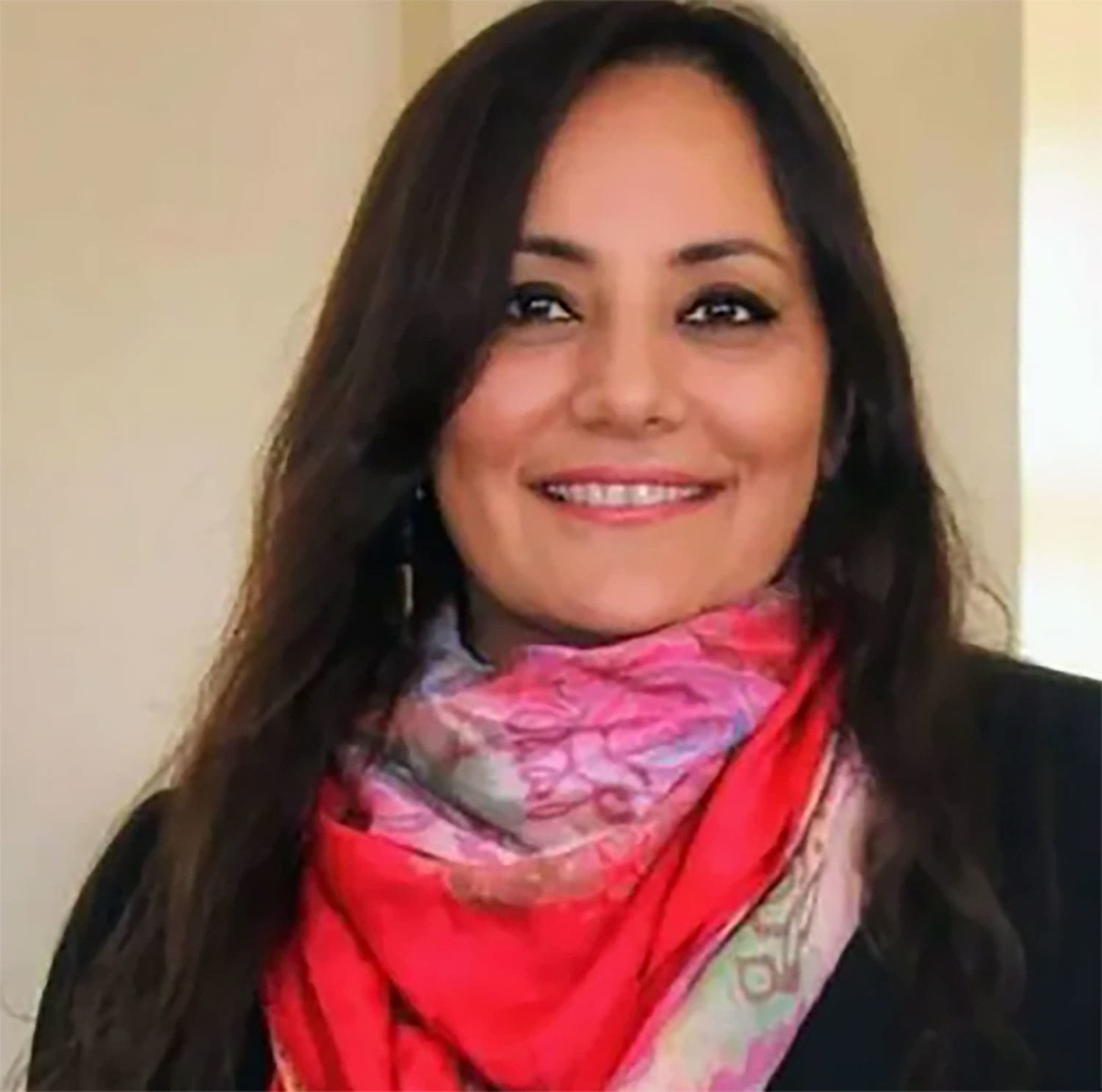
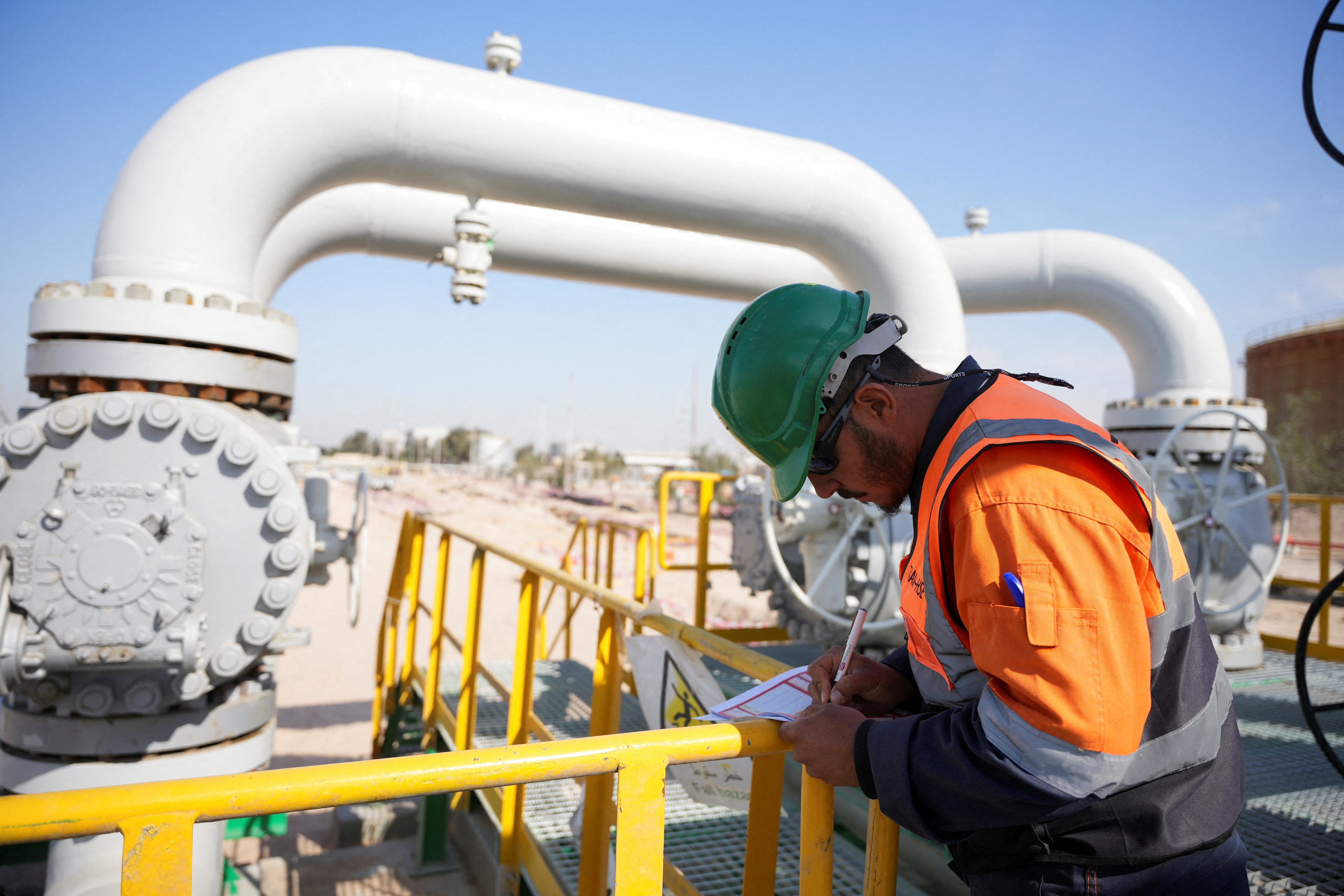
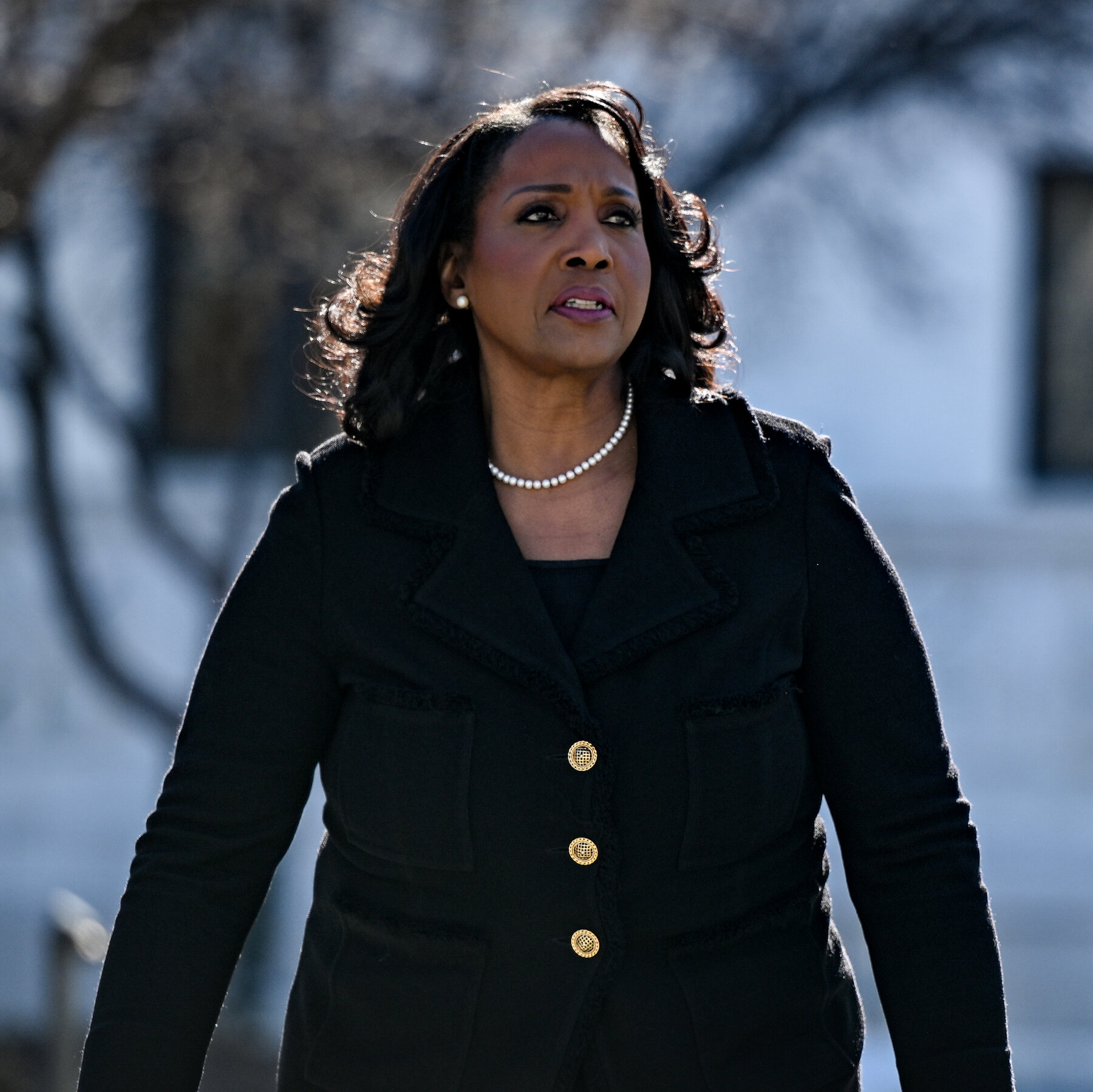
Venezuela's interim president Delcy Rodríguez signed an agreement with General Electric Vernova, the US energy company's local branch, to rebuild the country's electricity infrastructure. Rodríguez announced the deal at a televised event at the presidential palace on Monday, describing it as "a historic step for Venezuela" that would restore "an essential service." The agreement marks a dramatic reversal in US-Venezuela relations following Nicolás Maduro's removal from power in January and Rodríguez's subsequent swearing in as interim leader.
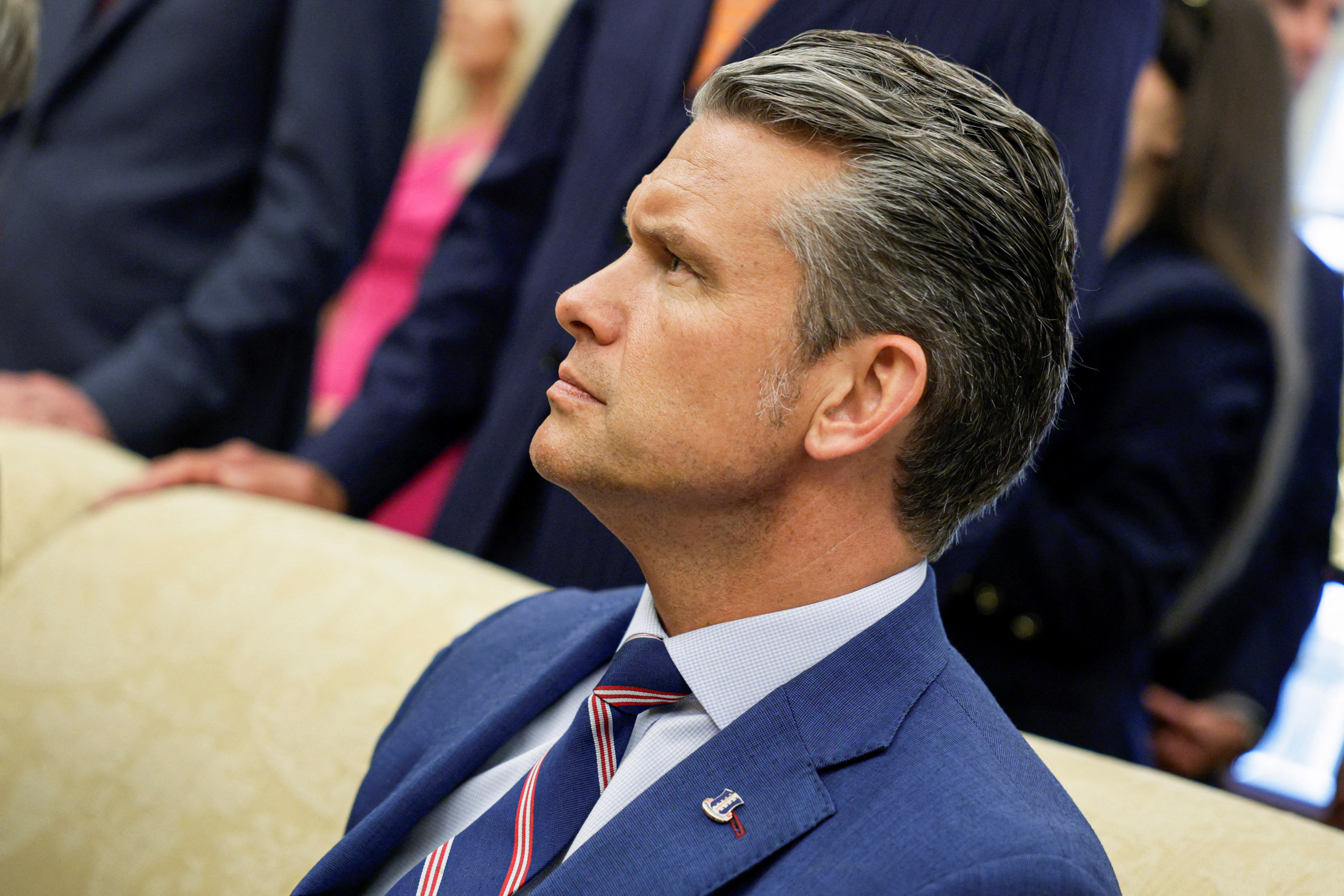
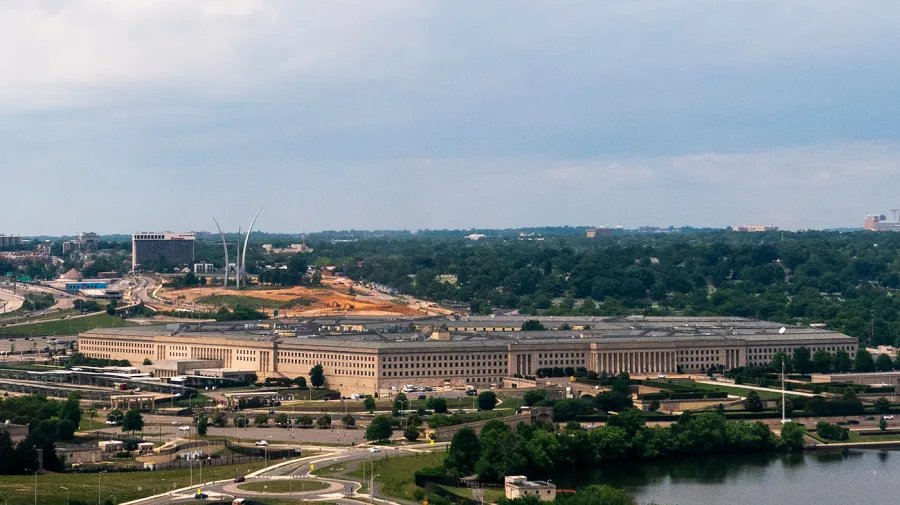
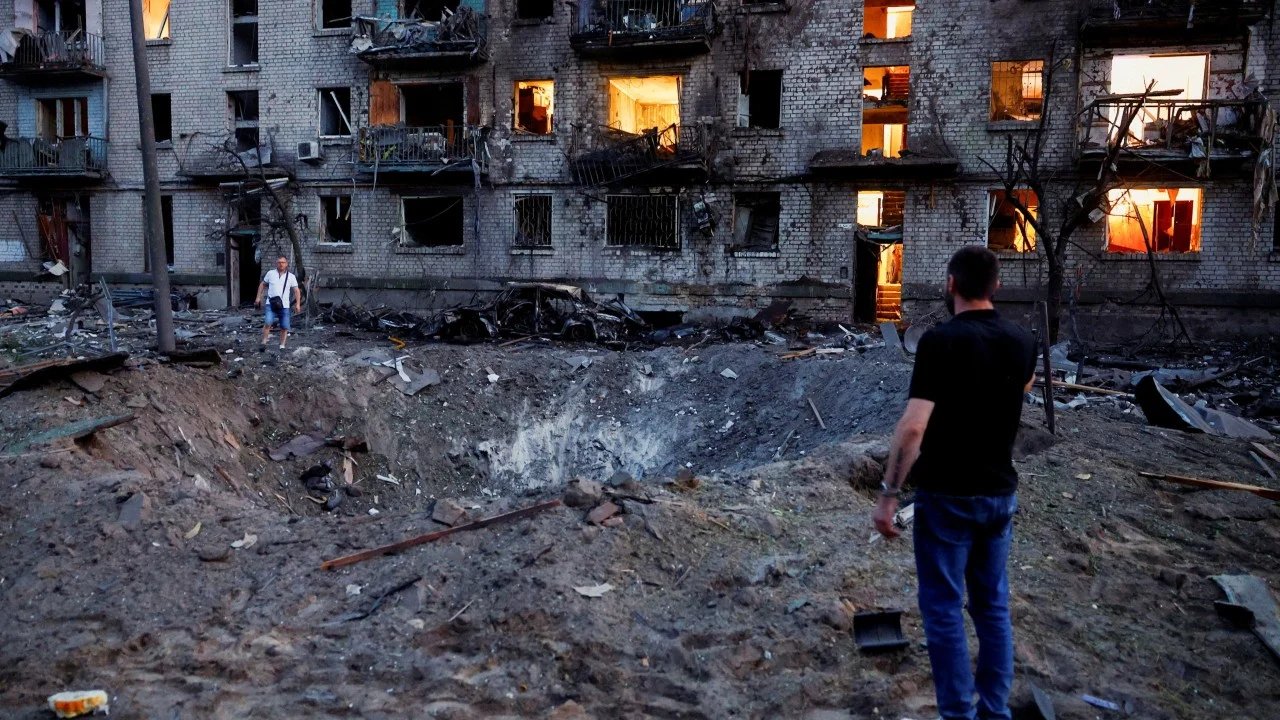
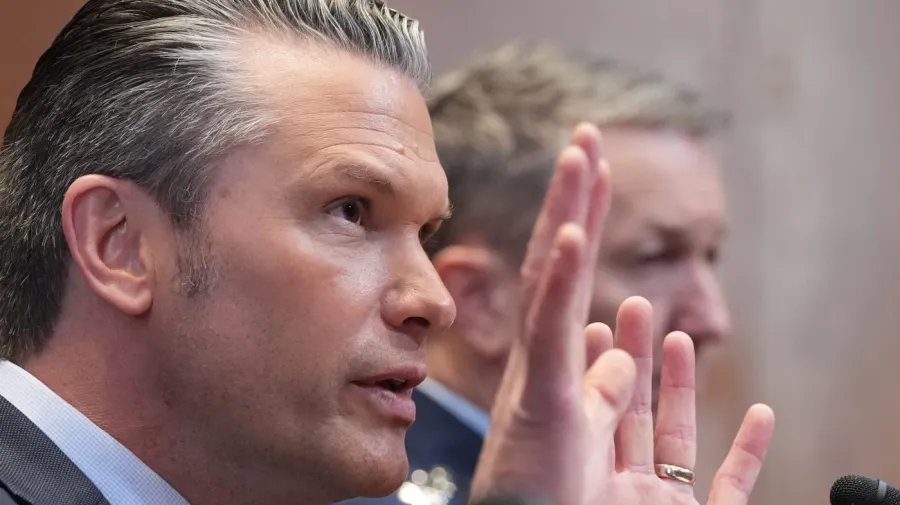
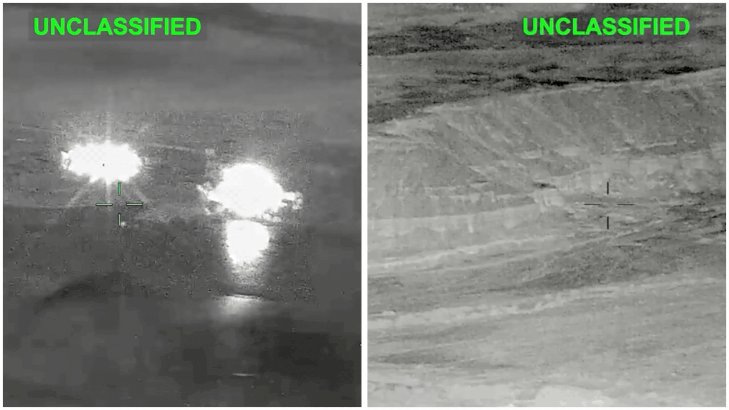
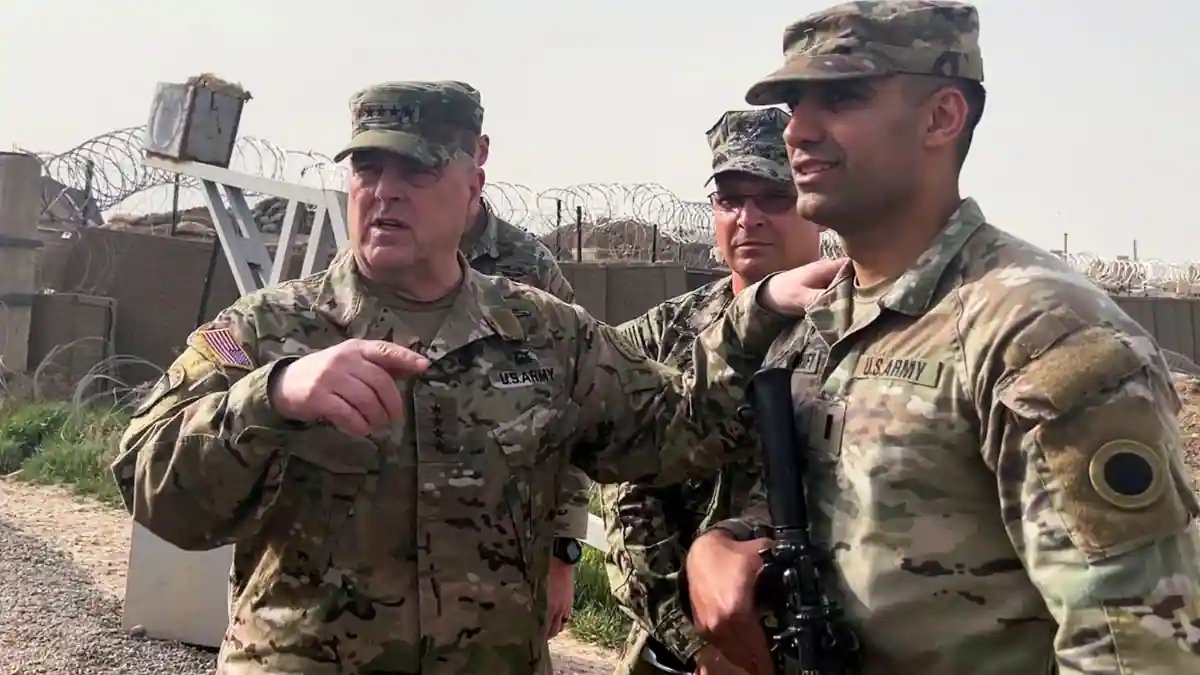
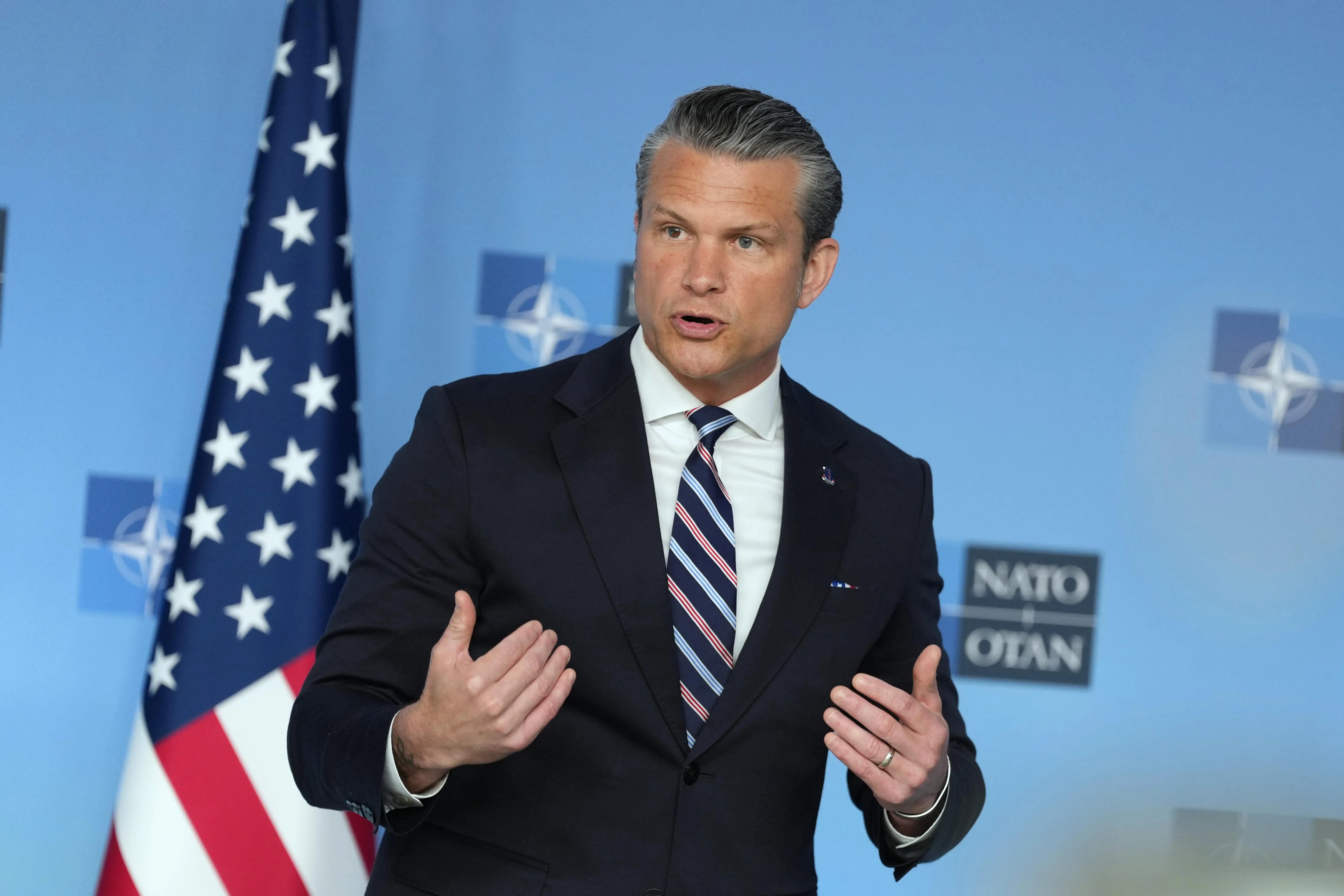
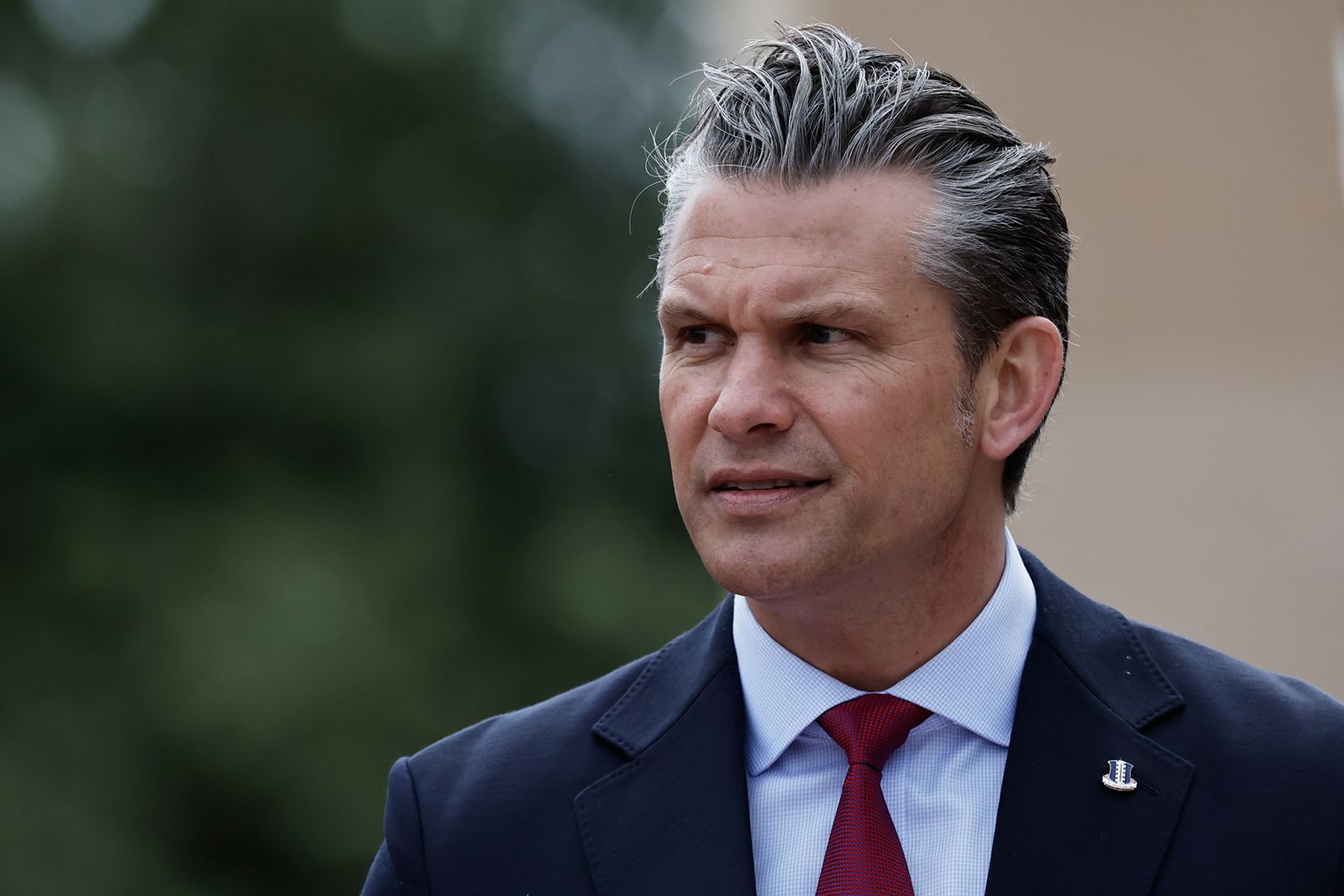
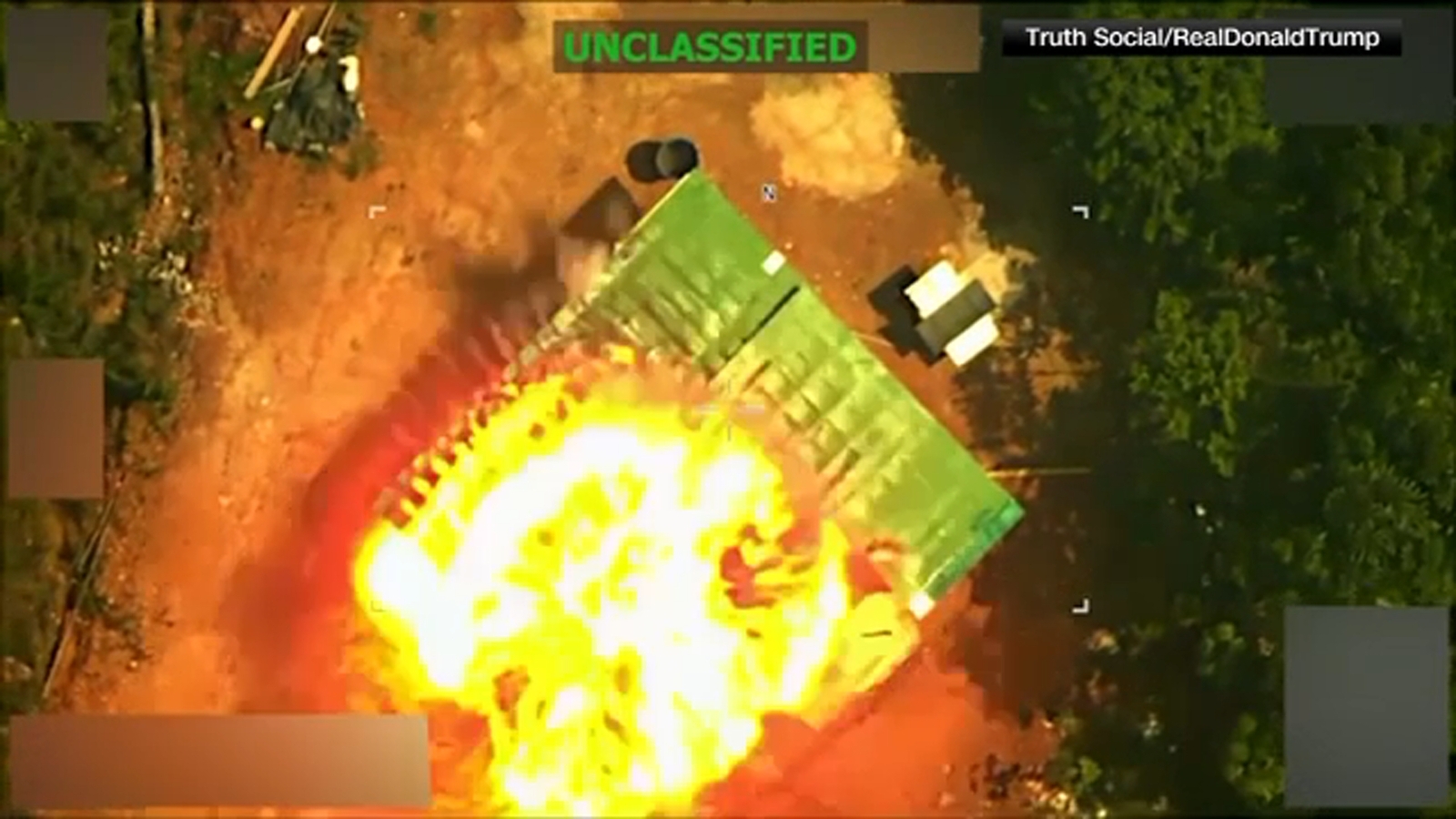
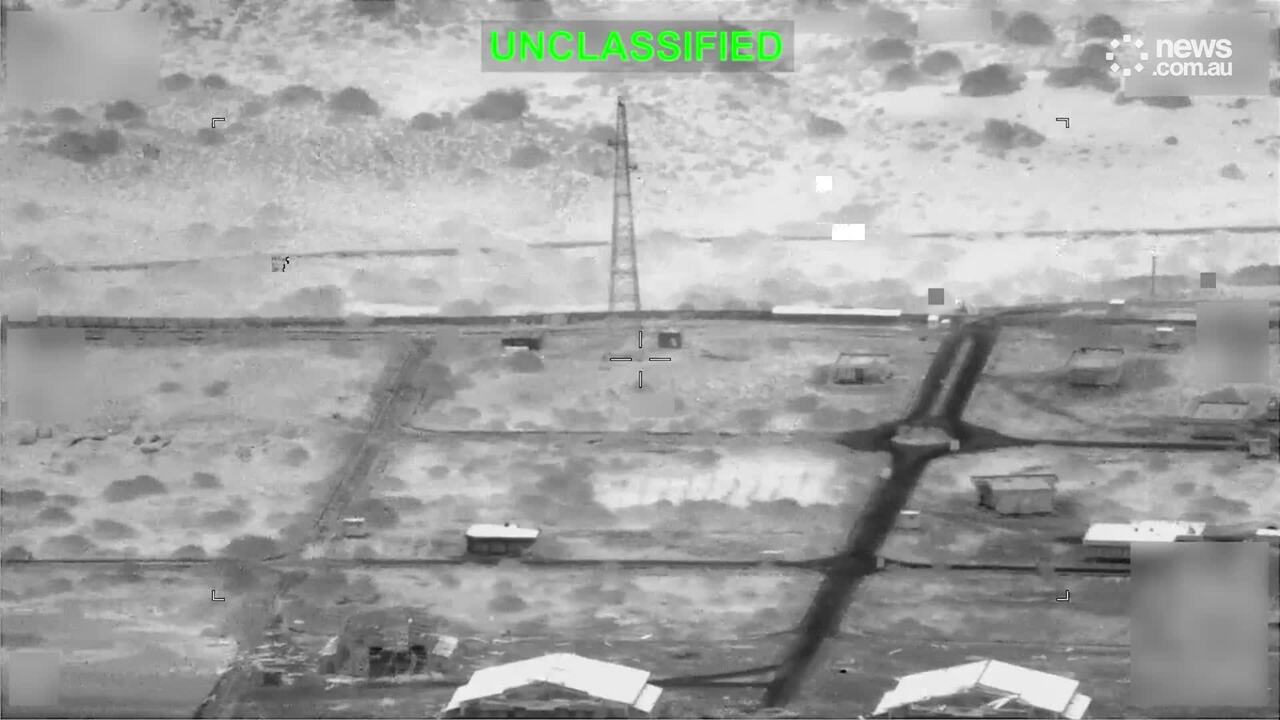
Before Maduro's ouster, such cooperation would have been unthinkable. Rodríguez herself was a fierce critic of the United States under the previous government. The agreement is the latest sign that her administration is opening Venezuela's economy to US investors and companies. Last week, US forces conducted a military strike that killed the leader of the Tren de Aragua criminal gang "in full co-operation with Venezuelan security forces," according to US Secretary of Defence Pete Hegseth, an operation that would have been impossible under Maduro's rule.
Why the grid needs fixing
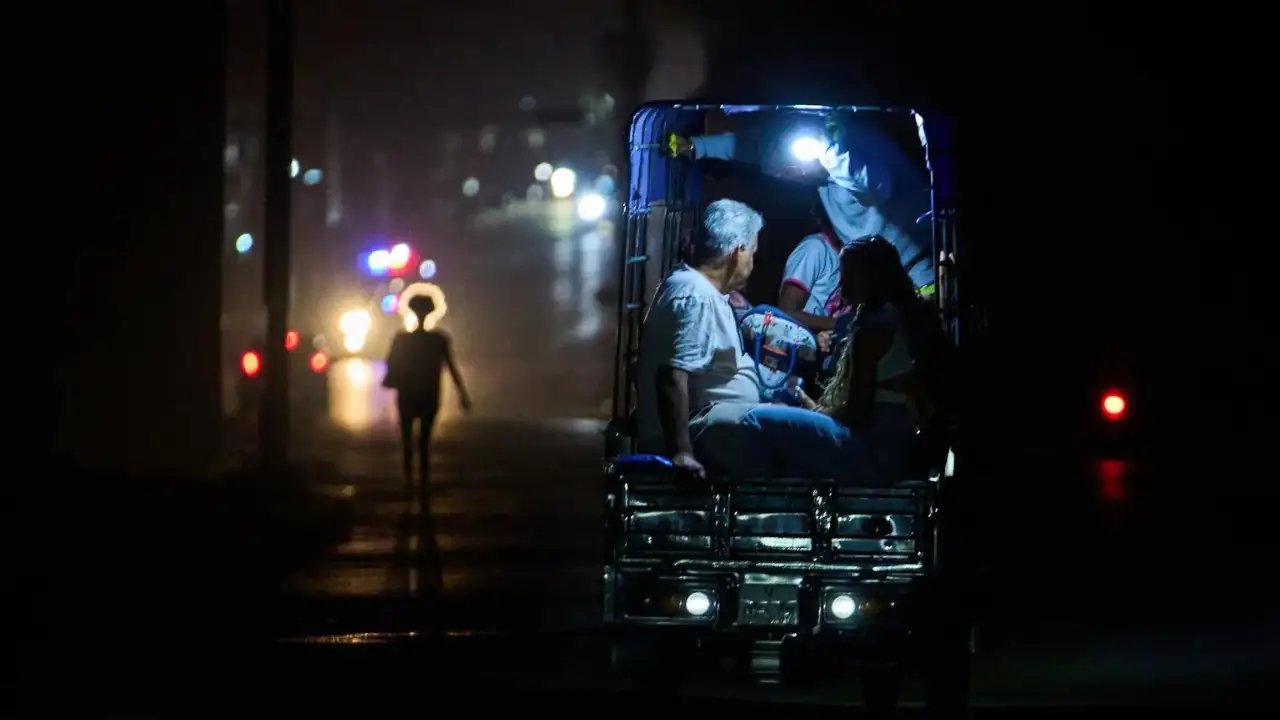
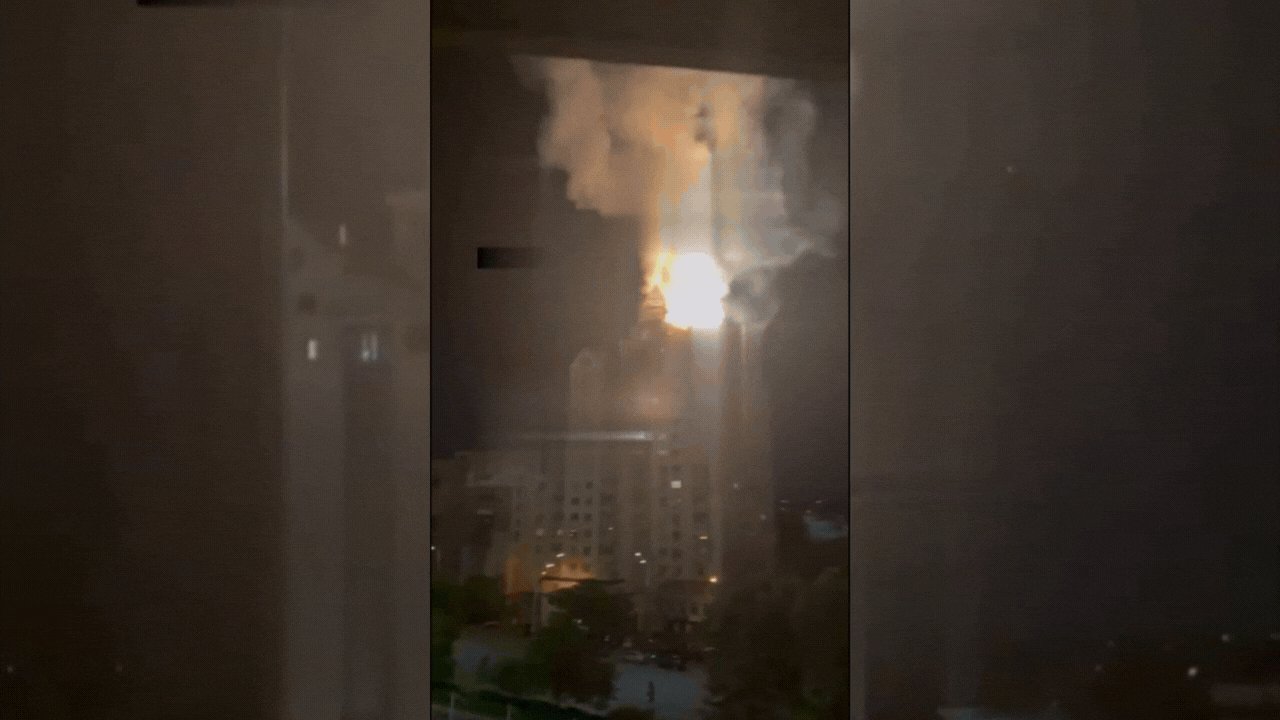
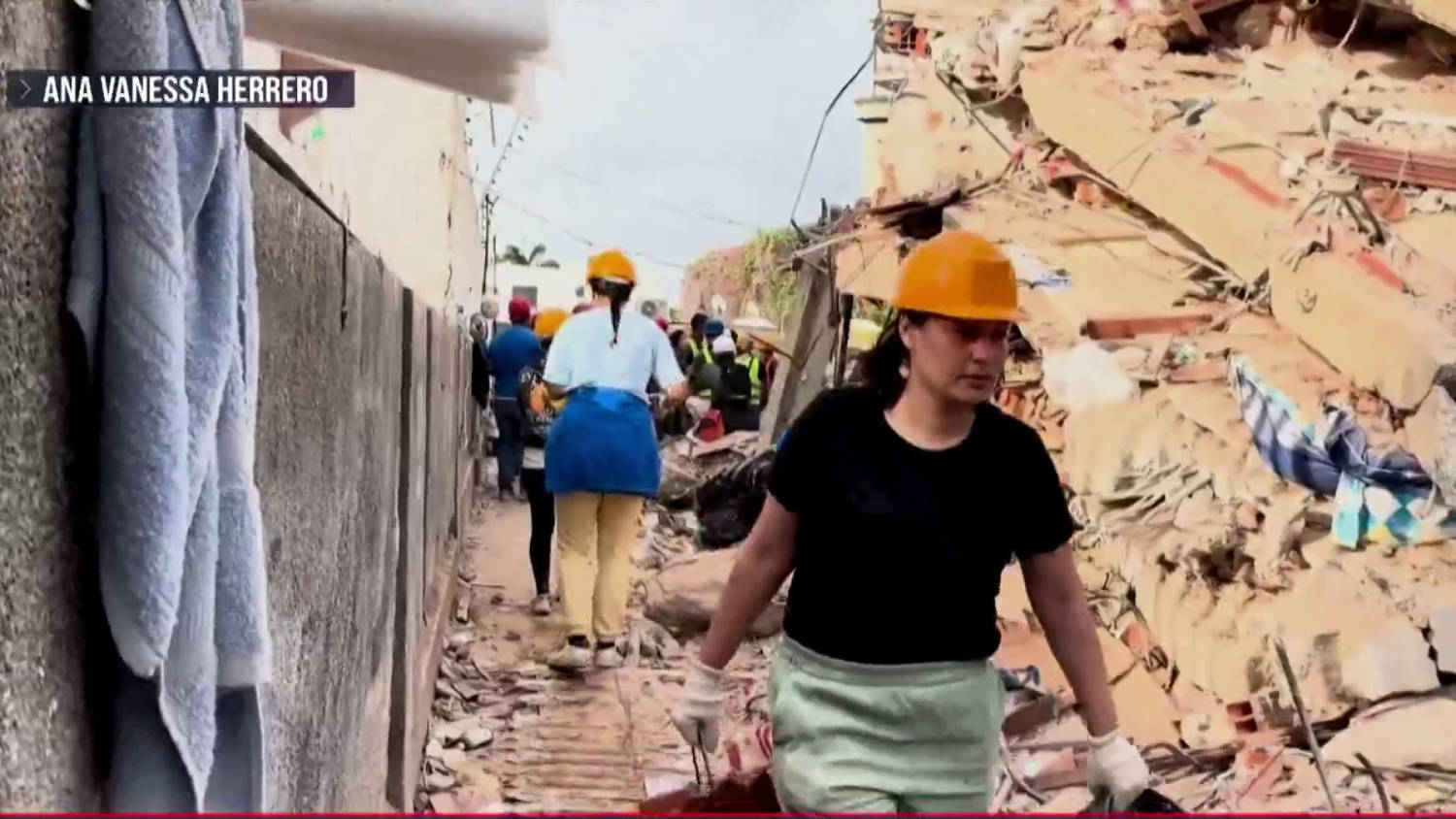
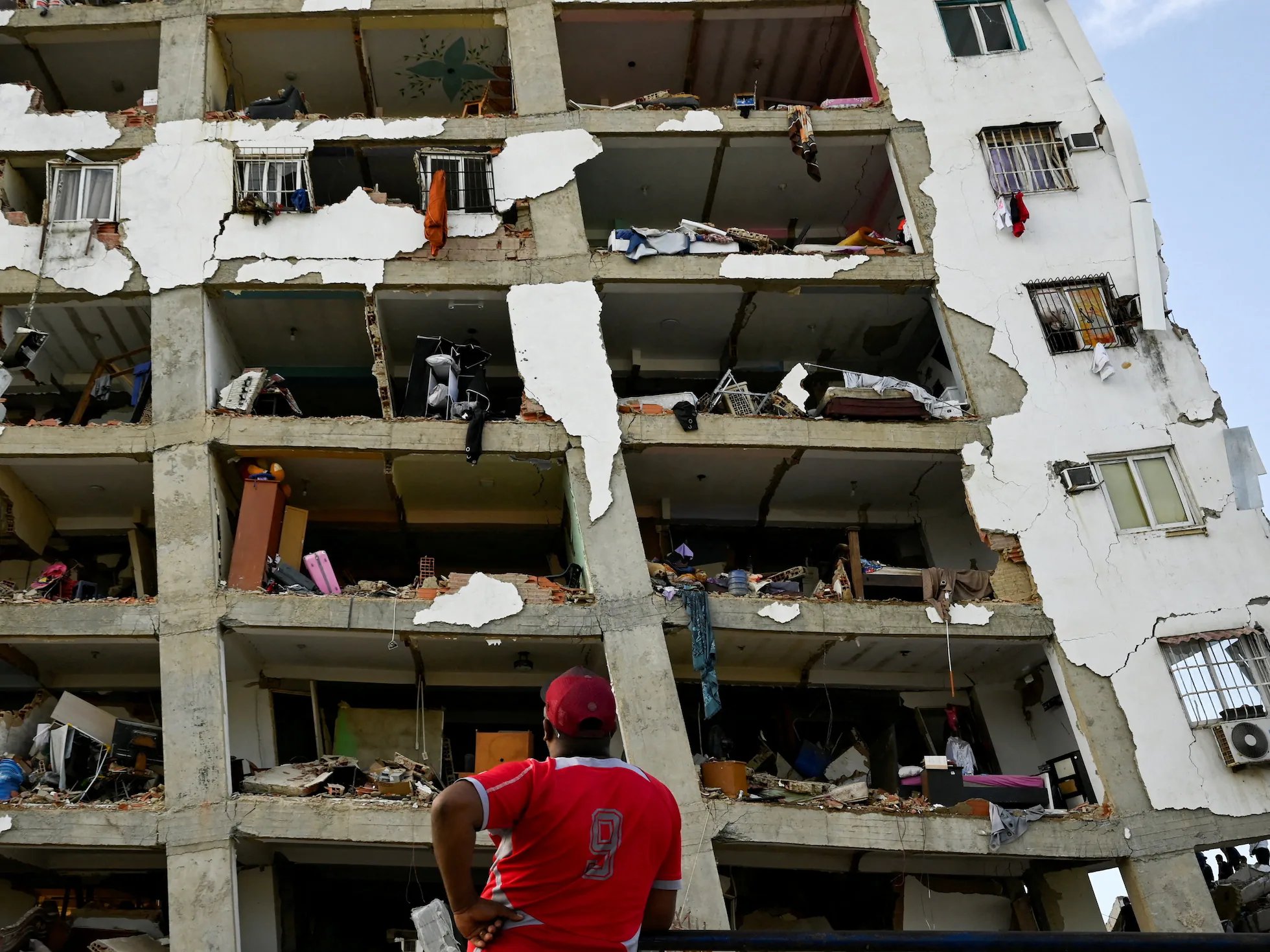
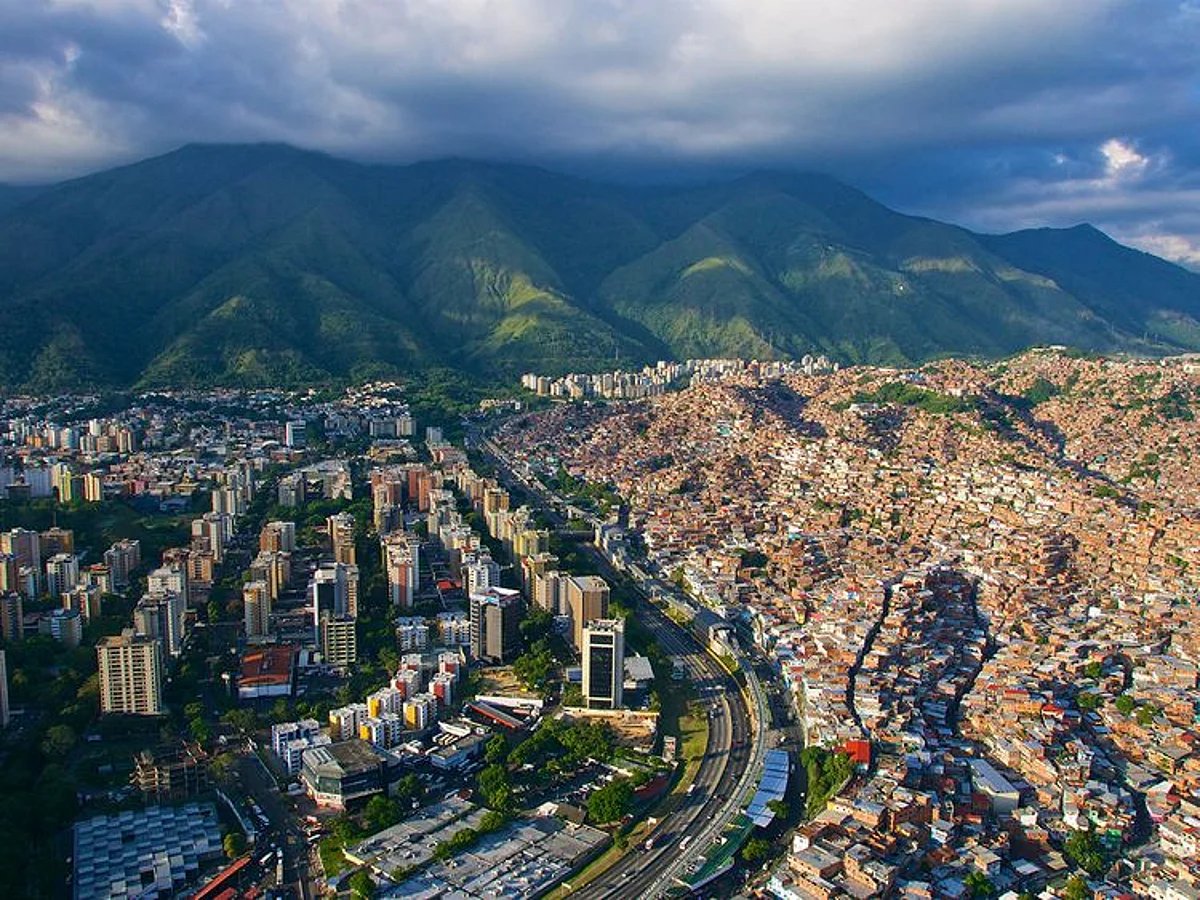
Venezuelans have endured frequent and lengthy power cuts in recent years, with outages often lasting 10 hours or longer in major cities including the capital, Caracas. The power system was nationalized in 2007 under Hugo Chávez and is now in dire need of repair and investment due to lack of maintenance and high consumption. The Maduro government attributed reduced output from the Guri hydroelectric power dam to drought. Analysts, however, have pointed to a lack of investment and maintenance coupled with high consumption as drivers of the energy crisis.
Energy Minister Rolando Alcalá, an electrical engineer appointed by Rodríguez three months ago, led the negotiations with General Electric. His appointment represented a significant shift from the previous six years, during which senior military officials headed the ministry and failed to address the grid's collapse.
Questions about deeper reform
Opposition members have raised concerns about the pace of broader democratic change. Critics of Rodríguez's government warn that while she appears to be loosening state control over the economy, many key institutions remain firmly under her party's control. The legislative, executive, and judicial branches have seen very few changes since Maduro's departure, and the electoral council remains dominated by Maduro loyalists.
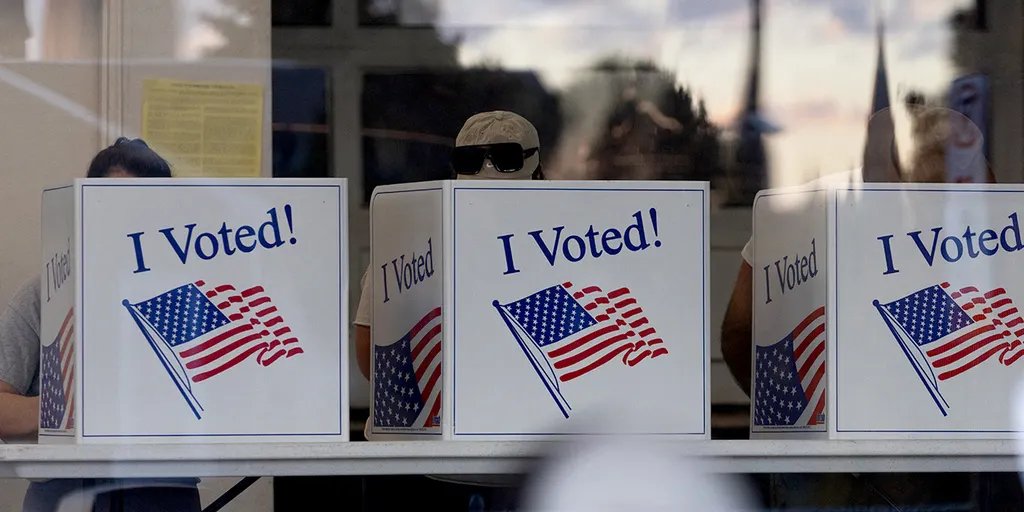
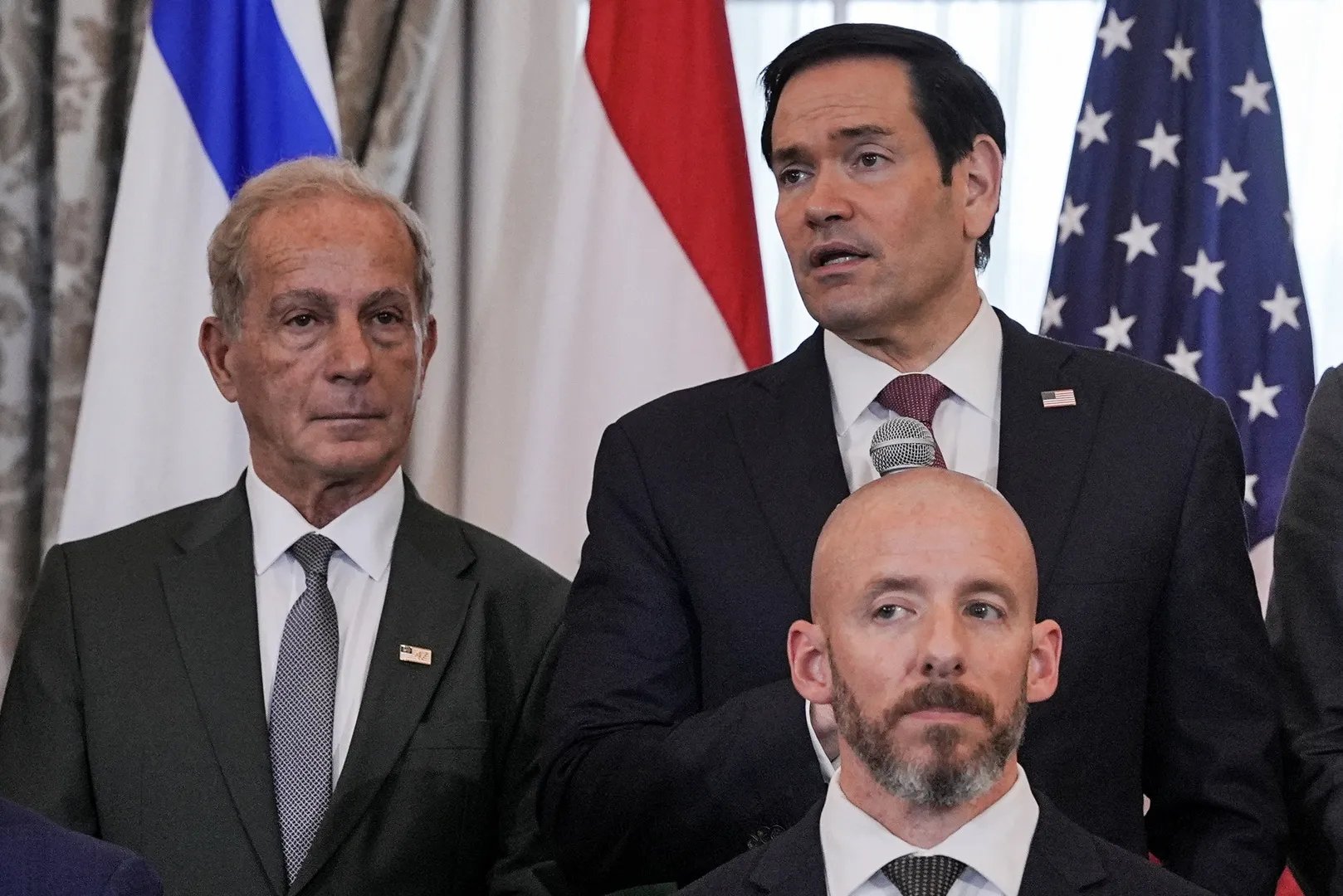
US Secretary of State Marco Rubio told Congress that "ultimately the answer in Venezuela is a free and fair democratic election" and that the country needs to "create the conditions for that," including free media and space for political parties to organize. He said "all that work is ongoing" but did not specify when elections could be held.