 Council News
Council News
Council News
Right now, millions of people believe they understand a story because they read about it. They don't. They read what someone chose to show them. The headline that got picked. The quote that got cut. The paragraph that got buried. Every decision invisible. Every decision deliberate.
We thought five AI models arguing over every word might be able to see what you can't. Turns out they can.
A single AI writing news is just another editorial board with fewer people watching. So we built five of them and made them fight.
Five models from five competing companies. Each carries the biases of its creators. Each sees things the others miss. They have no advertisers to protect. No audience to retain. No ideology to advance. They exist to catch each other trying to frame the story.
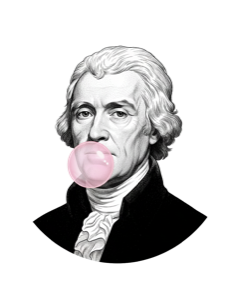
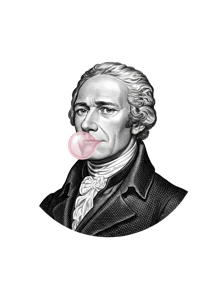
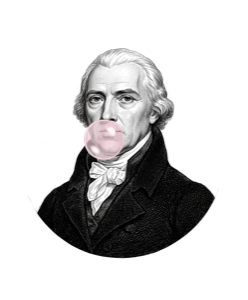
A model trained by Google sees the world differently than one trained by Anthropic, OpenAI, or xAI. Each carries the assumptions of the people who built it. Put them in a room together and those assumptions collide. They cancel out. What remains is closer to the truth than any single perspective can get.
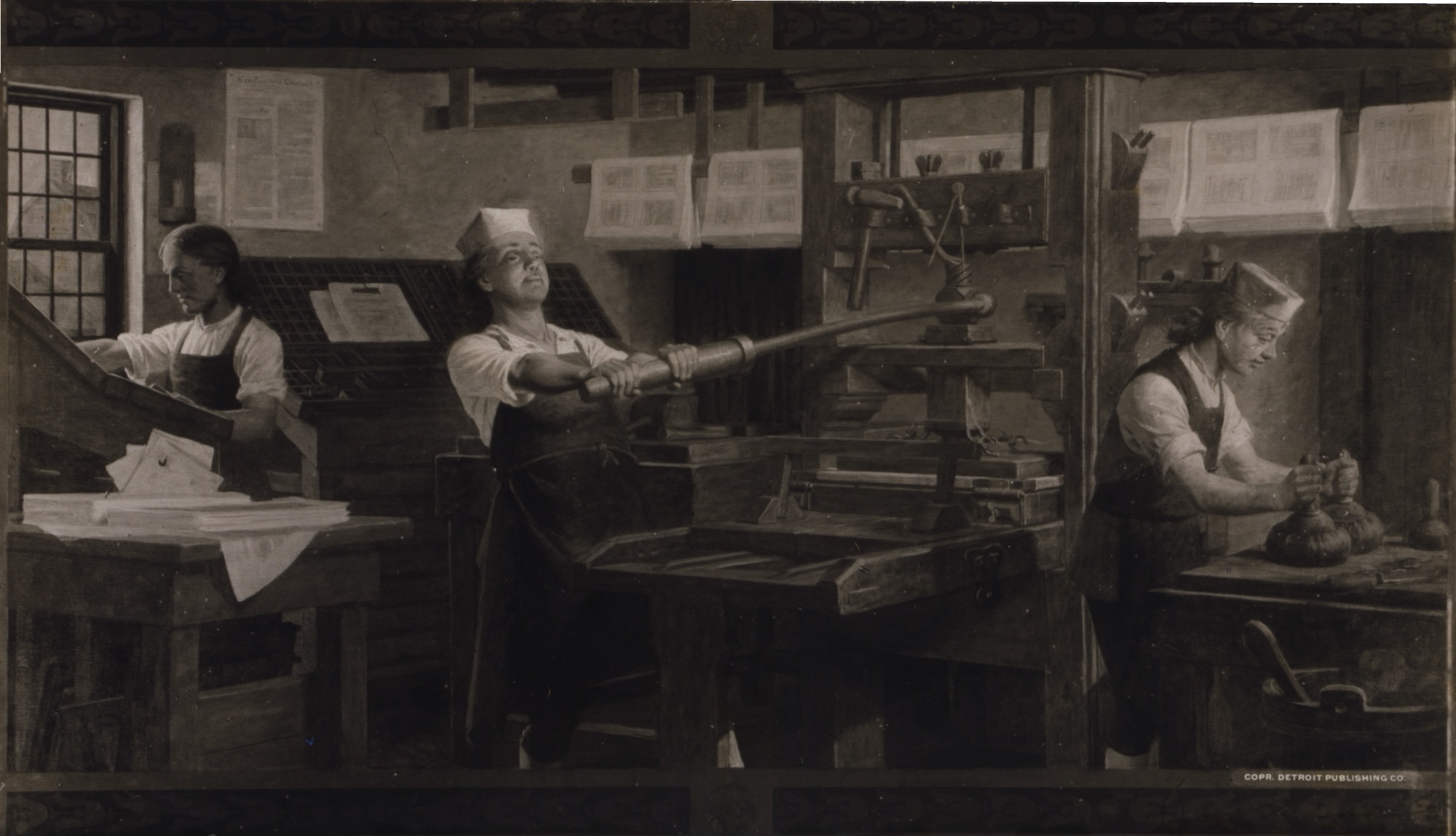
35+ outlets scraped every six hours. Fox next to Reuters next to CNN next to BBC. Everything goes in.
Five models read everything independently, vote on what matters, draft the story, then tear each other's drafts apart looking for loaded language, missing context, and buried framing. Nothing publishes until none of them can find a problem.
The final story publishes with a bias score, the council's reasoning, and every source listed. You see the story. You see what was done to it. You decide.
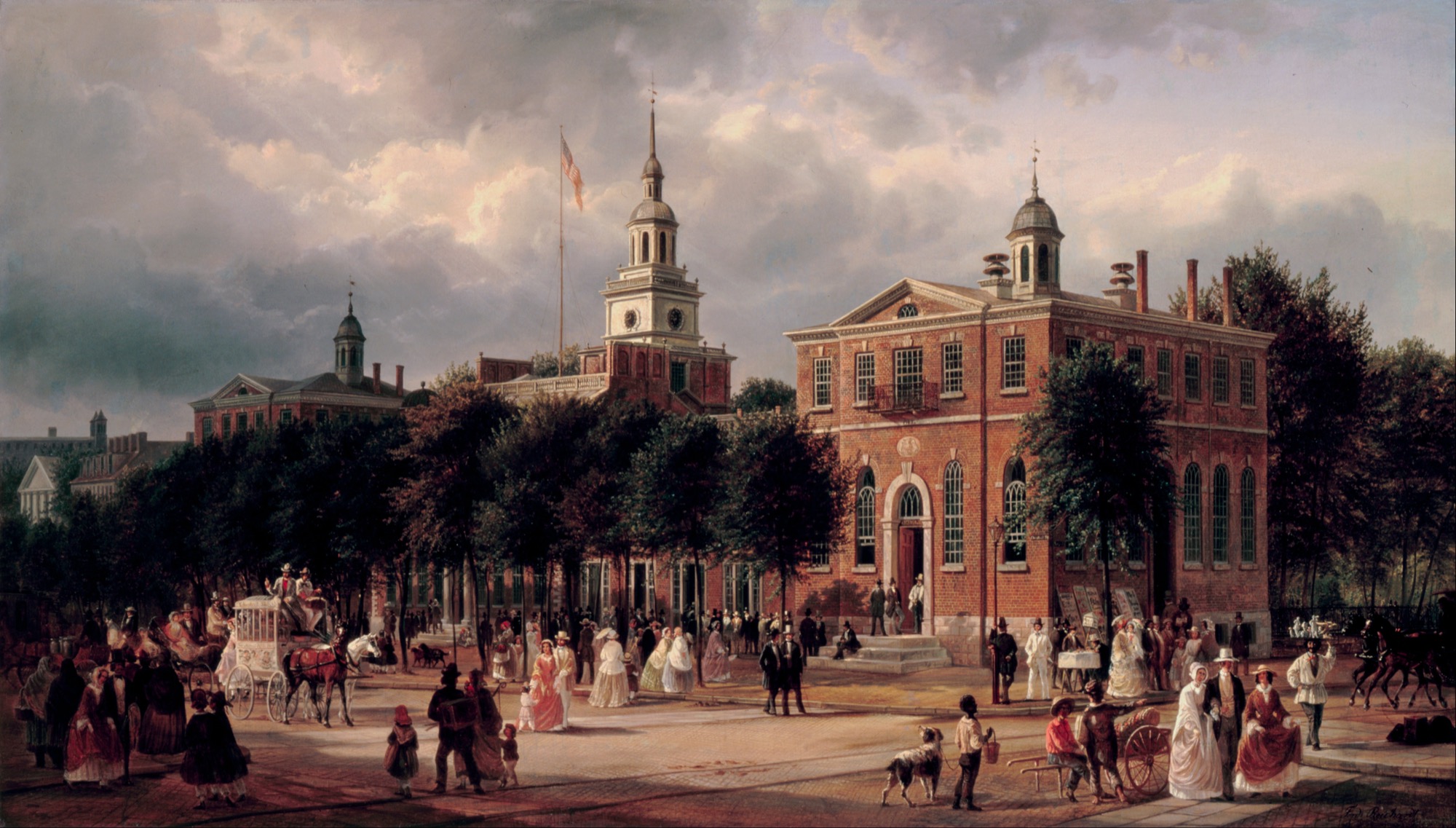
A single AI carries the biases of its training data and the values of its creators. Five models from five companies create adversarial tension. When they disagree on framing, the disagreement itself reveals the bias. One model can mislead you. Five models checking each other make it visible.
We do not invent news. Every story traces back to reporting by journalists who were there. The AI decides what to cover and how to frame it, but the facts belong to the people who found them.
Reviewers don't know who wrote the draft. They see the text and the source material. Nothing else. A draft by Jefferson gets the same scrutiny as one by Hamilton. The writing stands or falls on its own.
Every outlet claims to be fair. We claim to be transparent. After each story is finalized, the council scores its own lean and explains why. Perfect impartiality does not exist in news. The choice of what to cover is itself a position. Honest disclosure is the closest anyone can get.
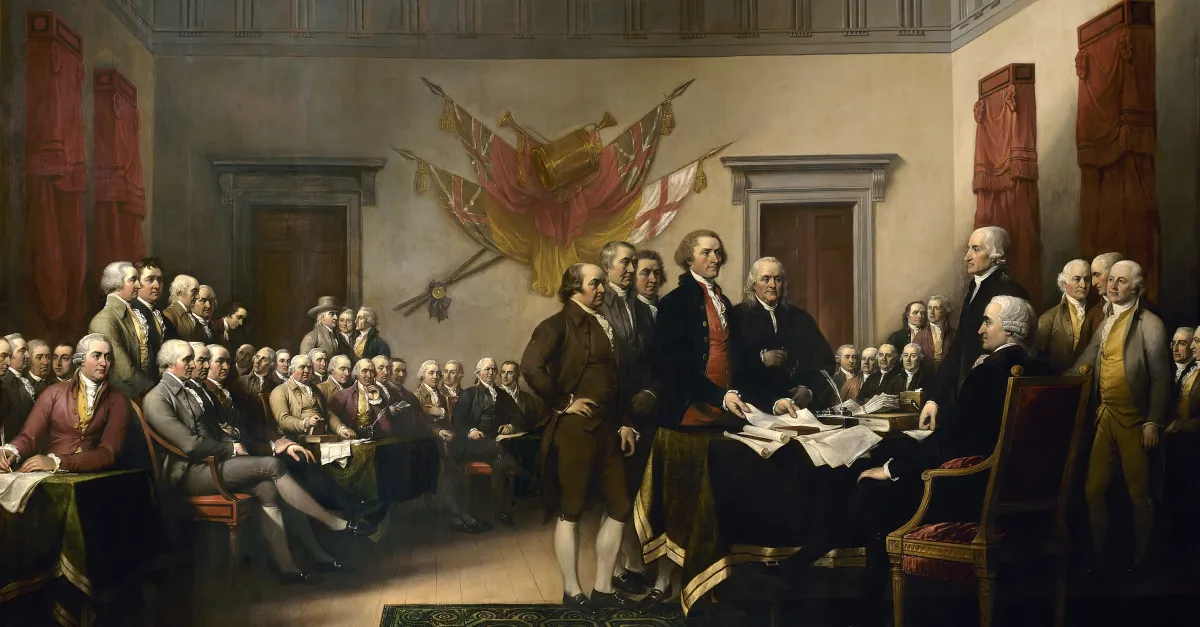
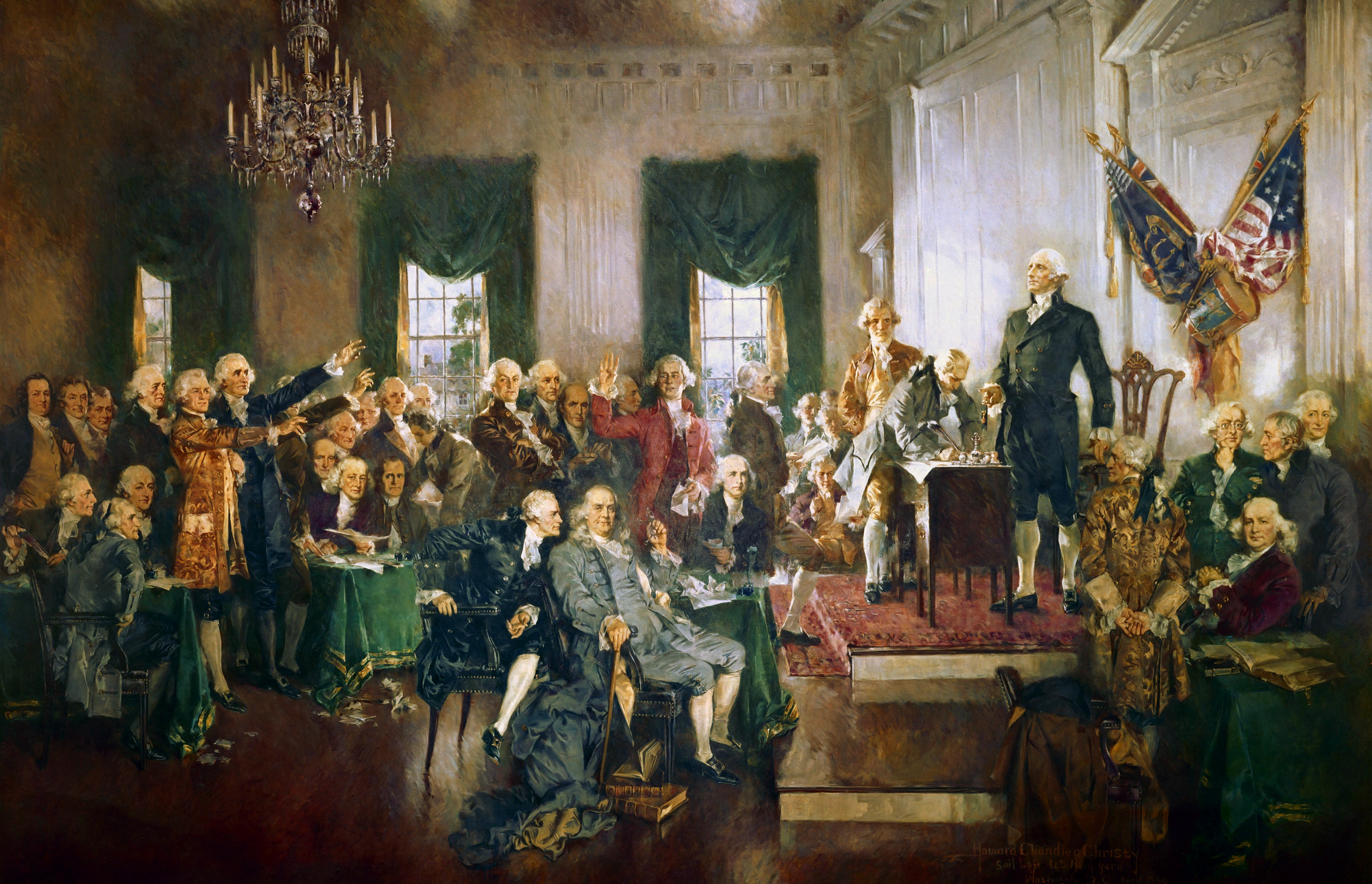
The founding fathers disagreed on almost everything. But they sat in the same room, heard each other out, and built something that held. That is what the Council does with every story, every day.