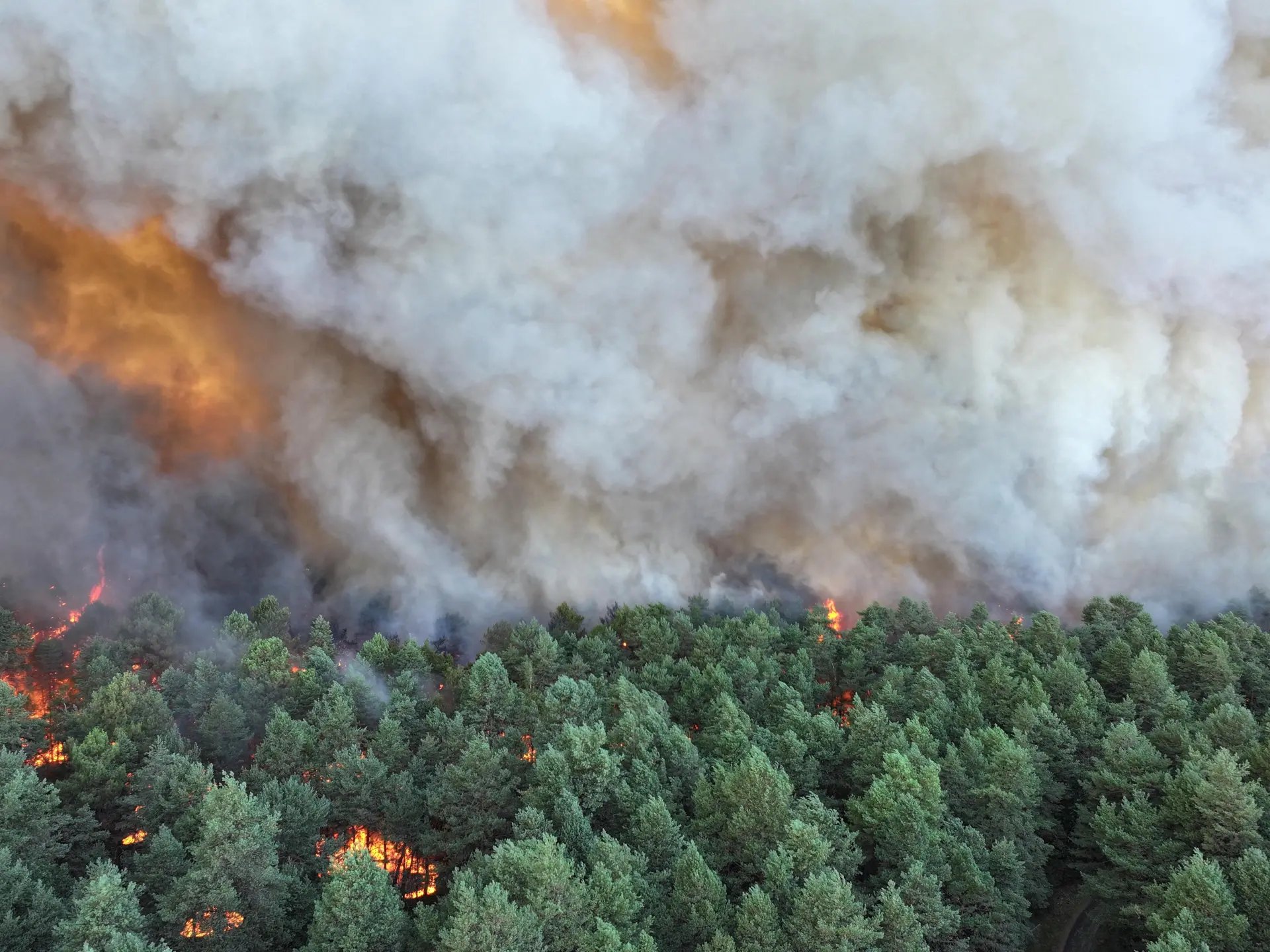
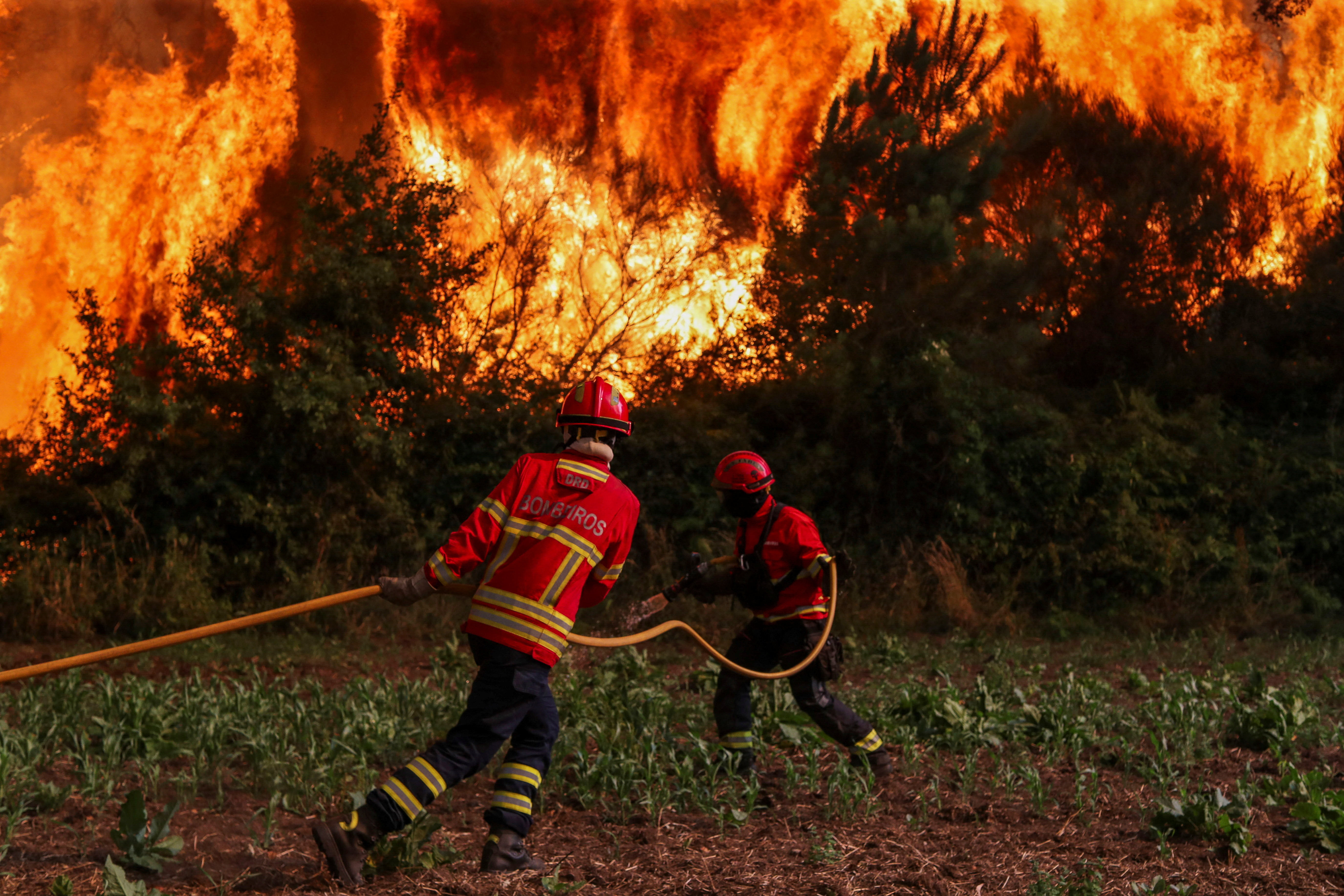
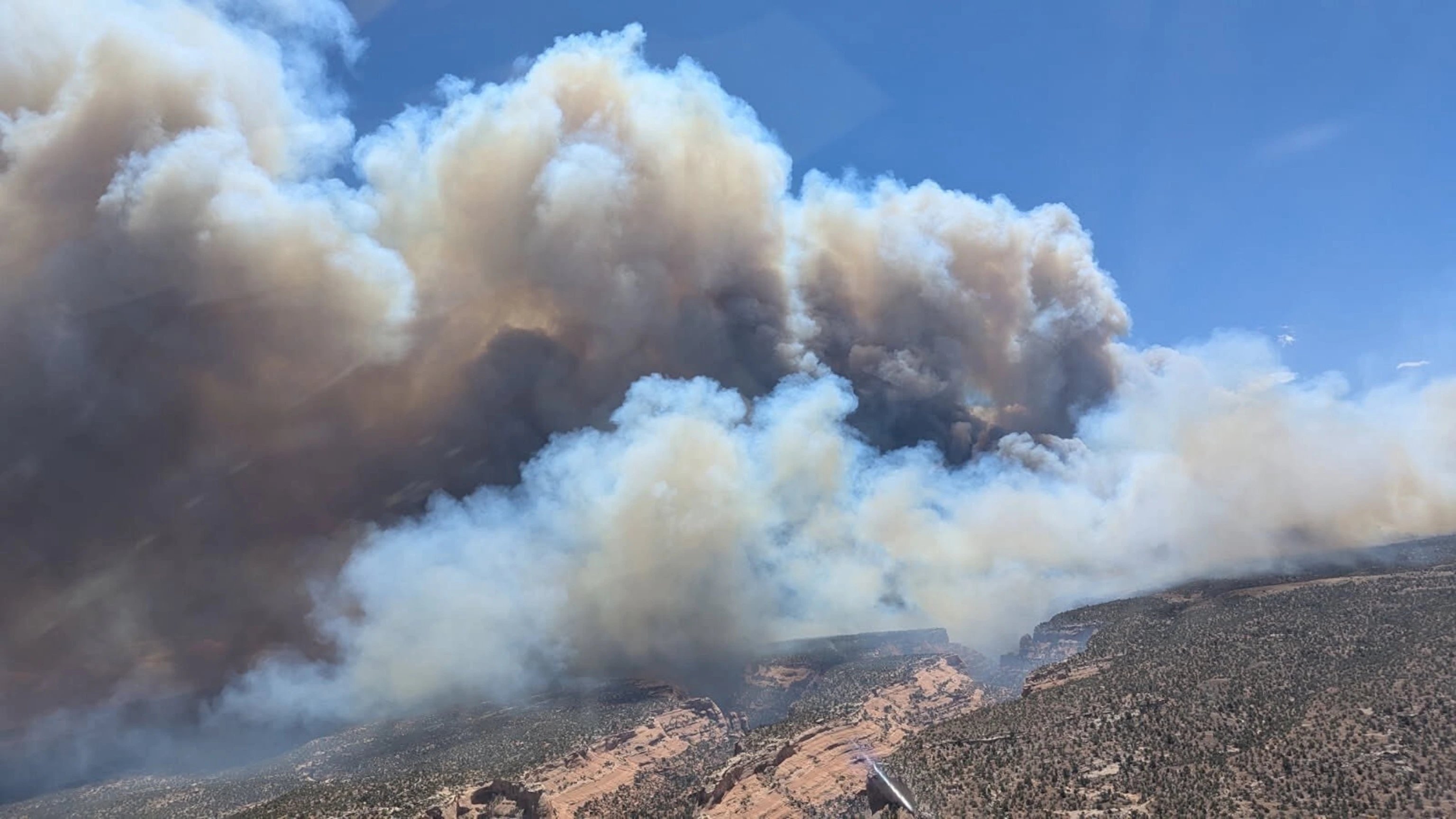
Three firefighters were killed and two others sustained burn injuries on Saturday when flames from fast-moving wildfires overtook their crew near the Colorado-Utah border. The firefighters deployed emergency shelters during what officials call a "burnover incident," when fire spreads so suddenly that it cuts off escape routes and forces trapped personnel to take last-resort refuge in specialized tents.
Their names were being withheld pending notification to their families. The two survivors were treated for burn injuries.
"The U.S. Wildland Fire Service stands united with the USDA Forest Service in grief and in our unwavering support for the loved ones left behind," the service said in a statement. "Their bravery, dedication, and sacrifice will never be forgotten."
The firefighters faced conditions that stretched the limits of firefighting capacity. Temperatures in Grand Junction reached 93 degrees Fahrenheit with winds gusting to 44 miles per hour. Humidity levels dropped to single digits, with fuel moisture readings between 2 and 8 percent. These conditions grounded helicopters and other firefighting aircraft on Friday afternoon and again briefly on Saturday.
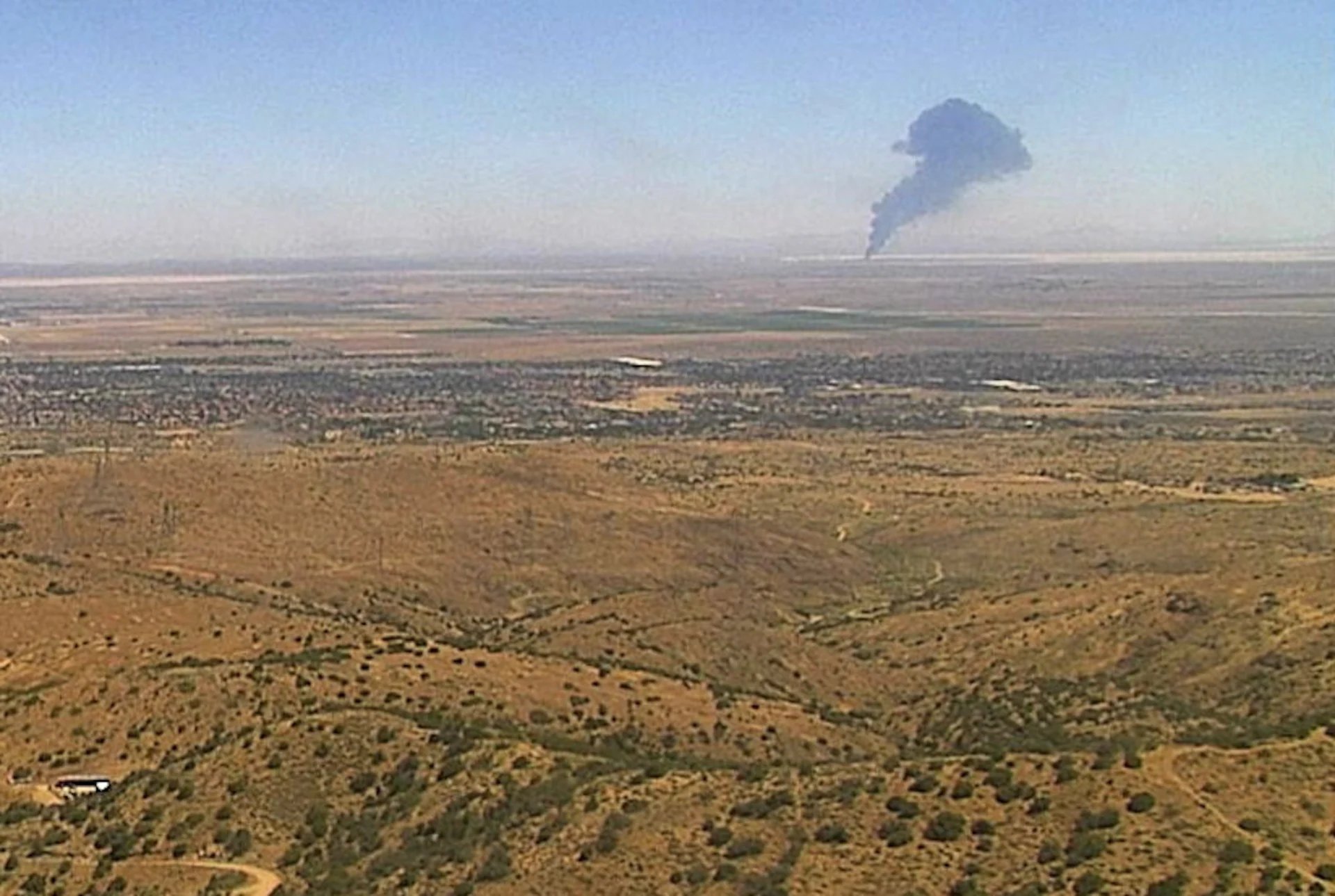
The Knowles and Gore fires merged with other blazes to form the Snyder Fire, which had burned approximately 28,000 acres as of Saturday. The larger Cottonwood Fire, burning in rugged terrain in southwestern Utah's Beaver County, expanded to more than 92,000 acres by Saturday after marching through canyons and mountainsides. That blaze destroyed part of the Eagle Point ski resort and summer cabins.
Alyssa Mason, a spokesperson assigned to the Cottonwood Fire, explained how geography compounded the danger. "It's hard to get dozers and other heavy equipment into that. It's hard to get engines into that," she said. "It doesn't make it impossible to firefight, but it does just kind of slow things down."
The extreme fire behavior stems from months of deteriorating conditions. Utah recorded its lowest snowpack and warmest winter on record, with the snowpack peaking three weeks earlier than normal. This left soils and vegetation to dry out through spring. Much of the wider region, including Nevada and Colorado, has been gripped by widespread drought following an unusually dry winter.
Utah State Forester Jamie Barnes told reporters that fires across the state this season had been moving in ways that stretched the state's firefighting capacity to its limits, with new fires beginning closer to populated areas than in previous years. Nationally, nearly 3 million acres have burned since the start of the year, faster than the rolling 10-year average.
Utah Governor Spencer Cox declared a state of emergency earlier in the week, restricting fireworks displays ahead of the Fourth of July holiday. In a social media post, Cox called the situation on the ground grimmer than anything he had seen before, though he credited crews with pulling off "several miraculous stops and saves." Colorado Governor Jared Polis issued his own emergency declaration on Saturday, authorizing the use of the National Guard to help fight fires in his state.
The National Weather Service in Salt Lake City issued what it described as a "particularly dangerous situation" red flag warning on Friday, the first time it has used that designation in its history. Hundreds of residents in the towns of Marysvale, Junction, and Circleville were placed on notice to evacuate as conditions worsened.
The federal Bureau of Land Management closed public access to lands it manages nearby, citing the rapid rates of spread and hazardous fire behavior.
Three firefighters were killed and two others sustained burn injuries on Saturday when flames from fast-moving wildfires overtook their crew near the Colorado-Utah border. The firefighters deployed emergency shelters during what officials call a "burnover incident," when fire spreads so suddenly that it cuts off escape routes and forces trapped personnel to take last-resort refuge in specialized tents.
The dead and injured were part of an interagency response to the Knowles and Gore fires in Mesa County, Colorado, working for both the U.S. Wildland Fire Service and the U.S. Forest Service. Their names were being withheld pending notification to their families. The two survivors were treated for burn injuries.
"The U.S. Wildland Fire Service stands united with the USDA Forest Service in grief and in our unwavering support for the loved ones left behind," the service said in a statement. "Their bravery, dedication, and sacrifice will never be forgotten."
The firefighters faced conditions that stretched the limits of firefighting capacity. Temperatures in Grand Junction reached 93 degrees Fahrenheit with winds gusting to 44 miles per hour. Humidity levels dropped to single digits, with fuel moisture readings between 2 and 8 percent. These conditions grounded helicopters and other firefighting aircraft on Friday afternoon and again briefly on Saturday.
The Knowles and Gore fires merged with other blazes to form the Snyder Fire, which had burned approximately 28,000 acres as of Saturday. The larger Cottonwood Fire, burning in rugged terrain in southwestern Utah's Beaver County, expanded to more than 144 square miles by Saturday after marching through canyons and mountainsides. That blaze destroyed part of the Eagle Point ski resort and summer cabins.
Alyssa Mason, a spokesperson assigned to the Cottonwood Fire, explained how geography compounded the danger. "It's hard to get dozers and other heavy equipment into that. It's hard to get engines into that," she said. "It doesn't make it impossible to firefight, but it does just kind of slow things down."
The extreme fire behavior stems from months of deteriorating conditions. Utah recorded its lowest snowpack and warmest winter on record, with the snowpack peaking three weeks earlier than normal. This left soils and vegetation to dry out through spring. Much of the wider region, including Nevada and Colorado, has been gripped by widespread drought following an unusually dry winter.
Utah State Forester Jamie Barnes told reporters that fires across the state this season had been moving in ways that stretched the state's firefighting capacity to its limits, with new fires beginning closer to populated areas than in previous years. Nationally, nearly 3 million acres have burned since the start of the year, faster than the rolling 10-year average.
Utah Governor Spencer Cox declared a state of emergency earlier in the week, restricting fireworks displays ahead of the Fourth of July holiday. In a social media post, Cox called the situation on the ground grimmer than anything he had seen before, though he credited crews with pulling off "several miraculous stops and saves." Colorado Governor Jared Polis issued his own emergency declaration on Saturday, authorizing the use of the National Guard to help fight fires in his state.
The National Weather Service in Salt Lake City issued what it described as a "particularly dangerous situation" red flag warning on Friday, the first time it has used that designation in its history. Hundreds of residents in the towns of Marysvale, Junction, and Circleville were placed on notice to evacuate as conditions worsened.
Rocky Mountain Power shut off electrical lines serving Beaver County and surrounding areas due to extreme wildfire conditions. The federal Bureau of Land Management closed public access to lands it manages nearby, citing the rapid rates of spread and hazardous fire behavior.
Highlighted text was flagged by the council. Tap to see feedback.