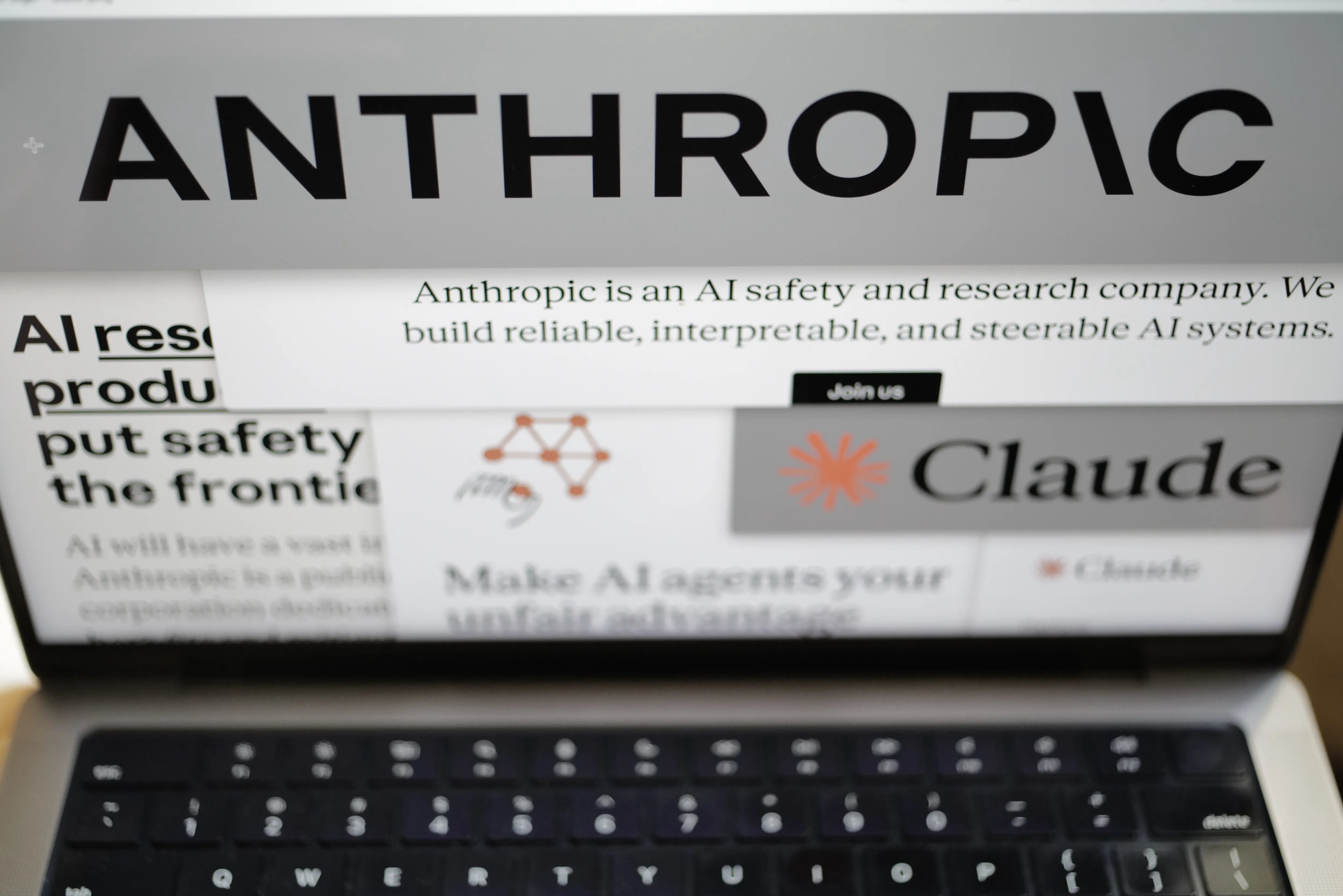
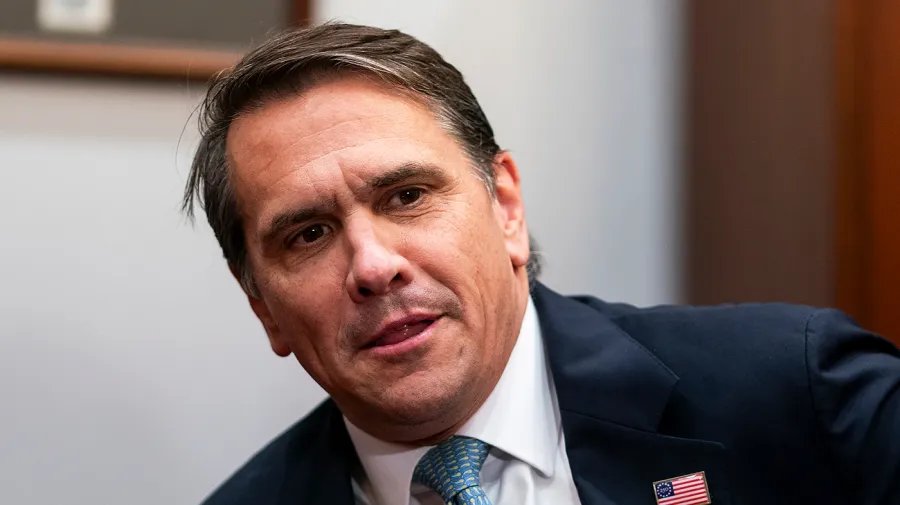
Commerce Secretary Howard Lutnick sent a letter to Anthropic CEO Dario Amodei on Friday imposing export controls on the company's two newest AI models, Fable 5 and Mythos 5. The directive barred foreign nationals from accessing the models whether inside or outside the United States, including foreign employees at Anthropic itself. The company received the order at 5:21pm on Friday and responded by shutting down access to both models for all customers to ensure compliance.
Anthropic released Fable 5 and Mythos 5 on June 9, just days before the government action. Fable 5 is widely available to the public, while Mythos 5 is mostly restricted to vetted organizations. The sudden block represents a major escalation in tensions between the company and the Trump administration after failed negotiations earlier this year over potential military and intelligence use of Anthropic's technology.
The government's concern centers on Fable 5's ability to review specific program code and identify software vulnerabilities, a capability that could theoretically be weaponized. An administration official said the models need to remain locked down until the U.S. government's national security apparatus is hardened, which could happen in the next few weeks.
Anthropic said the government provided only verbal evidence of a potential narrow jailbreak involving this code-review function. The company's own testing found only minor vulnerabilities that were already known. Anthropic emphasized that other publicly available models, including GPT-5.5 from OpenAI, possess similar code-review capabilities.
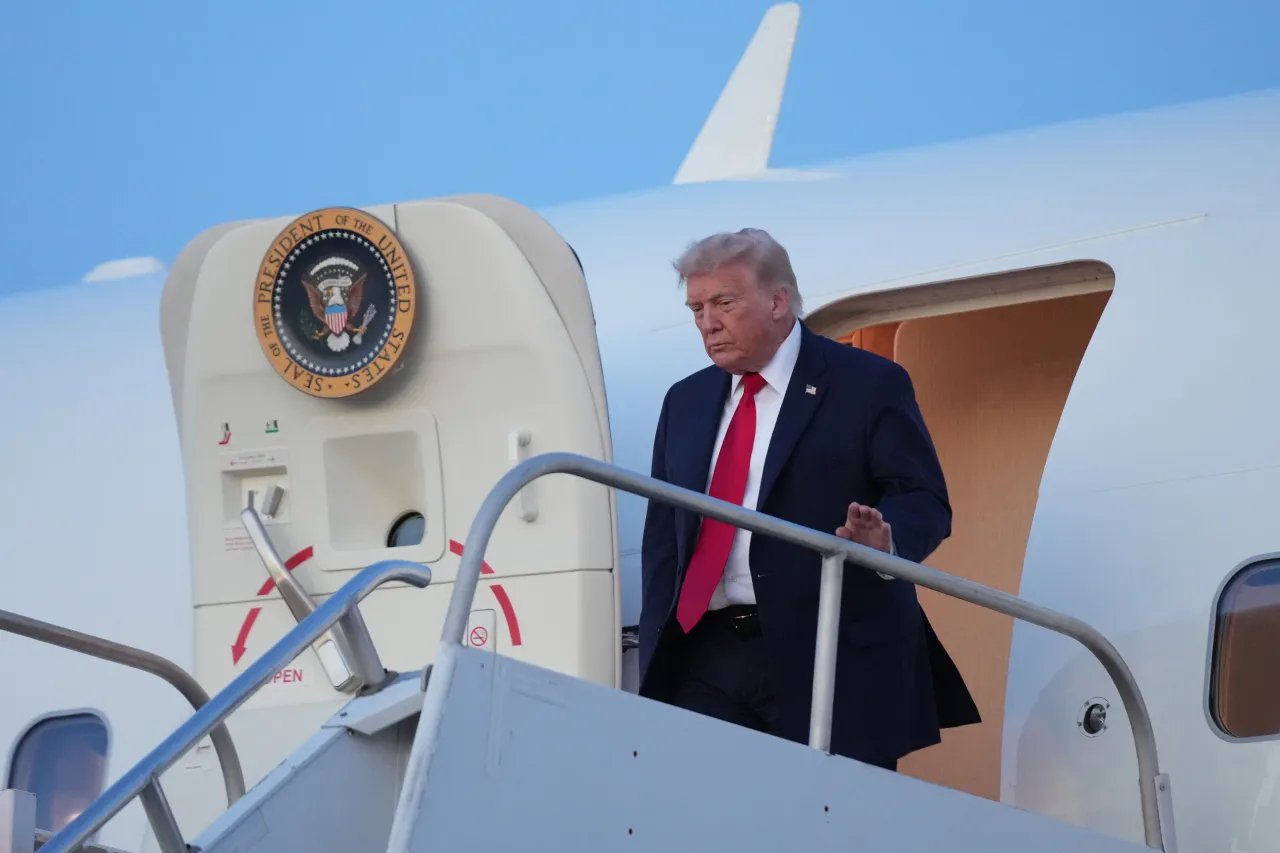
An administration official said Trump does not want to hurt the industry and wants innovation to continue.
Anthropic said it disagreed that the government's findings should be cause for recalling a commercial model deployed to hundreds of millions of people. The company argued that if this standard were applied across the AI industry, it would essentially halt all new model deployments for all frontier model providers.
The company complied with the legal directive but expressed concern about the precedent. Anthropic said the government's letter did not explain its specific security concerns in detail, leaving the company working from incomplete information.
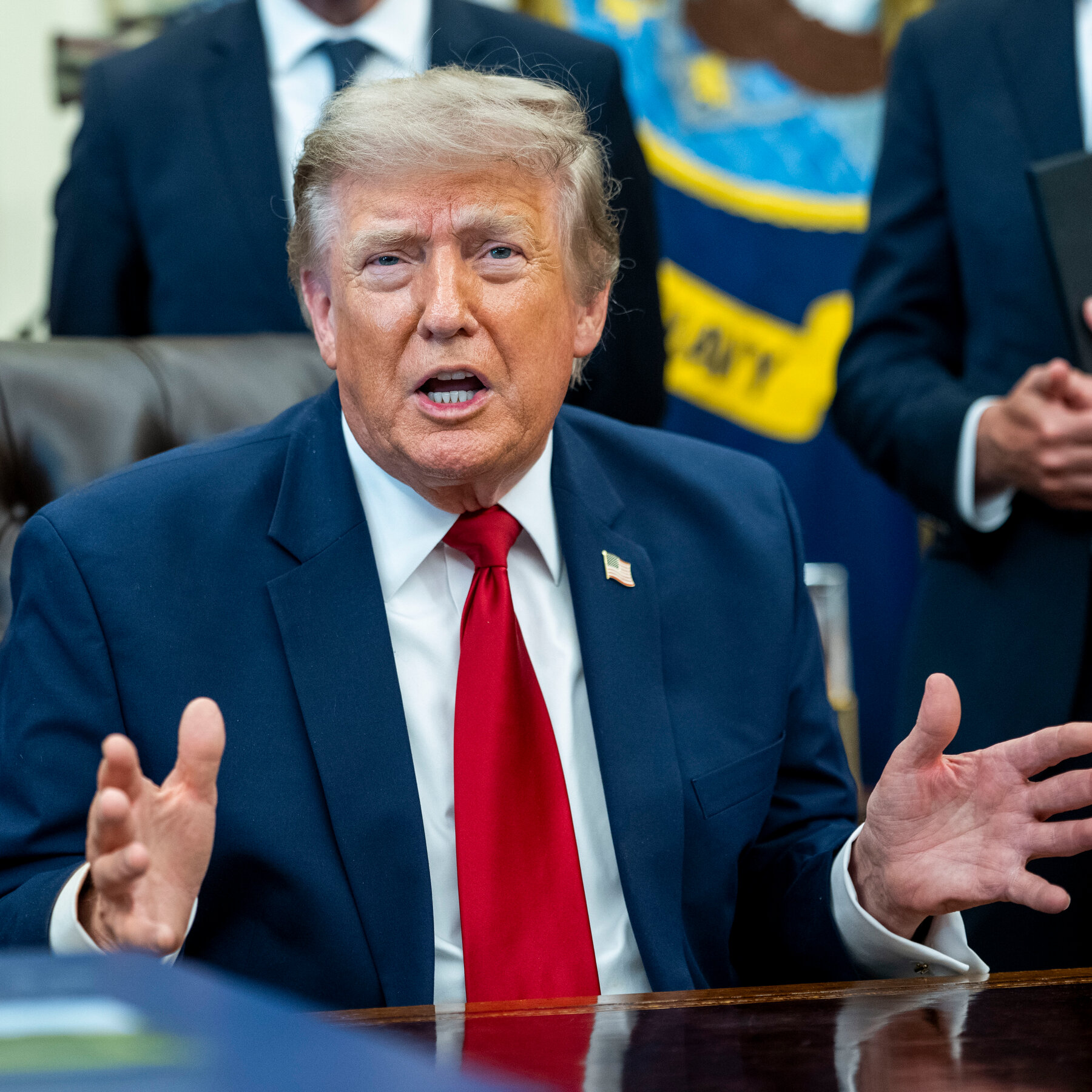
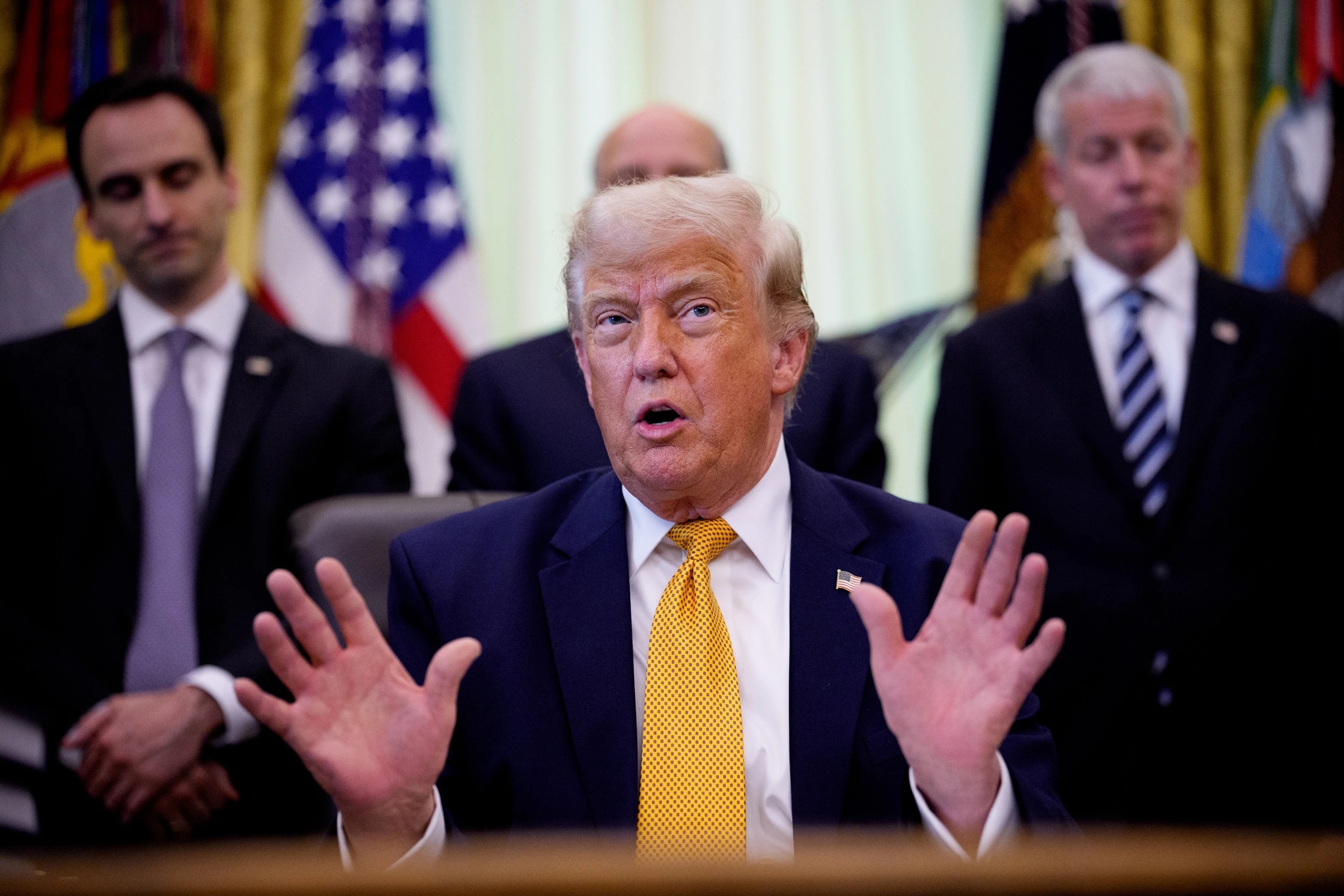
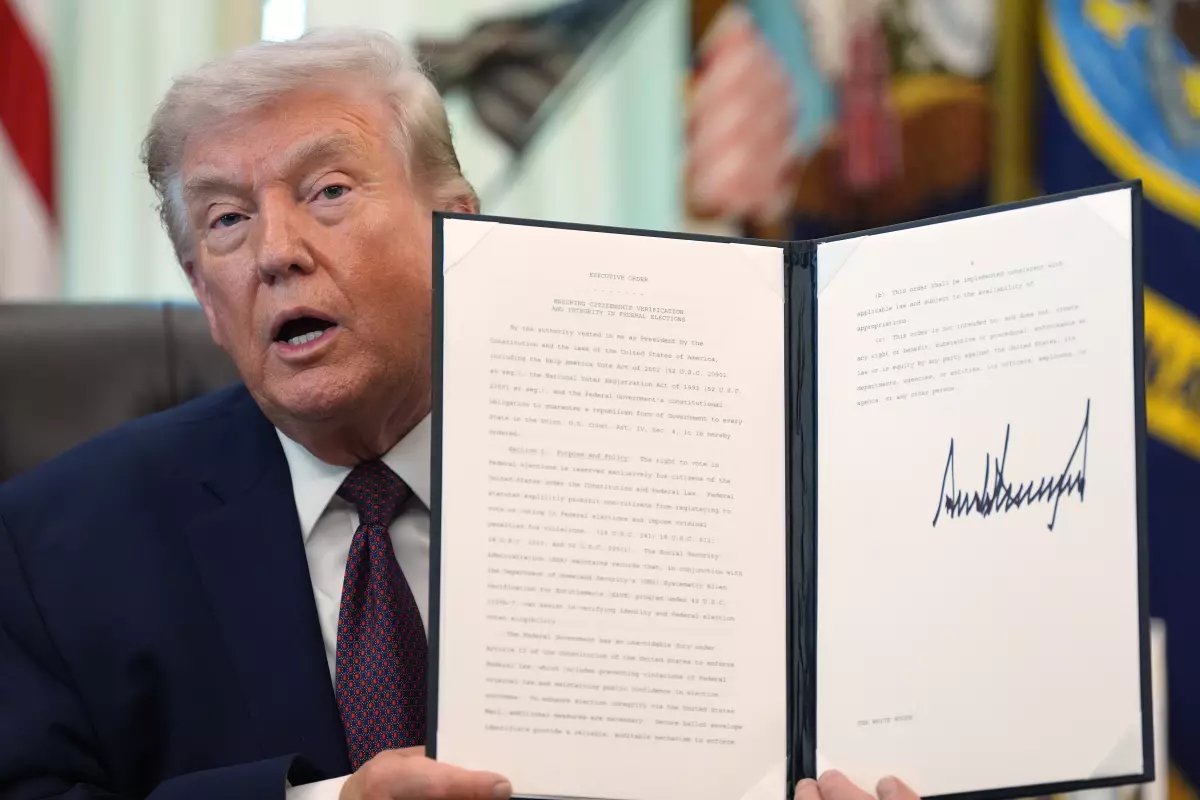
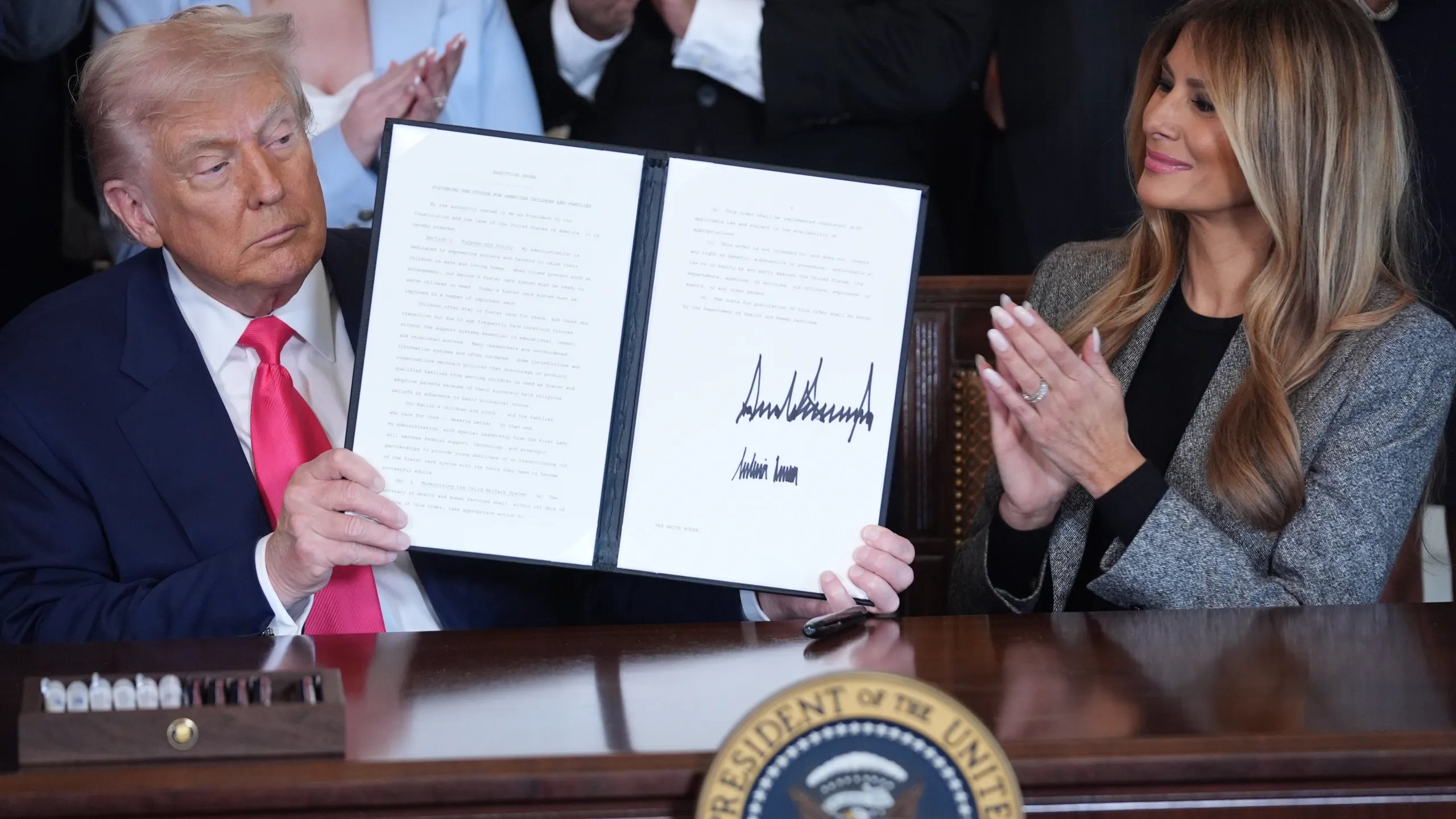
This marks the second major action by the Trump administration against Anthropic in just a few months. Earlier this month, President Trump signed an executive order requiring federal vetting of the most advanced AI systems for national security risks for up to a month before public release. That order is voluntary and explicitly avoids a licensing regime, something White House chief AI adviser David Sacks secured to avoid what he considers regulatory capture of the biggest labs.
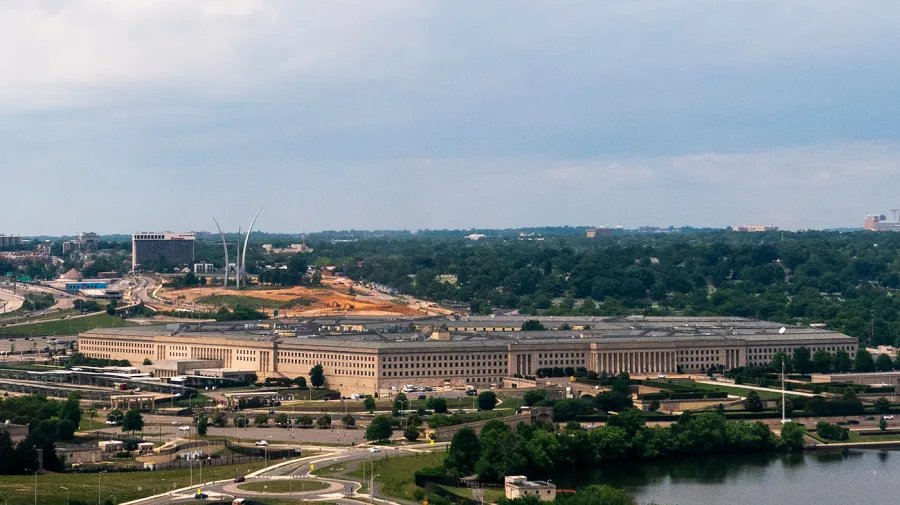
However, Anthropic now finds itself on a Pentagon blacklist deeming it too dangerous for the government's own use and subject to Commerce Department licensing requiring individually validated licenses for any export or domestic transfer of its models. Failure to comply would result in financial and civil penalties.
The block could potentially hurt Anthropic's plans for an initial public offering as early as fall 2026 at a valuation approaching $1 trillion. The ban raises fresh questions among investors about regulatory risks and the company's ability to maintain its technological edge. The Pentagon added Anthropic to a supply chain blacklist after the company refused to allow military use of its models for domestic surveillance and fully autonomous weapons systems. The blacklist is set to take effect later this year and could severely limit the company's federal contracts.
Commerce Secretary Howard Lutnick sent a letter to Anthropic CEO Dario Amodei on Friday imposing export controls on the company's two newest AI models, Fable 5 and Mythos 5. The directive barred foreign nationals from accessing the models whether inside or outside the United States, including foreign employees at Anthropic itself. The company received the order at 5:21pm on Friday and responded by shutting down access to both models for all customers to ensure compliance.
Anthropic released Fable 5 and Mythos 5 on June 9, just days before the government action. Fable 5 is widely available to the public, while Mythos 5 is mostly restricted to vetted organizations. The sudden block represents a major escalation in tensions between the company and the Trump administration after failed negotiations earlier this year over potential military and intelligence use of Anthropic's technology.
An administration official told Axios that the Commerce Department decided to take action after another company claimed it could jailbreak Mythos, alarming officials about possible national security risks. The government's concern centers on Fable 5's ability to review specific program code and identify software vulnerabilities, a capability that could theoretically be weaponized.
Anthropic said the government provided only verbal evidence of a potential narrow jailbreak involving this code-review function. The company's own testing found only minor vulnerabilities that were already known. Anthropic emphasized that other publicly available models, including GPT-5.5 from OpenAI, possess similar code-review capabilities.
The administration tried to get Anthropic to pause releasing the latest models but was unsuccessful, prompting the export control letter. An administration official said the models need to remain locked down until the U.S. government's national security apparatus is hardened, which could happen in the next few weeks.
Anthropic said it disagreed that the government's findings should be cause for recalling a commercial model deployed to hundreds of millions of people. The company argued that if this standard were applied across the AI industry, it would essentially halt all new model deployments for all frontier model providers.
The company complied with the legal directive but expressed concern about the precedent. Anthropic said the government's letter did not explain its specific security concerns in detail, leaving the company working from incomplete information.
This marks the second major action by the Trump administration against Anthropic in just a few months. Earlier this month, President Trump signed an executive order requiring federal vetting of the most advanced AI systems for national security risks for up to a month before public release. That order is voluntary and explicitly avoids a licensing regime, something White House chief AI adviser David Sacks secured to avoid what he considers regulatory capture of the biggest labs.
An administration official said Trump does not want to hurt the industry and wants innovation to continue. However, Anthropic now finds itself on a Pentagon blacklist deeming it too dangerous for the government's own use and subject to Commerce Department licensing requiring individually validated licenses for any export or domestic transfer of its models. Failure to comply would result in financial and civil penalties.
The block could potentially hurt Anthropic's plans for an initial public offering as early as fall 2026 at a valuation approaching $1 trillion. The ban raises fresh questions among investors about regulatory risks and the company's ability to maintain its technological edge. Anthropic's relationship with the government broke down after the company refused to allow the military to use its AI models for domestic surveillance and fully autonomous weapons systems.
Highlighted text was flagged by the council. Tap to see feedback.