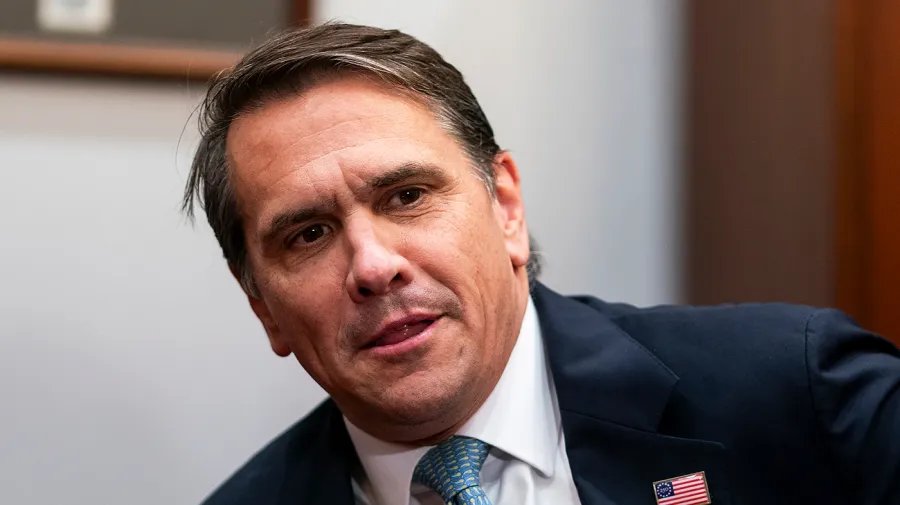
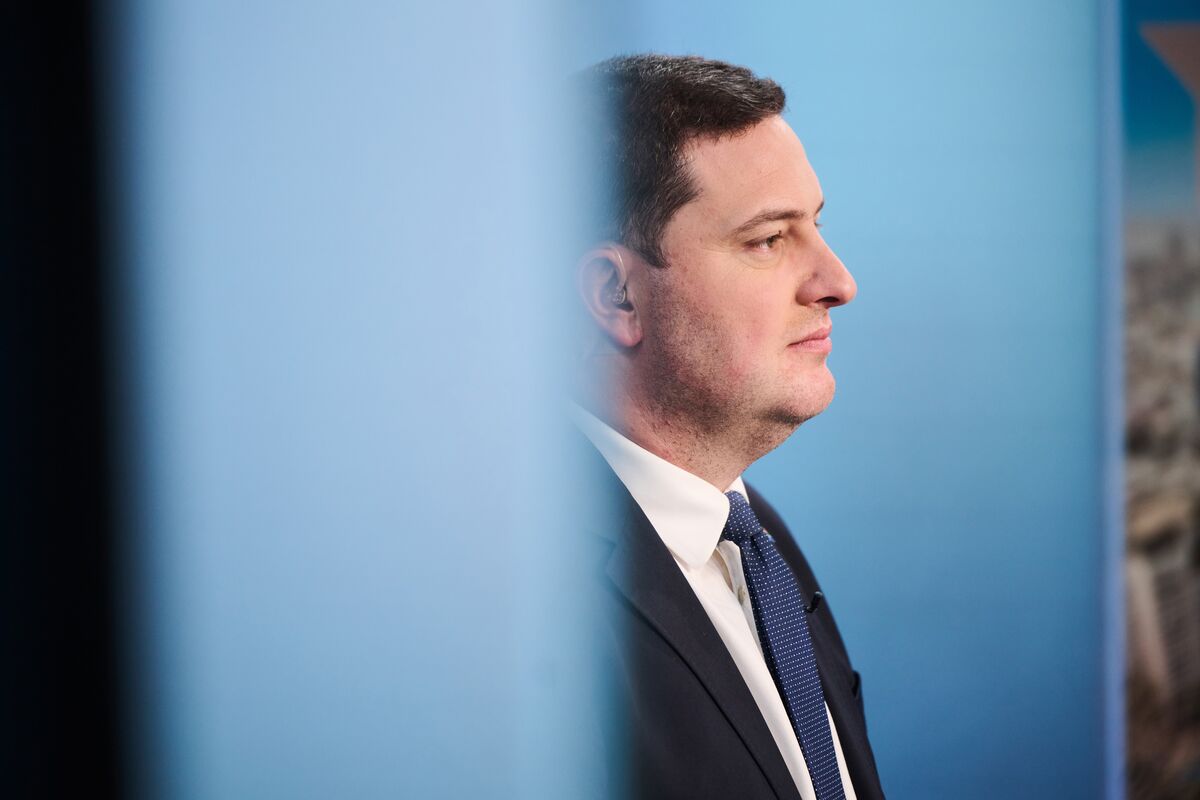
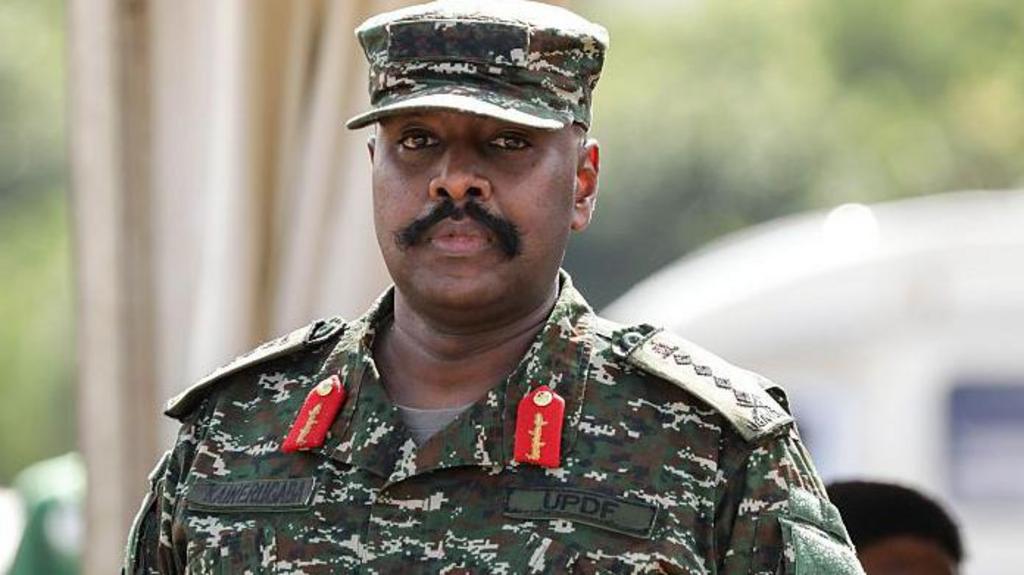
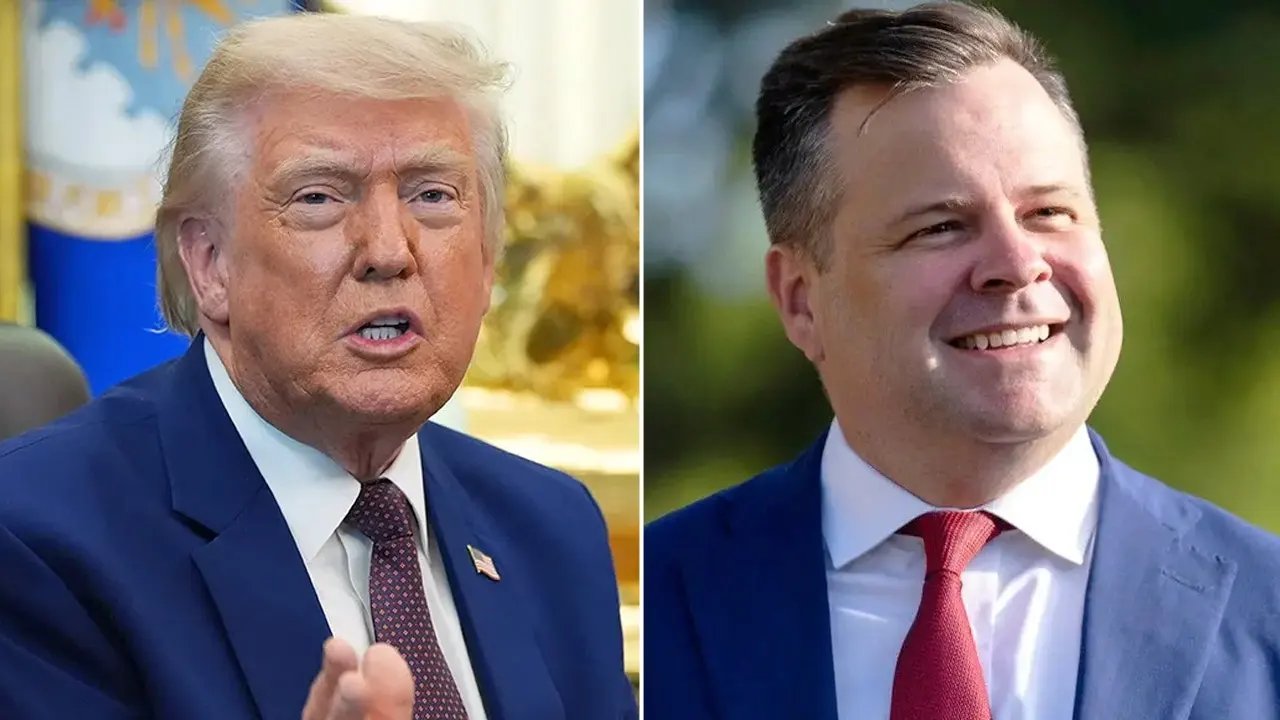
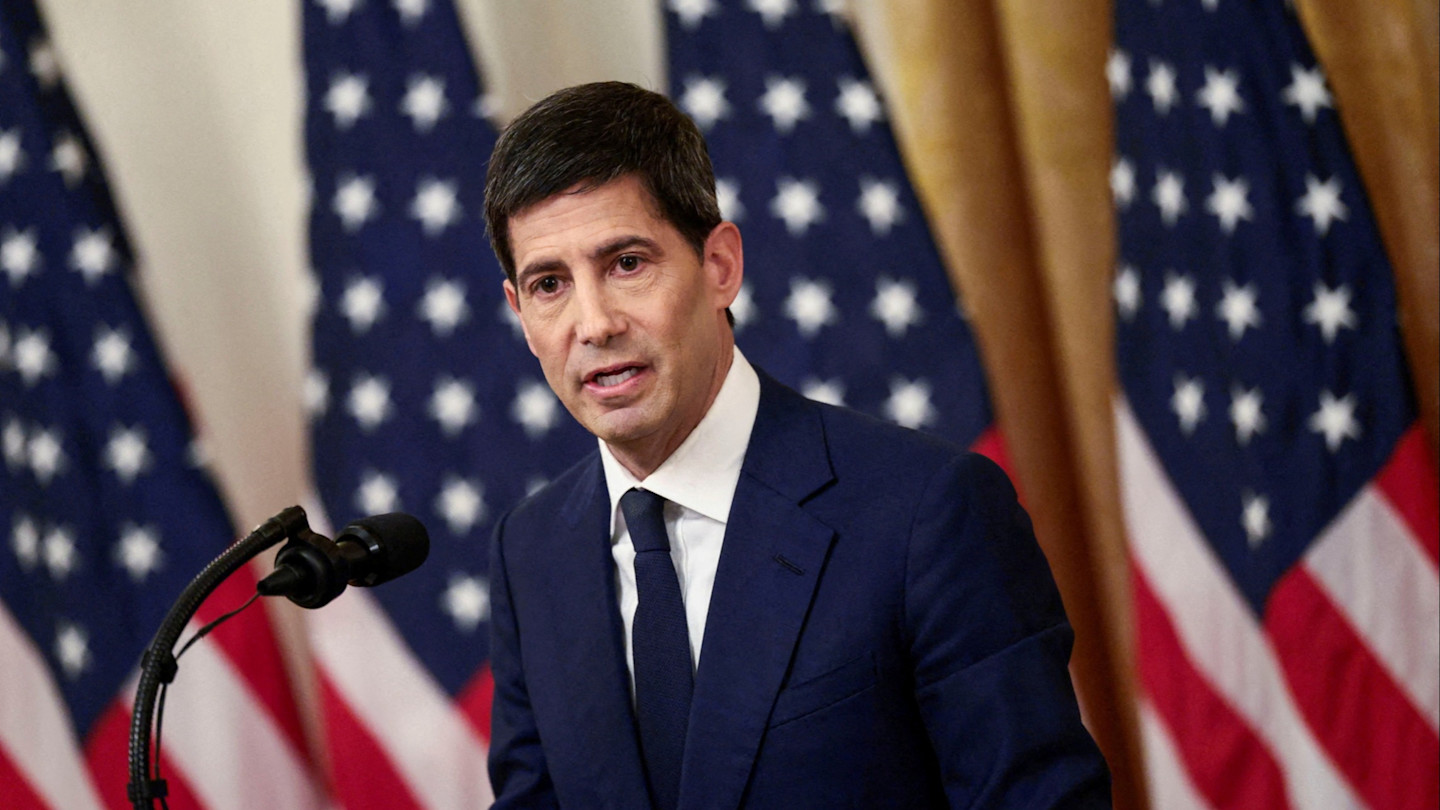
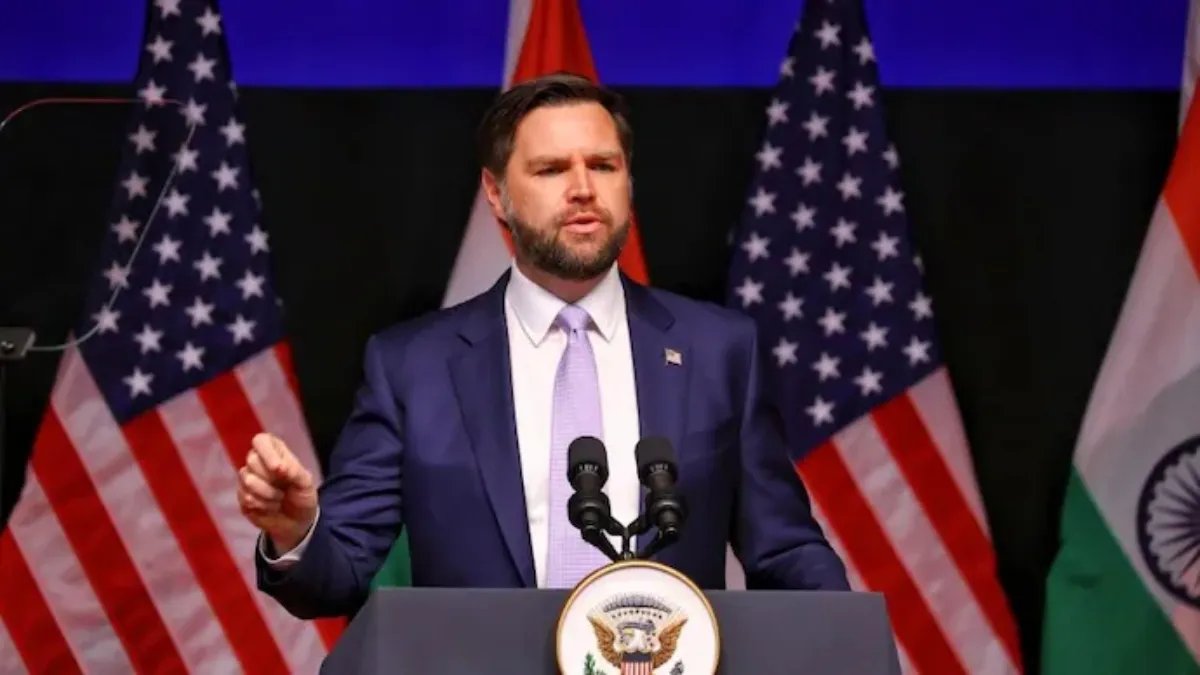
Vice-President Teodoro Nguema Obiang Mangue announced the resignation of Equatorial Guinea's government after failing to meet its objectives, stating they had barely reached 10% of their targets. The ruling party's statement cited the president's dissatisfaction with the outgoing government's management, highlighting misuse of state resources for personal interests and stagnation in development projects. The president also criticized the lack of economic diversification, particularly in agriculture, which could reduce reliance on imported goods.
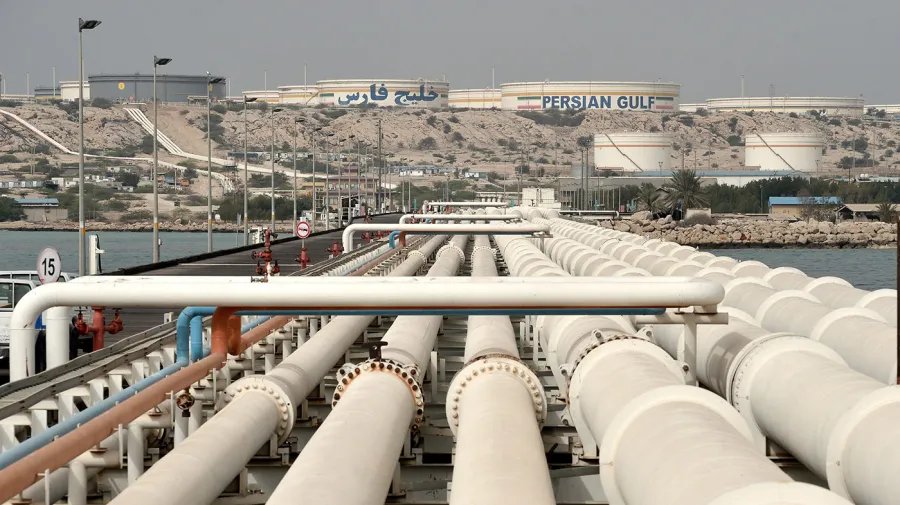
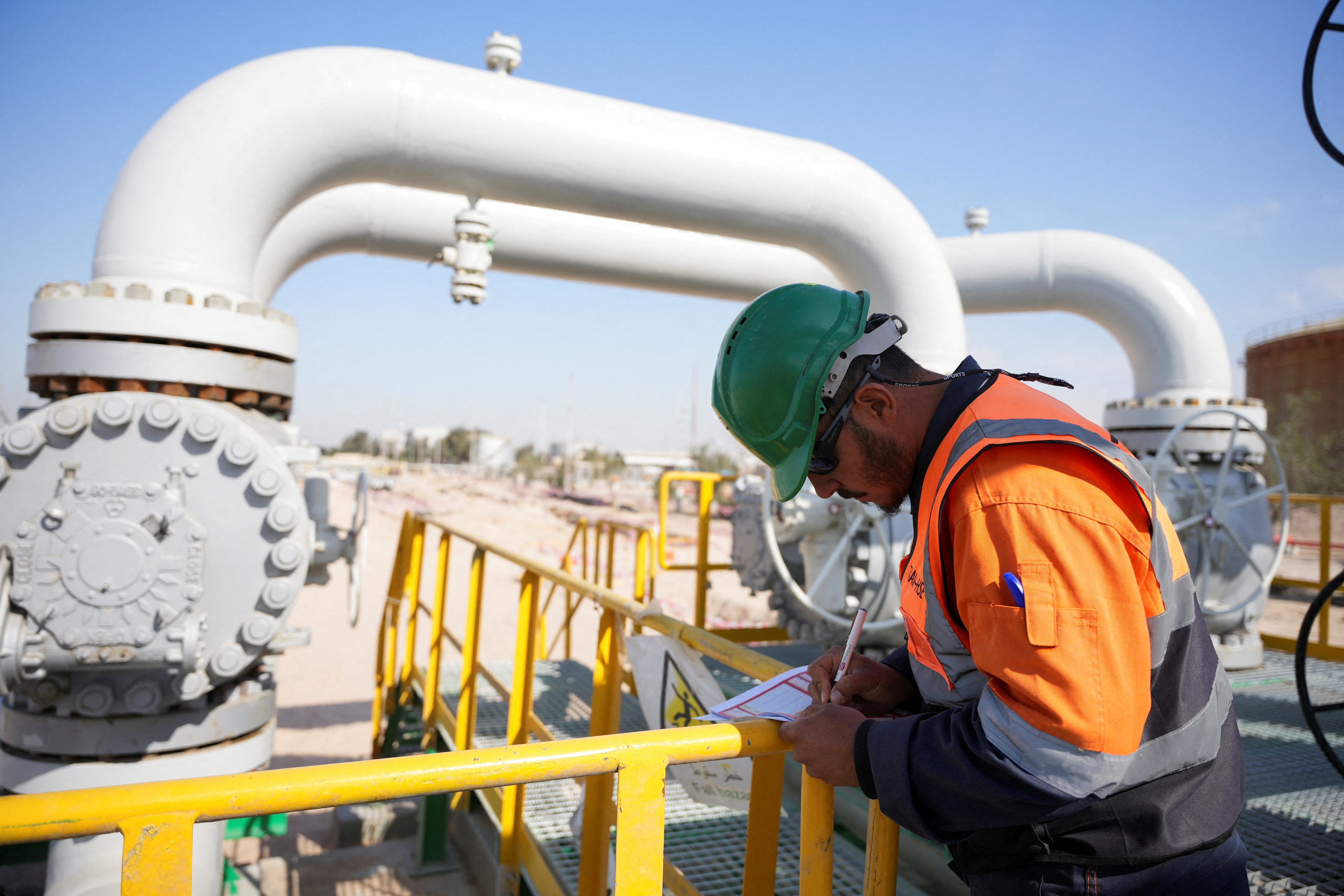
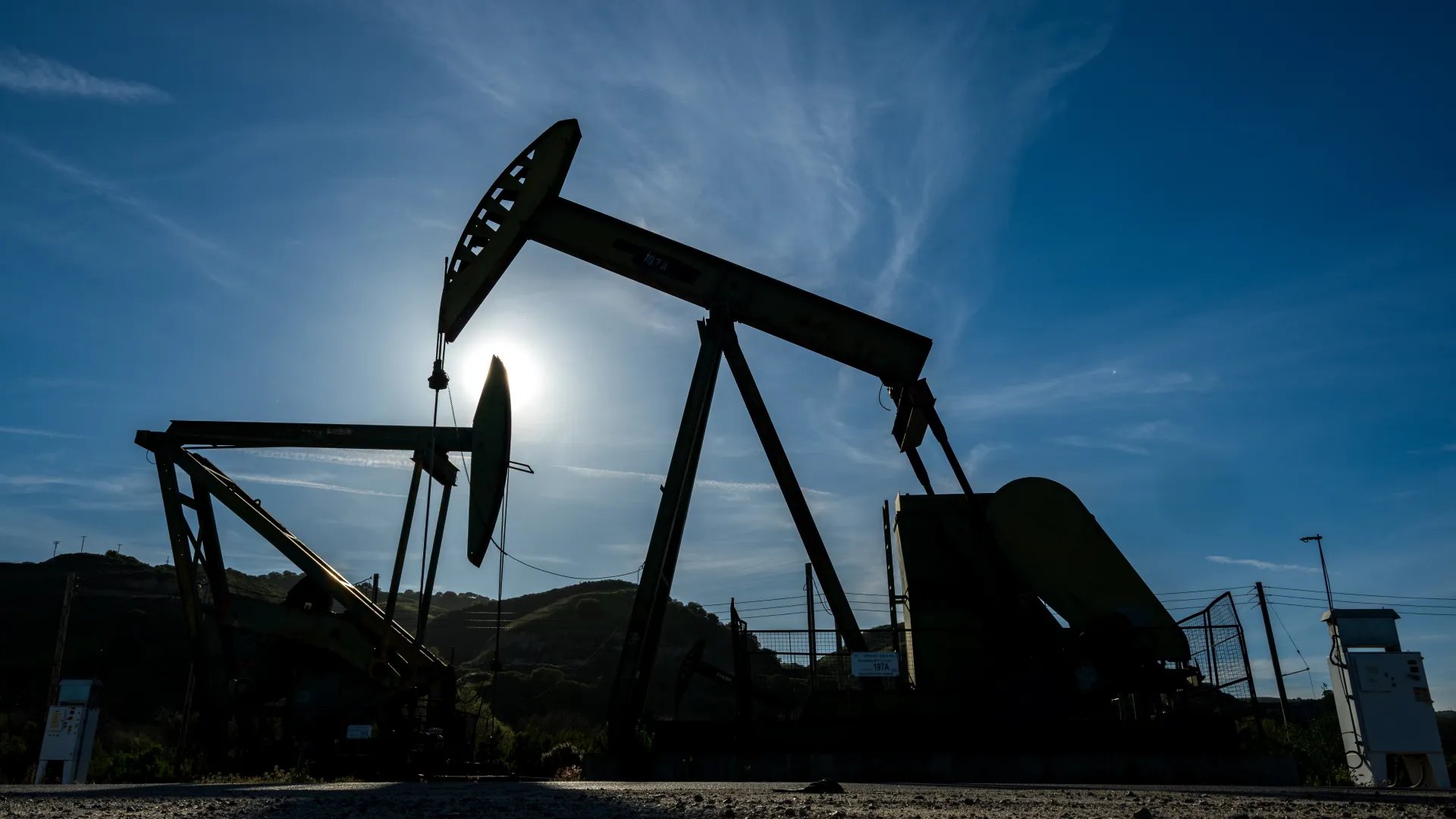
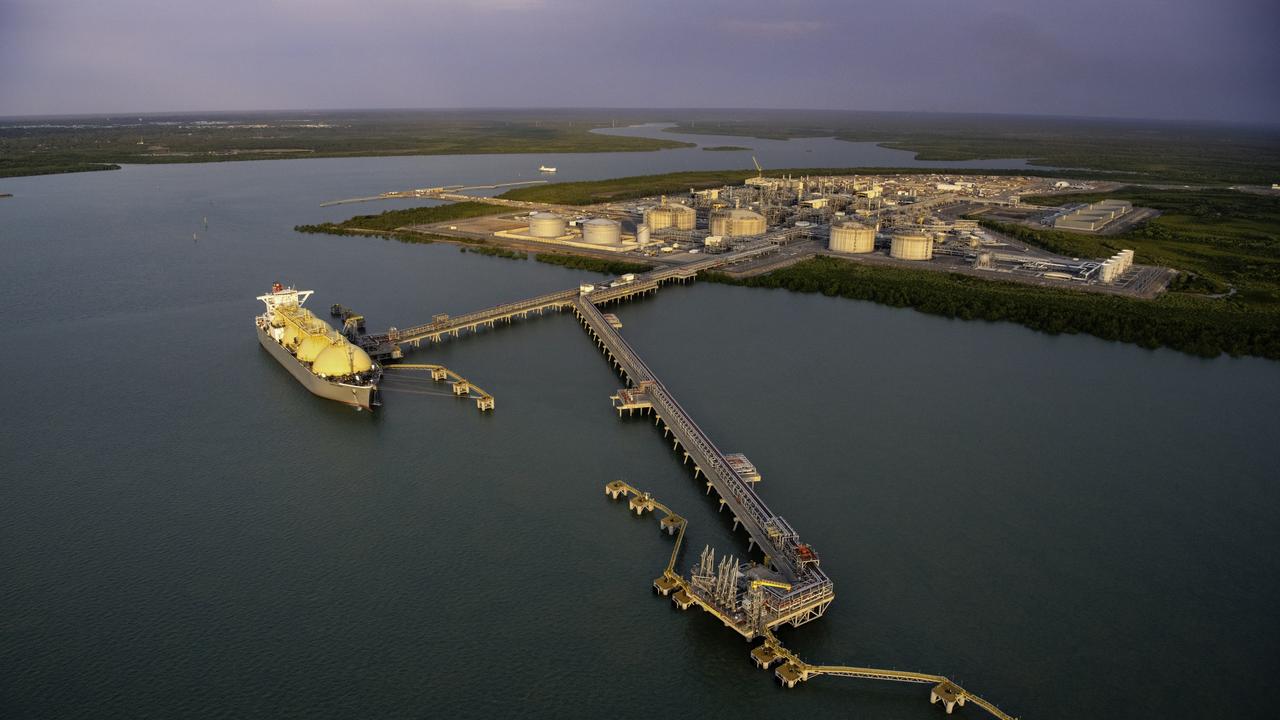
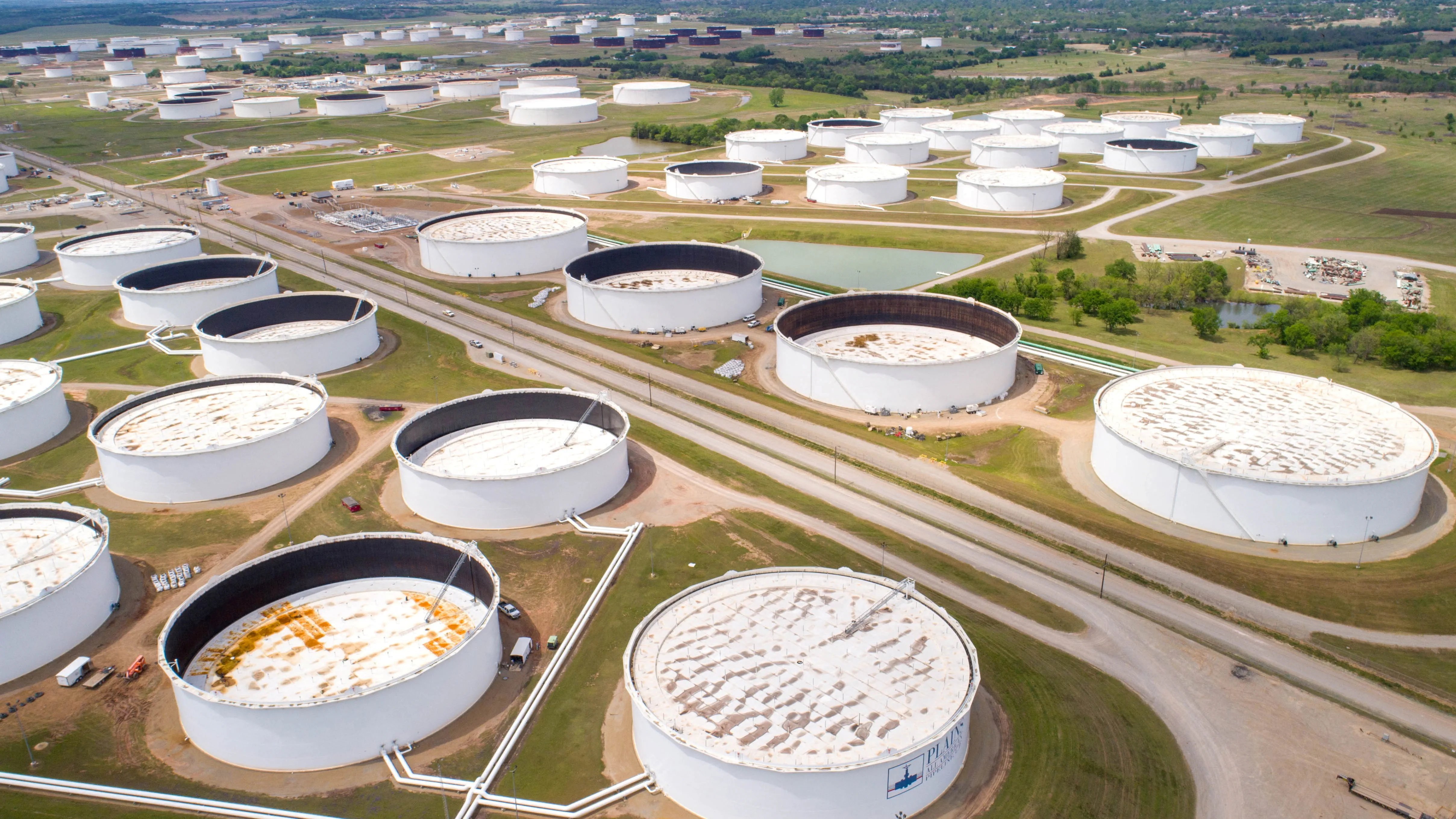
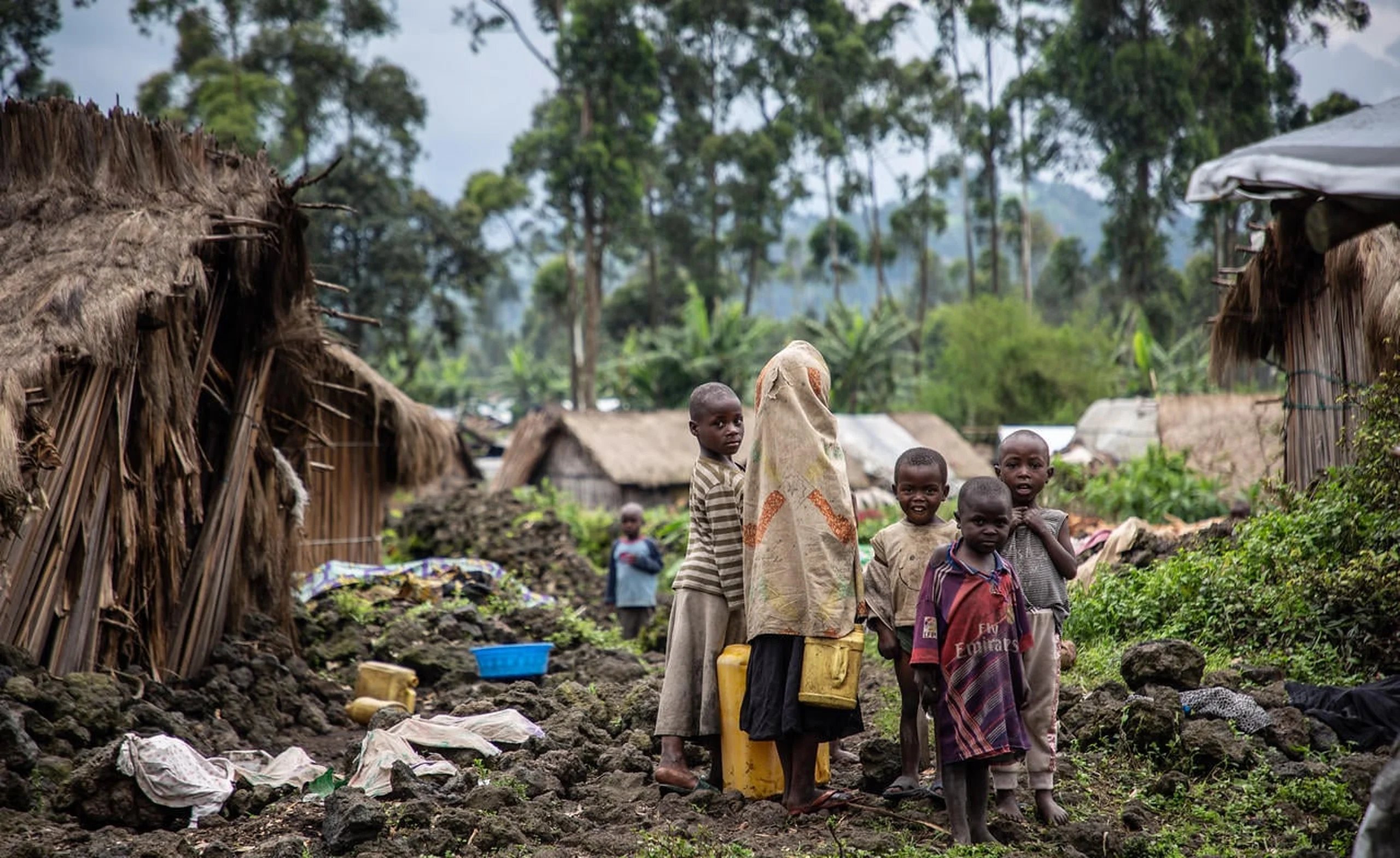
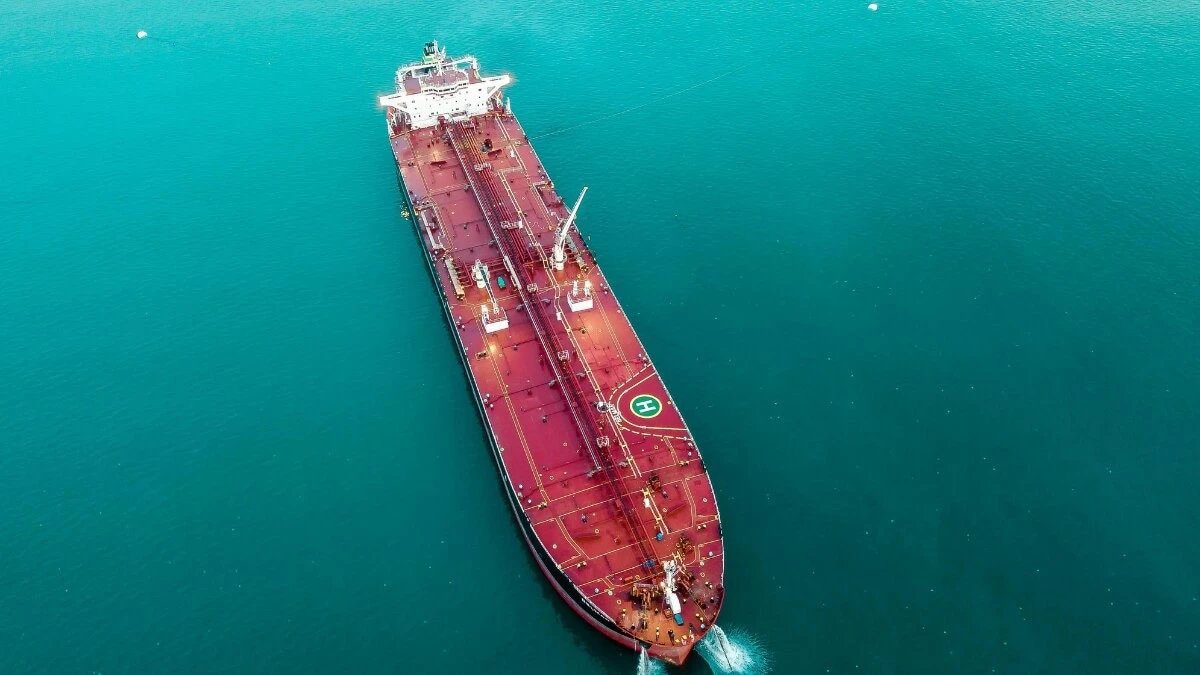
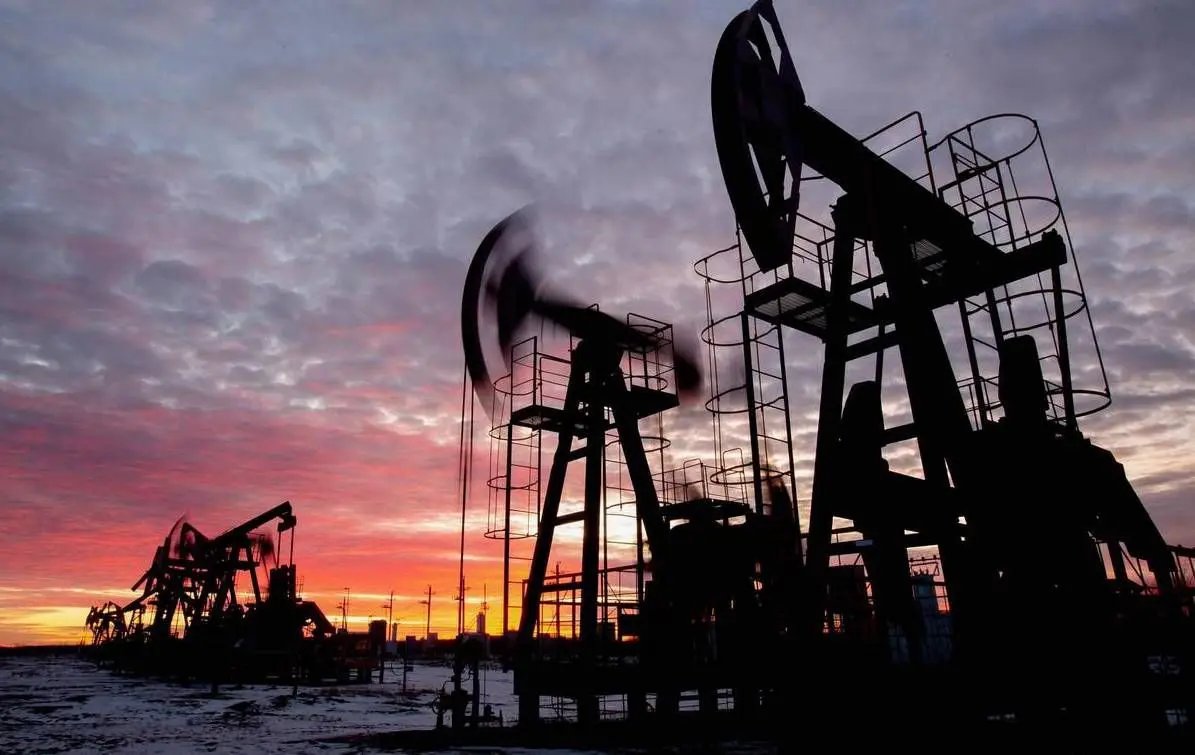
Equatorial Guinea's economy is heavily reliant on petroleum, with oil and gas accounting for most of its exports and revenues. Despite its oil wealth, much of its 1.8 million population has not benefitted, as poverty remains rampant. In recent years, the economy has been on a decline amid reduced production and demand for oil.
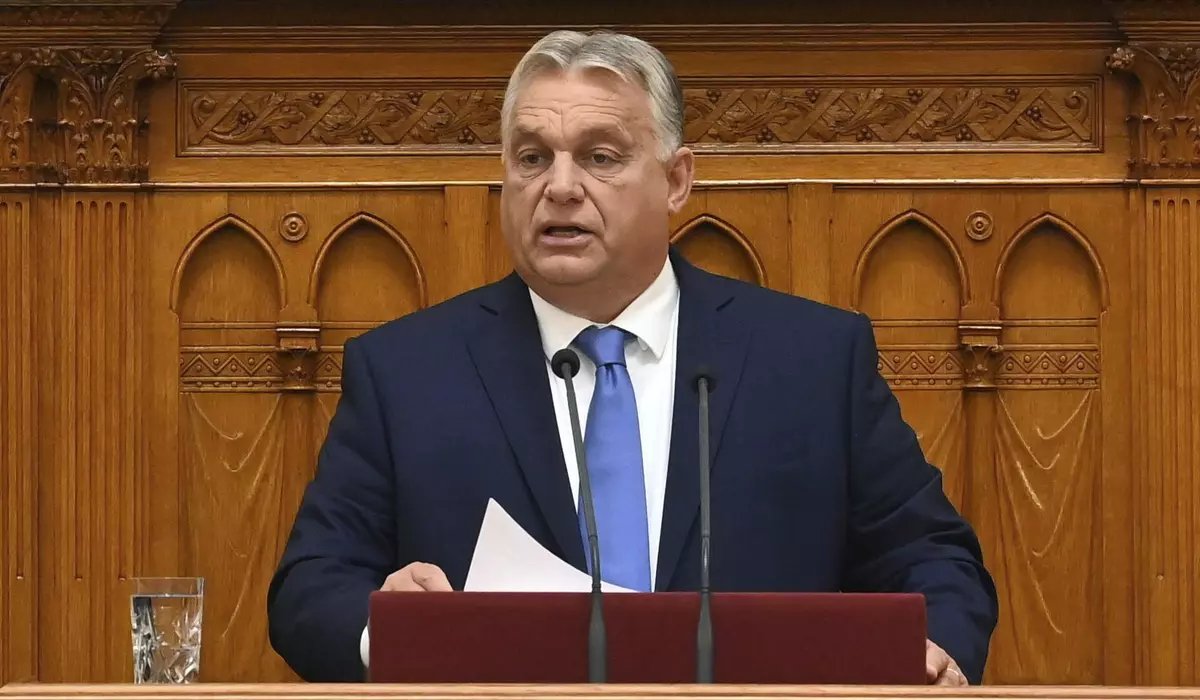
President Teodoro Obiang Nguema Mbasogo, the world's longest-serving leader, has ruled the oil-rich West African country since 1979.
The resignation of Equatorial Guinea's government due to performance failures and corruption allegations reflects the country's struggle with economic dependence on oil and widespread poverty. As the country grapples with these challenges, the appointment of a new government offers an opportunity for change and improvement.
Vice-President Teodoro Nguema Obiang Mangue announced the resignation of Equatorial Guinea's government after failing to meet its objectives, stating they had barely reached 10% of their targets. The ruling party's statement cited the president's dissatisfaction with the outgoing government's management, highlighting misuse of state resources for personal interests and stagnation in development projects. The president also criticized the lack of economic diversification, particularly in agriculture, which could reduce reliance on imported goods.
Equatorial Guinea's economy is heavily reliant on petroleum, with oil and gas accounting for most of its exports and revenues. Despite its oil wealth, much of its 1.8 million population has not benefitted, as poverty remains rampant. In recent years, the economy has been on a decline amid reduced production and demand for oil.
President Teodoro Obiang Nguema Mbasogo, the world's longest-serving leader, has ruled the oil-rich West African country since 1979. The resignation of the government, which he appointed in 2024, could lead to significant political changes and instability in the country. A new government is expected to be appointed.
The resignation of Equatorial Guinea's government due to performance failures and corruption allegations underscores the need for accountability and transparency in public management. As the country grapples with economic dependence on oil and widespread poverty, the appointment of a new government offers an opportunity for change and improvement. The political implications of this resignation will be closely watched, as they could have a significant impact on the country's stability and future.
Highlighted text was flagged by the council. Tap to see feedback.