




The Scale of Devastation
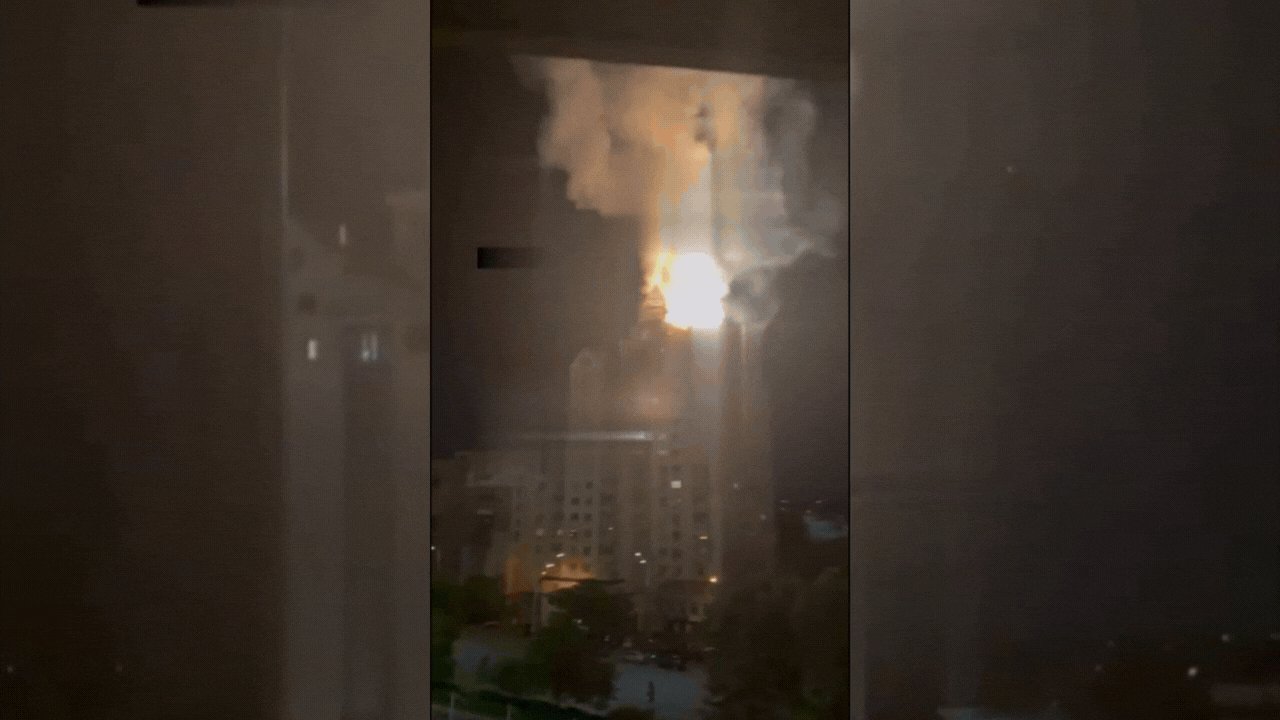
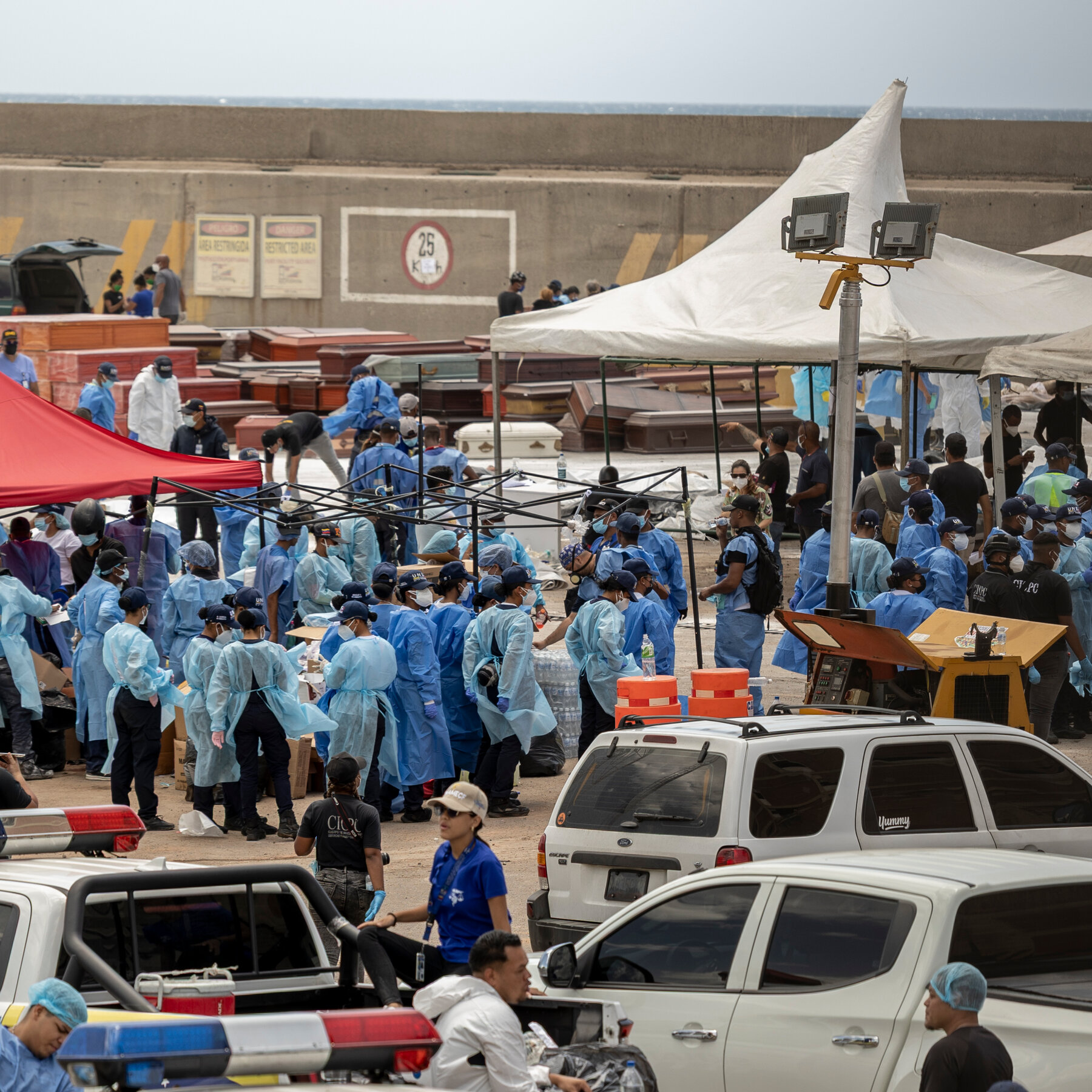
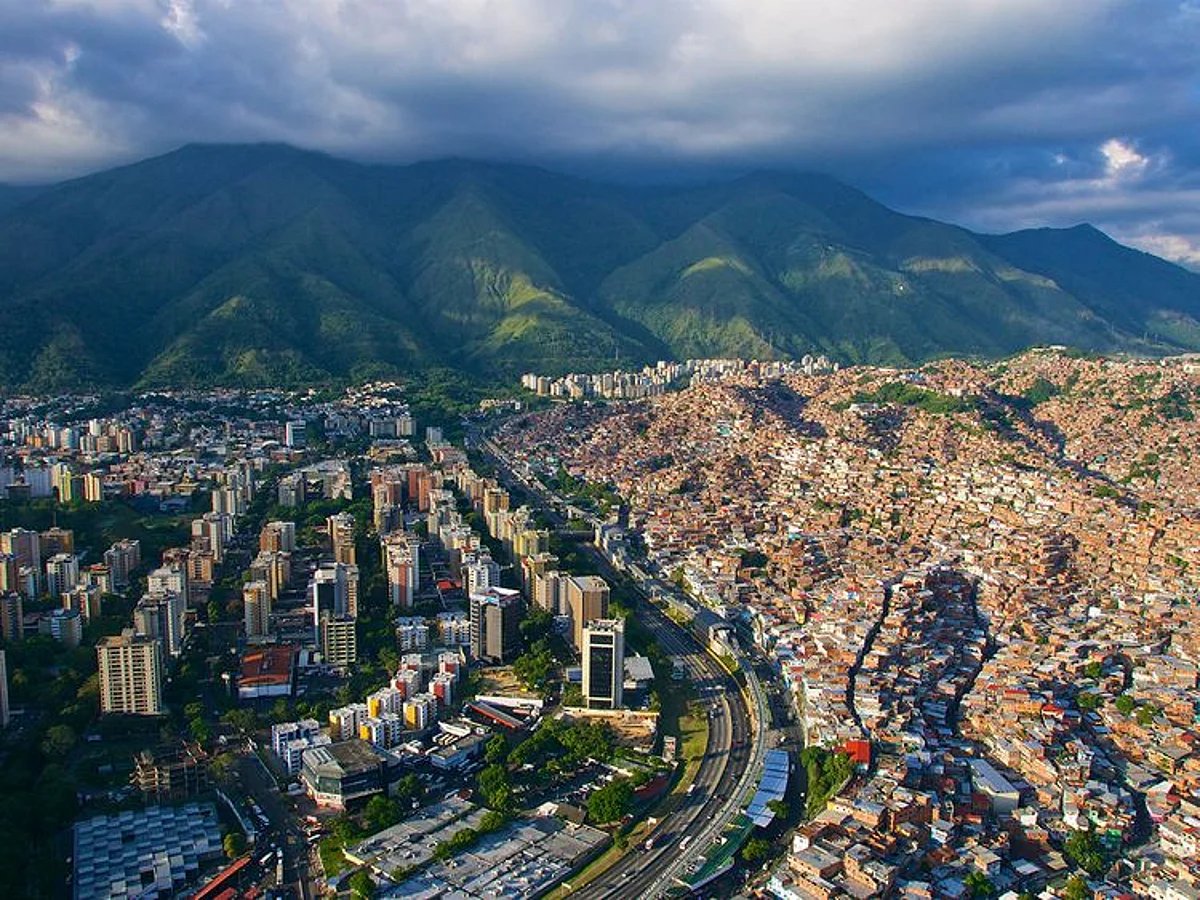
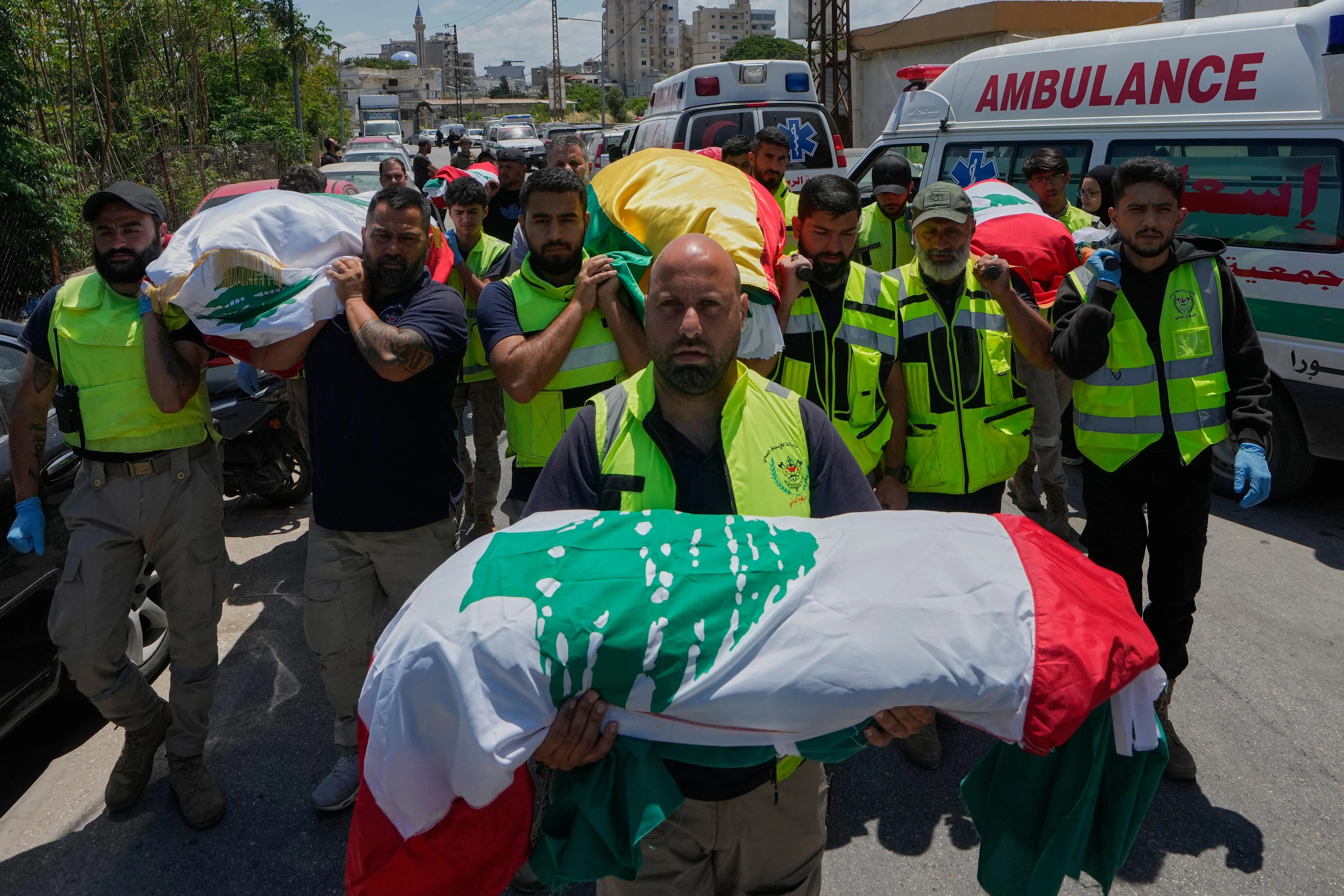
More than 1,400 people have been killed since back-to-back earthquakes struck near Venezuela's capital on Wednesday, with families reporting nearly 70,000 others are missing. The two quakes, measuring 7.2 and 7.5 magnitude, struck about 40 seconds apart near San Felipe at approximately 6 p.m. local time. More than 3,000 people have been injured, and roughly the same number are living in shelters, according to Venezuelan authorities. The United Nations Office for the Coordination of Humanitarian Affairs reported that at least 1,423 infrastructures were affected across the country.
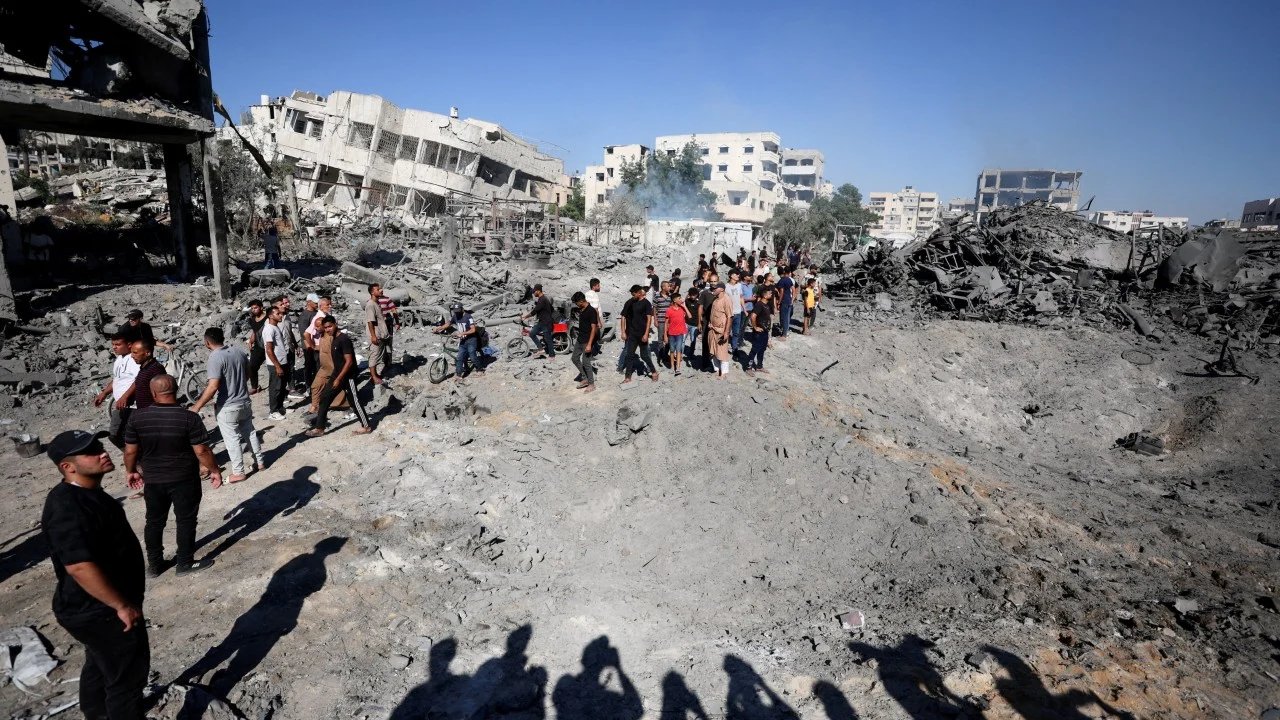
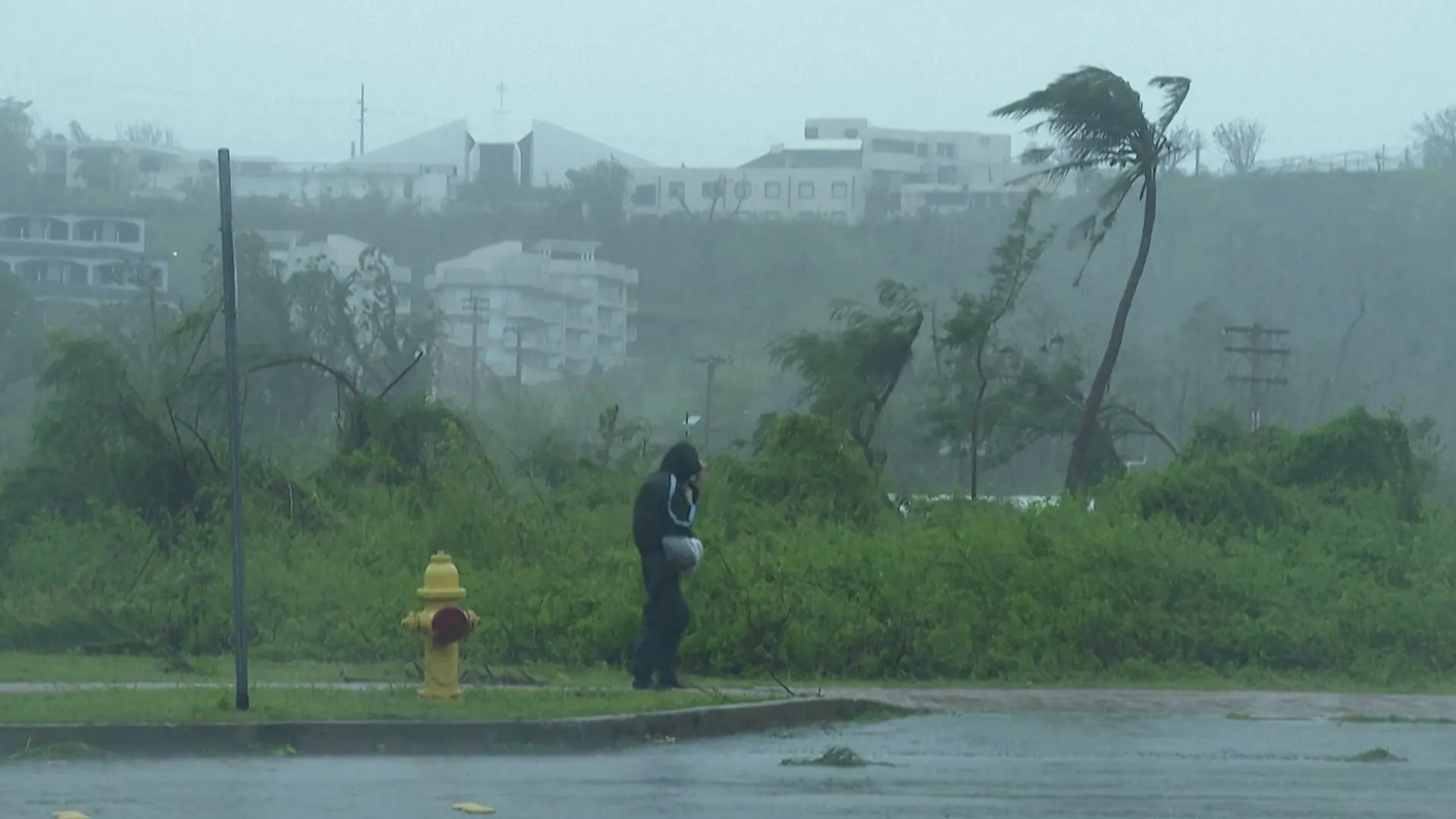
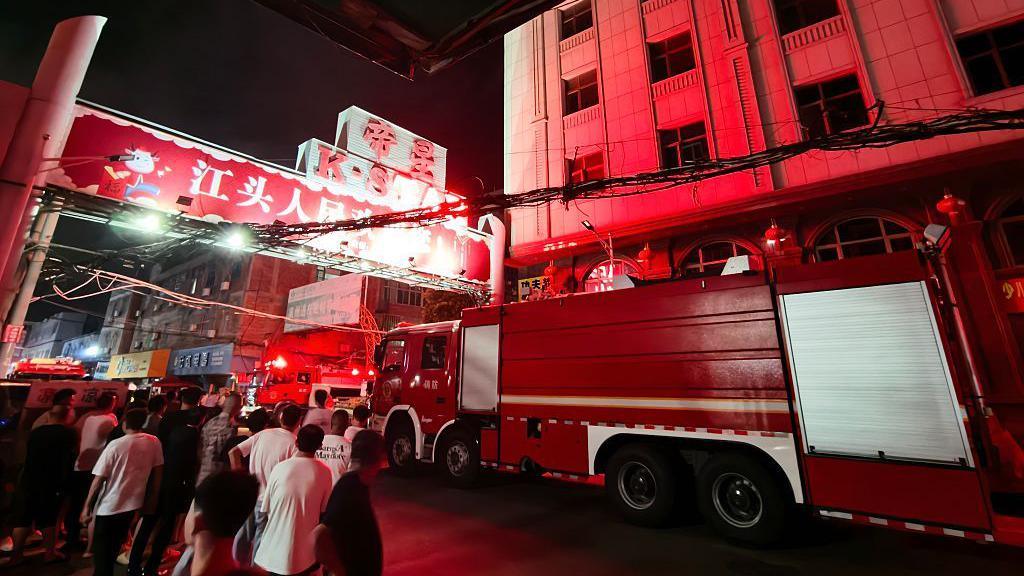
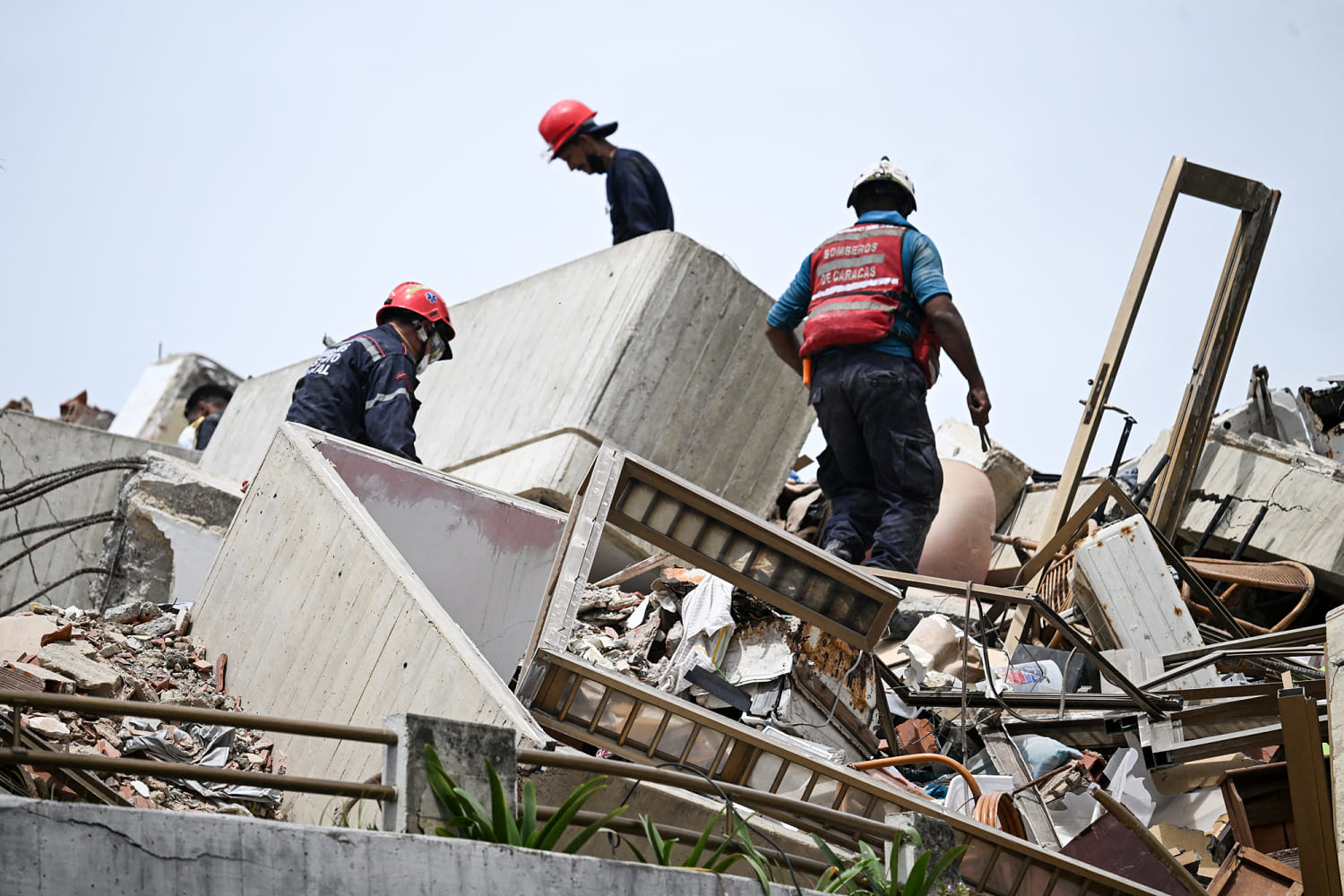
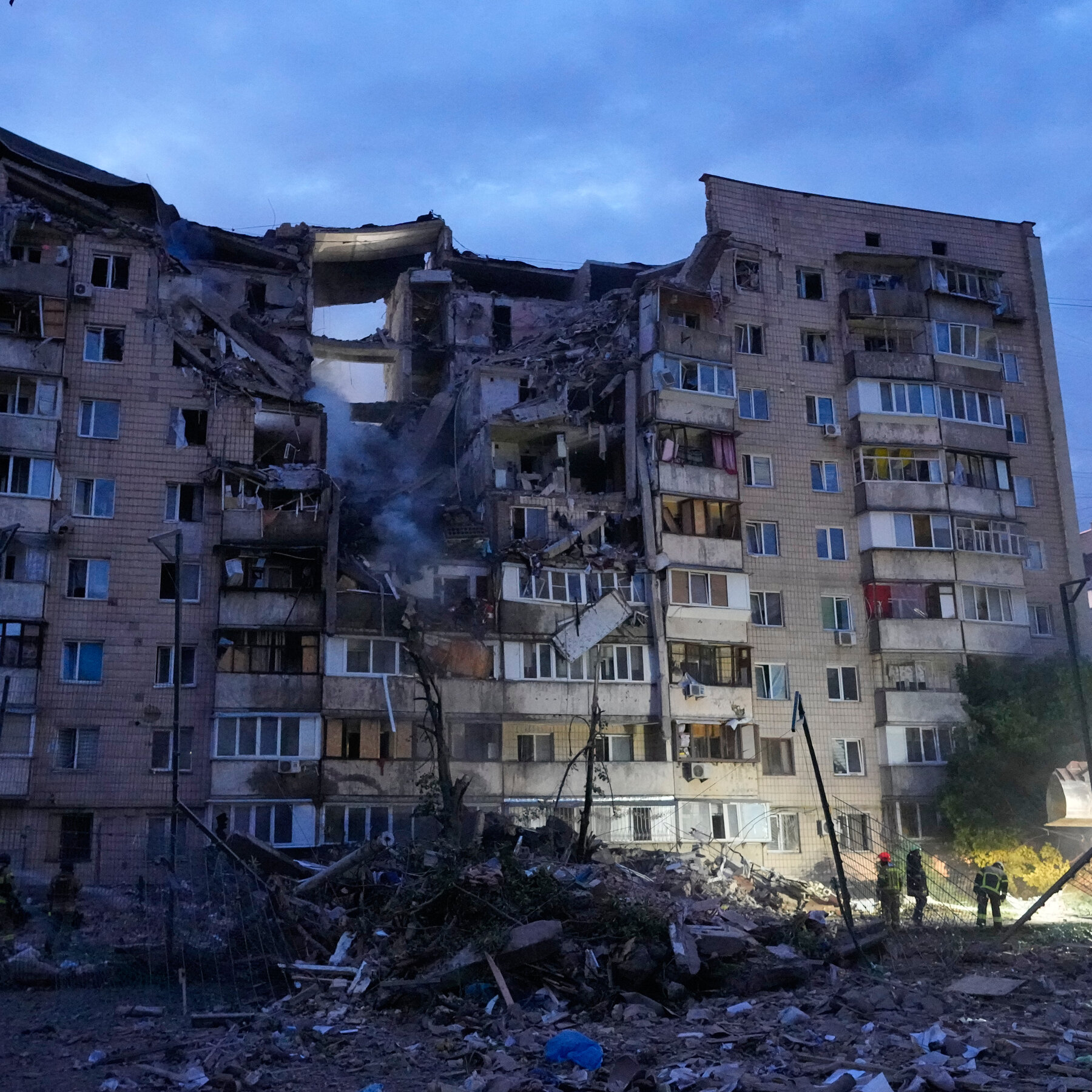
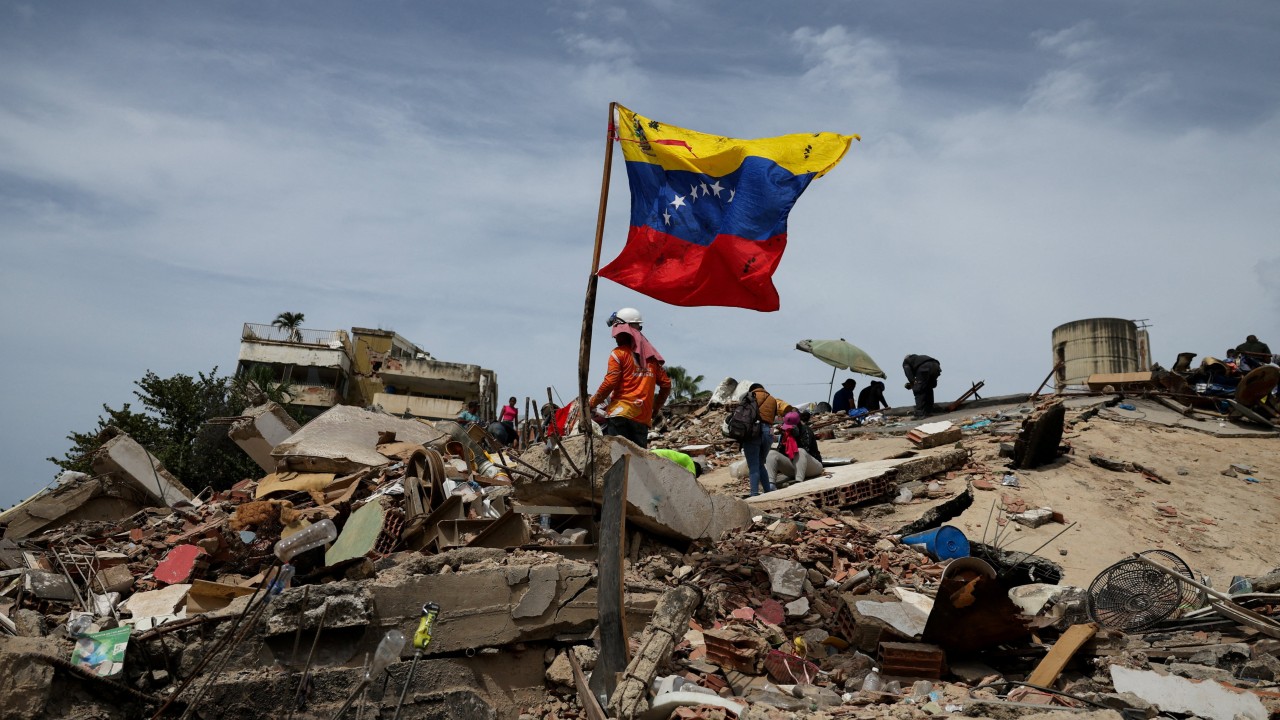
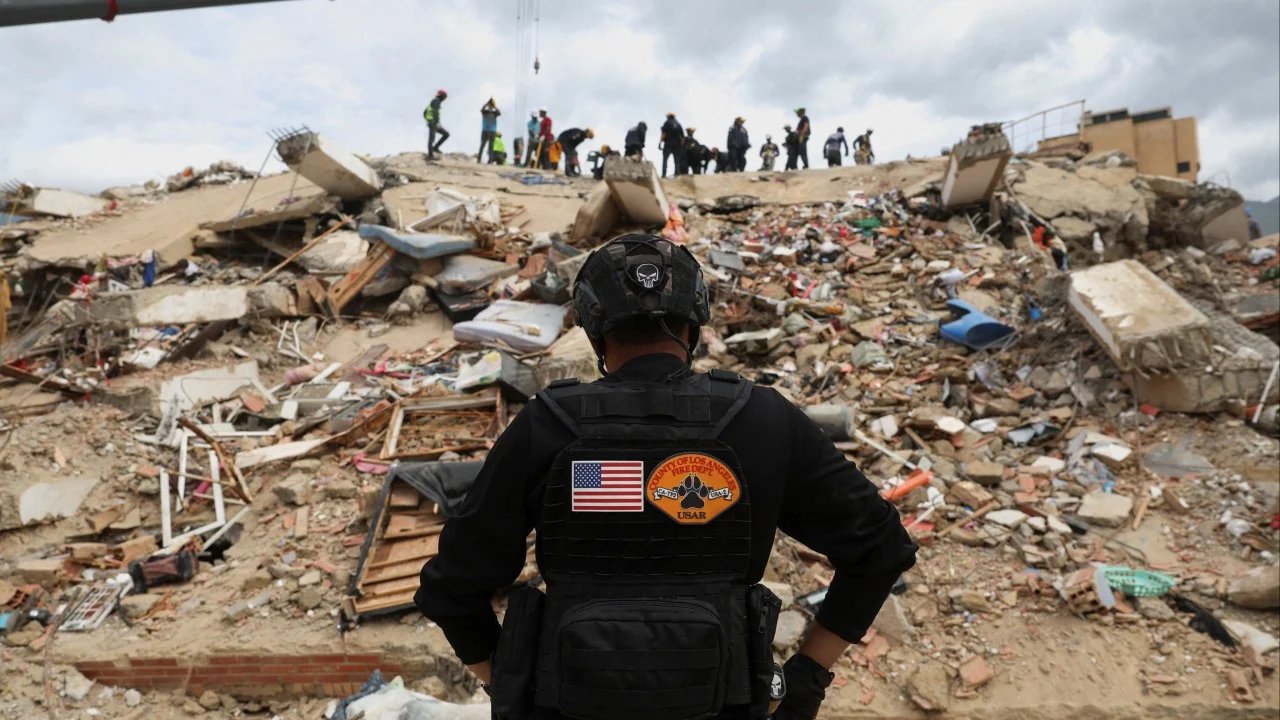
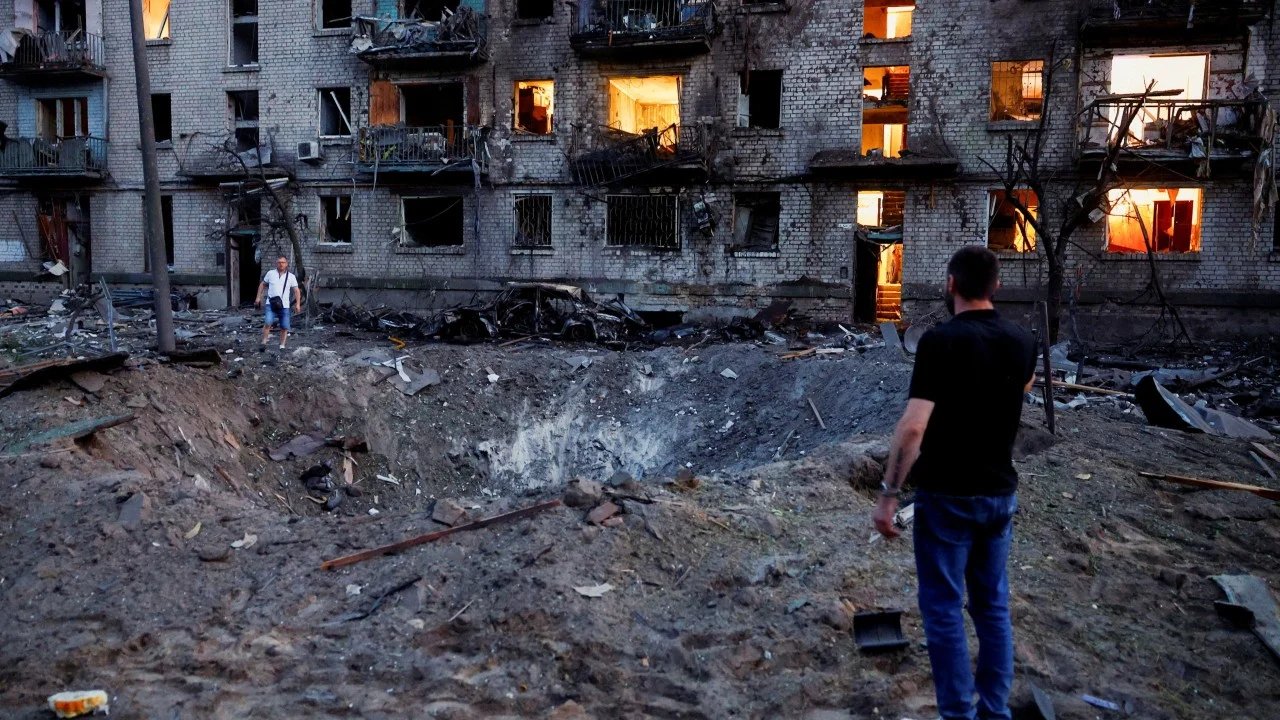
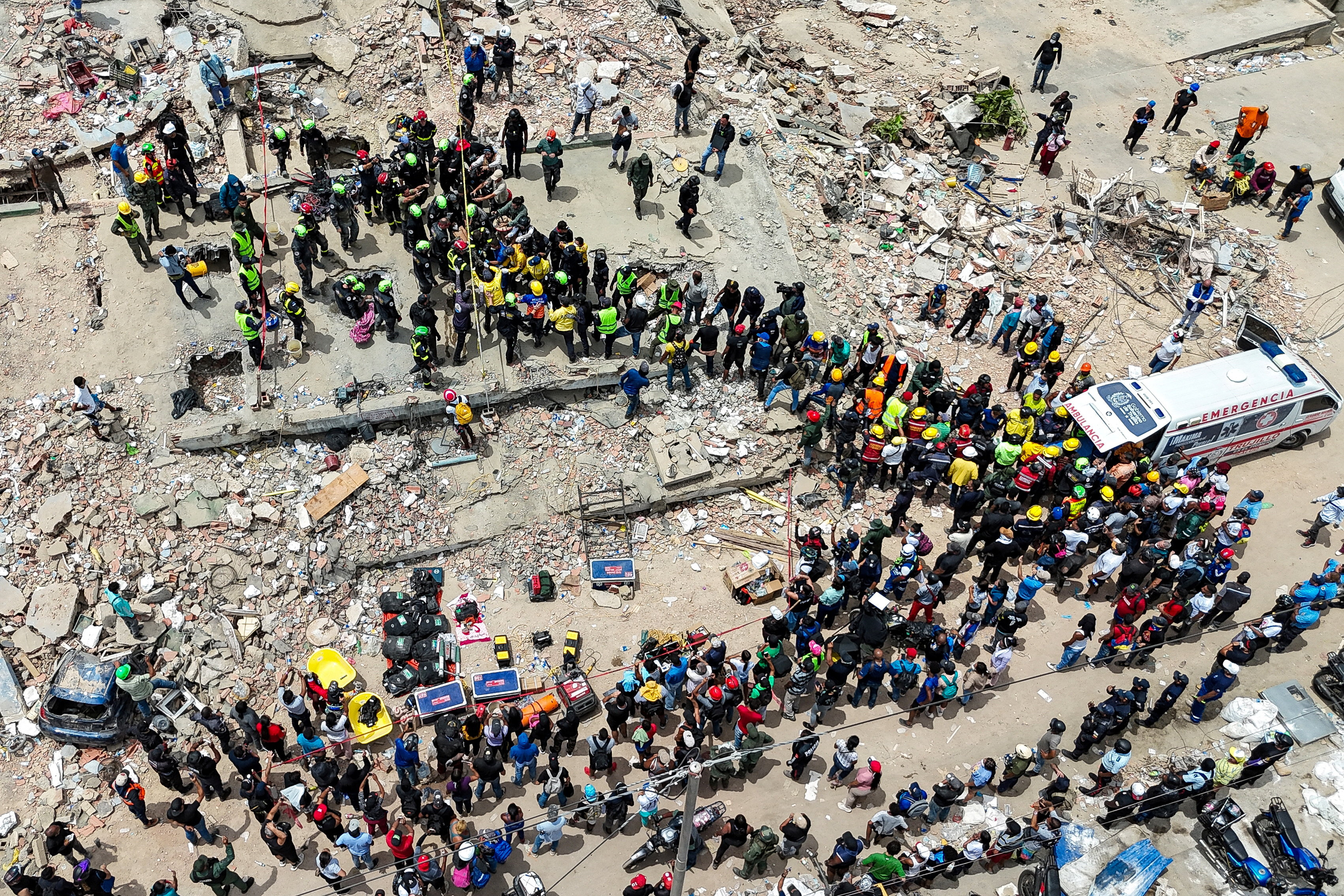
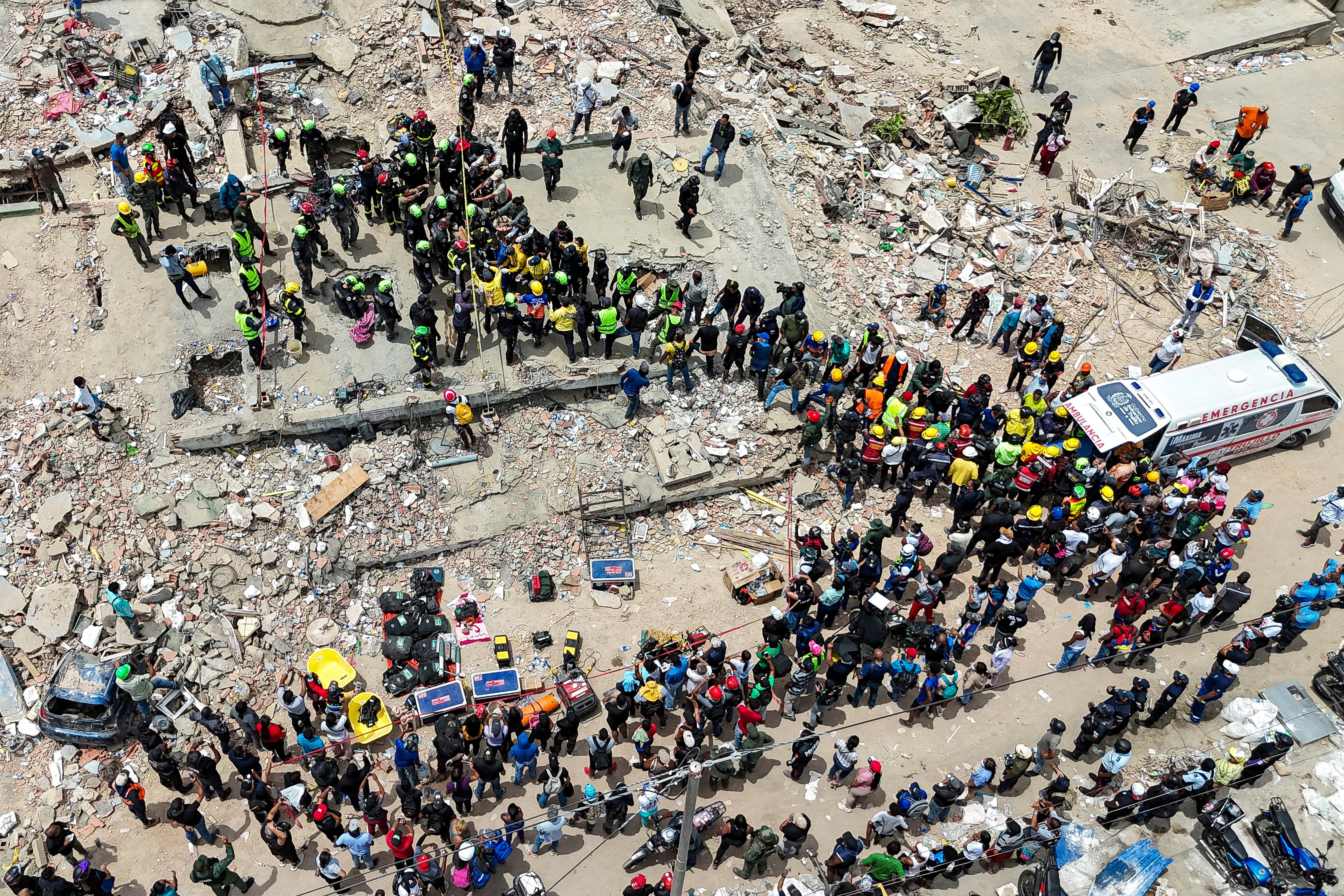
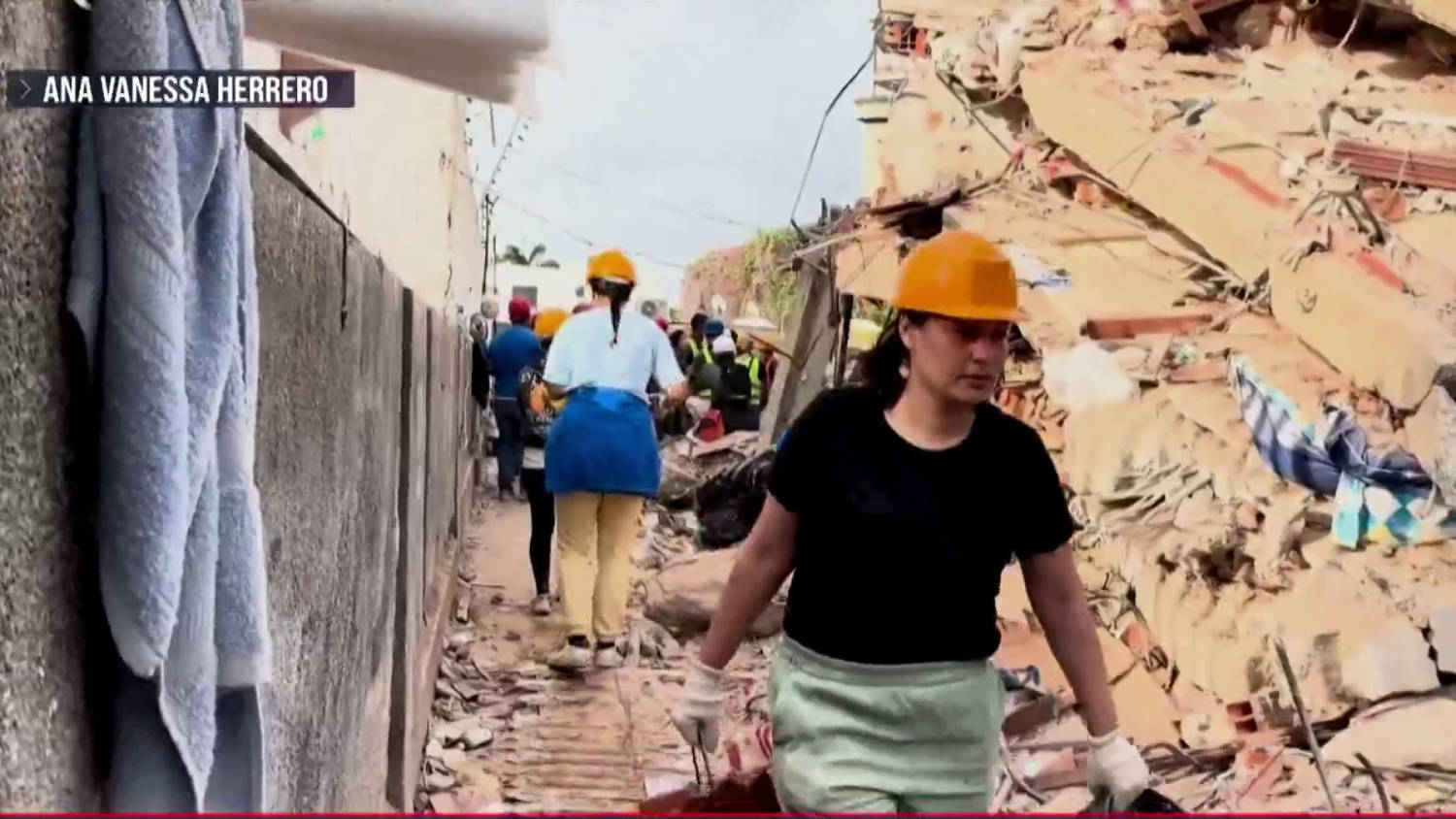
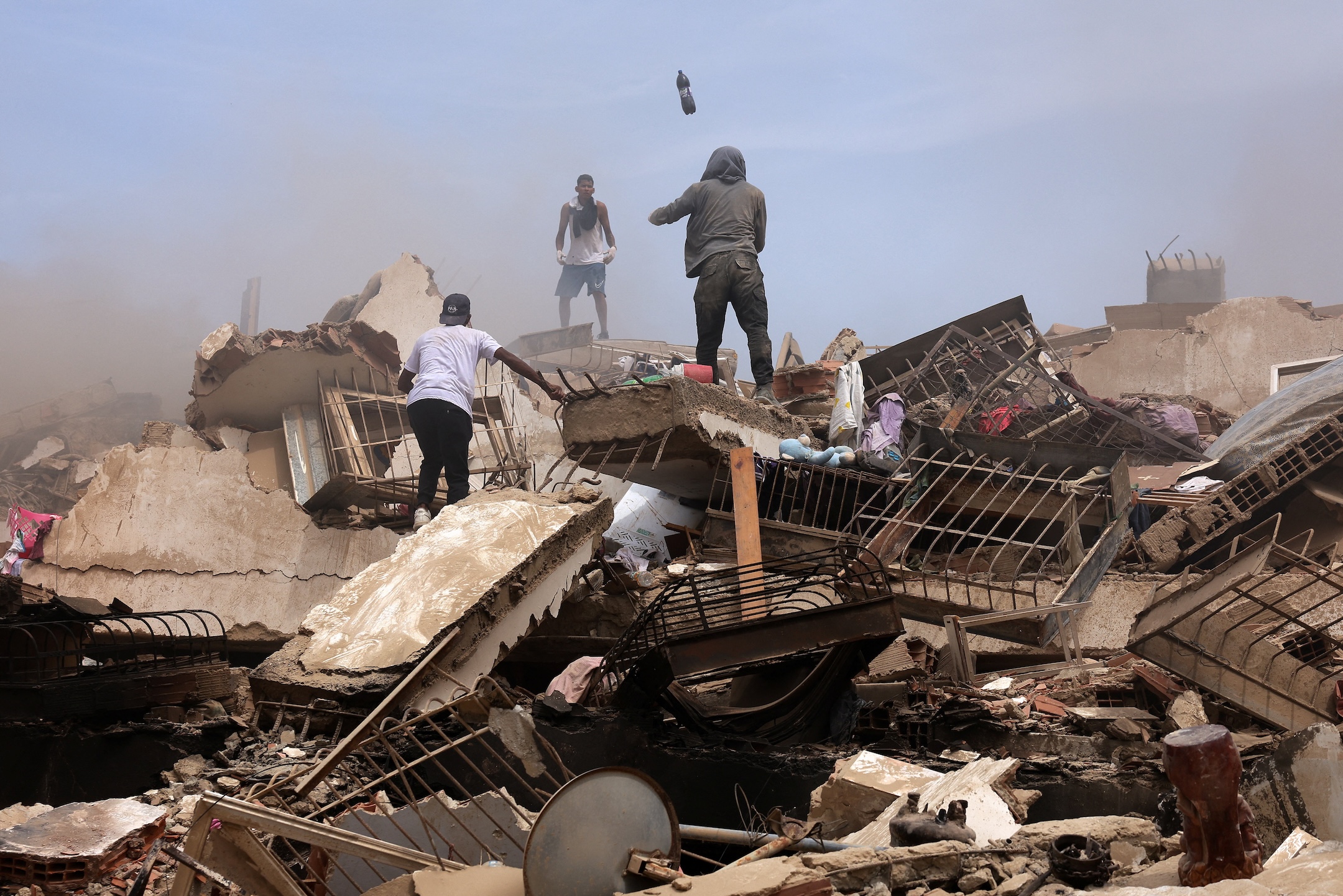
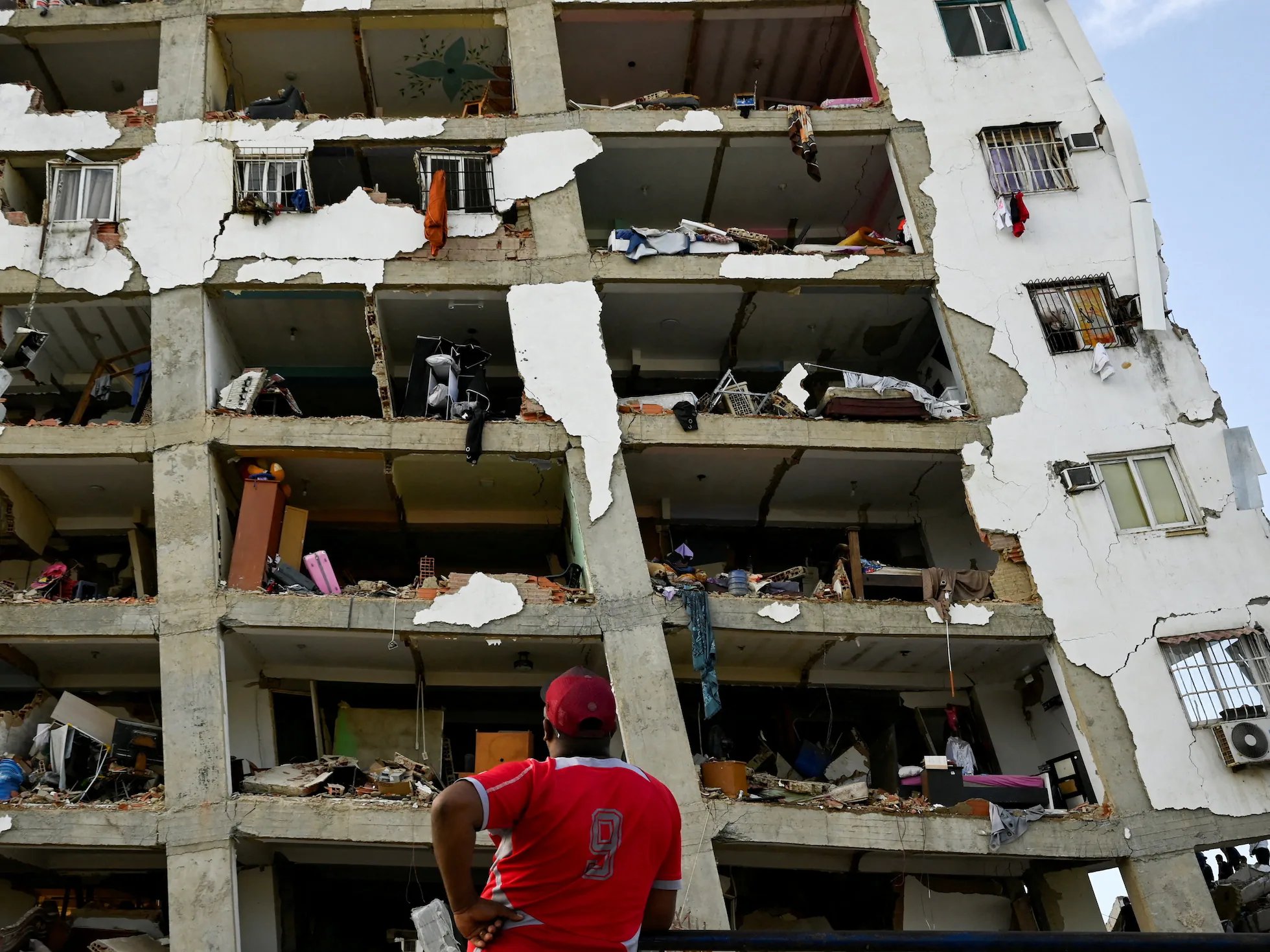
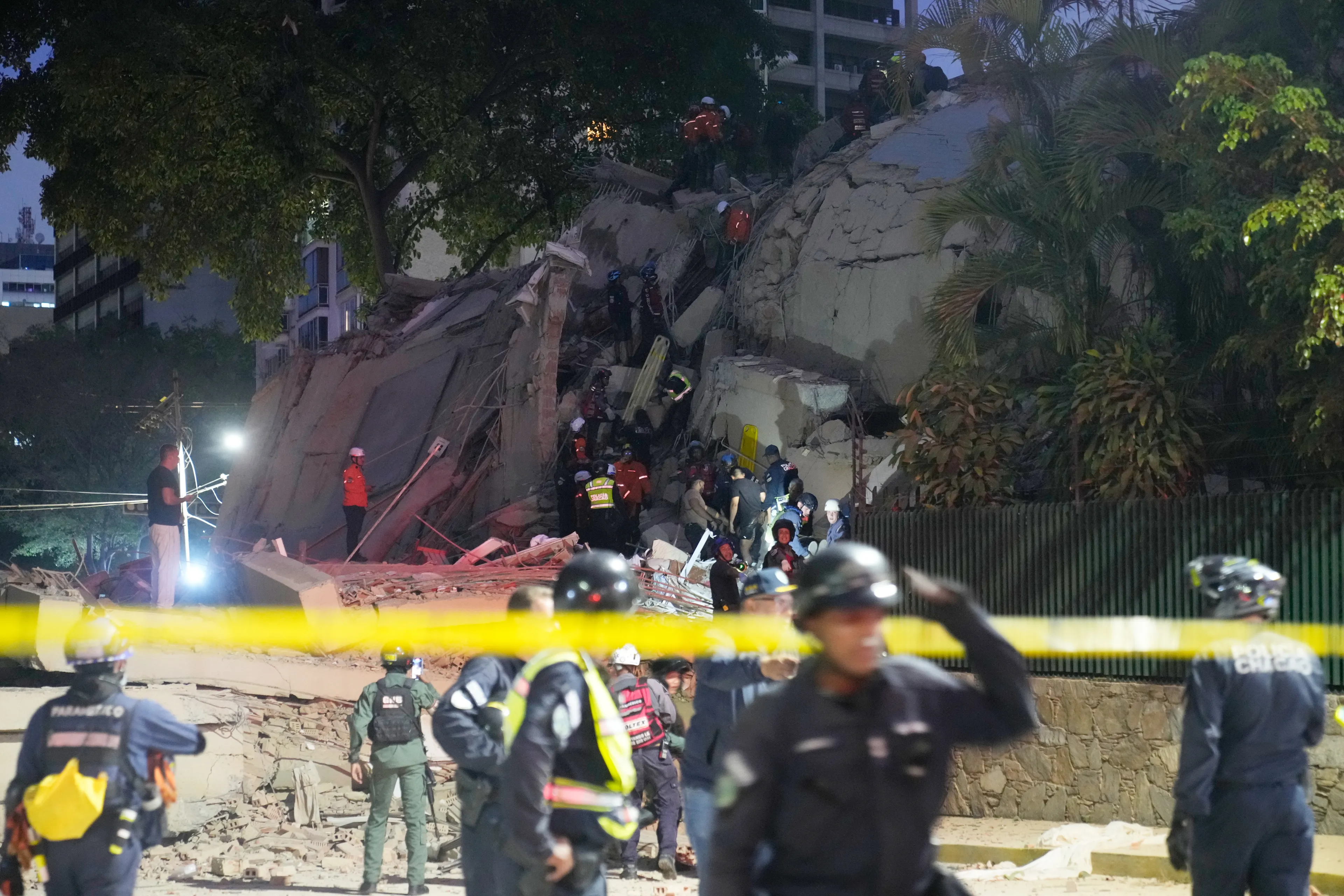
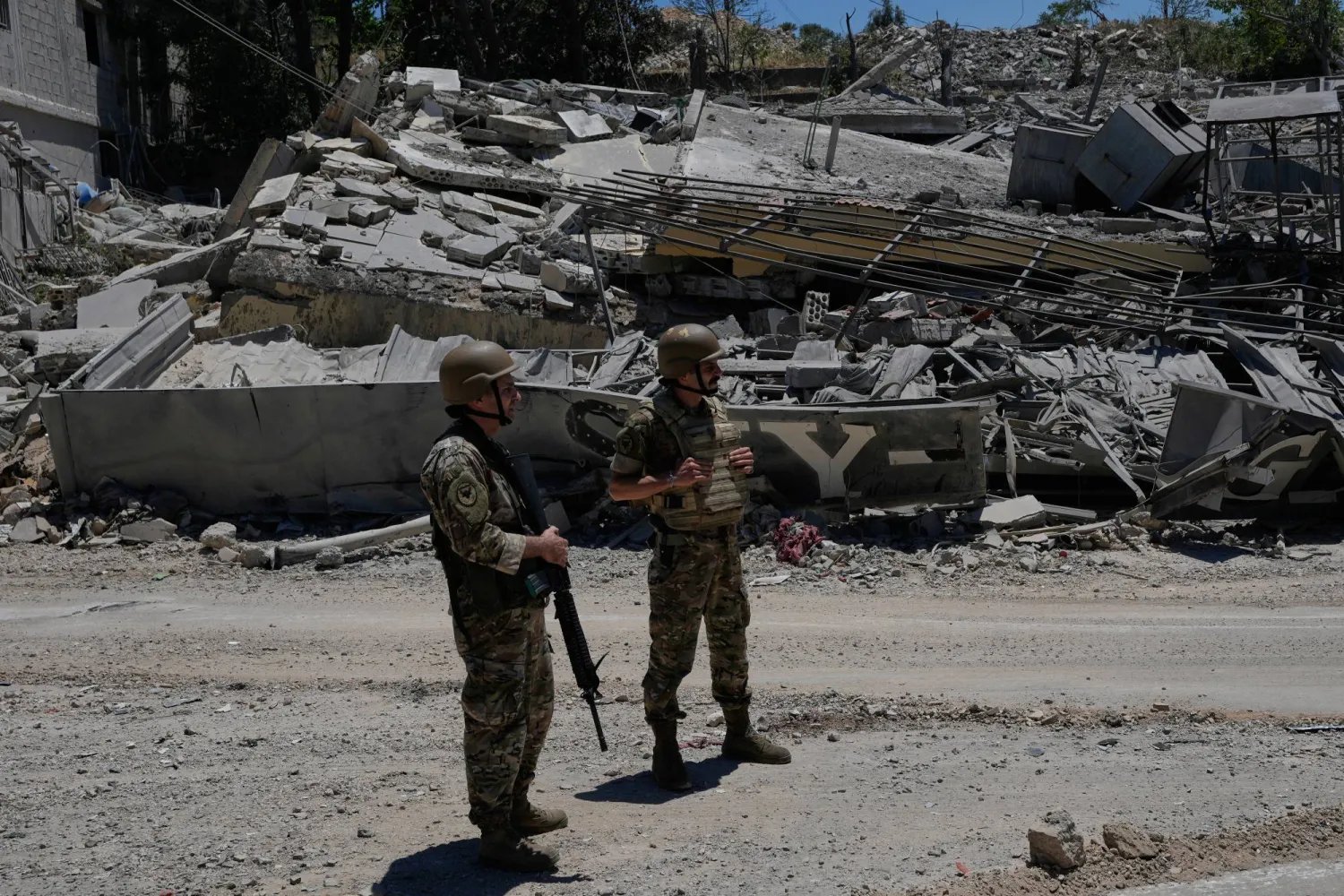
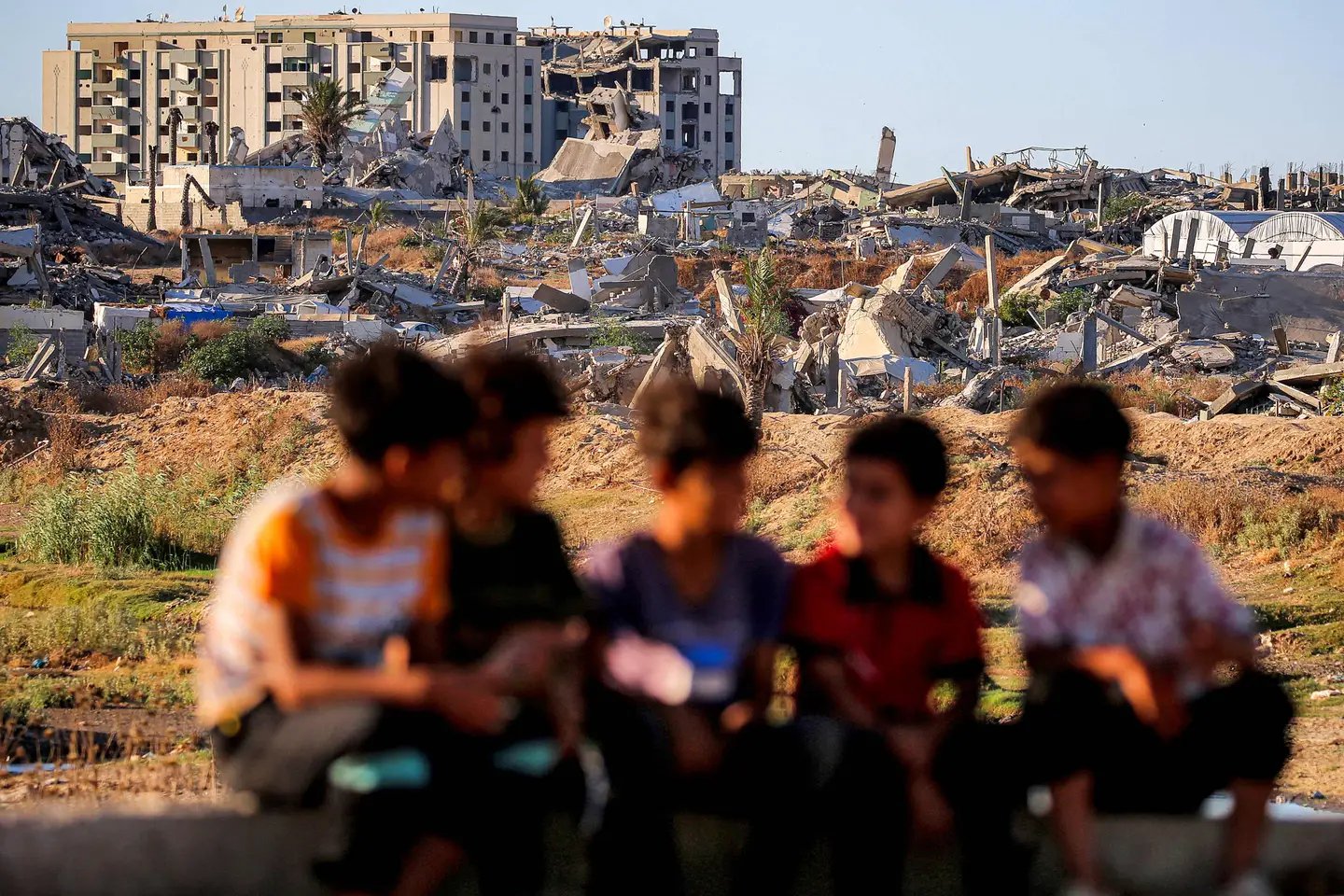
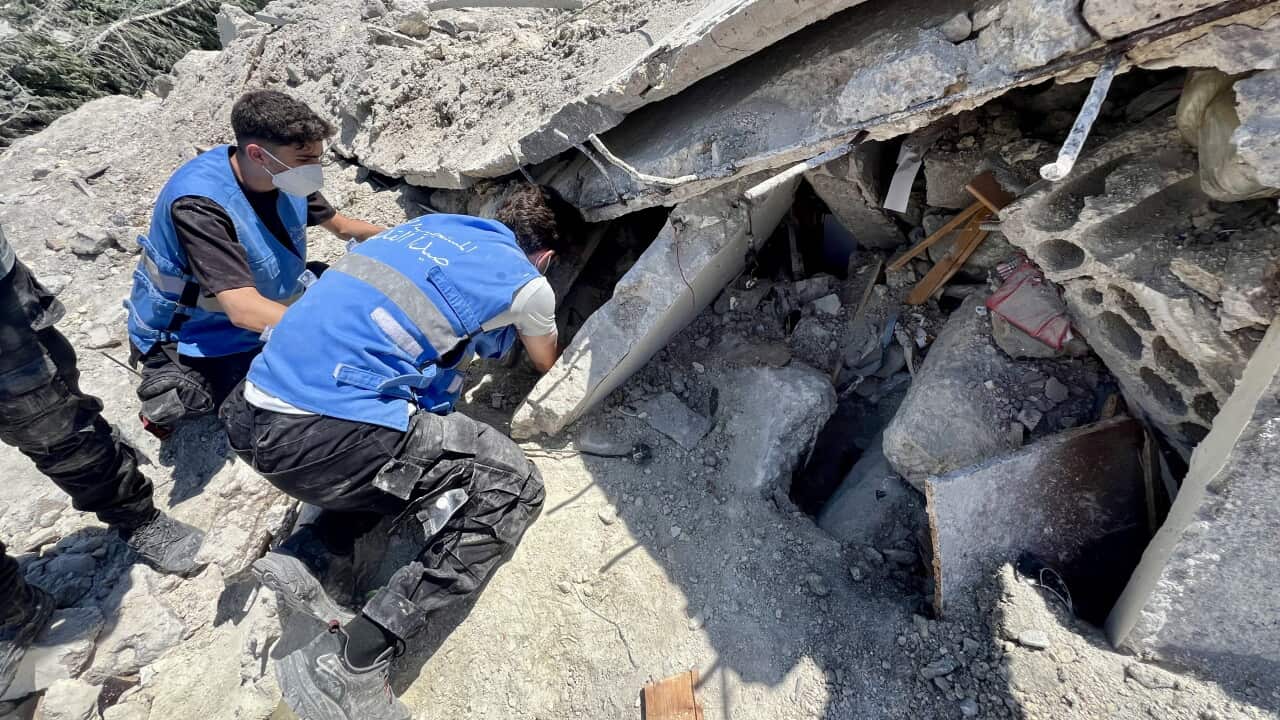
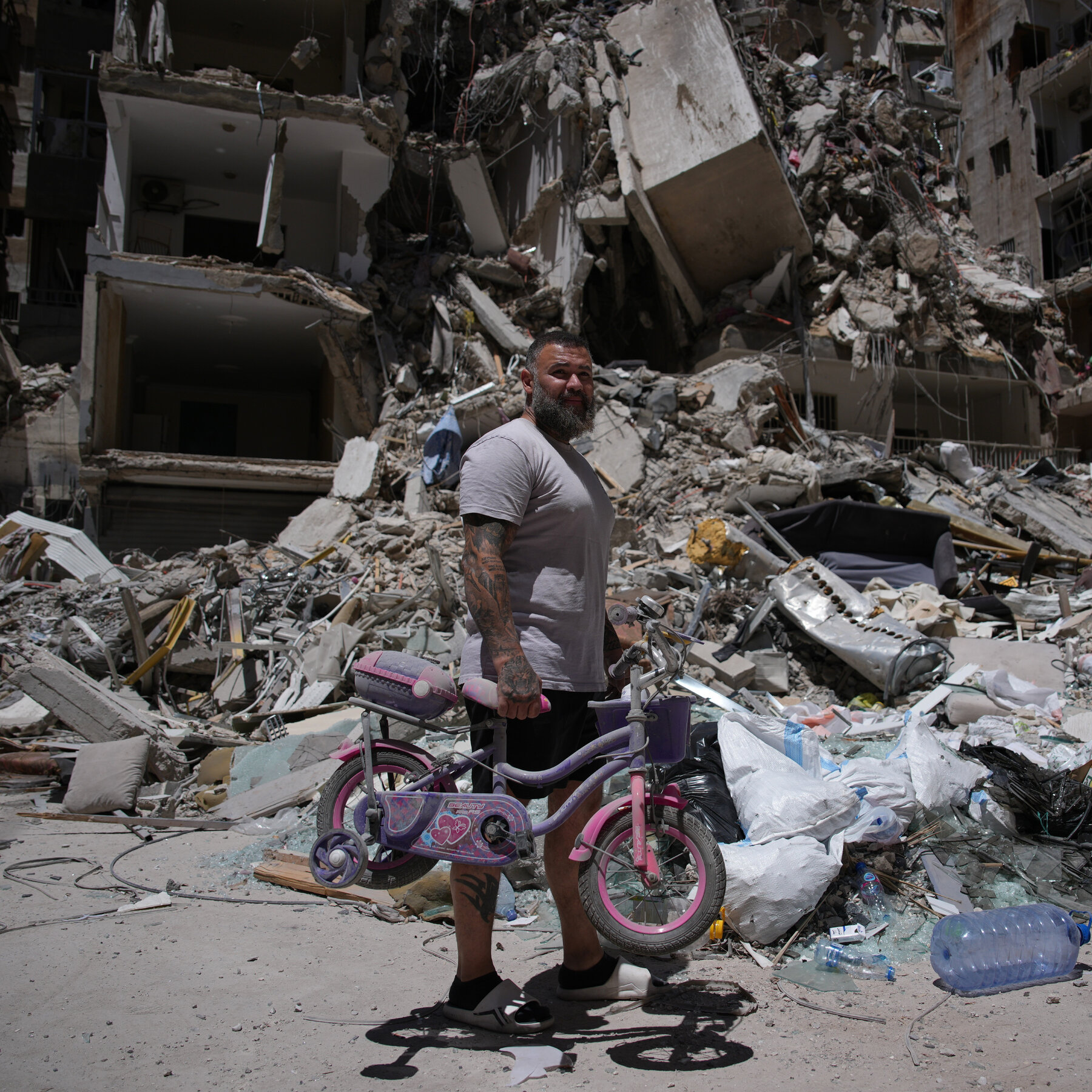
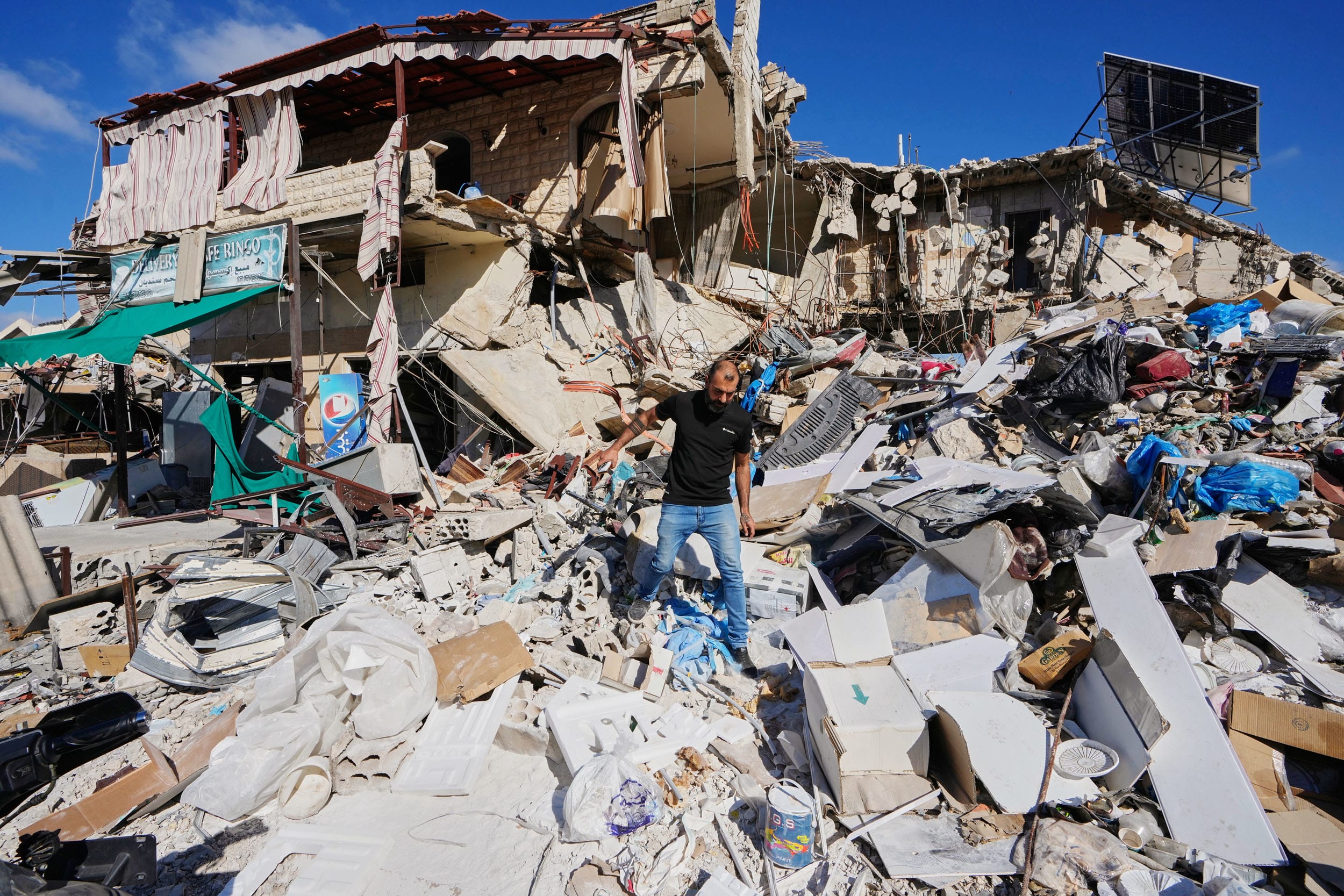
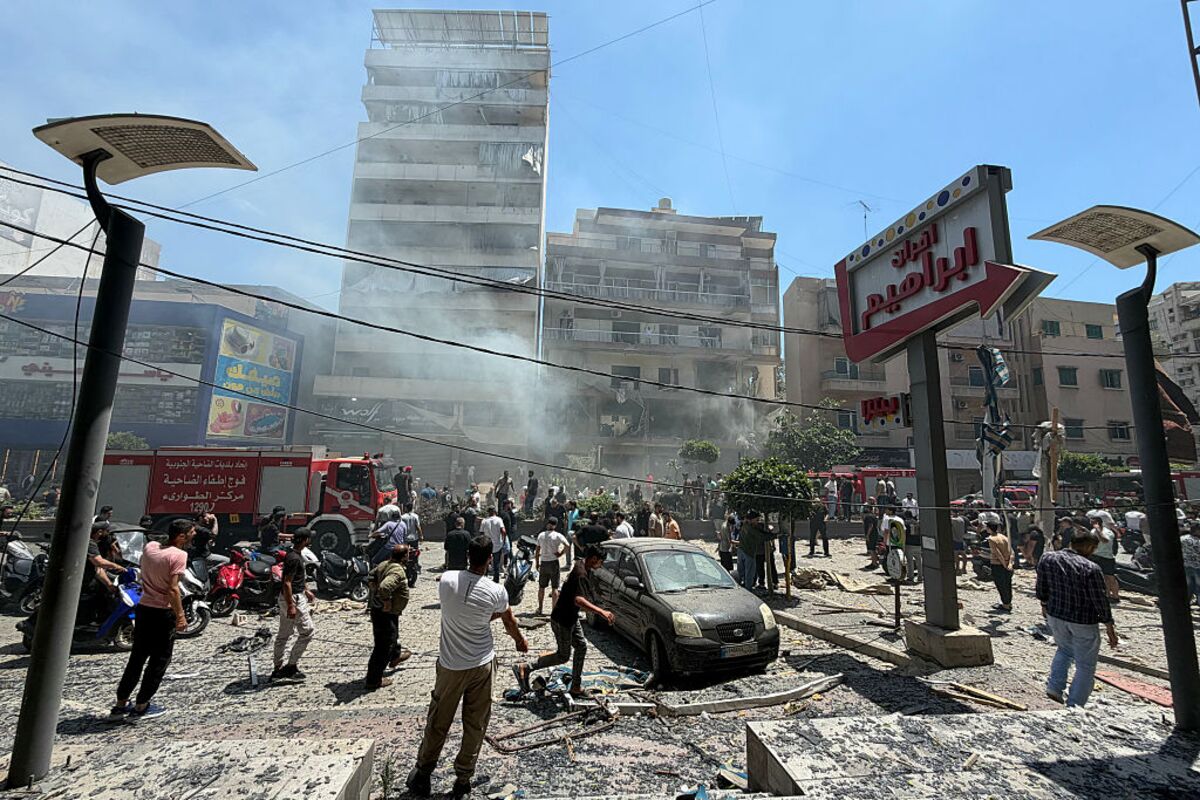
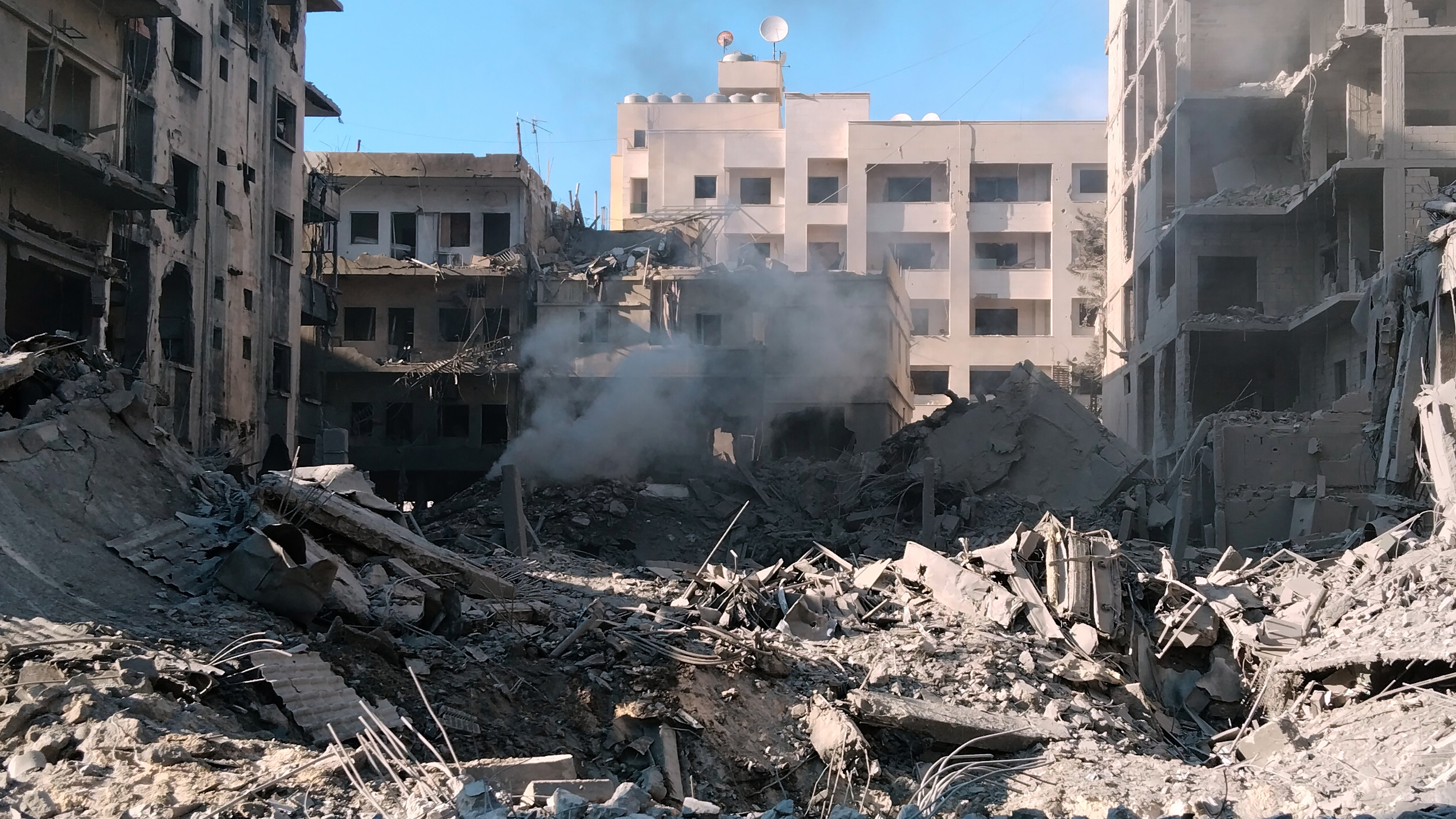
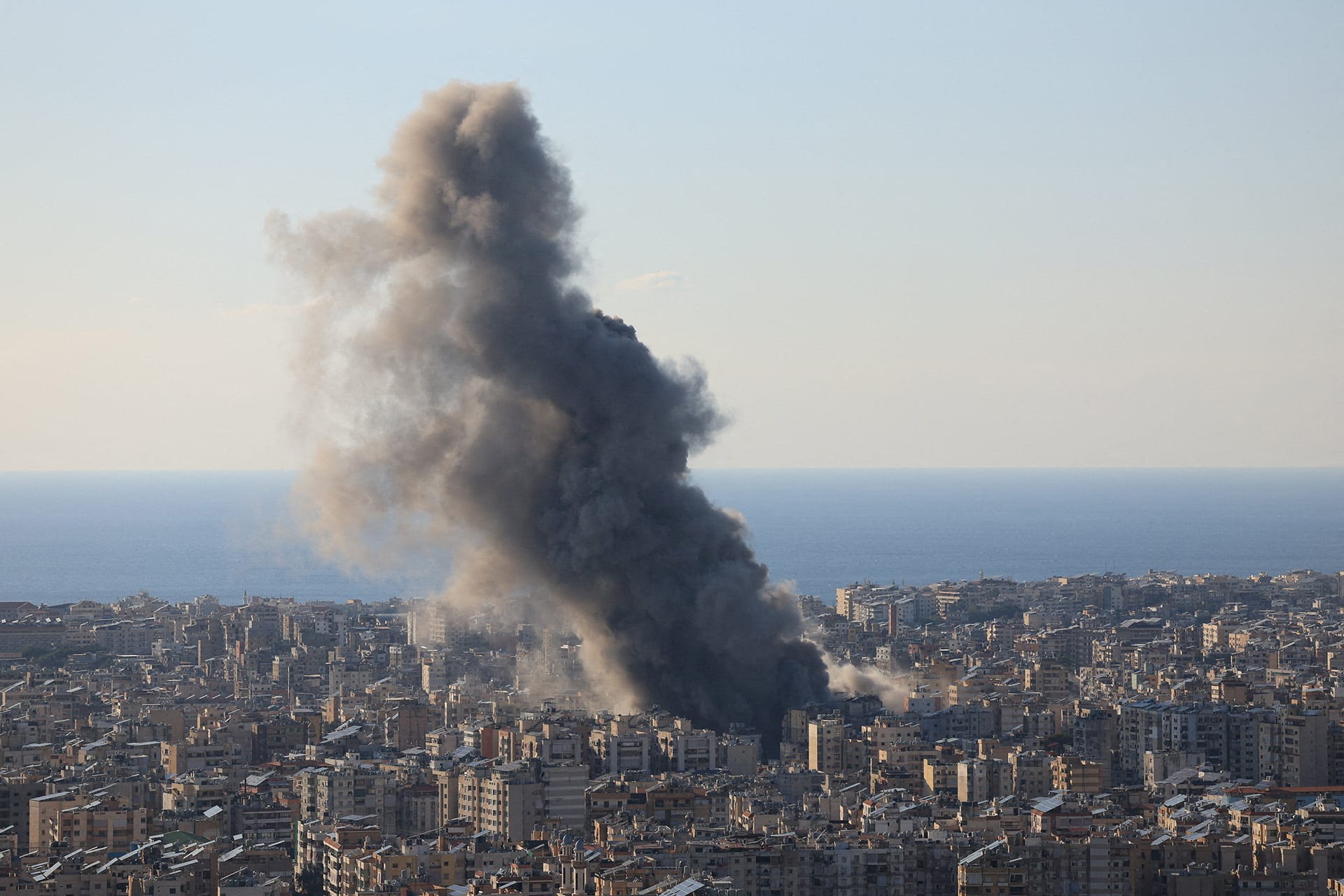
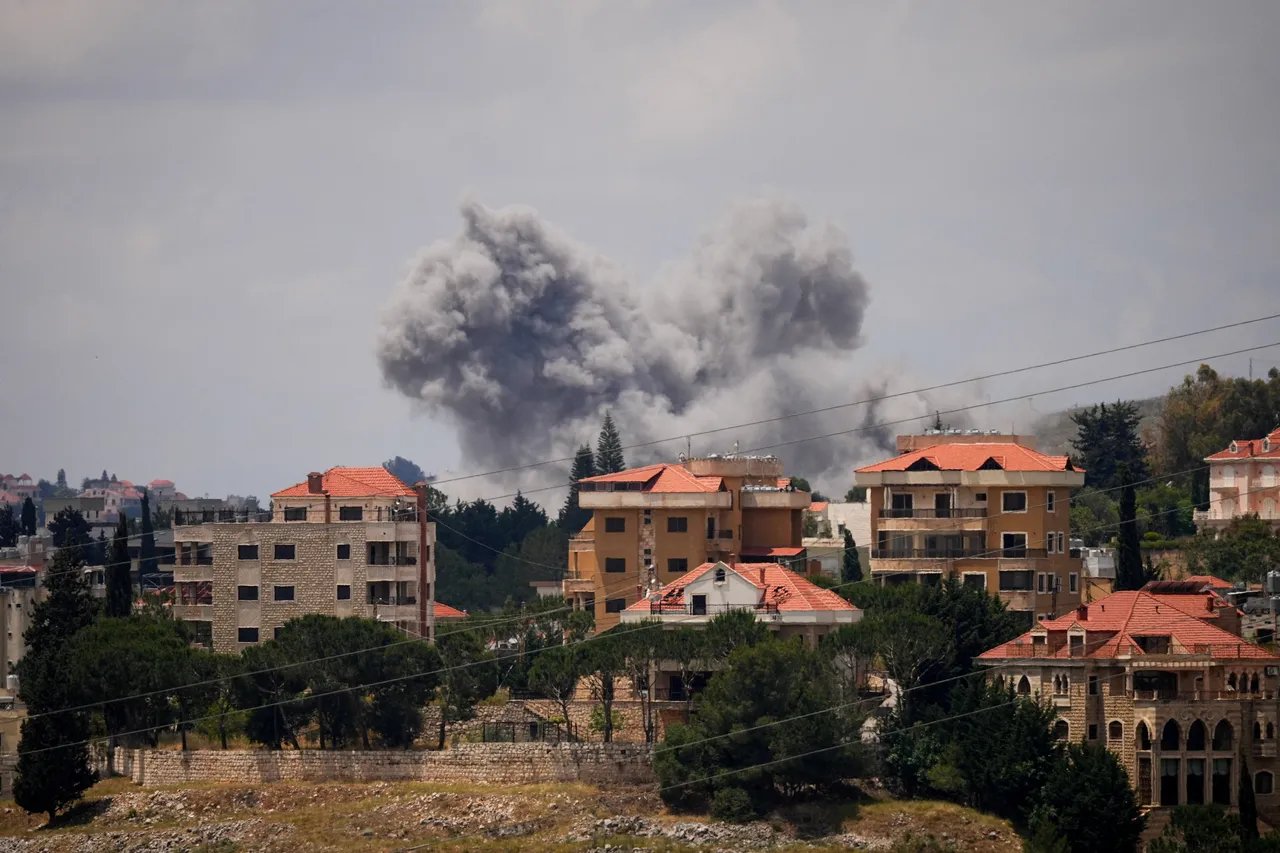
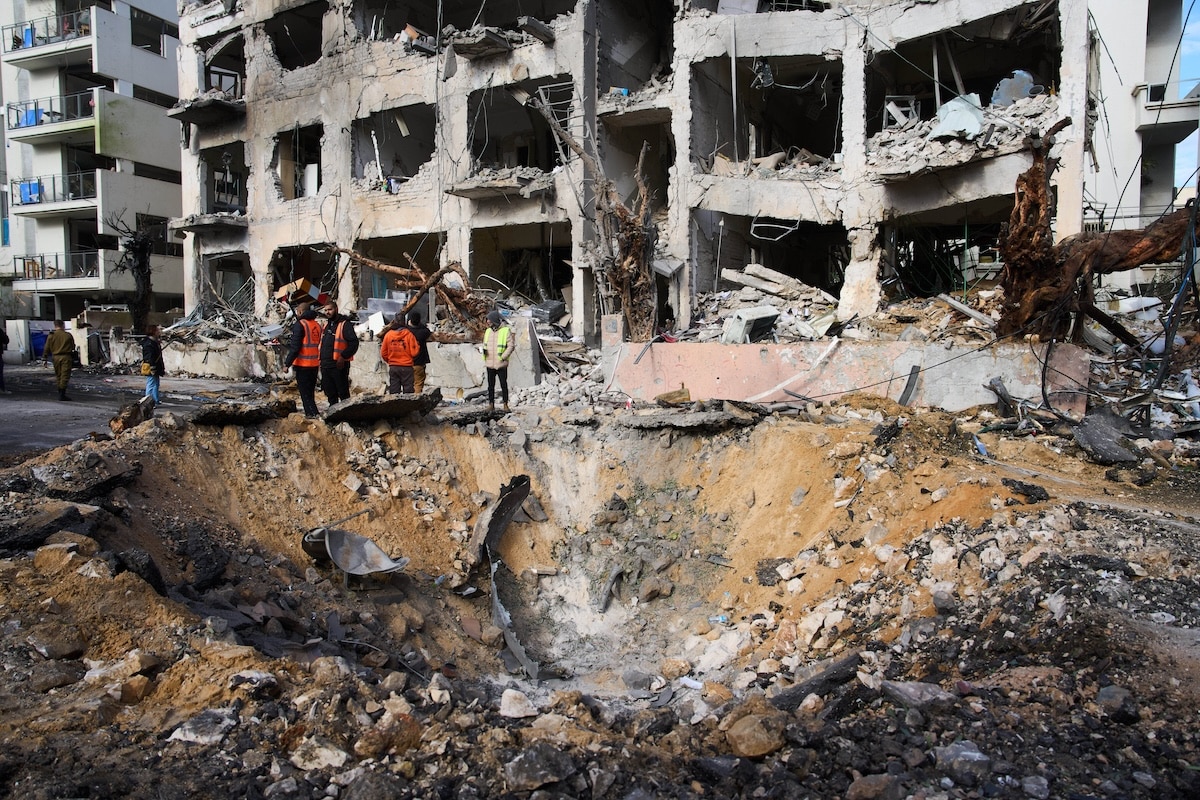
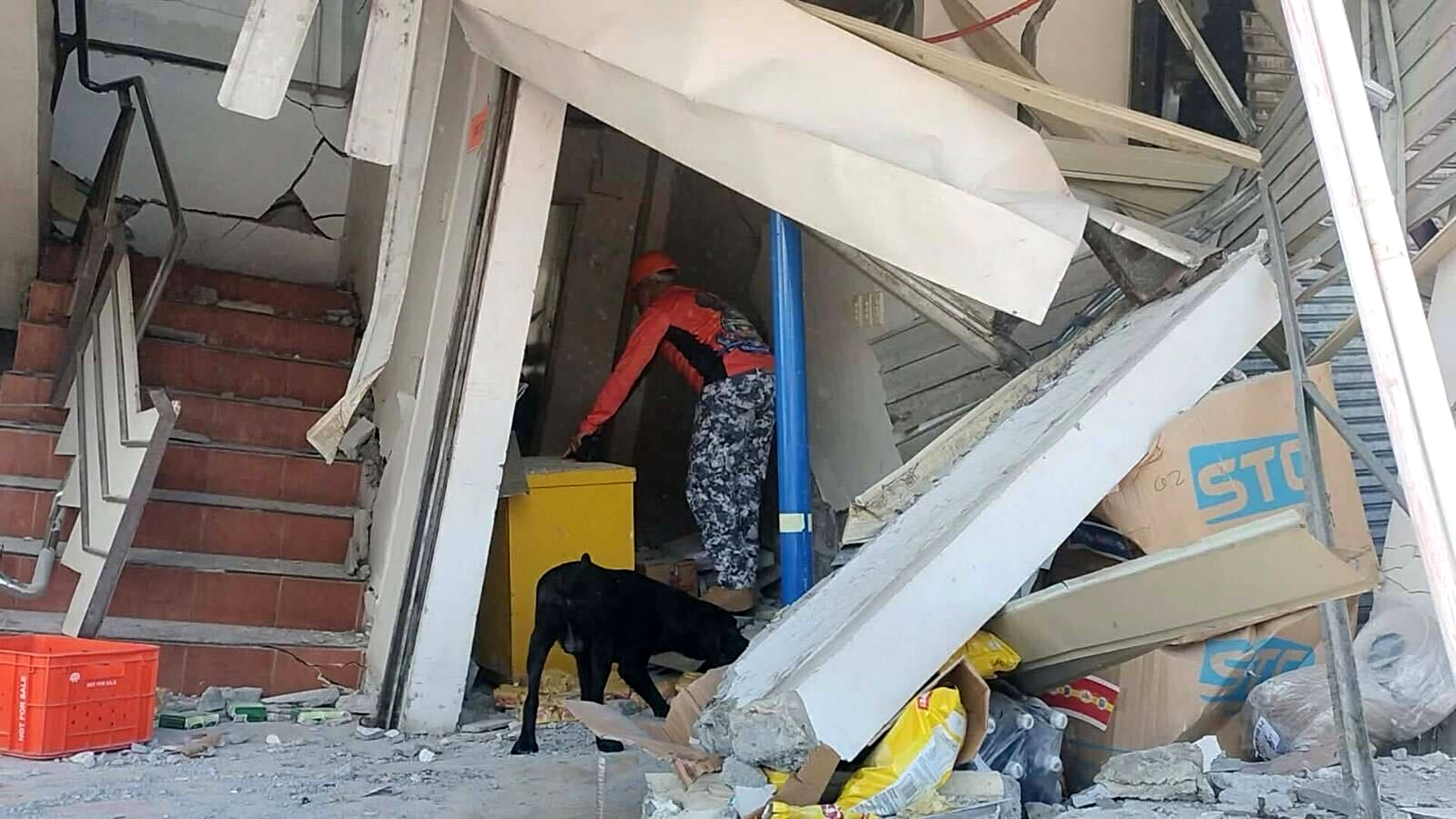
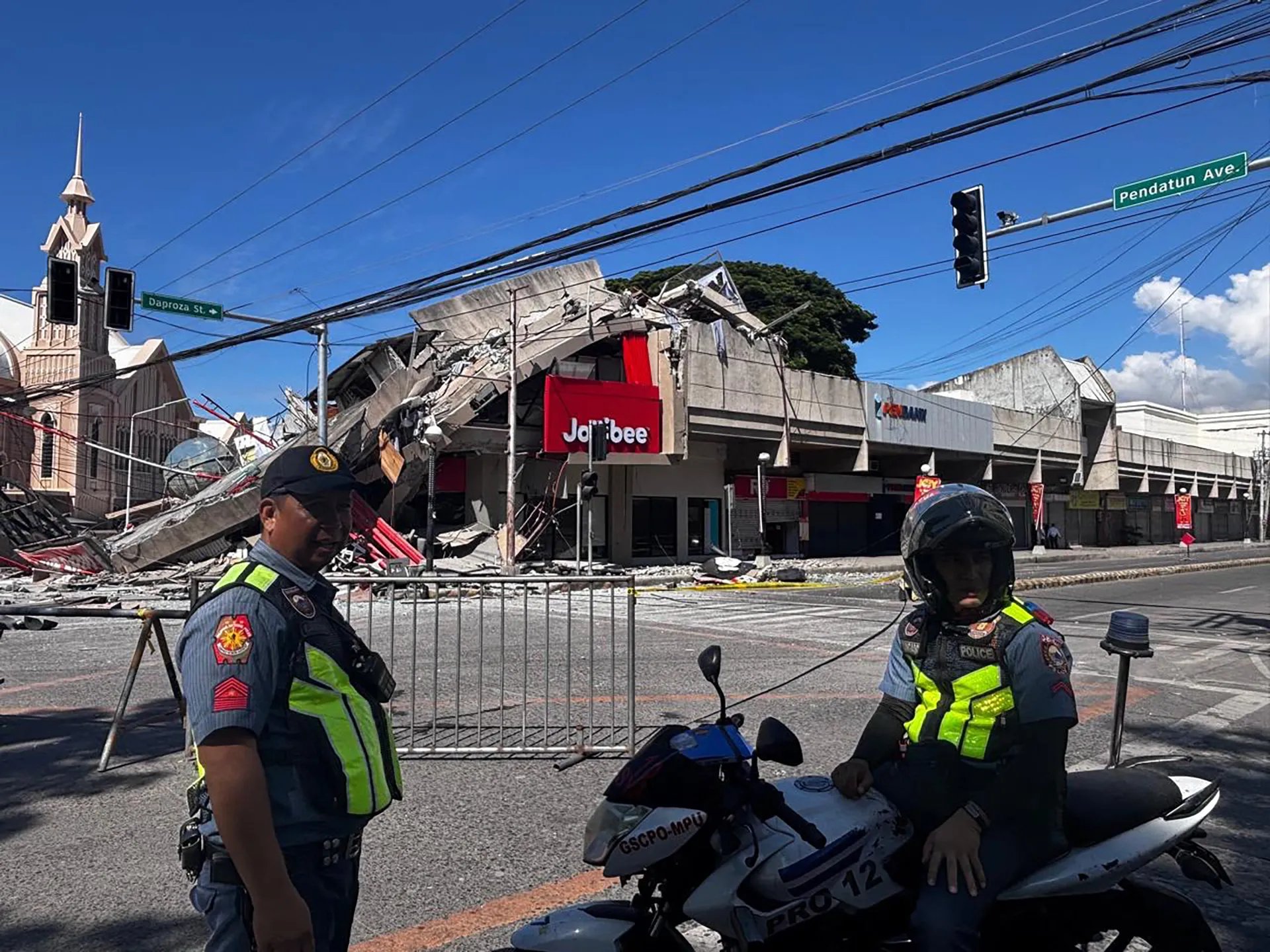
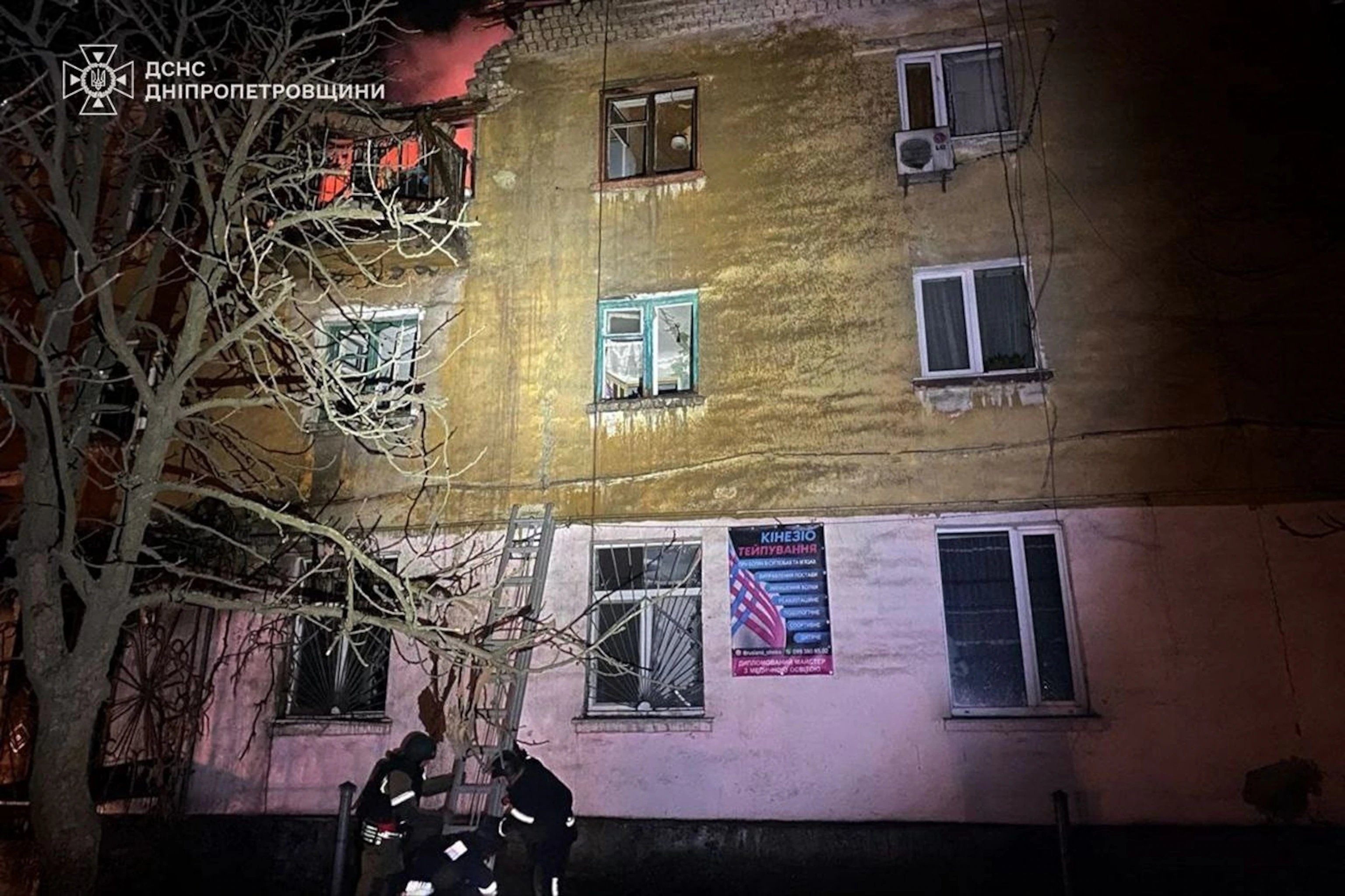
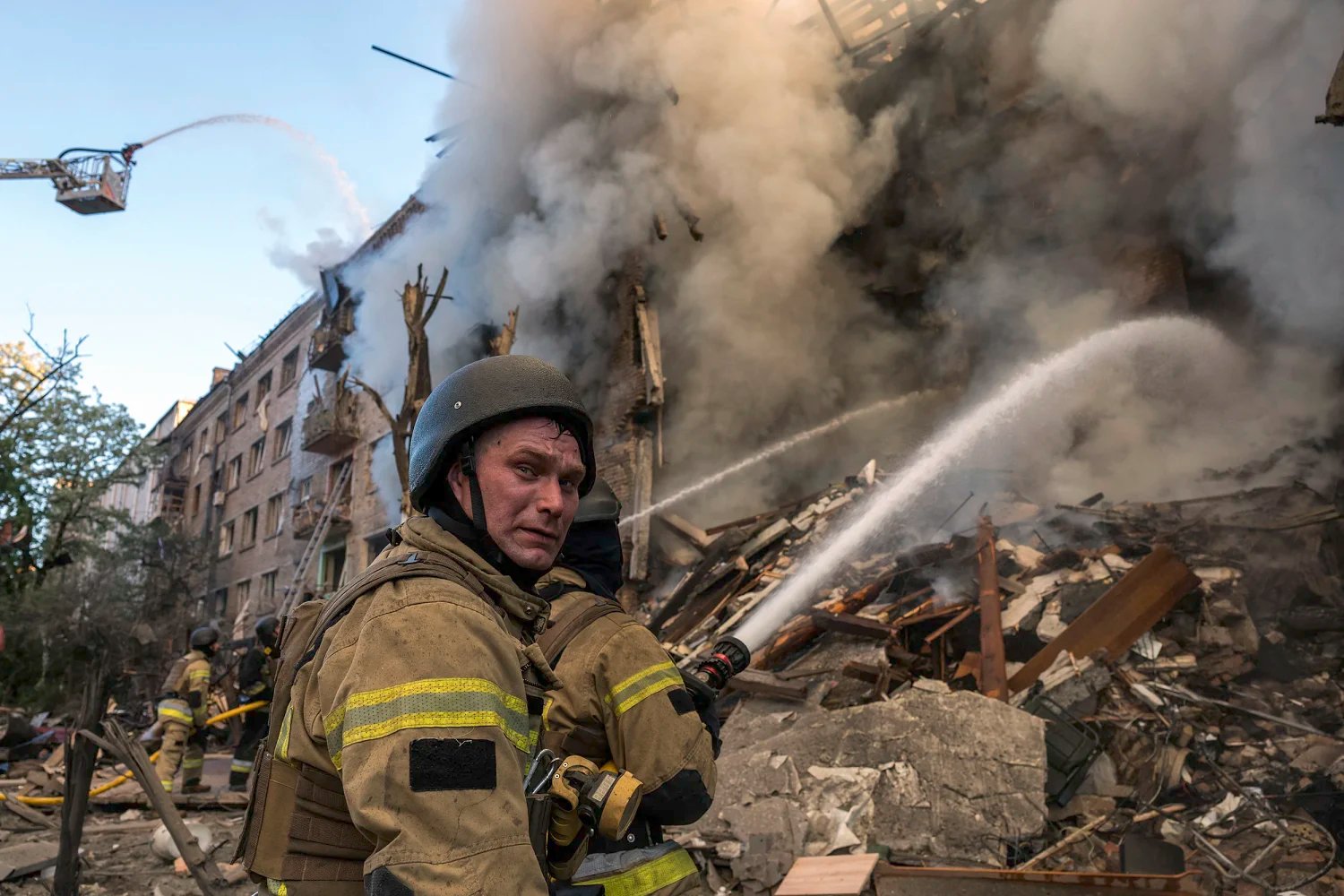
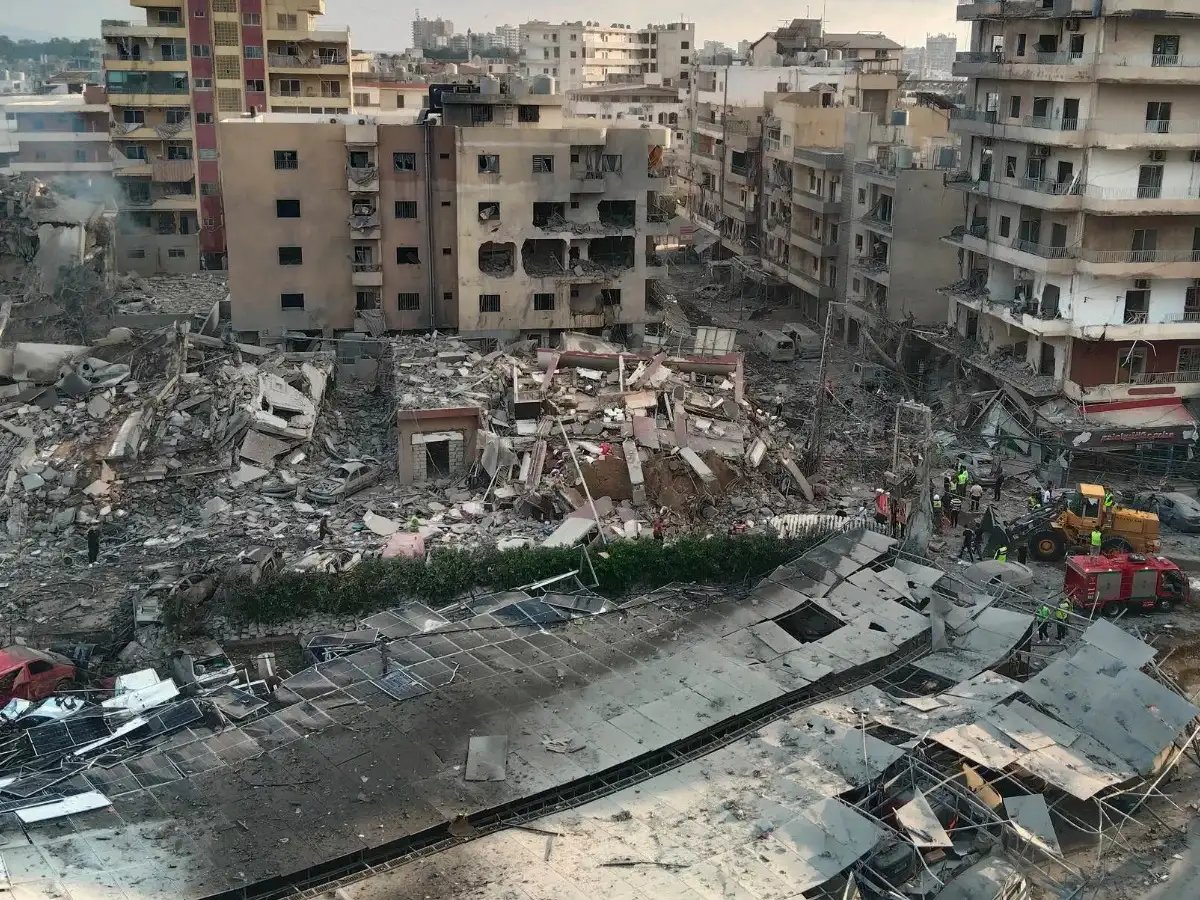
The worst devastation is concentrated in coastal La Guaira state, where apartment blocks, hotels and public housing buildings pancaked after the quakes struck in quick succession. Caraballeda, a city of about 53,000 people on Venezuela's Caribbean coast, has suffered the most extensive damage, with entire neighborhoods reduced to rubble. The collapse of the 12-story Residencia Nautilus apartment block in Caraballeda has symbolized the disaster's scale, with rescue crews continuing to search for survivors in the rubble. More than 302 aftershocks have rattled damaged neighborhoods since the initial quakes, complicating rescue work and keeping survivors outside in the heat.
The Critical Race Against Time
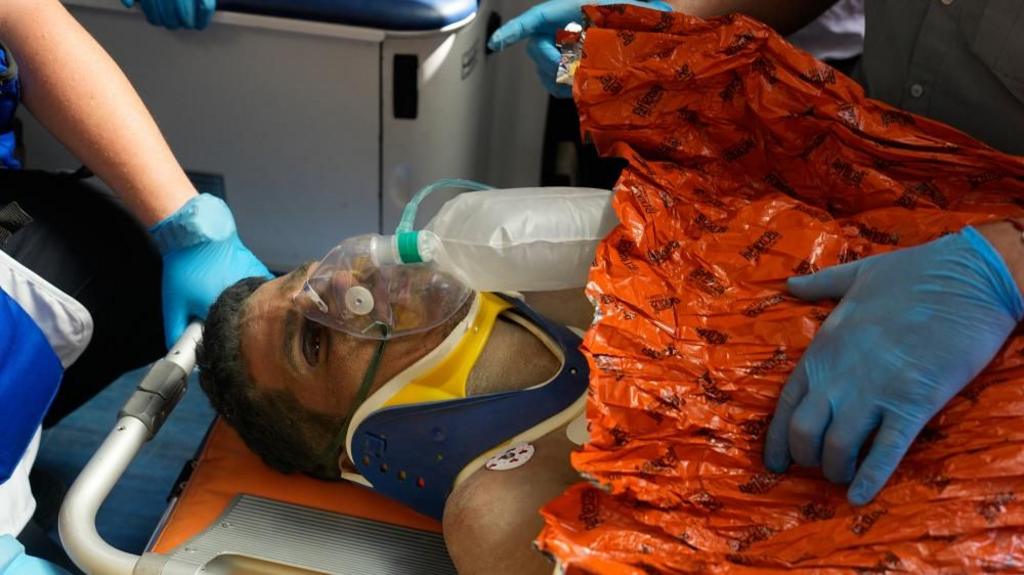
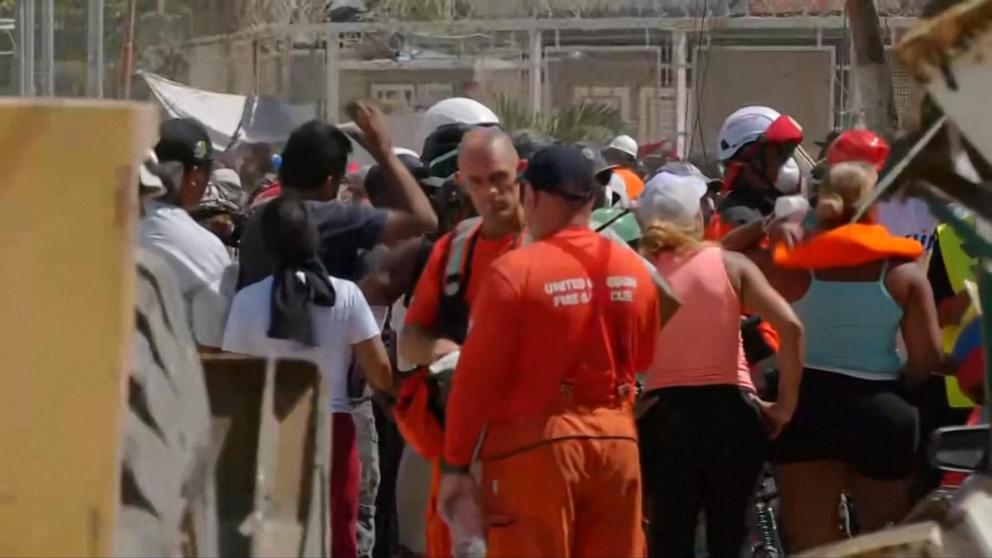
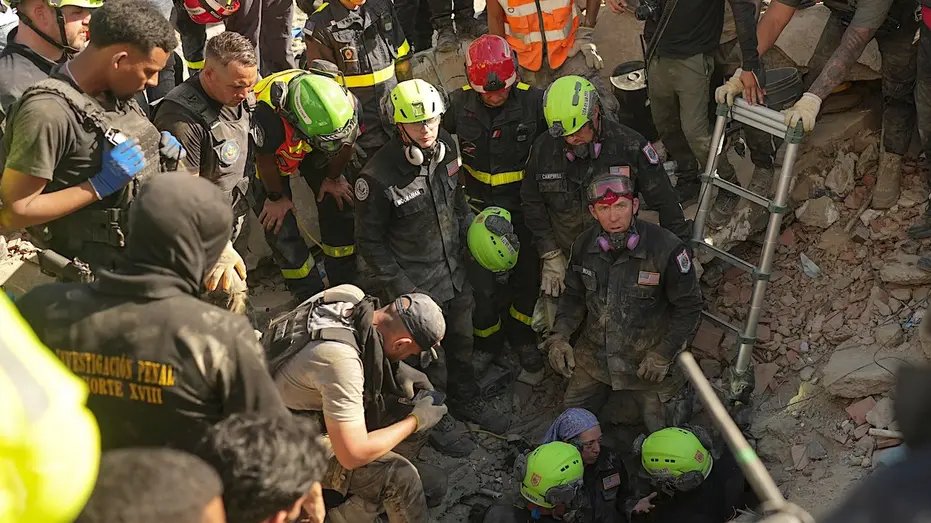
Search and rescue crews pulled 33 people alive from collapsed buildings over the weekend, but officials warned that time was rapidly running out. Among those rescued were an infant removed alive from rubble by U.S. rescuers, an 11-year-old boy found by a Colombian team after a scanner detected him about 10 feet below the surface, and another 11-year-old rescued by Mexican crews in Caraballeda. A newborn was reunited with their family.
Swiss rescue-team leader Sebastian Eugster told Reuters that the odds of finding survivors drop sharply after roughly 72 hours under rubble. "There exists a window of roughly three days, 72 hours, where the probability afterwards decreases that you can save people alive," Eugster said. That critical window passed Saturday evening. Disaster experts say dehydration, injuries and suffocation sharply reduce survival rates once the initial 72-hour period ends.
International Response and Aid
The U.S. military announced on Saturday that a specialized rapid response unit was on its way to Venezuela to assist with rescue operations. U.S. firefighters from Fairfax County, Virginia, sent by the State Department, worked to reach earthquake survivors trapped in the rubble in La Guaira.
Starlink provided free communication services for the humanitarian crisis, enabling connectivity when terrestrial networks were unavailable. "Starlink Mobile is providing free connectivity to Movistar customers in the La Guaira region, and we are working to provide free service for Digitel and Movilnet customers as quickly as possible," the company posted Sunday. Families, communities and businesses with compatible smartphones could stay connected through SMS even if terrestrial networks were unavailable.
Personal Toll
Former MLB outfielder Gorkys Hernandez revealed that his wife, Deisy Maria Tovar De Hernandez, was killed in the earthquakes while staying at Hotel Eduards in La Guaira. Hernandez played seven years in the majors with the Boston Red Sox, San Francisco Giants and others. He posted on Instagram Saturday: "You will always be with me at all times and in every moment, fly high my princess my queen that God has you in his glory."
Deisy was at the hotel with family members of players on the La Guaira Delfines while the team was preparing to play the Aragua Tigres in a Mexican baseball league contest. Rescue worker Mileidy Romero described the desperation on the ground in Caraballeda: "There's a pile of bodies over there from last night. Newborn babies. At 8 p.m. (yesterday) there were people alive down there, and they haven't bothered to rescue them."