




Court Decision Expands Deportation Authority
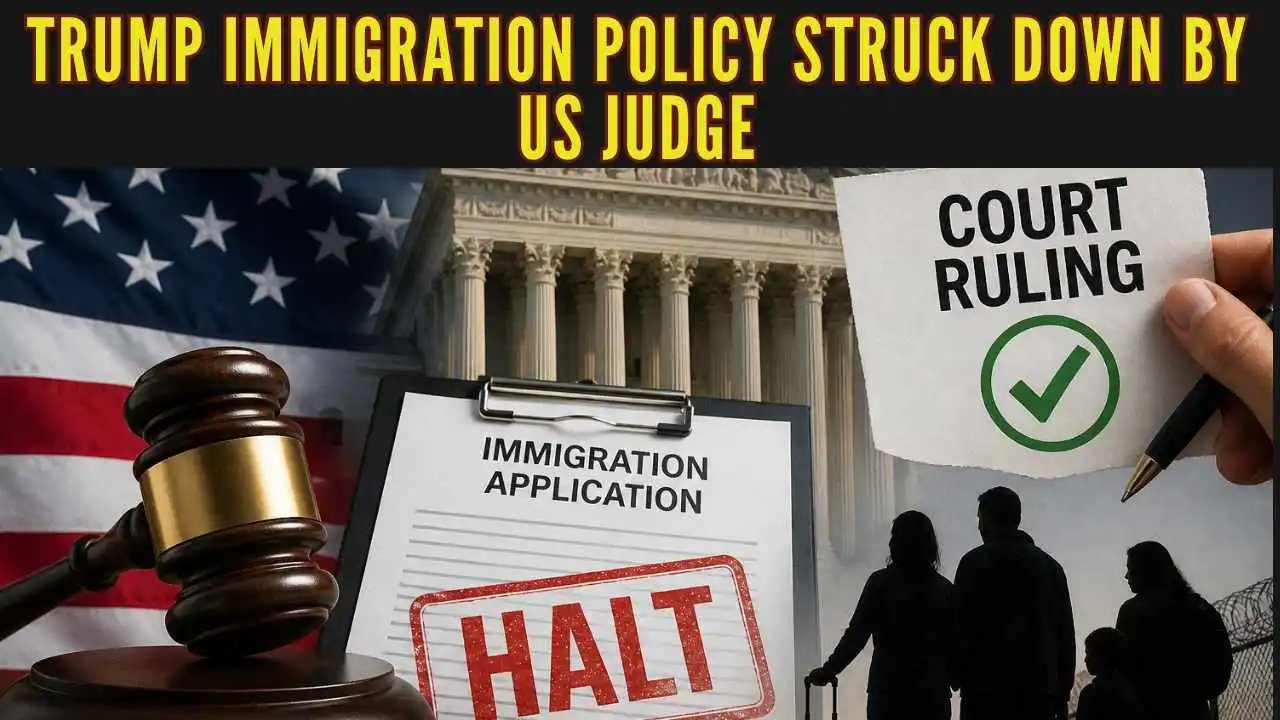
A federal appeals court has ruled that the Trump administration can expand its expedited deportation policy across the United States, impacting undocumented immigrants nationwide. The 2-1 decision from the U.S. Court of Appeals for the District of Columbia Circuit overturns a previous ruling that blocked the Department of Homeland Security (DHS) from broadening the expedited removal process. This ruling allows federal immigration officials to deport individuals without court hearings if they cannot prove they have been in the country for more than two years.
Changes to Expedited Removal Policy
Historically, expedited removal applied only to migrants apprehended at the U.S. border and was limited to recent entrants who could not prove they had been living in the country for more than two weeks. The new ruling expands this authority to include any unauthorized immigrant located anywhere in the U.S. who cannot demonstrate a two-year residency. James Percival, the general counsel for DHS, stated that the ruling "vindicated our decision to apply the law as written," emphasizing the administration's commitment to stricter immigration enforcement.
Legal Background and Dissenting Opinions
The ruling comes after a previous decision by U.S. District Judge Jia Cobb, who found that the Trump administration's expansion of expedited removal violated constitutional due process rights. Judge Cobb highlighted the risks of erroneous deportations due to the expedited nature of the process, which she argued could lead to wrongful removals. The dissenting opinion from Judge Robert Wilkins, an appointee of Barack Obama, argued that the expedited process "is woefully inadequate for persons encountered in the interior of the country."
Implications for Immigrant Rights
Immigrant rights organizations have expressed alarm over the ruling, arguing that it undermines due process protections established under the U.S. Constitution. The advocacy group Make the Road New York, which filed the initial lawsuit, contends that the expedited removal process lacks necessary safeguards for individuals who may be wrongfully deported. Critics fear that this policy could lead to widespread deportations without adequate opportunity for individuals to appeal their cases.
The Road Ahead
The decision allows the Trump administration to move forward with its effort to expand fast-track deportations throughout the U.S. As the administration moves forward with its plans, the implications for millions of undocumented immigrants living in the U.S. could be profound. The ruling raises critical questions about the balance between immigration enforcement and the protection of individual rights, a debate likely to continue in courts and public discourse.