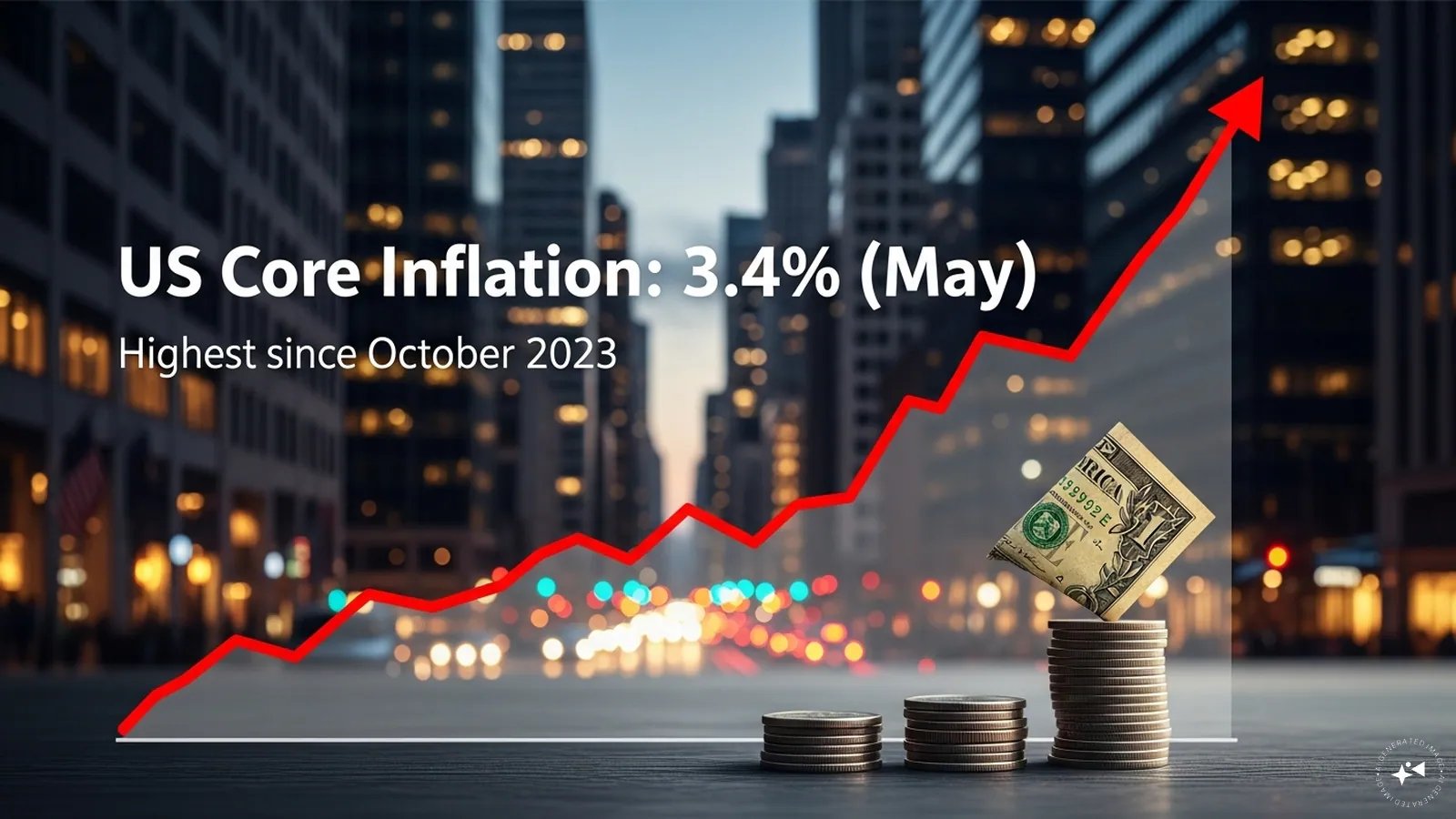
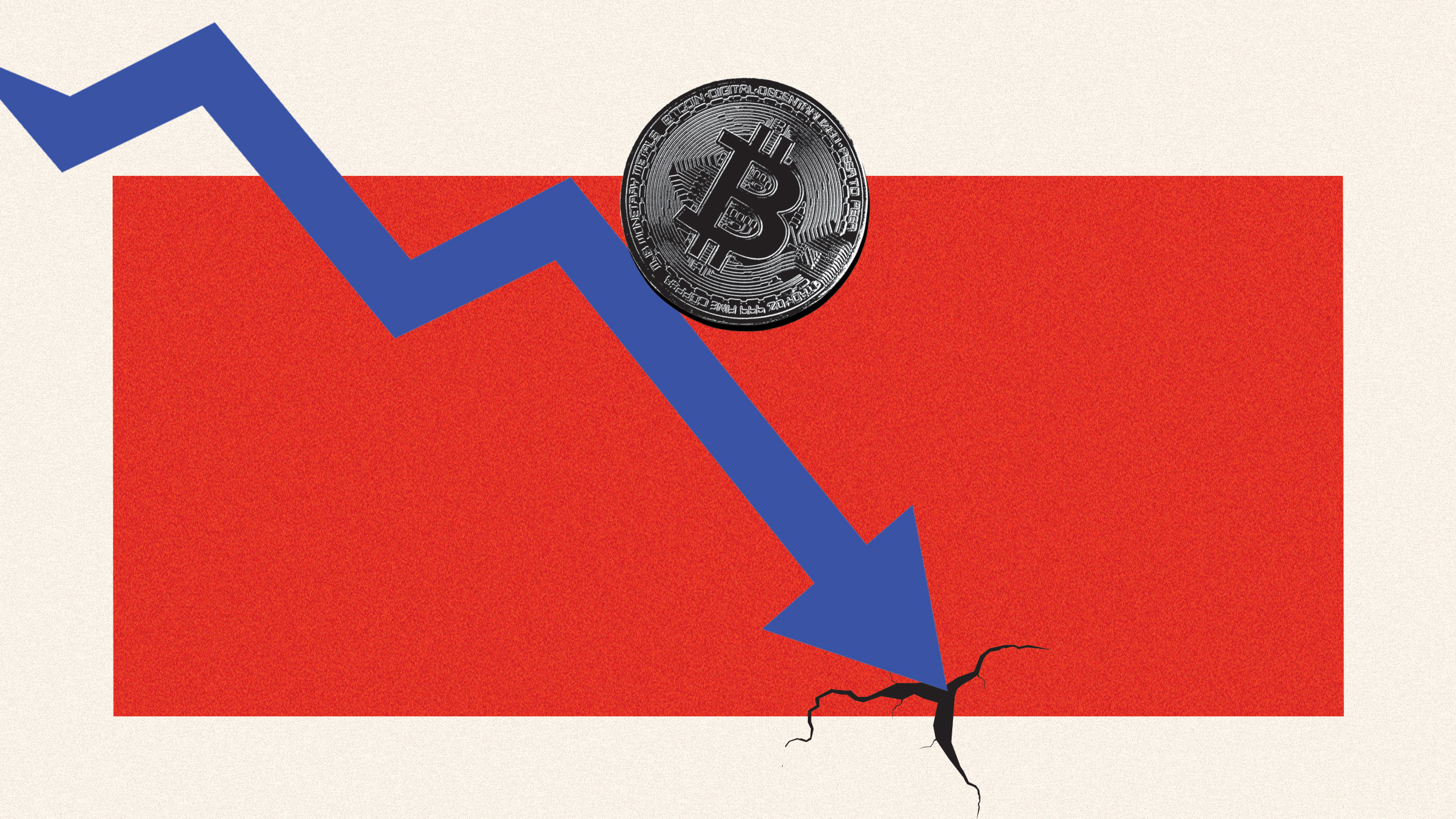
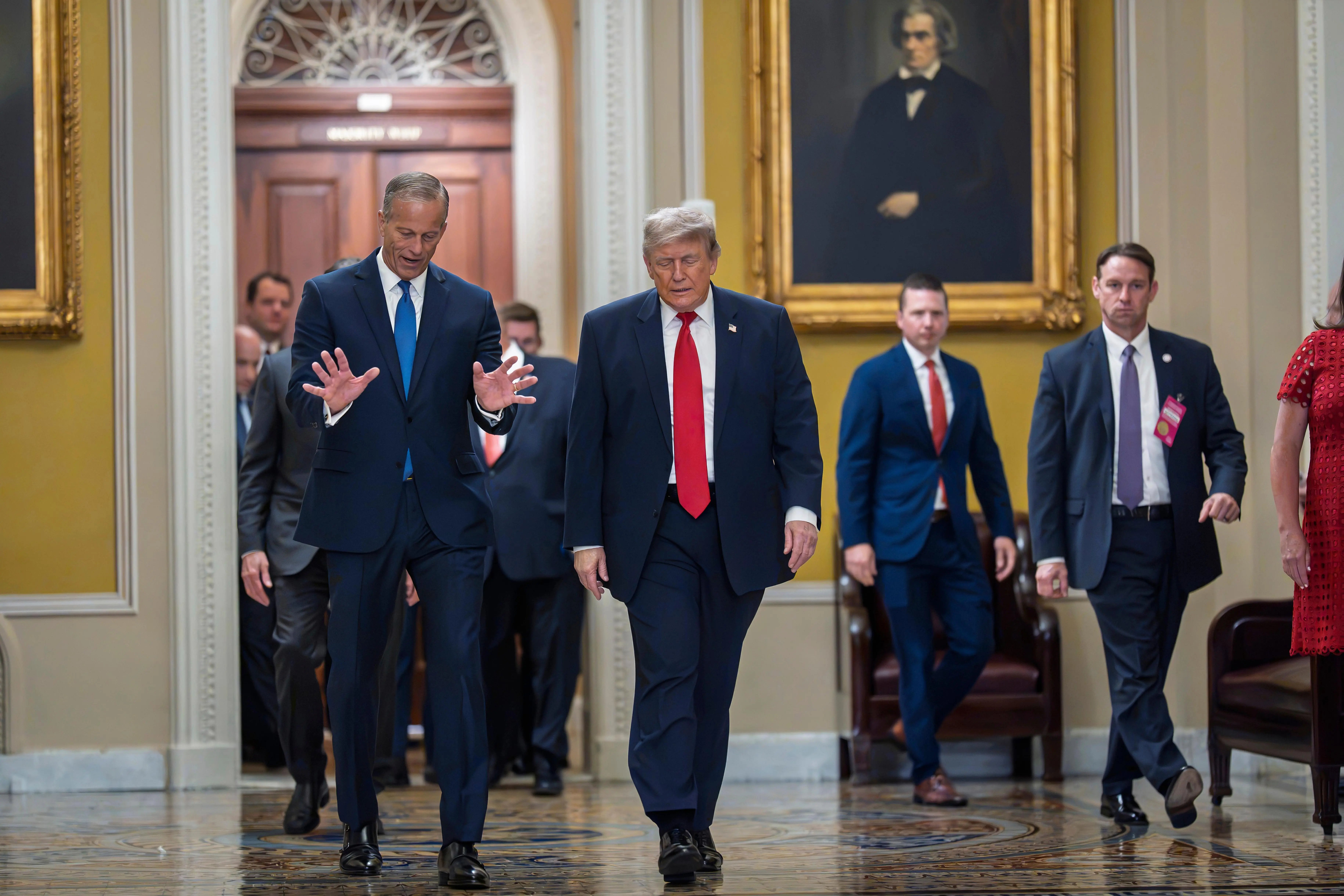
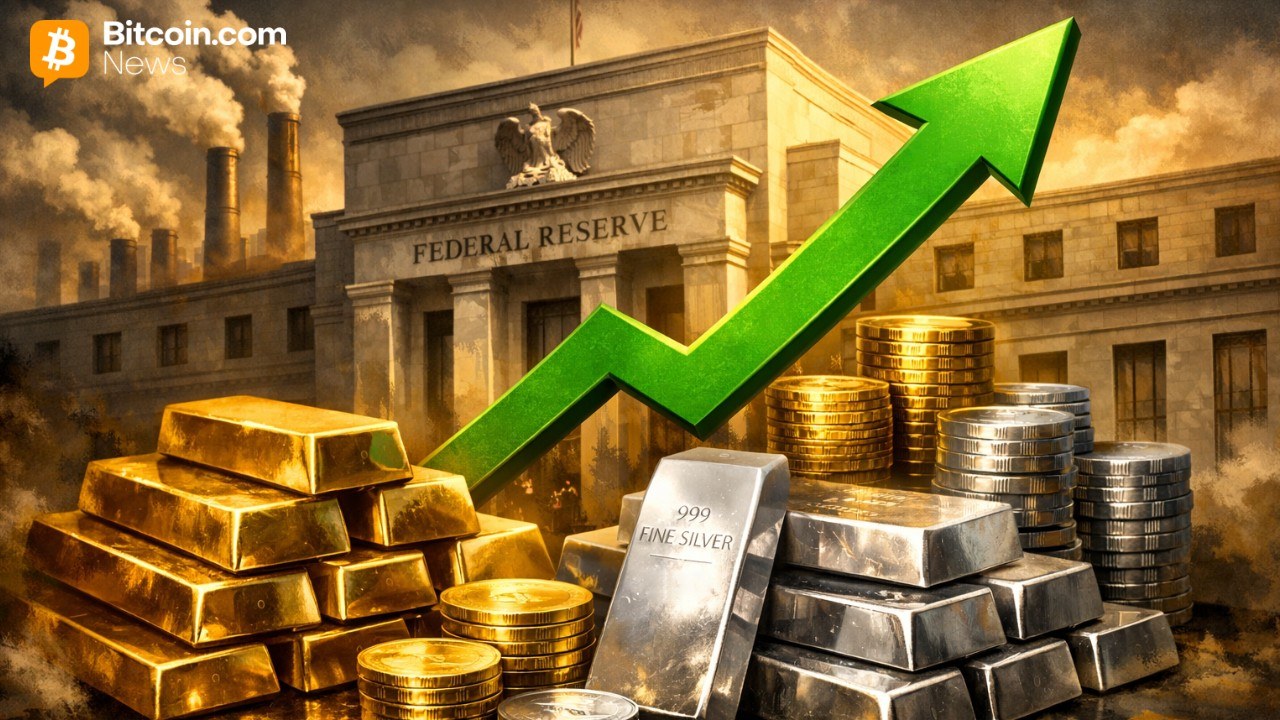
The Federal Reserve's preferred inflation gauge, the personal consumption expenditures (PCE) price index, climbed to 4.1% in May, marking its highest level since April 2023, according to data from the US Commerce Department. This increase could pose political problems for President Trump and his party as midterm elections near.
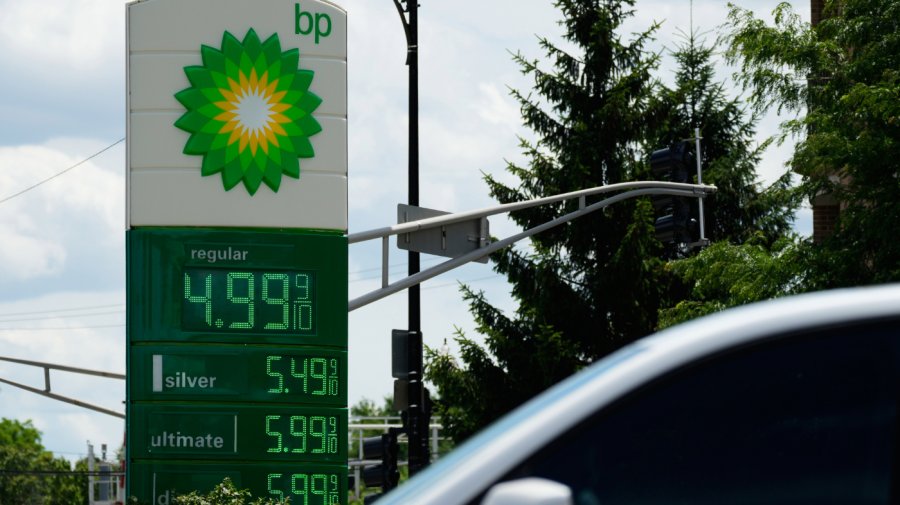
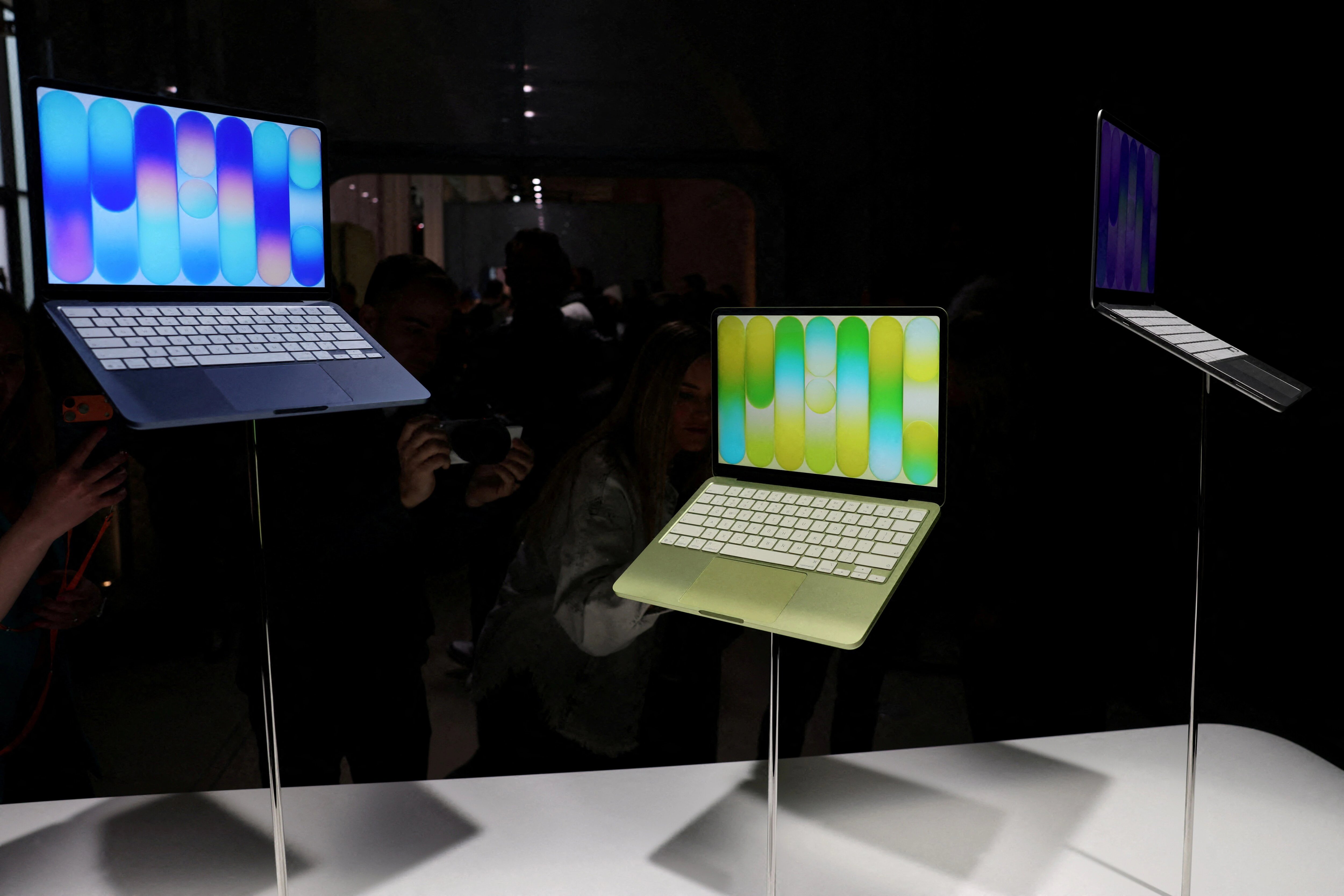
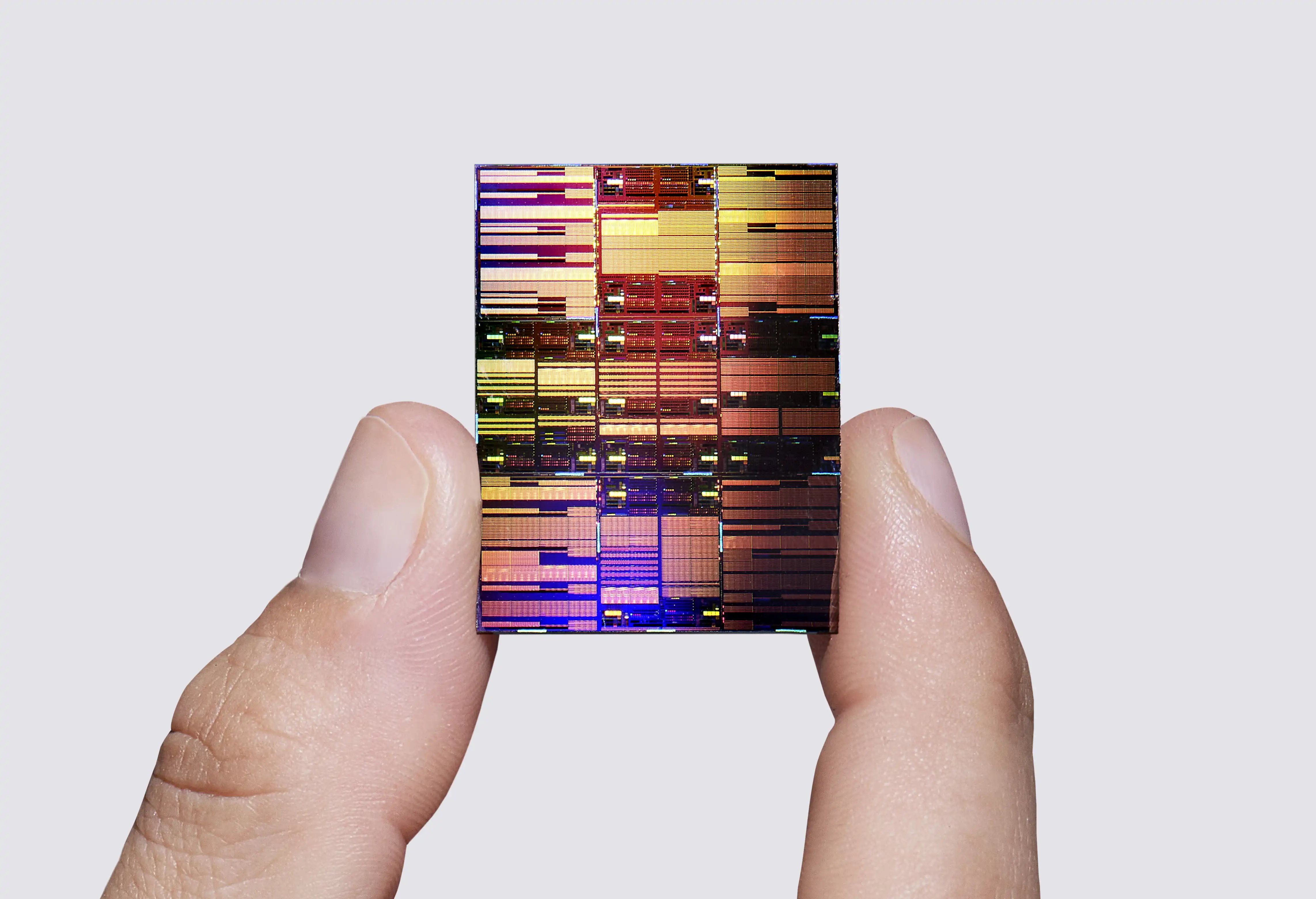
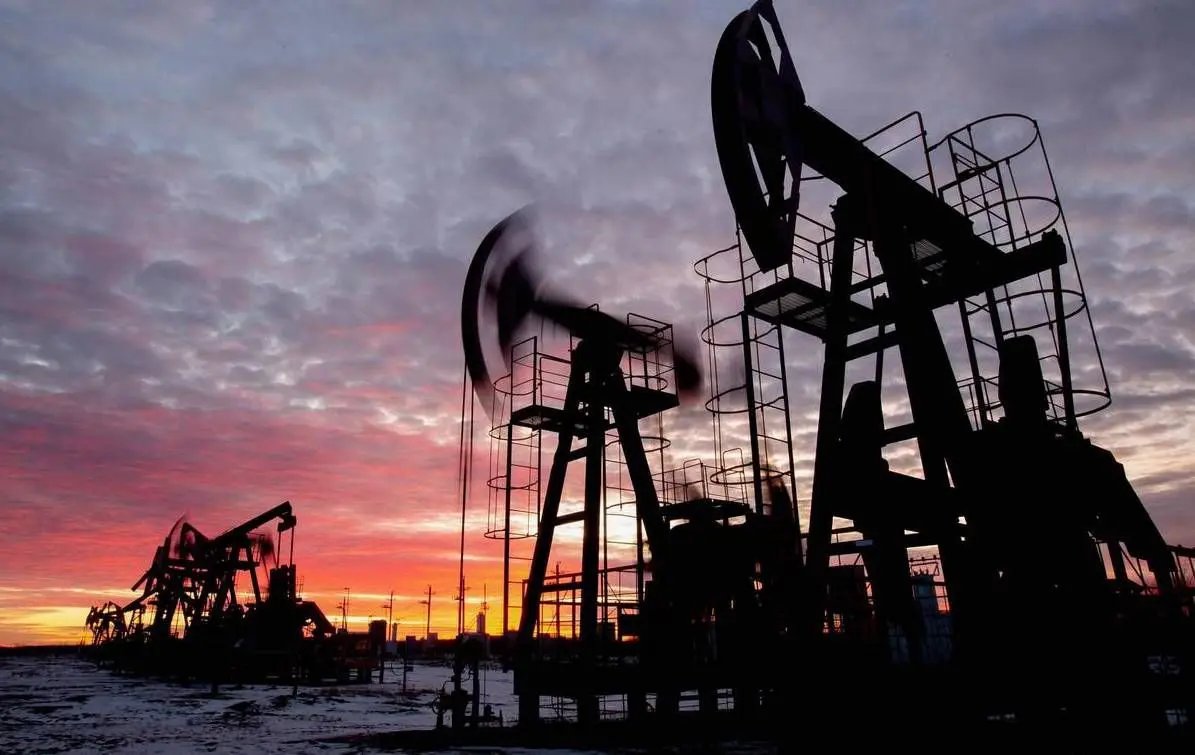
The spike in inflation was largely attributed to more expensive gas and the increasing costs of semiconductors and computer equipment, which are in high demand due to the ongoing AI buildout. This rise in prices has led the Federal Reserve to maintain their key rate unchanged this year, contrasting with their January projection of two cuts.
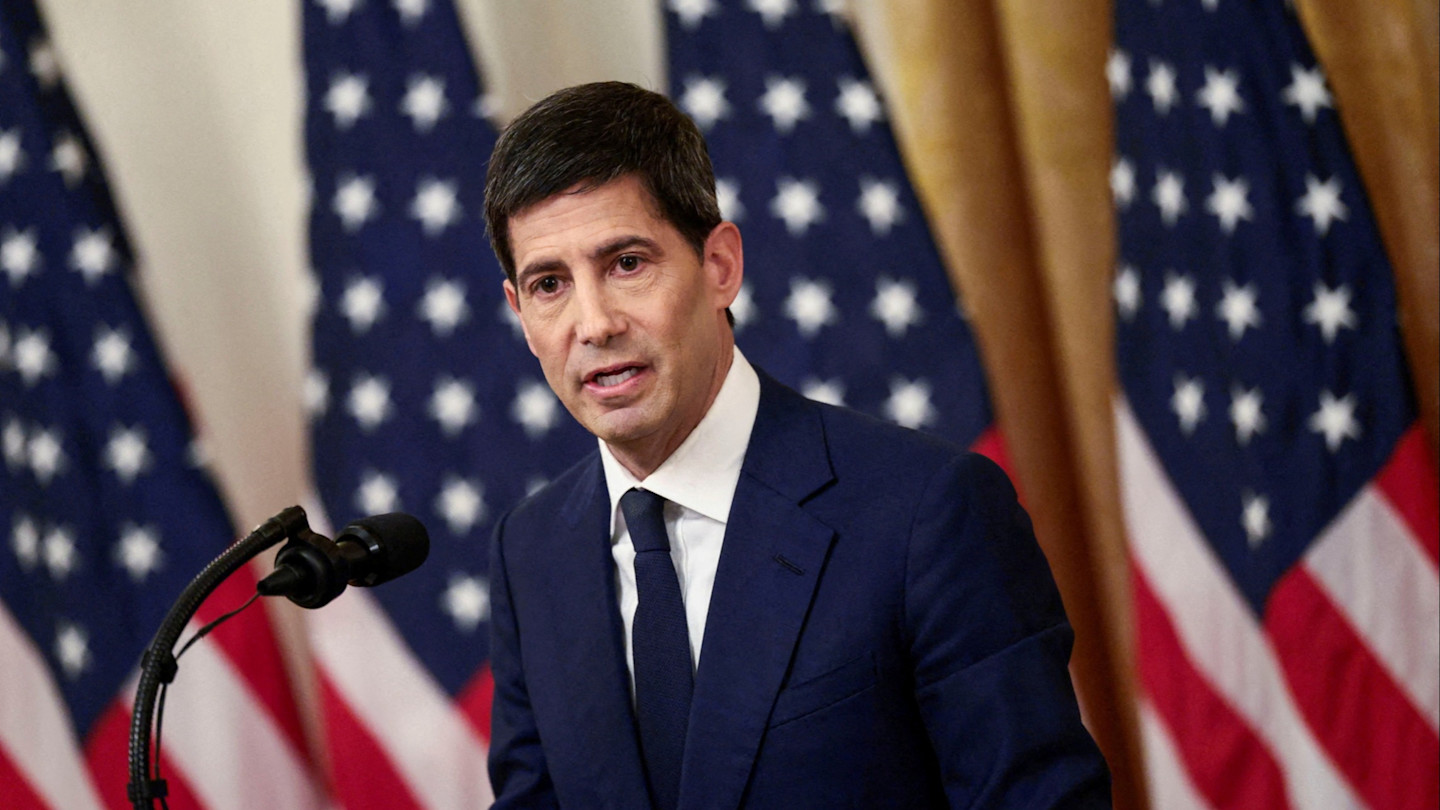
New Fed chair Kevin Warsh has emphasized the central bank's commitment to reducing inflation back to its 2% target, although no specific measures have been disclosed. The potential for a rate hike this year has unsettled US markets, with tech and fast-growing sectors being particularly affected. Some economists now expect the central bank to increase rates this year.
Despite the inflationary pressures, consumer spending rose by 0.3% from April to May when adjusted for inflation. Additionally, incomes, when adjusted for inflation, increased for the first time in four months, rising by 0.3%. This uptick in income could potentially bolster consumer spending in the coming months.
Inflation has remained above the Fed's 2% target for over five years, which has led to a more pessimistic outlook among Americans. Mark Vitner, chief economist at Piedmont Crescent Capital, noted that inflation hadn't exceeded 2.5% for nearly a decade before the pandemic, suggesting that the recent spikes have been particularly hard for households to accept.
The Federal Reserve’s preferred inflation gauge, the personal consumption expenditures (PCE) price index, climbed to 4.1% in May, marking its highest level since April 2023, according to data from the US Commerce Department. This significant increase not only poses economic challenges but also carries political implications, particularly as midterm elections loom for President Trump and his party.
The spike in inflation was largely attributed to more expensive gas and the increasing costs of semiconductors and computer equipment, which are in high demand due to the ongoing AI buildout. This rise in prices has led the Federal Reserve to maintain their key rate unchanged this year, contrasting with their January projection of two cuts.
New Fed chair Kevin Warsh has emphasized the central bank’s commitment to reducing inflation back to its 2% target, although no specific measures have been disclosed. The potential for a rate hike this year has unsettled US markets, with tech and fast-growing sectors being particularly affected. Economists are divided, with some anticipating a rate increase based on the current inflation trends.
Despite the inflationary pressures, consumer spending rose by 0.3% from April to May when adjusted for inflation. Additionally, incomes, when adjusted for inflation, increased for the first time in four months, rising by 0.3%. This uptick in income could potentially bolster consumer spending in the coming months.
Inflation has remained above the Fed’s 2% target for over five years, which has led to a more pessimistic outlook among Americans. Mark Vitner, chief economist at Piedmont Crescent Capital, noted that inflation hadn't exceeded 2.5% for nearly a decade before the pandemic, suggesting that the recent spikes have been particularly hard for households to accept.
With the Fed's preferred inflation gauge indicating a significant economic shift, the central bank is likely to closely monitor upcoming economic data to inform their monetary policy decisions. The market and consumers alike will be watching closely as the Fed navigates the delicate balance between controlling inflation and supporting economic growth.
Highlighted text was flagged by the council. Tap to see feedback.