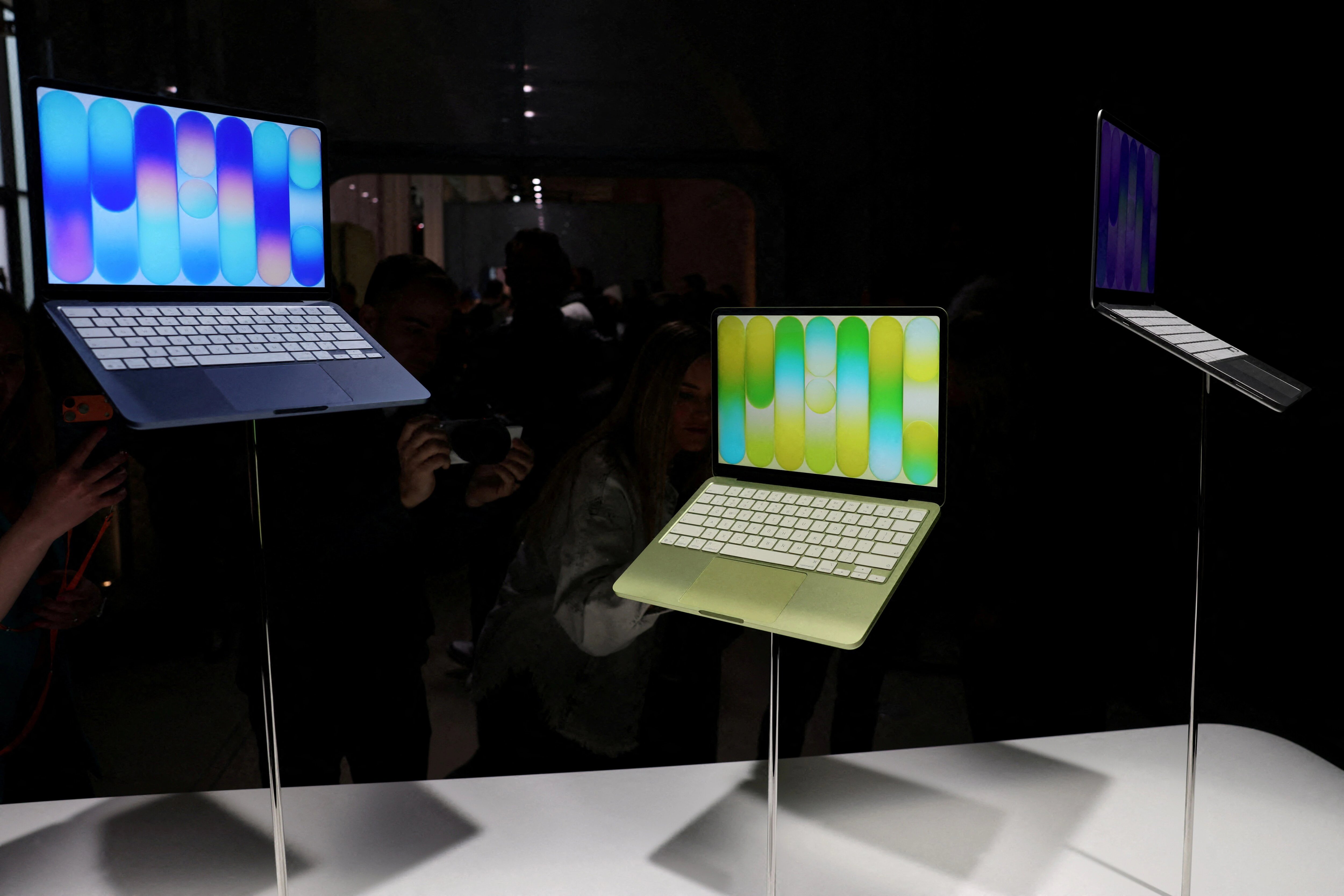
Apple has raised prices on several of its devices, including Macs and iPads, by hundreds of dollars in some cases. An entry-level MacBook Neo, previously priced at $599, now costs $699, according to Ars Technica. The iMac has seen a $200 price increase, jumping from $1,299 to $1,499. The M5 MacBook Pro has also increased by $300, from $1,699 to $1,999. At the high end, the M3 Ultra Mac Studio, which features 96GB of memory, has seen a $1,300 increase, raising its price to $5,299.
The iPad line has not been spared, with price increases ranging between $100 and $200, depending on the model. The price of iPhones remains unchanged.
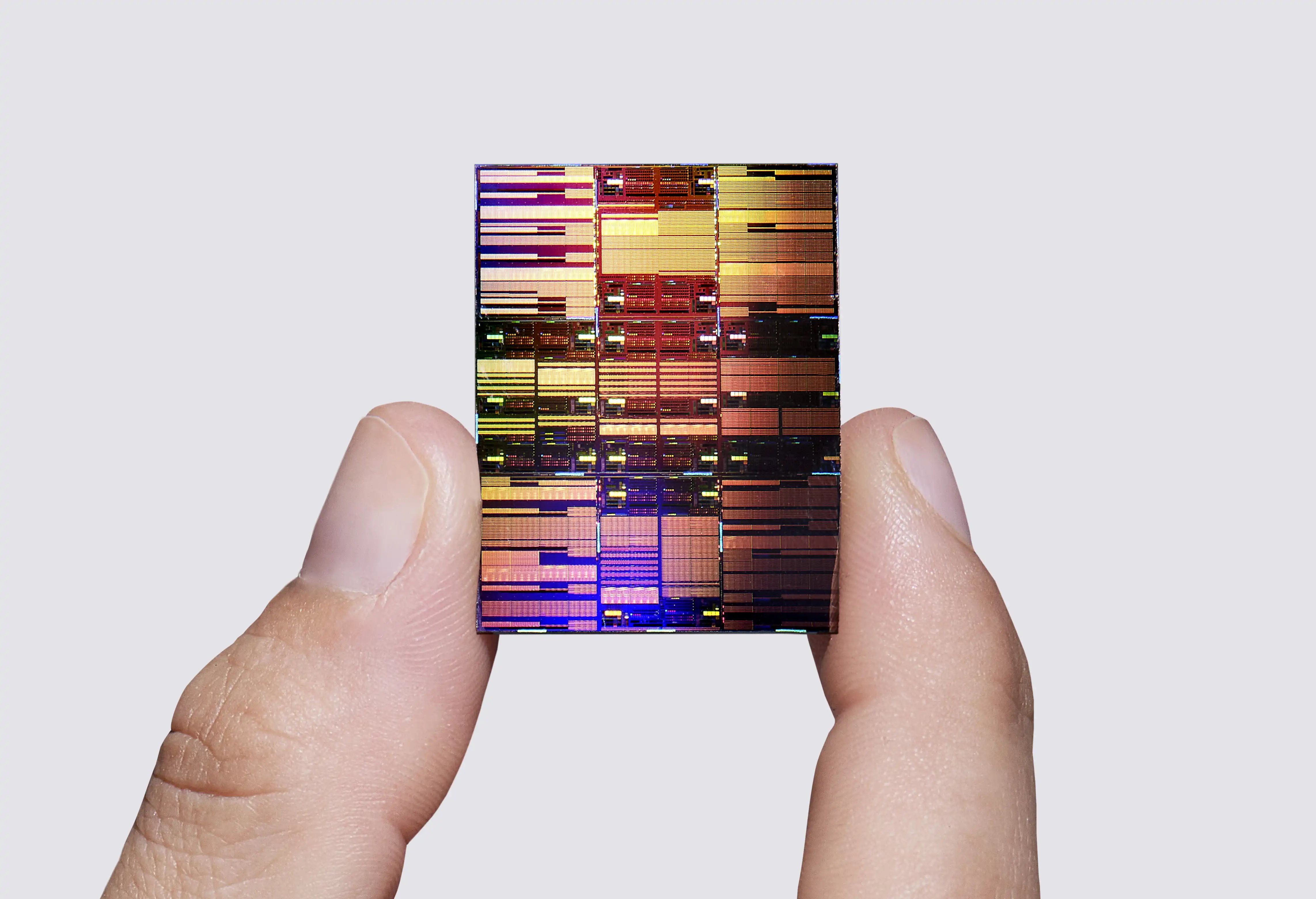
Apple CEO Tim Cook cited the soaring price of memory as the reason behind the price increases in an interview with The Wall Street Journal. "Unfortunately, price increases are unavoidable," Cook stated. "We're doing our best to mitigate the huge increases that are being passed to us, and we've been trying to shield our customers from the increases, but the situation has become unsustainable." As AI investments rocketed, chipmakers increasingly focused on the more profitable memory used in data centers rather than the memory intended for consumer products. Consequently, supply shortages and high memory prices have been affecting the tech industry for months.
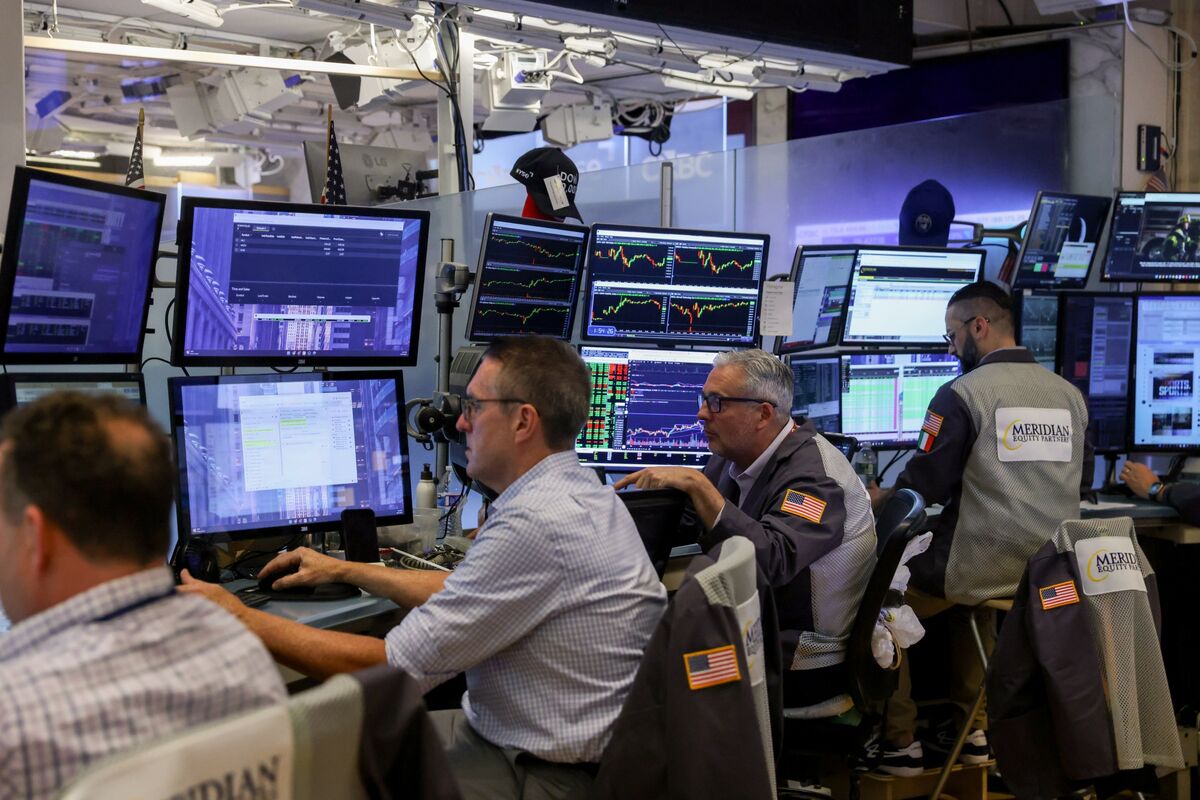
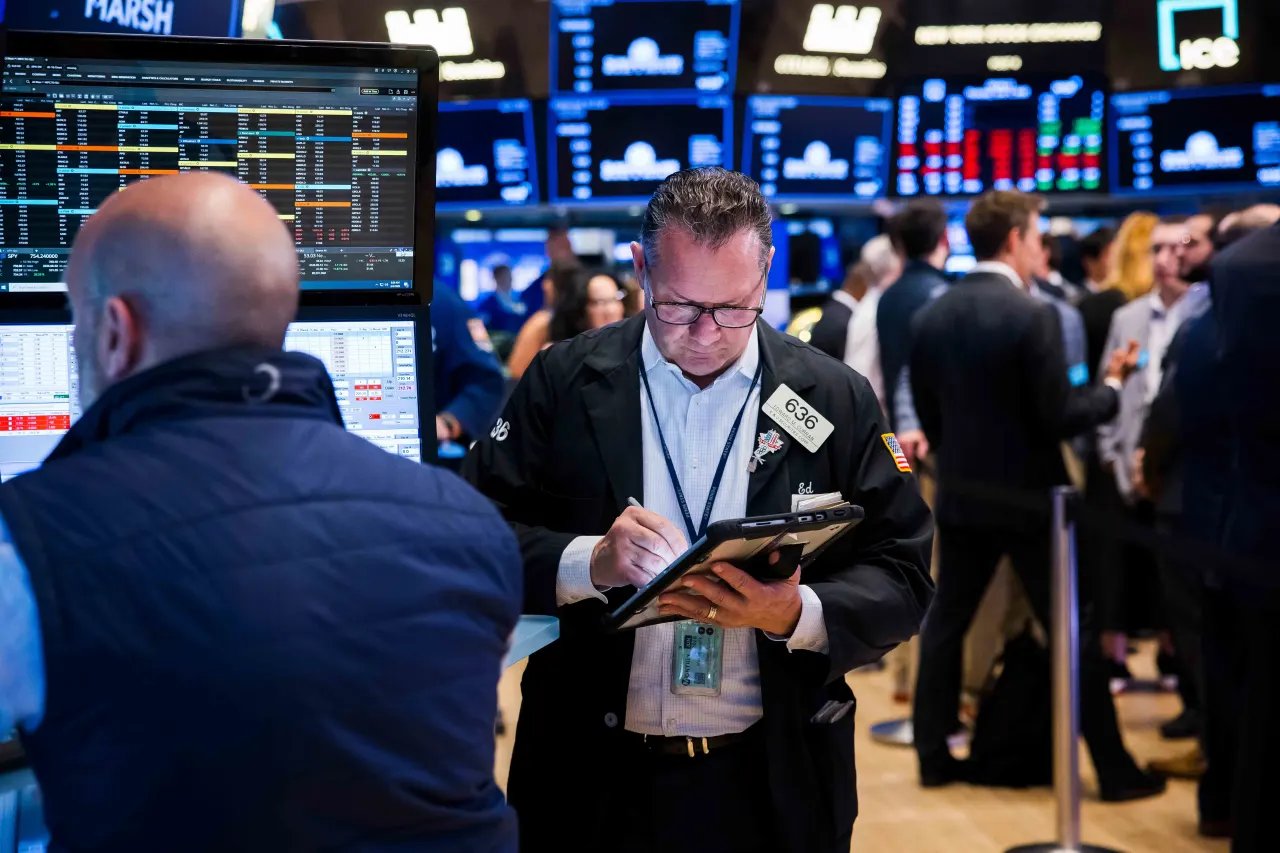
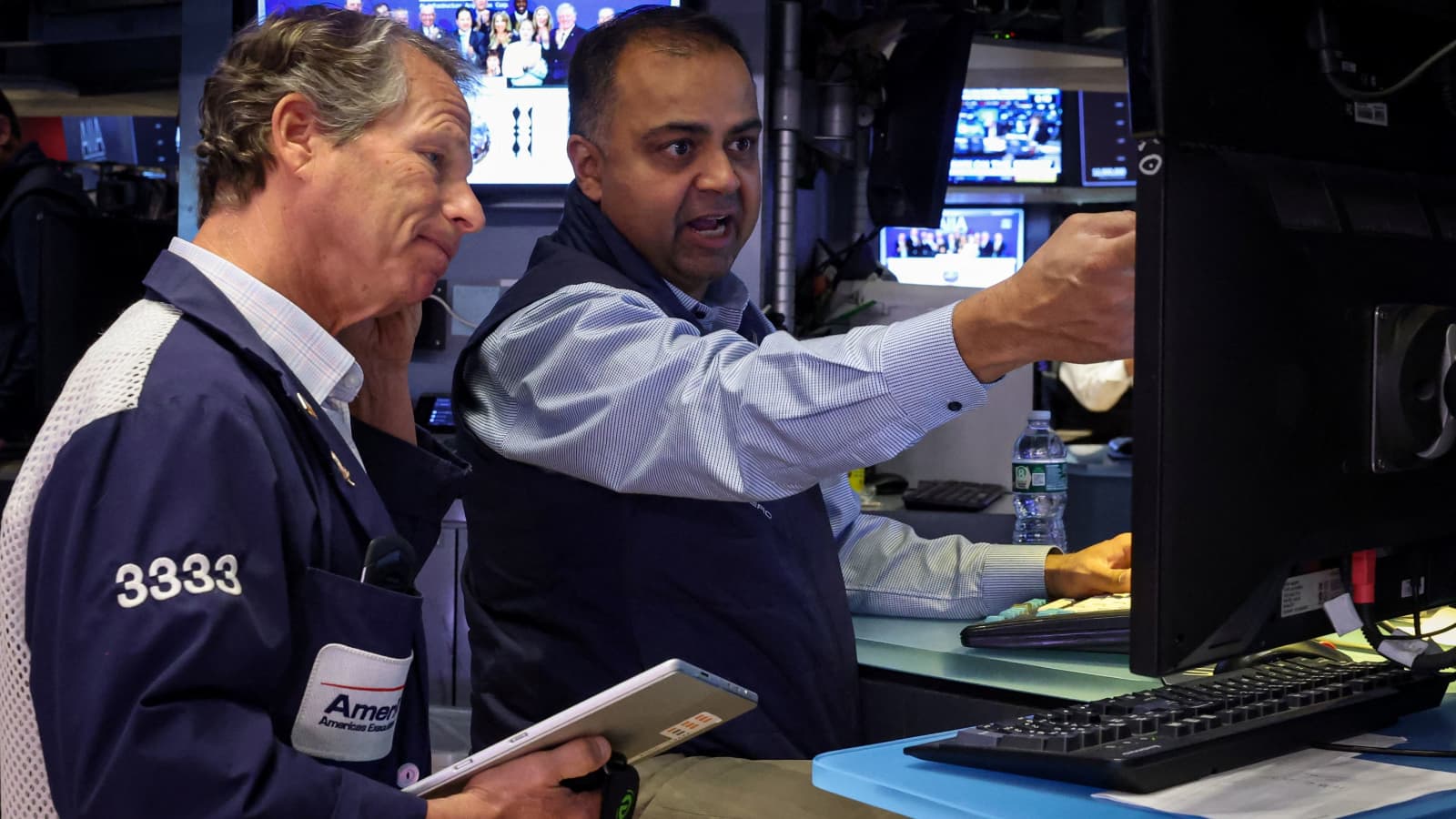
Apple Inc. shares fell after the price hikes were announced, according to Bloomberg. The company is seeking to offset the cost hikes caused by an unprecedented shortage of memory chips and storage, which has been a driving factor in the price increases of many consumer electronics.
Apple has raised prices on several of its devices, including Macs and iPads, by hundreds of dollars in some cases. An entry-level MacBook Neo, previously priced at $599, now costs $699, according to Ars Technica. The iMac has seen a $200 price increase, jumping from $1,299 to $1,499. The M5 MacBook Pro has also increased by $300, from $1,699 to $1,999. At the high end, the M3 Ultra Mac Studio, which features 96GB of memory, has seen a $1,300 increase, raising its price to $5,299.
The iPad line has not been spared, with price increases ranging between $100 and $200, depending on the model. While the price of iPhones has remained unchanged for now, the overall impact on consumers is a significant increase in the cost of technology products, directly affecting their purchasing power.
Apple CEO Tim Cook cited the soaring price of memory as the reason behind the price increases in an interview with The Wall Street Journal. "Unfortunately, price increases are unavoidable," Cook stated. "We’re doing our best to mitigate the huge increases that are being passed to us, and we’ve been trying to shield our customers from the increases, but the situation has become unsustainable." The shift in focus of chipmakers towards more profitable memory for data centers due to AI investments has led to a shortage of memory chips for consumer products, causing supply shortages and higher memory prices that have been affecting the tech industry for months.
As a result of the increased prices, Apple Inc. shares fell after the sweeping price hikes were announced, as reported by Bloomberg. The company is seeking to offset the cost hikes caused by an unprecedented shortage of memory chips and storage, which has been a driving factor in the价格上涨 of many consumer electronics. This move by Apple signifies a direct impact on consumer technology pricing and market strategy, reflecting the broader challenges in the tech industry due to the AI boom and memory chip shortages.
Highlighted text was flagged by the council. Tap to see feedback.