




Countries Embrace Renewable Energy Amid Conflict
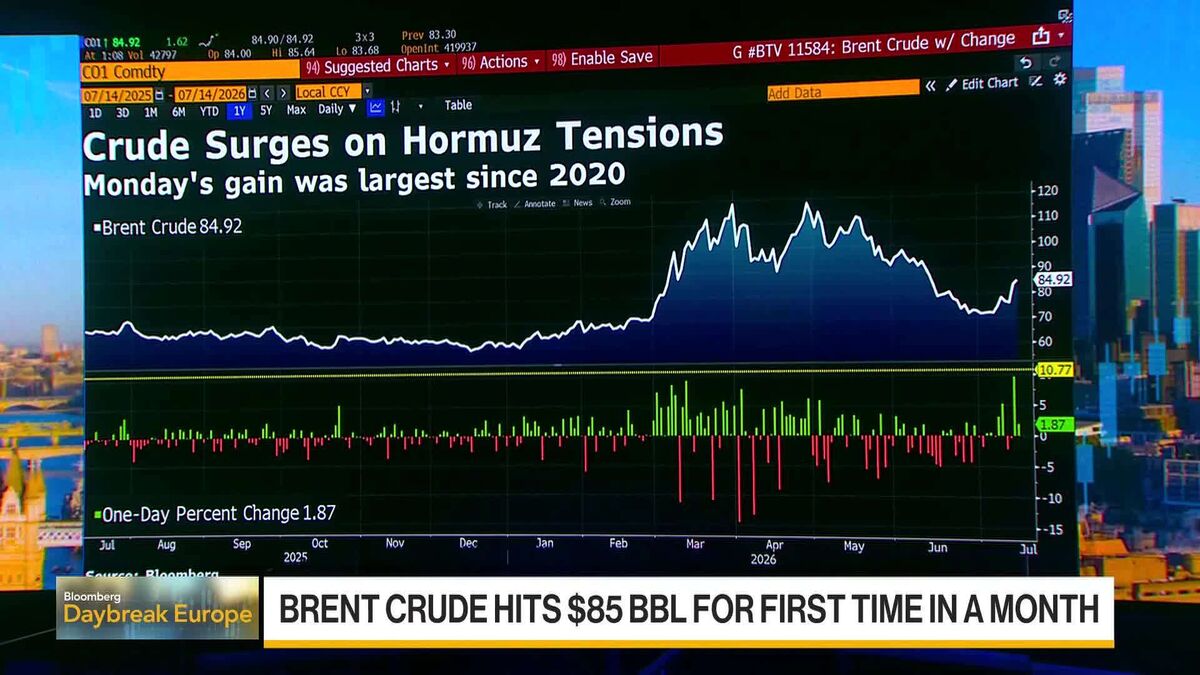
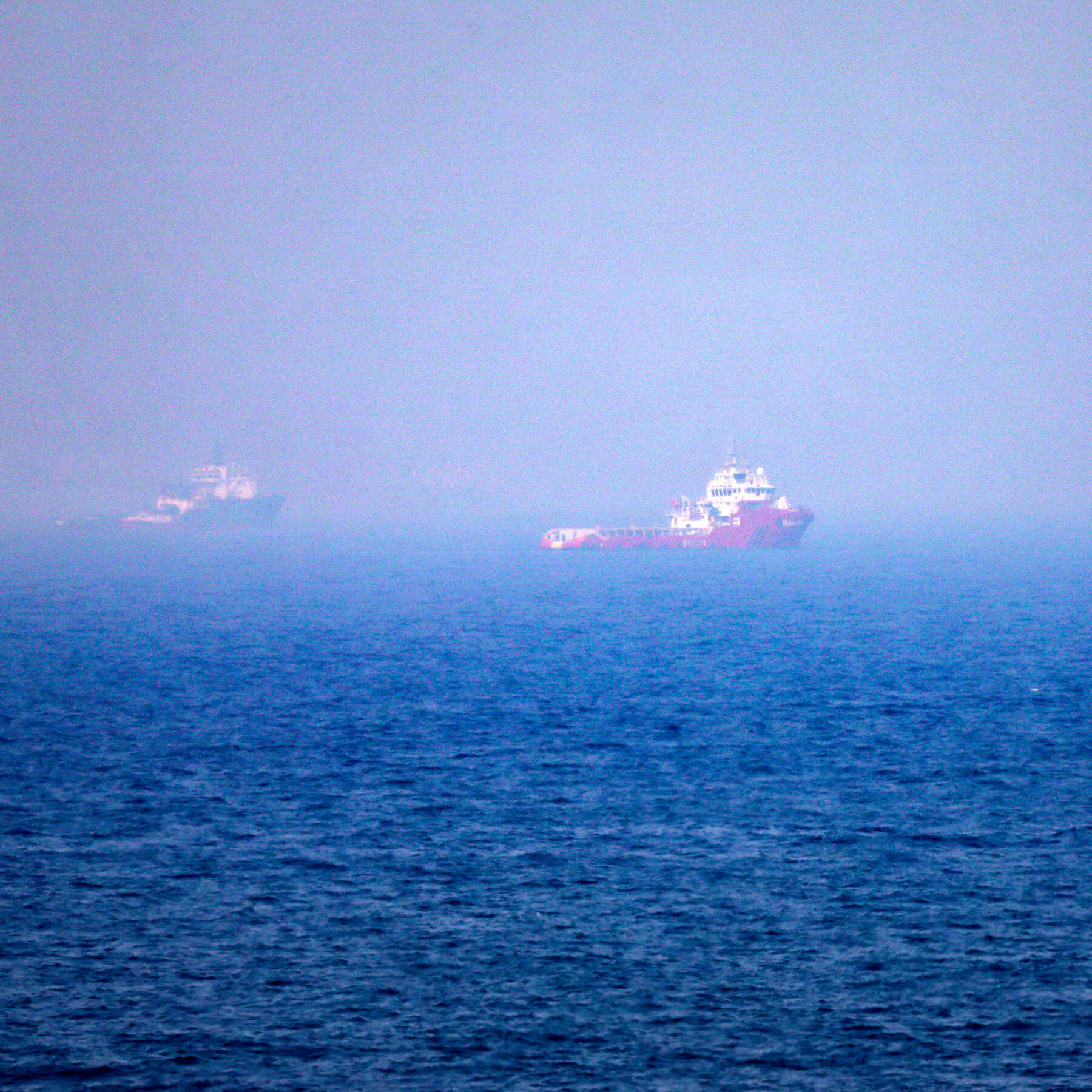
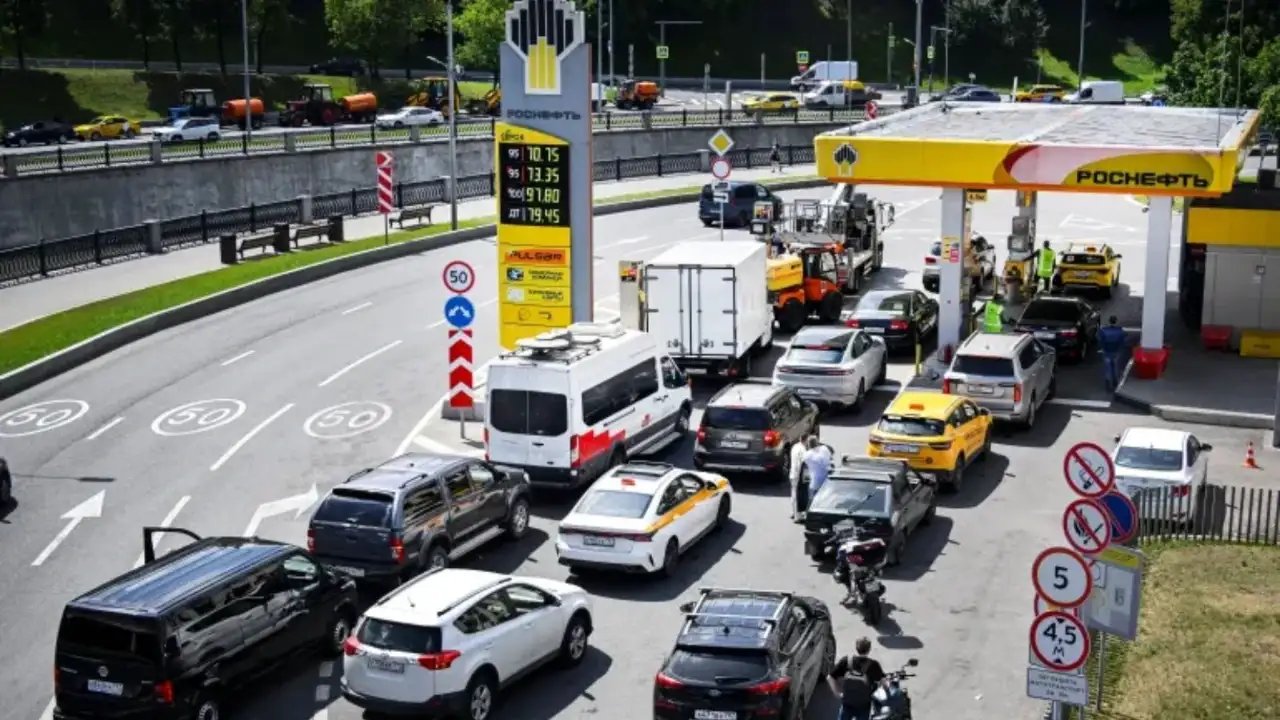
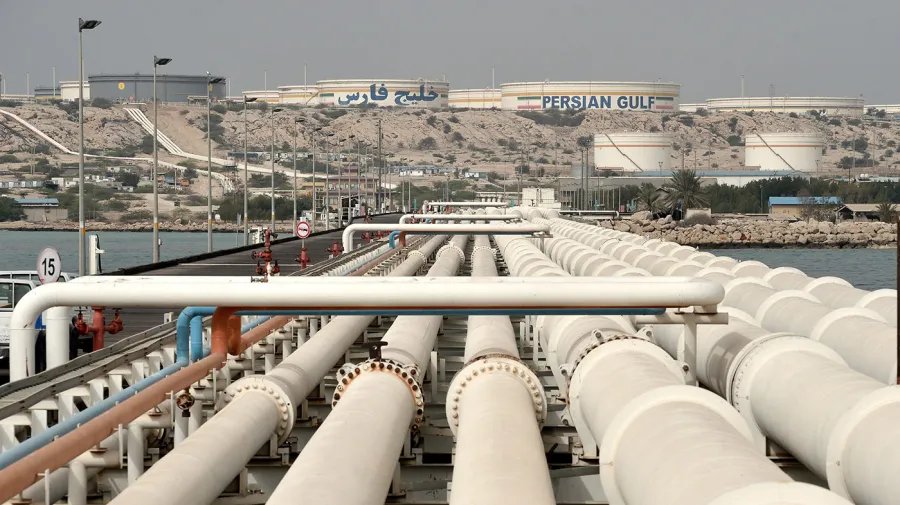
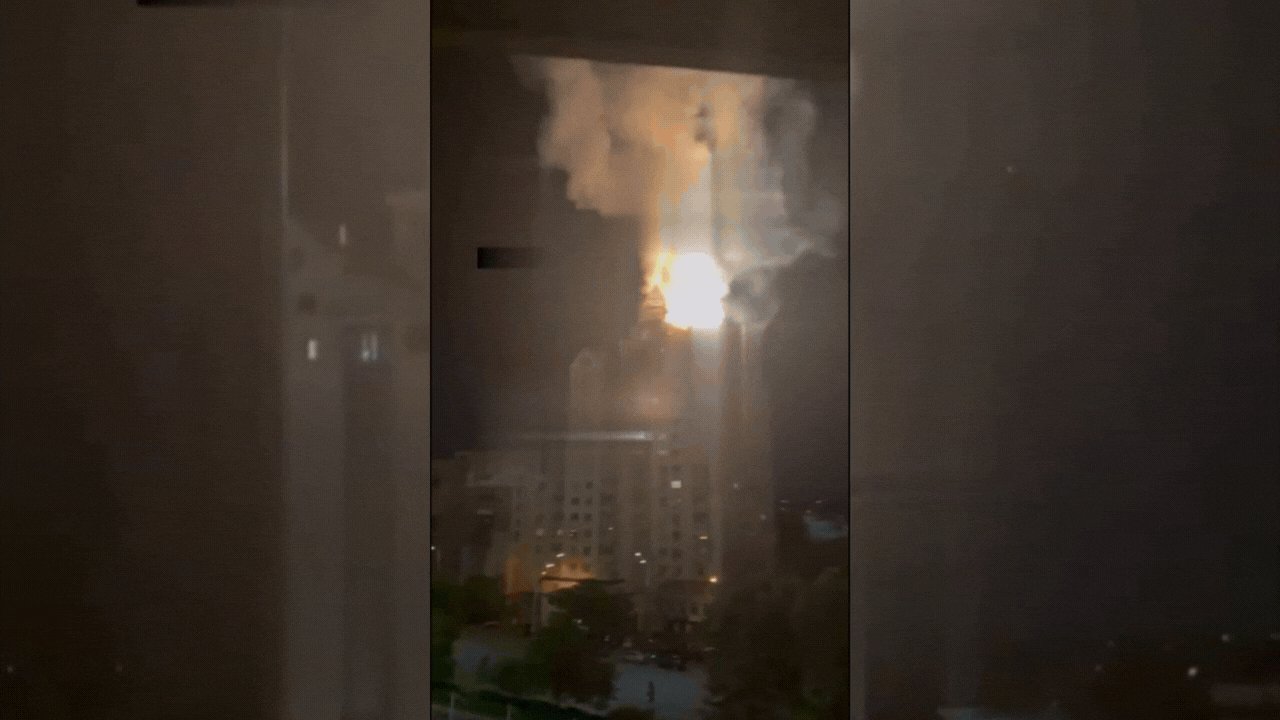
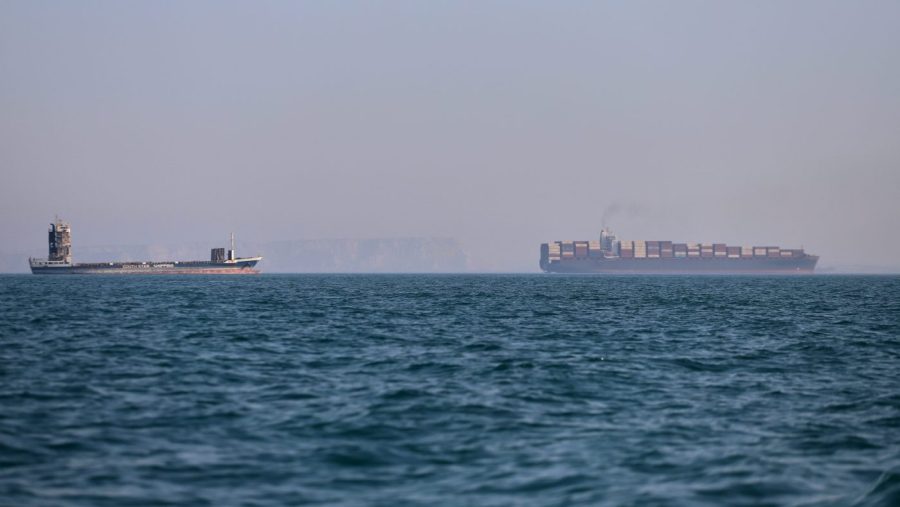
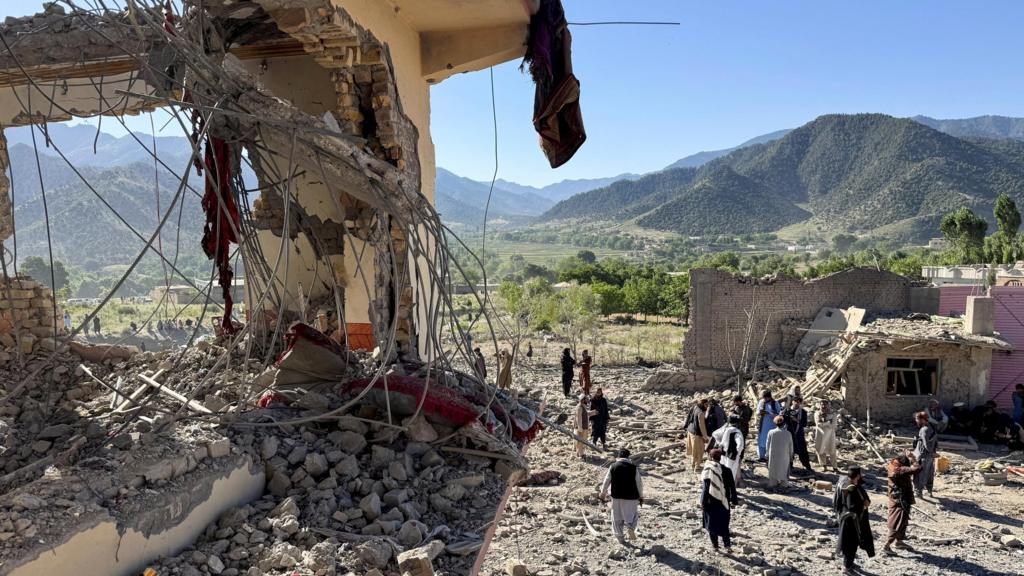
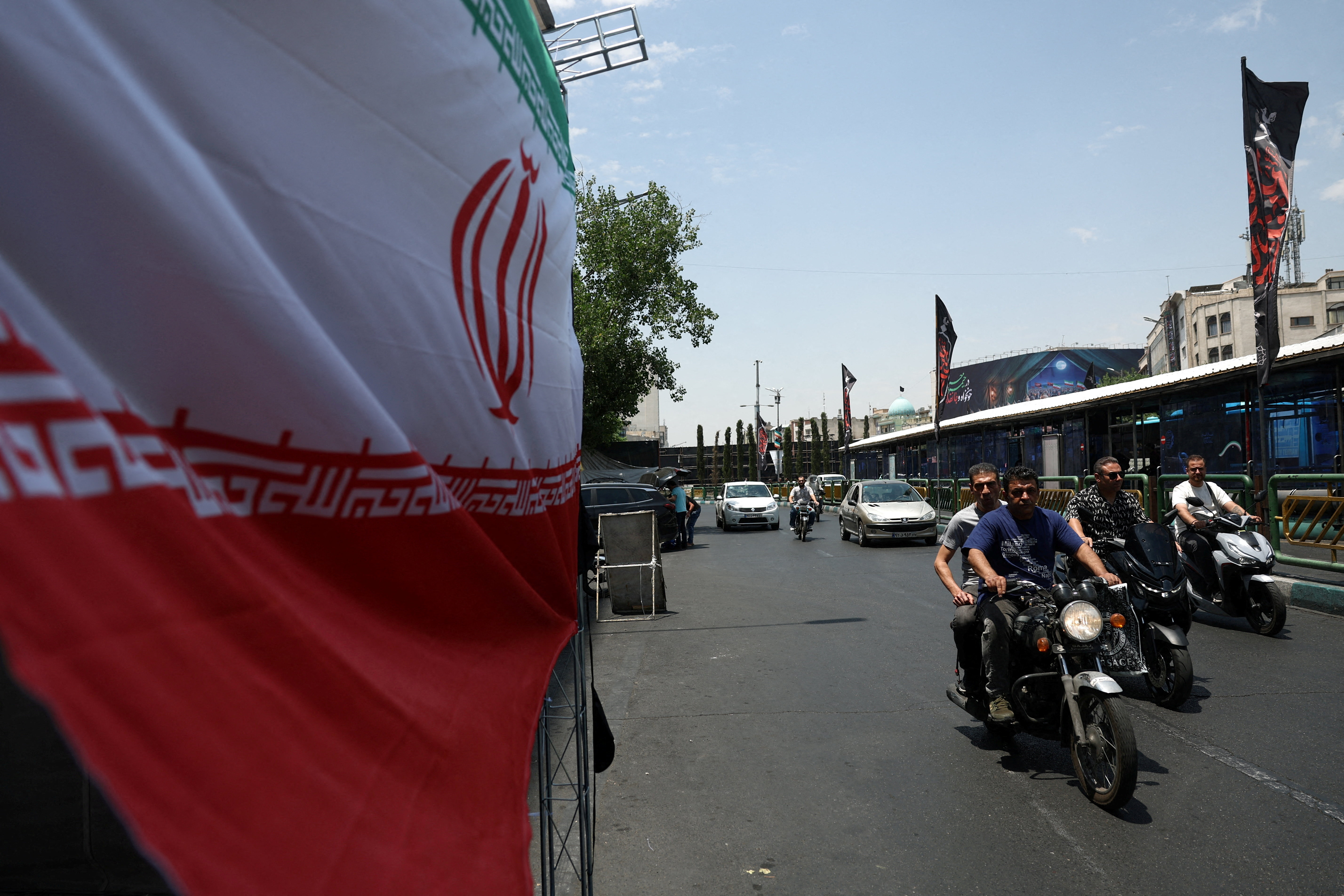
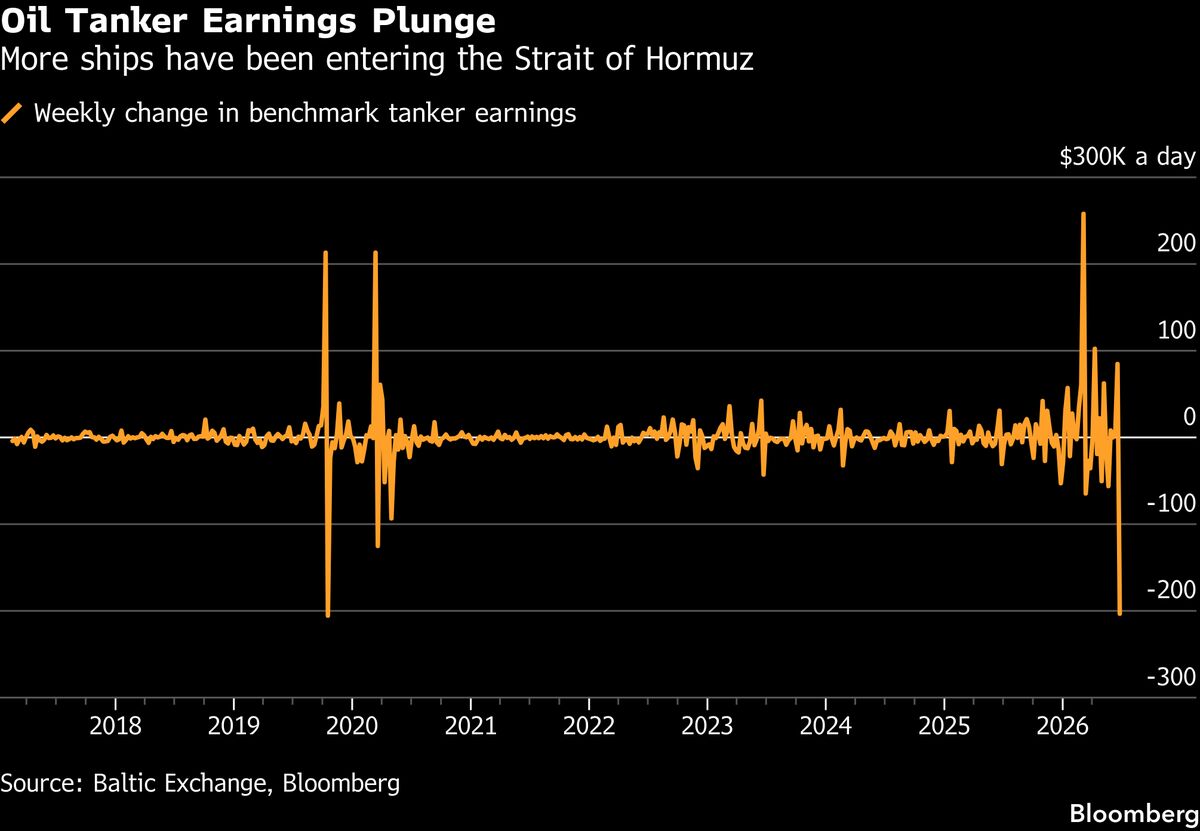
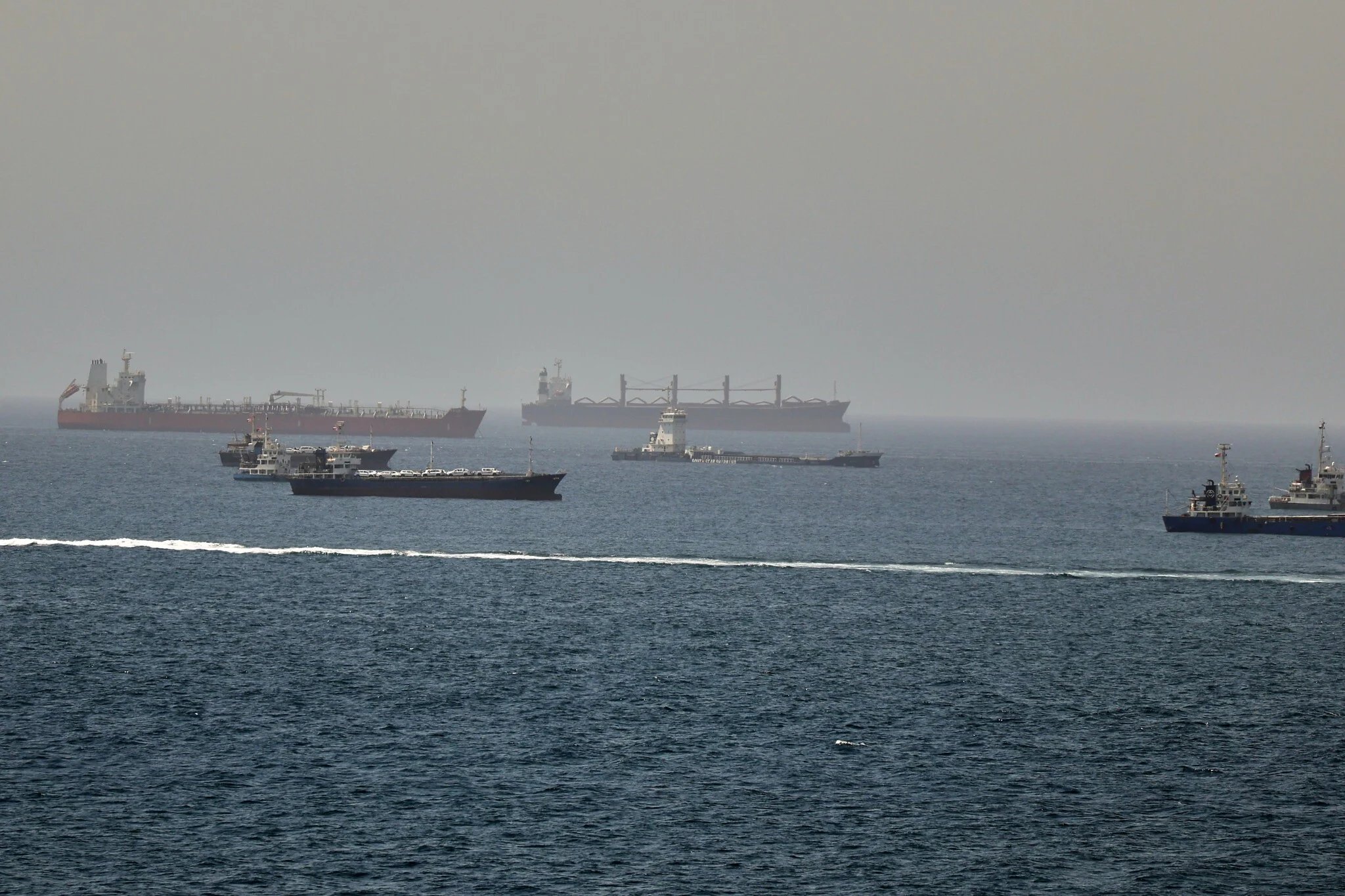
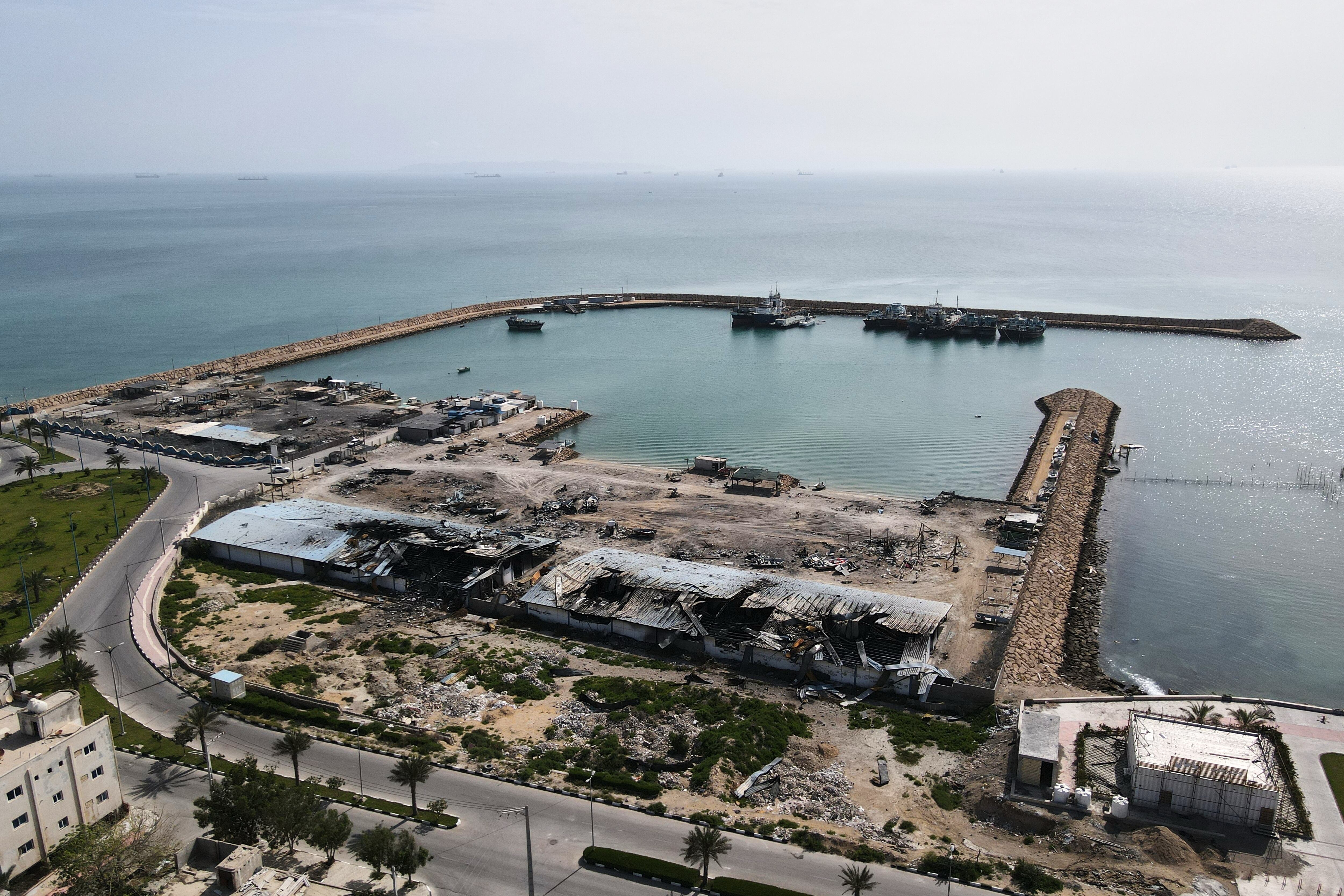
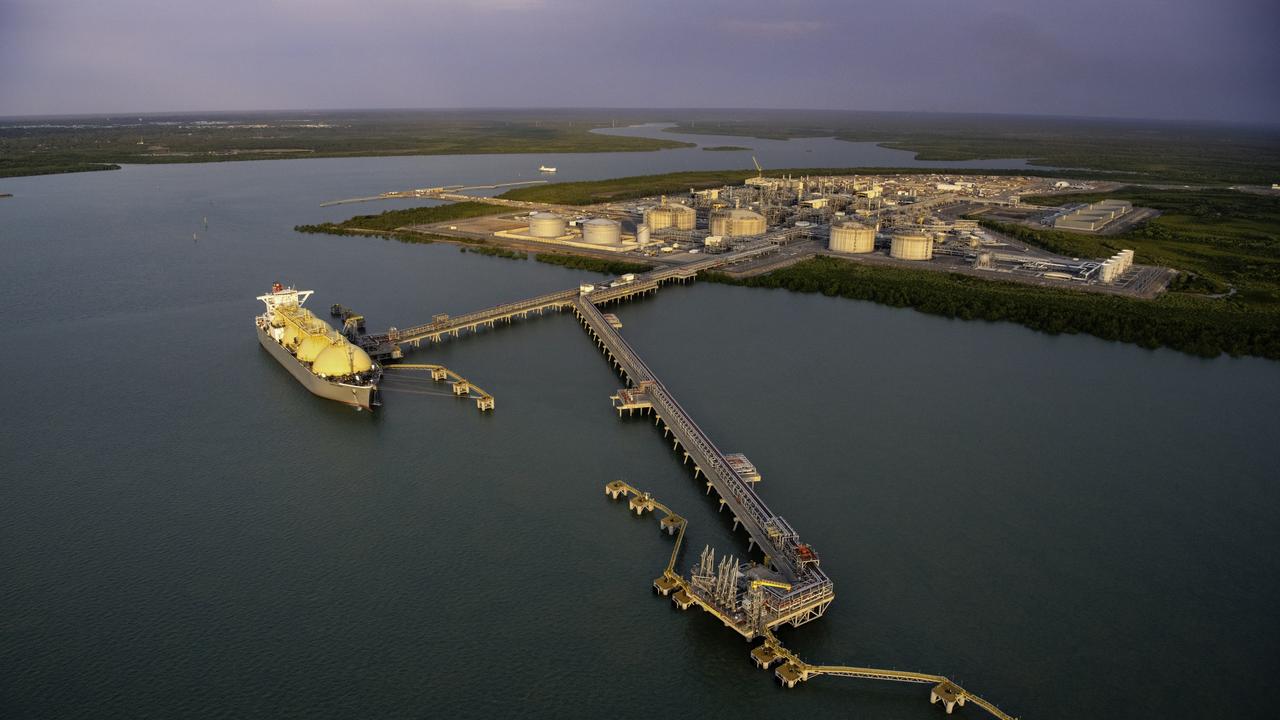
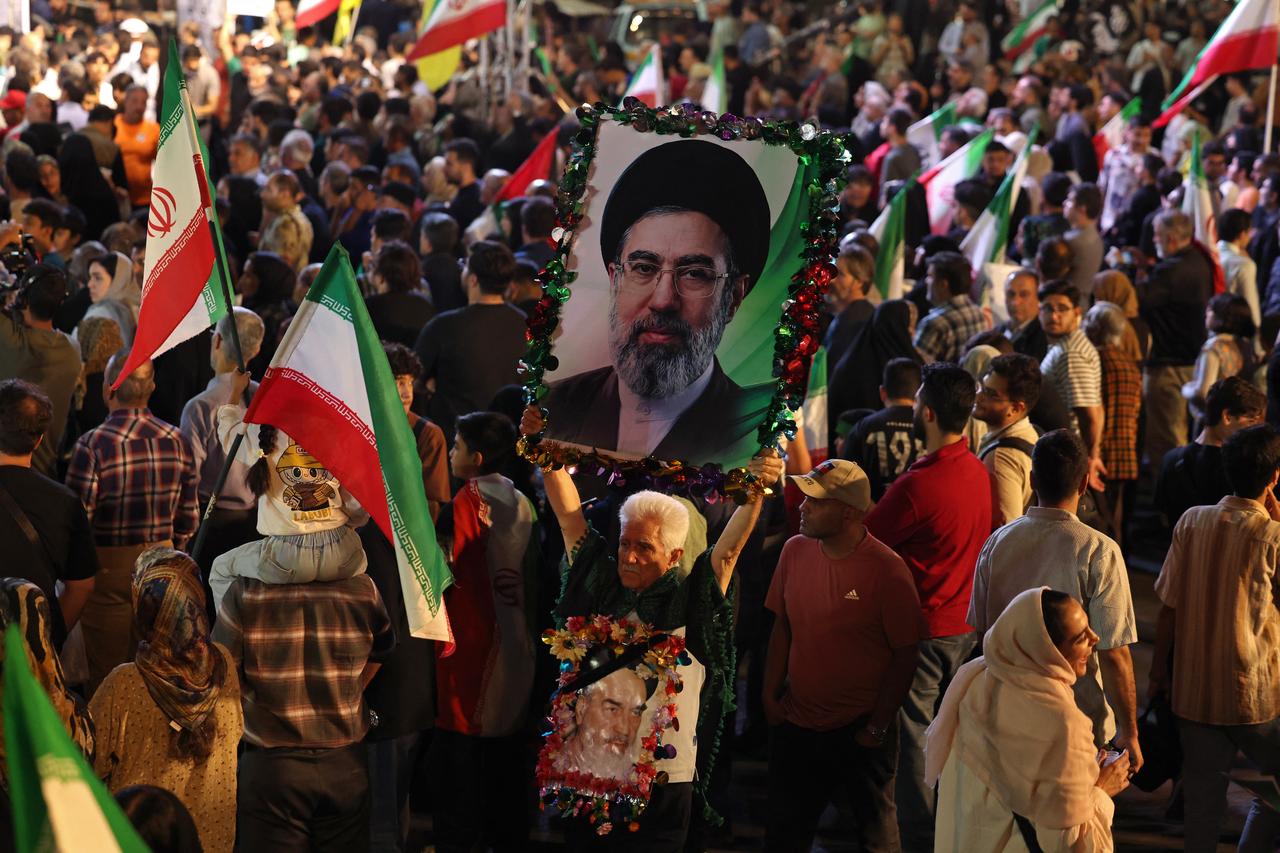
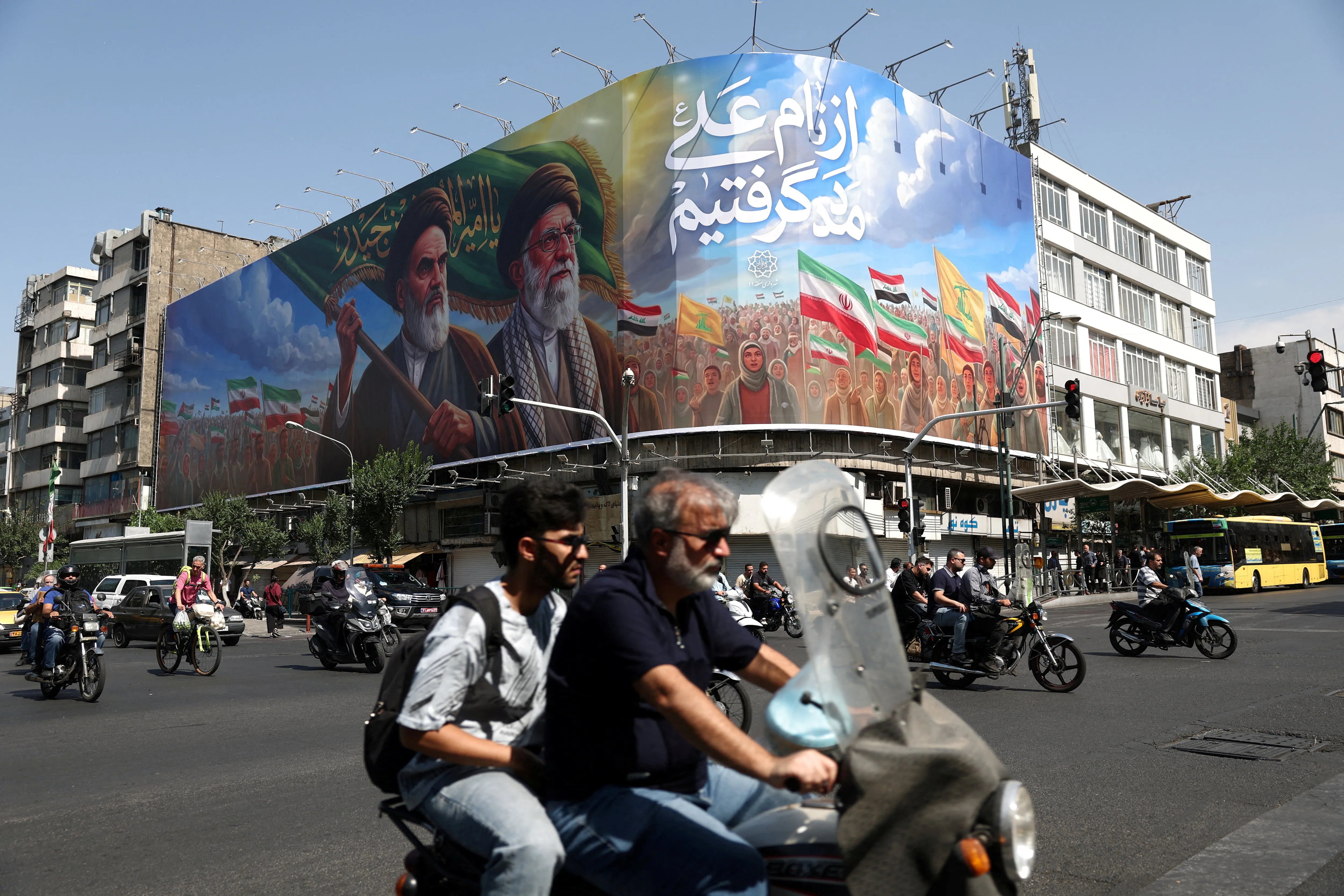
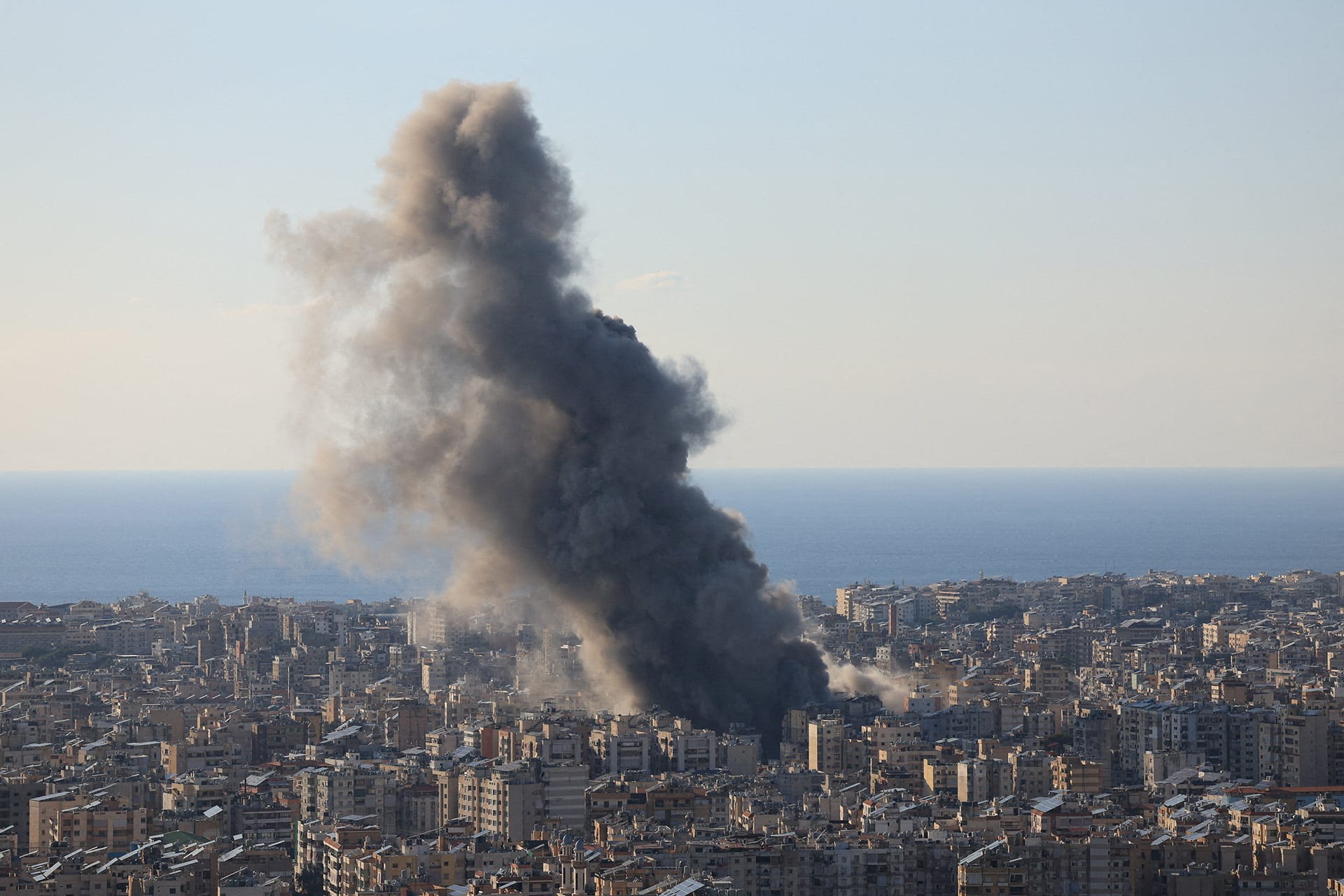
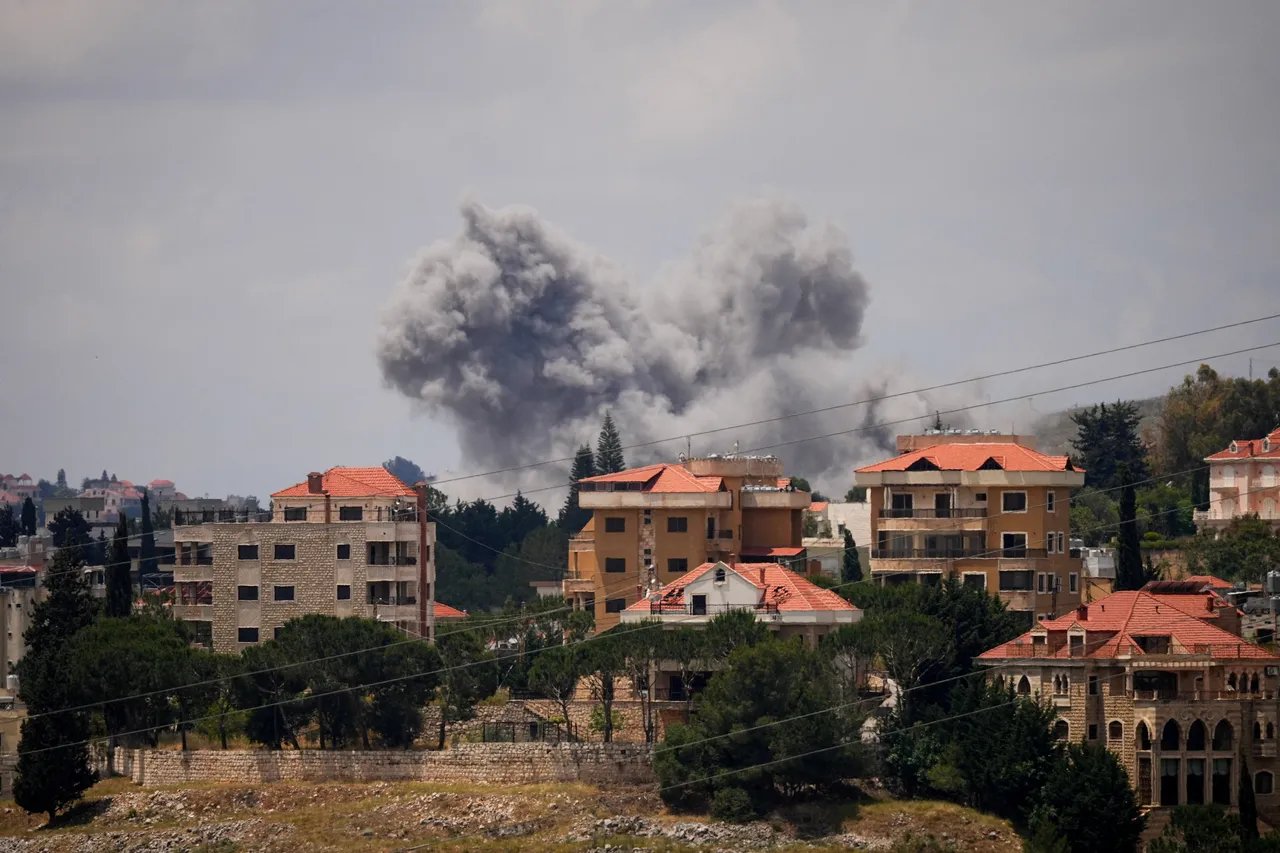
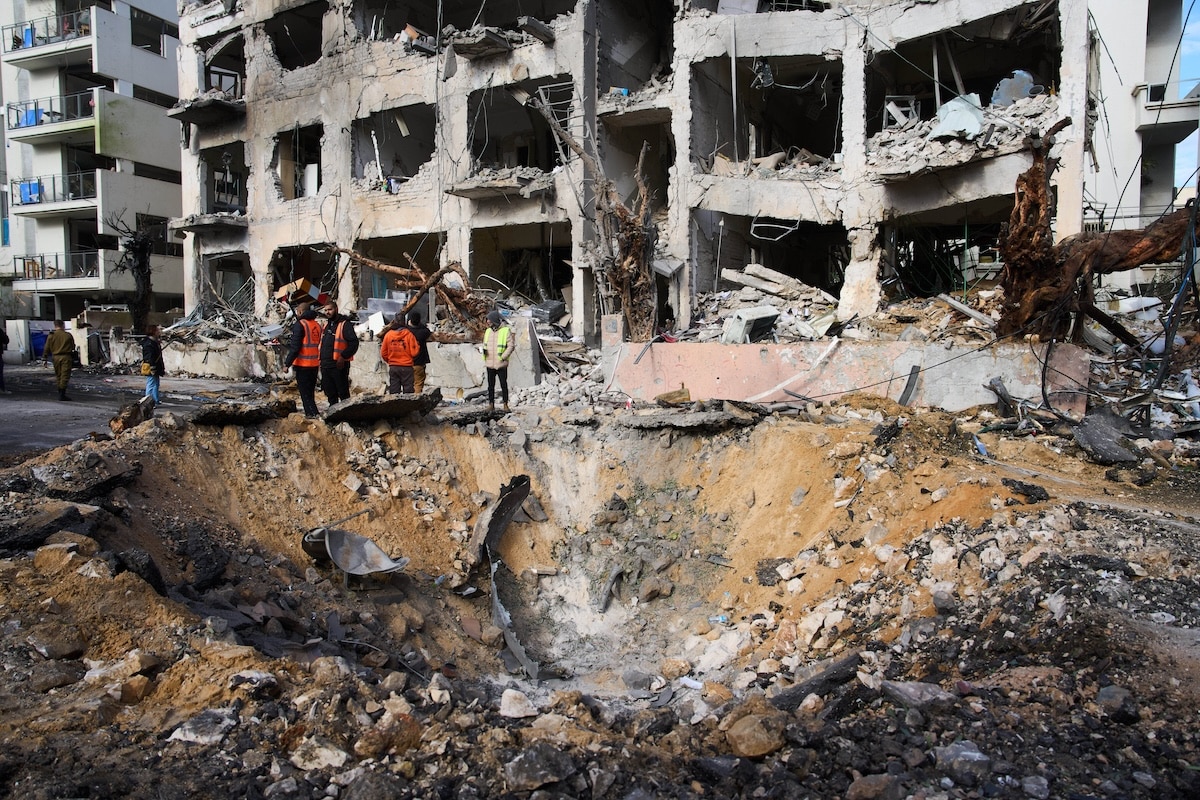
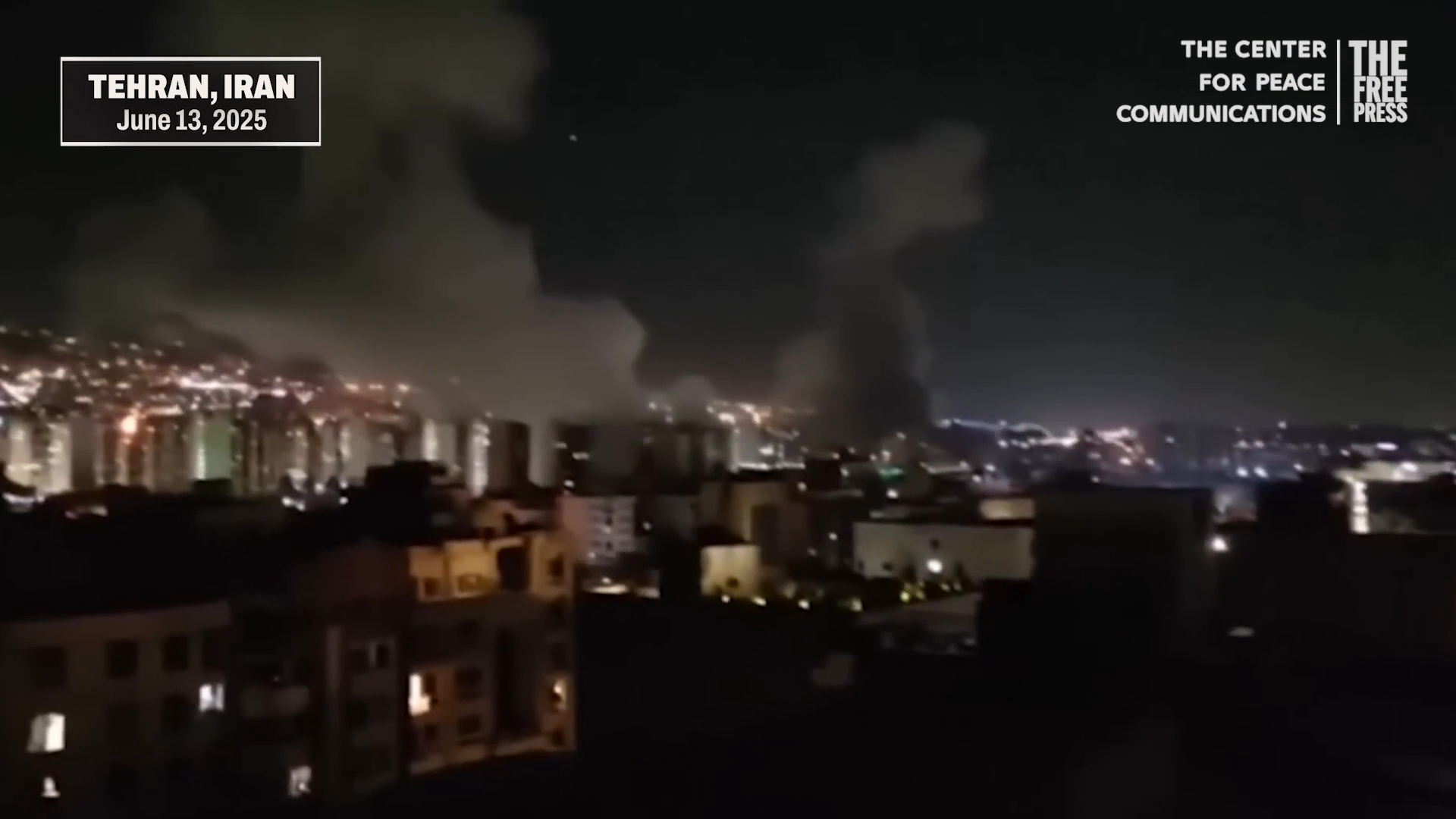
The ongoing war in Iran has prompted countries across Asia and Africa to accelerate their transition from fossil fuels to renewable energy sources. As the conflict disrupts oil and gas supplies, nations are investing heavily in solar, batteries, and electric vehicles (EVs) to reduce their dependence on imported fossil fuels. The effective closure of the Strait of Hormuz has cut off over 20% of liquefied natural gas (LNG) supplies, leading to a more than 50% increase in natural gas prices in Europe and Asia since the war began.
Solar and EV Imports Surge
Countries are witnessing a surge in imports of solar panels and electric vehicles, particularly from China. The Philippines imported over $400 million in solar panels from February to May, marking a 139% increase from the previous year. Meanwhile, Chinese exports of solar panels rose by more than 80%, and the country exported over 2 million electric passenger vehicles from January to May, with nearly half occurring in the last two months. This shift is driven by the recognition that investing in renewables enhances energy security and economic stability.
Economic Impact of Energy Transition
The International Energy Agency reported that the global usage of electric vehicles helped avoid the consumption of approximately 1.7 million barrels of oil per day last year, equivalent to Nigeria's daily crude oil production. Countries like Pakistan have implemented solar and battery investments that have significantly reduced their oil and gas imports, saving billions of dollars. In 2025, Standard Bank's financing for renewable energy projects in Africa outpaced that for non-renewable projects by a ratio of eight to one, illustrating a broader trend toward sustainable energy solutions.
Global Oil Demand Declines
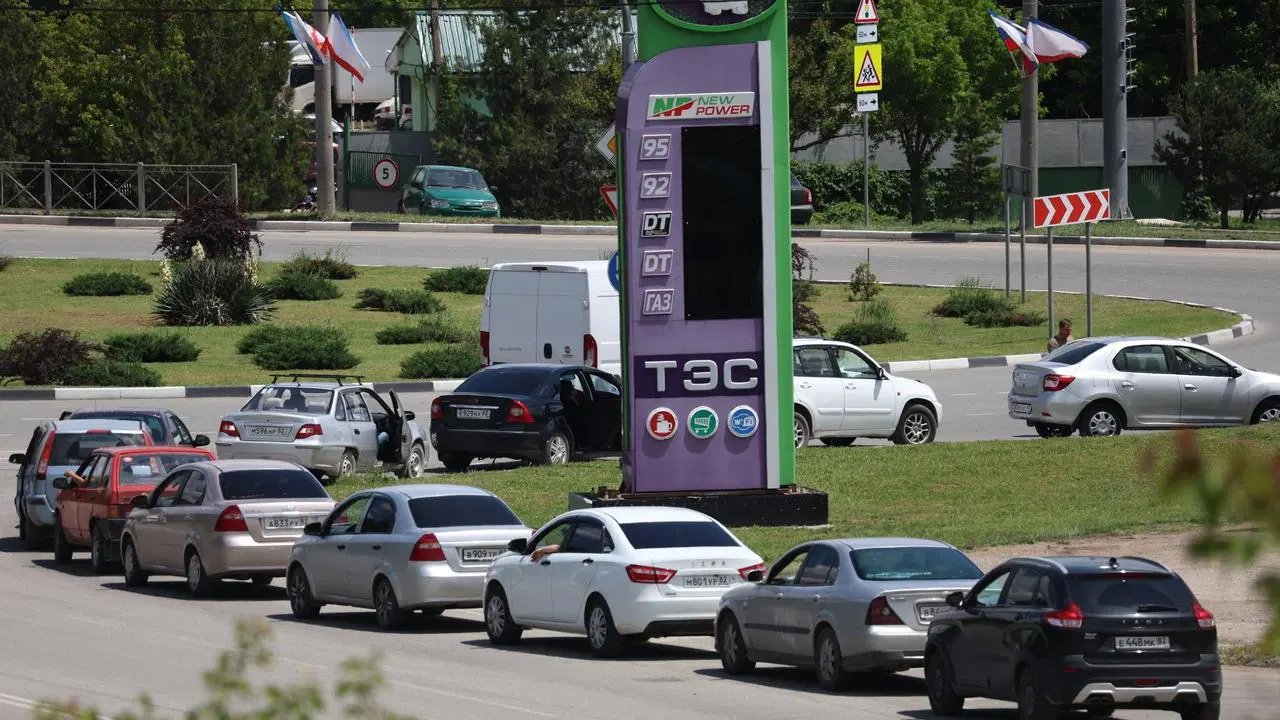
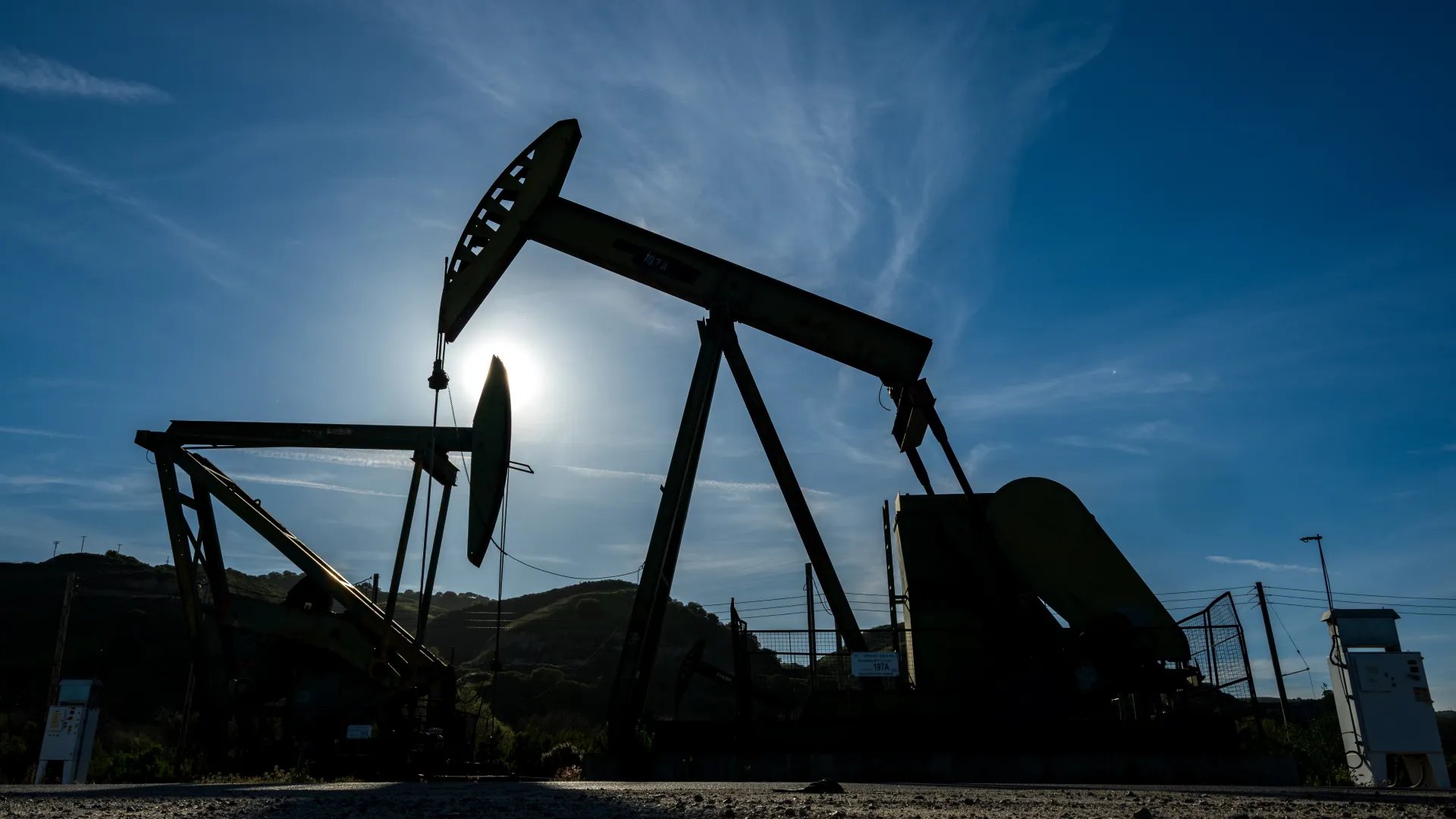
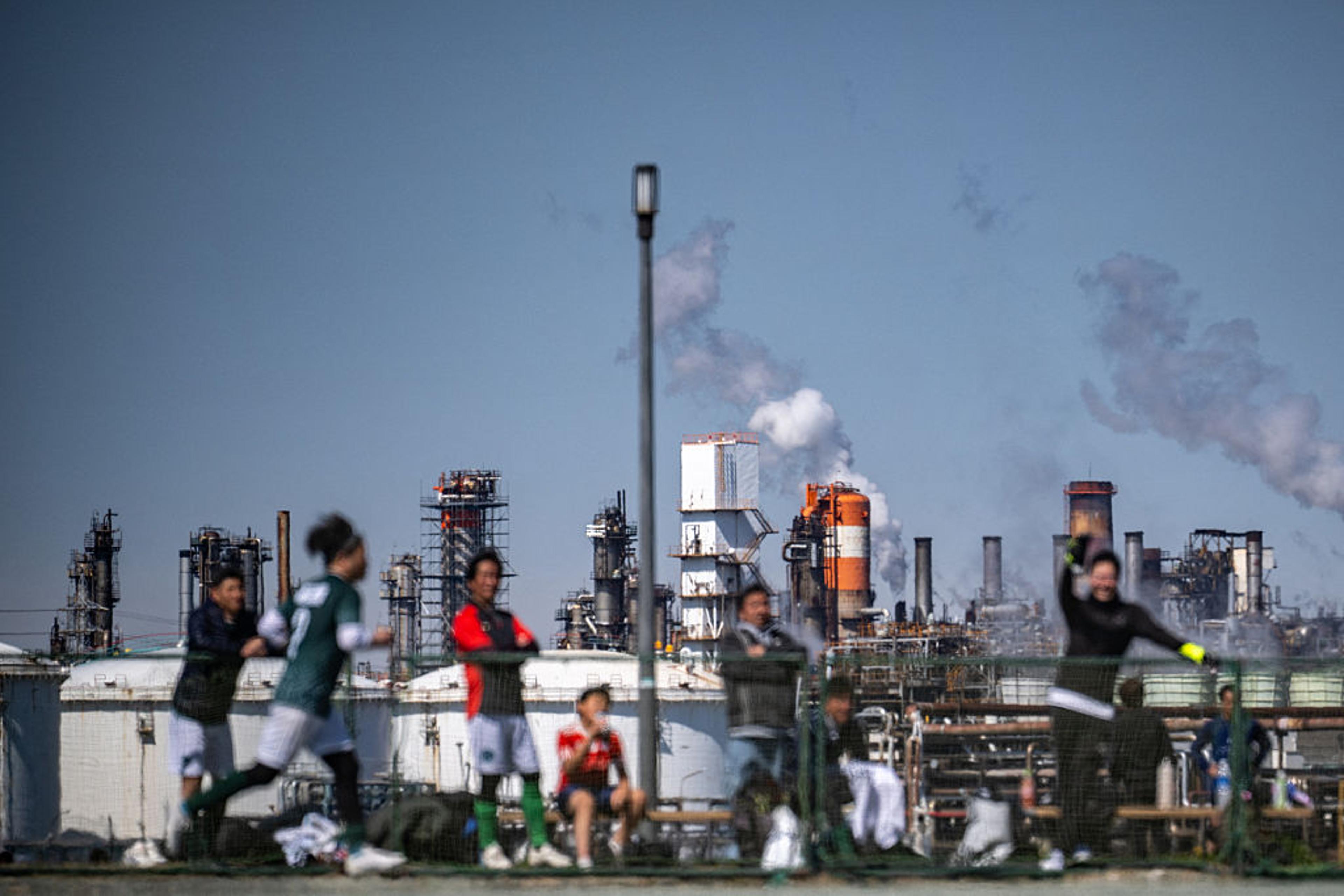
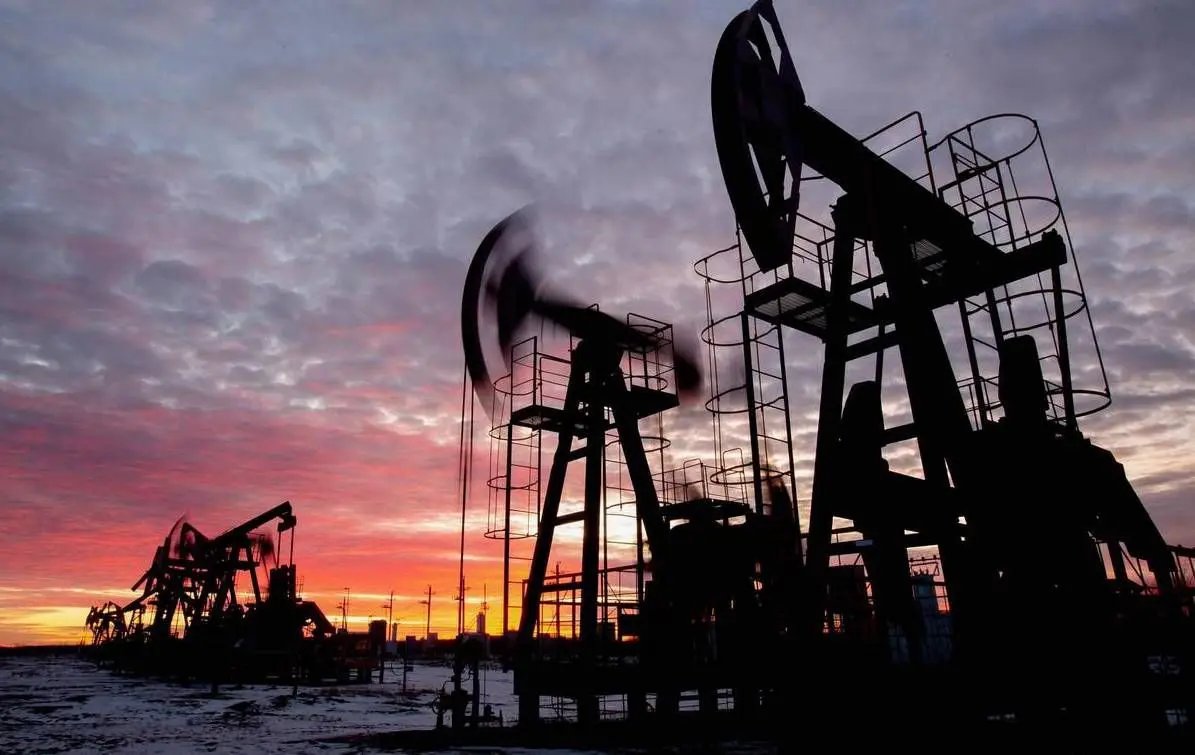
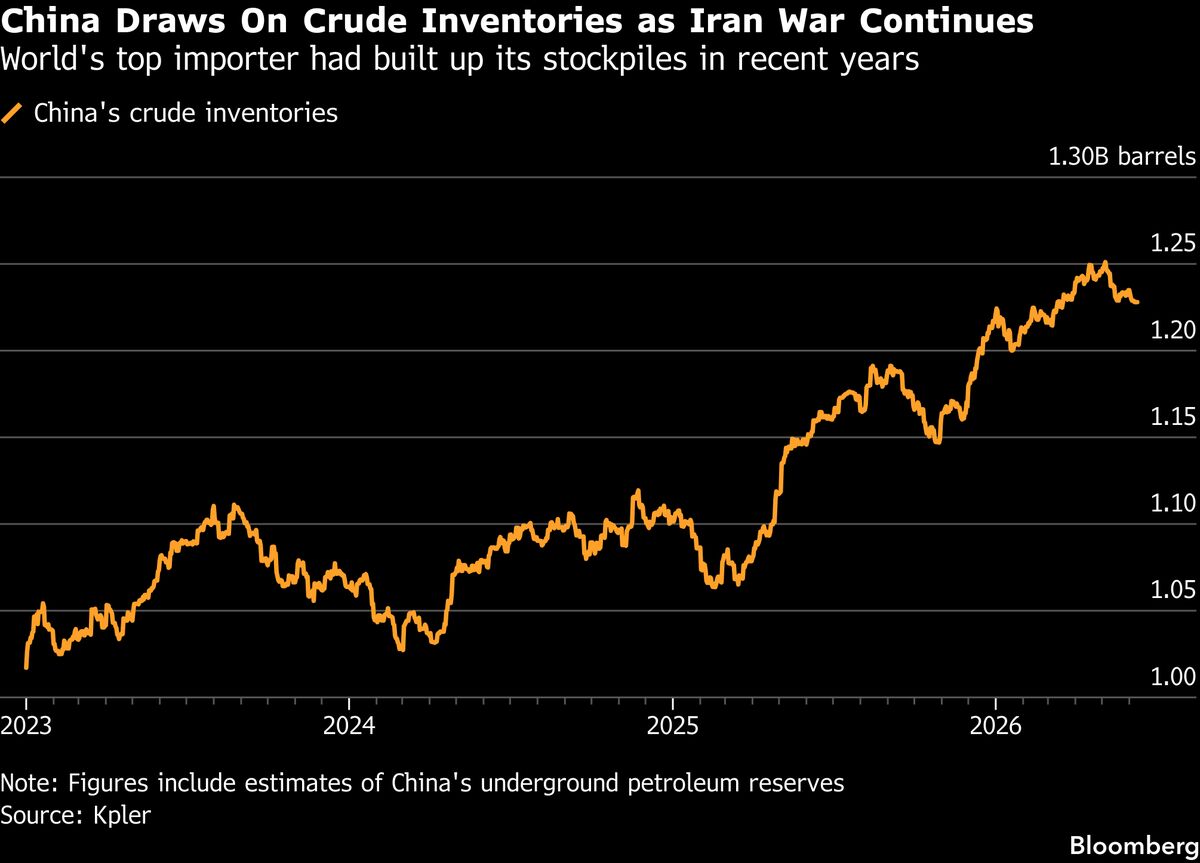
Before the conflict, the International Energy Agency anticipated a rise in global oil demand for 2026. However, the disruptions caused by the Iran war have led to a revised expectation of declining demand. Analysts note that with 45% of global oil consumption tied to road transportation, the increasing adoption of electric vehicles will further decrease oil demand. As countries pivot toward renewable technologies, the reliance on fossil fuels is diminishing, creating a new energy landscape.
The Broader Implications of the Conflict
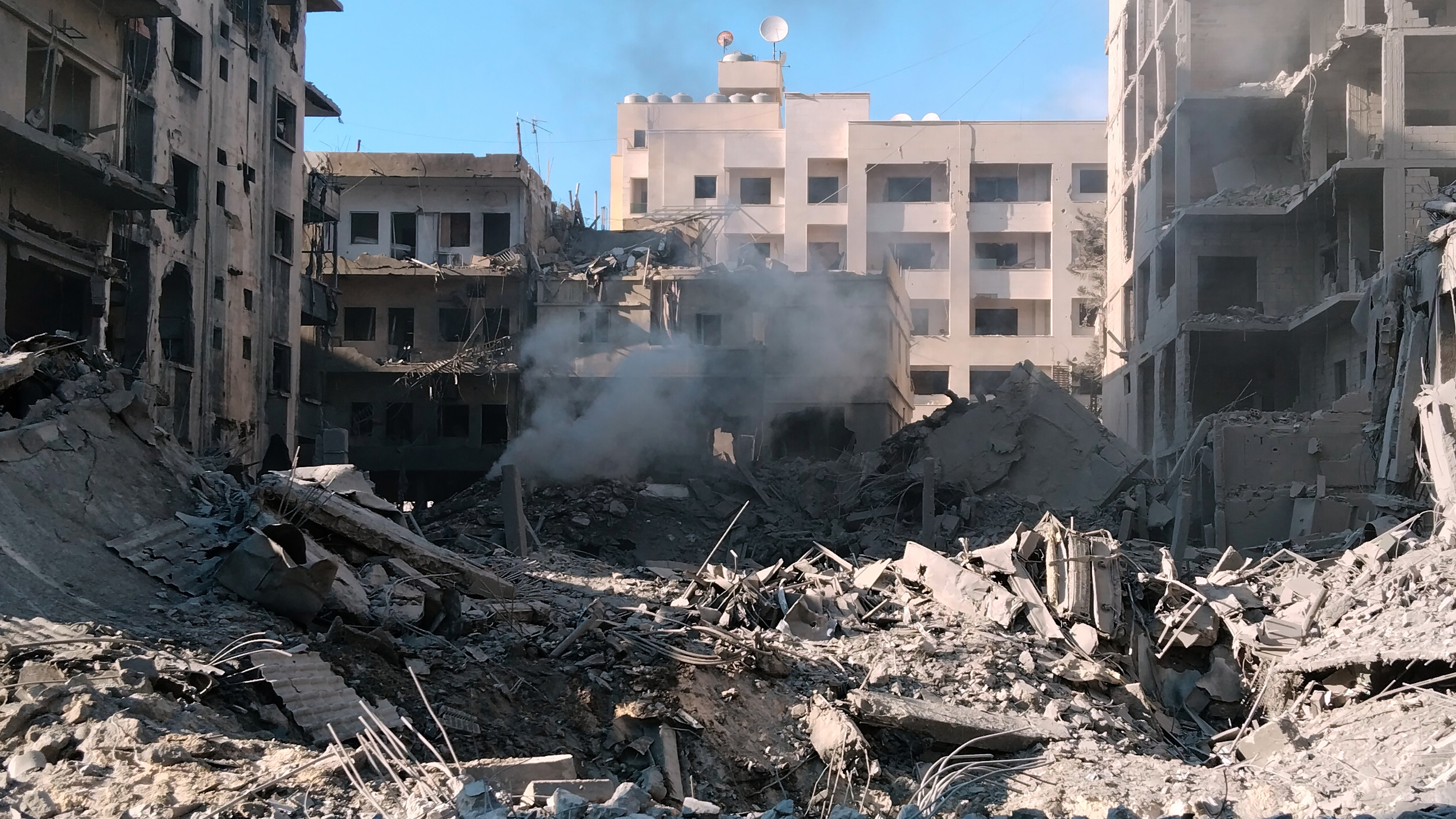
The Iran war has underscored the vulnerabilities associated with fossil fuel dependency. As countries face energy crises triggered by the conflict, the need for a rapid energy transition has become more pressing. Climate and energy experts emphasize that the current geopolitical climate is fostering an environment where investments in renewables are not only necessary for energy security but also economically viable. The ongoing conflict serves as a stark reminder of the risks associated with fossil fuel reliance, prompting a reevaluation of energy strategies worldwide.
Future Outlook on Energy Security
While countries are moving toward renewable energy, the transition will take time. Experts acknowledge that oil and natural gas will still be needed for various applications, including fertilizers and plastics. However, the current trajectory indicates a significant decline in demand for oil and diesel, as countries recognize the insecurity tied to fossil fuel dependency. The Iran war has accelerated this shift, suggesting that the global energy landscape may never return to its pre-war state, as nations prioritize sustainable energy solutions moving forward.