




Navalny's Poisoning and EU Response
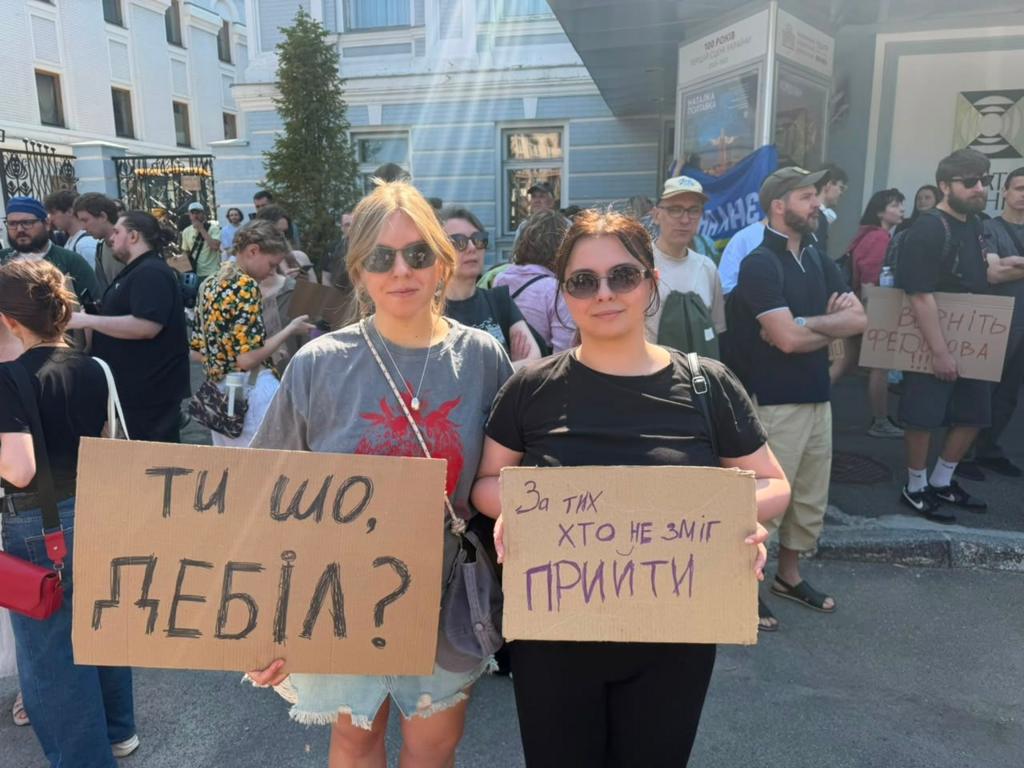
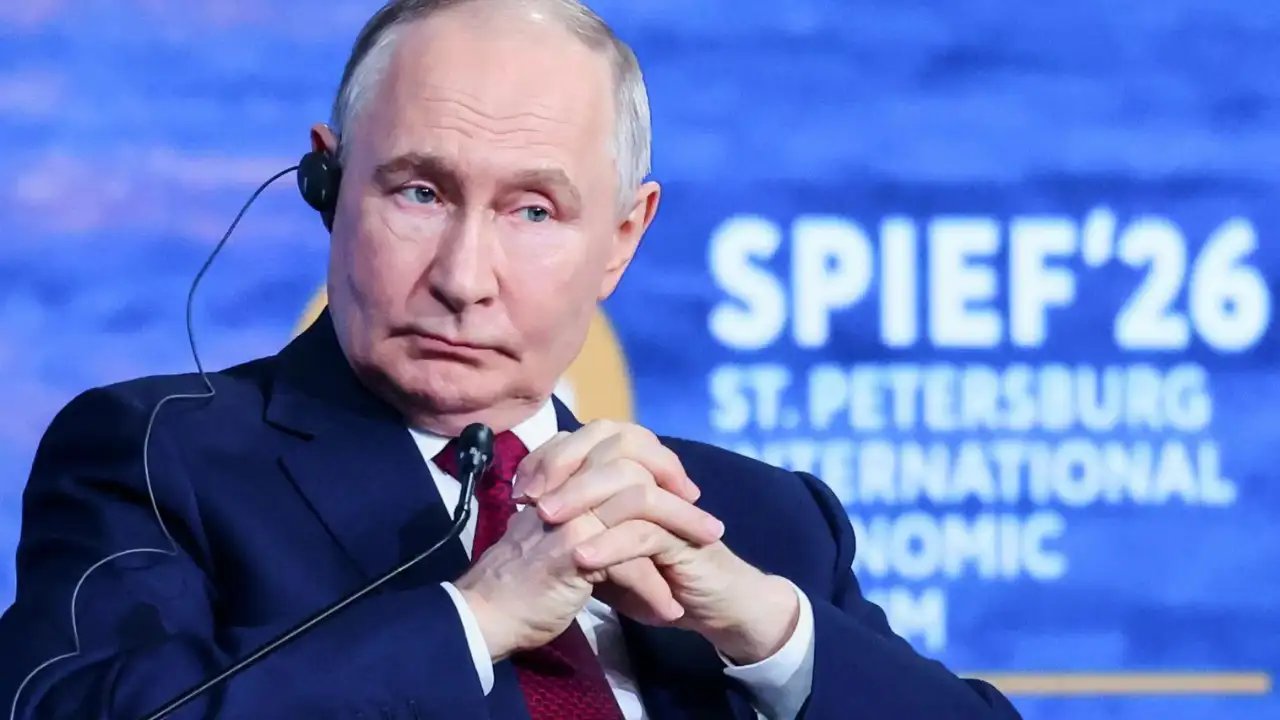
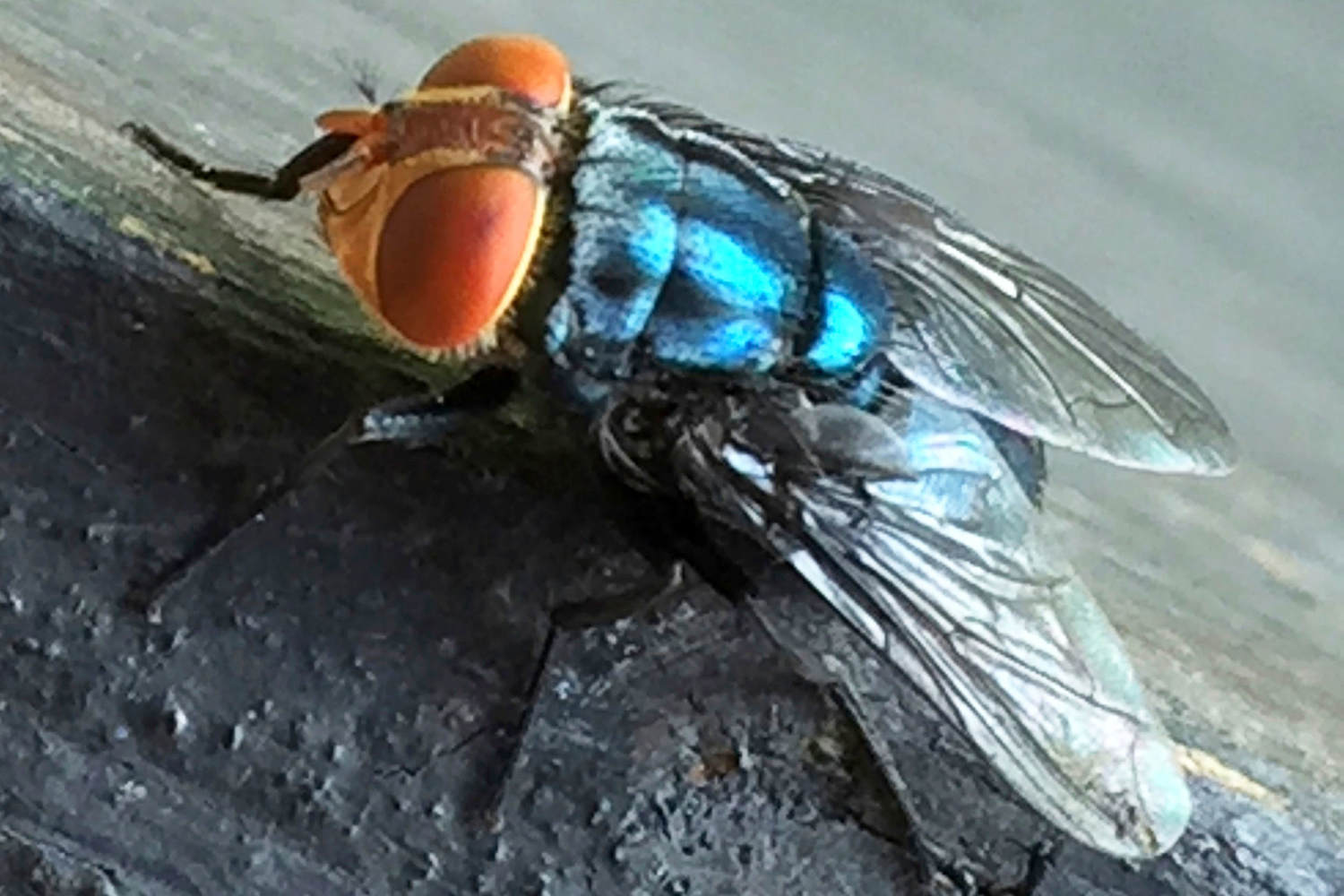
The Council of the European Union imposed sanctions on six Russian scientists connected to Russia's chemical weapons program, citing their involvement in the death of Kremlin critic Alexei Navalny. The scientists were linked to the production of epibatidine, a deadly toxin found in Navalny's body after his death in a Russian penal colony in 2024. "Epibatidine is a toxin found in poison dart frogs in South America. It is not found naturally in Russia," the joint statement from the European countries clarified. The sanctioned individuals, who are "scientists and researchers within the military sphere," will face travel bans to the EU and asset freezes, with EU companies and citizens prohibited from economic ties with them.
Russia's Stance and History of Navalny's Poisoning
Despite Russia's claim that Navalny died of natural causes, five European countries, including Germany, concluded that Navalny was poisoned by a lethal toxin. This is not the first time Navalny was poisoned; in 2020, a Novichok nerve agent attack put him in a coma, with a German military lab confirming the poison and European officials blaming Russian authorities. The EU's sanctions are rooted in Moscow's violations of the Chemical Weapons Convention (CWC), an international treaty banning such weapons.
Broader Implications and Ongoing Measures
These sanctions are part of a series of punitive measures by Brussels against Russian officials for silencing Kremlin critics and stifling dissent, actions that have intensified since Russia's full-scale invasion of Ukraine in 2022. The EU's actions reflect a broader effort to hold Russia accountable for human rights violations and the targeting of political opponents.
Pending Irish Investigation and Future Sanctions
Additionally, the European Union is awaiting the conclusion of an Irish investigation into its alumina exports to Russia before deciding on whether to include the raw material in trade sanctions. This decision will further impact the ongoing economic measures against Russia in response to its actions.