




Impact on Oil Prices and Markets
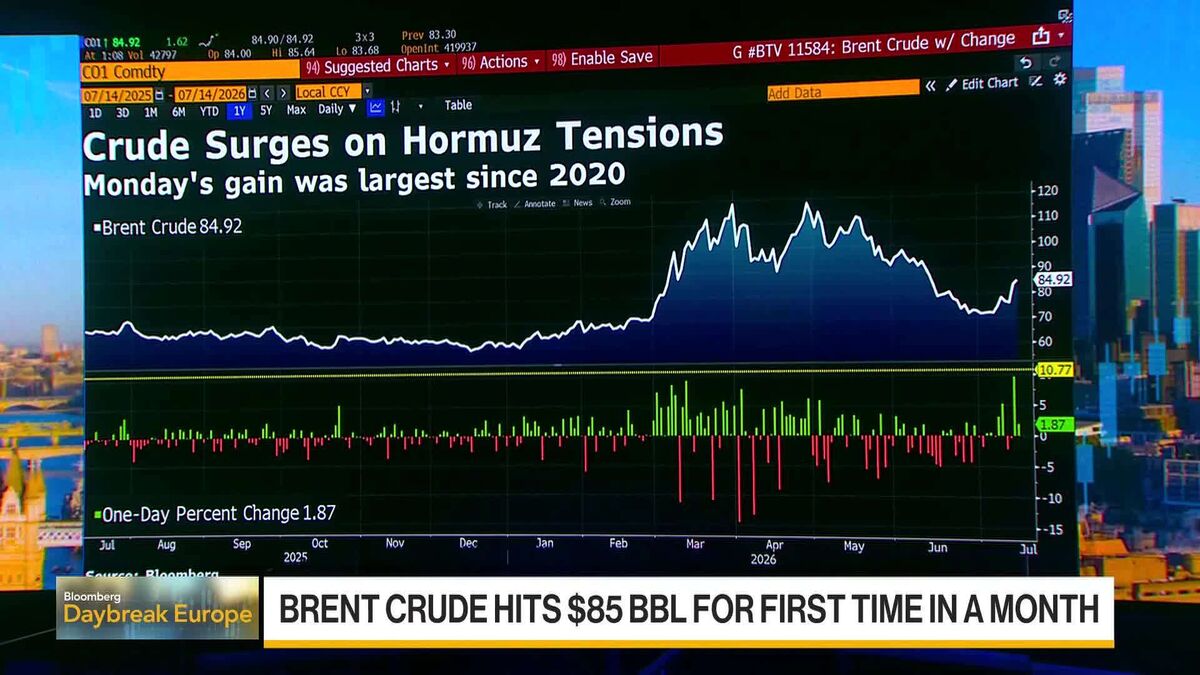
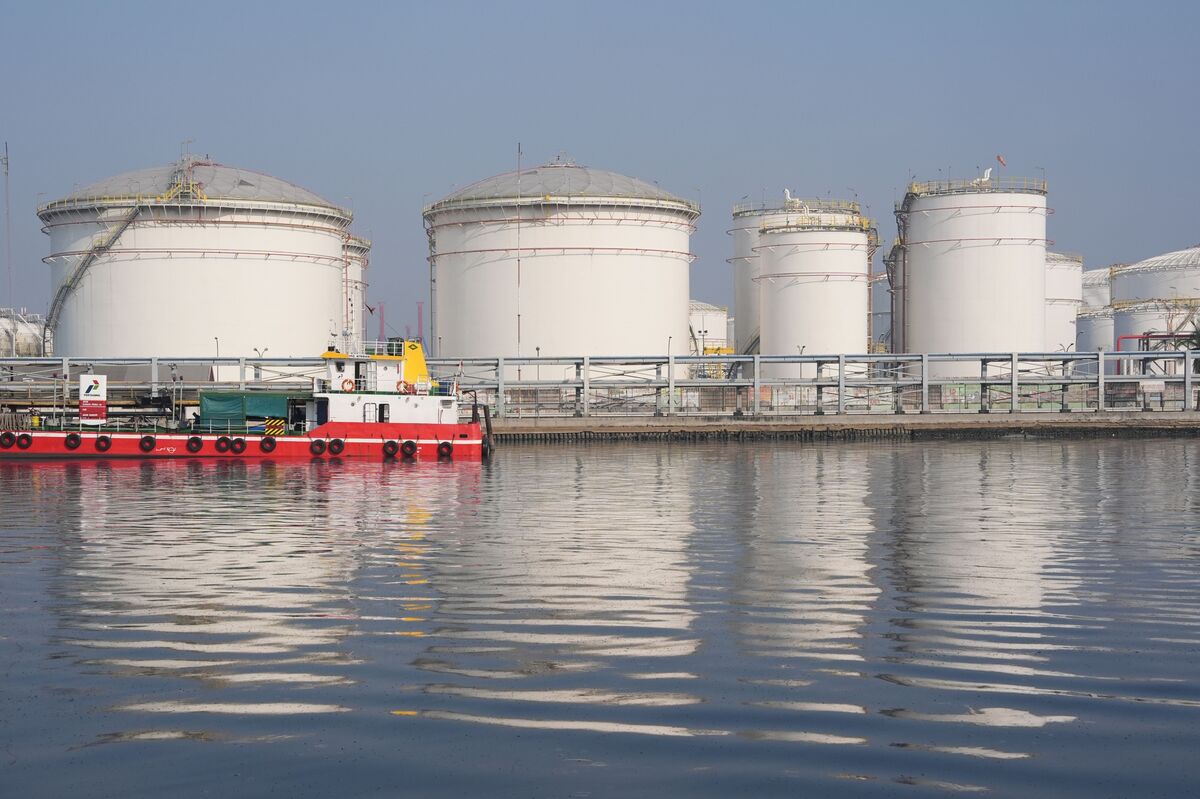
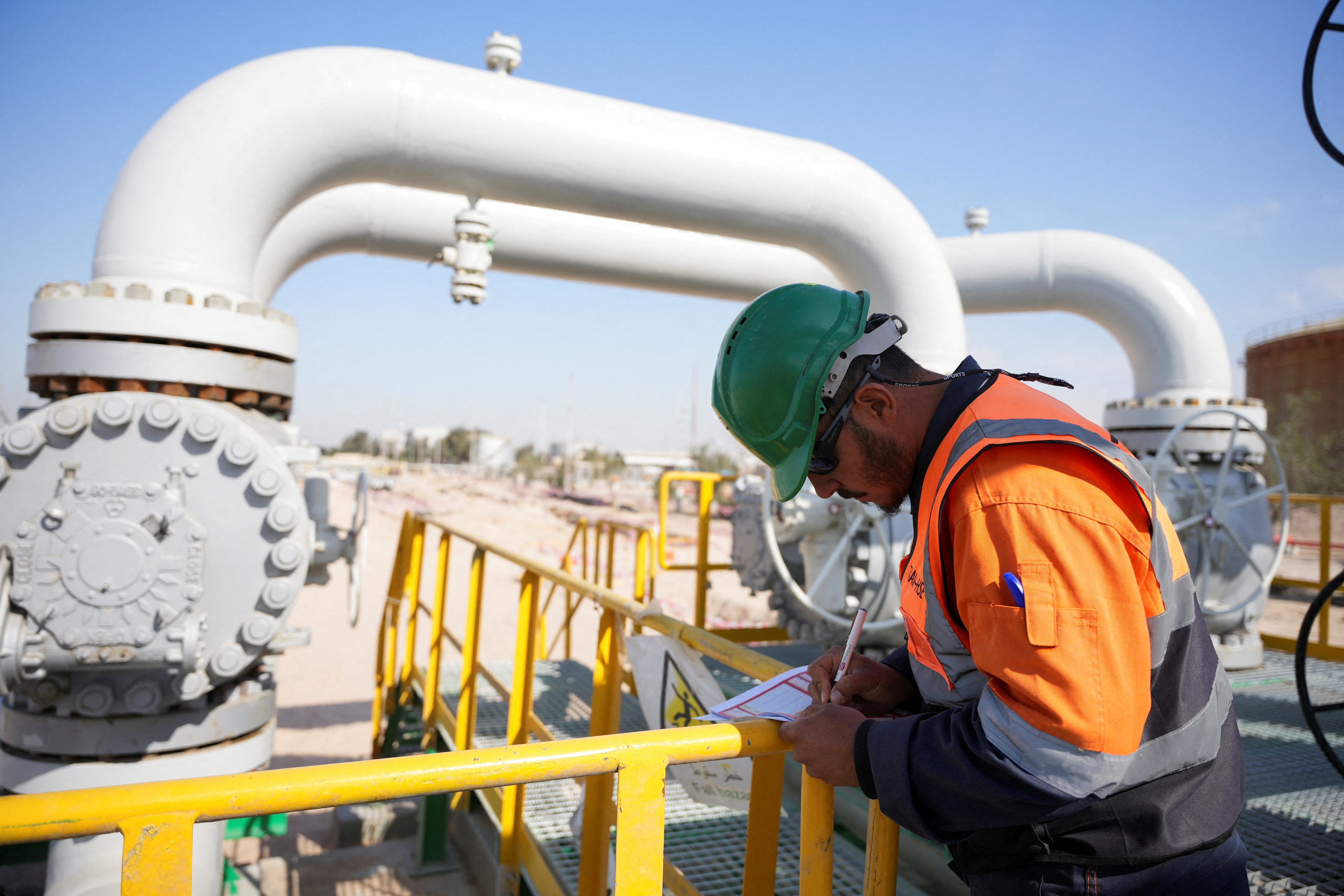
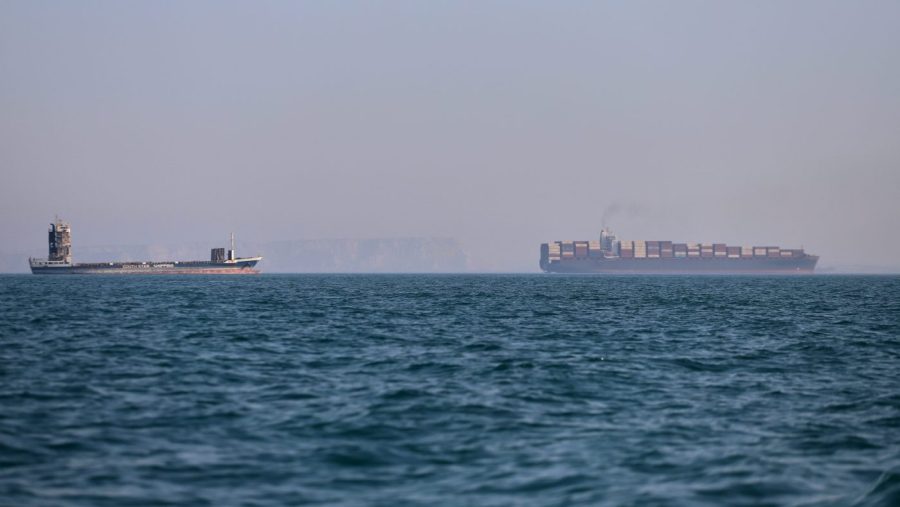
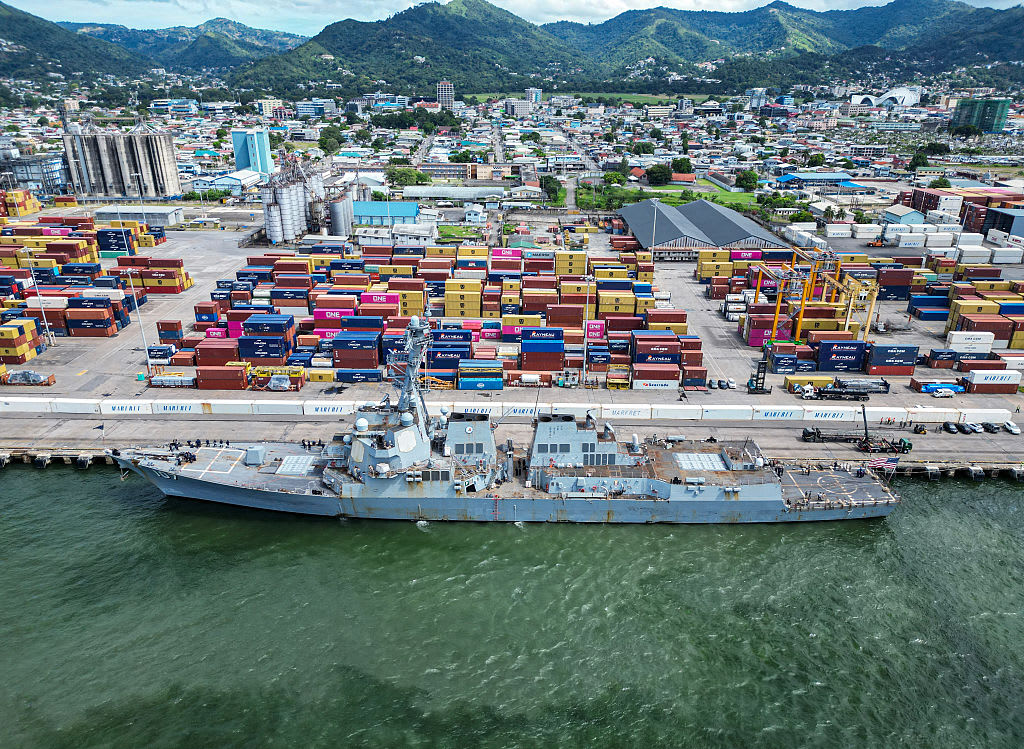
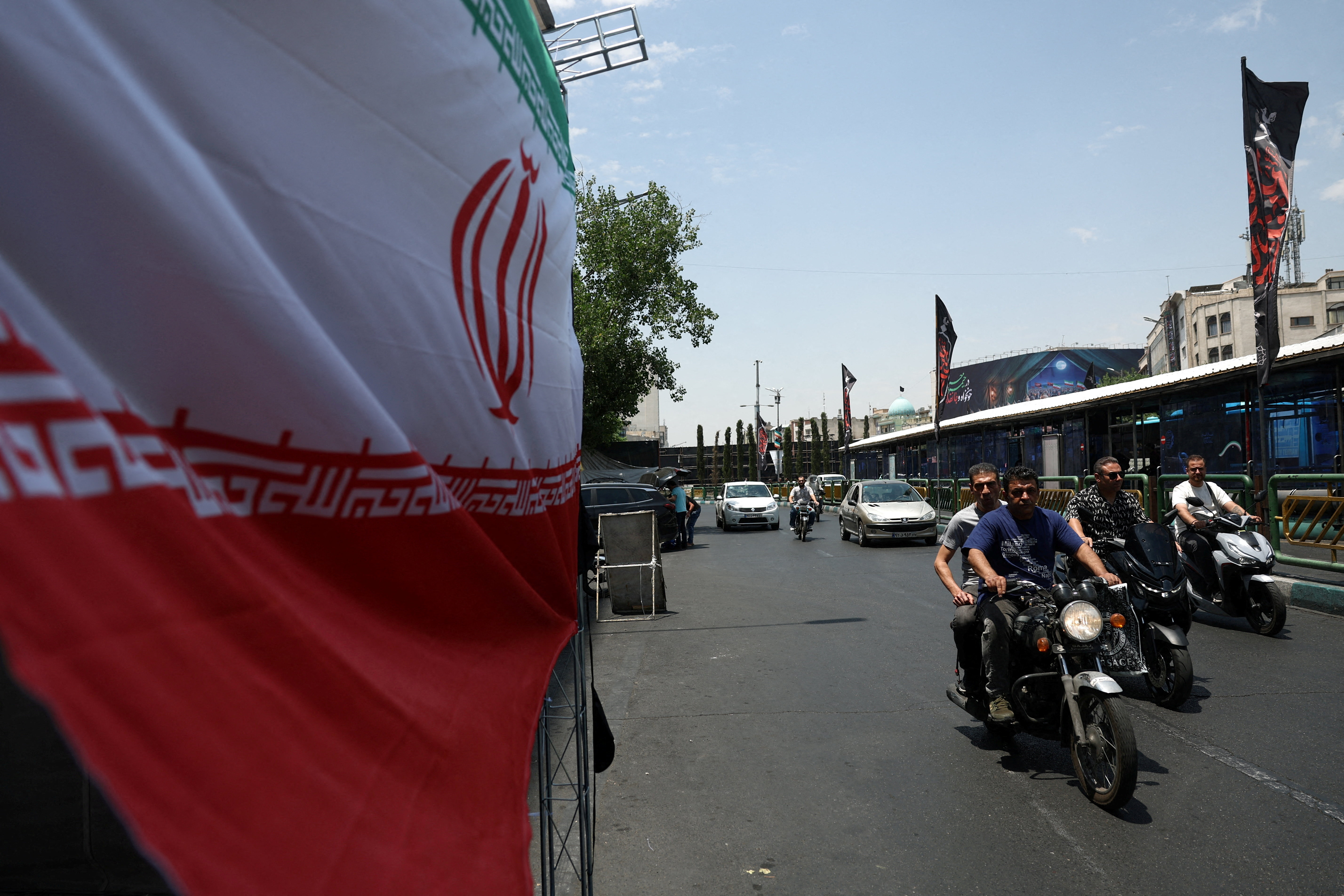
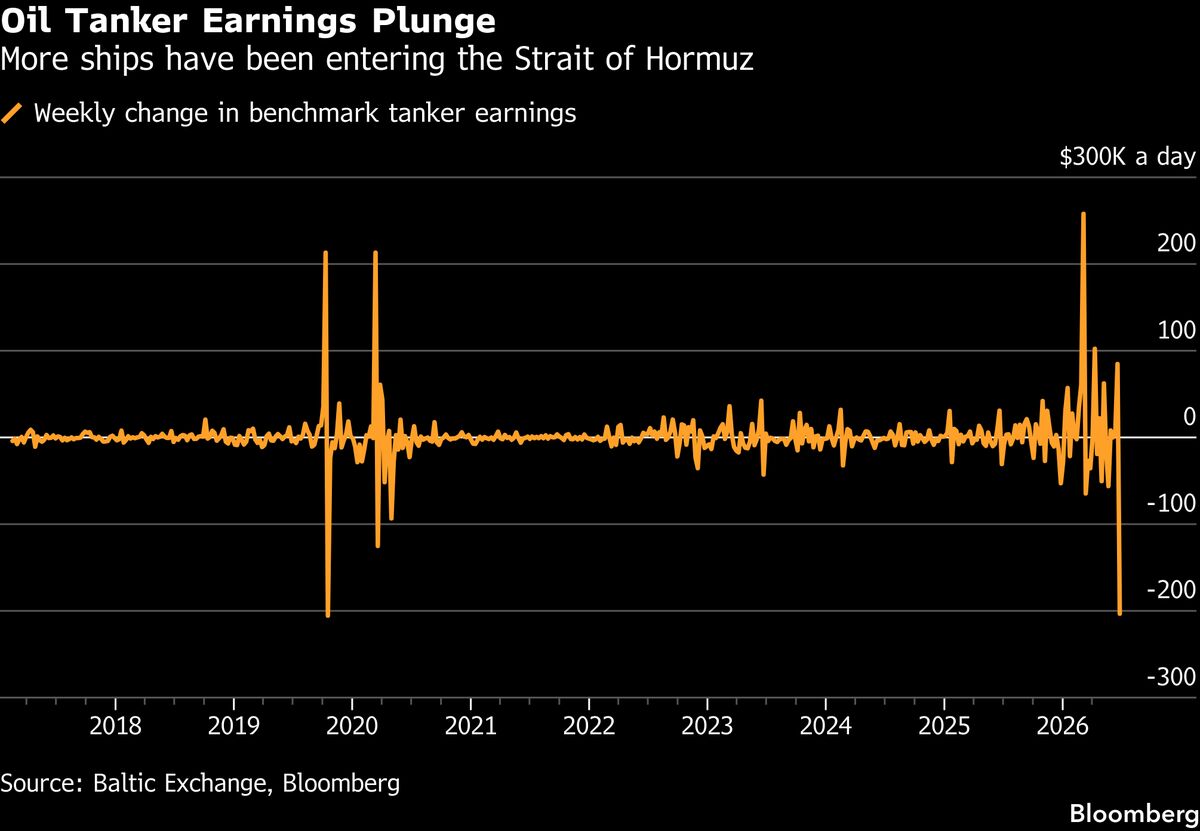
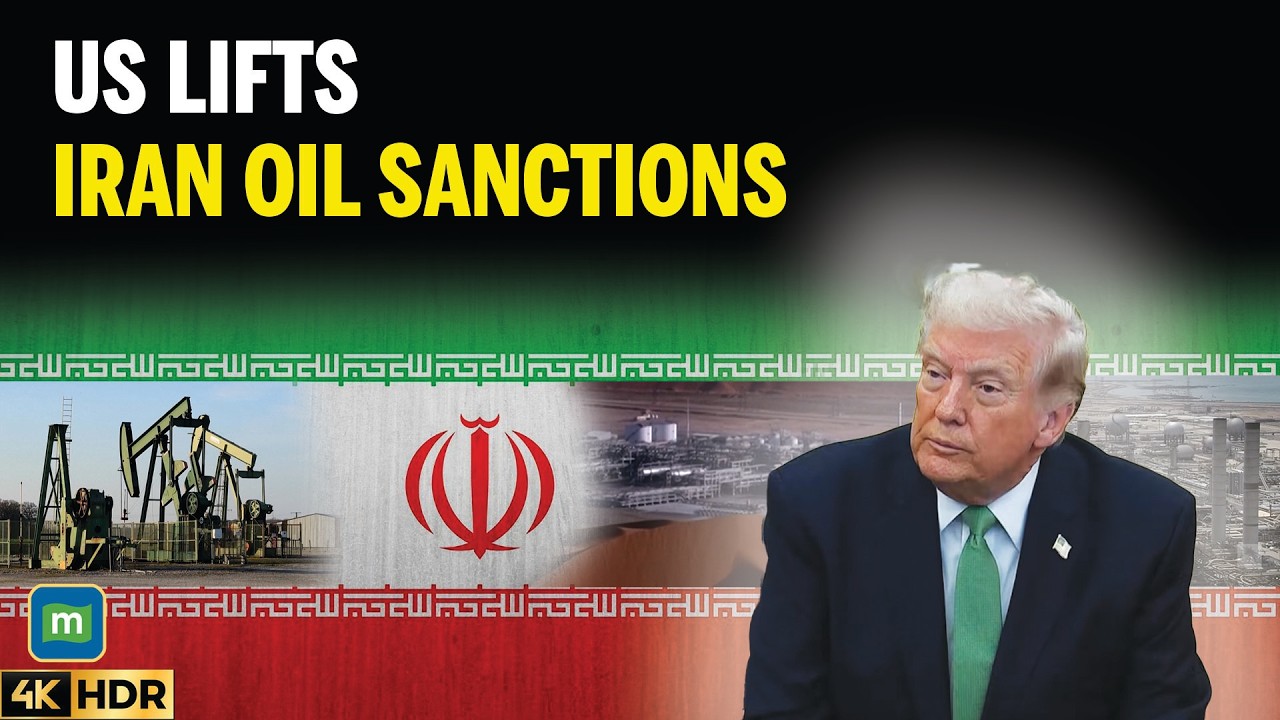
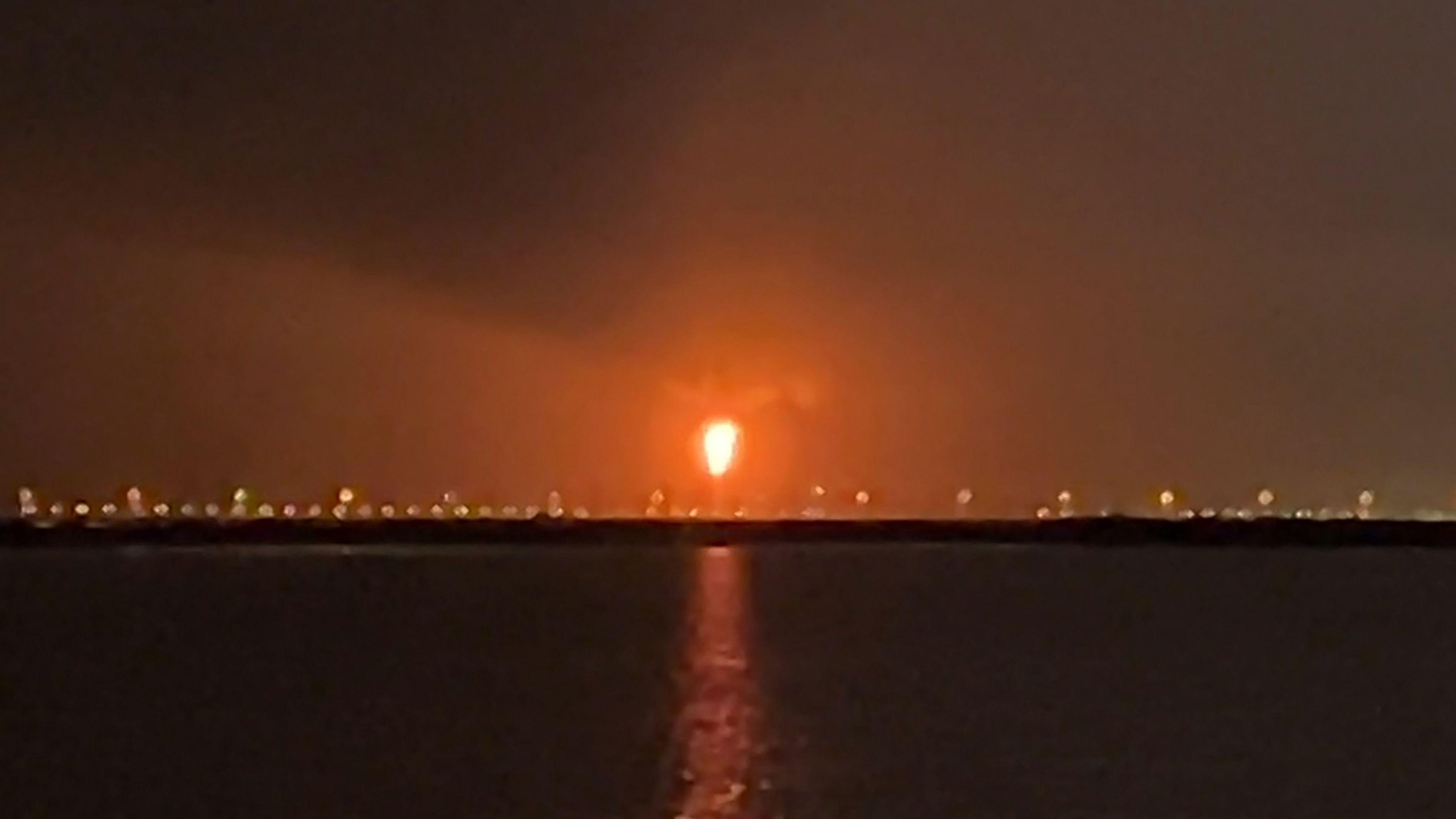
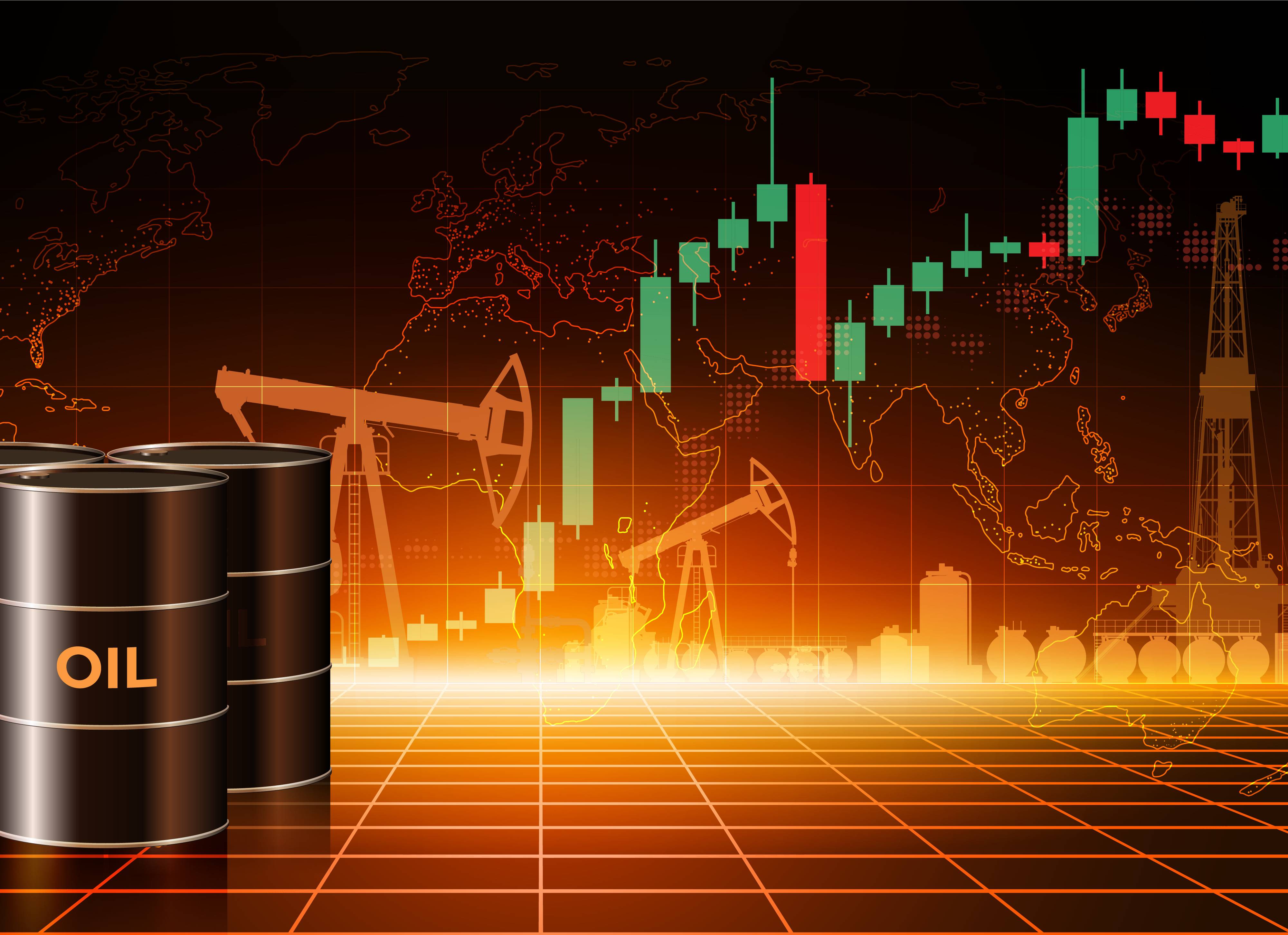
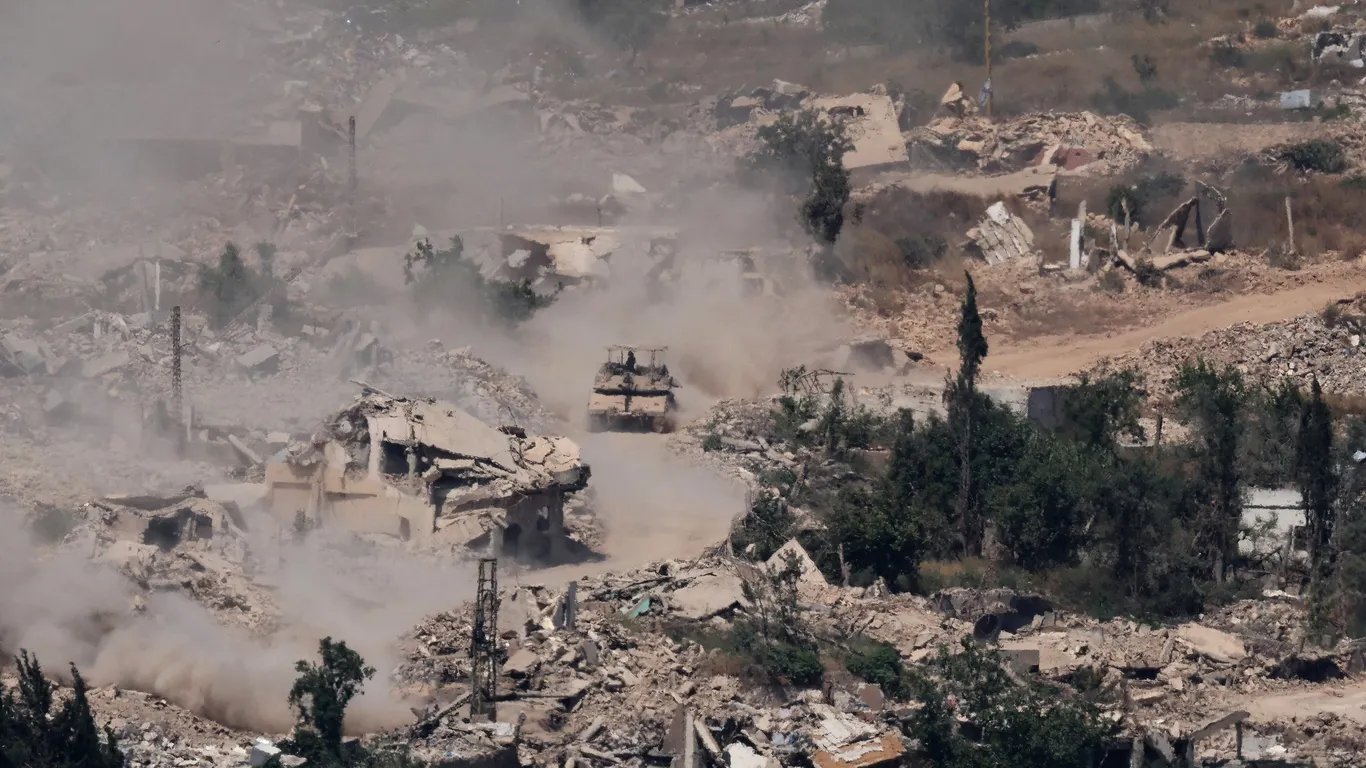
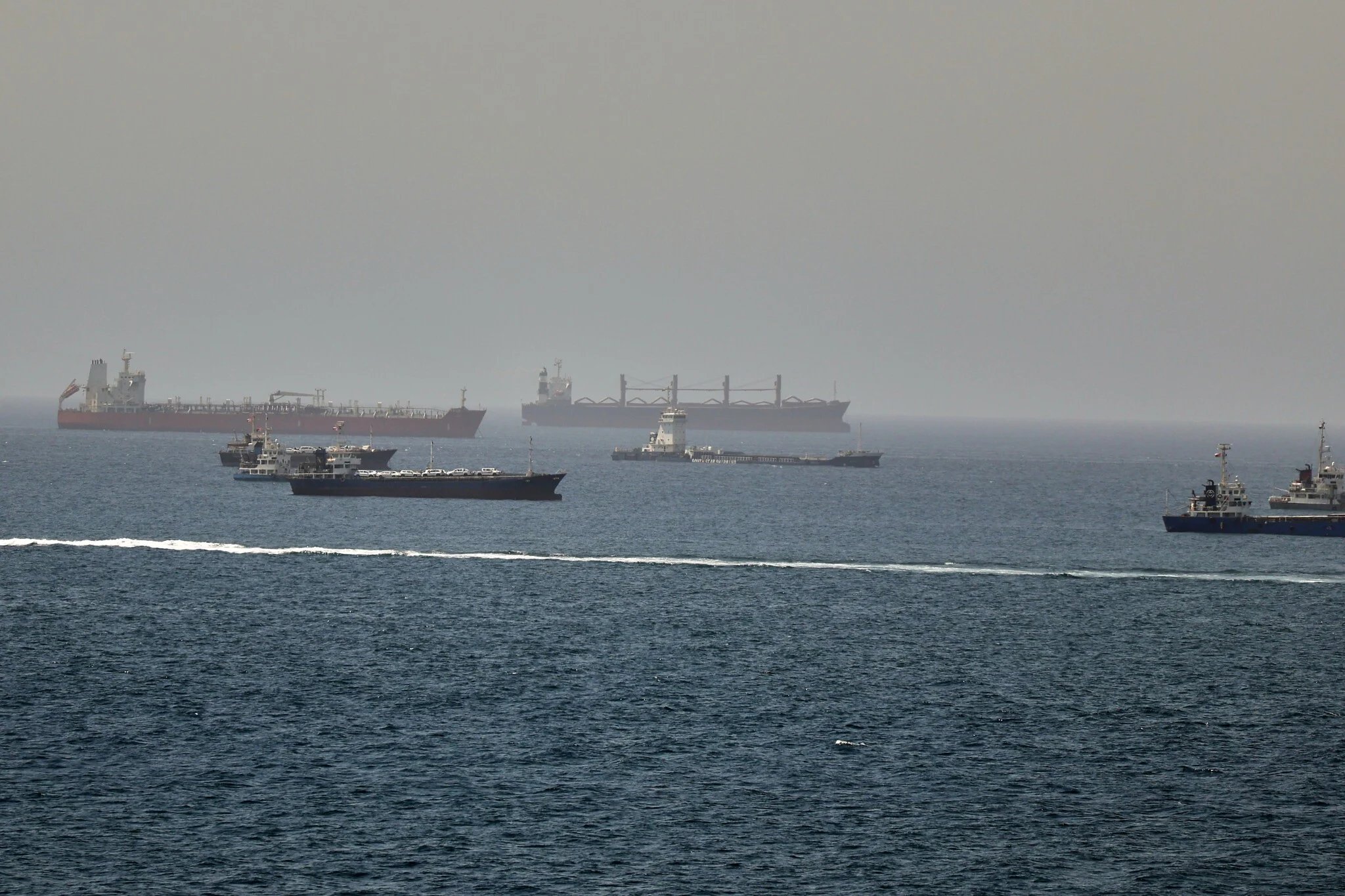
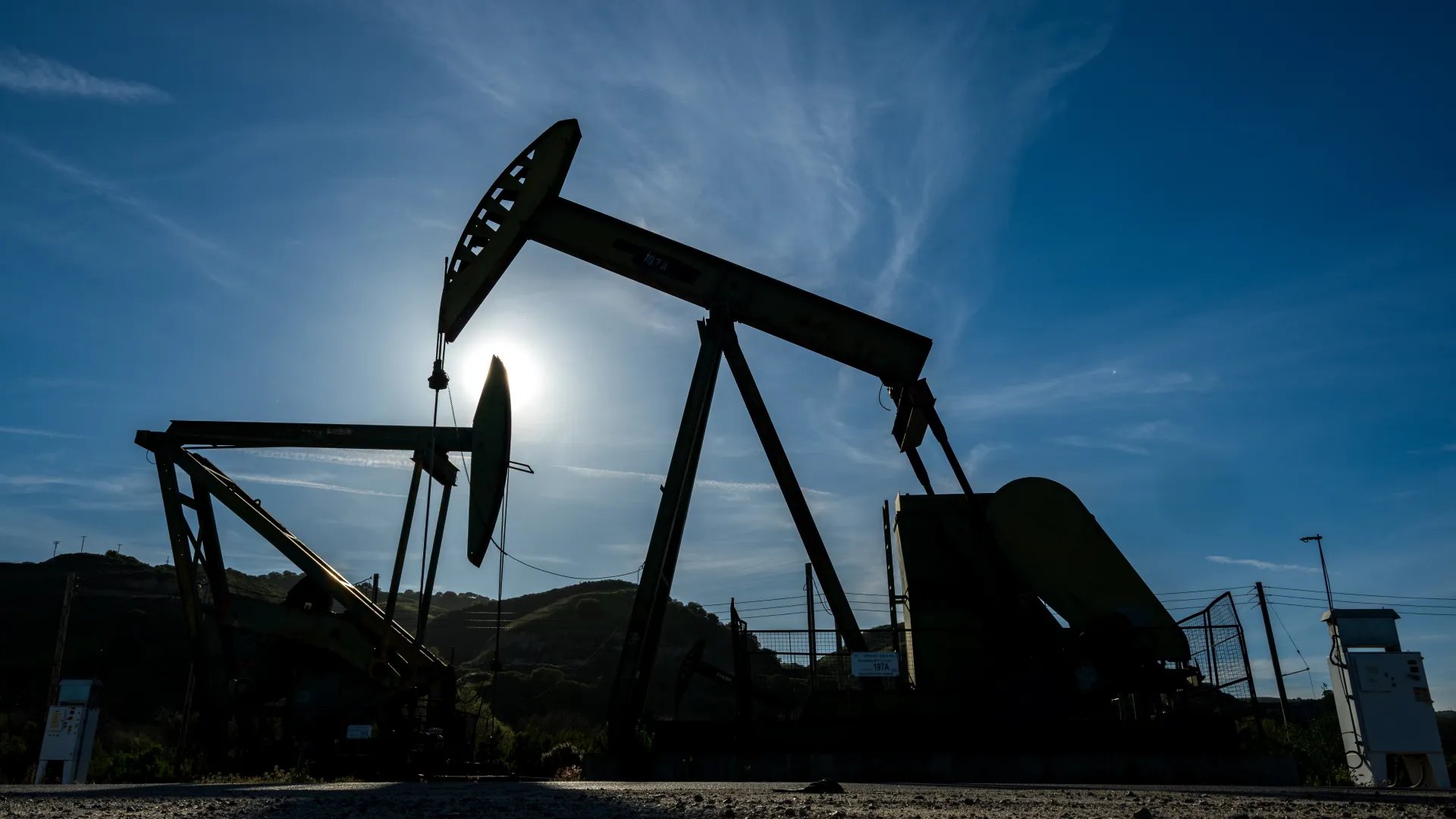
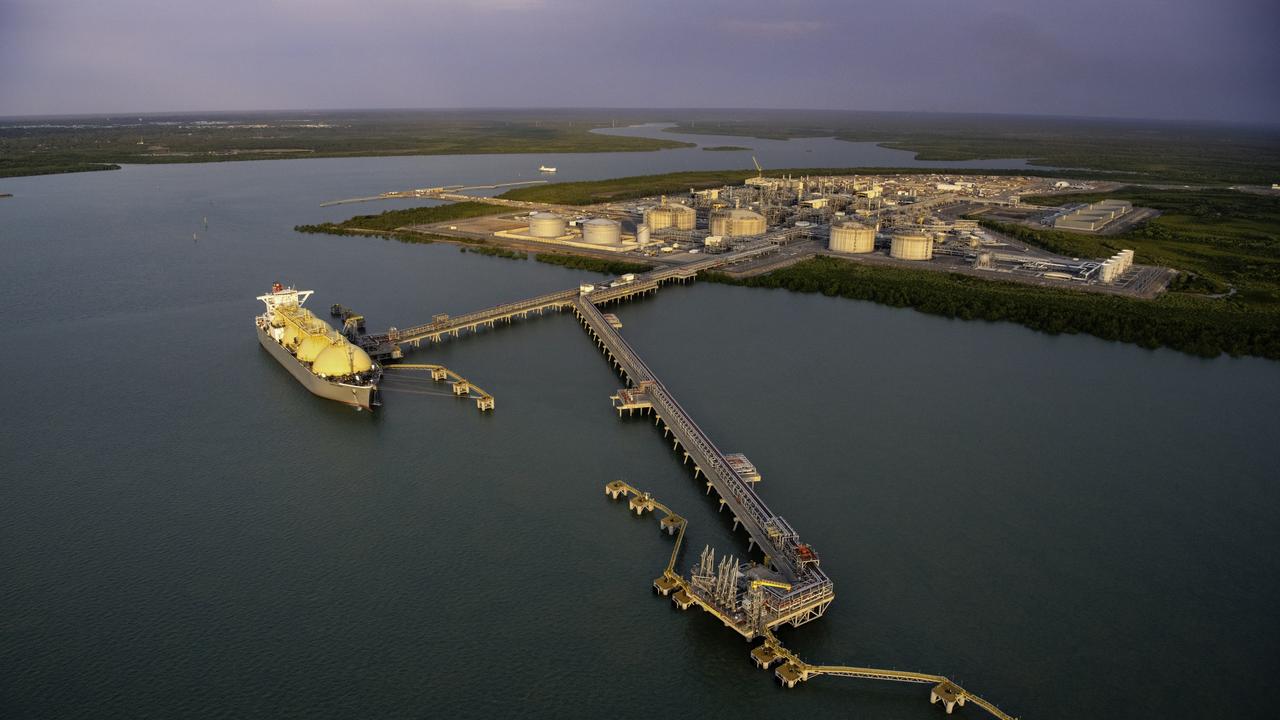
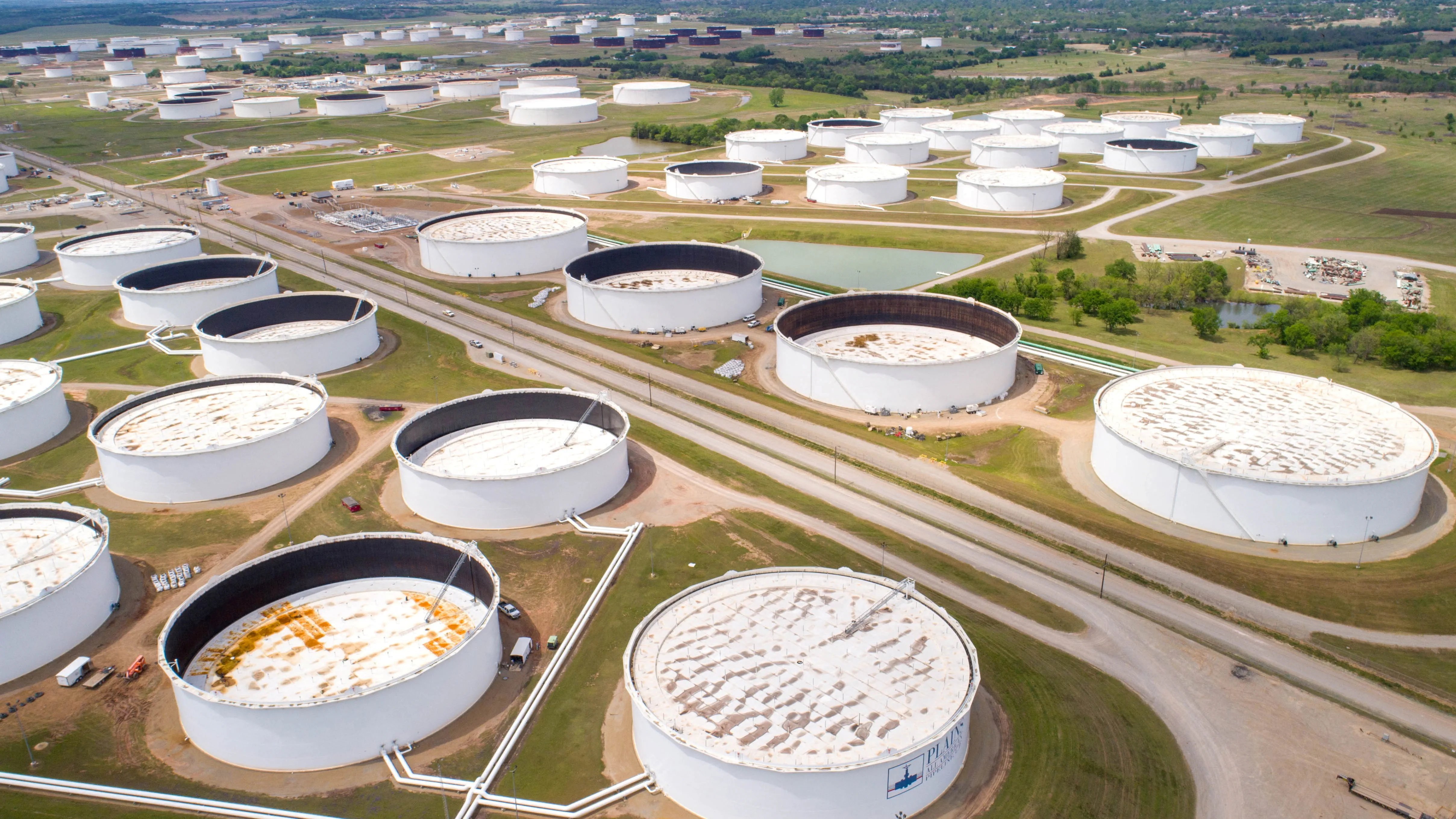
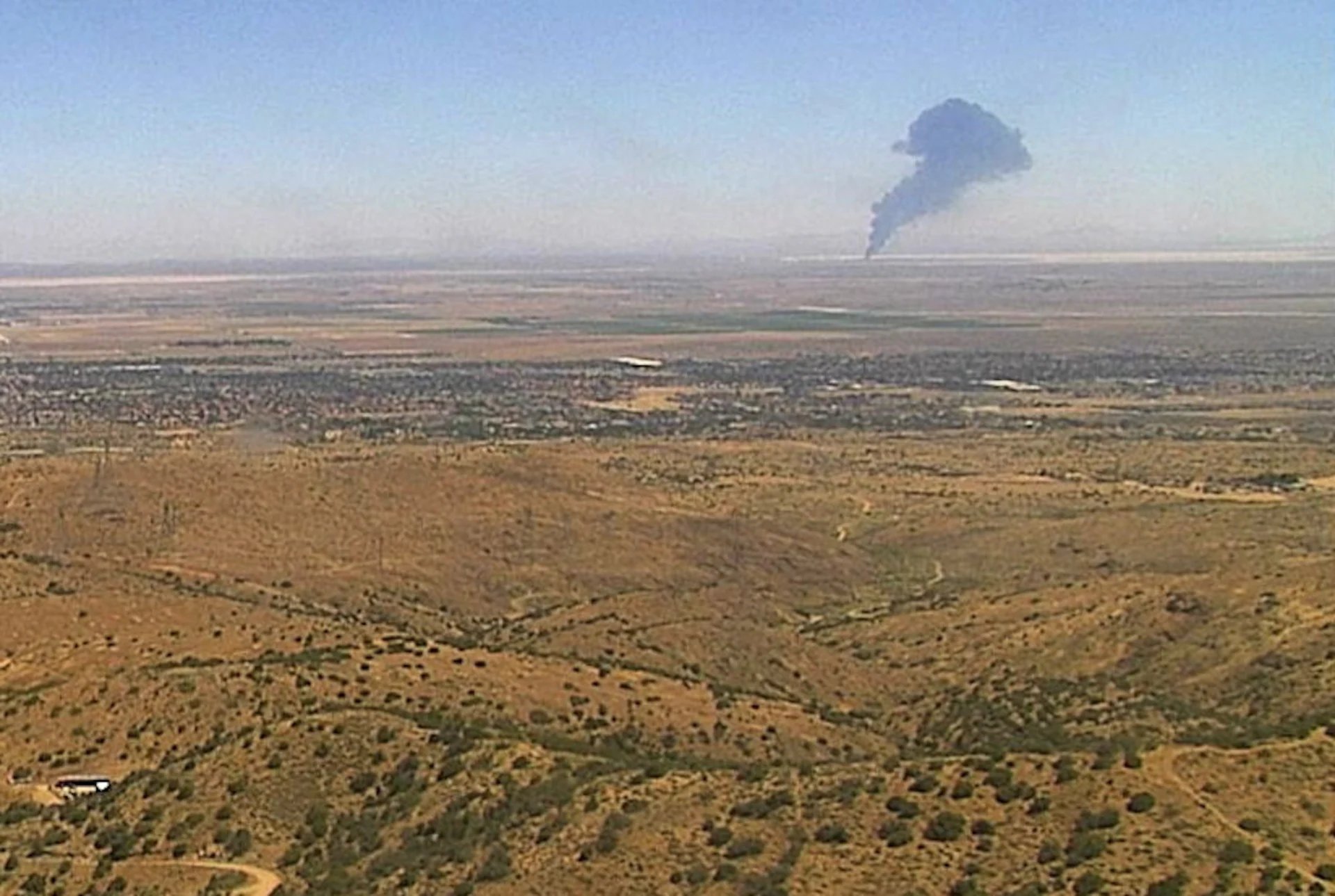
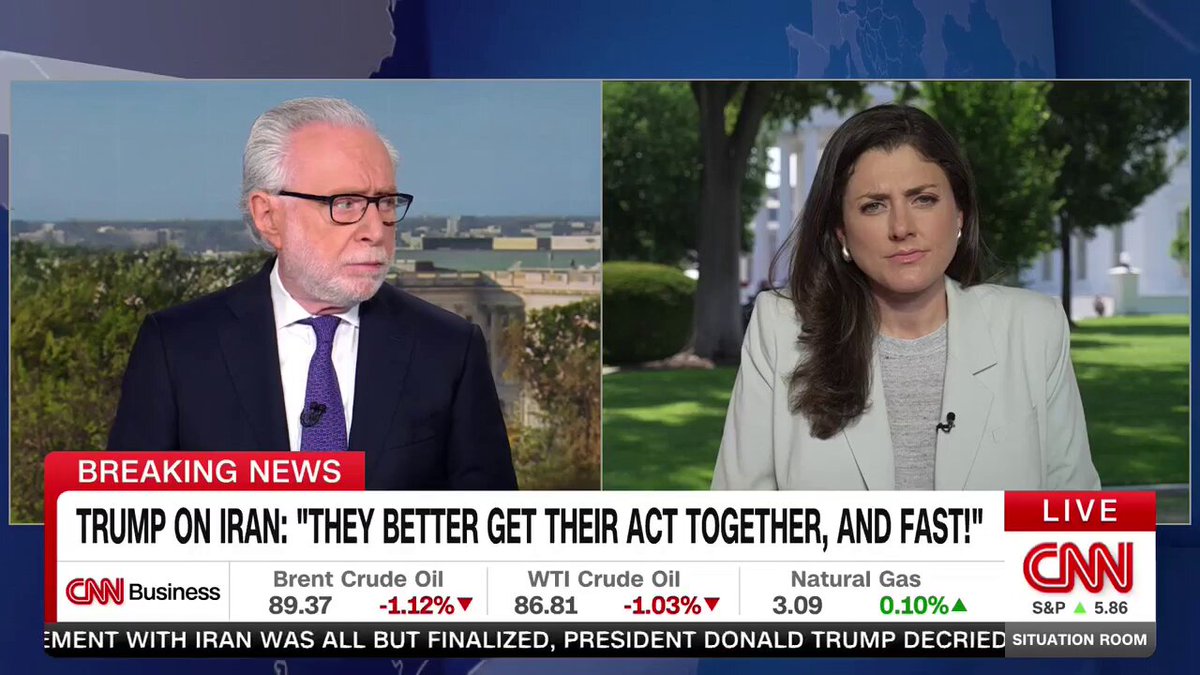
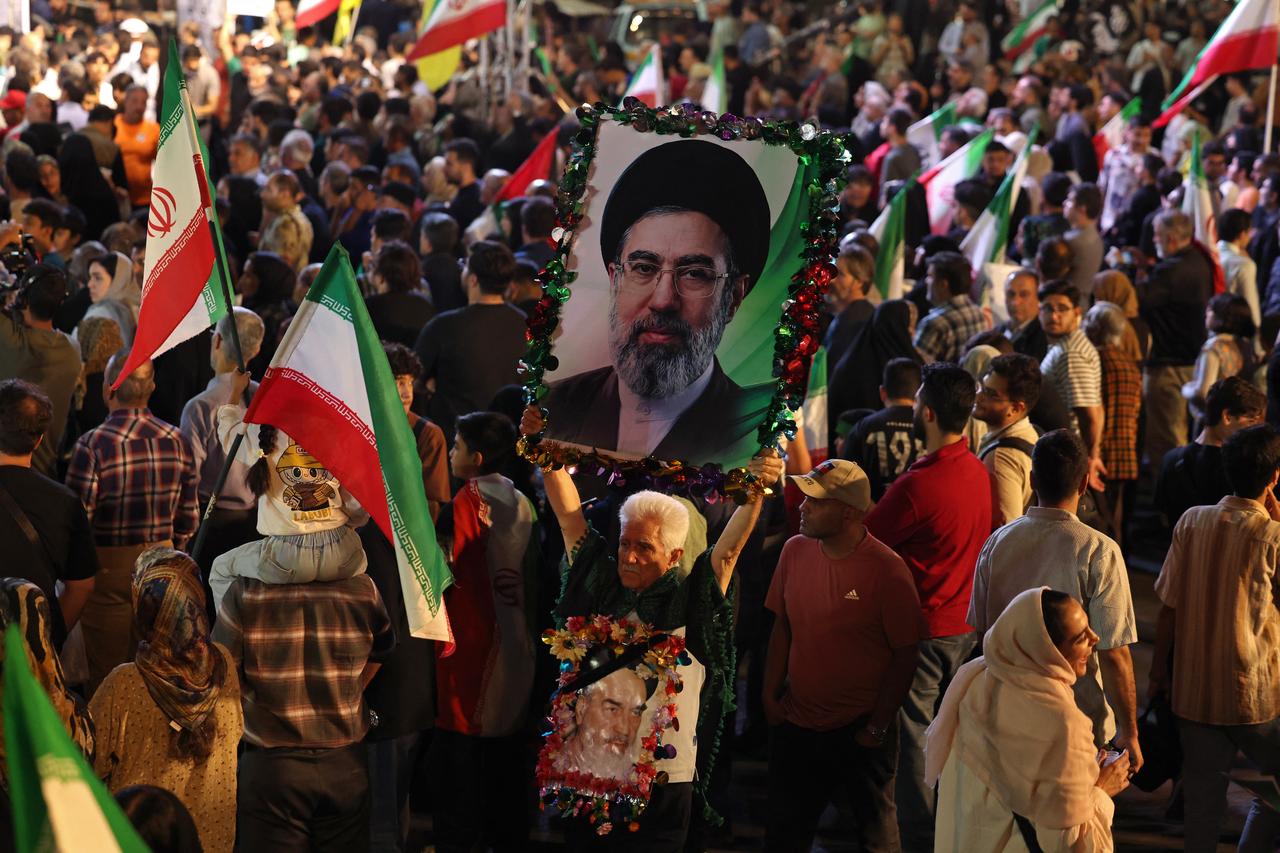
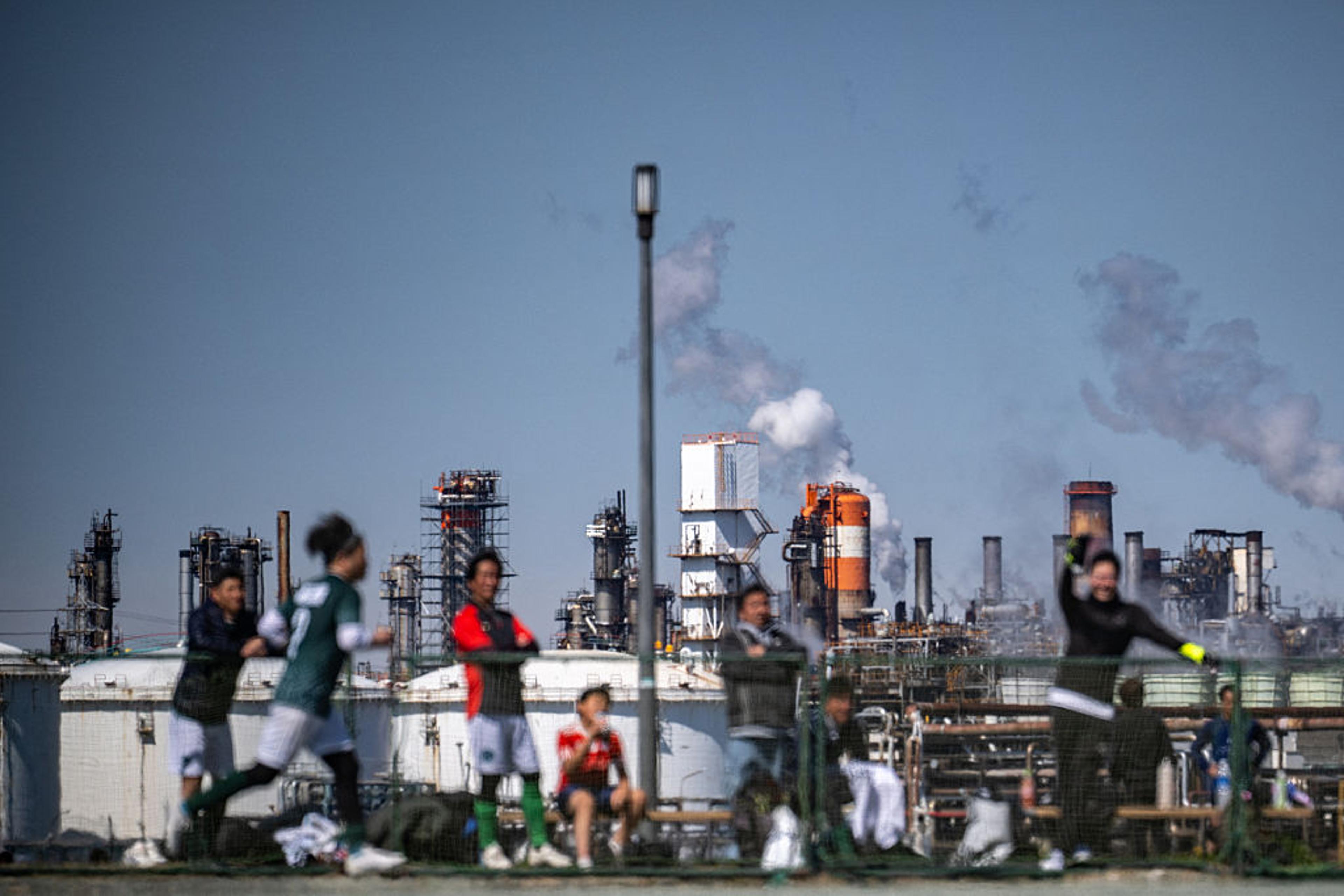
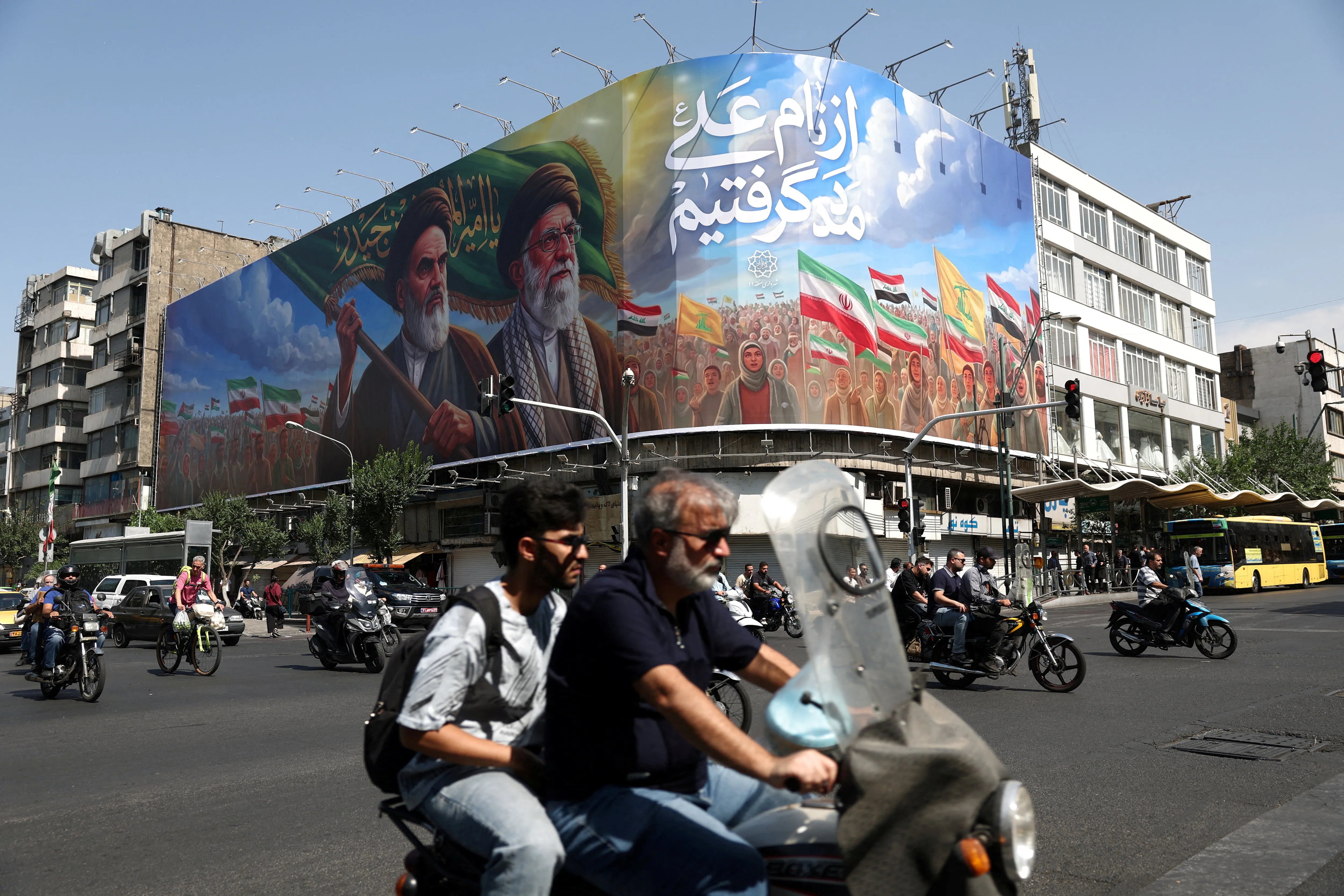
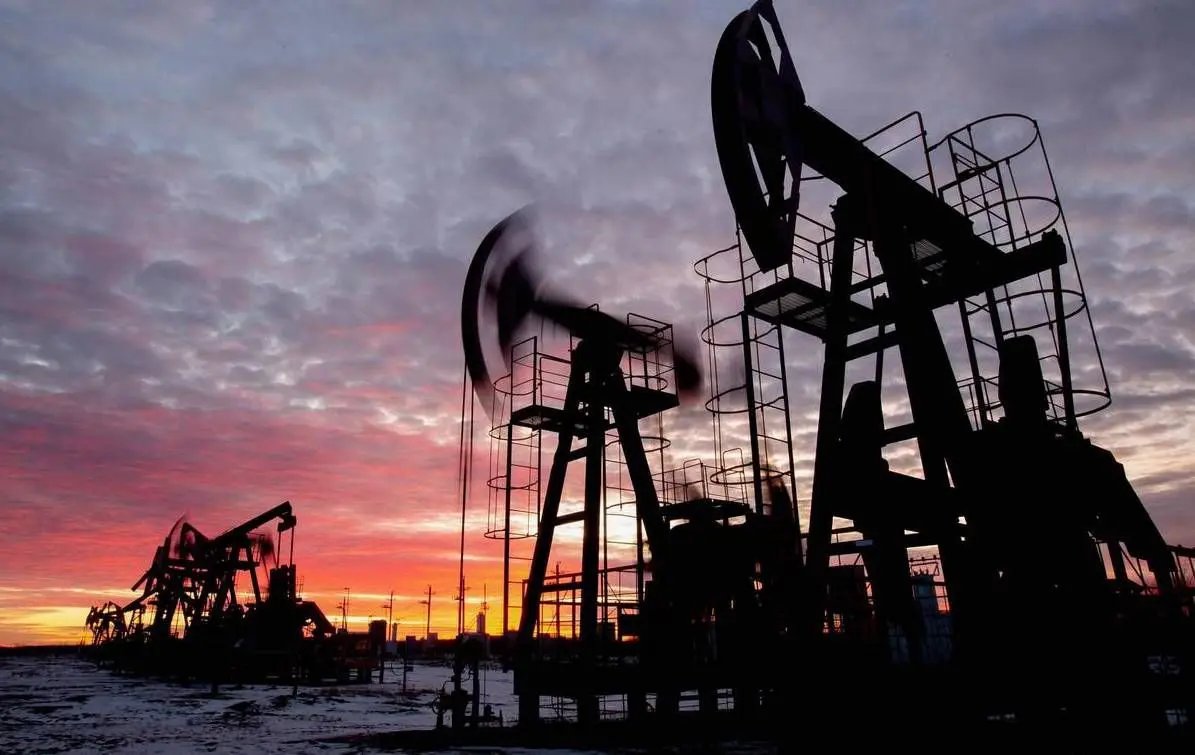
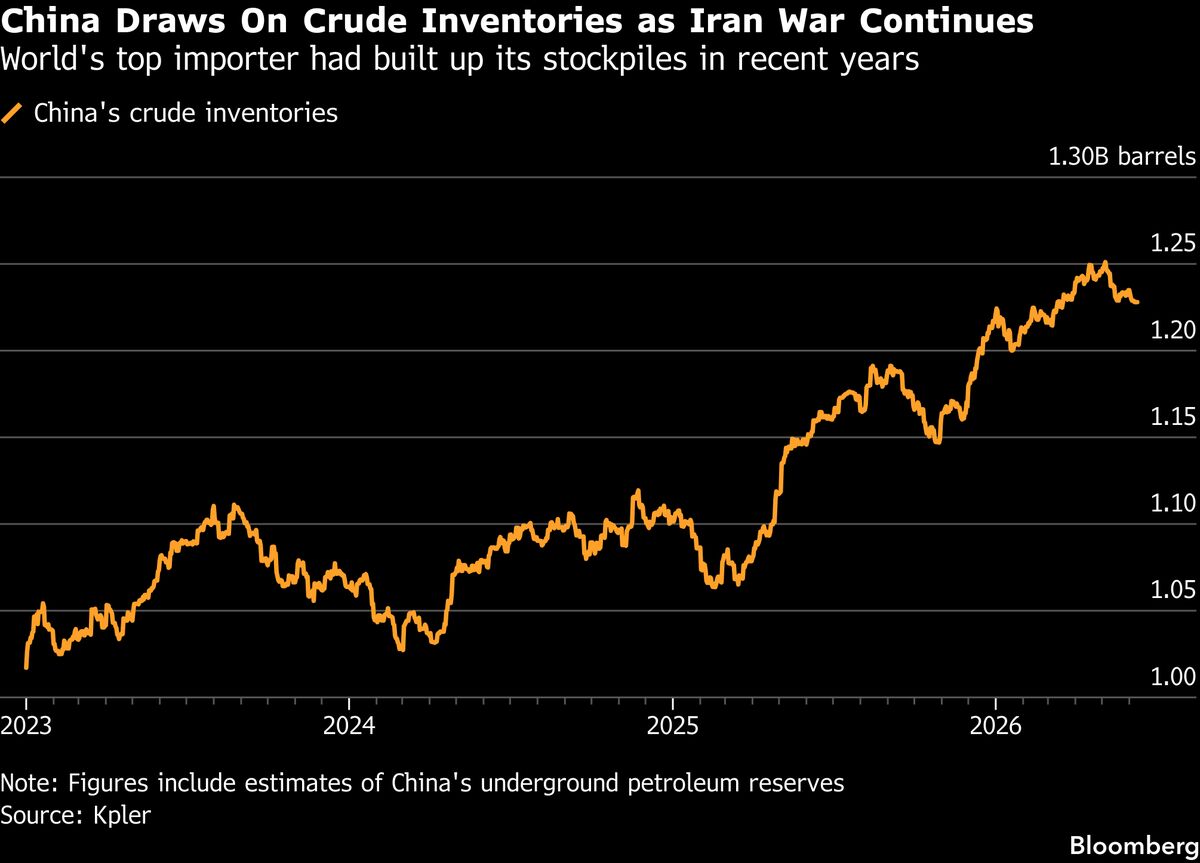
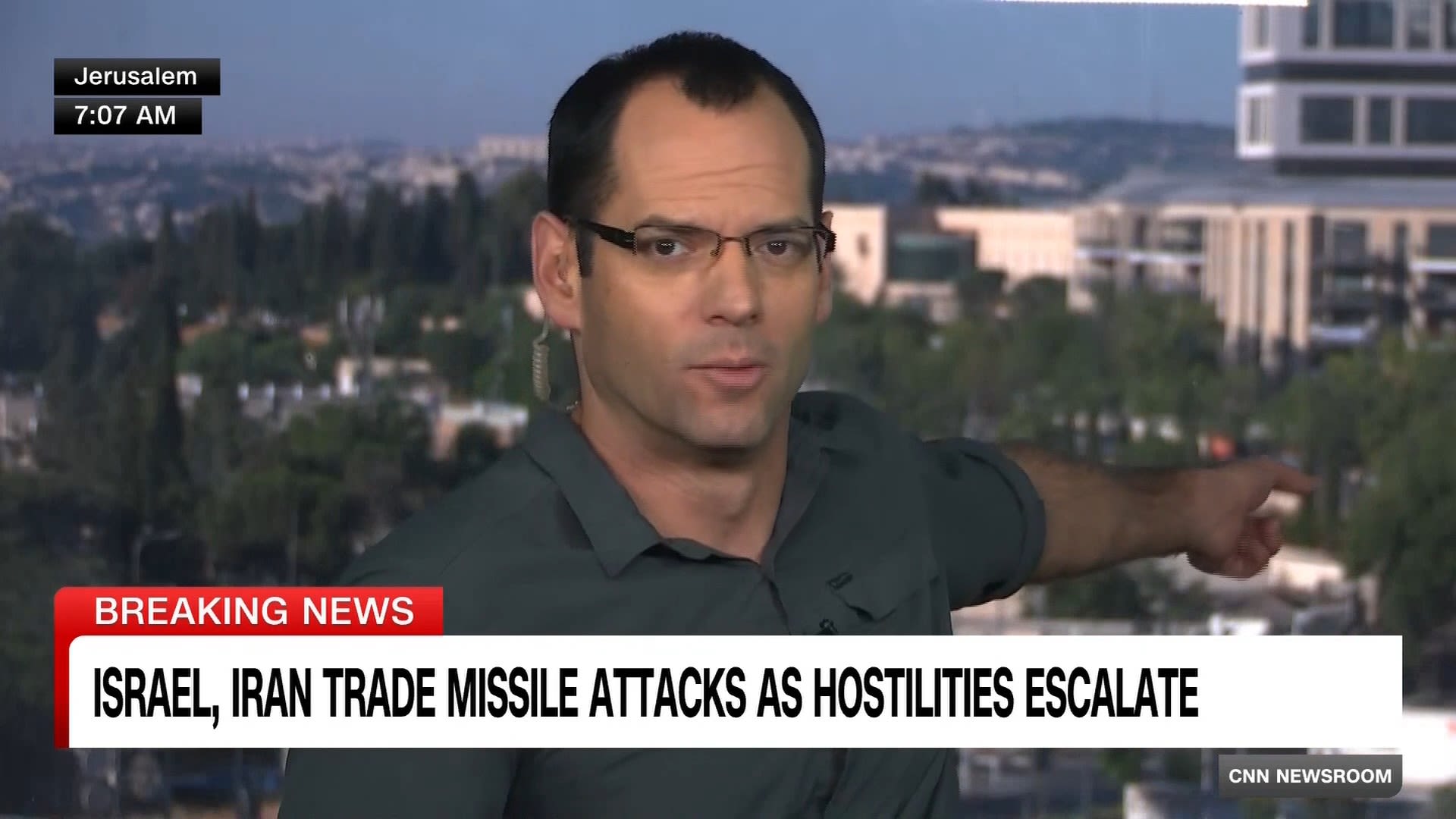
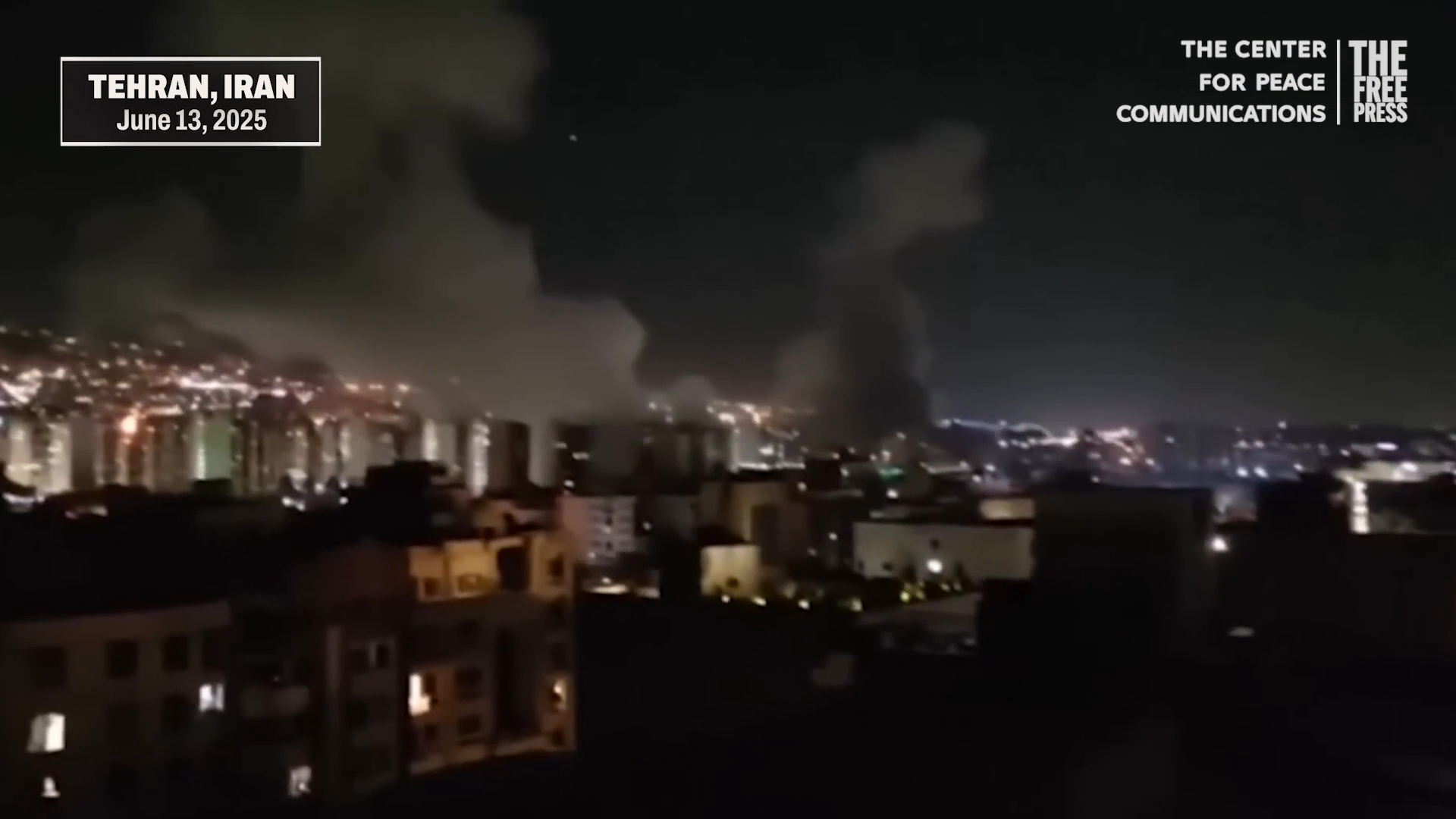
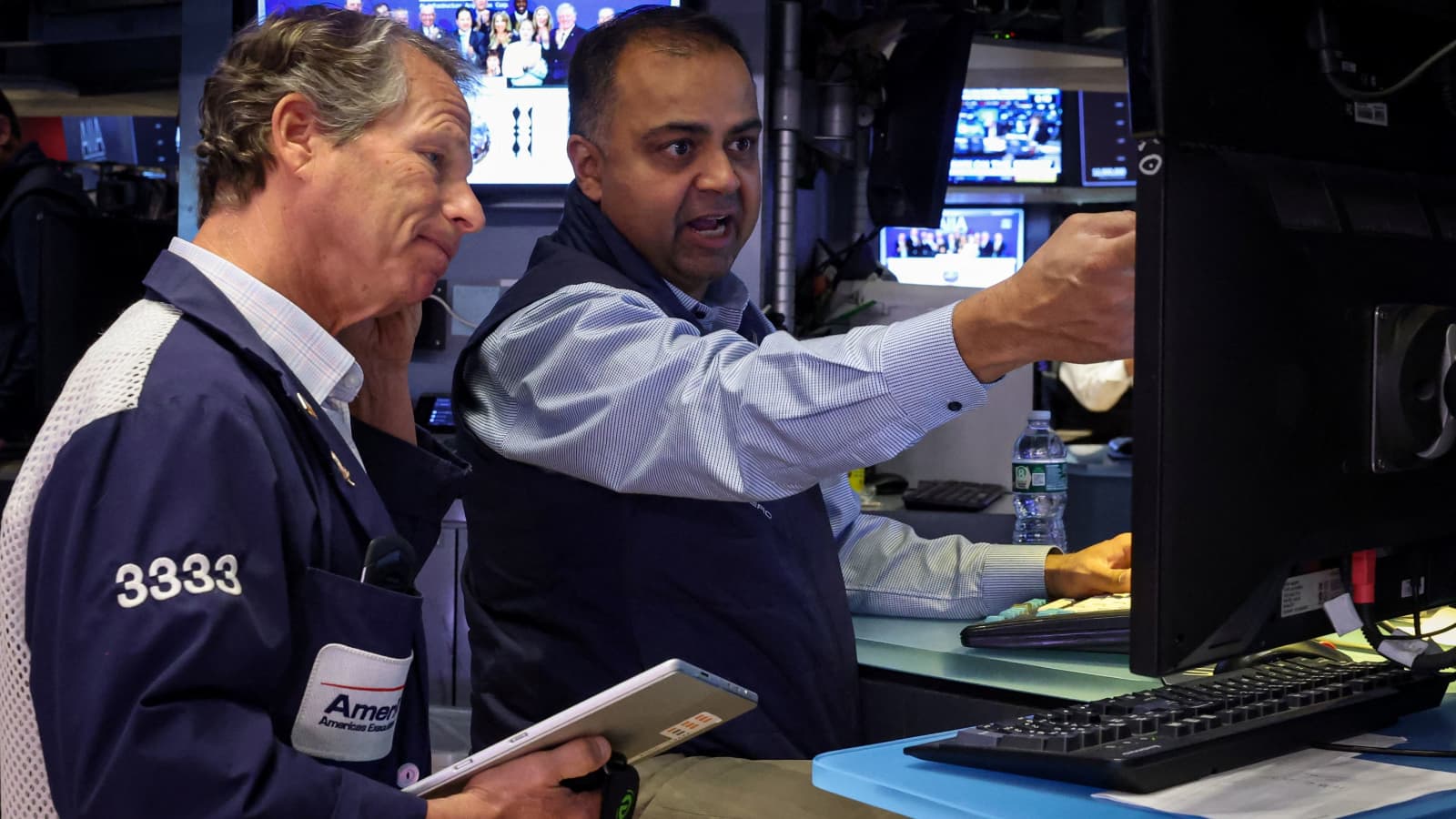
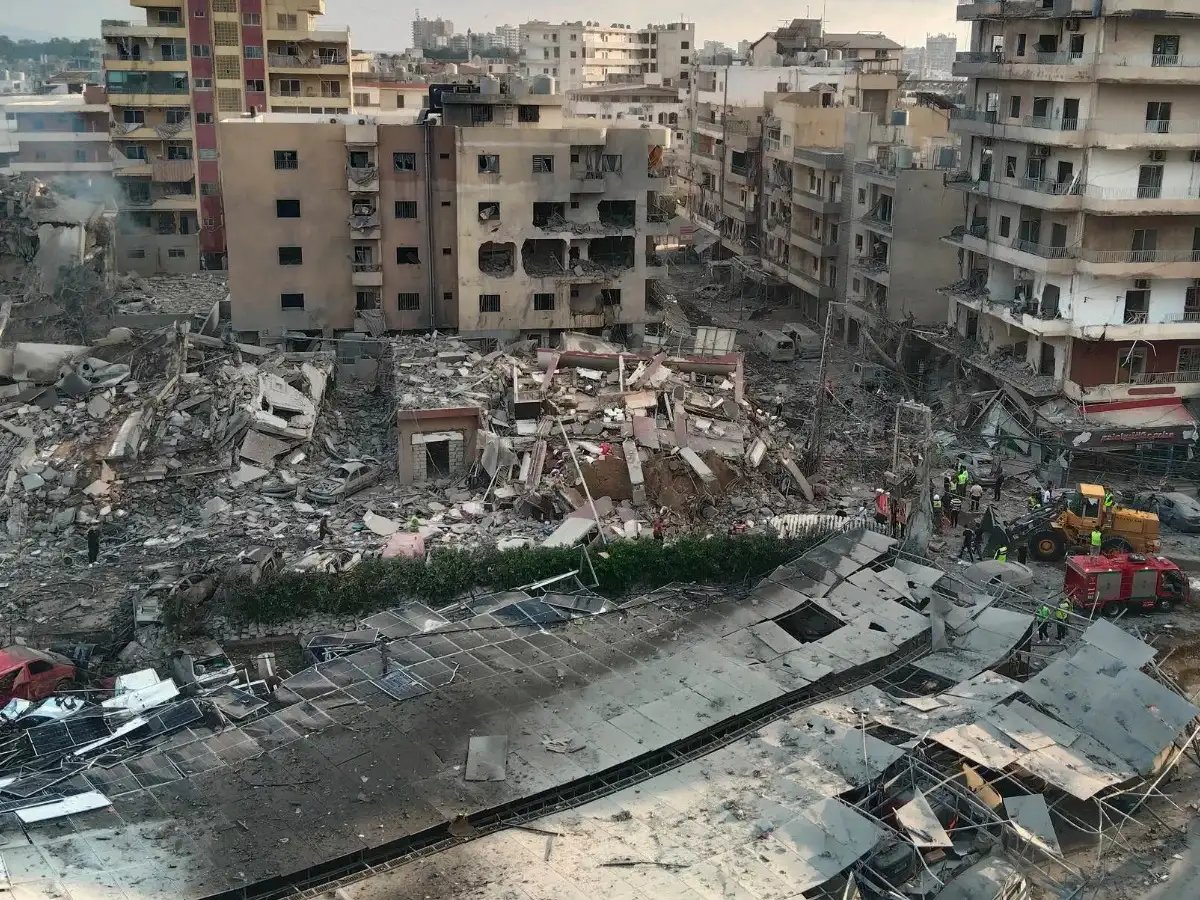
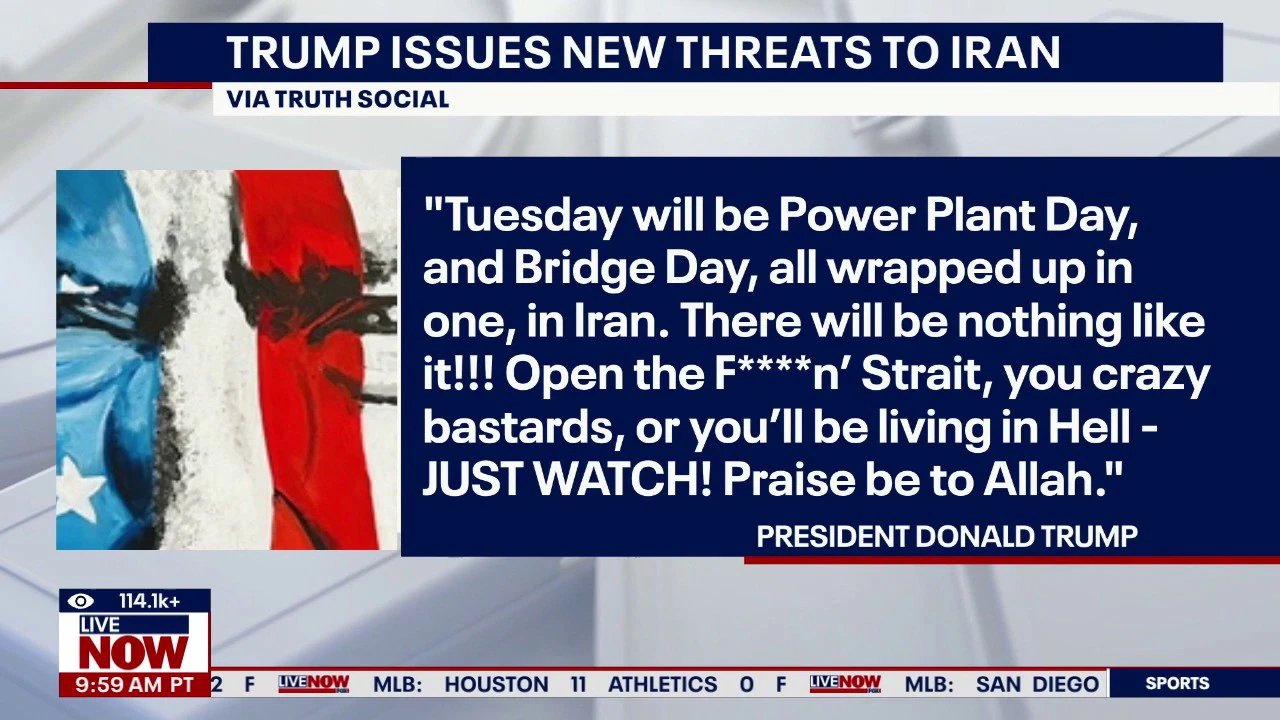
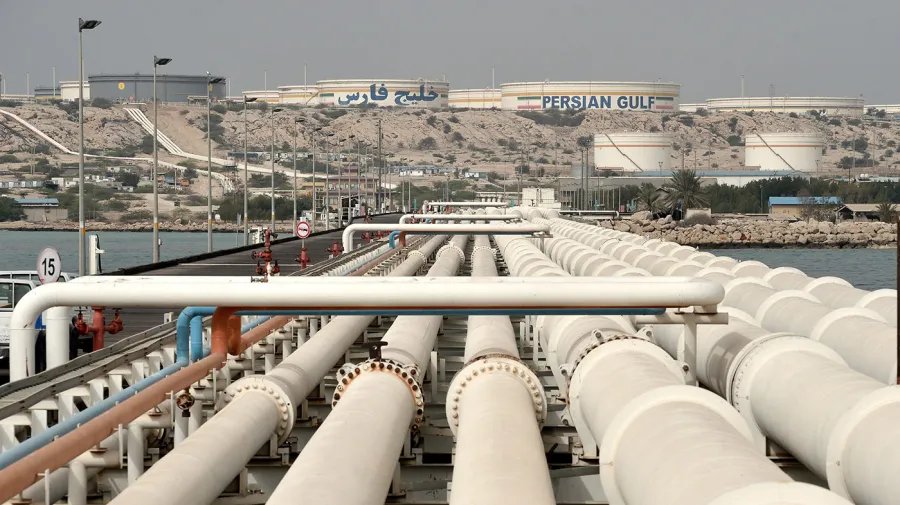
Oil prices soared more than 5 percent on Tuesday after the U.S. revoked its waiver on Iranian oil sanctions, responding to recent strikes on commercial vessels near the Strait of Hormuz. International Brent crude oil rose nearly 5.5 percent, reaching over $75 per barrel by Tuesday evening. This significant increase reflects heightened tensions in the Middle East and its direct impact on global oil markets.
U.S. Policy Changes
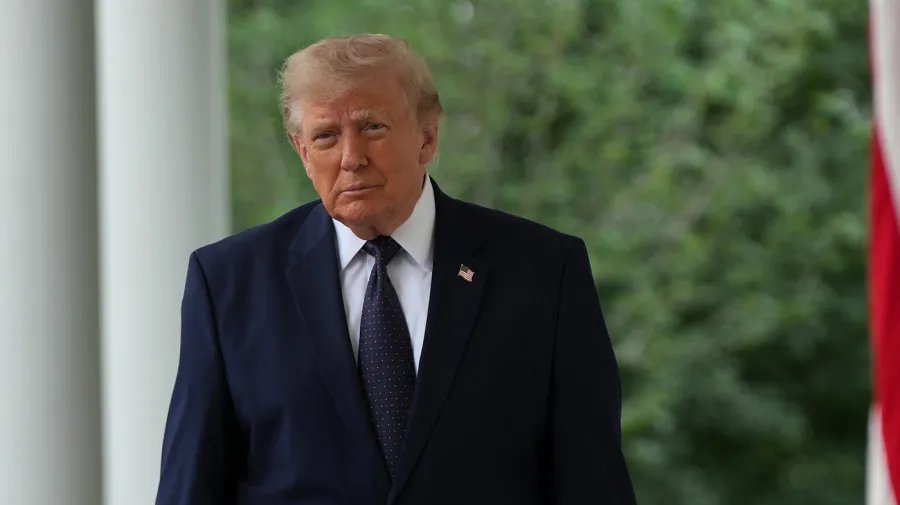
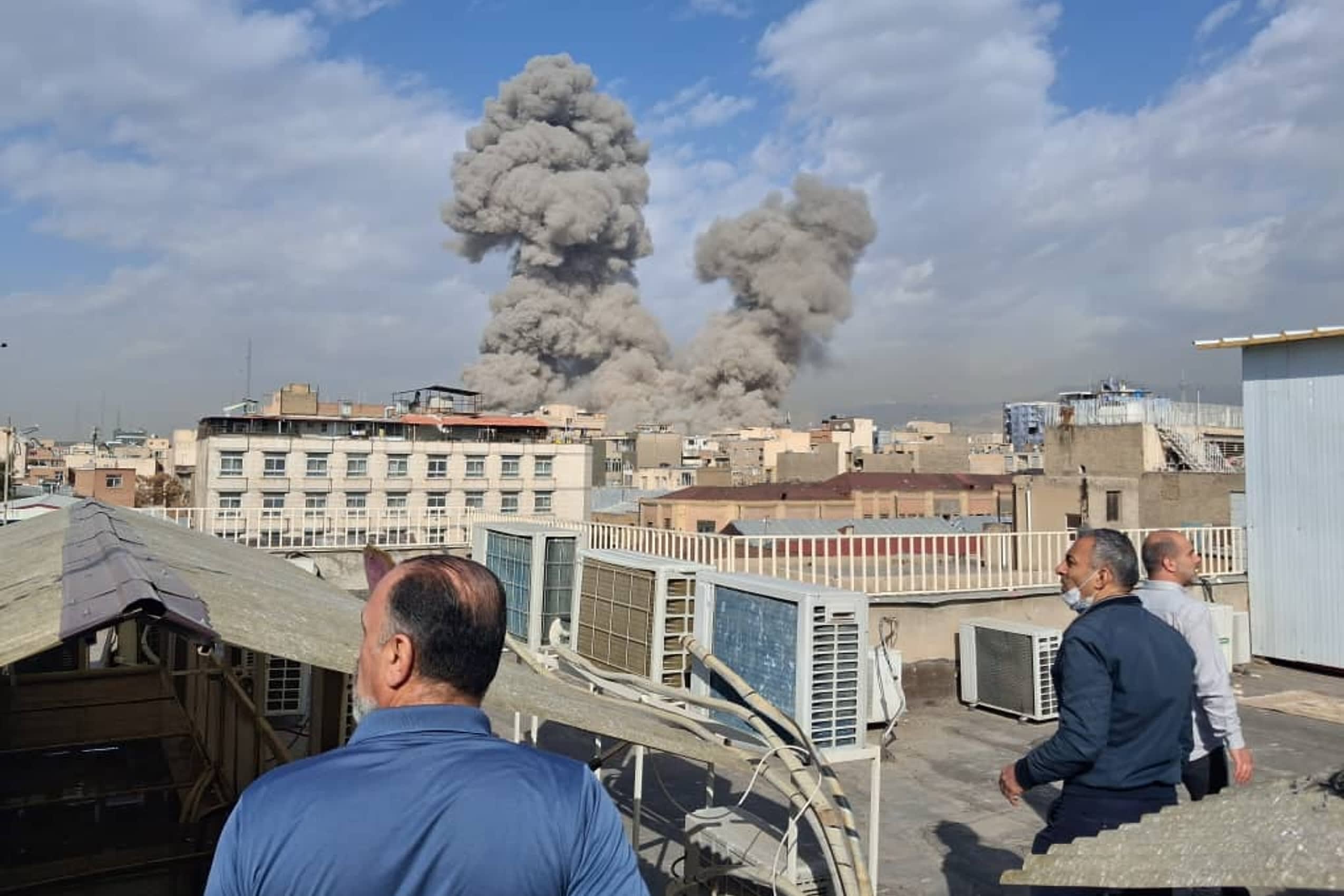
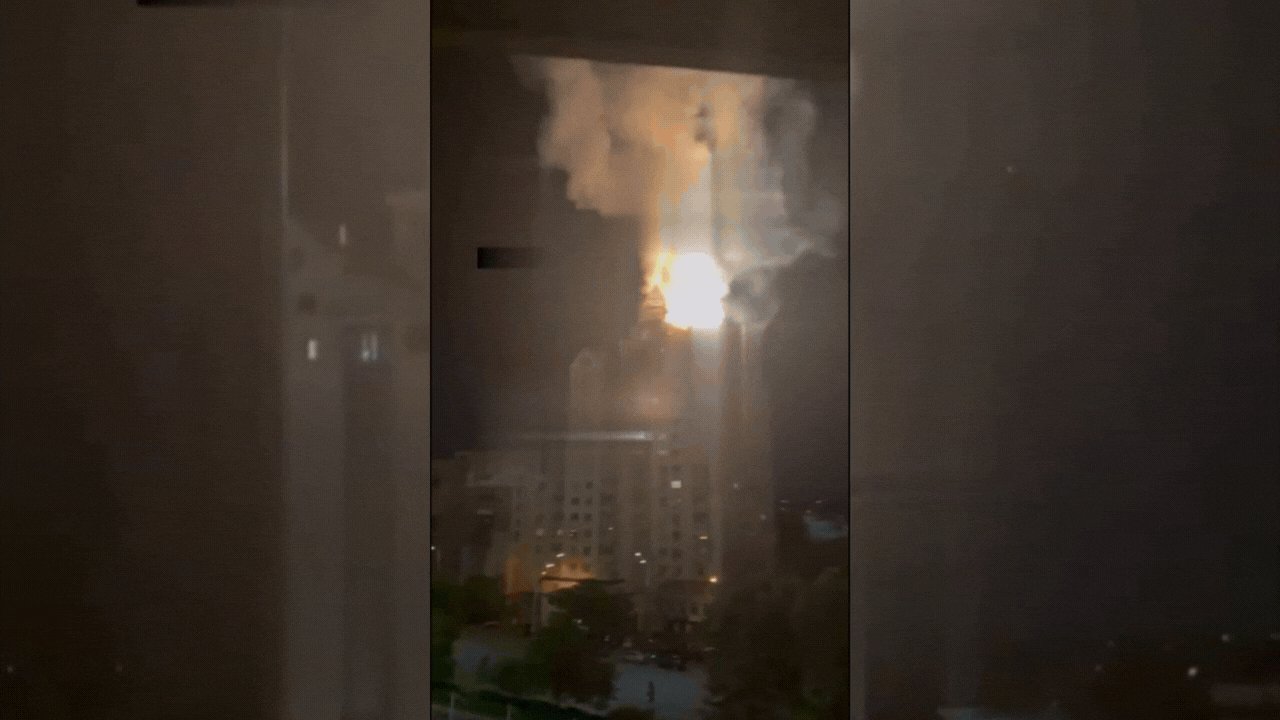
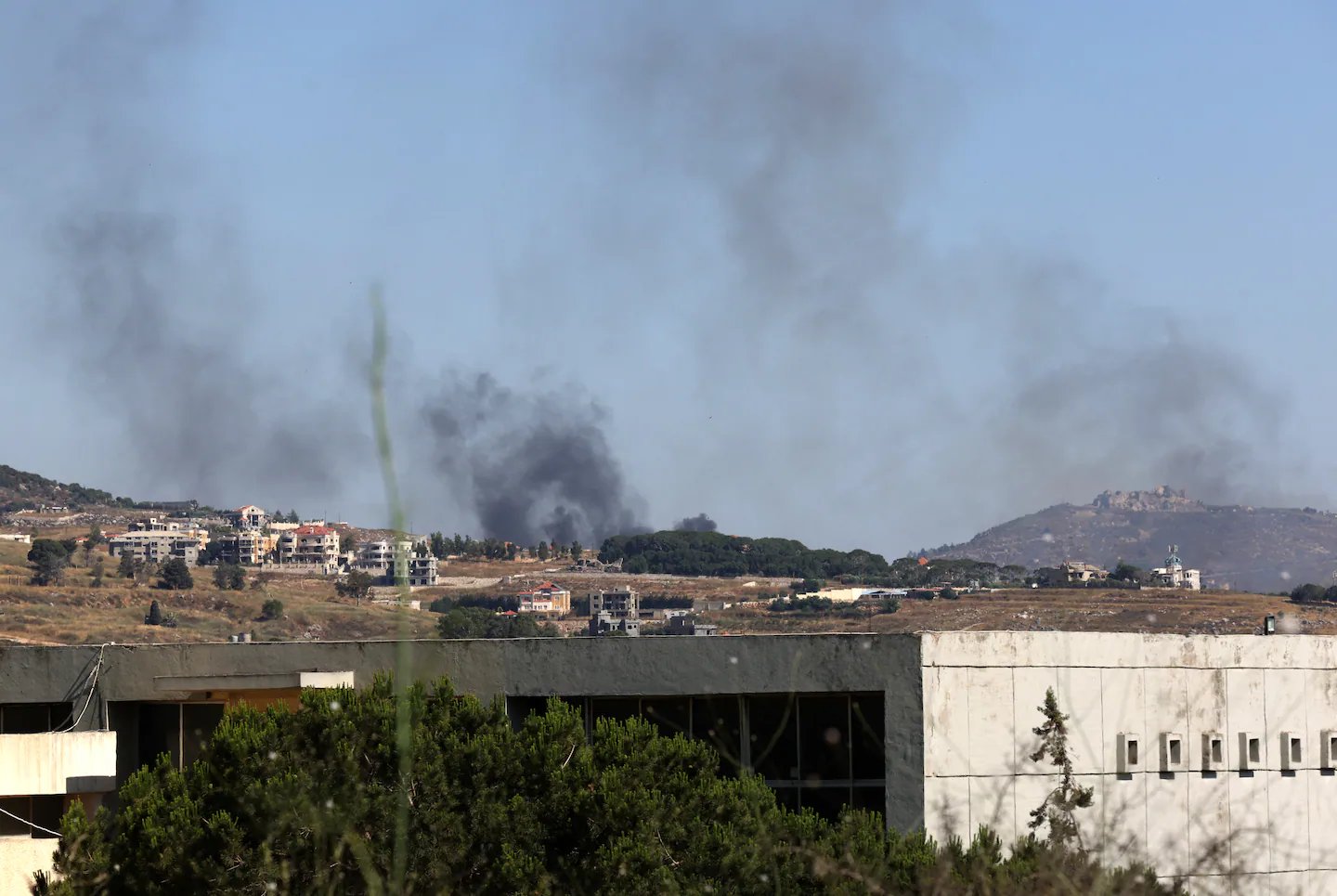
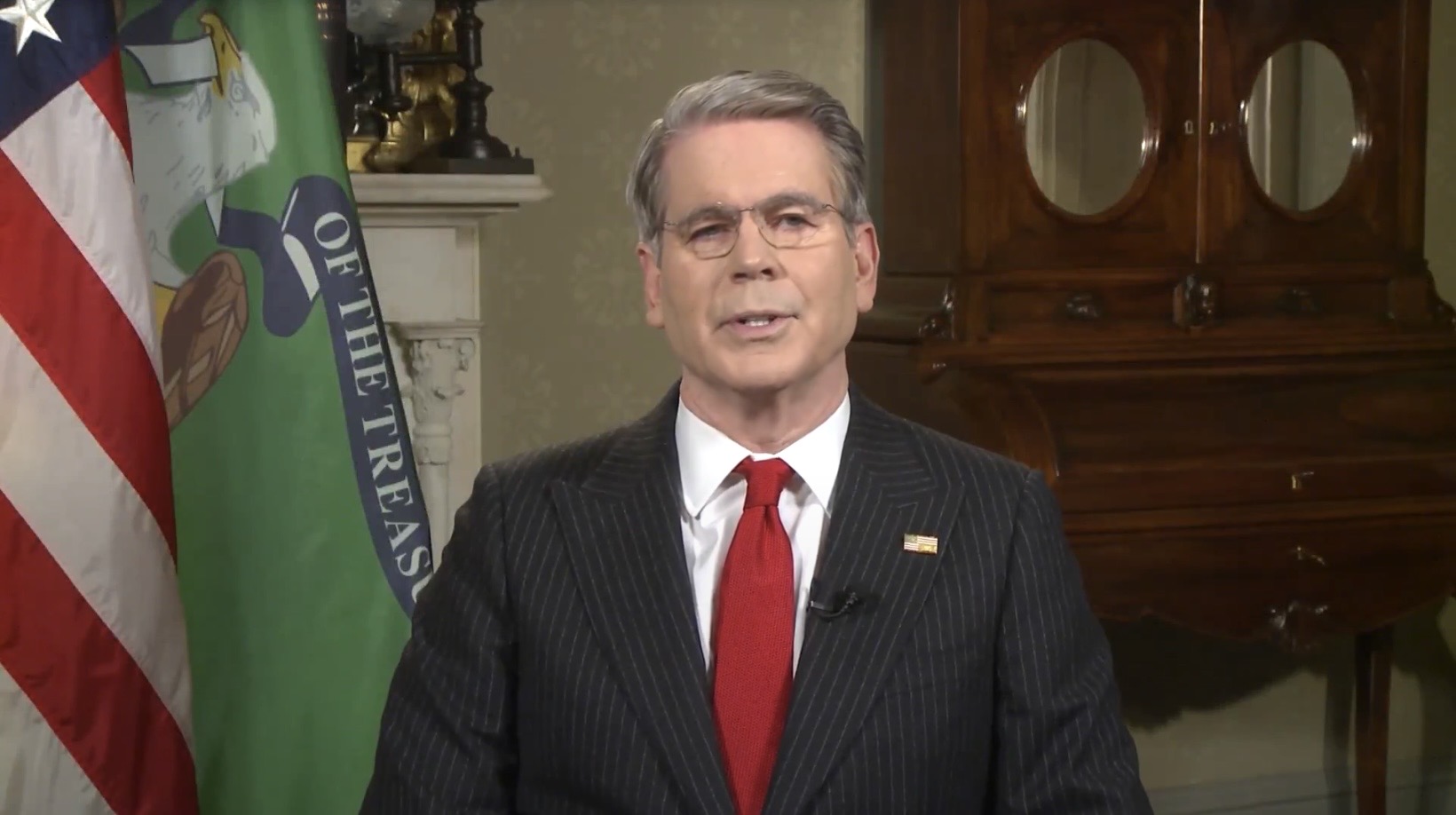
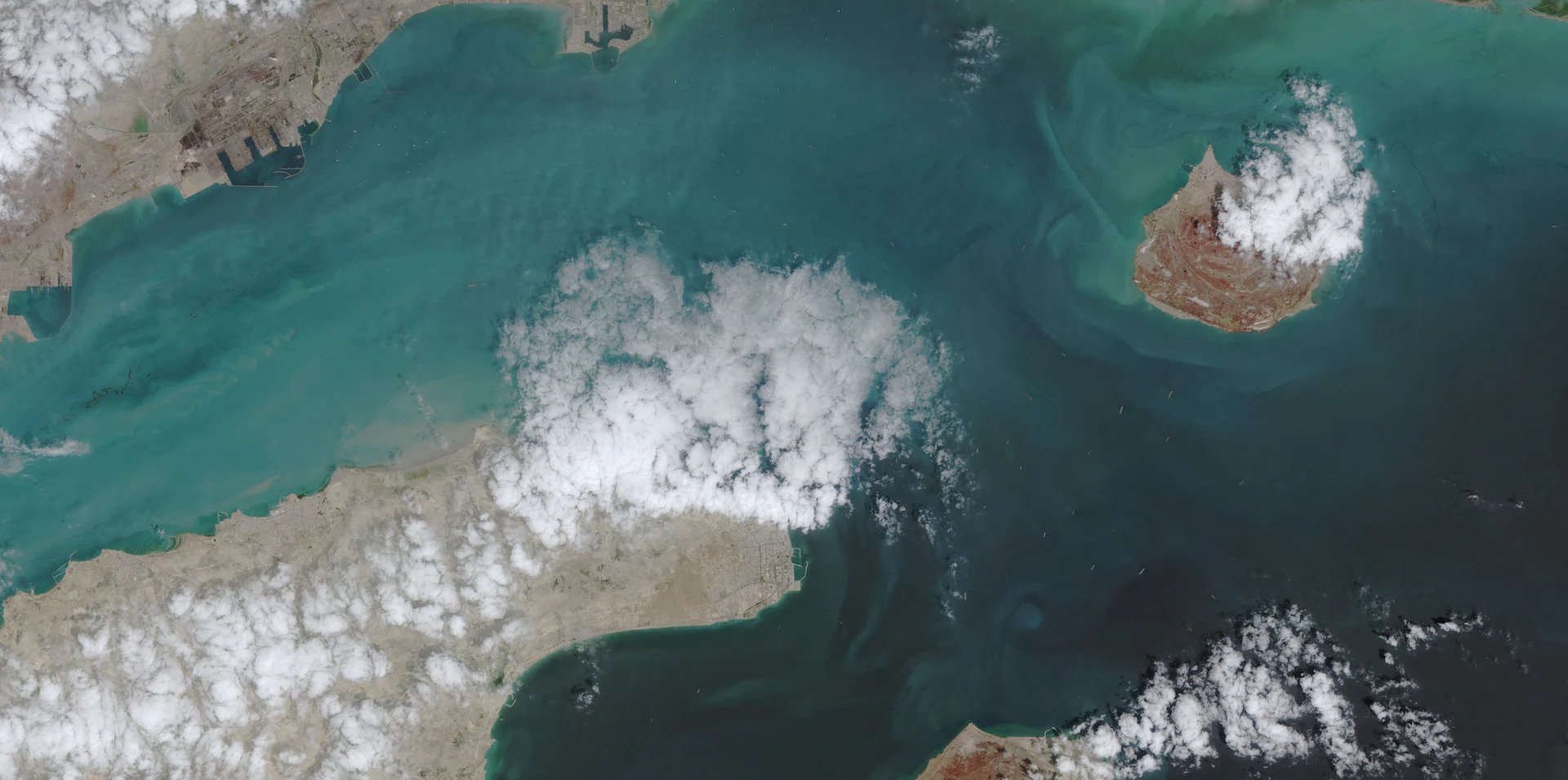
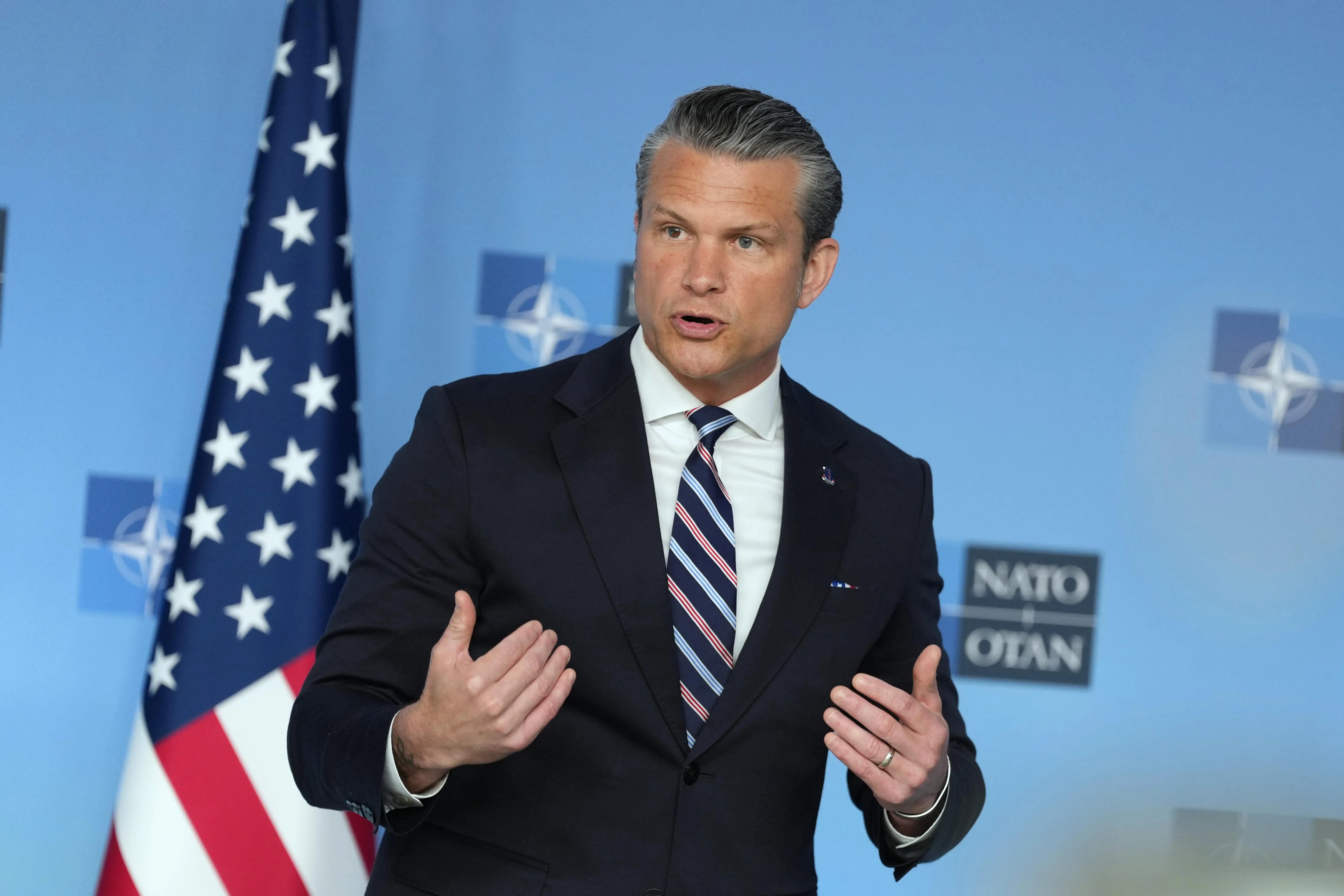
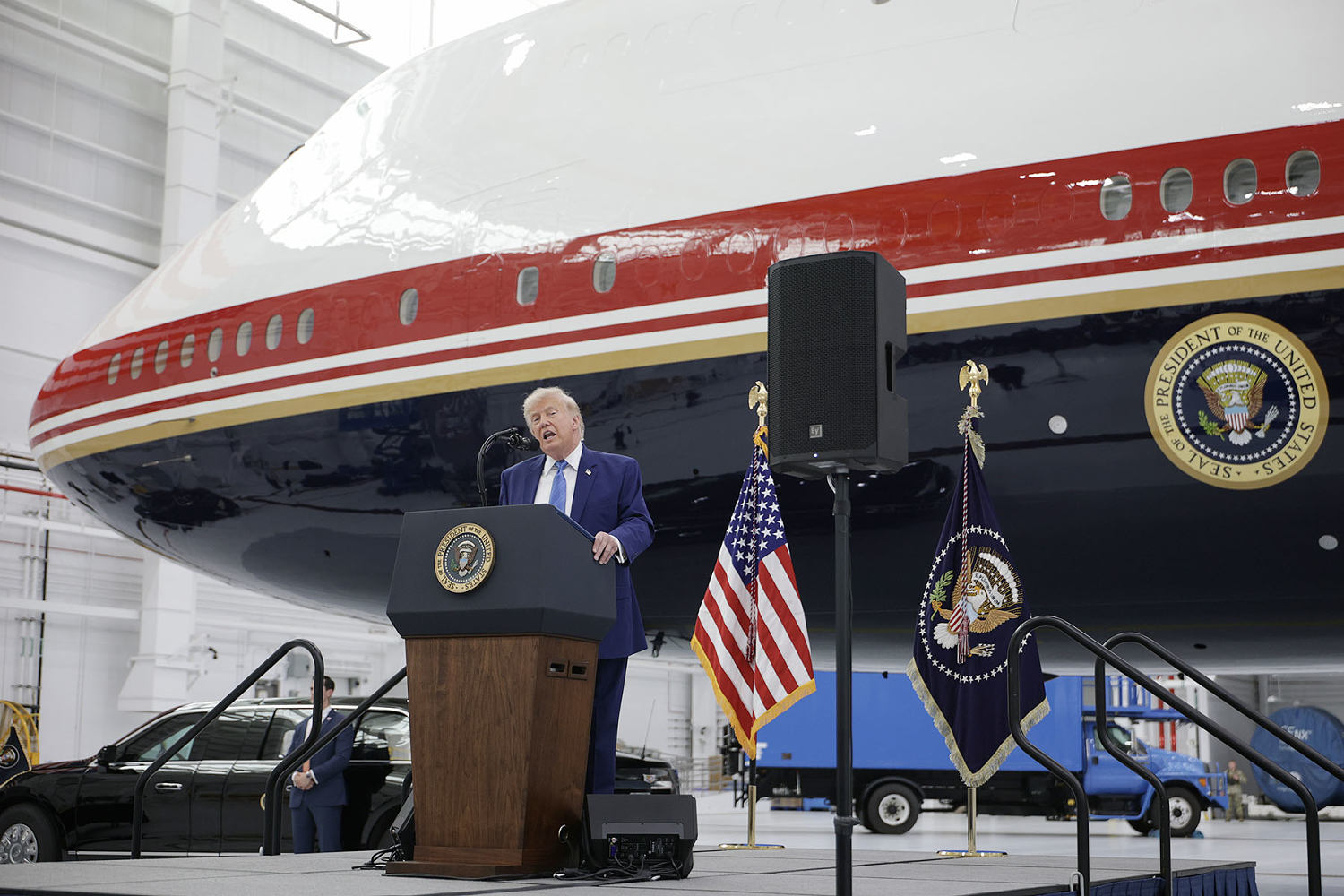
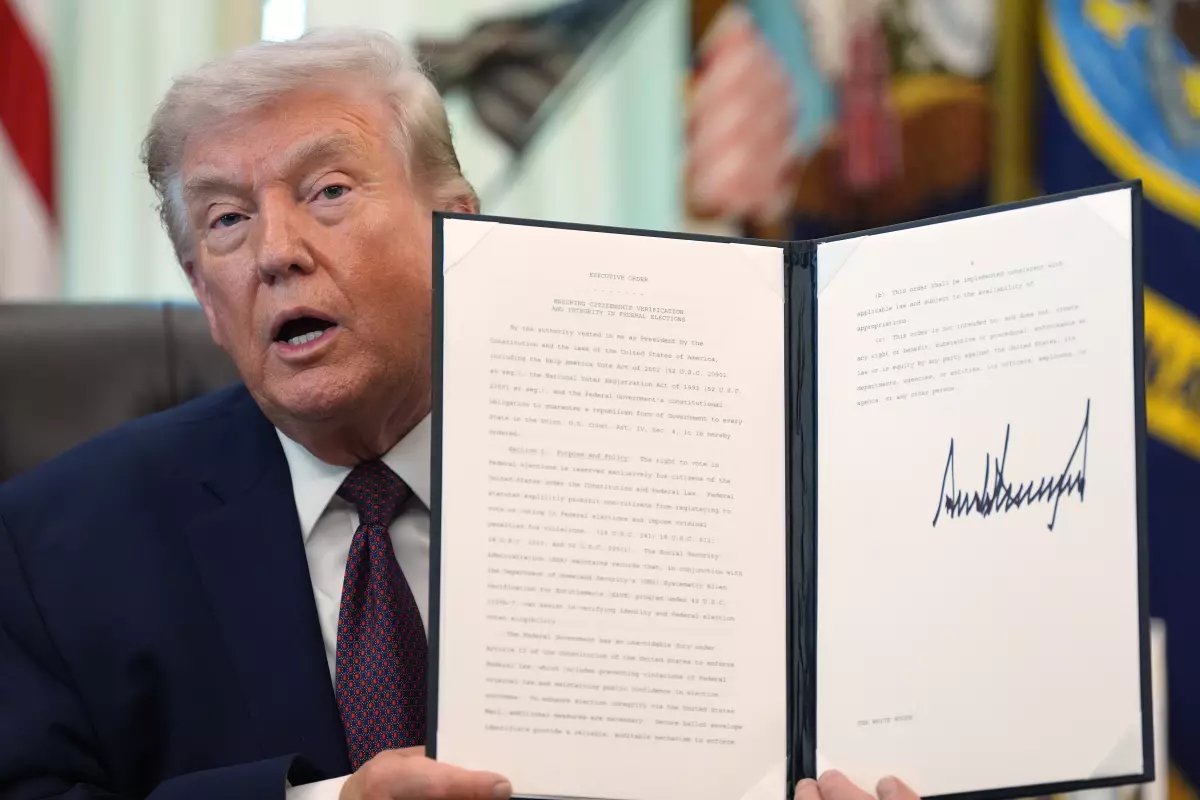
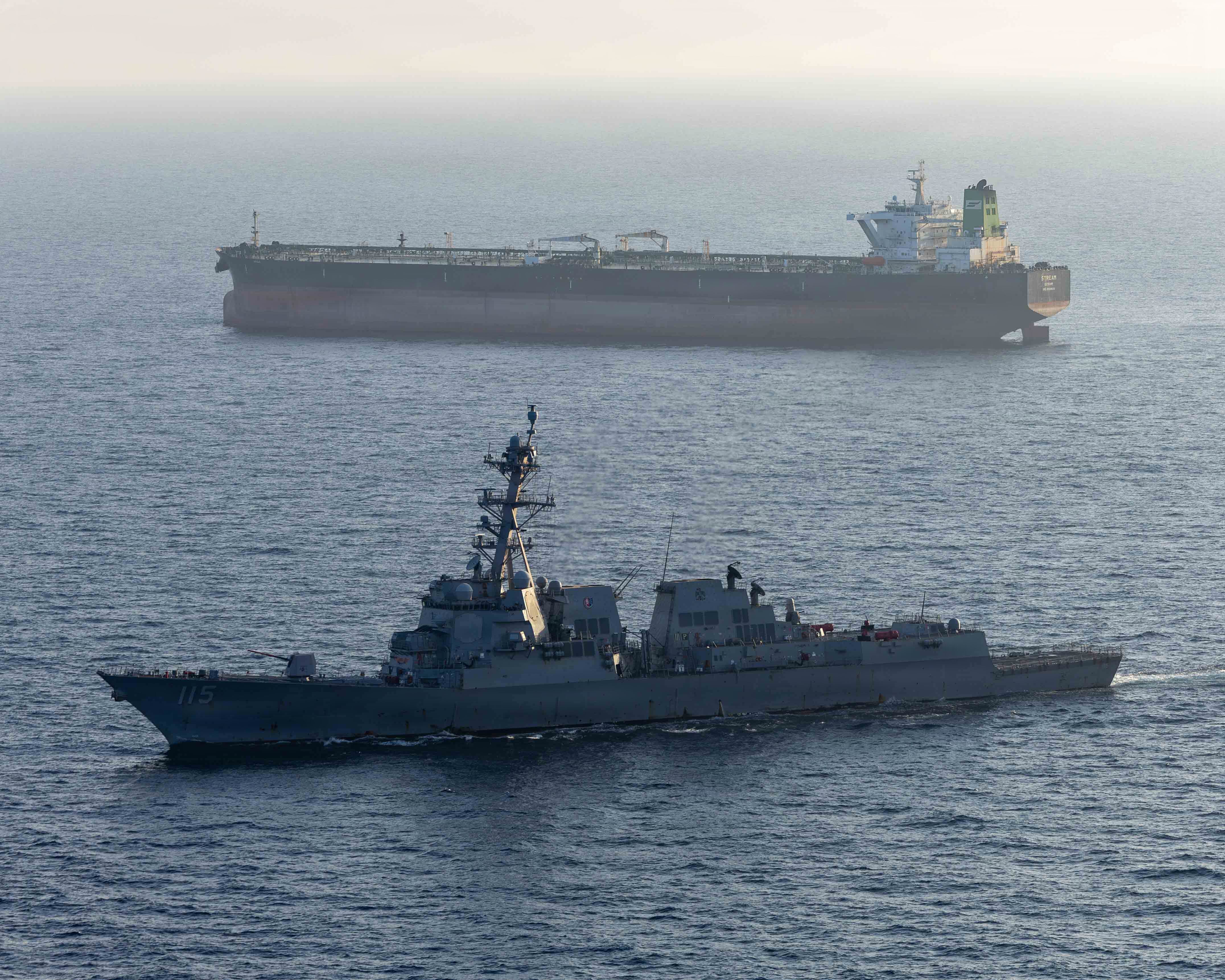
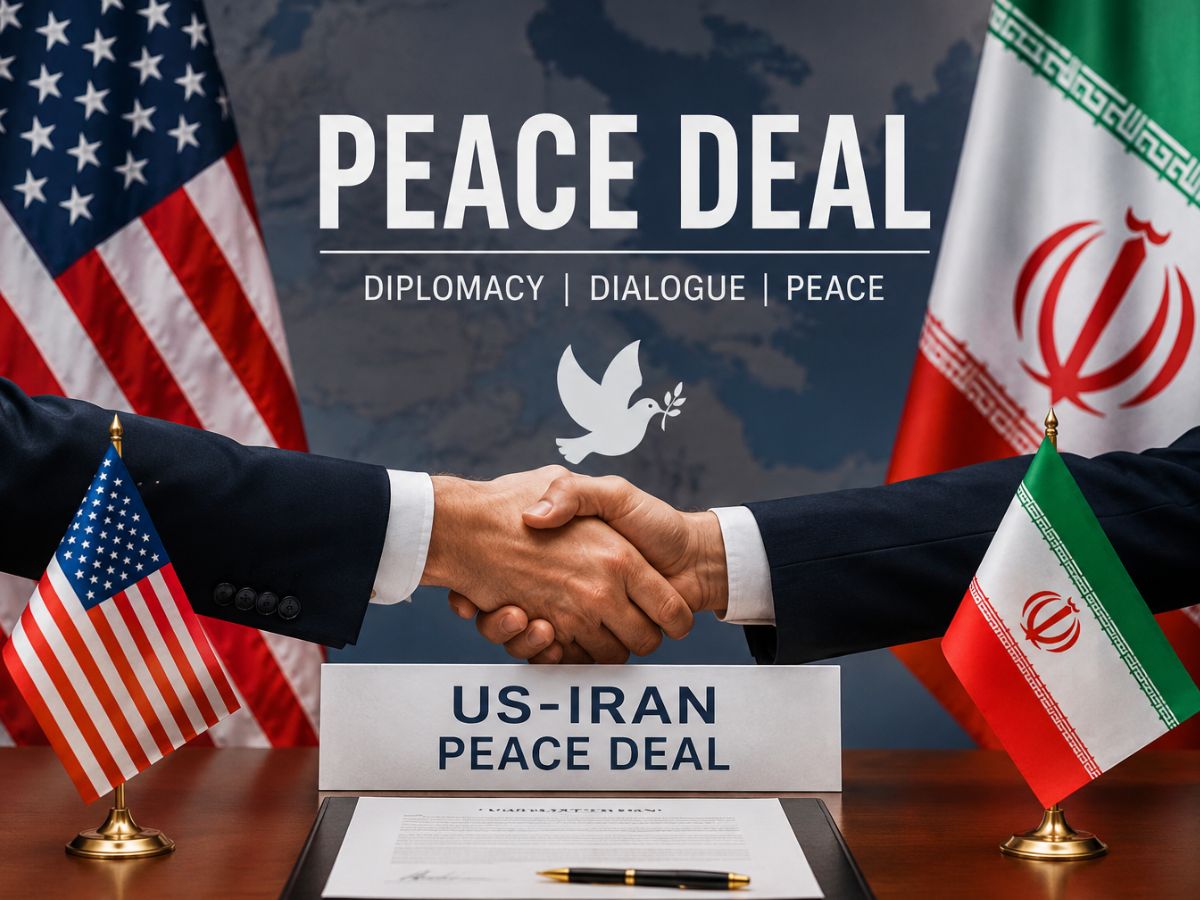
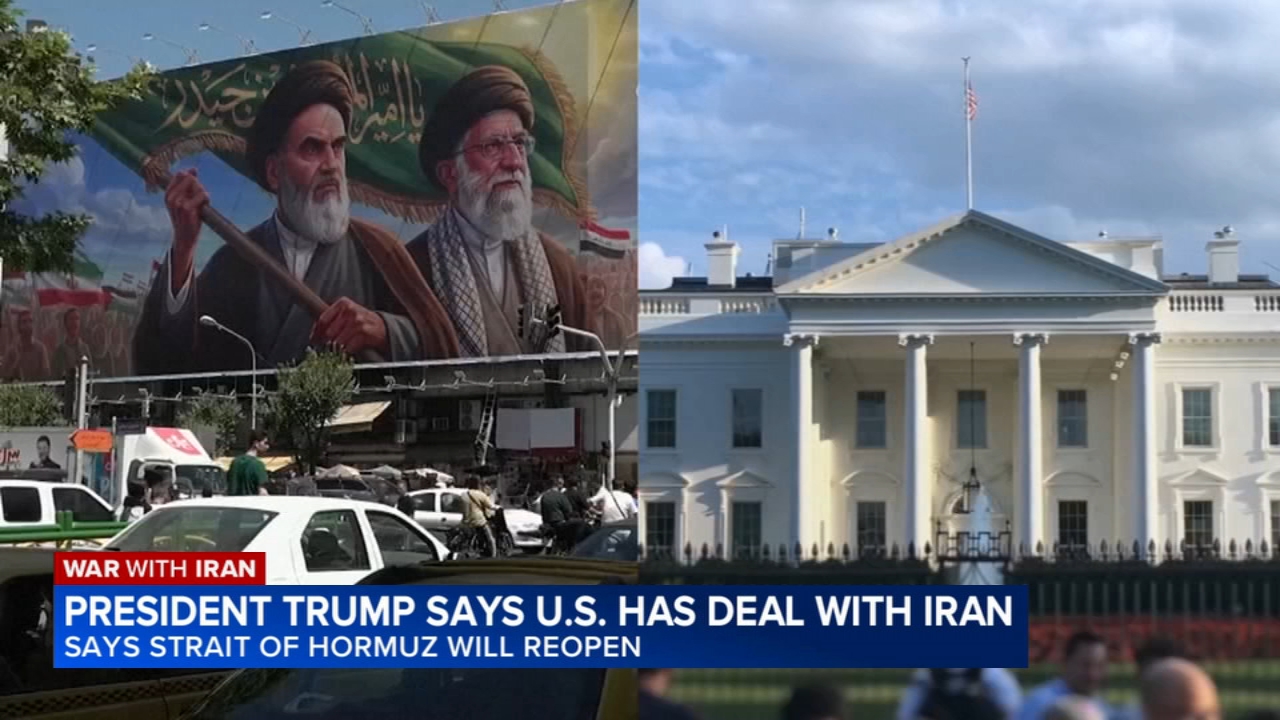
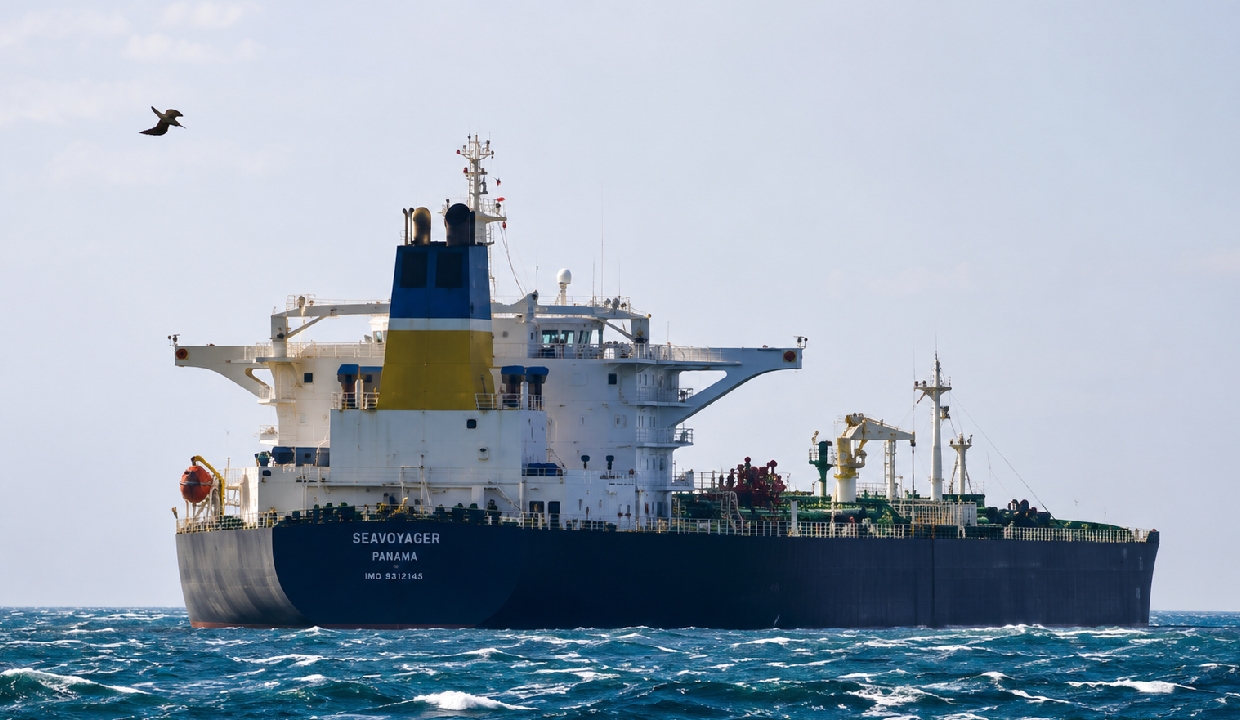
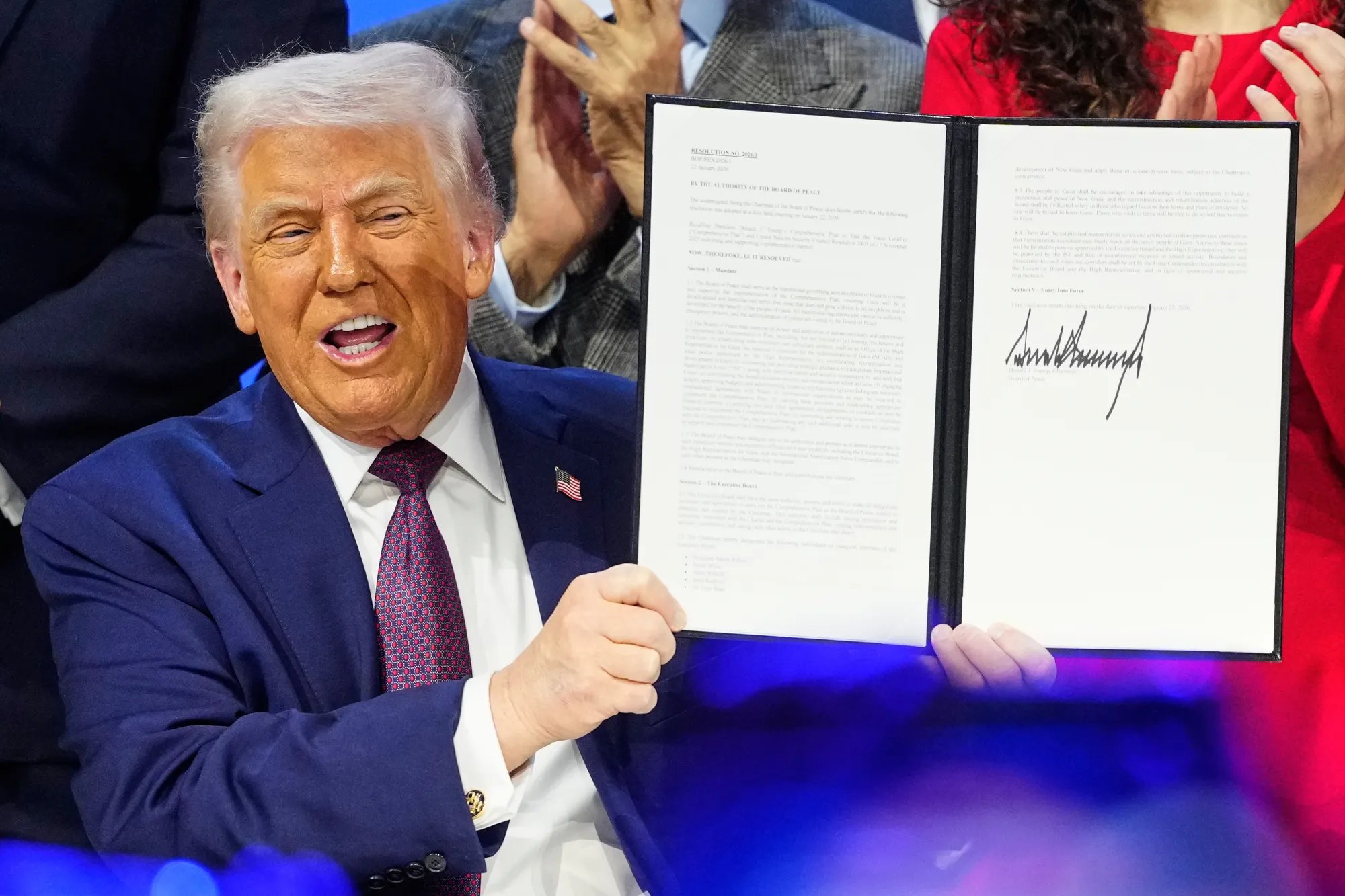
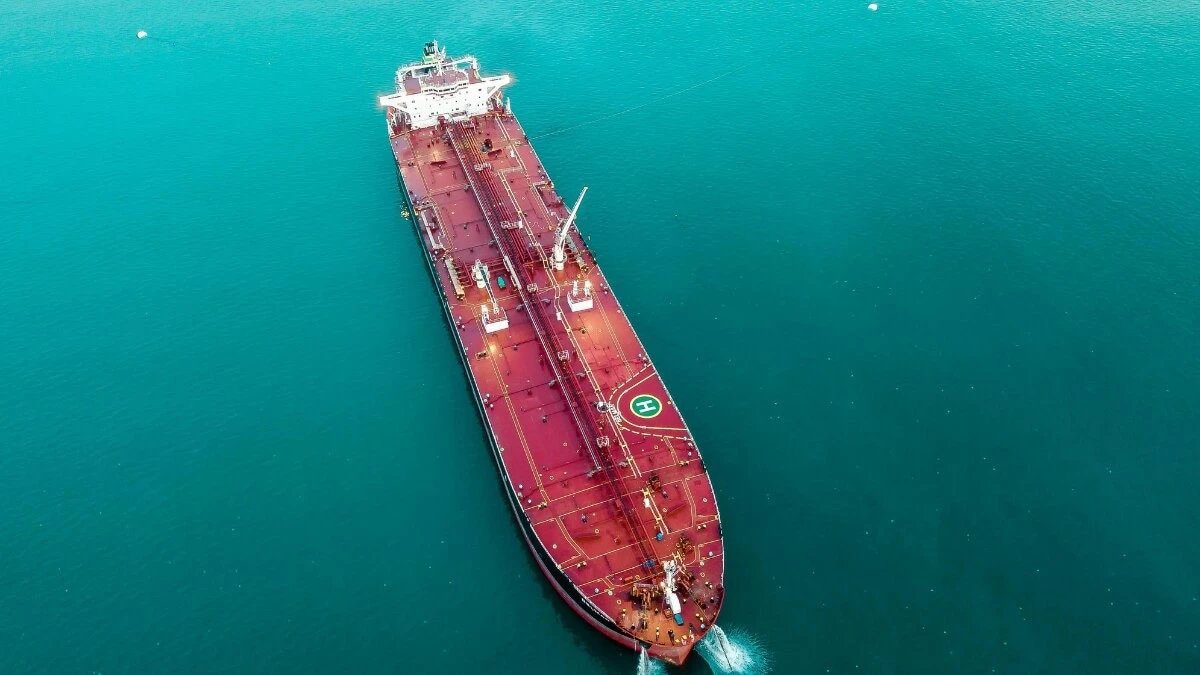
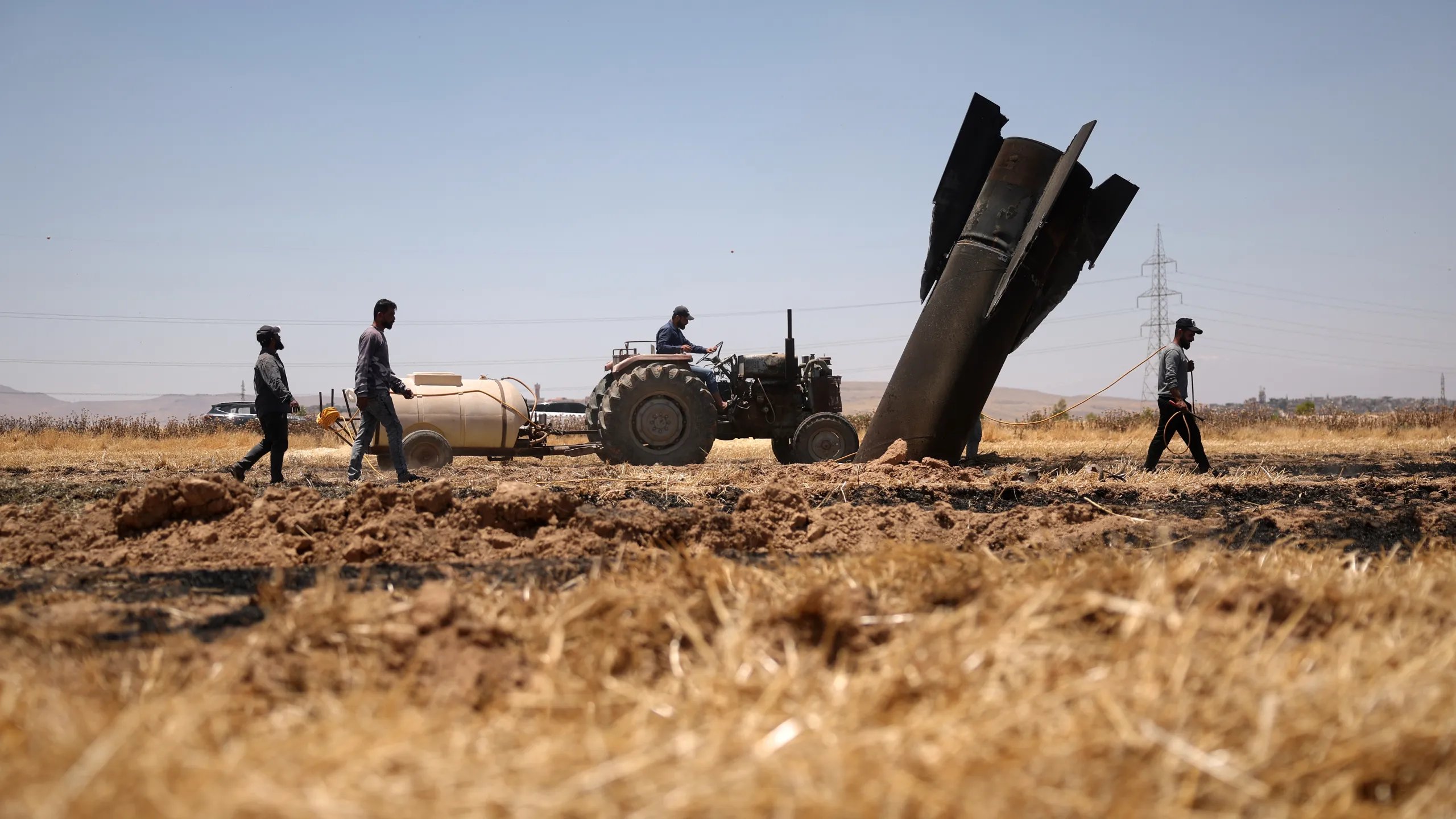
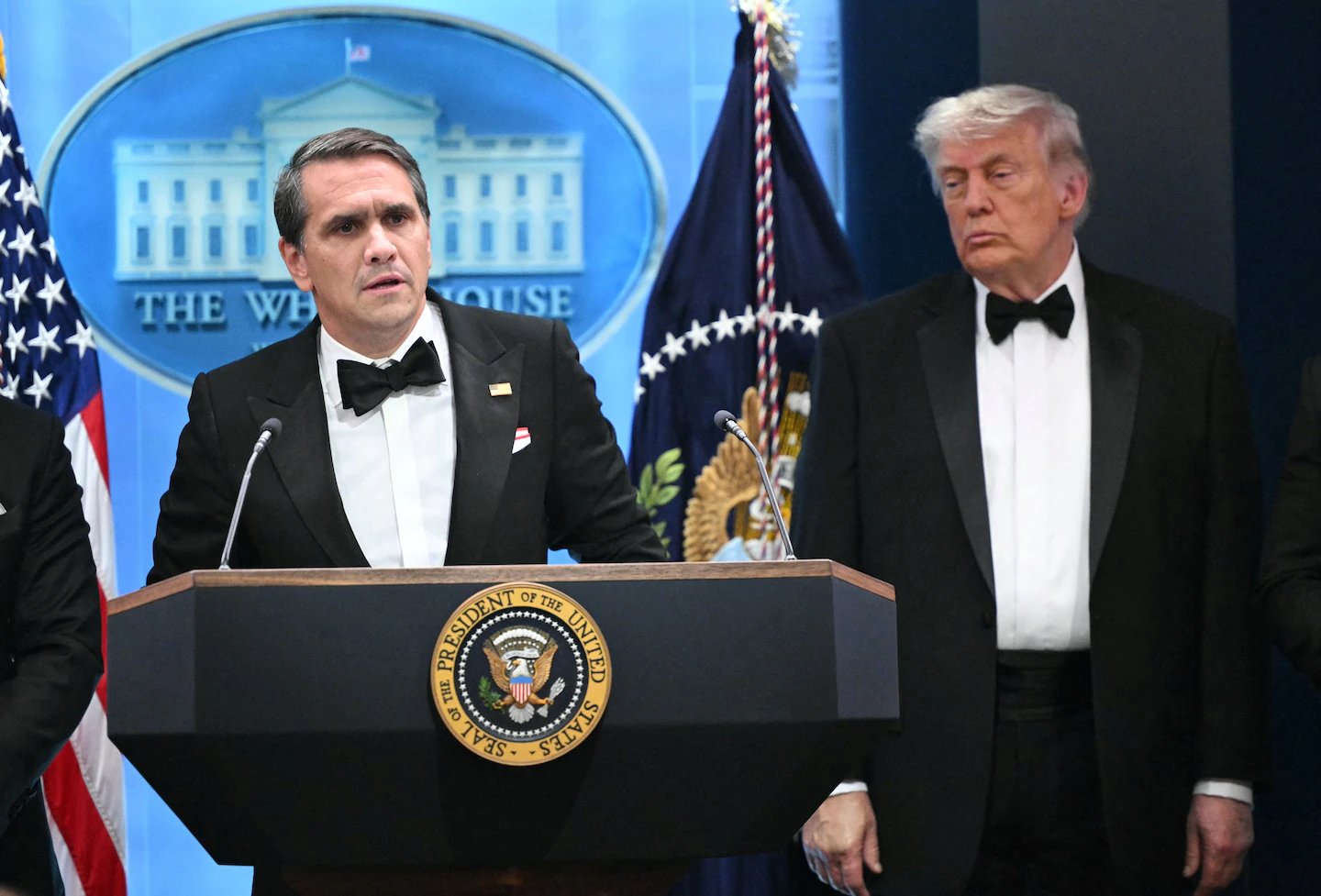
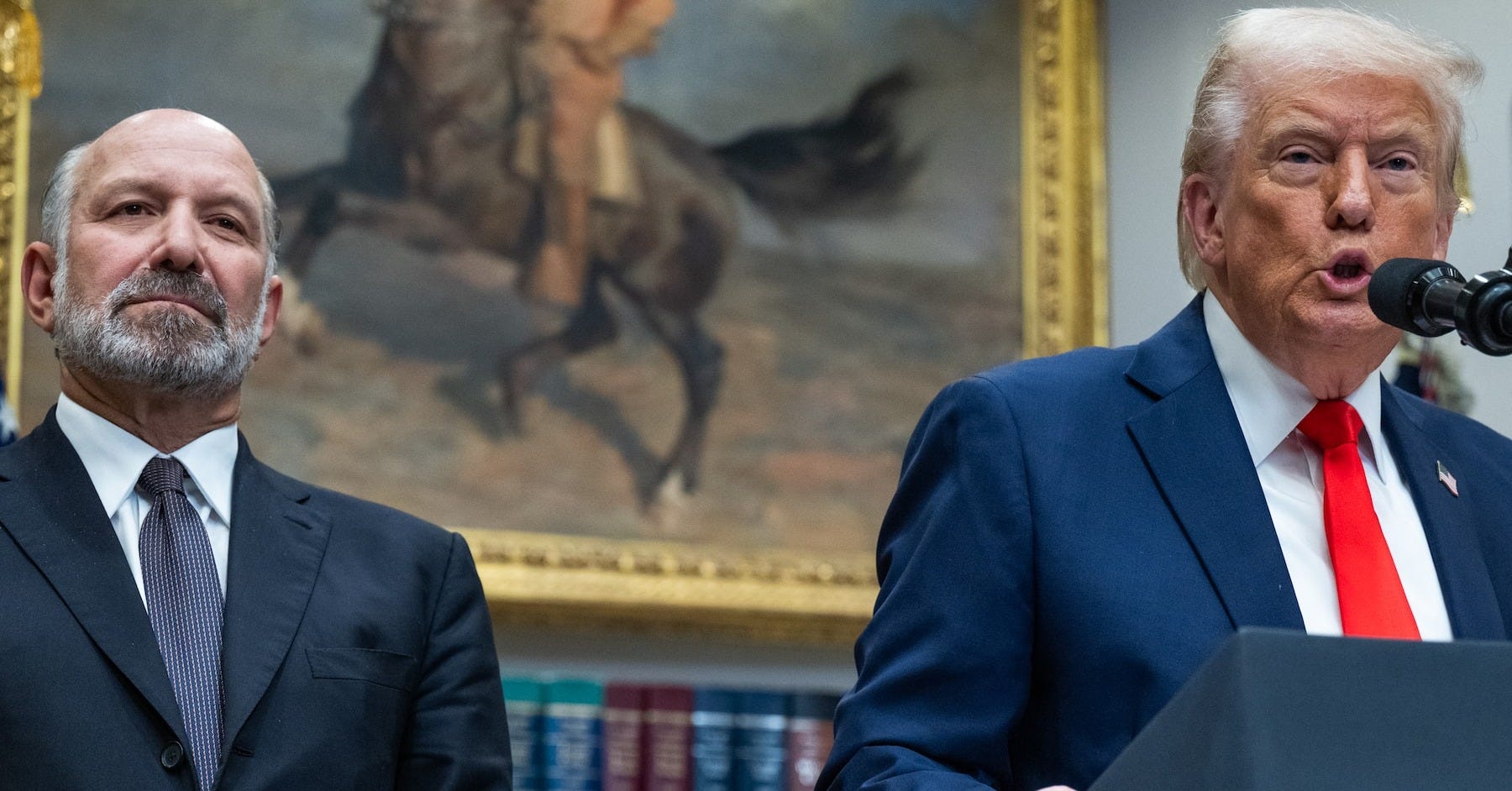
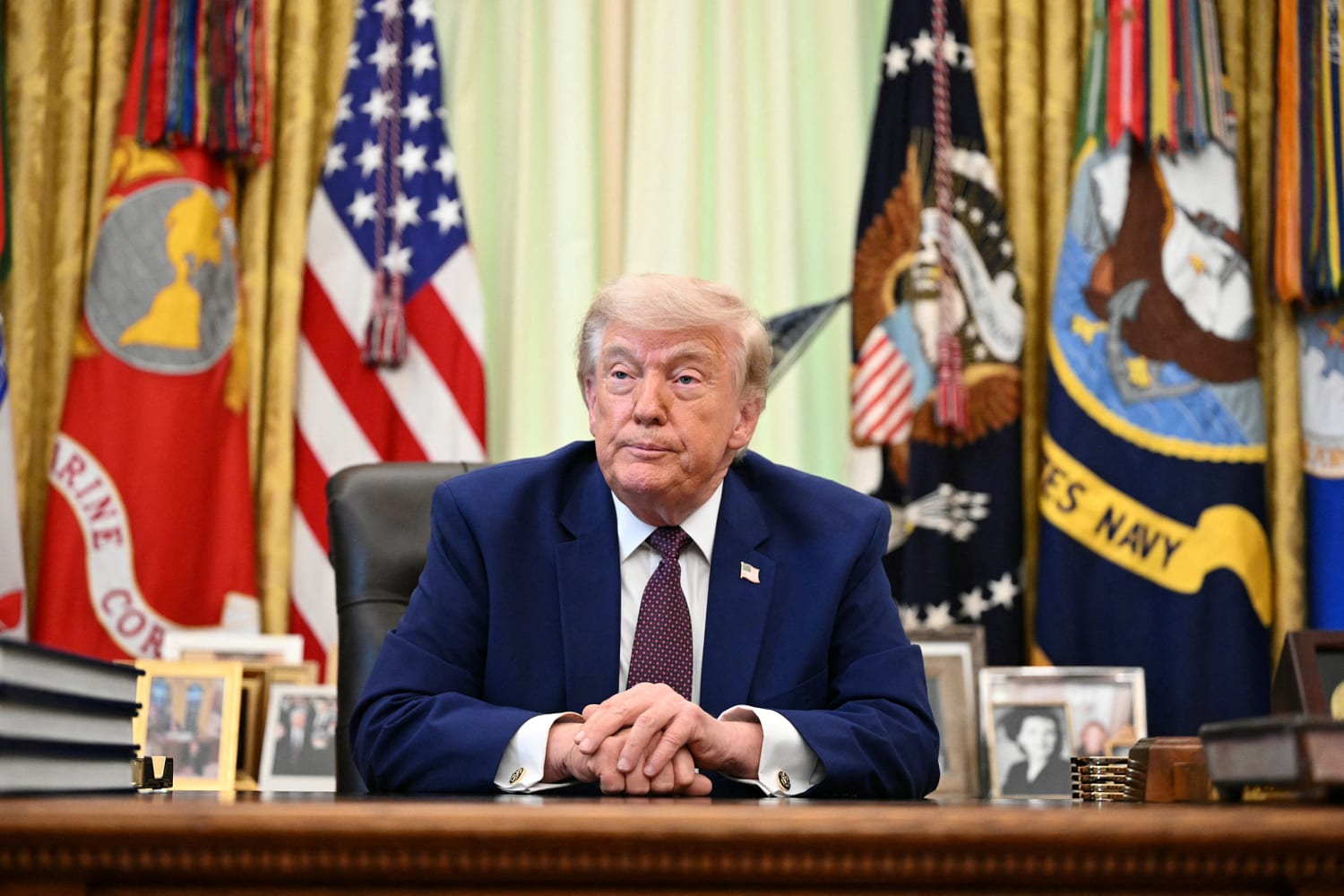
The U.S. Treasury Department announced it would no longer permit Iranian oil sales to be conducted in U.S. dollars on global markets. This policy shift follows incidents where multiple tankers were struck by projectiles while navigating the strategic Strait of Hormuz. As a result of this decision, over 60 million barrels of Iranian crude oil are currently stranded at sea, lacking any clear buyers amid the escalating conflict.
Consequences for Emerging Markets
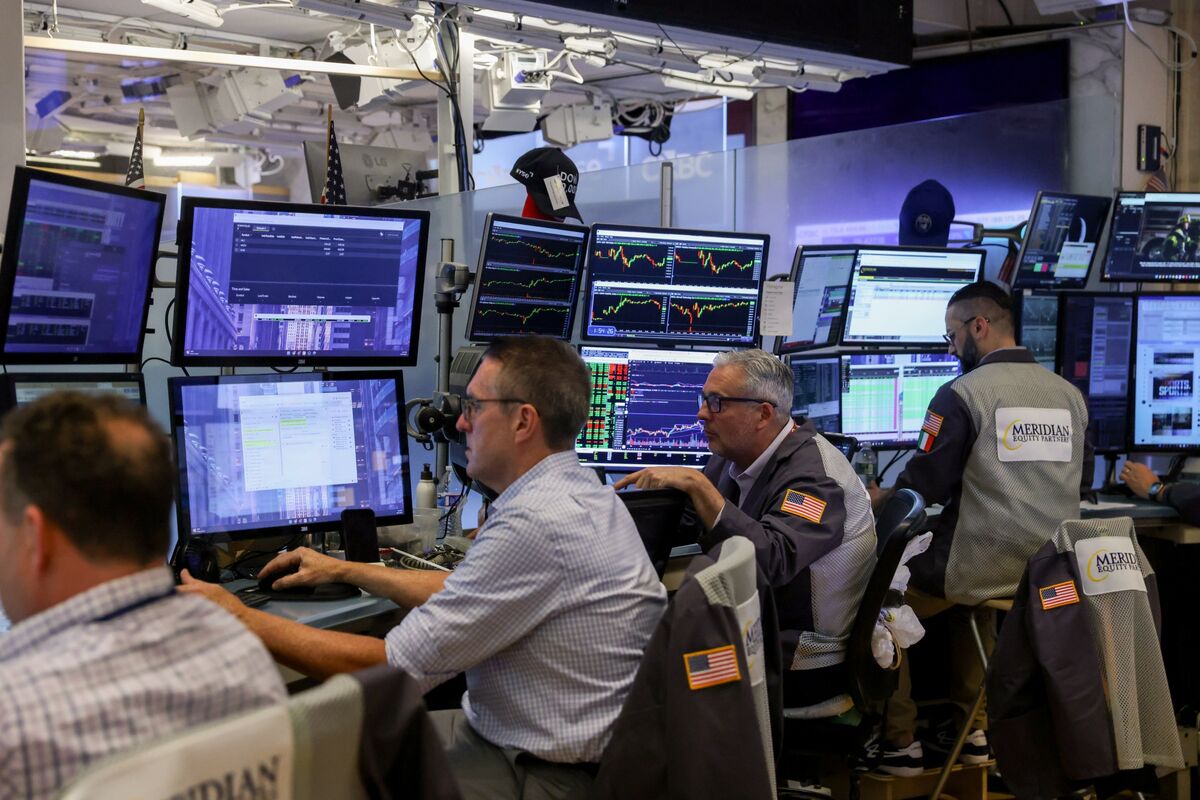
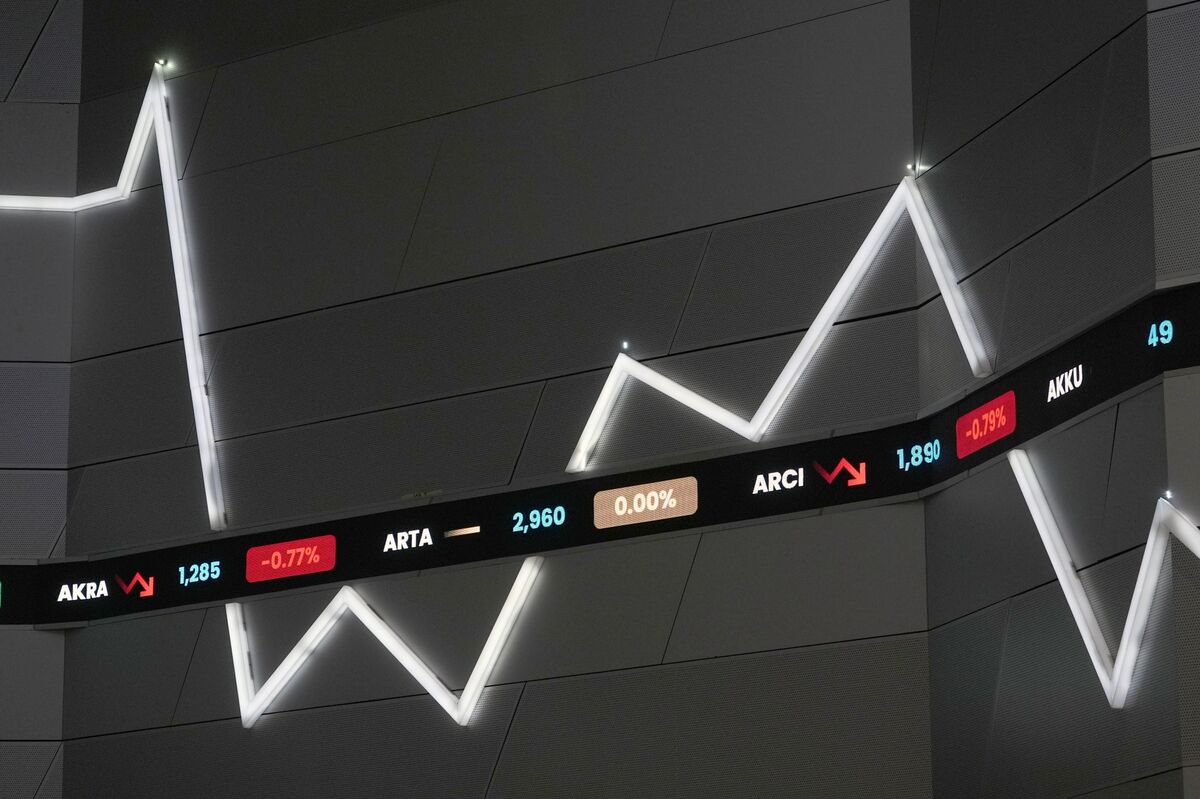
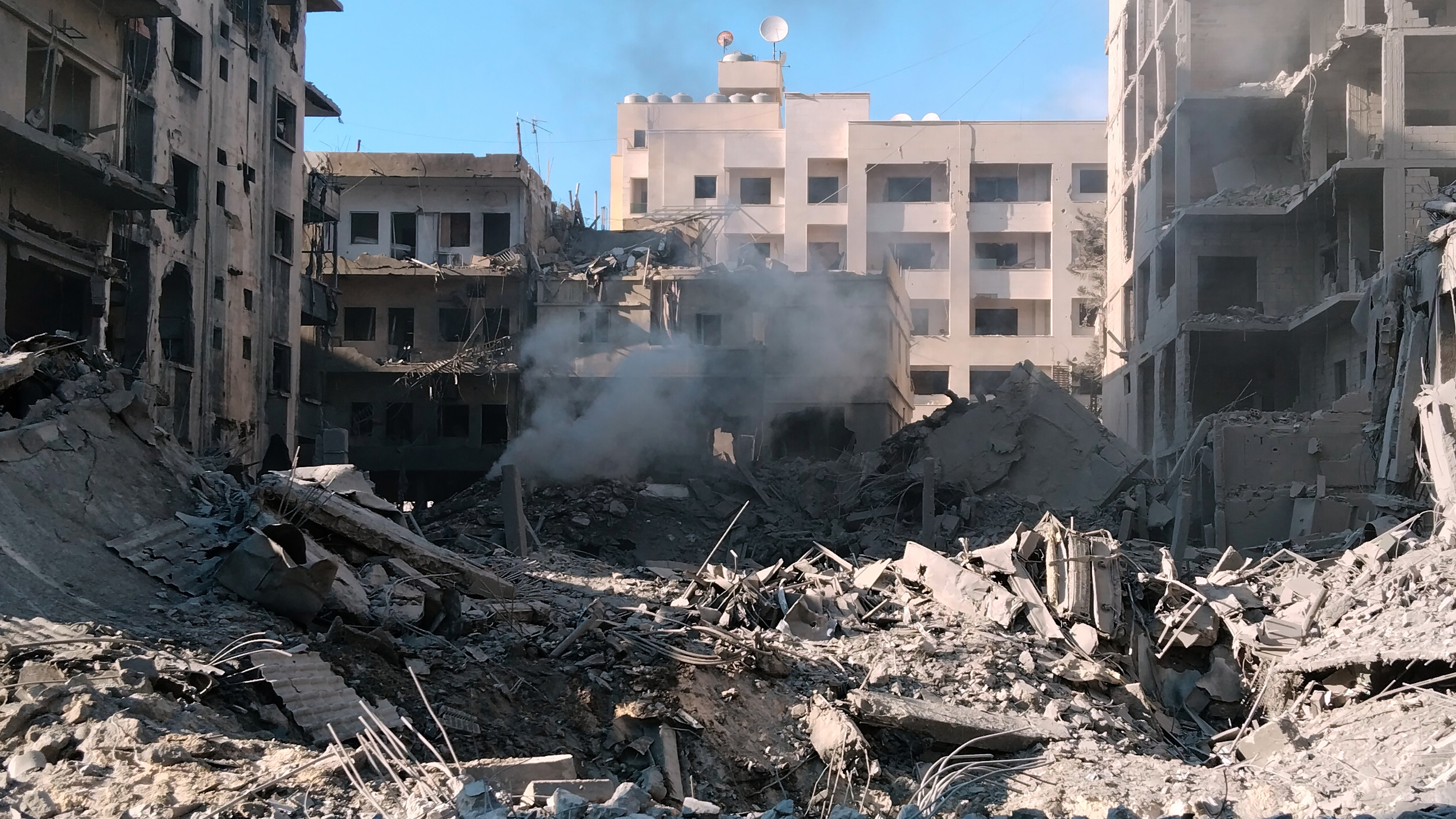
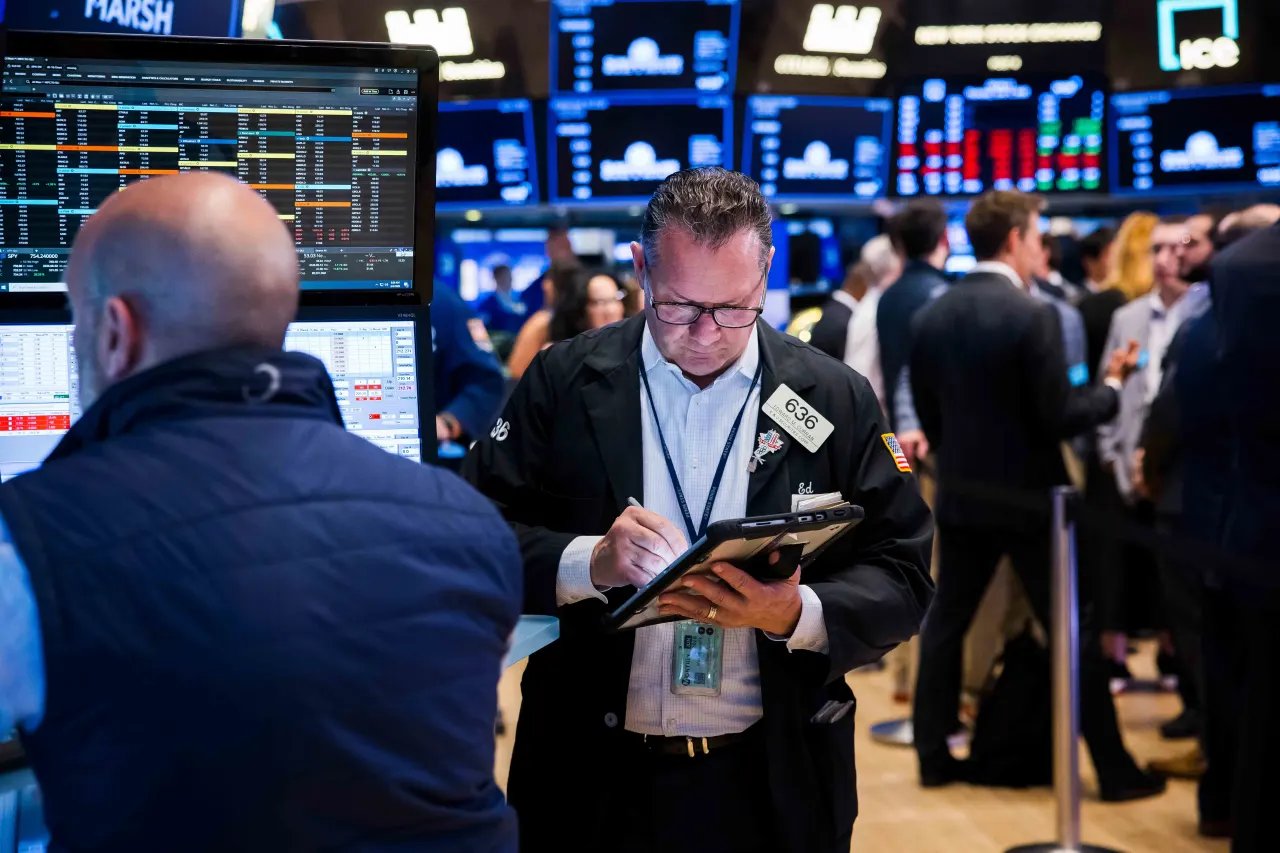
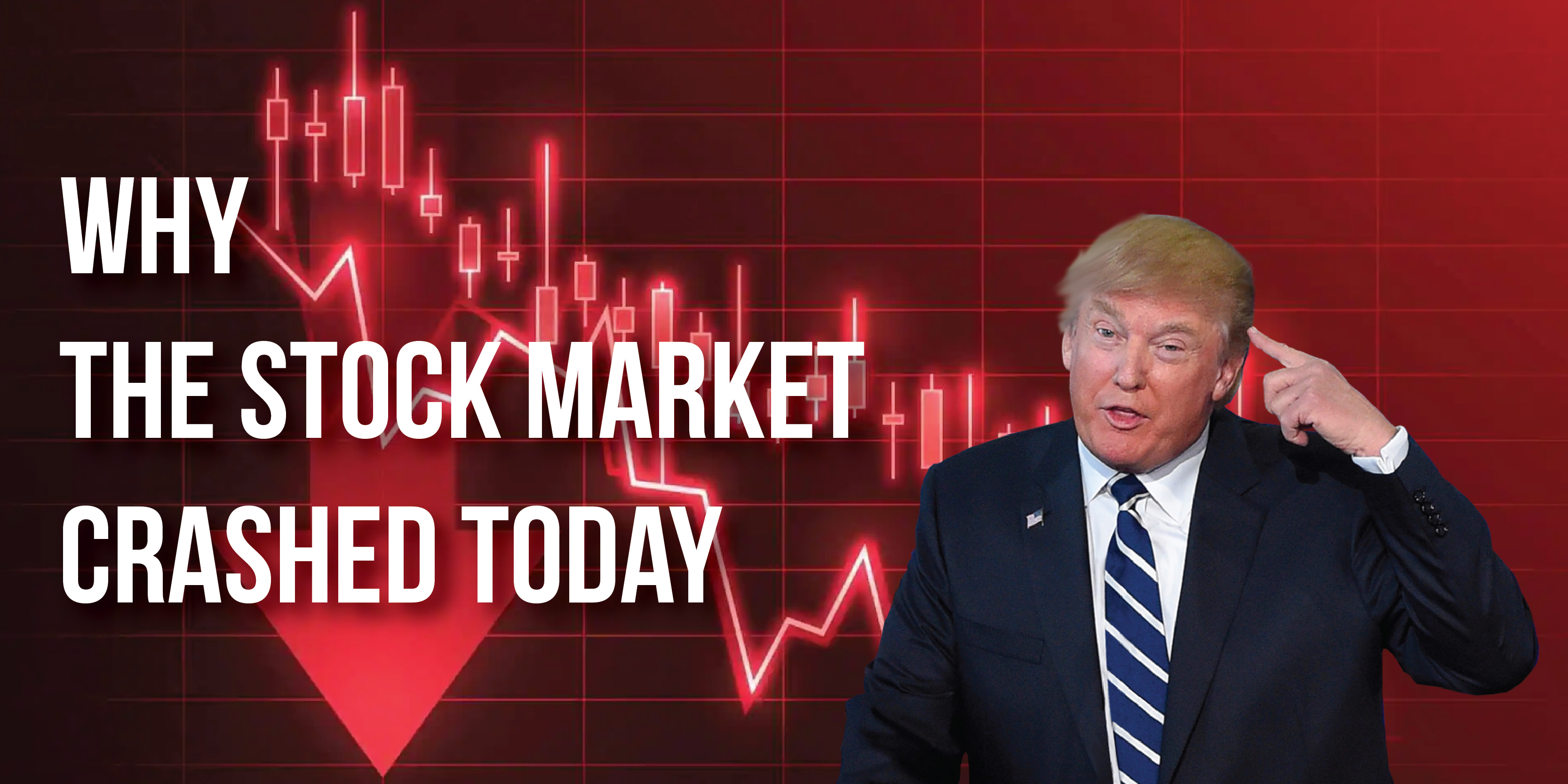
Emerging-market stocks have experienced extended losses as a reaction to rising oil prices and increased geopolitical risks in the Middle East. Investors are shifting away from stocks that benefited from the artificial intelligence sector, further compounding the challenges faced by these markets. The combination of higher oil prices and instability in the region raises concerns for economies heavily reliant on oil imports.
Broader Economic Implications
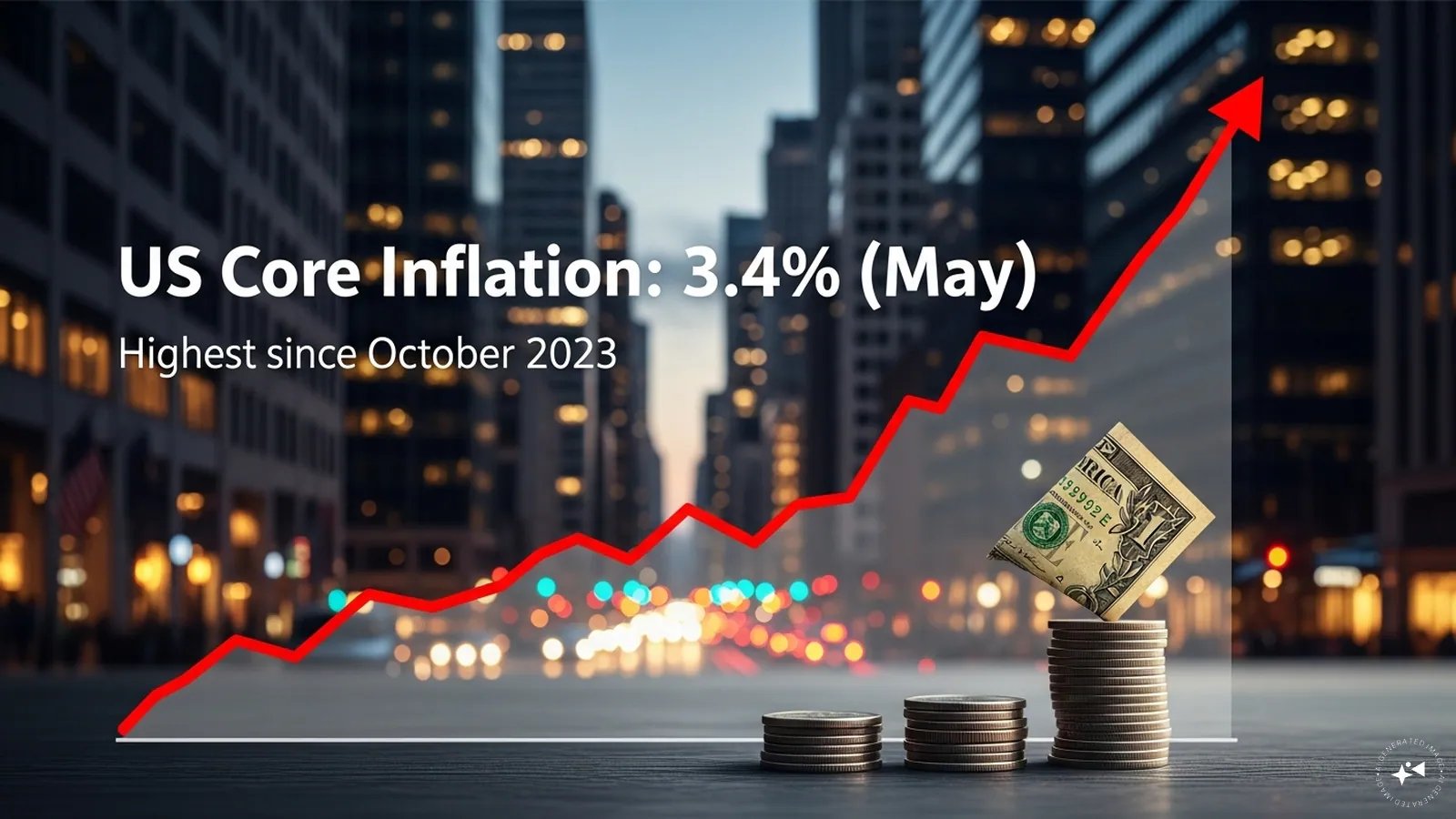
The surge in oil prices is likely to affect consumer prices and inflation globally. Increased fuel costs may lead to higher transportation and production expenses, ultimately impacting goods and services. Analysts warn that sustained high oil prices could stifle economic growth, particularly in countries already grappling with inflationary pressures.
Next Steps for Consumers and Businesses
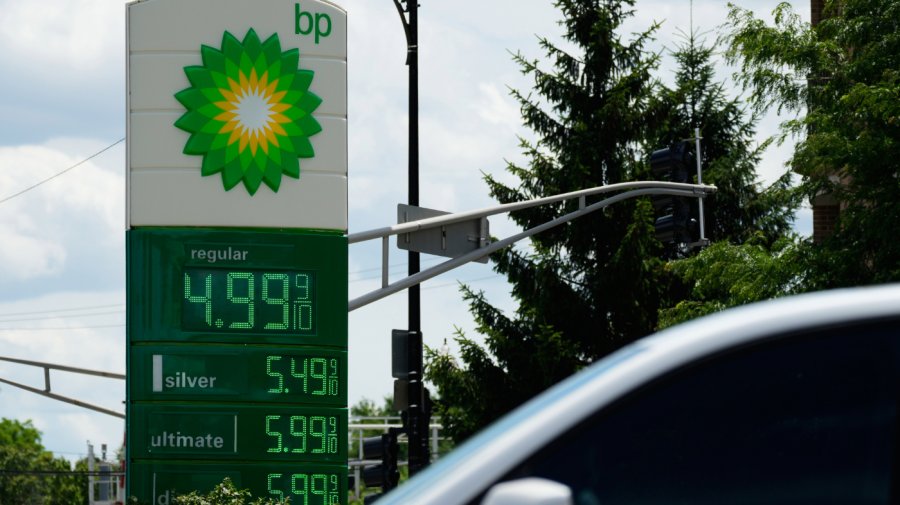
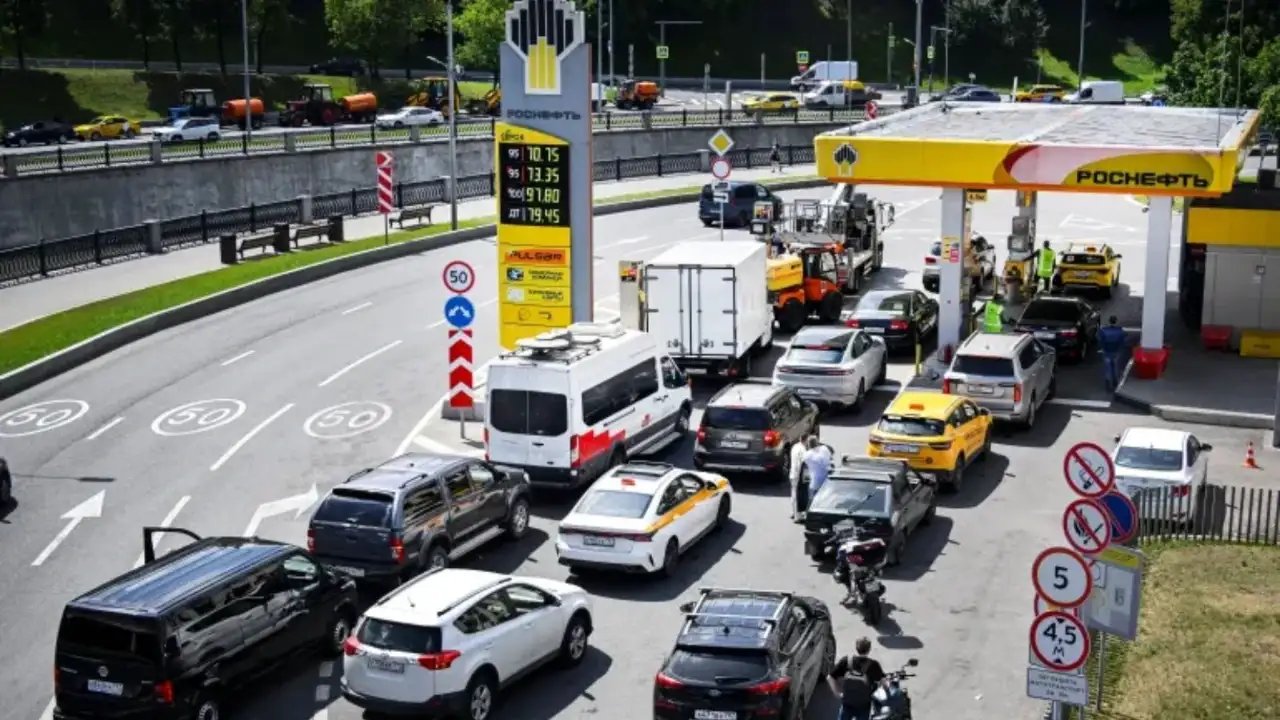
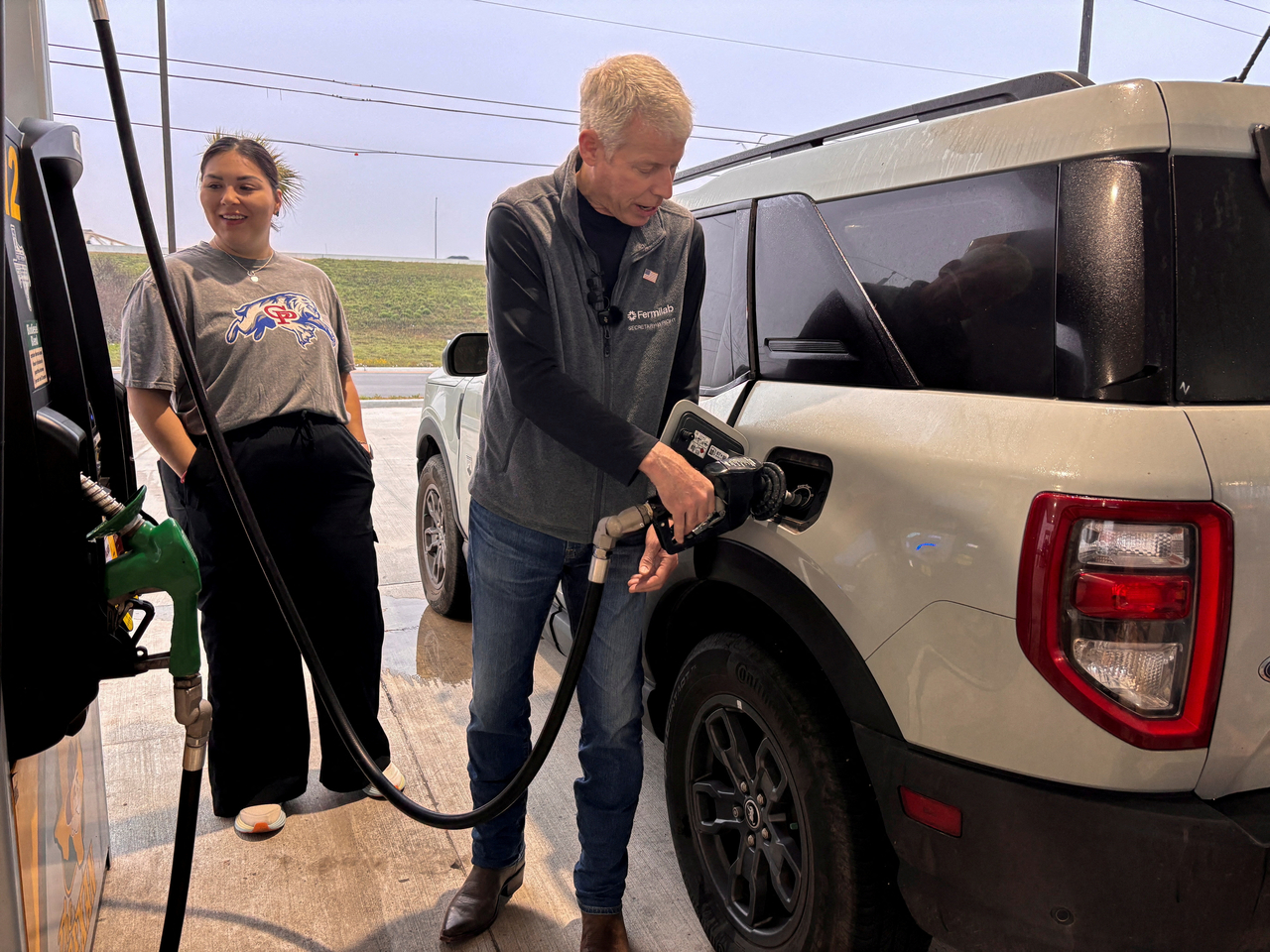
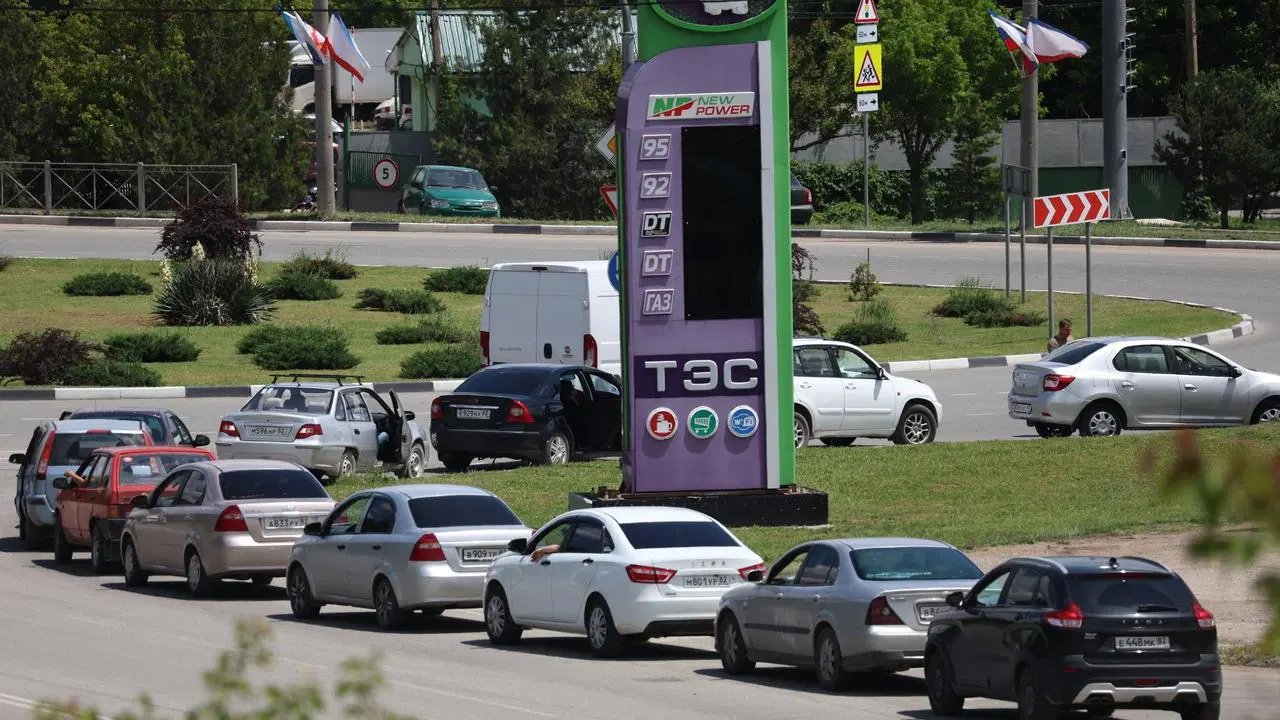
As oil prices continue to climb, consumers may soon notice the effects at the gas pump and in the prices of everyday goods. Businesses, especially those in transportation and logistics, will need to adapt to higher operational costs. Stakeholders across various sectors should prepare for potential changes in market dynamics as the geopolitical landscape evolves.