




Shift in U.S. Policy Toward Turkey
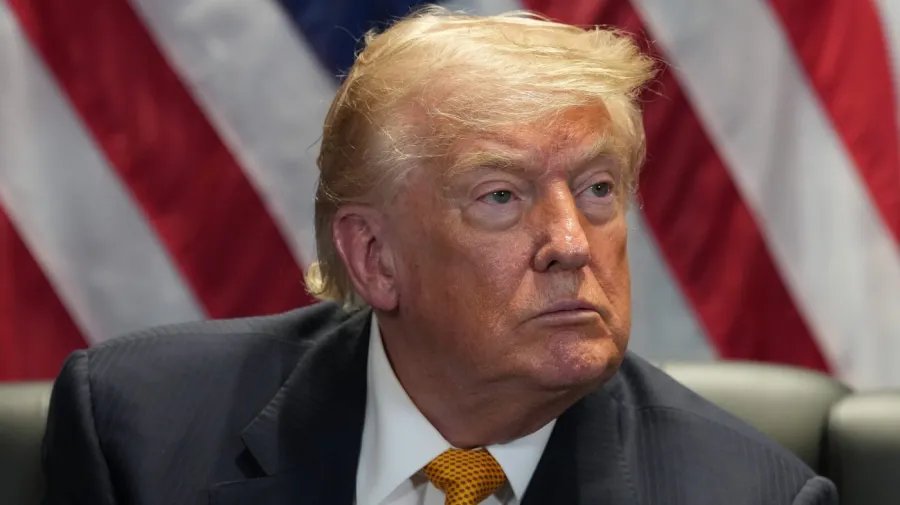
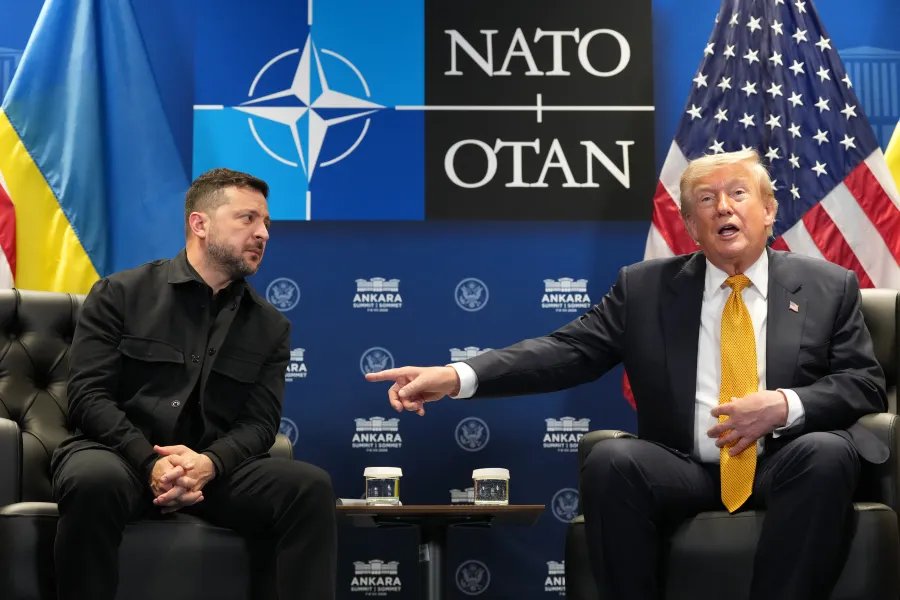
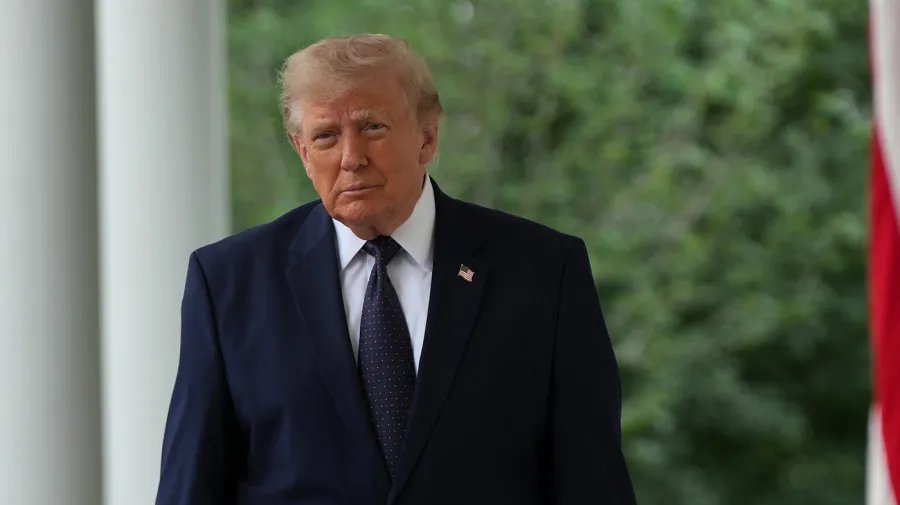
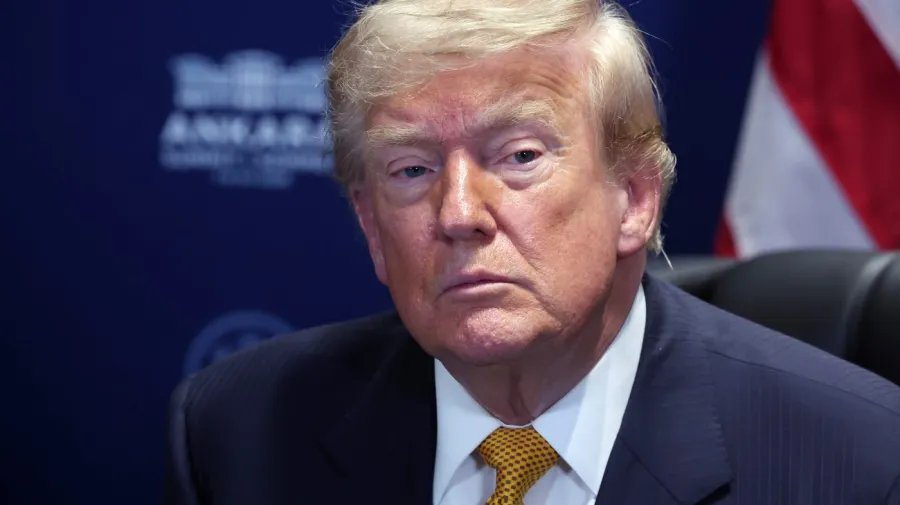
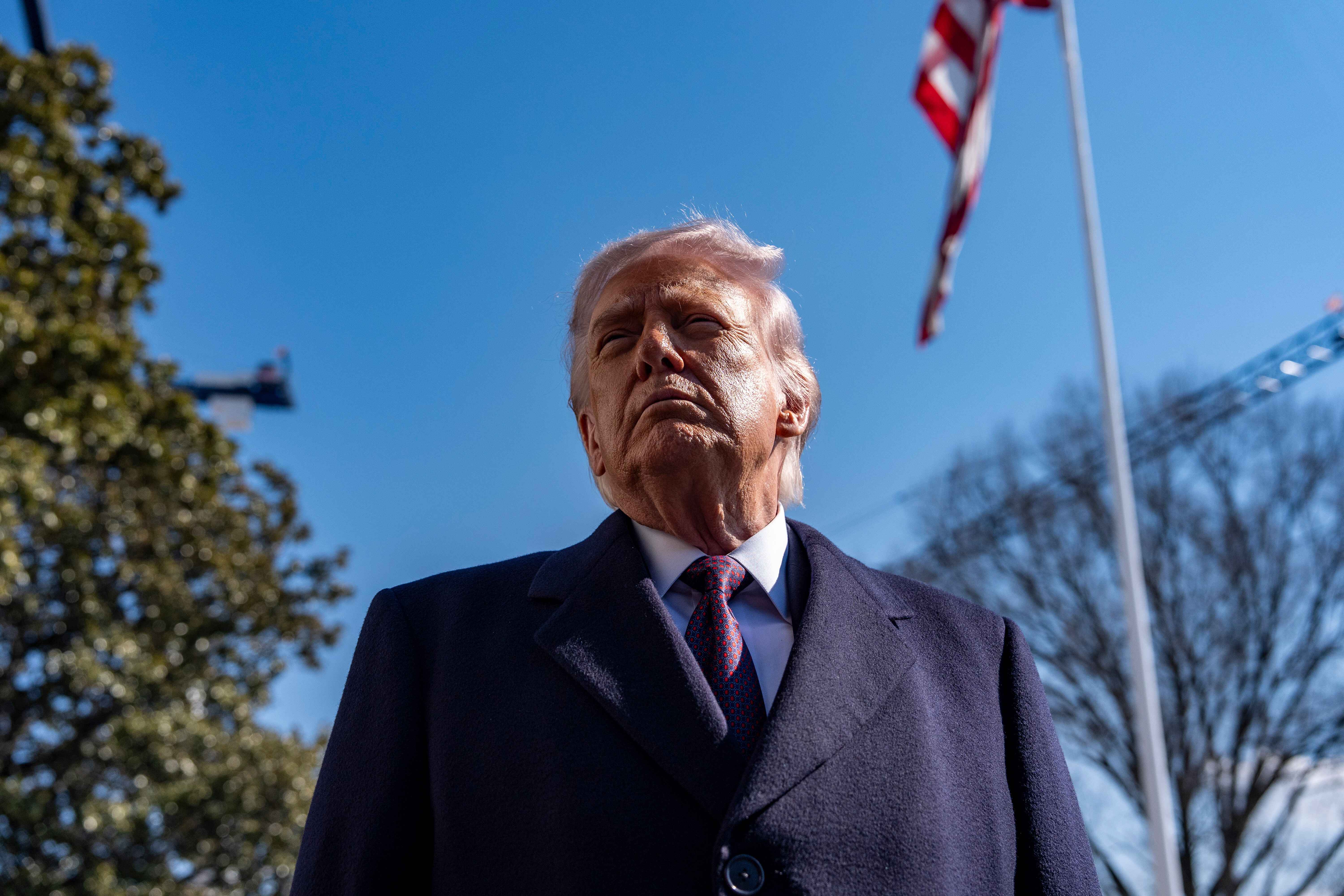
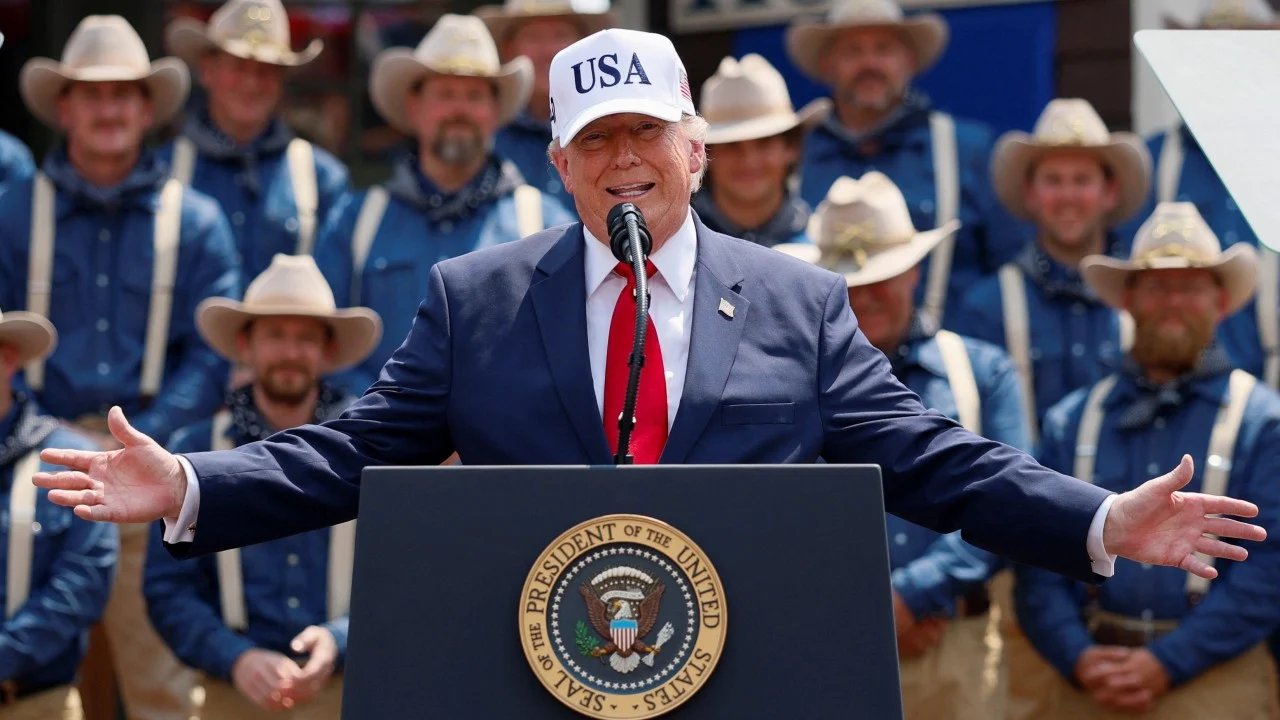
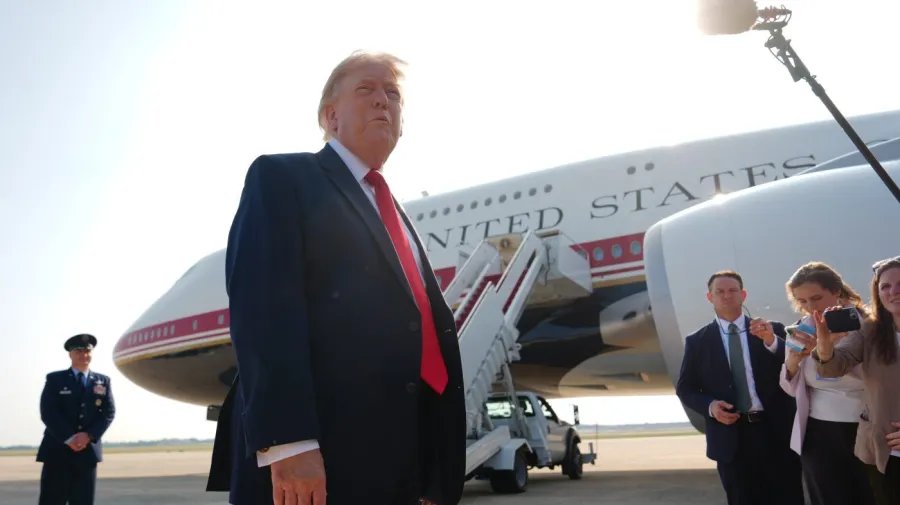
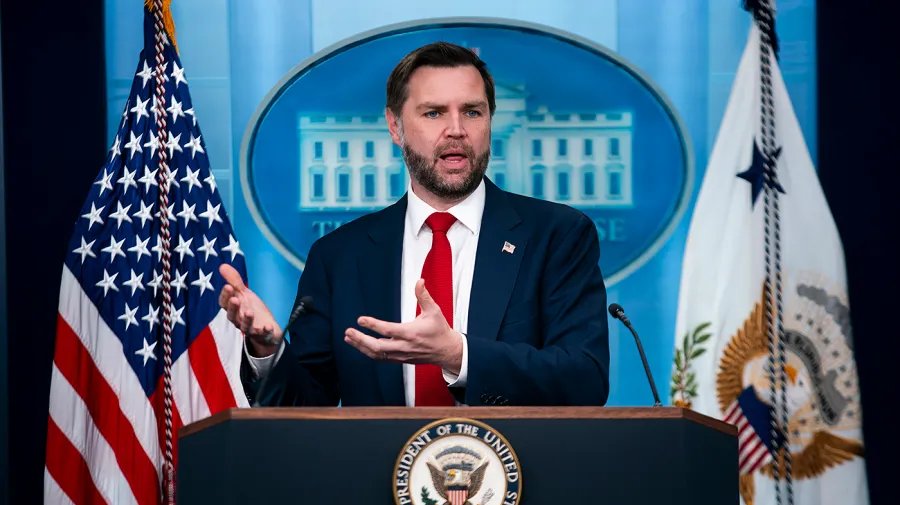
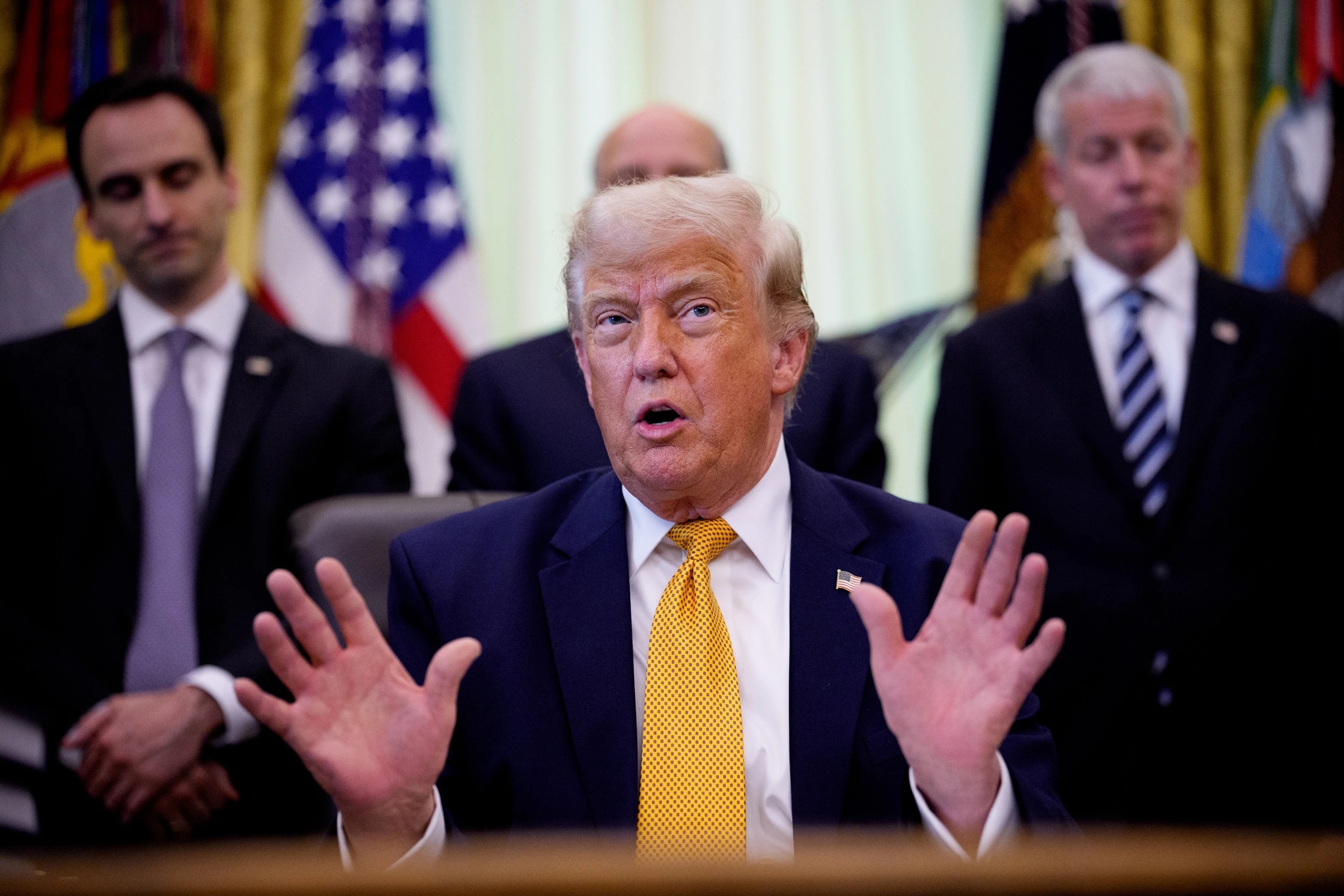
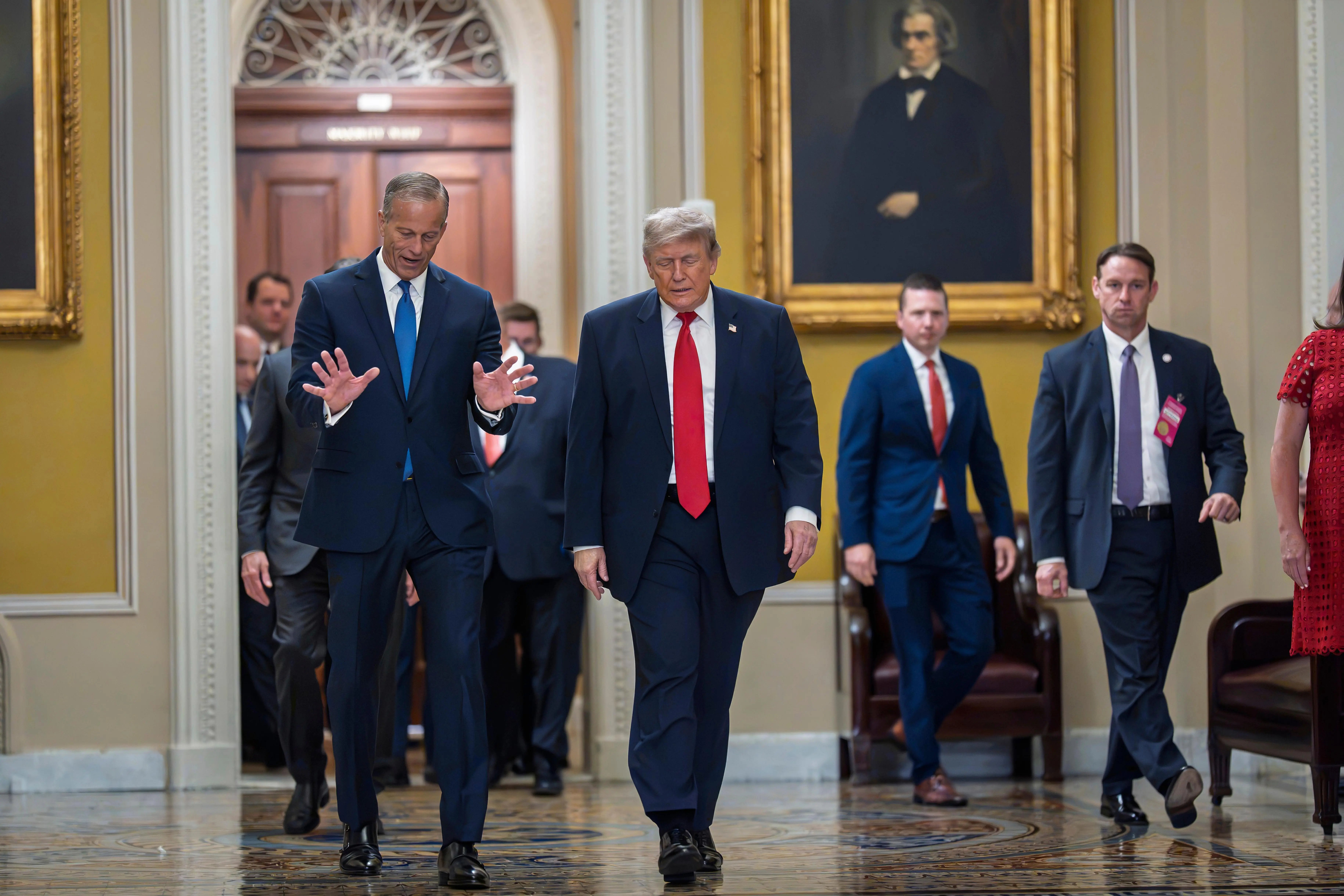
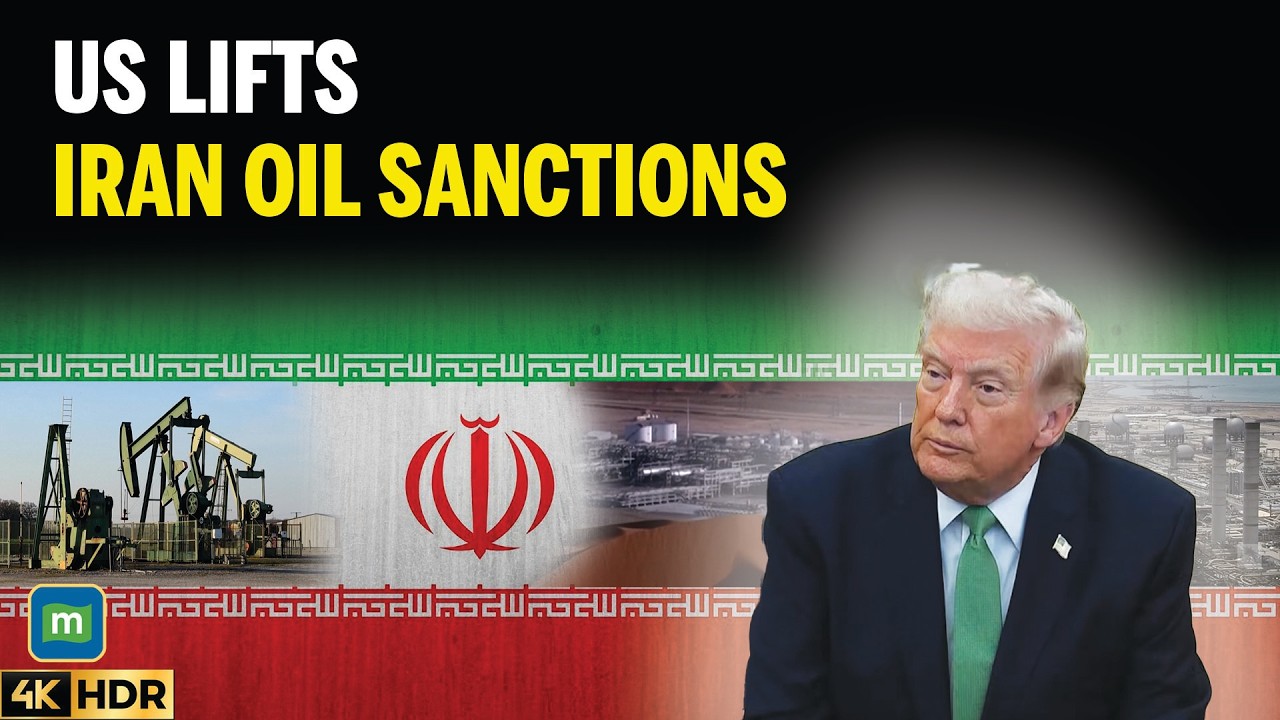
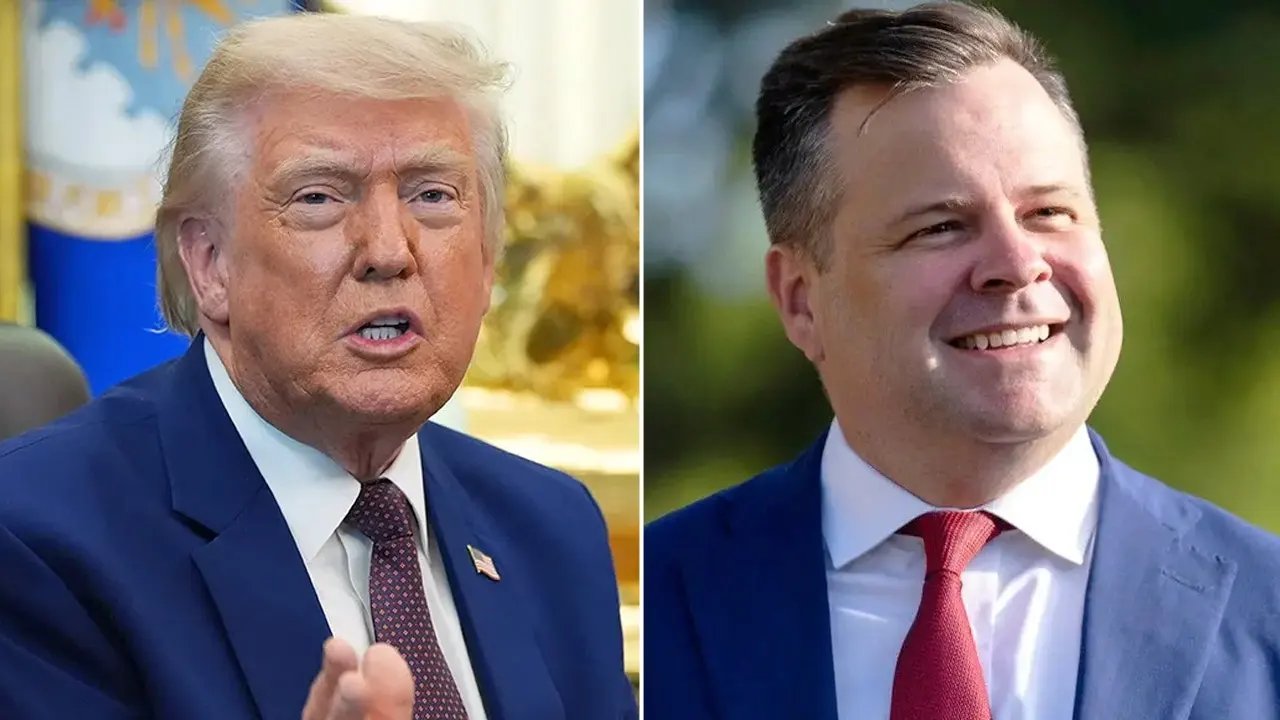
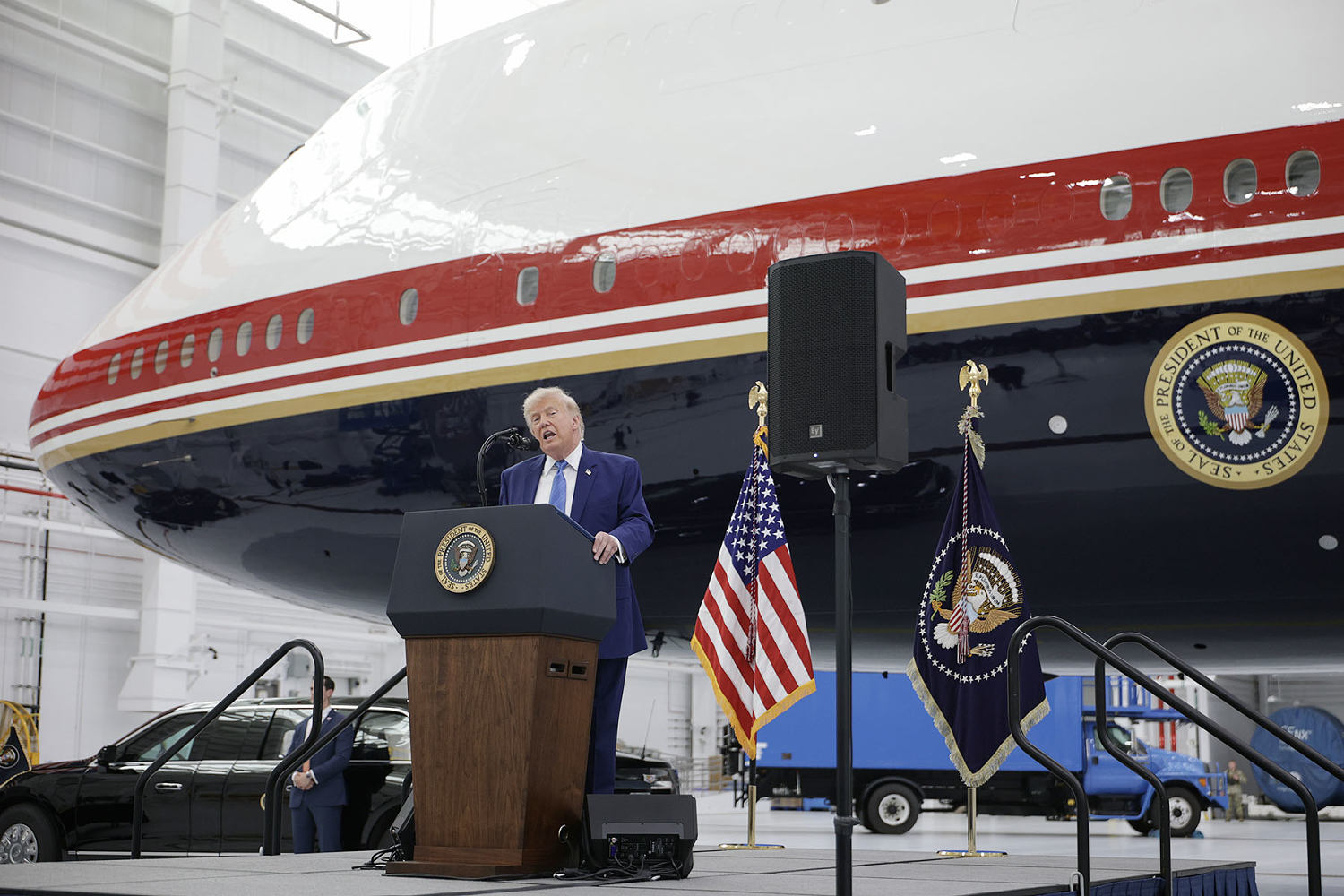
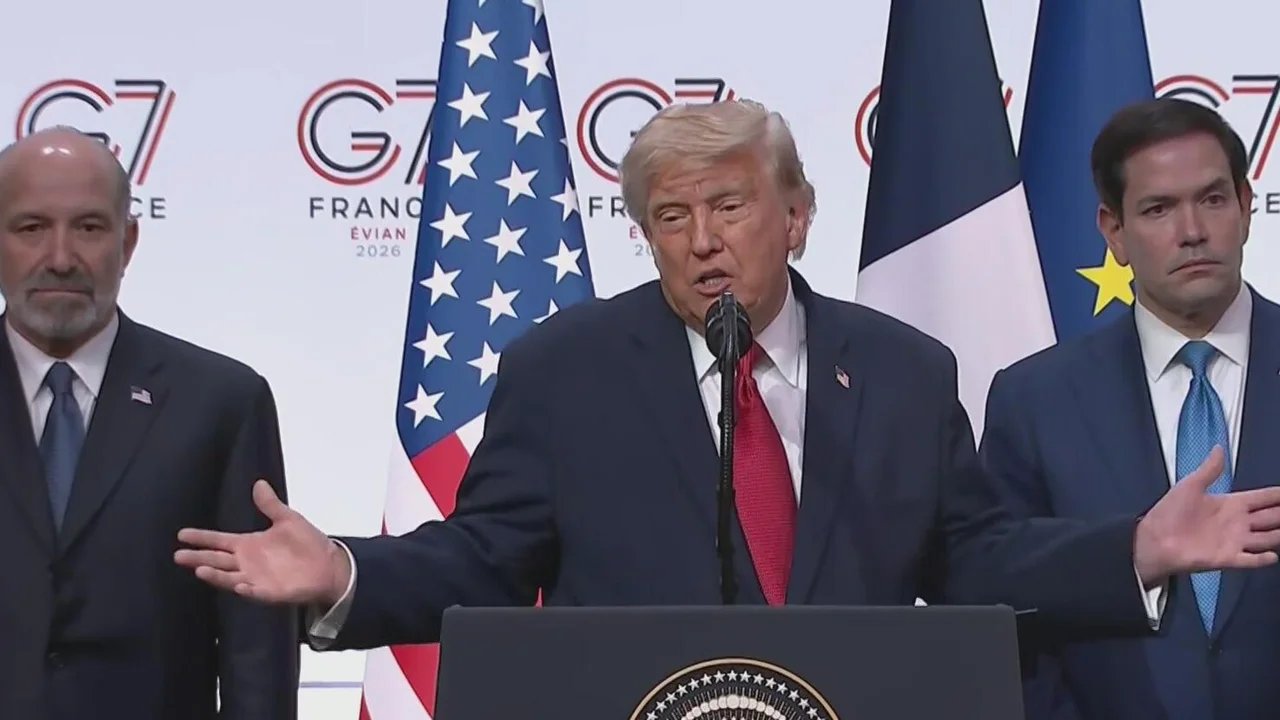
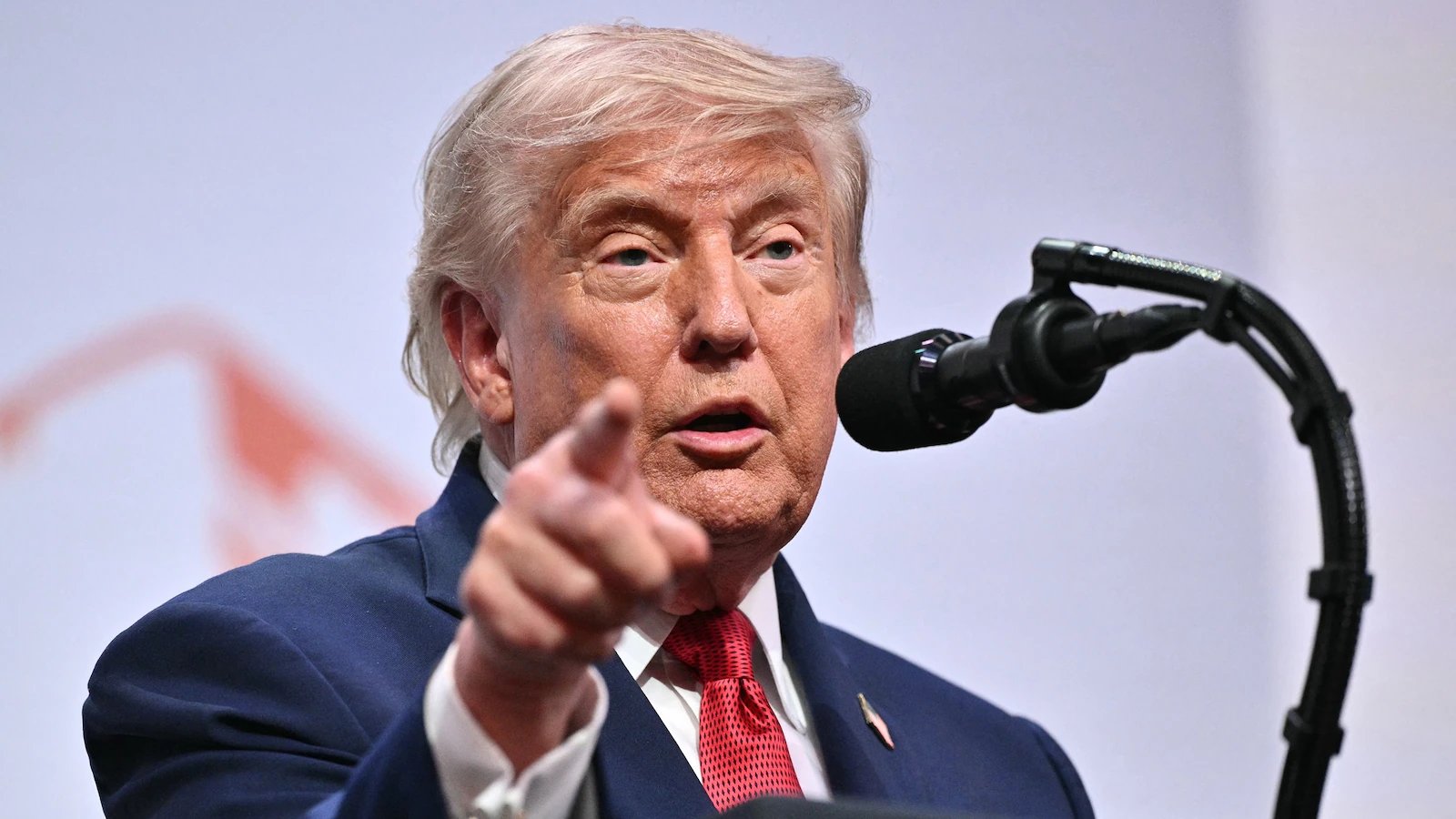
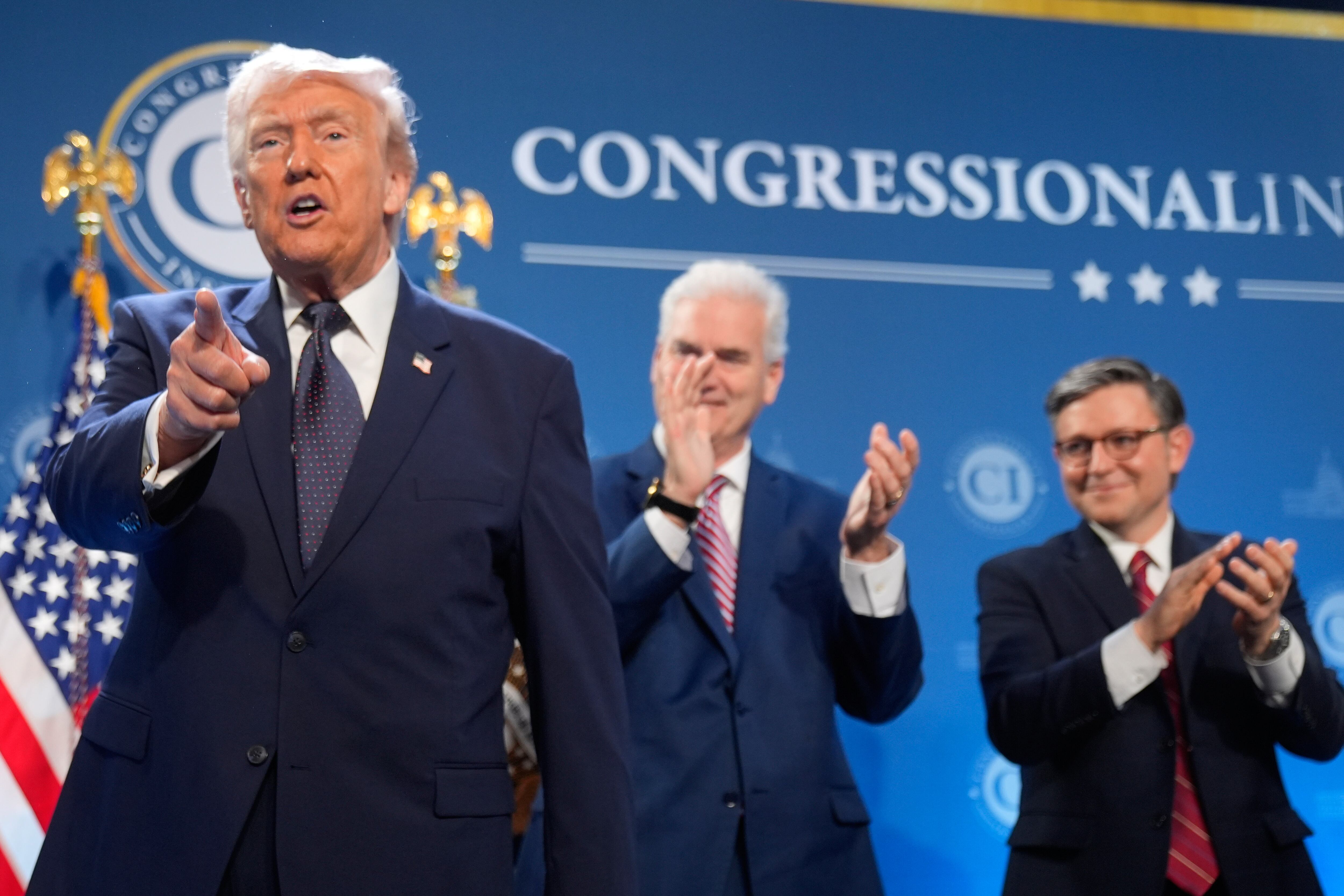
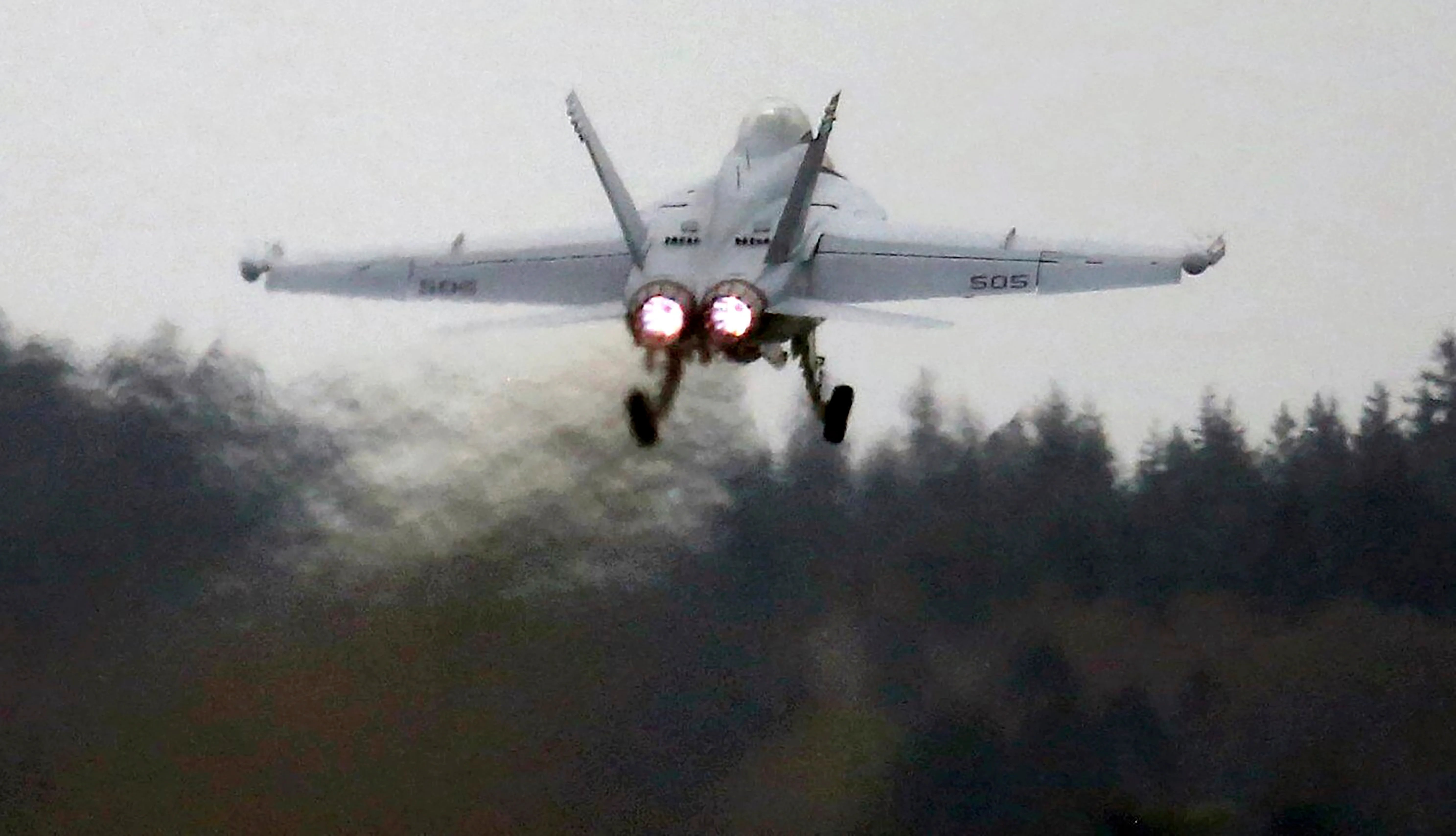
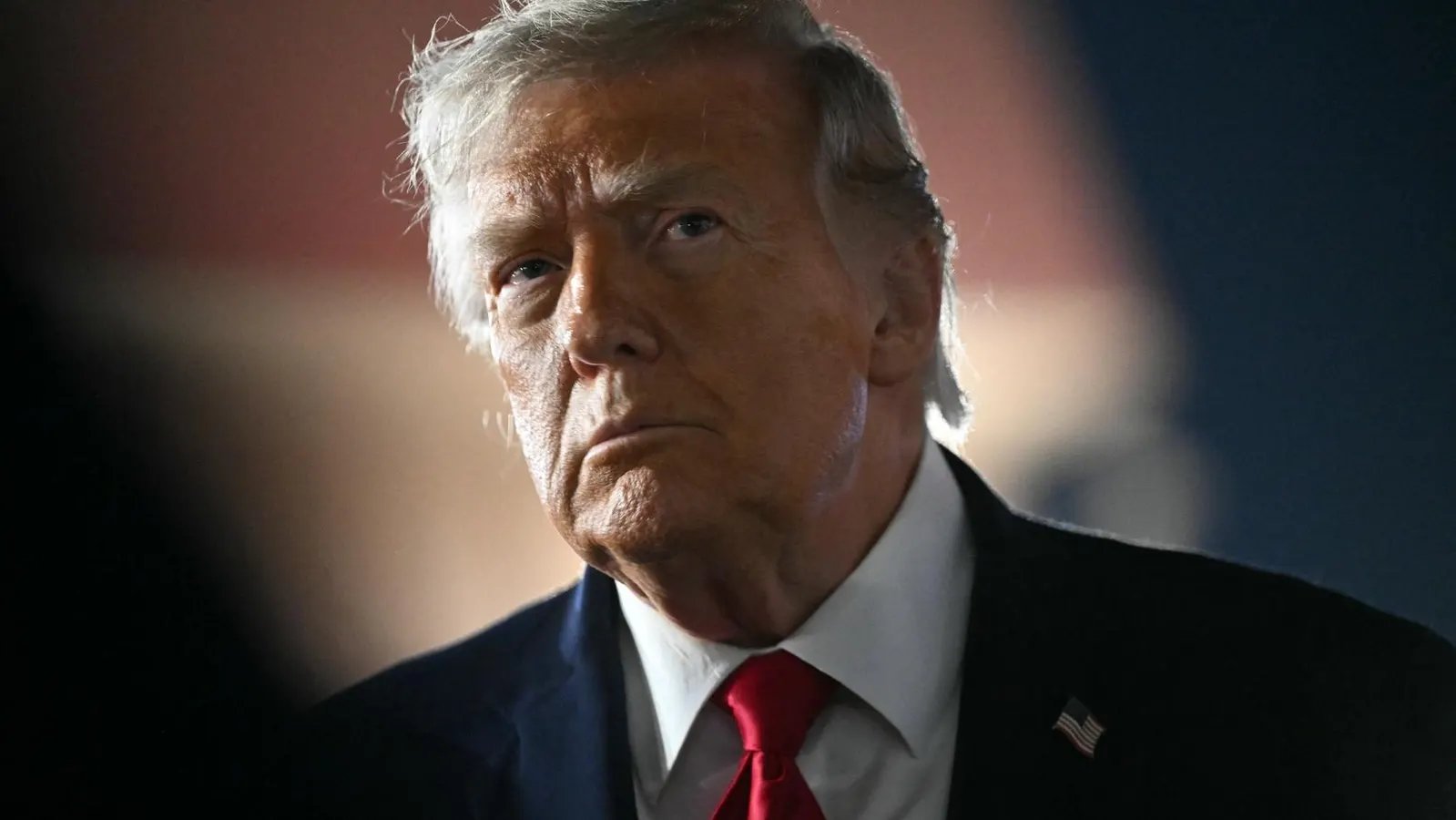
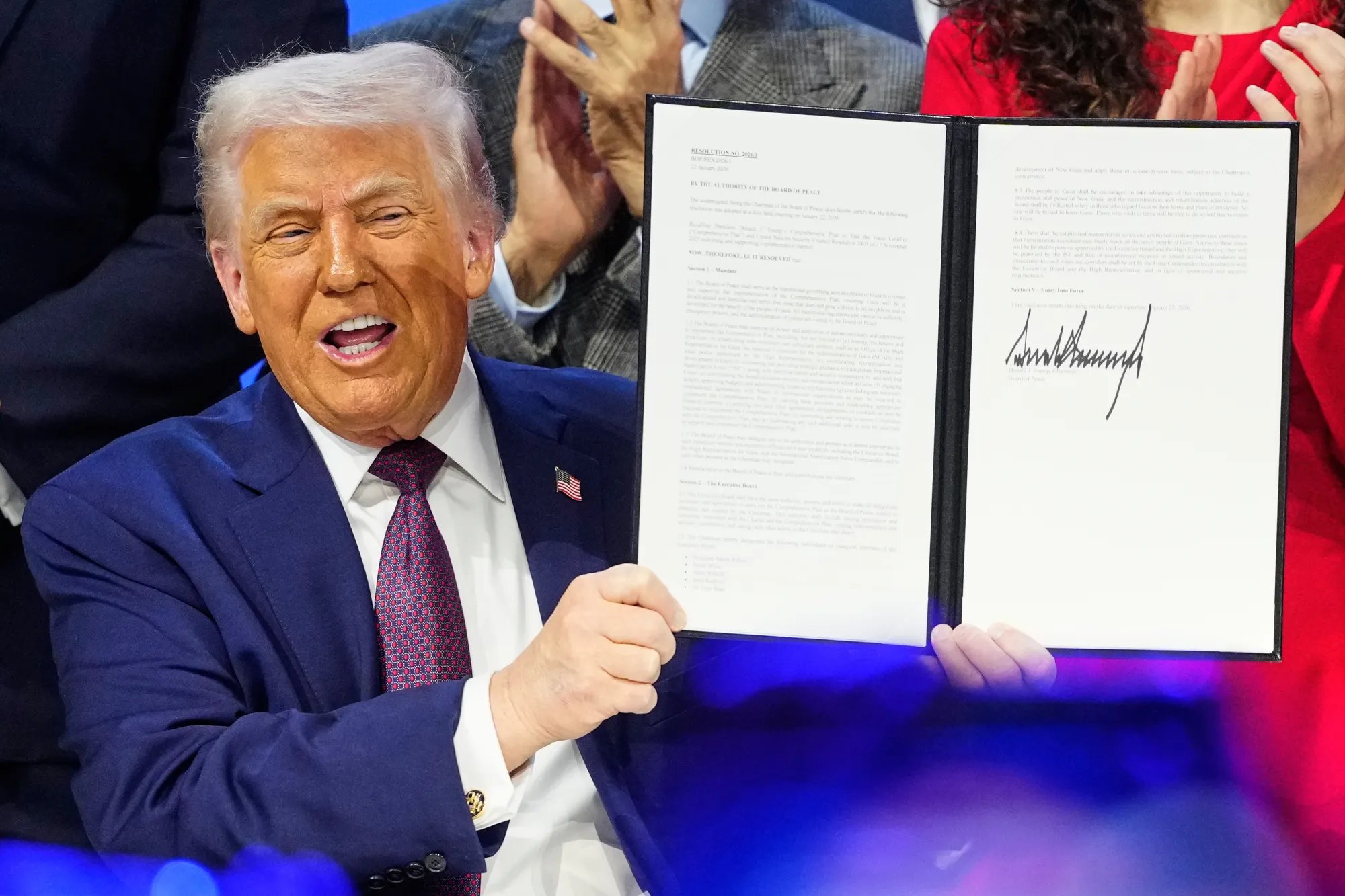
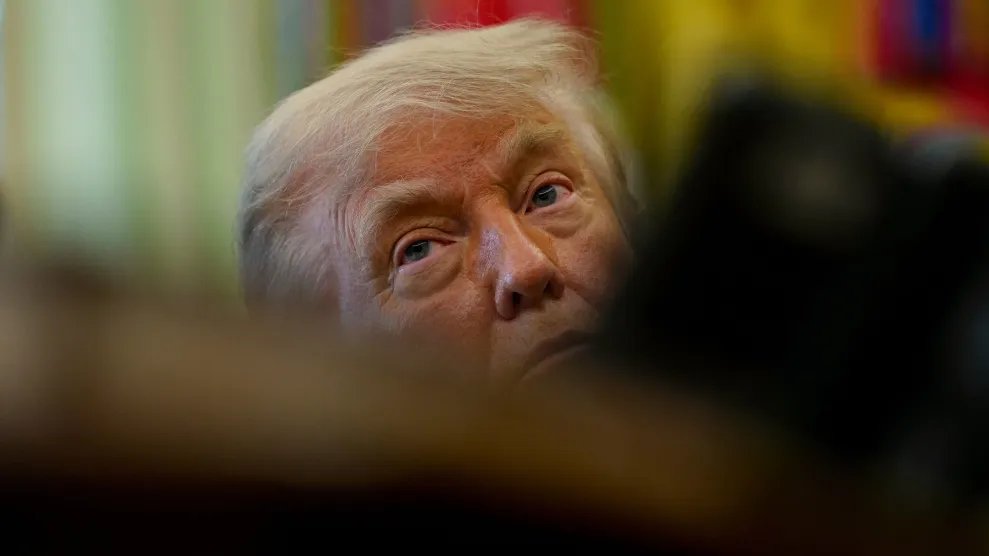
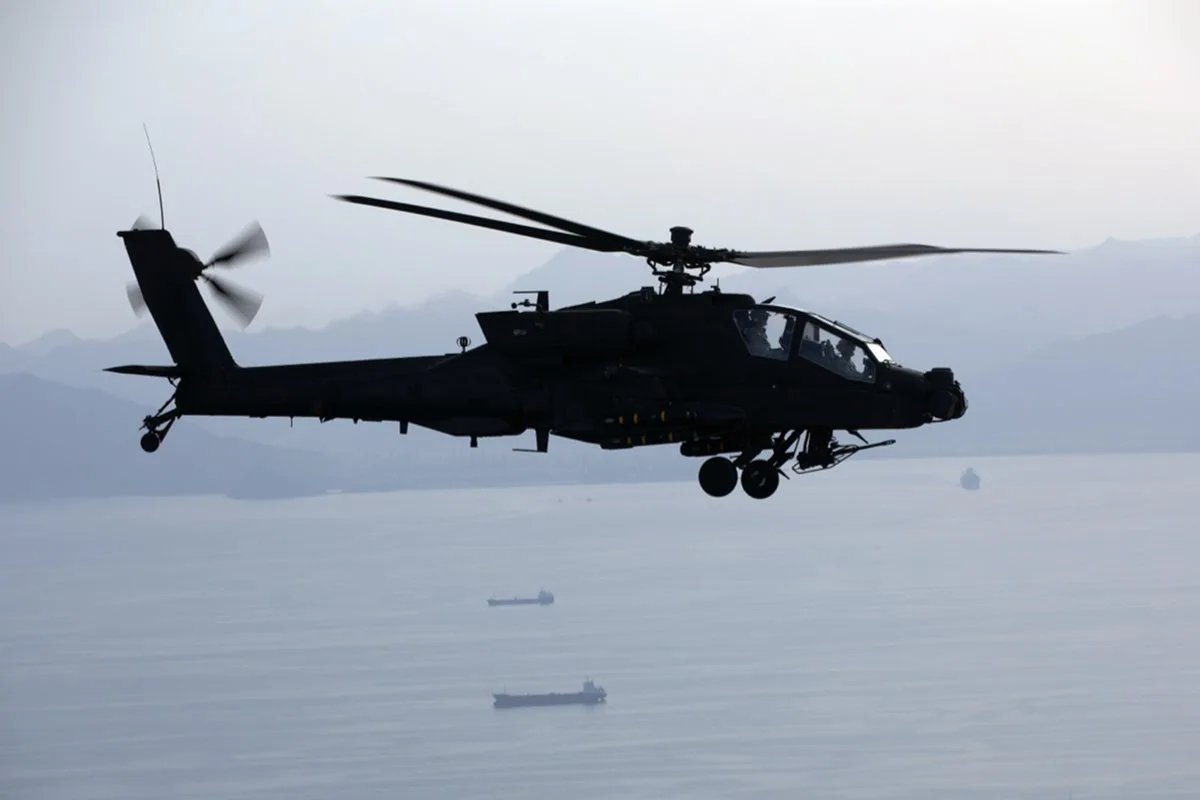
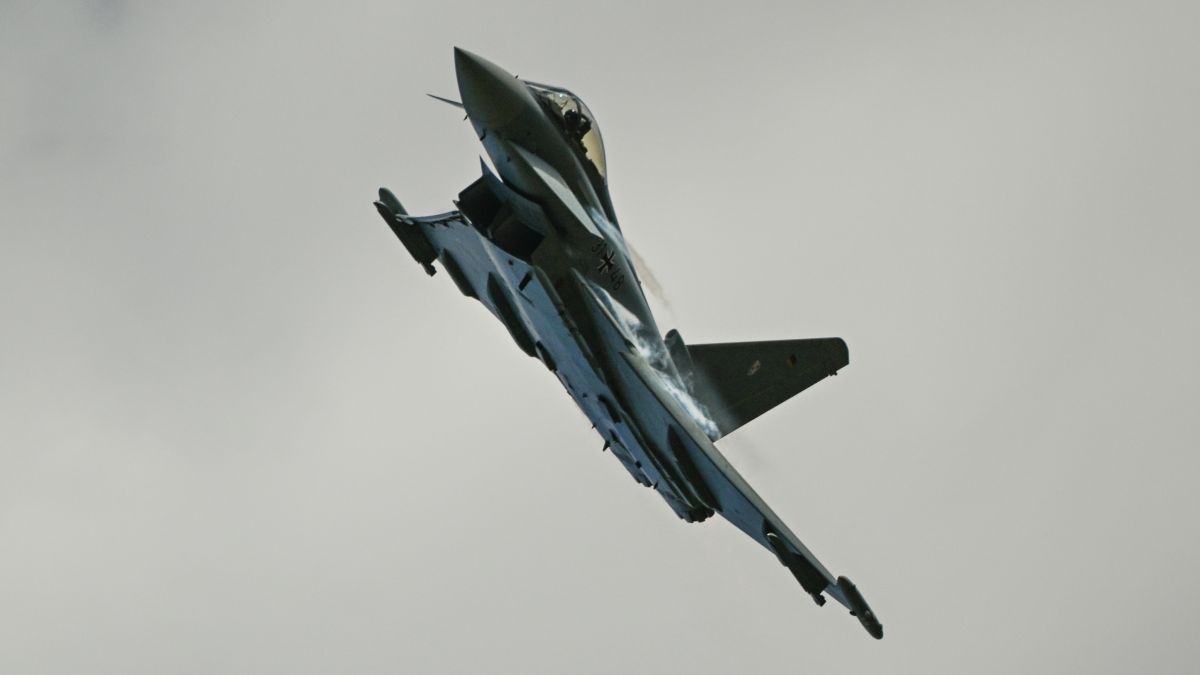
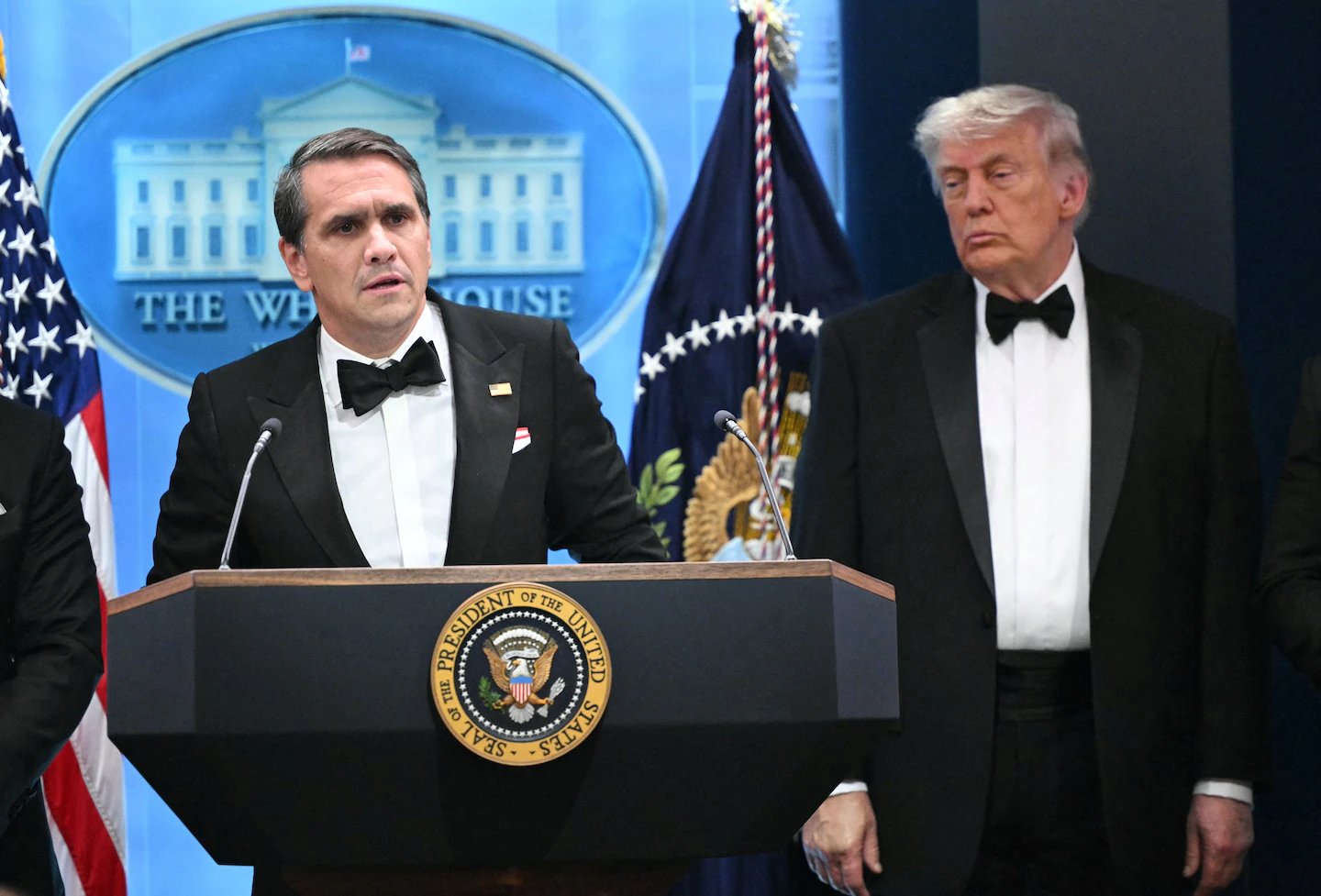
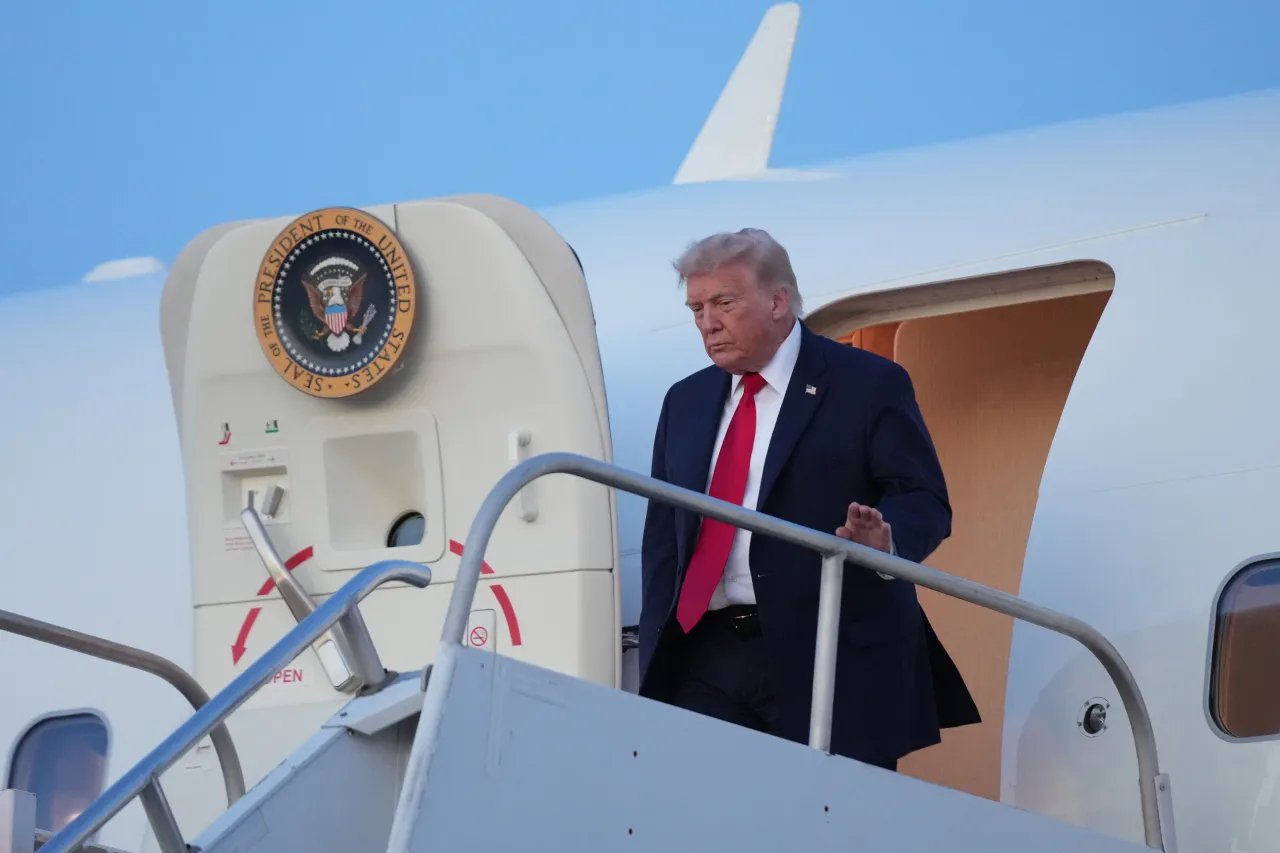
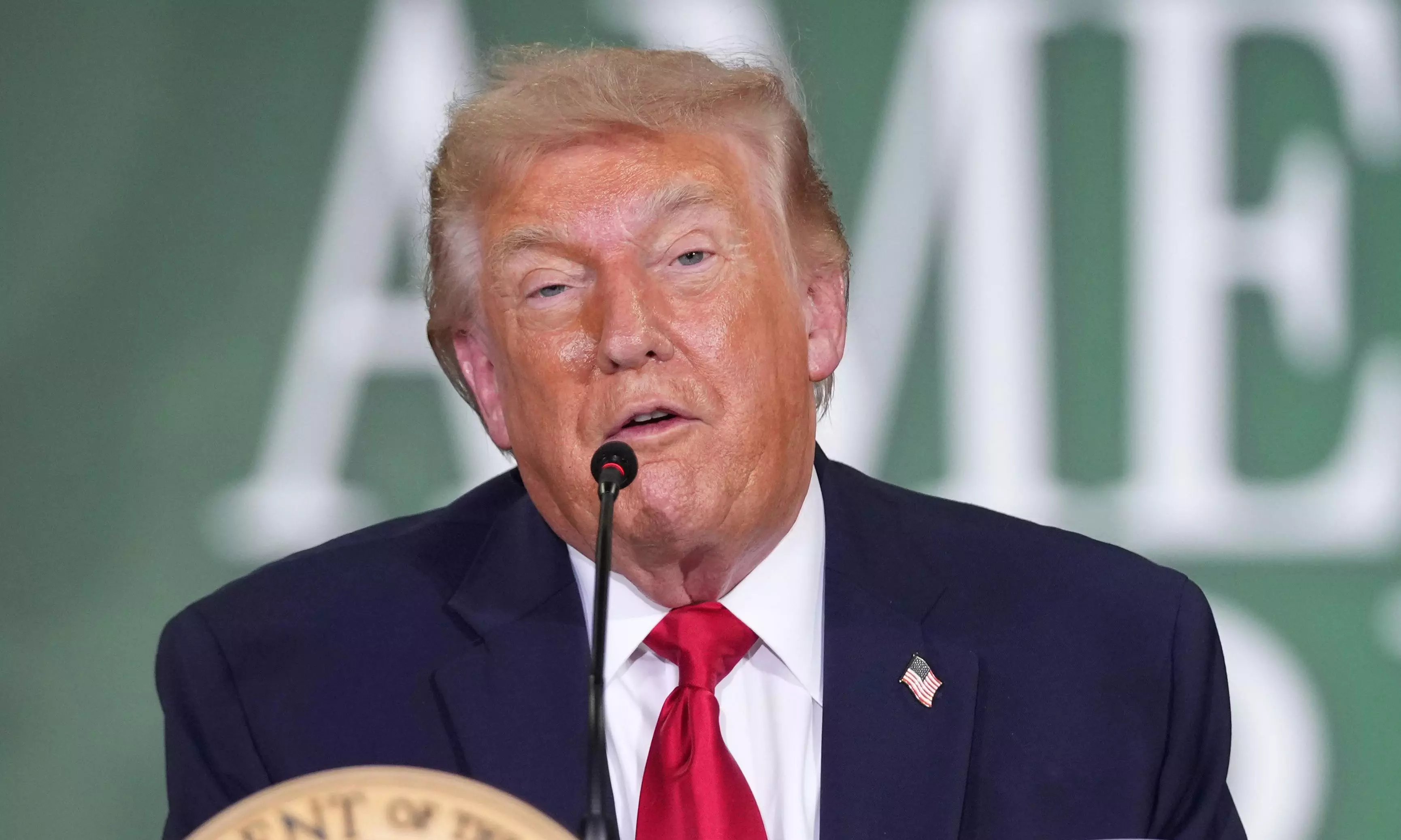
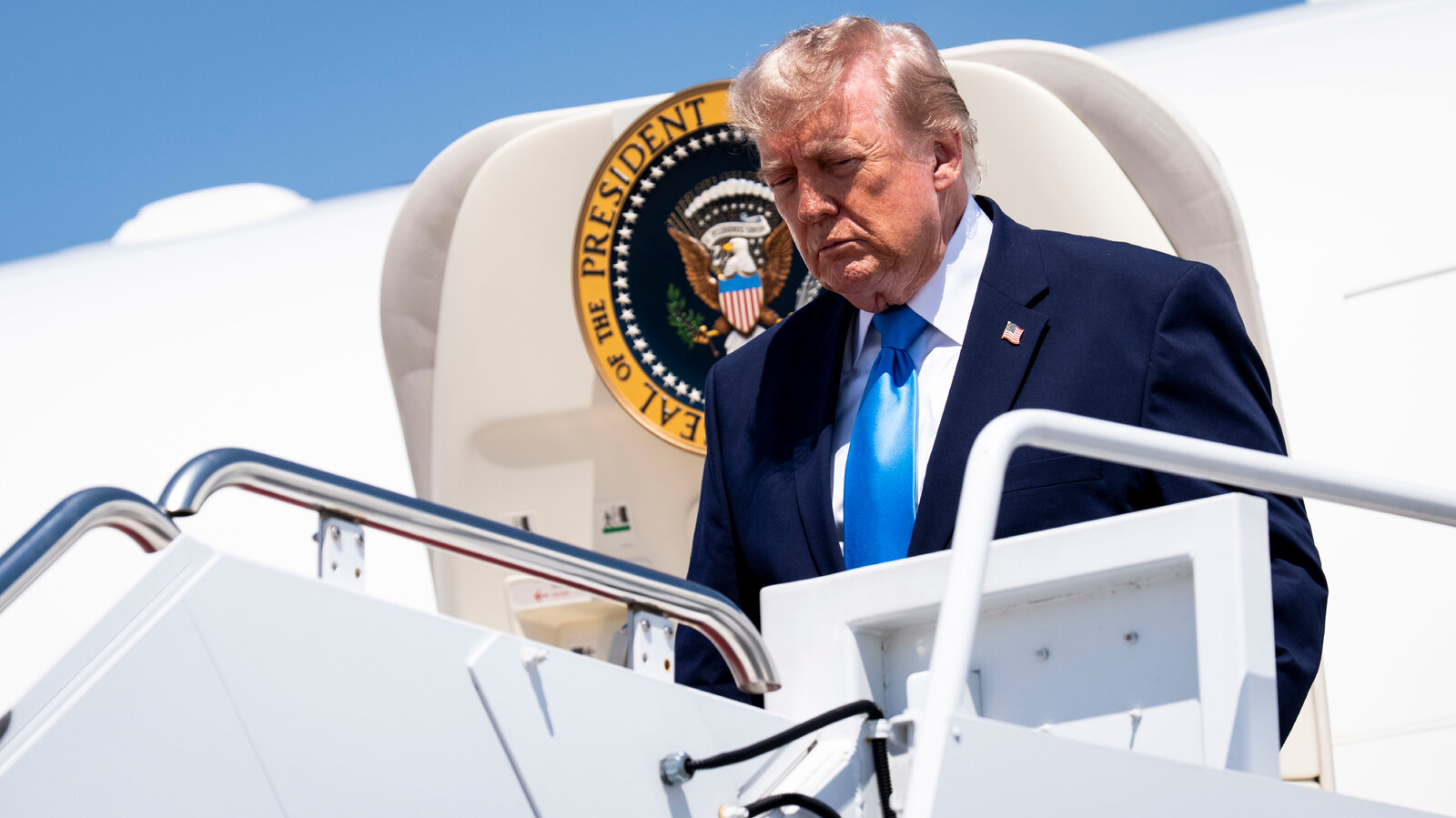
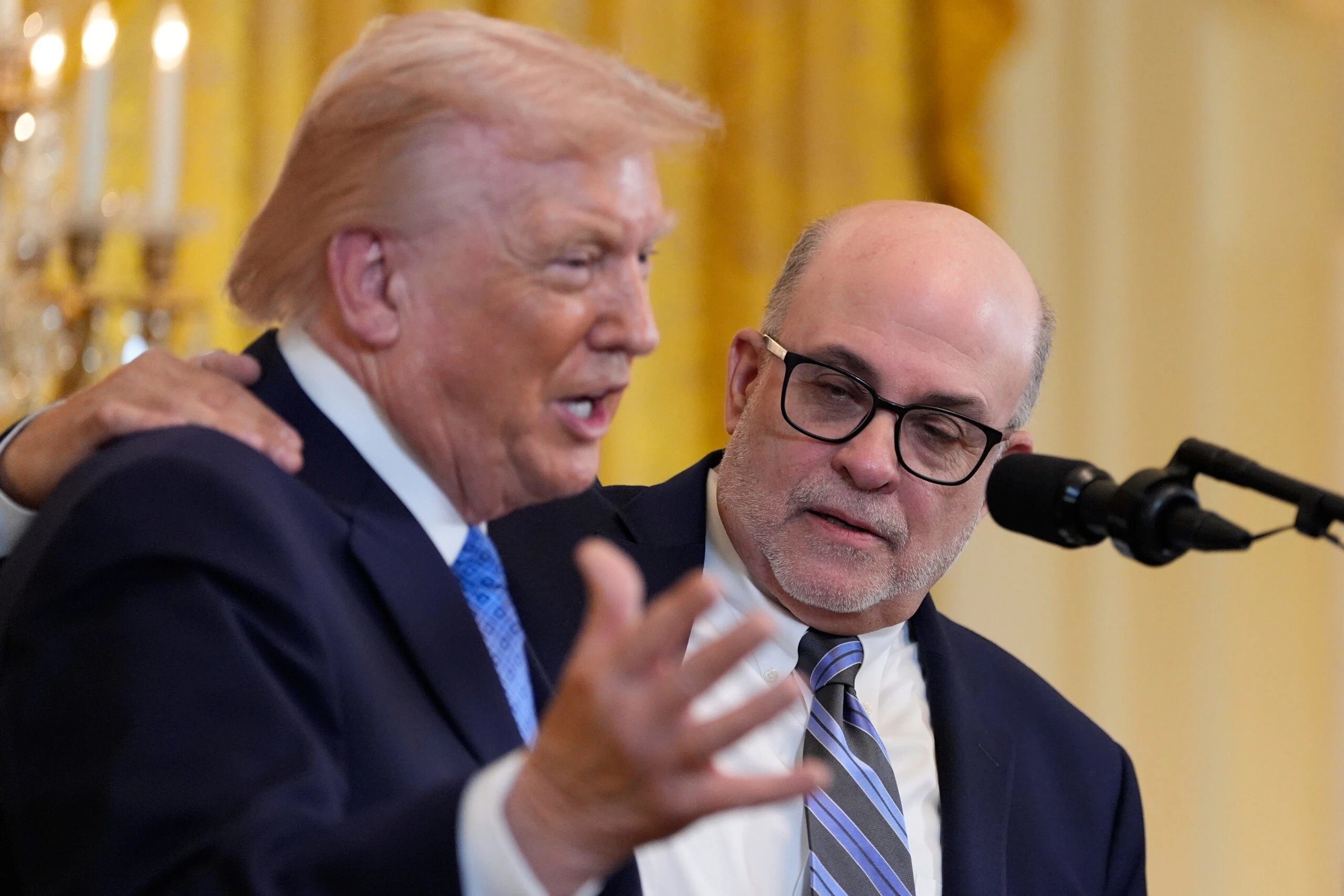
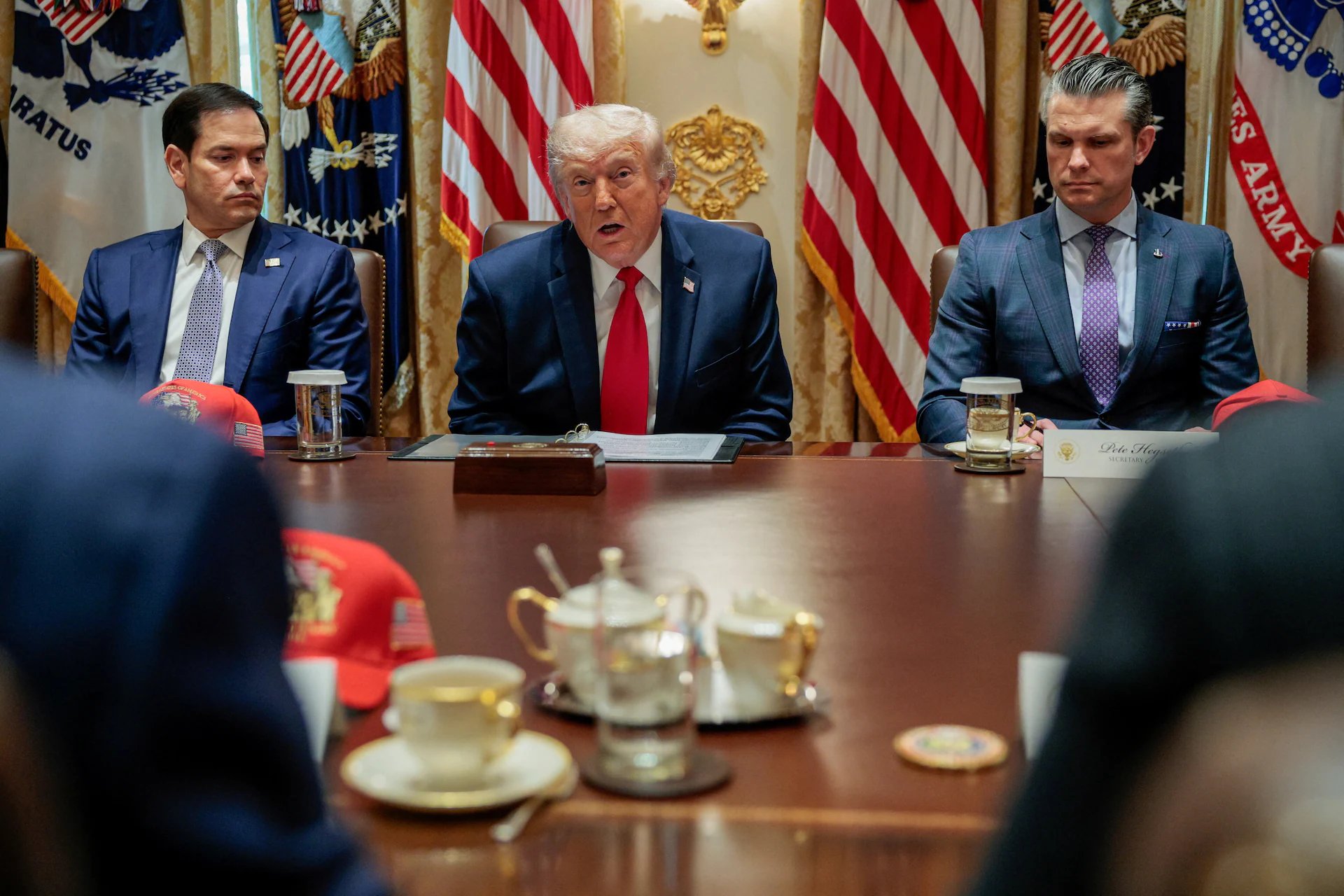
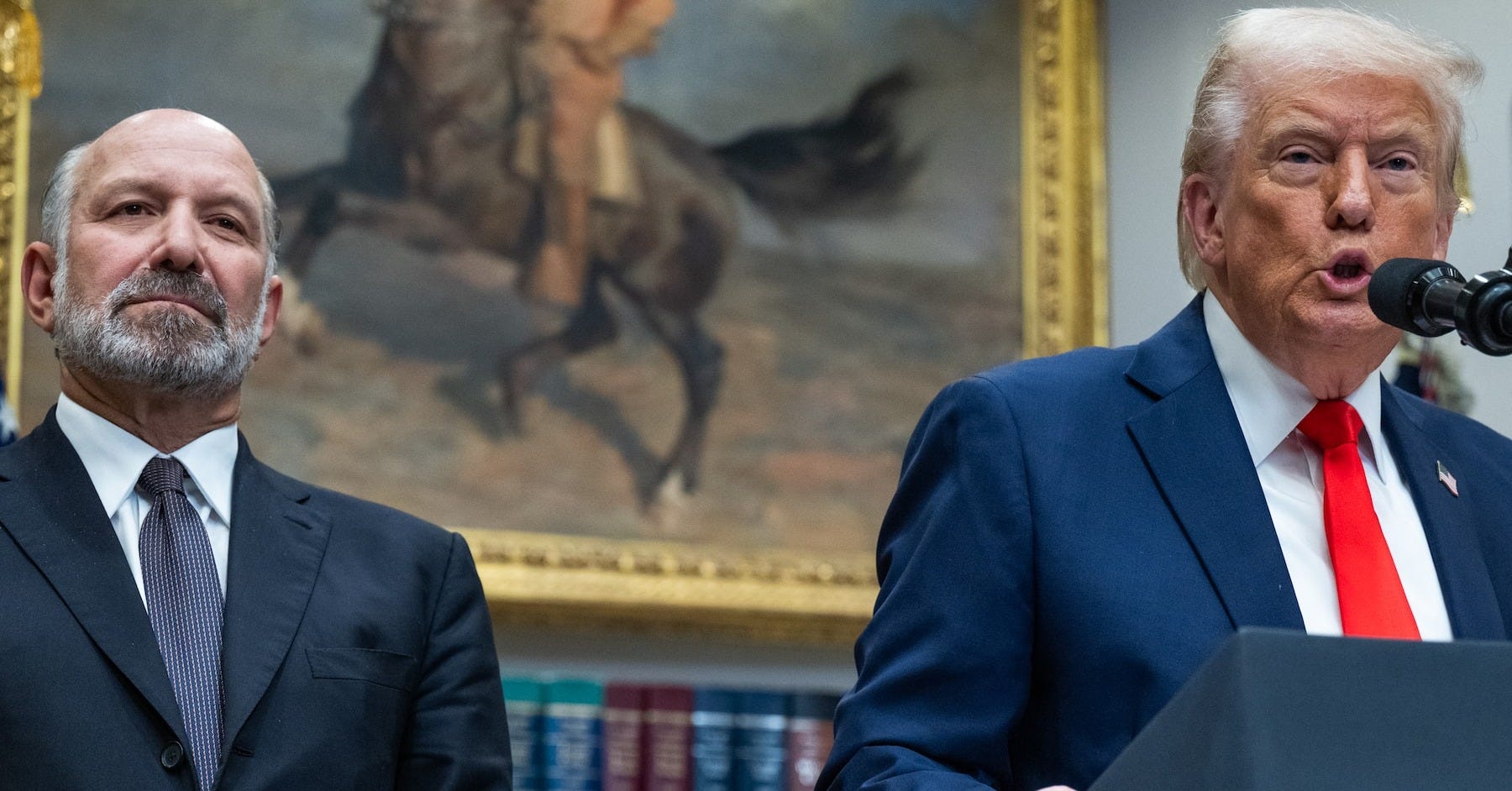
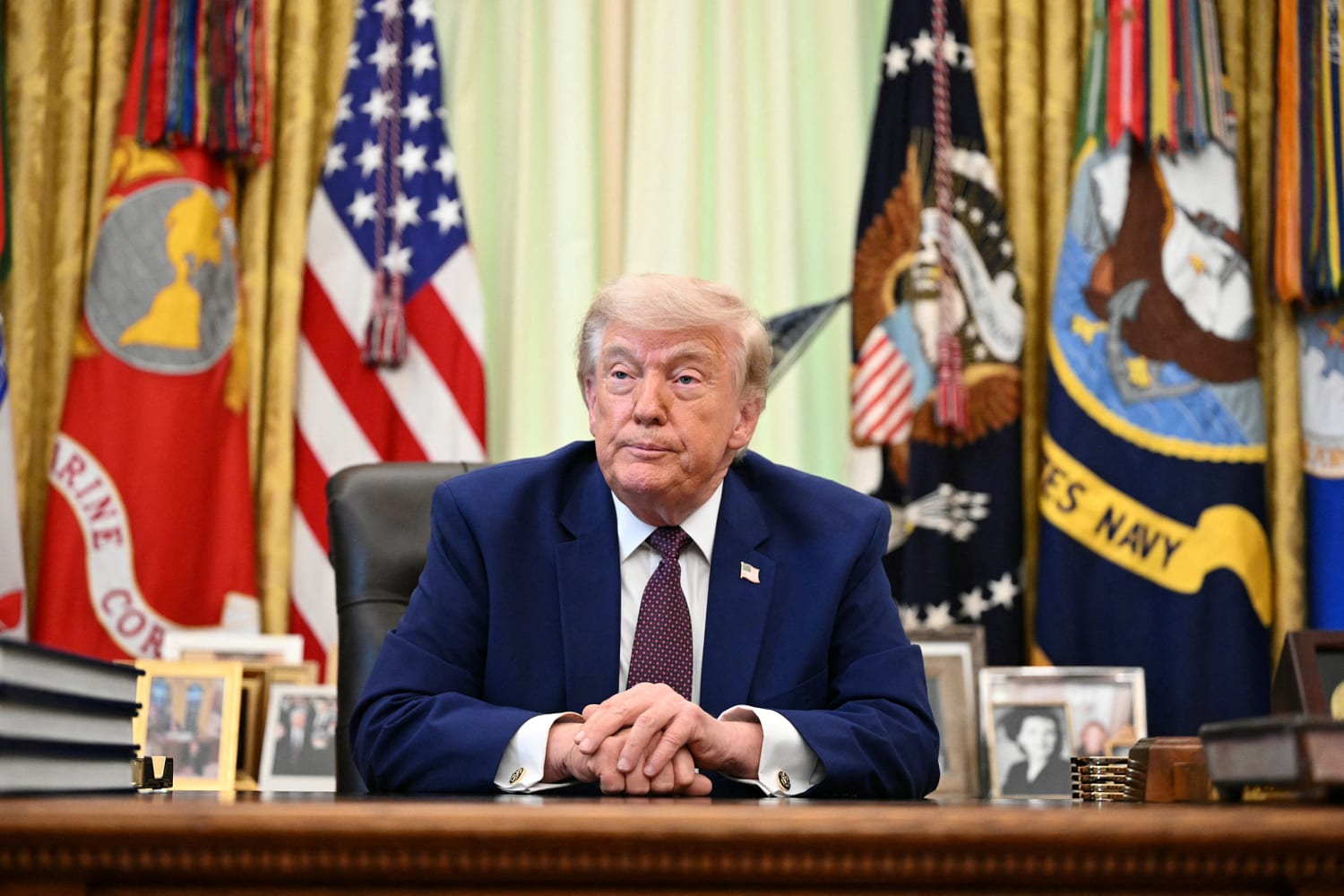
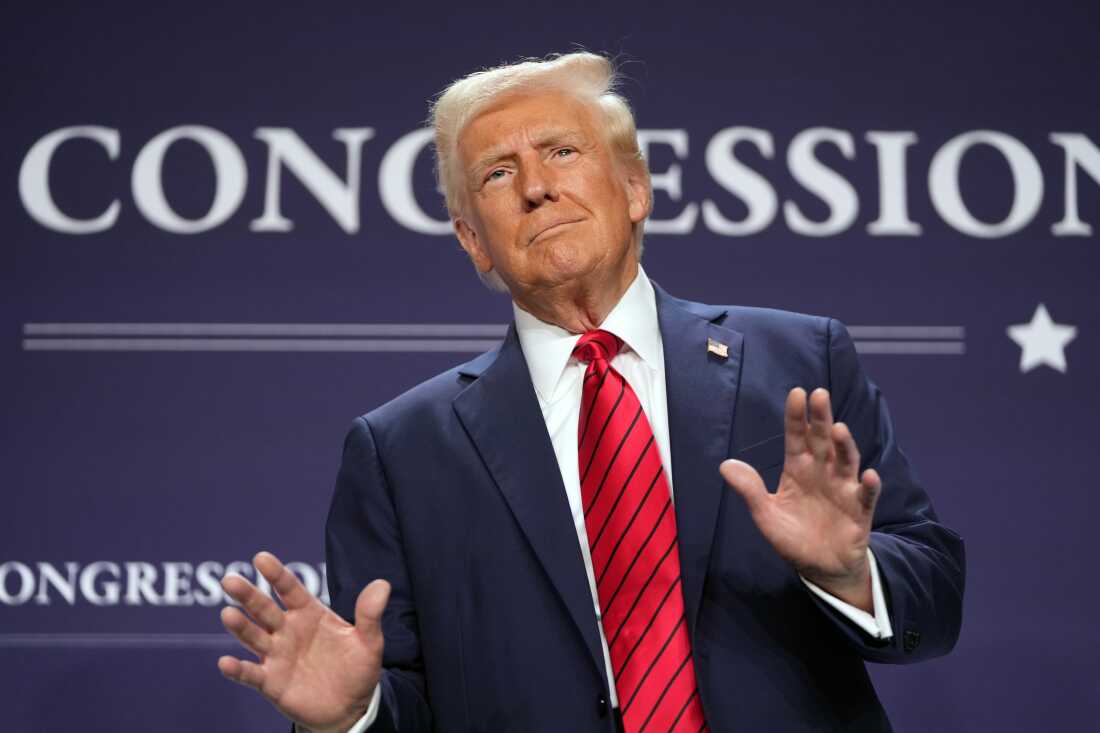
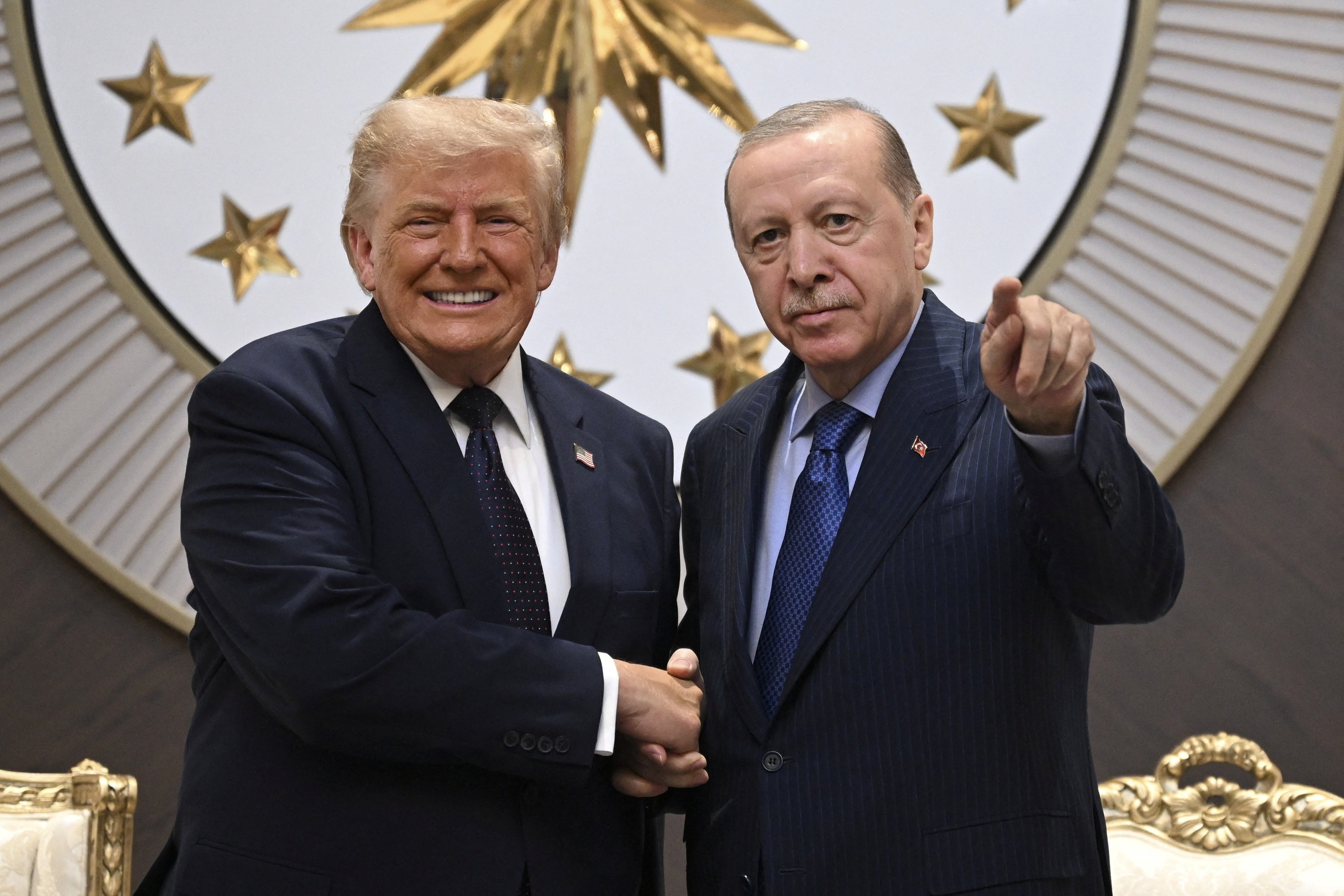
During a NATO summit in Ankara, President Donald Trump announced he is open to allowing Turkey to purchase American F-35 fighter jets and plans to lift sanctions imposed on the country. Trump stated, “It’s a decision we’re going to make,” emphasizing Turkey’s loyalty compared to other nations. This marks a significant shift in U.S. foreign policy after Turkey was expelled from the F-35 program in 2019 due to its acquisition of the Russian-made S-400 missile defense system.
Legal Hurdles and Congressional Concerns
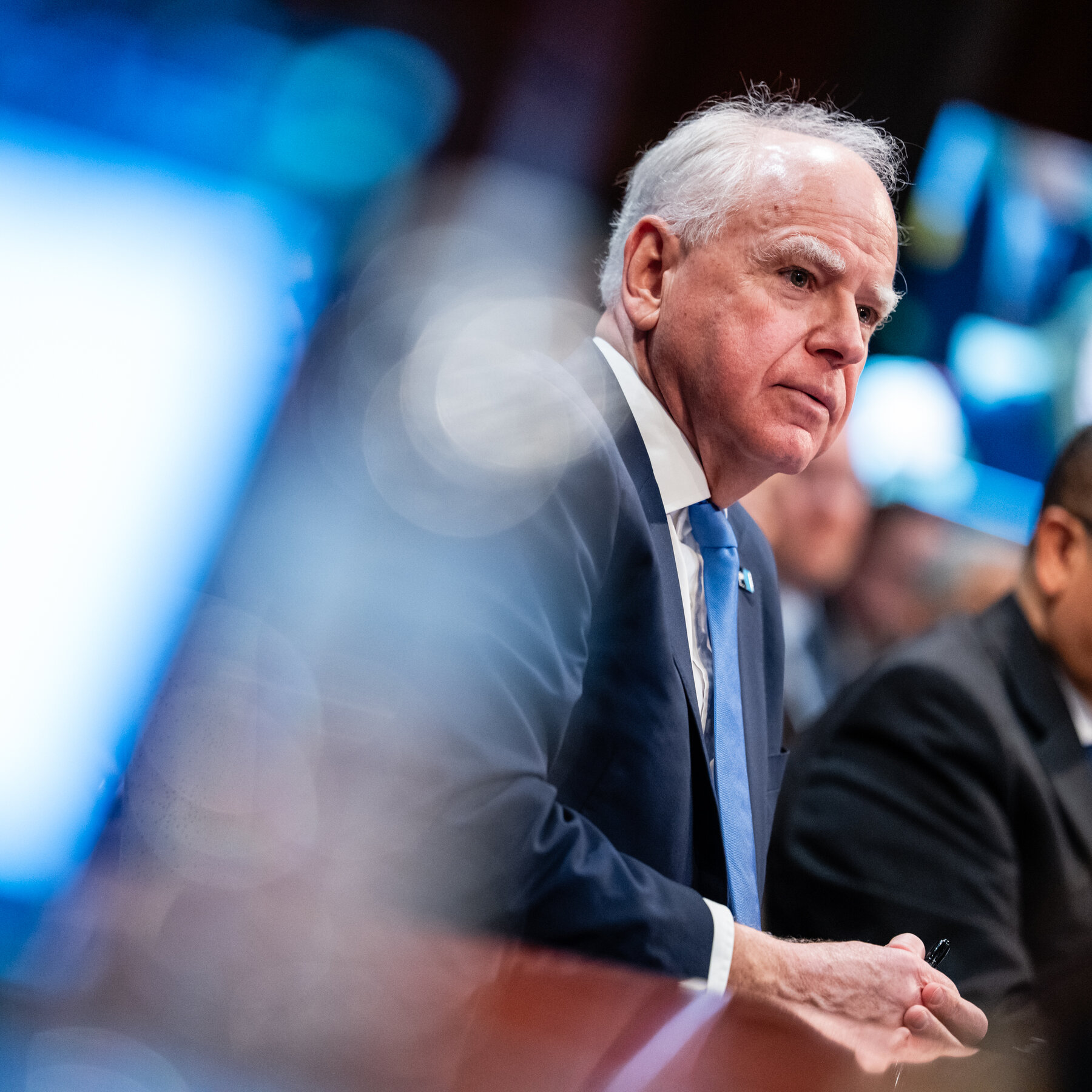
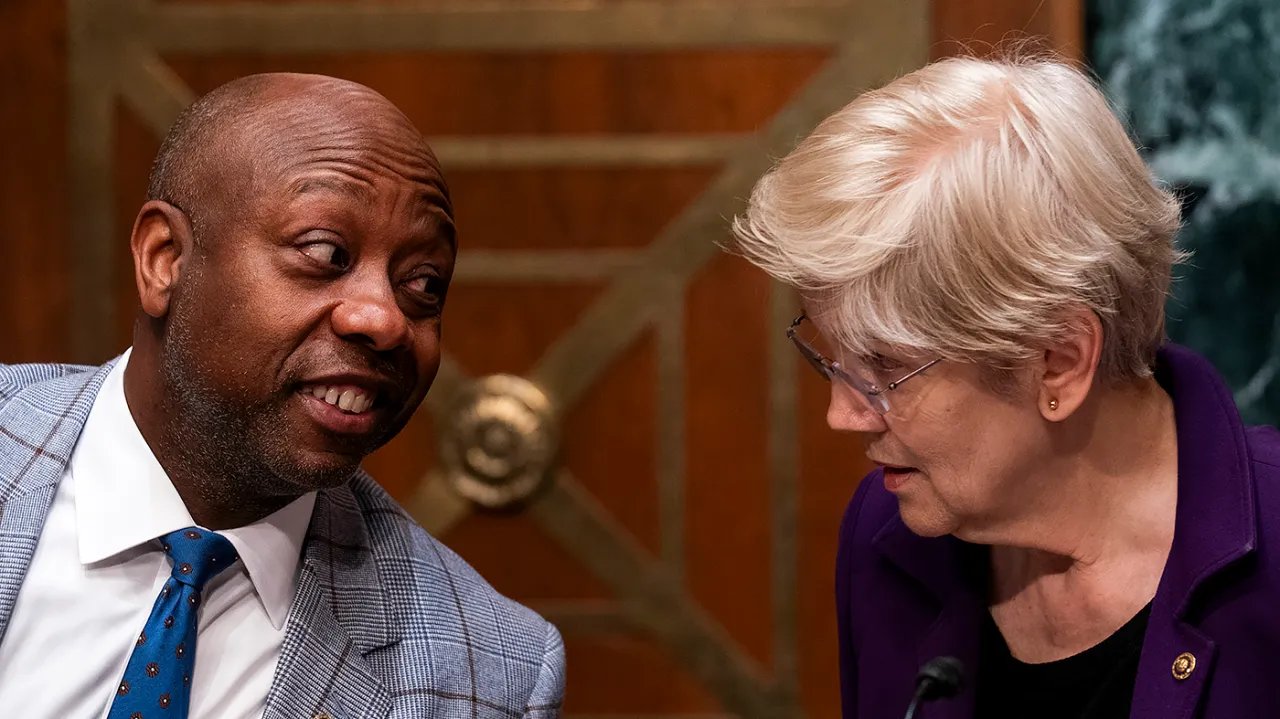
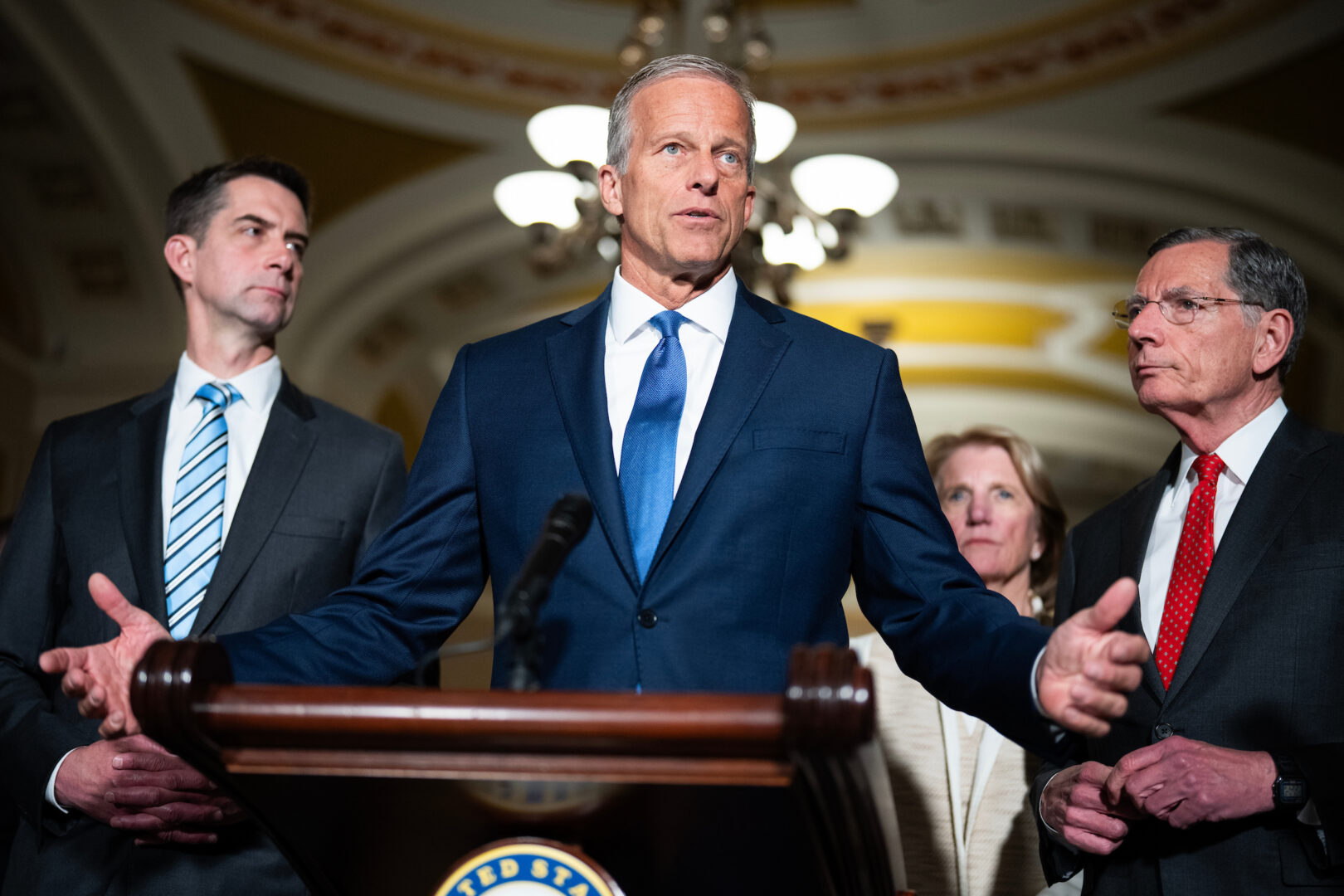
The potential sale of F-35 jets to Turkey faces legal obstacles. U.S. law requires the administration to certify that Turkey no longer possesses the S-400 system before any transfer of F-35 aircraft can occur. Bipartisan lawmakers have expressed concerns, with 18 representatives led by Rep. Dina Titus urging congressional leaders to block any sale as long as Turkey maintains the Russian defense system. They argue that selling F-35s under these conditions would violate U.S. law and pose risks to national security.
Erdogan’s Optimism and Israeli Opposition
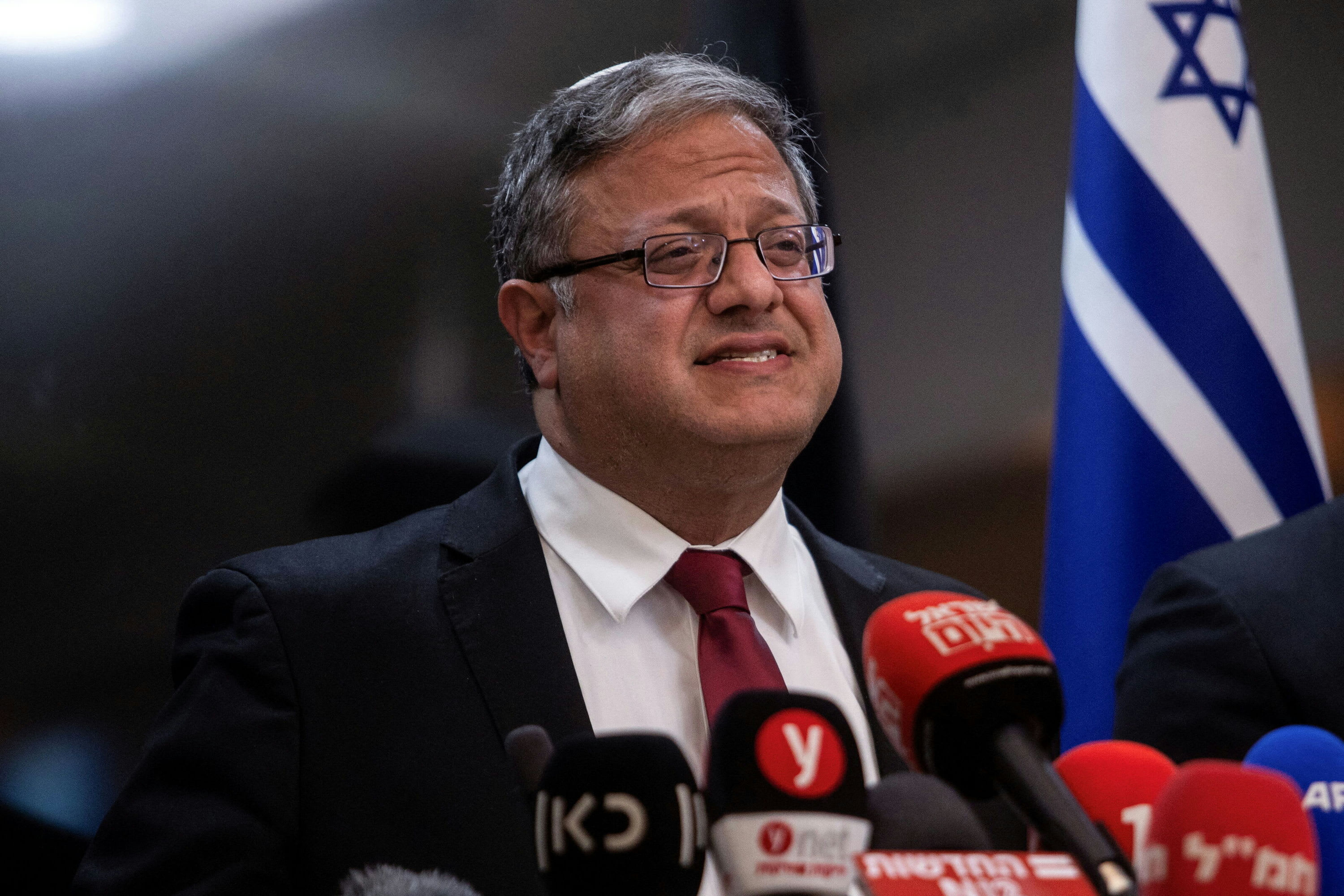
Turkish President Recep Tayyip Erdoğan expressed hope for a “favorable decision” regarding the F-35s, noting that Turkey had previously been promised five jets. However, Israeli Prime Minister Benjamin Netanyahu has voiced strong opposition to the sale, warning that it could disturb the military balance in the Middle East. Netanyahu described Turkey as “an adversarial ally” and cautioned against any U.S. actions that might enhance Turkey’s military capabilities.
Trump’s Dismissal of Concerns
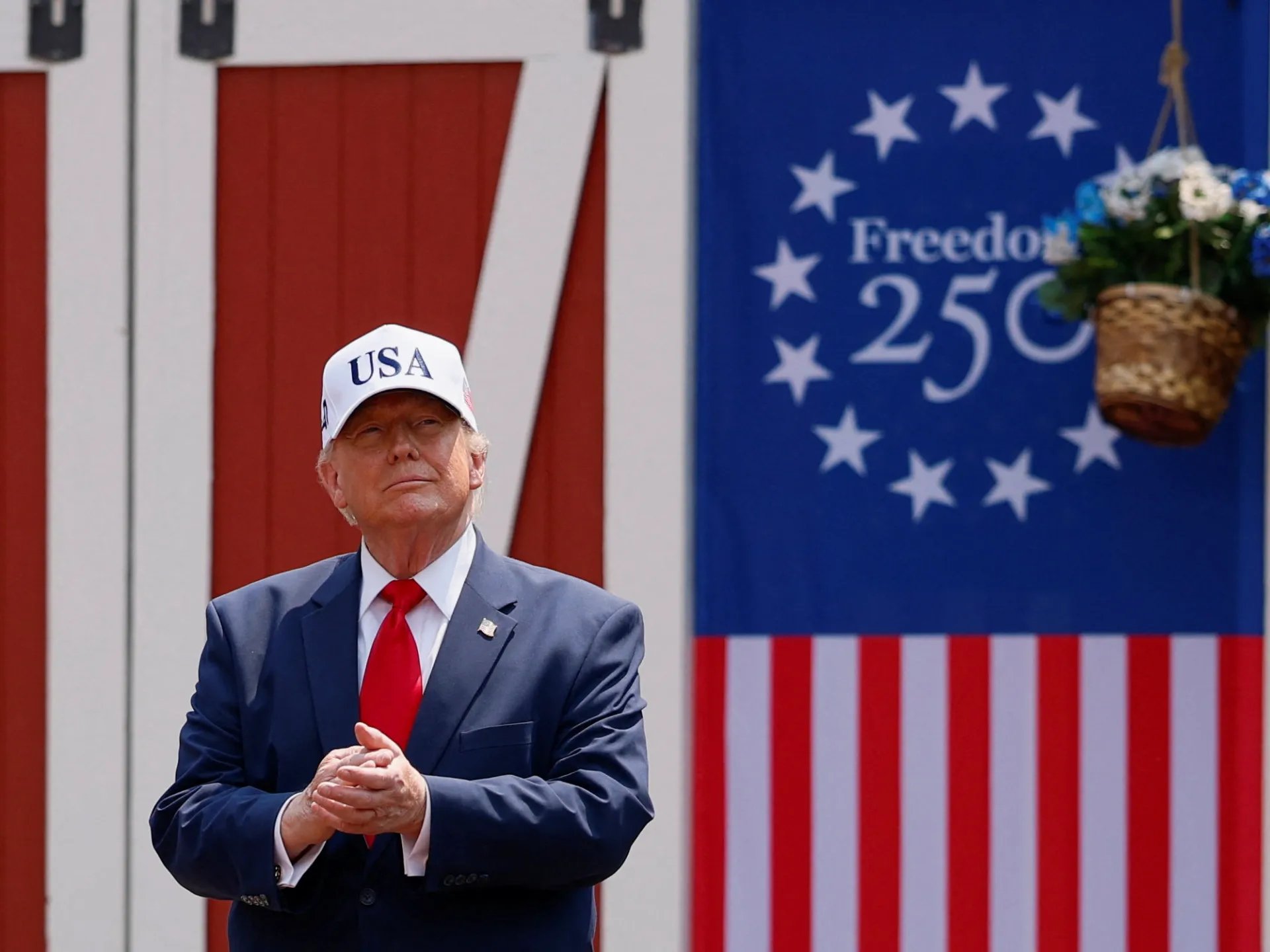
Despite the opposition, Trump downplayed the risks associated with Turkey’s S-400 system, stating, “I have no concerns about anything.” His administration's move to lift sanctions, initially imposed under the Countering America’s Adversaries Through Sanctions Act, adds another layer of complexity to the already strained relations among NATO allies. Trump remarked, “We don’t sanction friends,” reinforcing his view of Turkey as a loyal partner.
Military Cooperation and Regional Implications
The potential sale of F-35s to Turkey could reshape military dynamics in the region. If approved, Turkey would become the first country in the region to participate in the F-35 program and the second overall to possess the aircraft after Israel. This shift raises alarms about the implications for U.S. commitments to maintaining Israel’s military edge and could provoke further tensions between Turkey and its neighbors, particularly Greece and Cyprus.
Next Steps for U.S.-Turkey Relations
As discussions continue, the administration faces pressure from both sides of Congress. Lawmakers are weighing the strategic importance of Turkey against the backdrop of its military ties with Russia. The situation remains fluid, with Trump indicating that decisions regarding sanctions and the F-35 sale will be made soon. The outcome could redefine U.S.-Turkey relations and influence broader geopolitical stability in the region.