




A nation caught between two powers
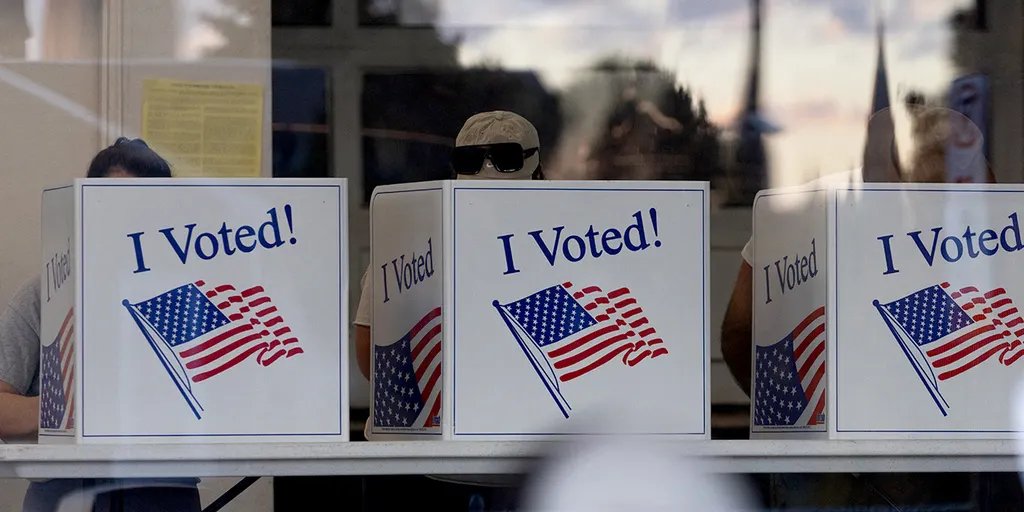
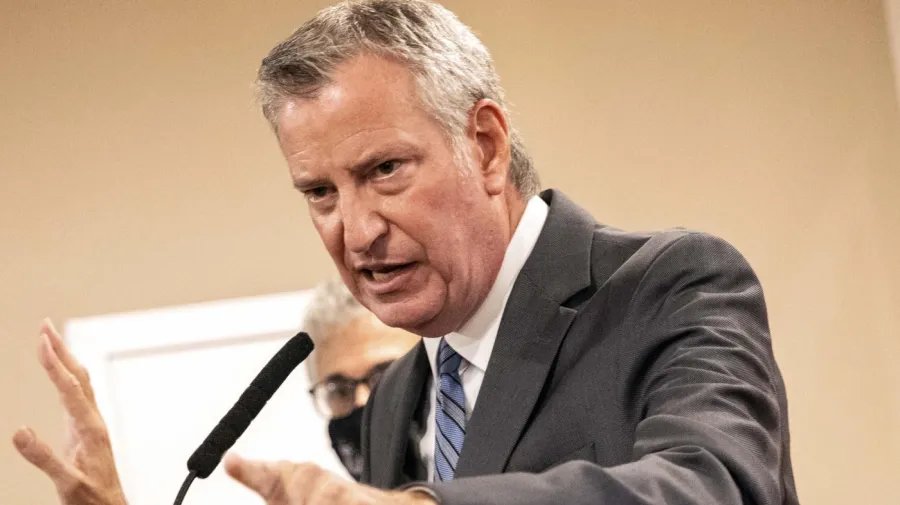
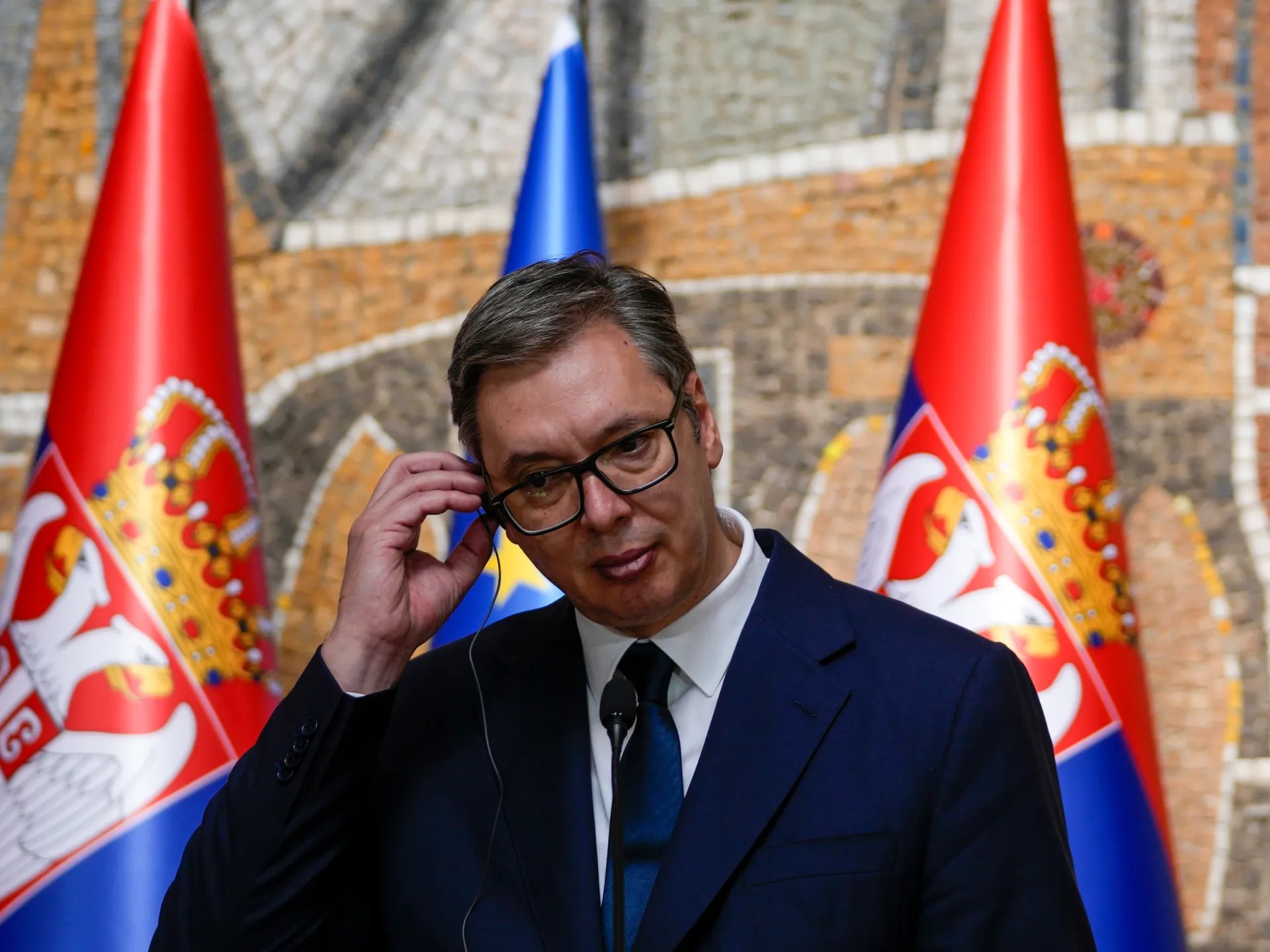
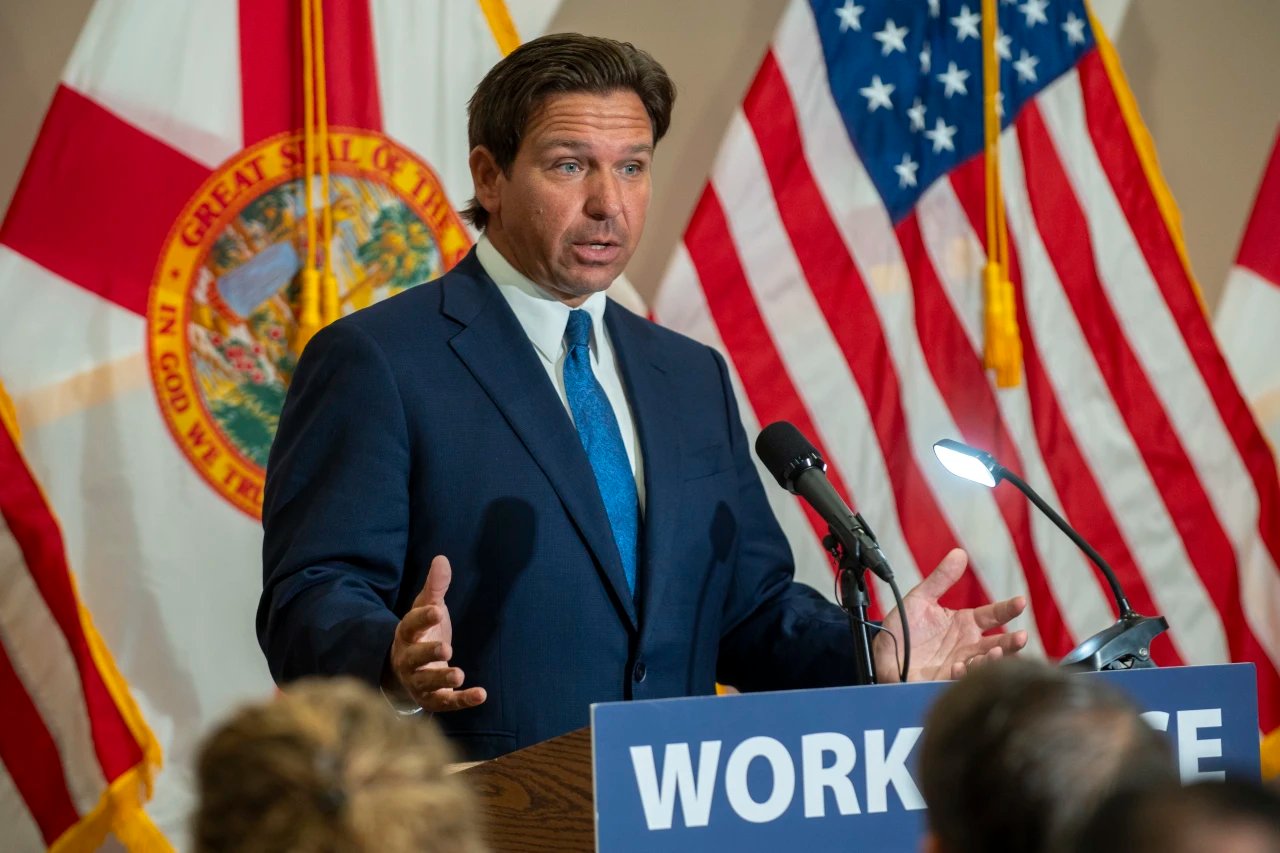
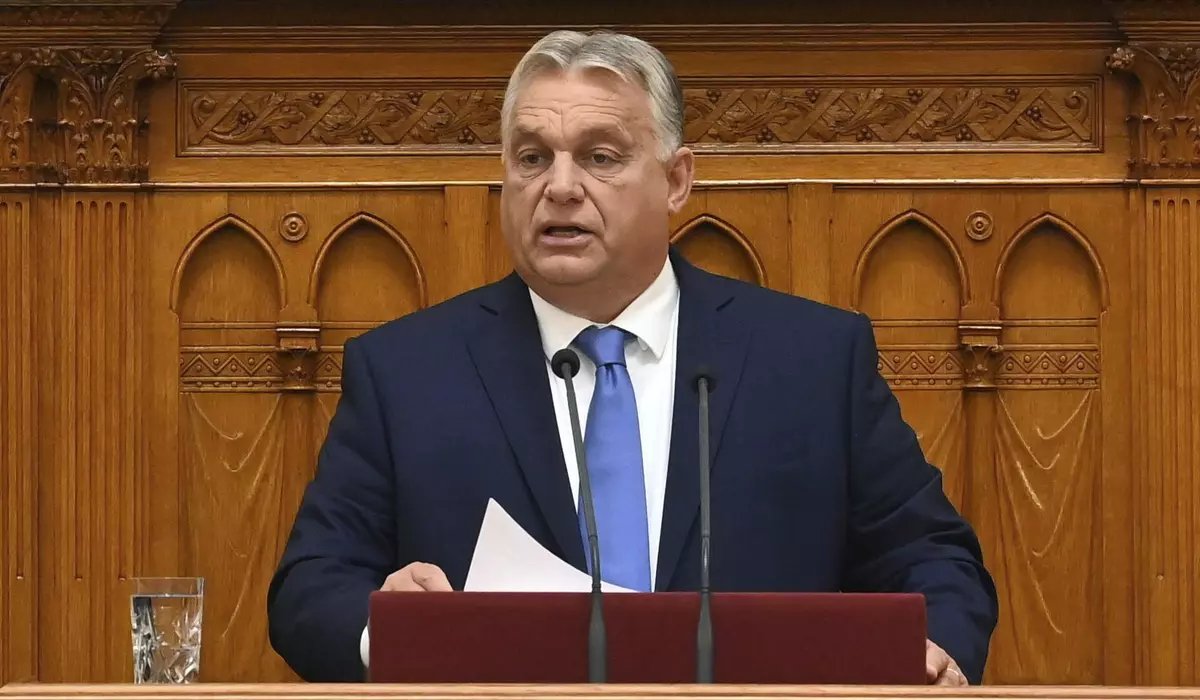
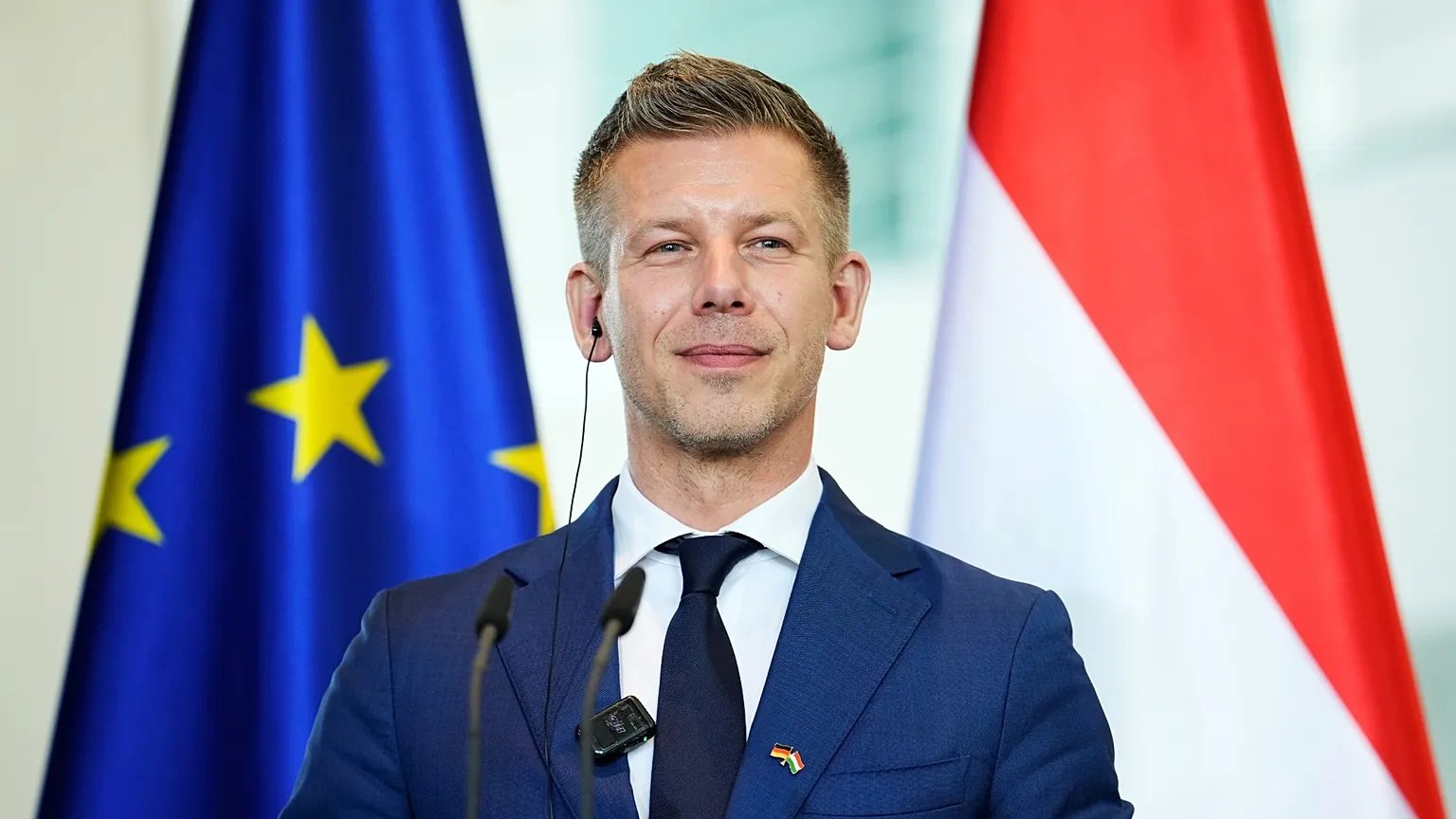
Armenia holds parliamentary elections on June 7 as Prime Minister Nikol Pashinyan seeks a third term, but his path to victory runs through economic pressure Moscow is deliberately applying. Russia, the United States, and the European Union all have strategic interests in the outcome, making this vote in a nation of three million people a proxy contest over geopolitical alignment in the South Caucasus.
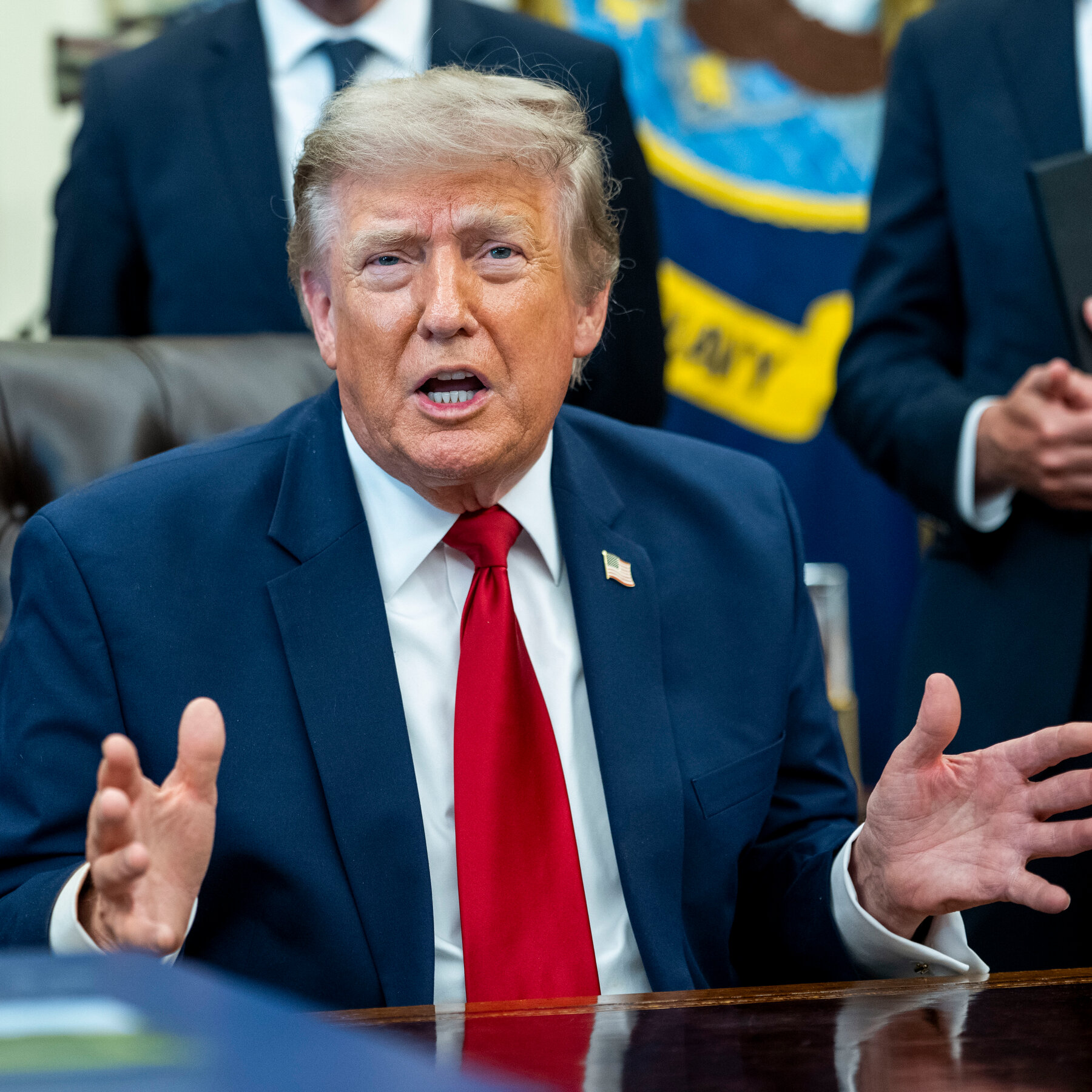
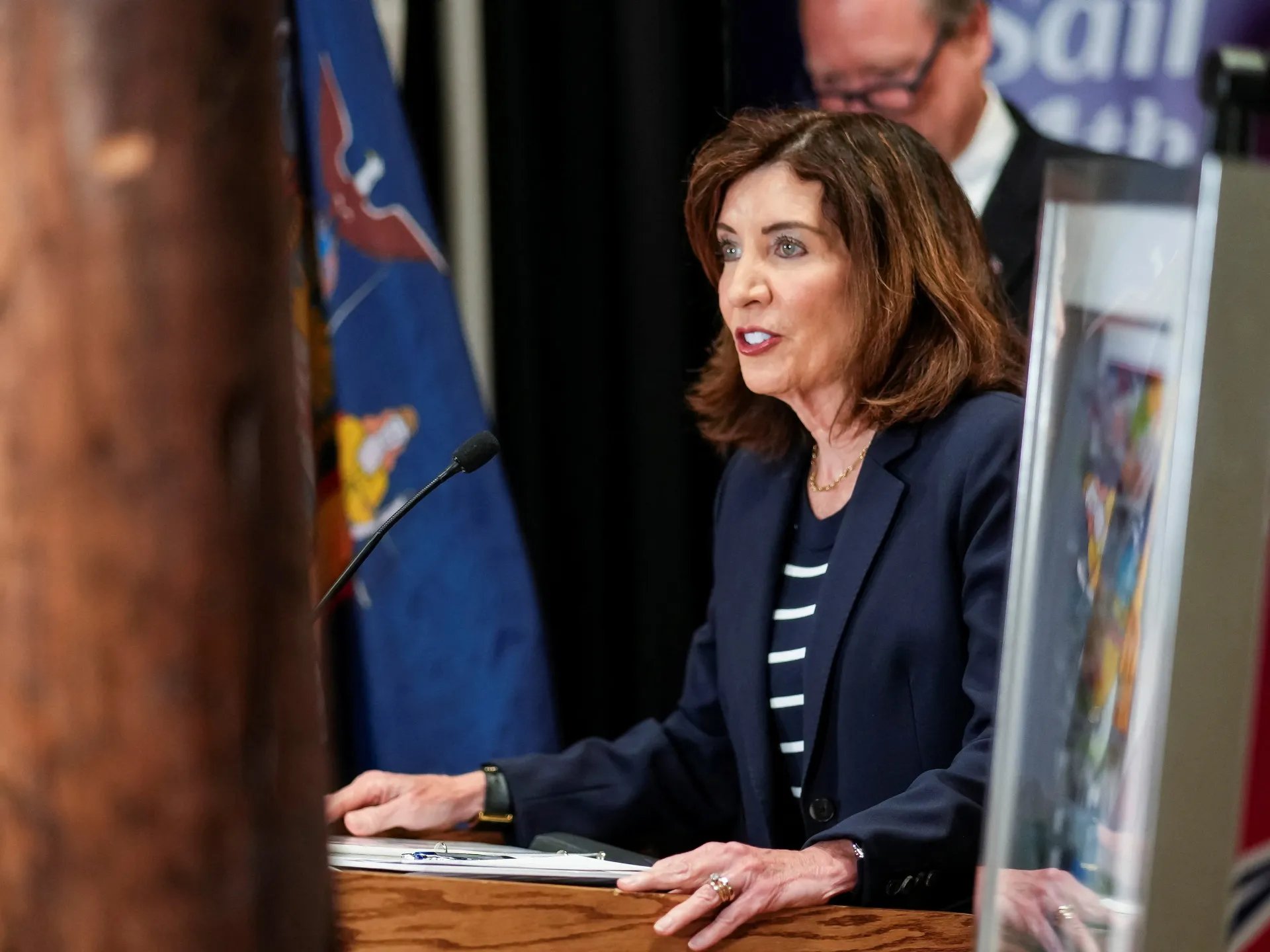
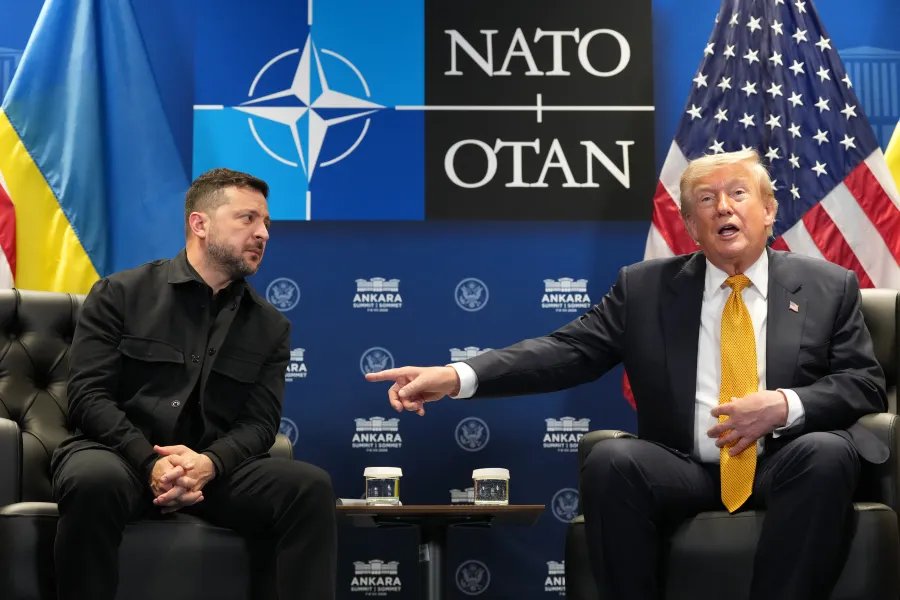
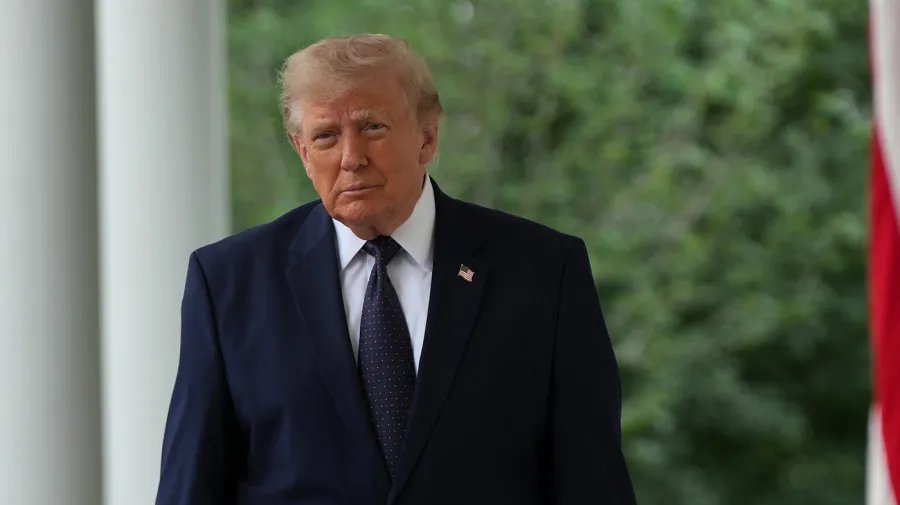
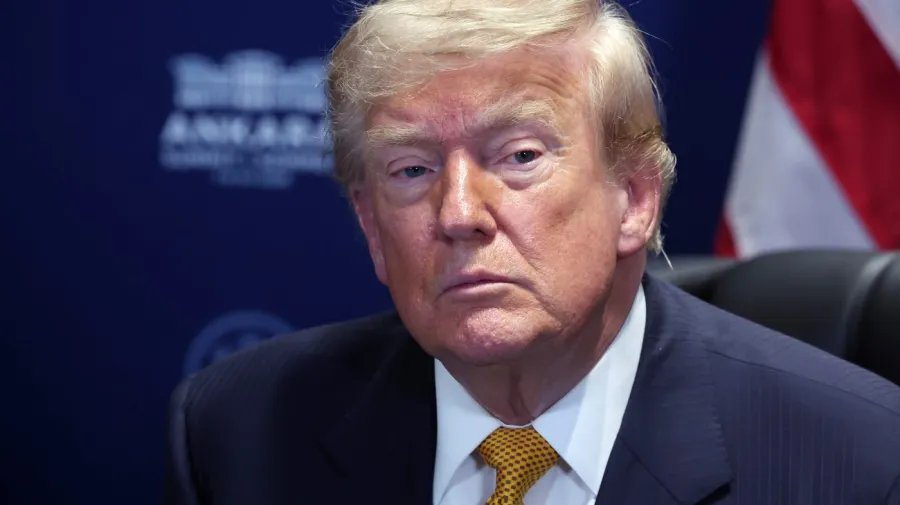
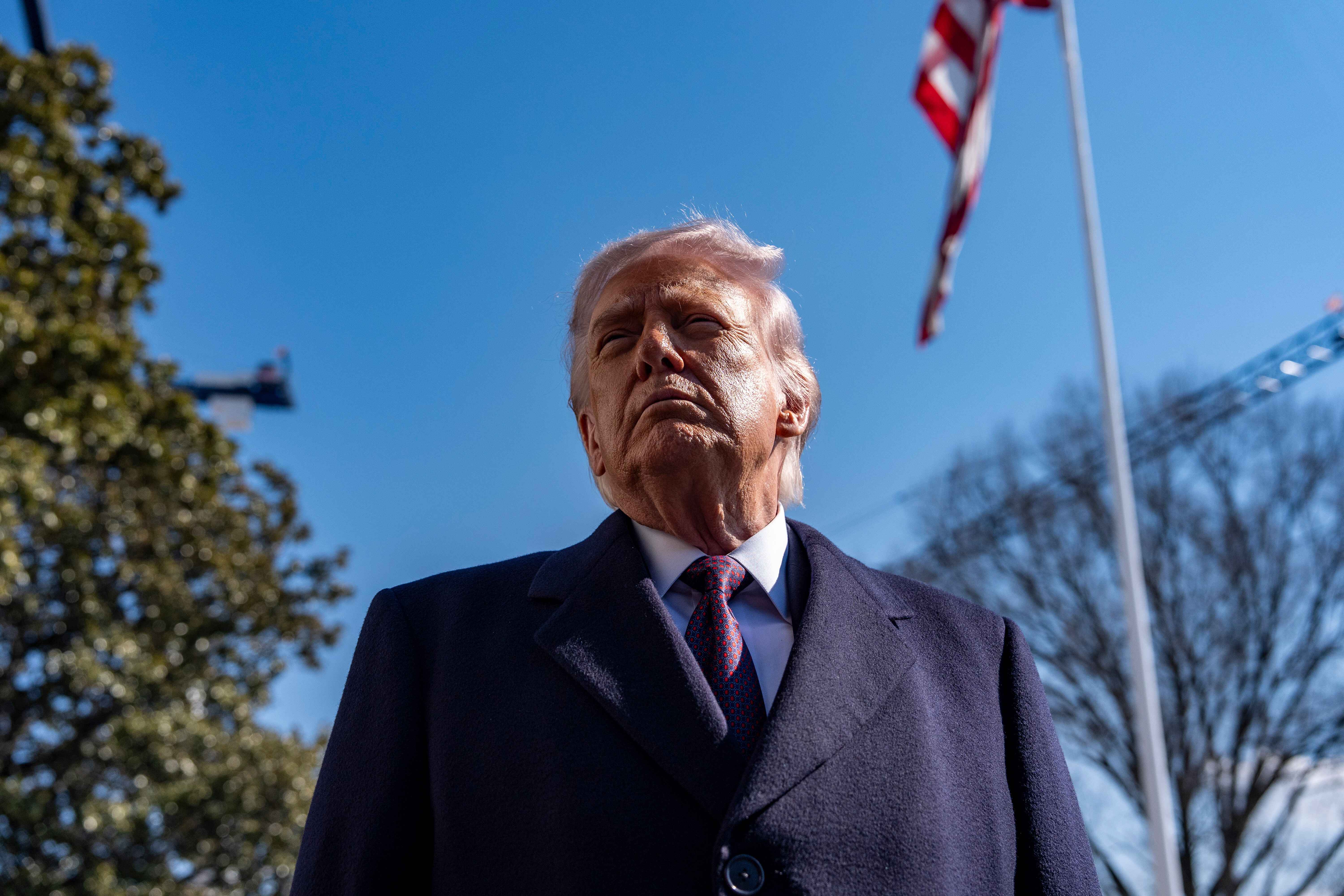
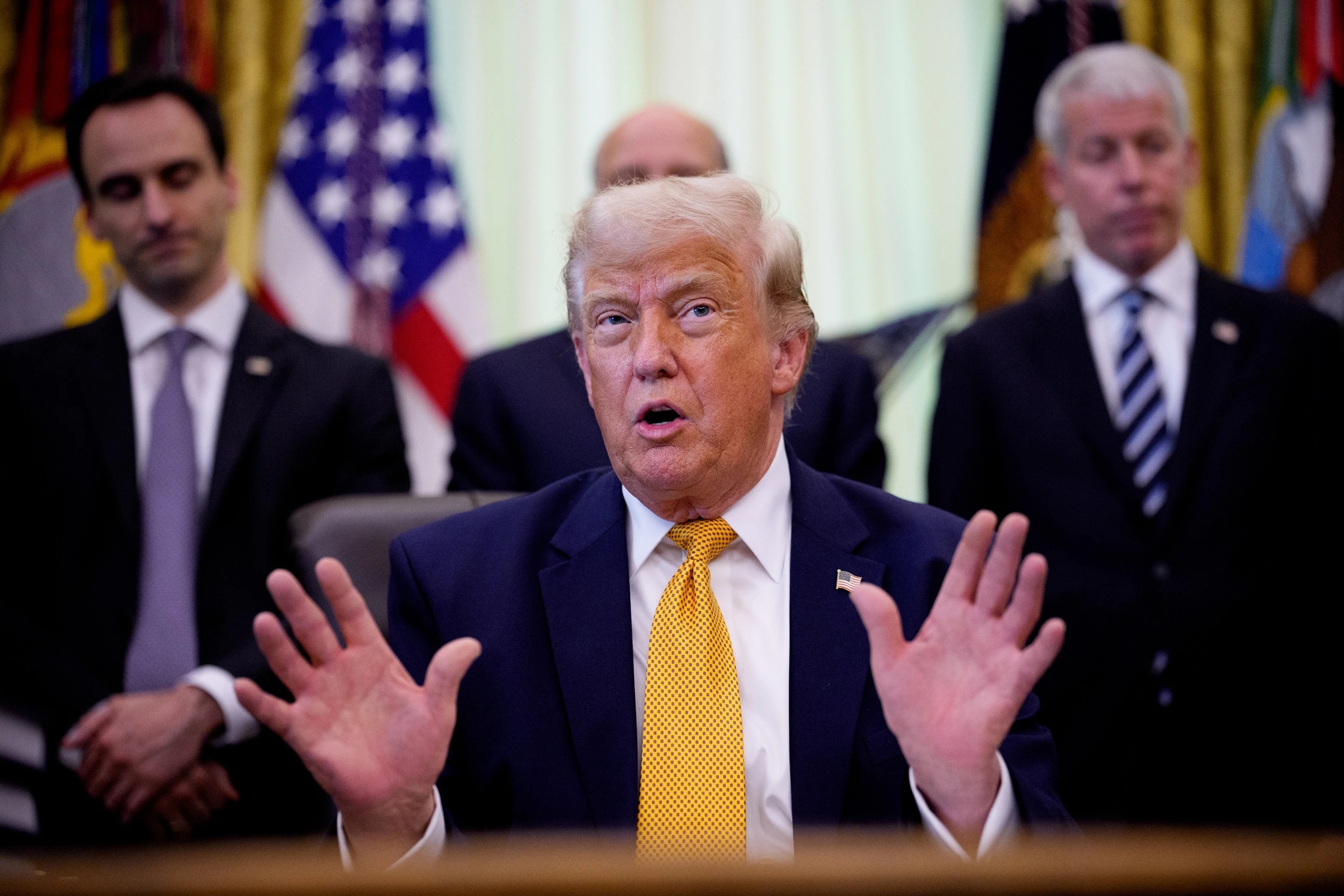
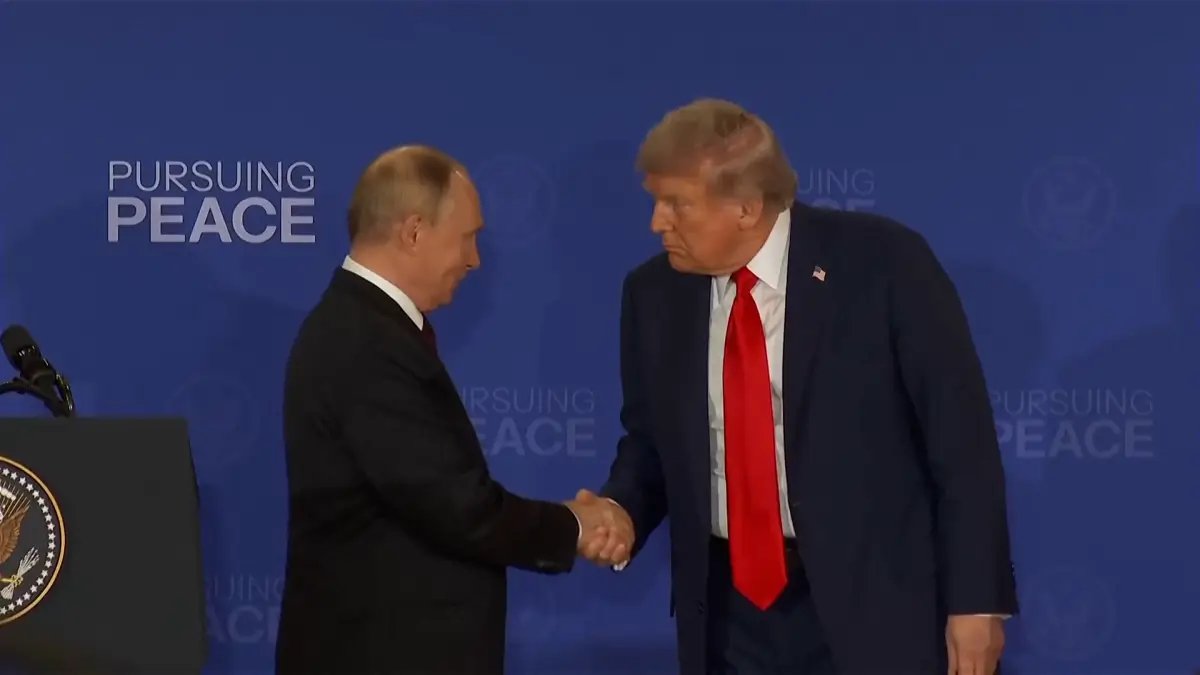
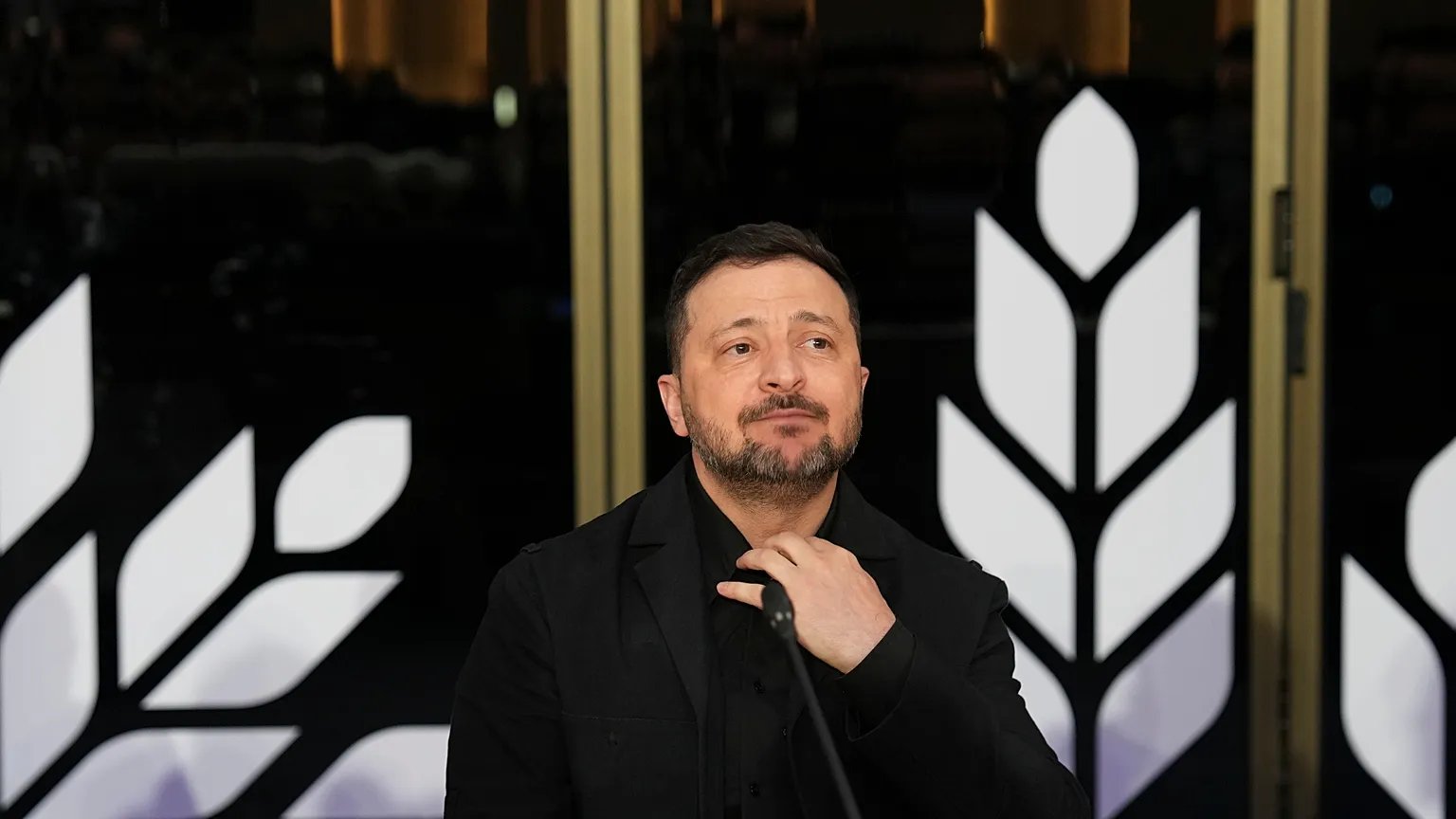
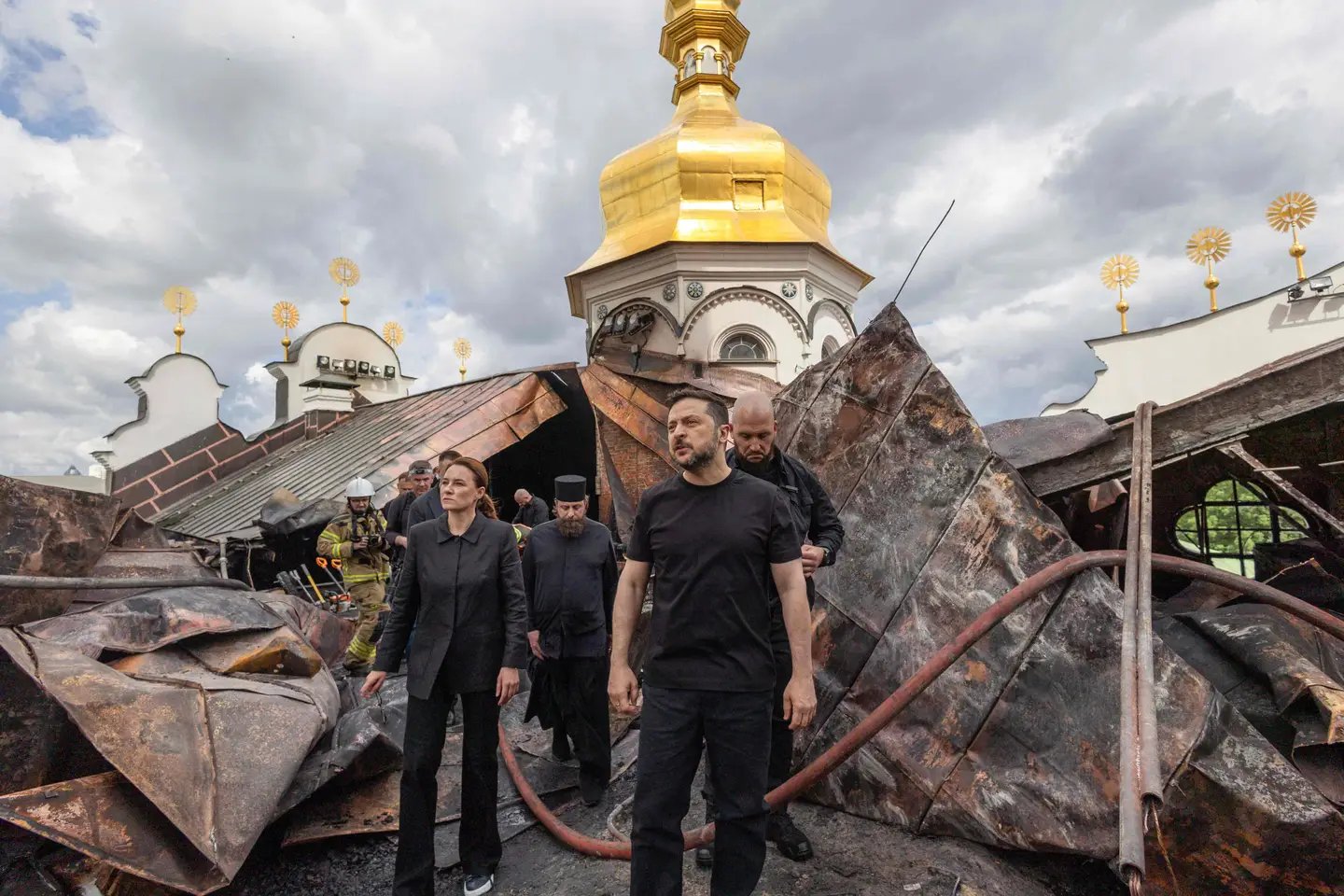
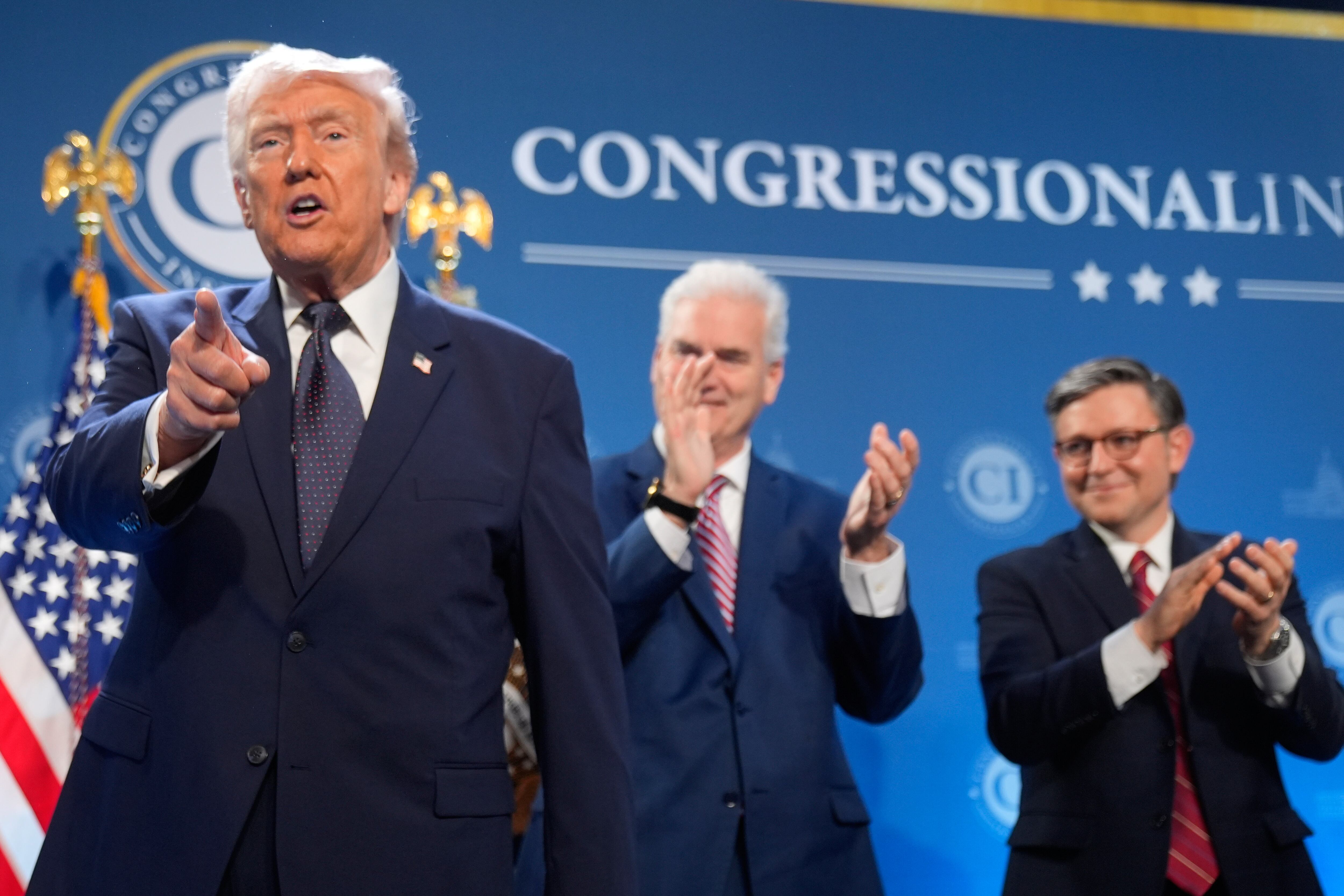
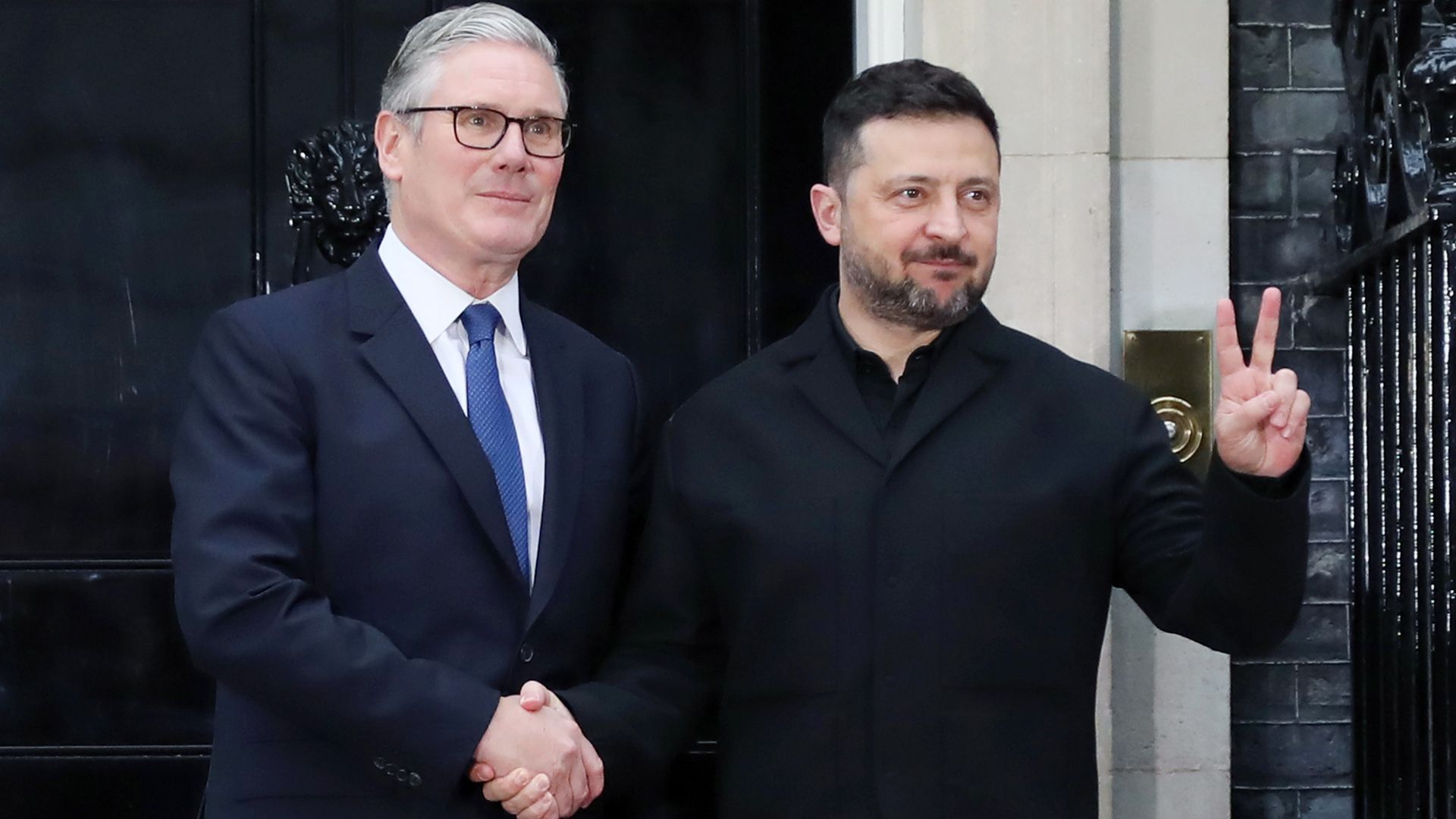
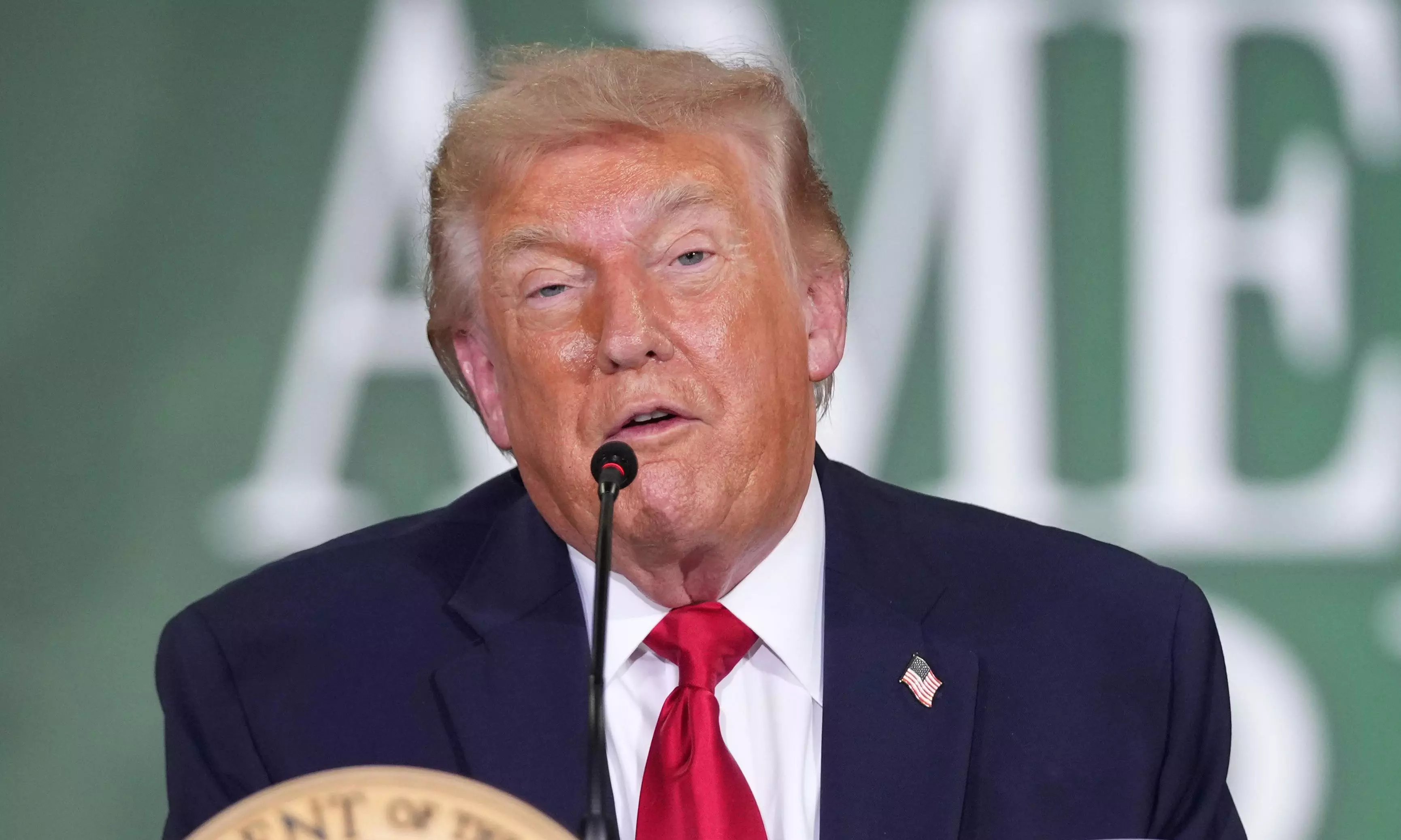
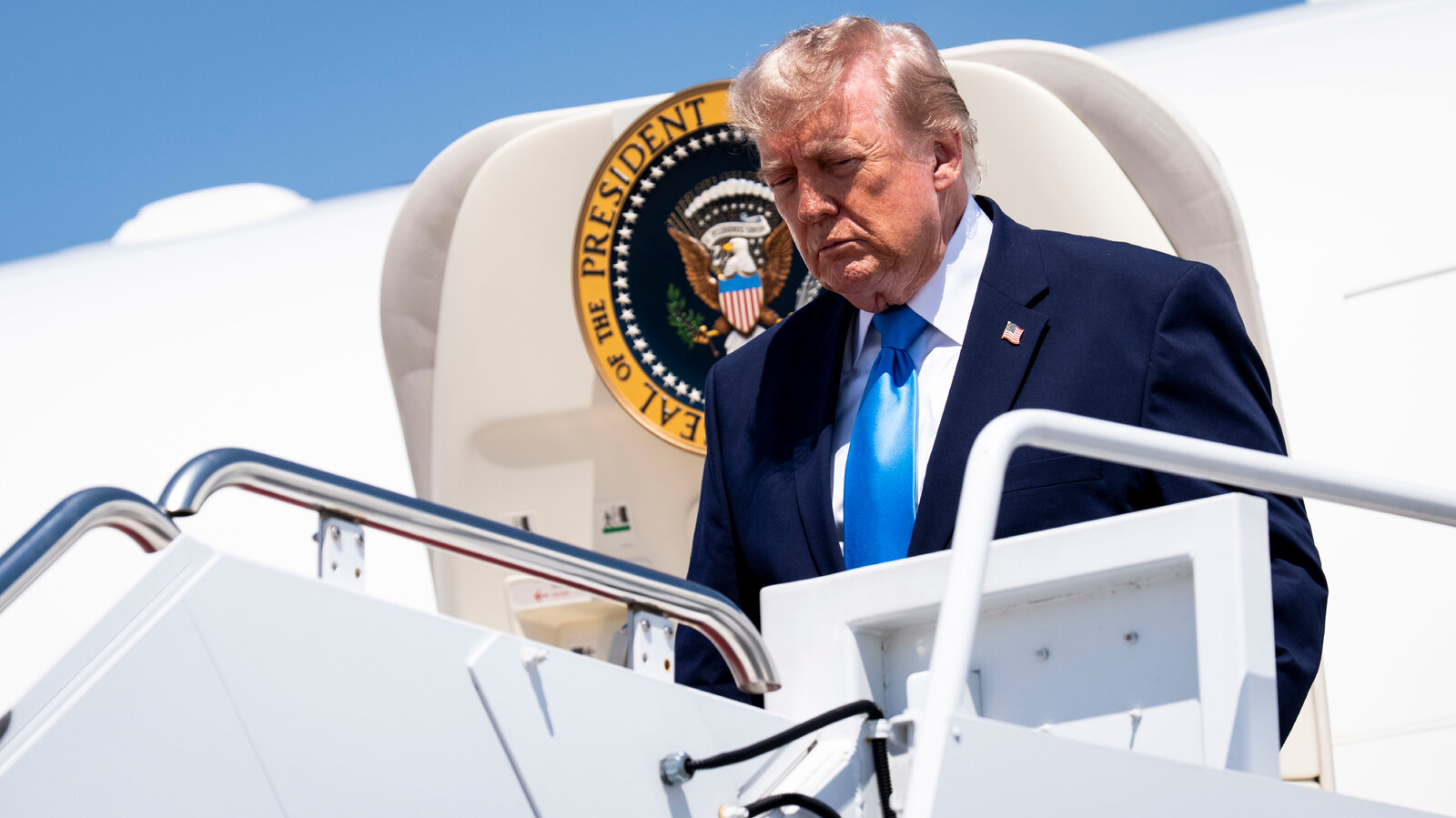
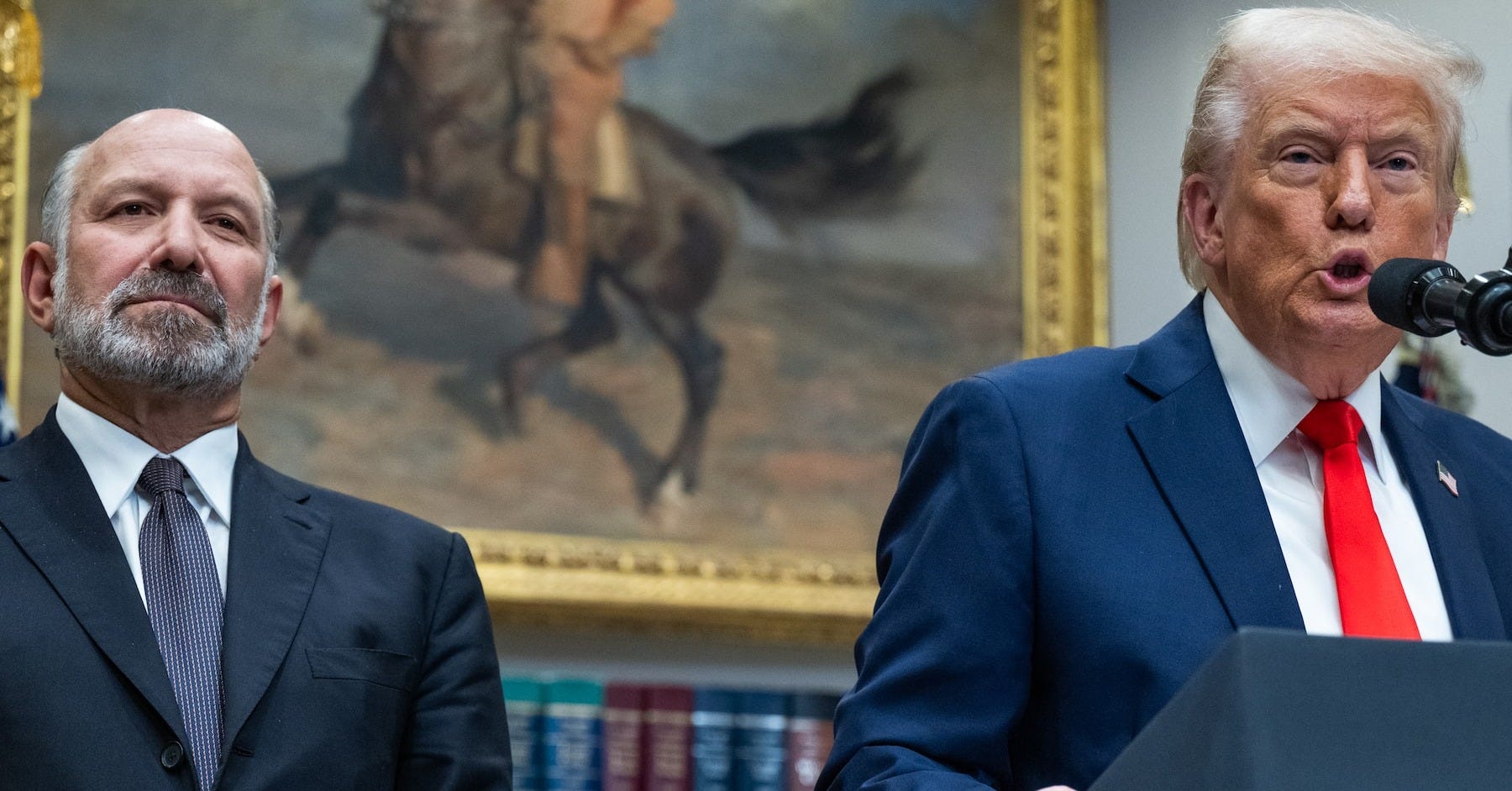
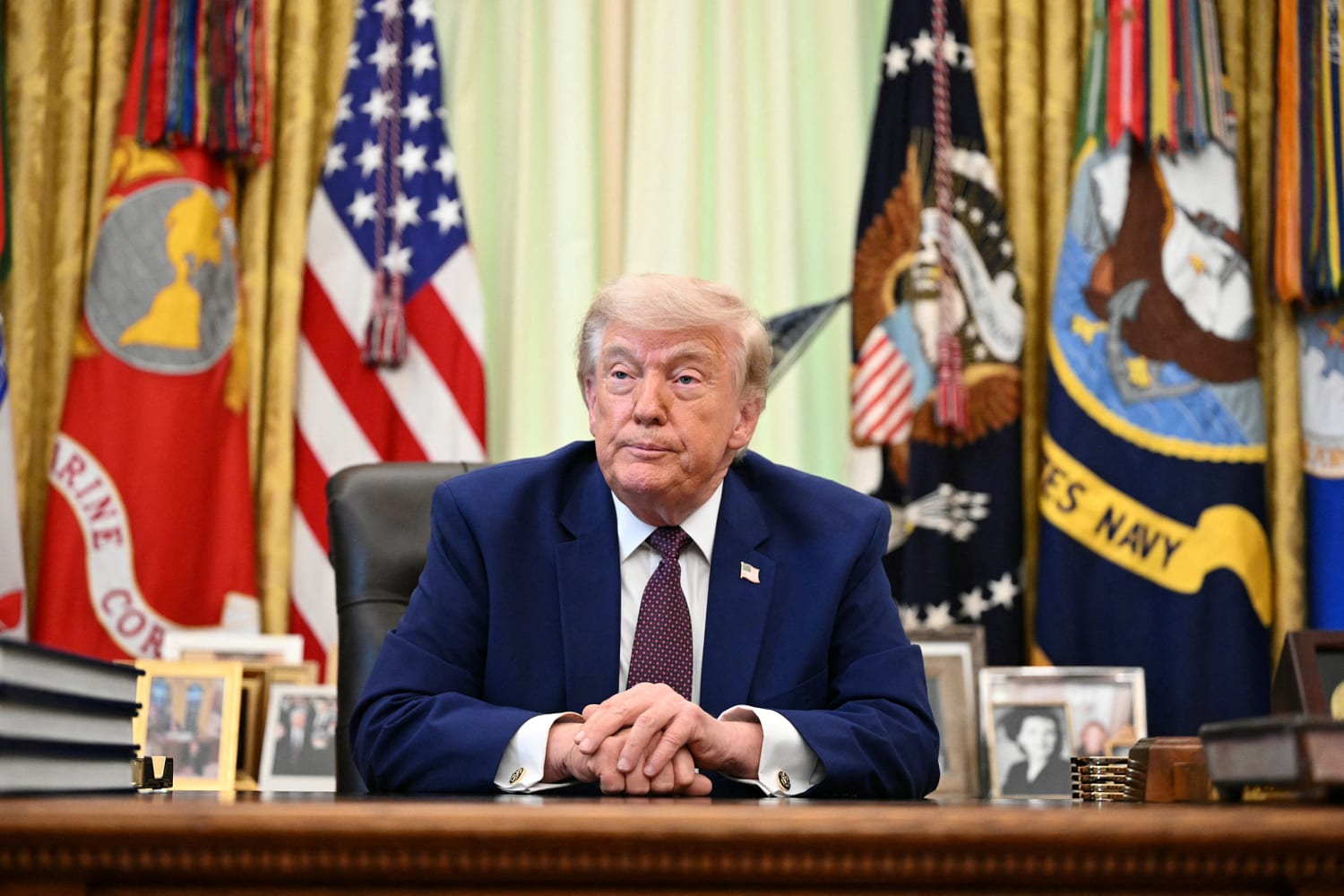
Pashinyan has steered Armenia toward European integration since coming to power in 2018, passing a law to launch the process of joining the EU and accelerating peace negotiations with neighboring Azerbaijan through a US-brokered agreement that won him President Donald Trump's endorsement. He also hosted a summit of EU leaders and Ukrainian President Volodymyr Zelensky in Yerevan earlier this year. Yet his domestic support has collapsed from 54% in 2021 to around 30% today.
The cost of peace
The primary source of Pashinyan's political damage is Nagorno-Karabakh, a mountainous enclave that was home to 100,000 ethnic Armenians until Azerbaijan took it by force in 2023. His critics have never forgiven him for making concessions in favor of peace, including his refusal to campaign for the release of former leaders of Nagorno-Karabakh who are imprisoned in Azerbaijan. A recent poll showed 44% of public opinion supports the peace deal while 41% oppose it.
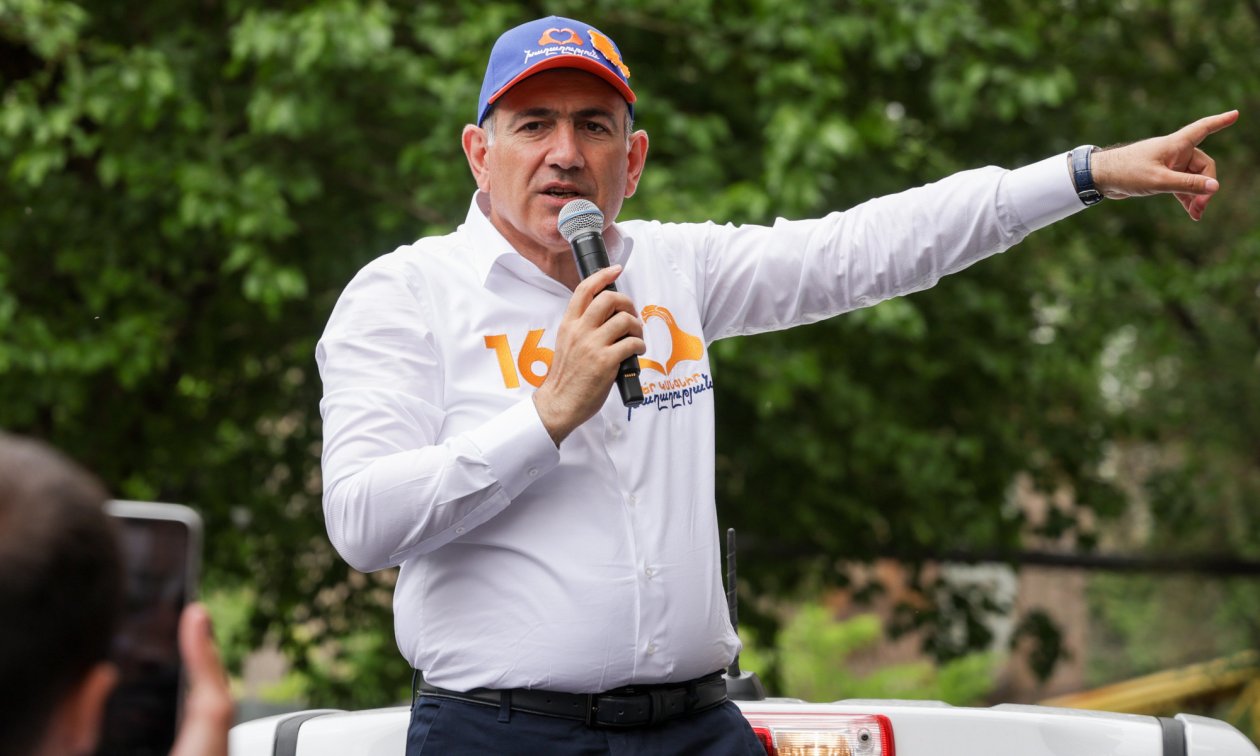
Opposition figures have coalesced around alternatives. The Armenia Alliance, led by former president Robert Kocharyan, argues that restoring deep military and economic ties with Russia is Armenia's only path to national security. Former president Serzh Sargsyan's Republican Party is not fielding candidates but has urged supporters to vote against the incumbent. Pashinyan's main challenger is billionaire Samvel Karapetyan, who made his fortune in Russia. Karapetyan is under house arrest on charges of plotting to overthrow the government and is conducting his campaign through his nephew.
An International Republican Institute poll shows Pashinyan's Civil Contract leading with 32%, while around 40% of voters say they trust no political figure. If opposition candidates worked together, they could match Pashinyan's vote, but divided they cannot beat him.
Moscow's economic leverage
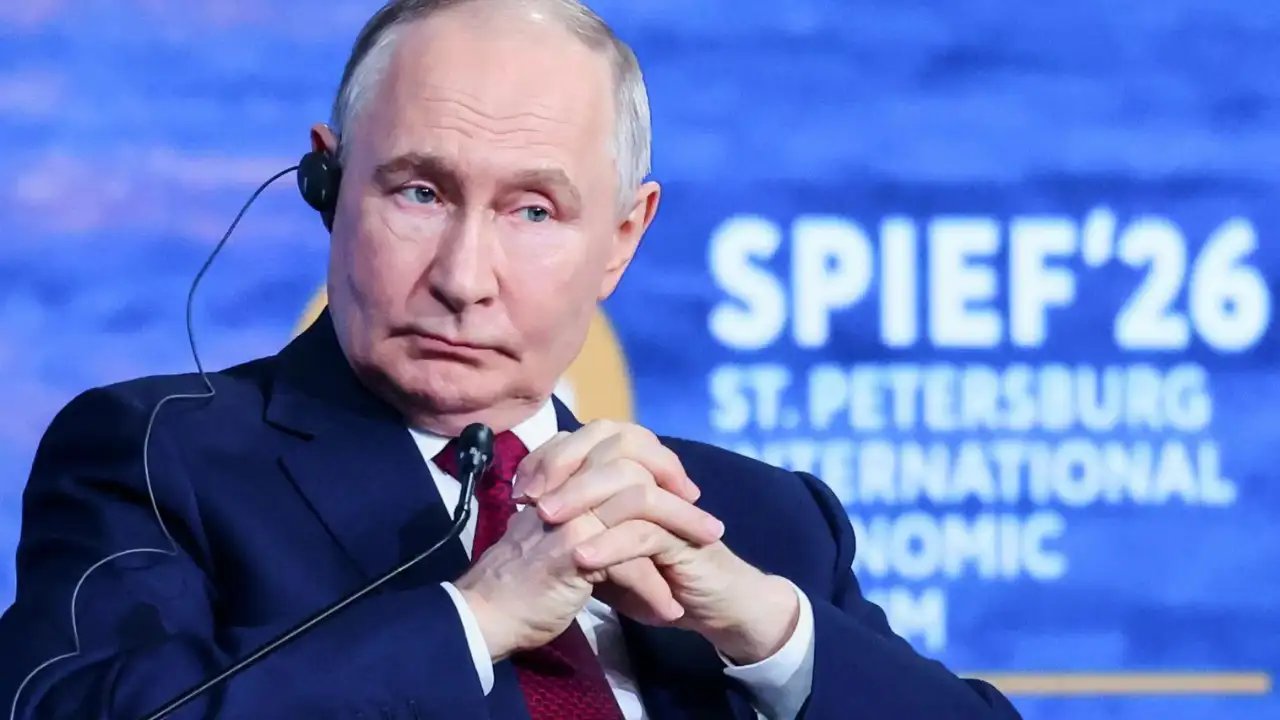
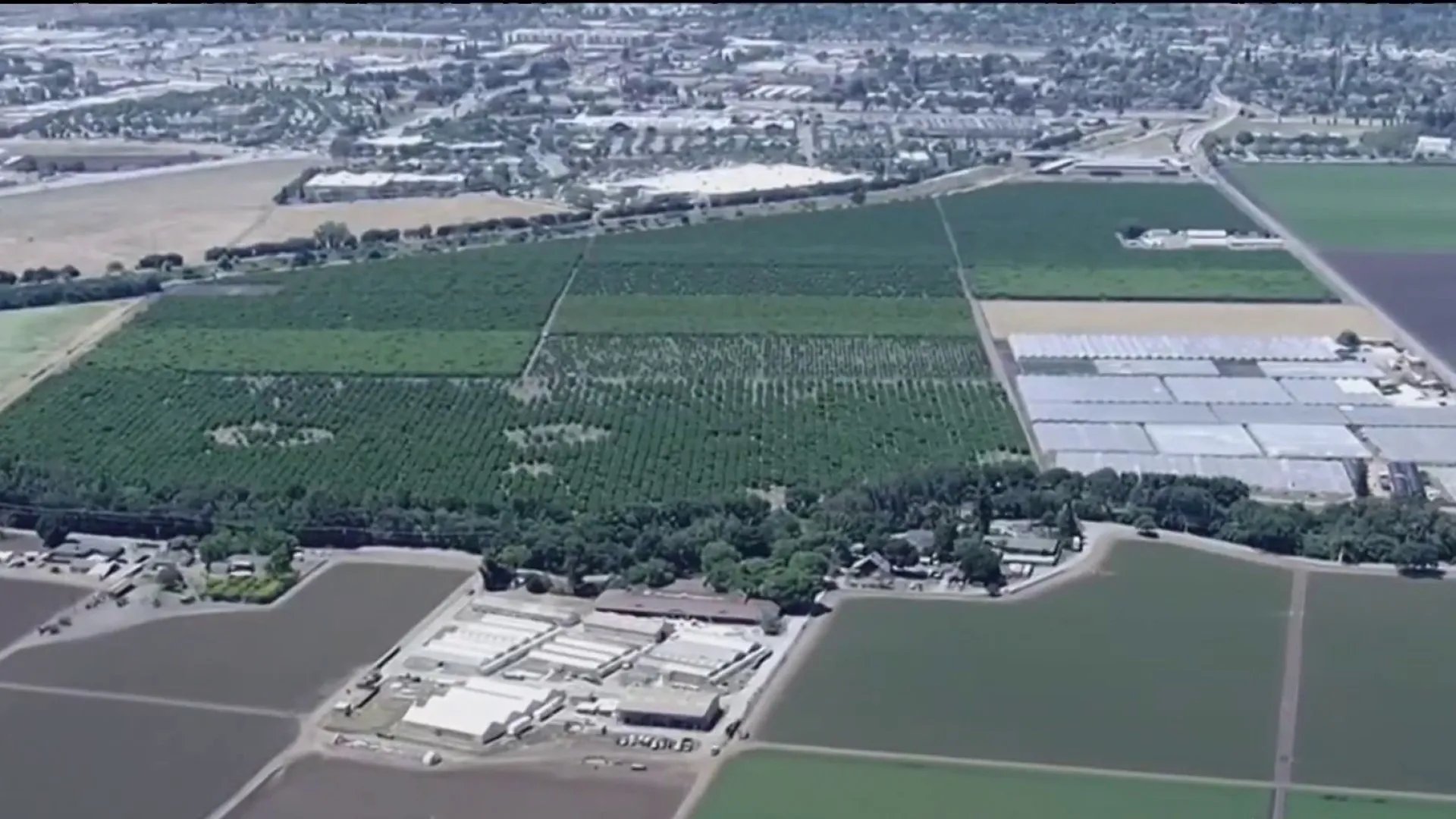
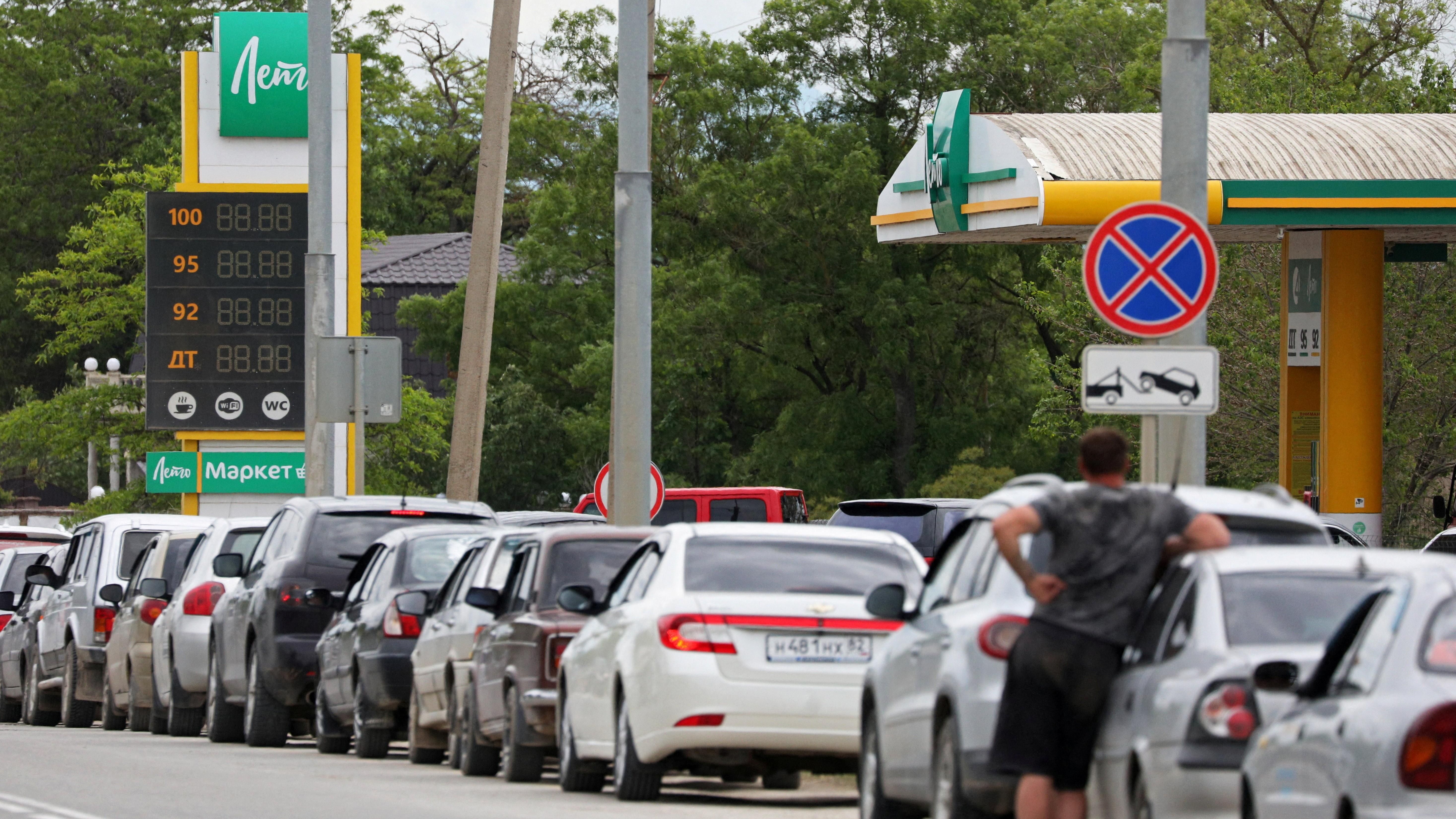
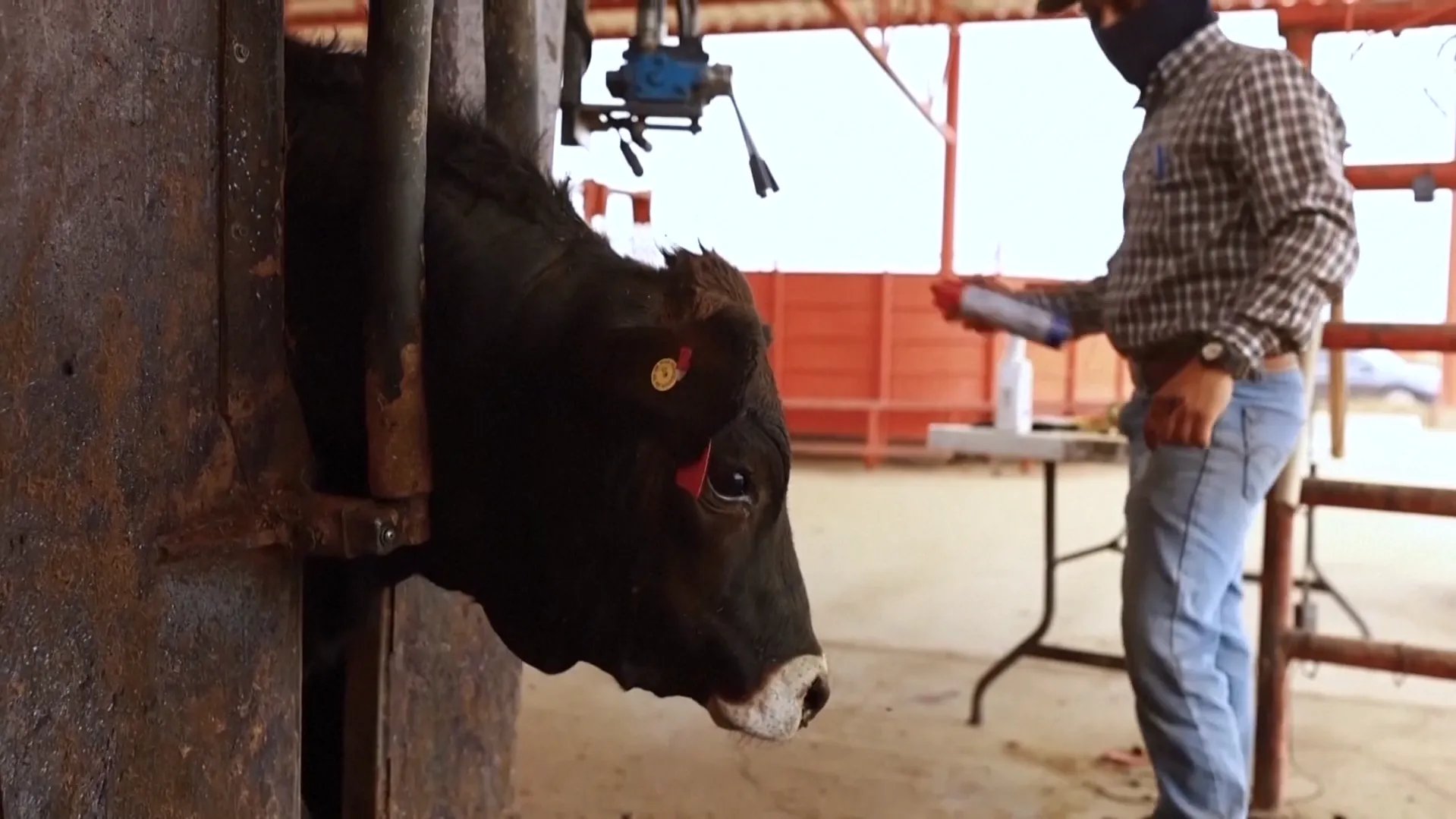
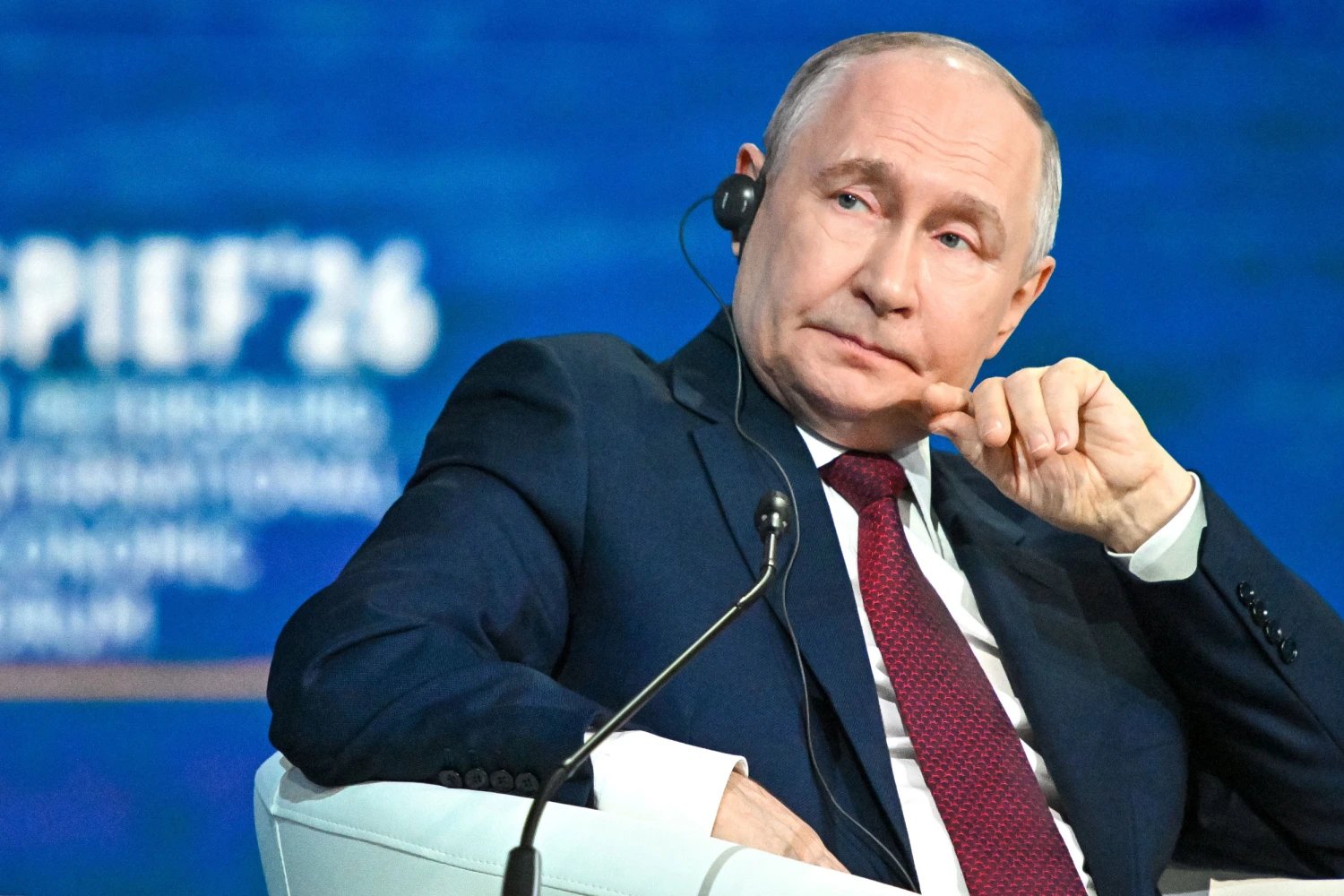
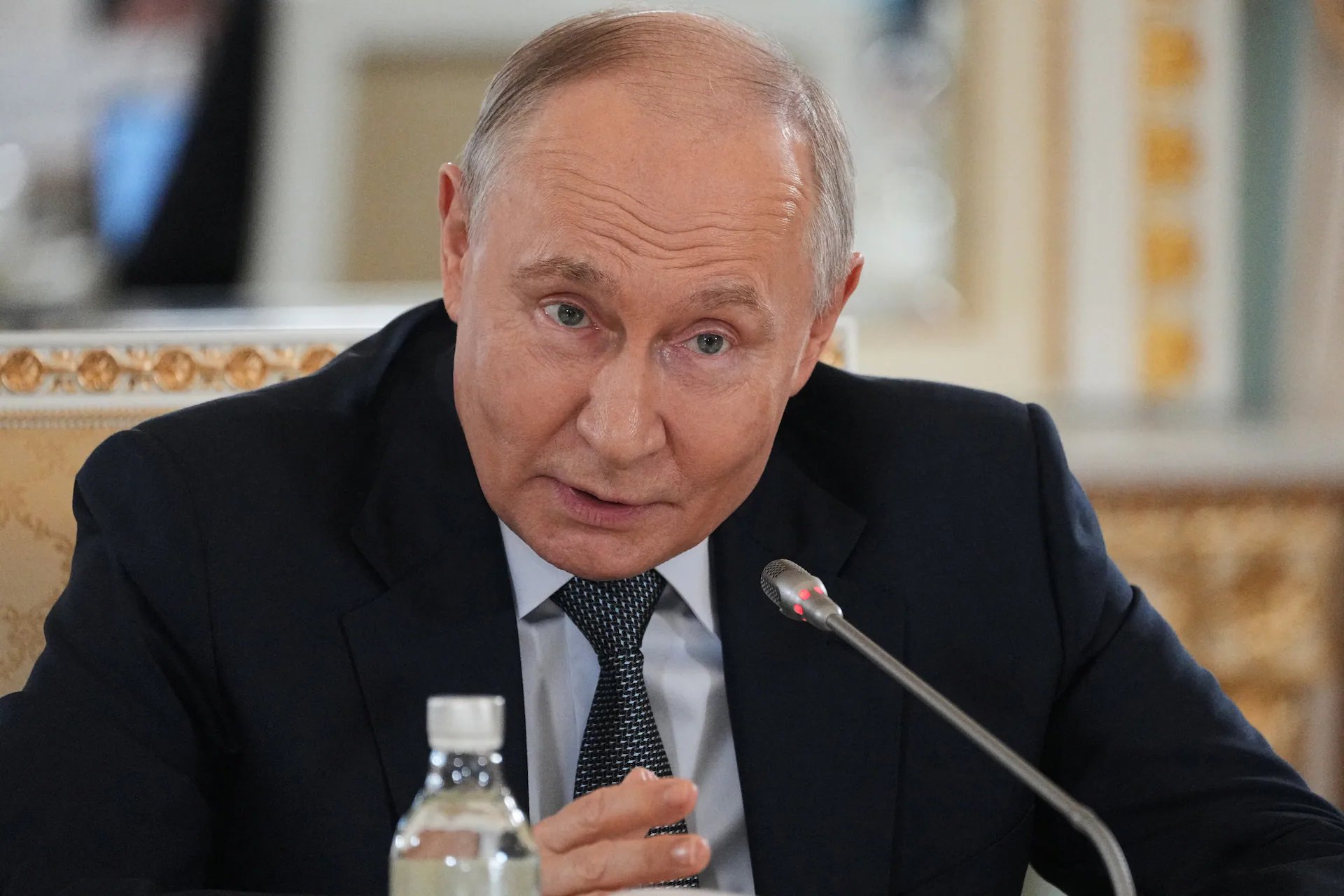
Vladimir Putin has made Armenia's geopolitical choice explicit. Last month, he listed the economic benefits Armenia would lose if it pursued closer ties with the West and pointedly noted that "the crisis in Ukraine began with efforts to move toward EU accession." In the two weeks preceding the election, Moscow banned the export of Armenian flowers, mineral water, cognac, fresh vegetables, and fruit.
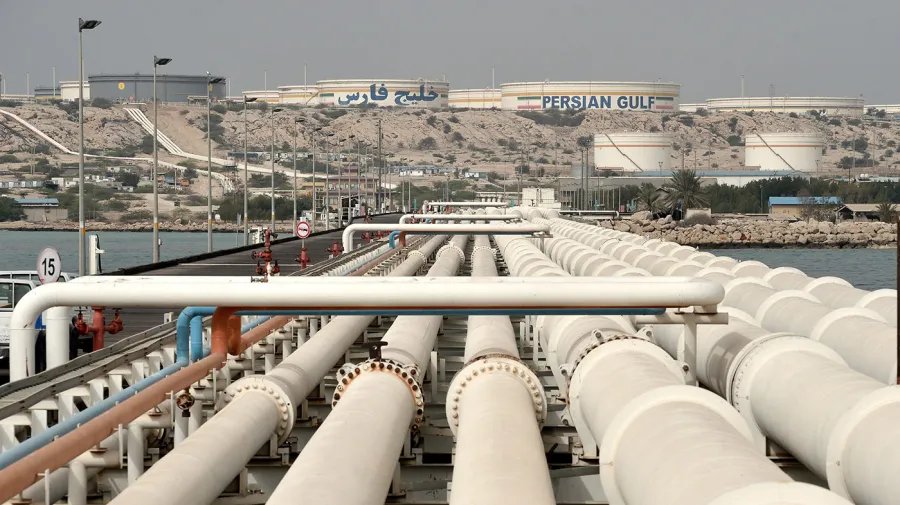
Russia is Armenia's leading trade partner, accounting for 36% of its foreign trade in 2025. The Kremlin also controls energy costs: Russia supplies Armenia with gas at $177.50 per 1,000 cubic meters, while European market prices exceed $600, as Putin noted to Pashinyan in April. In late May, Putin called on Armenia to hold a referendum on whether to join the EU or remain in the Russian-led Eurasian Economic Union, a customs bloc from which Armenia currently benefits.
Haykaz Fanyan of the Armenian Centre for Socio-Economic Studies said Moscow "is trying to somehow impact the final results of voting on June 7." He noted that Armenia's dependence on Russian military equipment has shrunk dramatically, with around 95% of Armenia's military imports now coming from India, France, China, and other countries. "The only way Russia can impact Armenia now is economic," Fanyan said.
Western support and campaign tensions
The European Union is not standing back. On Thursday, European Commission President Ursula von der Leyen pledged 50 million euros for Armenia in response to what she called "Moscow weaponising economic relations for political pressure." The EU also committed to easing trade with Yerevan for goods targeted by Moscow.
Pashinyan's campaign has not been without confrontation. He clashed with displaced Karabakh Armenians, and one incident ended with him using offensive language against civil activist Artur Osipyan, who was later arrested on charges of obstructing the election campaign and went on hunger strike in protest. Opposition parliament member Artur Khachatryan accused Pashinyan of growing authoritarianism and using state resources to his advantage. "I cannot remember any campaign as tense as this one," Khachatryan said.
Pashinyan campaigns under the slogan "Stand for Peace," promoting his doctrine of "Real Armenia" as a country at peace with Azerbaijan and integrated into Europe, rather than one defined by territorial ambitions and dependence on Moscow. For many voters, he remains the only alternative to a return to a past marked by corruption and authoritarianism, even as Russia makes the economic costs of his direction impossible to ignore.