




Record temperatures force nationwide closures
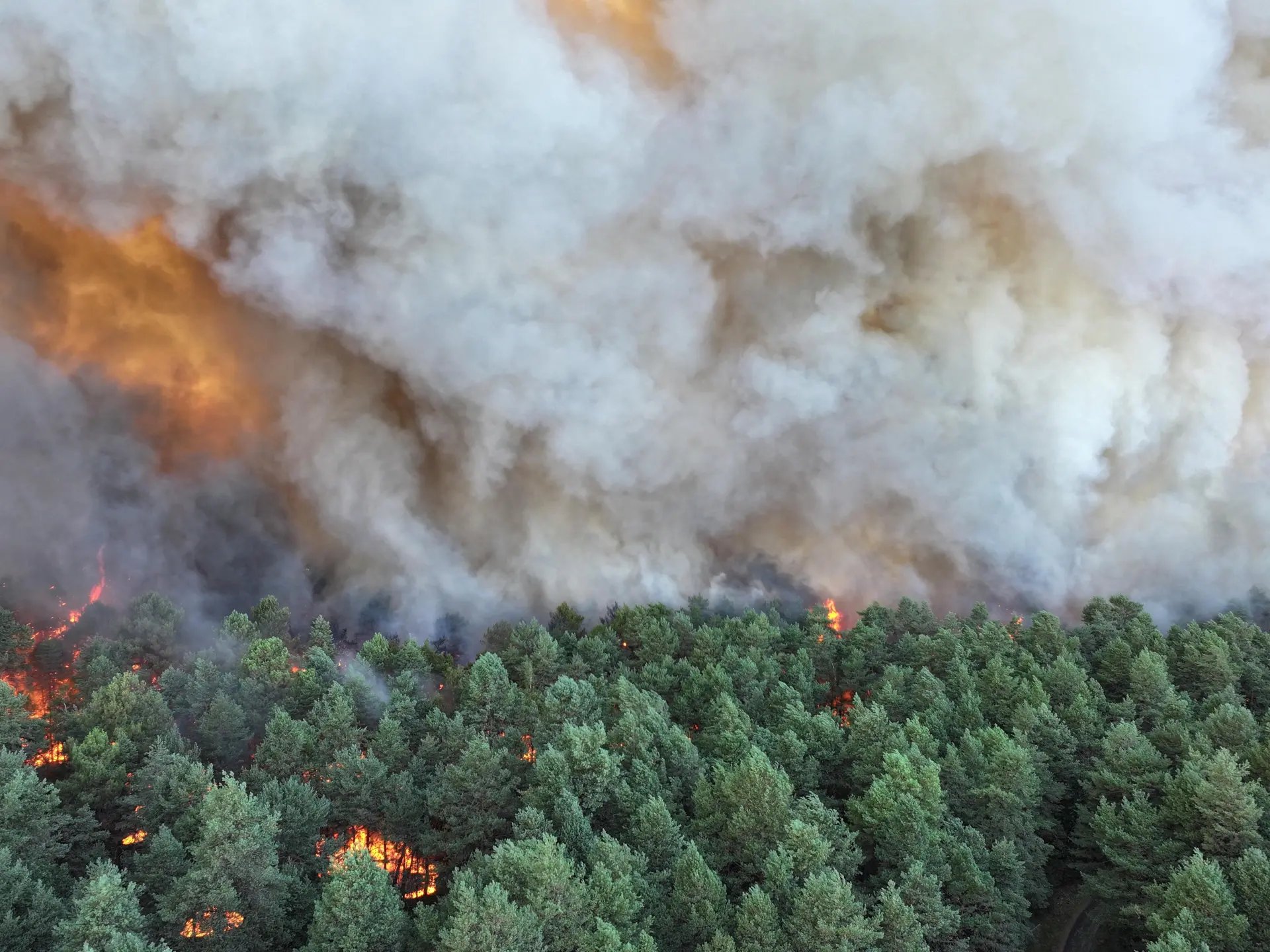
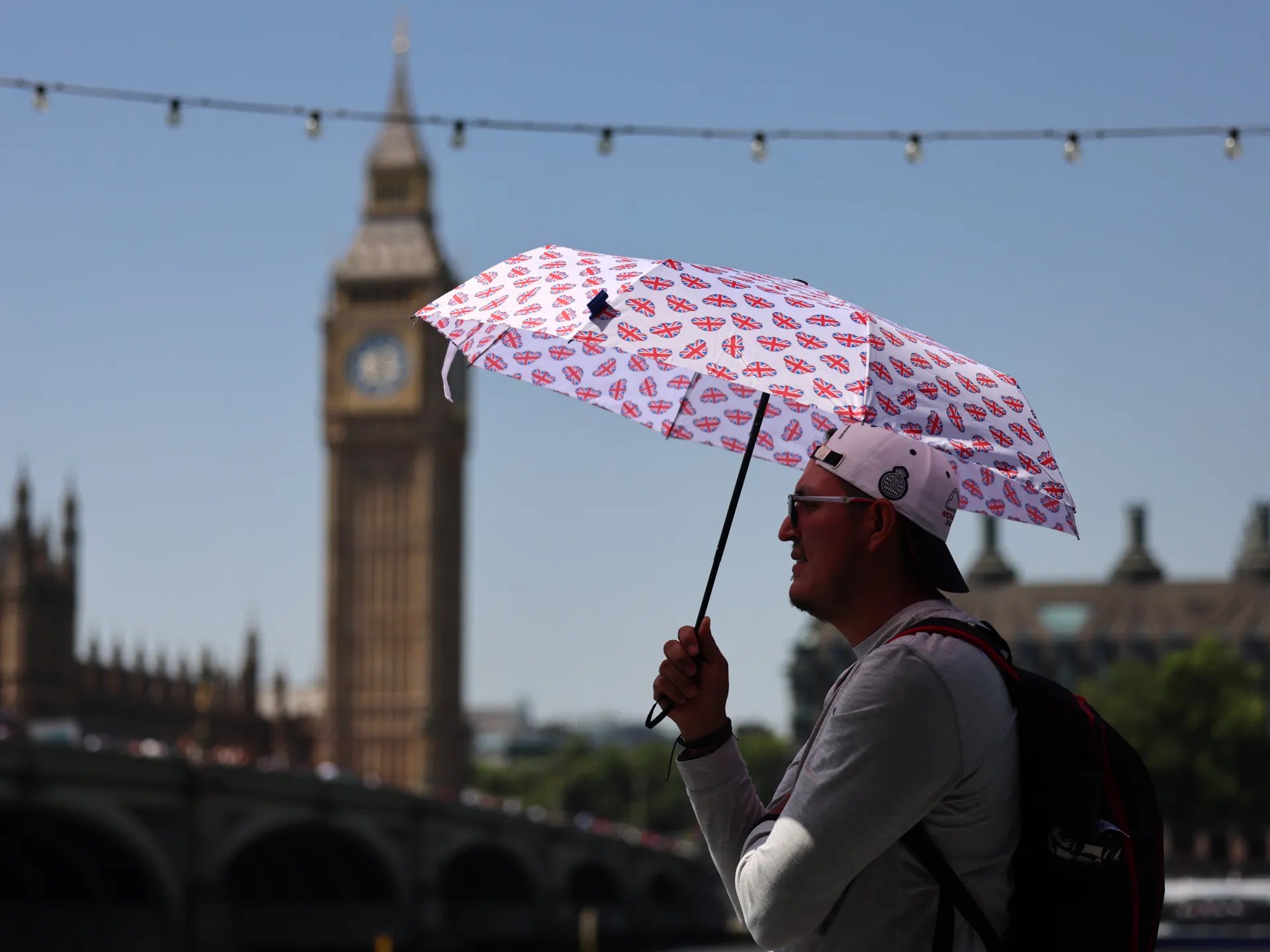
More than half of France's regions are under red heat alerts as temperatures climb toward record levels, prompting authorities to close 845 schools and allow 1,800 others to dismiss students early. Highs of more than 40 degrees Celsius are expected across parts of western France, with temperatures forecast to hit 42 degrees in Bordeaux, according to weather forecaster Météo-France. Health Minister Stéphanie Rist warned that many "fellow citizens will suffer" during the hot weather and called on people to keep a "close eye" on relatives and neighbours.
The heatwave is being driven by hot air moving north from the Sahara desert, which is trapping hot air over western and central Europe in what meteorologists call a "heat dome." The conditions could result in one of the longest heatwaves in recent years, with temperatures not expected to drop until the end of the week.
Transportation disrupted across the continent
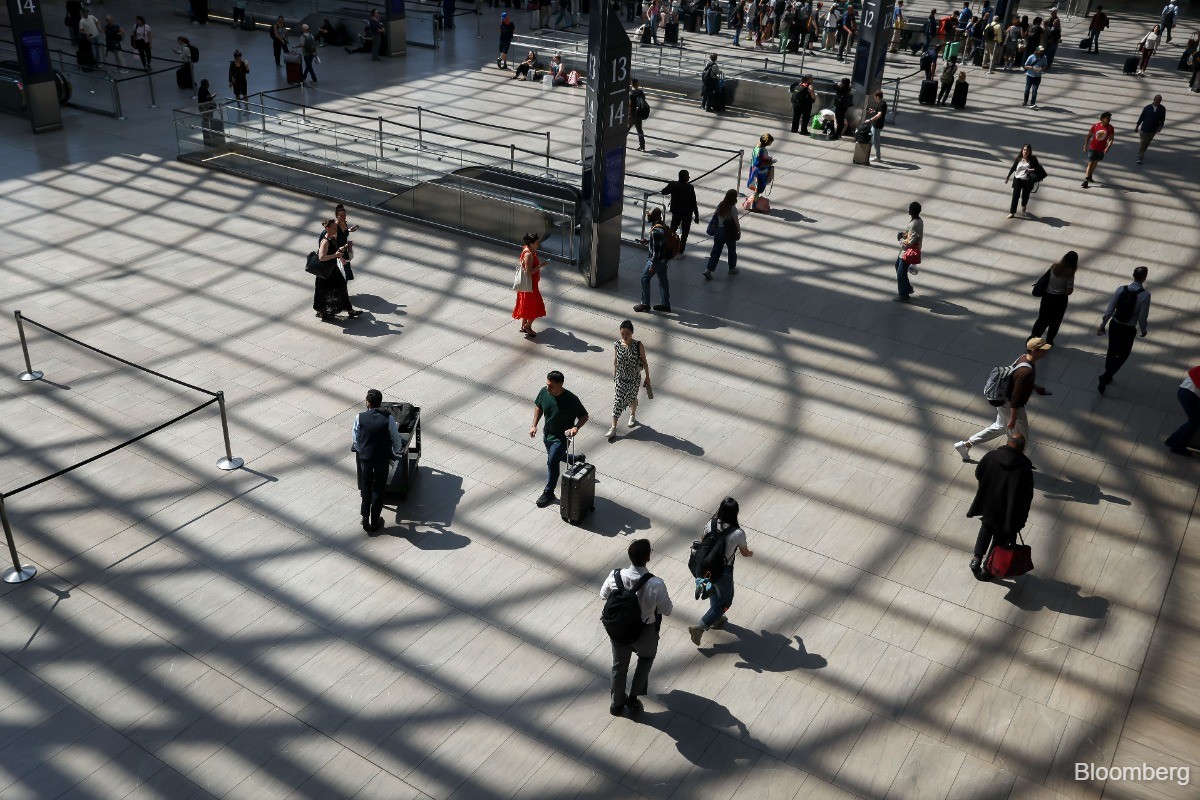
The extreme heat is forcing major changes to transportation networks. France's national railway operator SNCF canceled 71 intercity trains from Sunday through Monday on key routes and mobilized 3,500 staff to monitor the network, with another 2,000 positioned to conduct emergency repairs. SNCF chief Jean Castex cited risks to overhead power lines and the possibility of tracks expanding in the heat. The operator urged vulnerable passengers to avoid or postpone train travel this week, while several train lines in Paris reduced their services on Monday.
Belgium's train operator announced that some peak hour trains would be cancelled for Monday and Tuesday, as temperatures in the country are expected to reach record levels. High temperatures strongly impacted rail infrastructure across the region, with risks to overhead power lines creating cascading service disruptions.
Public health measures and gathering restrictions
The French government has introduced multiple restrictions to protect public health. An alcohol ban was imposed at the annual Fête de la Musique festival, a national celebration that draws large crowds to streets in most cities. The government said the ban aimed "to preserve emergency and healthcare services and allow medical staff to focus on caring for the most vulnerable." The Louvre museum in Paris canceled a free concert under its famous glass pyramid.
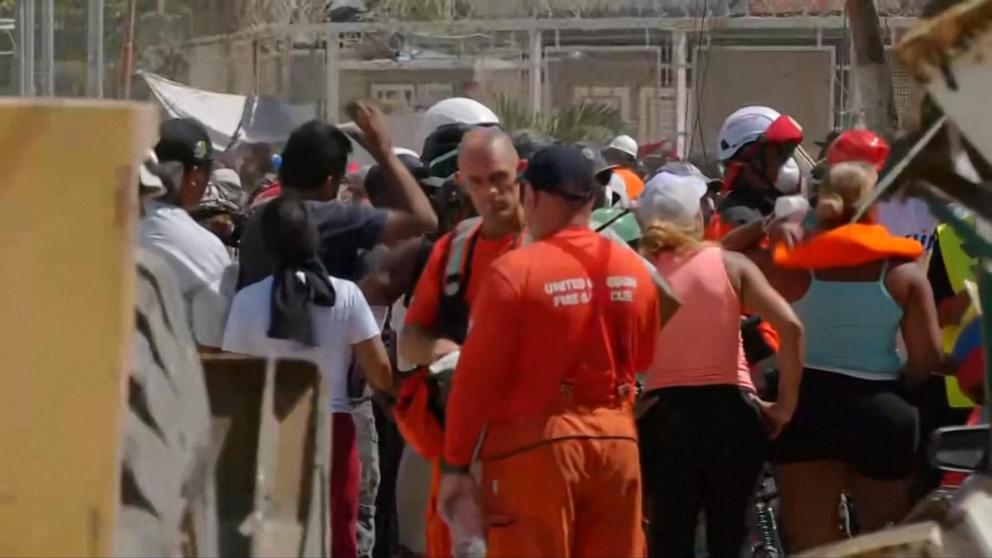
Authorities have also warned people not to cool off in unsupervised areas such as lakes and rivers after 13 drowning deaths occurred over the weekend. In Germany, the German Life-Saving Association urged swimmers not to underestimate dangers in rivers and lakes, following five drownings or missing persons in Franconia, Hesse and North Rhine-Westphalia.
Broader European impacts
The heat wave is affecting multiple countries across western Europe. In the UK, the Met Office issued a rare red heat warning for parts of England and Wales, with forecasts suggesting temperatures could reach 38 degrees Celsius in some areas. Spain's state weather service warned of "extremely high" temperatures until Wednesday, with highs in San Sebastian forecast to rise to 40 degrees, almost double its average for this time of year. Madrid is forecast to hit 39 degrees on Monday.
In Italy, temperatures are predicted to reach 37 degrees in Rome, prompting authorities to issue red alerts in eight cities including Bologna, Florence, Milan and Turin. Germany faces temperatures climbing to 39 degrees by Wednesday, along with warnings of severe thunderstorms and rain. Organizers of the Berlin Open tennis tournament evacuated the grounds as heavy rain and strong winds set in. The women's singles final between Jessica Pegula of the United States and Linda Noskova of the Czech Republic was suspended due to the weather.
Deaths and long-term climate pattern
Heat-related deaths have already occurred. In the south-west Gironde region, three people aged between 80 and 95 died partly due to the intense heat. The World Health Organization's Europe office reports that over 200,000 people across the continent have died from heat-related causes over the last four years.
This marks the second heat wave to hit Europe this year, following an earlier period of unusually high temperatures last month. Of the 51 heatwaves recorded in France since 1947, 34 have taken place since 2000 and 26 since 2011, according to Météo-France. An estimated 63 million people across France are affected by either red or orange heat alerts.