




The Injunction and Its Scope
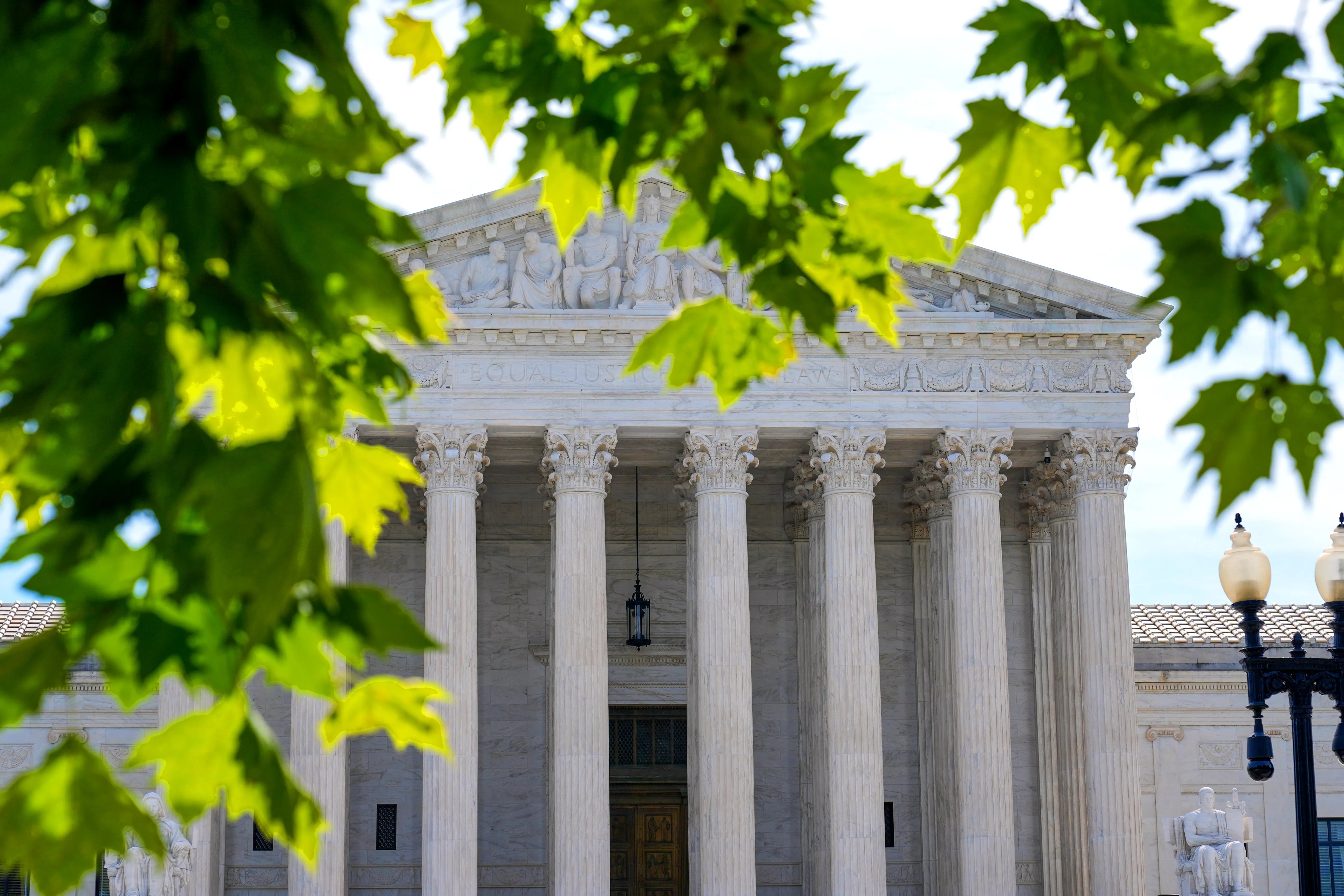
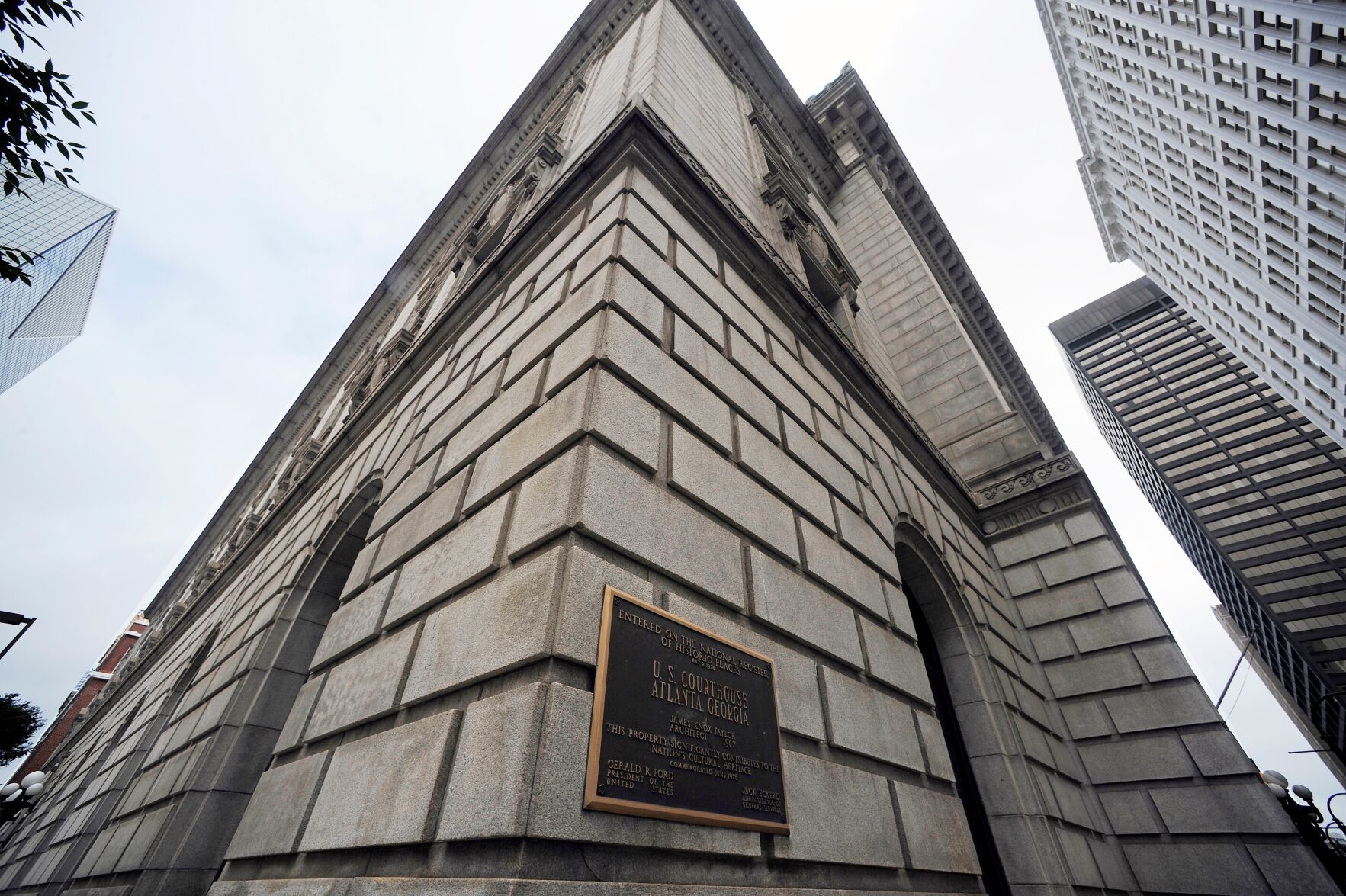
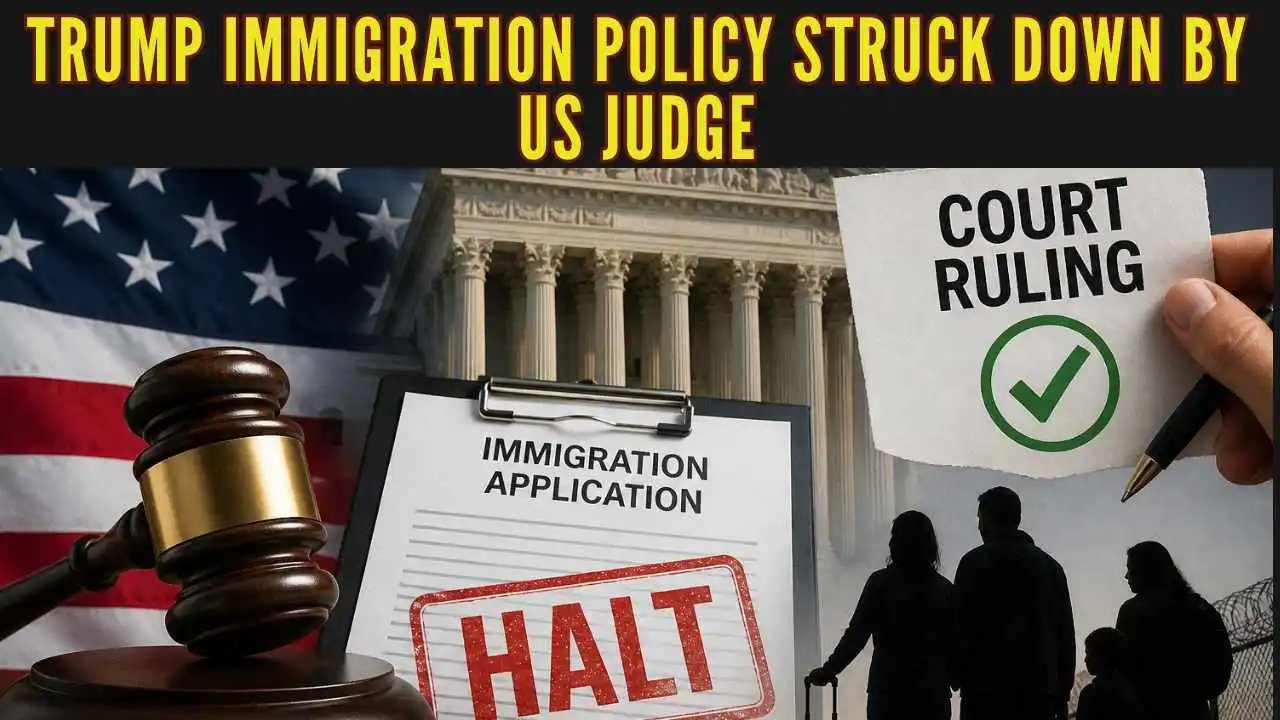
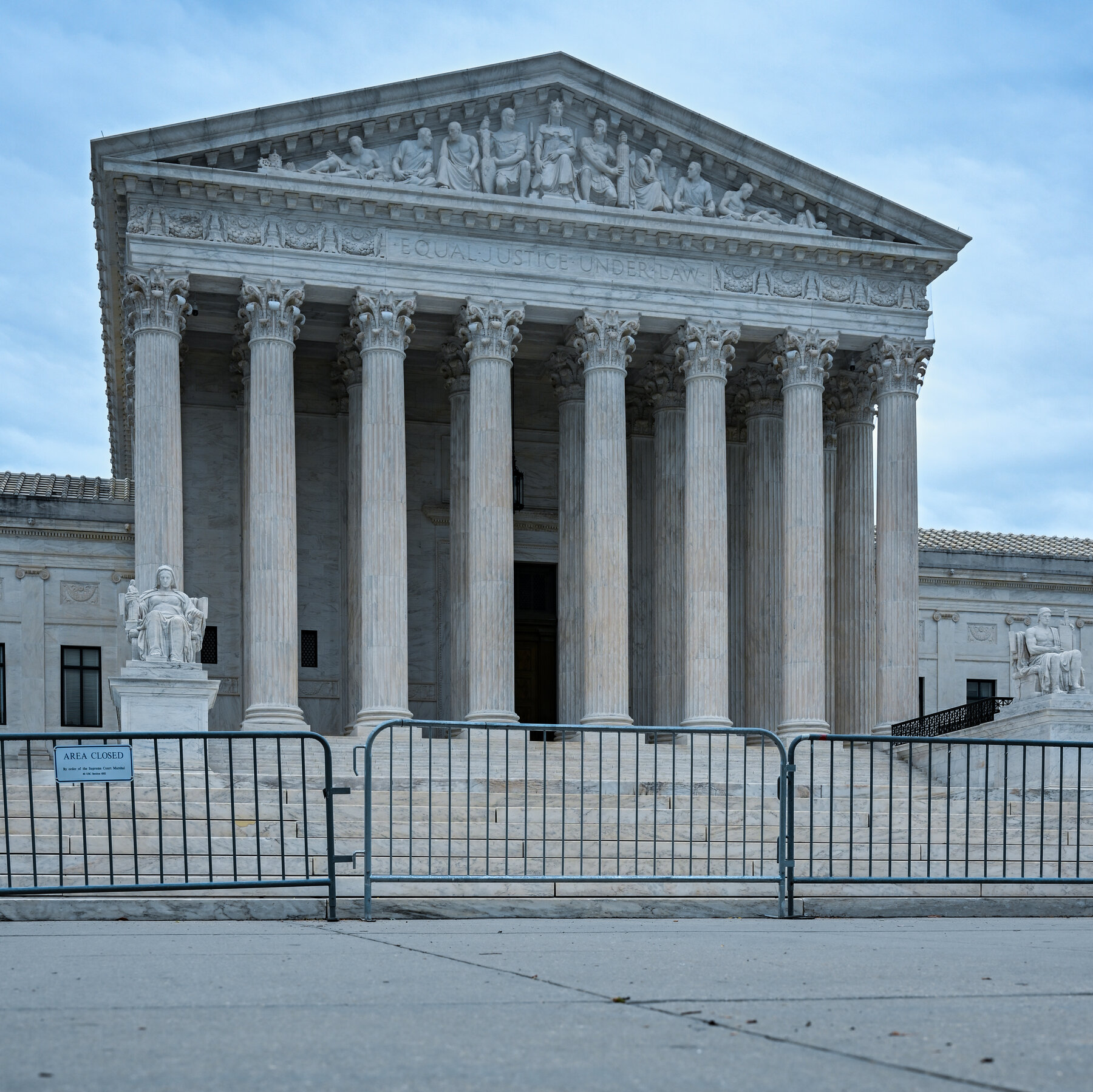
U.S. District Judge Leonie Brinkema granted a preliminary injunction that indefinitely prevents the Justice Department from taking any action related to the fund while the case proceeds.
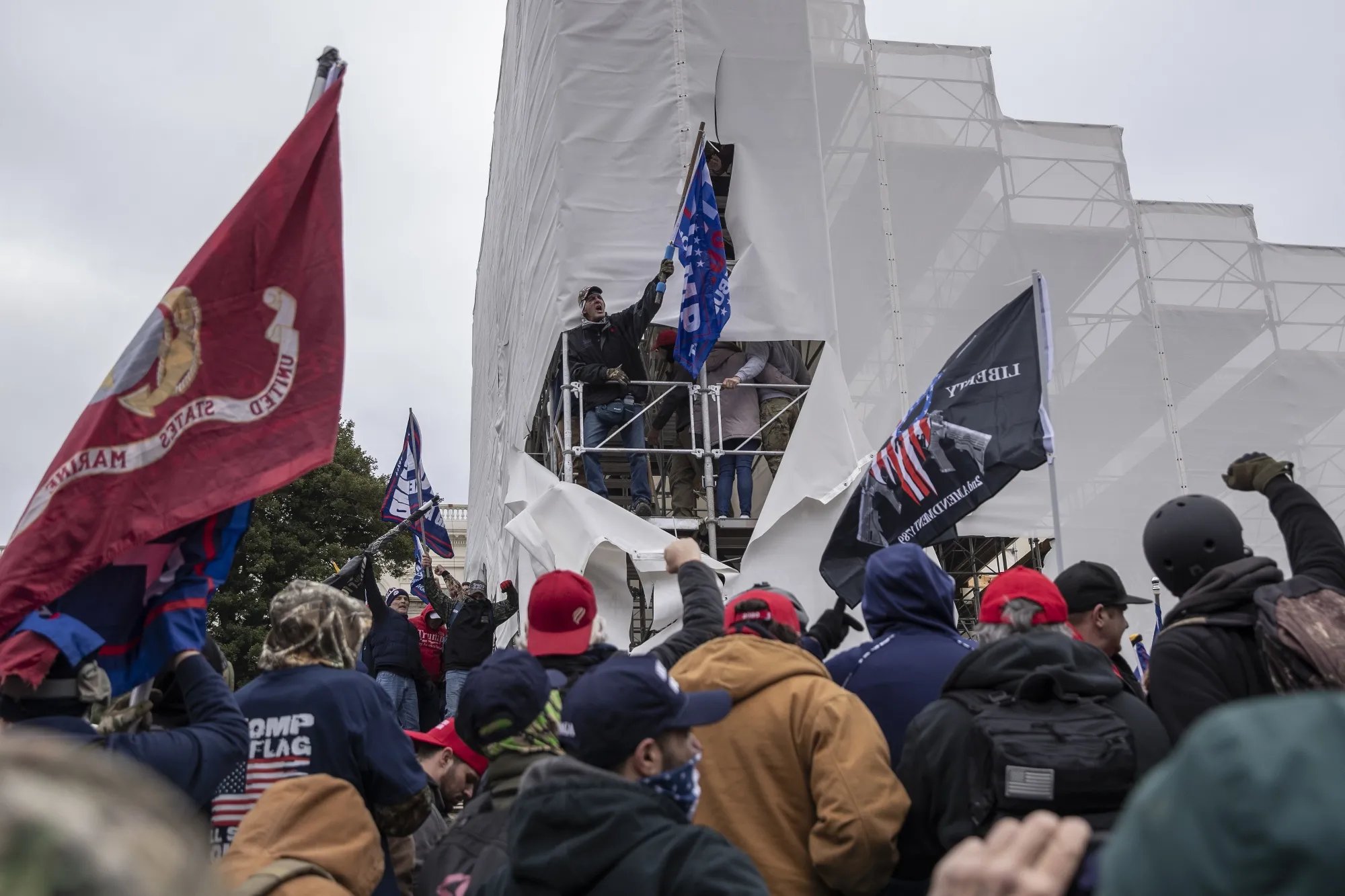
The fund was announced last month as part of a settlement agreement in which Trump dropped a $10 billion lawsuit against the IRS and two civil claims totaling $230 million related to the Russia investigation and the Mar-a-Lago search. The Justice Department did not specify who could benefit from the fund, but shortly after its announcement, several people convicted of crimes related to the January 6 Capitol attack said they planned to apply for relief.
Why the Judge Remained Skeptical
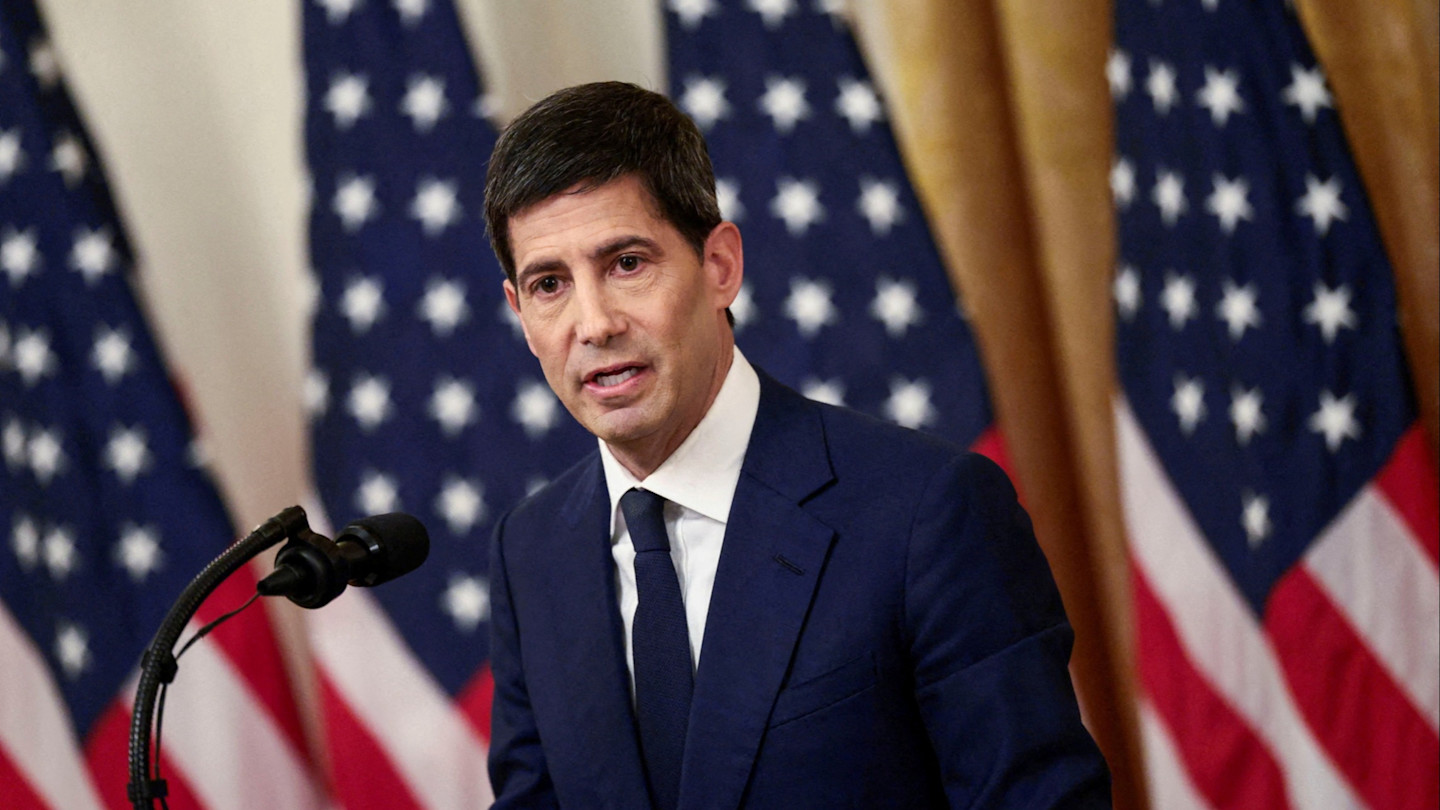
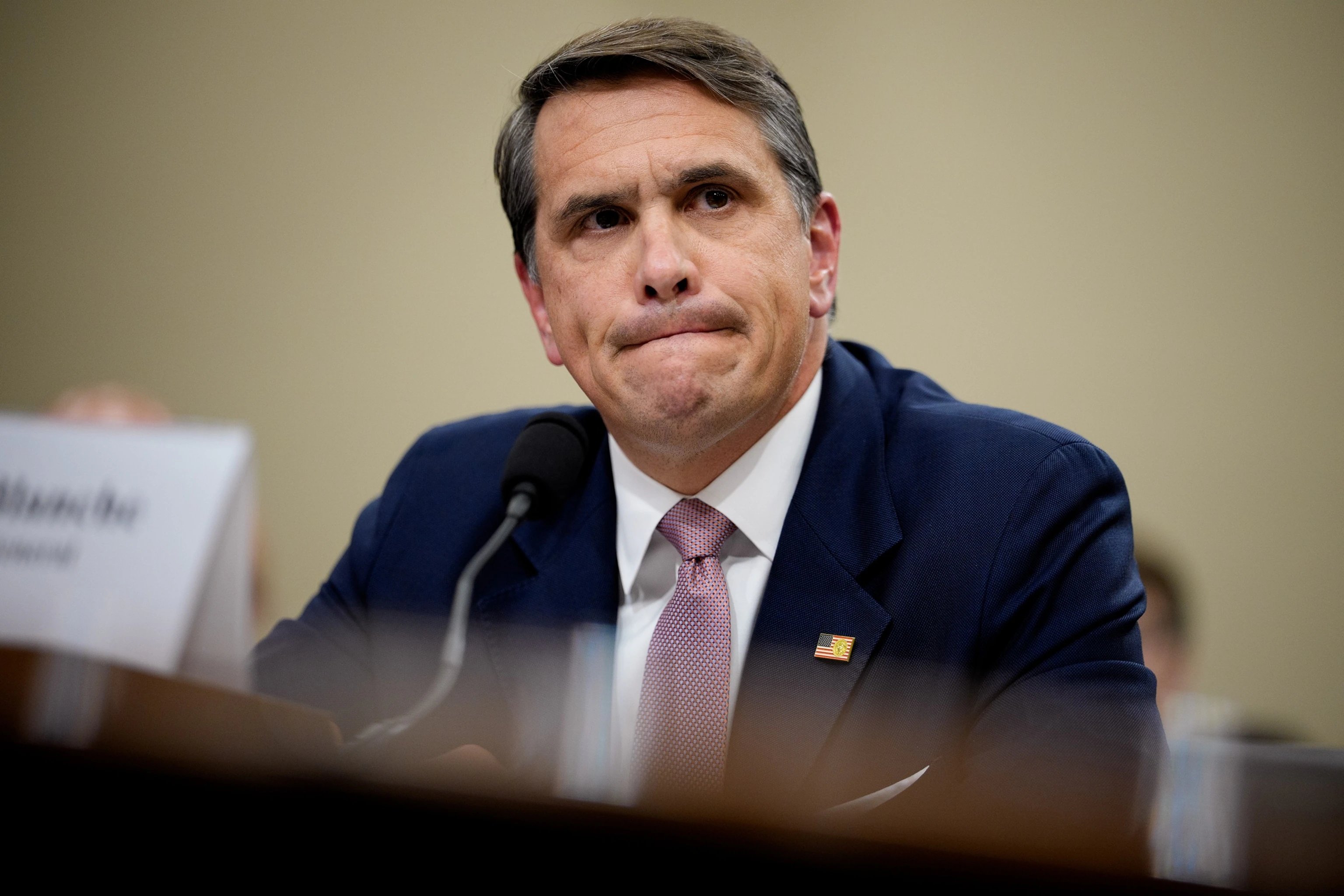
Brinkema rejected the Justice Department's argument that the case was moot, finding that public statements about abandoning the fund carried no legal weight without sworn declarations under penalty of perjury. During Friday's hearing, she repeatedly pressed DOJ attorney Andrew Block on why Acting Attorney General Todd Blanche has not rescinded the May 18 order that established the fund or committed in writing to abandoning it. Block said he had not spoken to Blanche about the matter.
The judge called this a "huge gap in the record" and said she could not believe, given the case's significance, that the government's lawyer would not have attempted to get an answer. Brinkema noted that no sworn declaration under penalty of perjury had been submitted by any official stating the fund would not proceed, which meant the case was not truly moot despite the Justice Department's public statements.
Trump's Own Words as Evidence
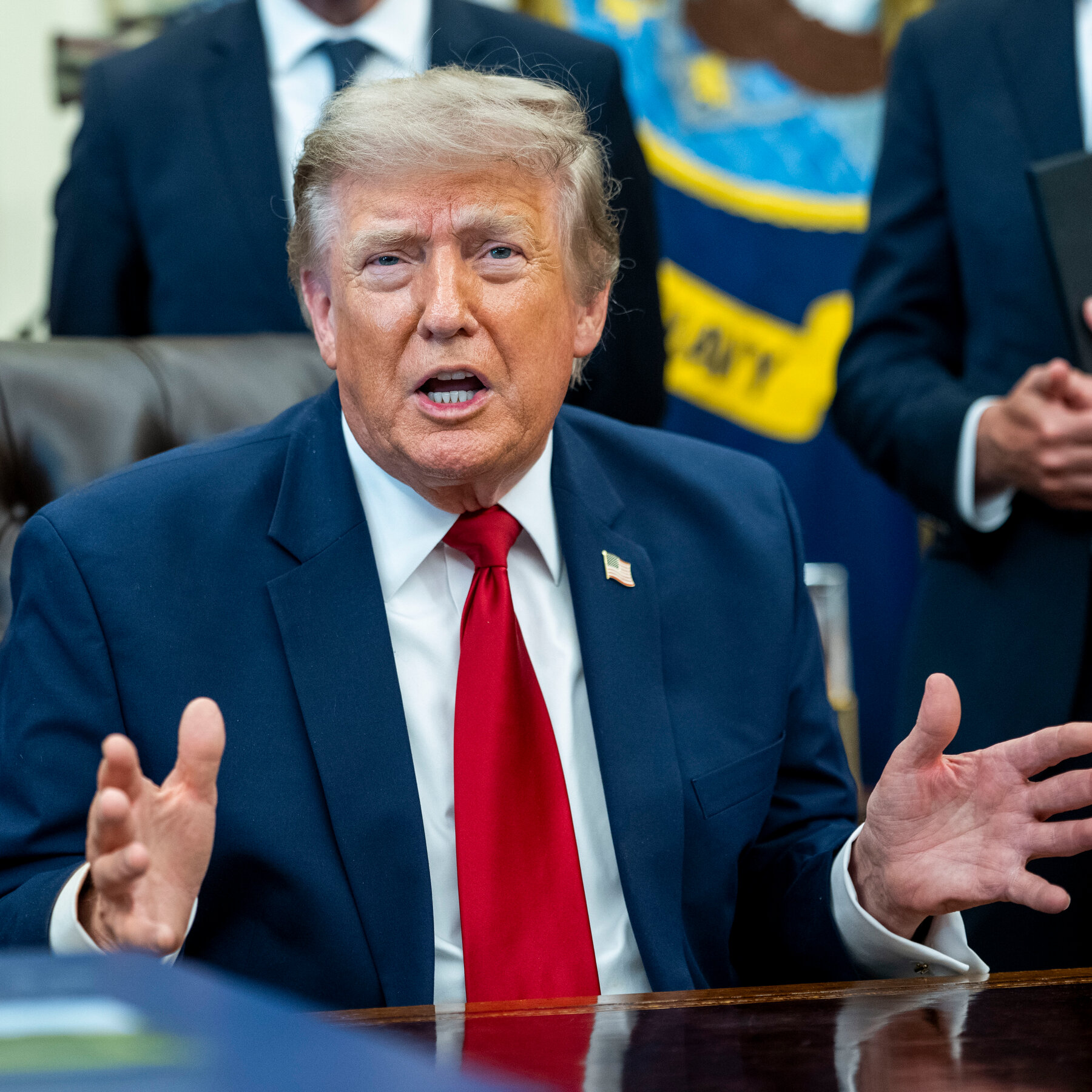
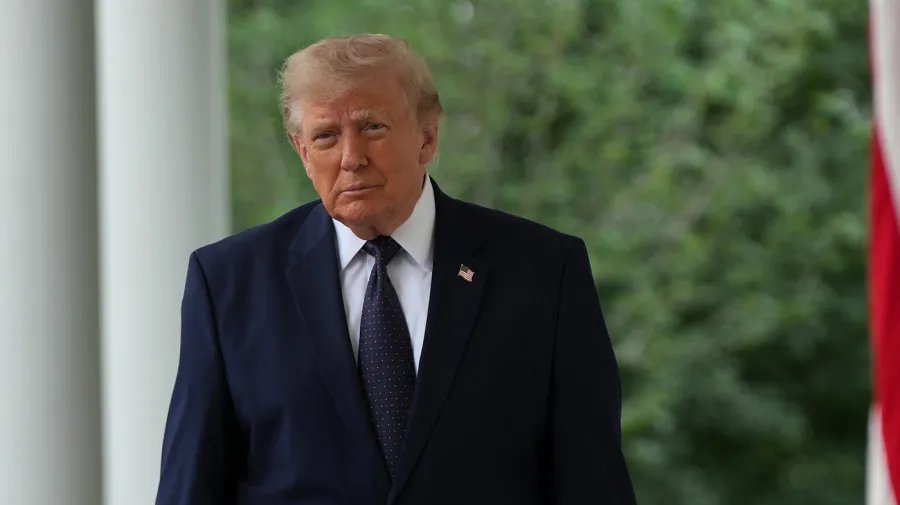
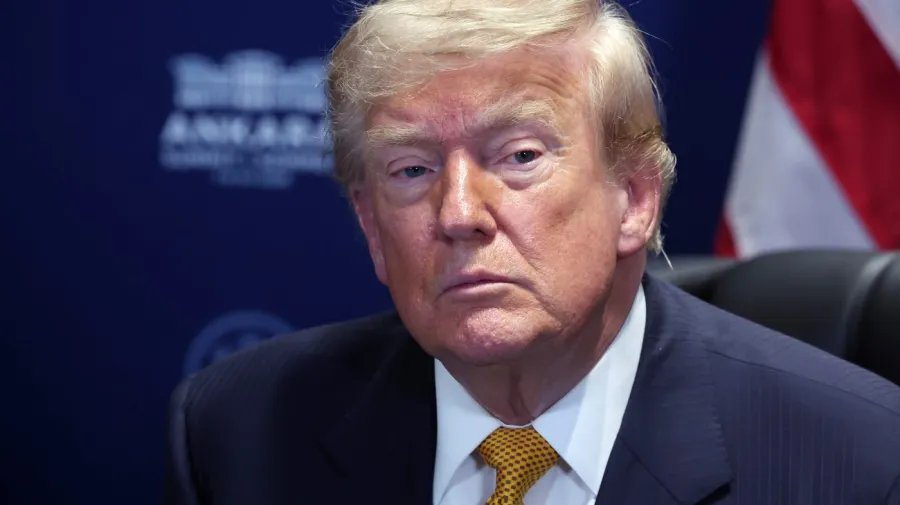
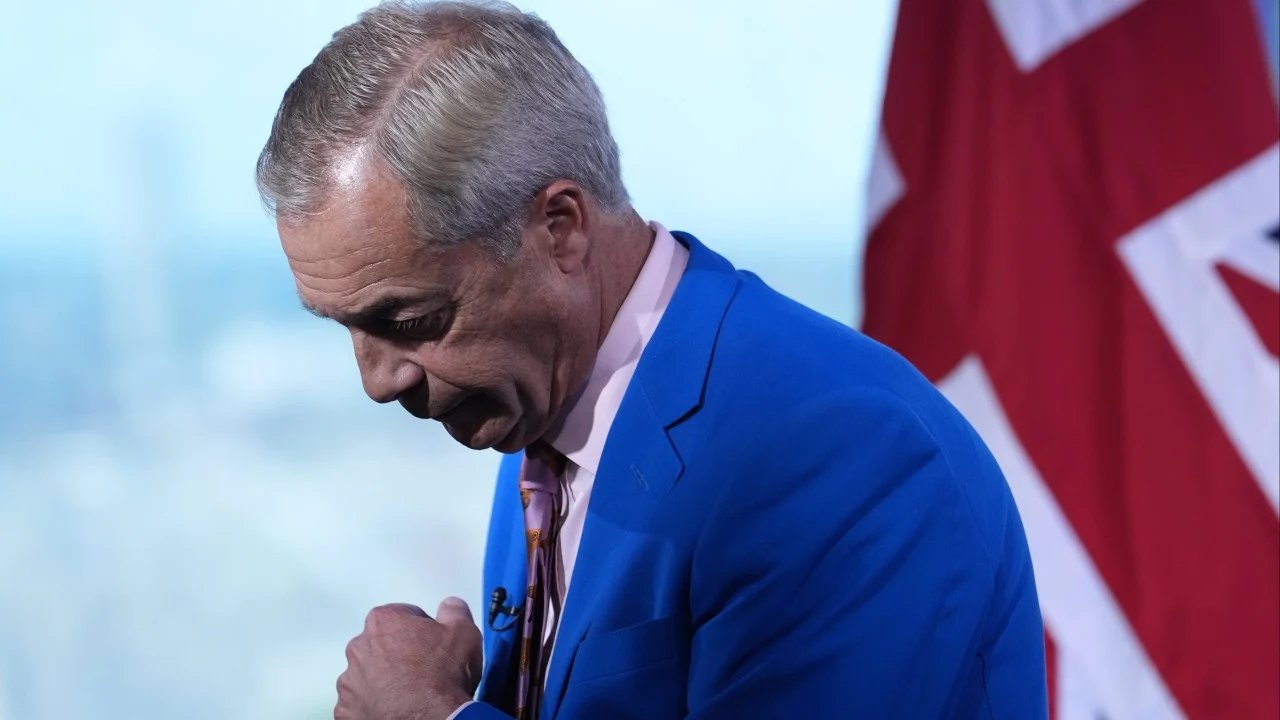
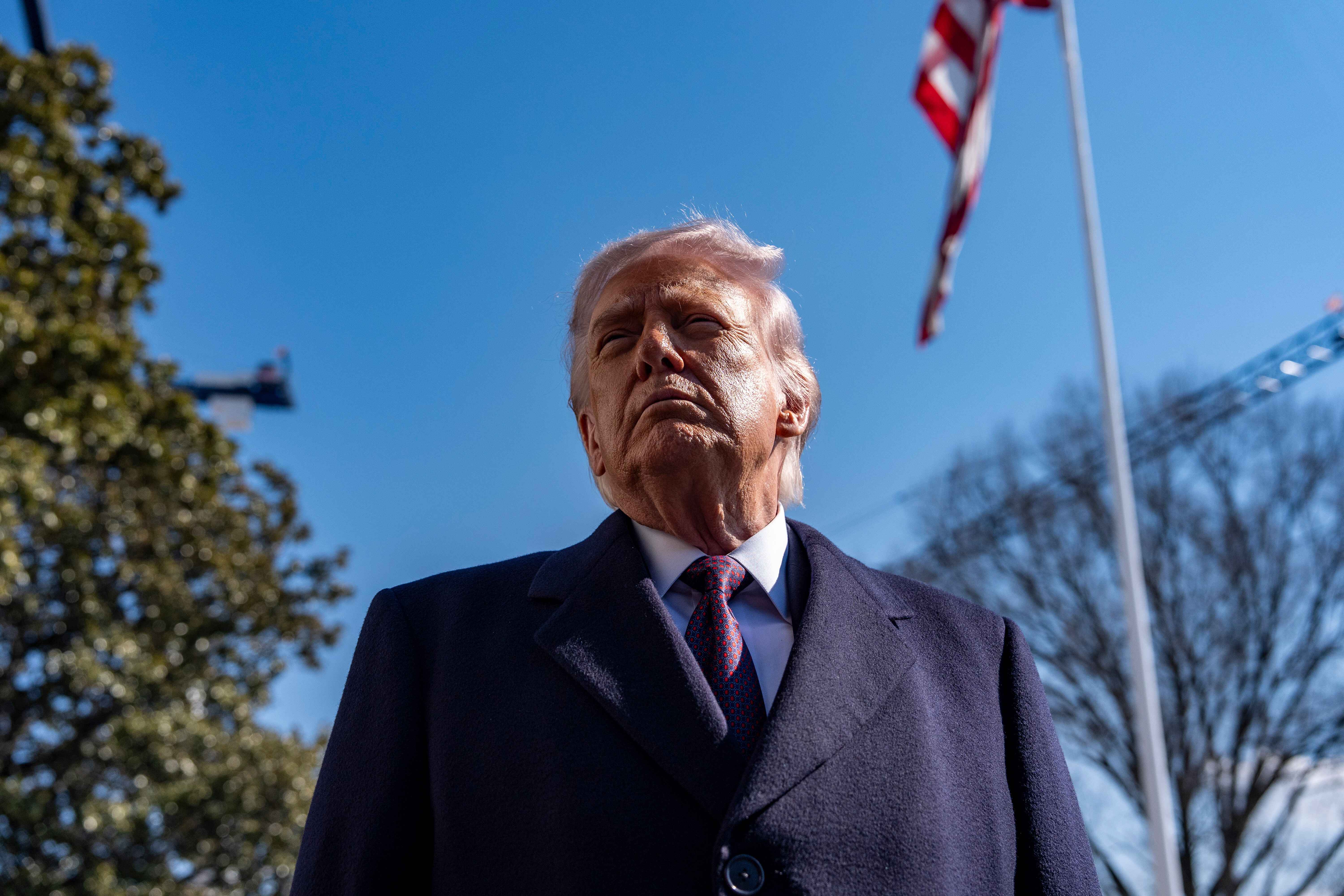
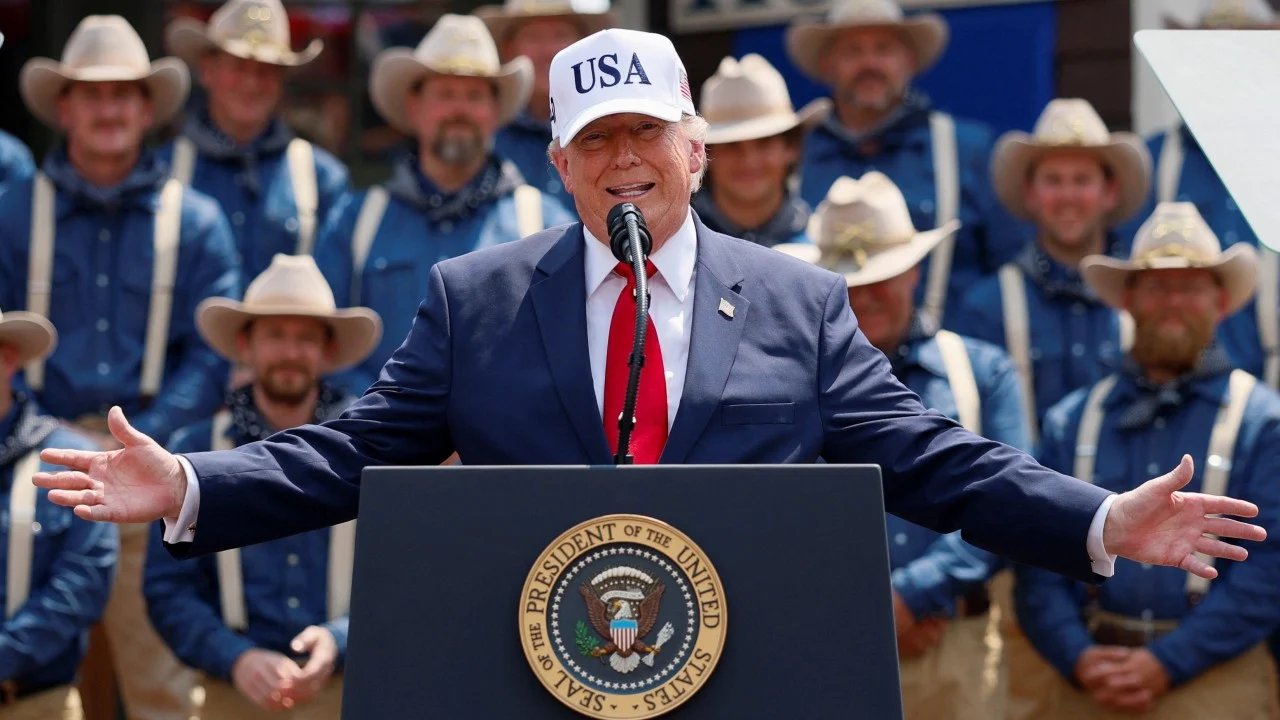
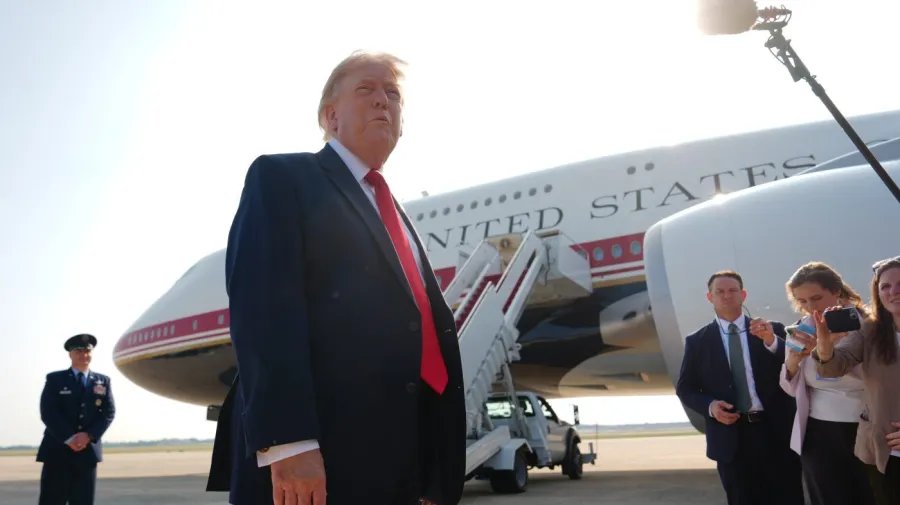
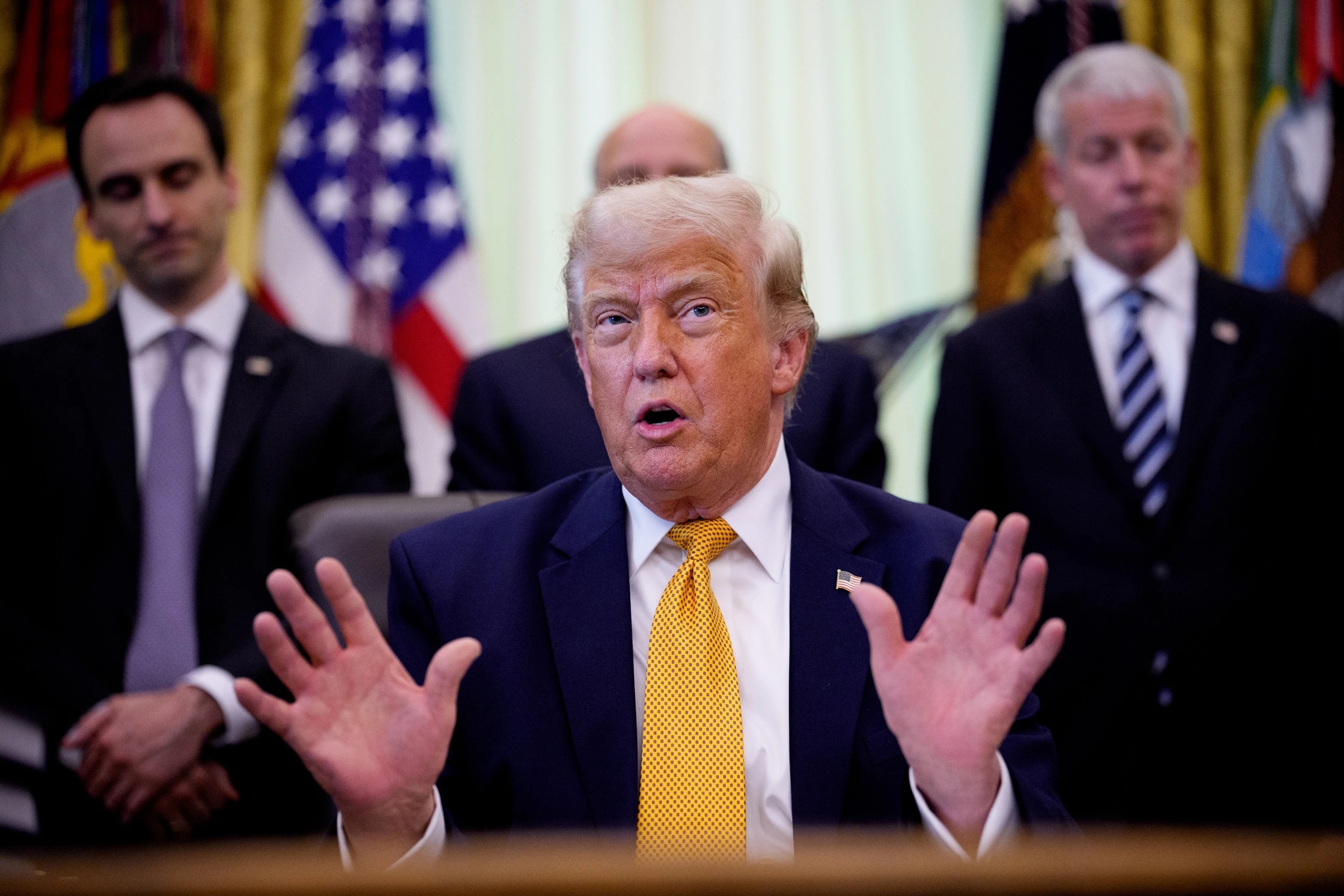
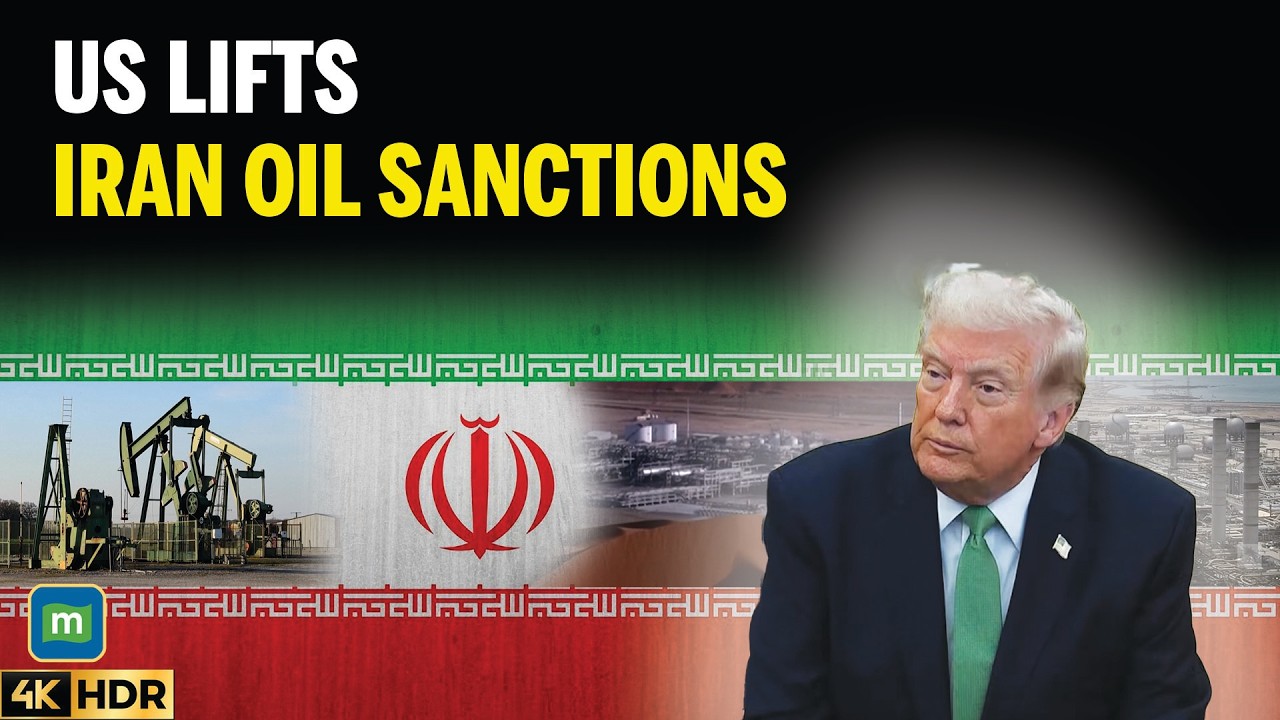
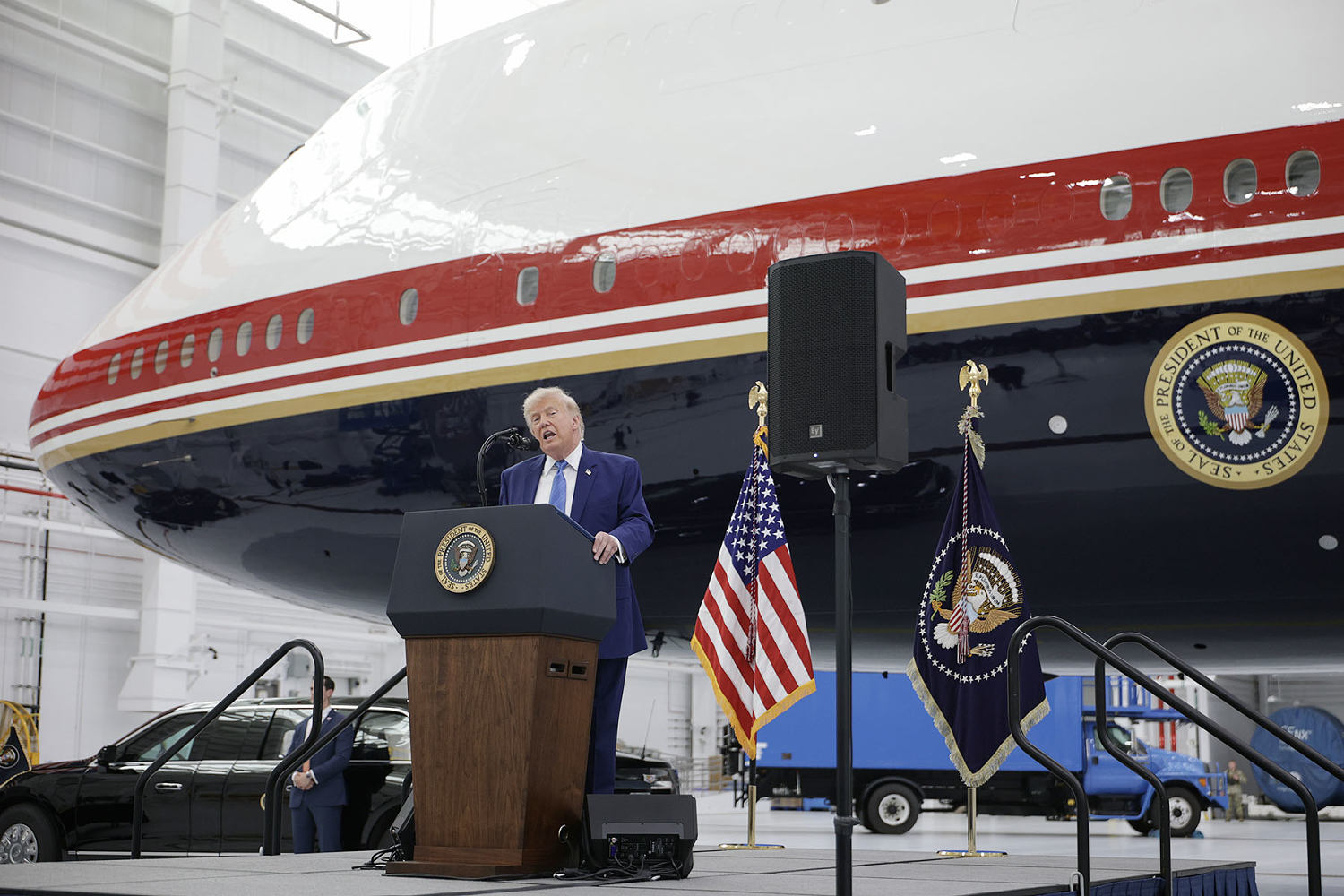
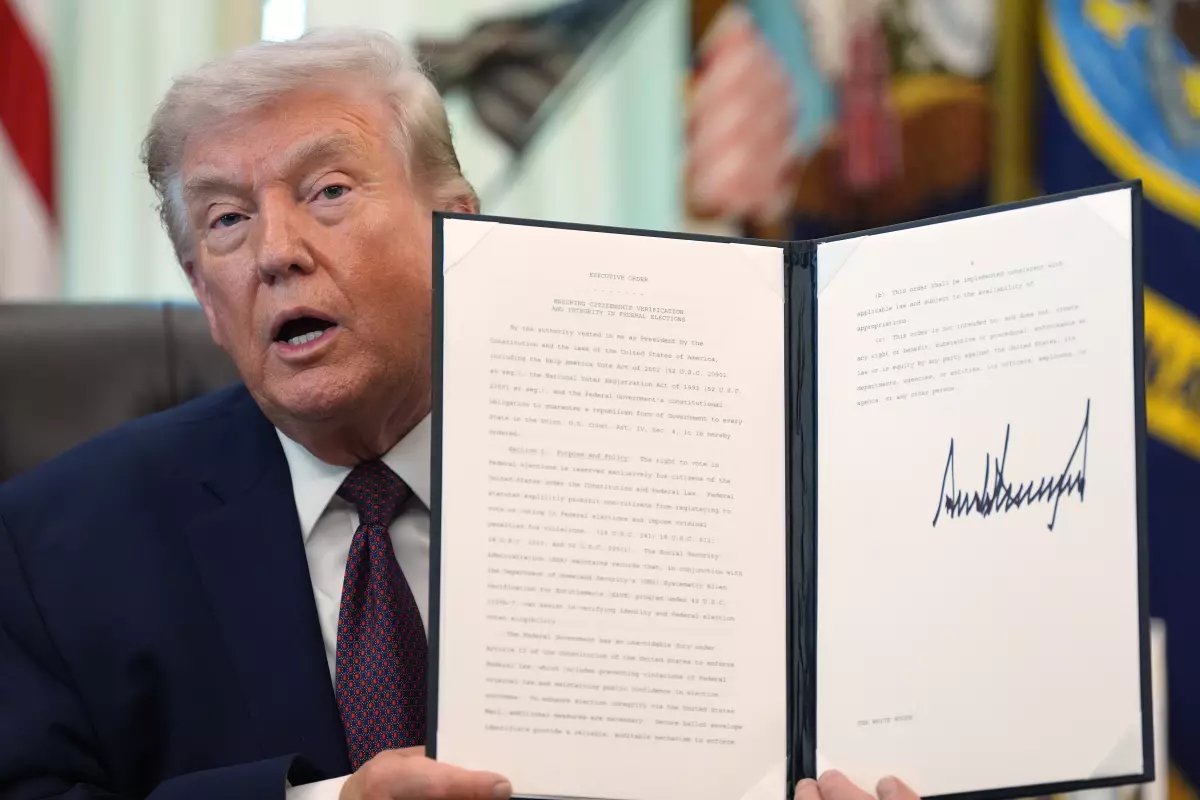
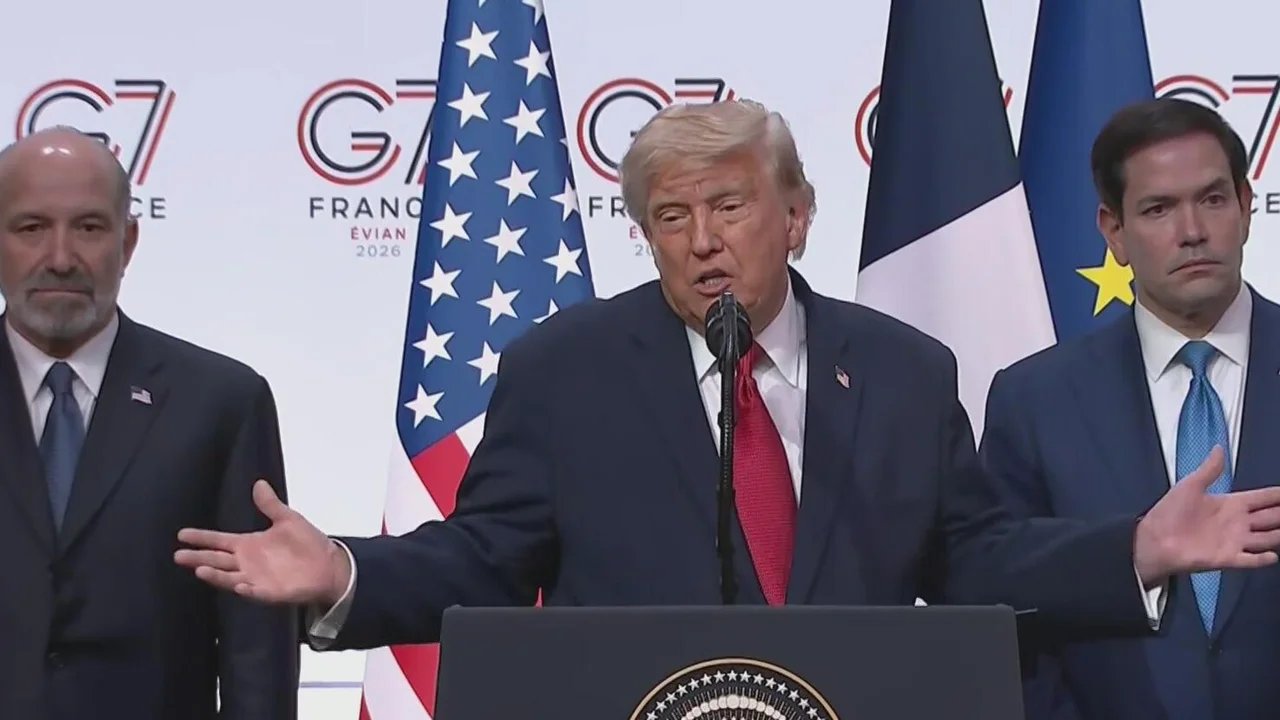
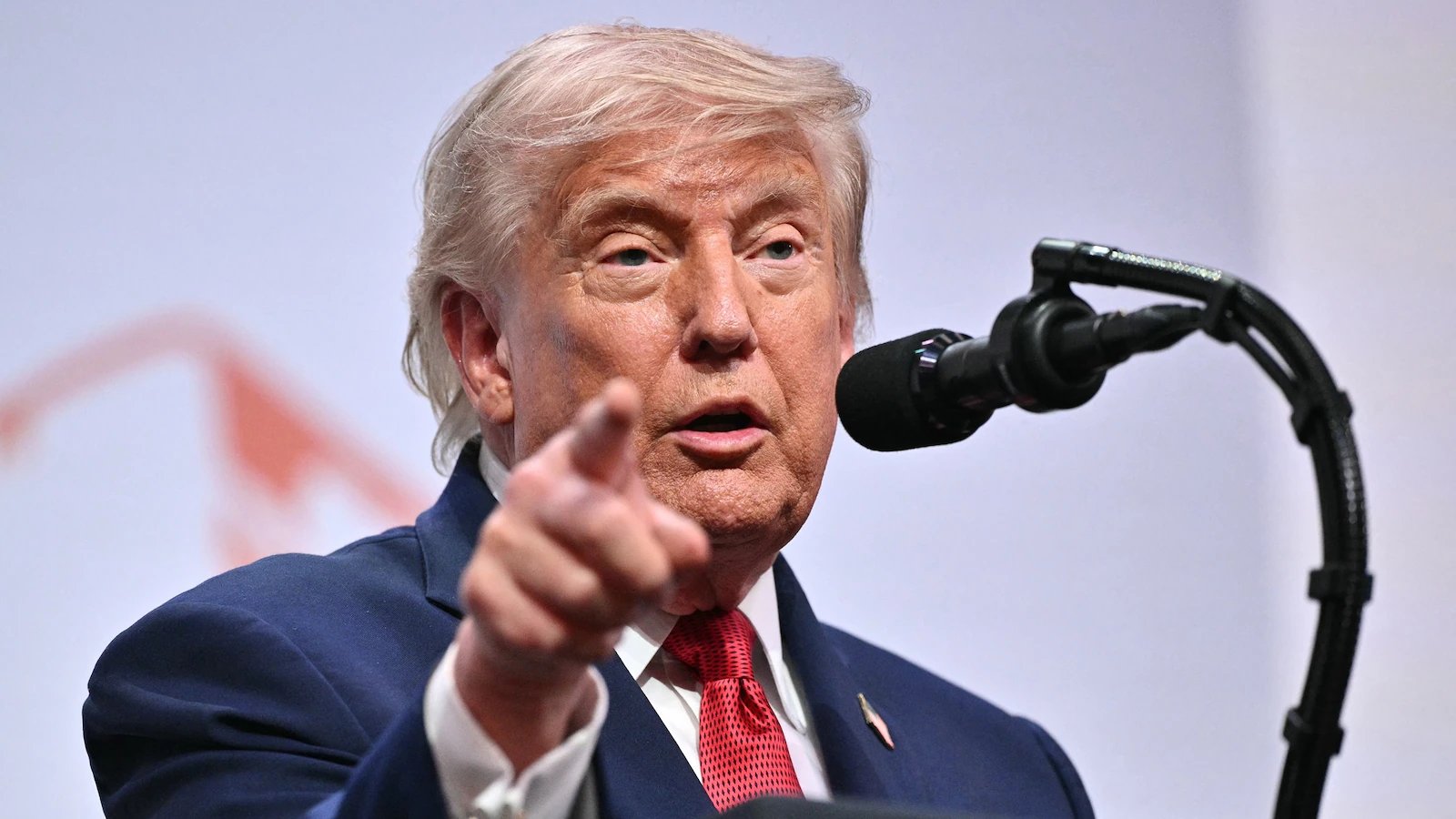
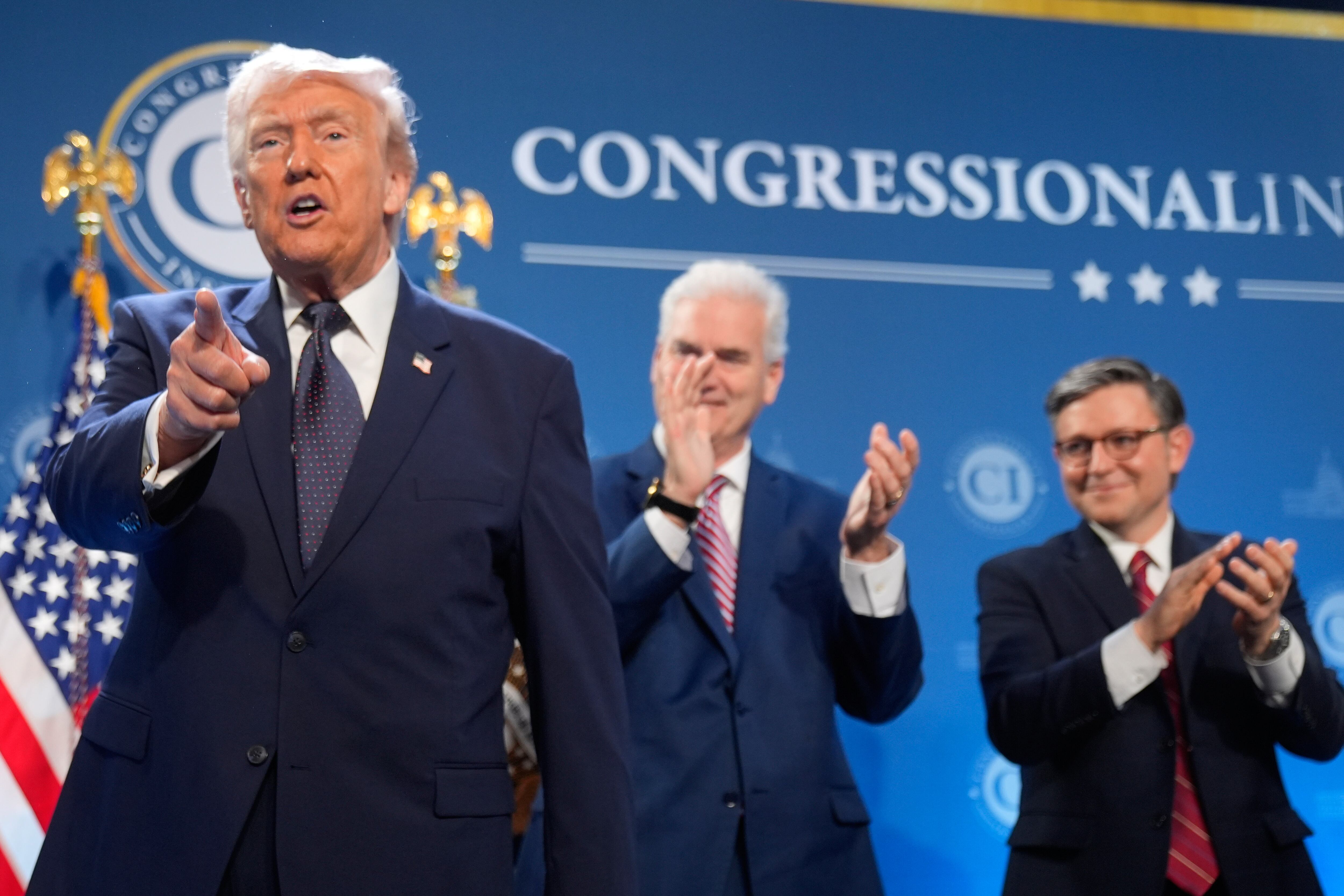
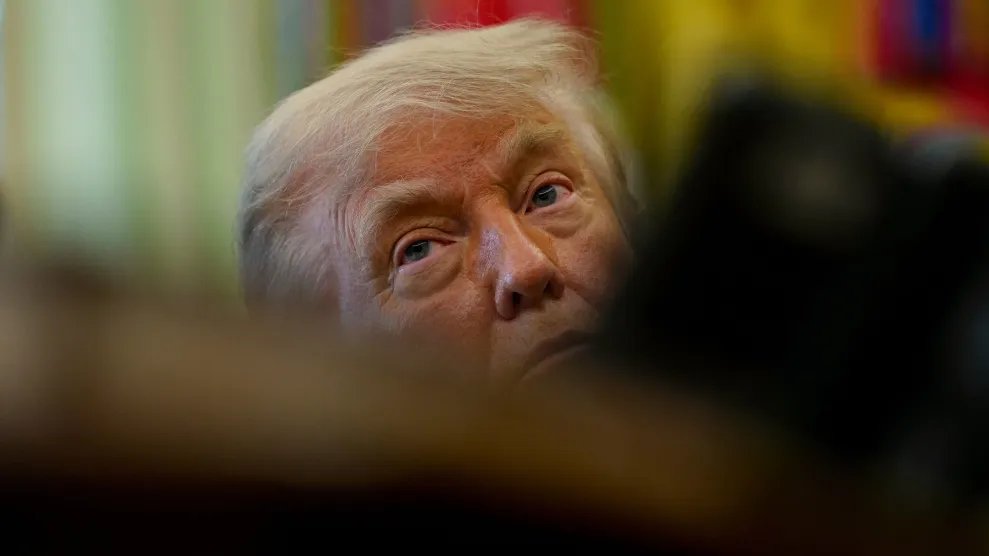
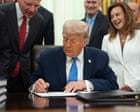
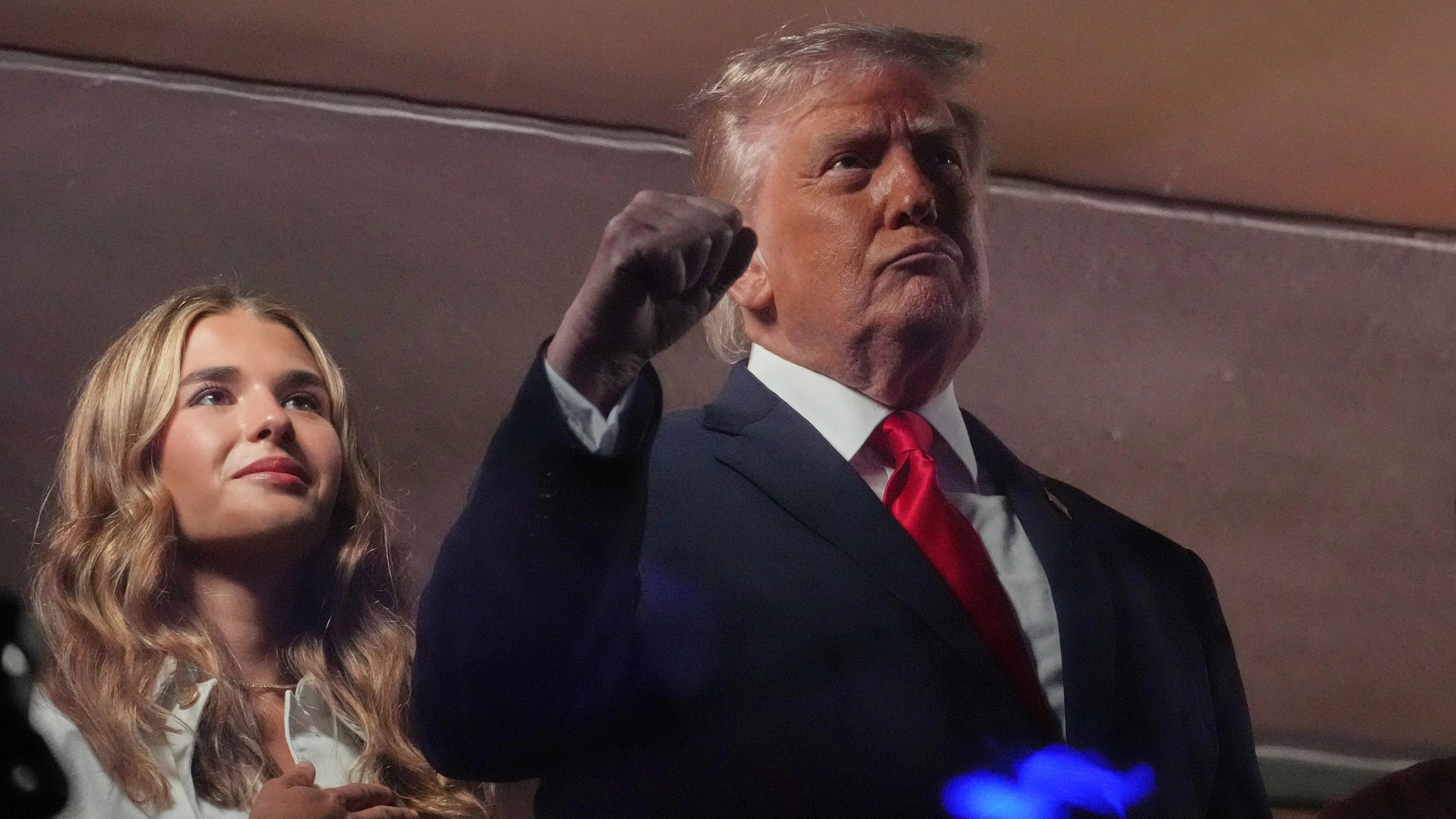
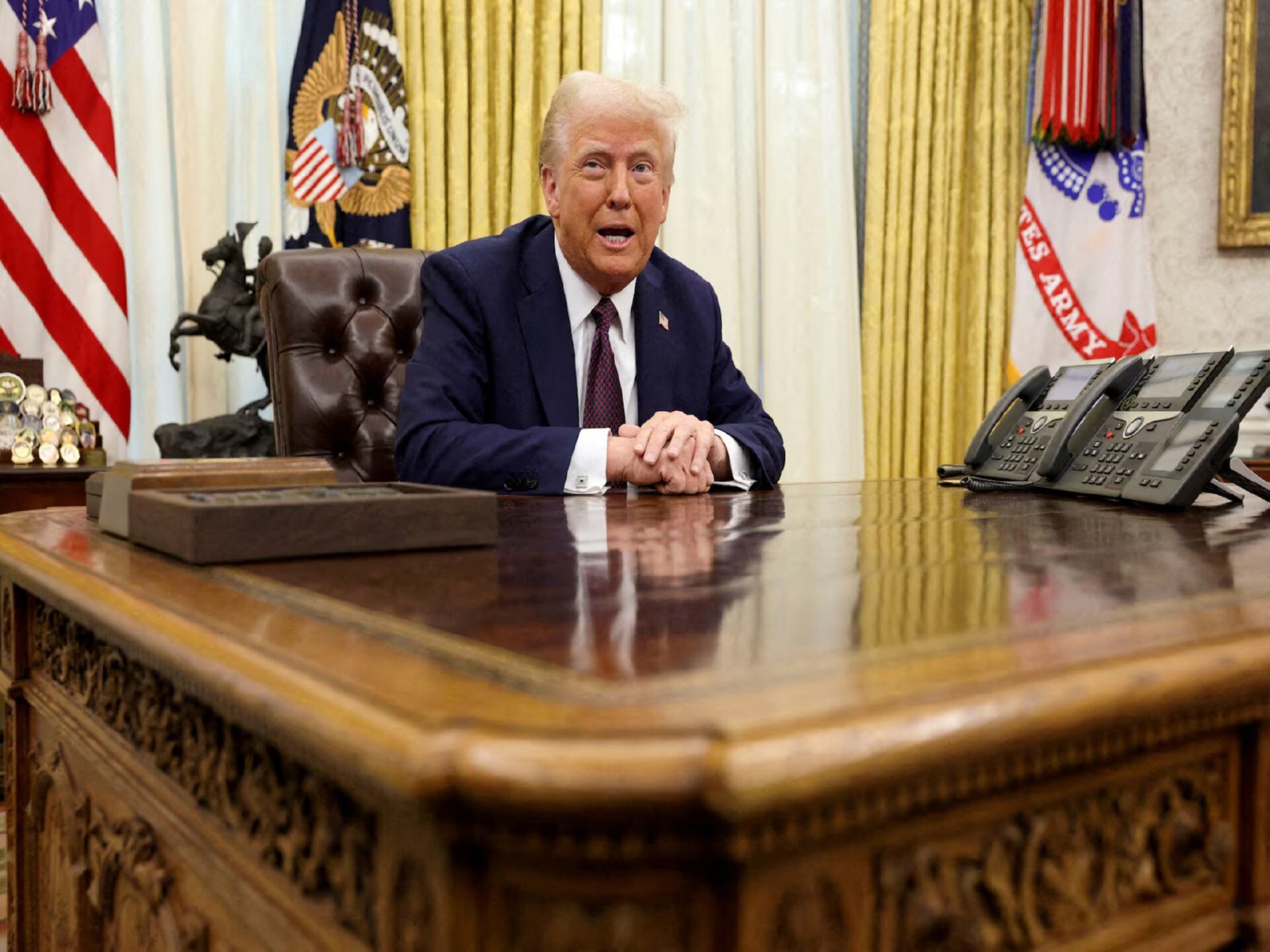
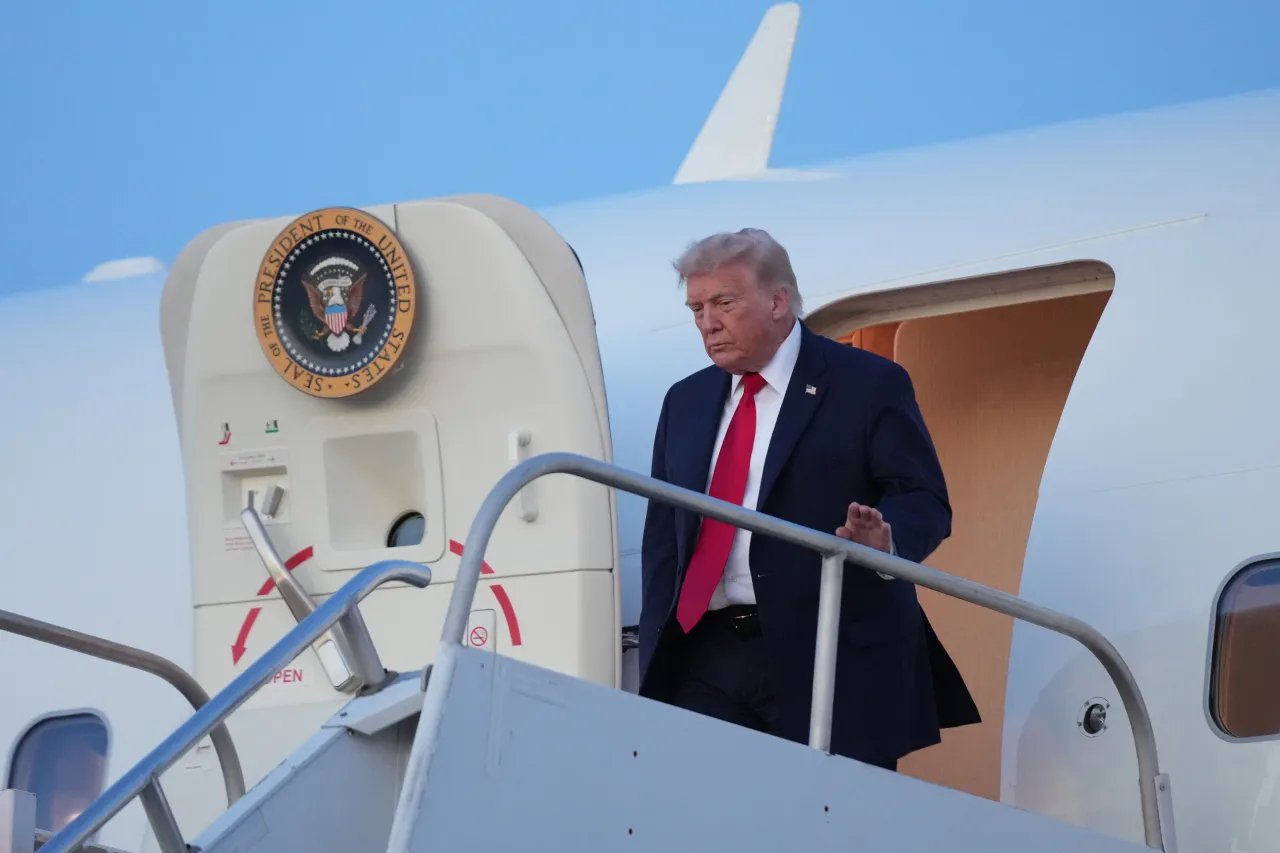
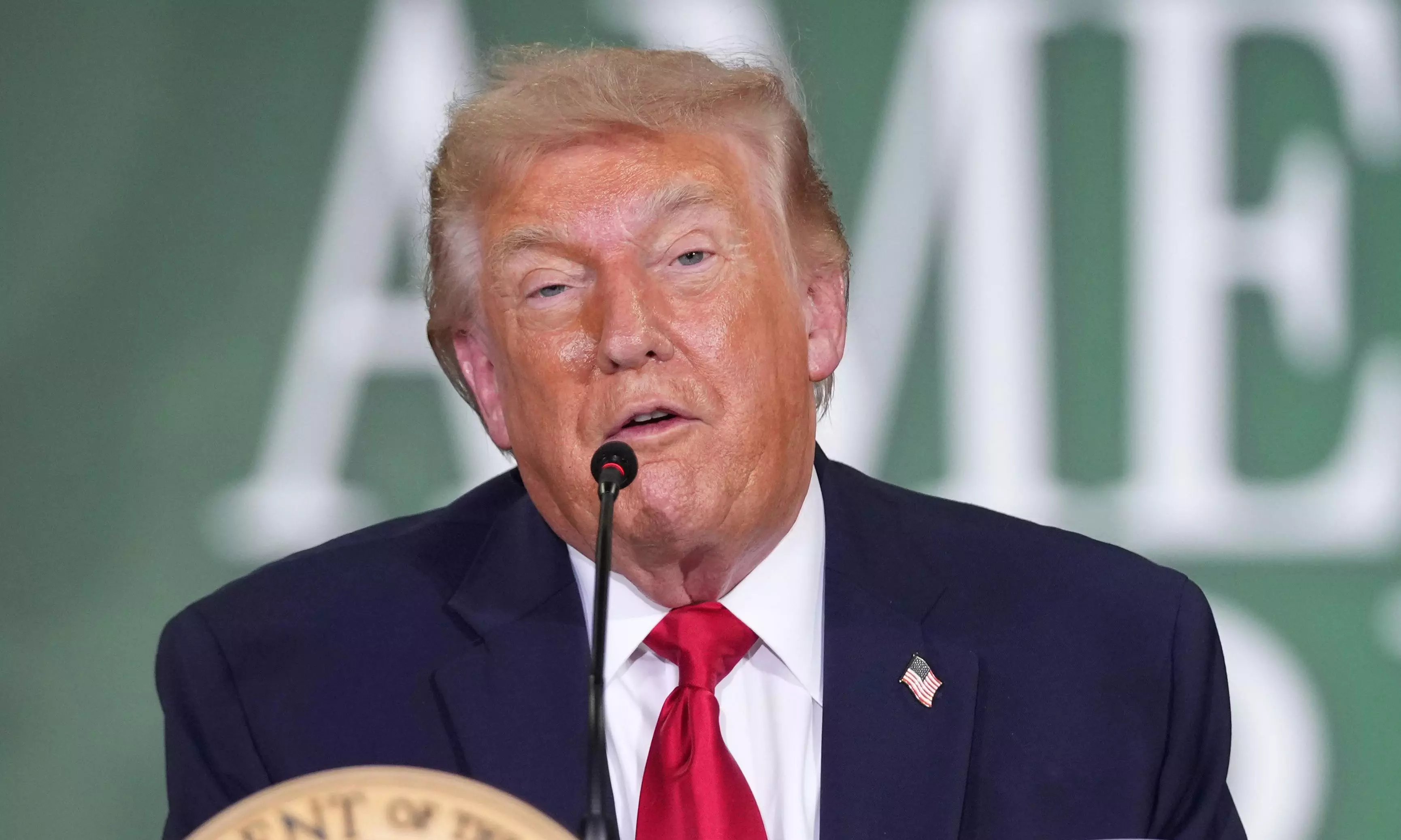
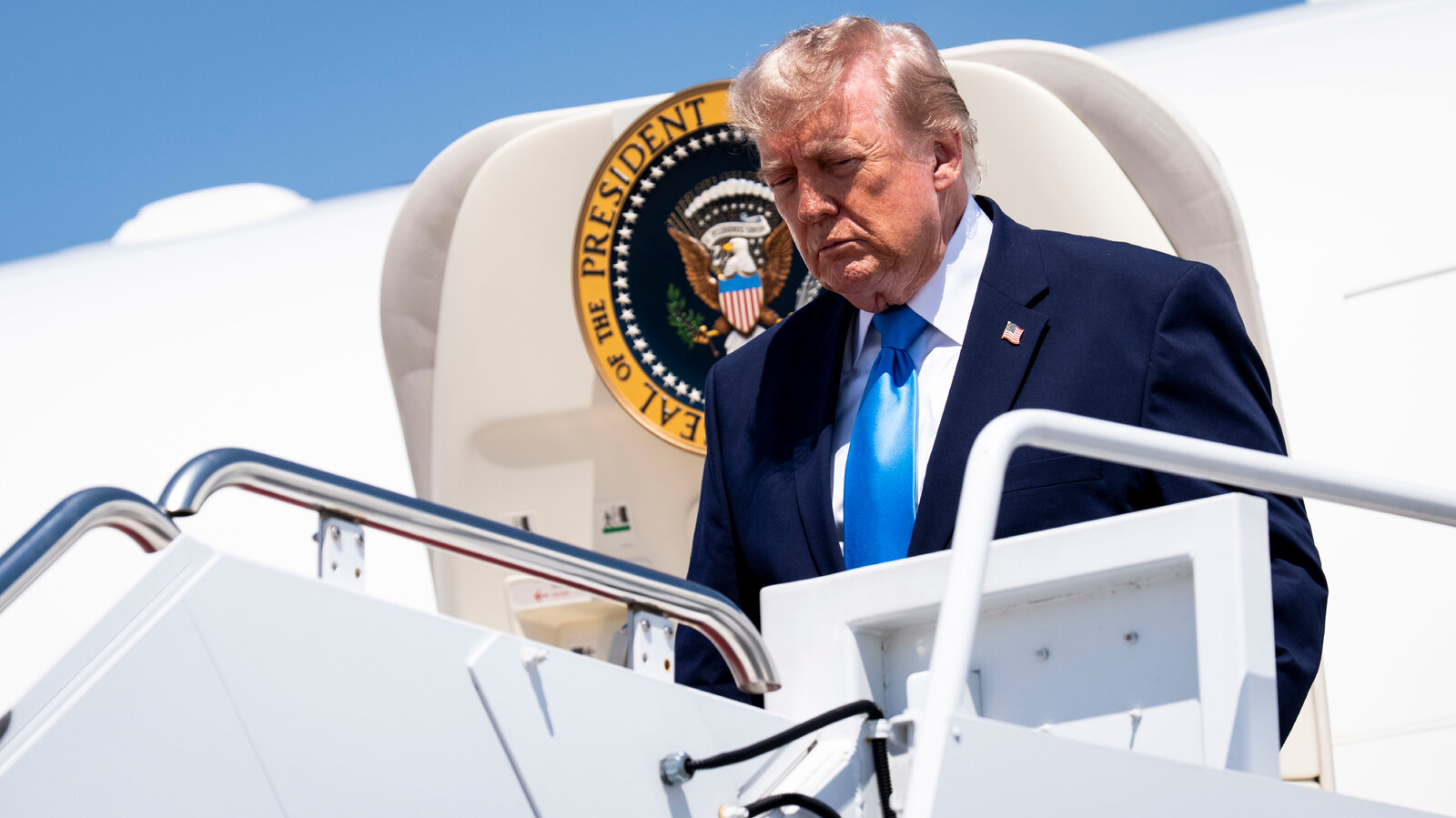
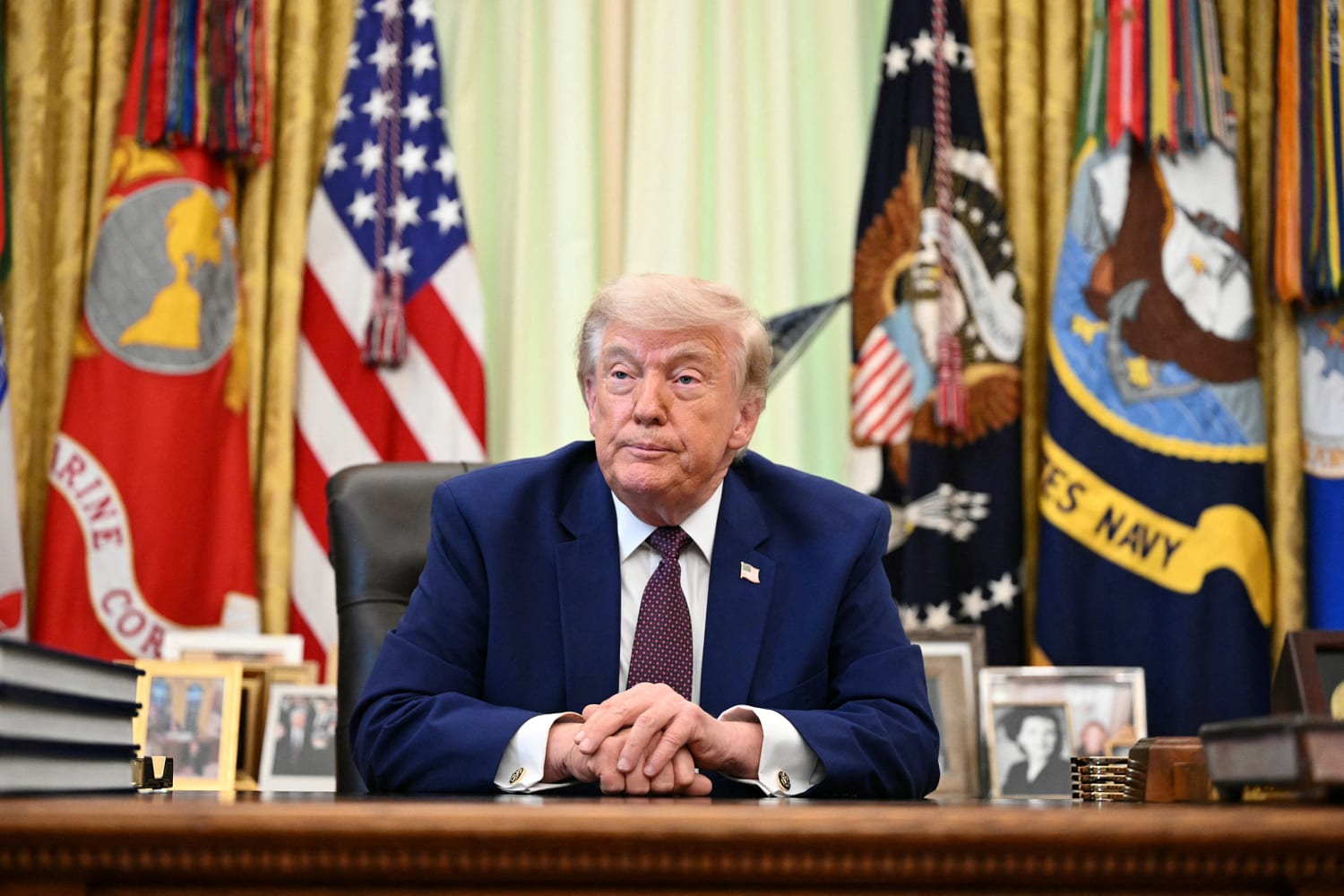
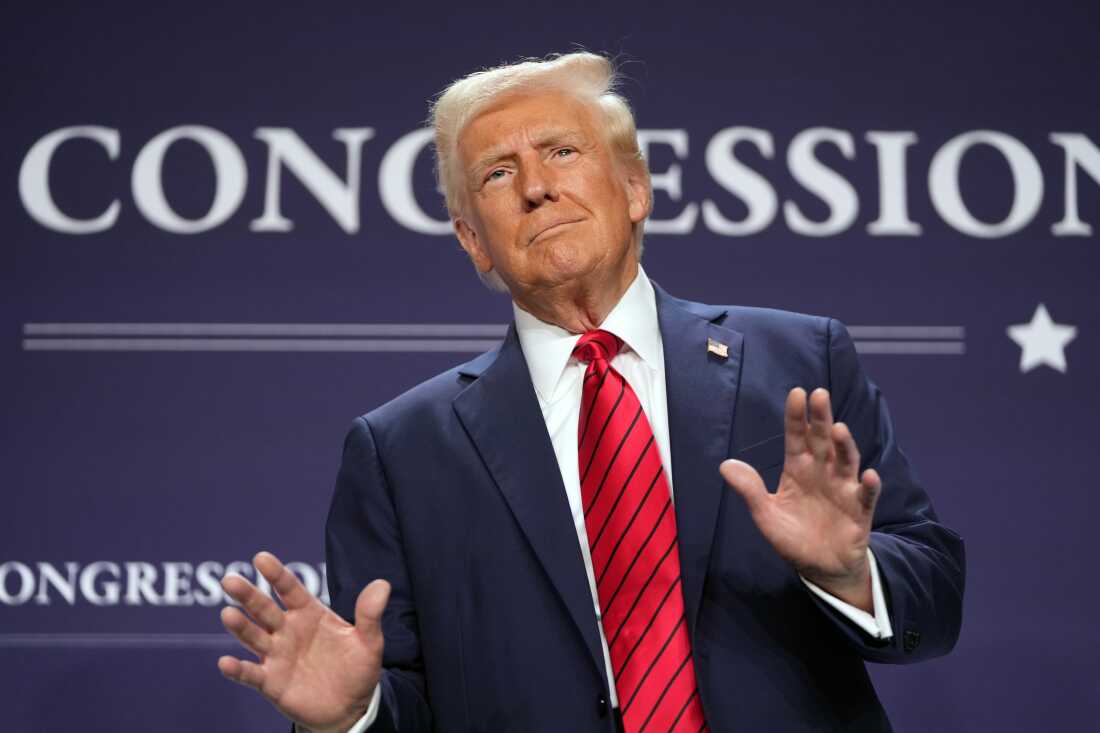
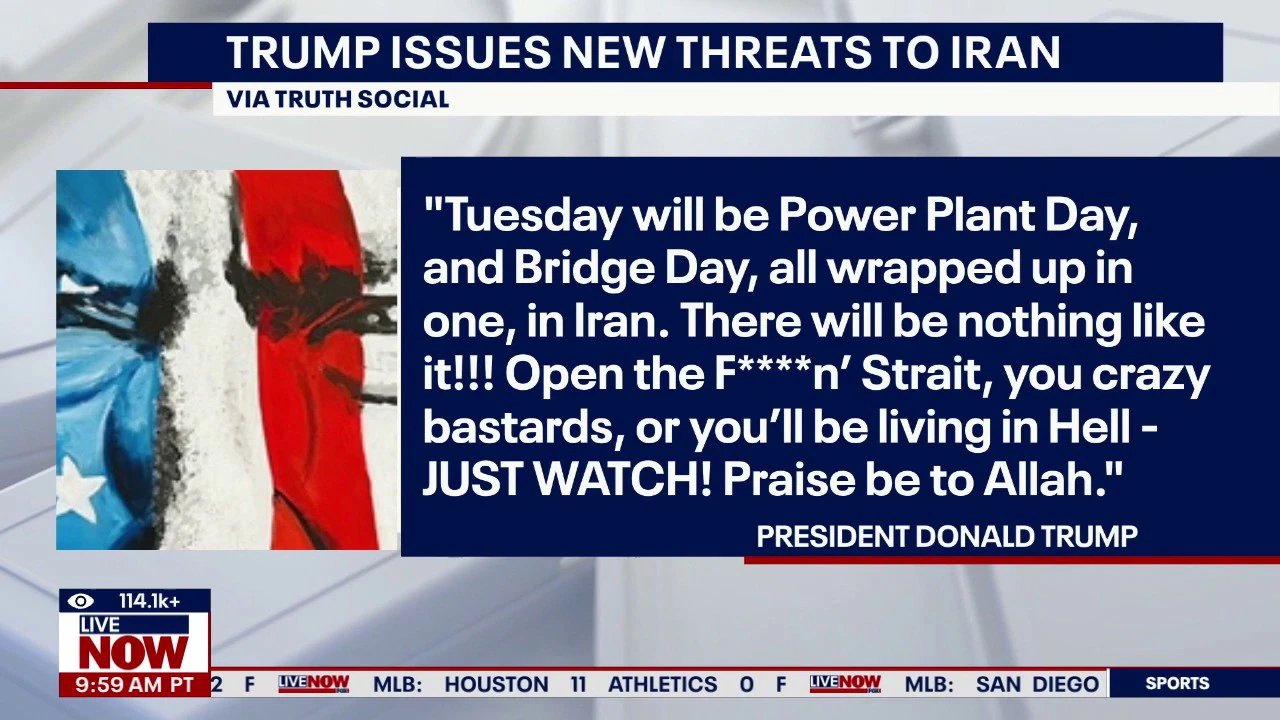
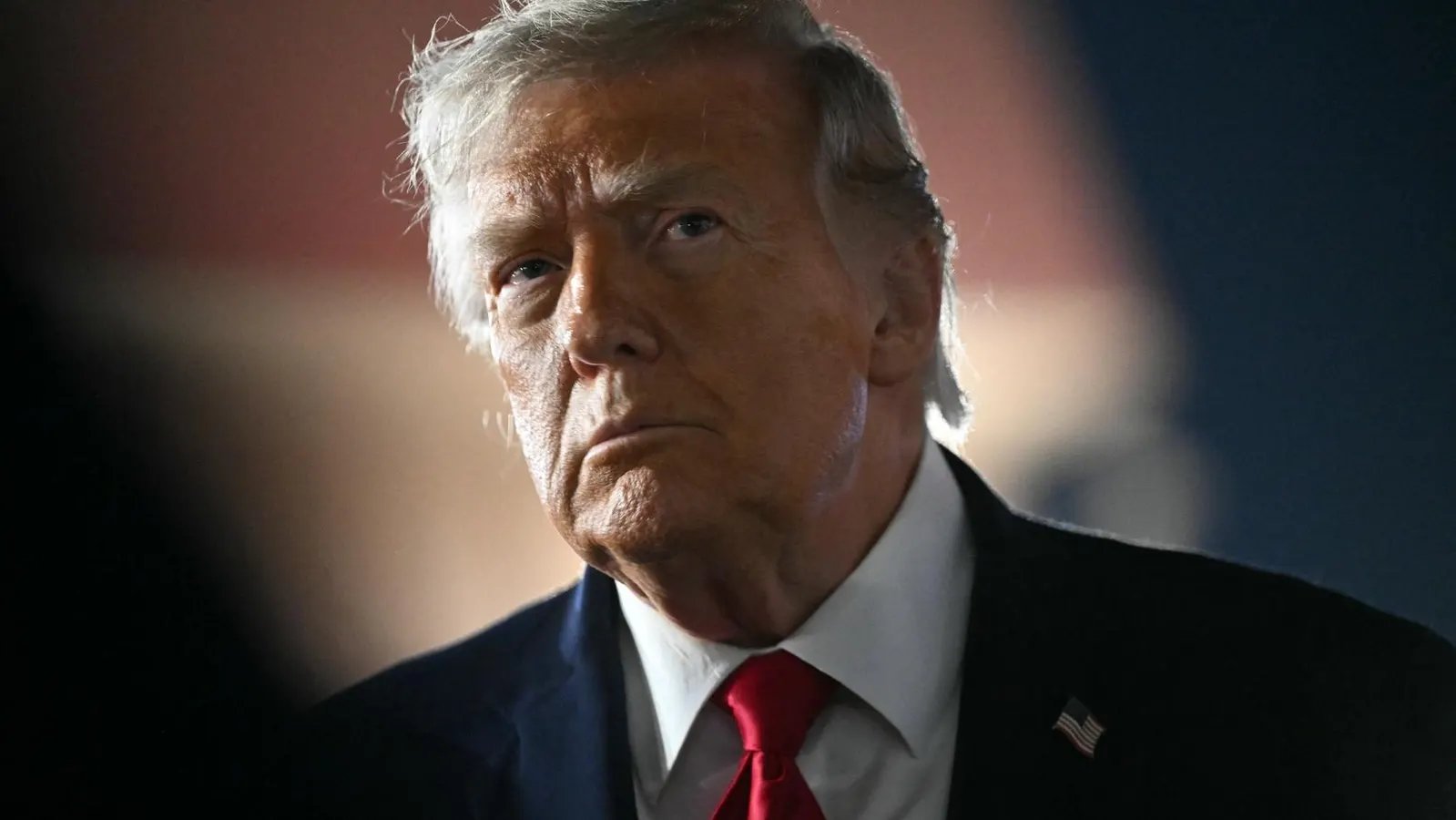
Brinkema pointed to President Trump's recent statements as evidence the fund could be revived. During an NBC interview, Trump said of those charged in connection with January 6: "If it was up to me, I'd pay them the kind of money that they deserve. People have been destroyed. Lives have been destroyed." The judge also cited Trump's recent attack on her, in which he called her a "radical left judge" after she temporarily paused the fund, as evidence that Trump remained committed to establishing it.
"When the president of the United States says he's disappointed that something is not going forward," Brinkema said, that would only add to the evidence that the fund might "rear its head" in the future. She emphasized that presidential statements expressing support for a policy create an "incentive and motive to make it happen."
The Path Forward and Bipartisan Opposition
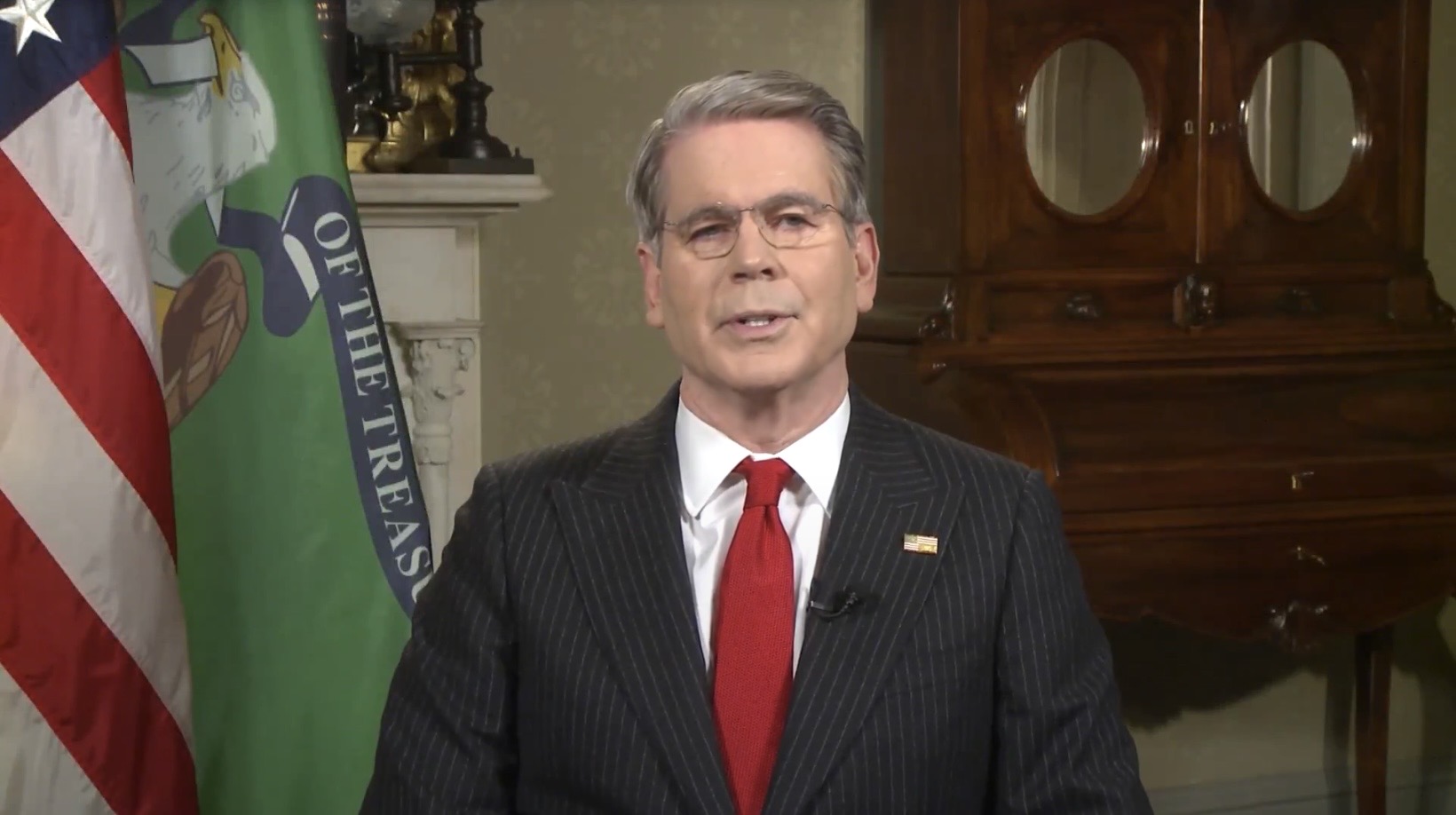
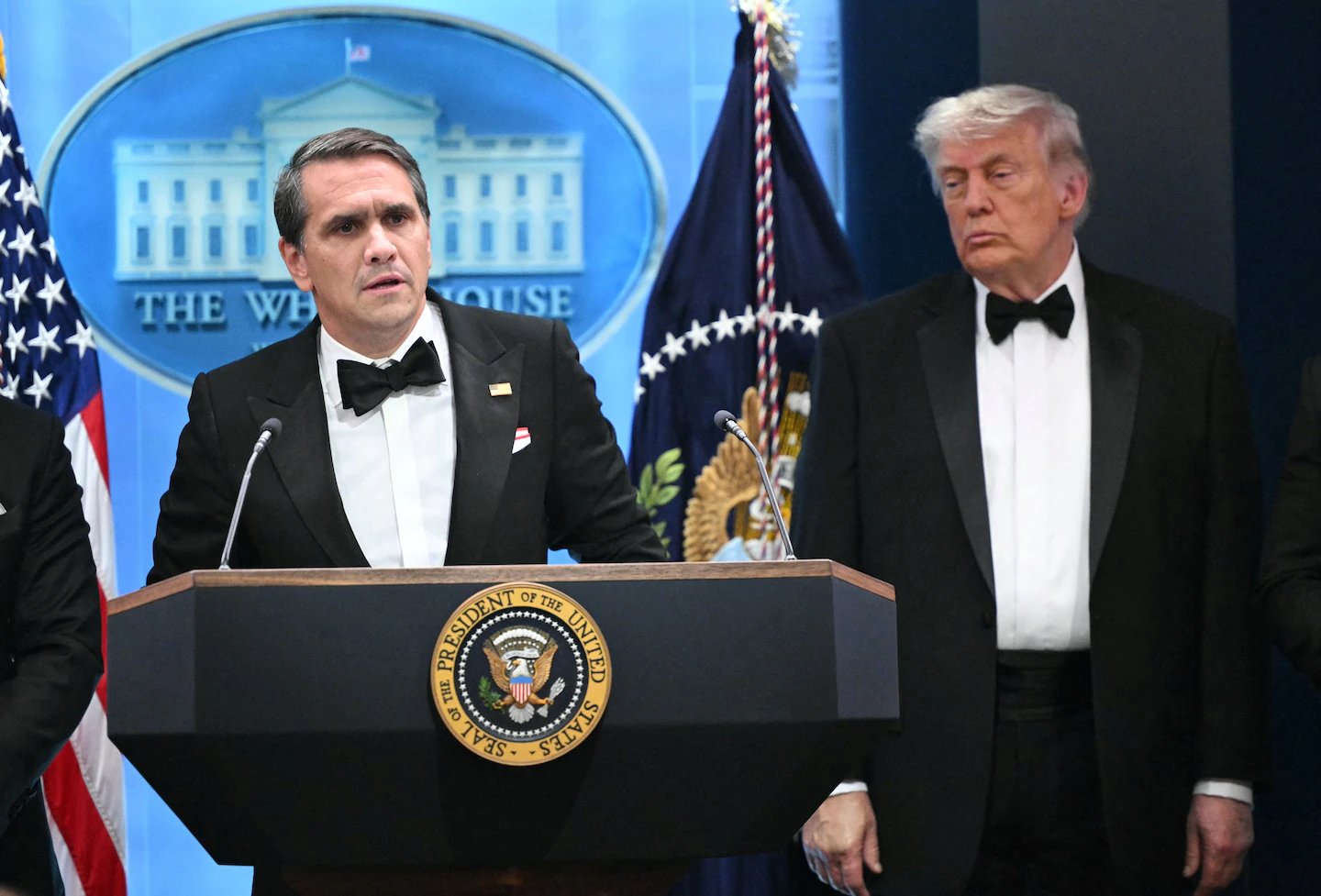
Brinkema gave the government one week to submit a sworn declaration signed by Acting Attorney General Todd Blanche, Associate Attorney General Stanley Woodward, and Treasury Secretary Scott Bessent, under penalty of perjury, stating they will not create or operate the fund under any name. If the Justice Department submits the declaration by June 19, the judge said she is likely to dismiss the case.
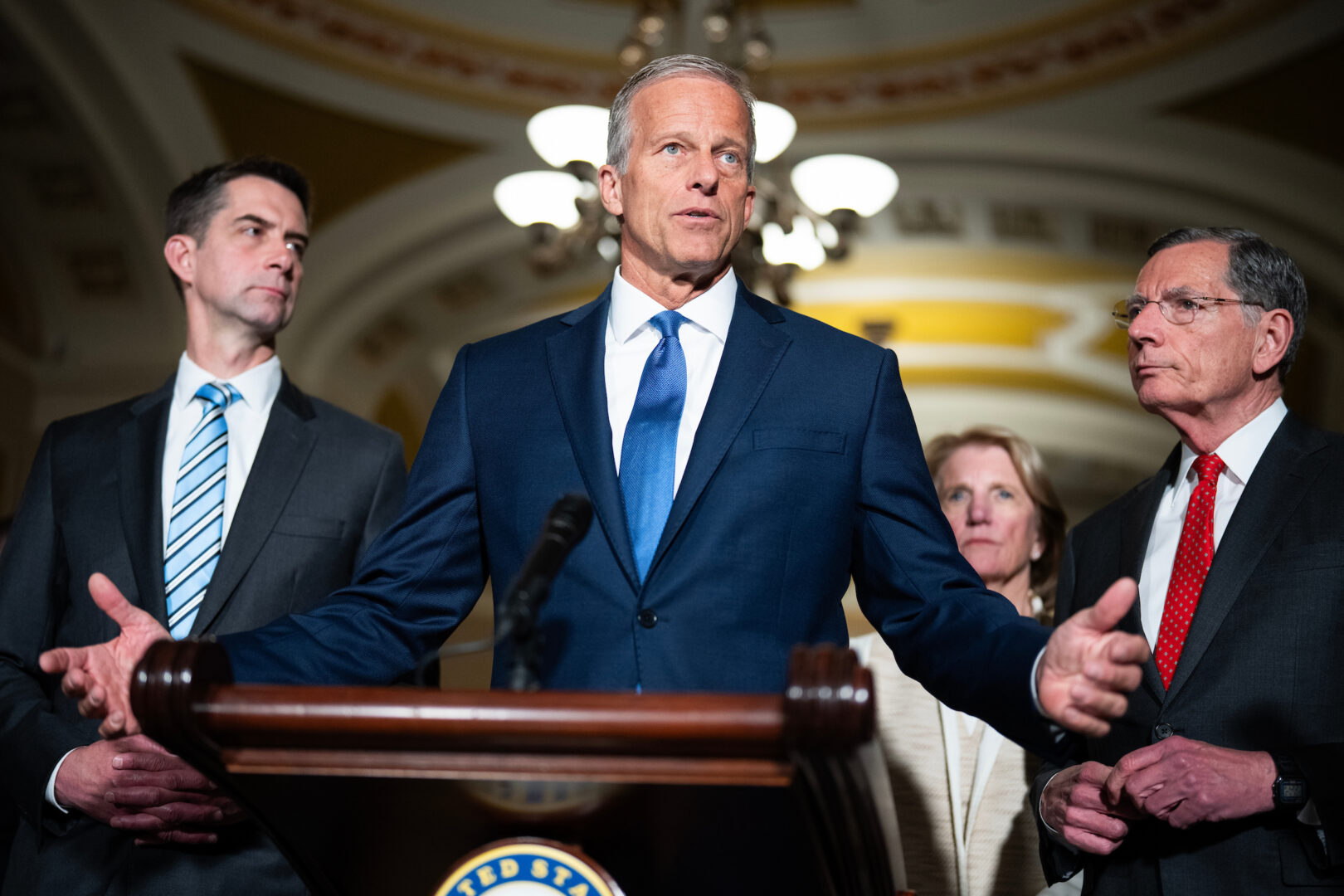
The judge also cited a friend-of-the-court brief submitted by Senators Cory Booker, a New Jersey Democrat, and Bill Cassidy, a Louisiana Republican, that raised concerns about the fund. She read directly from their brief, which called the fund an "immediate and dire threat" to the constitutional order. Brinkema said the public interest in preventing the fund's establishment "is very, very strong."
Skye Perryman, president and CEO of Democracy Forward, which represents the plaintiffs challenging the fund, called the ruling "a significant victory for the Constitution, the rule of law, and people in America." The case was brought by a former prosecutor who worked on January 6 cases, a California professor, the city of New Haven, Connecticut, and two nonprofit organizations, Common Cause and the National Abortion Federation.