




Federal court blocks Trump administration's narrow definition
A federal judge has blocked the Trump administration's definition of "professional" degree programs, forcing the Education Department to expand the list to include nursing, physical therapy and dozens of other graduate fields. U.S. District Judge Beryl Howell in Washington called the department's original interpretation a "misguided" reading that strayed from a congressional definition created in the 1960s. The ruling means students in these fields can now borrow up to $200,000 over their careers instead of facing a $100,000 cap.
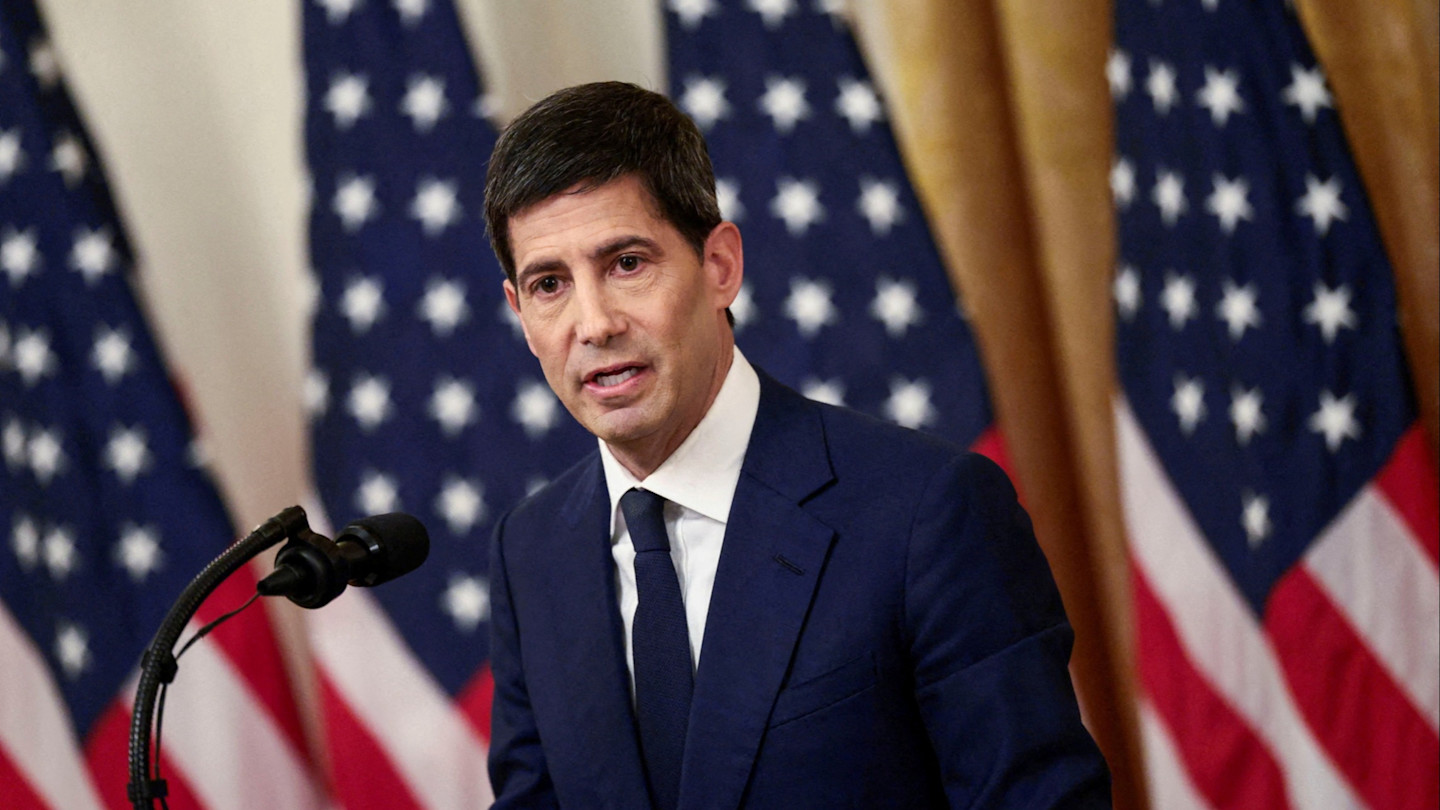
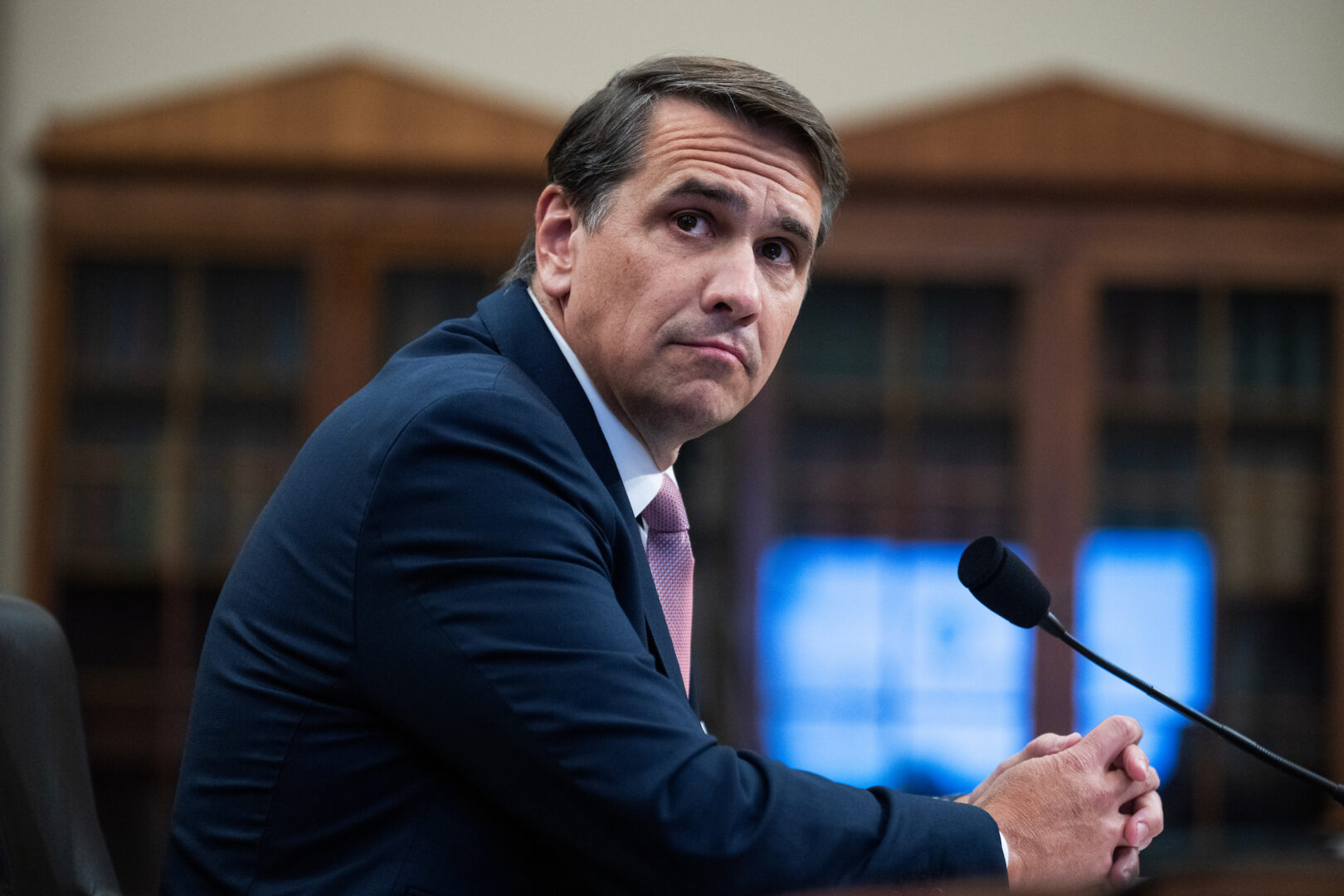
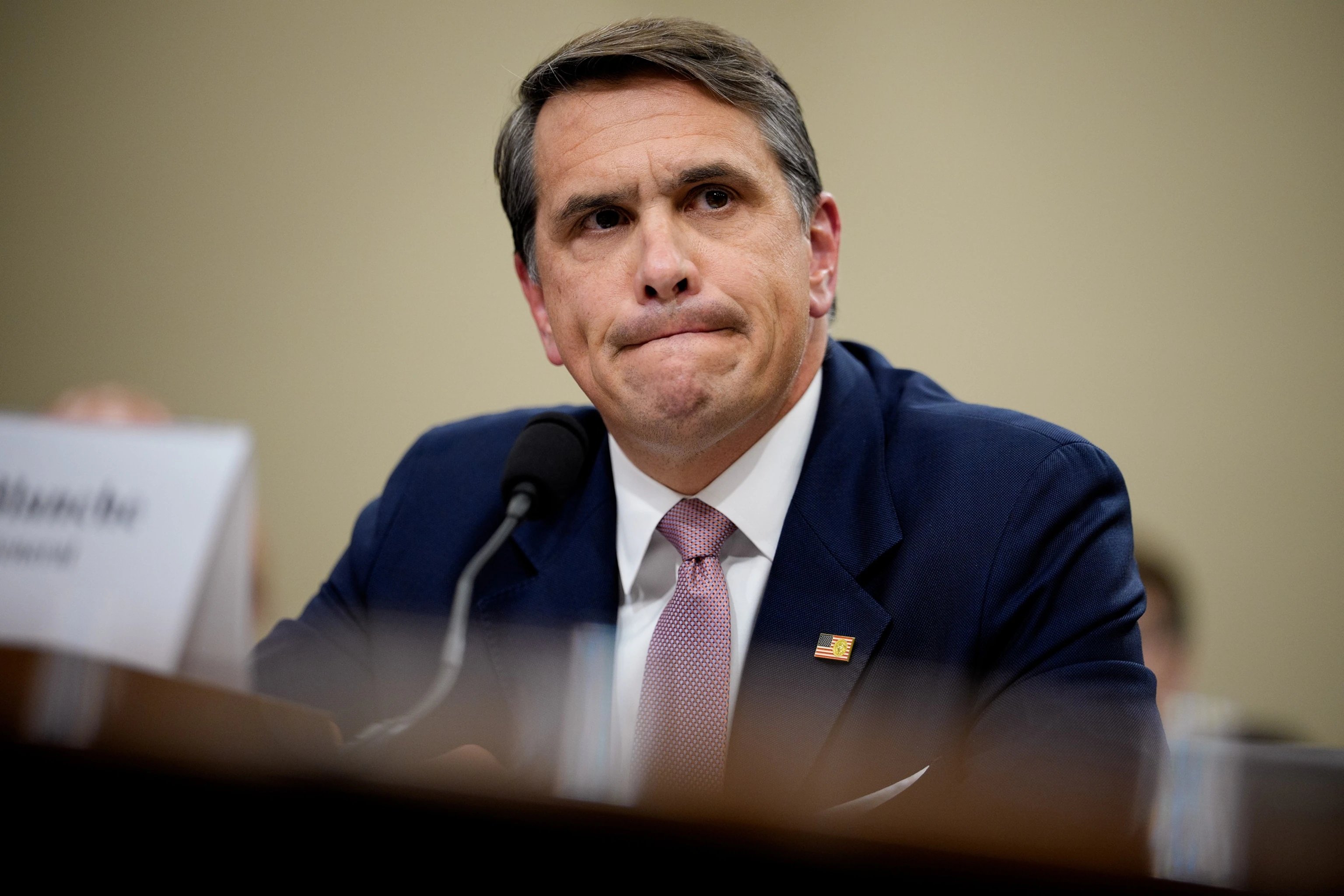
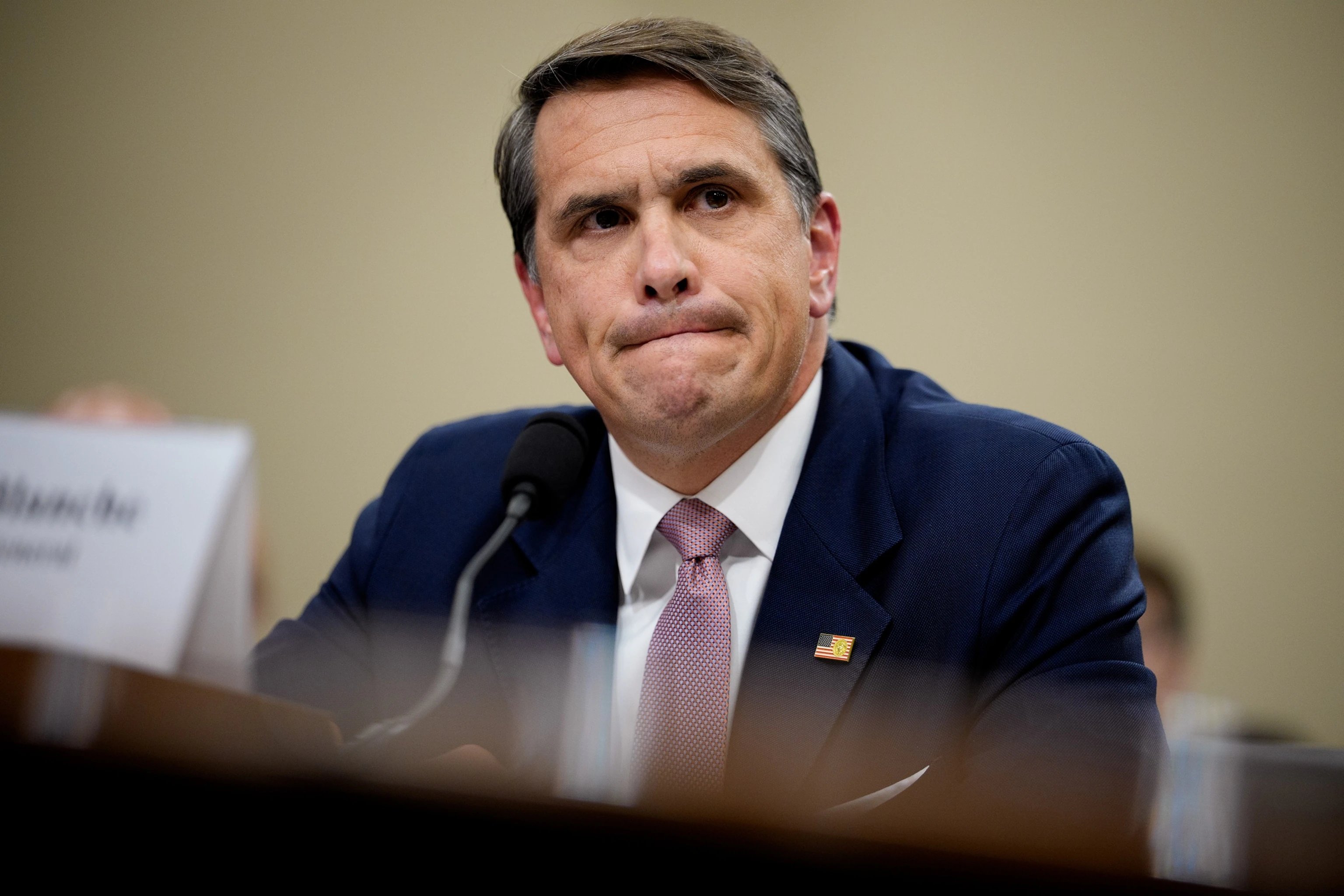
The Education Department issued a revised rule on Monday to comply with the judge's order, though Undersecretary Nicholas Kent said the agency disagreed with the decision. "We will continue to make the case that the definition is both lawful and appropriate," Kent stated. The temporary change takes effect Wednesday while litigation continues.
Who wins higher borrowing limits
The expanded professional list now includes 29 specific degree programs. Master of science in nursing, doctor of nursing practice and doctor of nurse anesthesia practice all gained professional status. Physical therapy, athletic training, speech-language pathology, physician associates and anesthesiologist assistants also moved to the higher tier. The master of divinity degree for pastors and ministers remained on the professional list throughout the dispute.
Eight groups sued to stop the original rule, representing nurse practitioners, therapists, speech language pathologists and related professions. They argued that the lower limits would force students to forgo their studies or take out riskier private loans. Some graduate nursing degrees, particularly in high-demand fields like nurse anesthesia, exceed $100,000.
Programs losing professional status
The Education Department simultaneously removed about 25 programs from the professional category under the judge's order. Theology studies programs experienced the biggest shift, with most theology degrees now subject to the lower $100,000 cap. Applied psychology and pharmaceutical sciences also lost professional status, though the doctor of pharmacy degree retained it.
The department said this reflected a technical definition rather than a judgment on importance.
Broader student loan changes ahead
The expanded professional list comes amid sweeping changes to federal student loans beginning July 1. The One Big Beautiful Bill Act, passed in Trump's tax bill, created two new repayment plans to eventually replace the current system. New borrowers will have only the Tiered Standard plan and the Repayment Assistance Plan available.
Graduate students face strict borrowing ceilings for unsubsidized loans: $20,500 annually and a $100,000 lifetime cap, unless their field qualifies as professional. Sarah Austin, a policy analyst at the National Association of Student Financial Aid Administrators, warned that students whose programs exceed these limits may turn to private loans. "Private loans are riskier" and lack federal protections, Austin told Axios, and not all students will qualify.
Parent PLUS borrowers face the harshest restrictions. New Parent PLUS loans must be repaid under the tiered standard plan with no income-driven options, and new loans are capped at $20,000 per year and $65,000 total per dependent. Betsy Mayotte, president of The Institute of Student Loan Advisors, said the group was hit hardest. "It's heartbreaking," she said, describing daily emails from Parent PLUS borrowers who expected to use income-driven plans but ran out of time to consolidate.
The Education Department stated the temporary rule "may change as litigation in the case proceeds." A separate lawsuit filed by a coalition of Democratic-led states challenging the loan caps is still pending.