




DOJ Confirms Fund's Termination in Court Filing
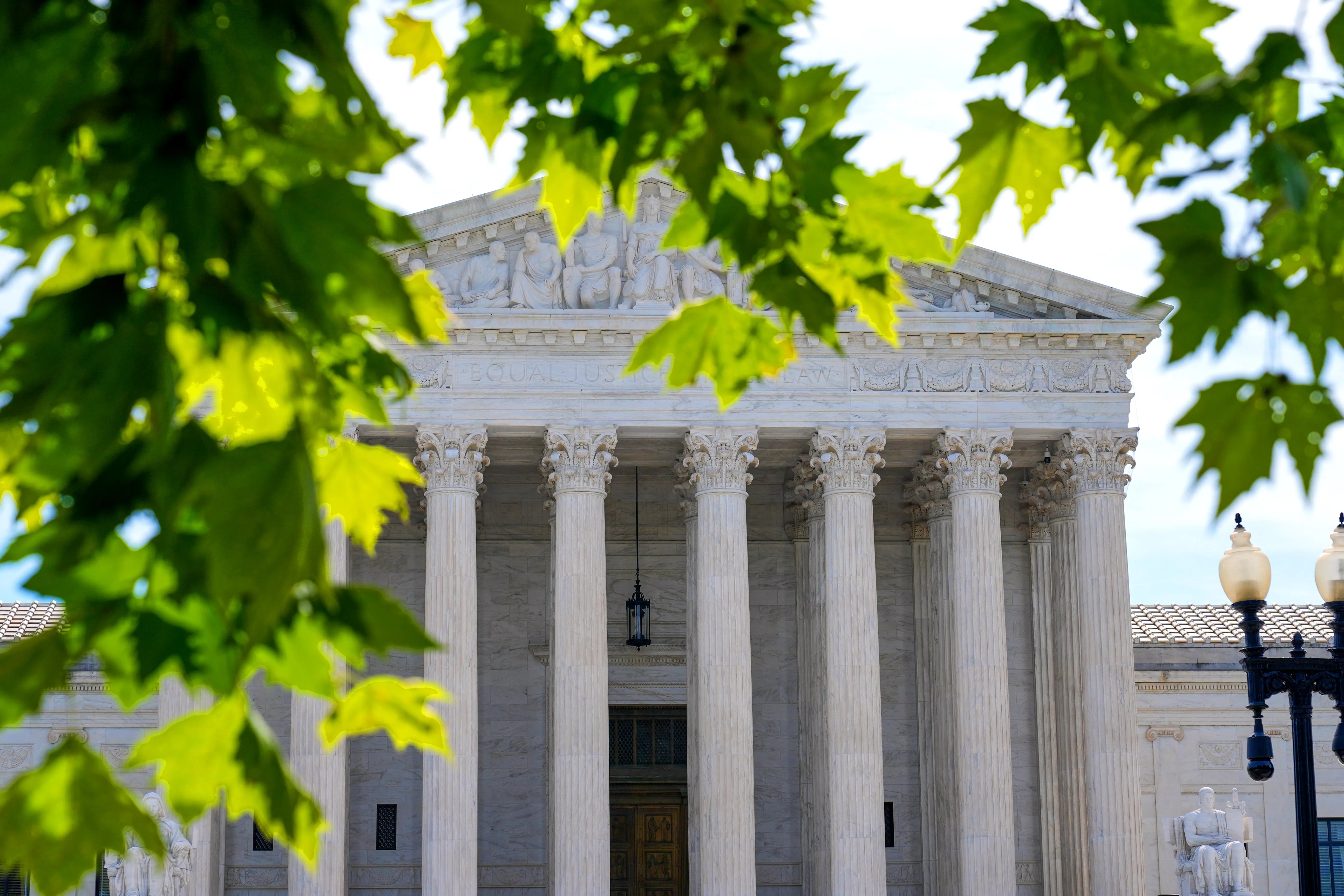
A Department of Justice attorney confirmed in a court filing that the Trump administration's nearly $1.8 billion "Anti-Weaponization Fund" will not be established and is effectively dead. In the filing submitted to the Eastern District of Virginia, the attorney stated that the fund has "not been set up and is now not going forward." This announcement comes after a week of controversy surrounding the fund, which was established to compensate those who allege they were wrongly targeted under the Biden administration.
Background on the Controversial Fund
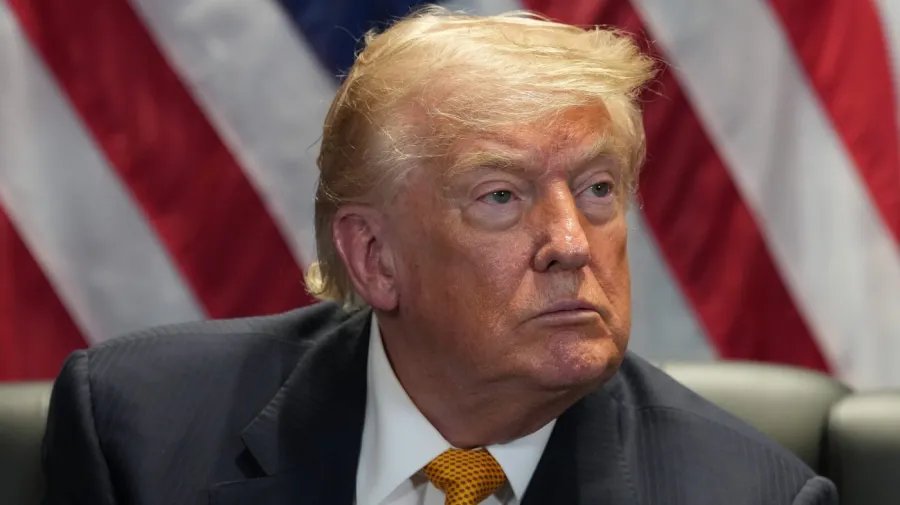
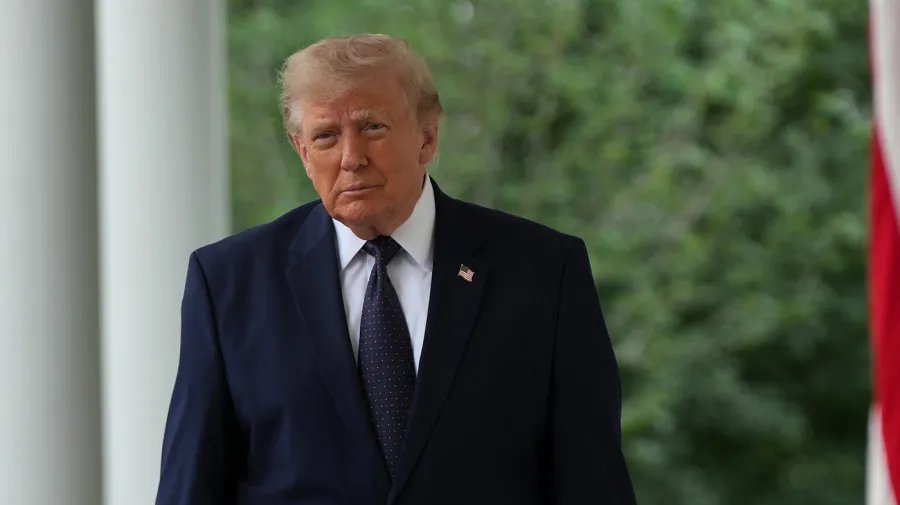
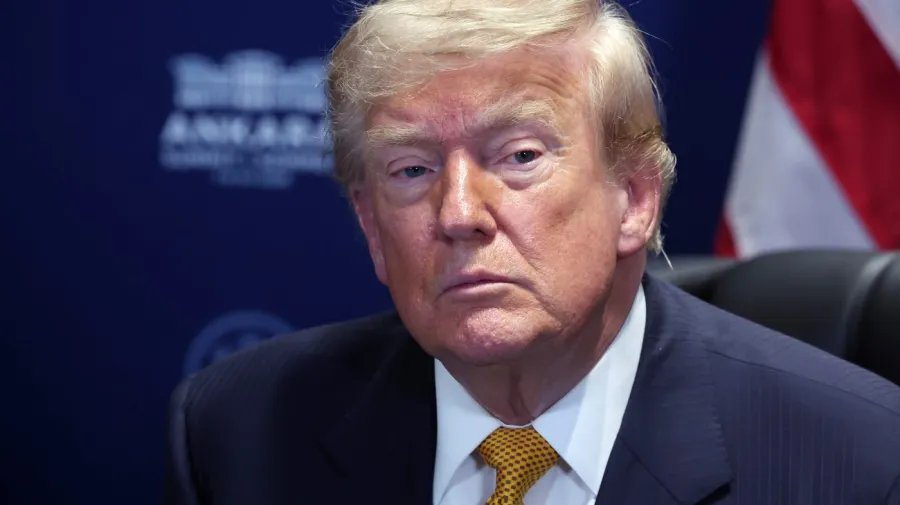
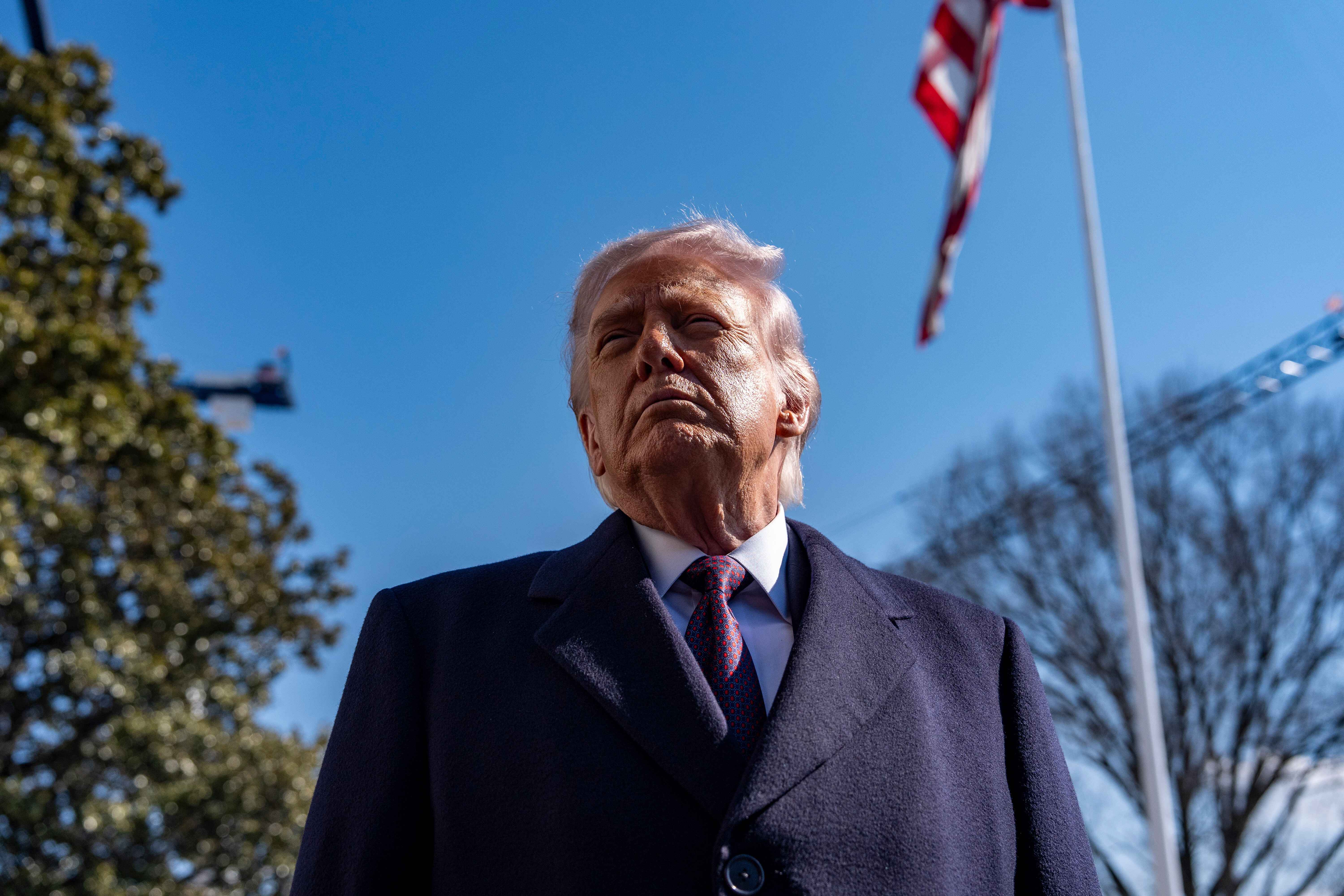
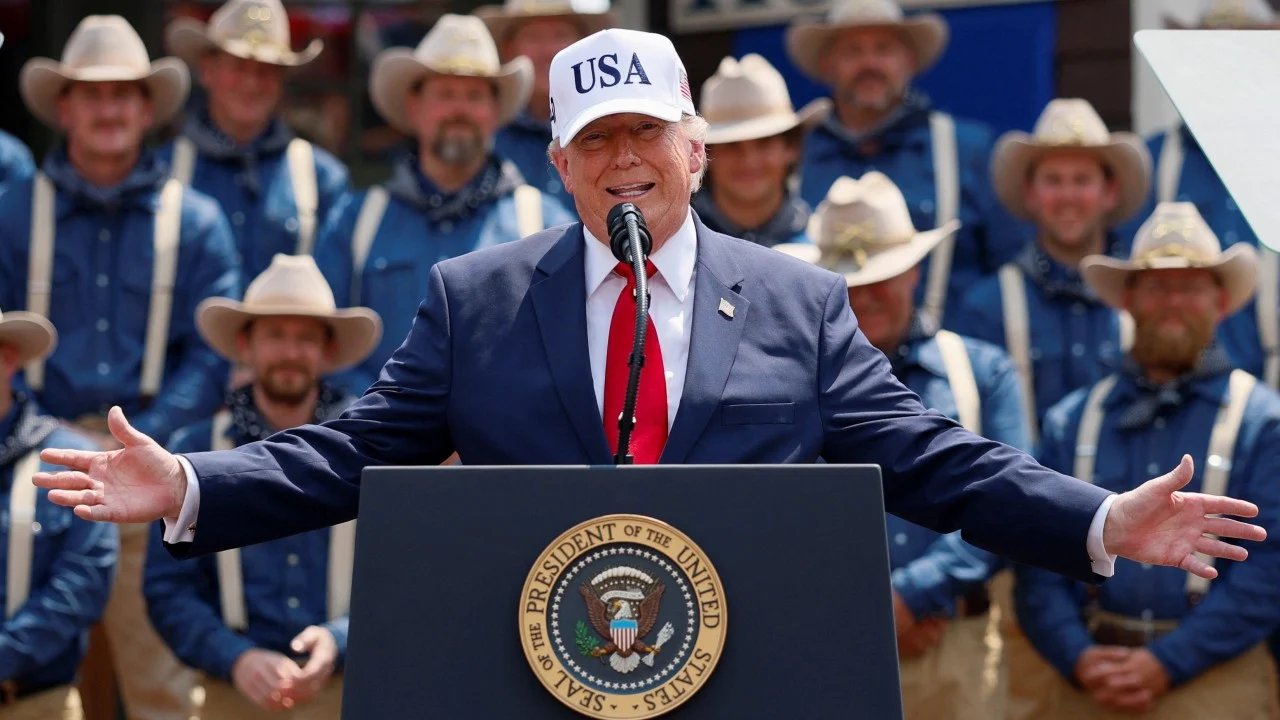
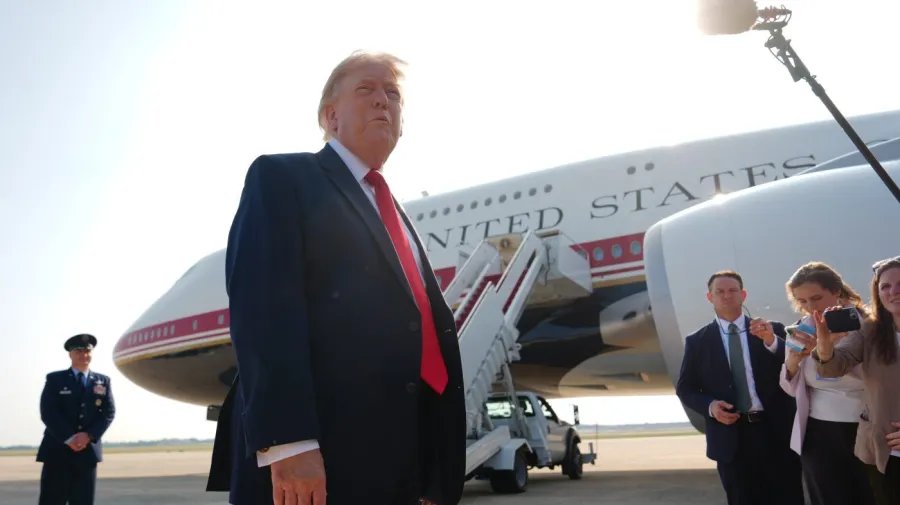
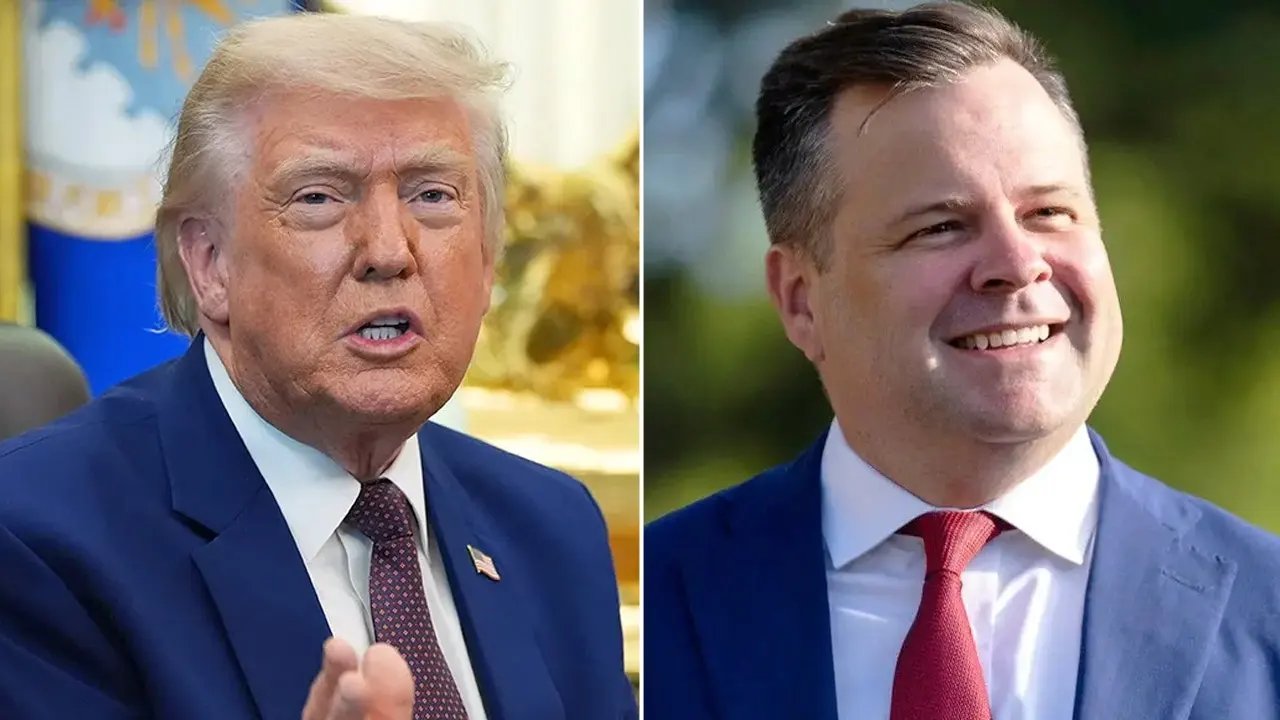
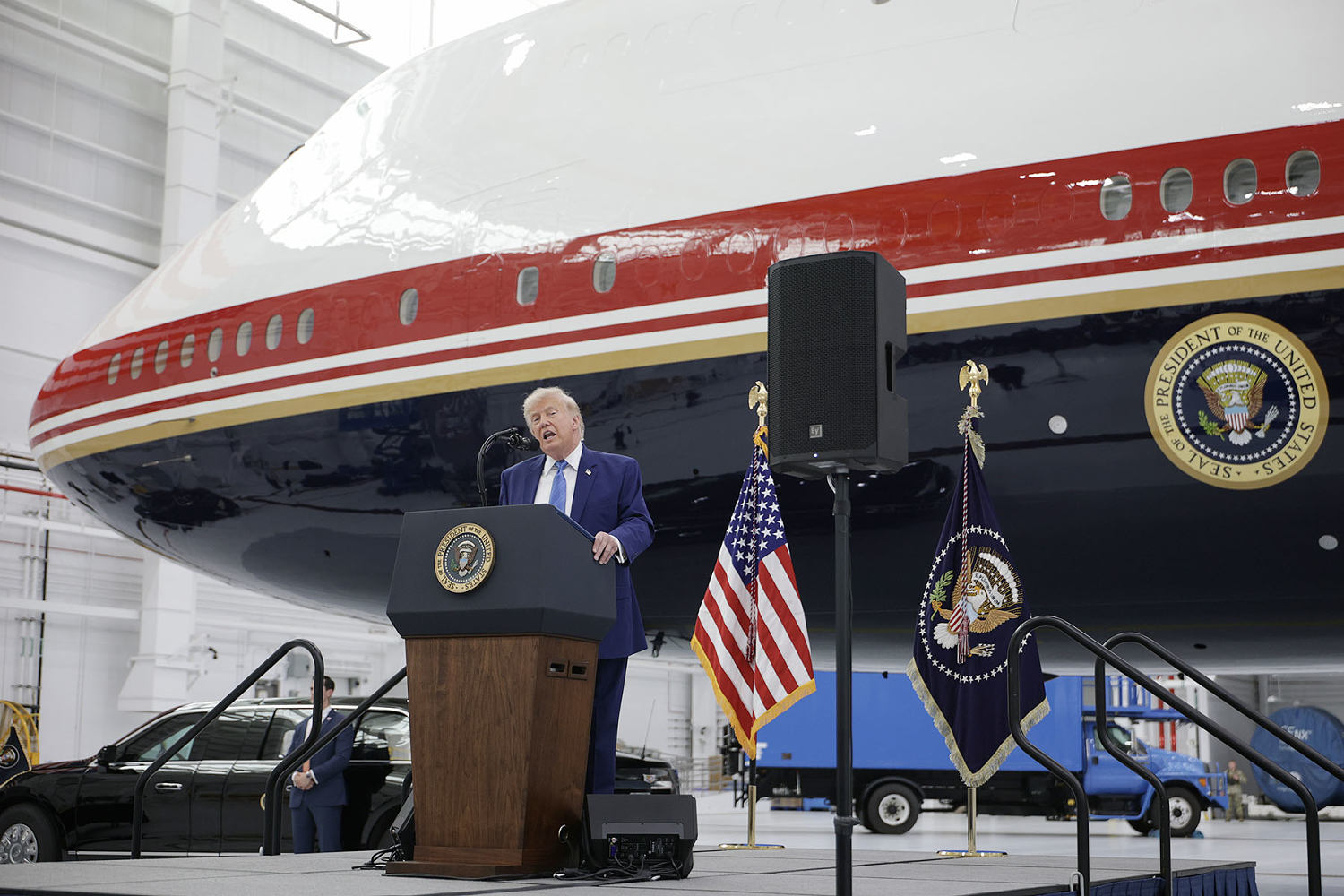
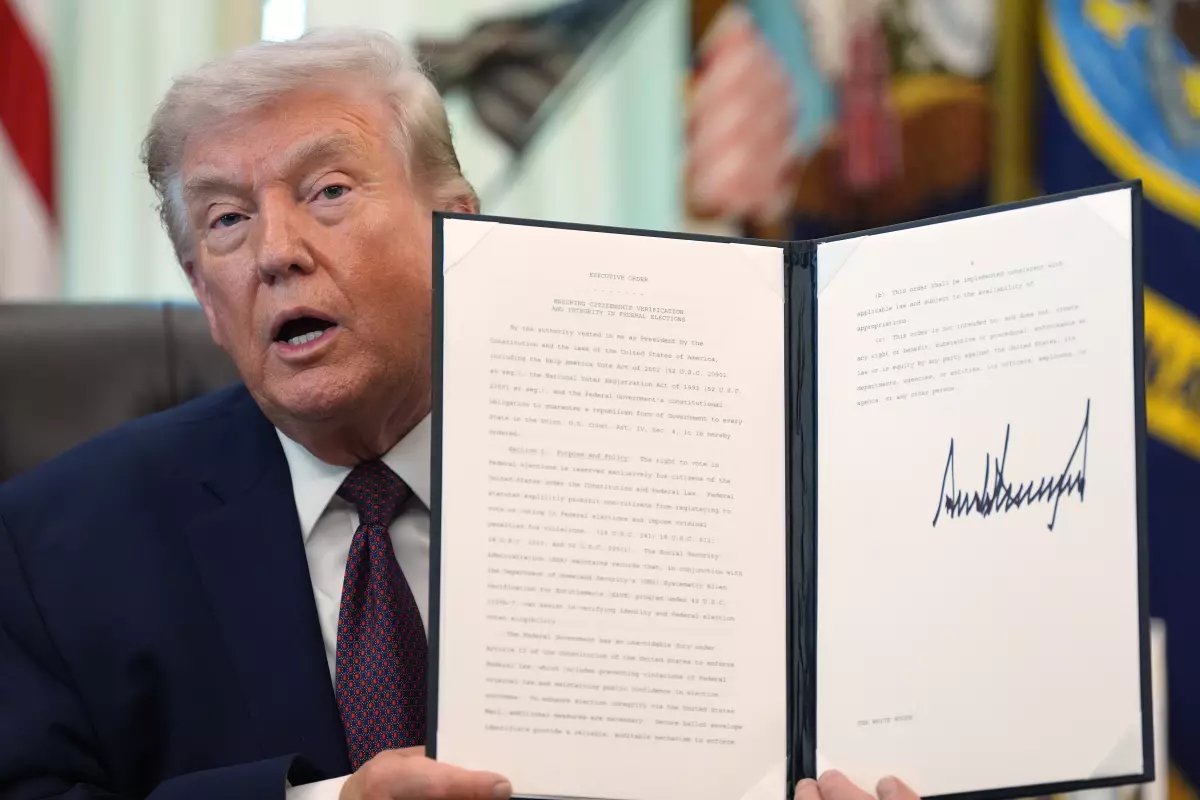
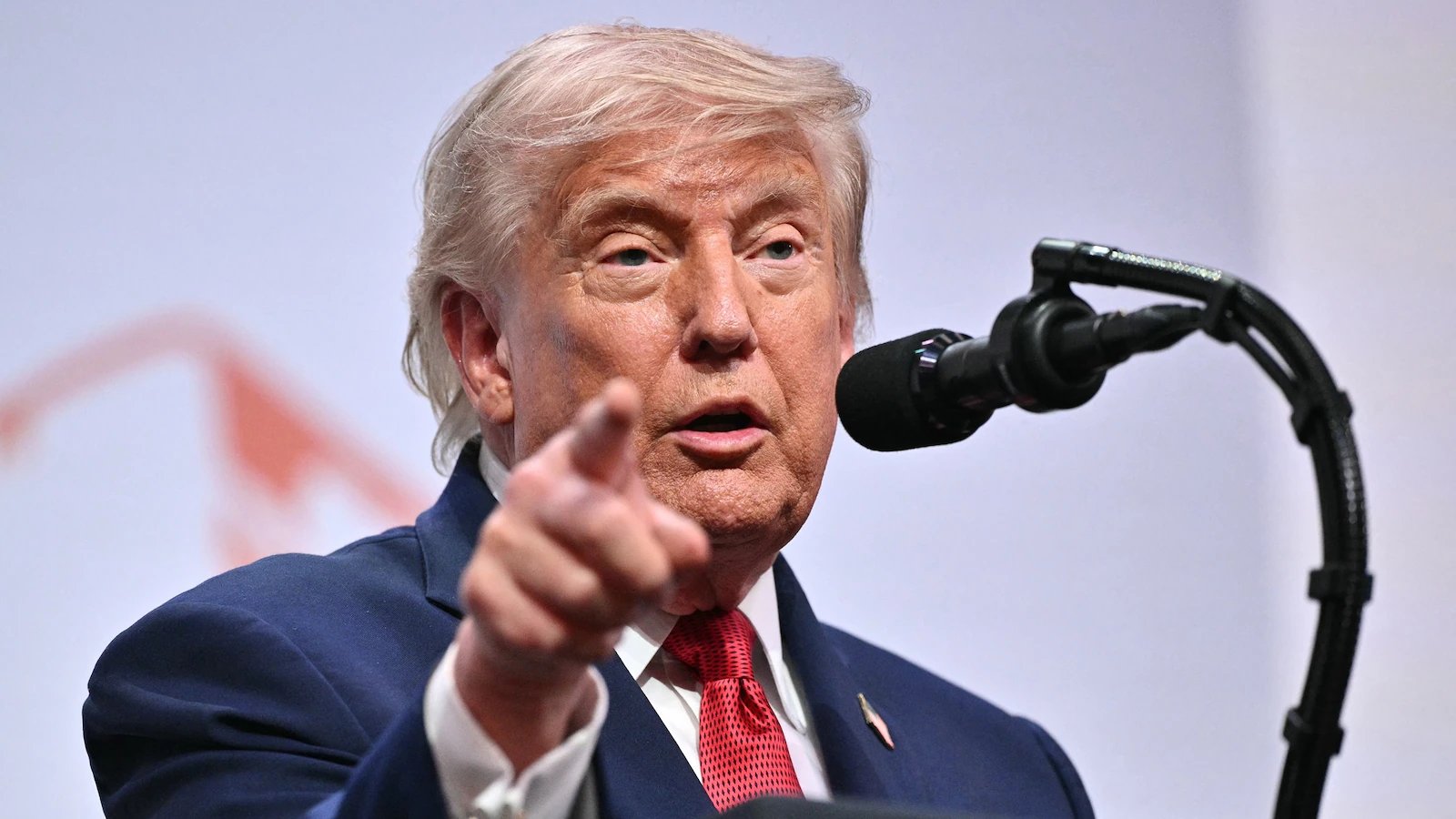
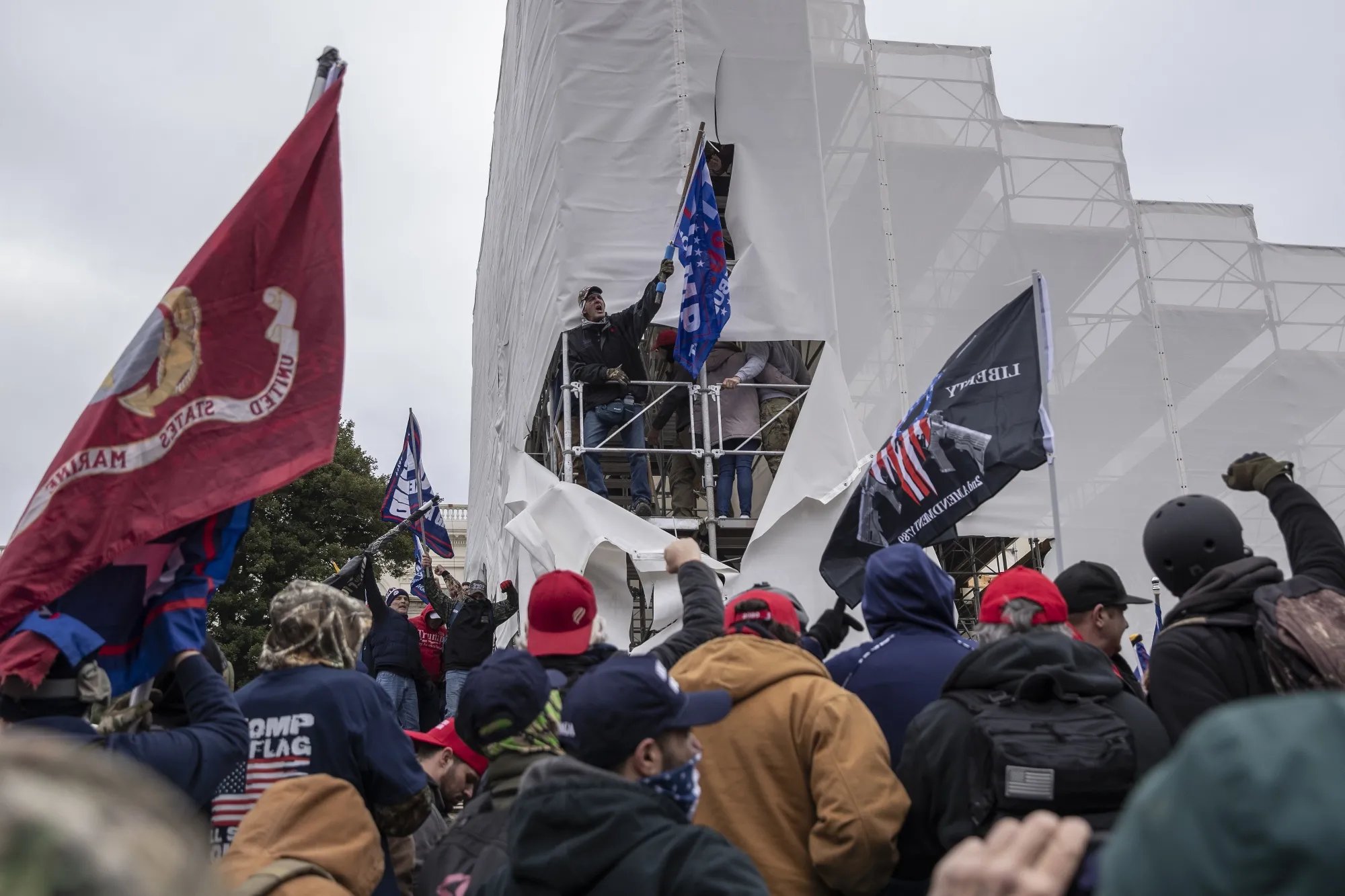
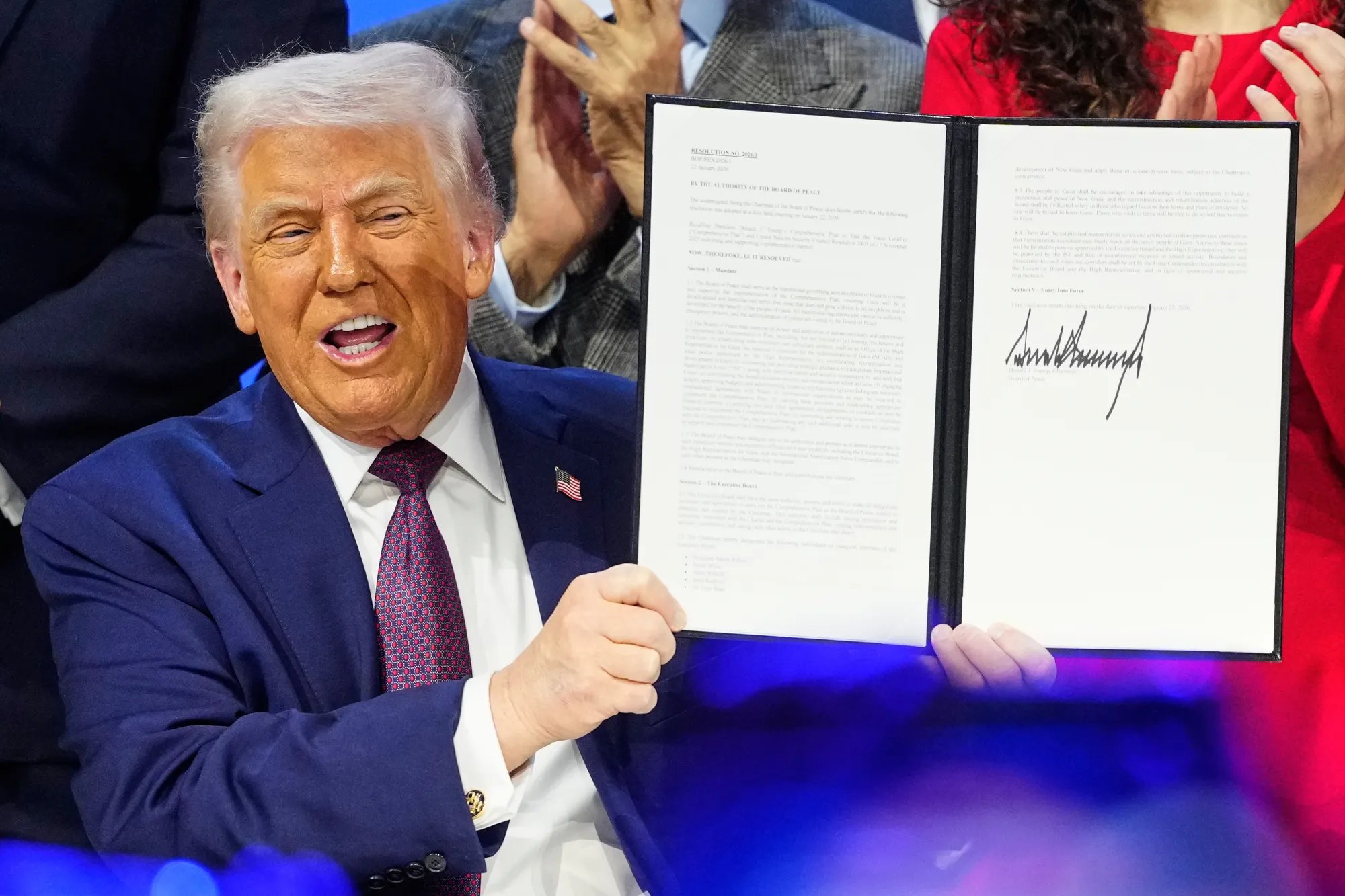
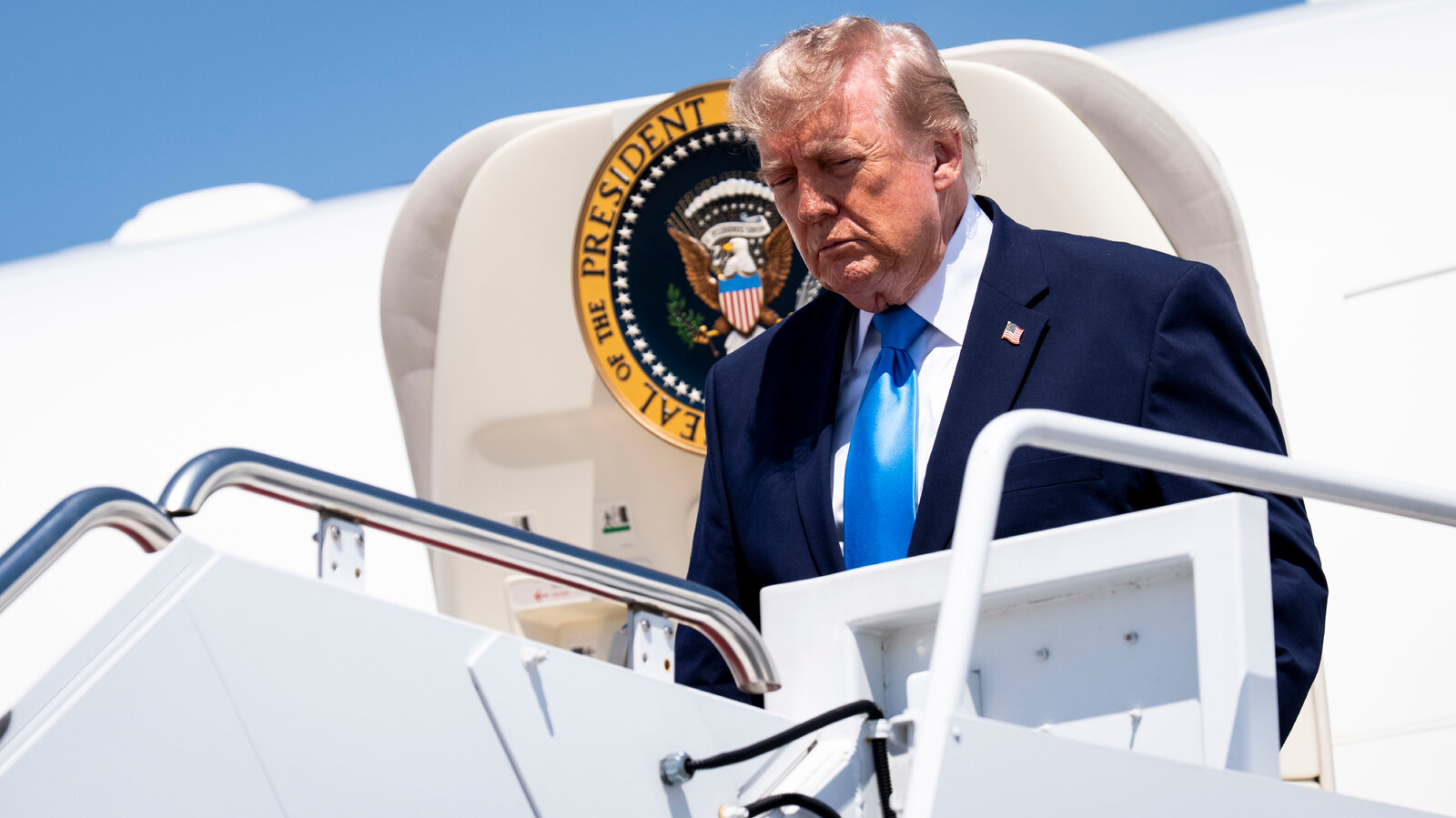
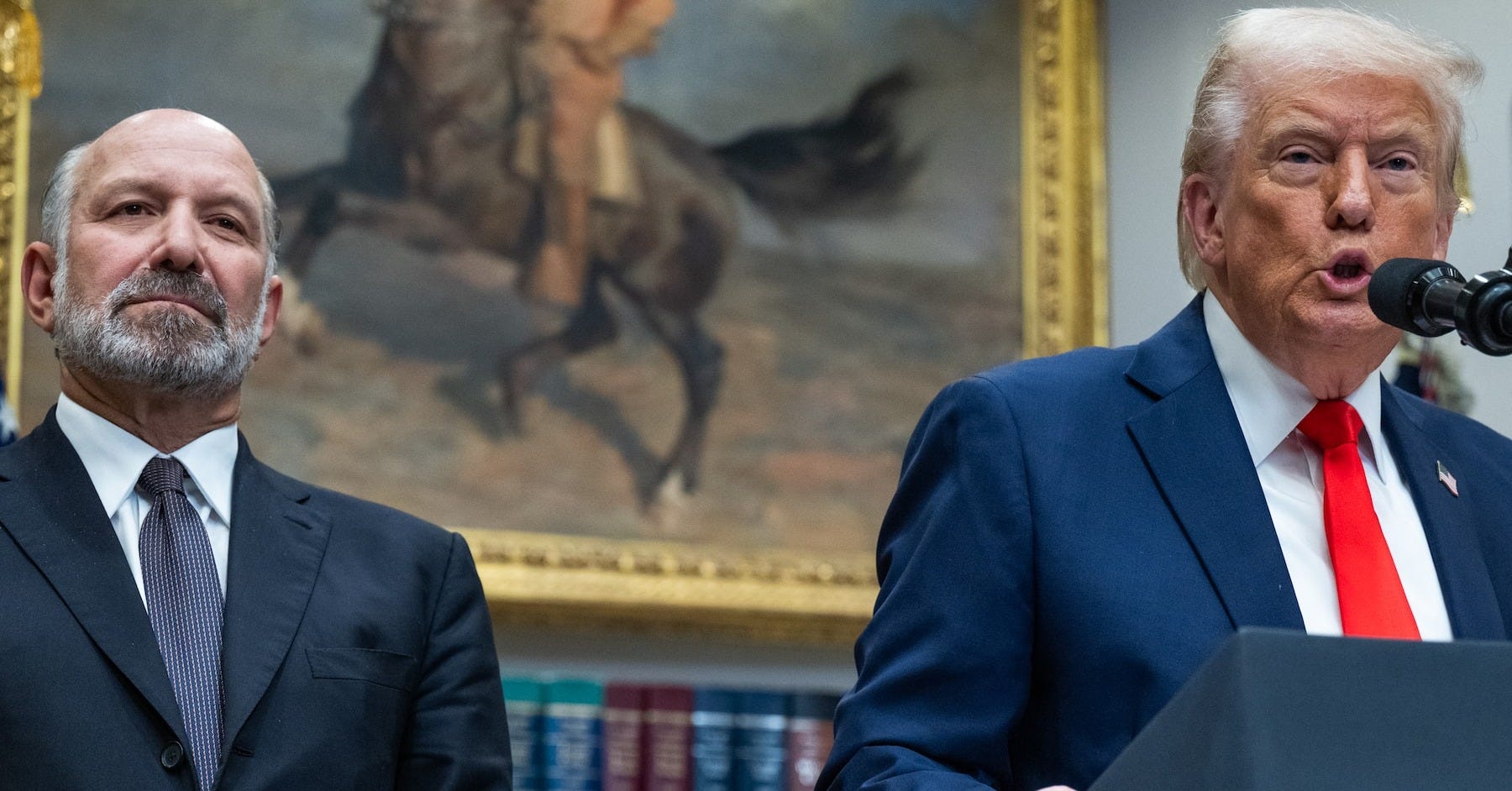
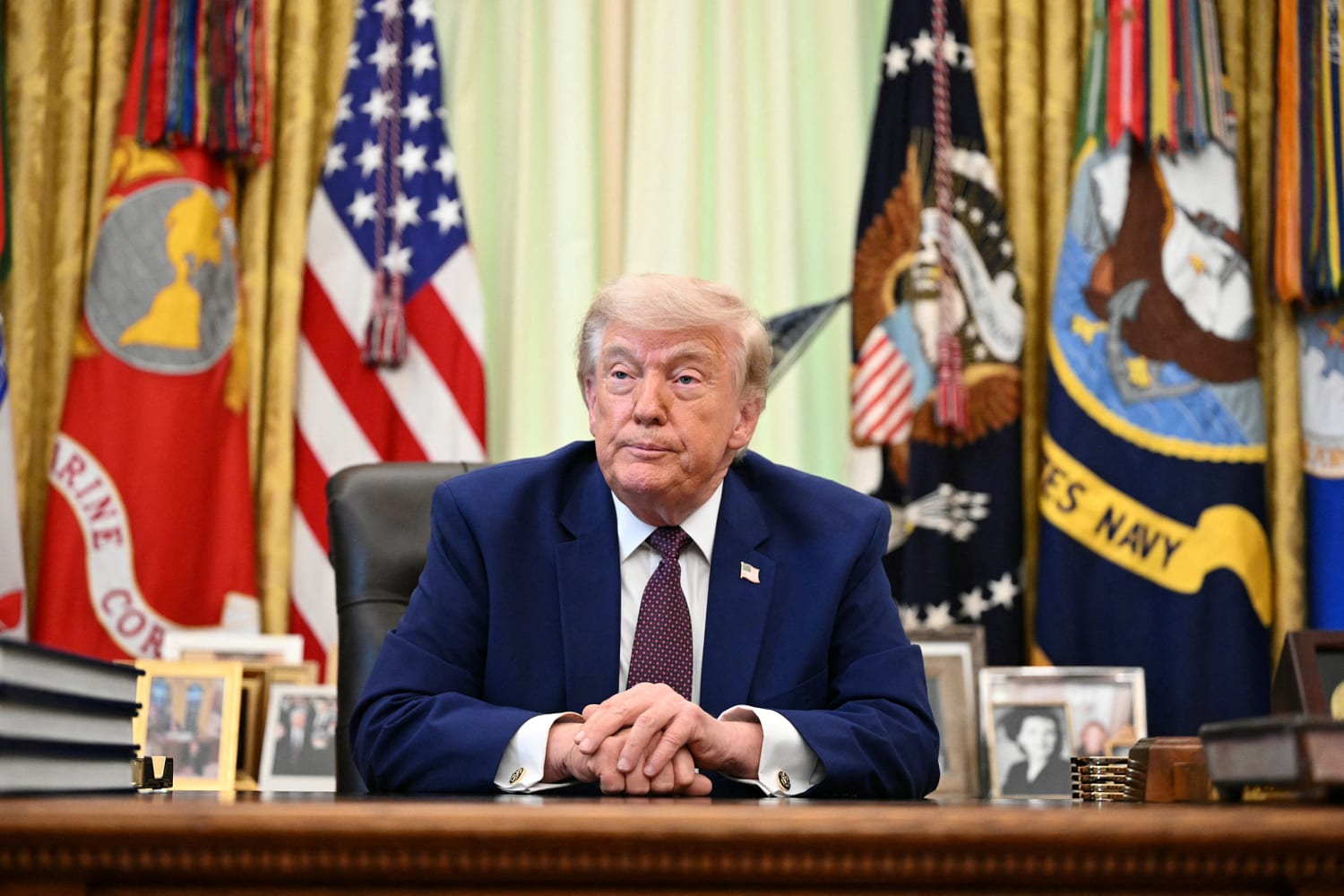
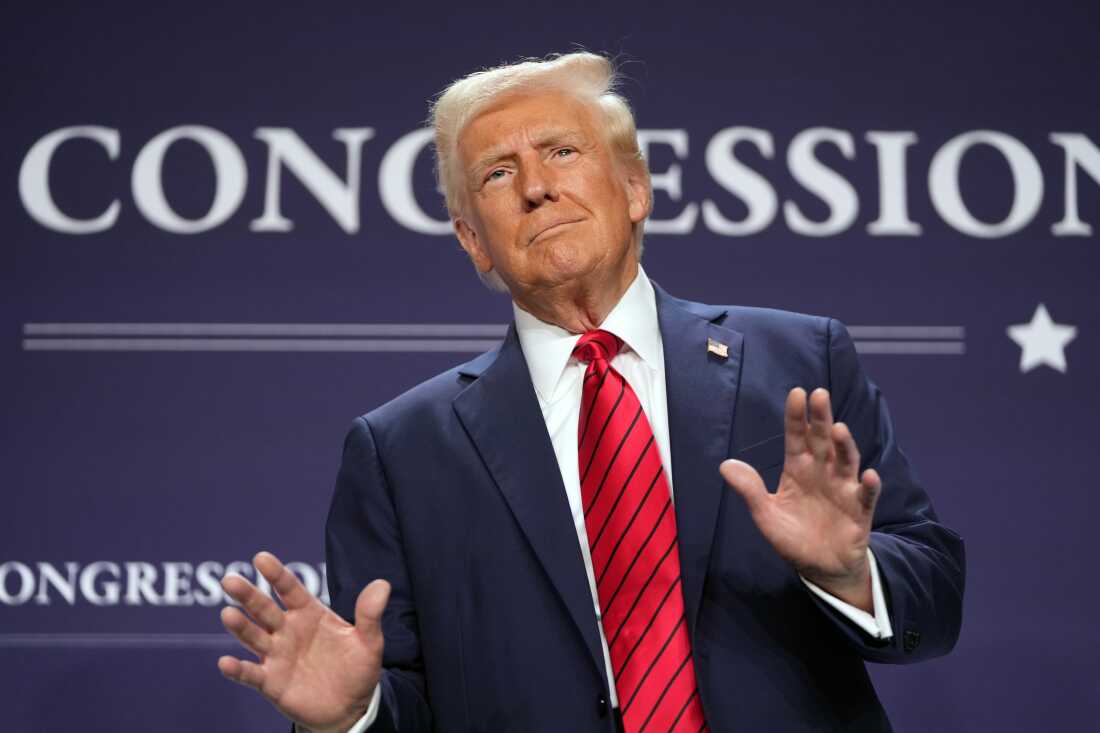
The fund was initially announced as part of a deal where former President Donald Trump agreed to drop a $10 billion lawsuit against the IRS and two civil claims totaling $230 million related to the Russia collusion investigation and the search of his Mar-a-Lago estate. The fund sparked bipartisan uproar over potential use of taxpayer money to compensate allies, including Capitol rioters. Trump stated he believed January 6 rioters should receive compensation. The fund faced at least four federal lawsuits aimed at halting its creation, highlighting significant public and legal opposition.
Legal Arguments Against the Fund
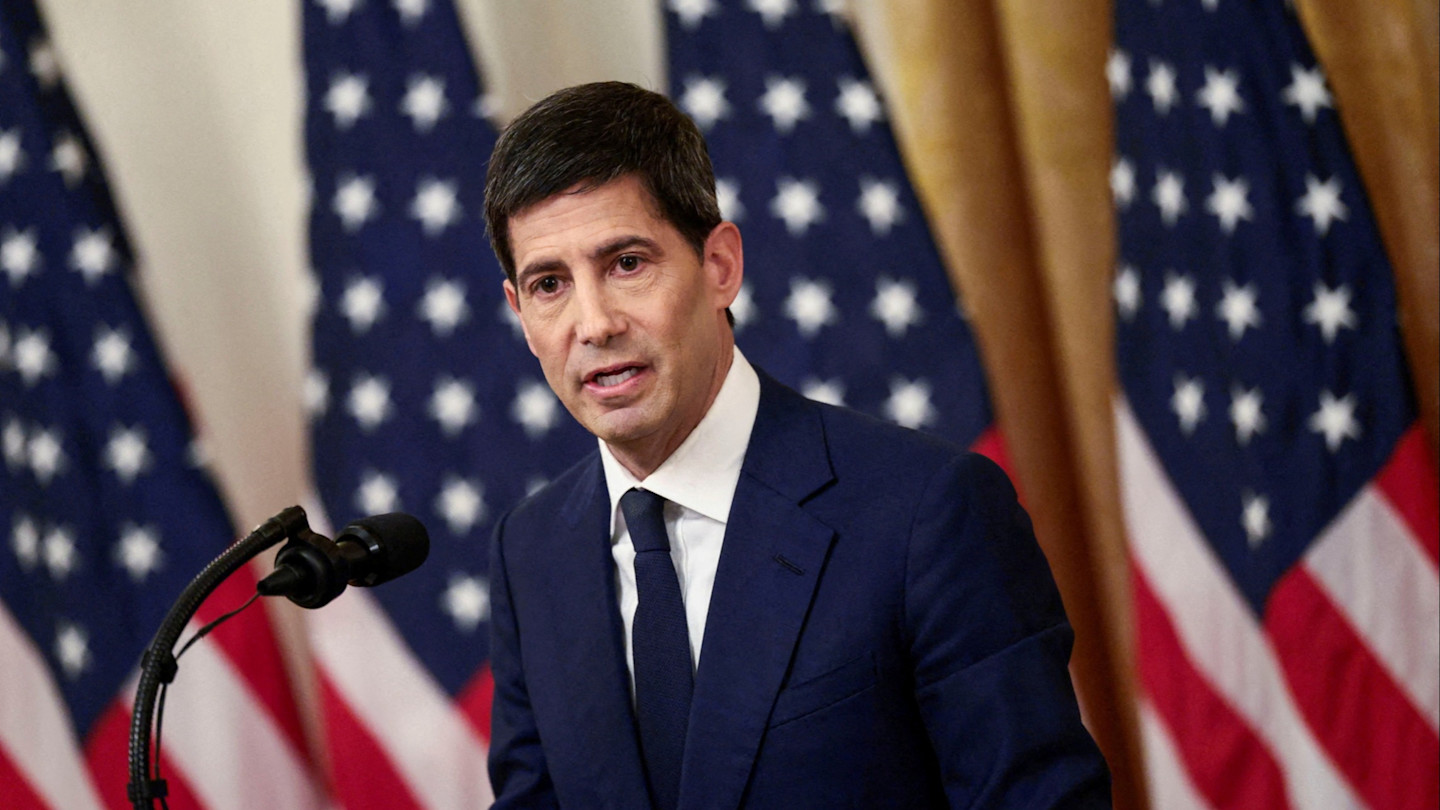
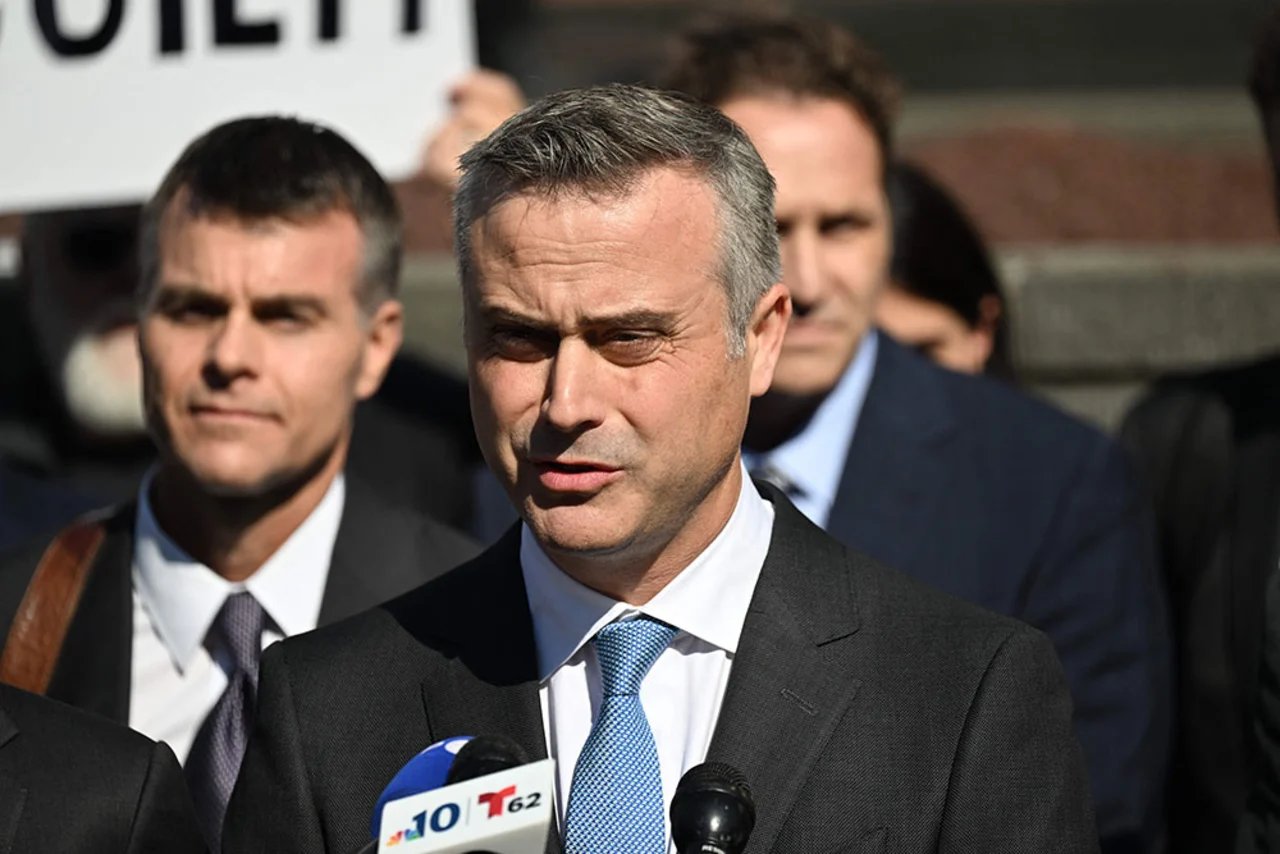
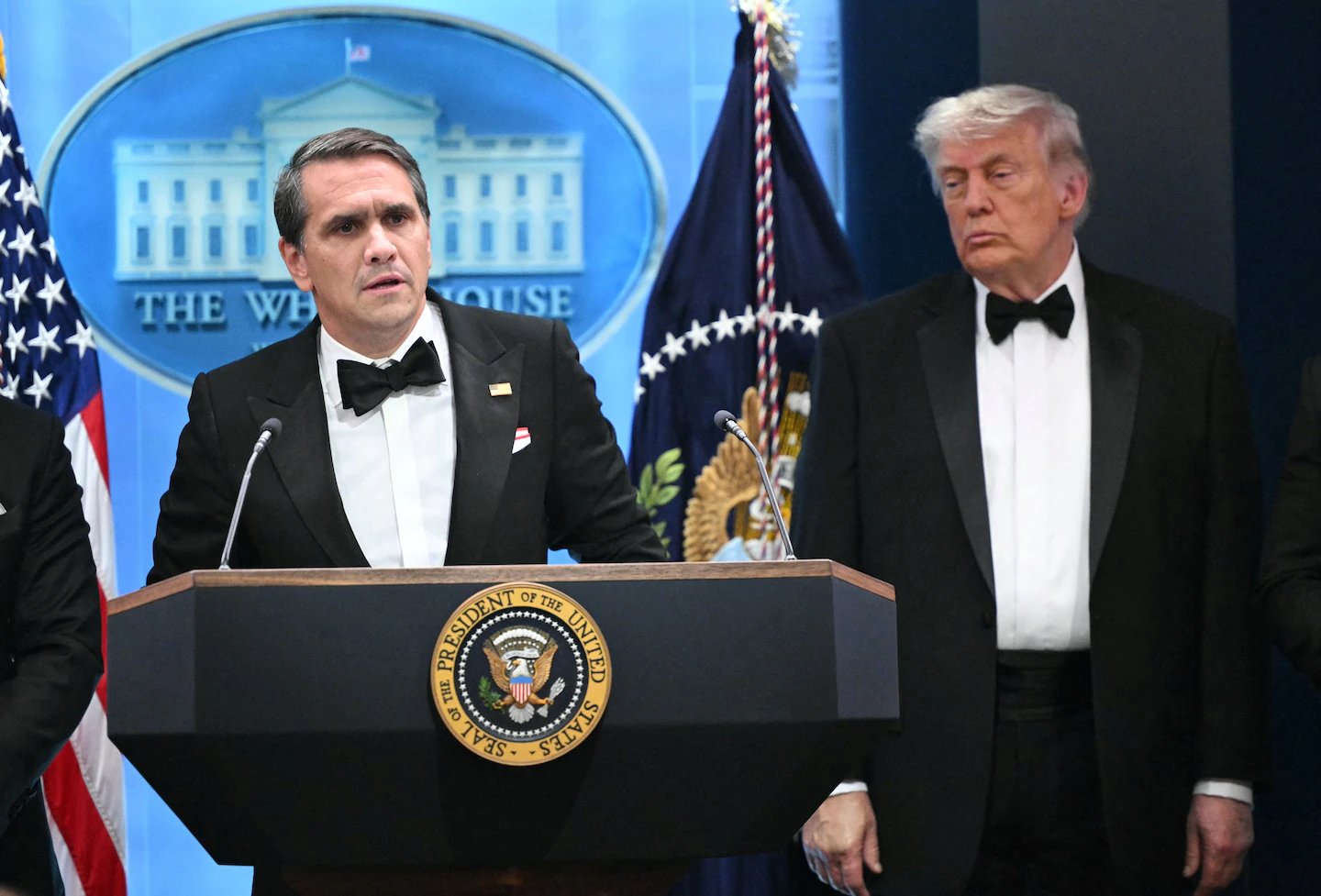
In the recent court filing, Andrew Block, a senior counsel to the associate attorney general, urged the federal judge to dismiss the lawsuit challenging the fund, arguing that it is moot since the fund will not proceed. Block emphasized that allowing the lawsuit to continue would undermine the political process and described the plaintiffs as "classic ideological objectors rather than genuinely injured parties." He noted that the public interest does not favor the court intervening in a political matter that is no longer active.
Responses from Key Figures
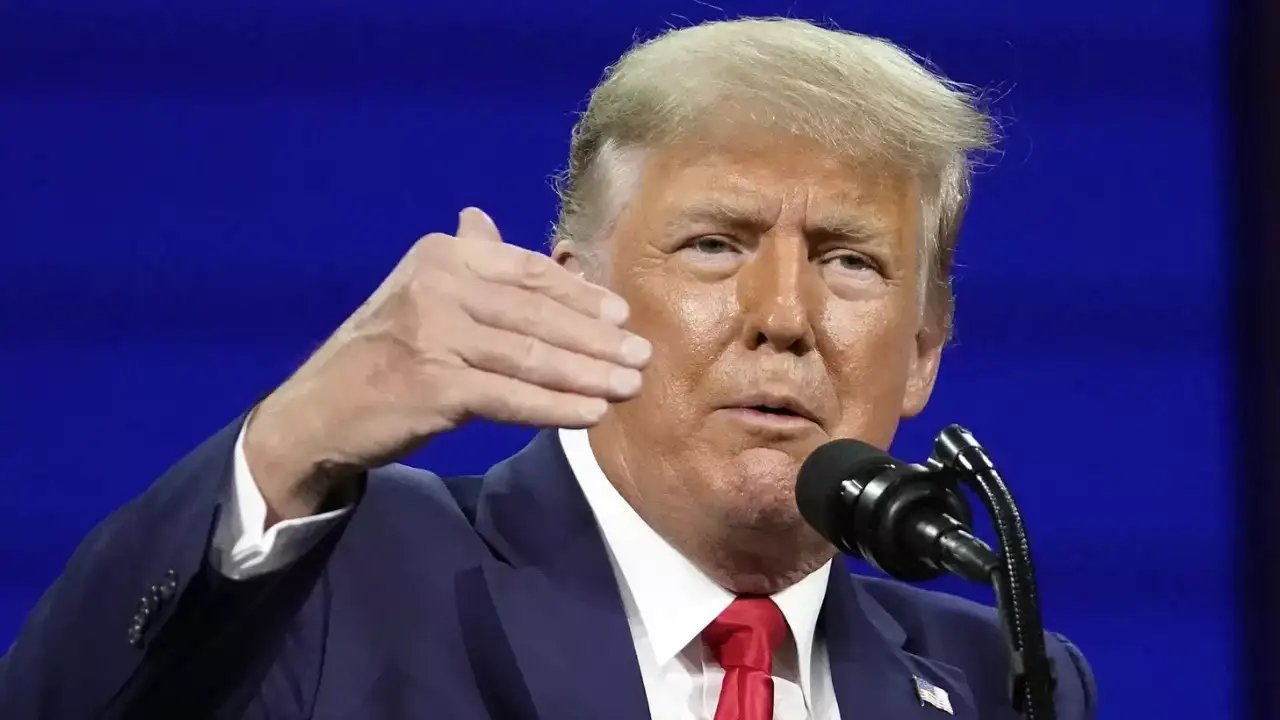
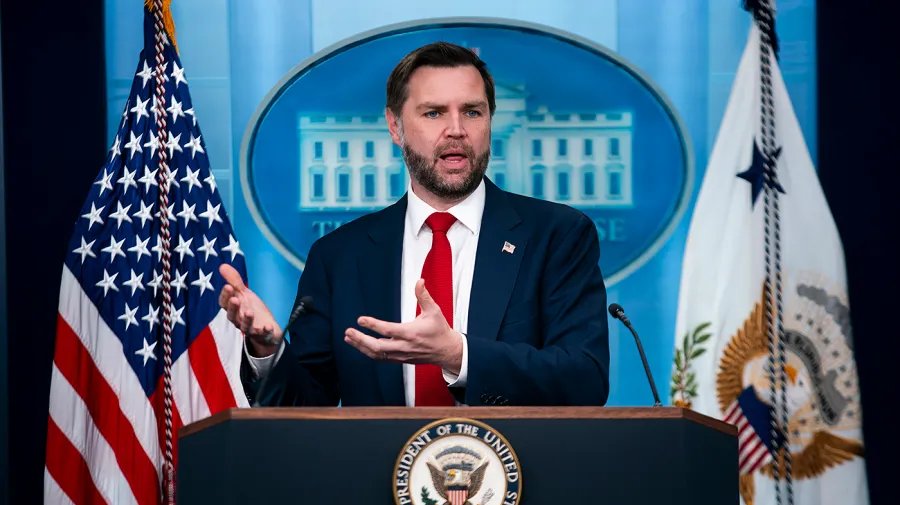
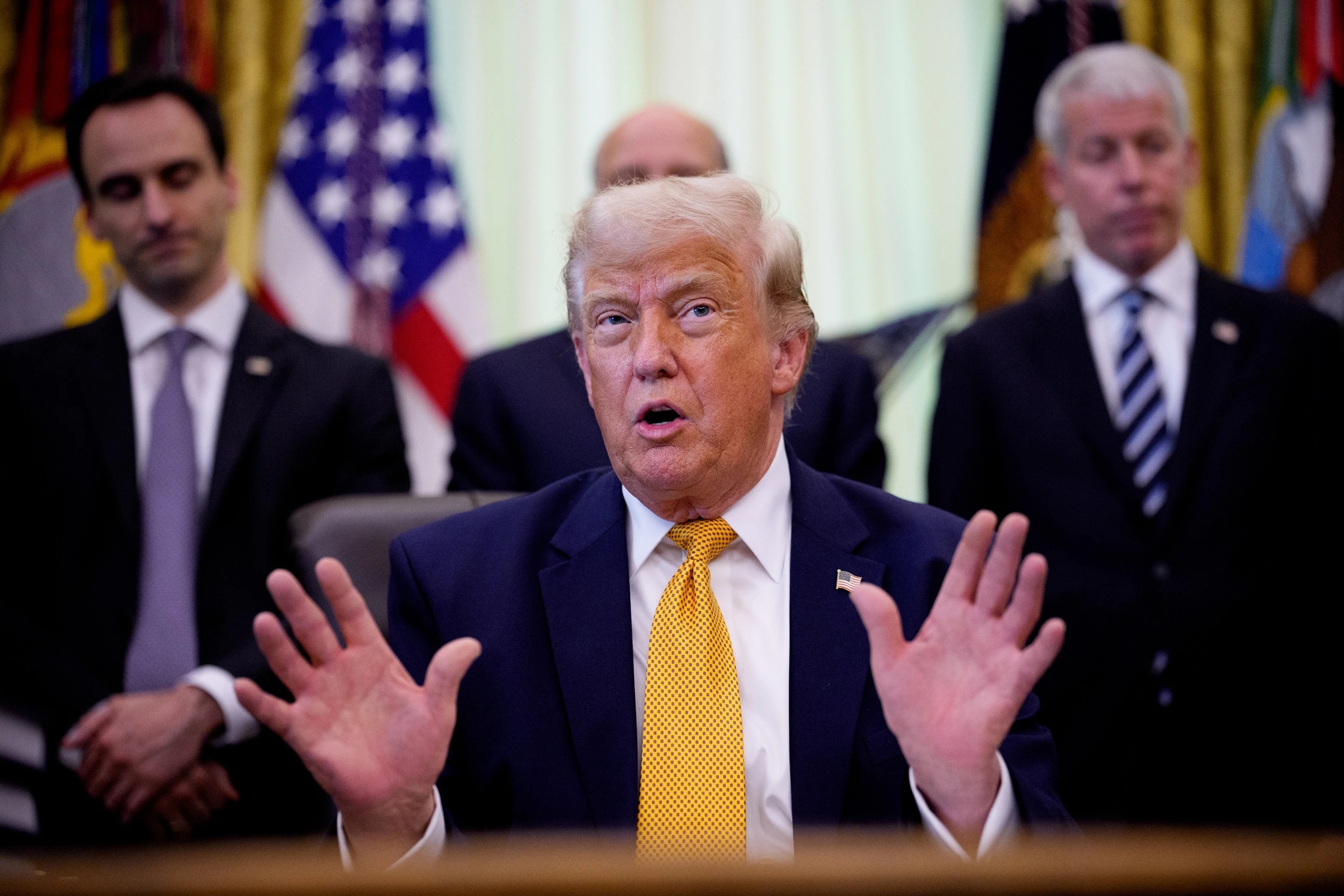
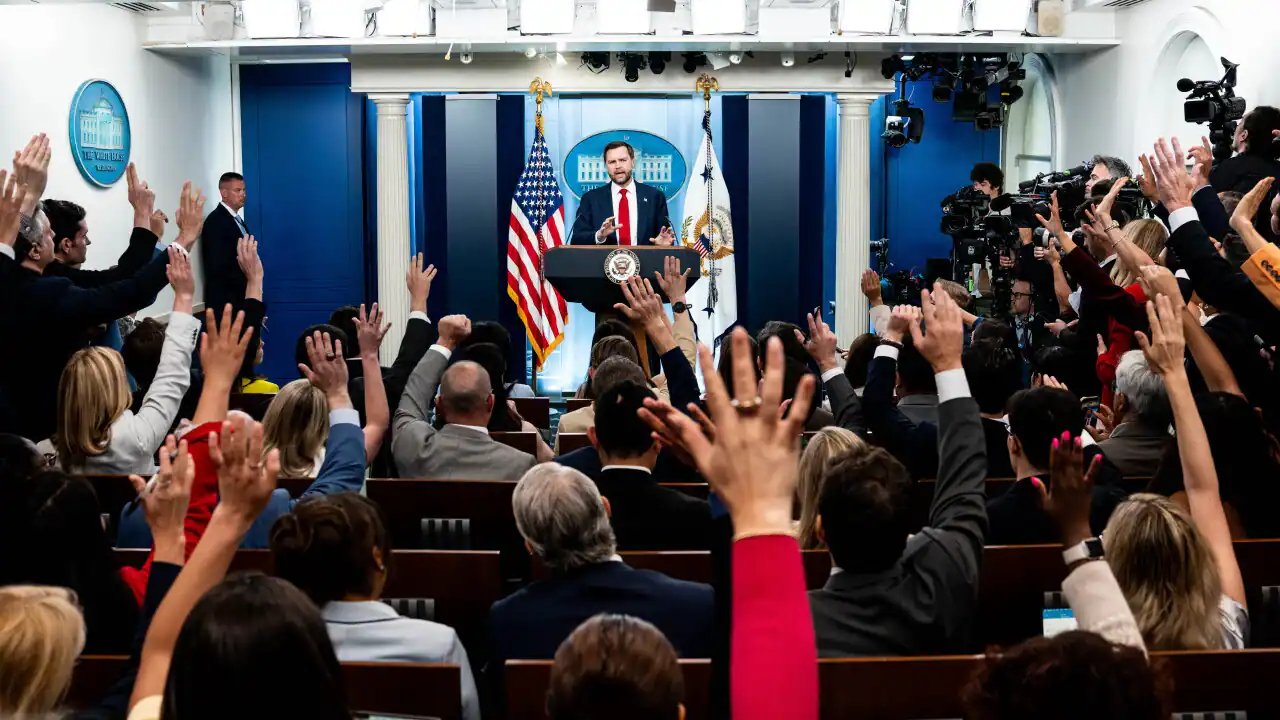
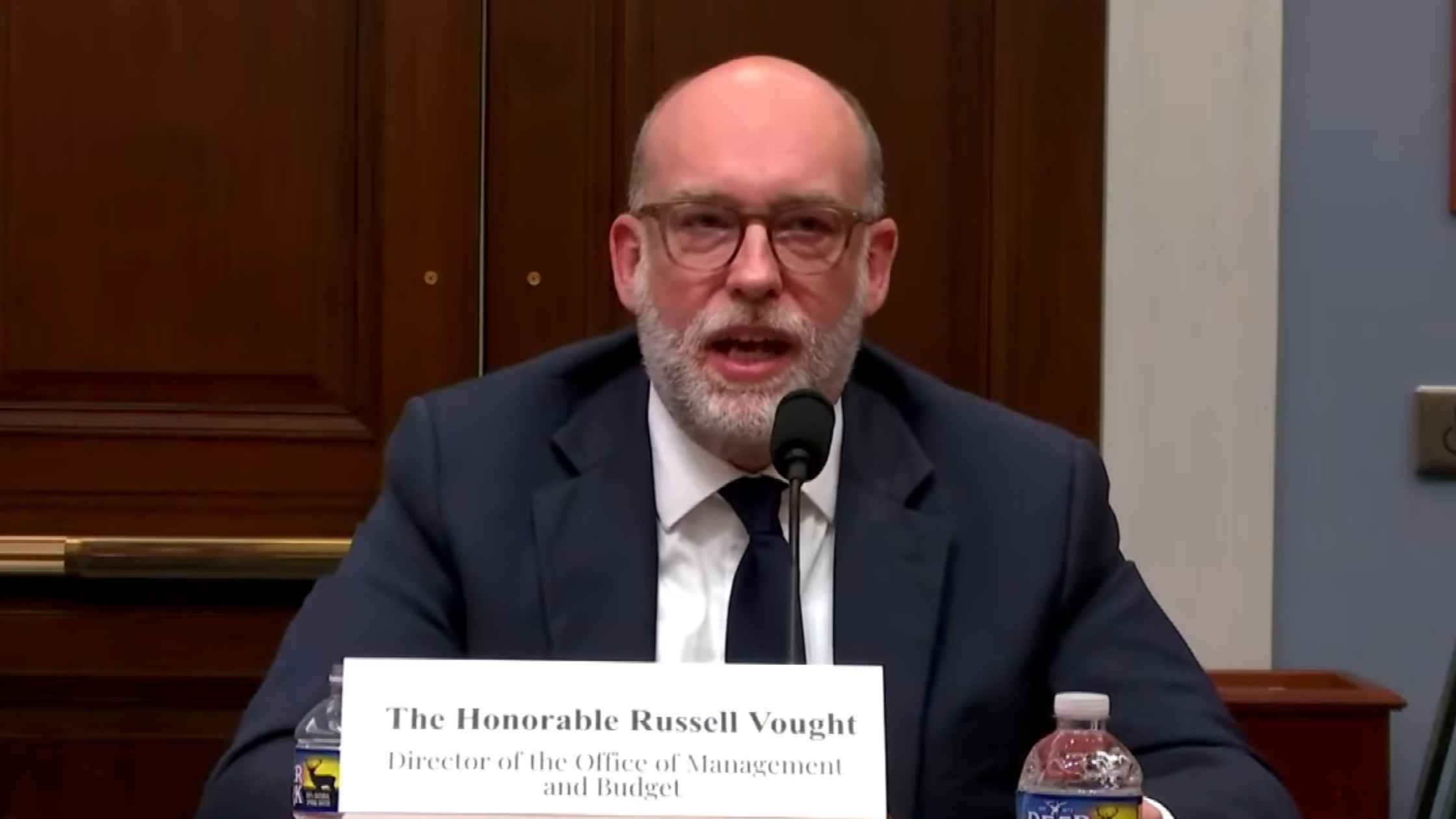
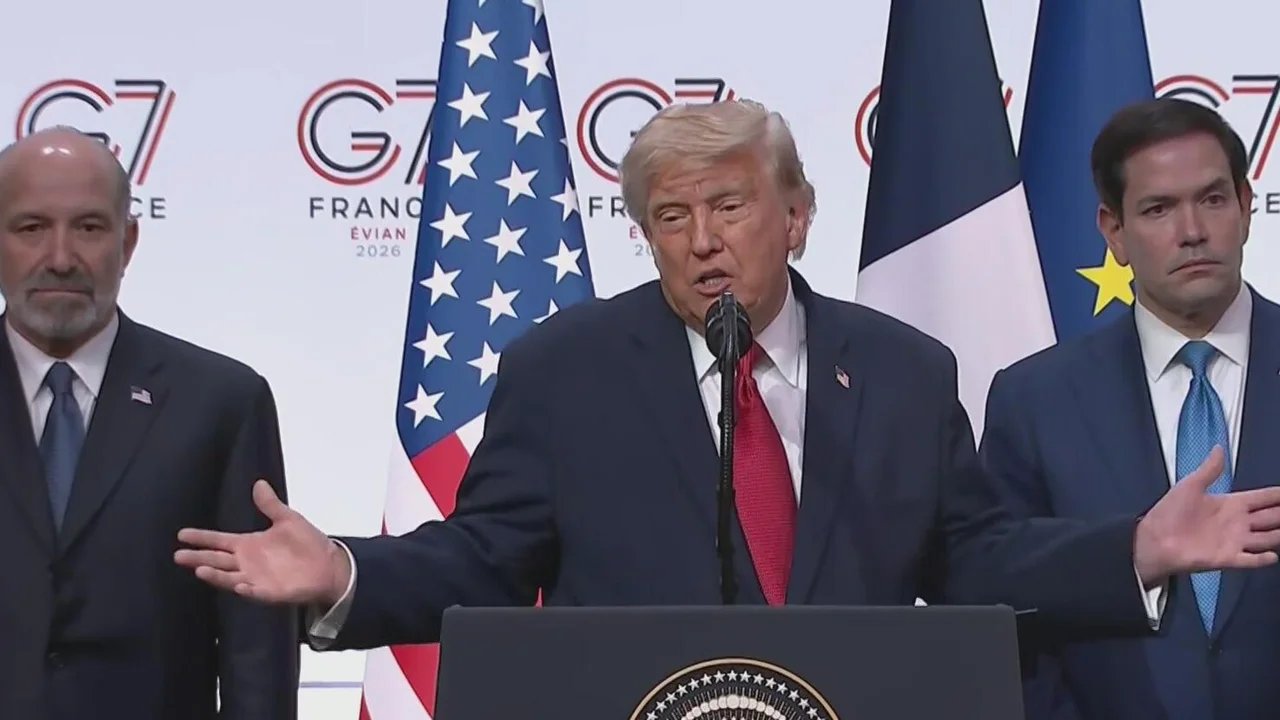
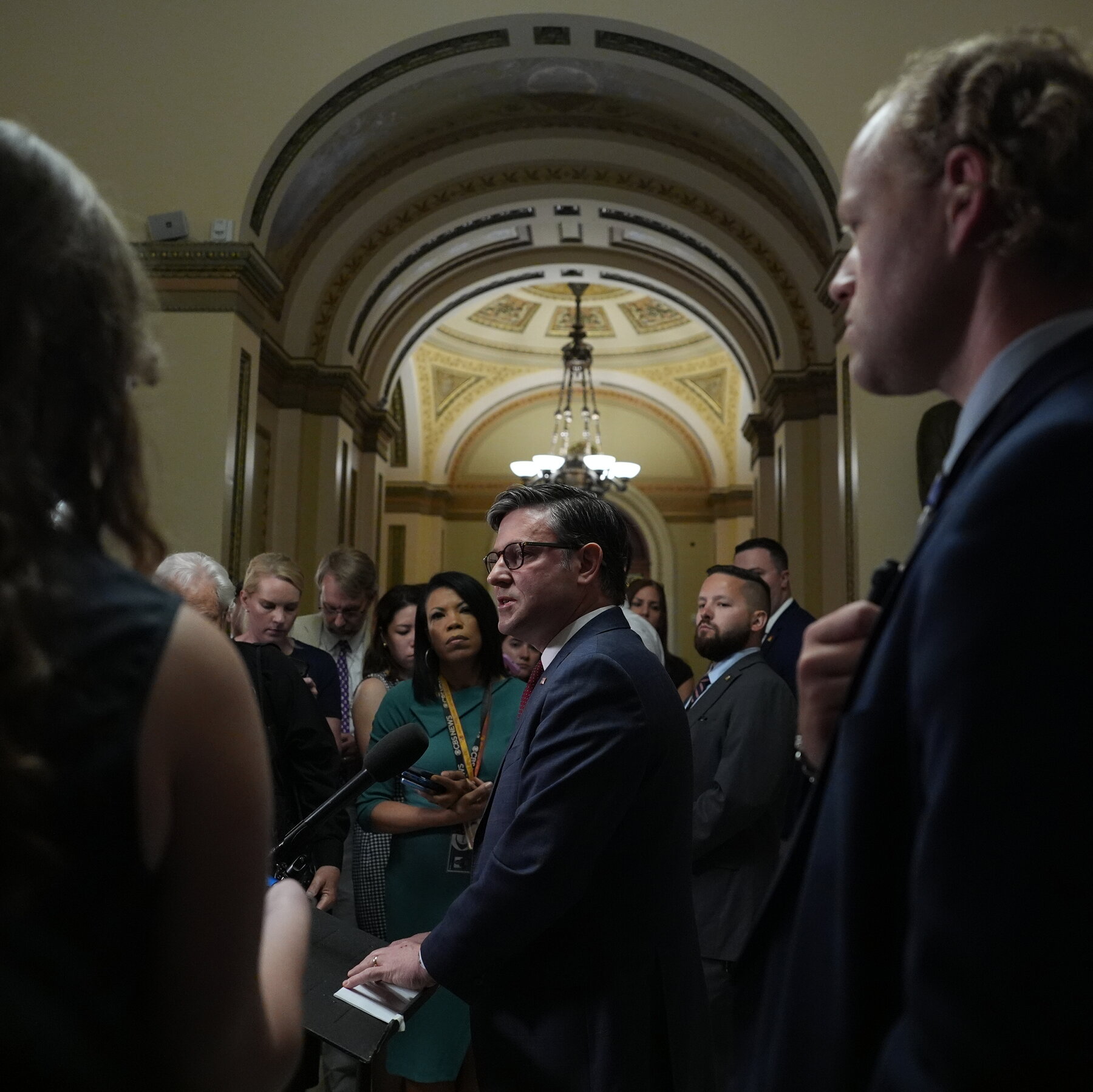
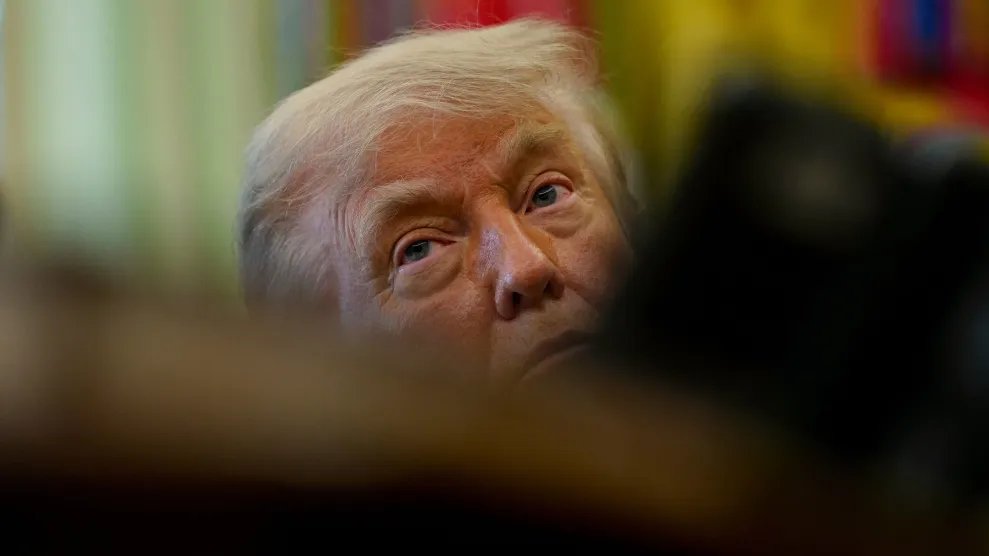
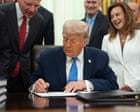
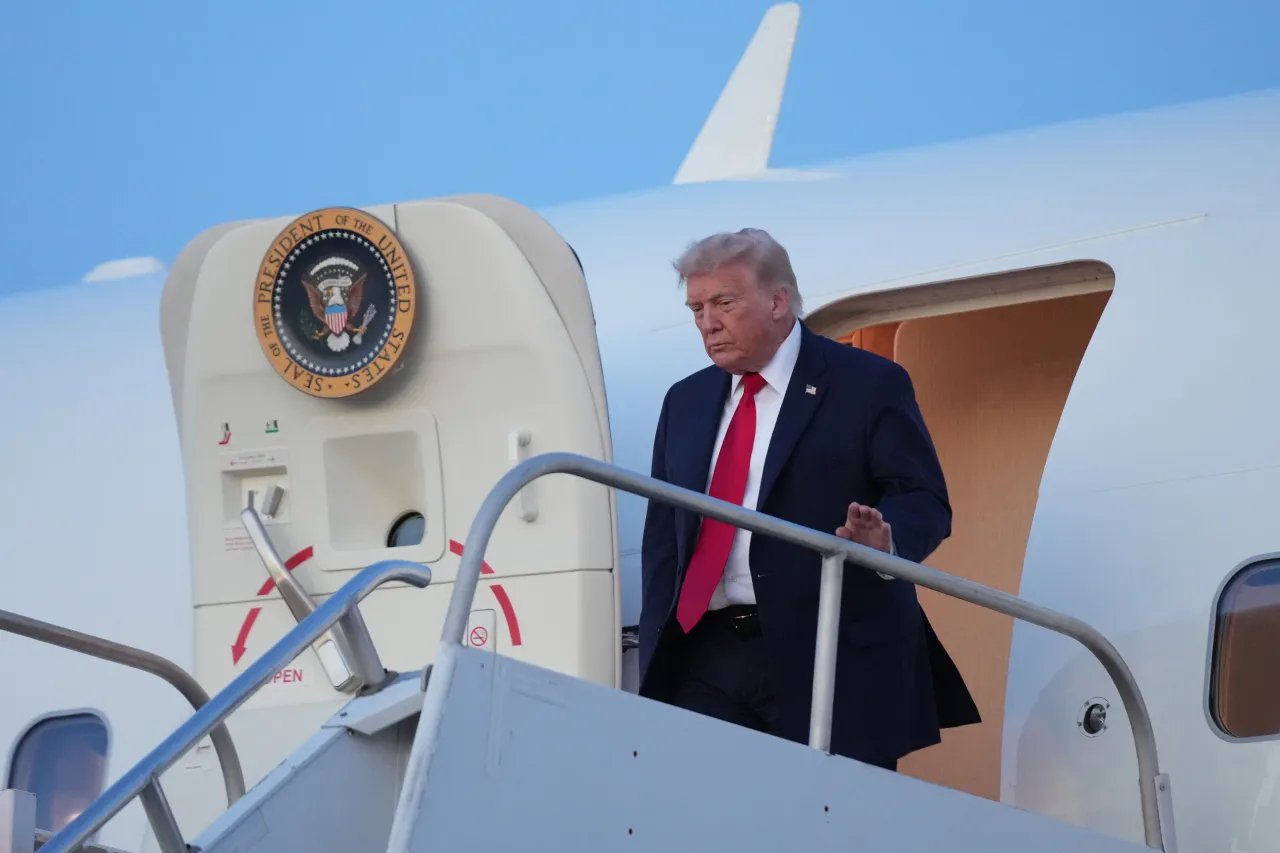
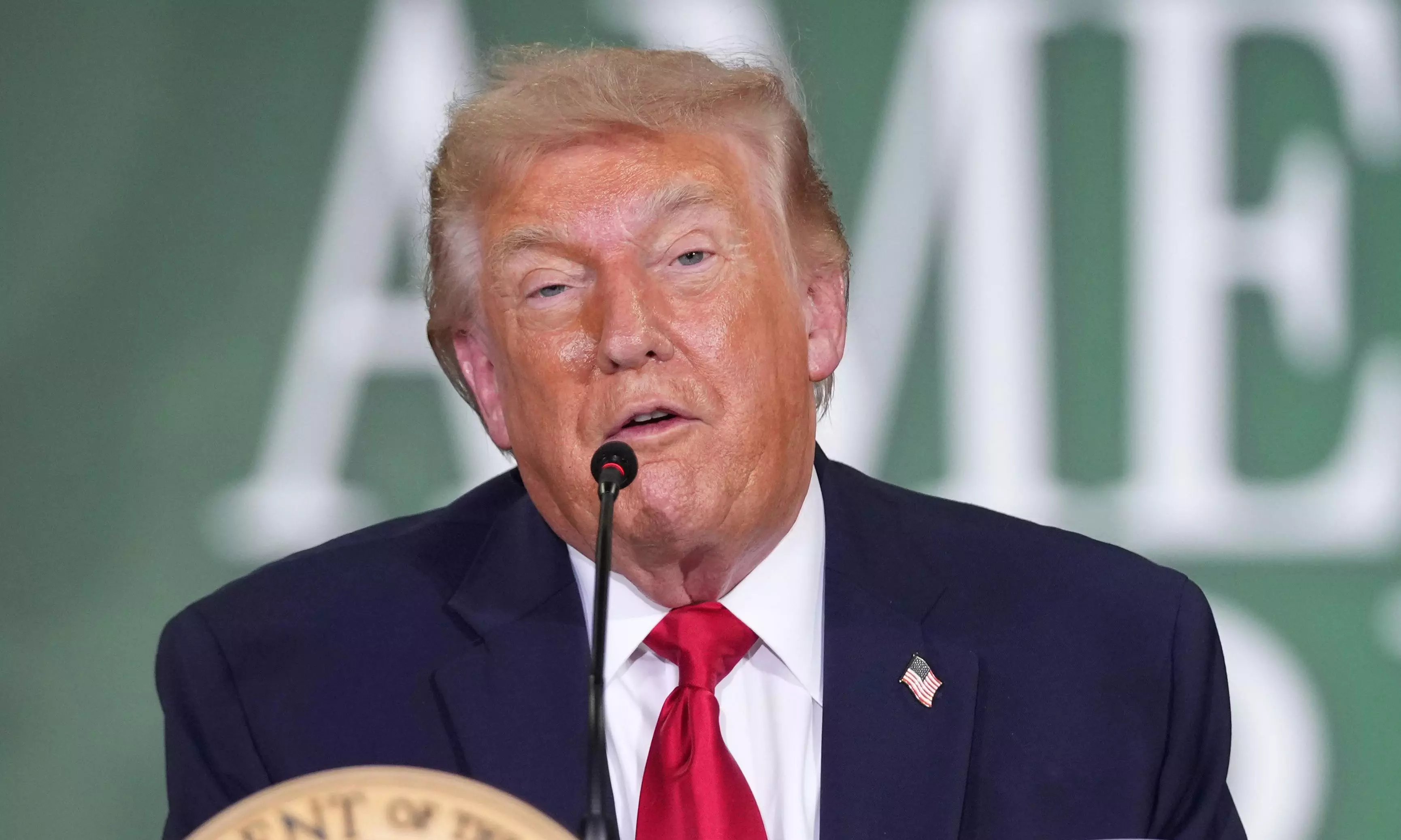
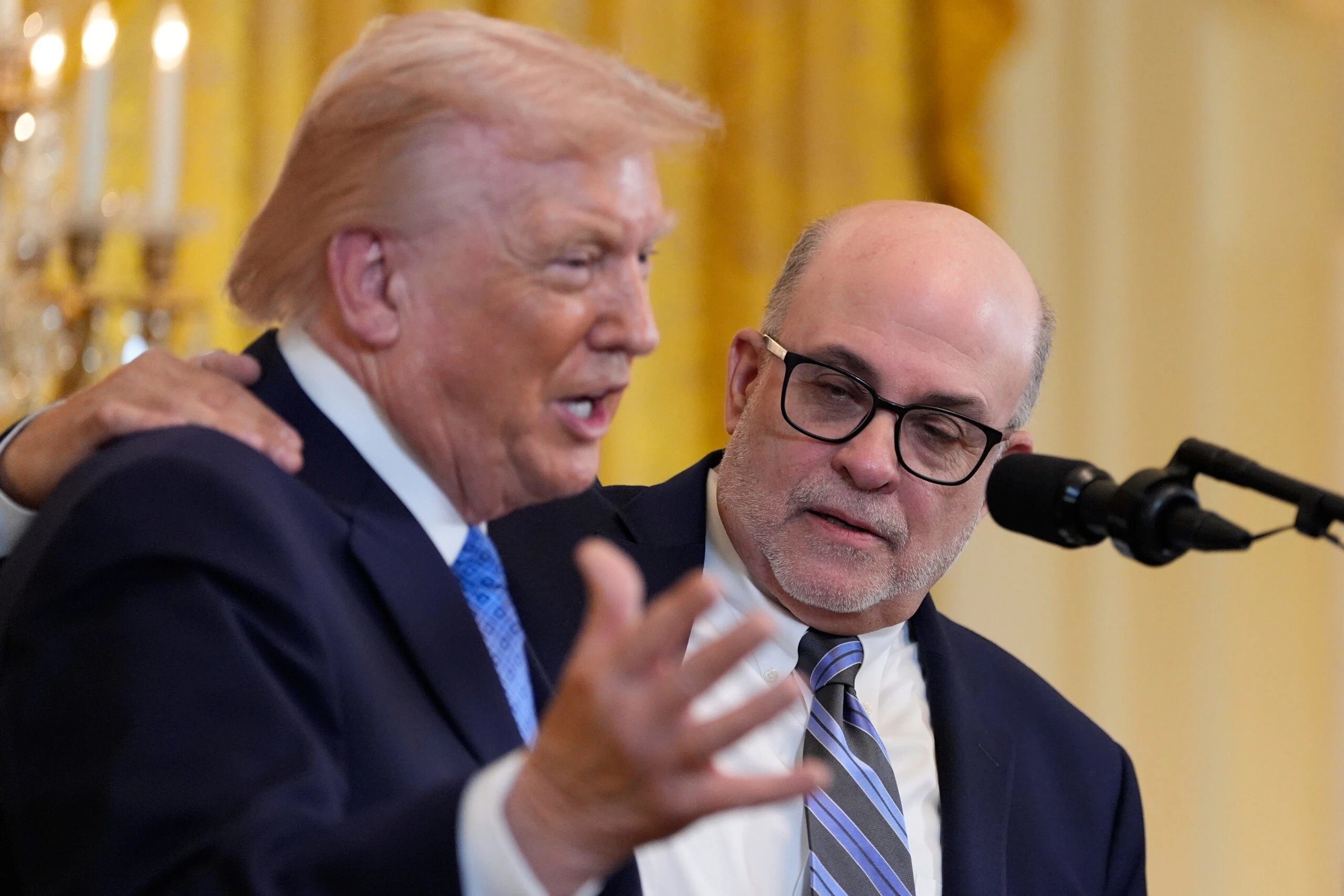
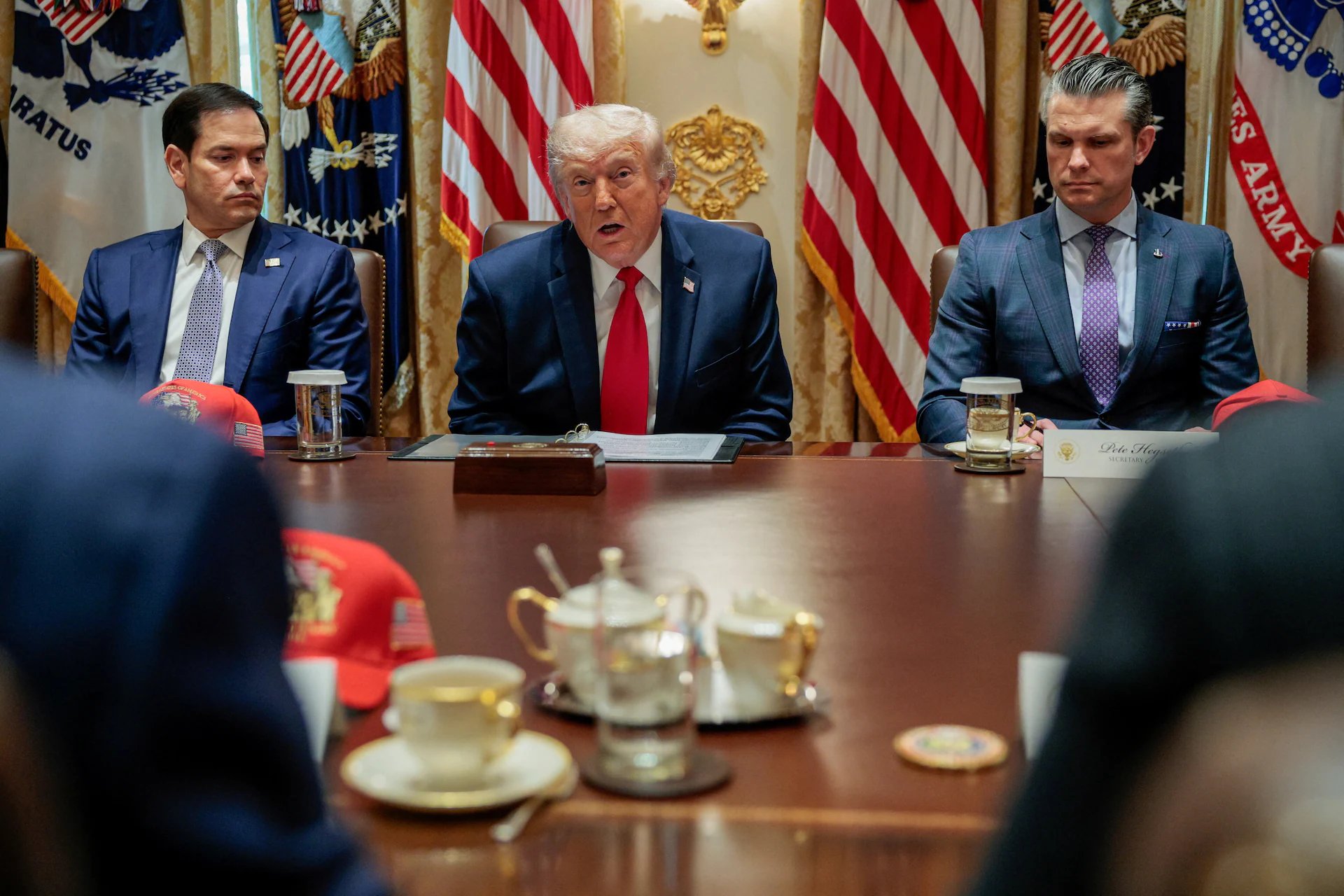
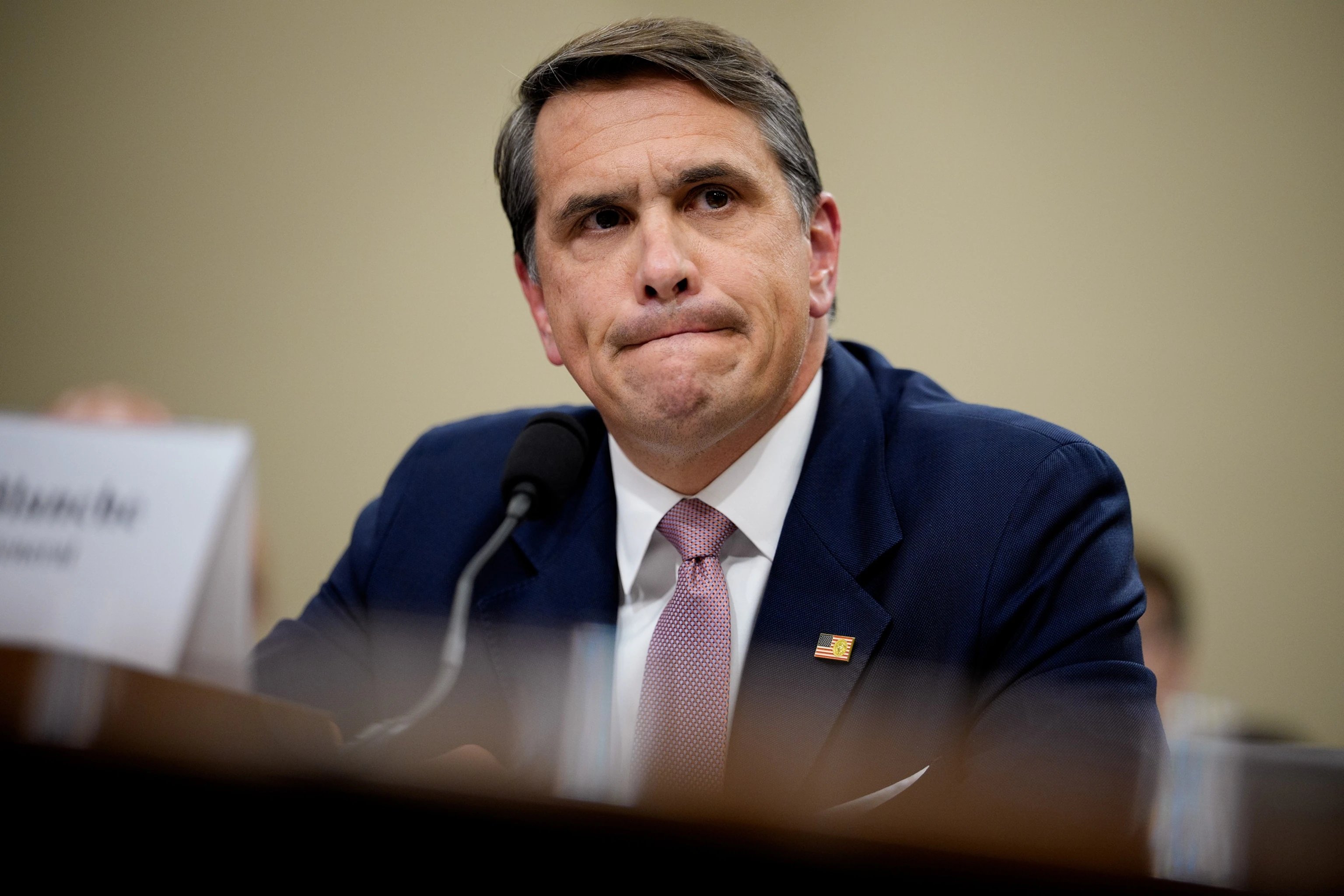
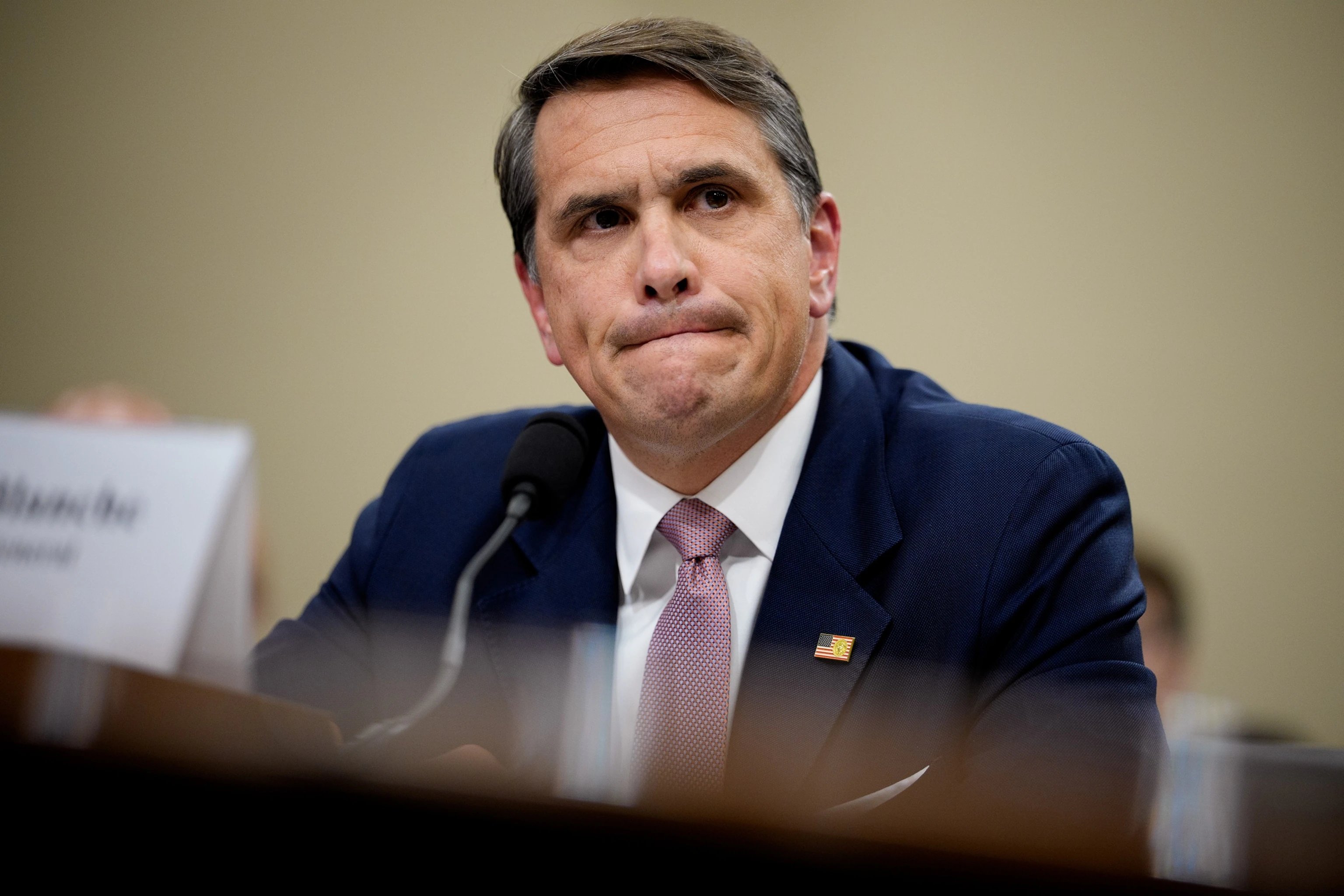
Acting Attorney General Todd Blanche had previously indicated to the House Appropriations subcommittee that the Department of Justice is not "moving forward with the fund," although he did not provide a written confirmation. Meanwhile, Trump expressed uncertainty about the fund's status, stating he believed that rioters from January 6 should receive compensation. This contradictory stance from Trump has added to the confusion surrounding the fund's fate.
Implications of the Fund's Cancellation
As discussions continue regarding the legal ramifications of the fund's termination, the DOJ's decision signals a commitment to curtail the controversial initiative that faced substantial opposition. The outcome highlights the contentious nature of political funding mechanisms and their implications for governance.
Next Steps for Affected Parties
With the DOJ's confirmation that the fund will not proceed, affected parties, including those who had hoped to benefit from it, will need to seek alternative avenues for redress. Legal experts suggest that this development may lead to further scrutiny of political compensation initiatives and the legal frameworks that support them. As the political landscape evolves, stakeholders will be watching closely for any new proposals or initiatives regarding federal compensation related to political claims.