




New Texas Law Takes Effect Amid Legal Challenges
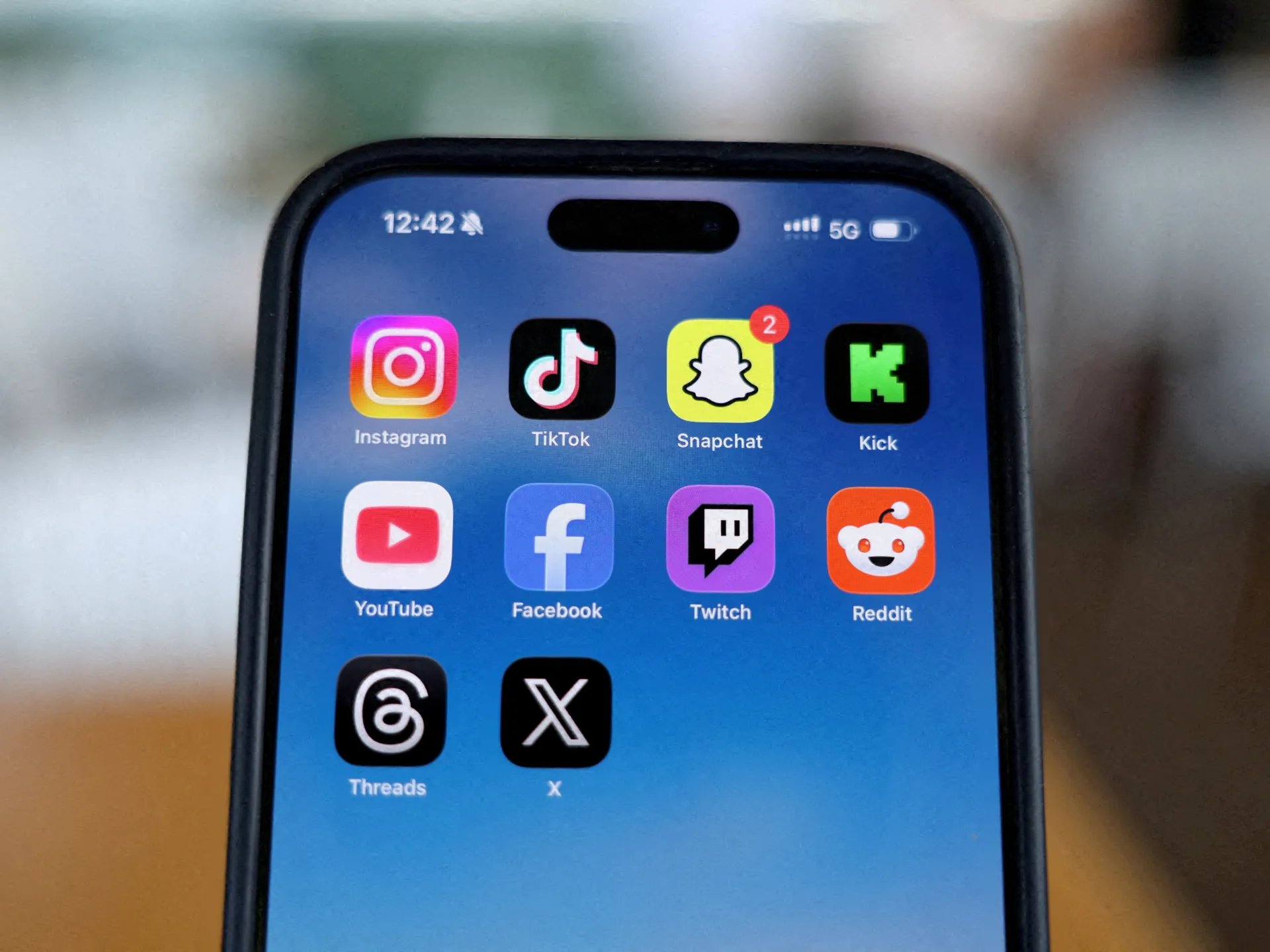
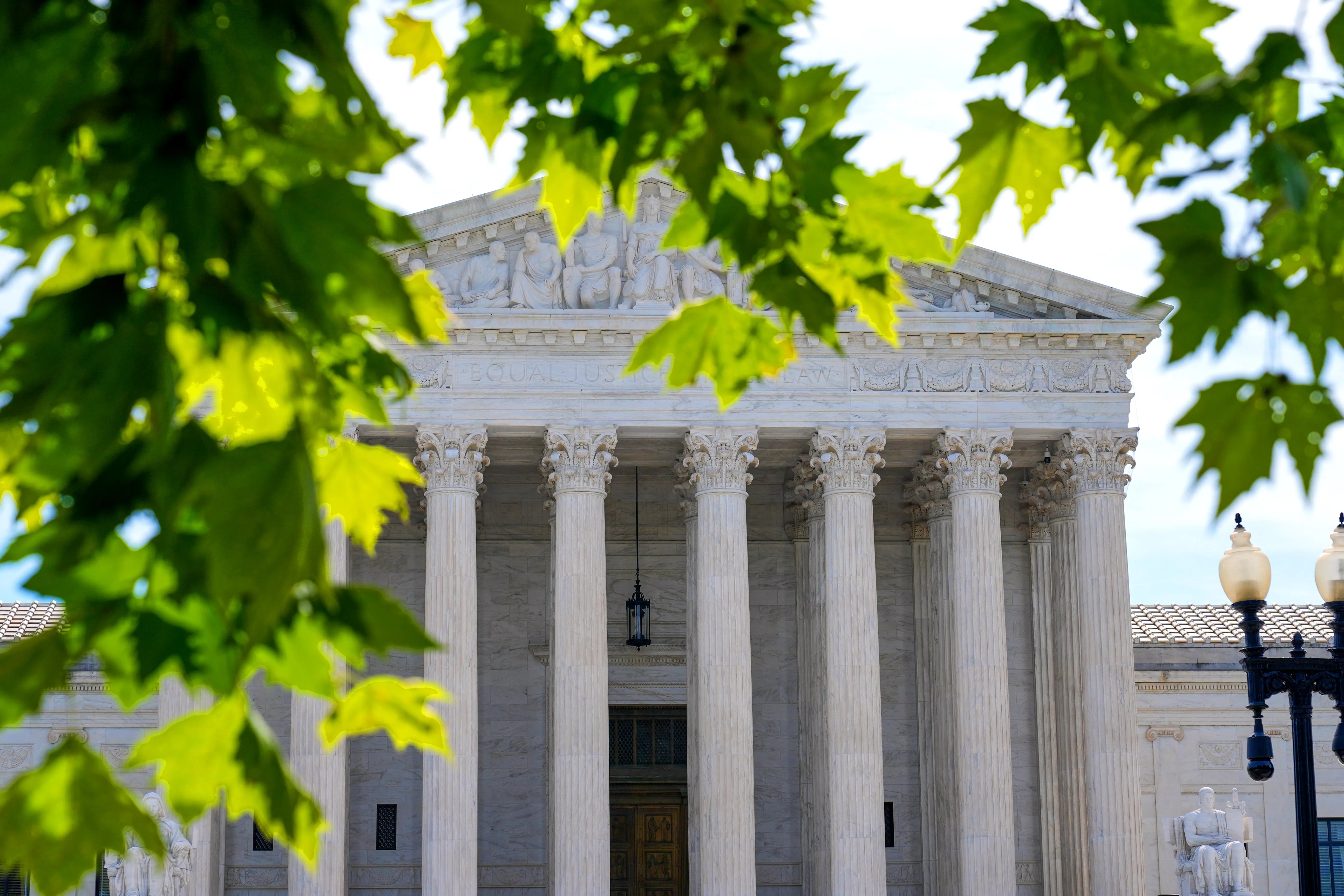
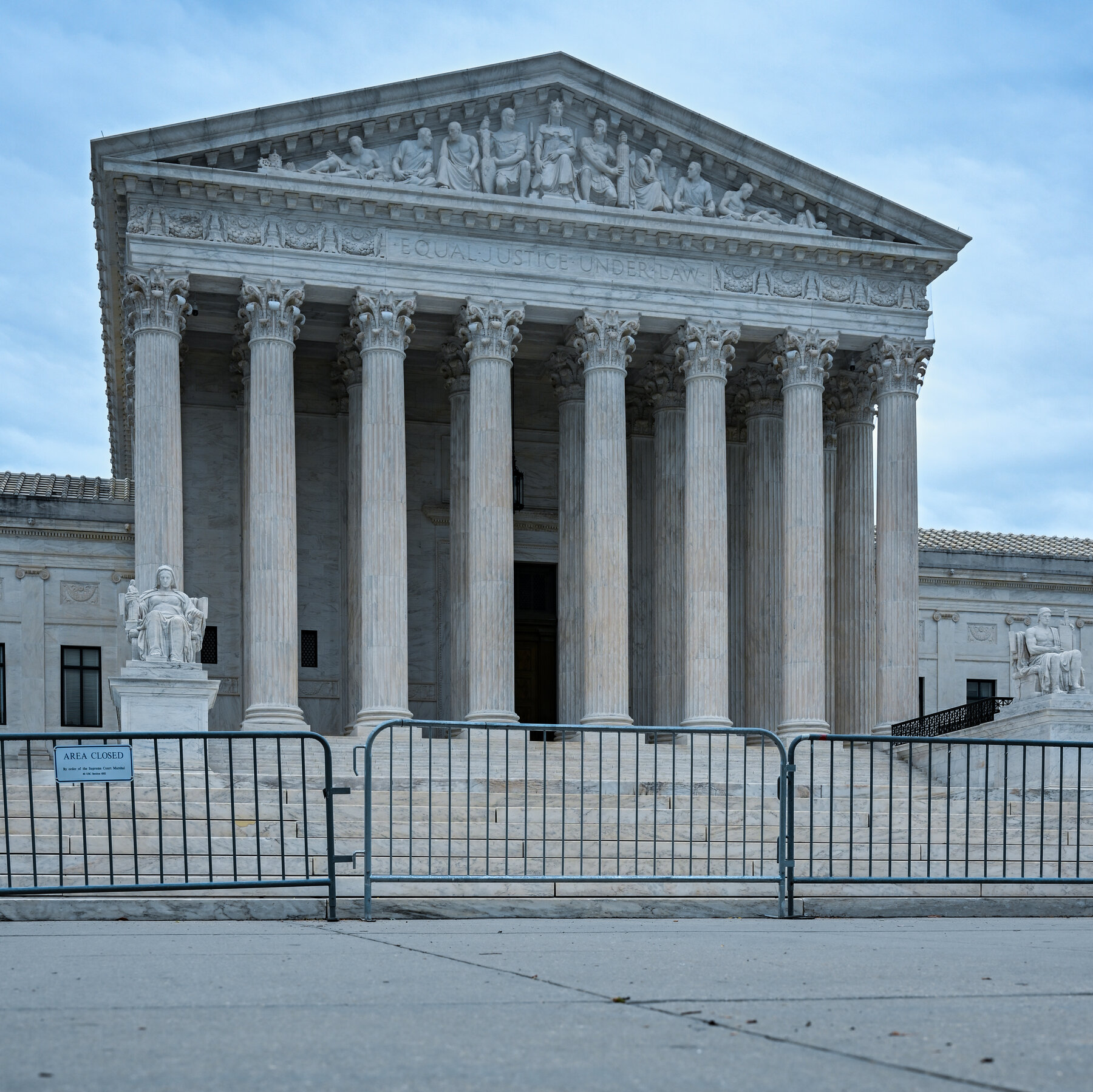
The Supreme Court has permitted Texas to implement its App Store Accountability Act, which requires minors to obtain parental consent before downloading most apps. This law, enacted in 2025, mandates app stores to verify user ages and restricts children under 18 from accessing various applications, including popular platforms like Instagram. The court's decision allows the law to be enforced while ongoing lawsuits challenge its constitutionality.
Arguments for and Against the Law
Proponents of the law argue it protects minors from exposure to harmful content. Texas officials stated that the law aims to shield children from inappropriate material, framing it as a measure of public safety. However, opponents contend that the law infringes on minors' rights to free speech, highlighting that it broadly limits access to digital content essential for their social engagement and learning. Critics assert that the law's restrictions are unconstitutional, citing Supreme Court precedents that uphold children's free speech rights.
Legal Journey of the App Store Accountability Act
Initially, a lower court blocked the law, asserting that it hindered minors' participation in democratic discourse online. However, in June, the Fifth Circuit Court of Appeals reinstated the law, indicating a shift in judicial perspective. The Supreme Court's recent ruling, delivered through an unsigned order, suggests a tentative endorsement of the law, allowing it to remain in effect while the legal battles unfold in lower courts.
Broader Implications for Minors and Digital Access
The law not only affects Texas but may influence similar legislative efforts in other states. Utah, Louisiana, and Alabama have passed comparable laws, indicating a trend that could reshape minors' access to digital content across the nation. As lawsuits progress, the outcome may set significant precedents regarding minors' rights in the digital age and how states can regulate online access to protect children.
Next Steps in the Legal Process
While the law is currently enforceable, its future remains uncertain as it returns to lower courts for further litigation. Legal experts anticipate that the ongoing cases could lead to a deeper examination of the balance between protecting minors and preserving their rights to access information and engage in online communities. The Supreme Court's decision serves as a pivotal moment in this ongoing debate, potentially paving the way for future legislative measures affecting digital content access for children.