




Ceasefire Announced Amid Renewed Hostilities
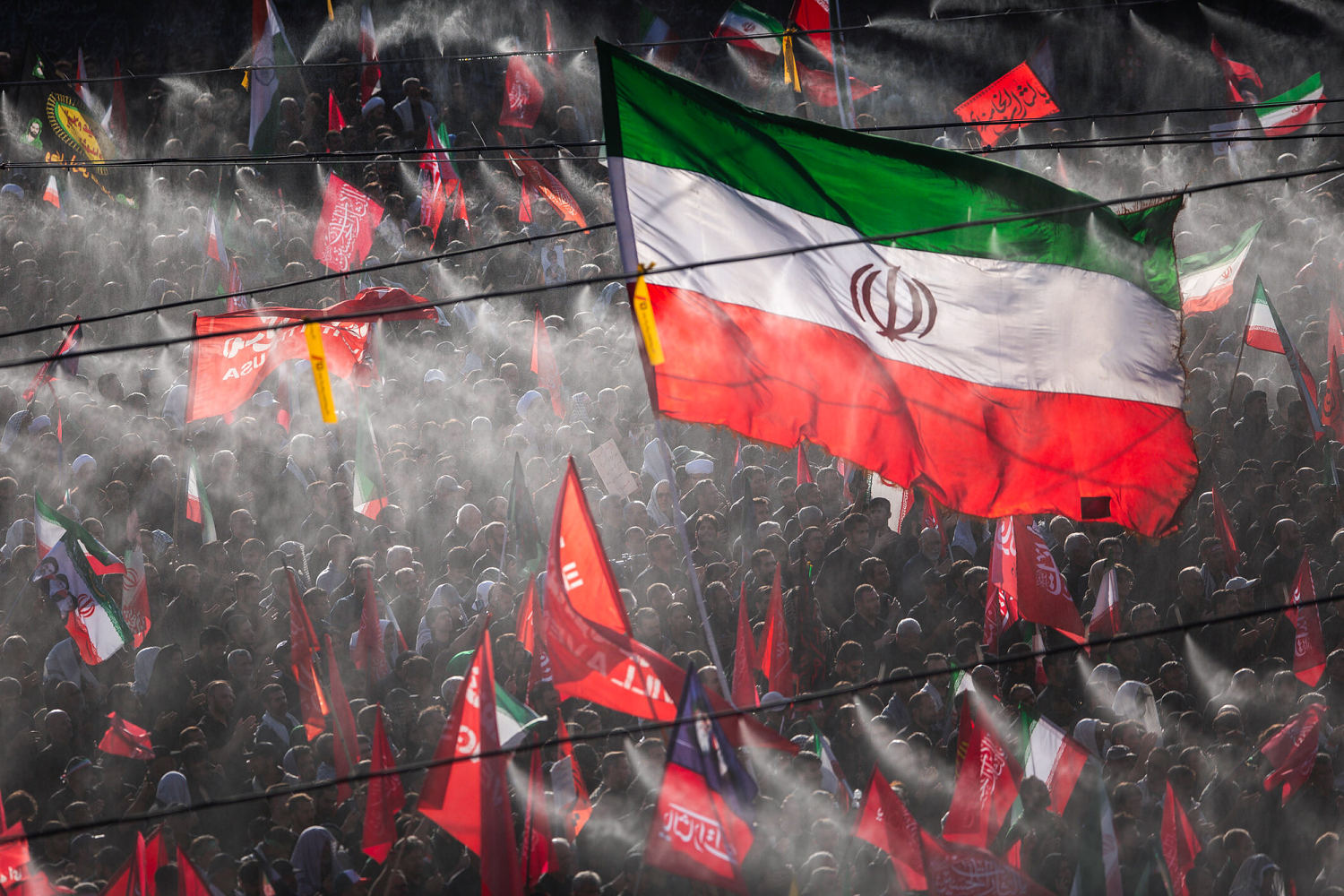
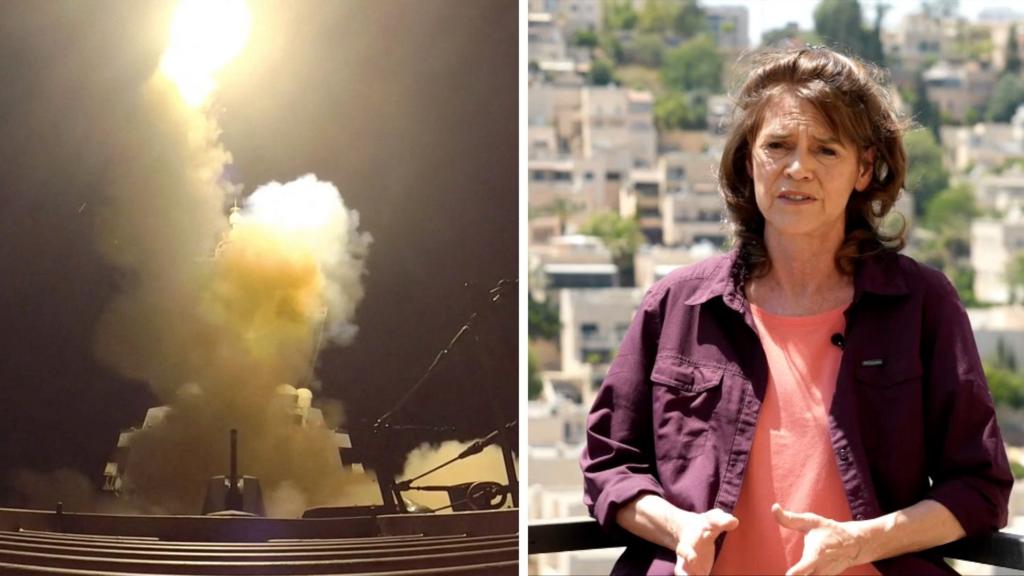
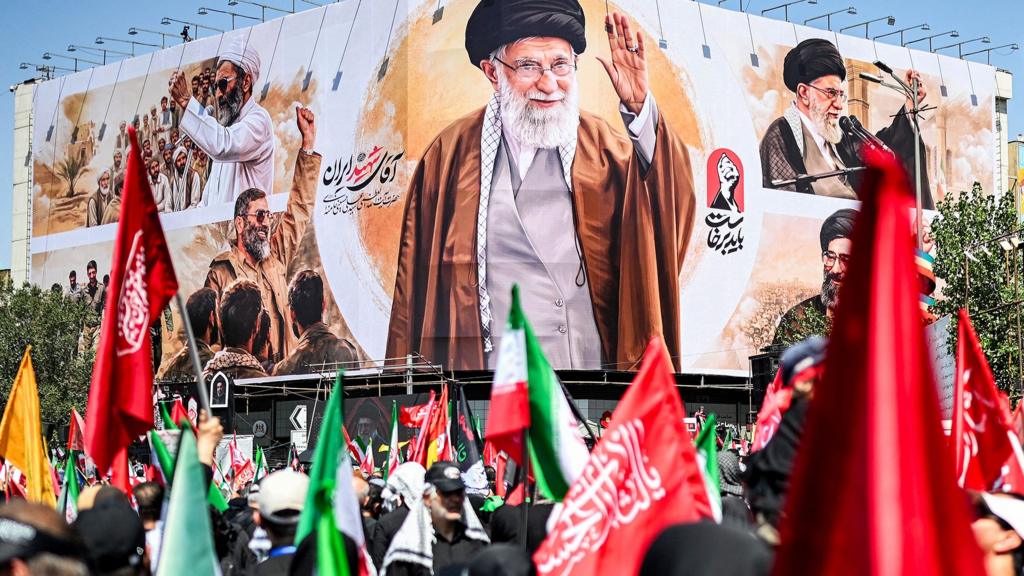
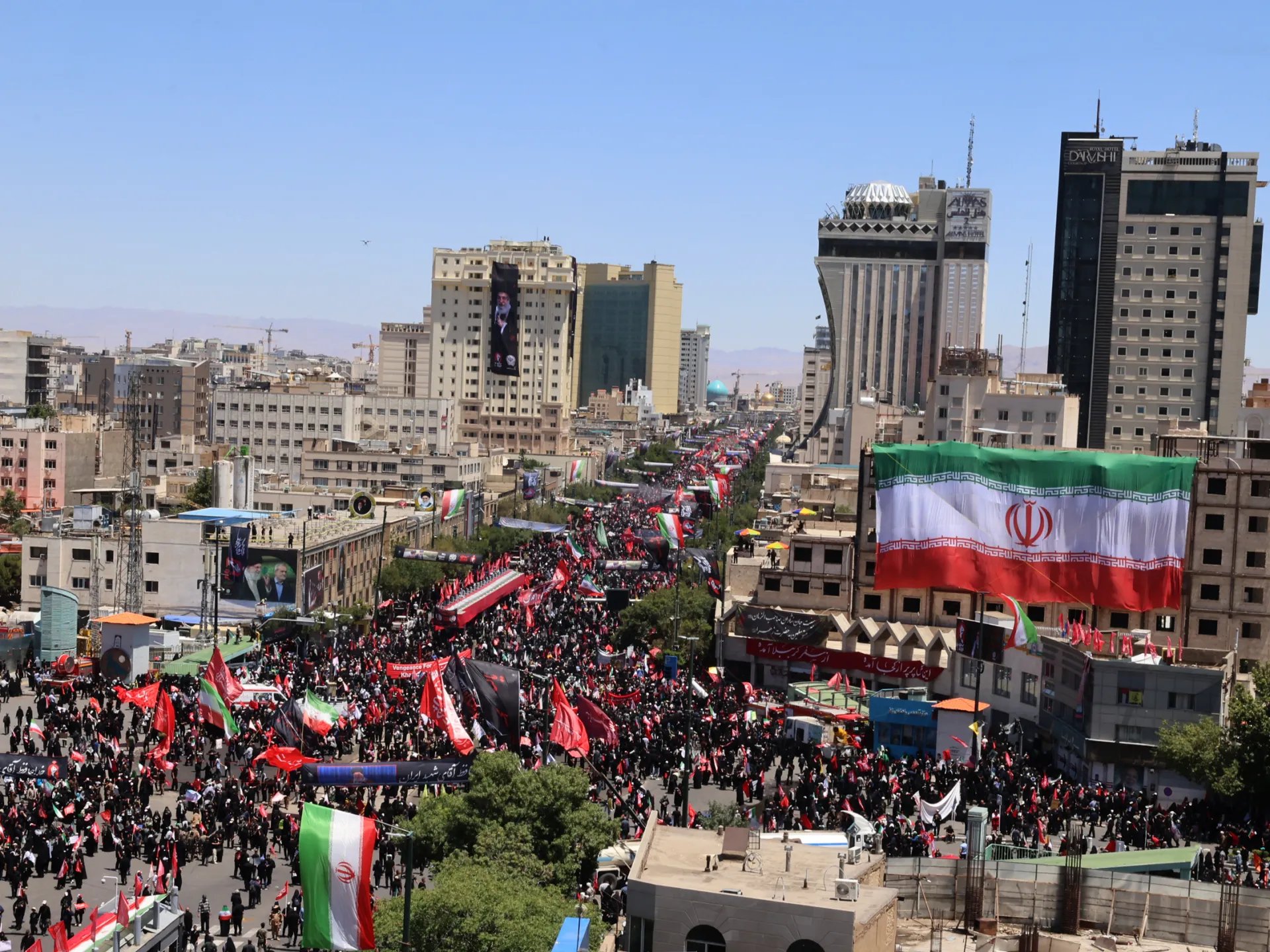
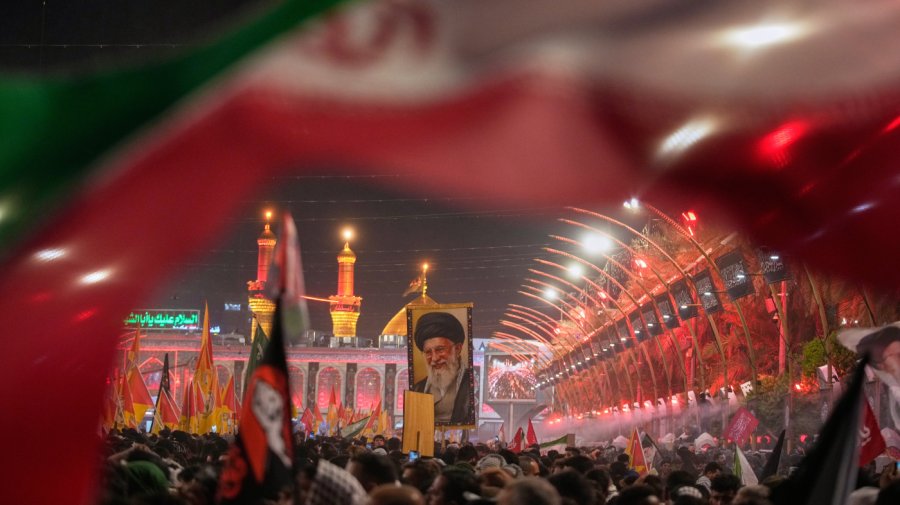
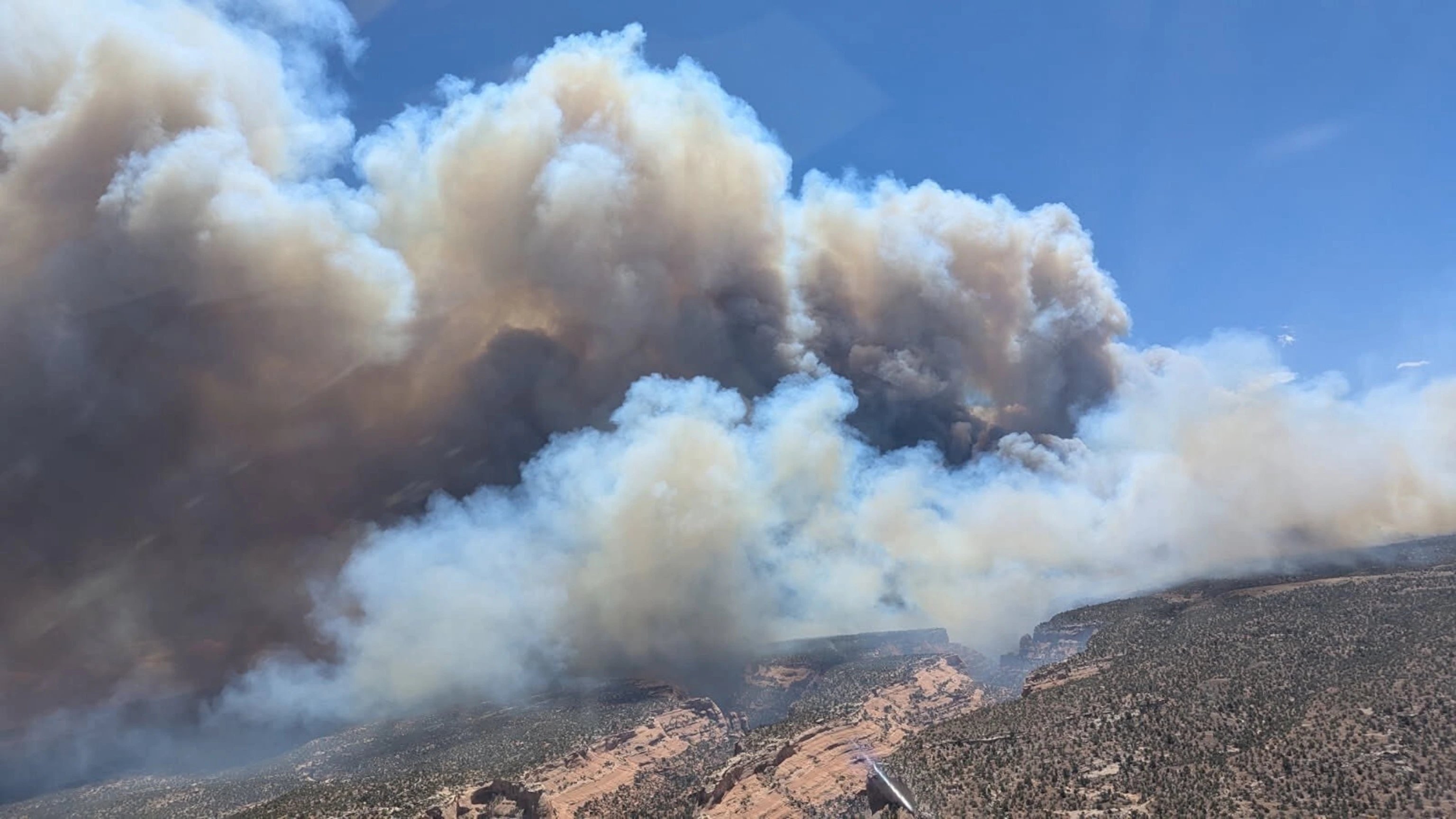
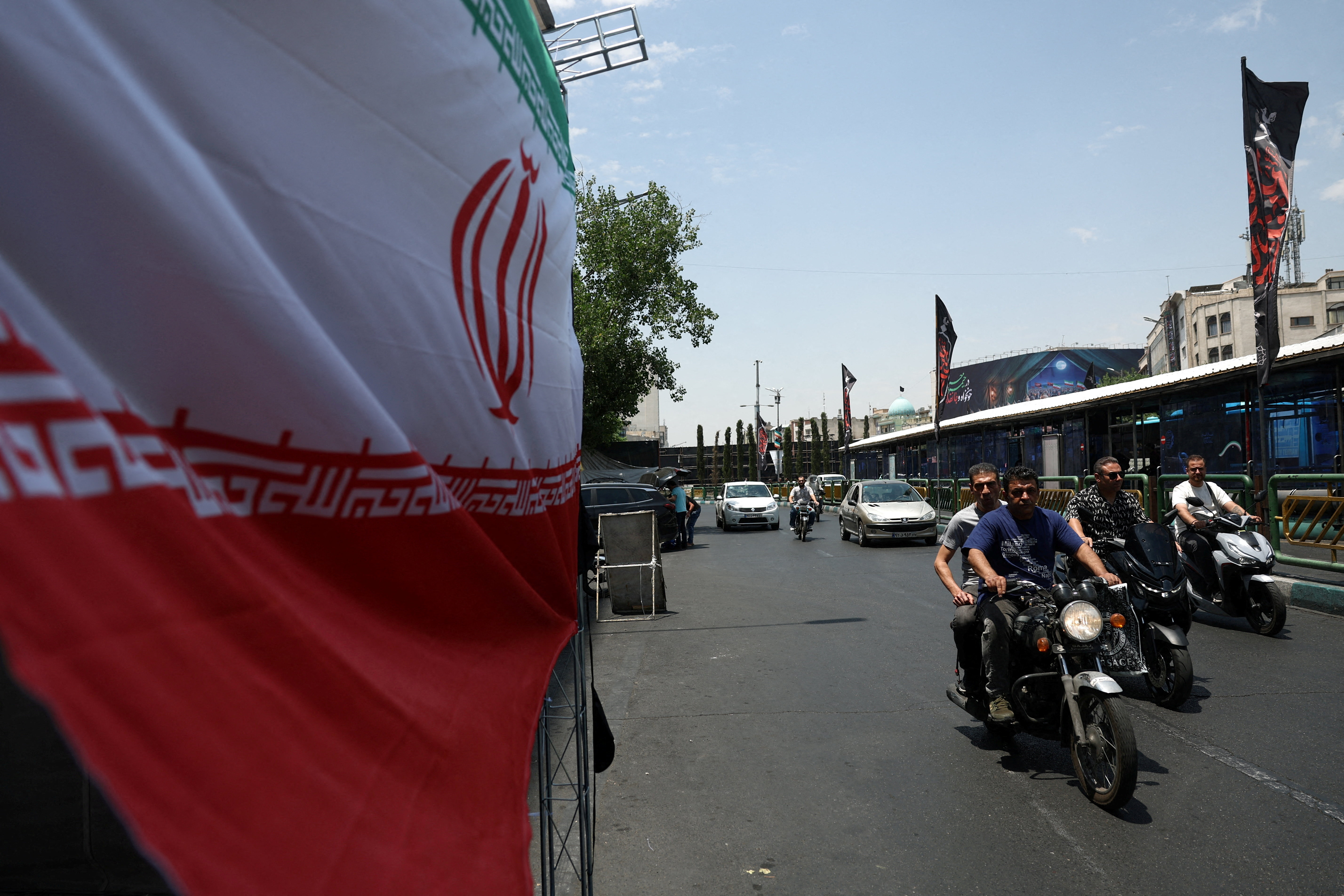
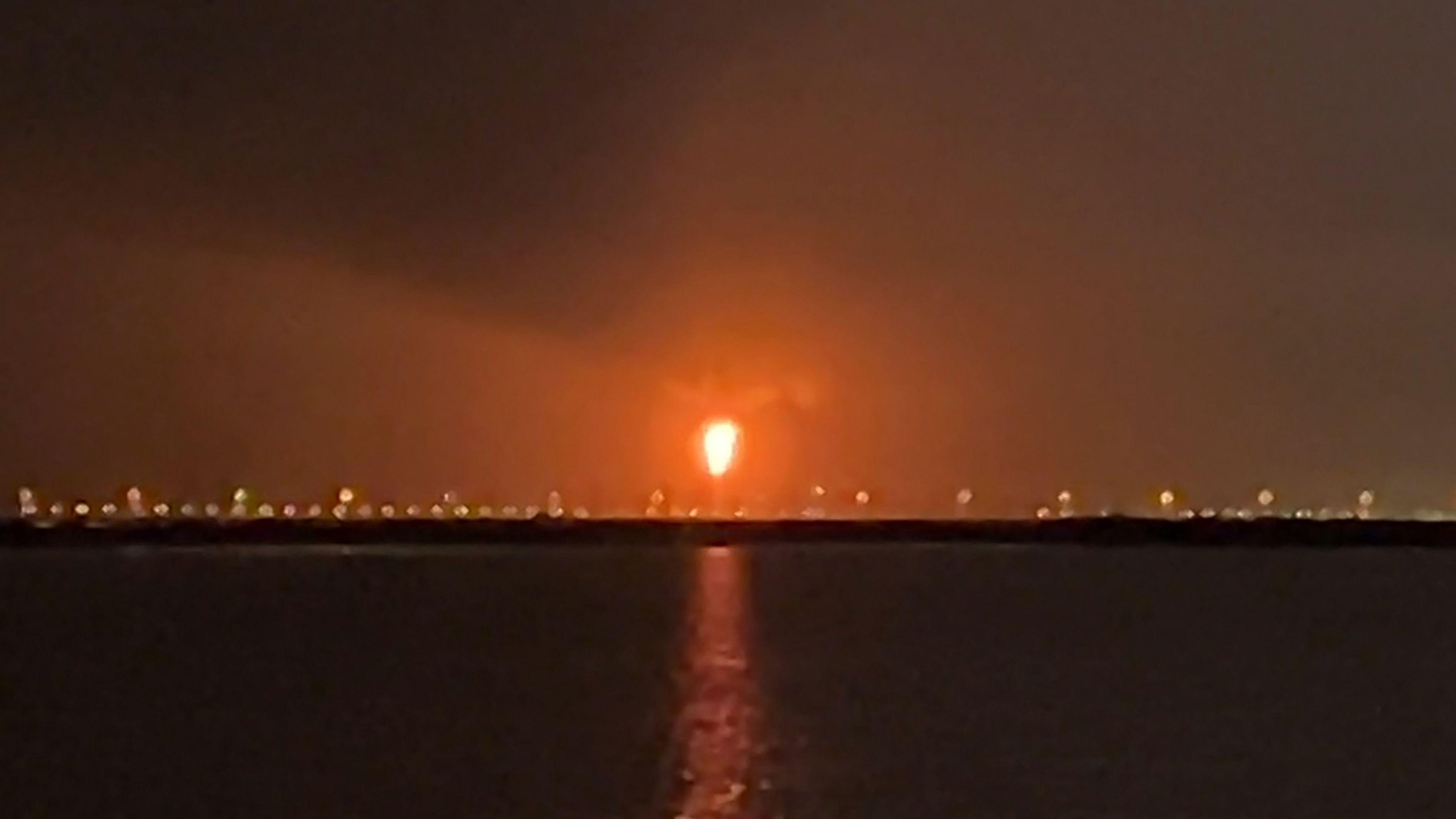
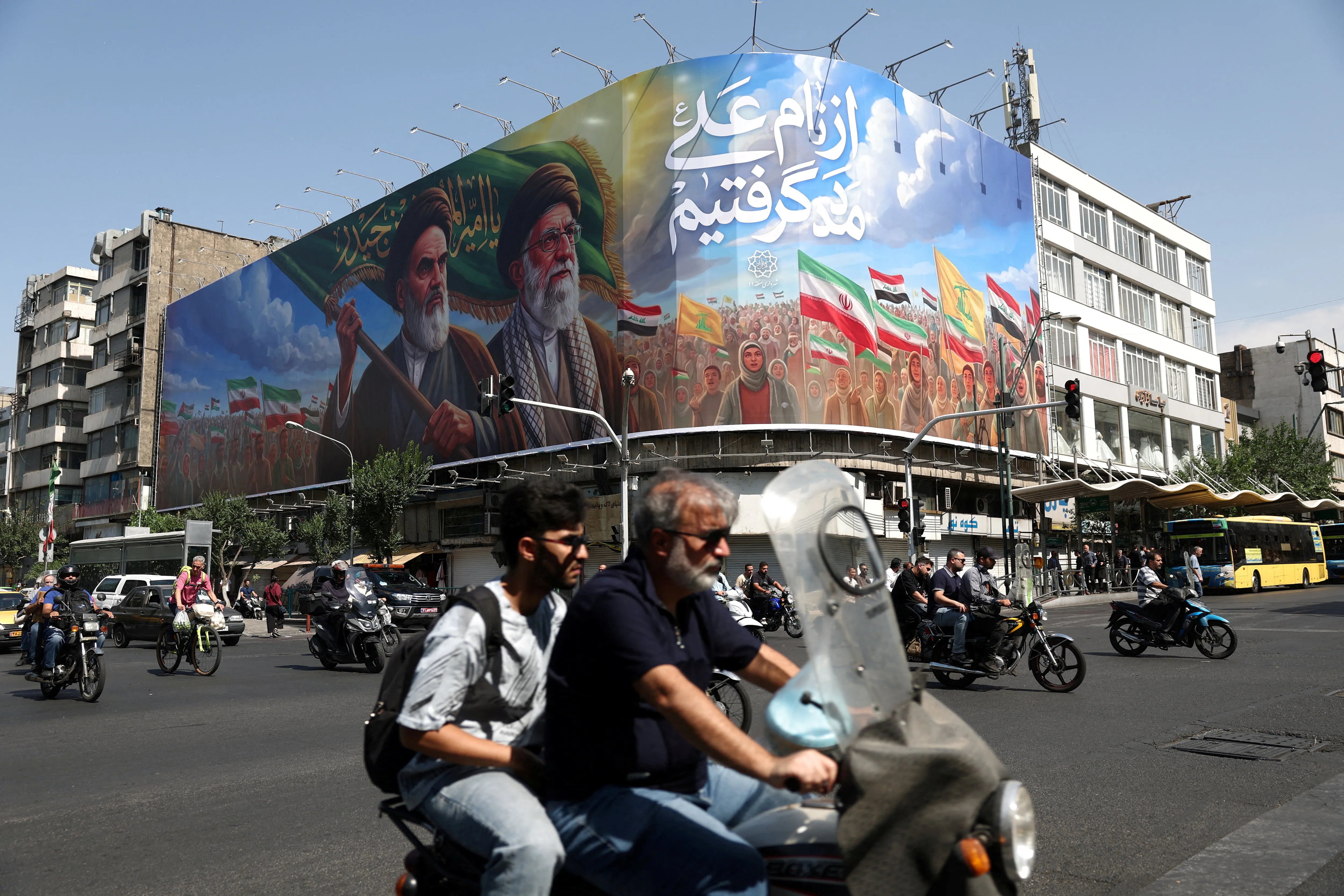
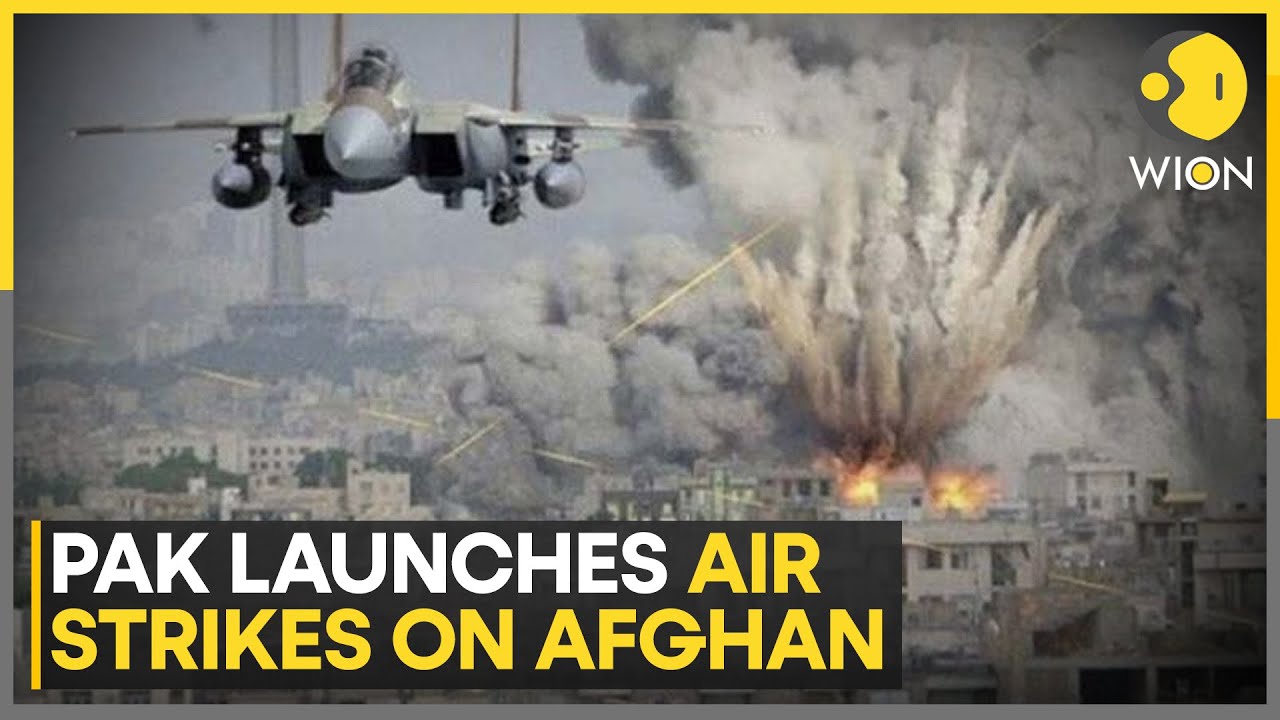
After a weekend marked by missile strikes and air raids, Iran announced on Monday the cessation of its attacks on Israel. The Islamic Revolutionary Guard Corps (IRGC) declared the military operations a "complete success" but warned that they would resume if Israel continued its strikes, particularly in Lebanon. This marked a significant moment as it was the first exchange of direct attacks between the two nations since a fragile ceasefire was established in April.
Context of the Weekend's Violence
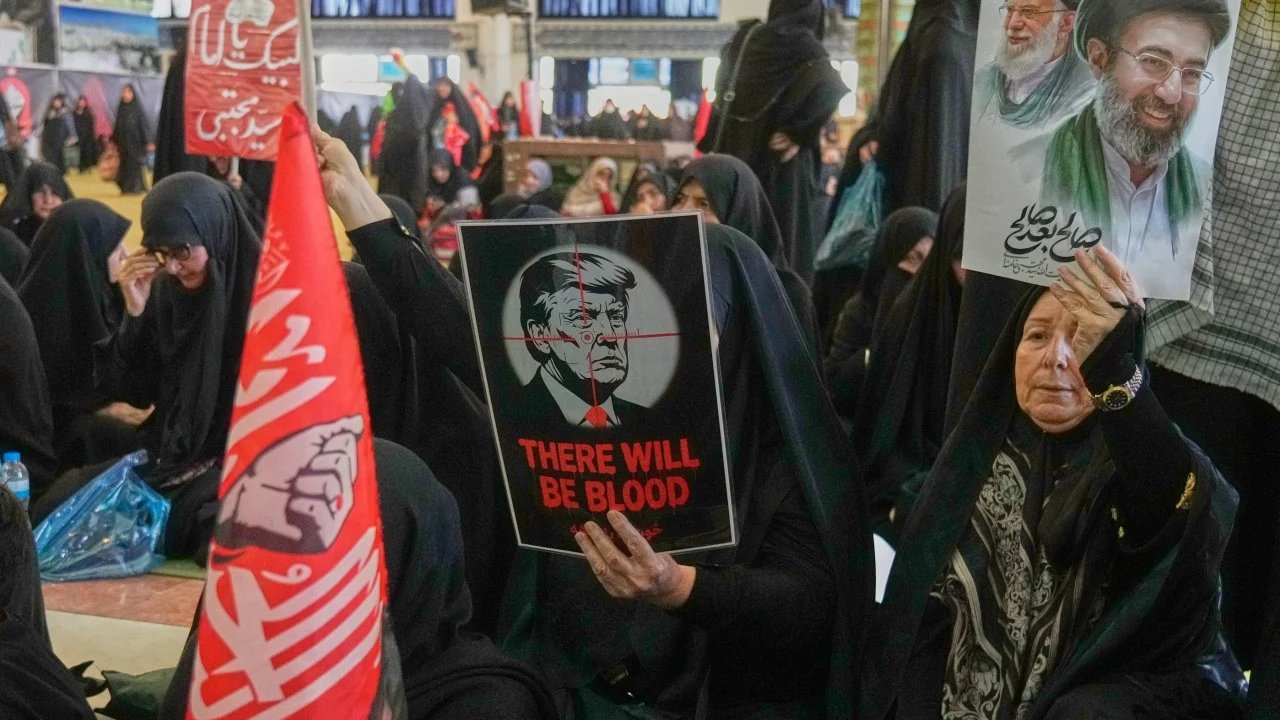
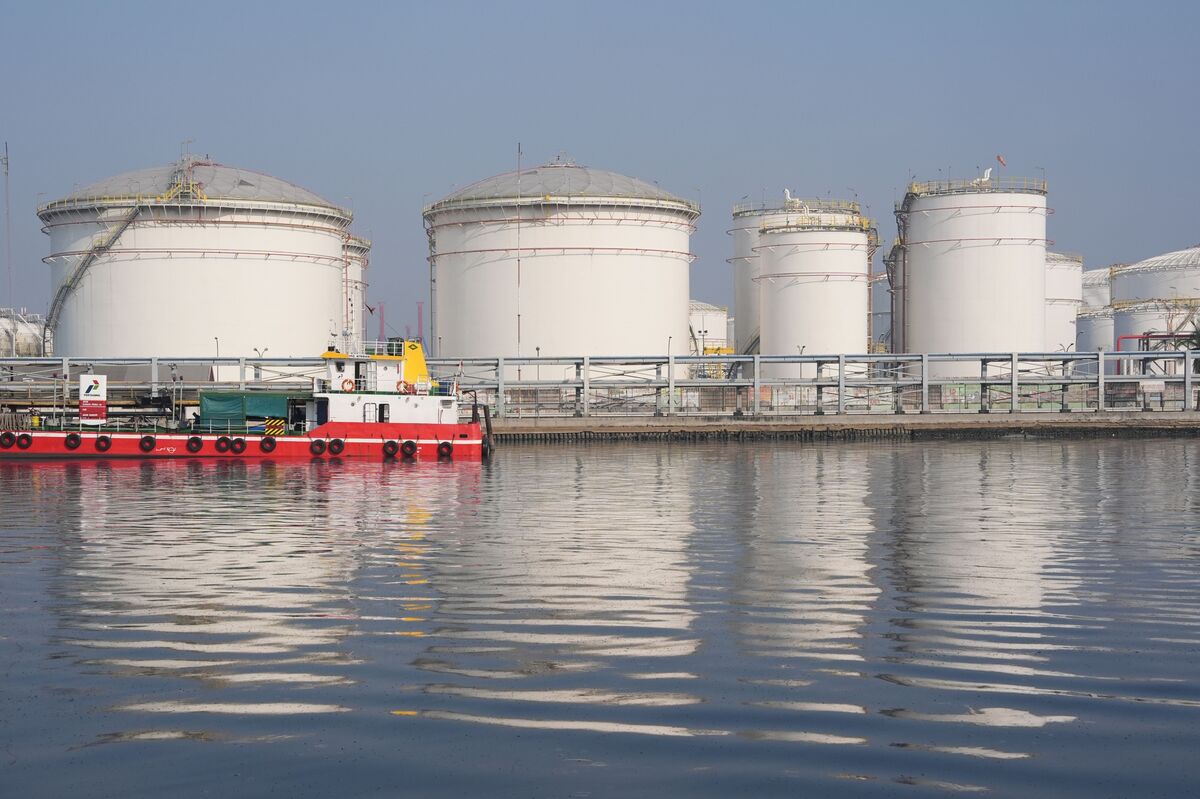
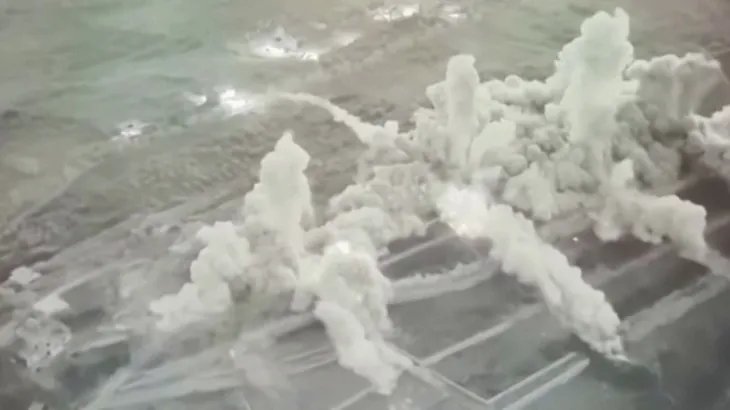
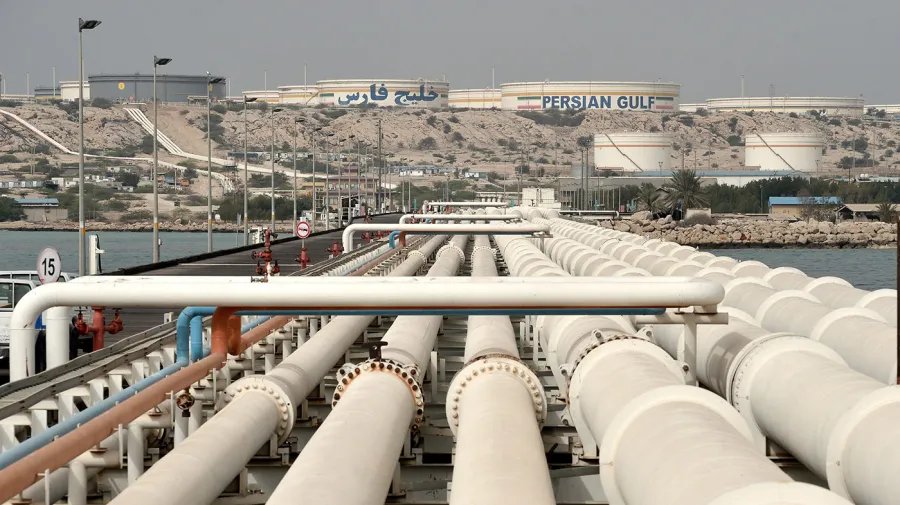
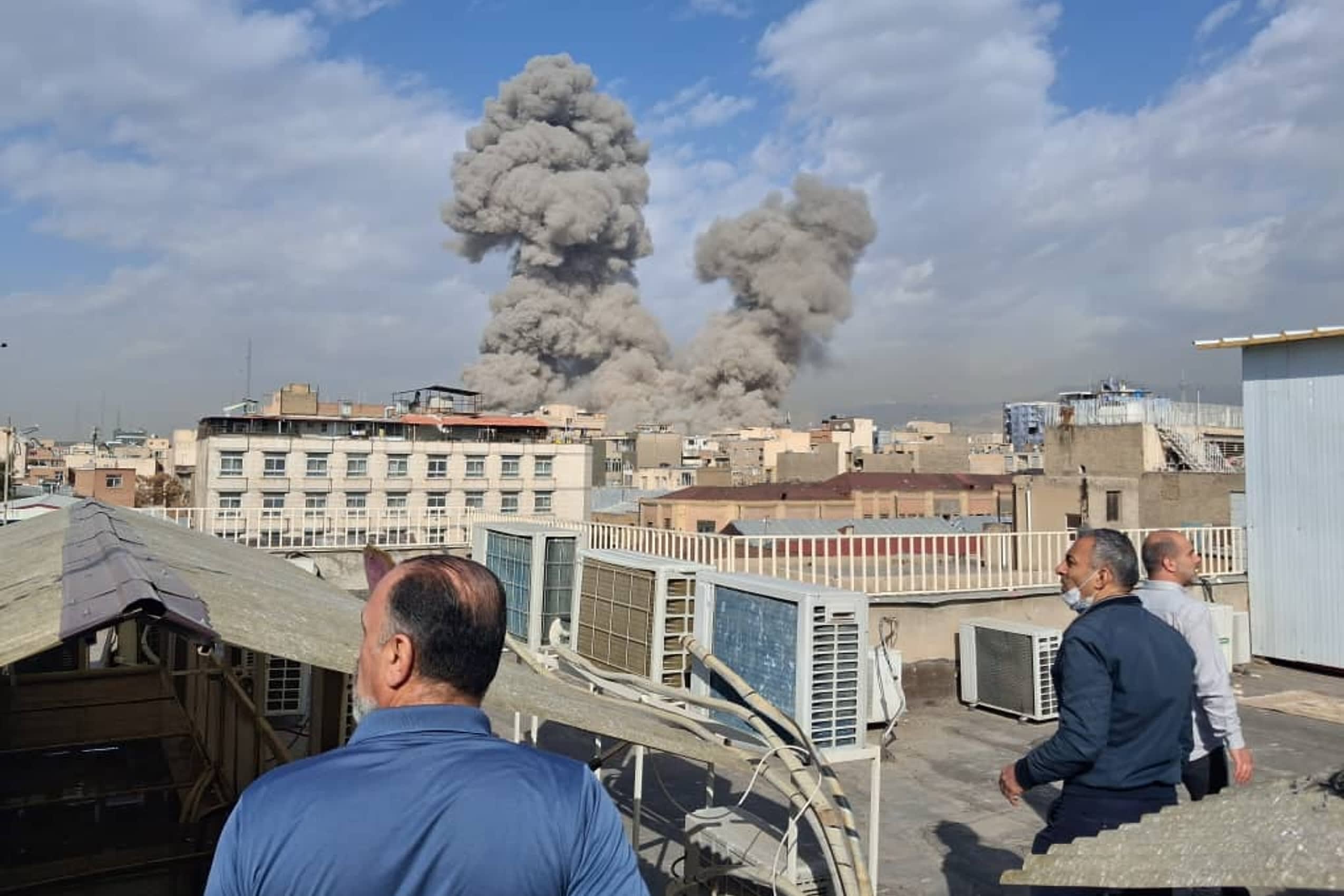
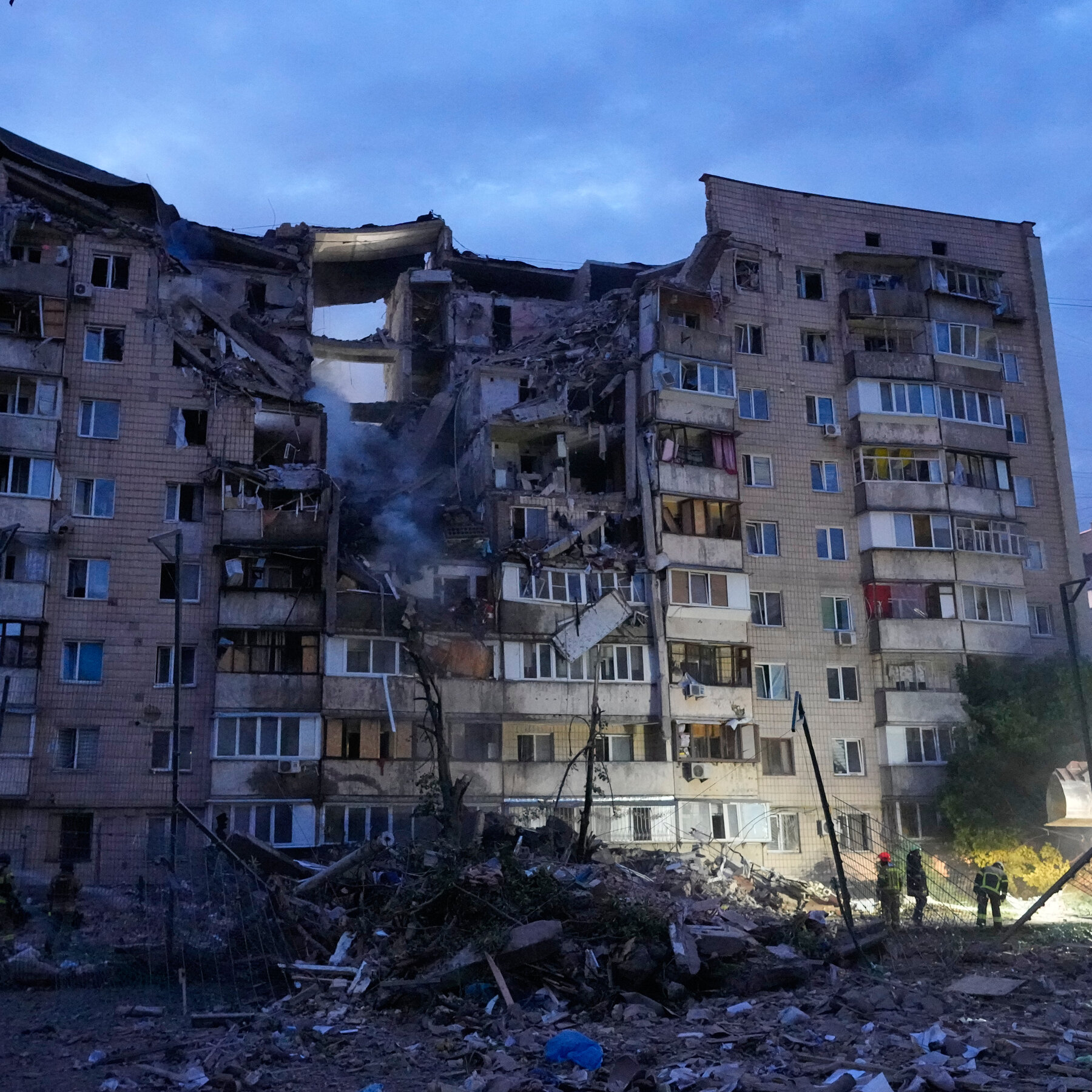
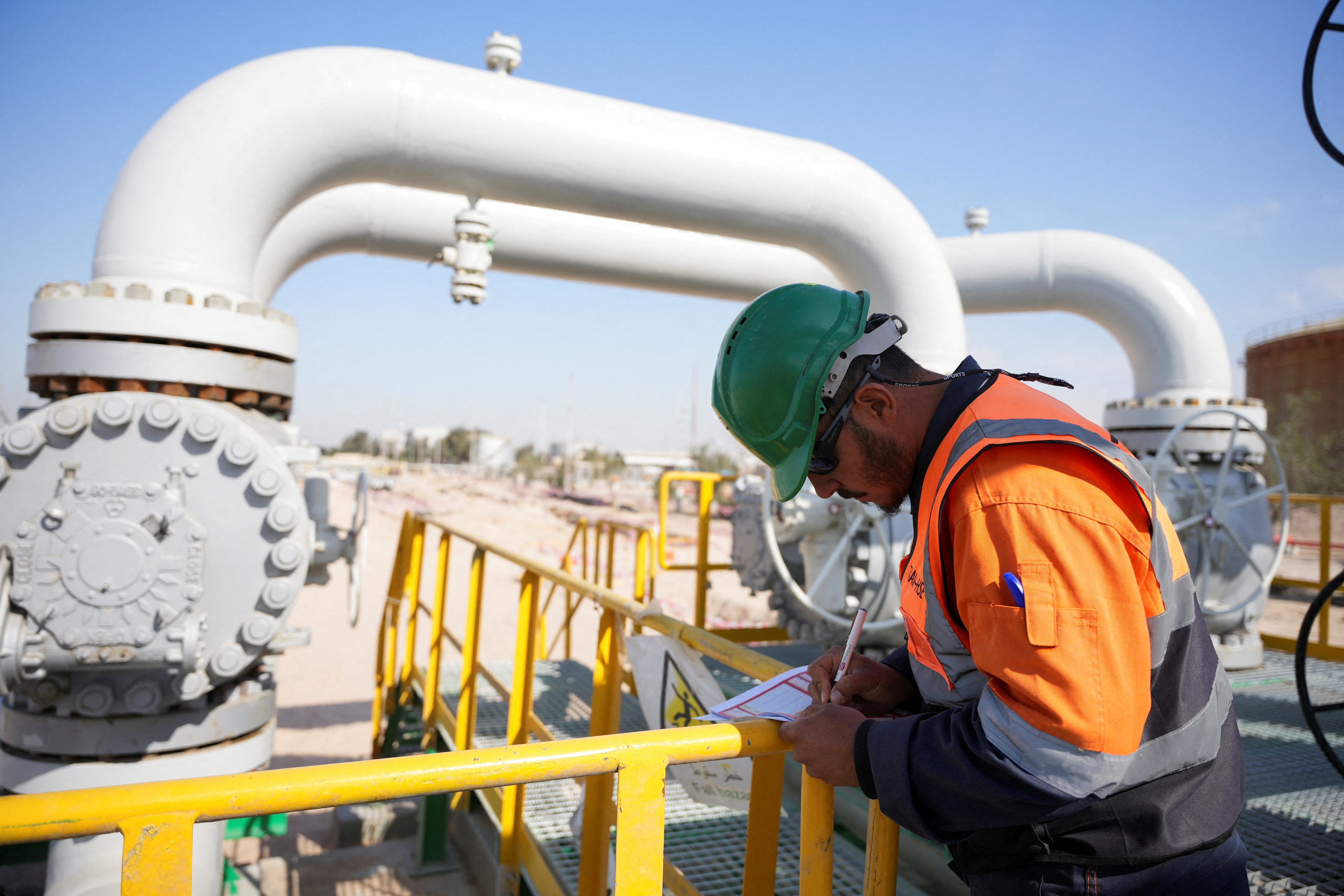
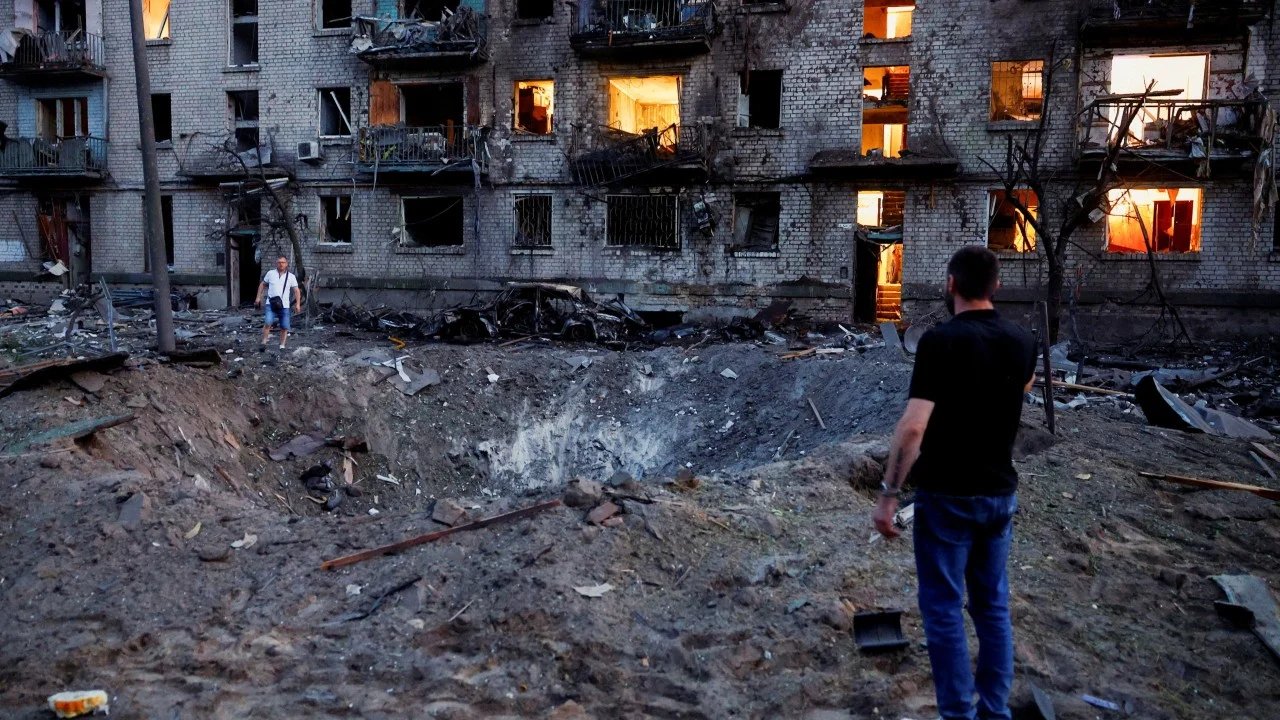
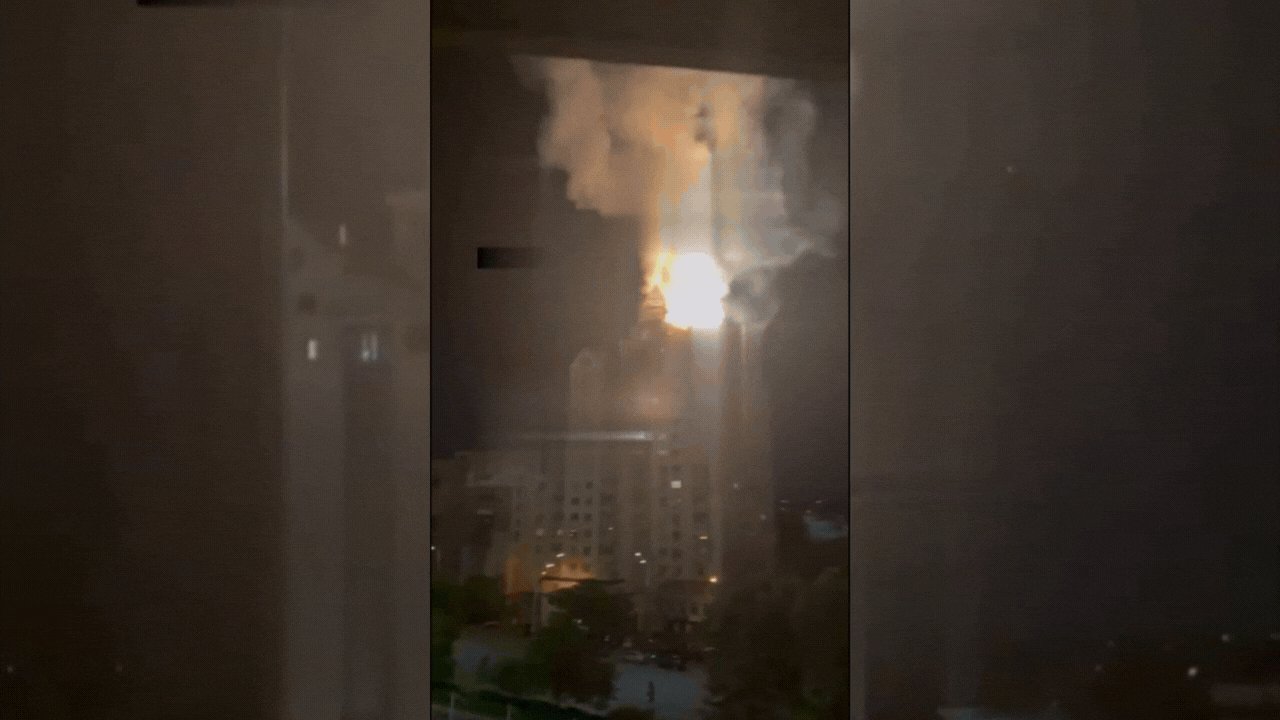
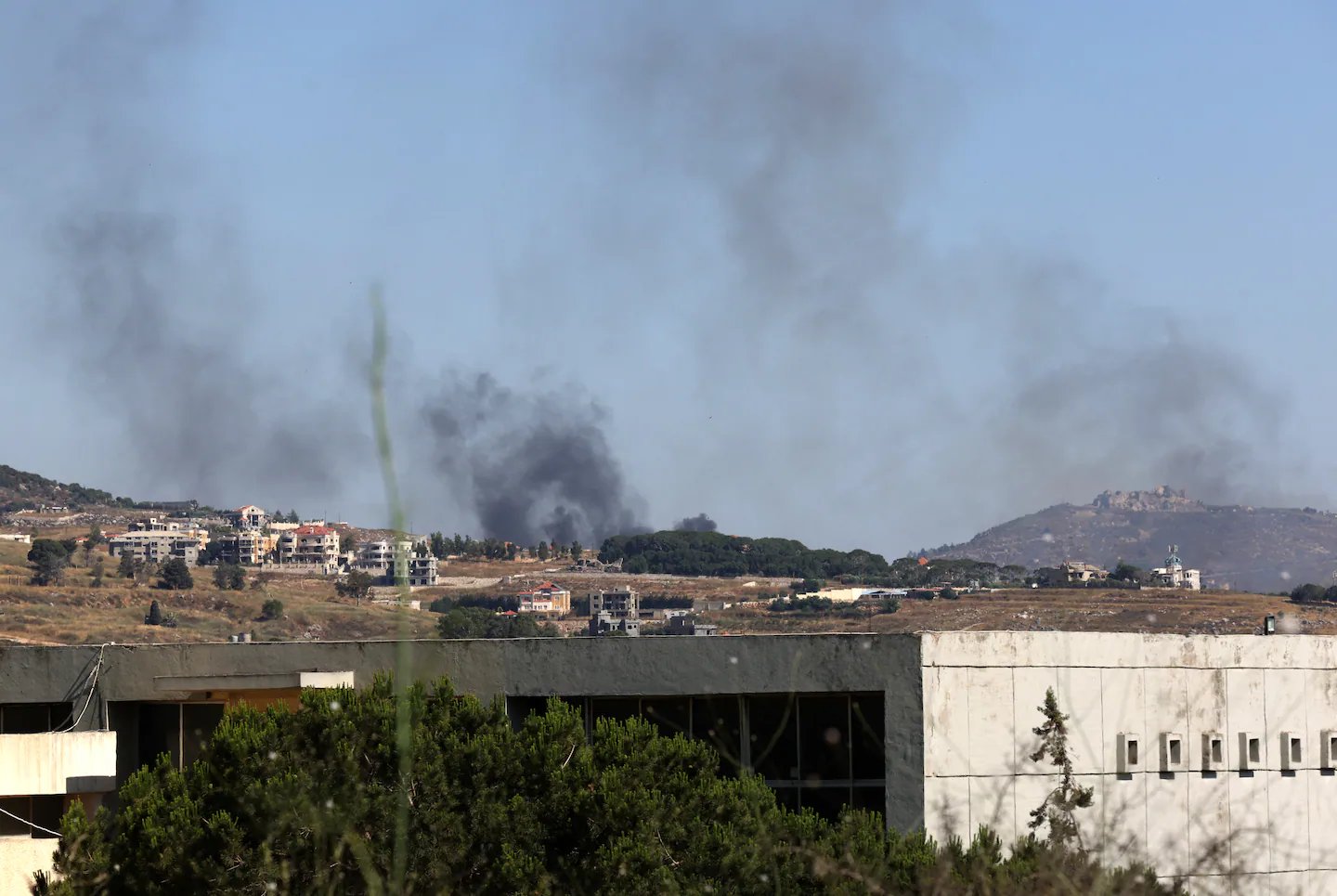
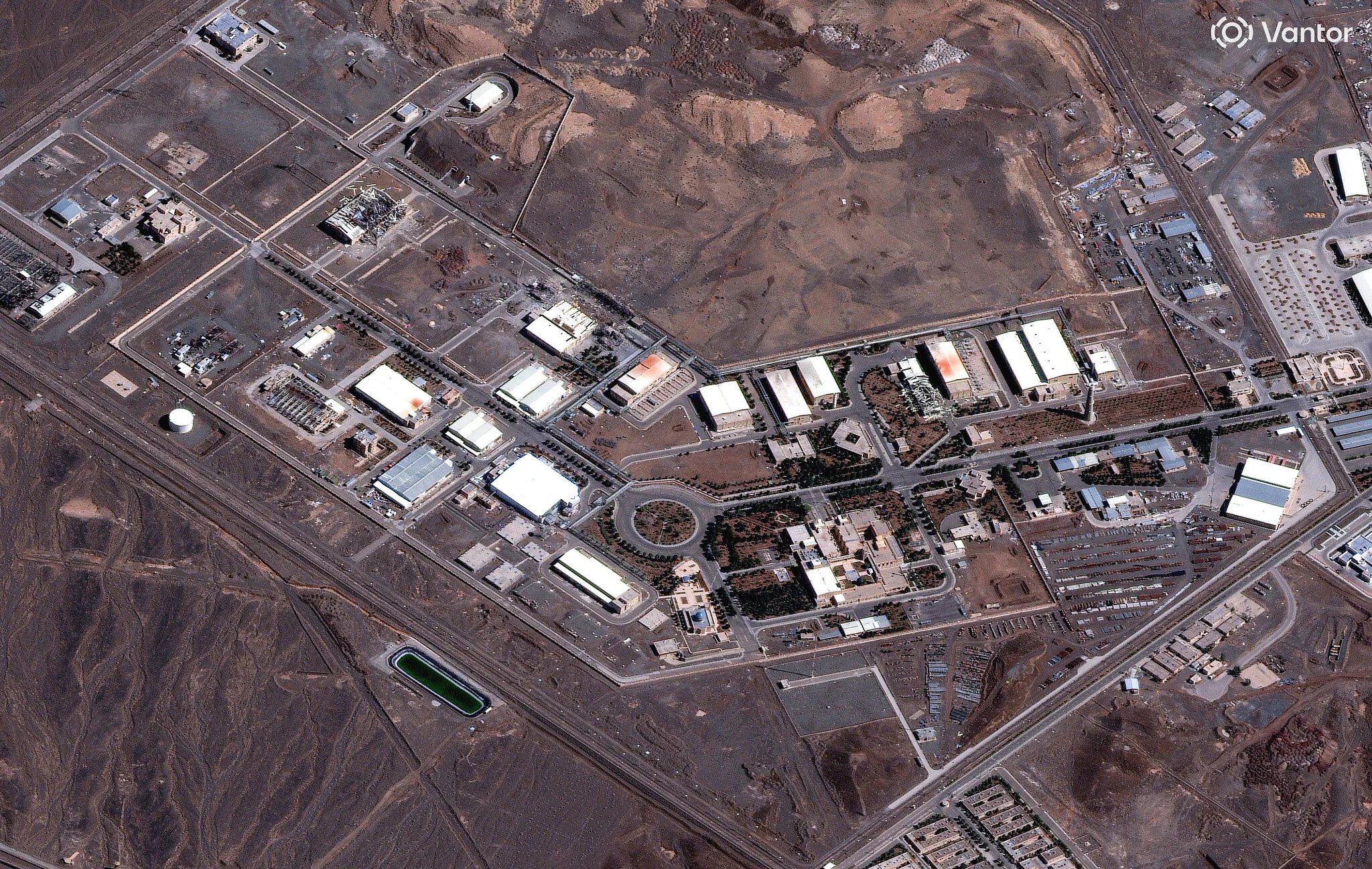
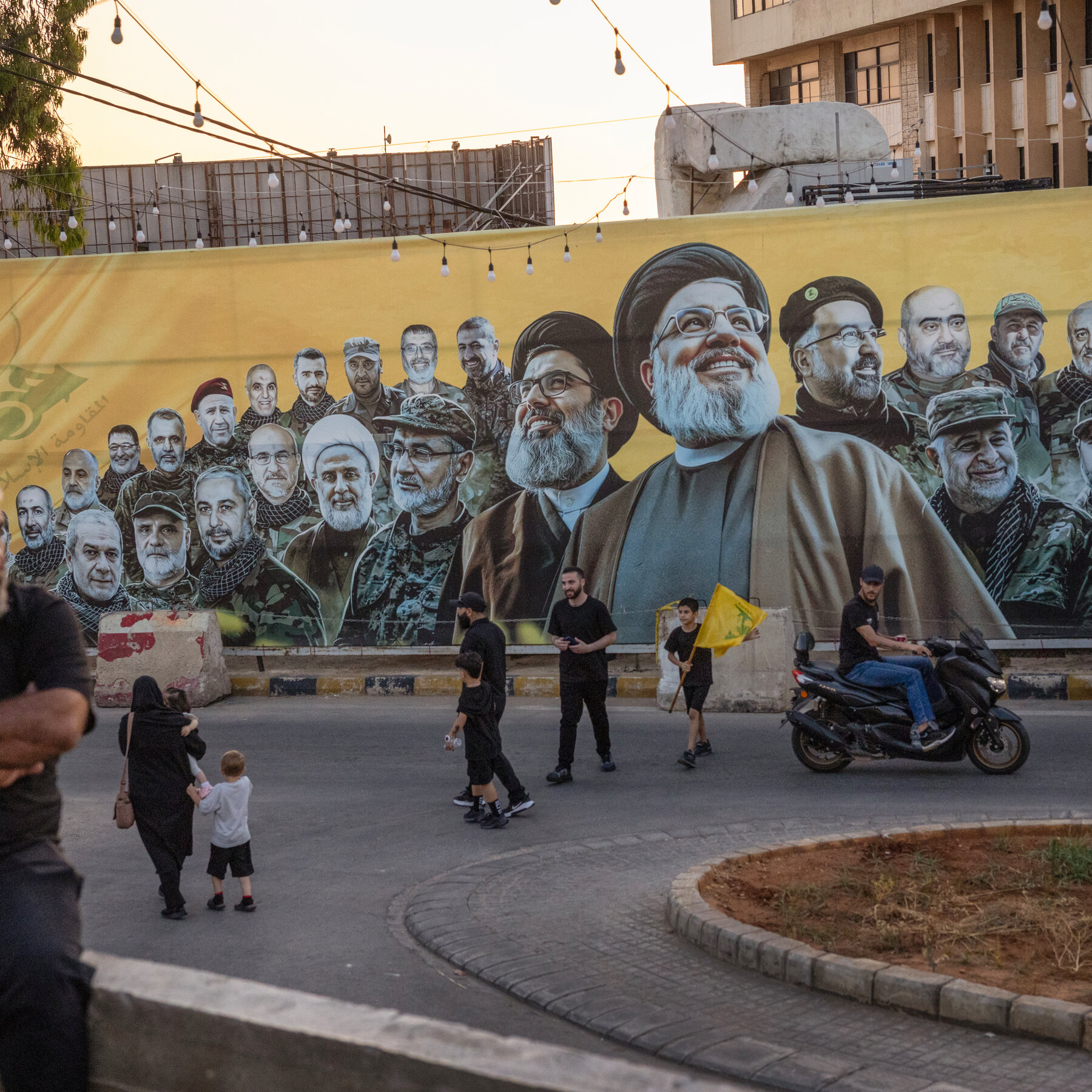
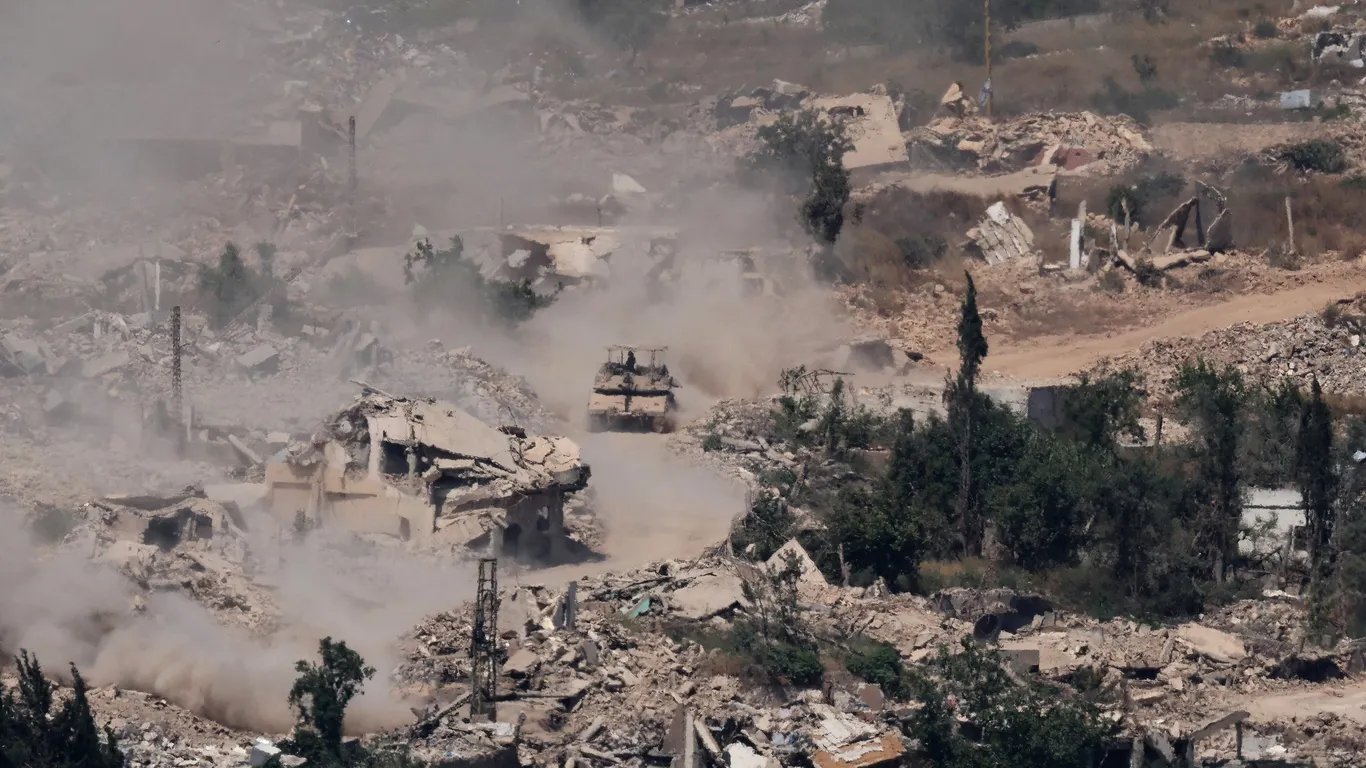
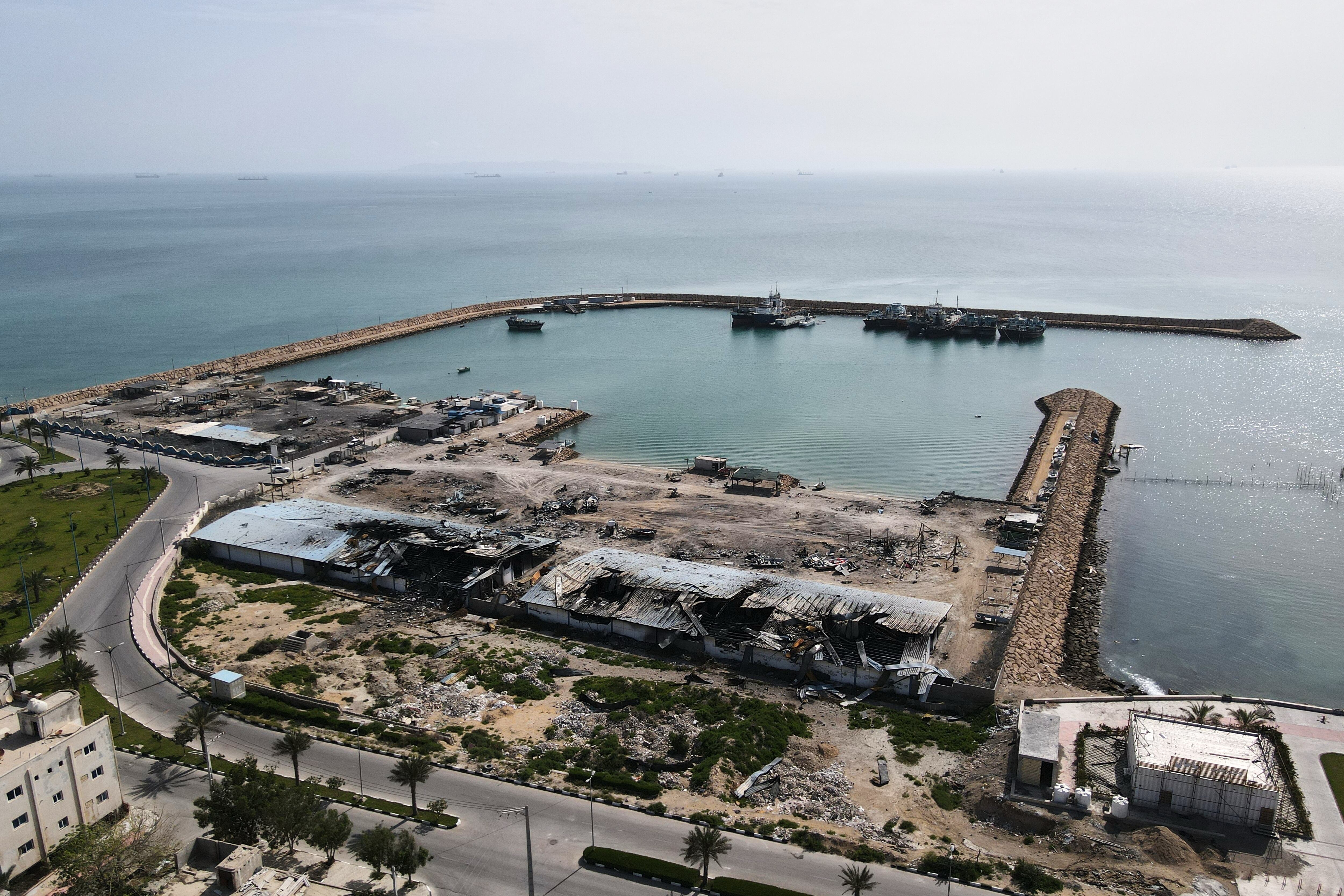
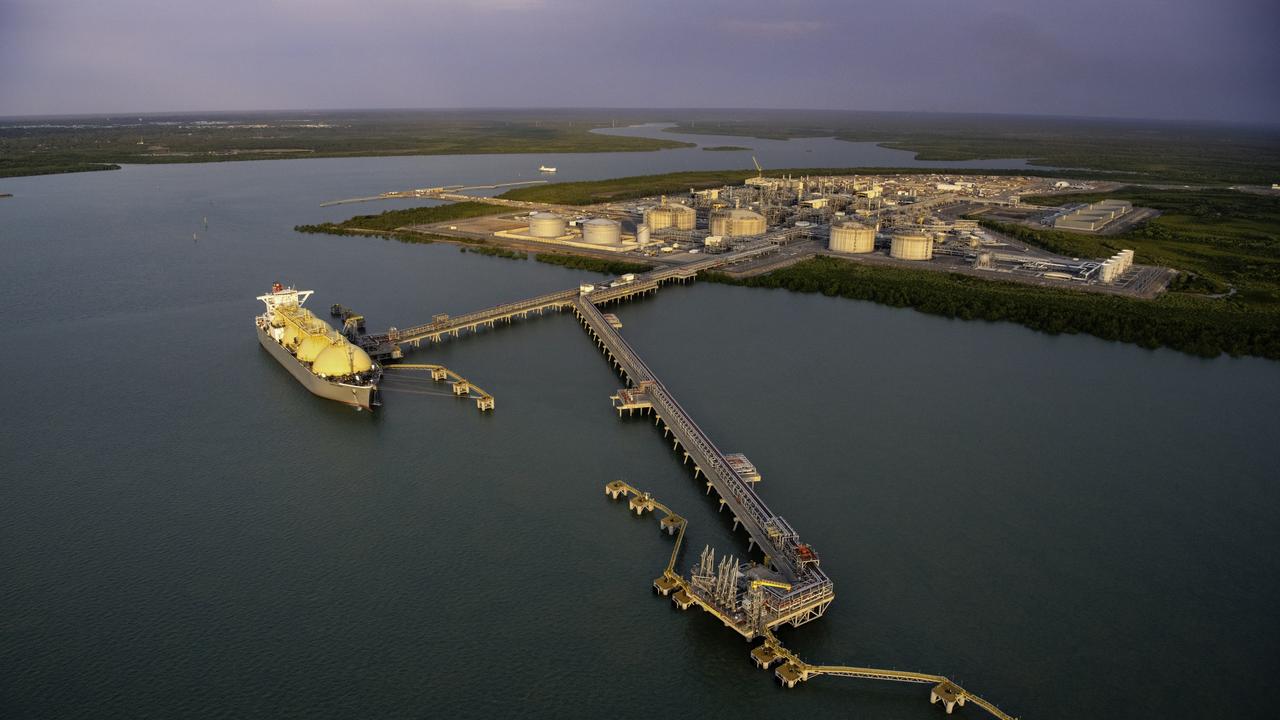
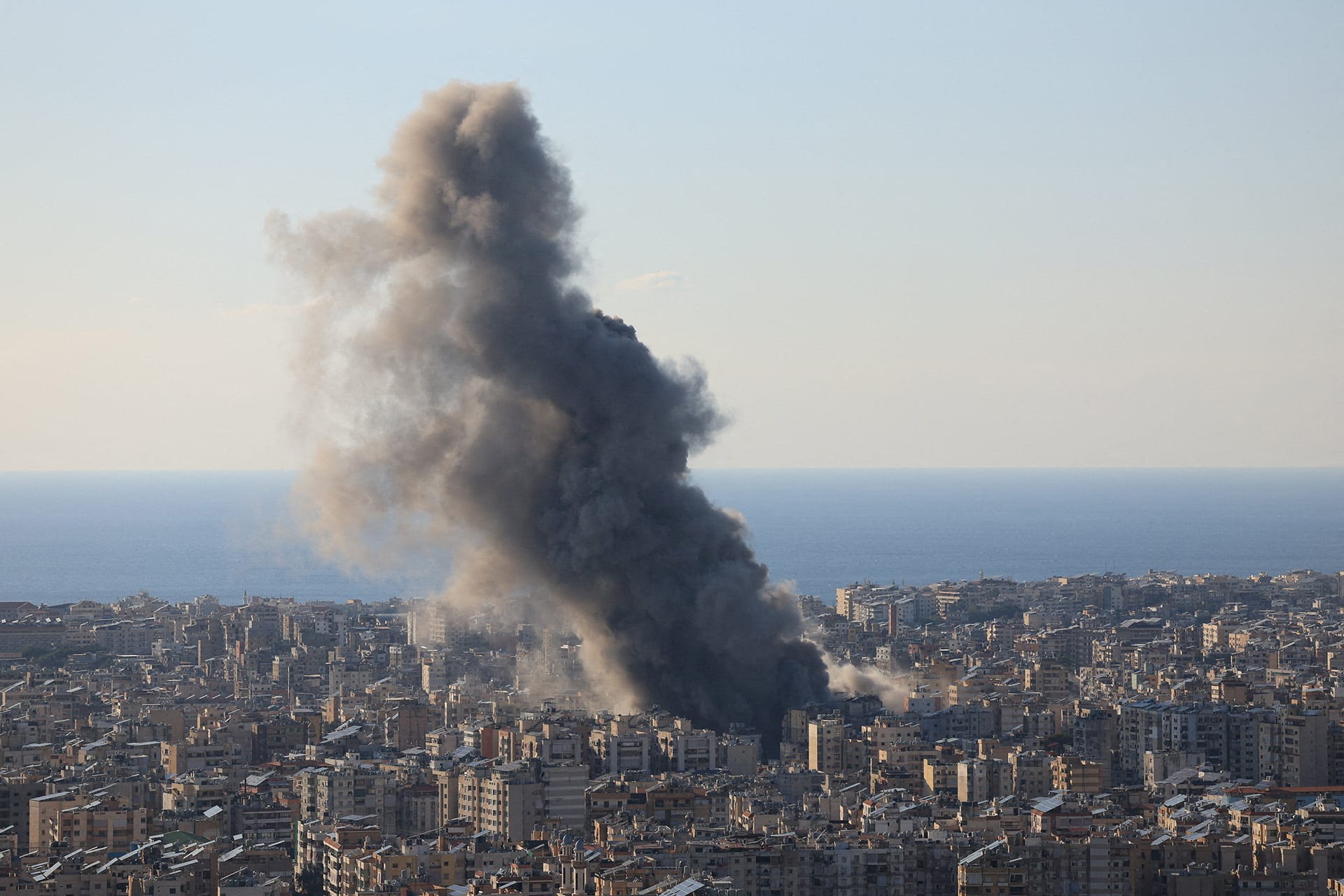
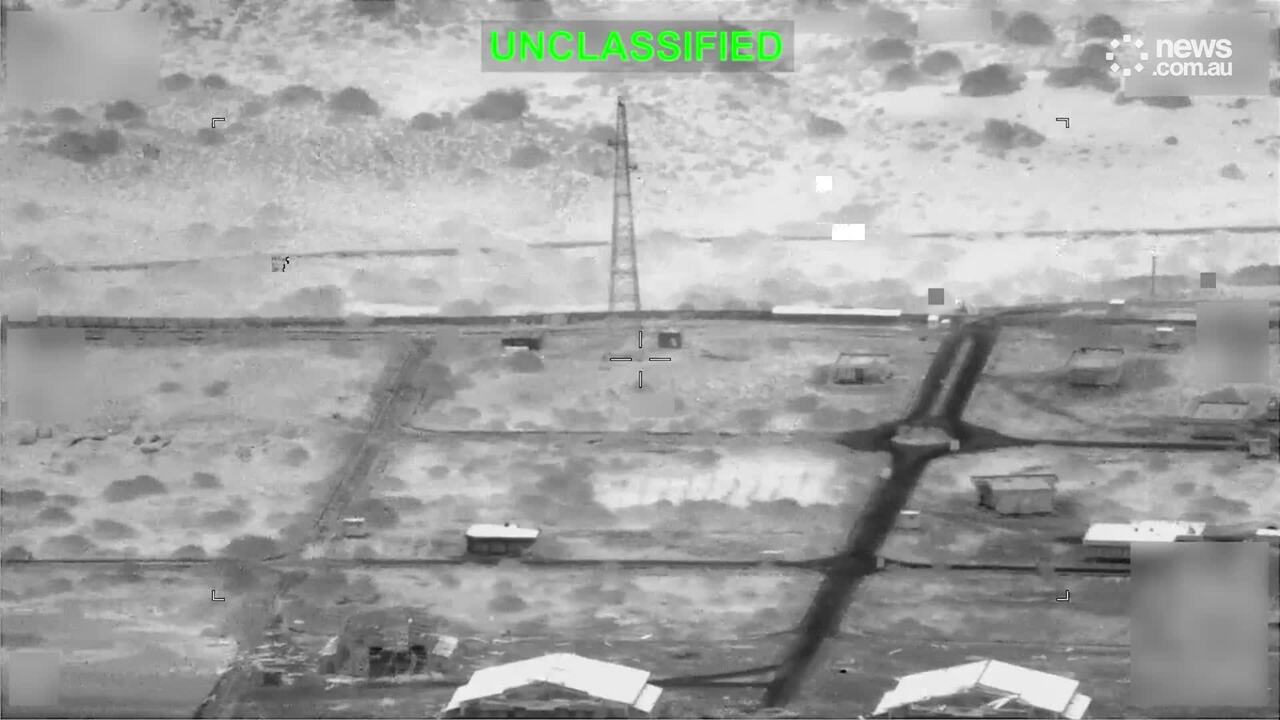
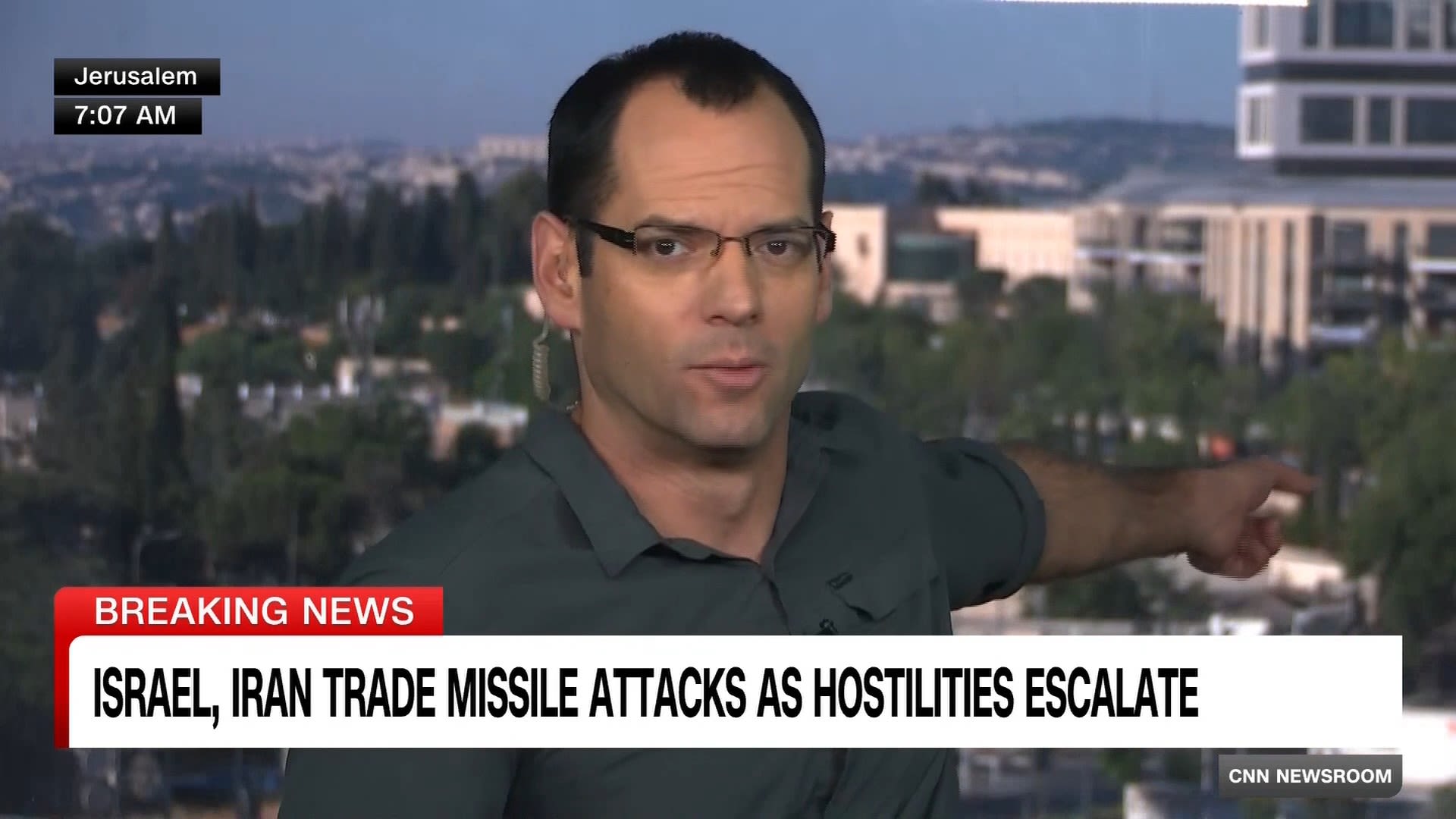
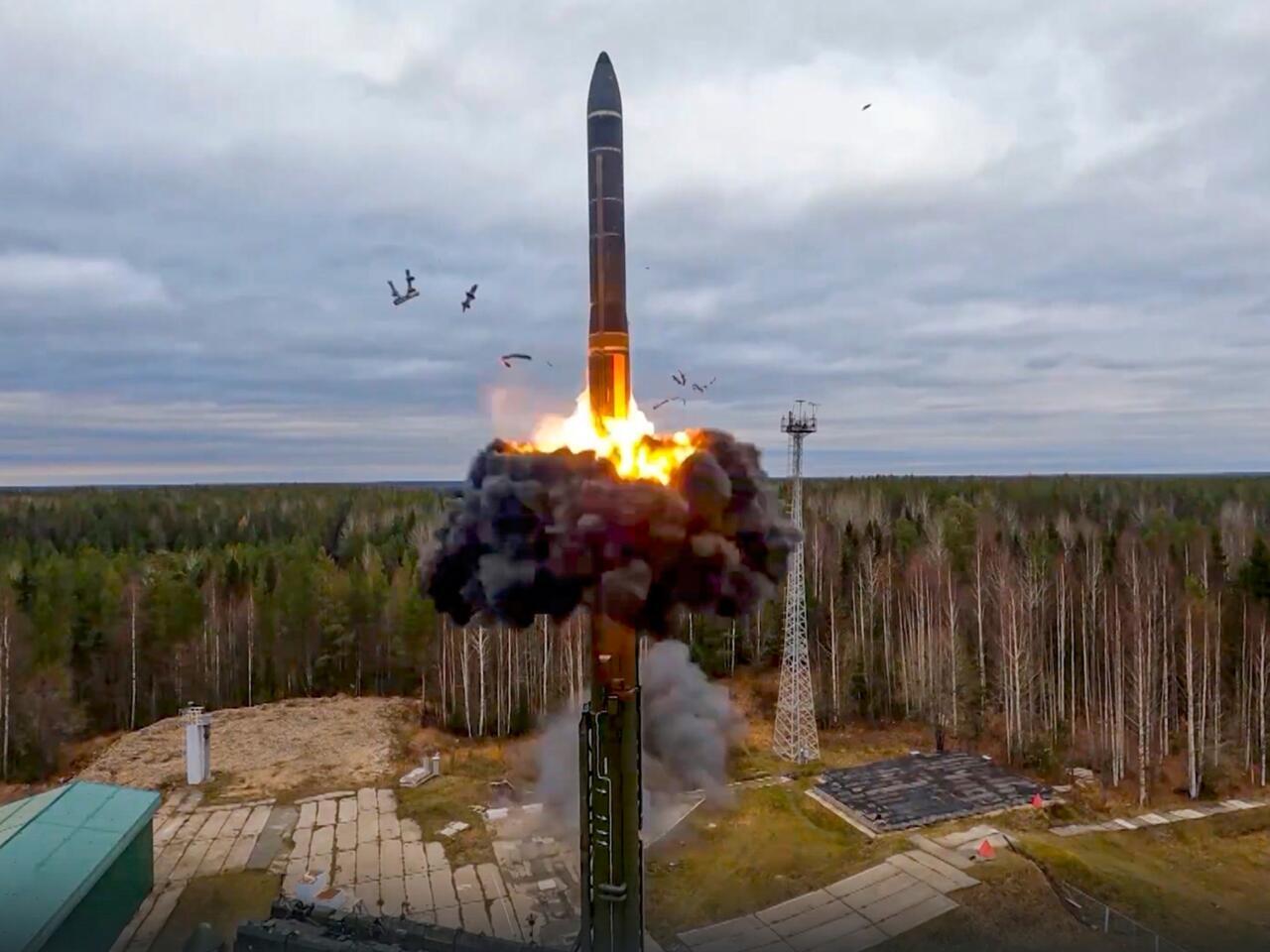
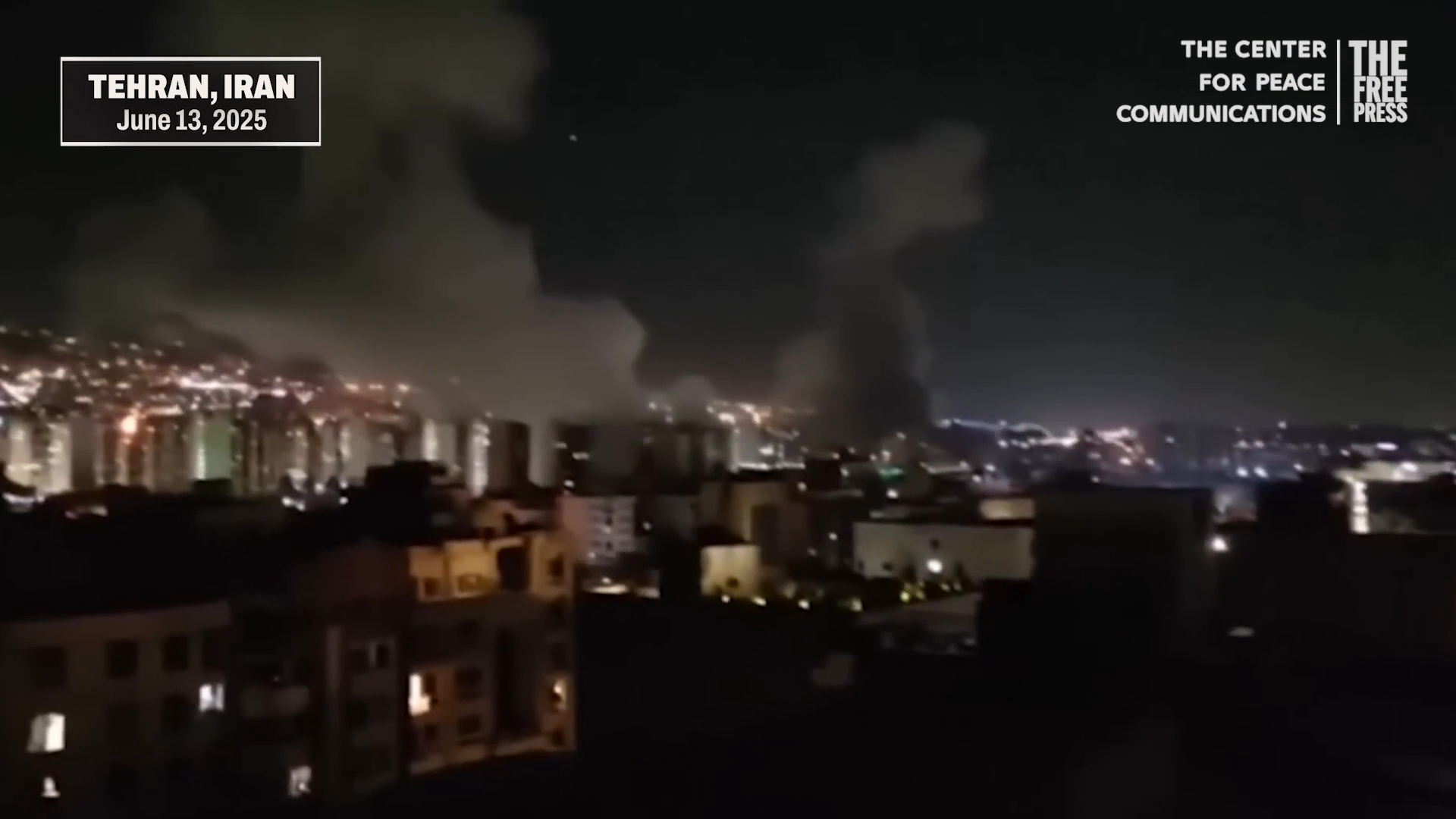
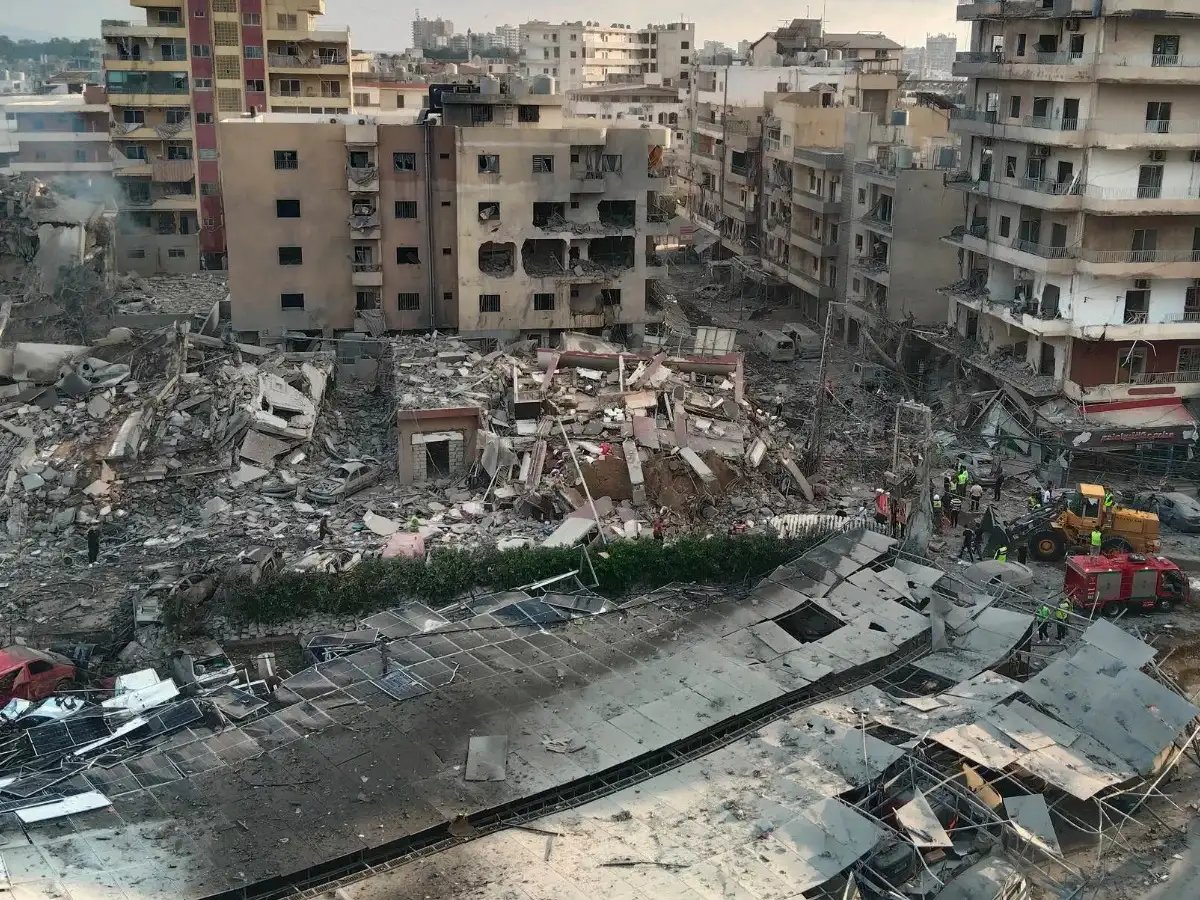
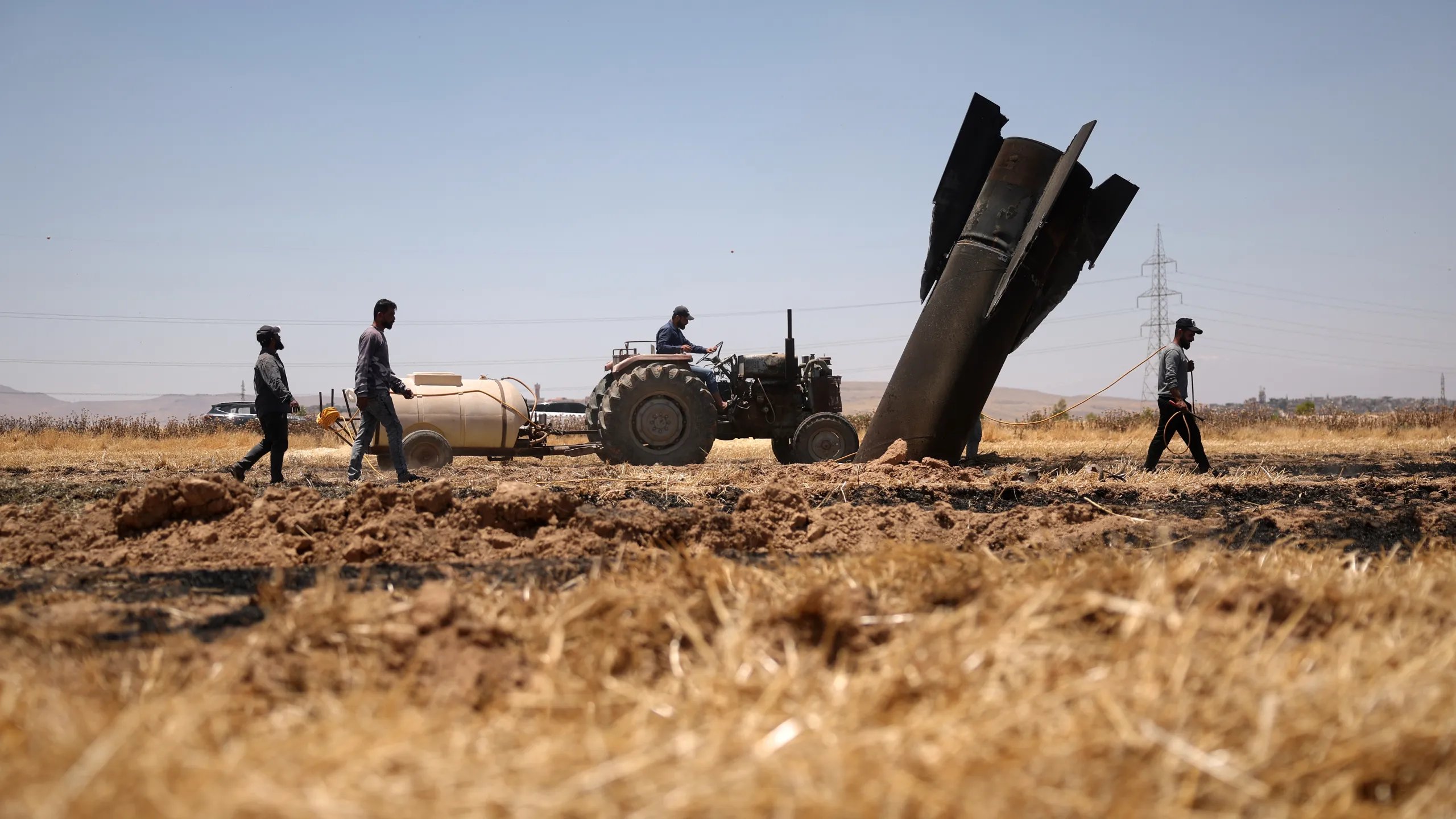
The recent hostilities began when Iran launched missiles and drones at Israel in response to Israeli strikes on Hezbollah targets in Beirut. Israeli forces retaliated by targeting petrochemical facilities in Iran, described by the Israeli military as critical for the development of ballistic missiles. The escalation raised fears of a full-scale conflict in the already volatile region, with President Donald Trump urging both nations to de-escalate the situation.
Reactions from Leaders
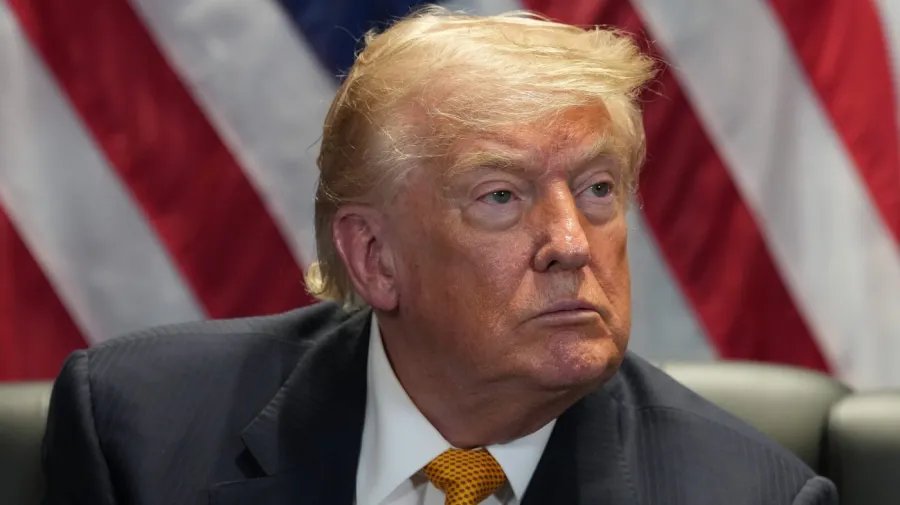
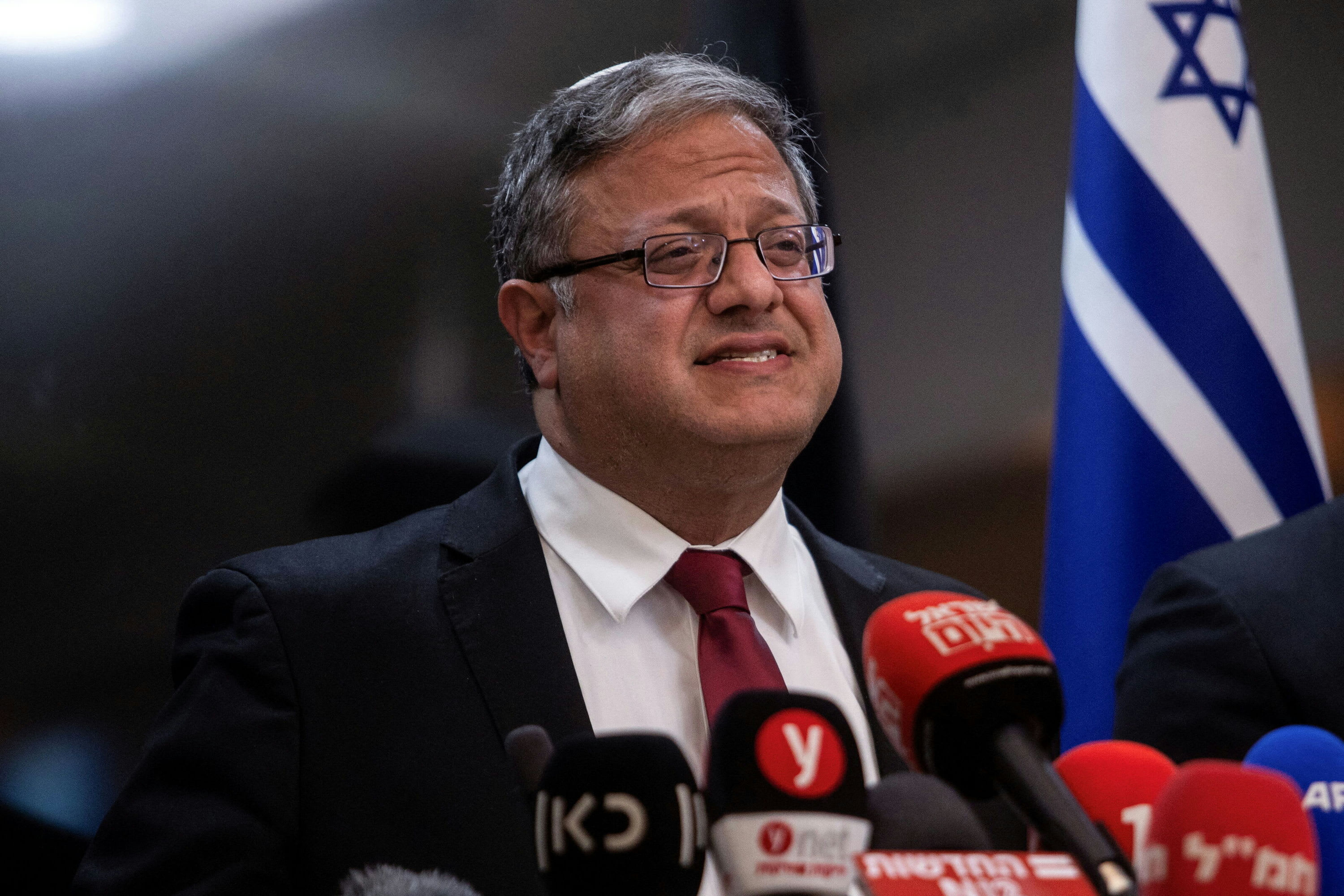
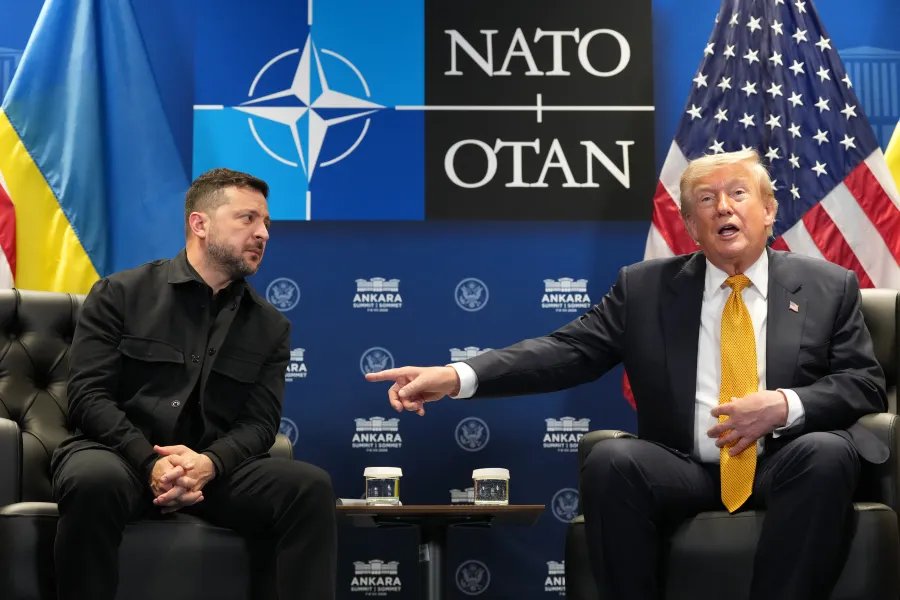
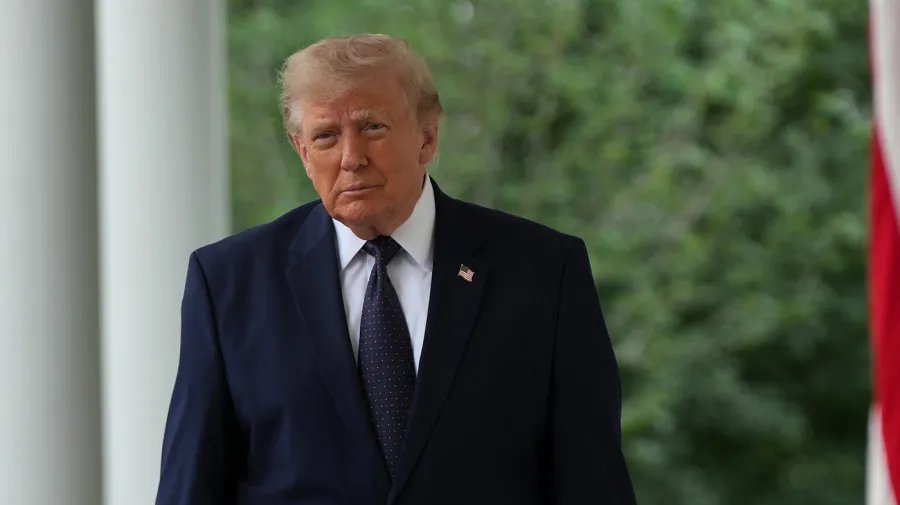
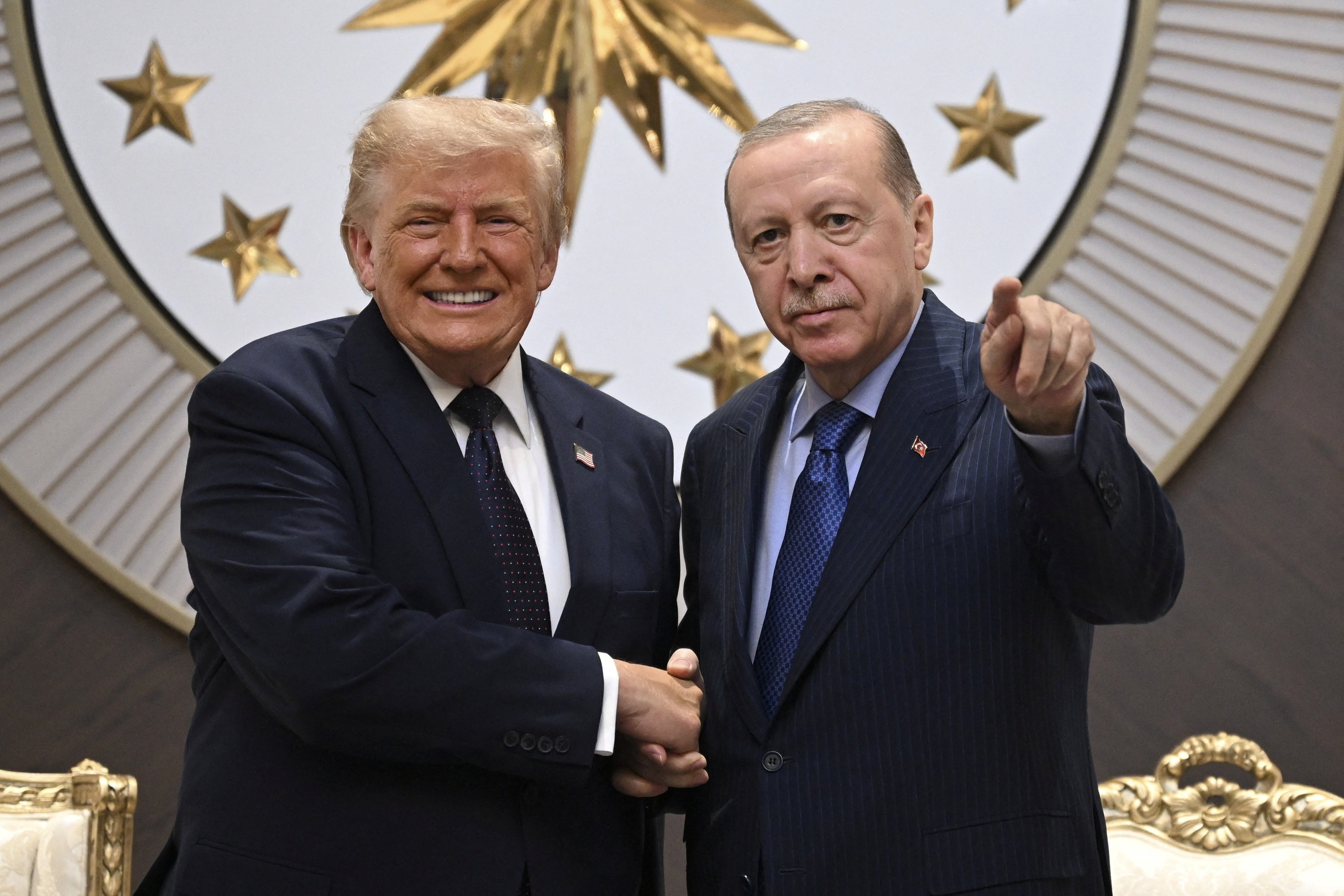
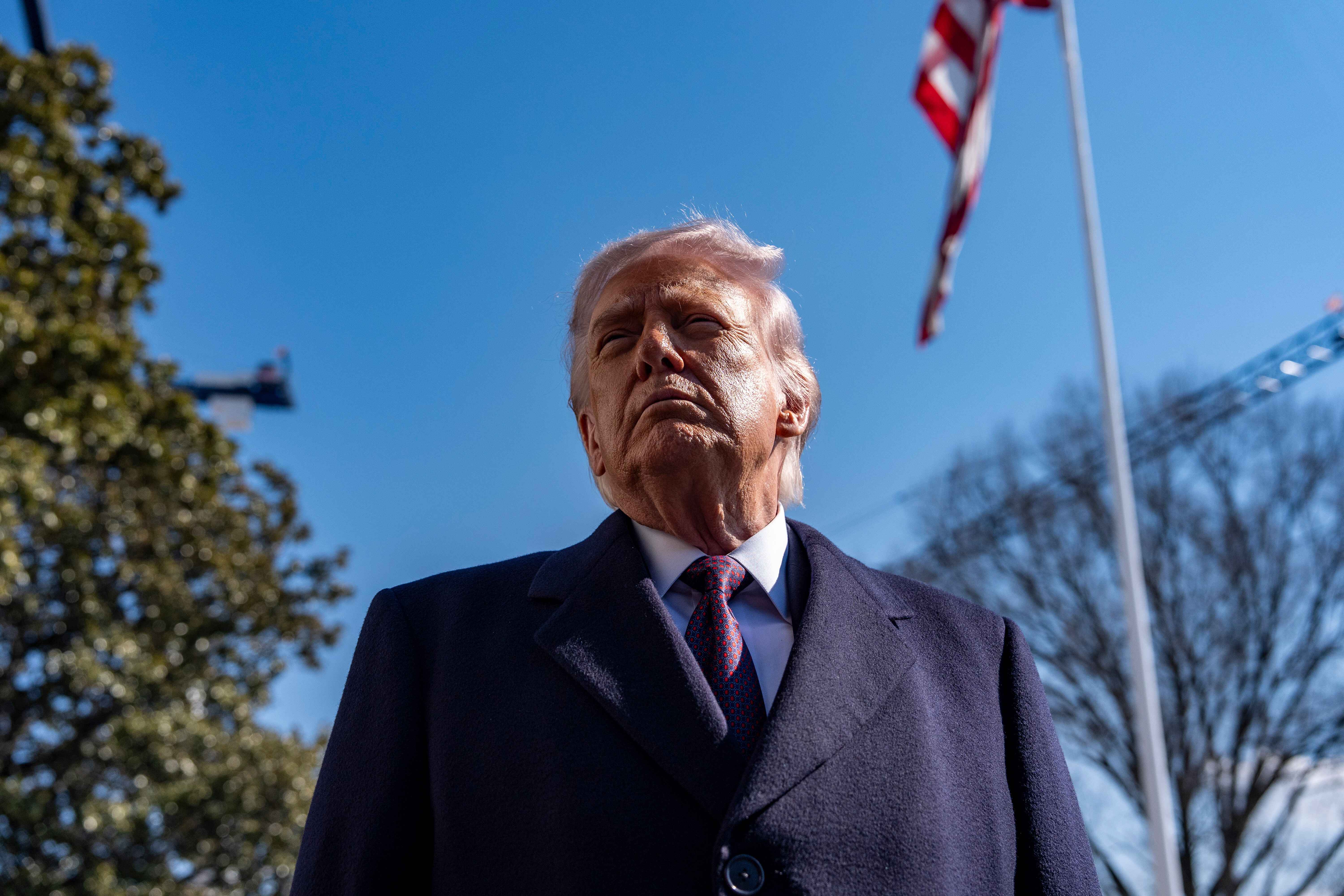
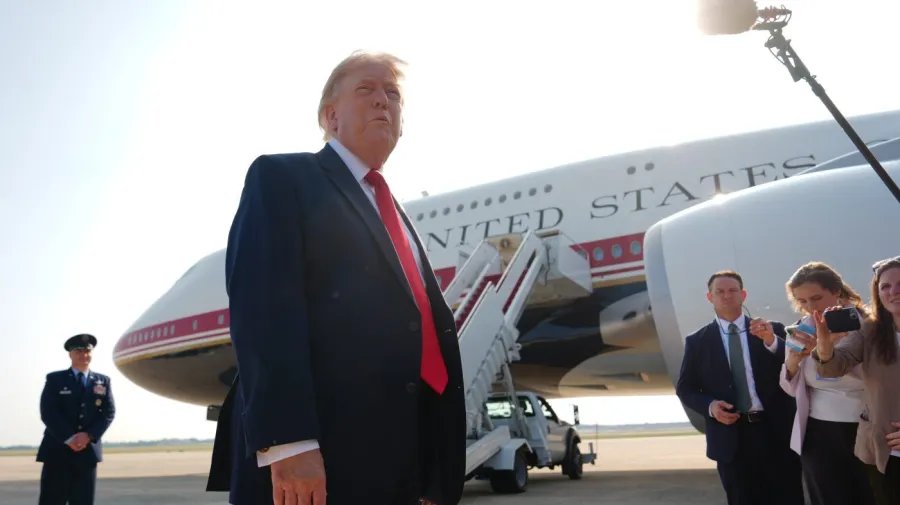
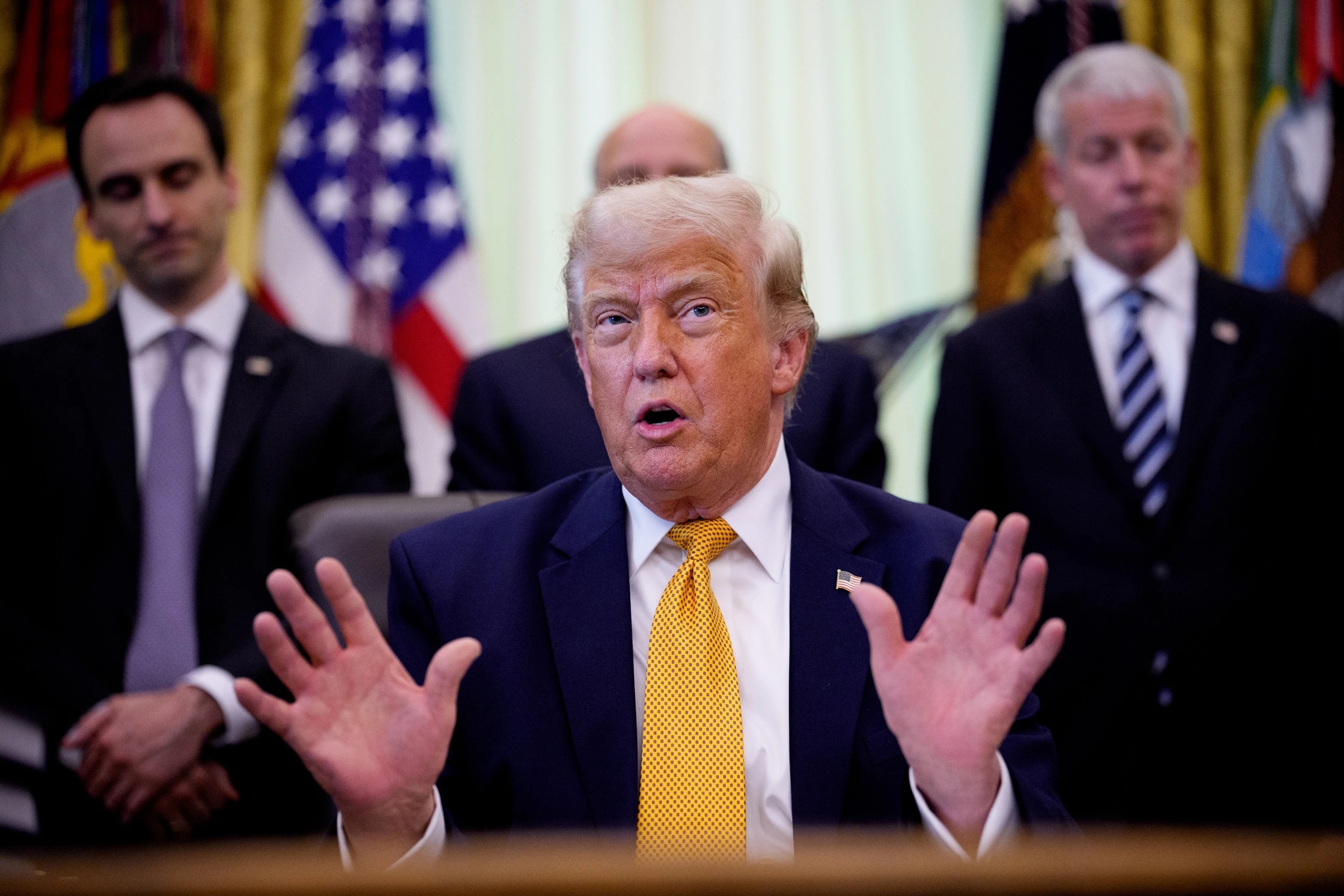
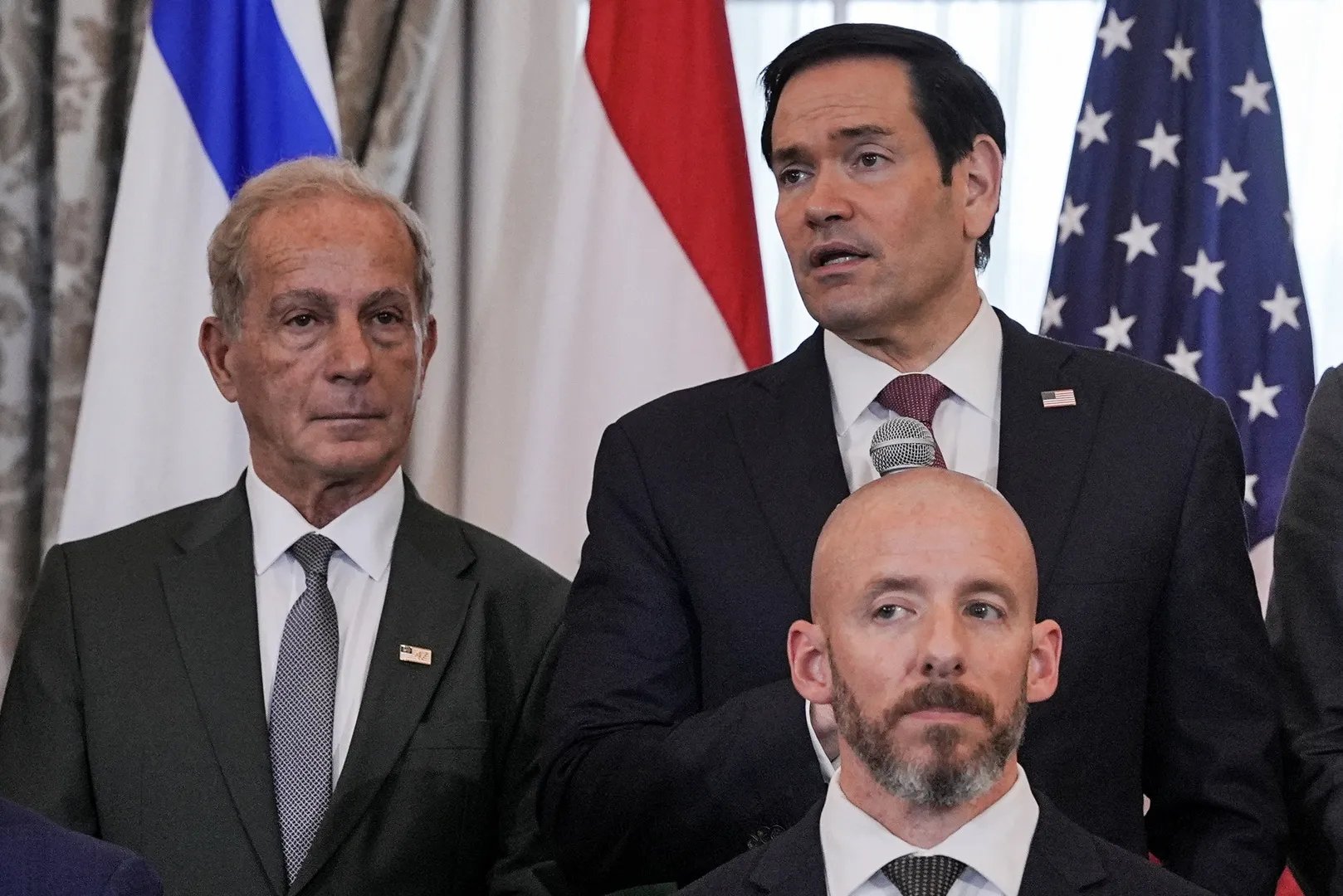
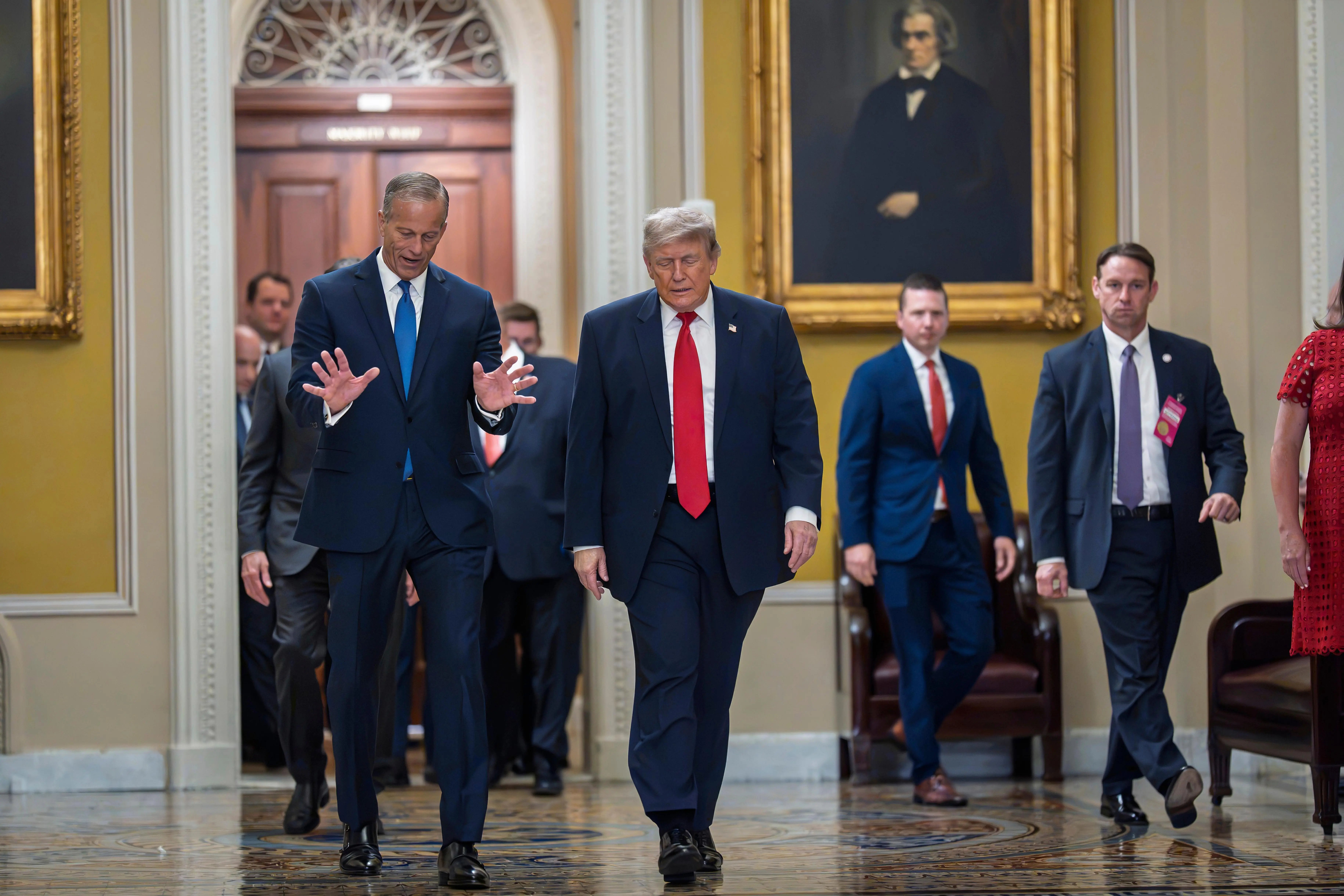
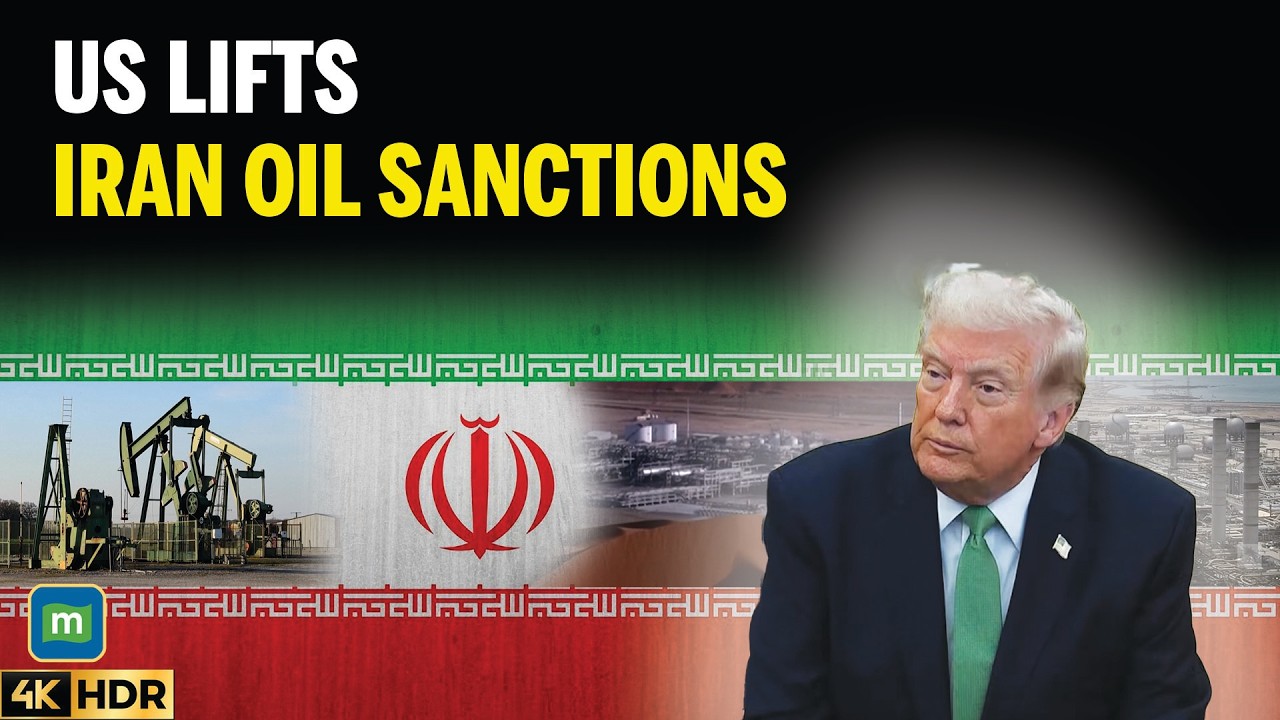
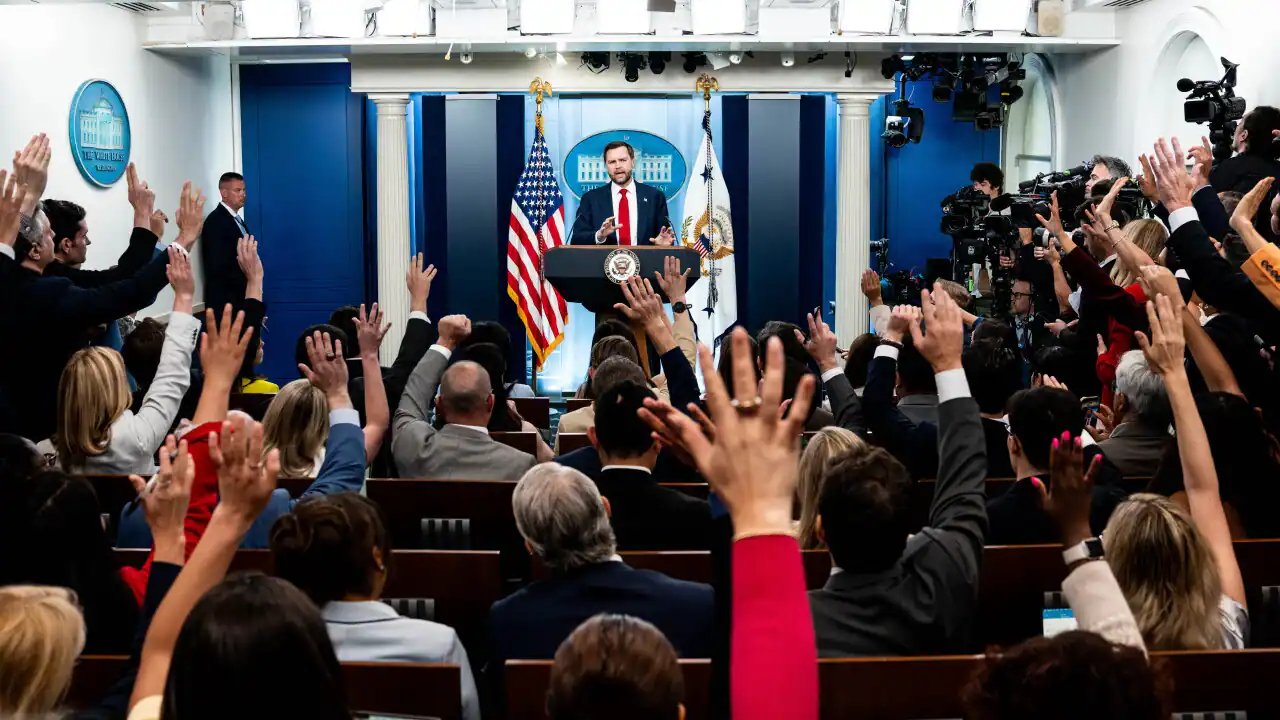
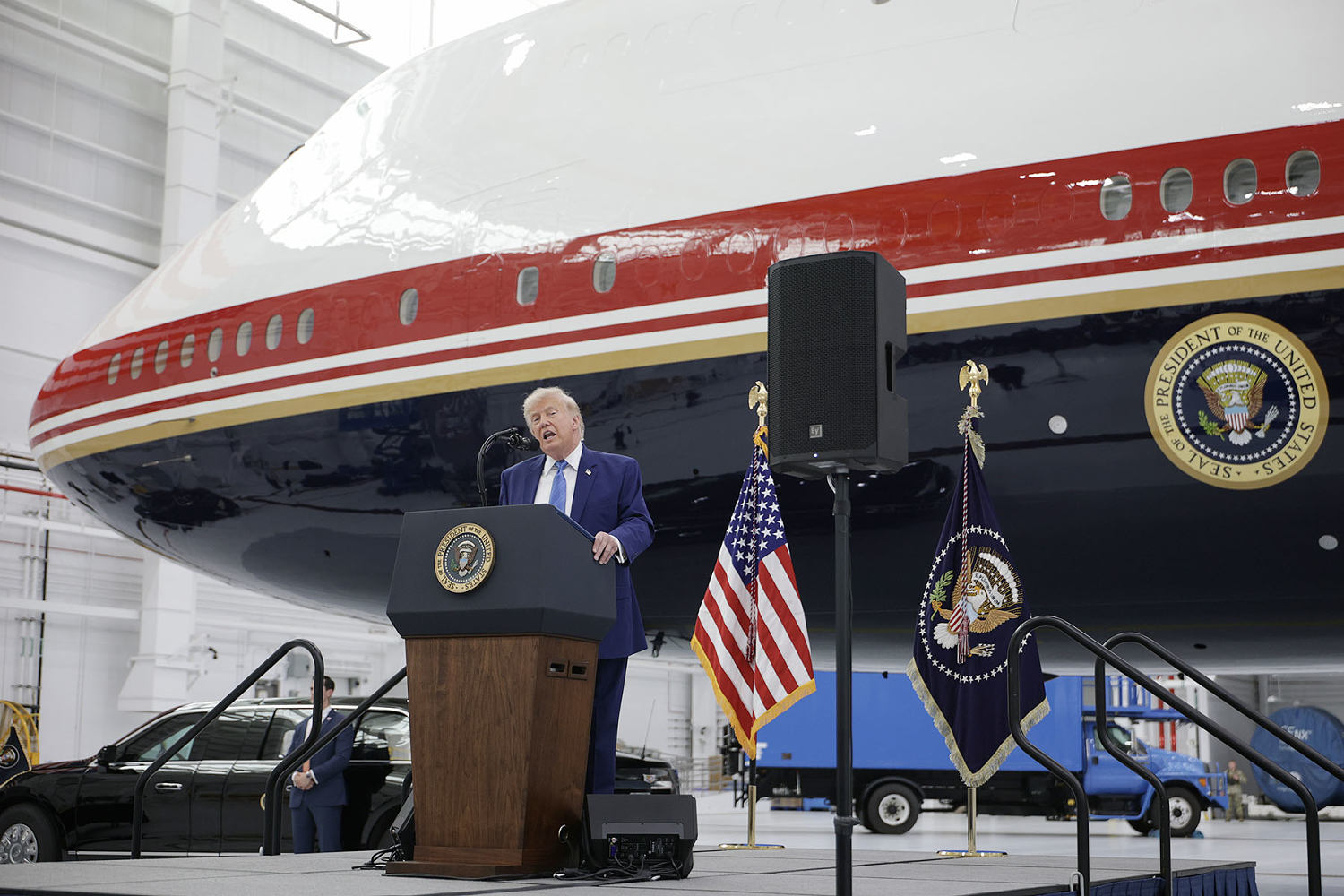
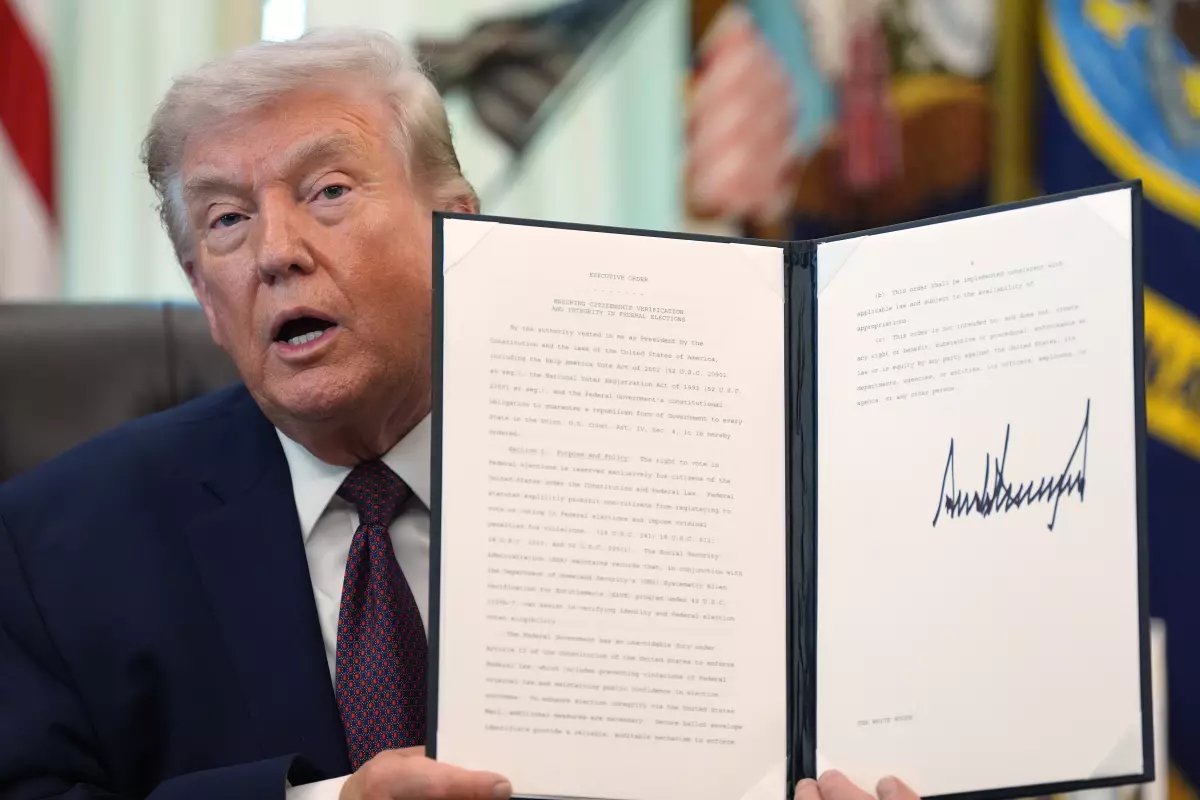
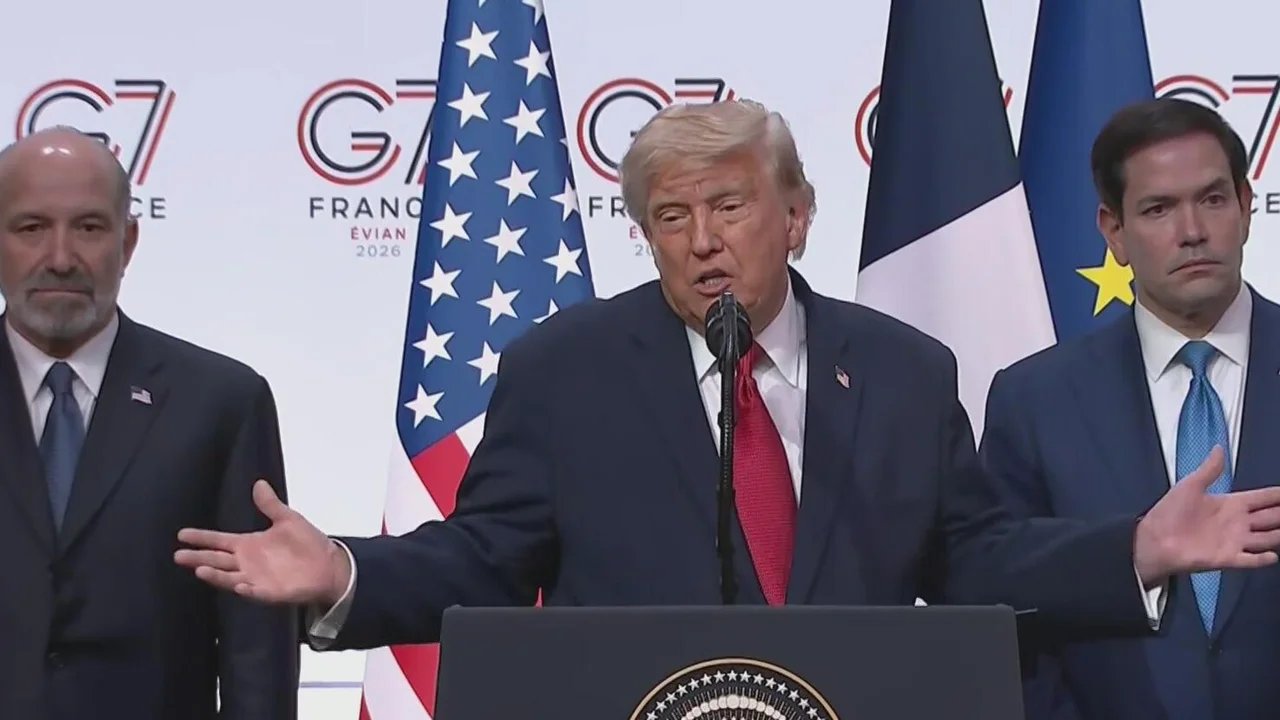
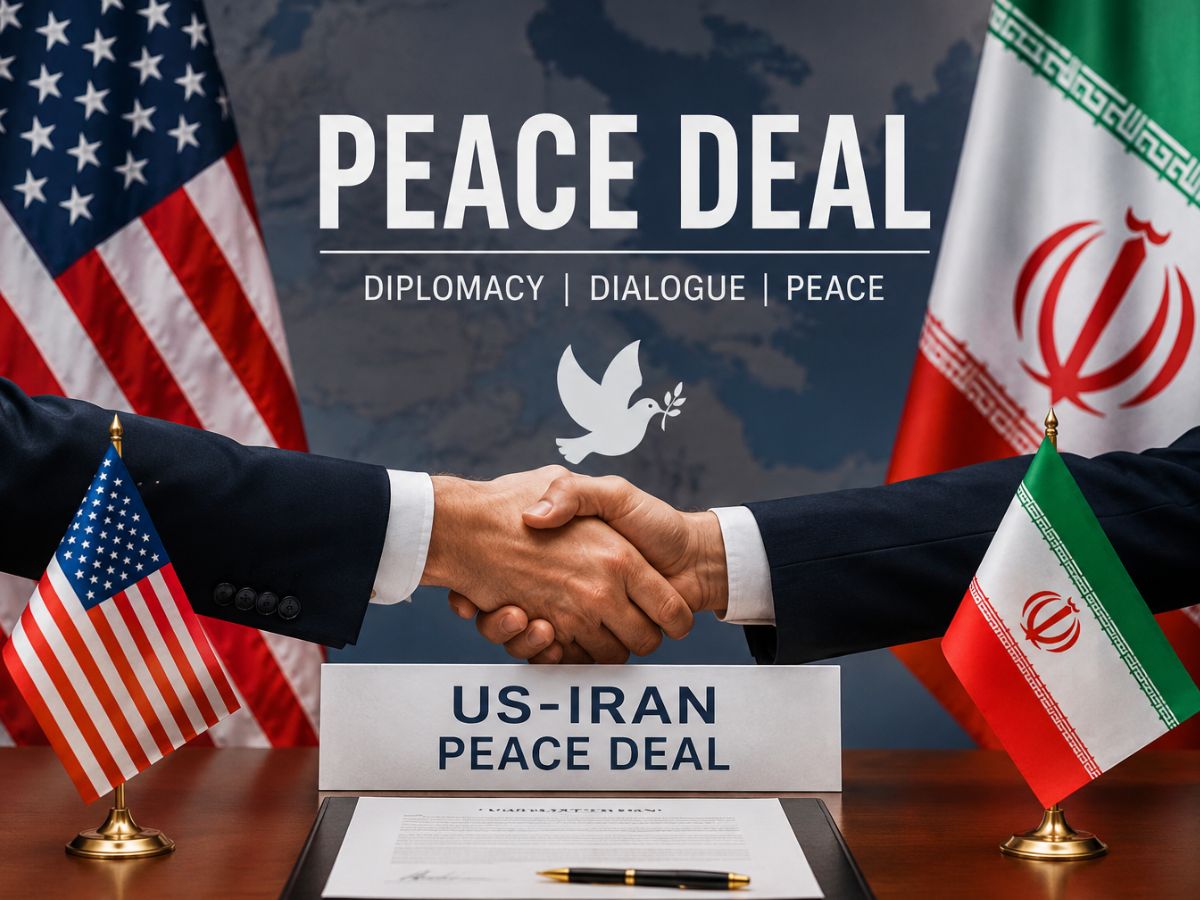
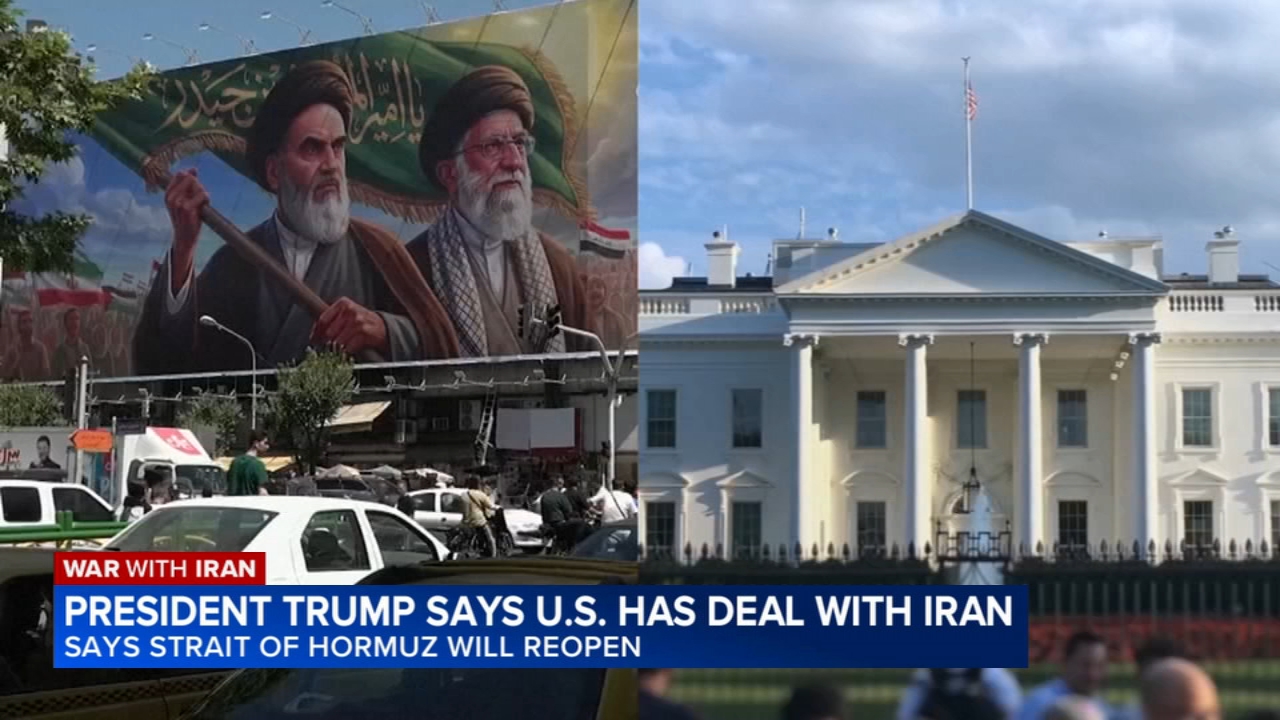
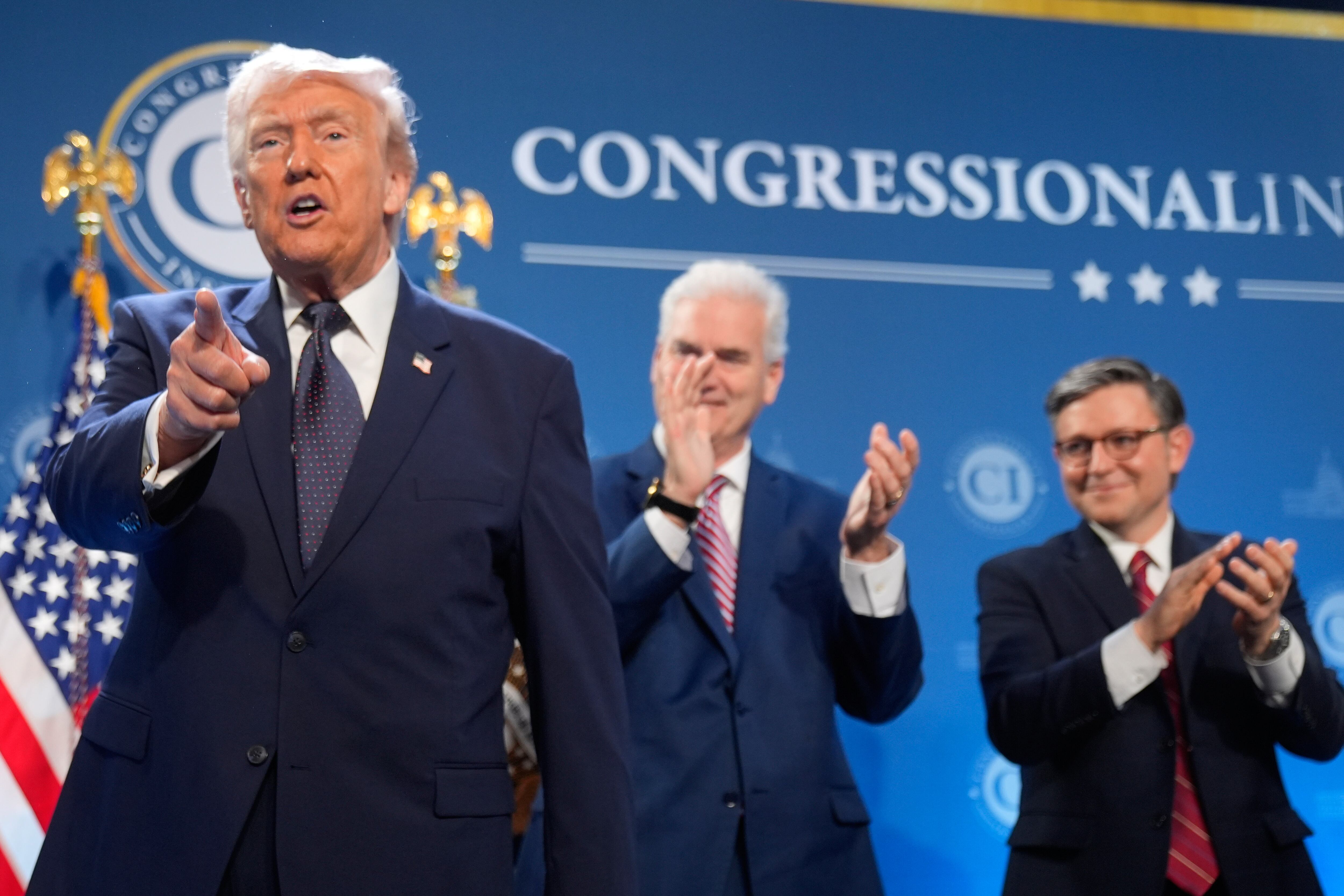
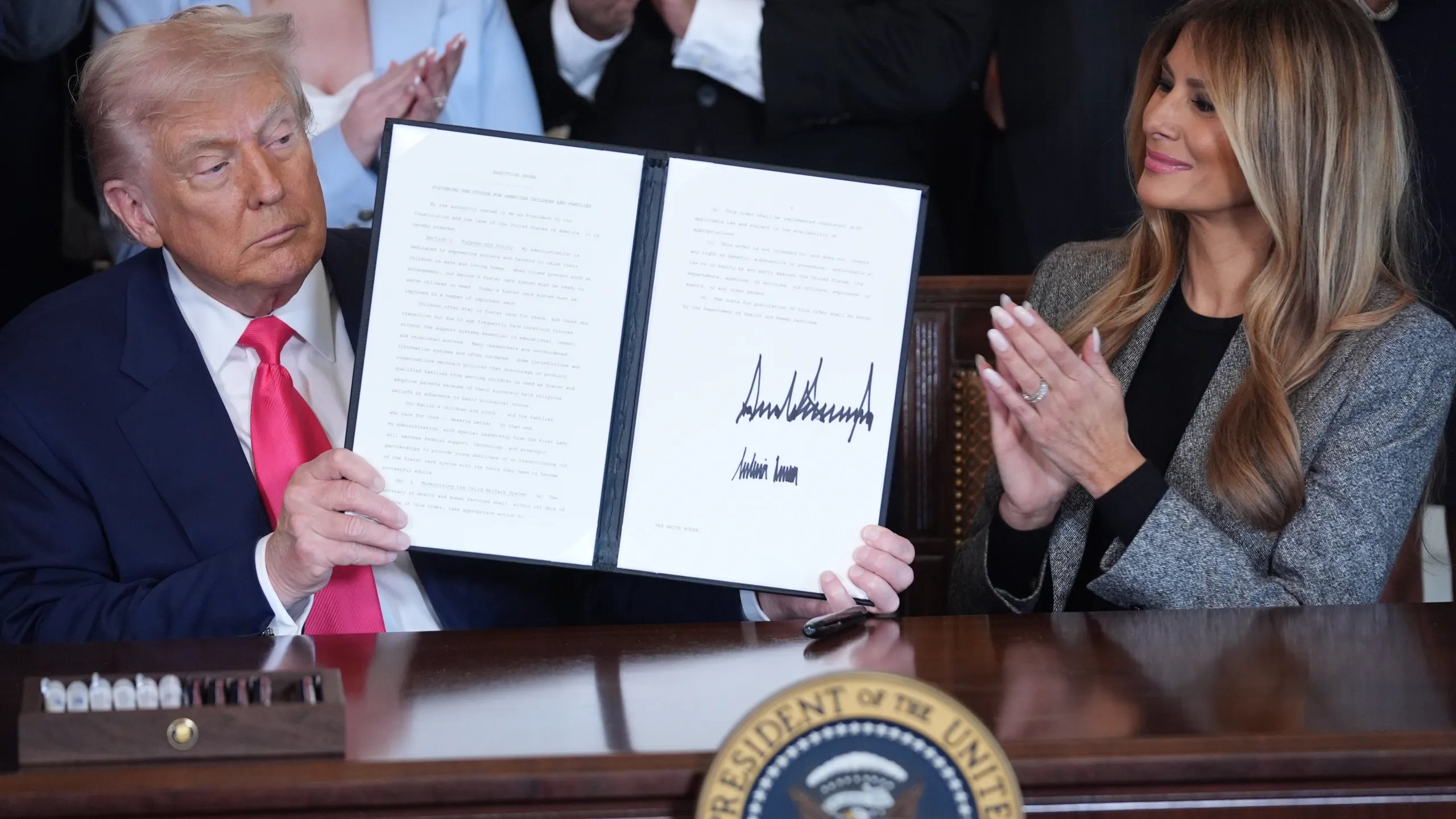
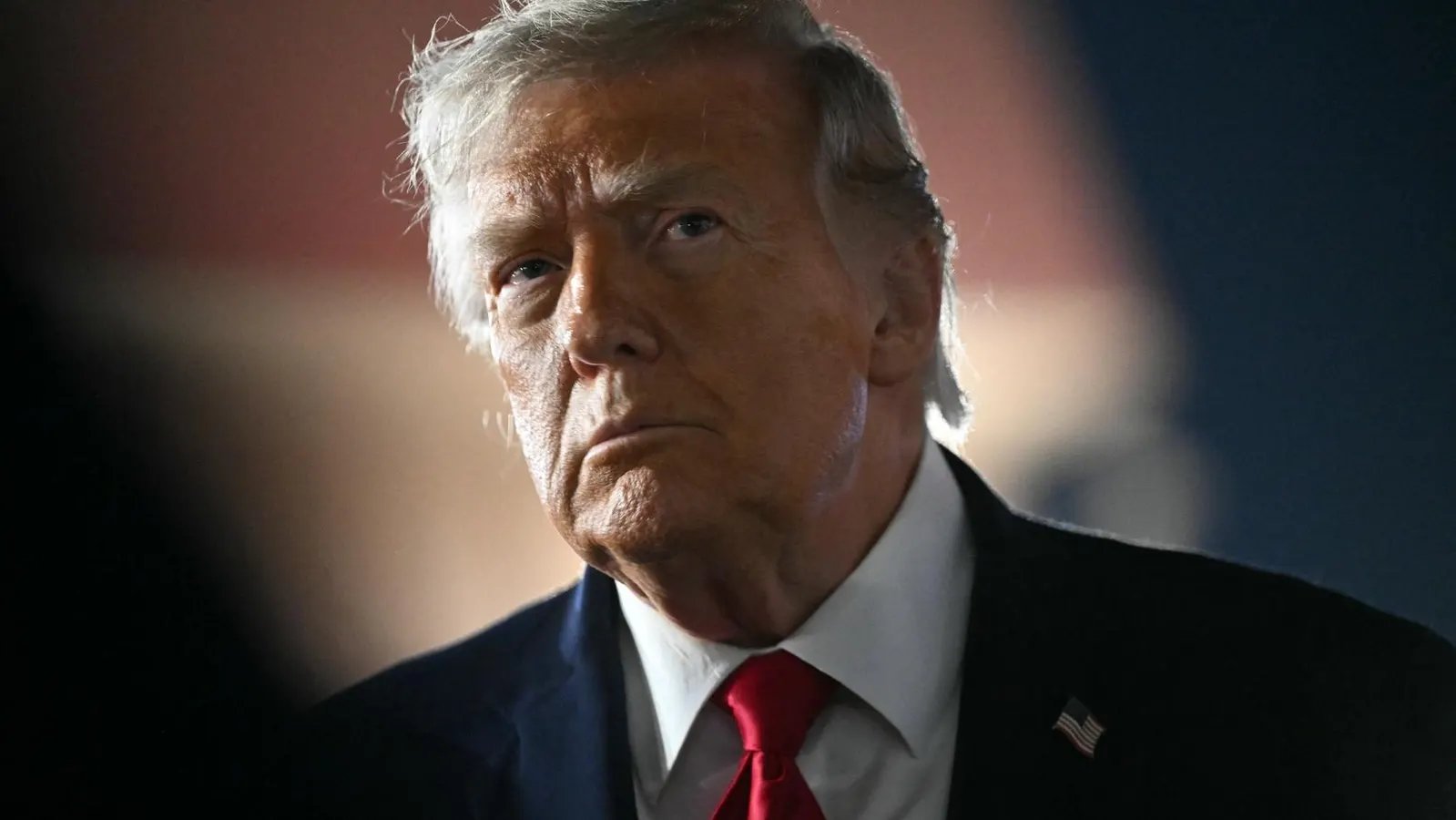
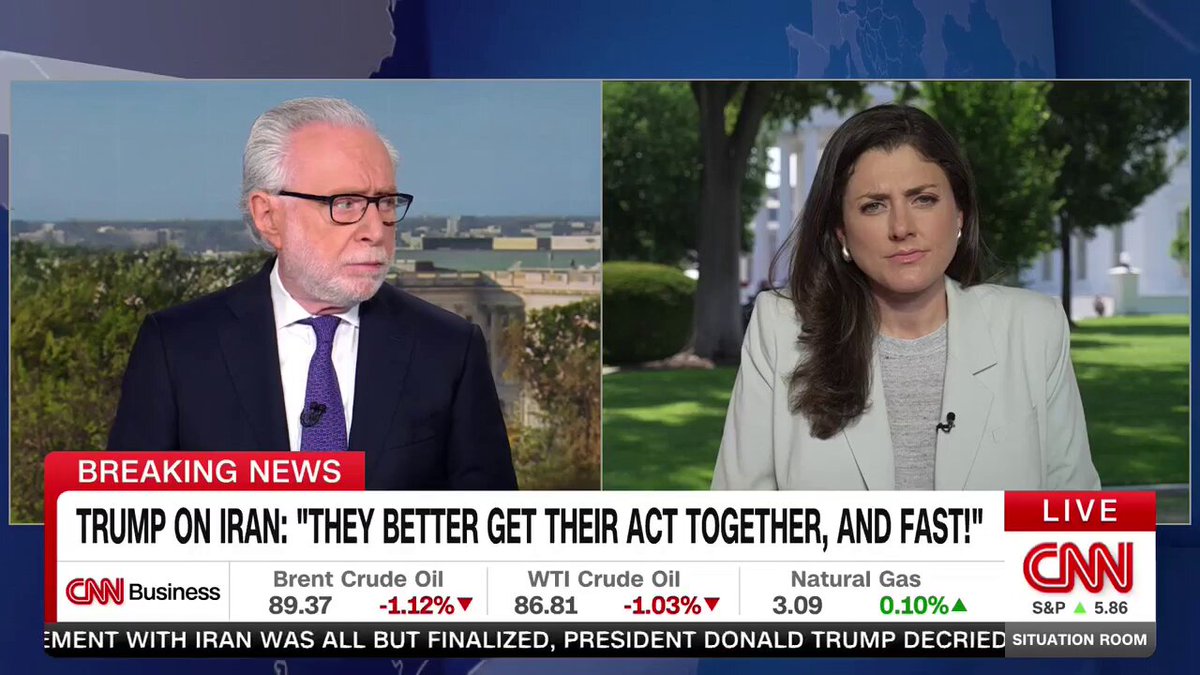
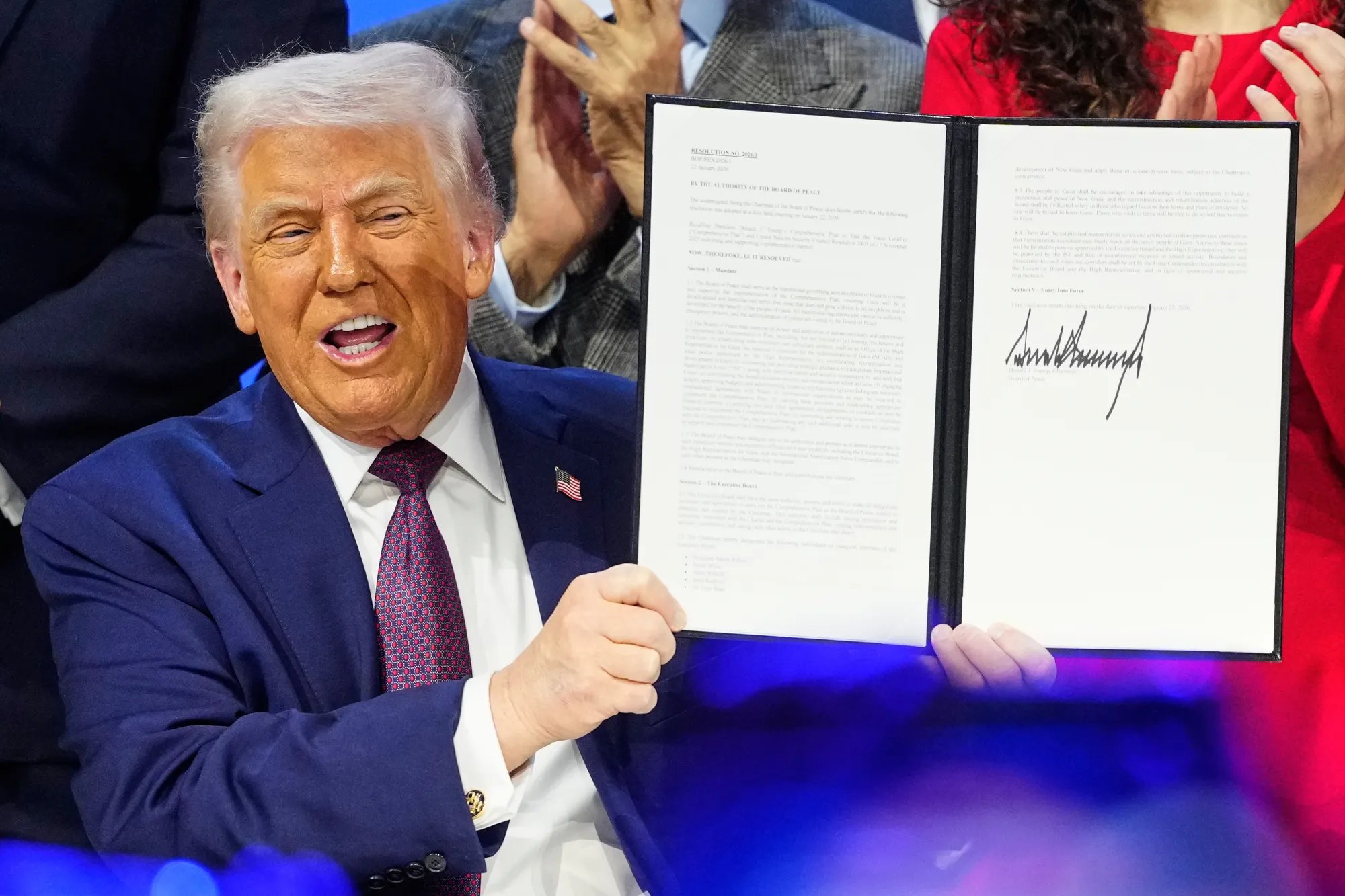
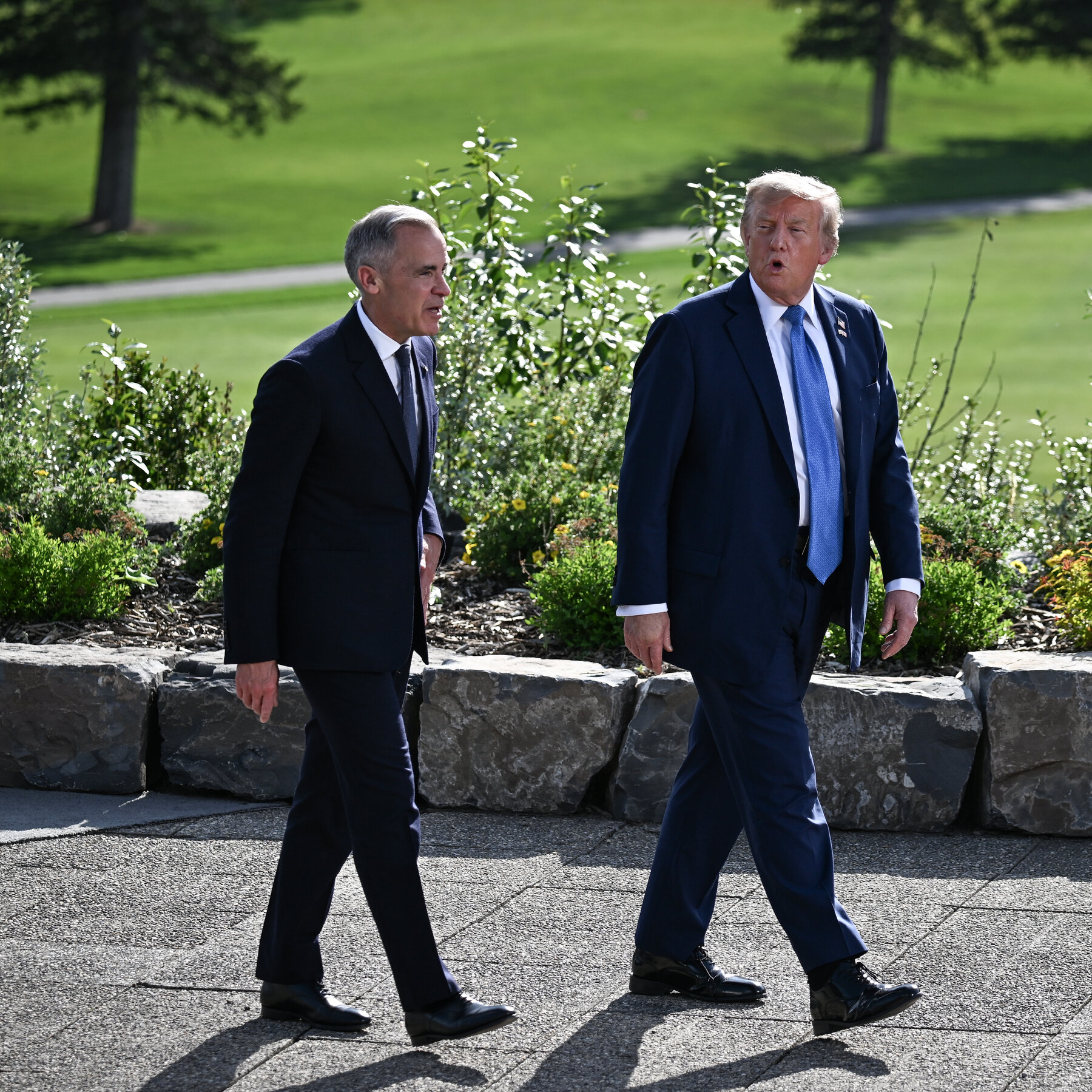
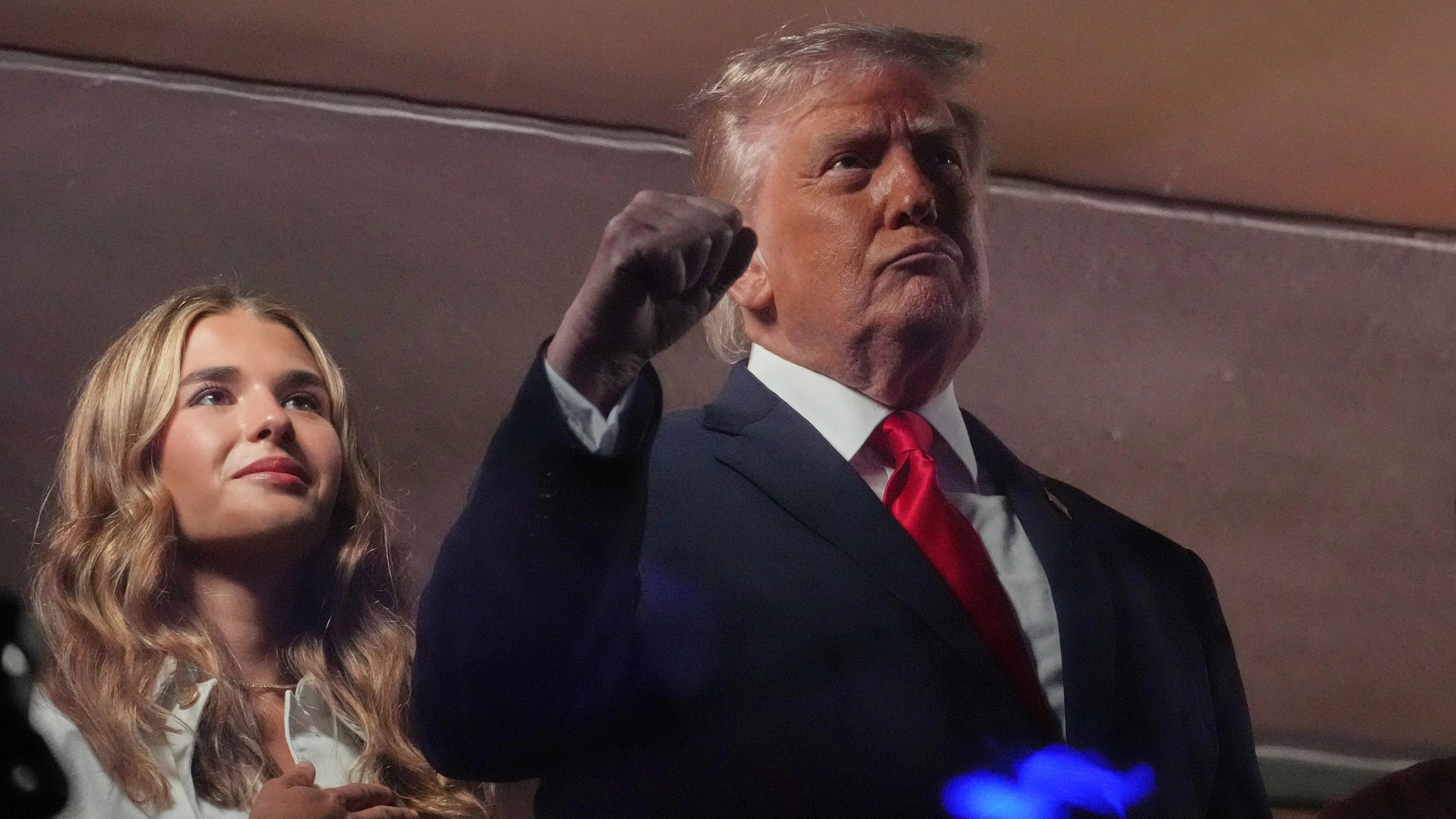
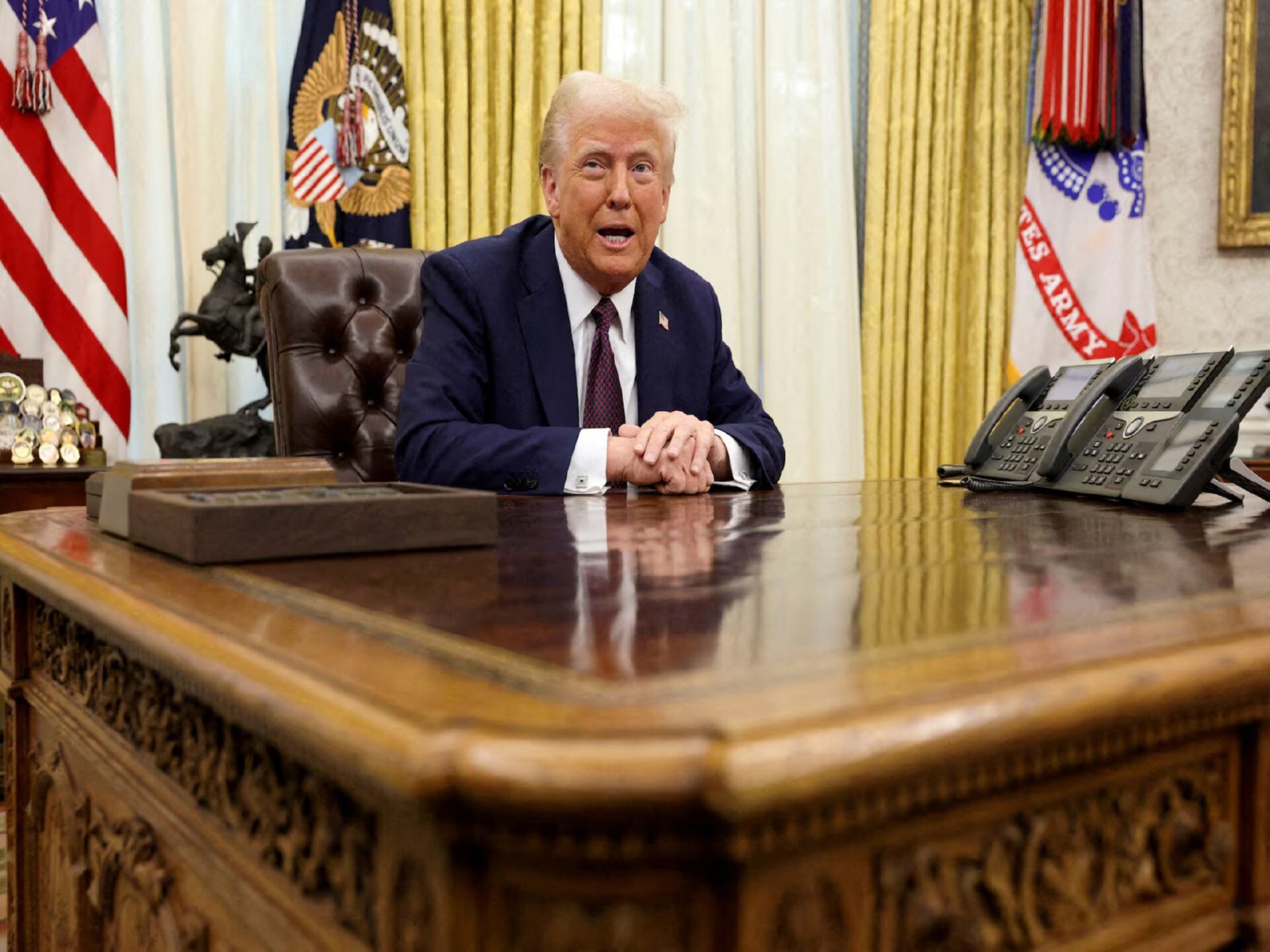
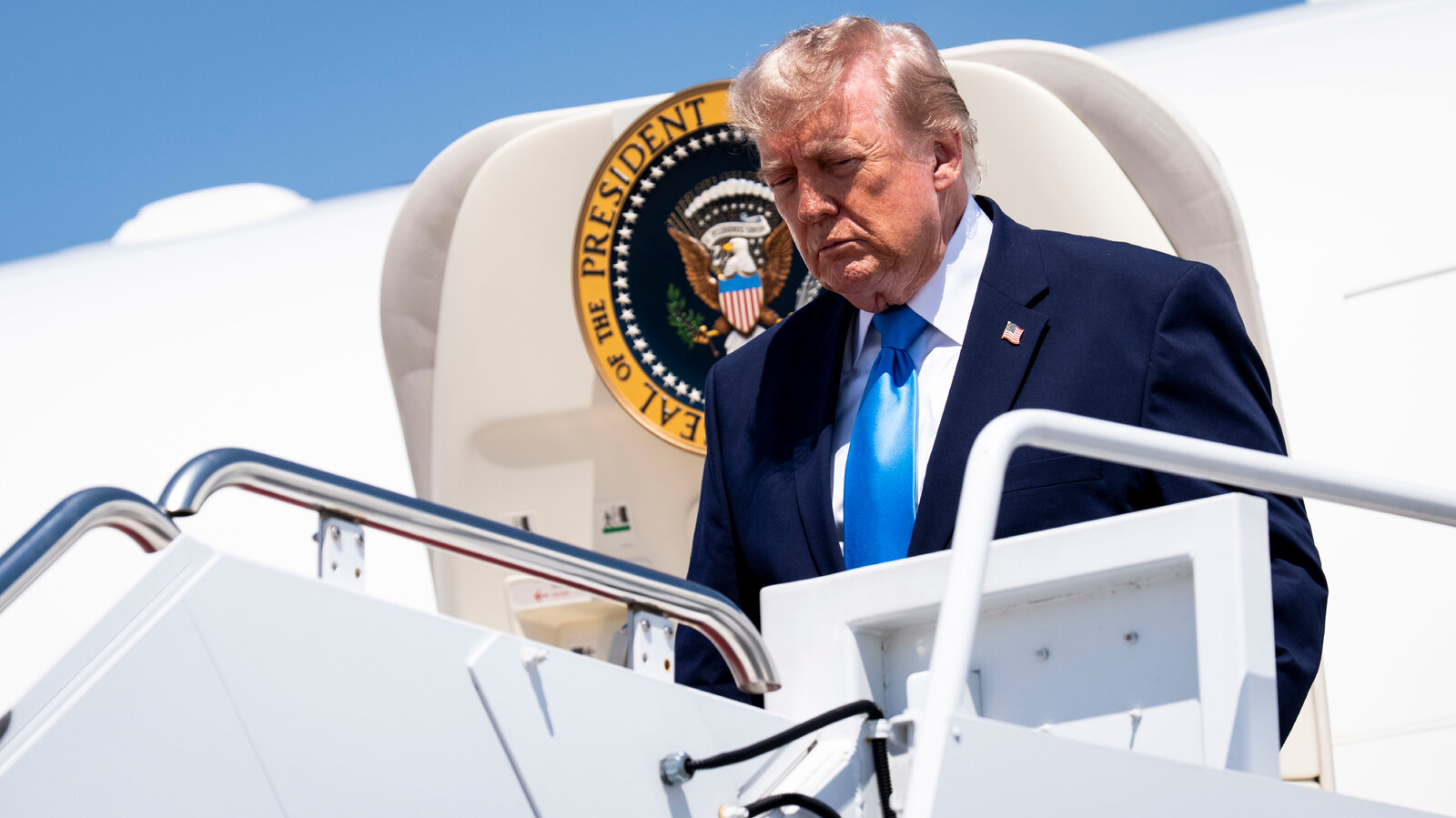
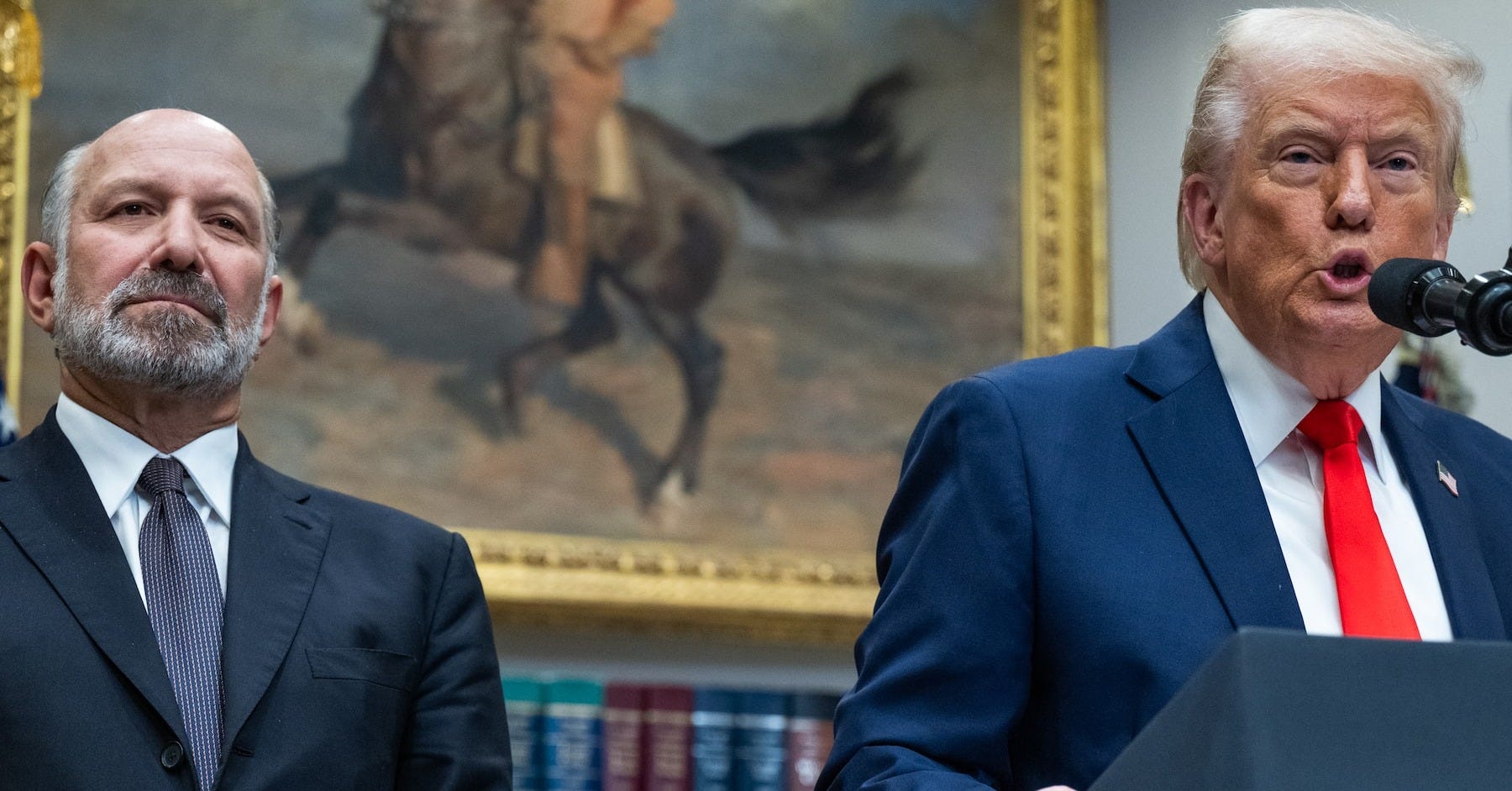
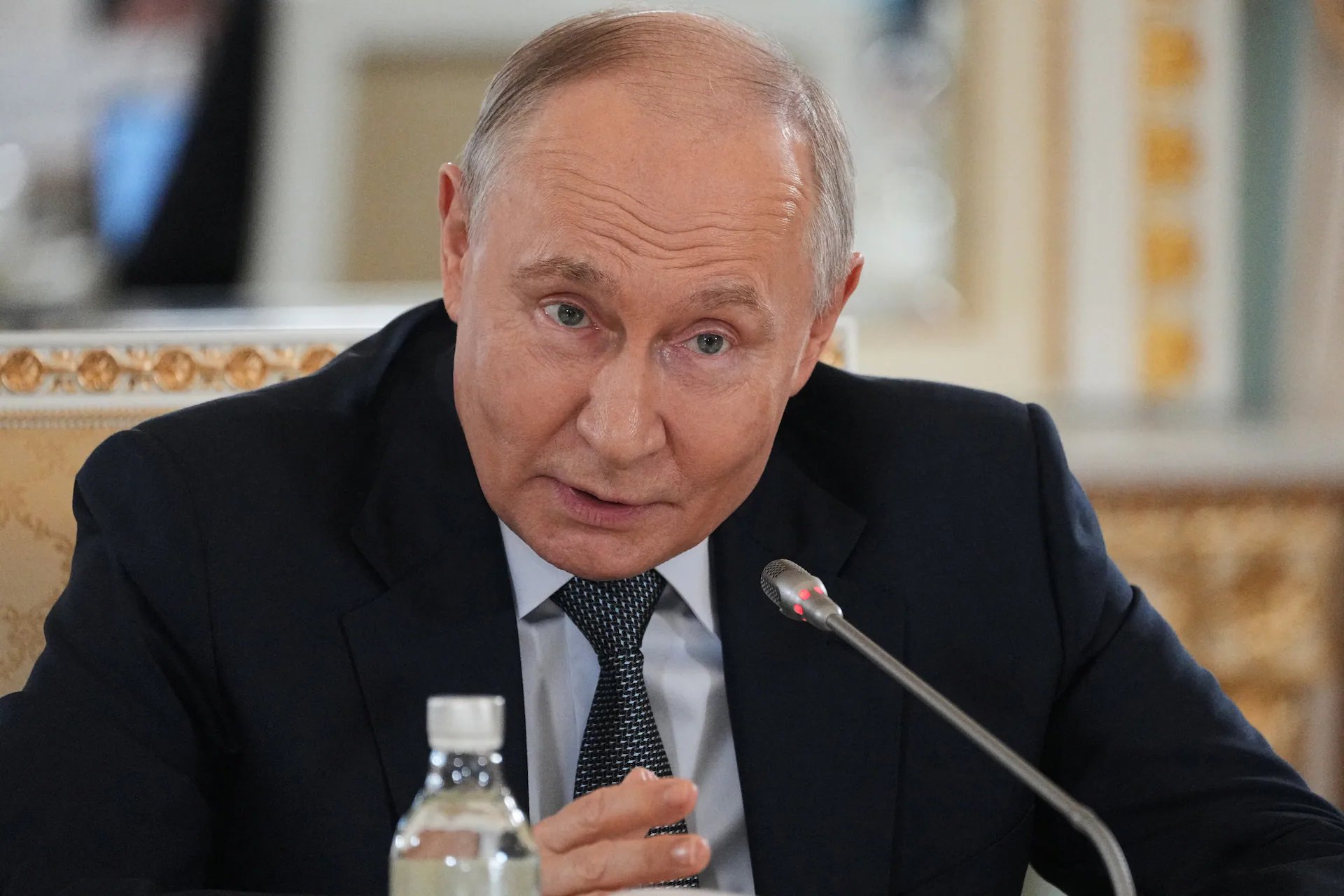
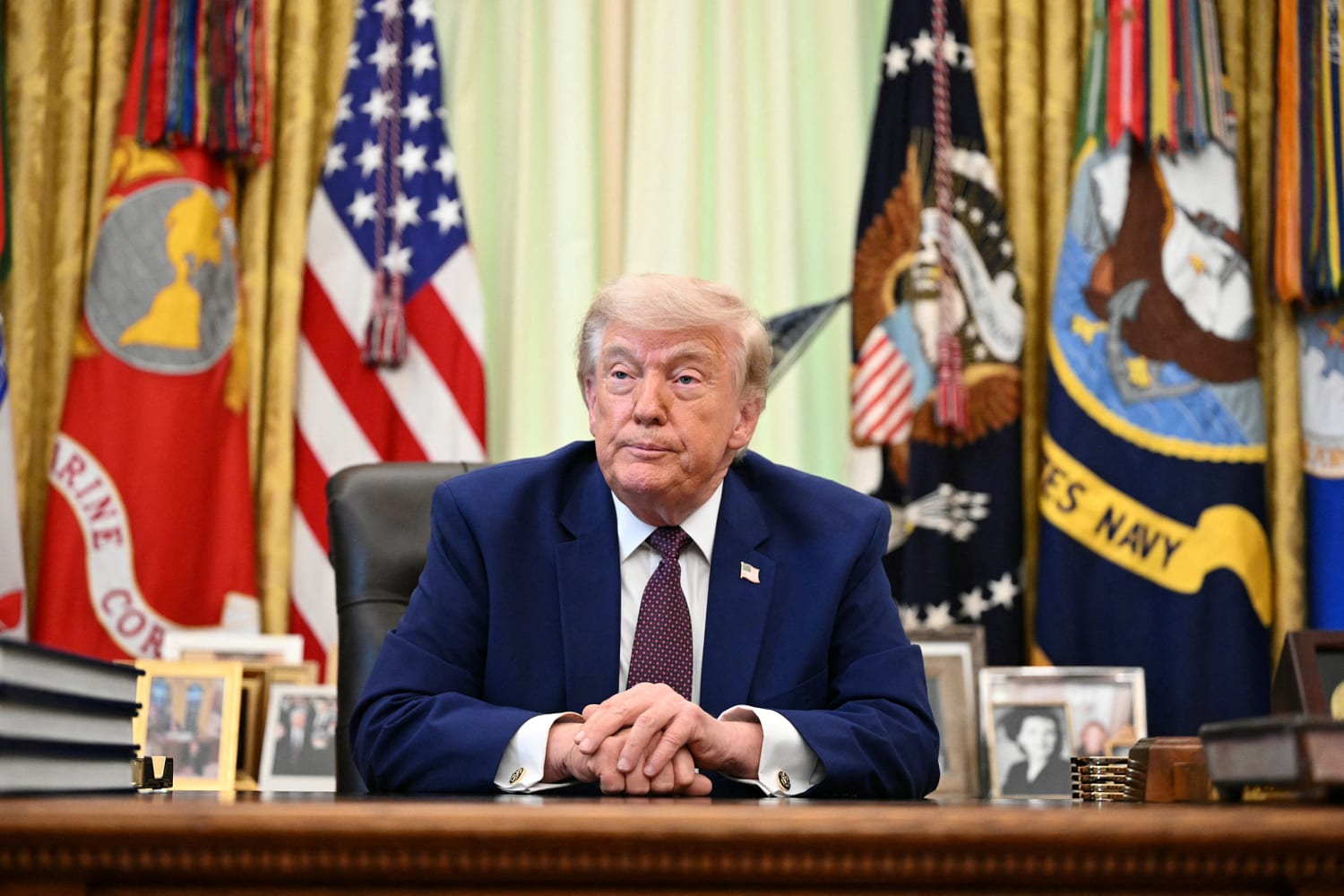
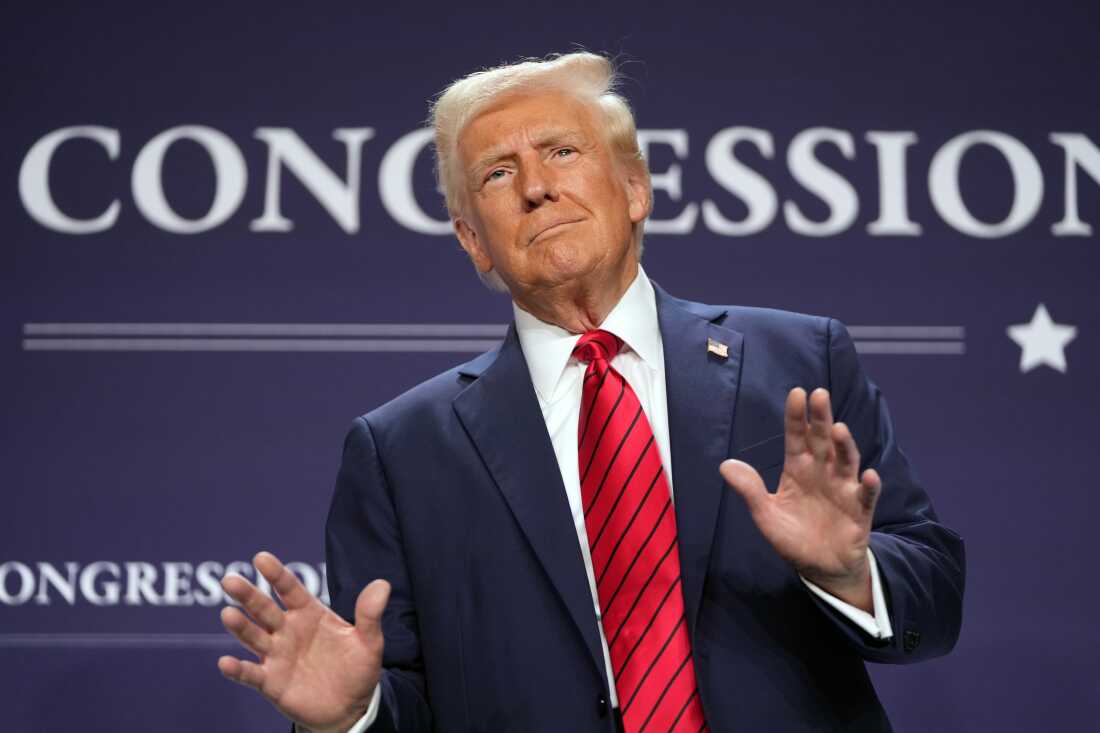
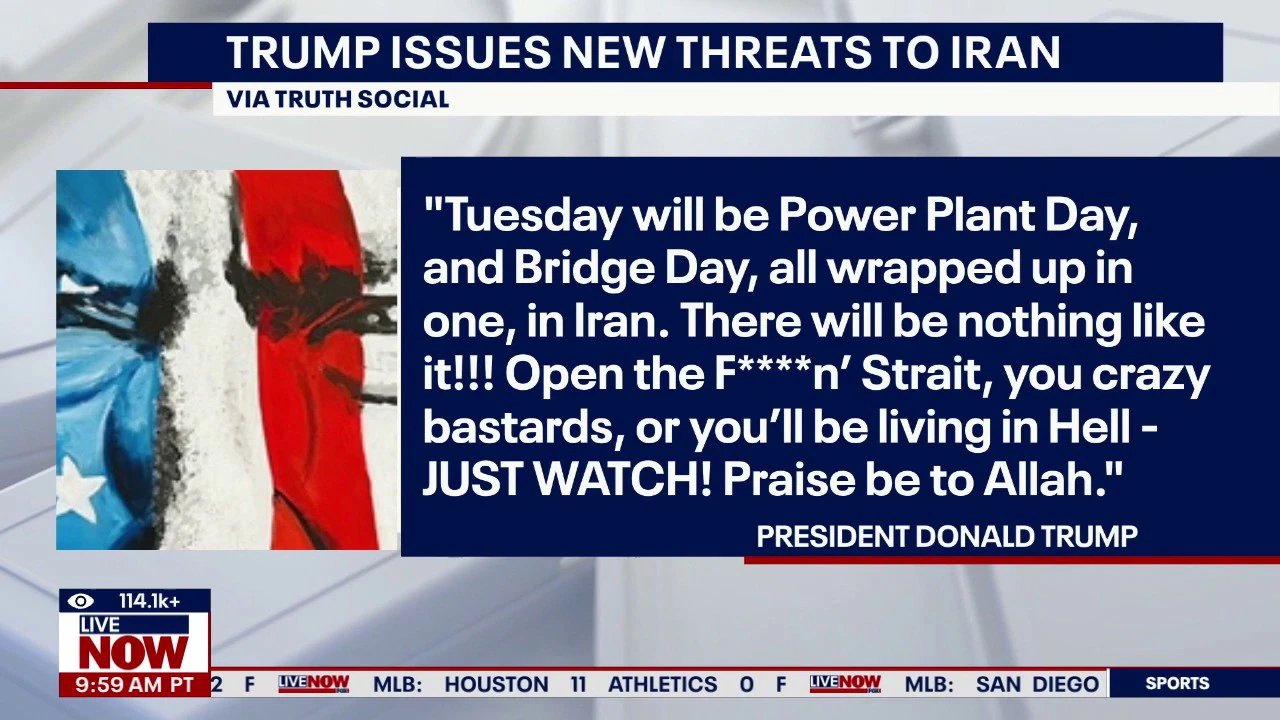
President Trump stated that both nations appeared to have agreed to halt further attacks, highlighting that the U.S. had been involved in coordinating the ceasefire. He claimed that negotiations for a peace deal were in the "final throes" and suggested that a resolution could be reached in "two or three days." Israeli Prime Minister Benjamin Netanyahu warned that should Iran resume its attacks, Israel would respond with "full force."
Iran's Strategic Calculations
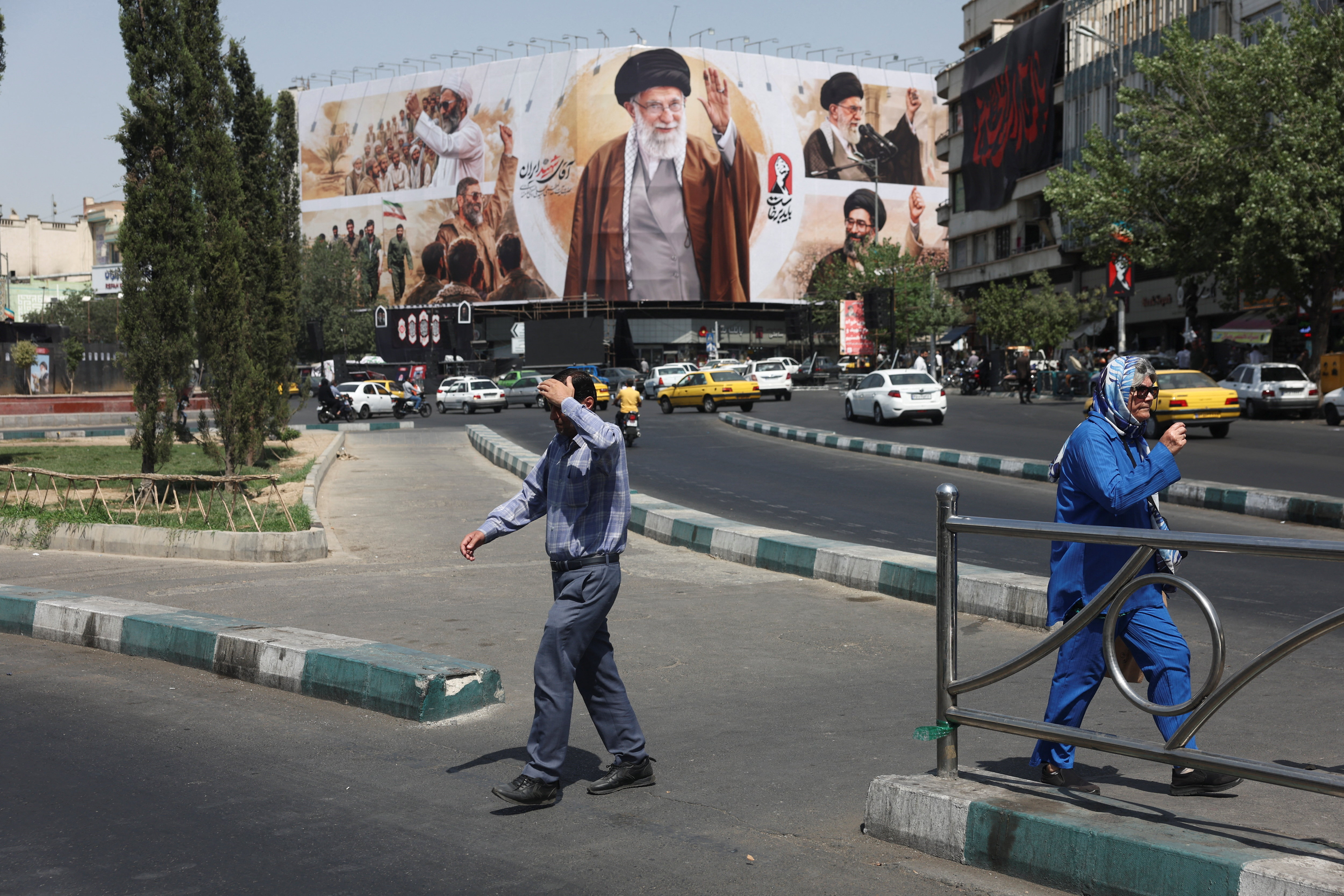
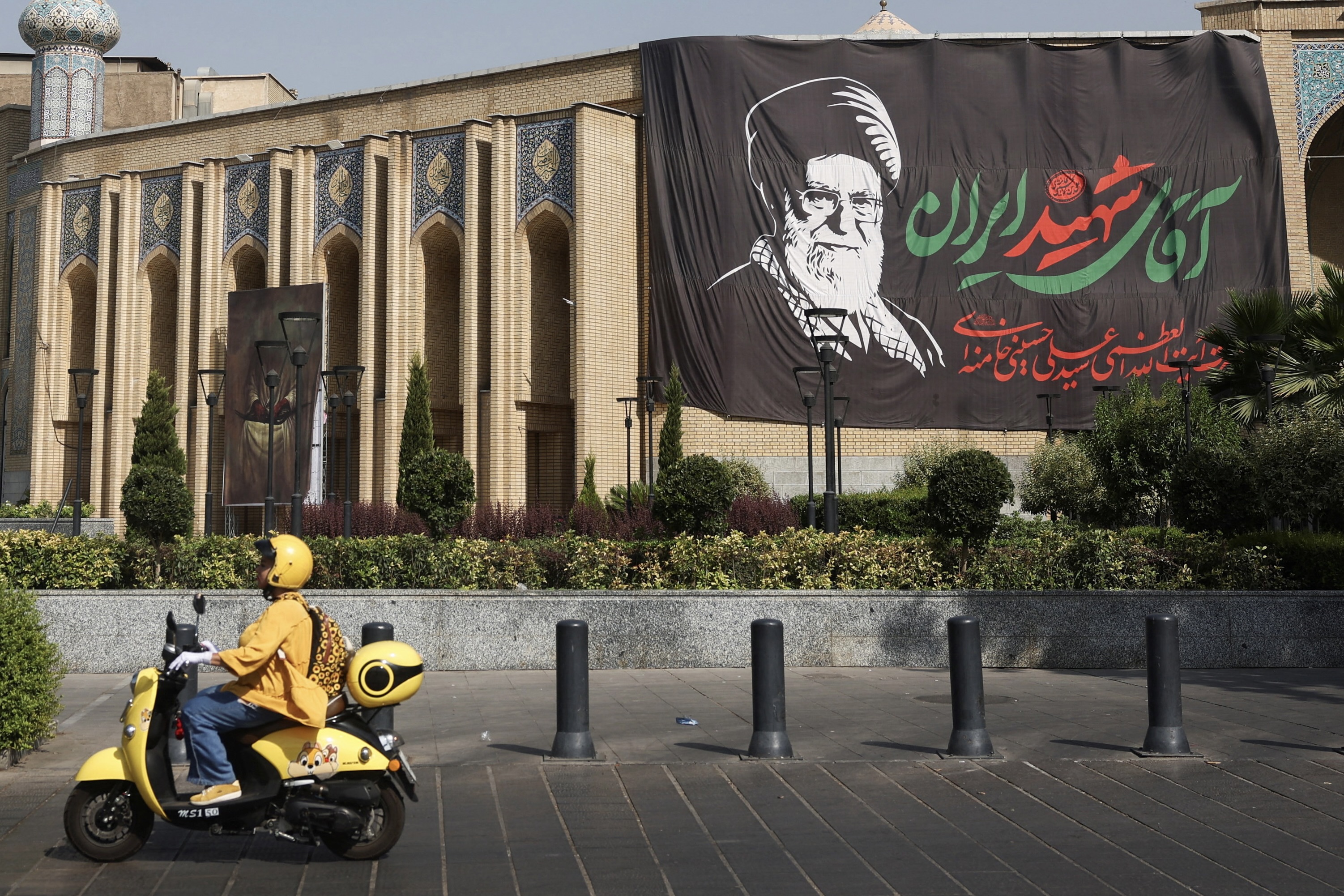
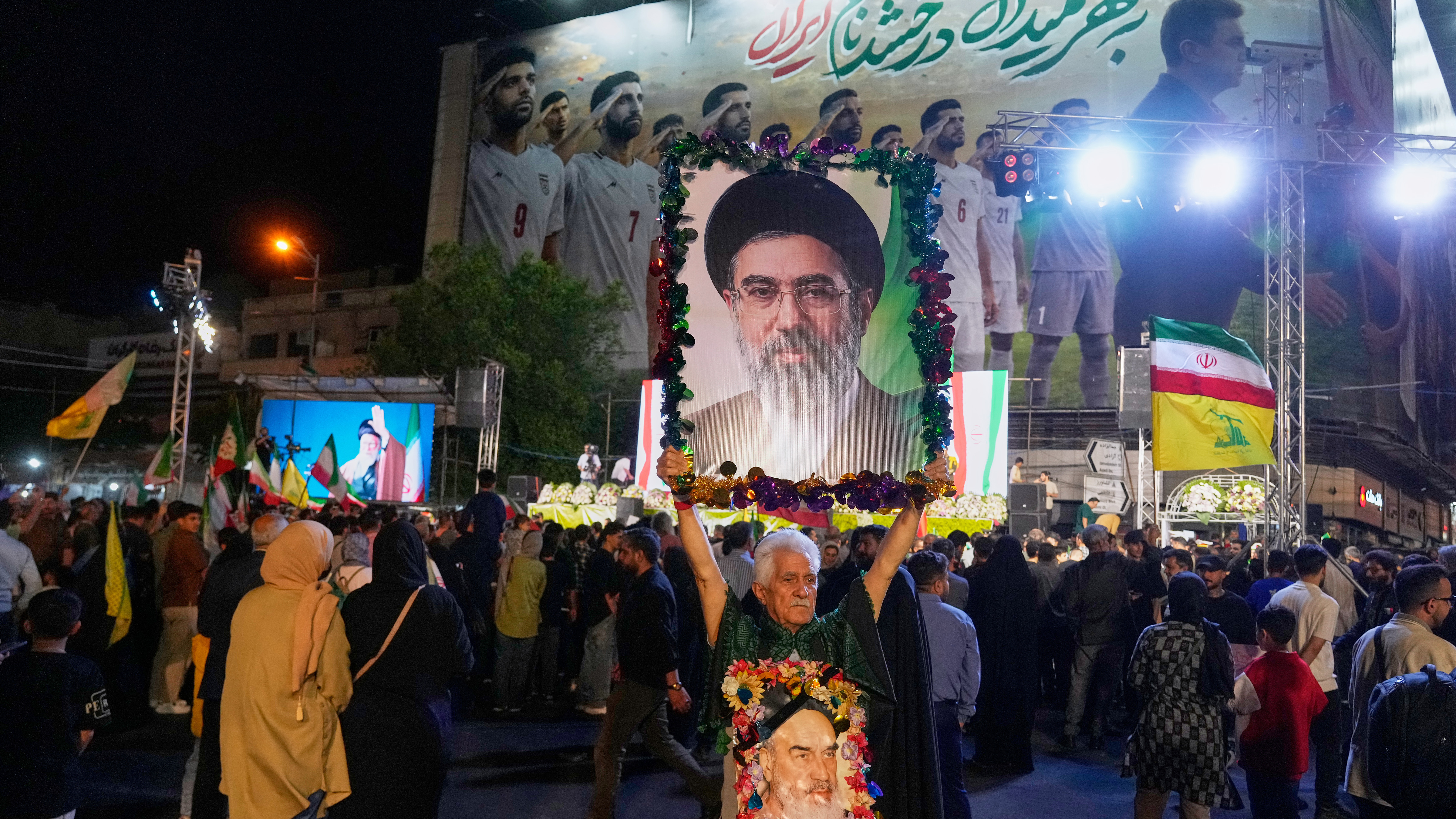
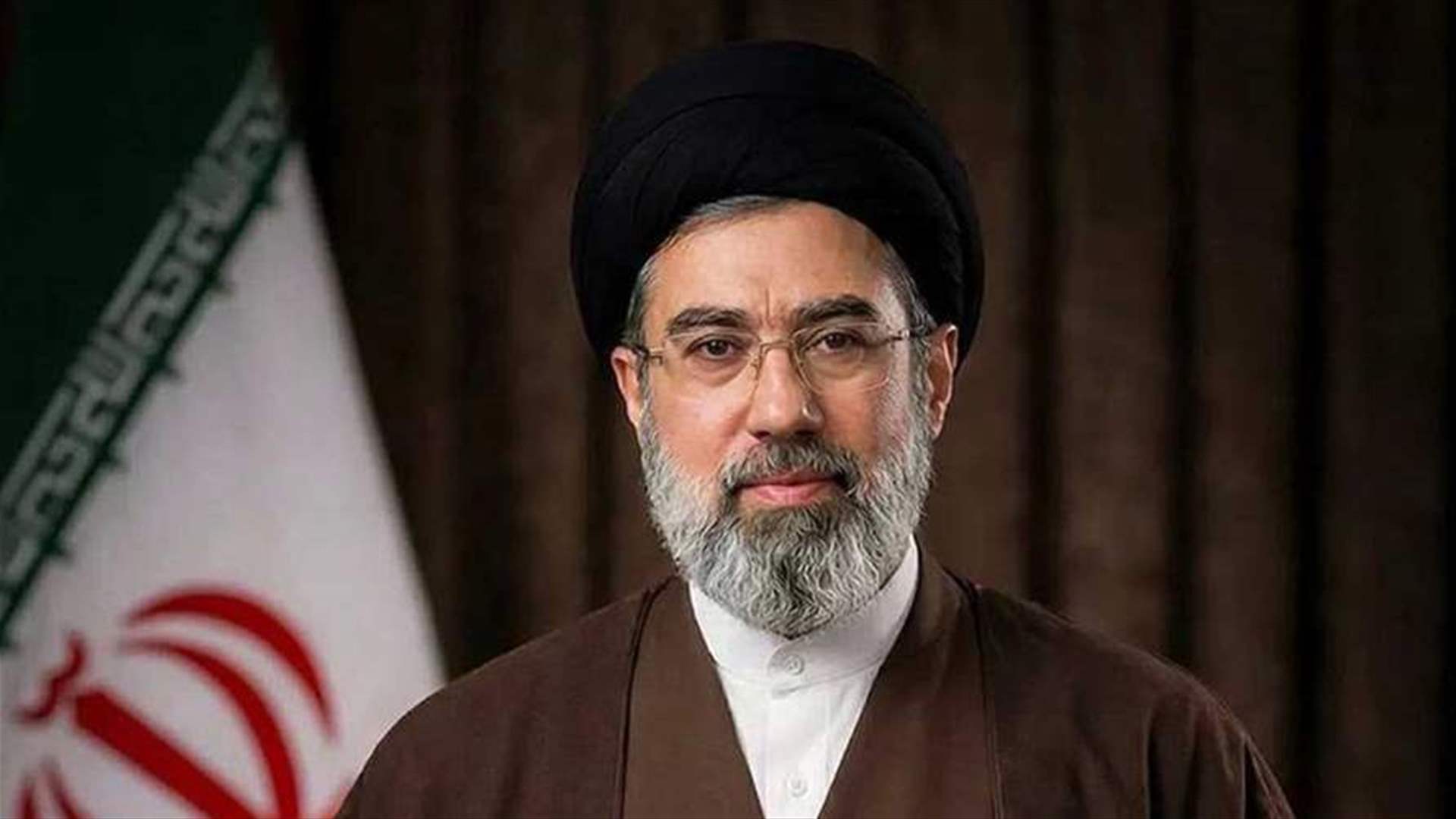
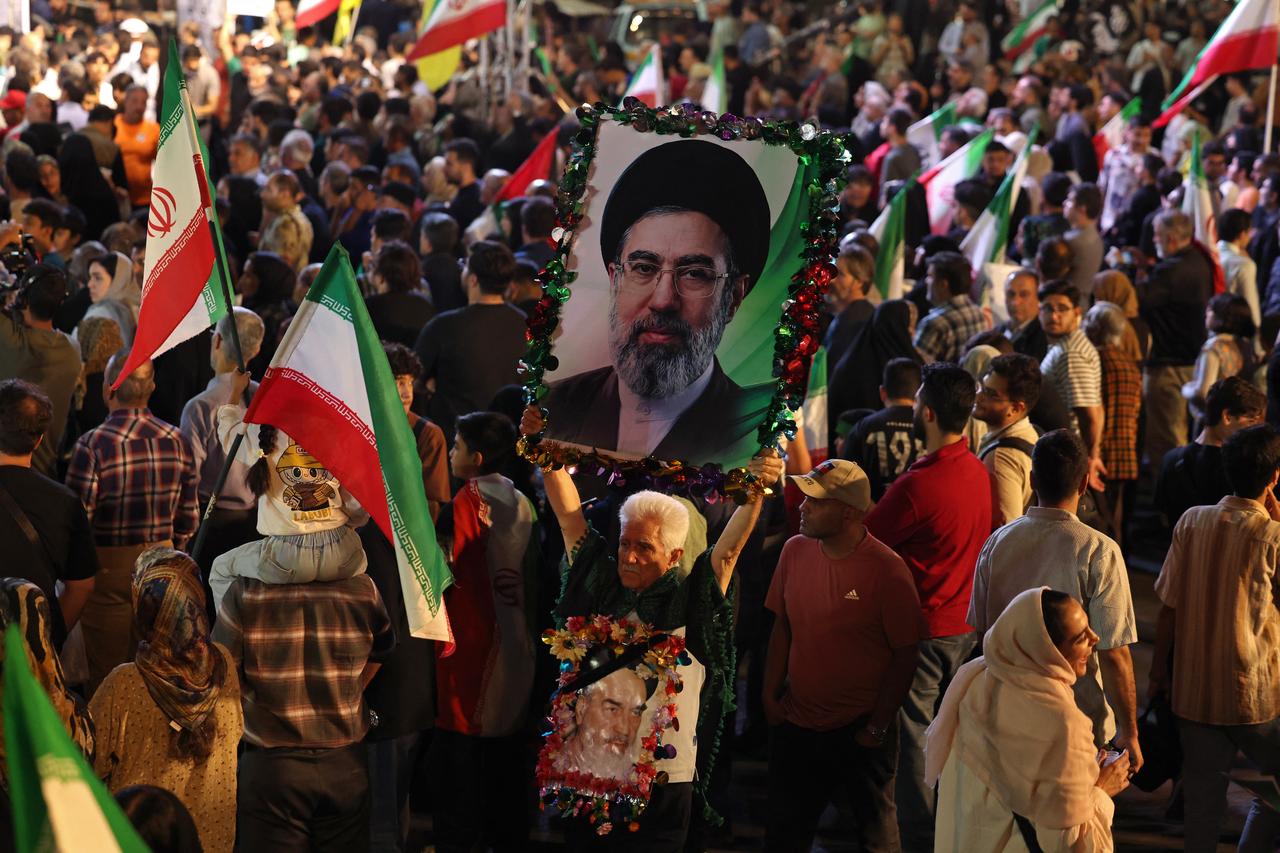
Iran's decision to strike Israel reflects a strategic shift in its military posture. Analysts suggest that Iran may now view attacks on its regional allies, such as Hezbollah, as direct threats to its own sovereignty. Iranian leaders believe that demonstrating military capability can strengthen their negotiating position with the U.S. and deter further Israeli aggression. President Masoud Pezeshkian remarked that Iran's military actions enhance its bargaining power in future diplomatic discussions.
The Human Cost of Conflict
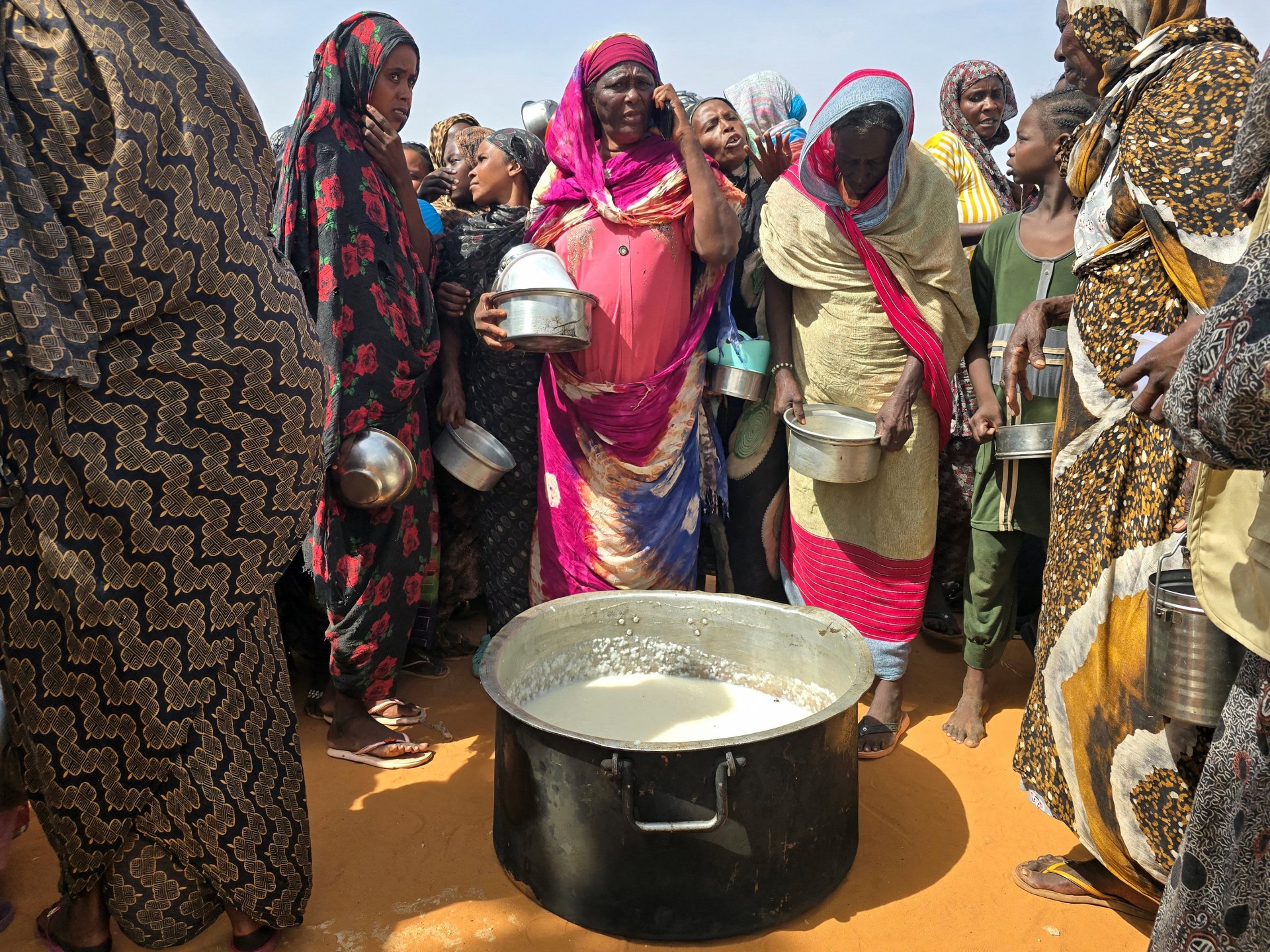
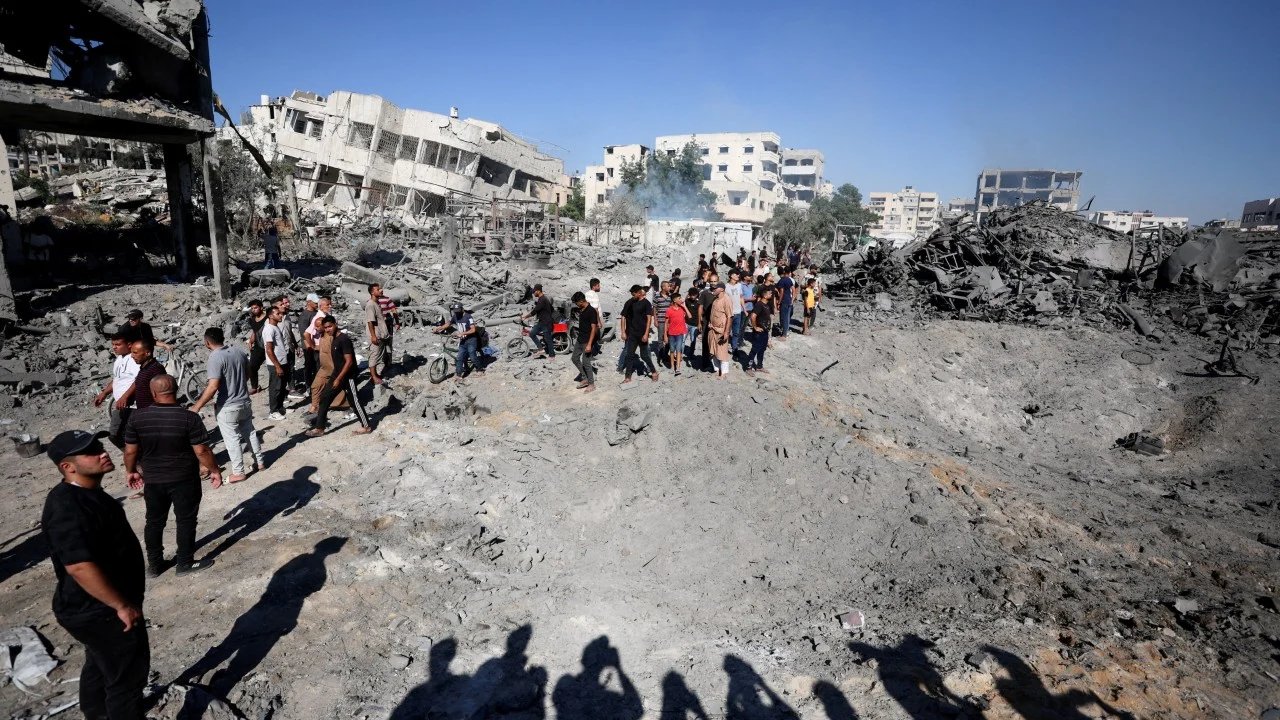
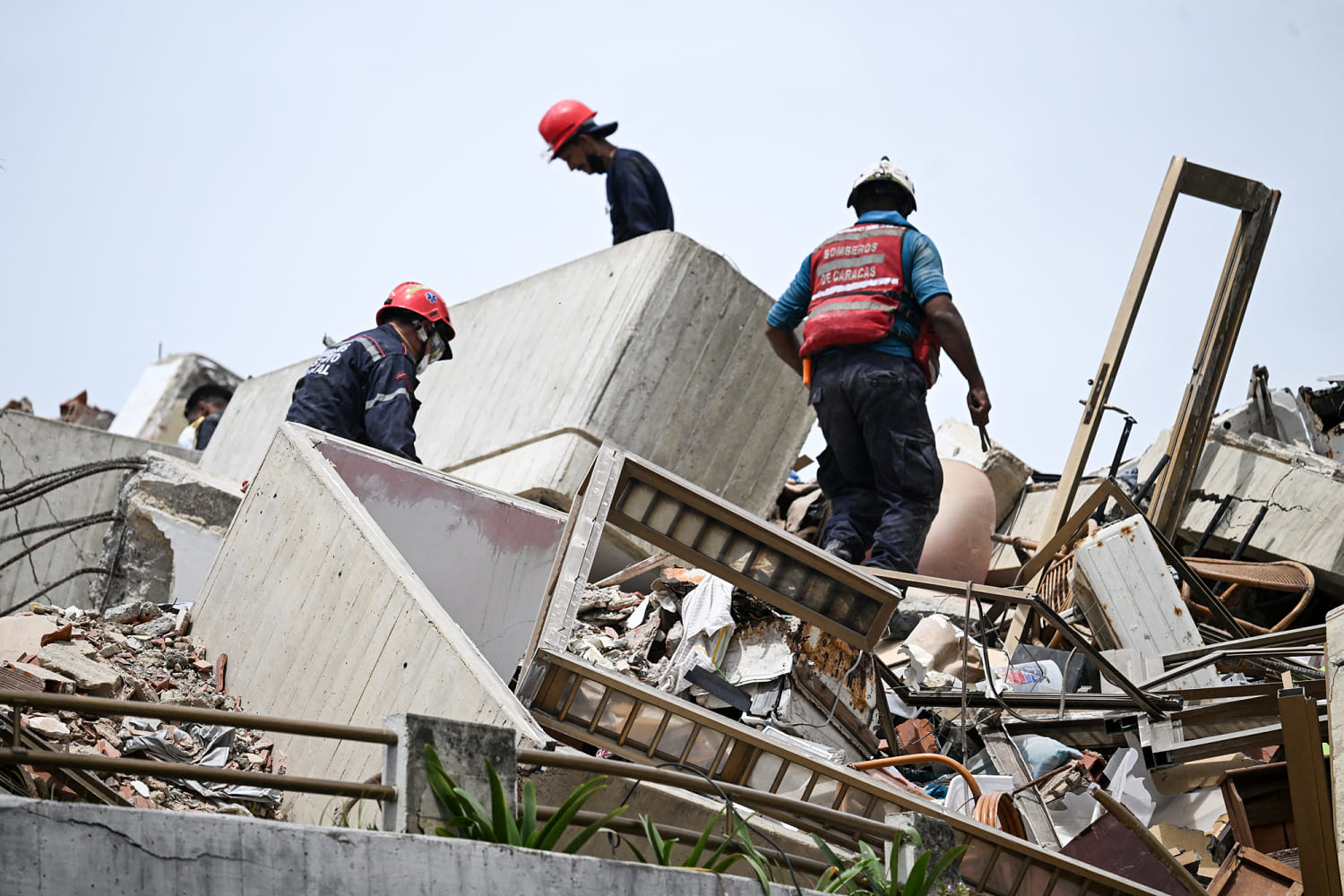
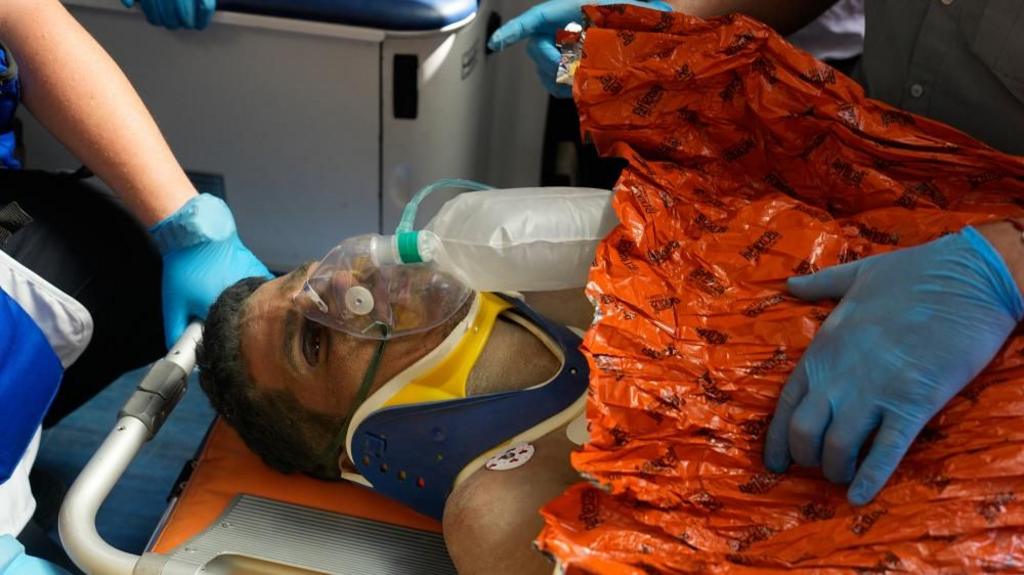
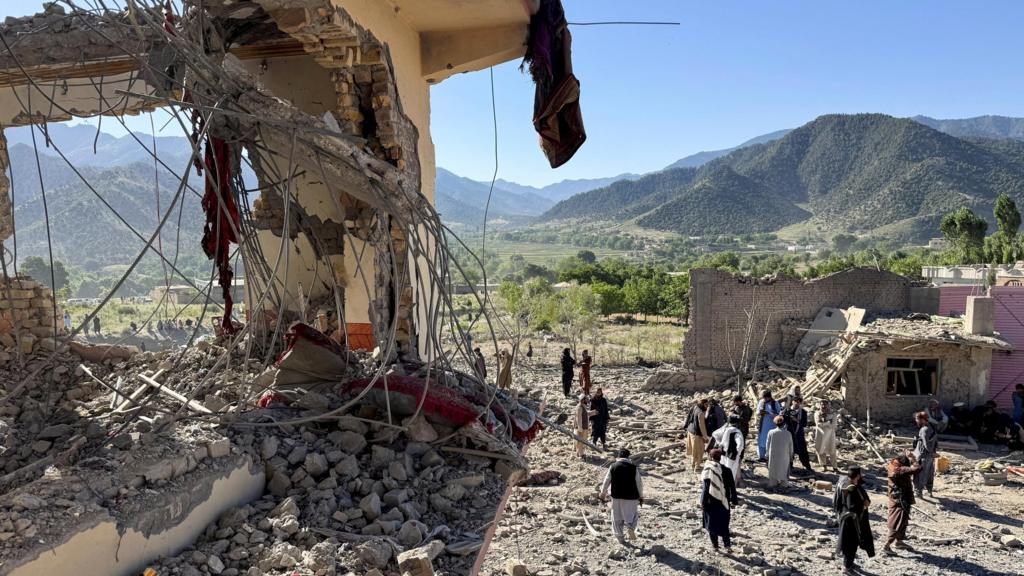
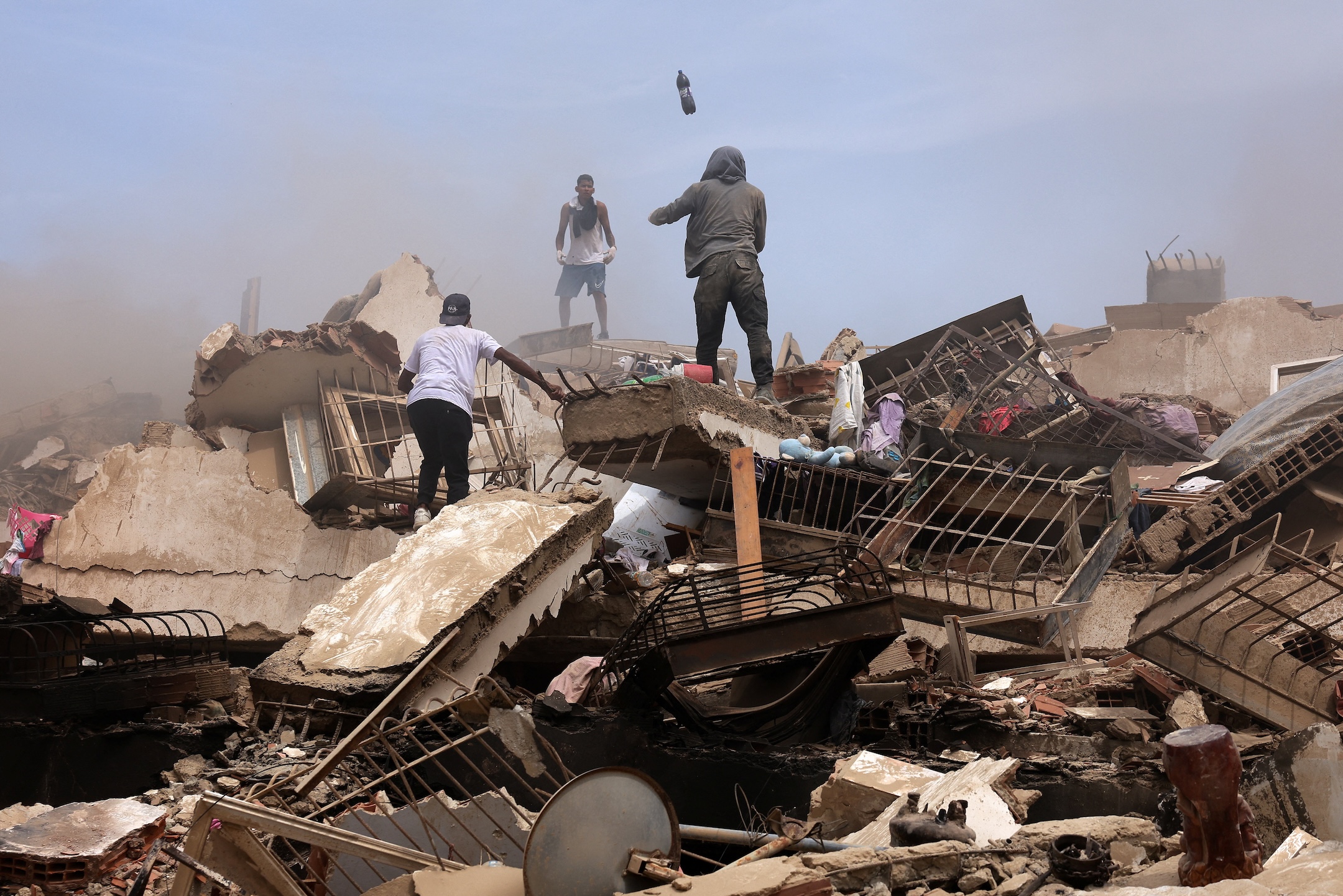
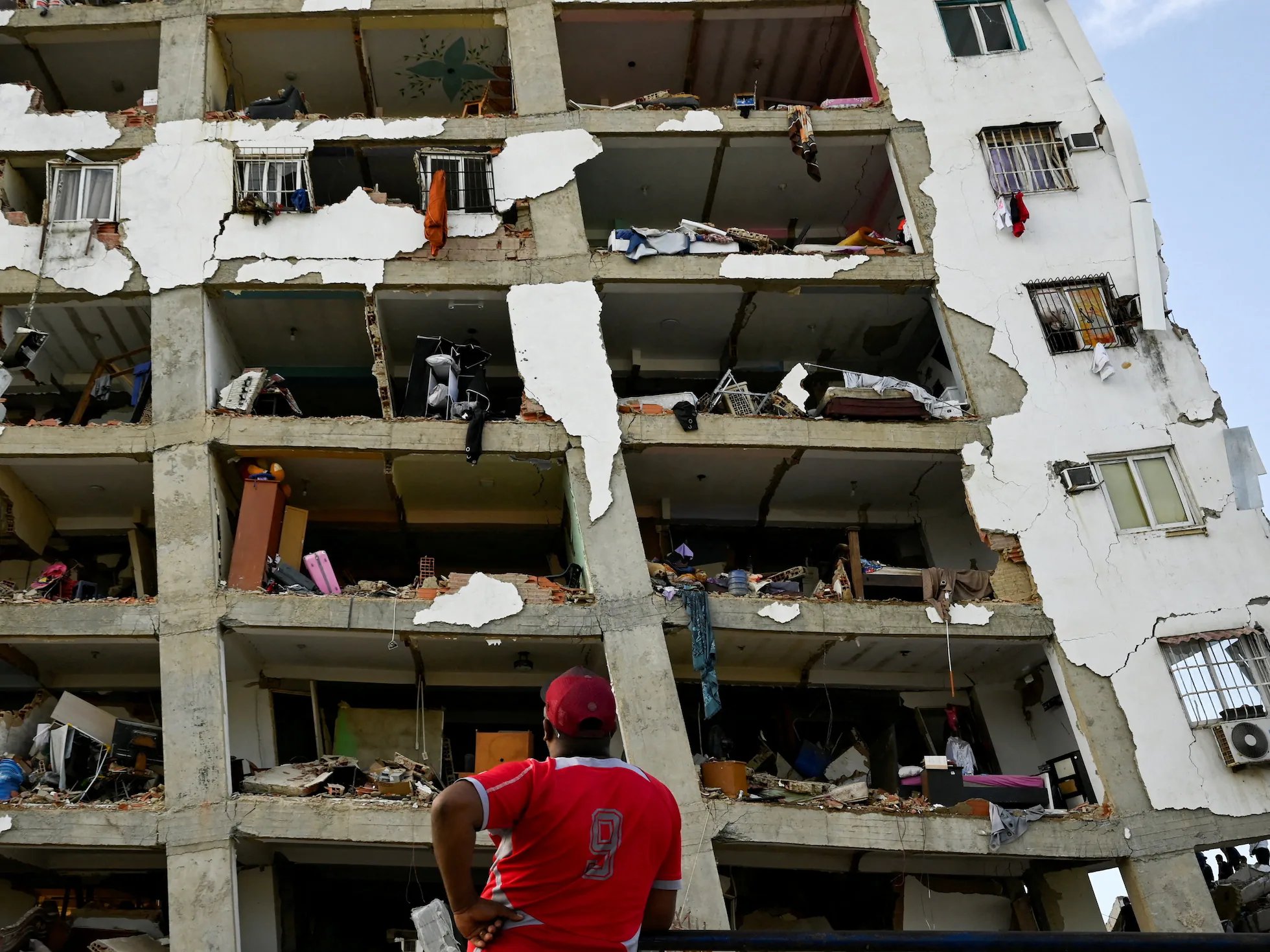
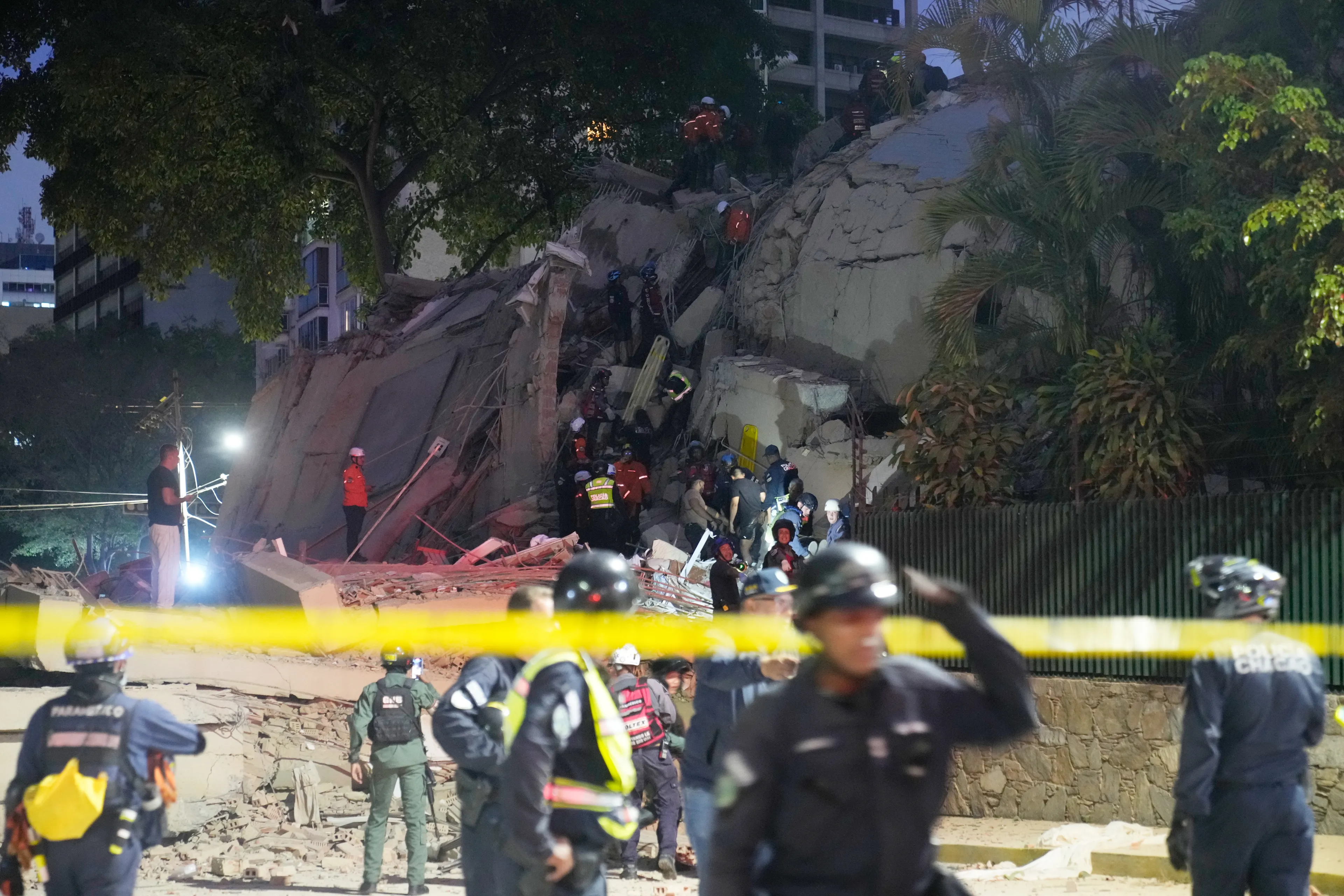
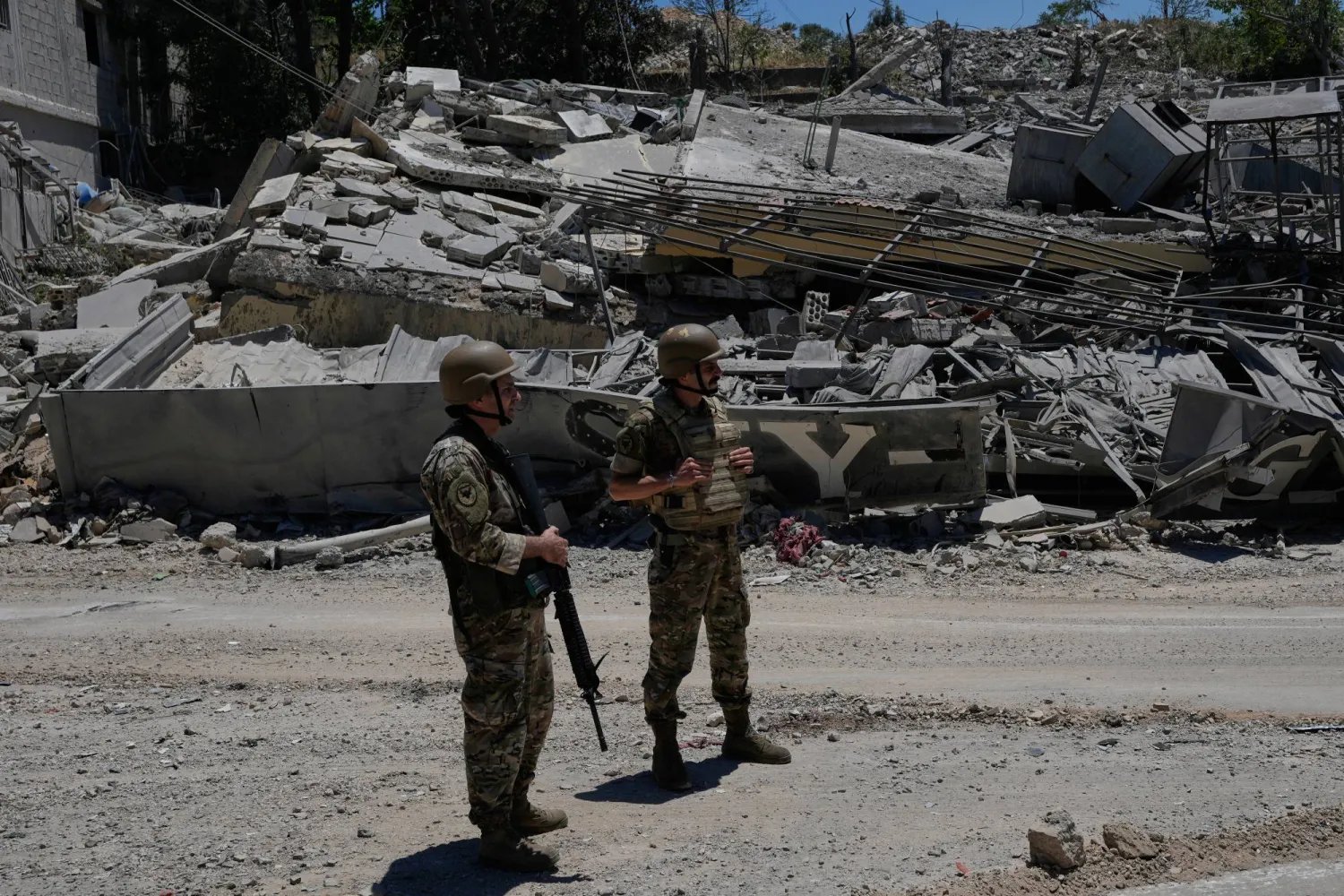
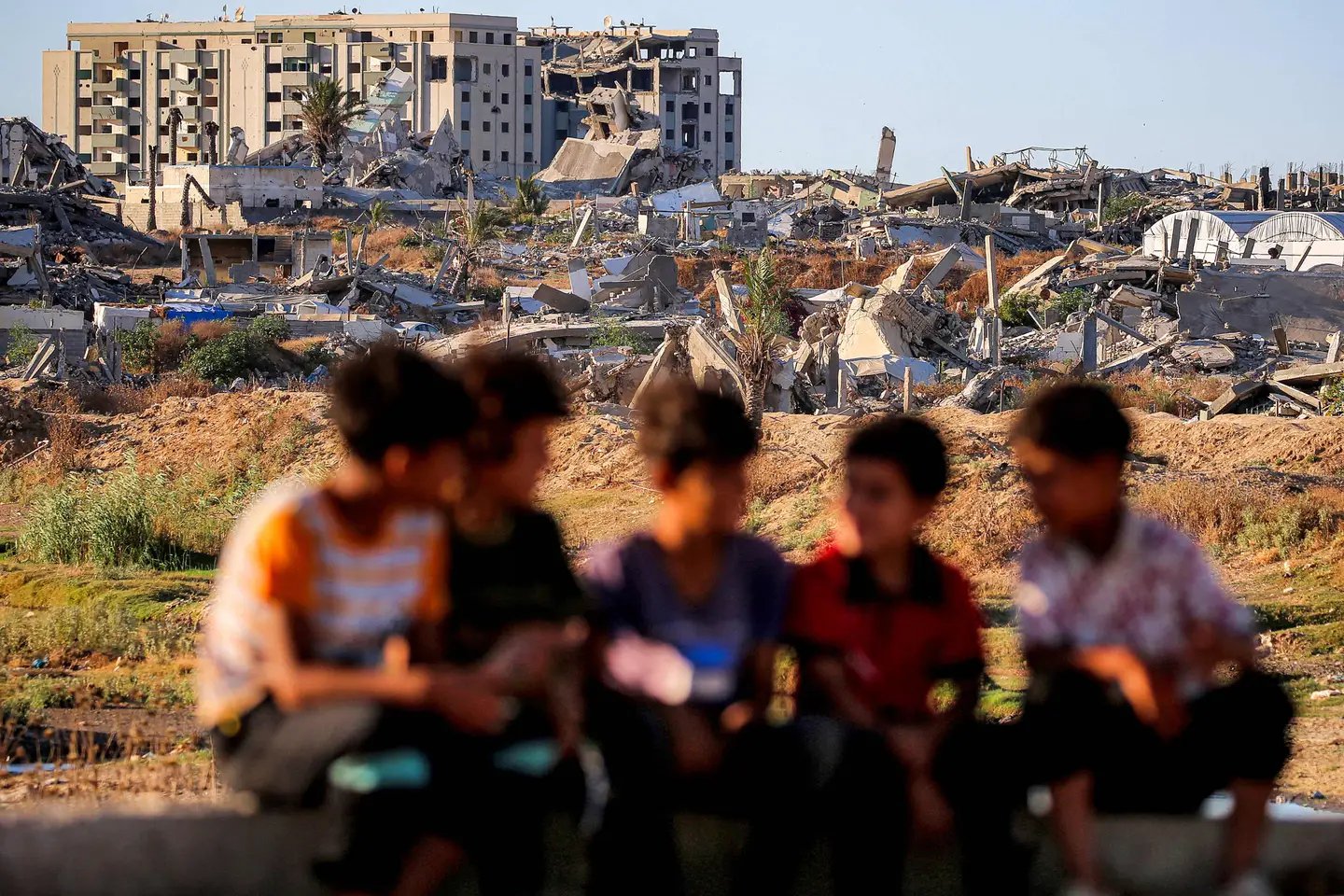
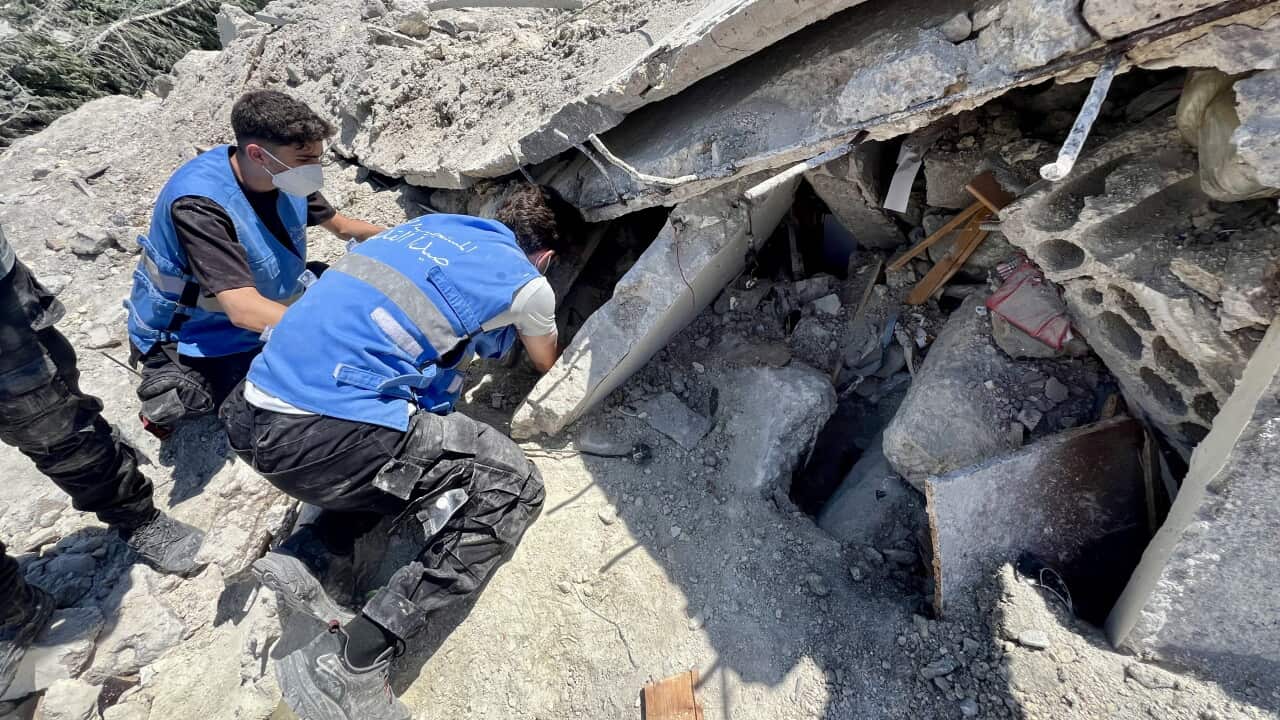
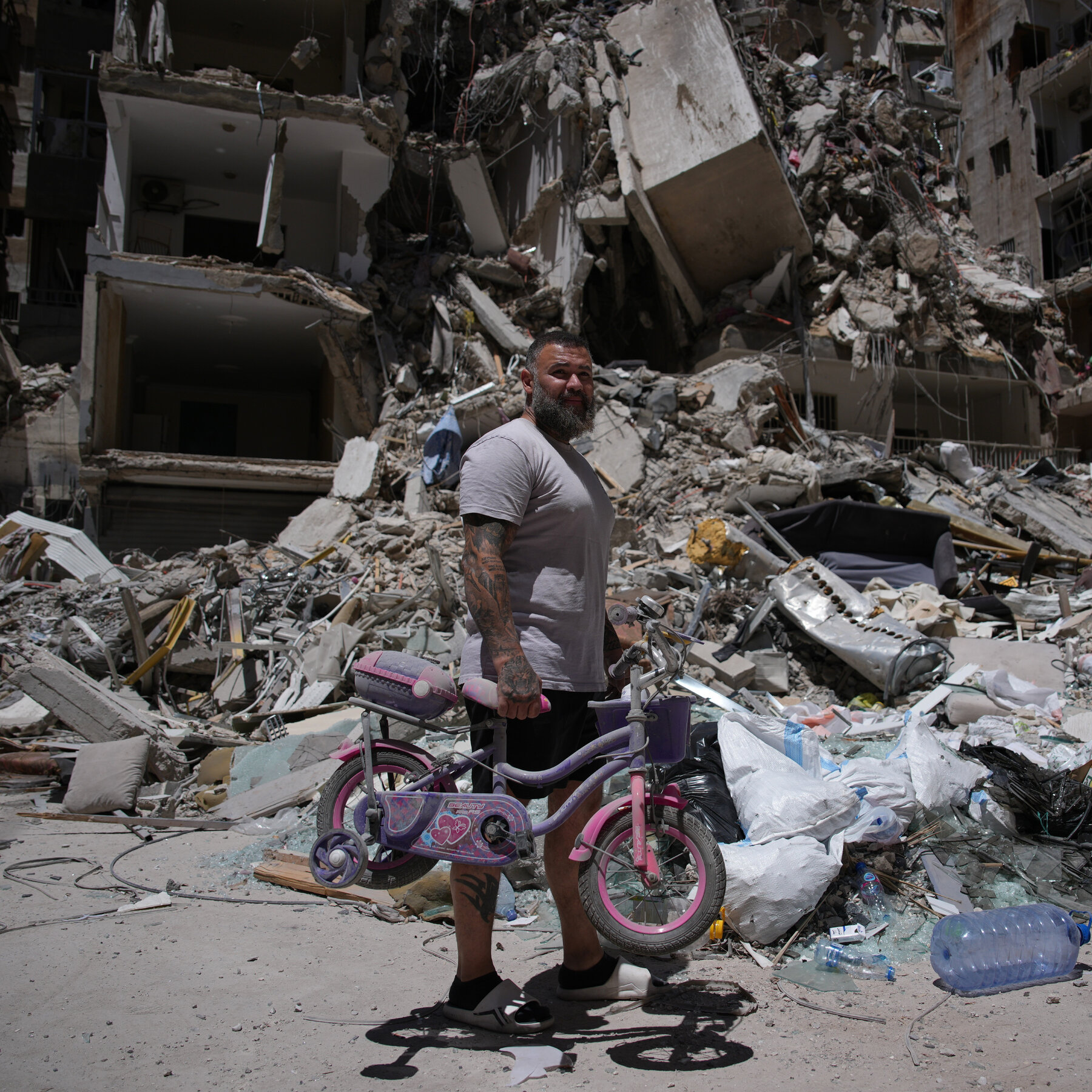
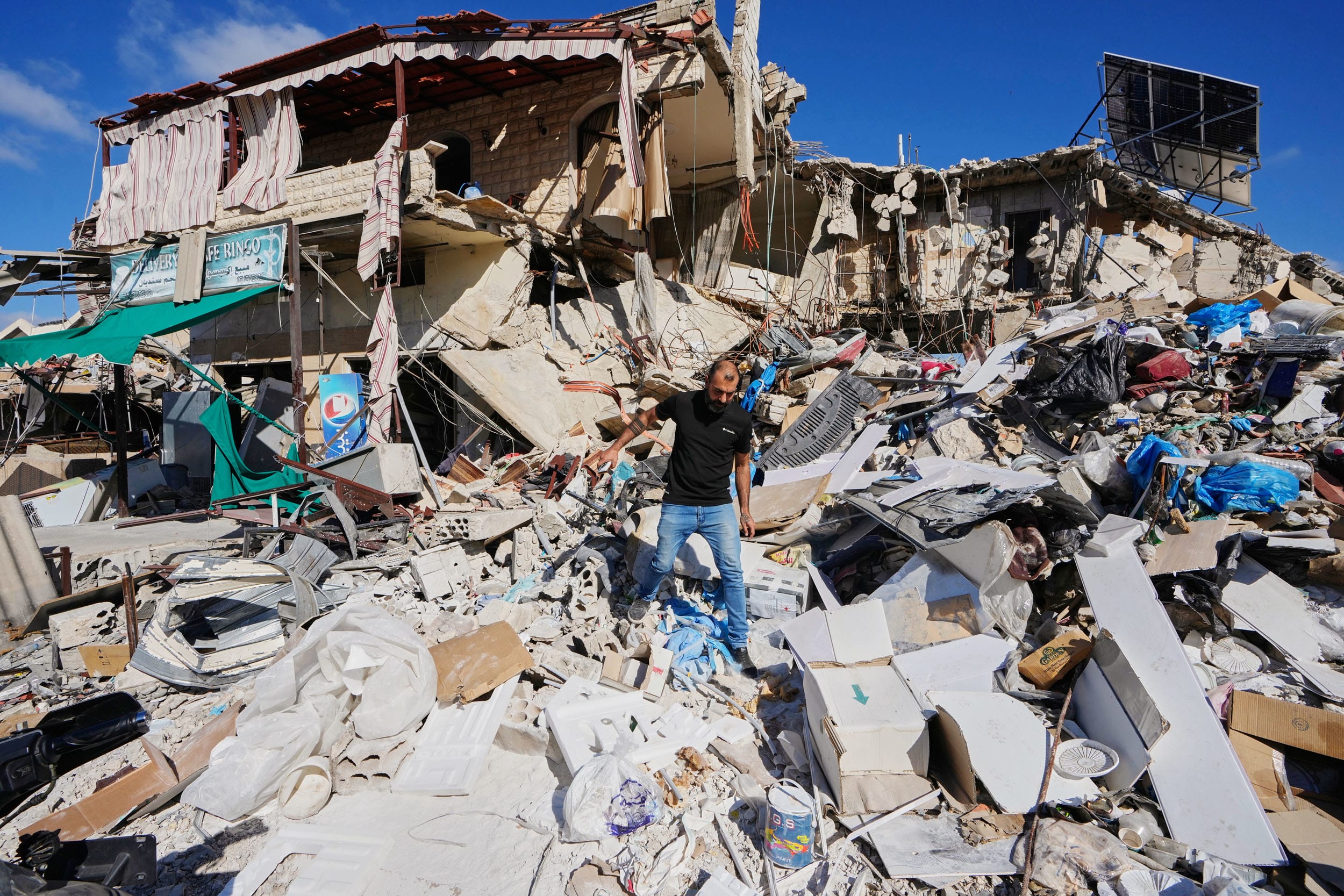
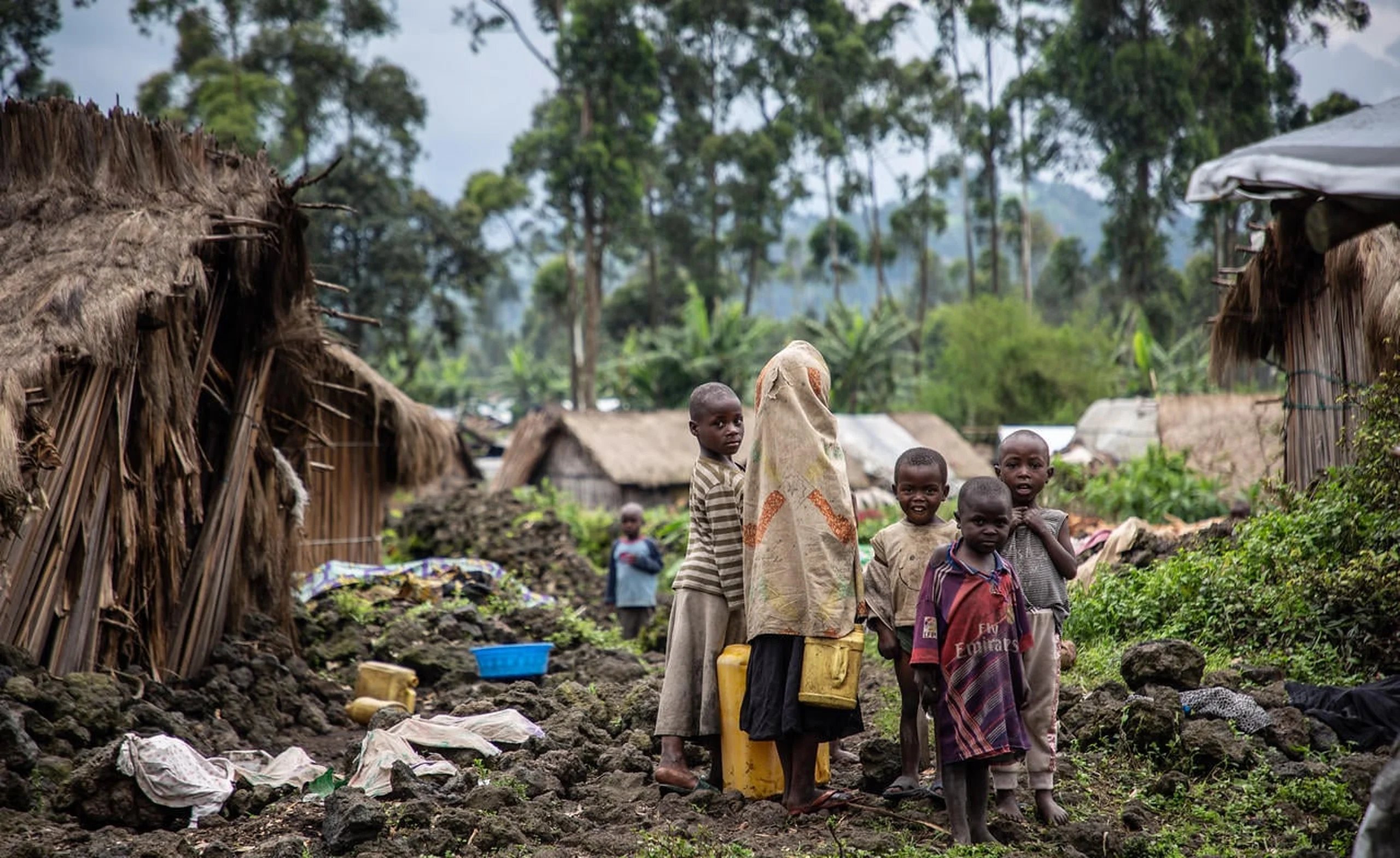
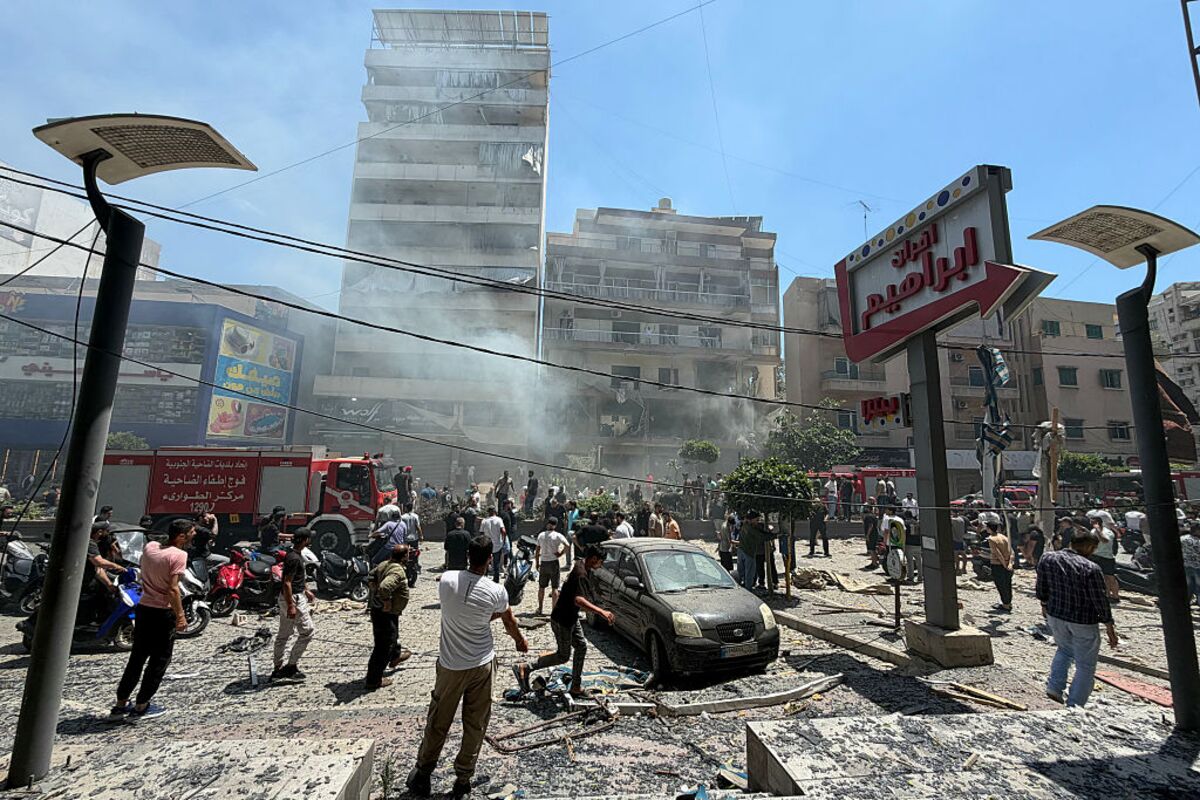
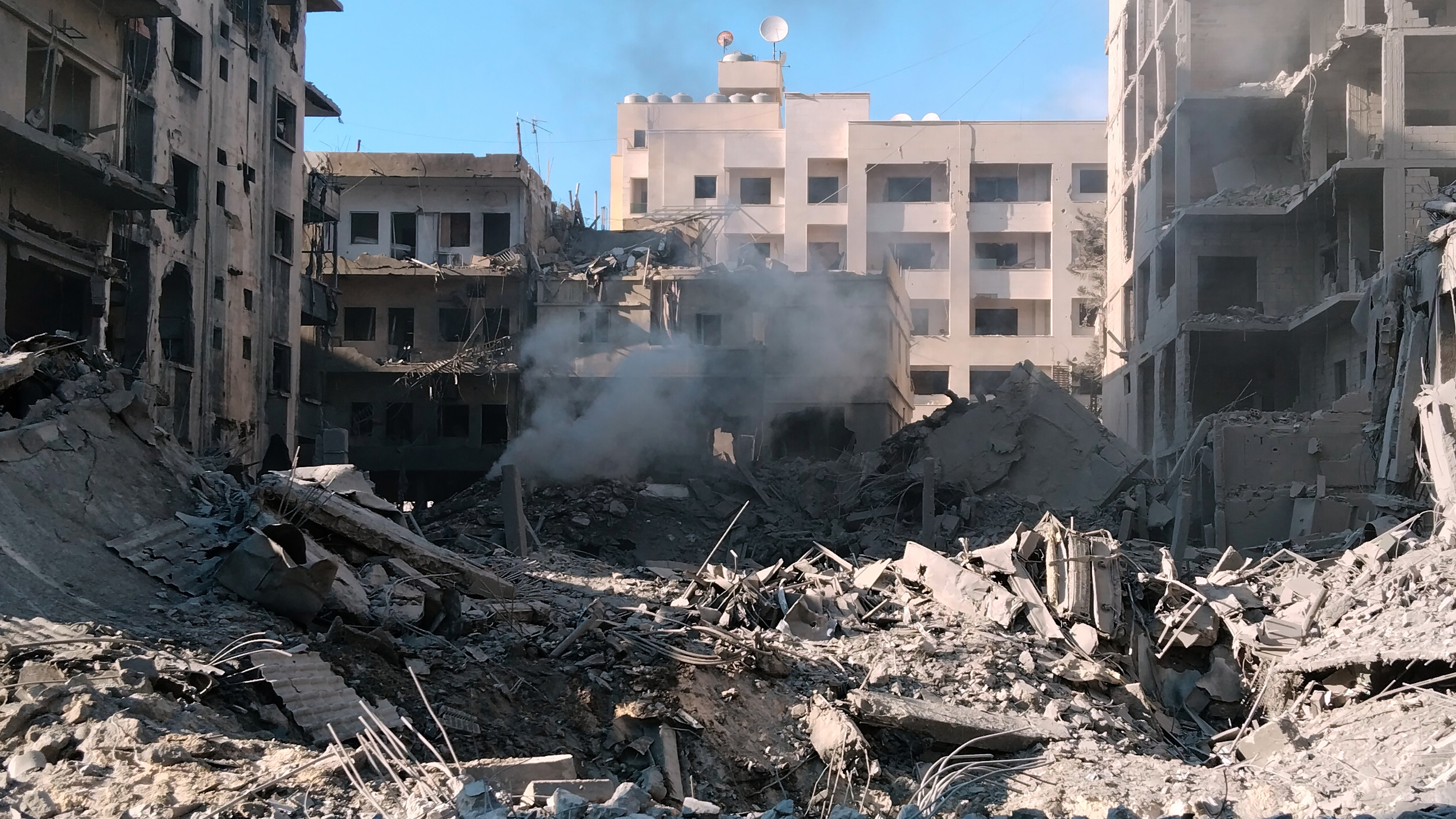
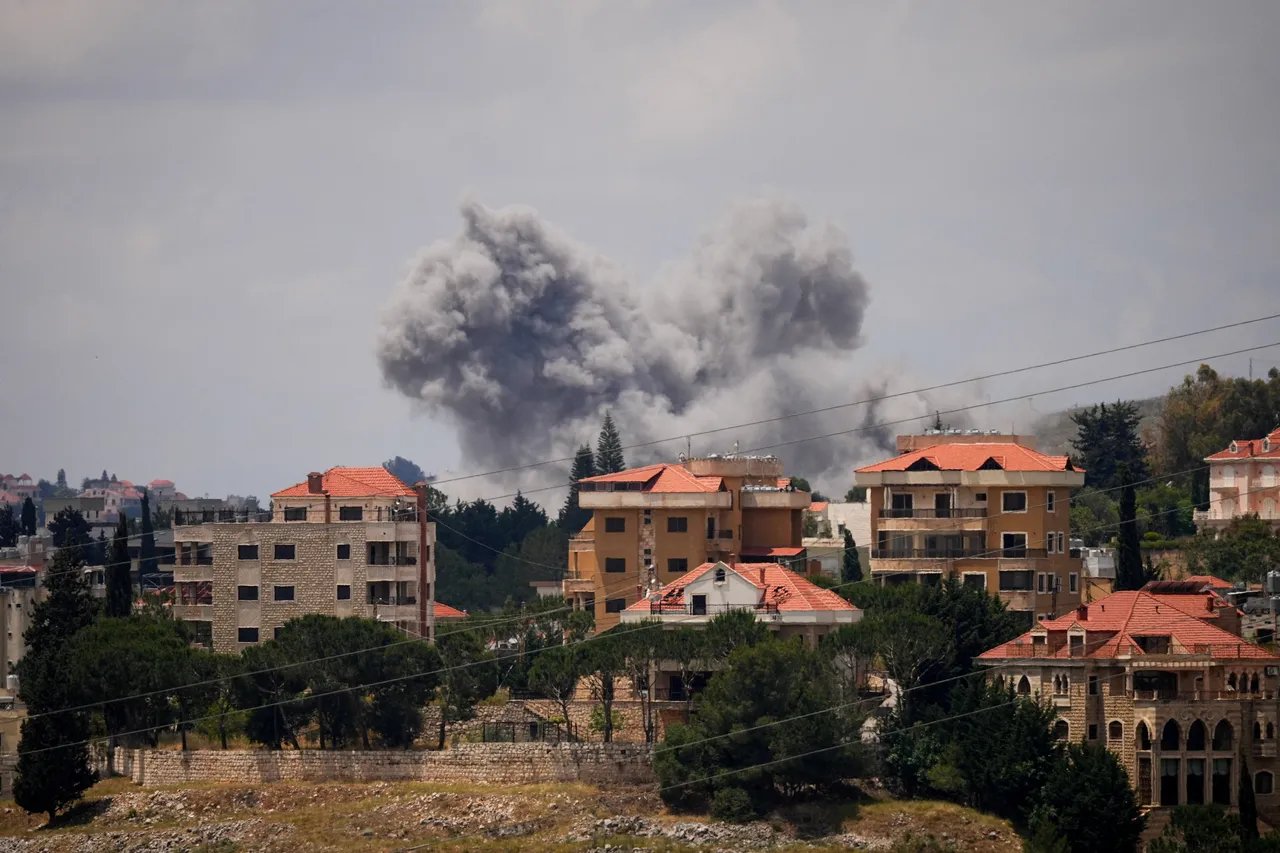
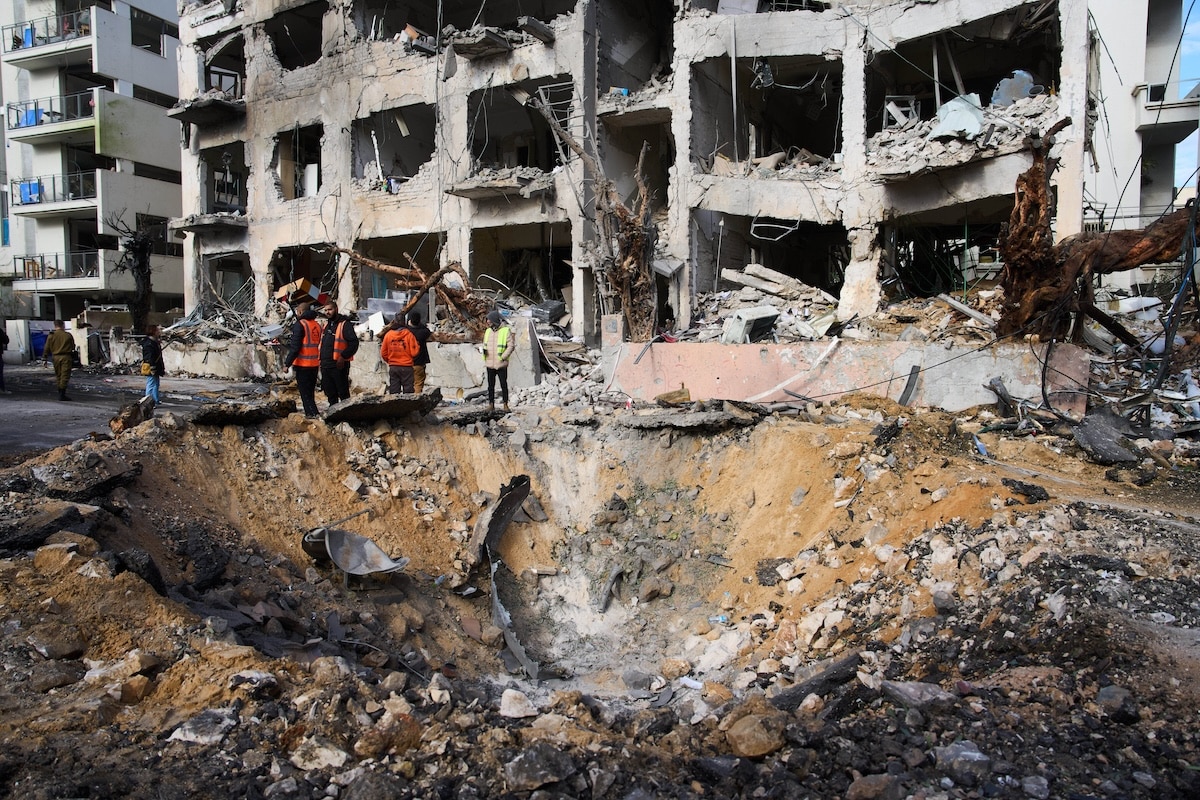
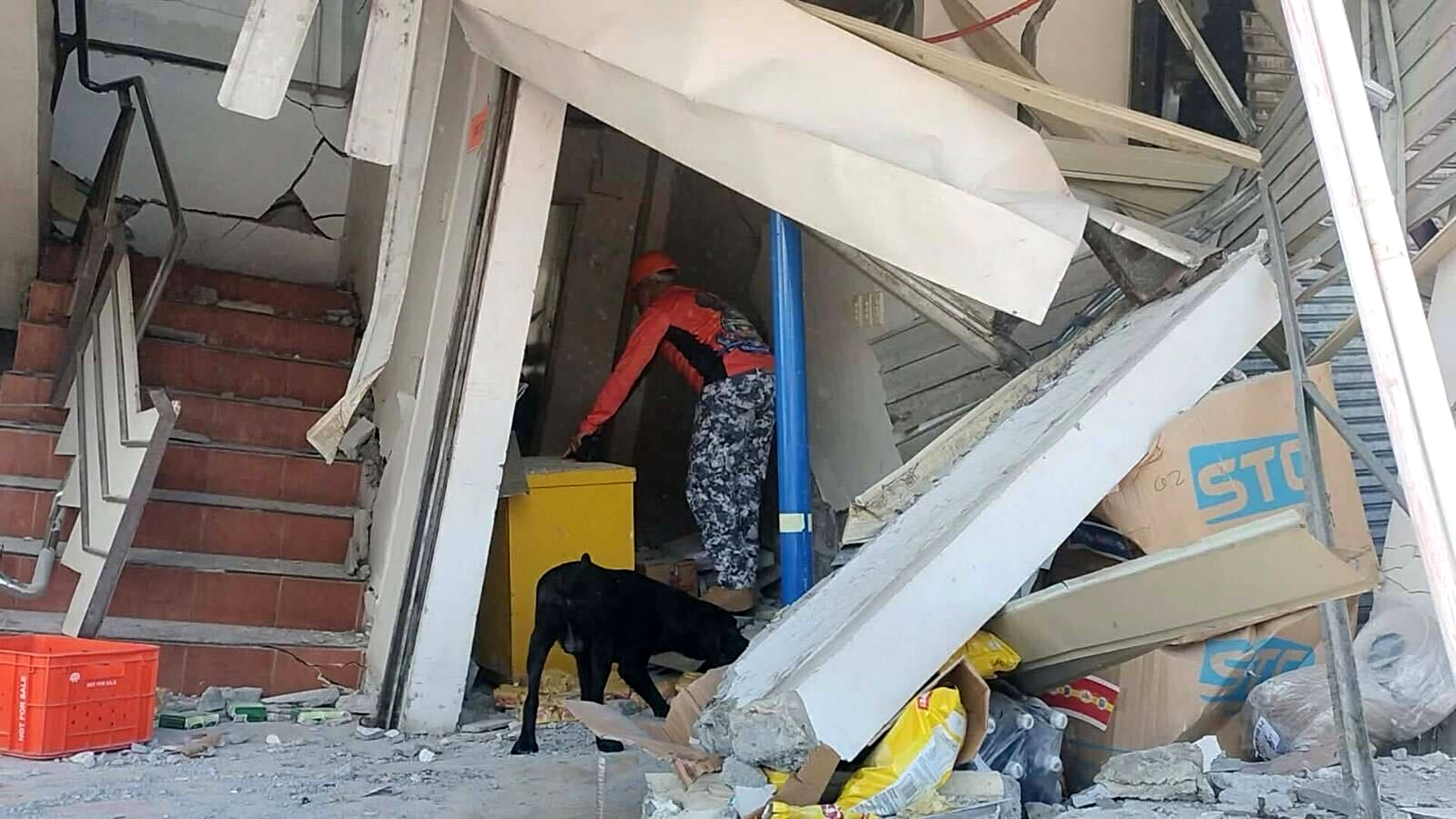
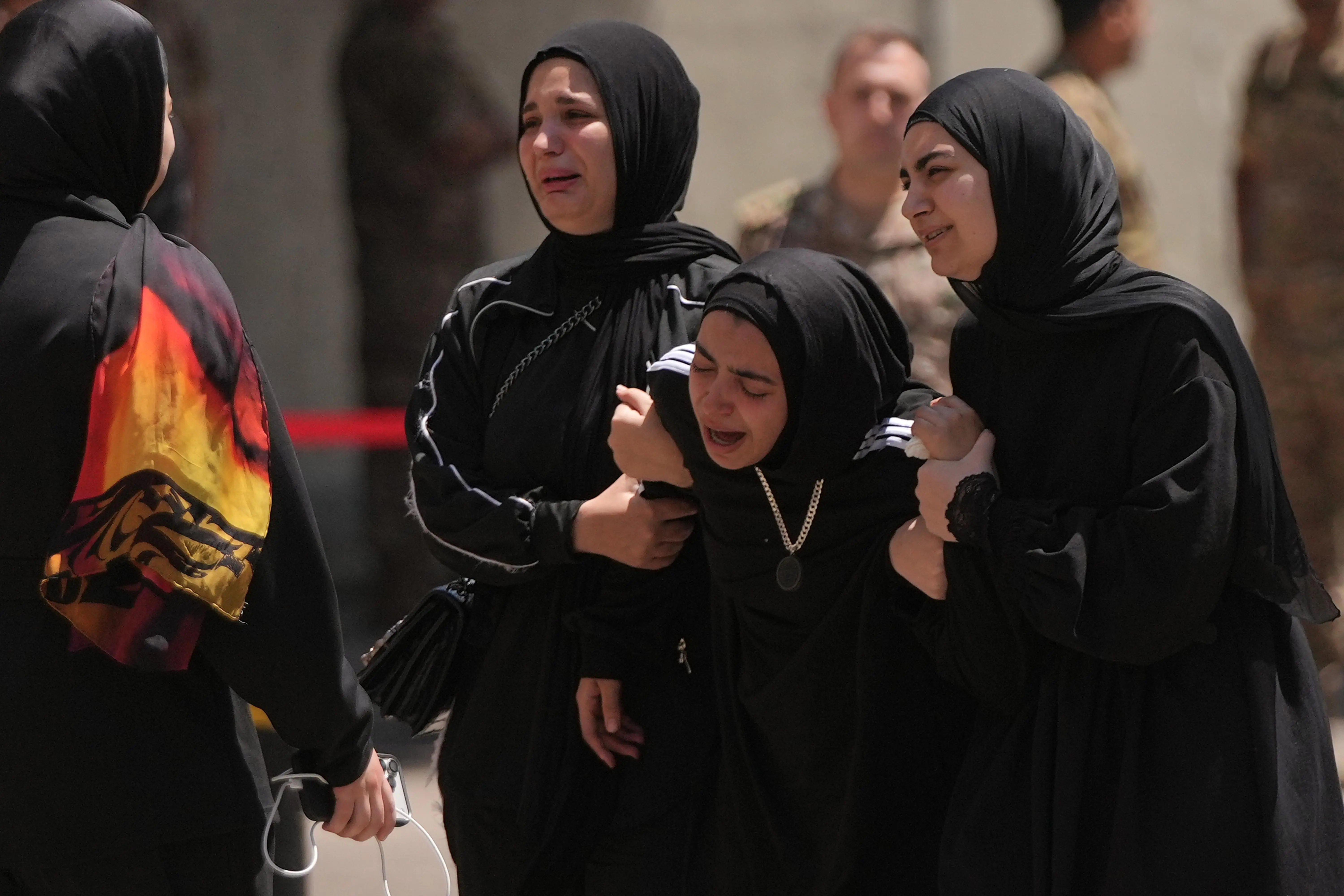
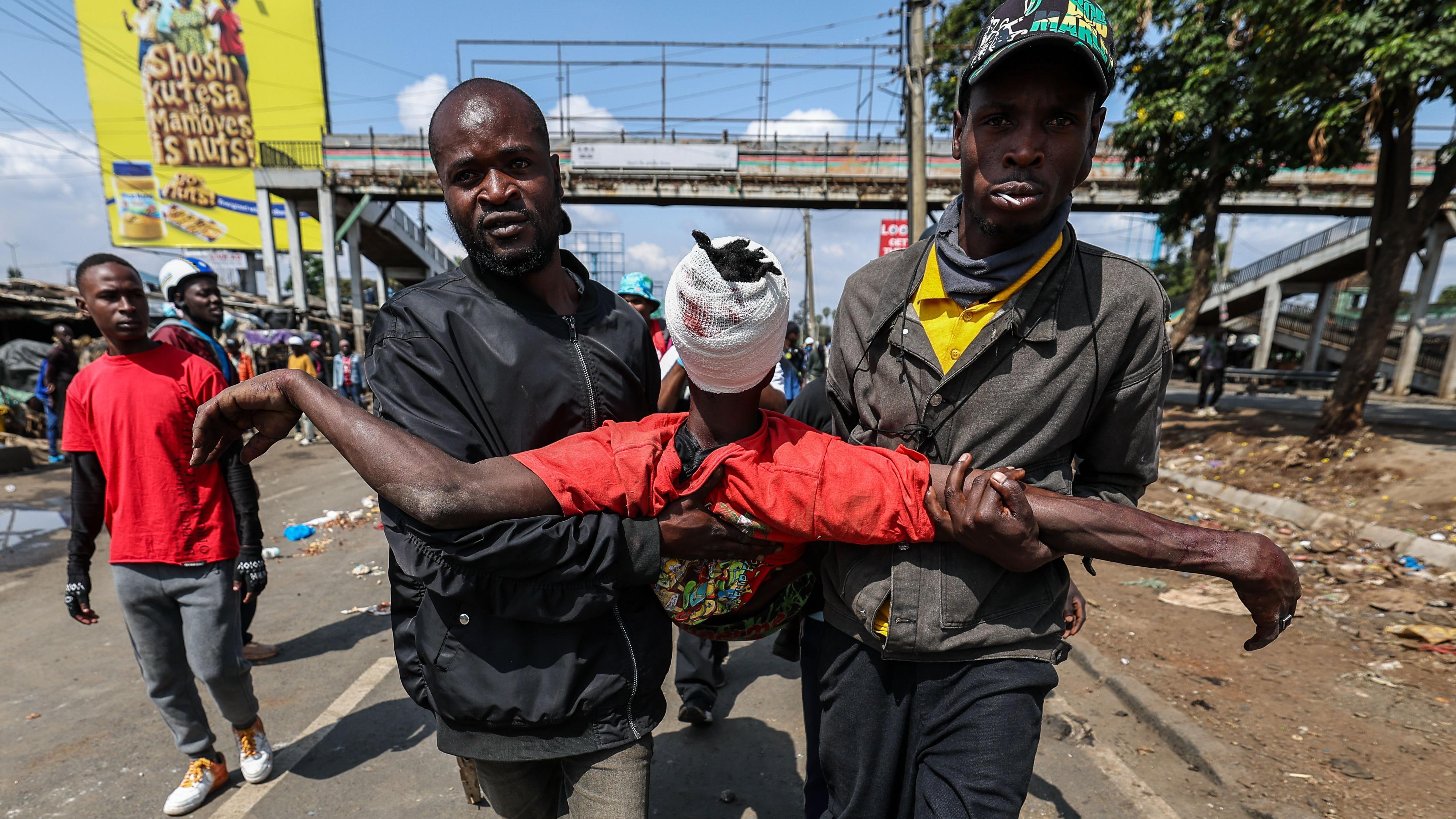
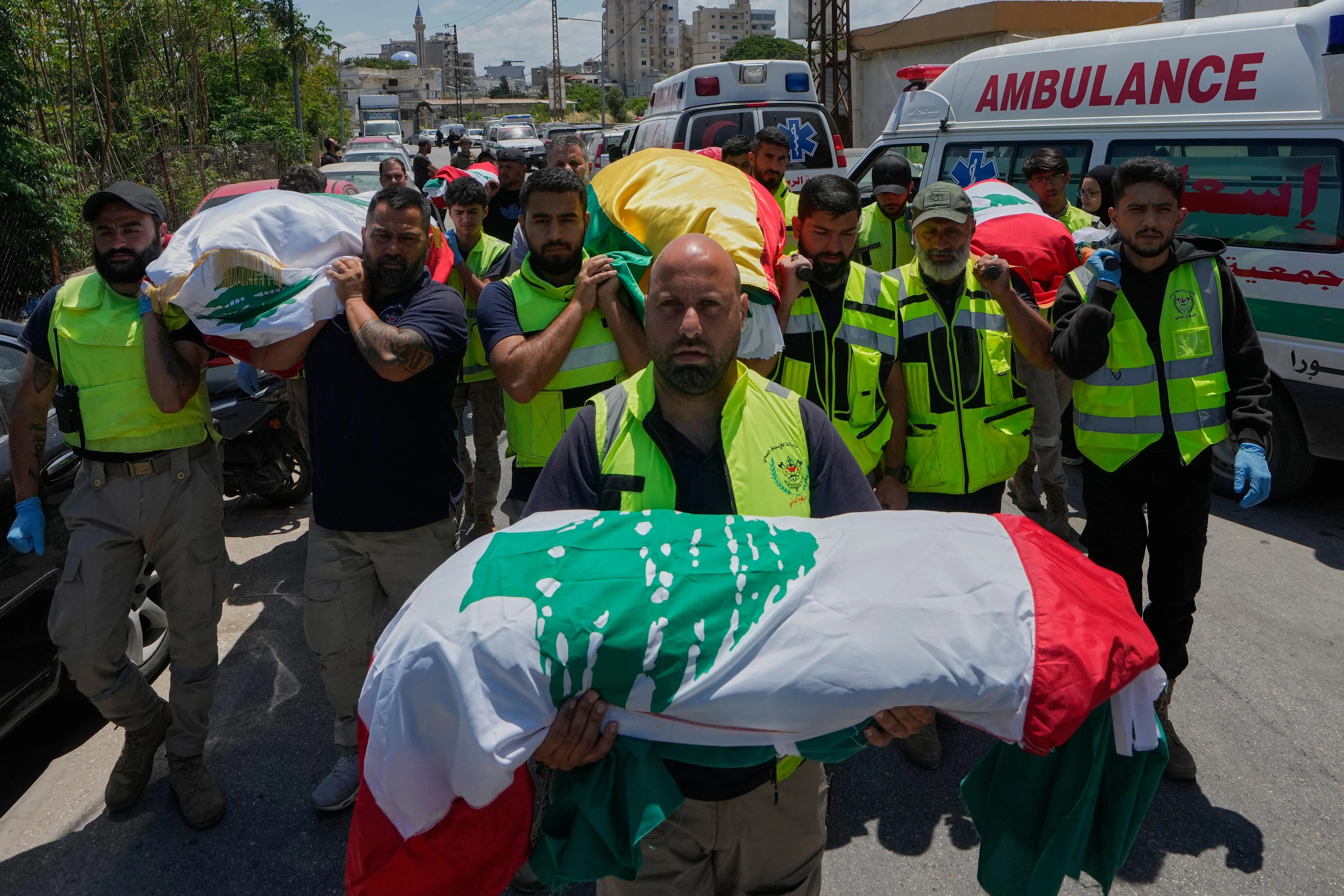
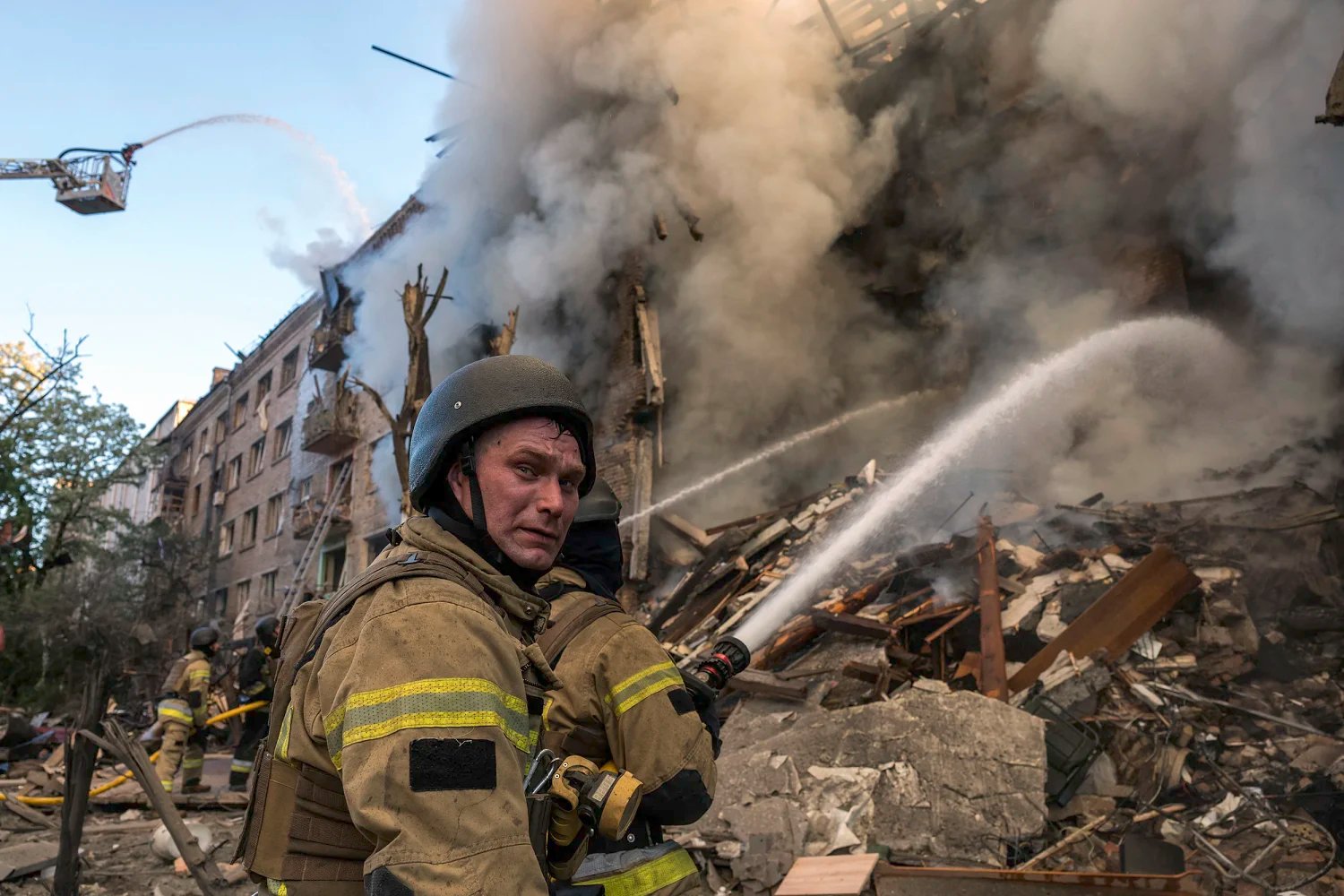
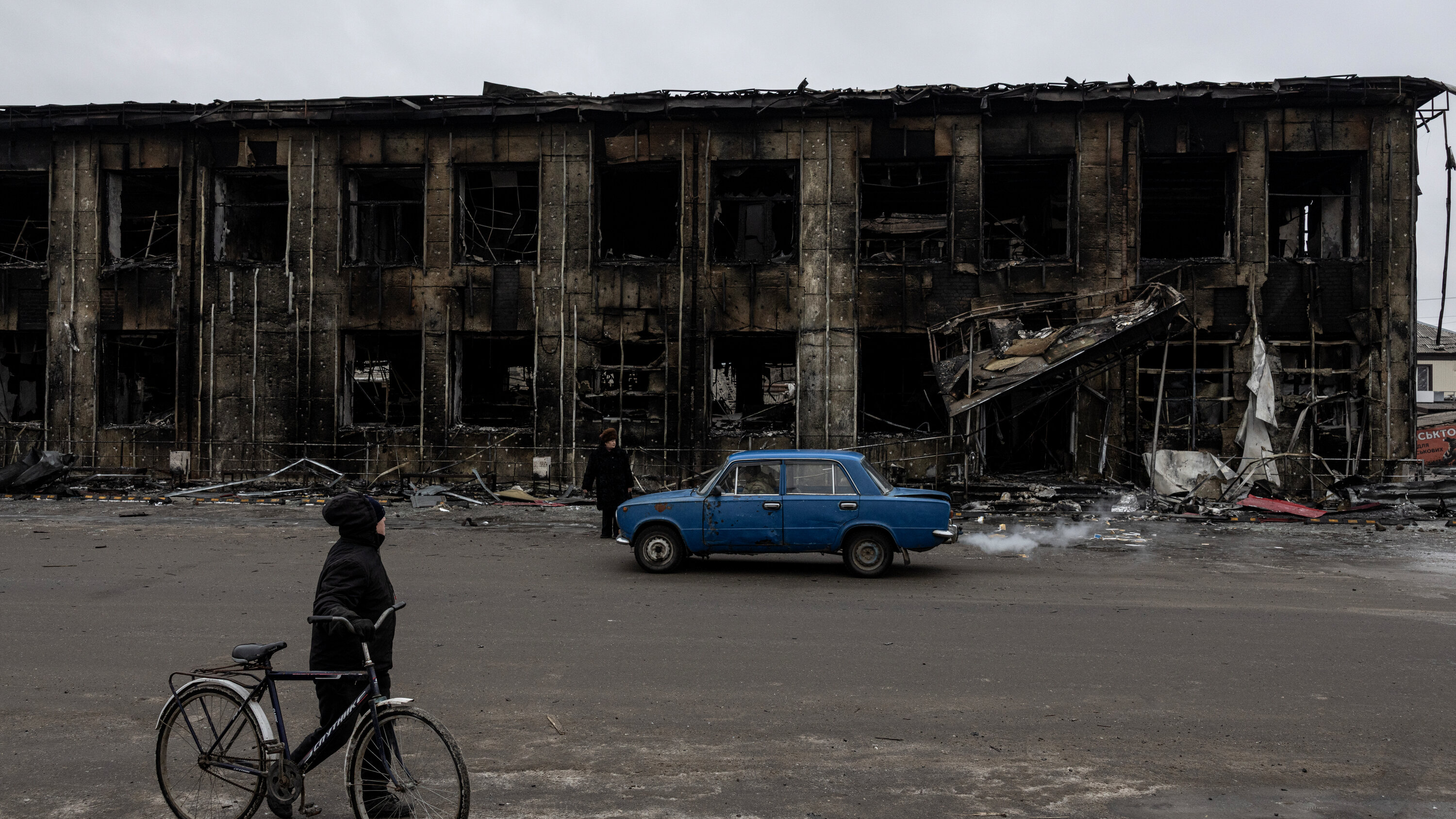
The Israeli airstrikes in Lebanon resulted in significant civilian casualties, with reports indicating at least eight deaths and over 30 injuries in Tyre, southern Lebanon. The Israeli military had urged residents to evacuate, highlighting the immediate impact of this conflict on civilian populations. The ongoing violence has raised concerns regarding the humanitarian situation in the region, where many civilians are caught between the warring factions.
Potential Impact on Regional Stability
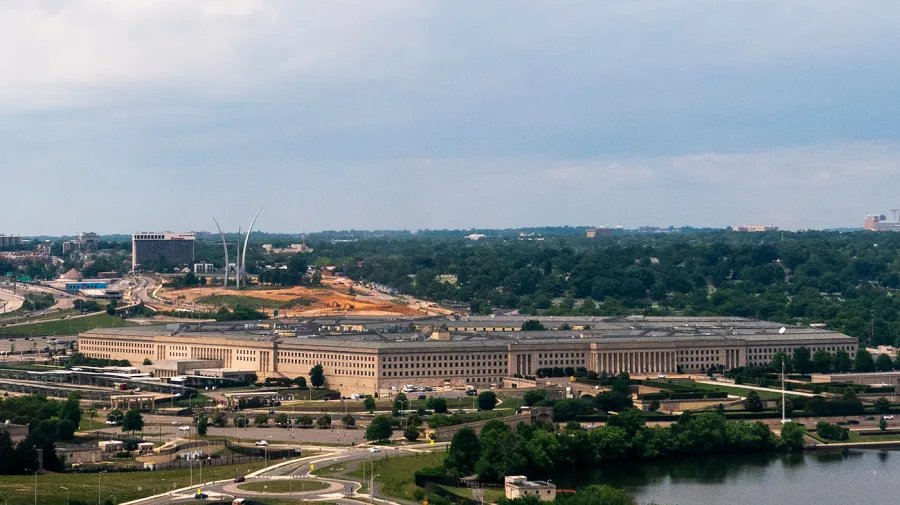
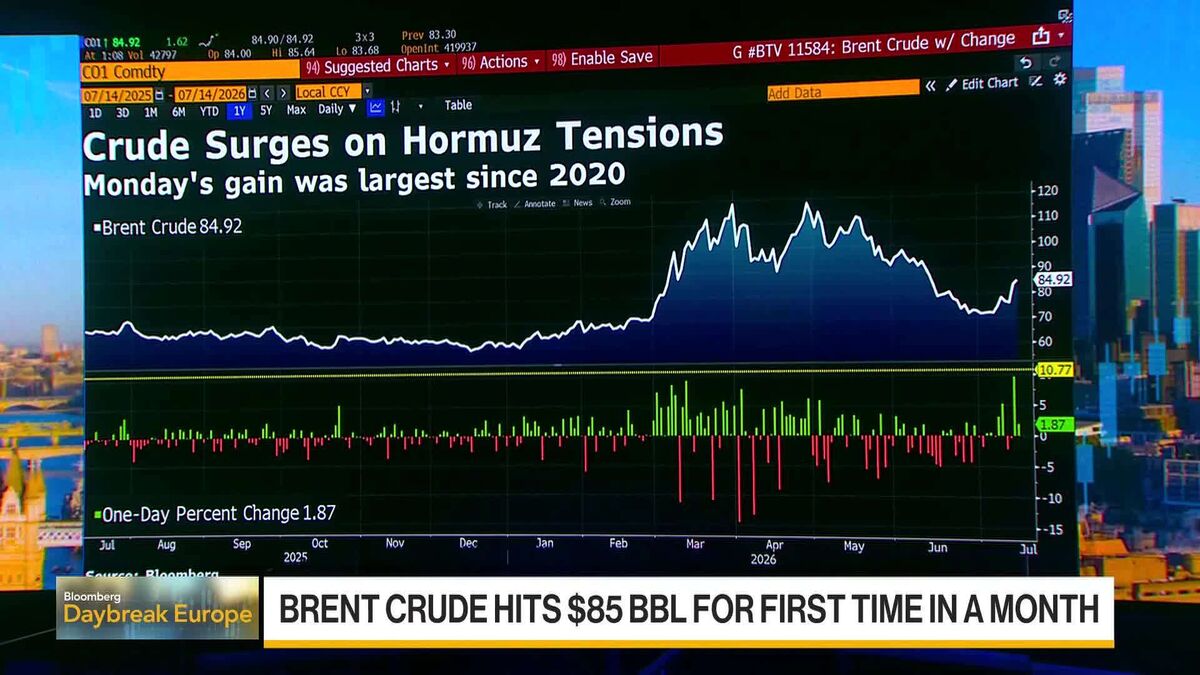
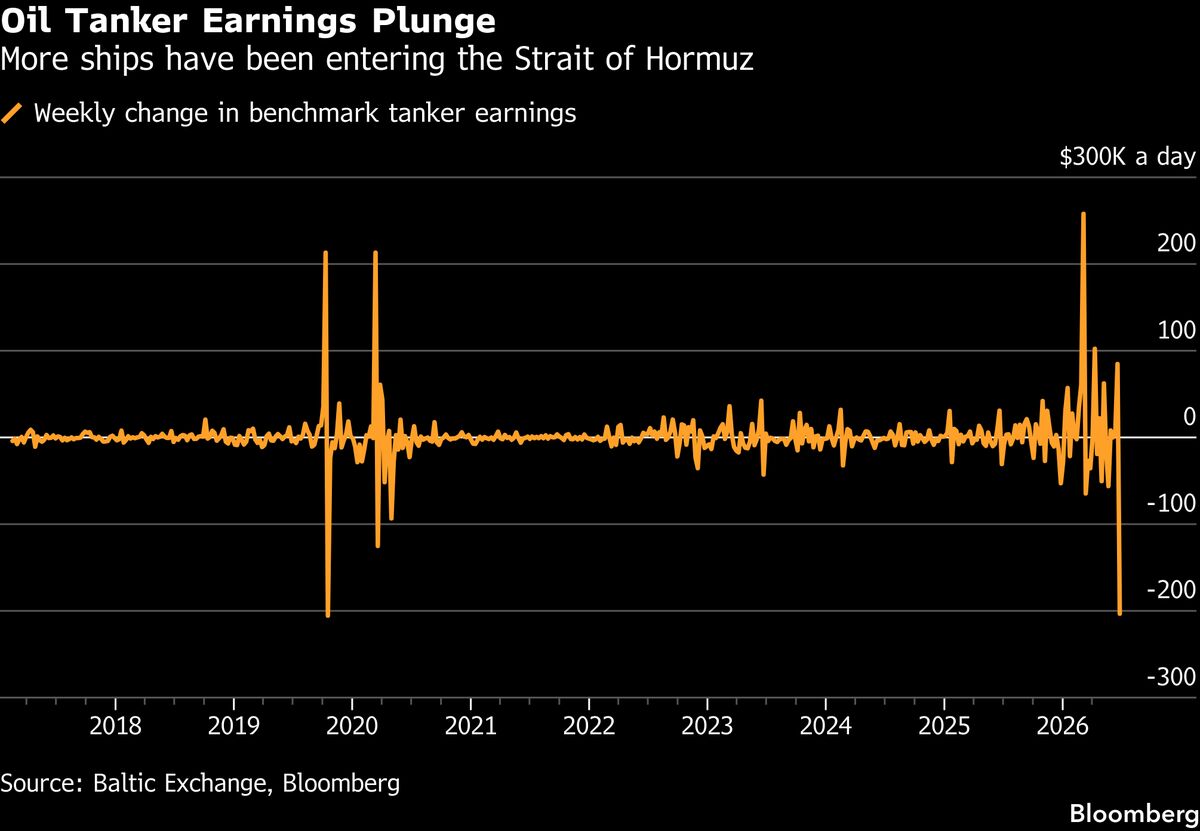
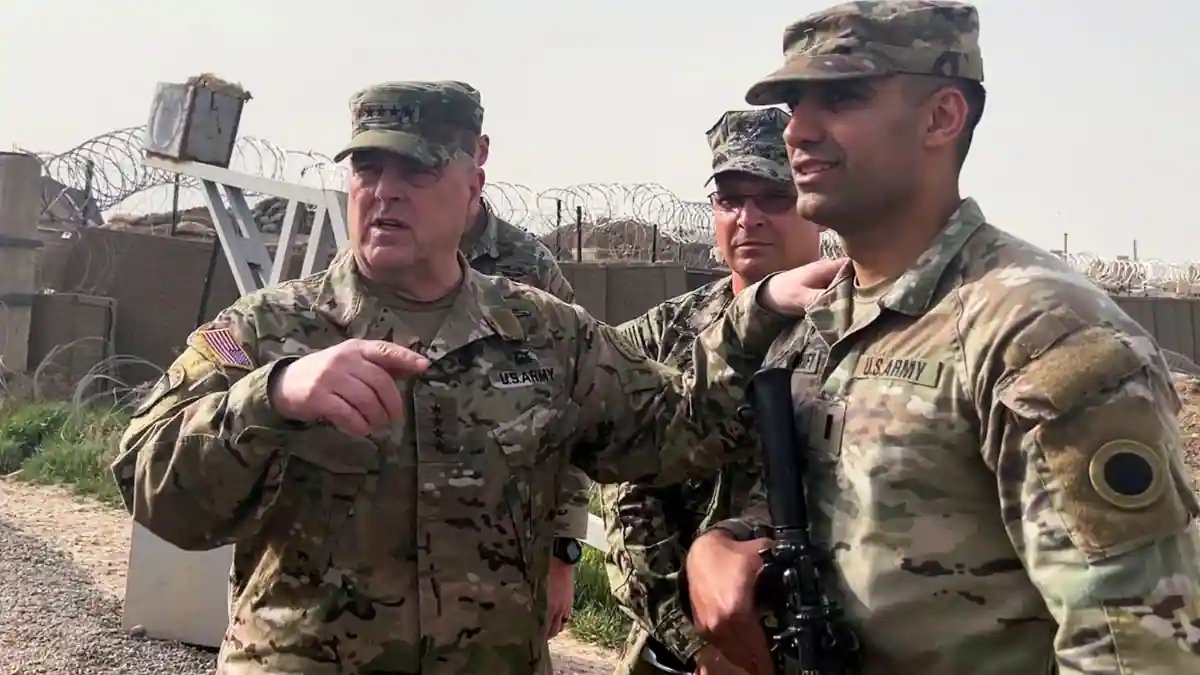
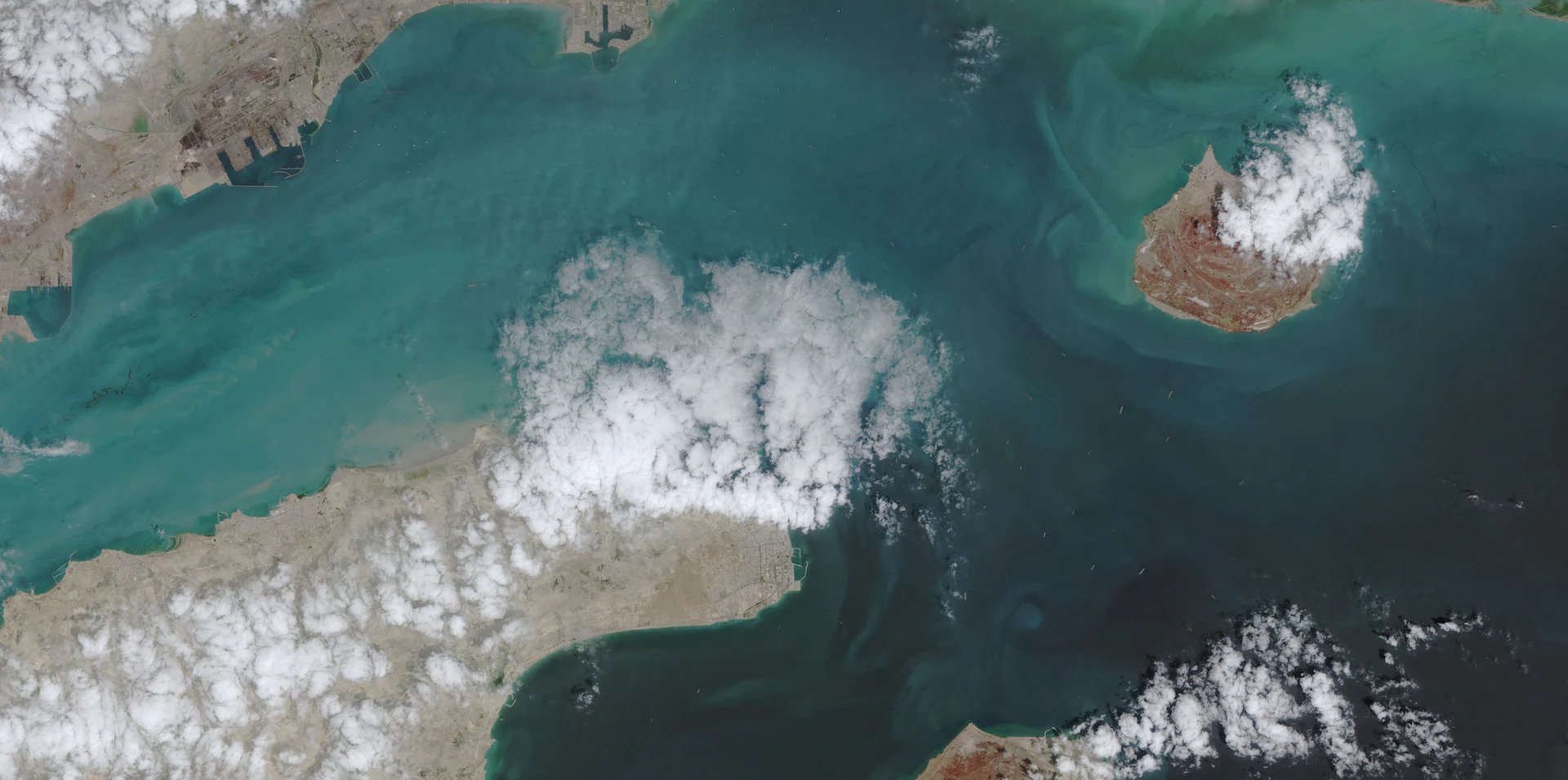
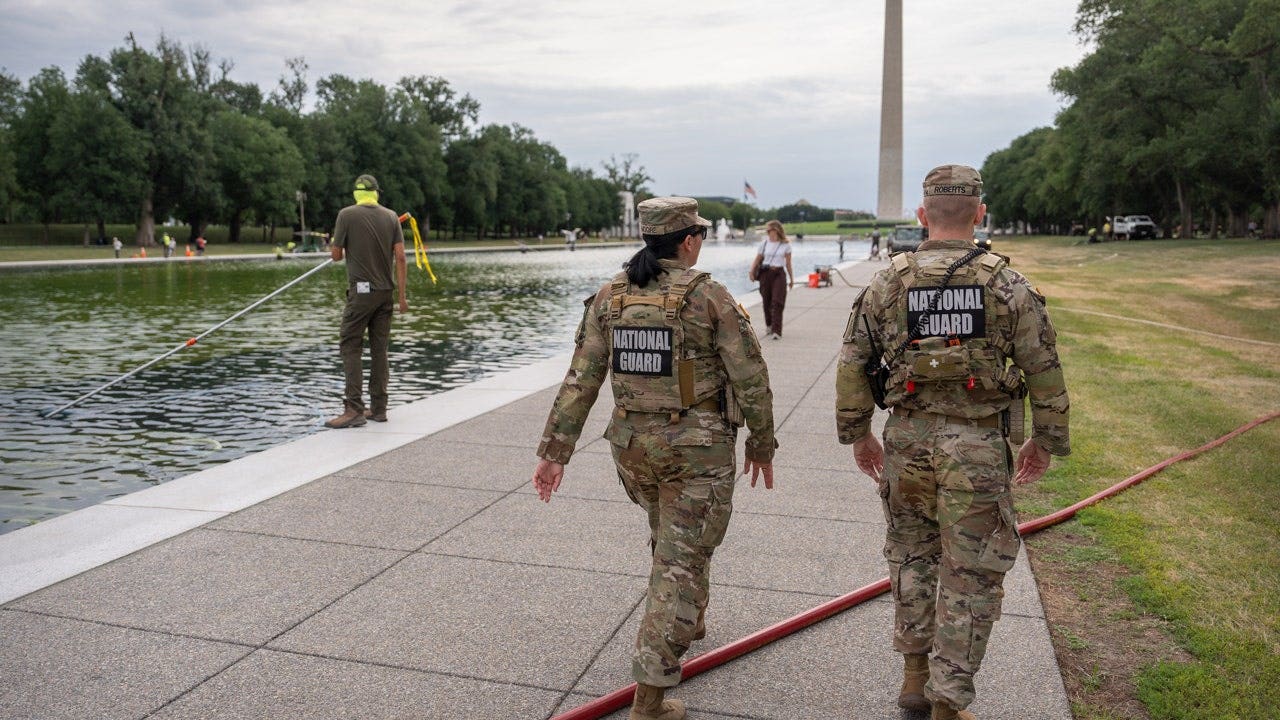
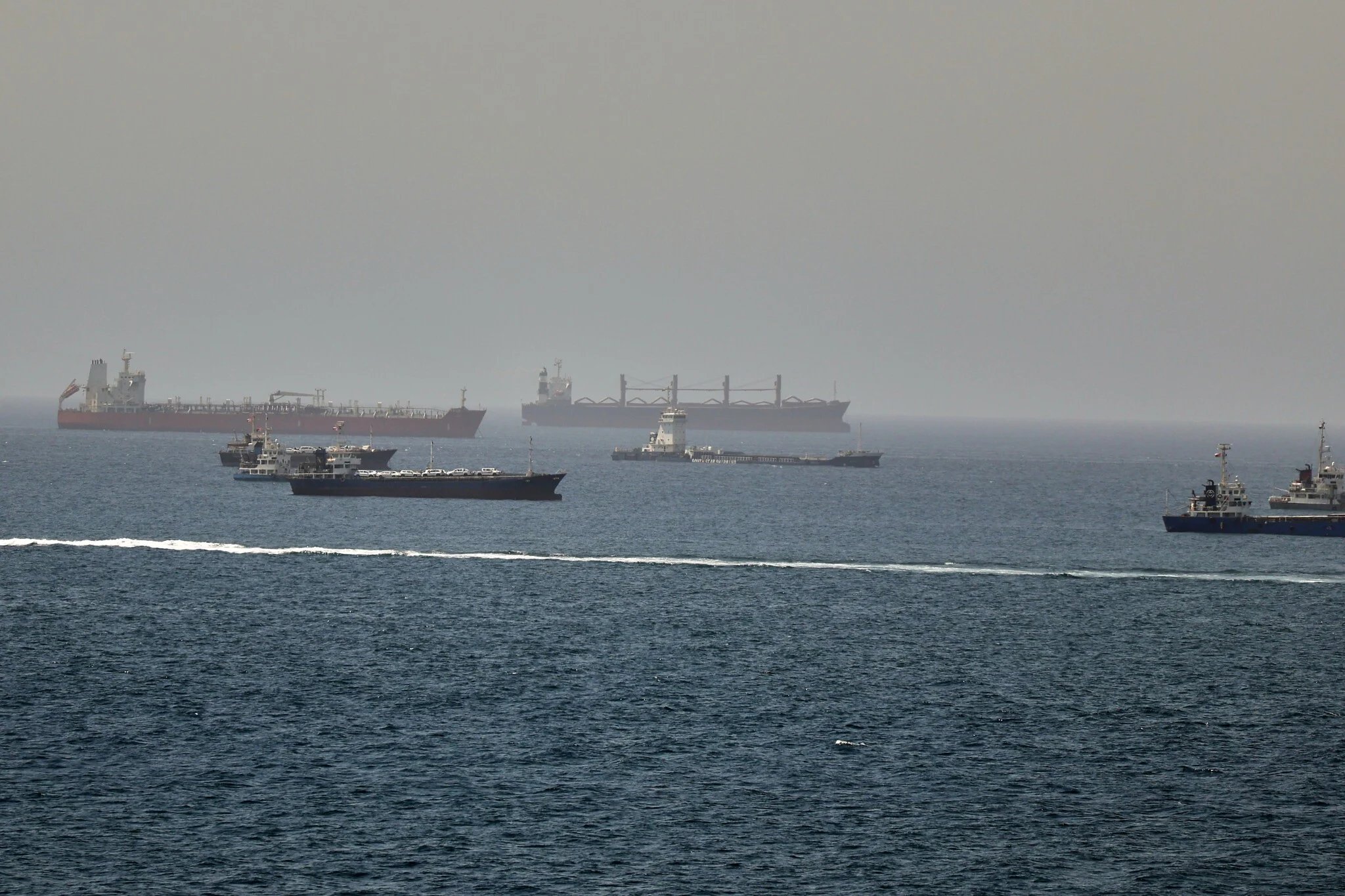
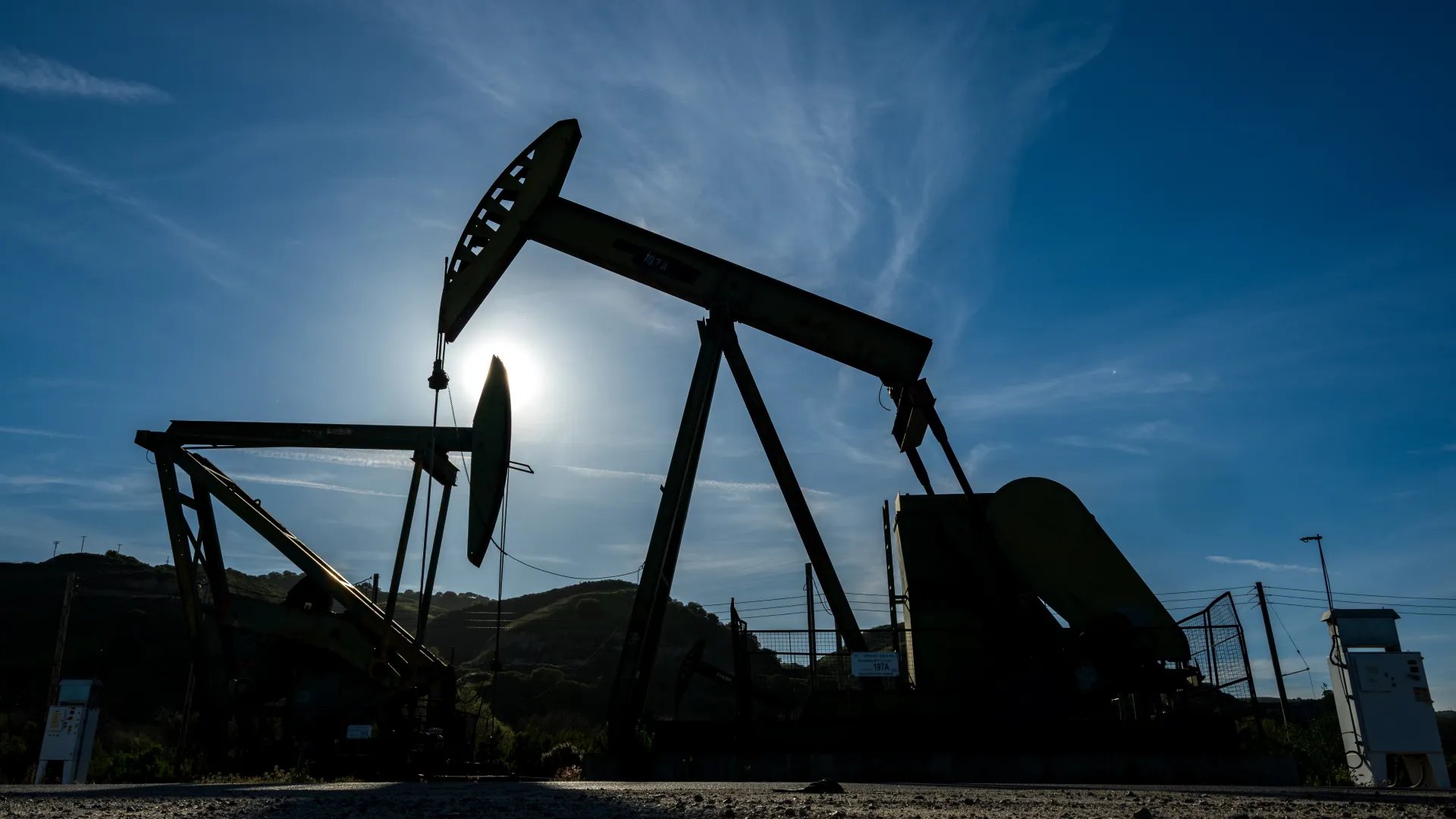
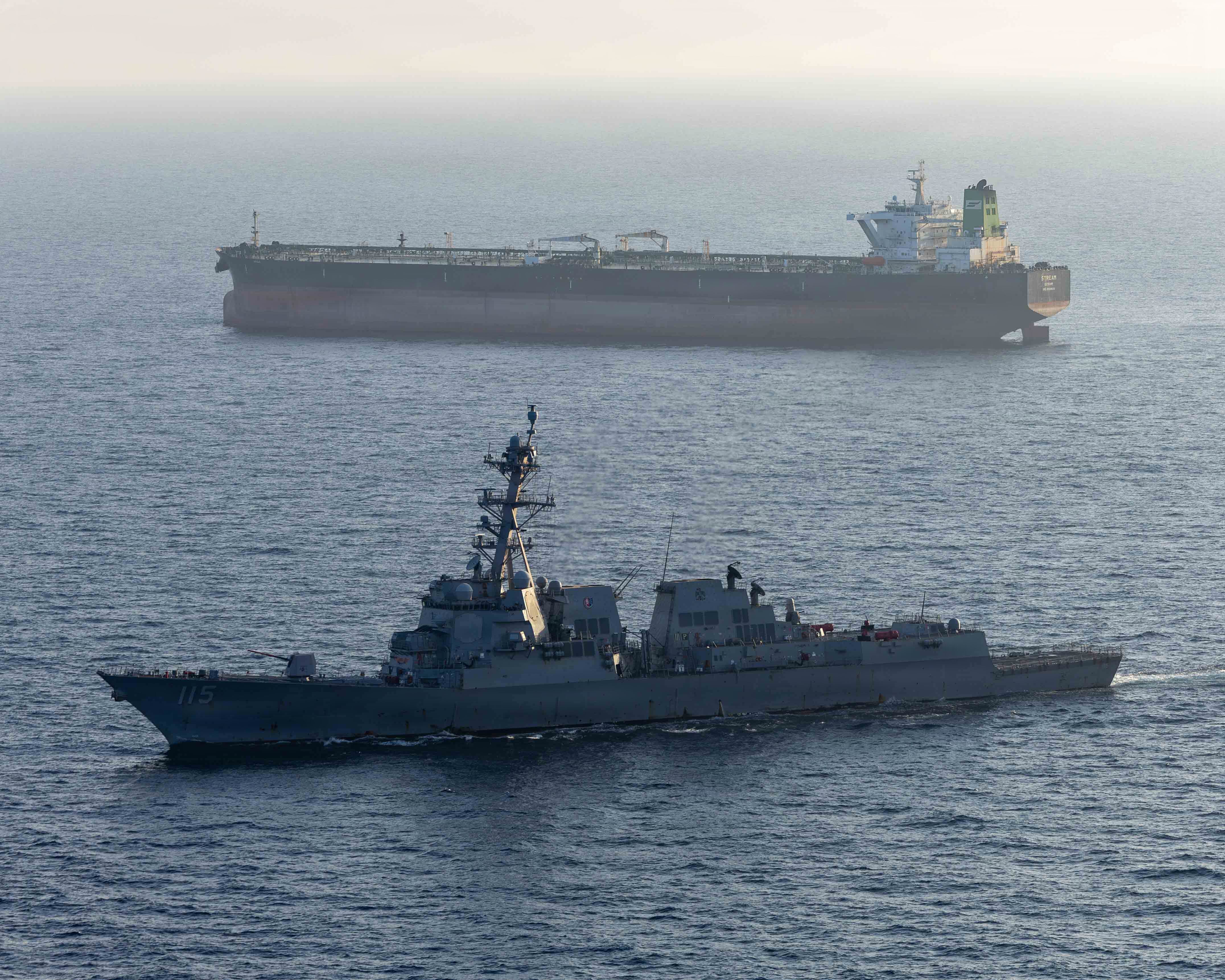
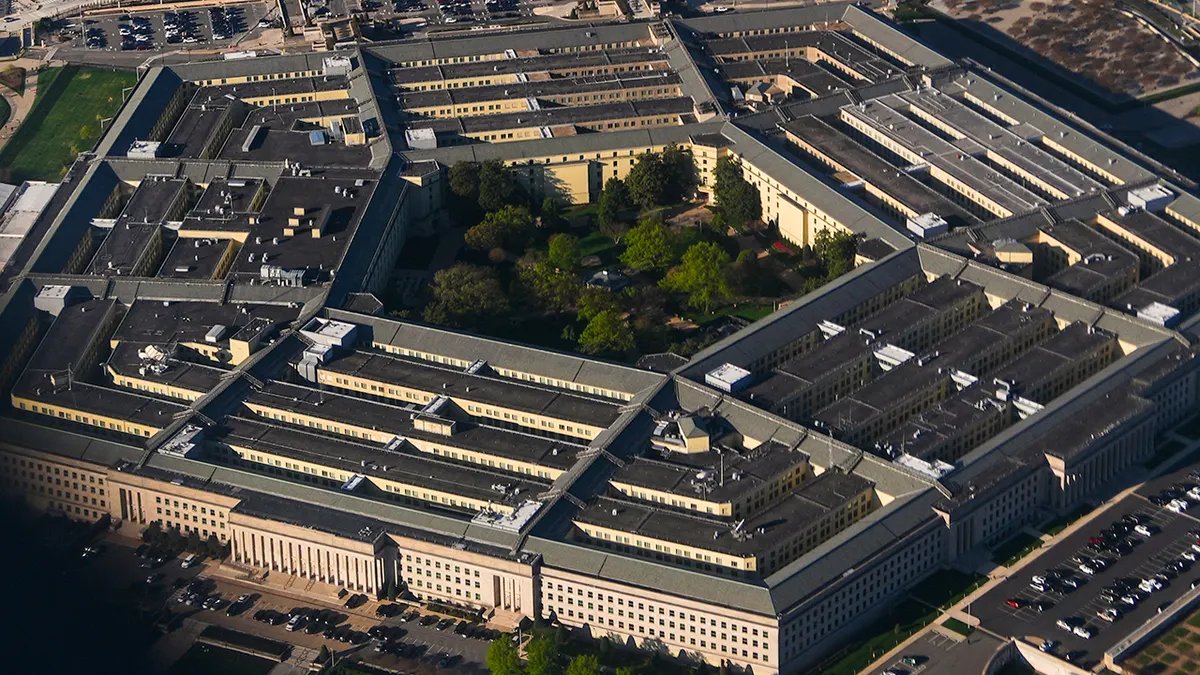
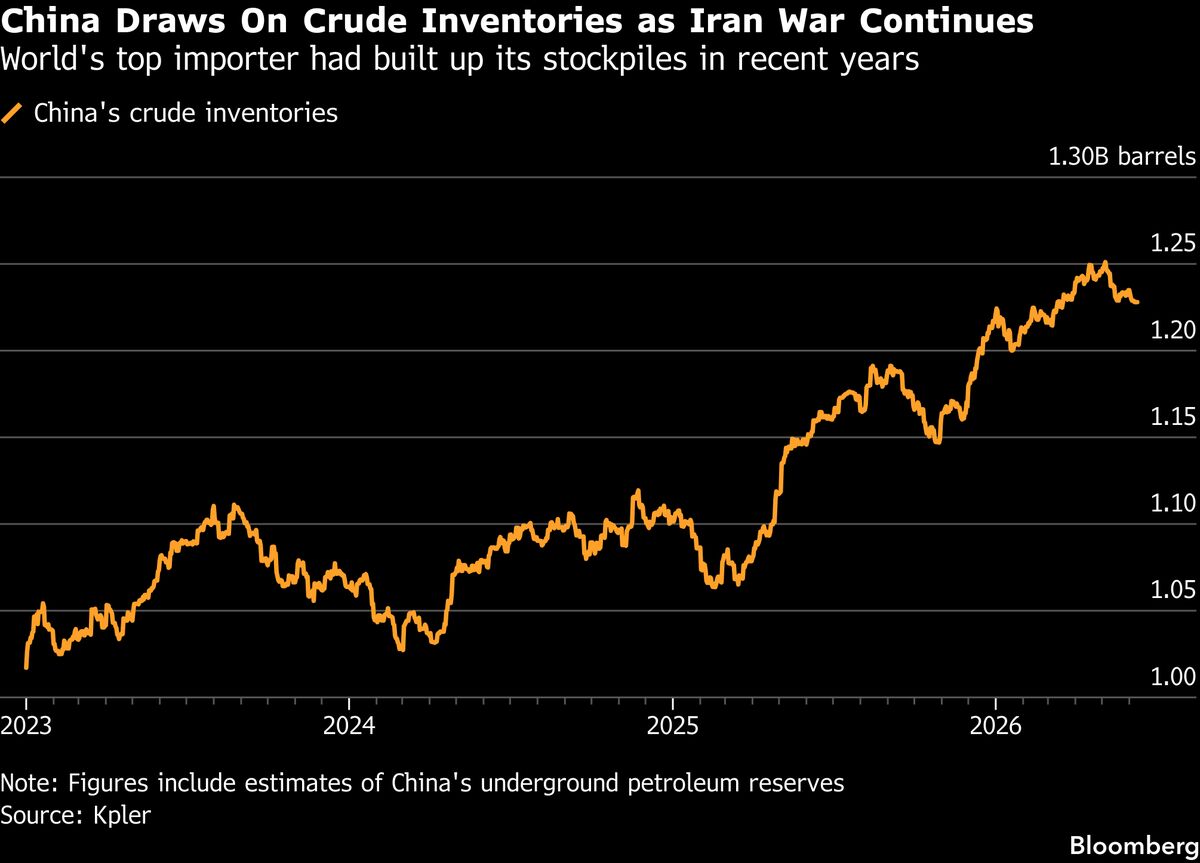
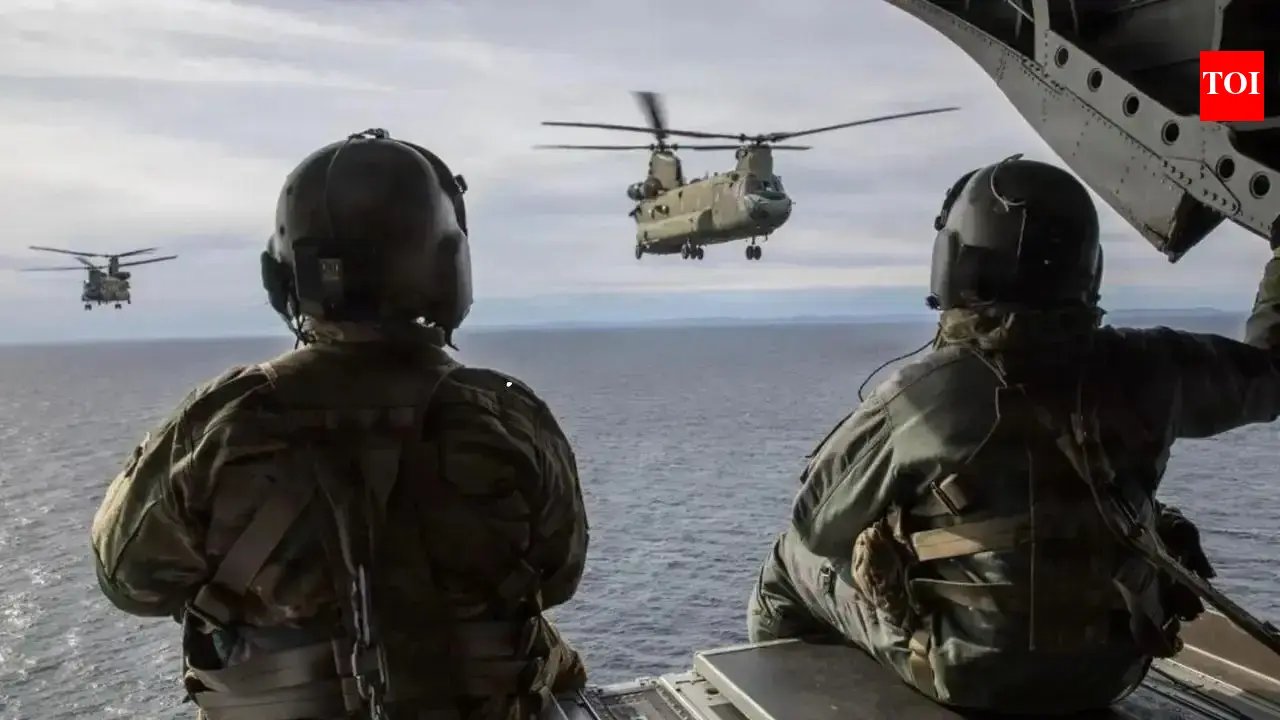
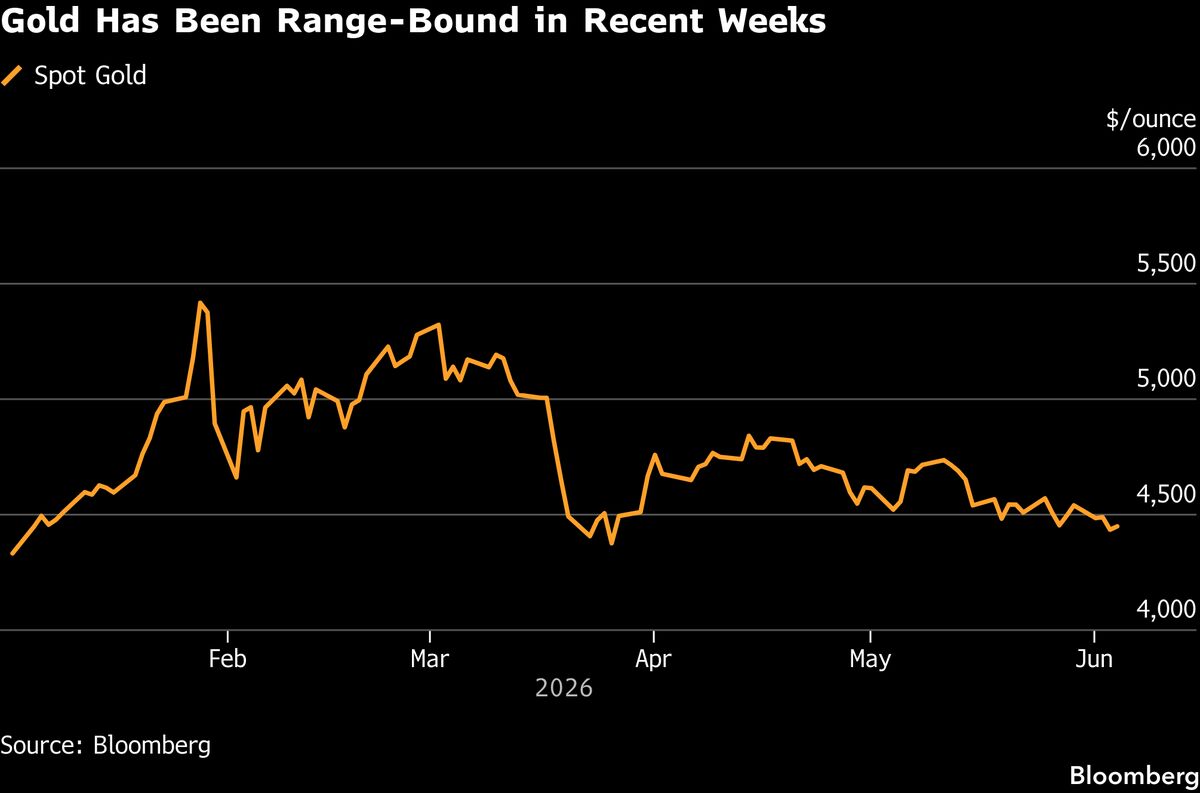
Both Iran and Israel have signaled that they remain prepared to retaliate if provoked, indicating that while a temporary ceasefire is in place, the underlying tensions are far from resolved. This precarious situation poses risks not only for the immediate region but also for global economic stability, as the conflict has already contributed to rising energy prices and disrupted trade dynamics. The U.S. military presence in the area further complicates the situation, as it continues to play a significant role in shaping the responses of both Iran and Israel.
Looking Ahead
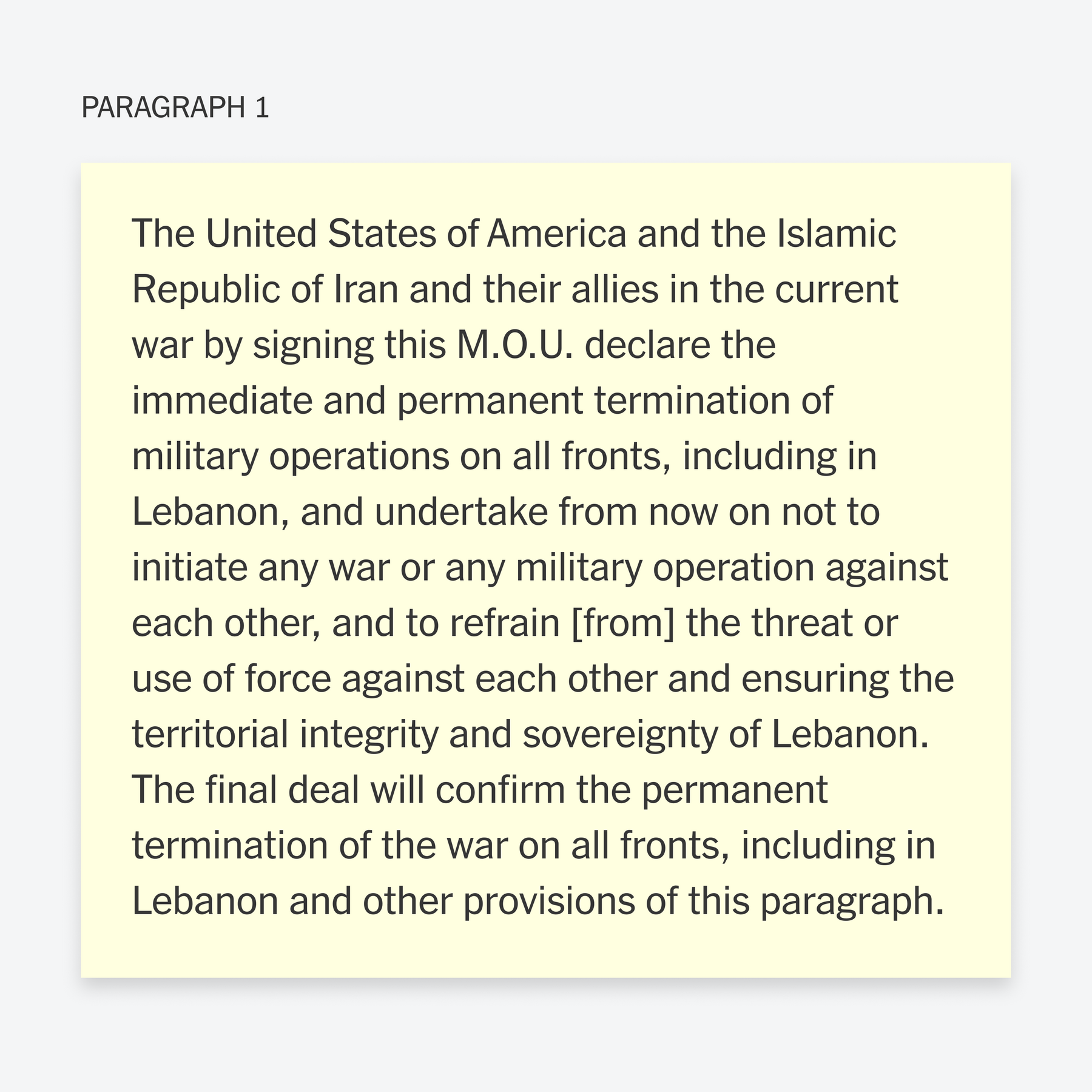
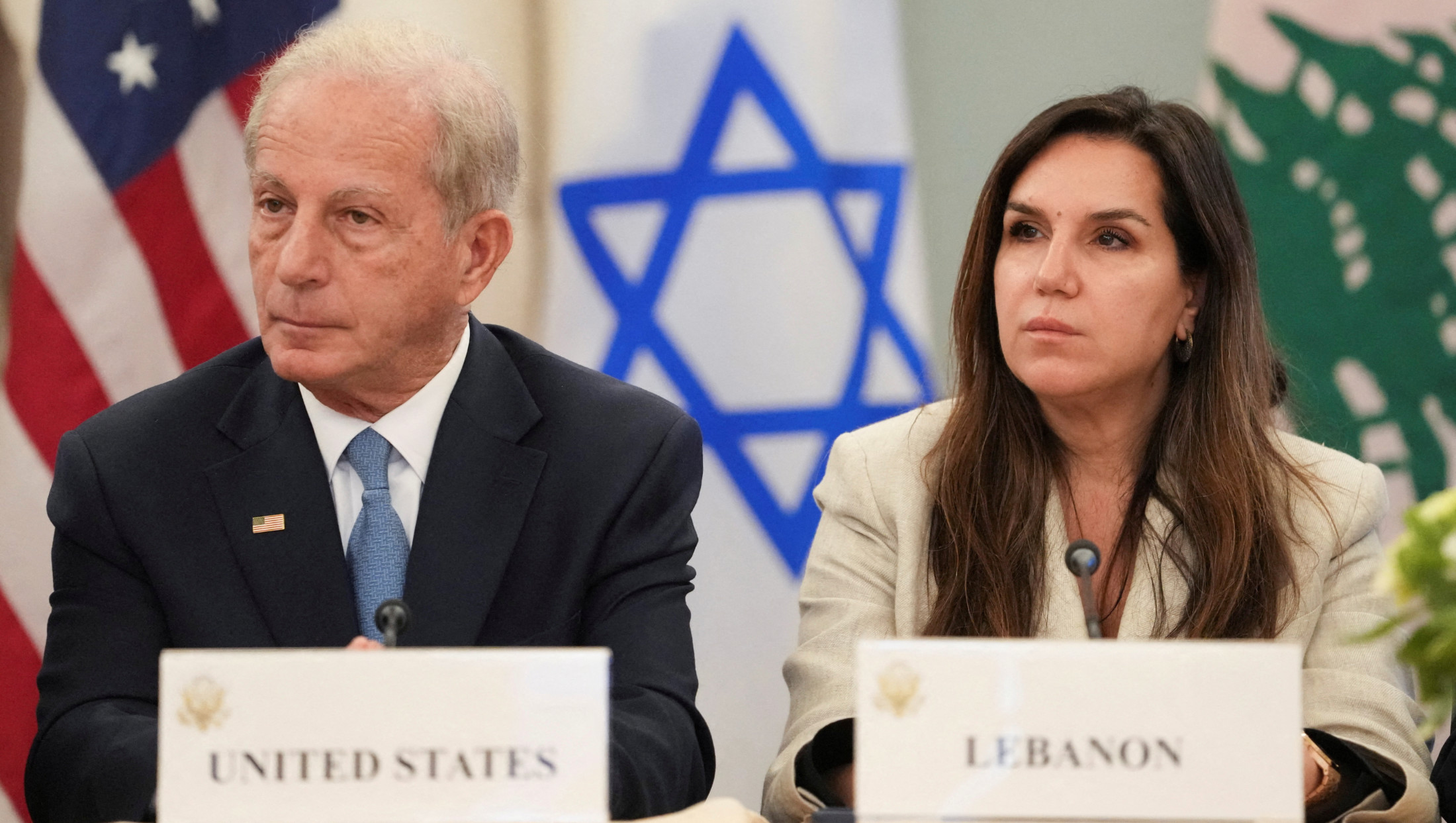
As both nations step back from immediate hostilities, the focus now shifts to the diplomatic landscape, with U.S. negotiations playing a crucial role. Iran's insistence on linking any ceasefire deal with a truce in Lebanon underscores the complexity of the negotiations ahead.