




Reducing Consumer Confusion
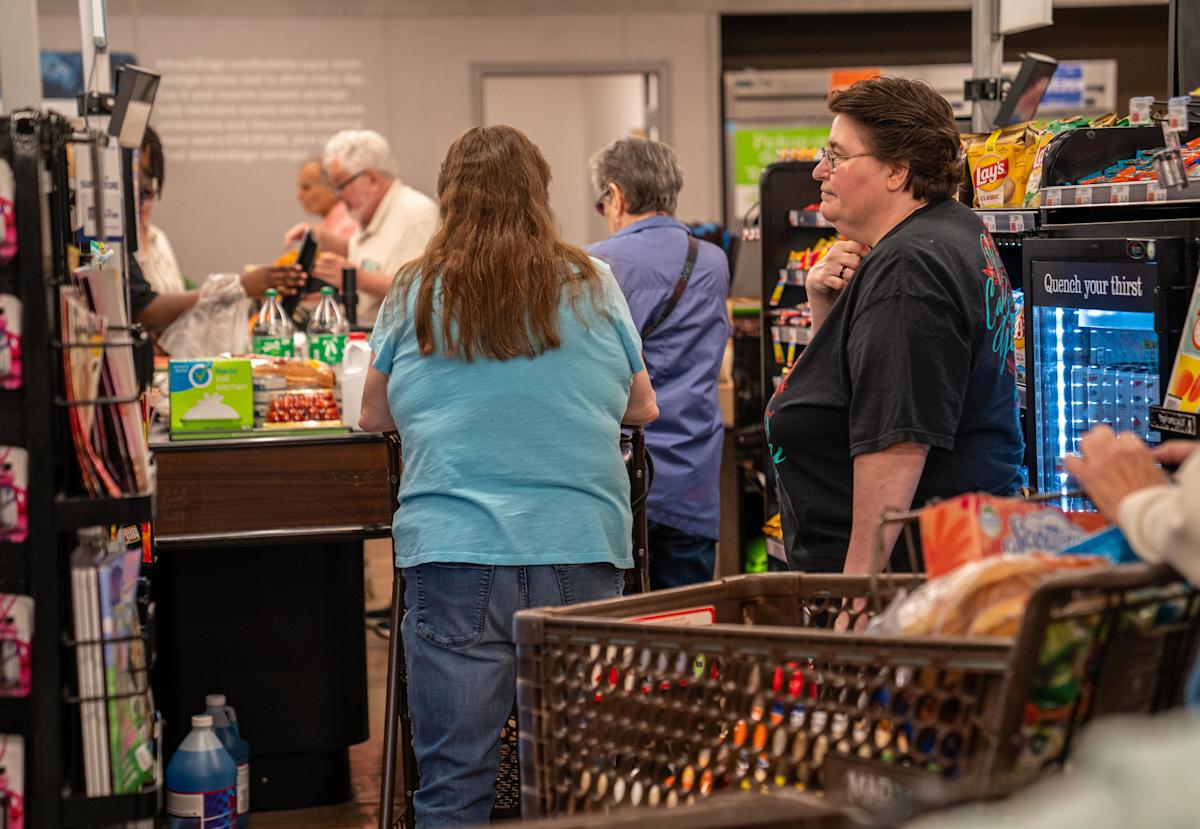
California has passed a new law aimed at reducing food waste by clarifying "sell by" dates, according to an NPR interview with Nick Lapis of Californians Against Waste. The legislation standardizes food label "use by" dates, reducing consumer confusion and the significant amount of food waste generated due to misinterpretation of these dates.
The Impact on Businesses and Consumers
This change is expected to have a profound effect on both consumers and businesses within the food industry. By reducing the tons of food waste that result from confusion over labeling, the new law promotes more sustainable practices and potentially lowers costs associated with food waste for businesses.
Composting as an Alternative Solution
In addition to legislative measures, individuals can combat food waste through composting, as highlighted by a CNN article. Composting not only reduces the amount of food waste going to landfills but also turns waste into nutrient-rich soil for gardening and plants. The article provides practical advice on how to compost effectively at home, emphasizing its simplicity and benefits for the environment.
The Science Behind Composting
Composting involves breaking down organic matter into soil full of nutrients. This process requires a balance of 'greens' (nitrogen-rich materials like food scraps), 'browns' (carbon-rich materials like dried leaves), oxygen, and water. By maintaining this balance and regularly turning and watering the compost, individuals can create the ideal environment for decomposition, reducing waste and producing valuable soil amendments.
Conclusion: Towards a More Sustainable Future
The new California law and the promotion of composting practices are steps towards reducing food waste and its environmental impact. As consumers and businesses adapt to clearer food labeling and embrace composting, we move towards a more sustainable management of resources and waste reduction.