




U.S. Demands and Iranian Response
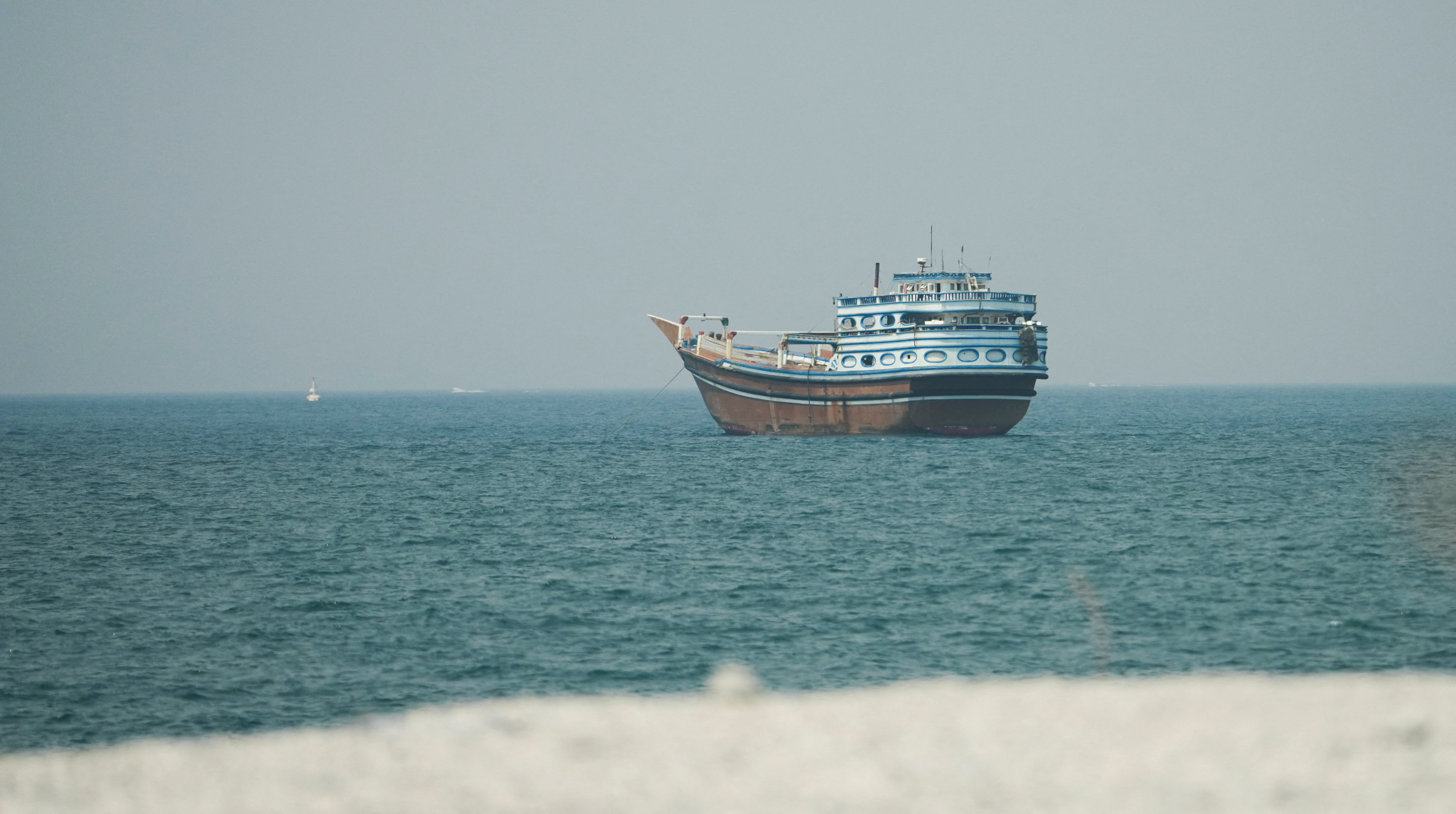
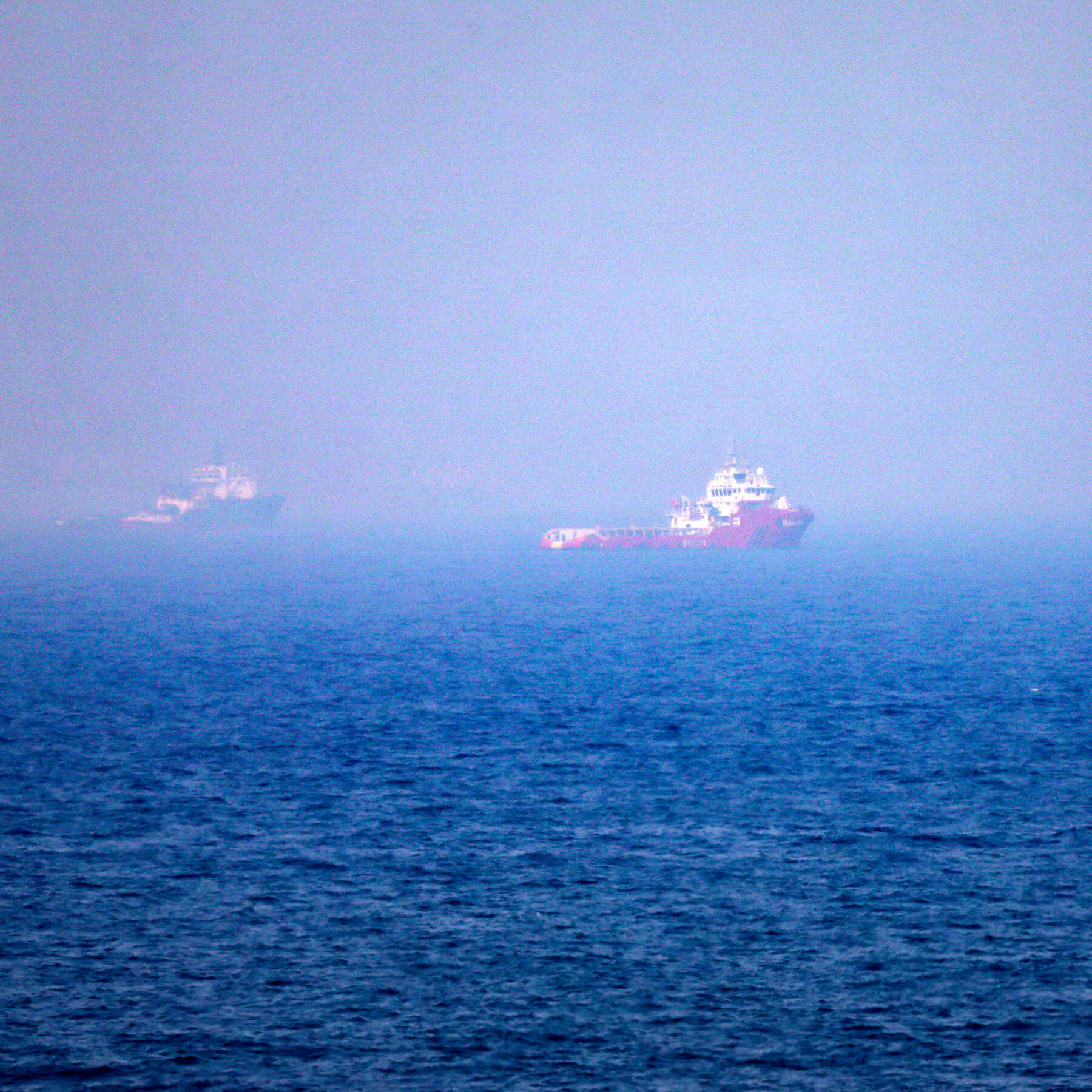
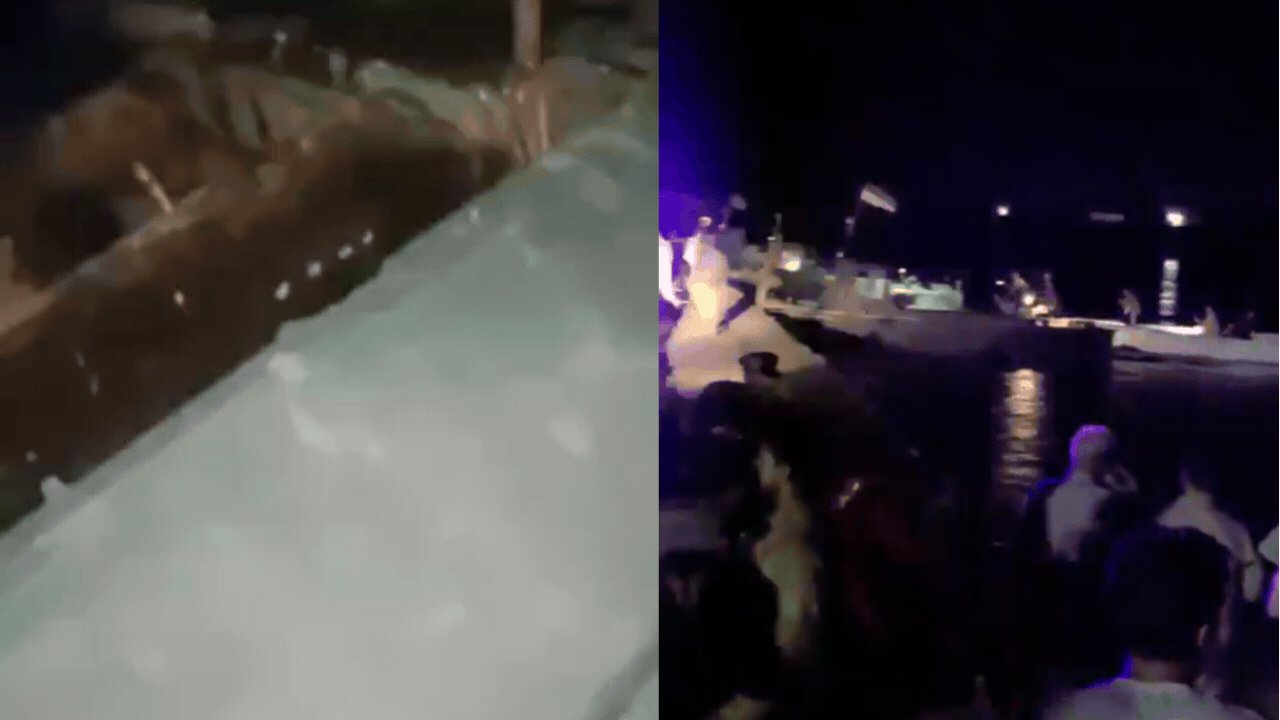
The U.S. is demanding that Iran publicly declare that the Strait of Hormuz is open for shipping traffic and commit to ceasing attacks on commercial vessels. This demand comes after incidents where three commercial tankers were attacked, leading to retaliatory strikes between the U.S. and Iran. According to U.S. officials, Iran admitted the attacks were "a mistake" and attributed them to a rogue internal group. Iran's Foreign Minister Abbas Araghchi accused the U.S. of violating the deal, while a U.S. official claimed, "We want them to publicly say that they will stop shooting at ships."
Strain on Ceasefire and Nuclear Negotiations
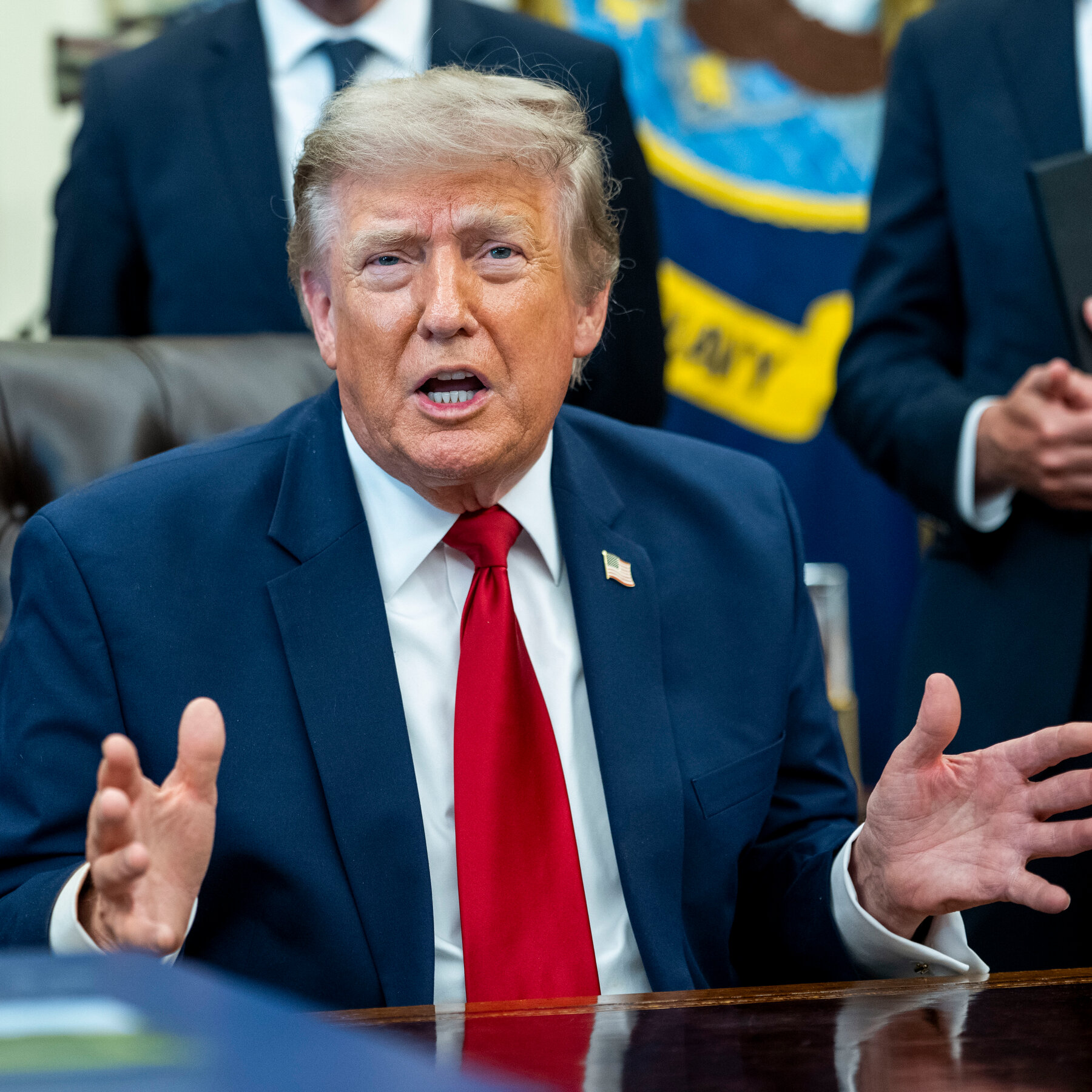
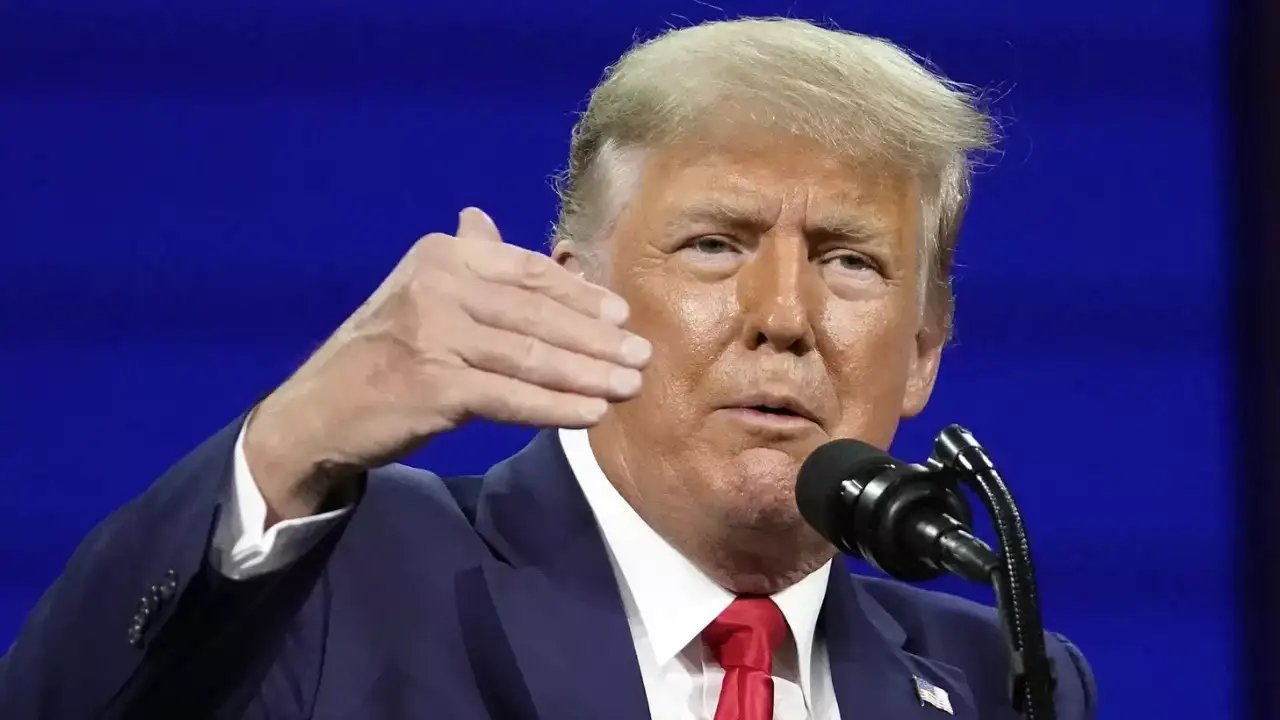
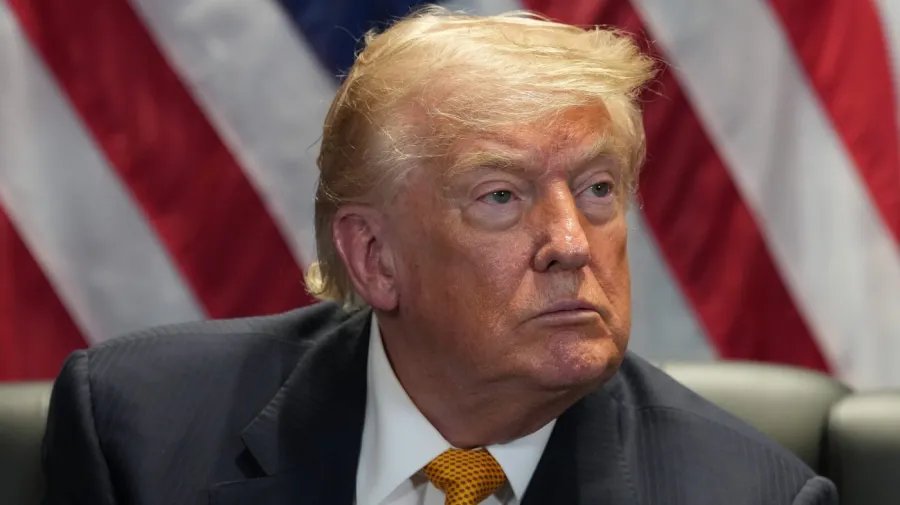
The attacks have put a fragile ceasefire agreement at risk, with President Trump declaring the ceasefire "over" but indicating a willingness to continue talks aimed at ending the conflict. U.S. officials have expressed concerns that Iran's actions raise doubts about its commitment to a more complex nuclear agreement. A U.S. official mentioned, "If it is not their position [tomorrow], it is not gonna be a great day for them," hinting at severe consequences if Iran fails to comply.
Regional Mediation and Diplomatic Efforts
Iranian Foreign Minister Araghchi is expected to meet with Omani Foreign Minister Badr al-Busaidi in Muscat to discuss the Hormuz crisis. Oman has recently aligned with the U.S. and its Gulf allies by opening a southern channel for ships to transit the strait, a move that Iran has strongly opposed. A delegation from Qatar also traveled to Iran for talks aimed at easing navigation through the Strait of Hormuz, a critical waterway for global oil and gas supplies.
Internal Power Struggles in Iran
U.S. officials report that there is a power struggle within Iran over implementing the memorandum of understanding and the next steps in negotiations. "There are elements within their system that want to reach a deal, but we can't make decisions for them. They need to get things under control," stated a U.S. official. This internal conflict could significantly impact Iran's response to the U.S. demands and the future of diplomatic relations.
Implications for Global Oil Supply
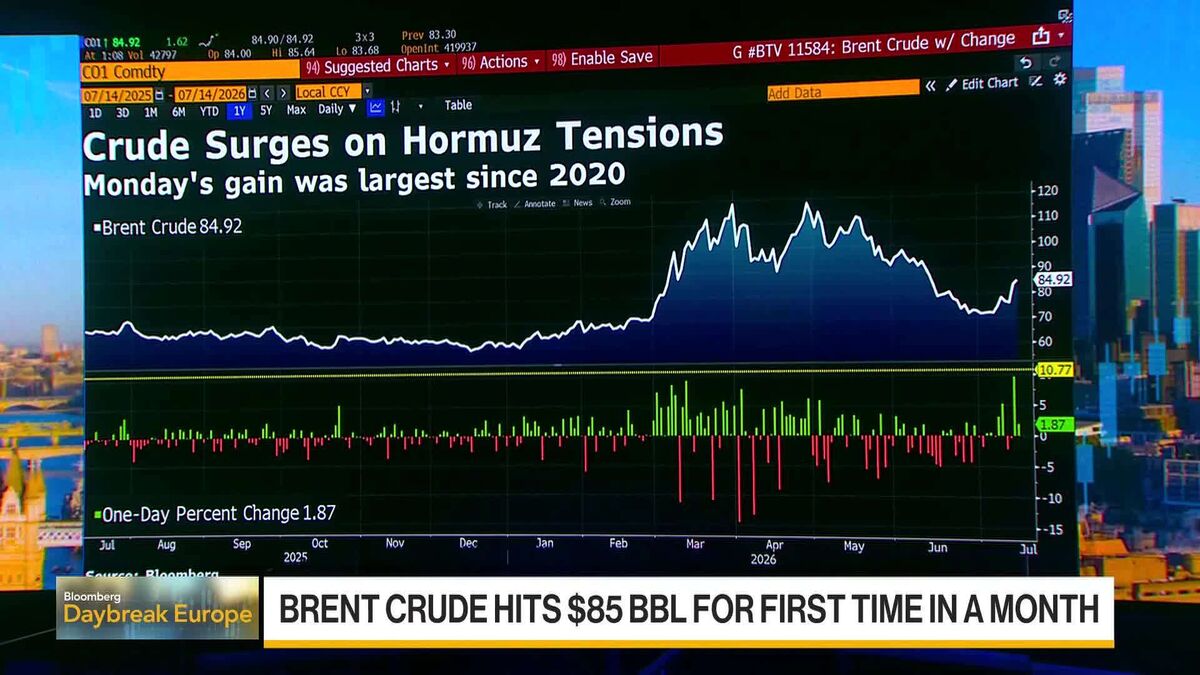
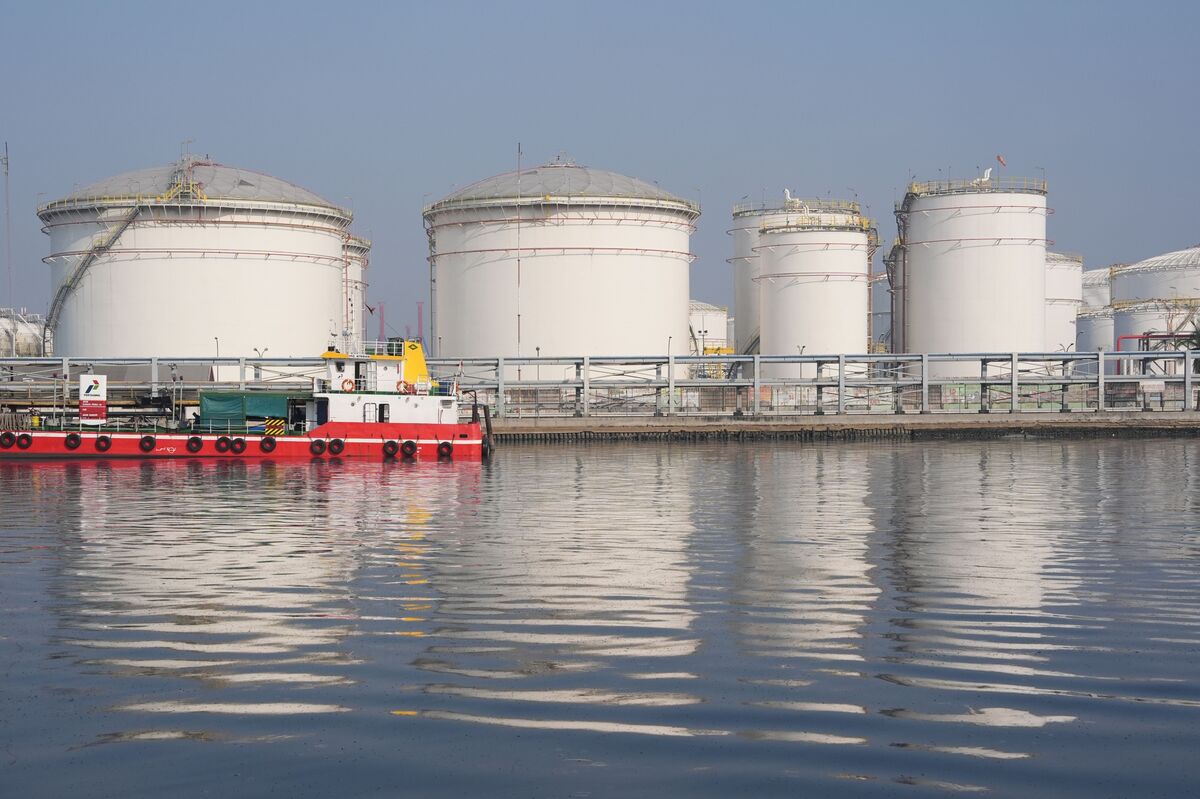
The Strait of Hormuz is a vital waterway for the global oil supply, with approximately 20% of the world's oil and liquefied natural gas passing through it. Disruptions to shipping in the strait could have significant economic and geopolitical consequences. The U.S. and Iran's negotiations and Iran's response to the U.S. demands will be closely watched by the international community, as they could determine the stability of the region and global energy markets.