




Incident Overview
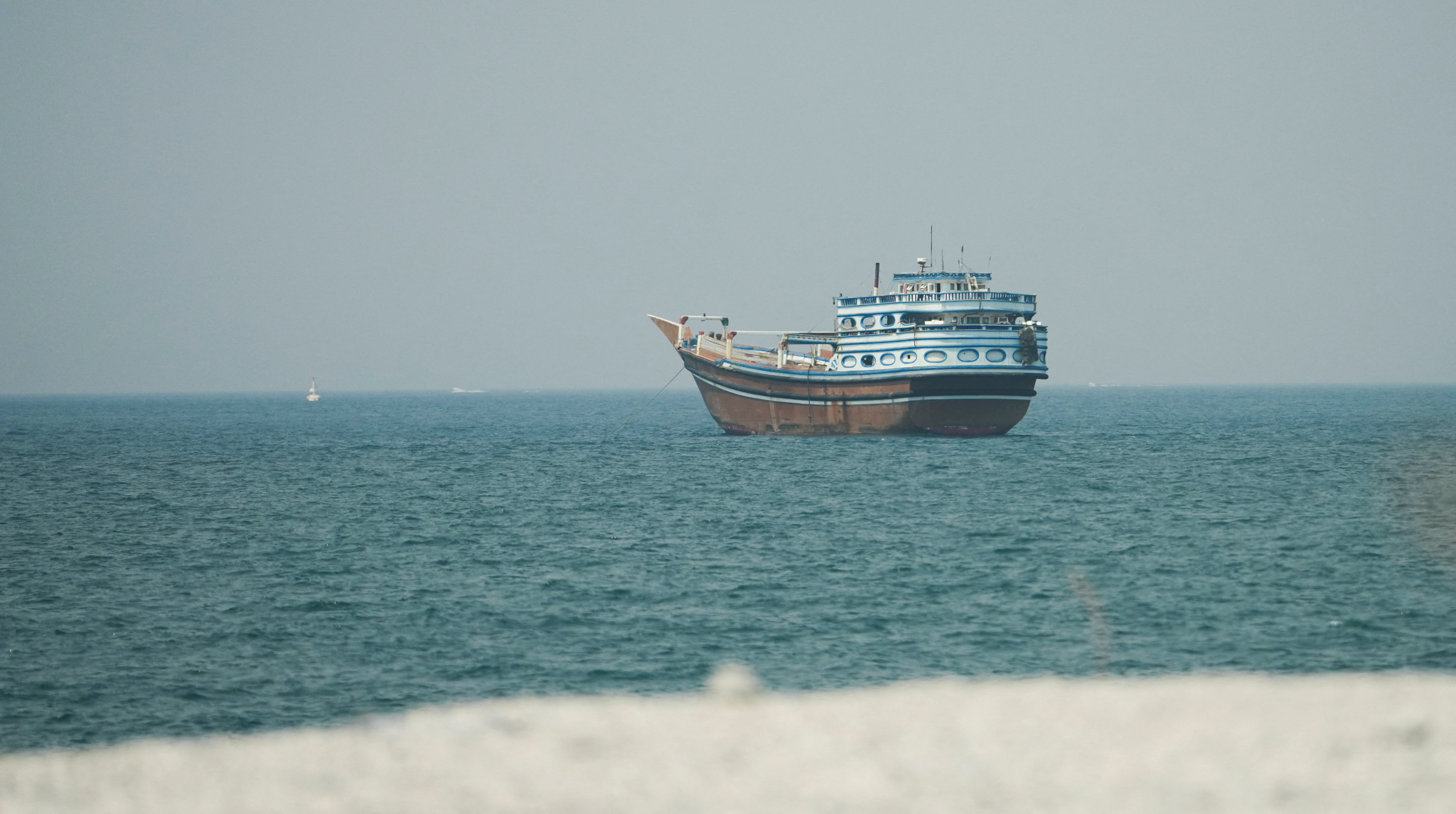
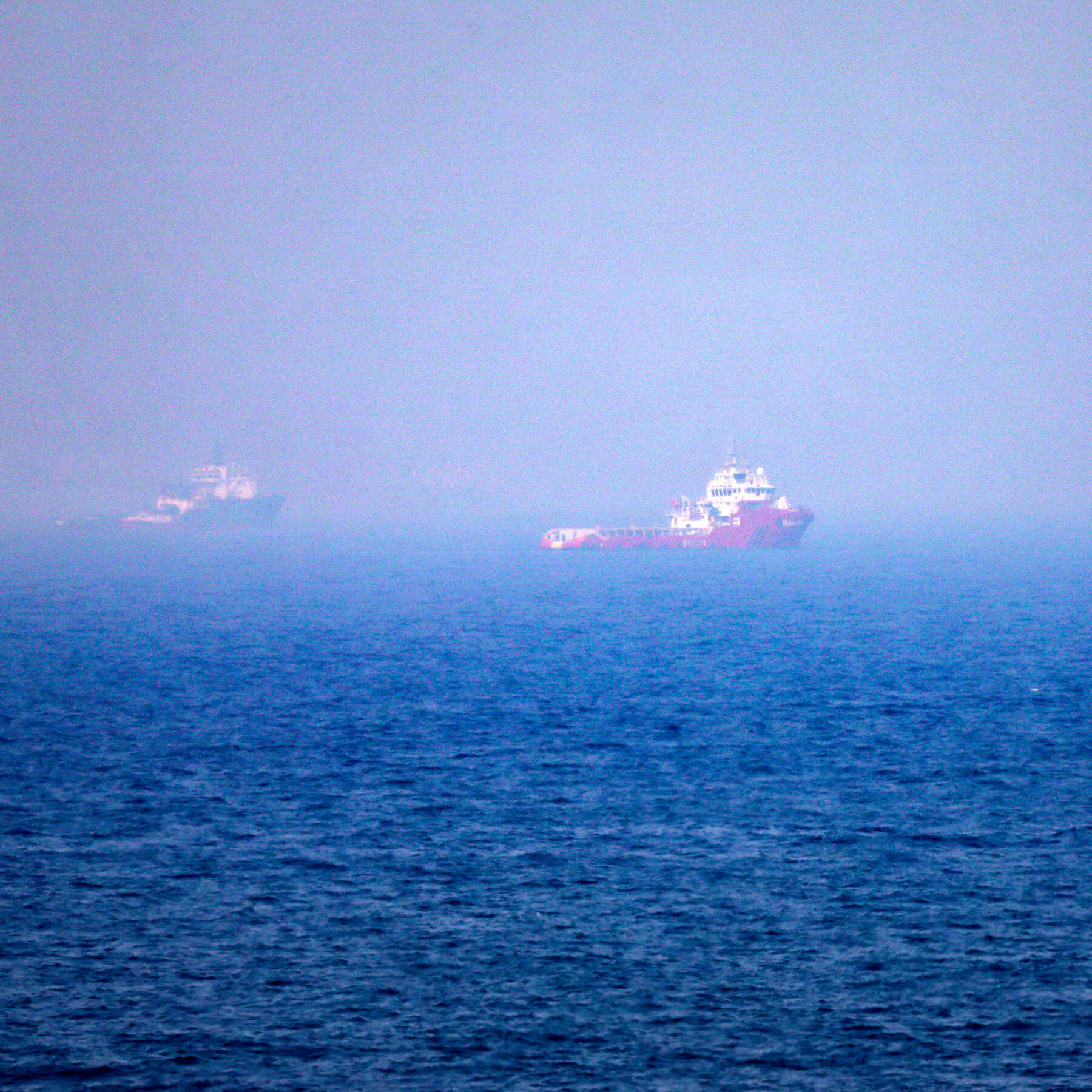
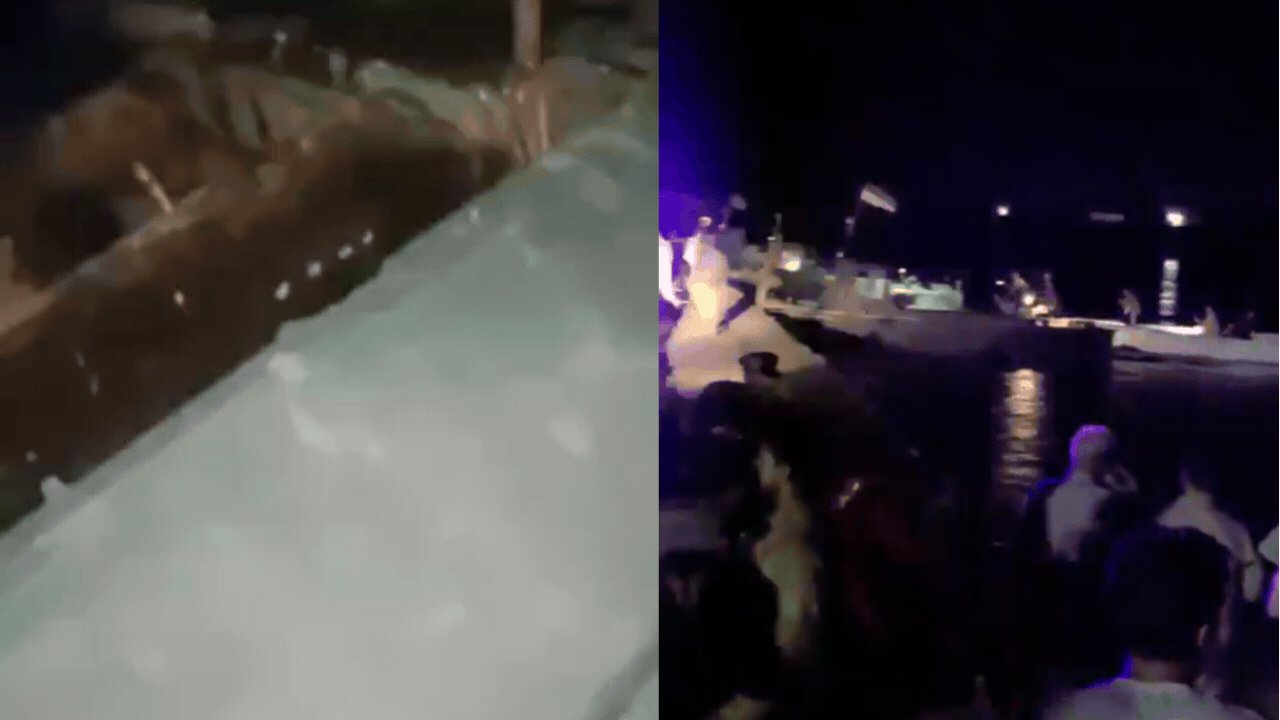
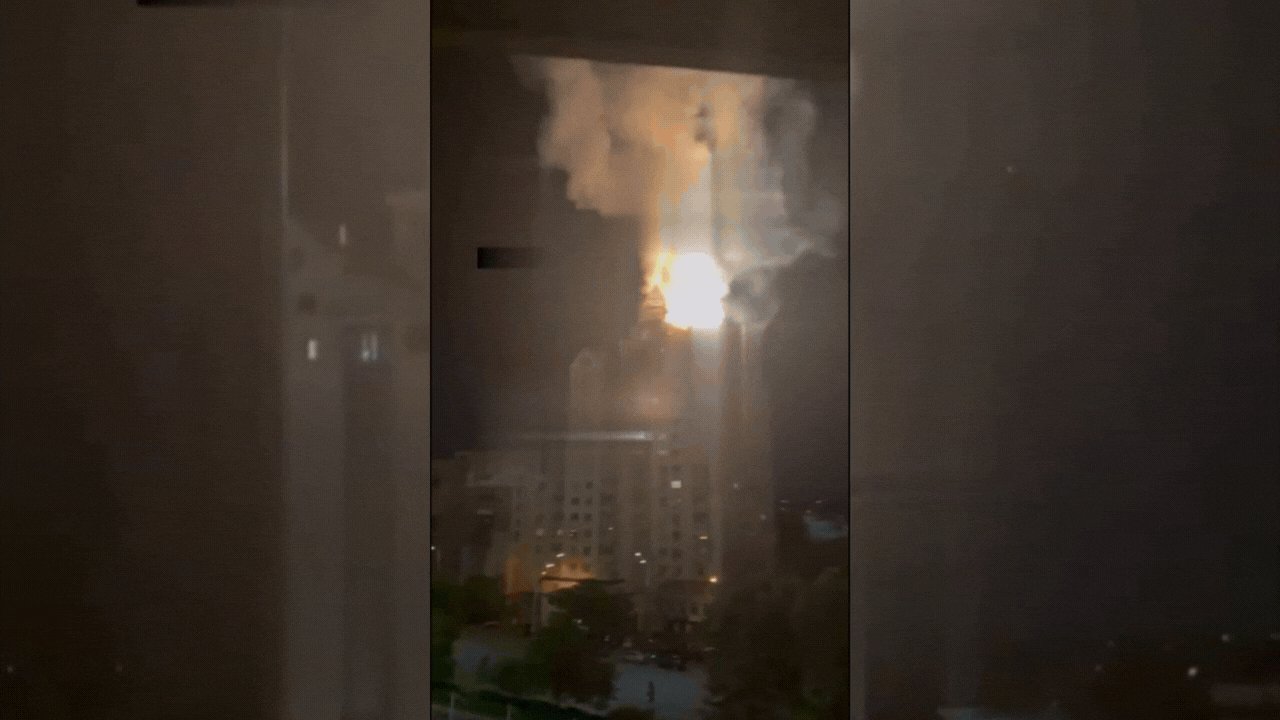
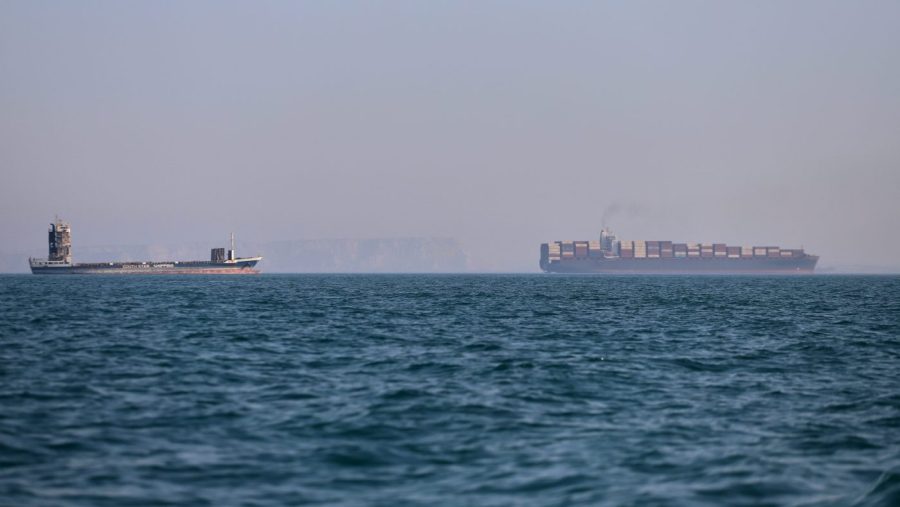
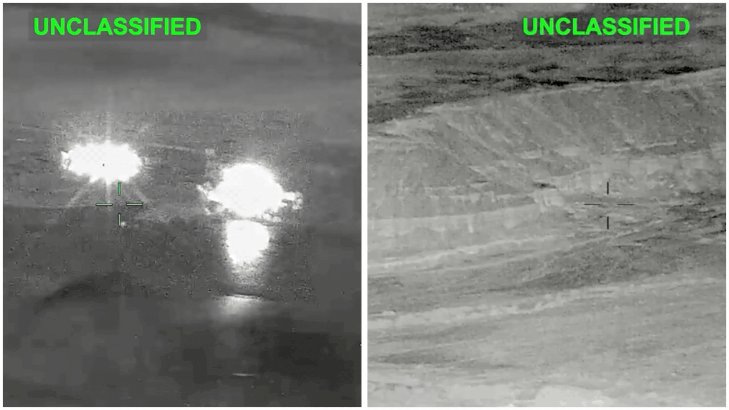
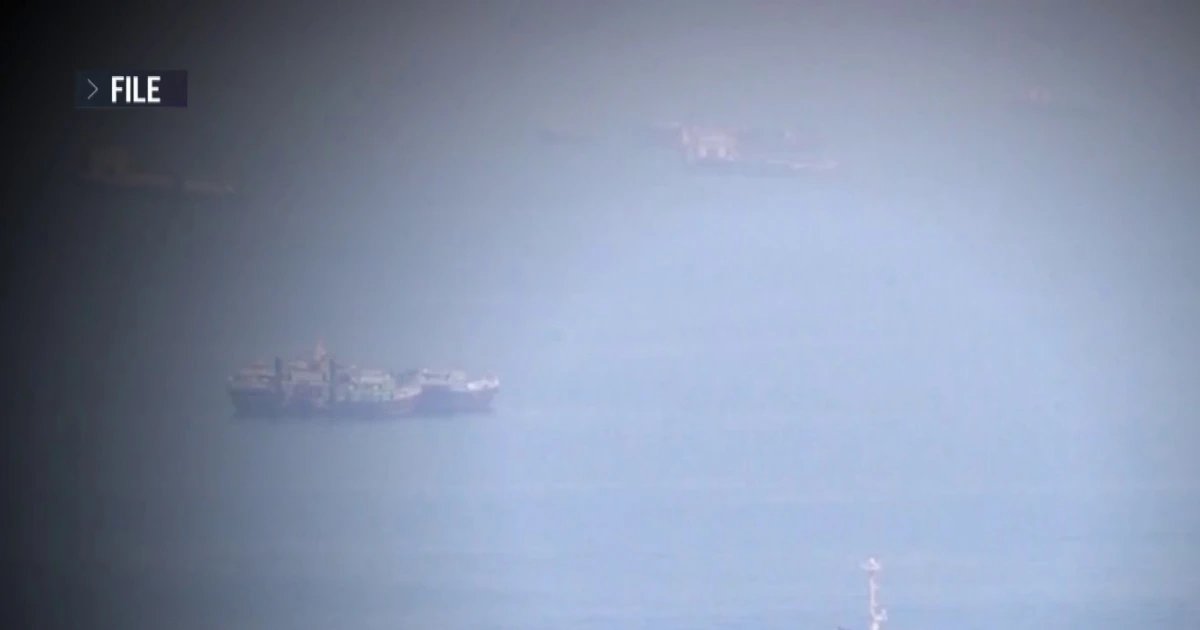
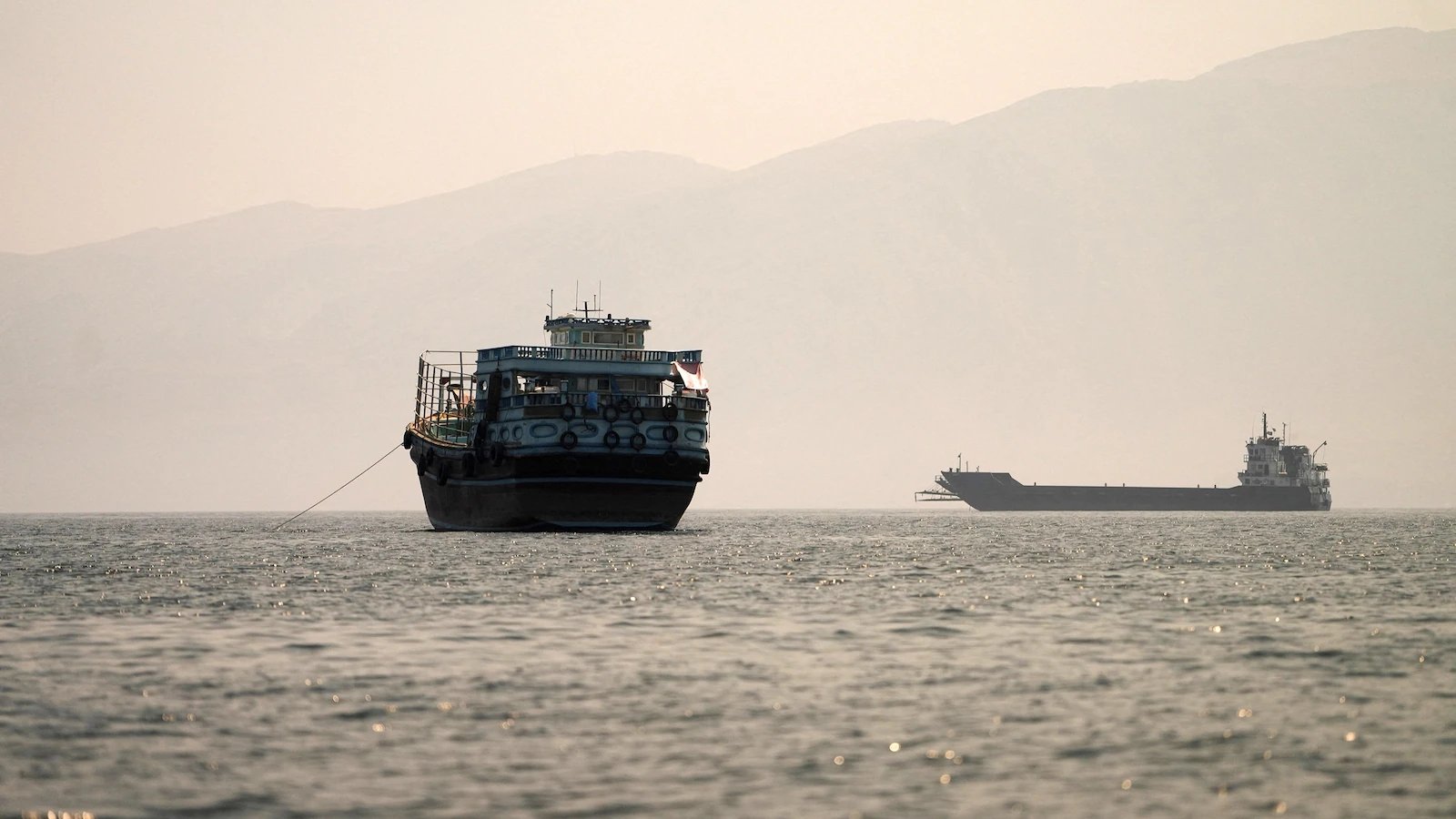
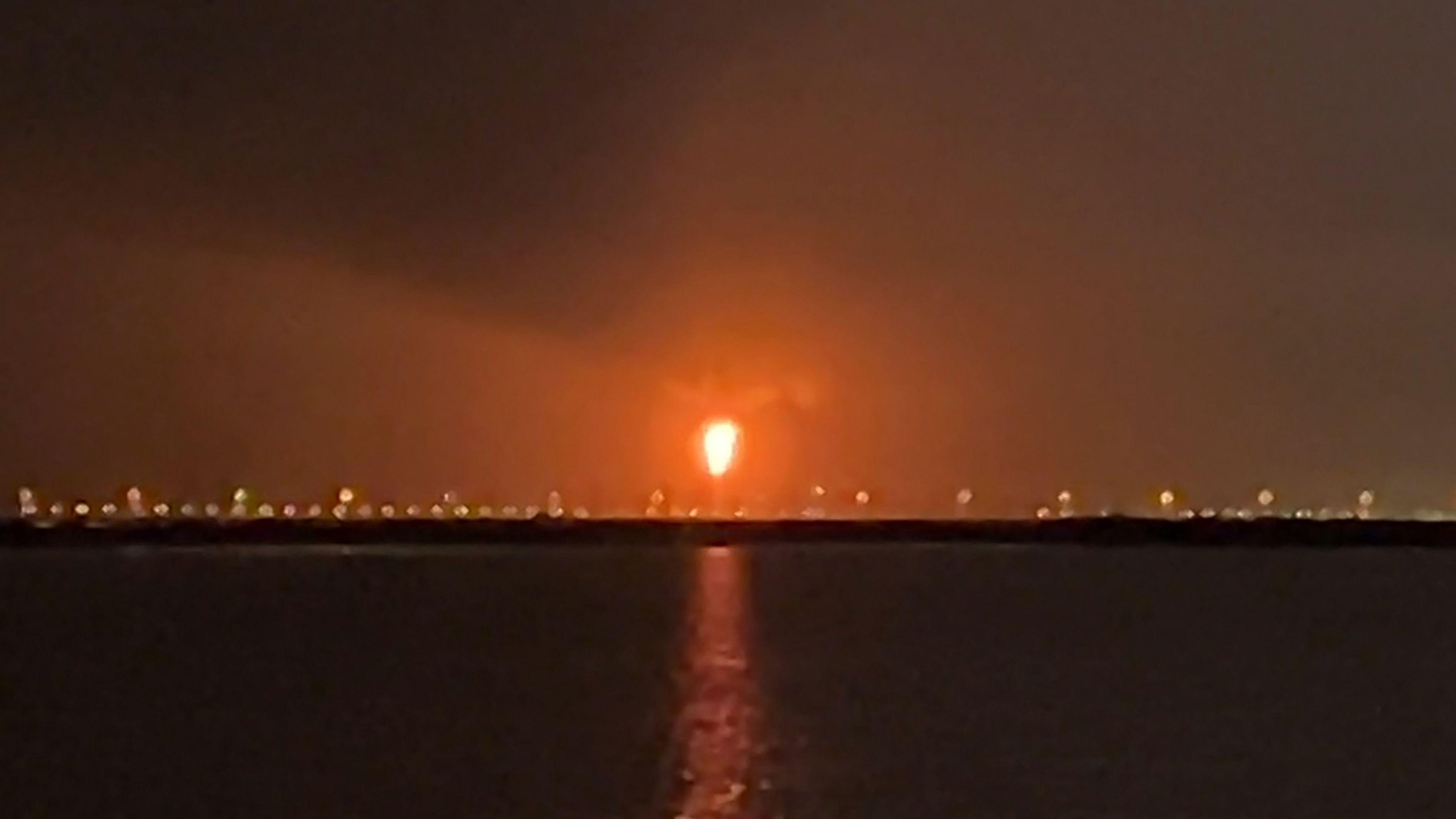
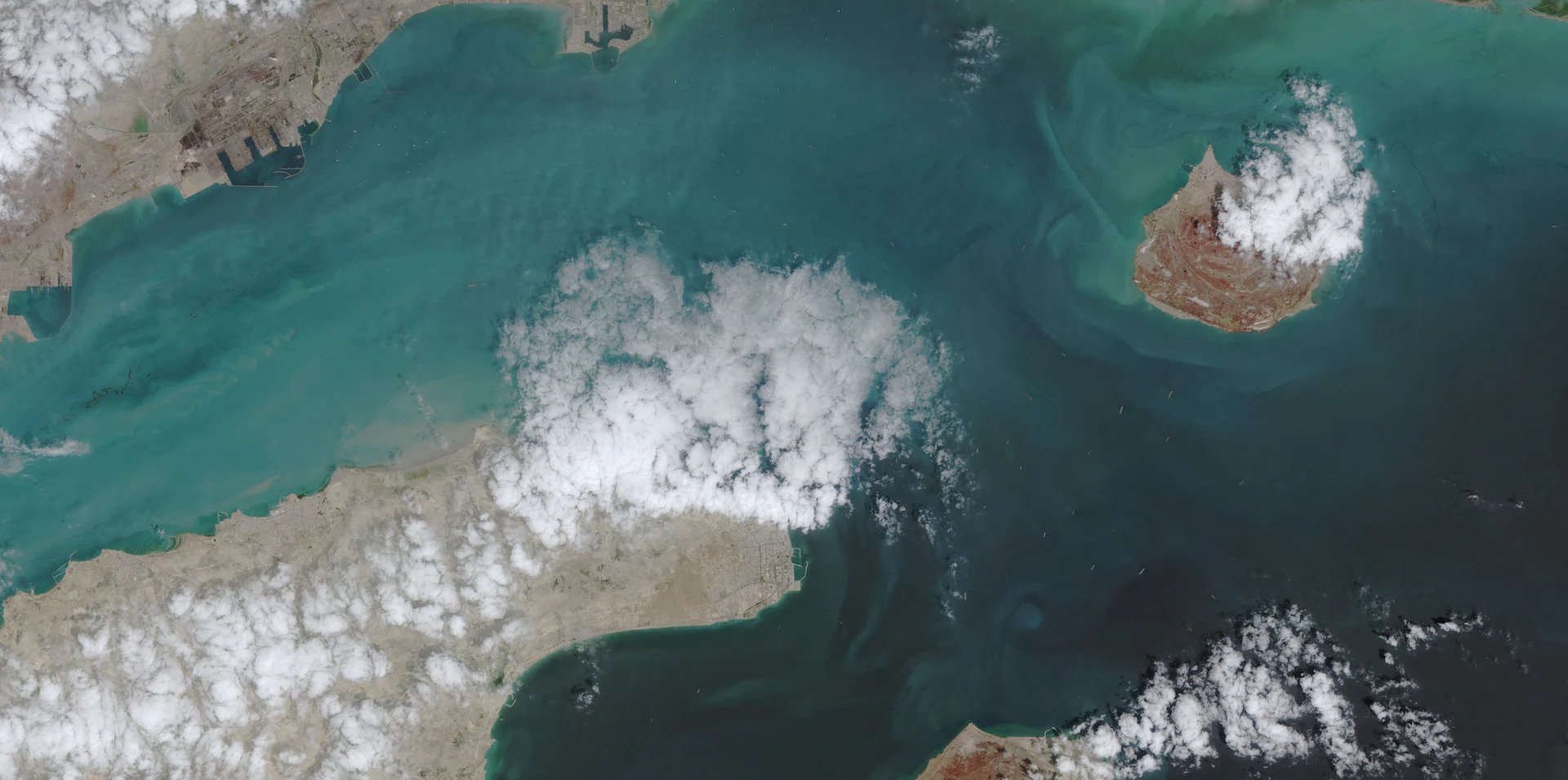
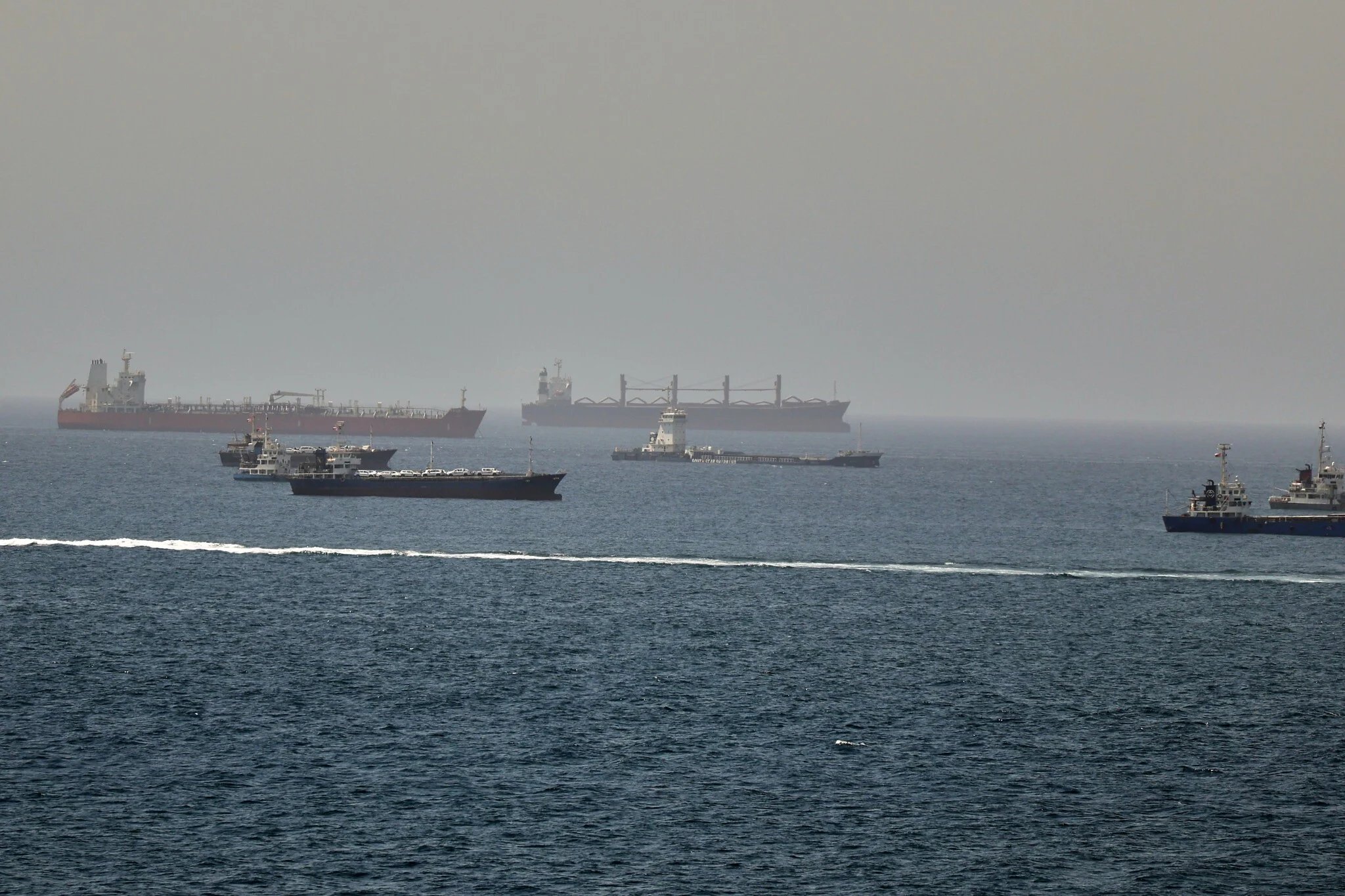
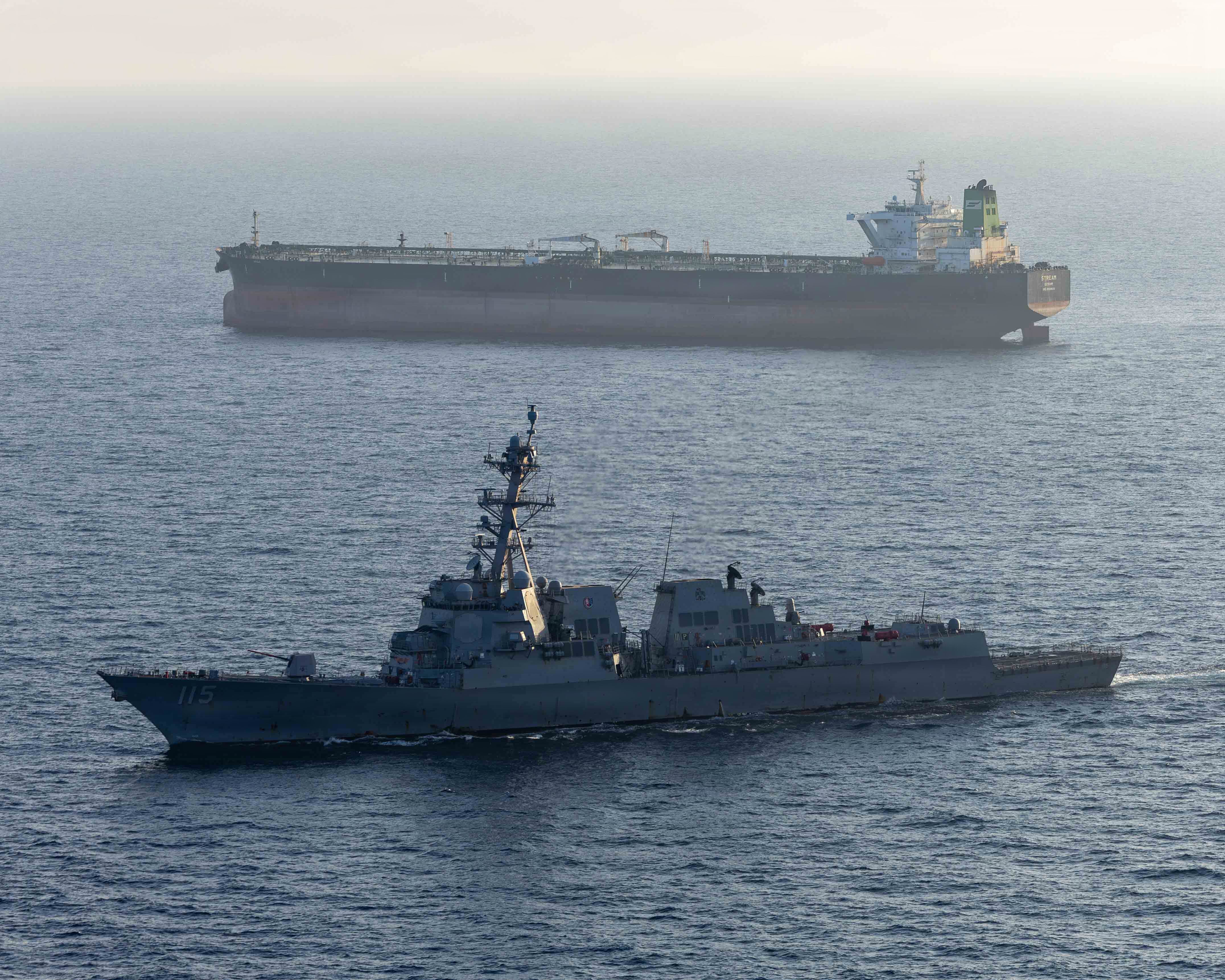
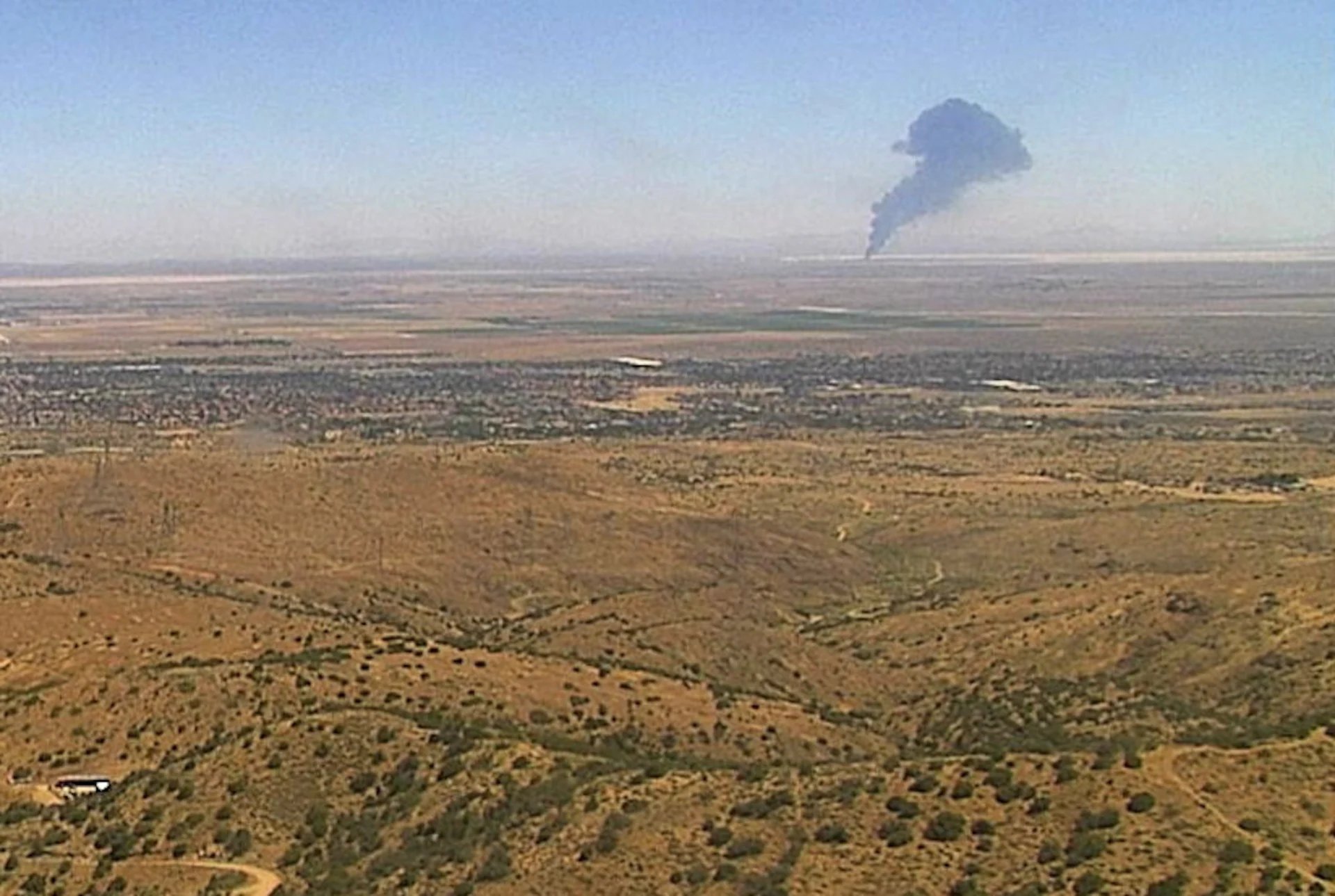
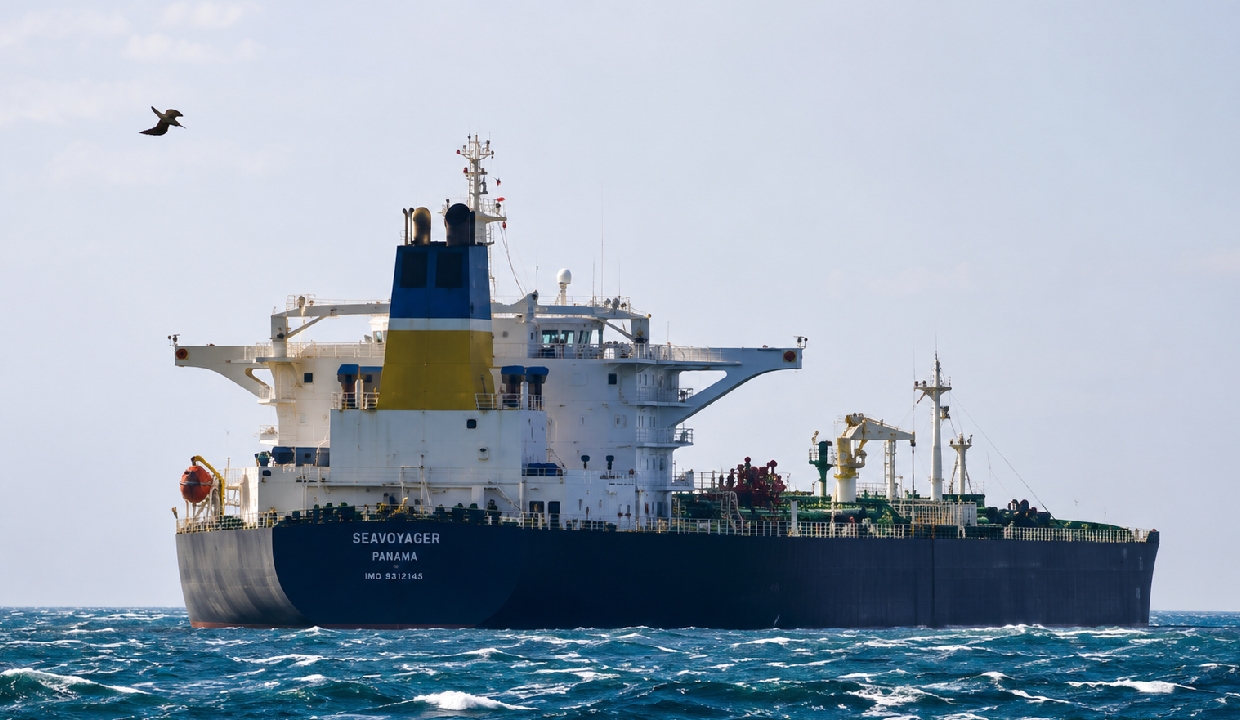
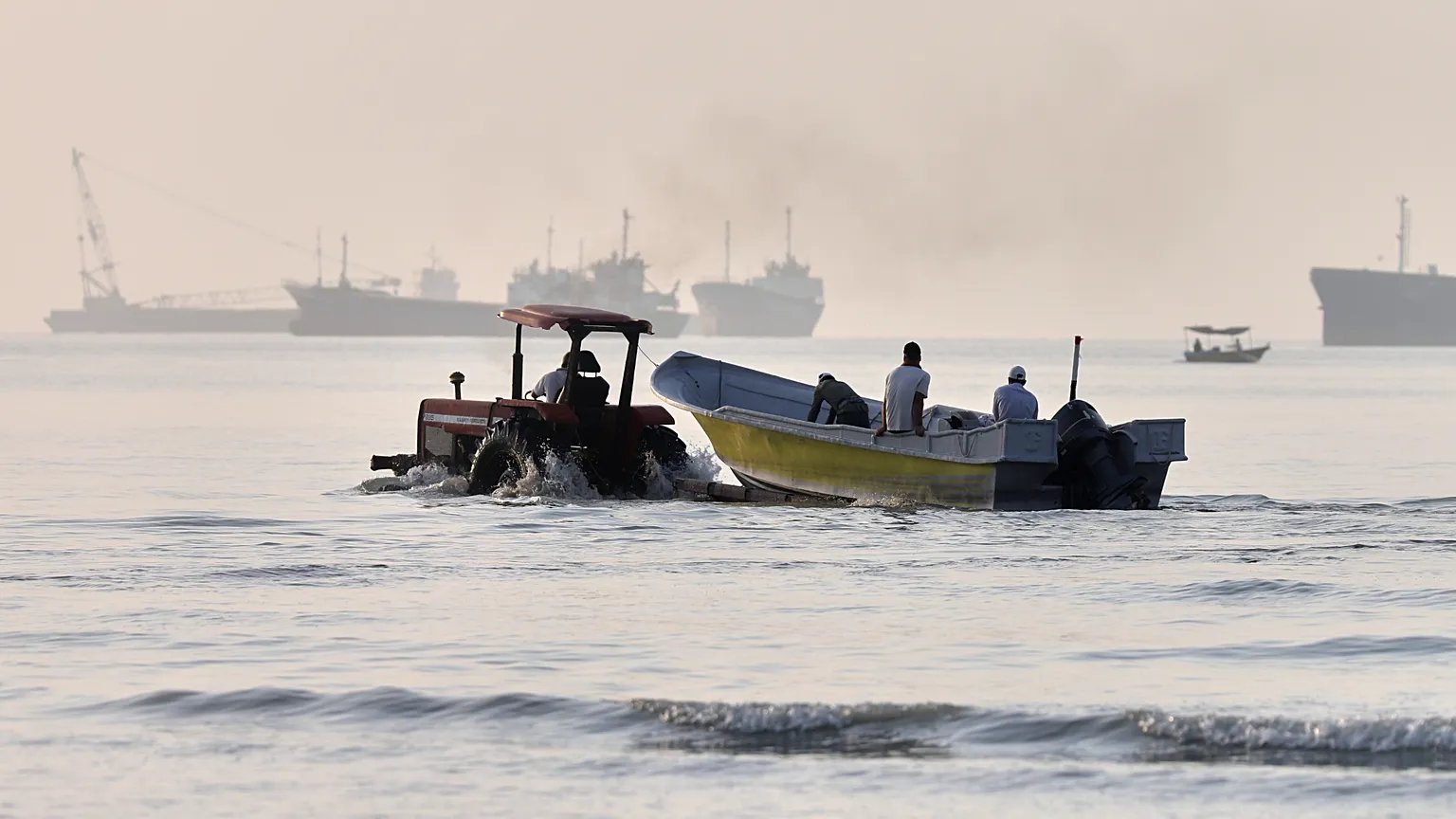
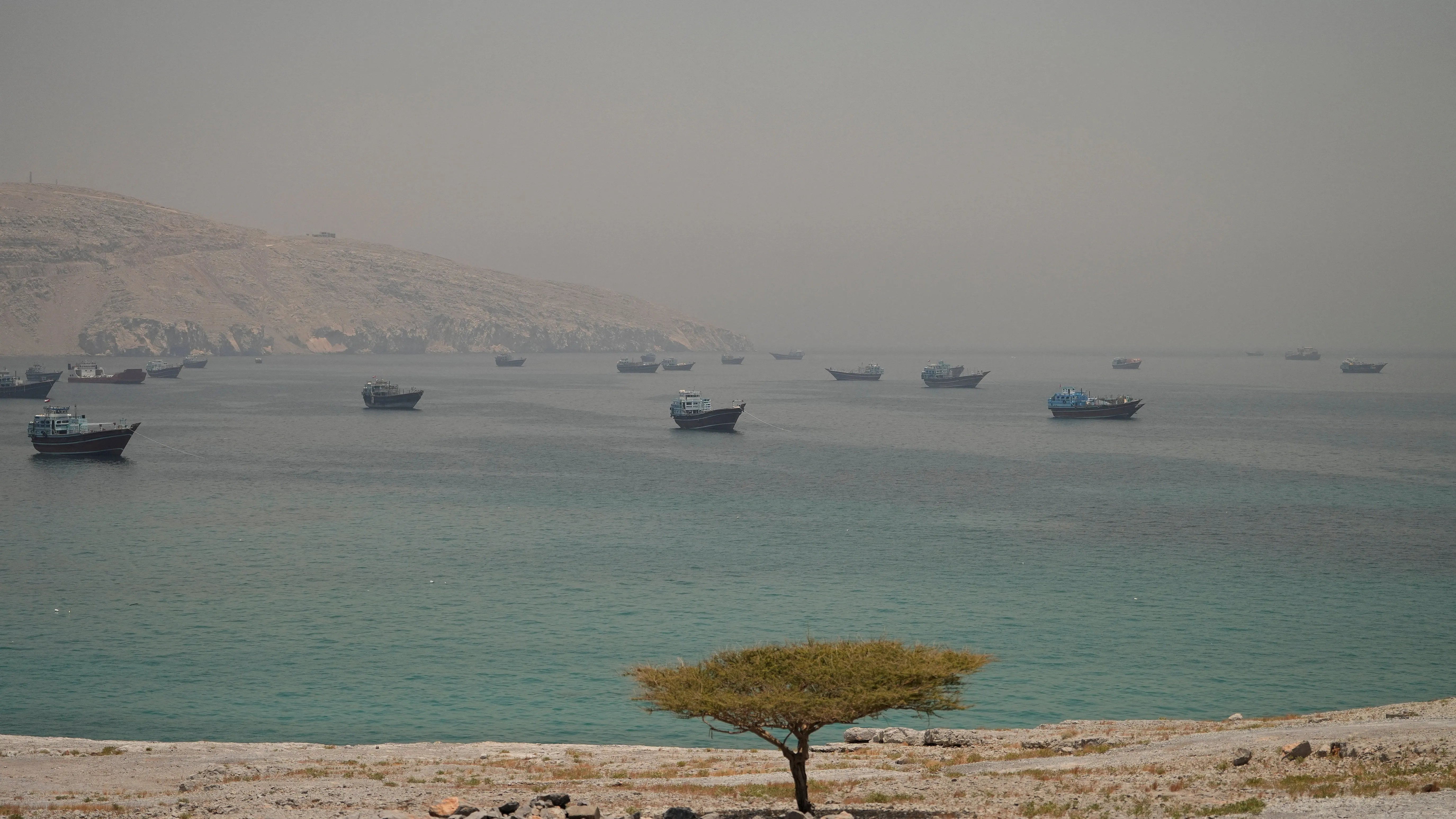
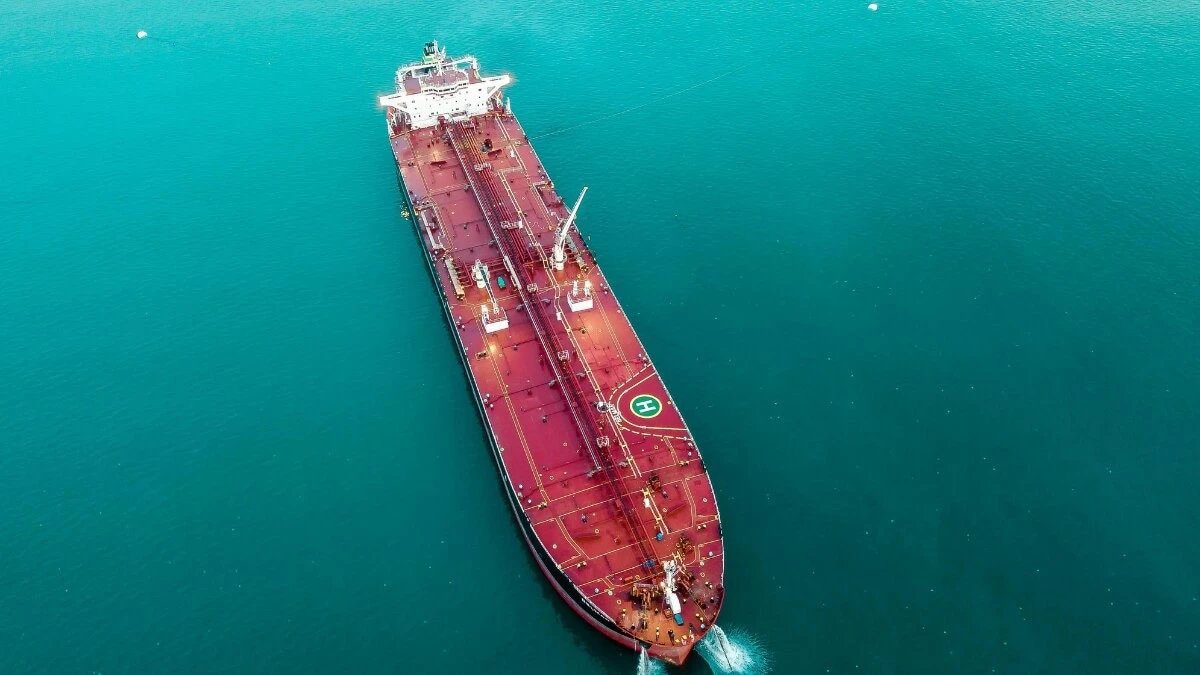
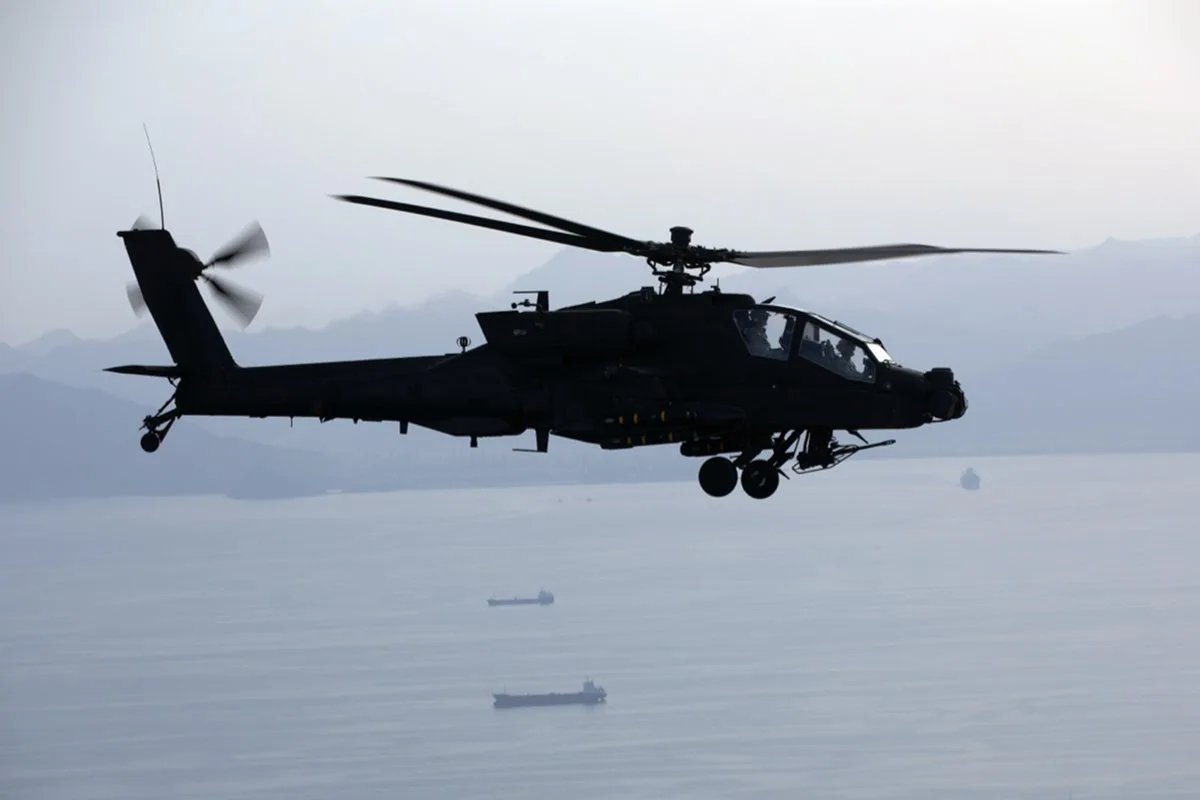
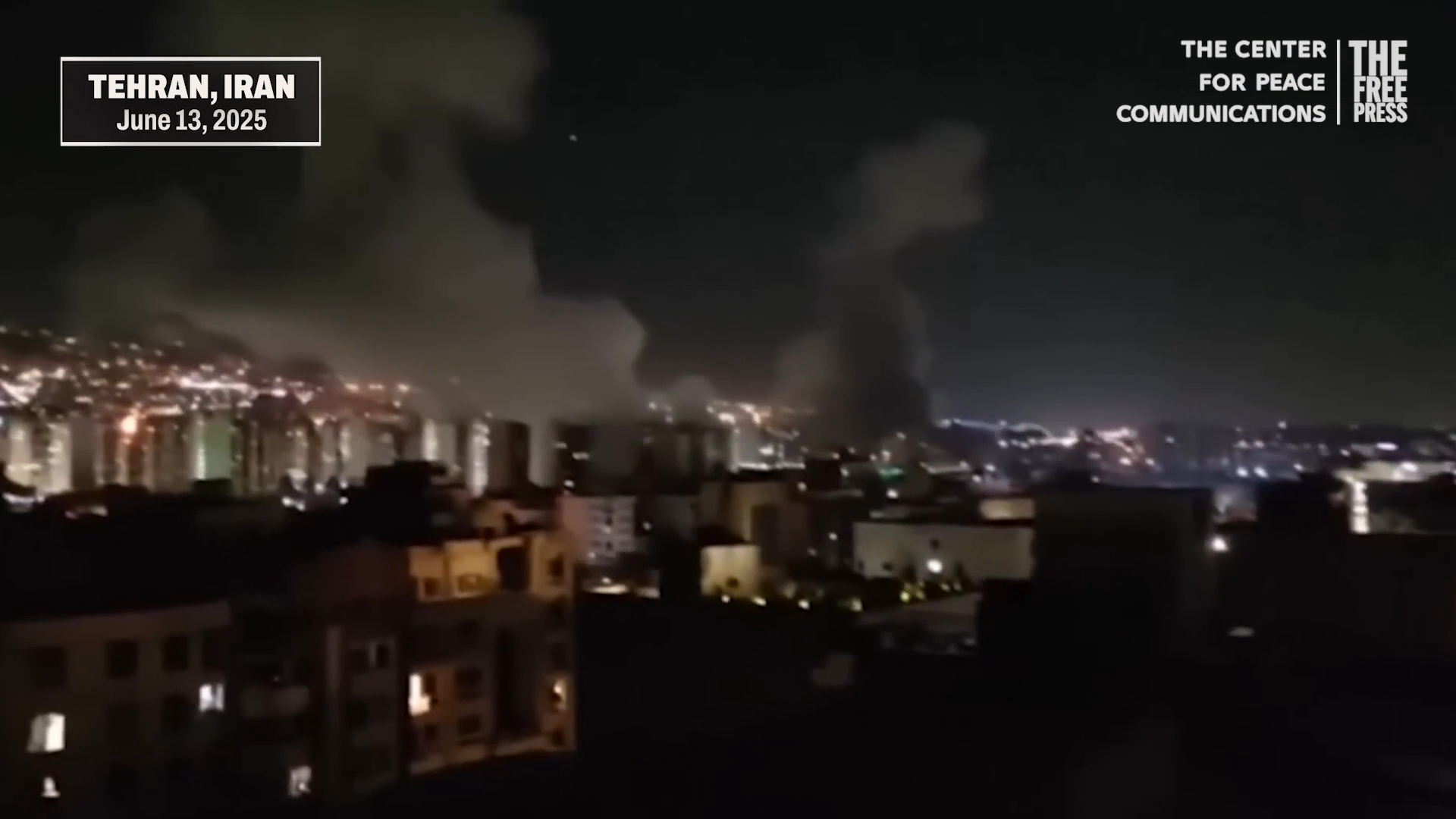
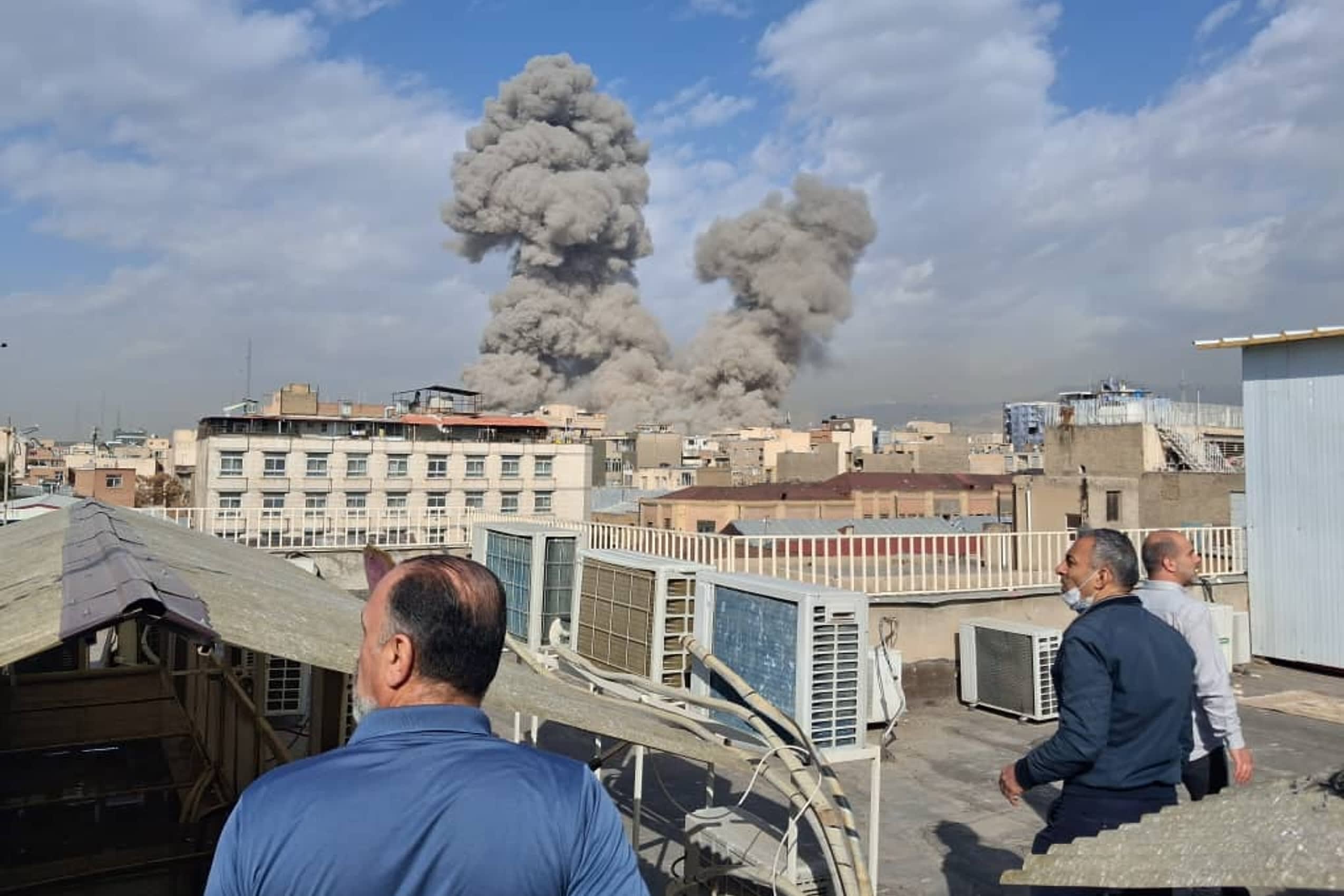
A tanker traveling off the coast of Oman in the Strait of Hormuz caught fire early Tuesday morning after being struck by an "unknown projectile," according to the United Kingdom Maritime Trade Operations (UKMTO). The incident occurred approximately 8 nautical miles (15 kilometers) east of Limah, Oman, while the vessel was heading southbound toward the Gulf of Oman. UKMTO reported that the projectile hit the port side of the ship, resulting in significant damage but no casualties or environmental impact.
Iranian Claims and U.S. Response
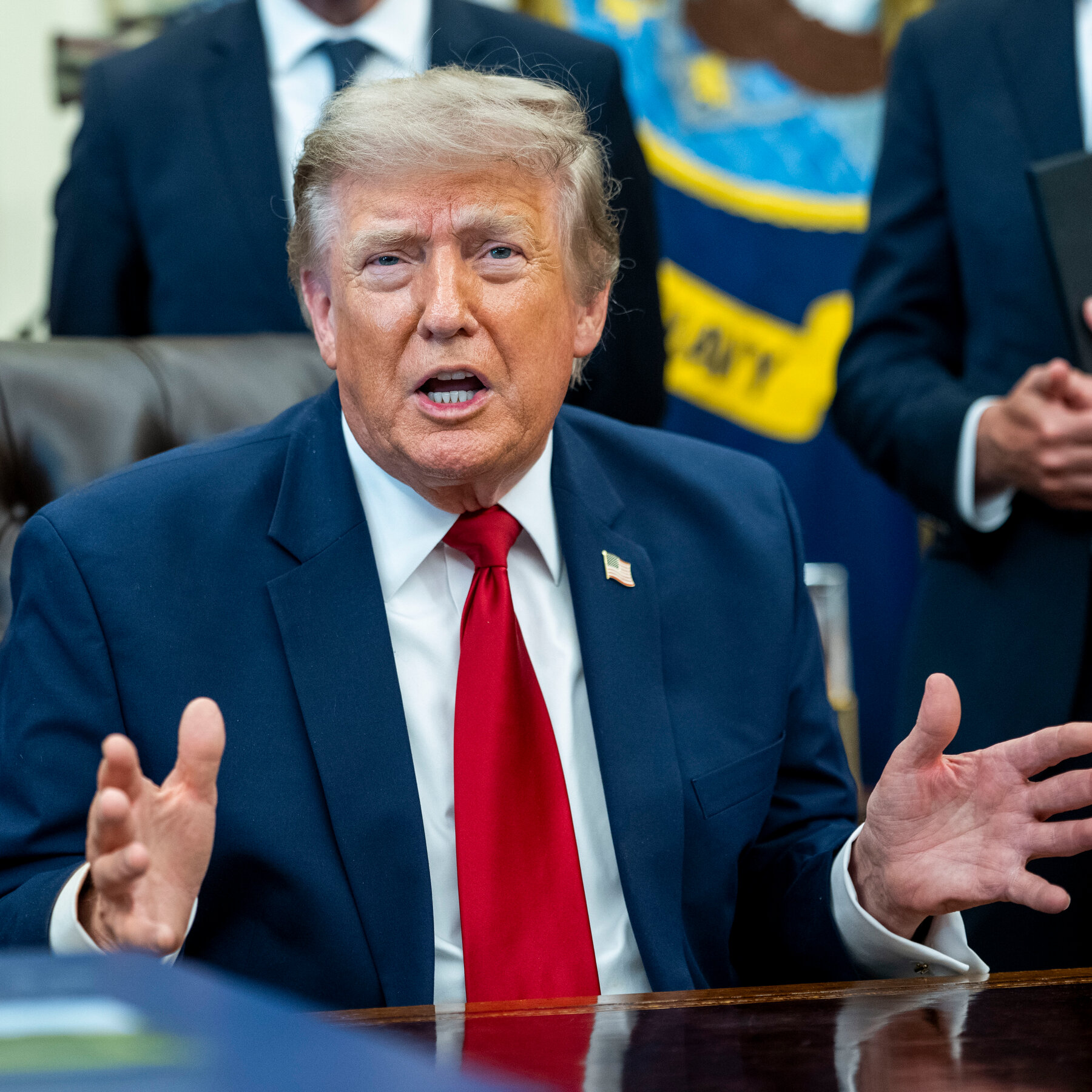
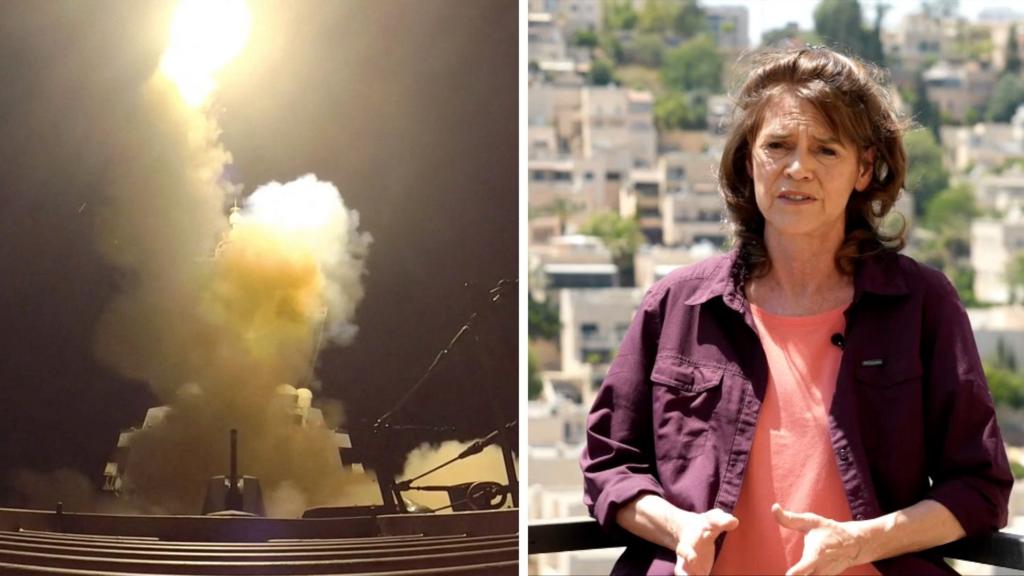
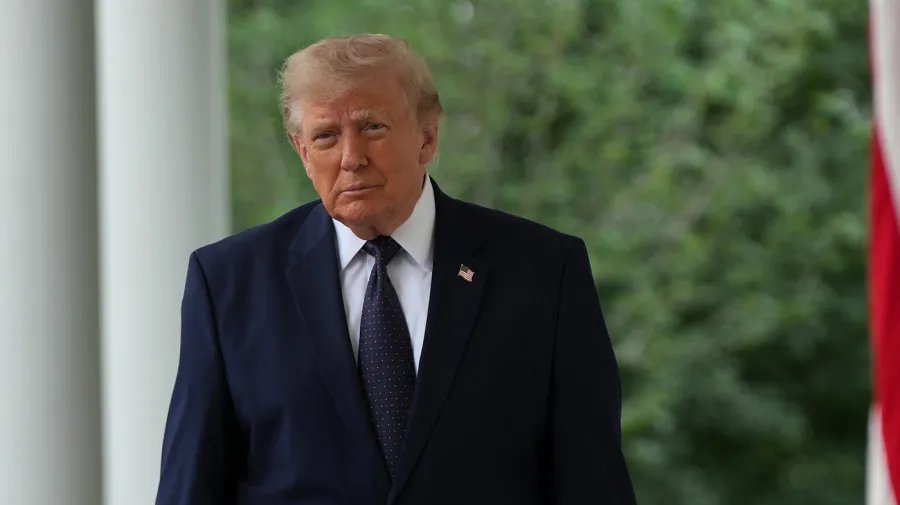
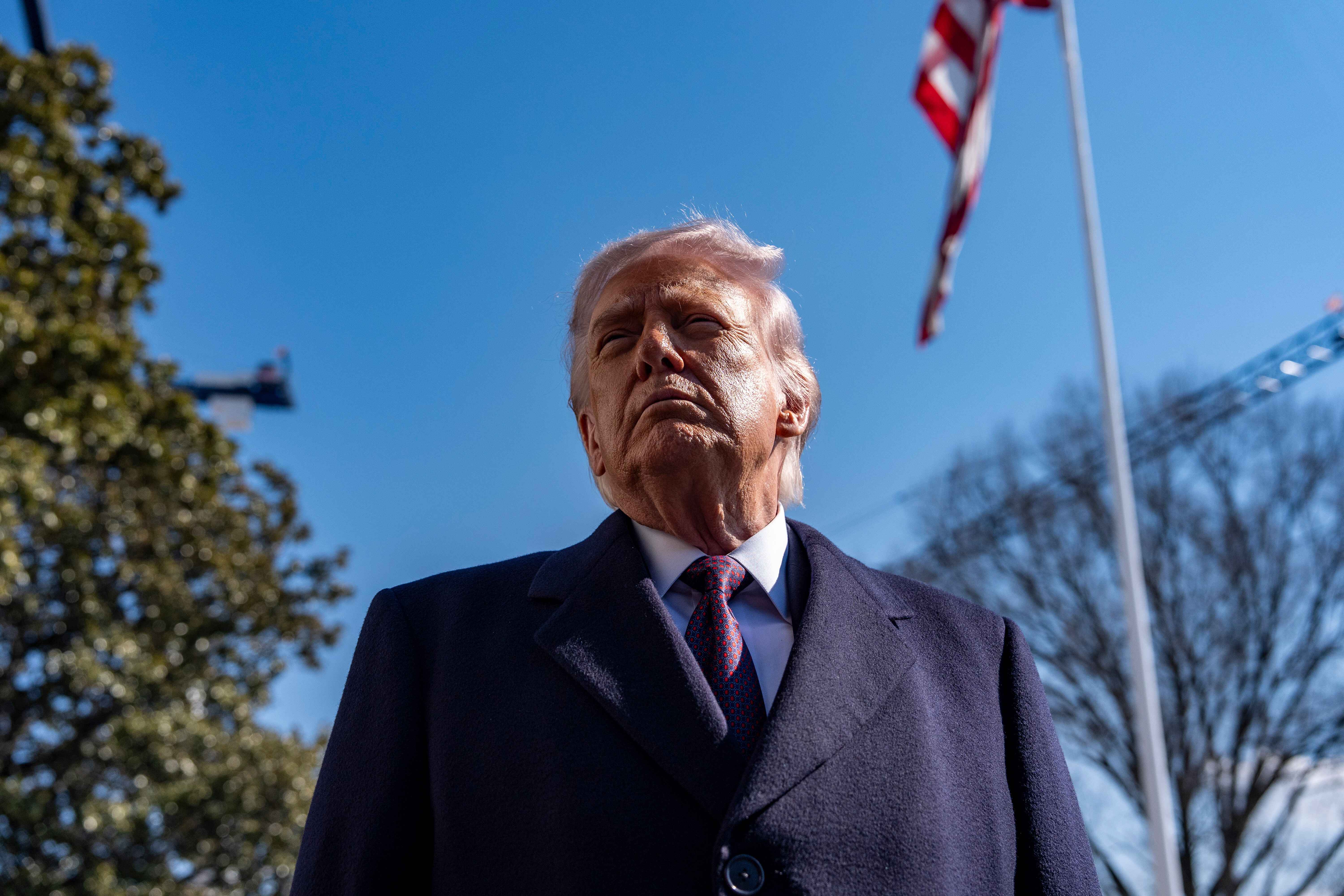
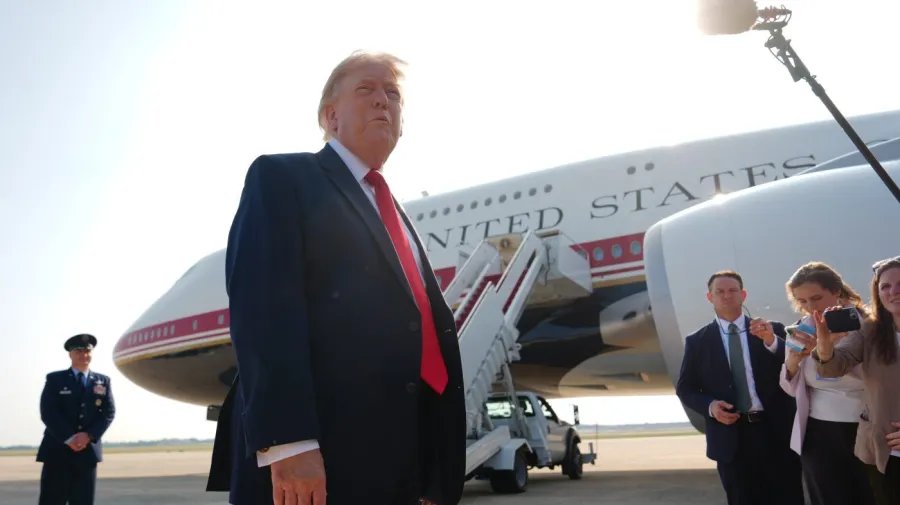
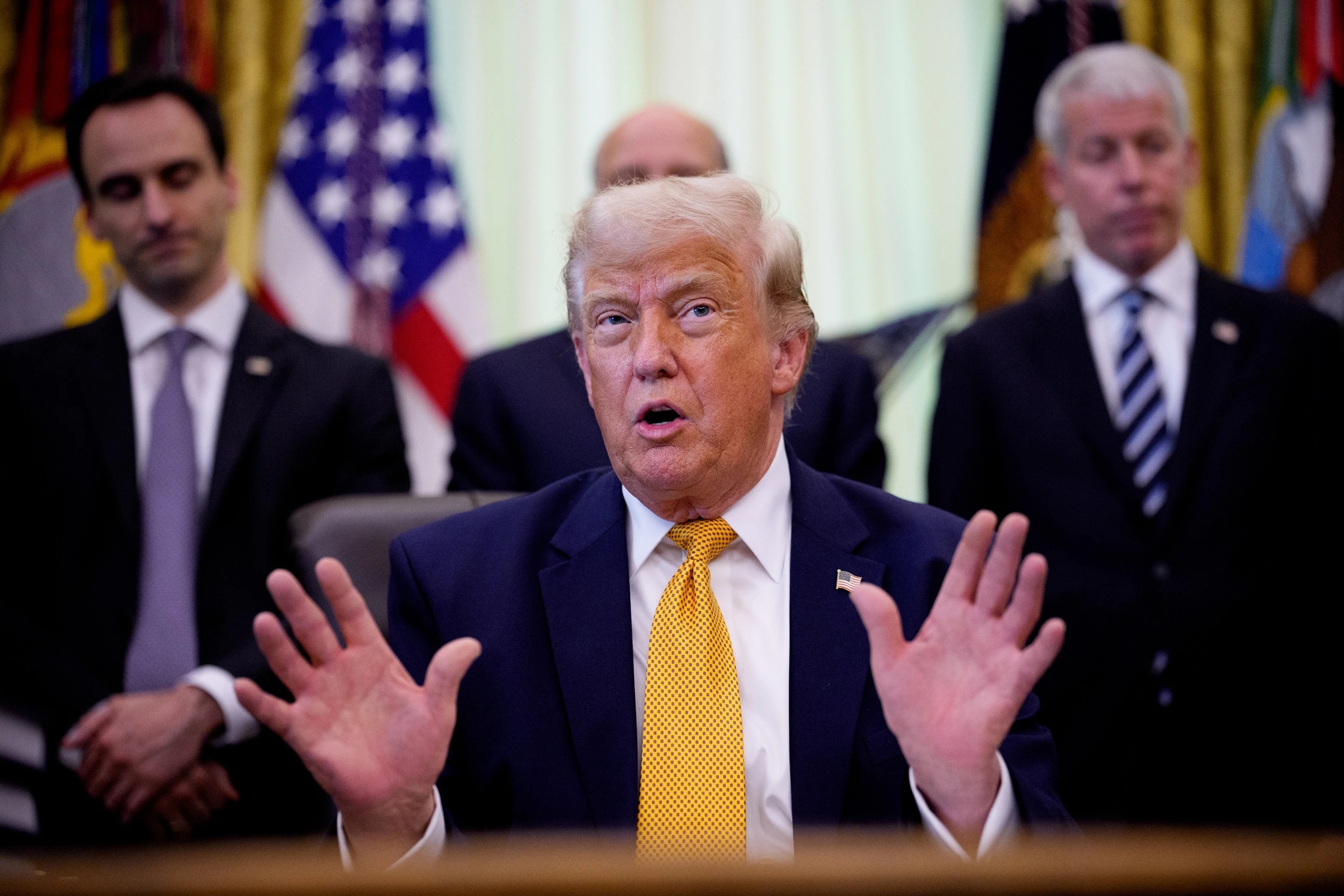
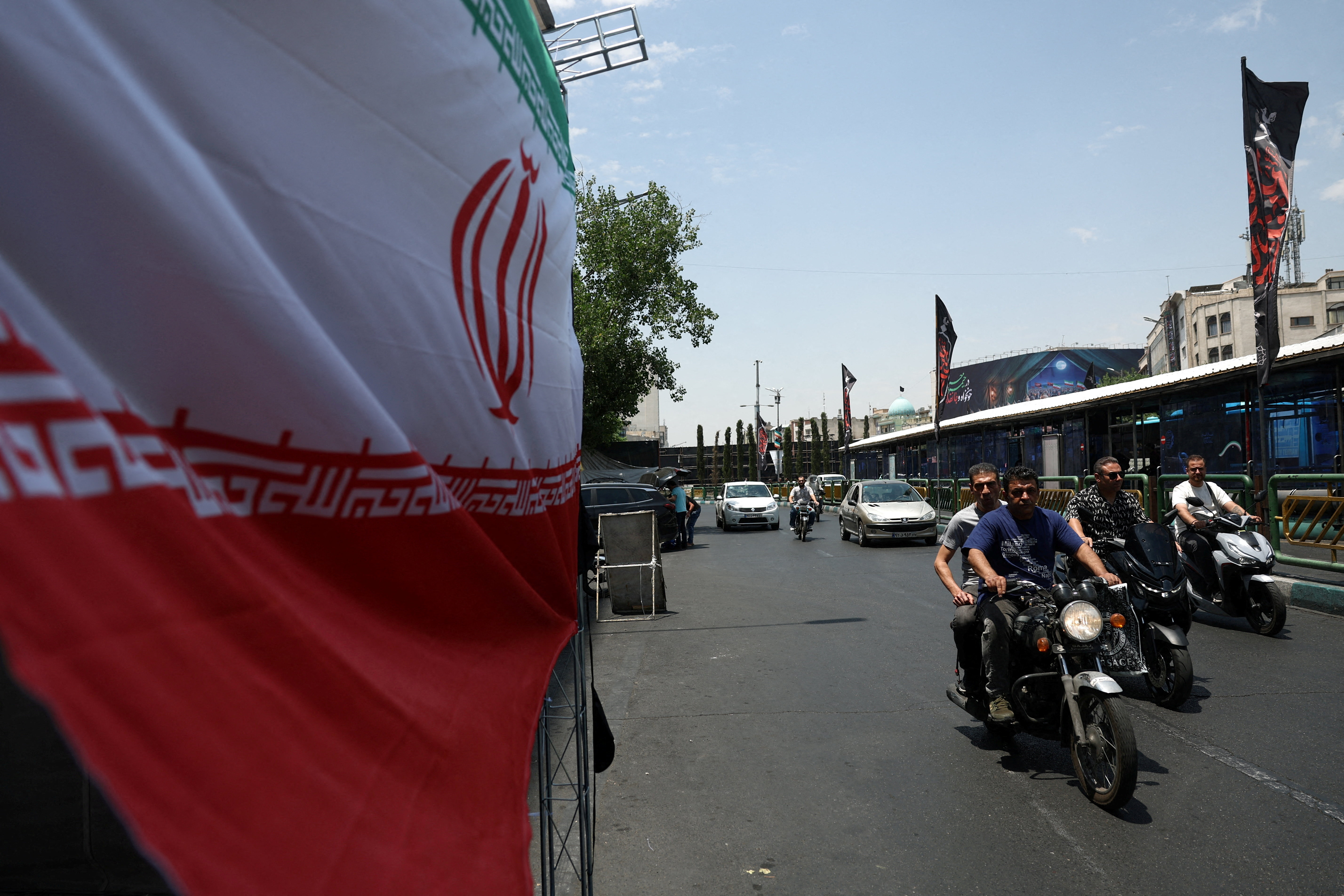
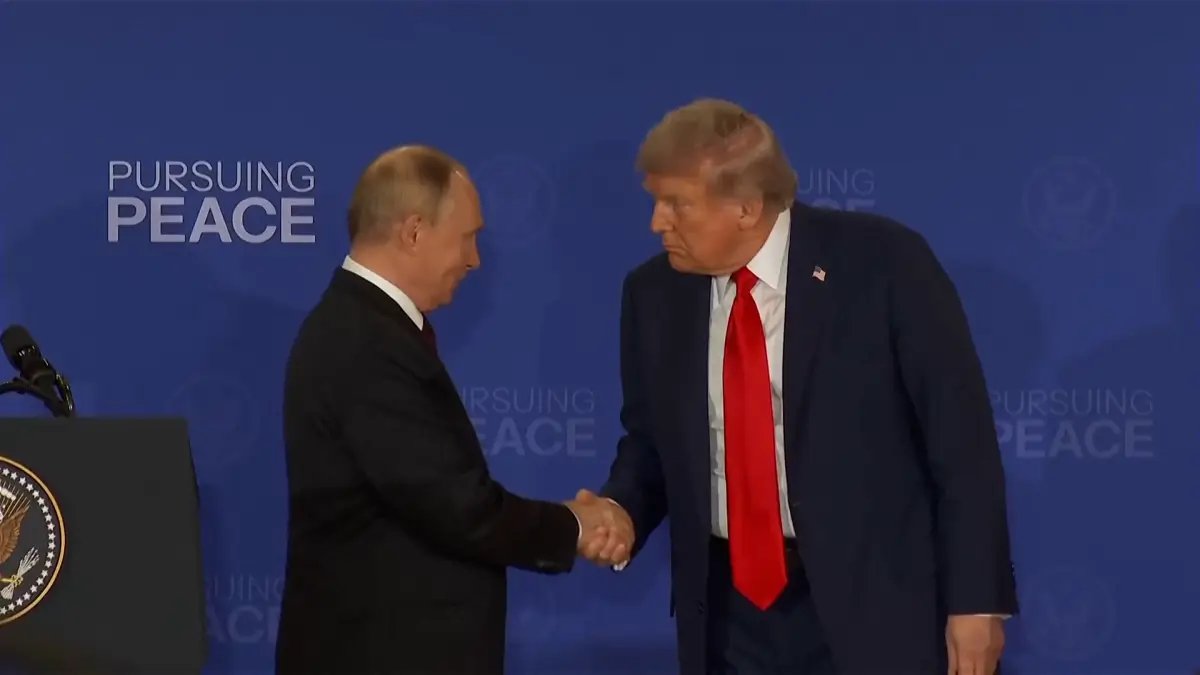
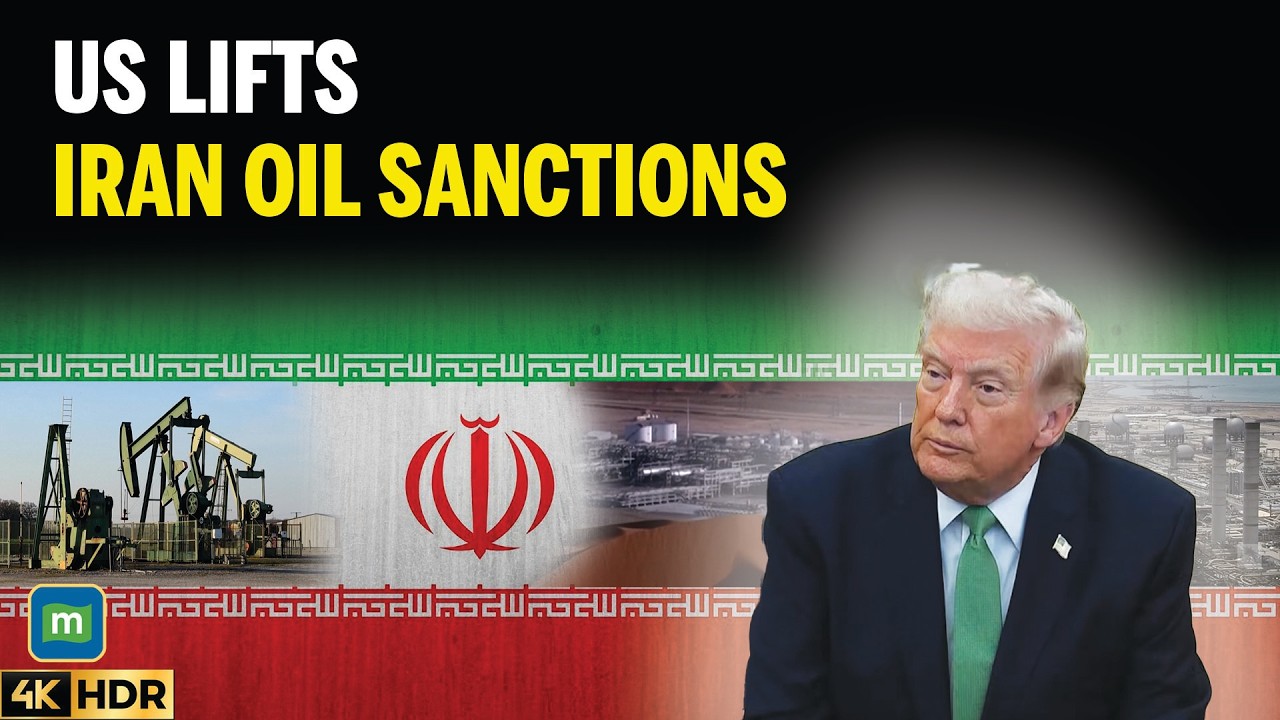
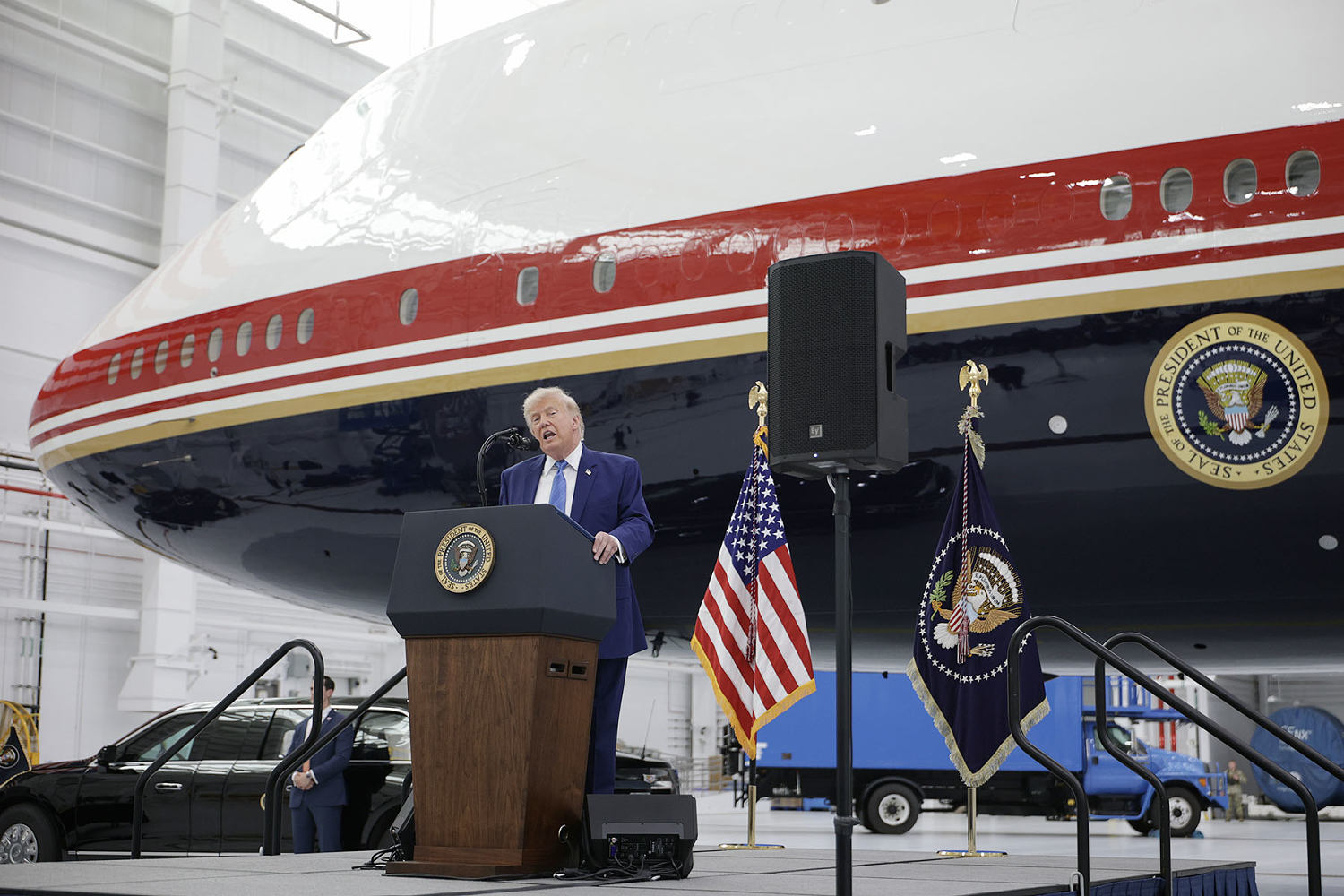
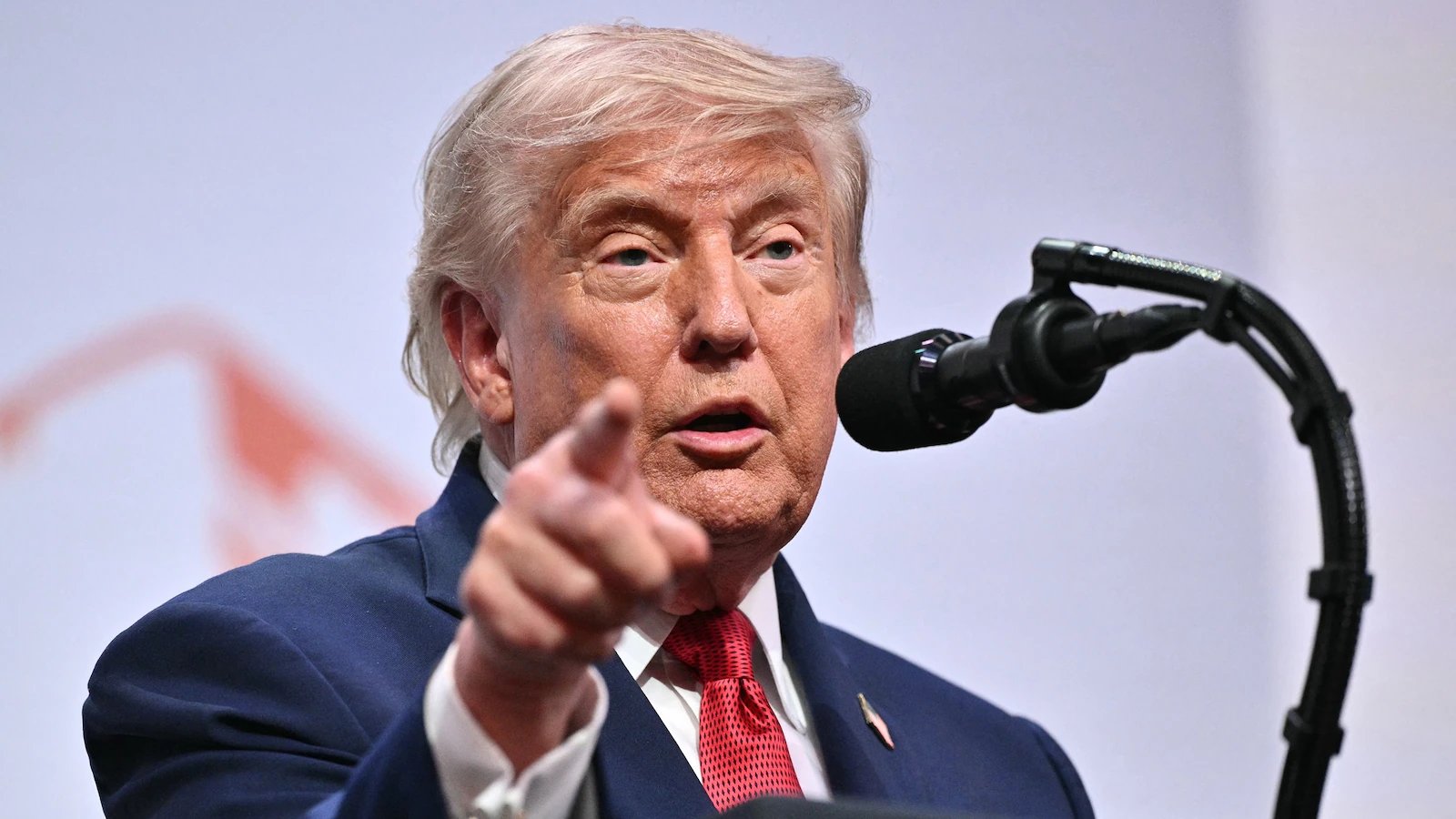
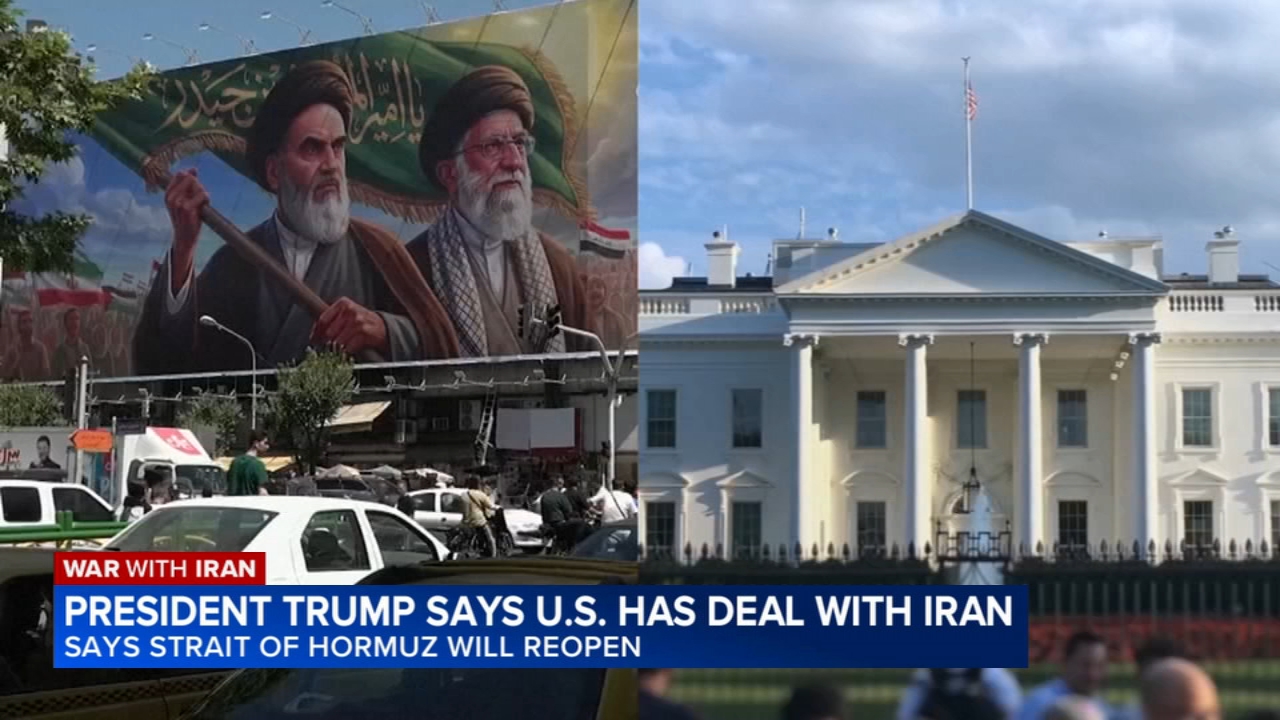
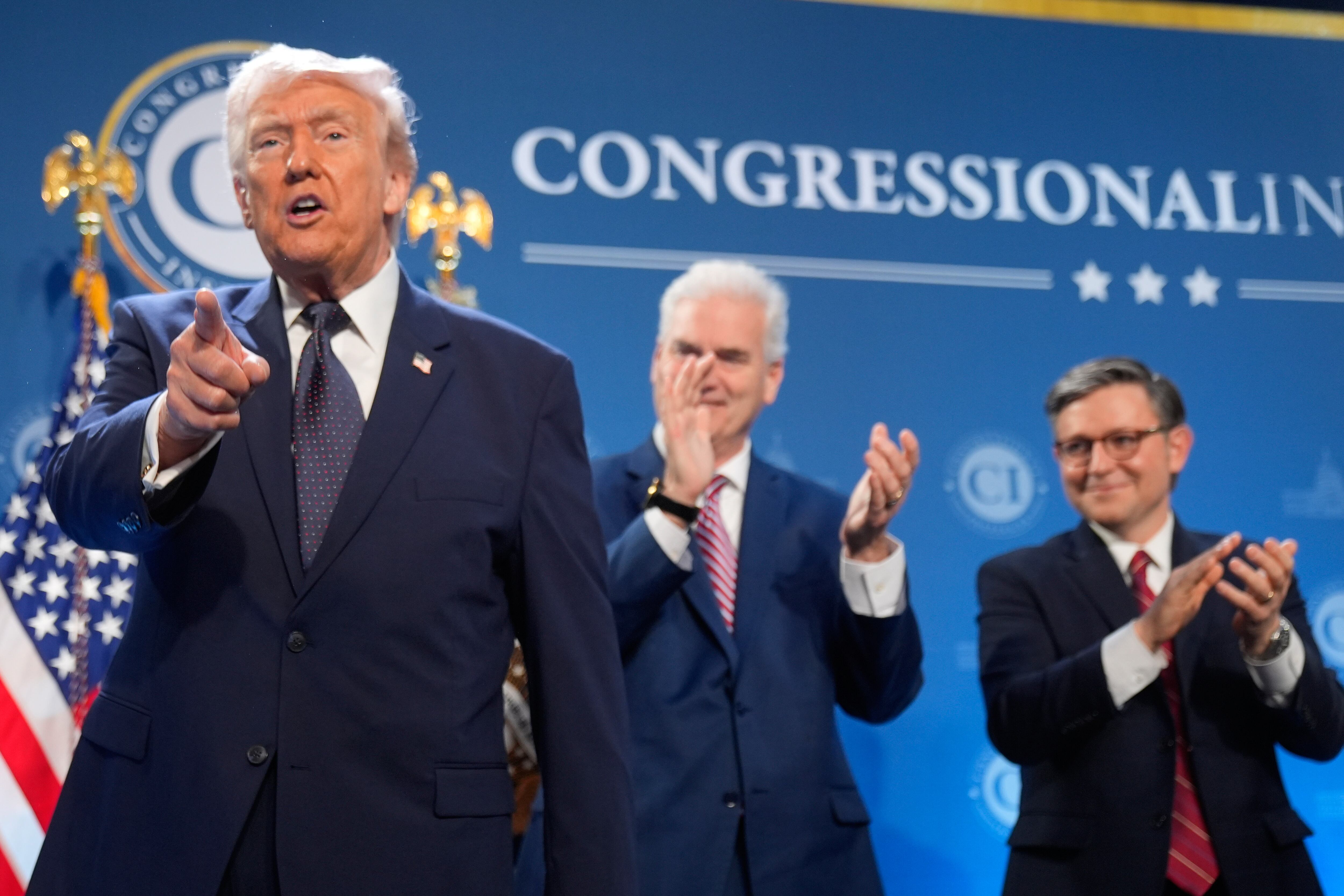
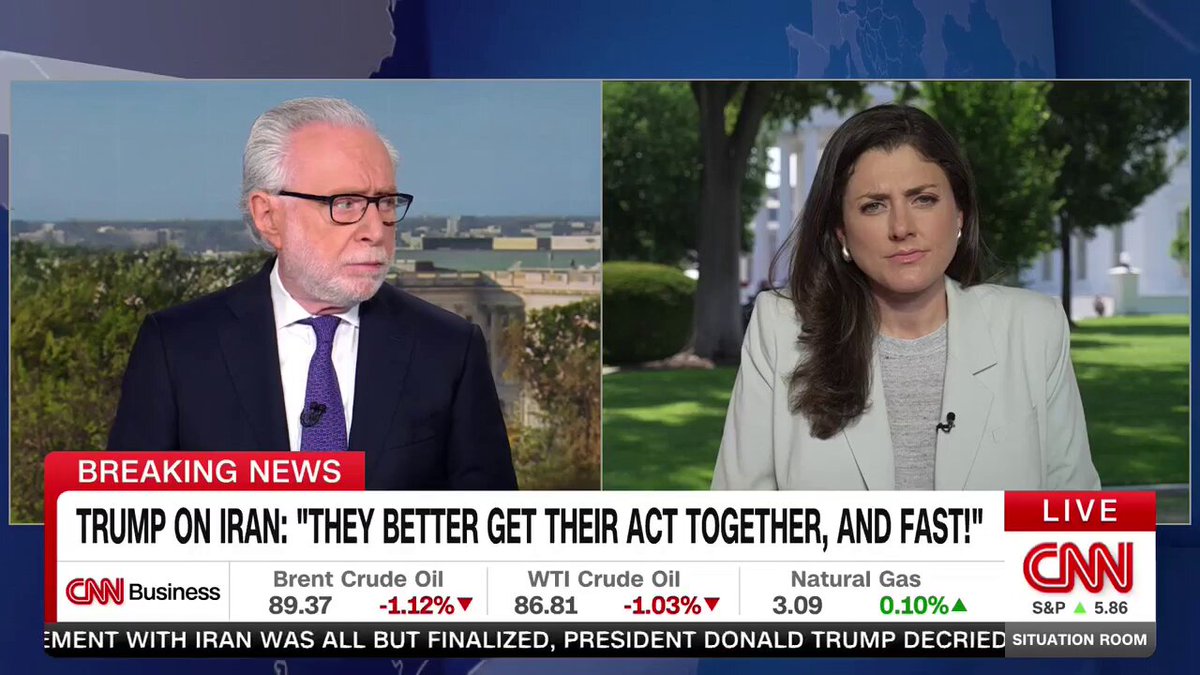
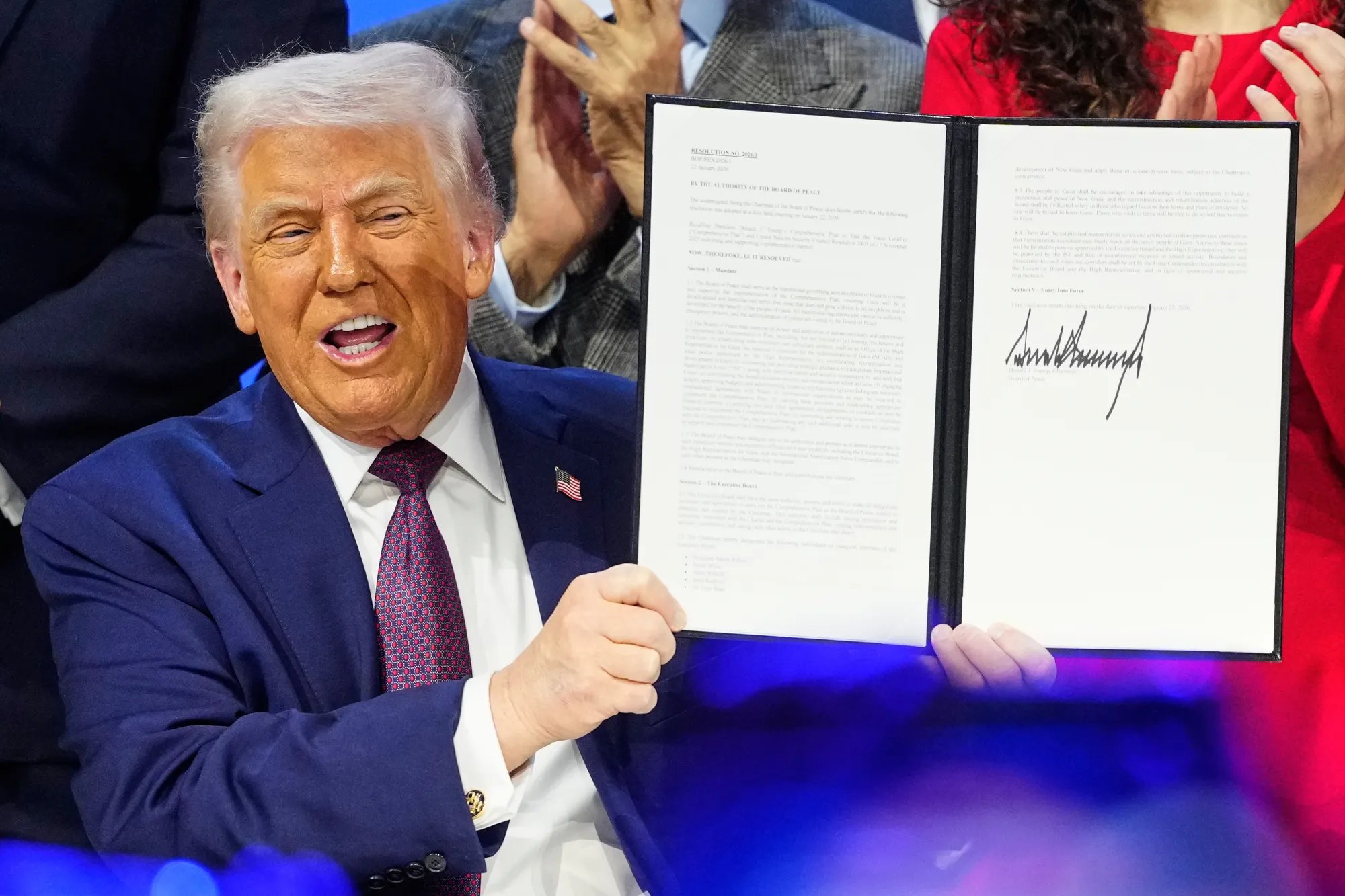
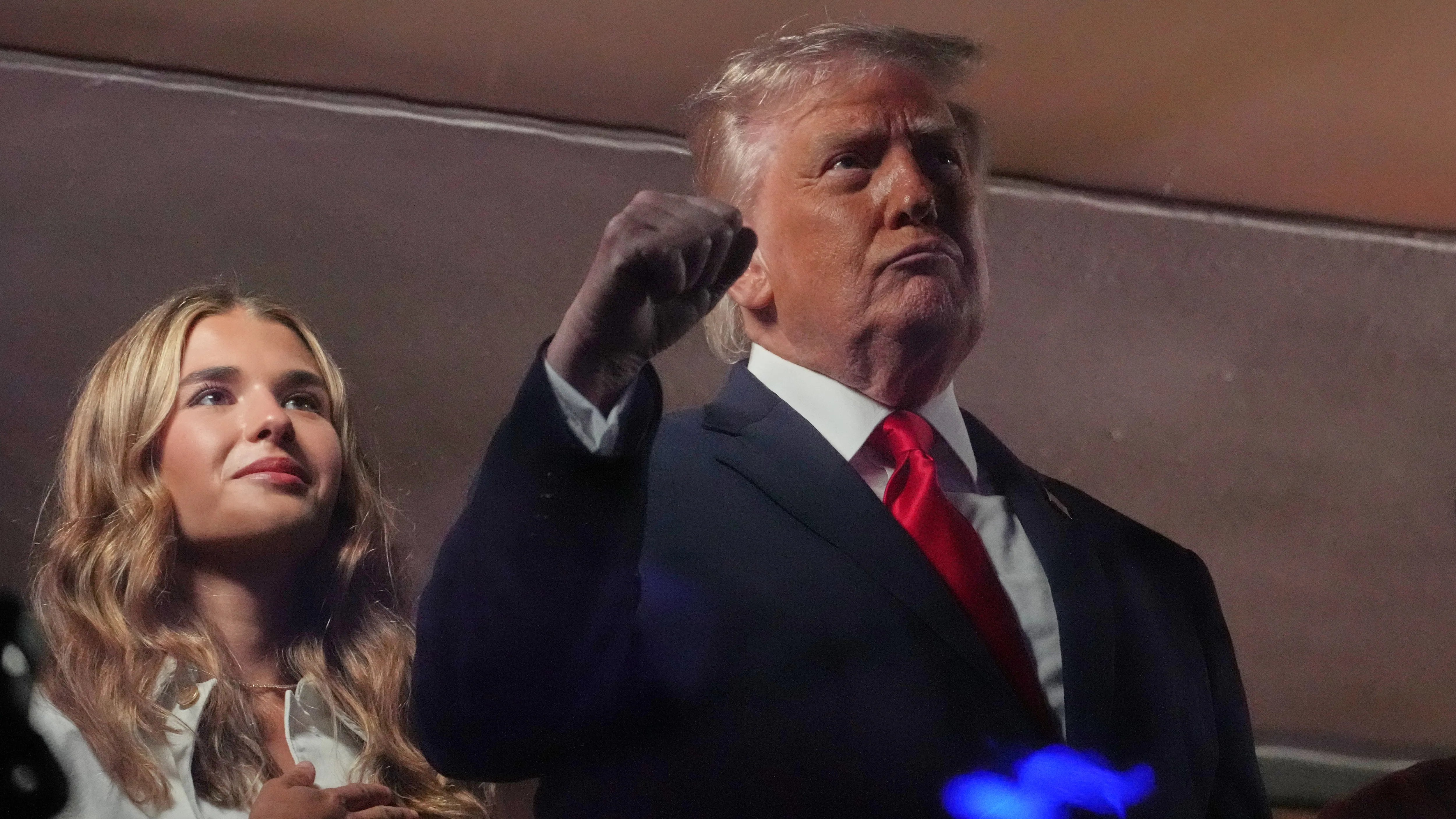
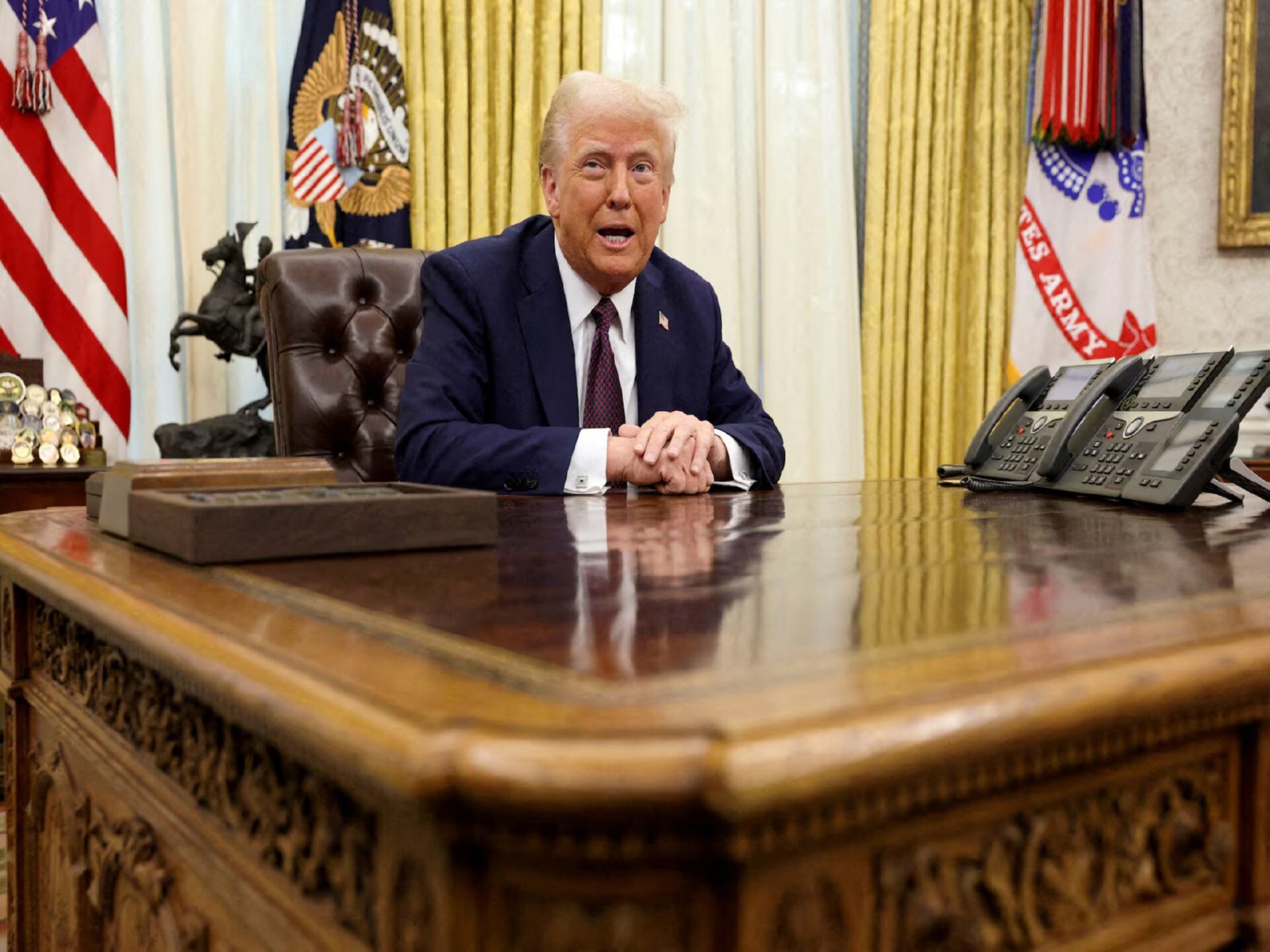
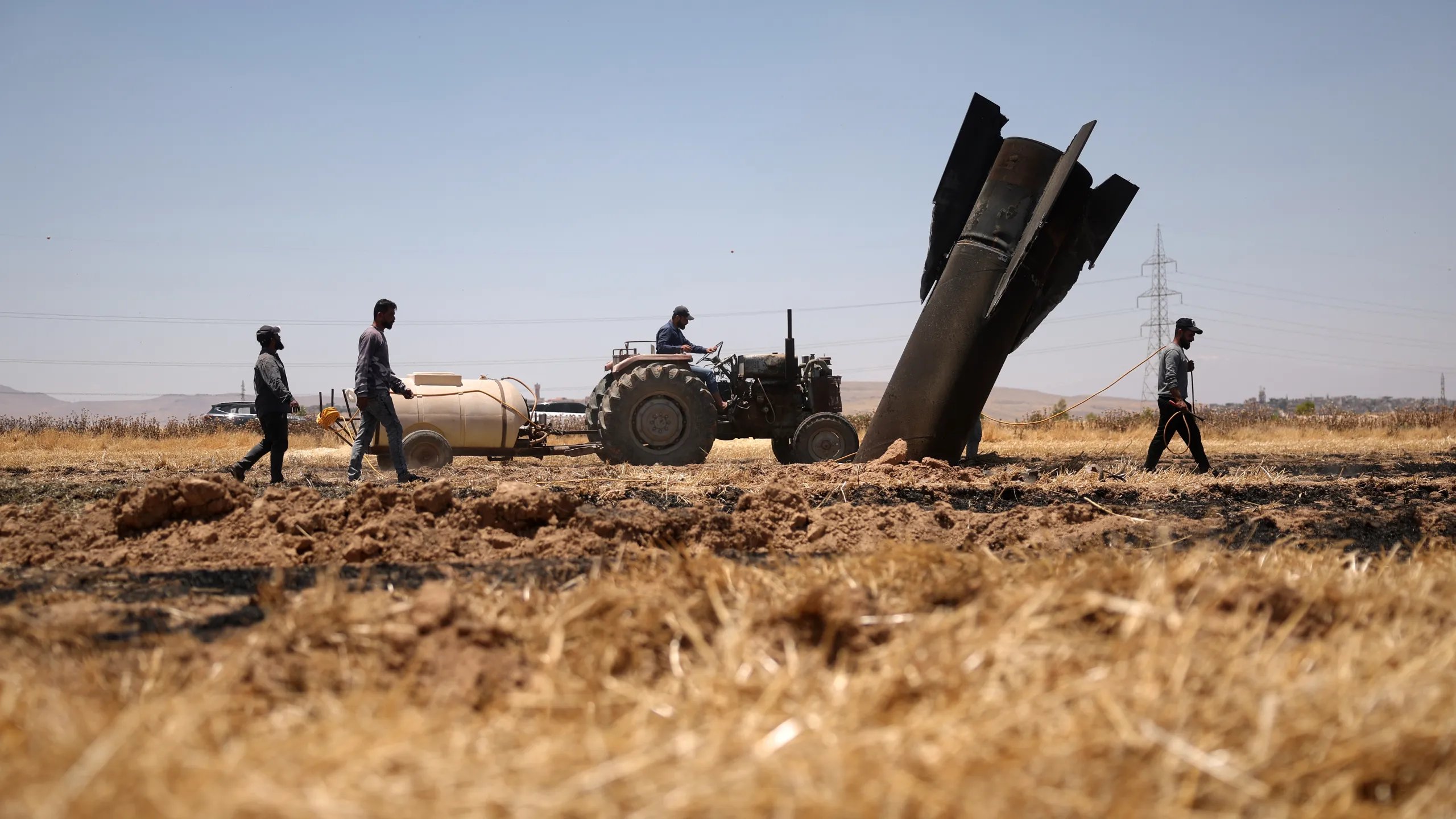
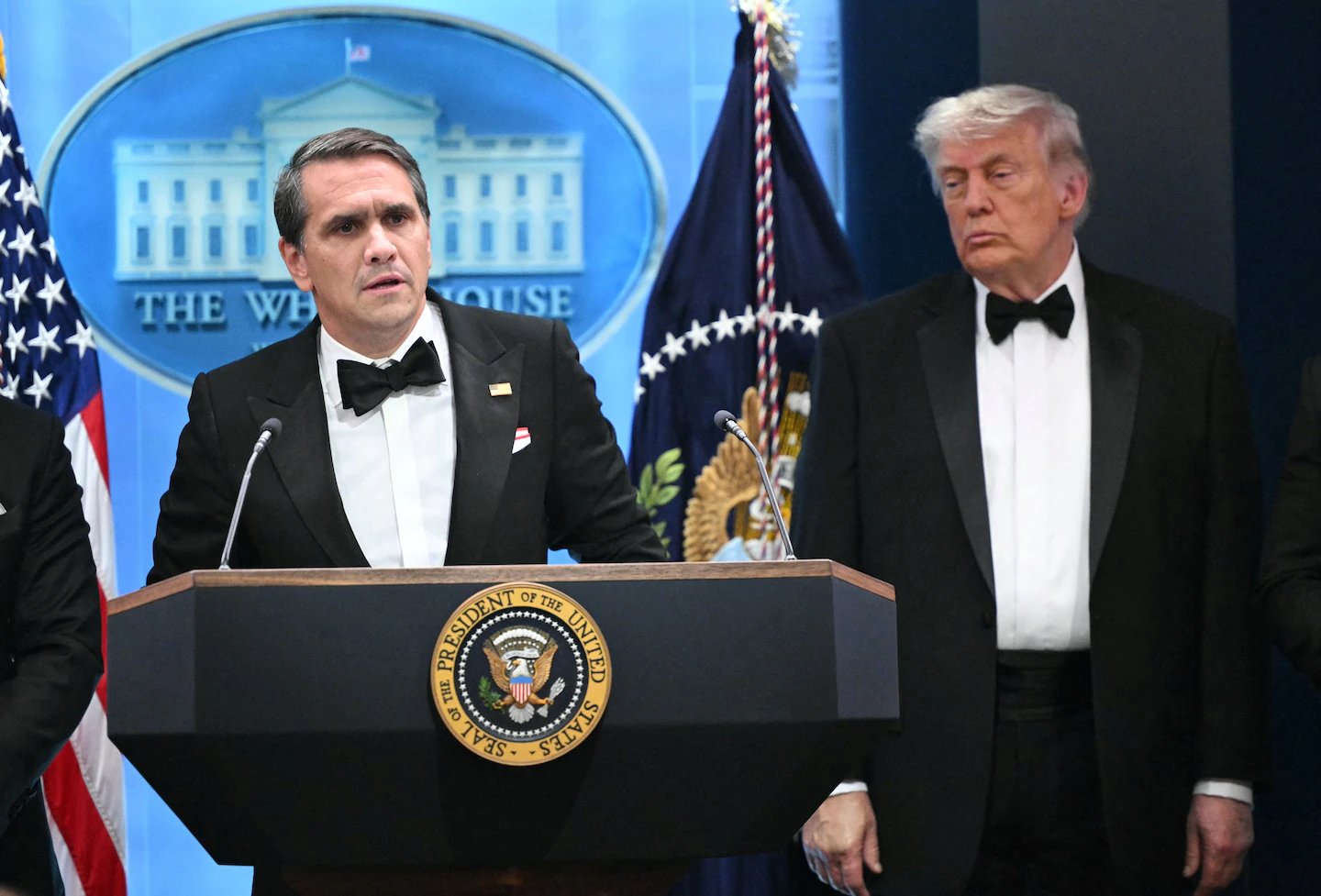
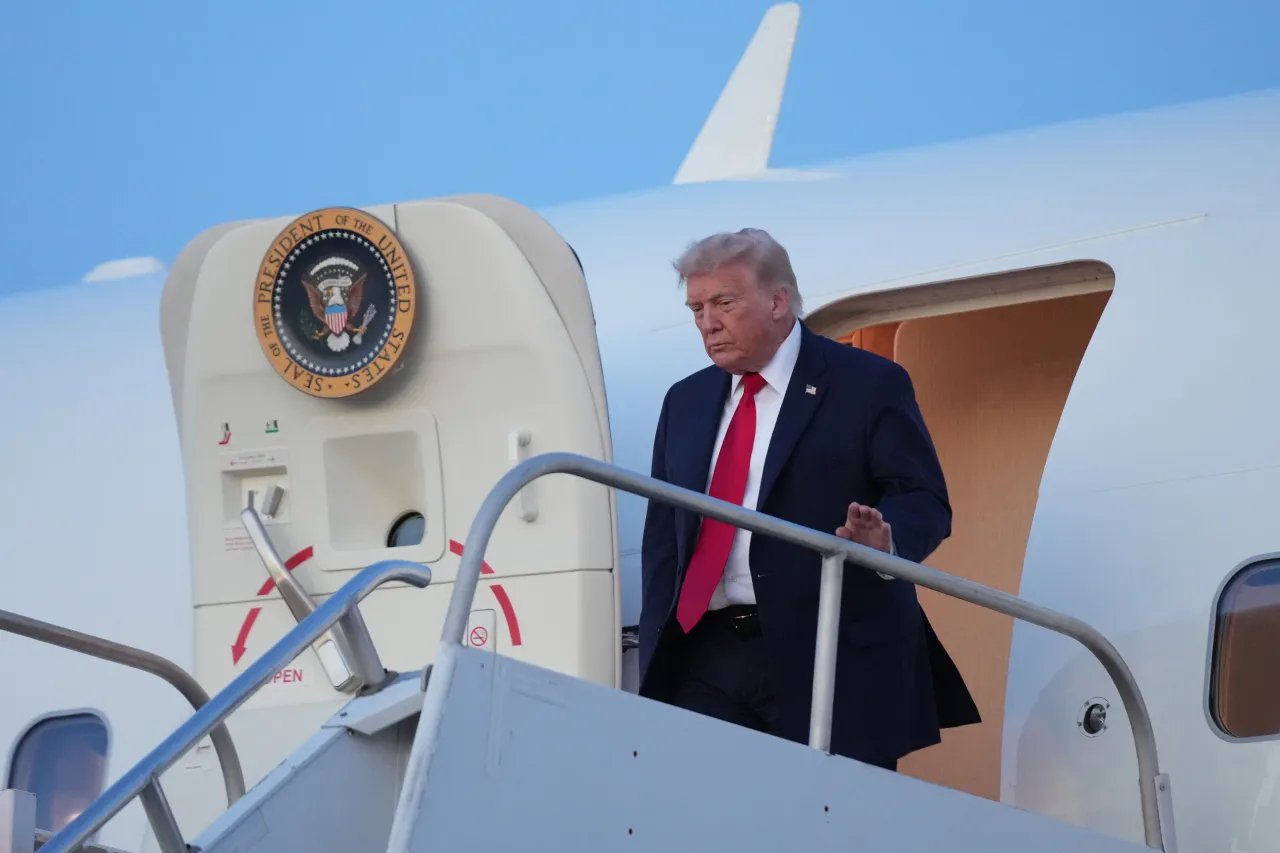
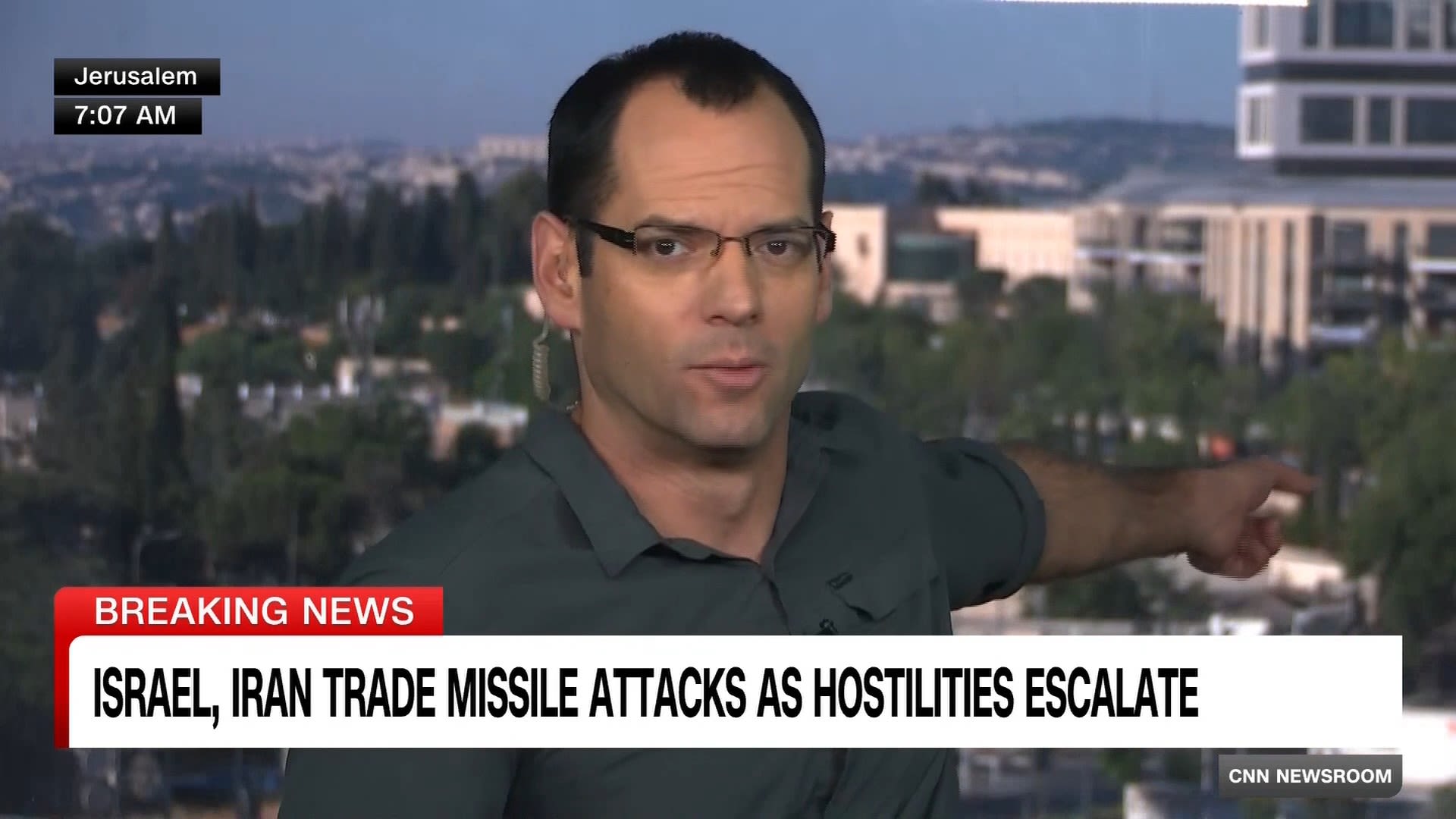
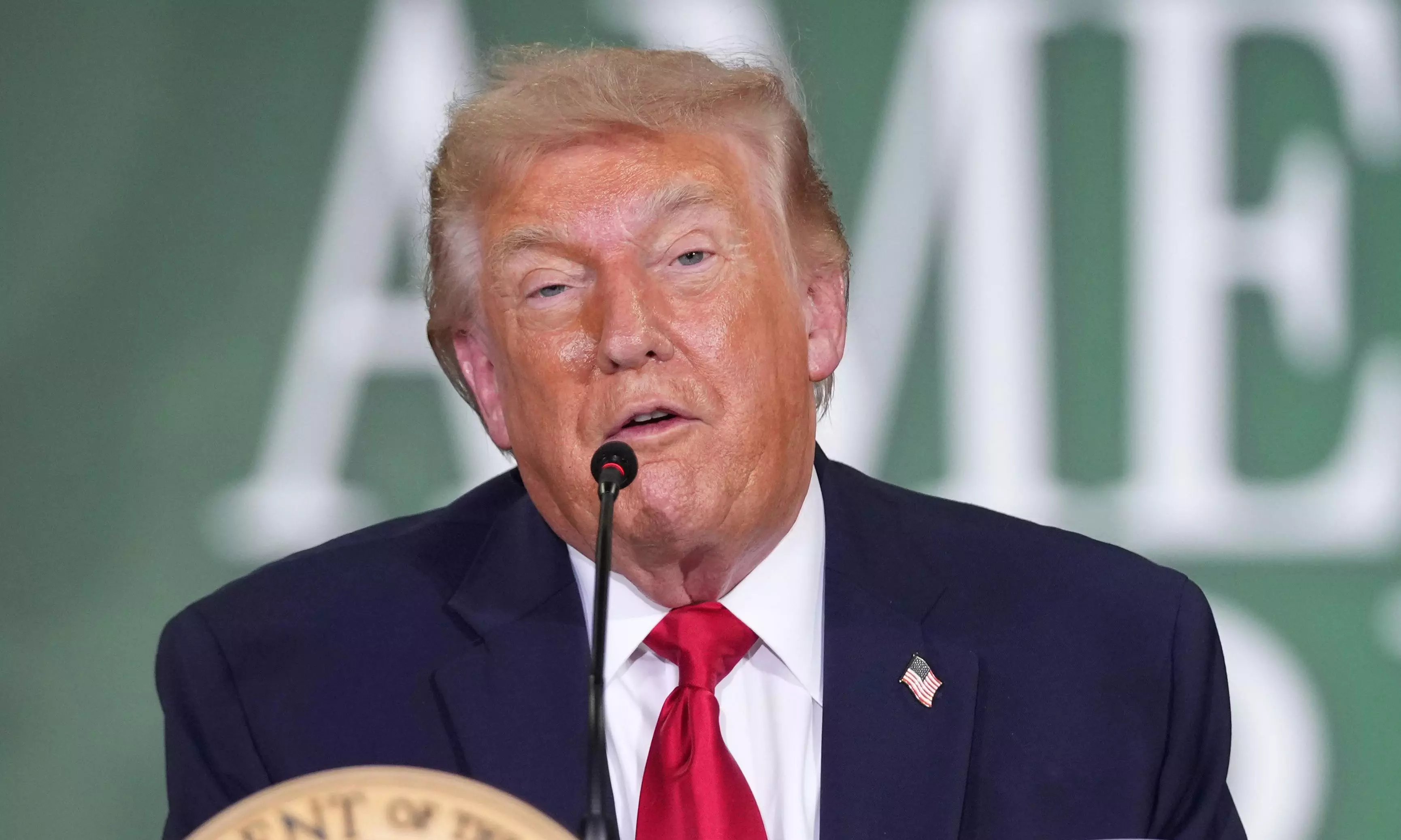
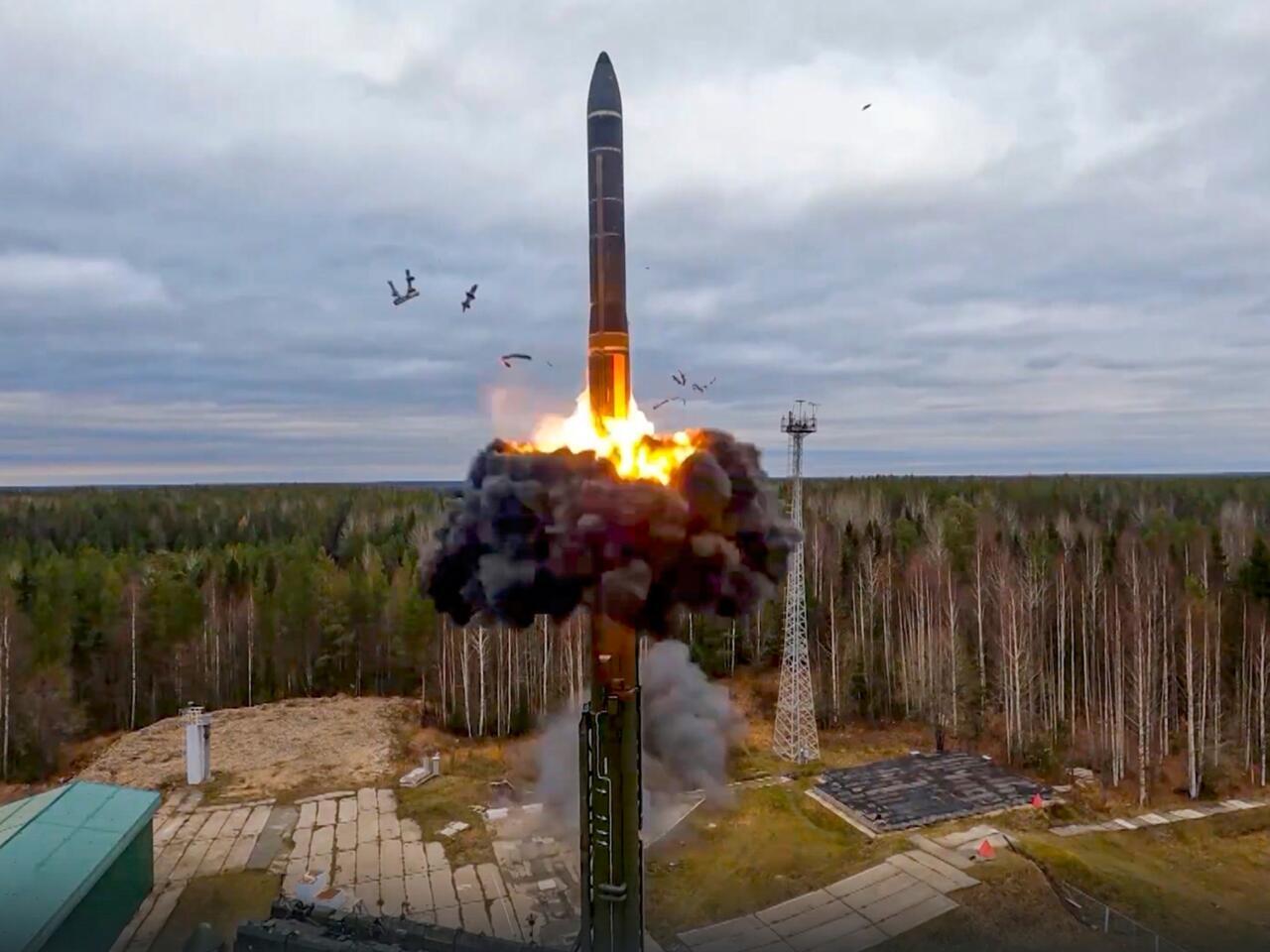
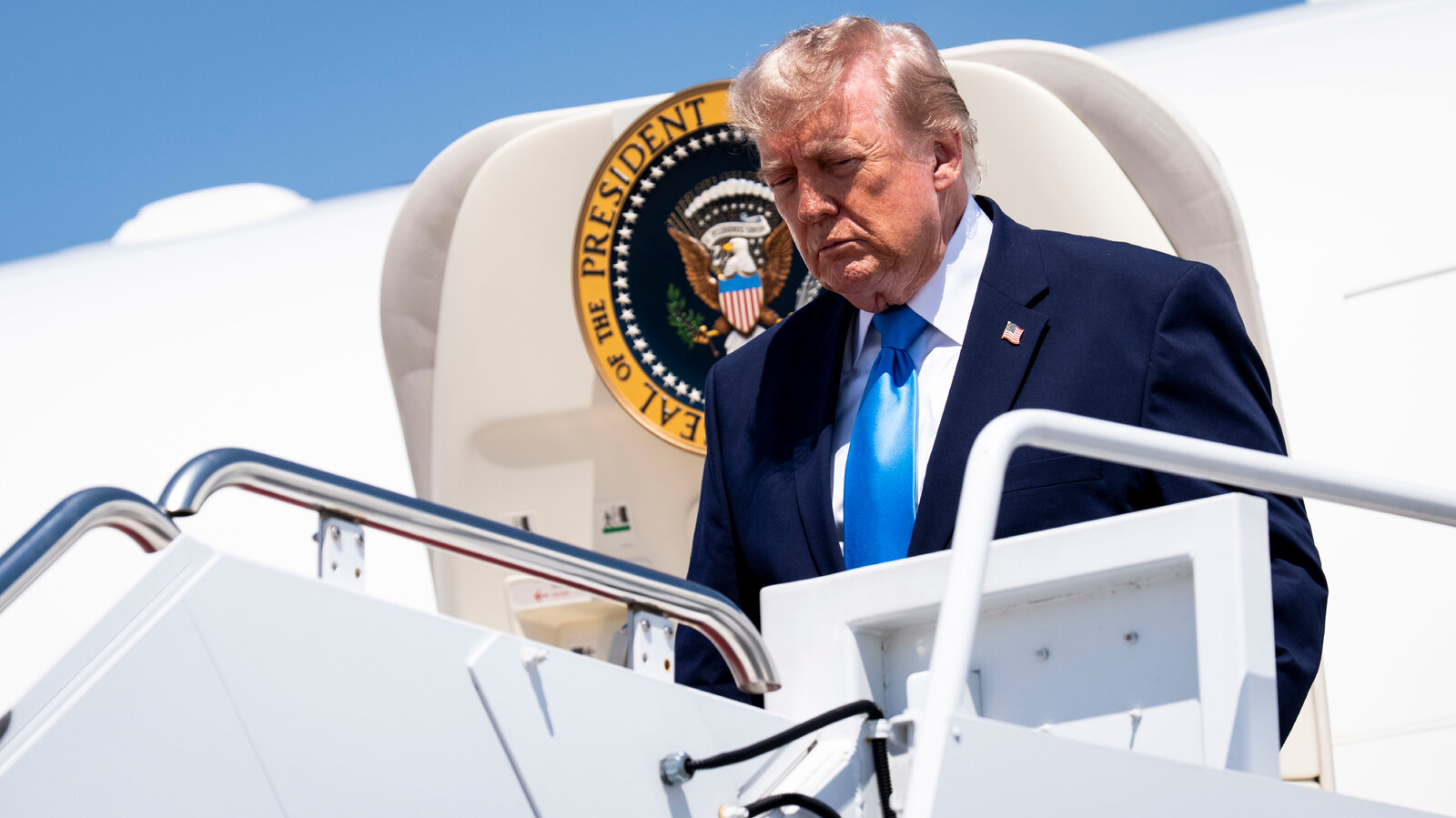
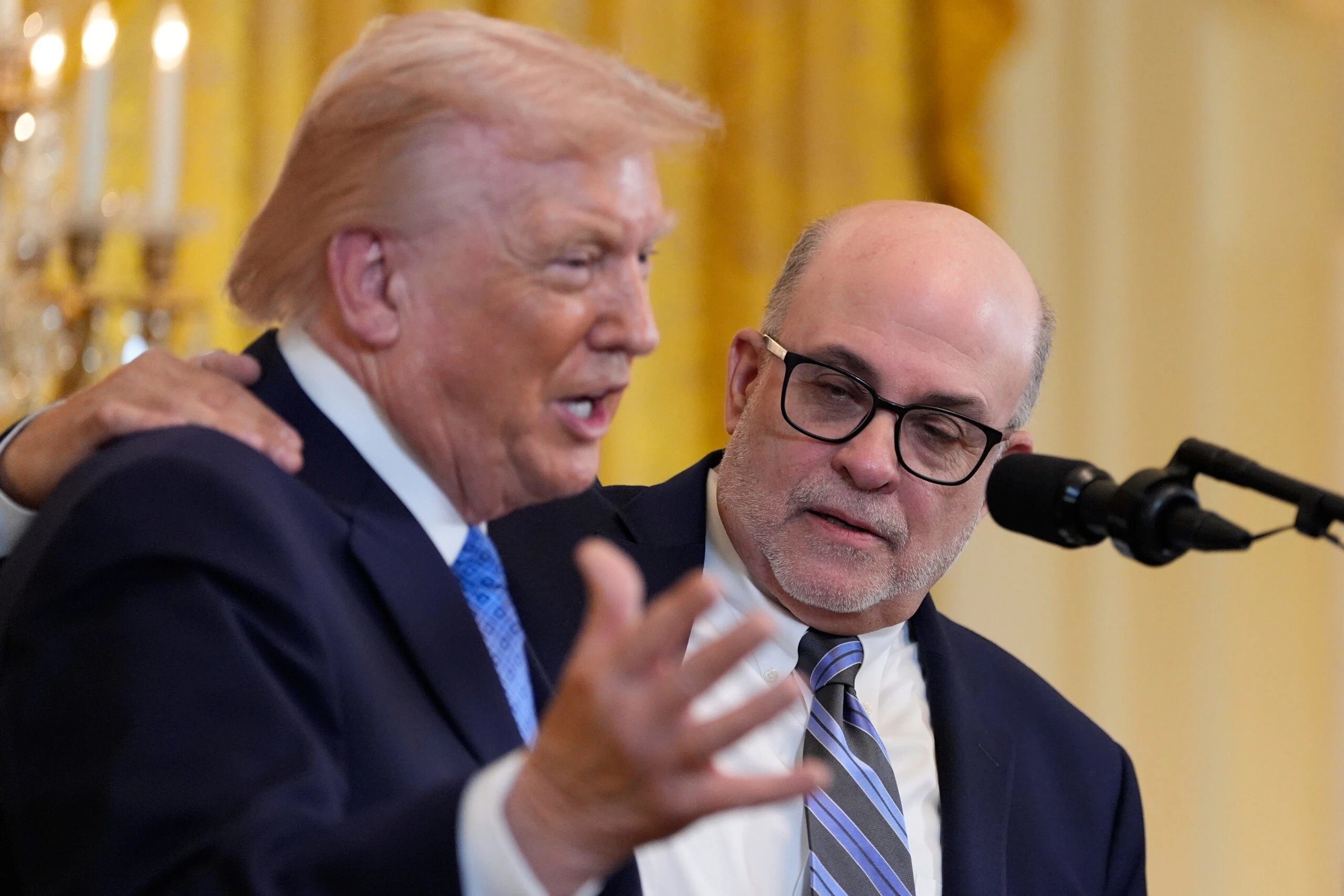
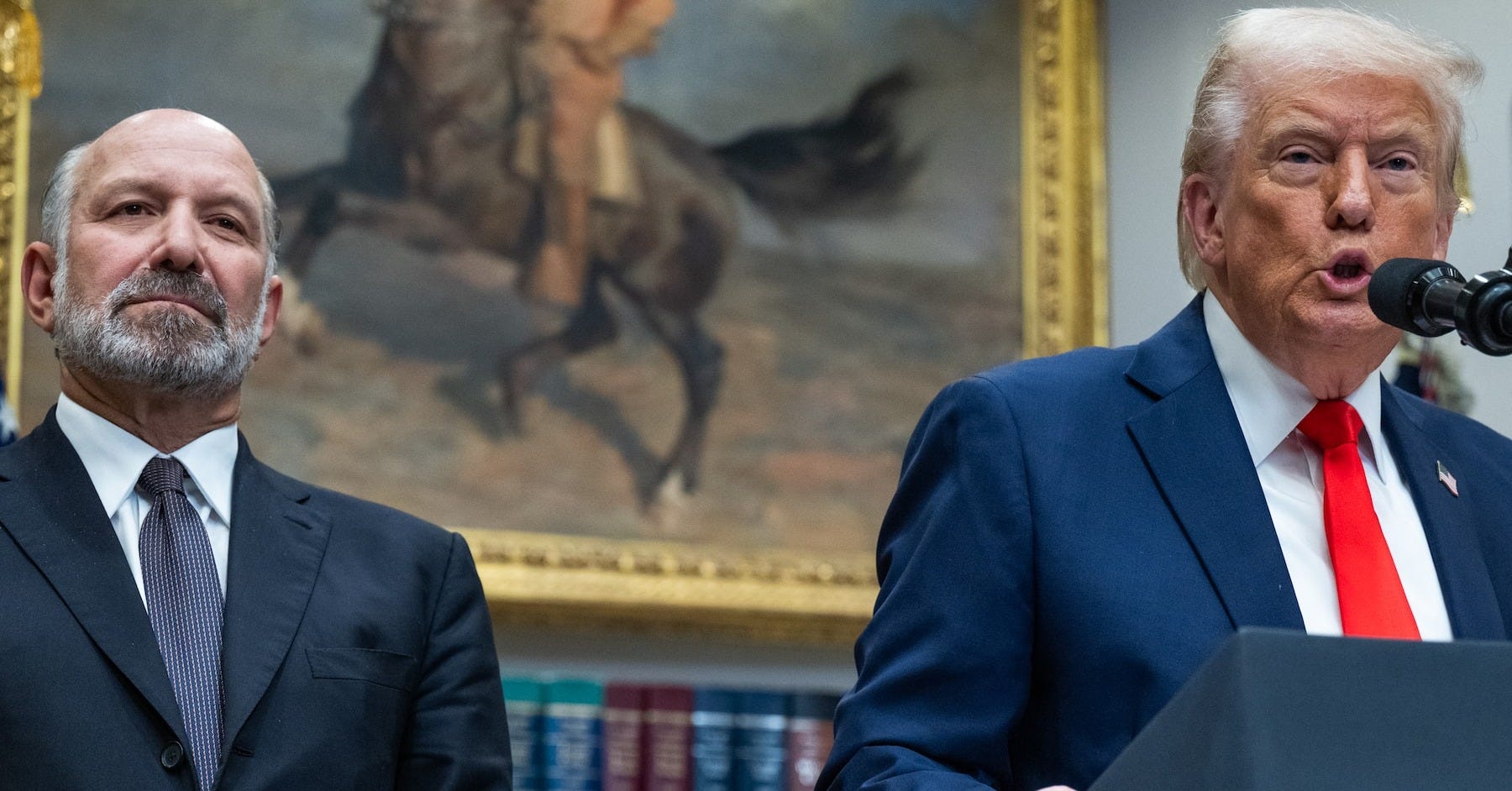
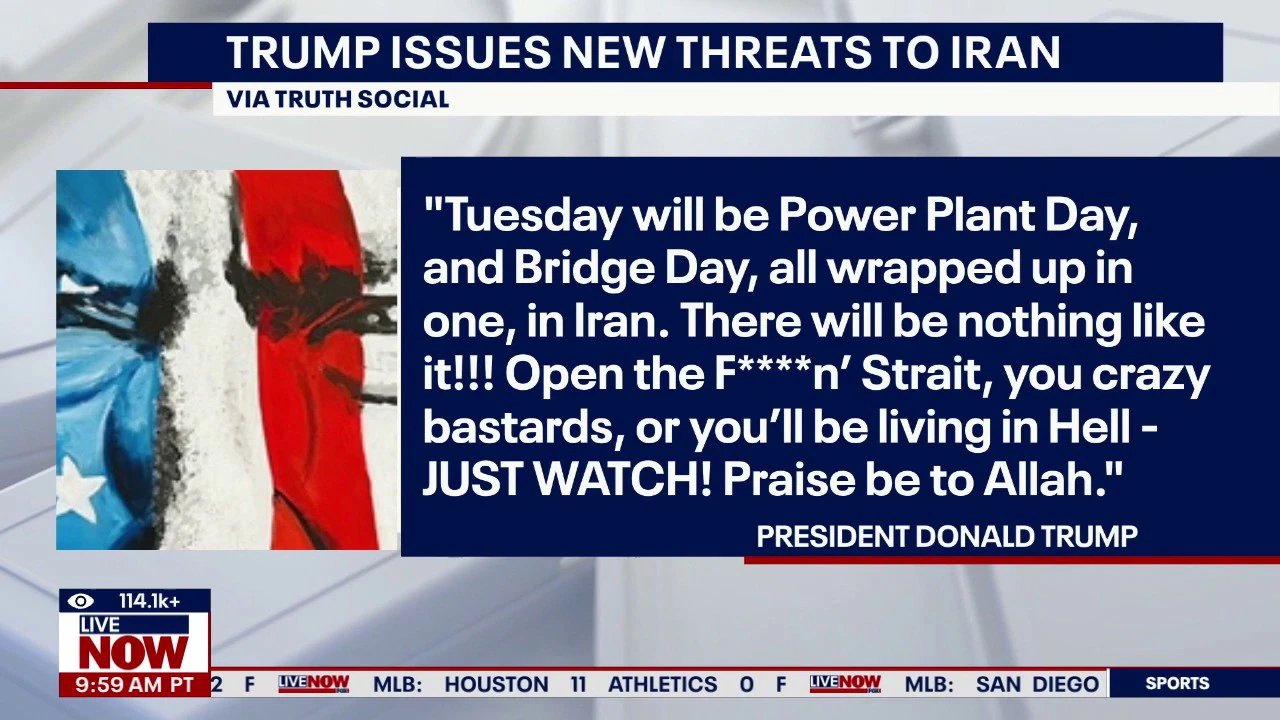
Iranian state television reported that the tanker came under attack after allegedly ignoring warnings, though it did not directly claim responsibility for the strike. U.S. officials indicated that Iranian missiles struck two commercial vessels in the region, highlighting a potential escalation in hostilities despite a recent ceasefire agreement. The U.S. is closely monitoring the situation, and President Trump has warned that Iran must either negotiate or face severe consequences.
Maritime Security Concerns
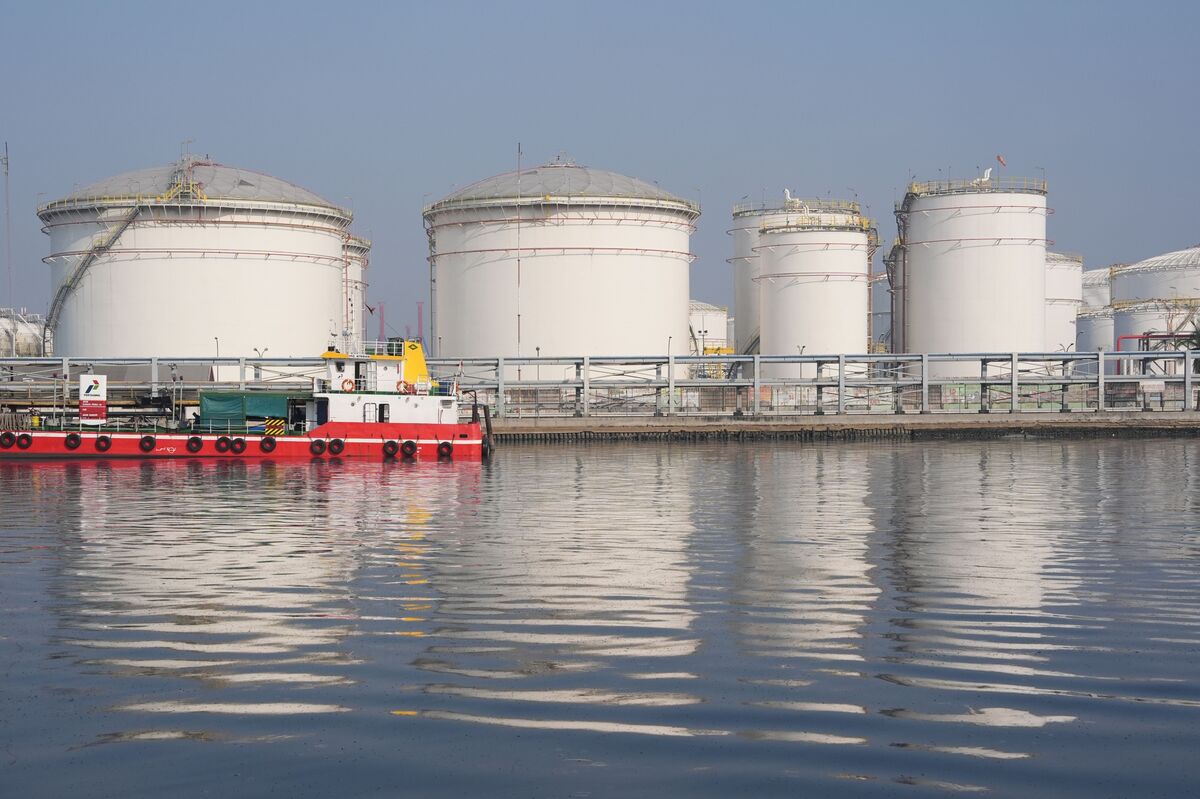
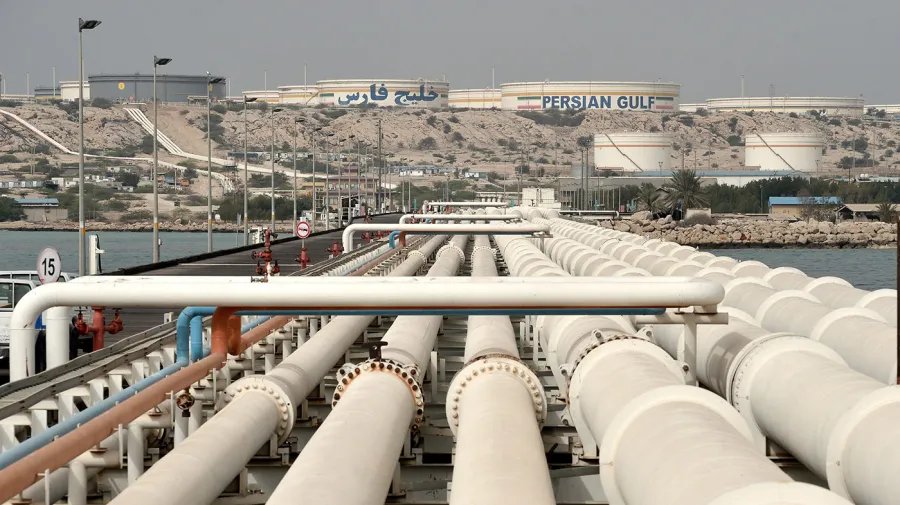
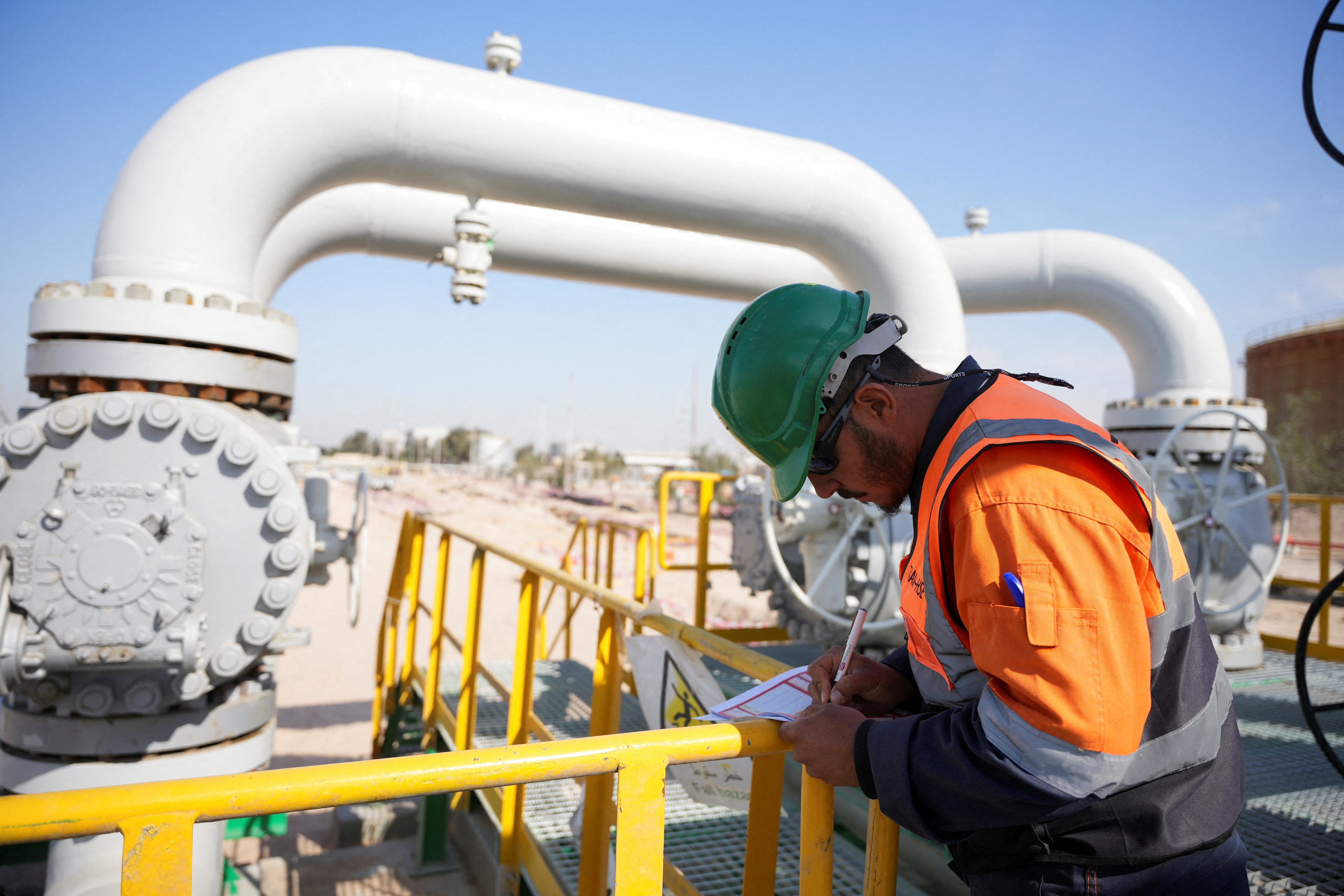
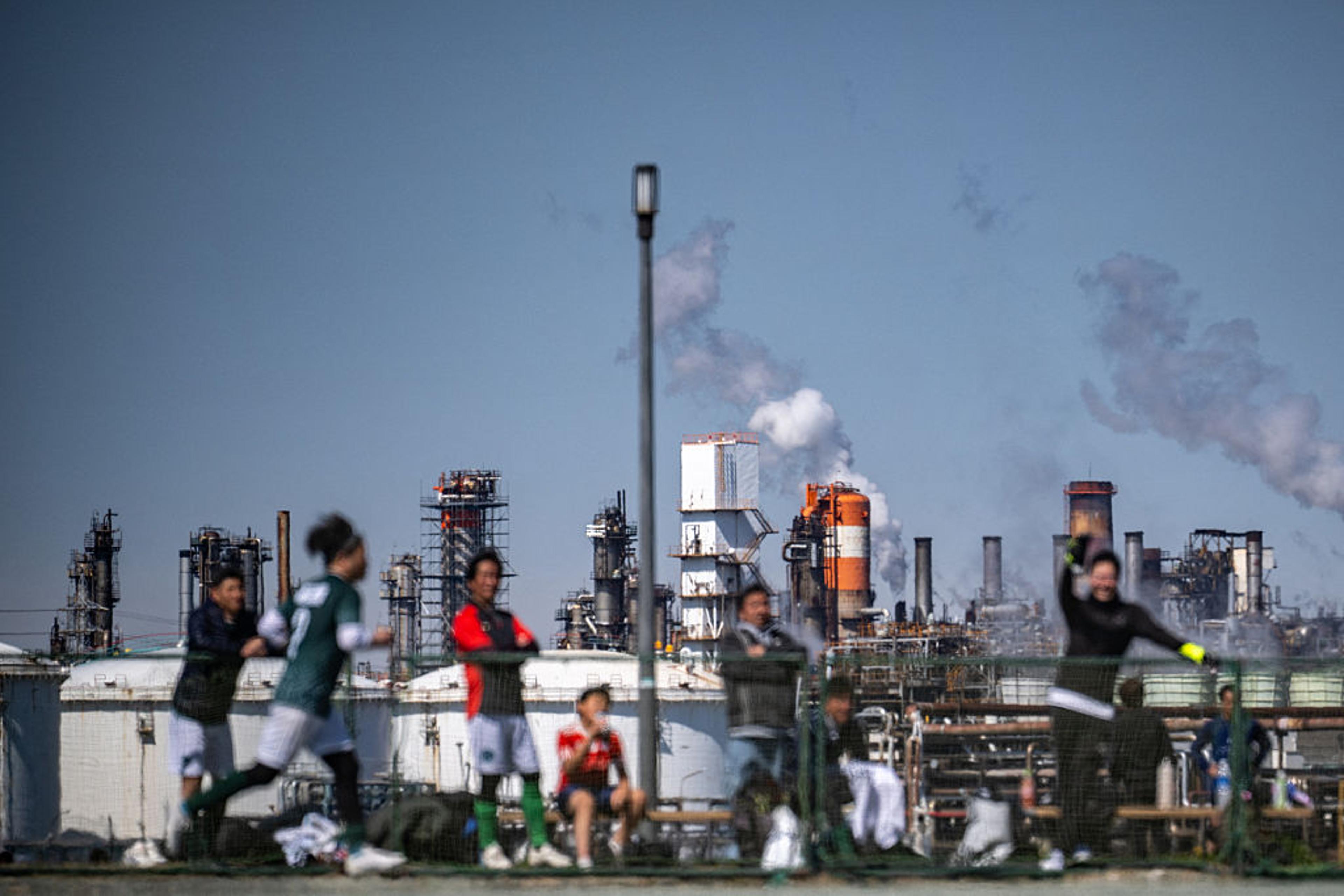
The Strait of Hormuz is a critical maritime route, through which approximately a fifth of the world's oil and natural gas is transported. This latest attack raises significant concerns about maritime security and the potential disruption of global oil supplies. The ongoing tensions in the region have prompted the UKMTO to advise vessels to transit with caution and report any suspicious activity.
Iranian Military Threats
Iran's Revolutionary Guards have issued warnings that all oil tankers must adhere to approved routes through the strait, suggesting that any deviation could result in further attacks. This follows a pattern of behavior where Tehran has been suspected of targeting vessels that do not comply with its directives. The Iranian government has also expressed intentions to establish a fee system for vessels passing through the strait, a proposal that has been met with strong opposition from the U.S. and Gulf Arab states.
Diplomatic Fallout
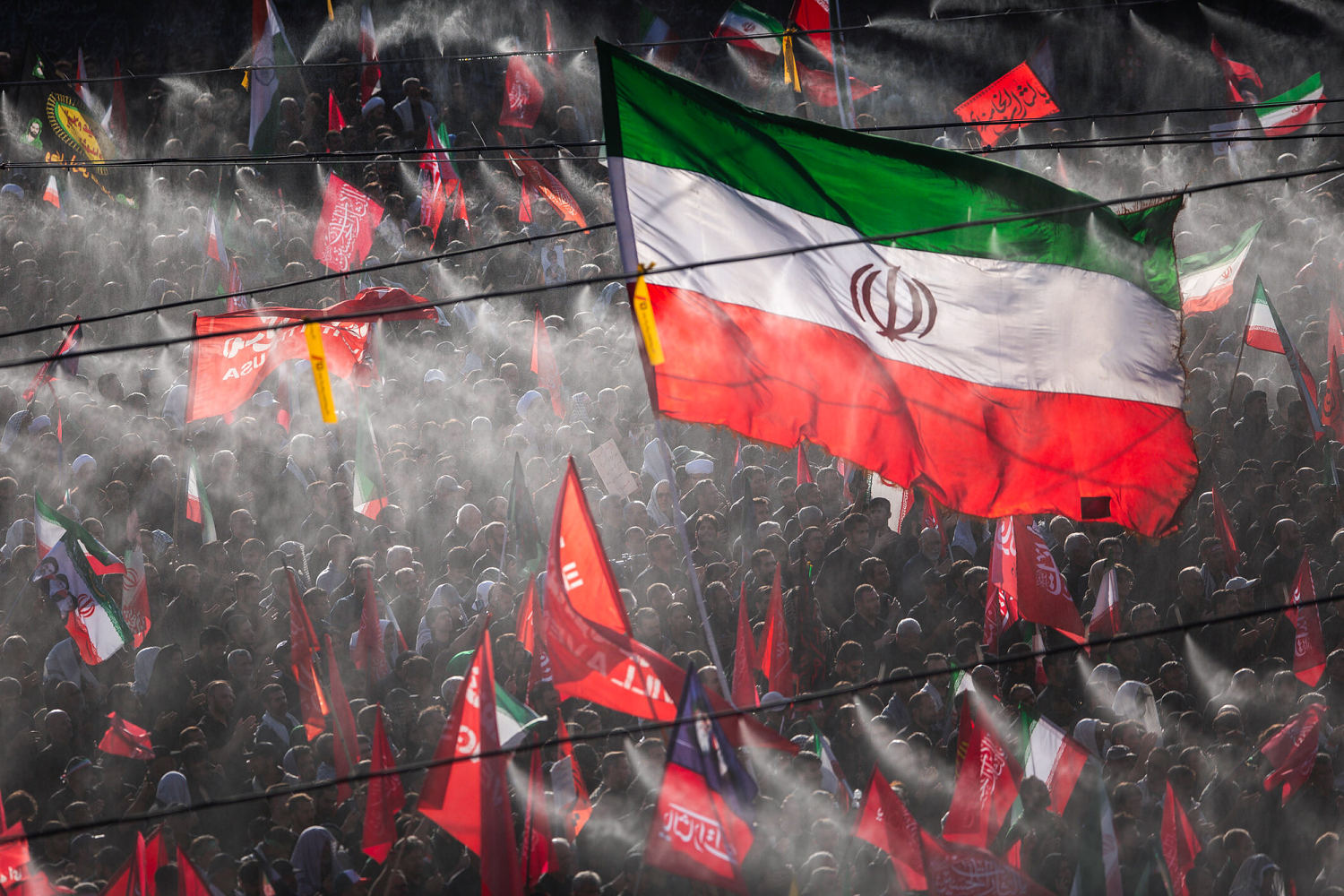
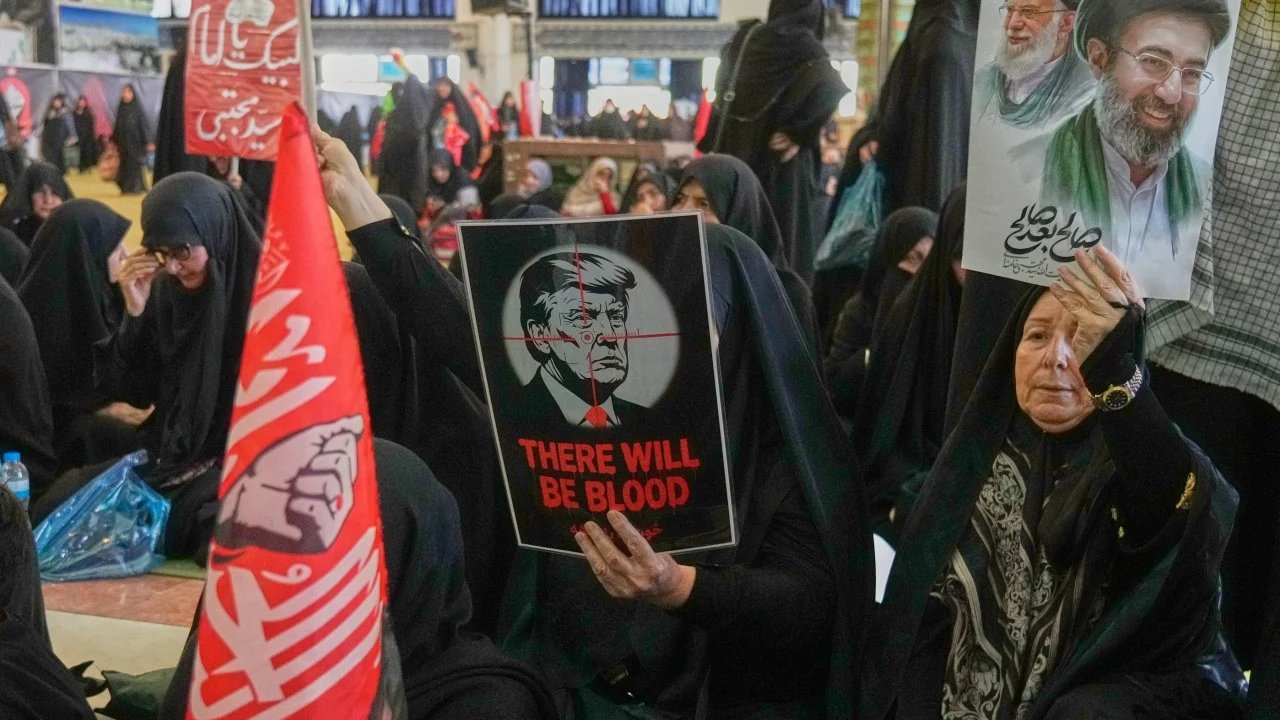
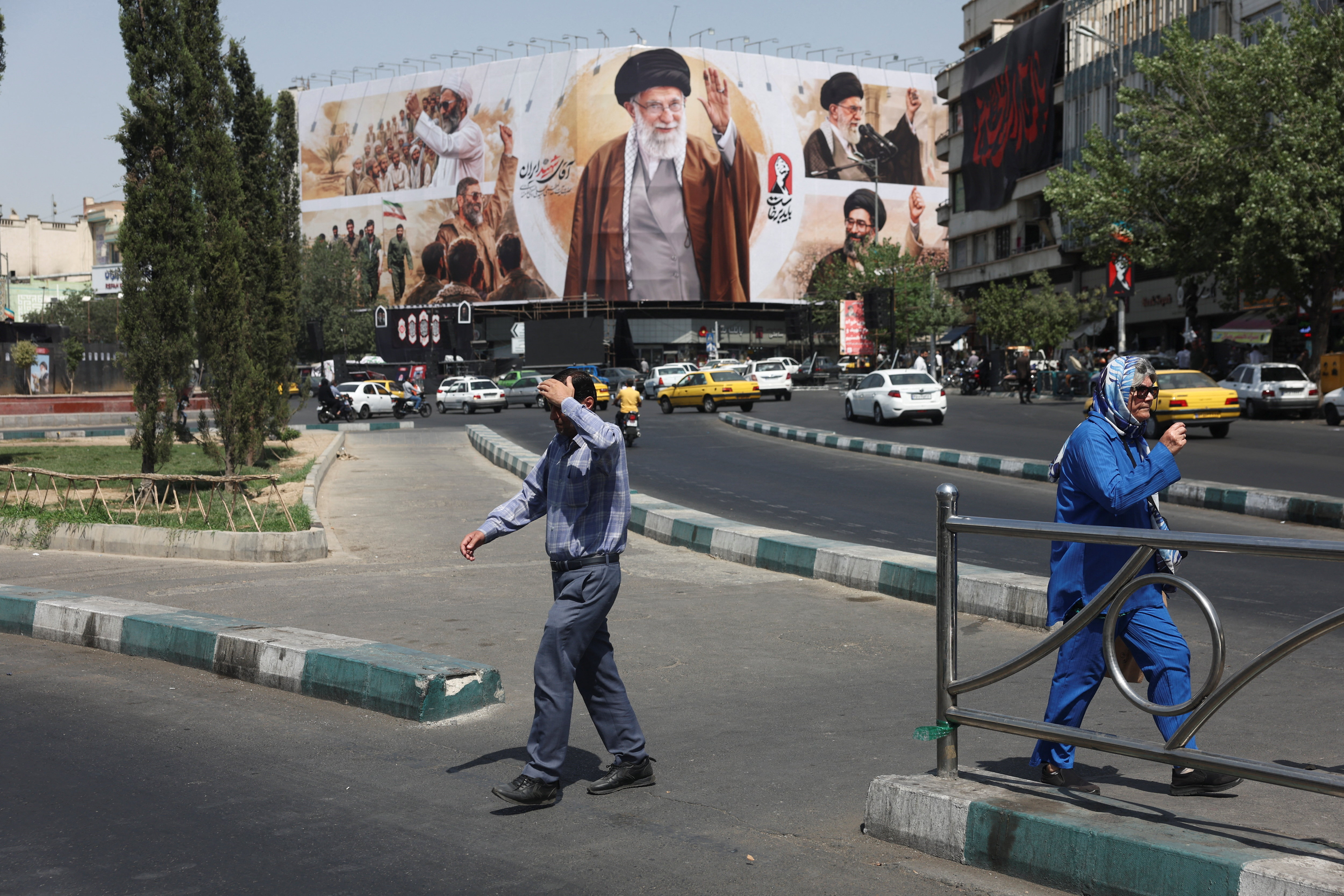
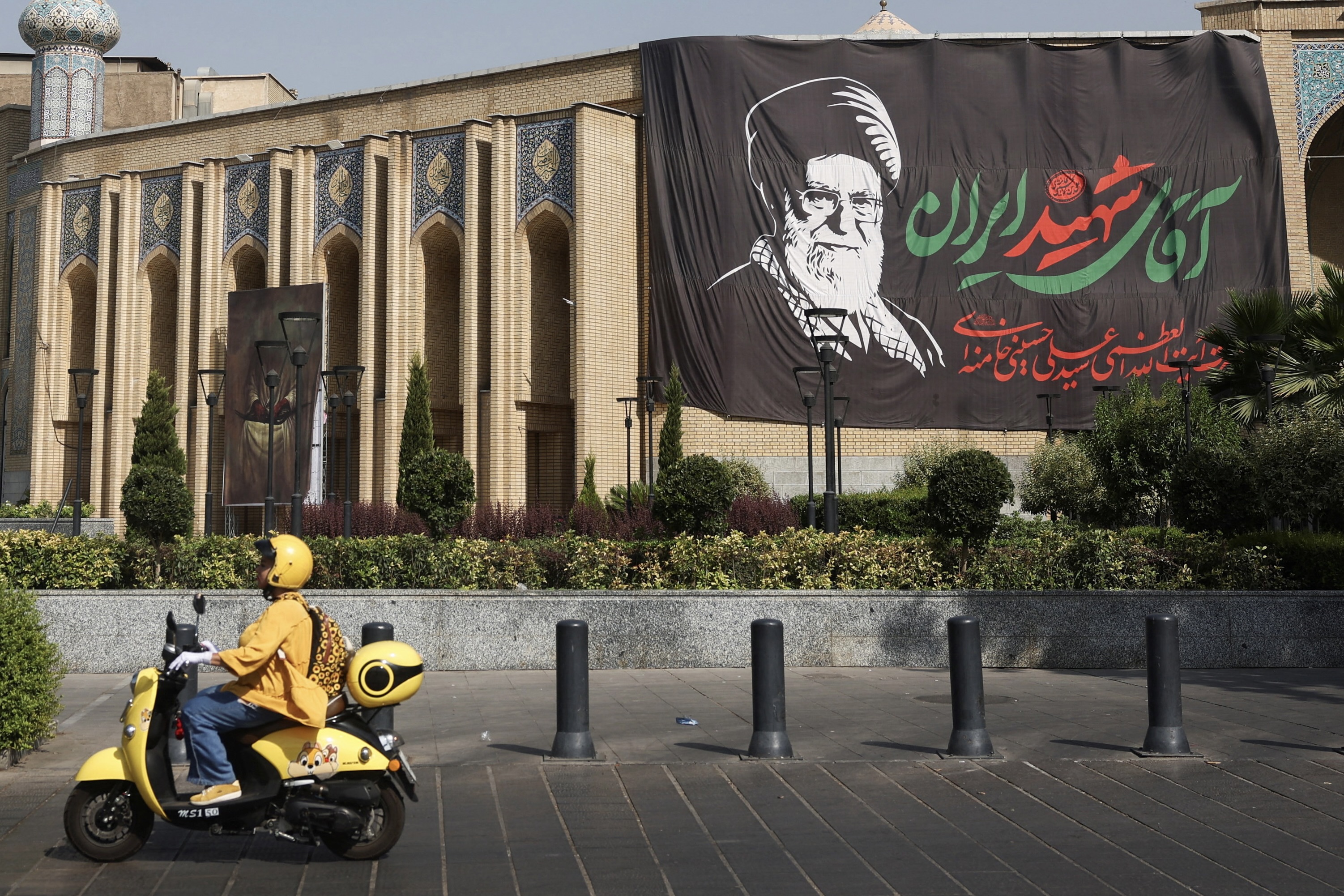
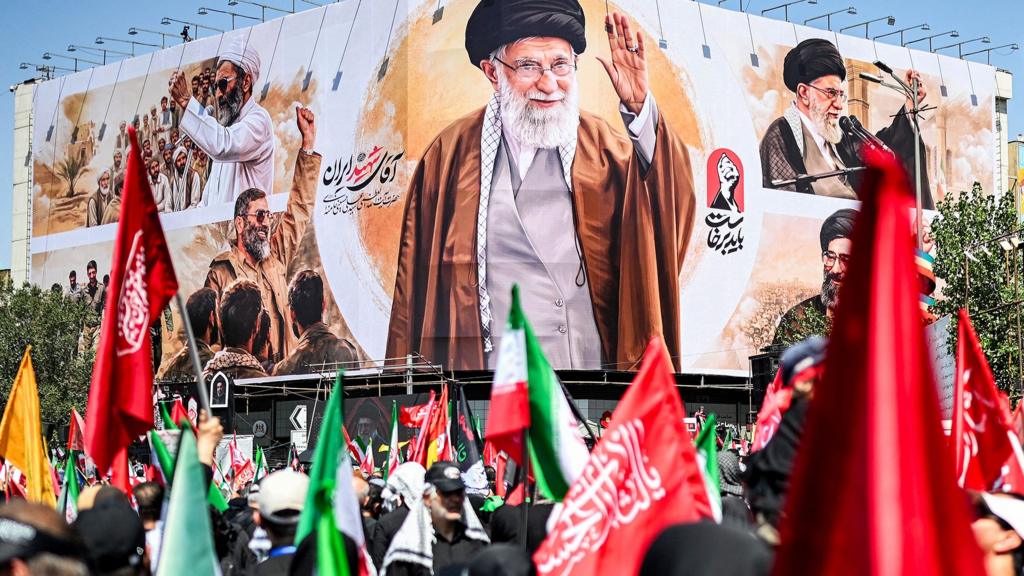
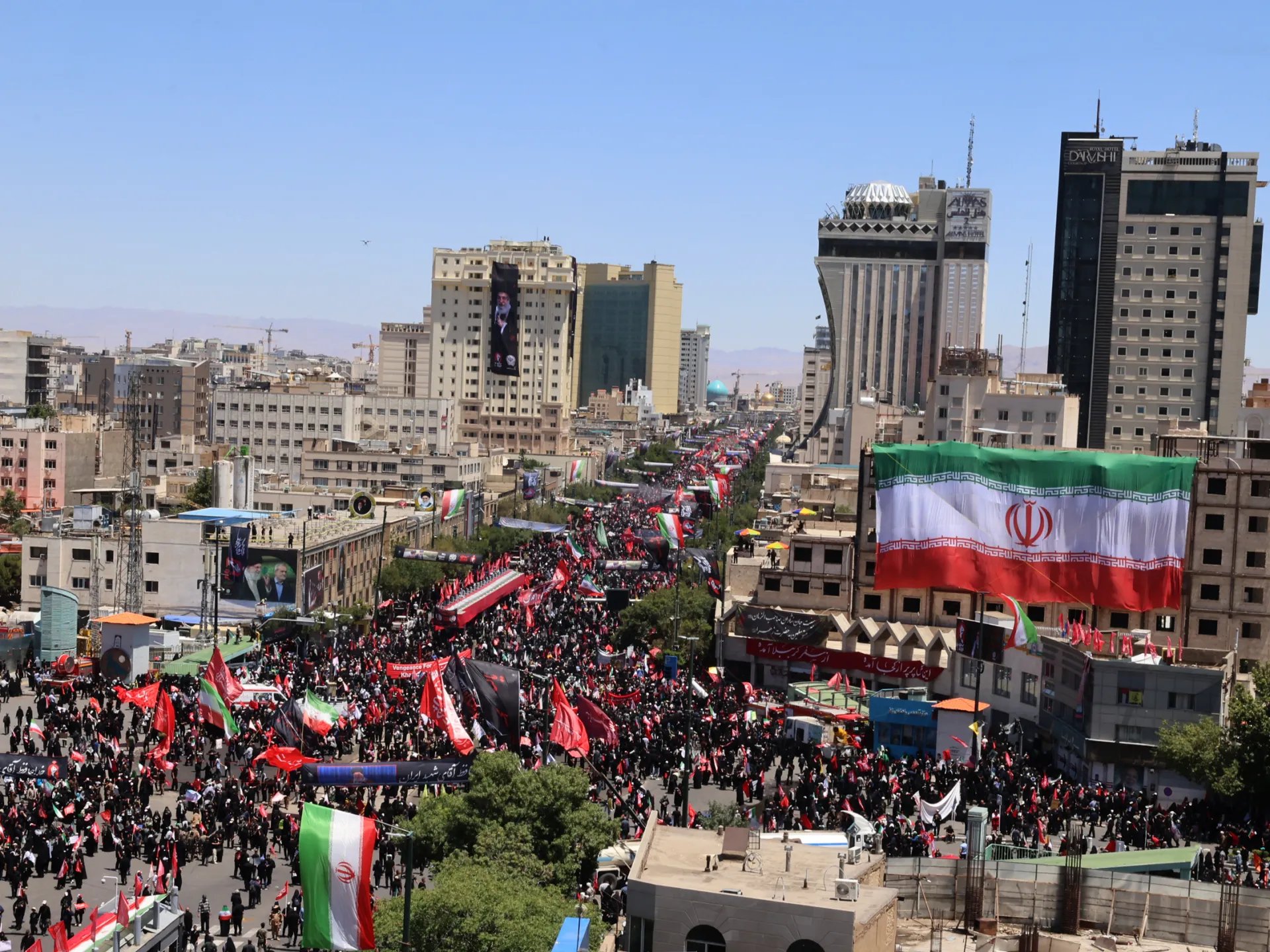
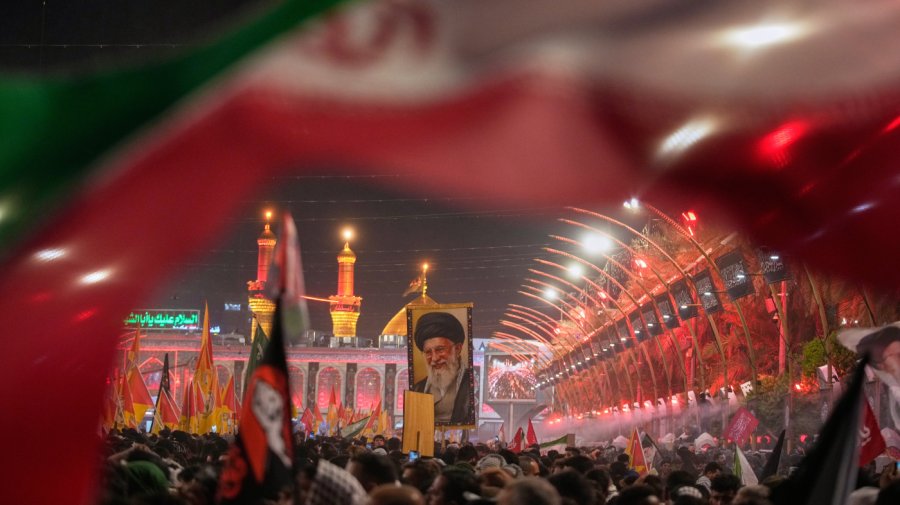
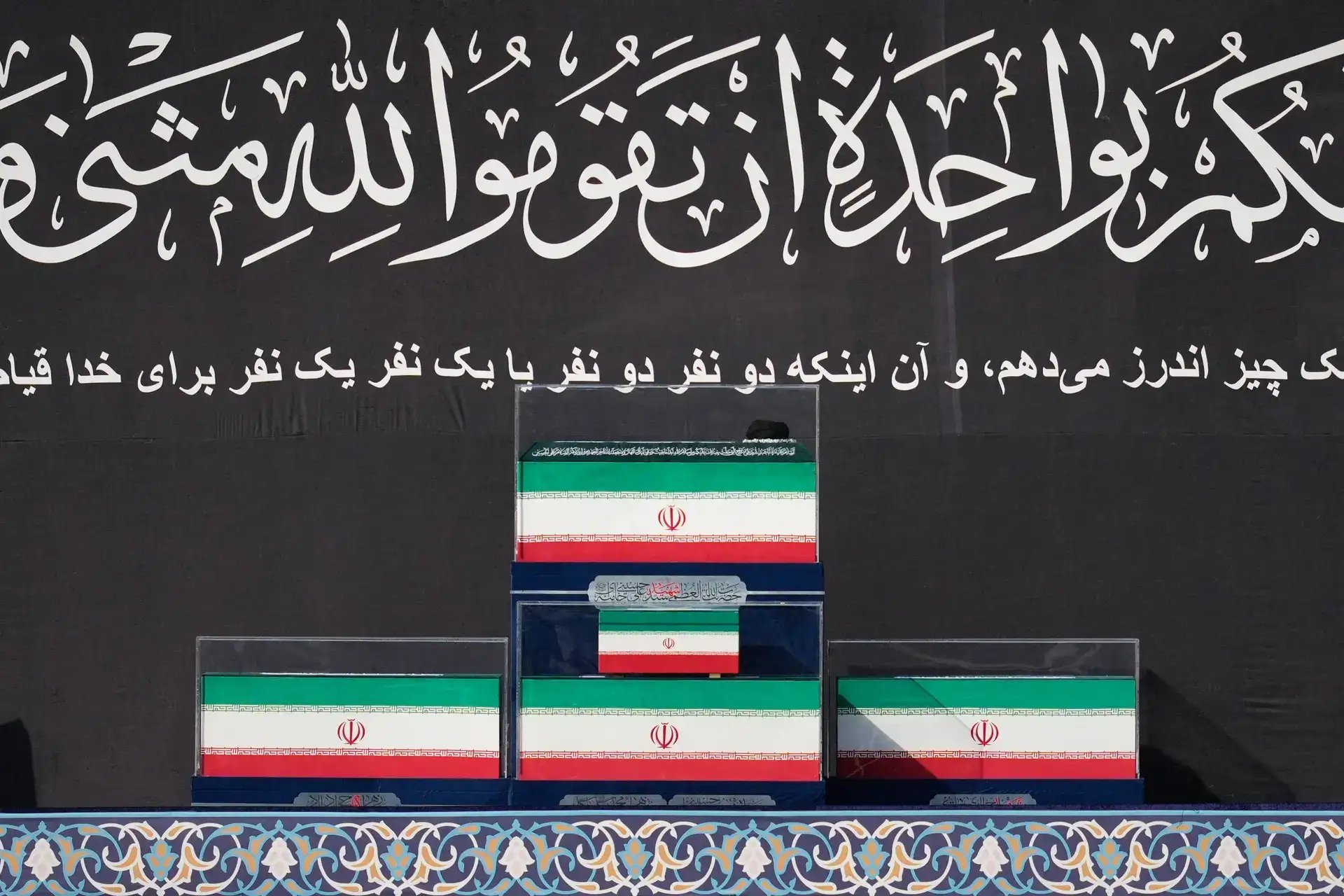
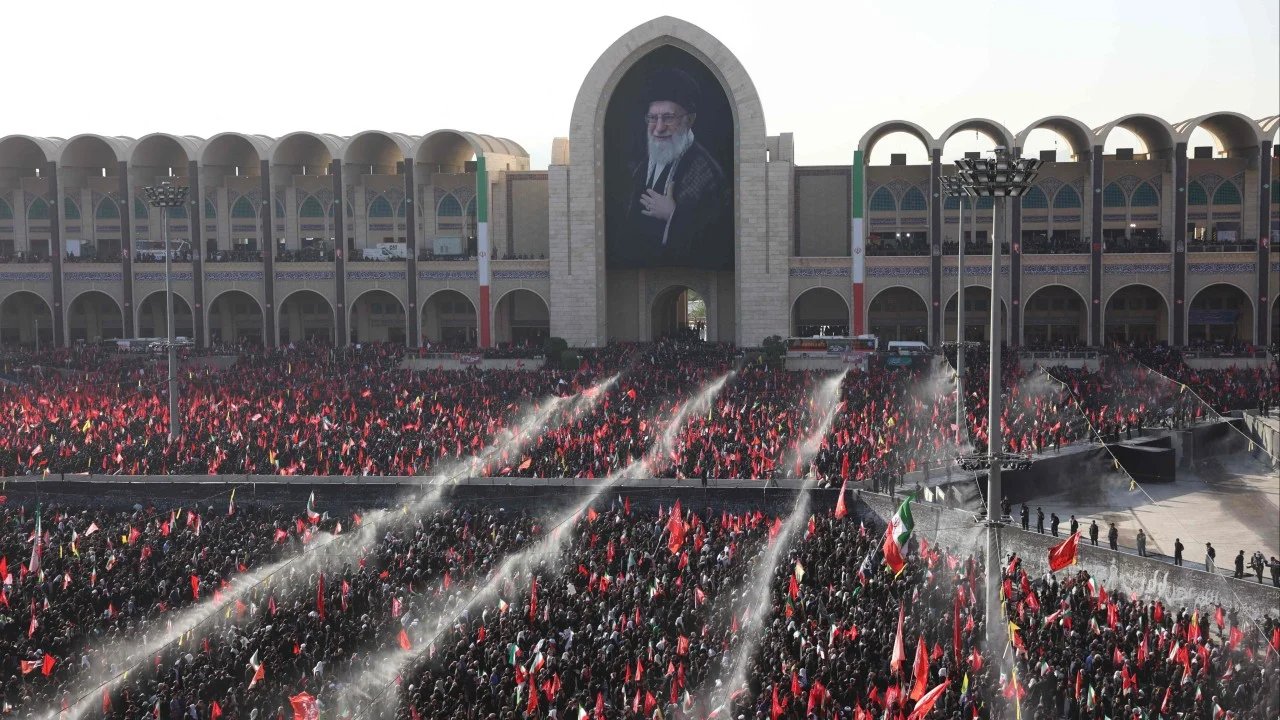
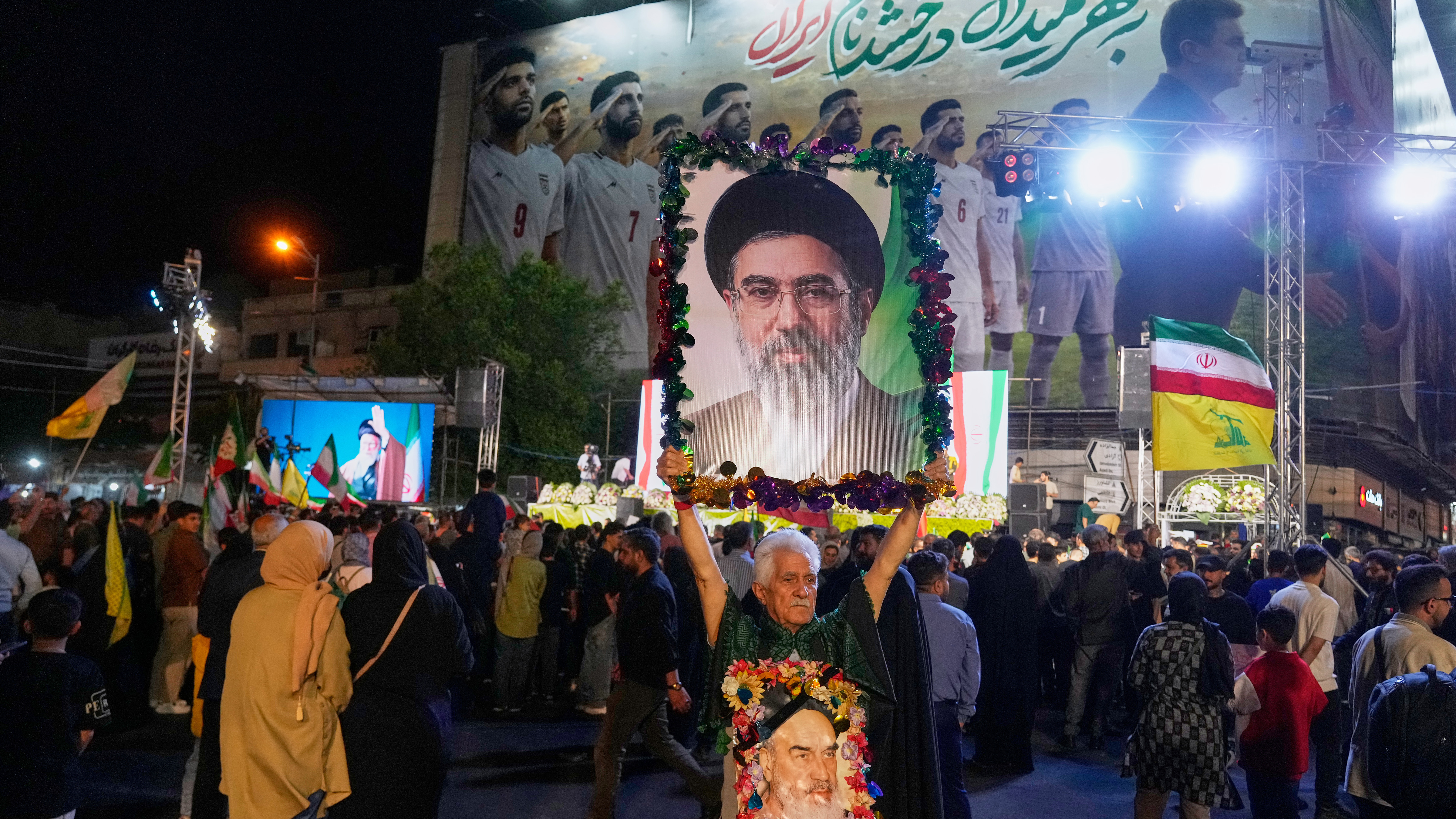
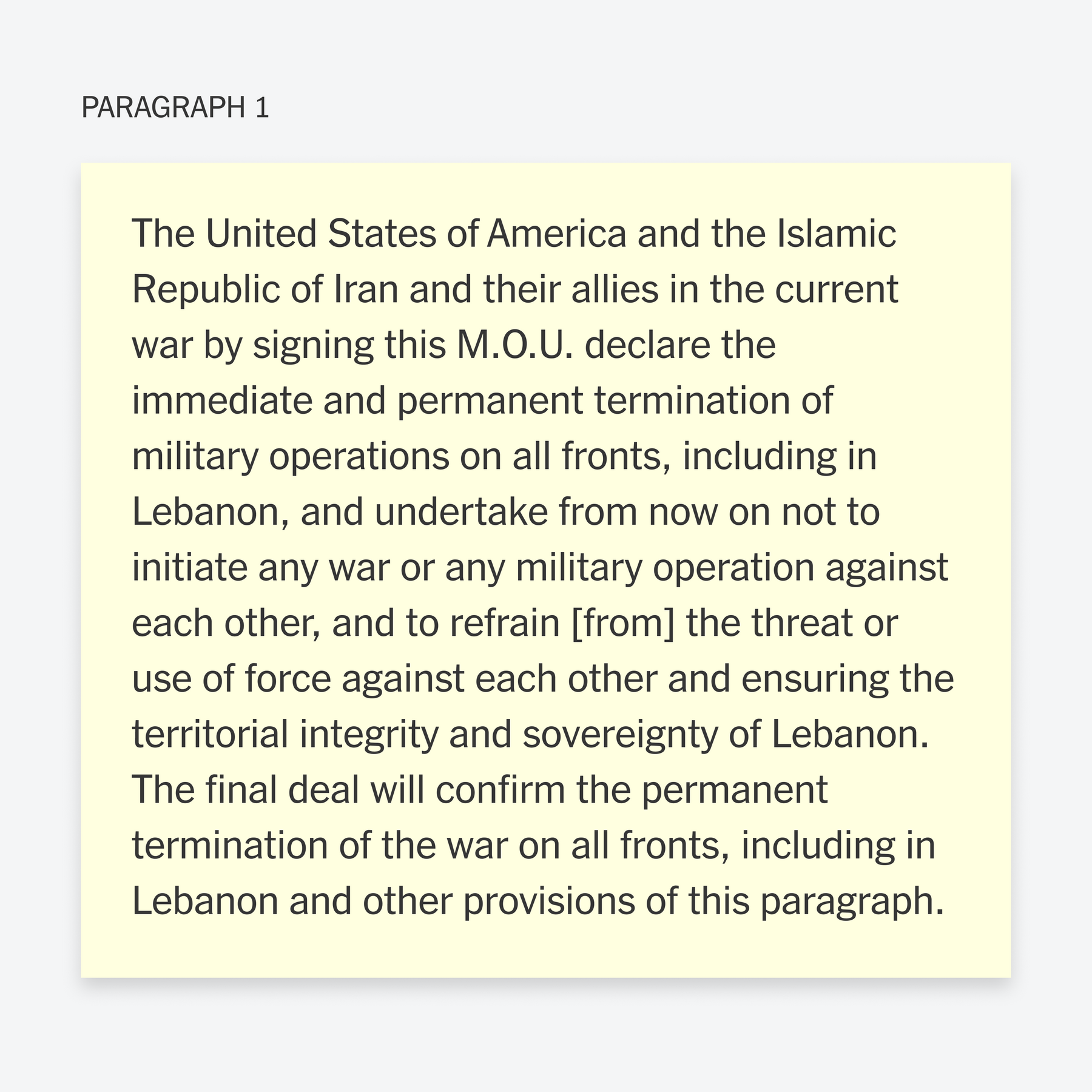
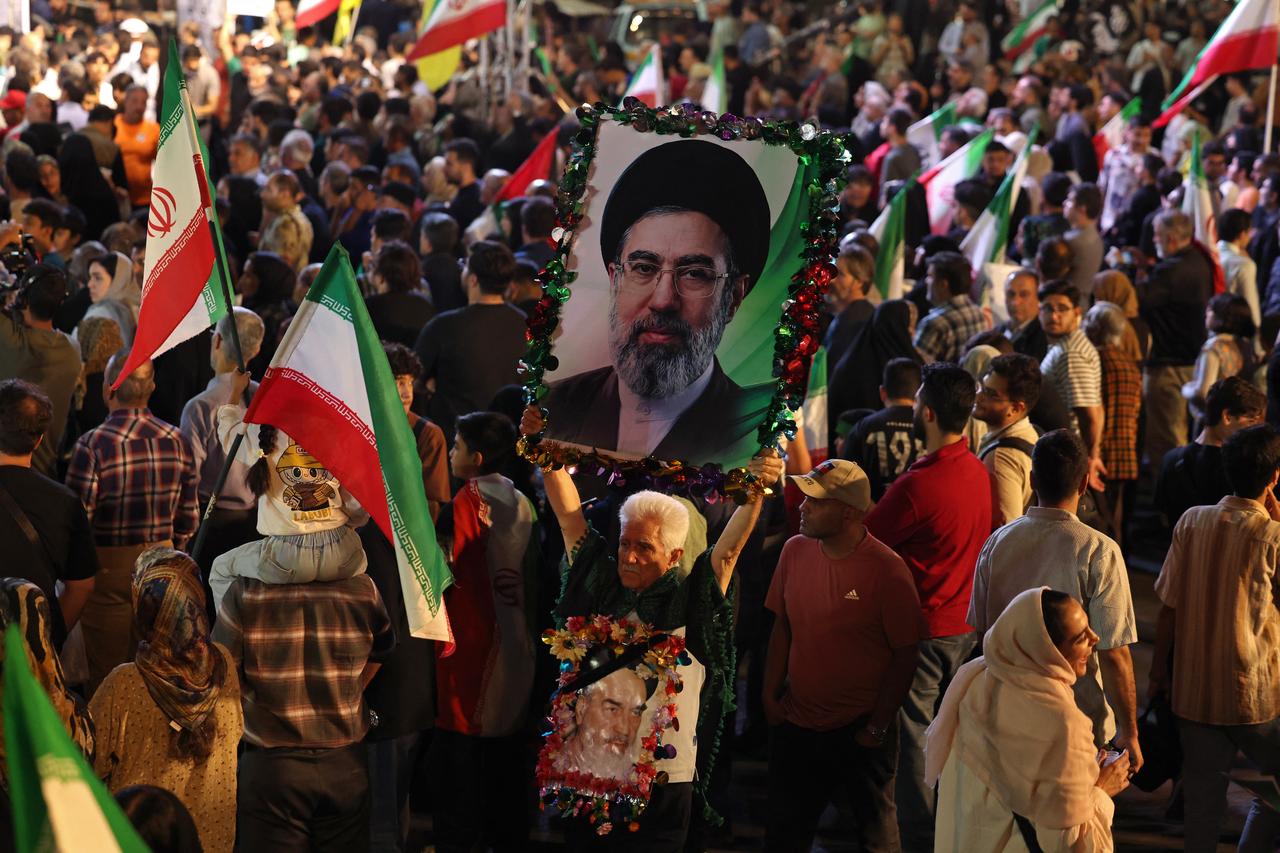
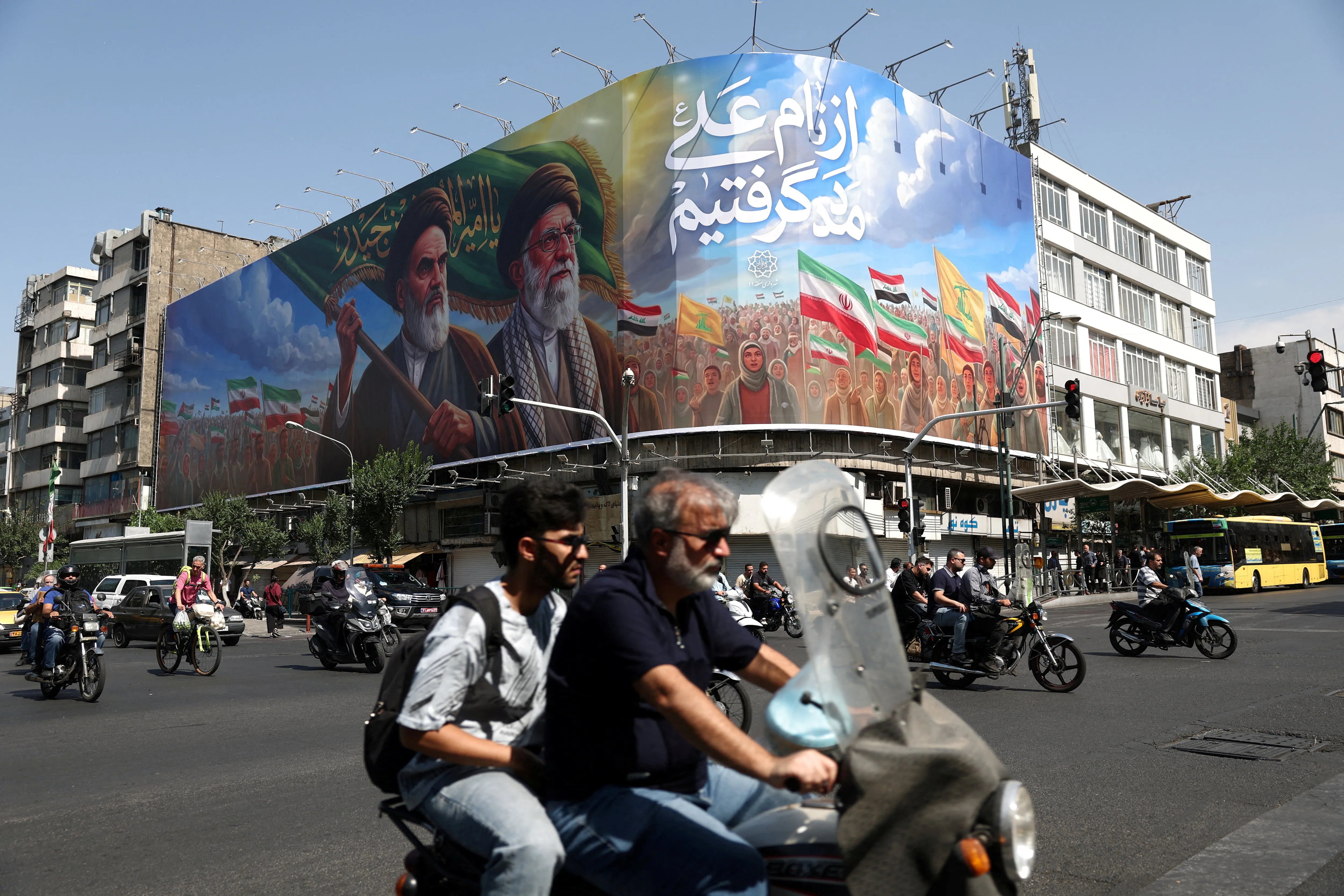
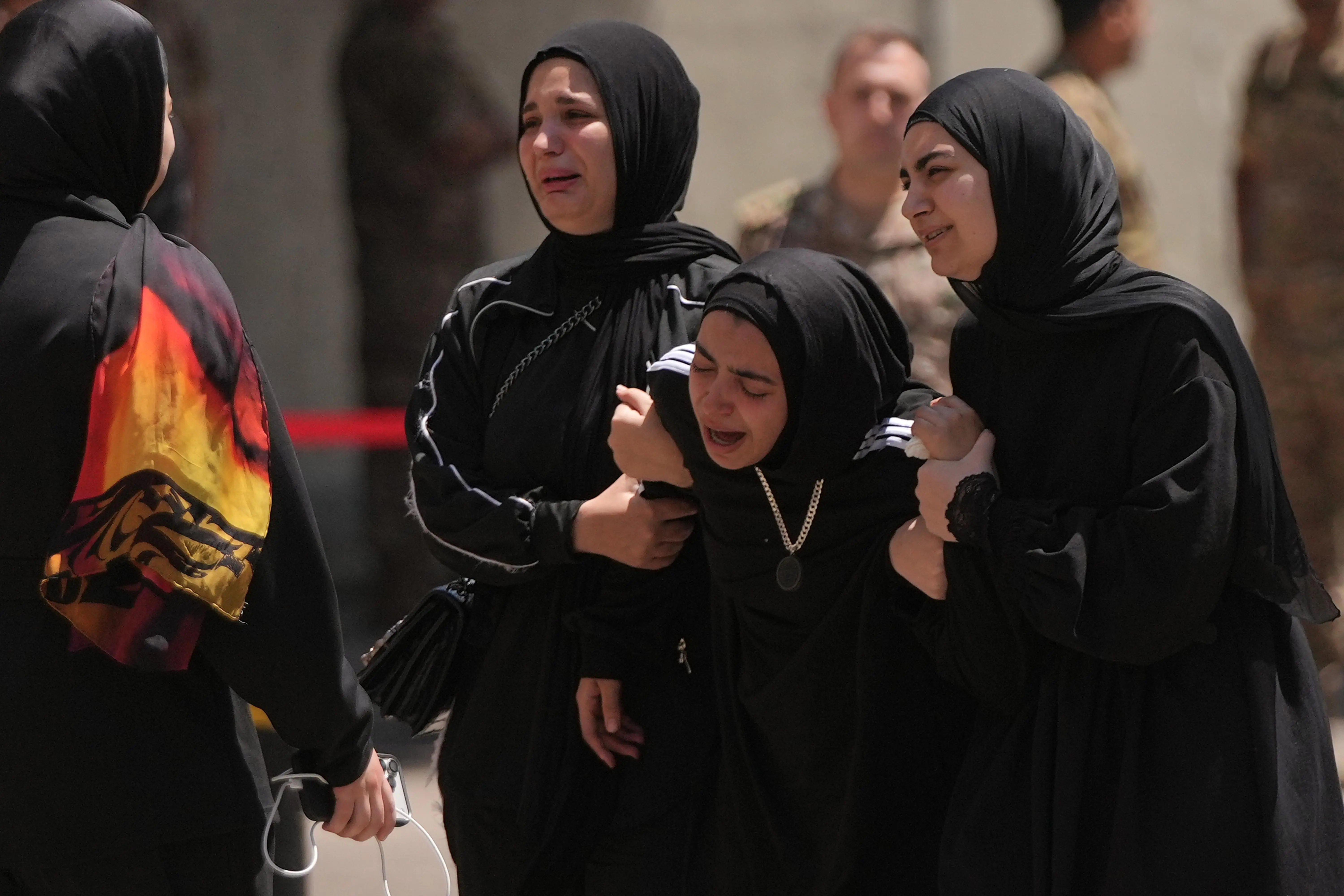
Negotiations between the U.S. and Iran regarding maritime security and a broader peace agreement appear to be stalled, exacerbated by the recent violence. Iranian Foreign Minister Abbas Araghchi emphasized that talks will not resume as long as threats from the U.S. persist. The backdrop of these tensions includes the funeral of Iran's late Supreme Leader Ayatollah Ali Khamenei, which has seen large public demonstrations calling for revenge against the U.S. and Israel.
Implications for Global Oil Markets
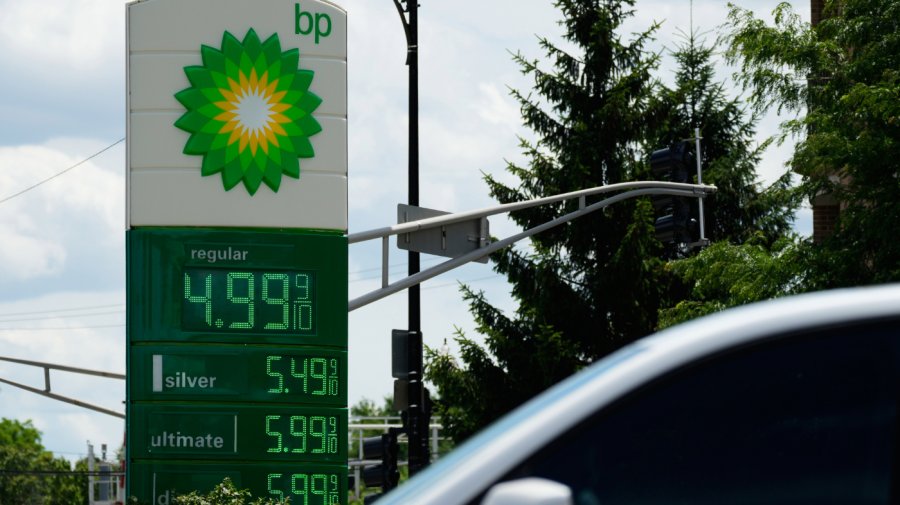
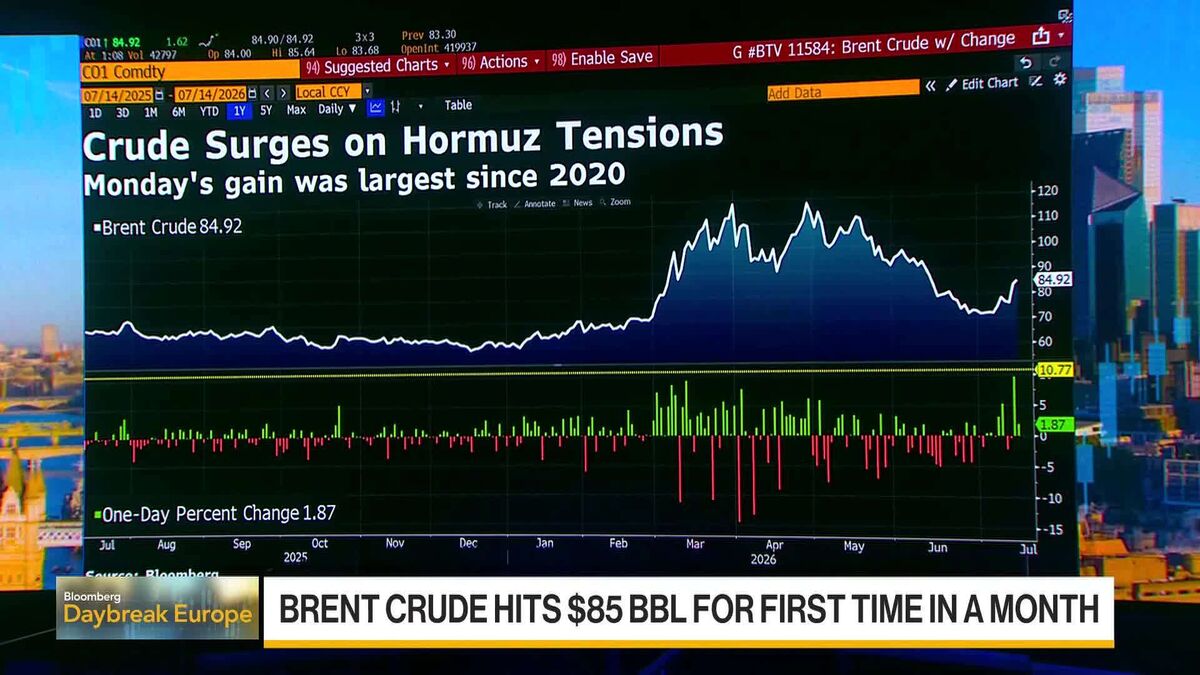
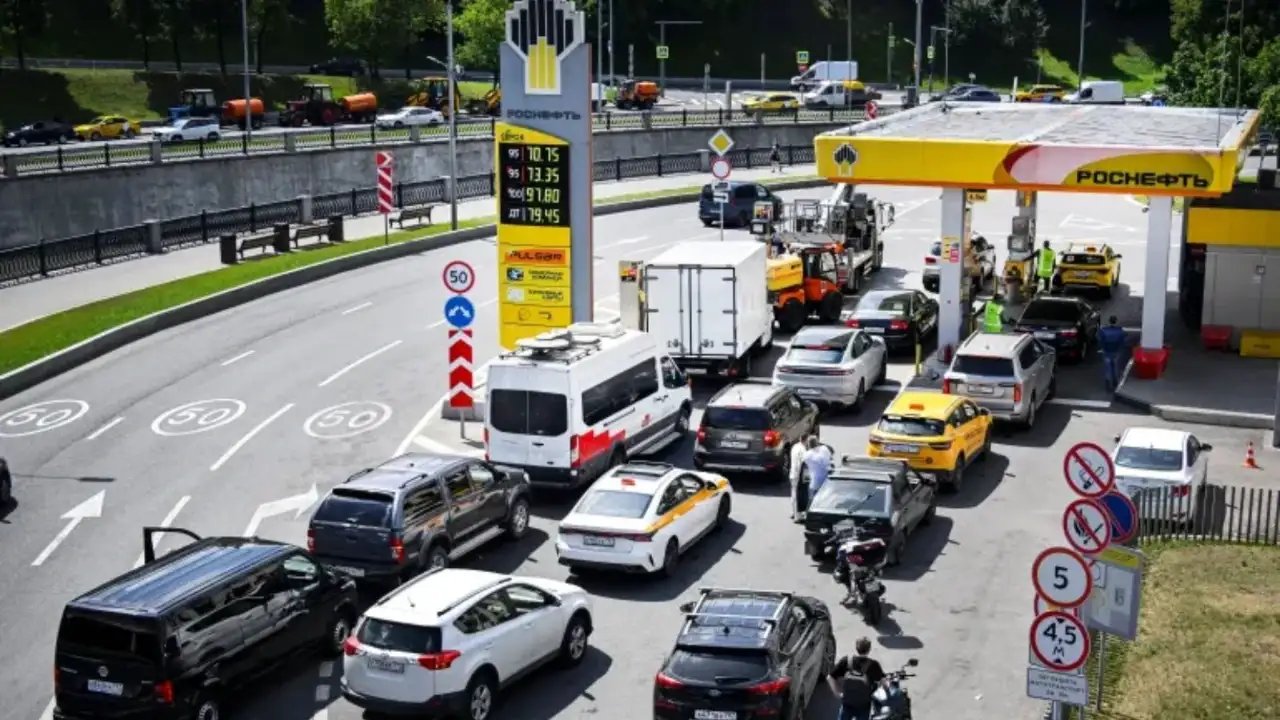
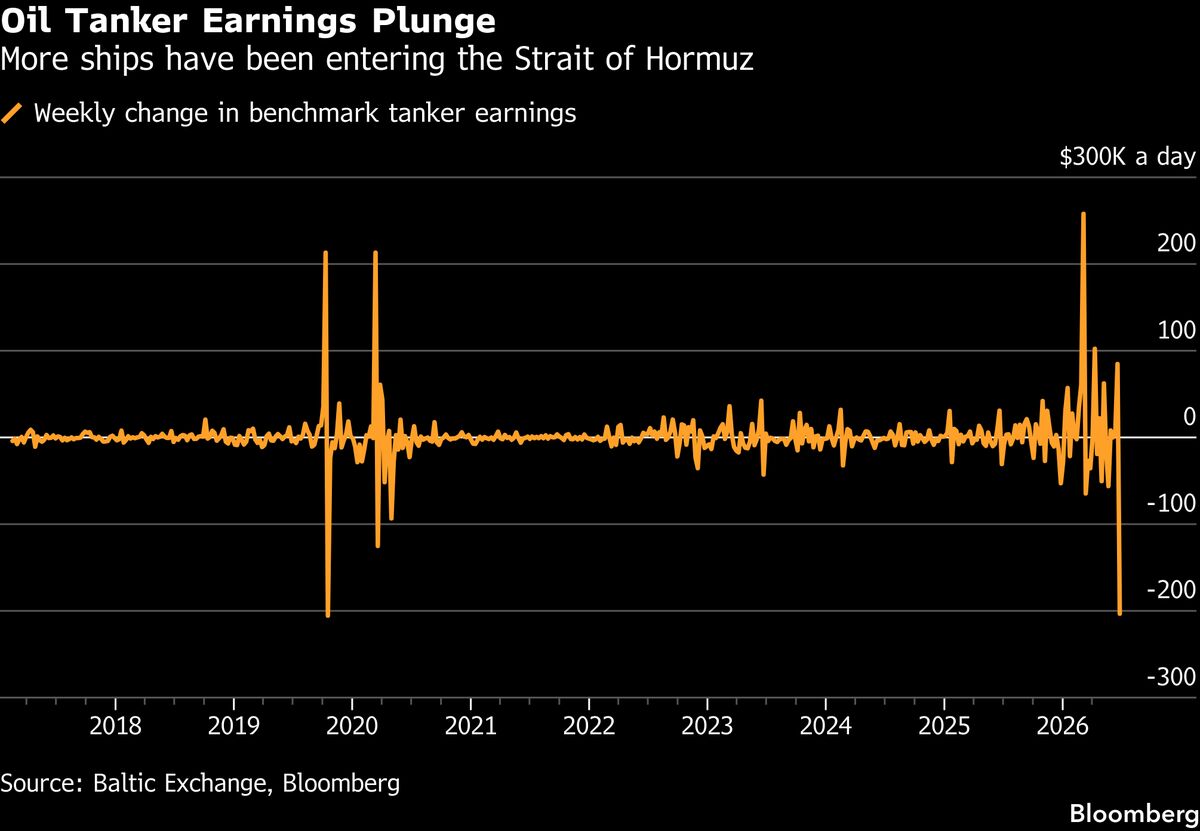
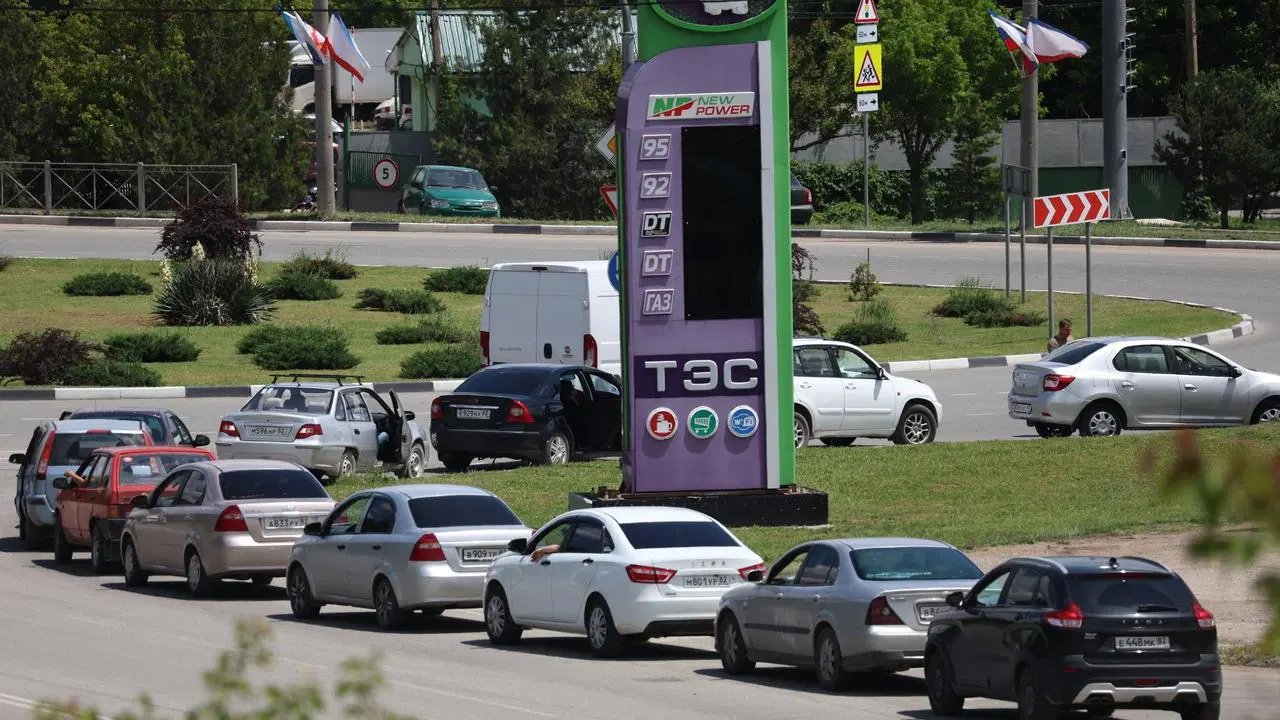
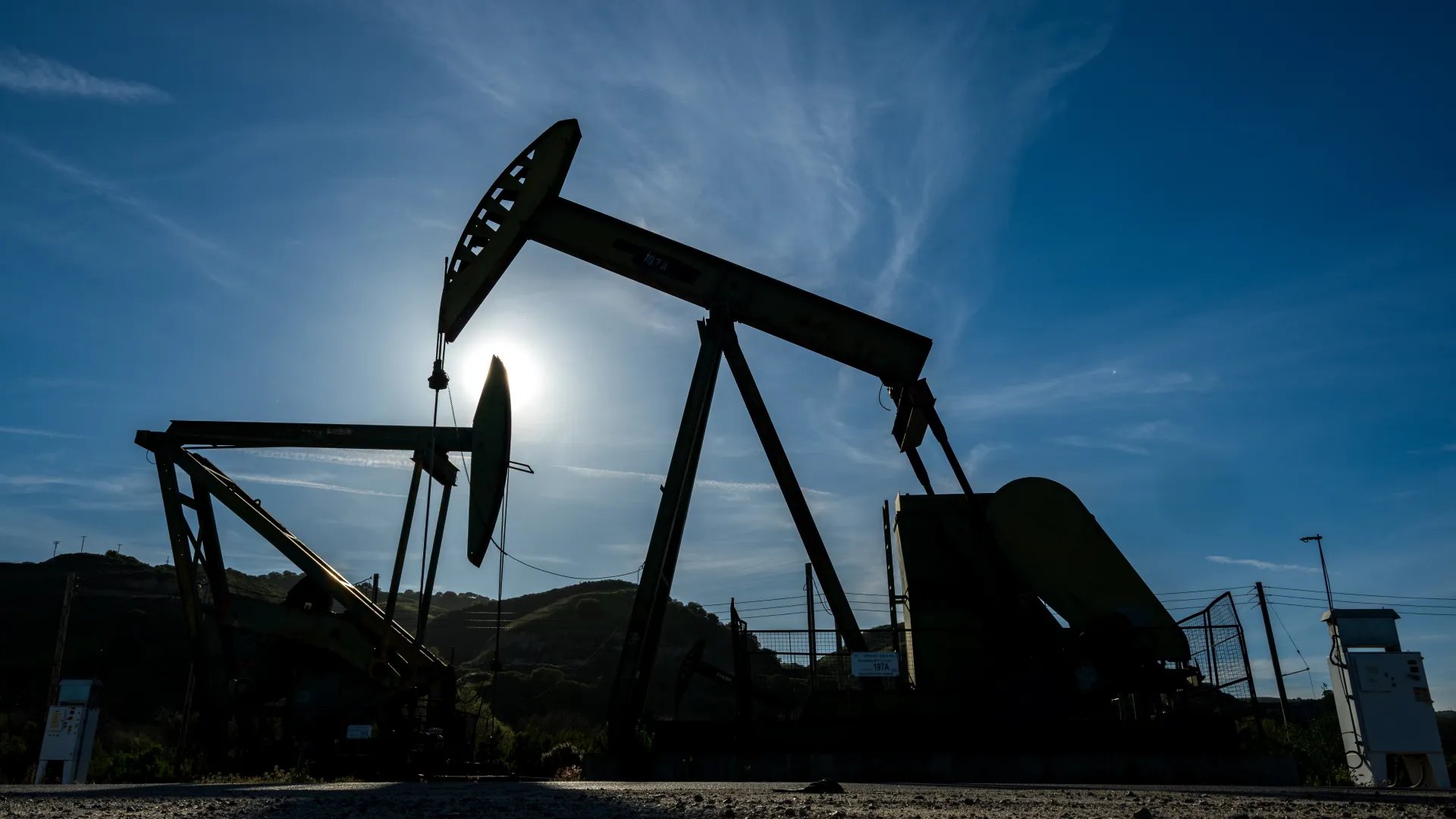
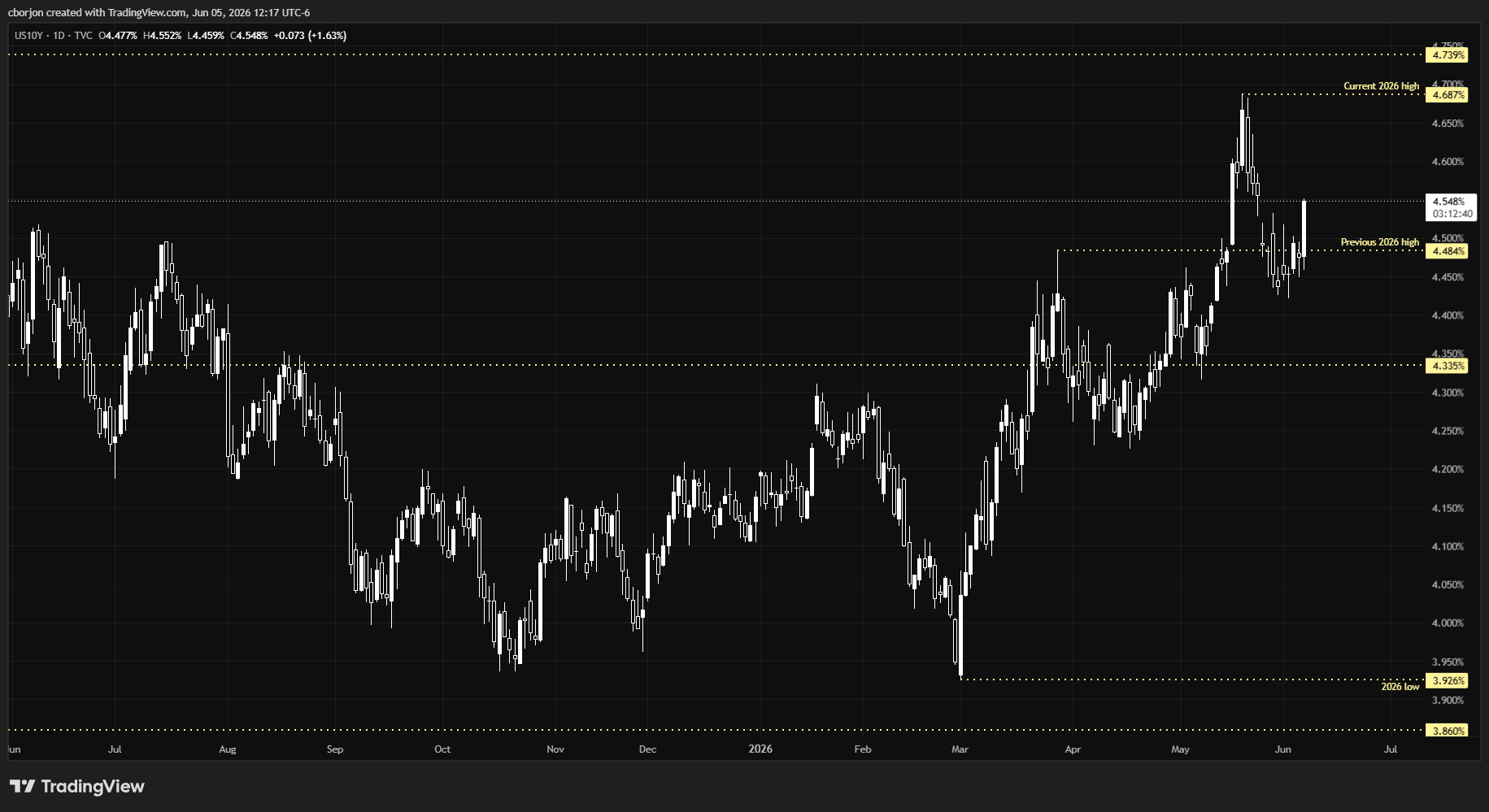
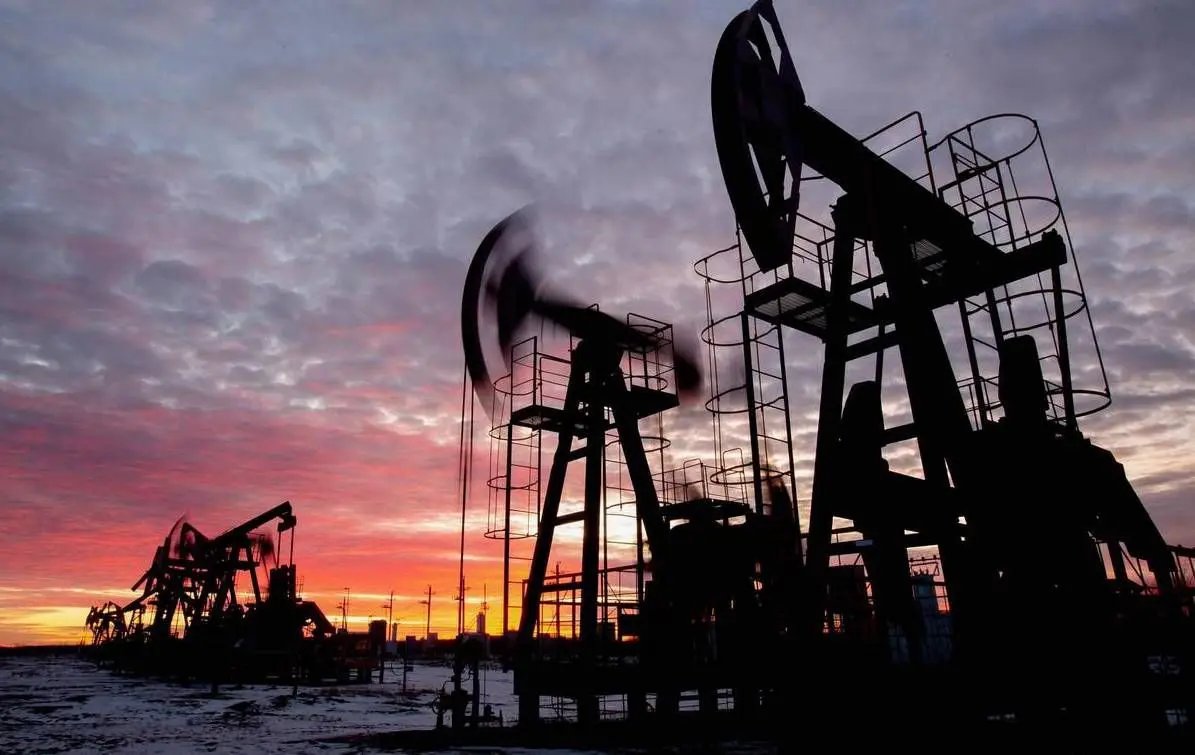
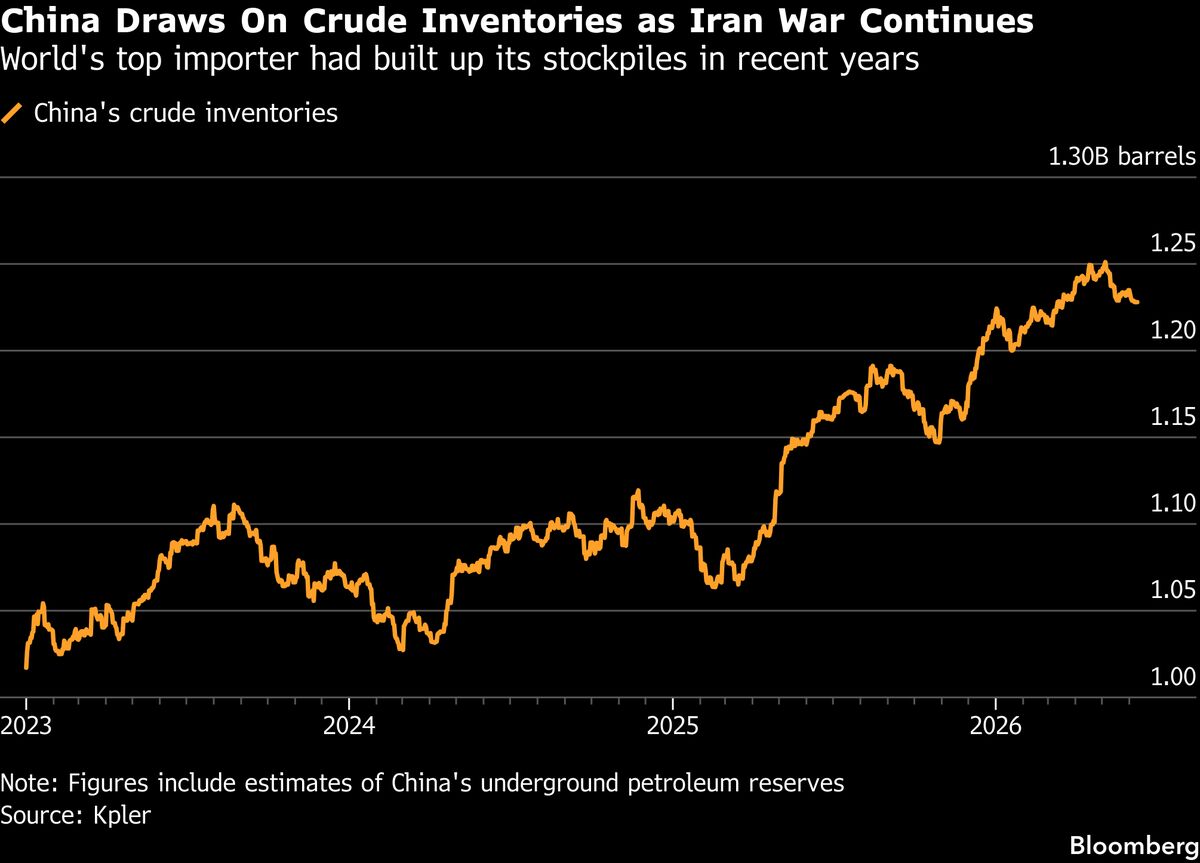
Following the attacks in the Strait of Hormuz, oil prices have experienced upward pressure, reflecting market concerns over the risks associated with shipping in this vital corridor. Analysts warn that continued aggression in the region could lead to significant disruptions in oil supply chains, further impacting global energy markets. As the situation evolves, stakeholders across the industry are urged to remain vigilant and prepared for potential escalations.
Conclusion
The recent attack on the tanker in the Strait of Hormuz underscores the fragile state of maritime security in a region pivotal to global energy supplies. As tensions between the U.S. and Iran escalate, the potential for further incidents looms, raising critical questions about the safety of maritime navigation and the stability of oil markets. Stakeholders are advised to stay informed and prepared as diplomatic efforts continue to navigate this complex landscape.