




Historic Talks in Brussels
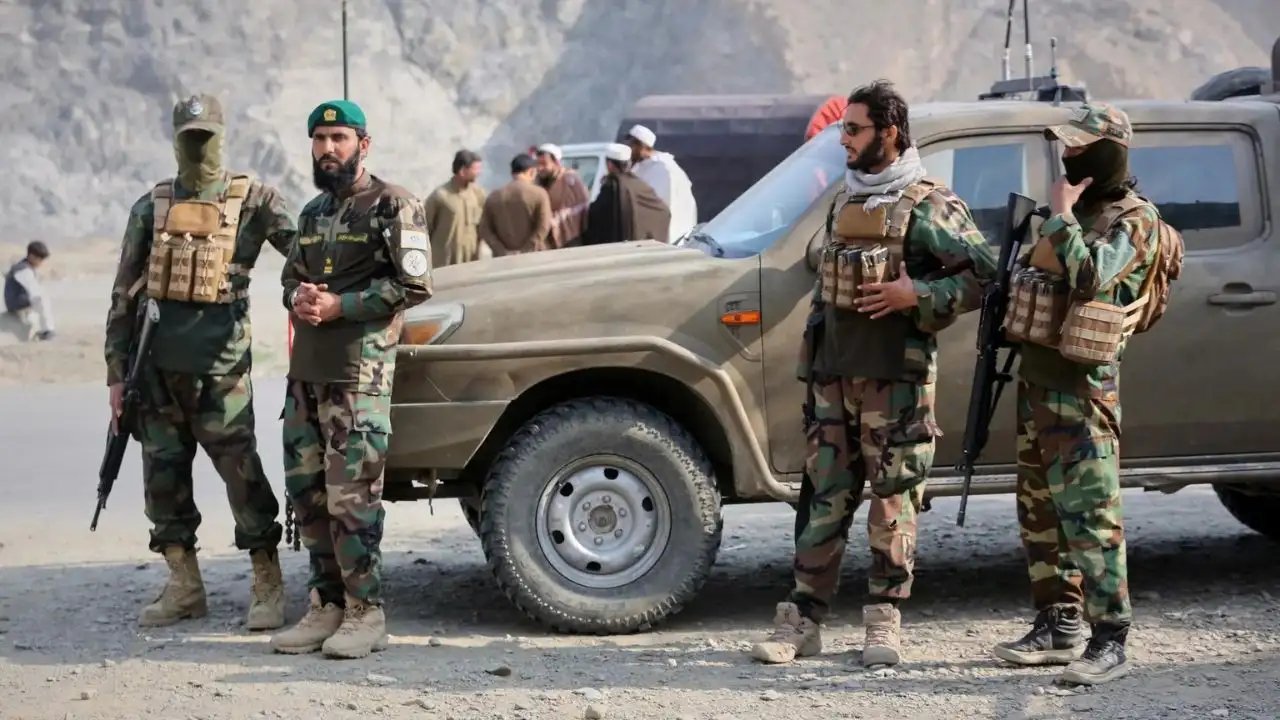
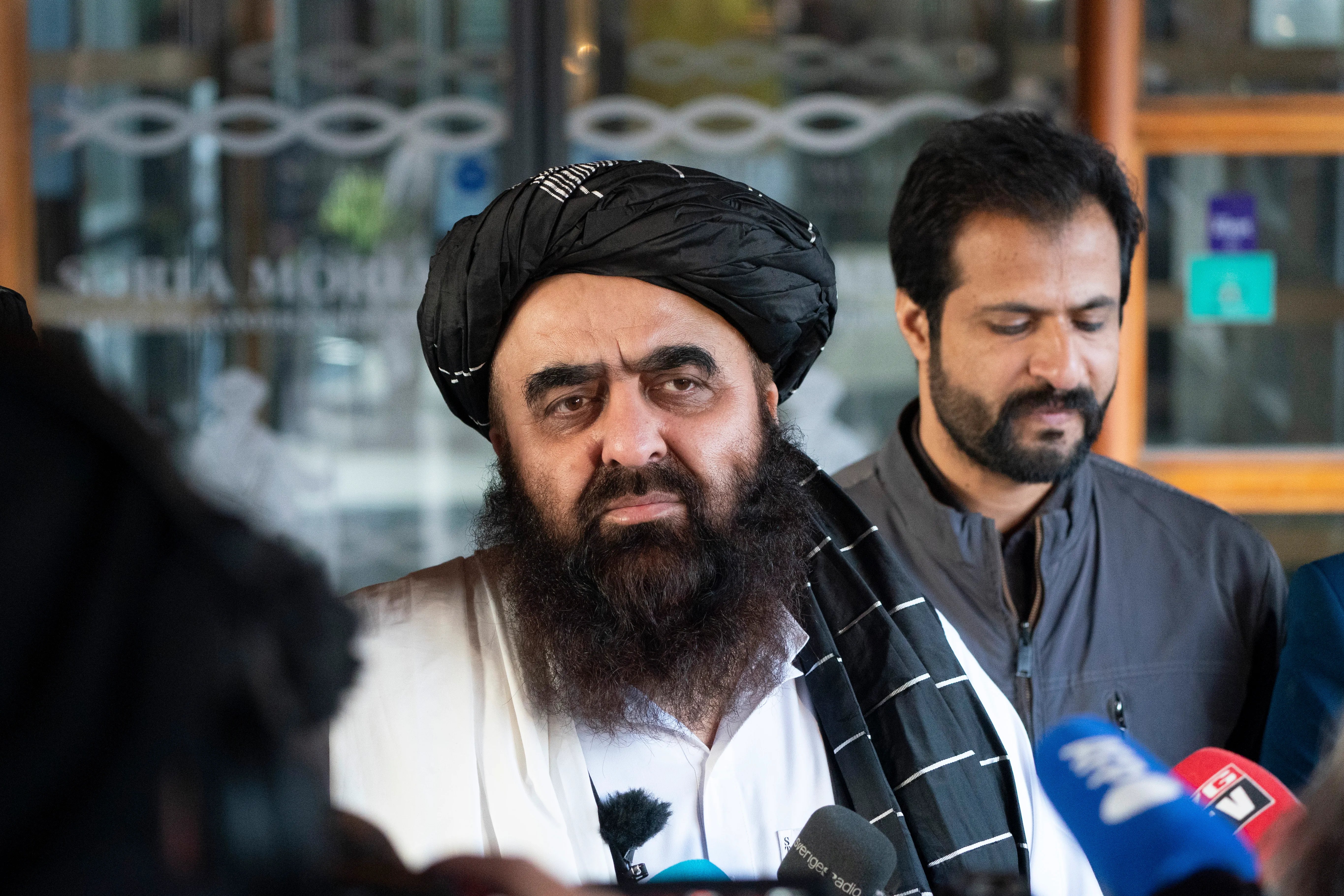
A delegation from the Afghan Taliban met with European Union officials in Brussels on June 23, marking the first such meeting held in the EU. This followed a previous meeting in Kabul in January 2026. Abdul Qahar Balkhi, a spokesperson for the Taliban Ministry of Foreign Affairs, described the meeting as historic, emphasizing discussions around "dignified returns" for Afghan asylum seekers in Europe. The EU has not formally recognized the Taliban government, and the meeting took place in an undisclosed location due to the lack of diplomatic ties.
EU's Push for Stricter Deportation Policies
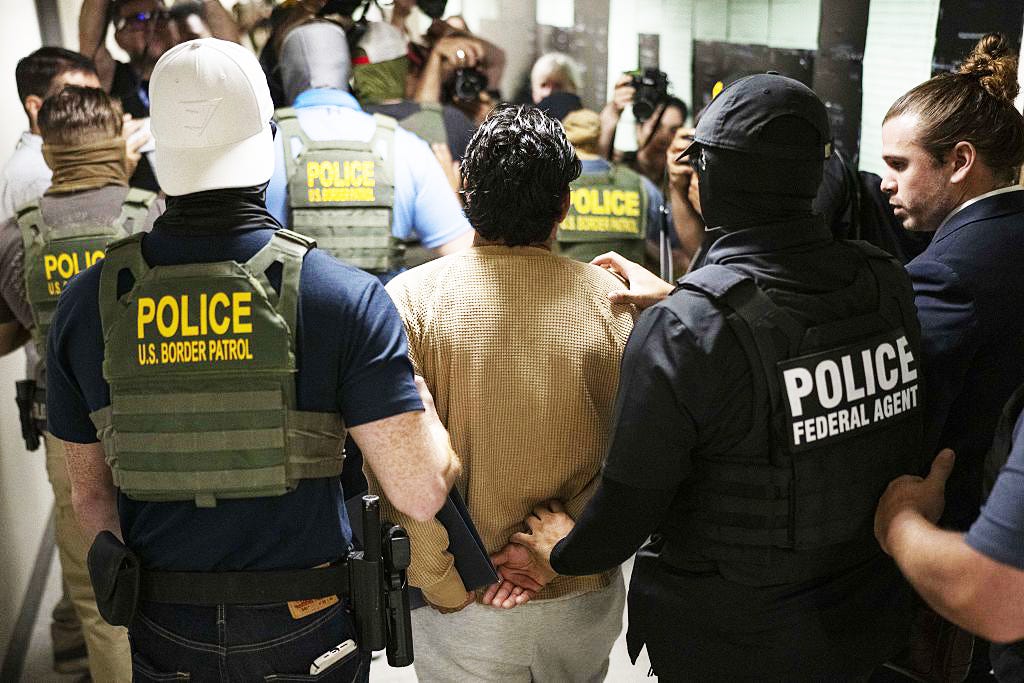
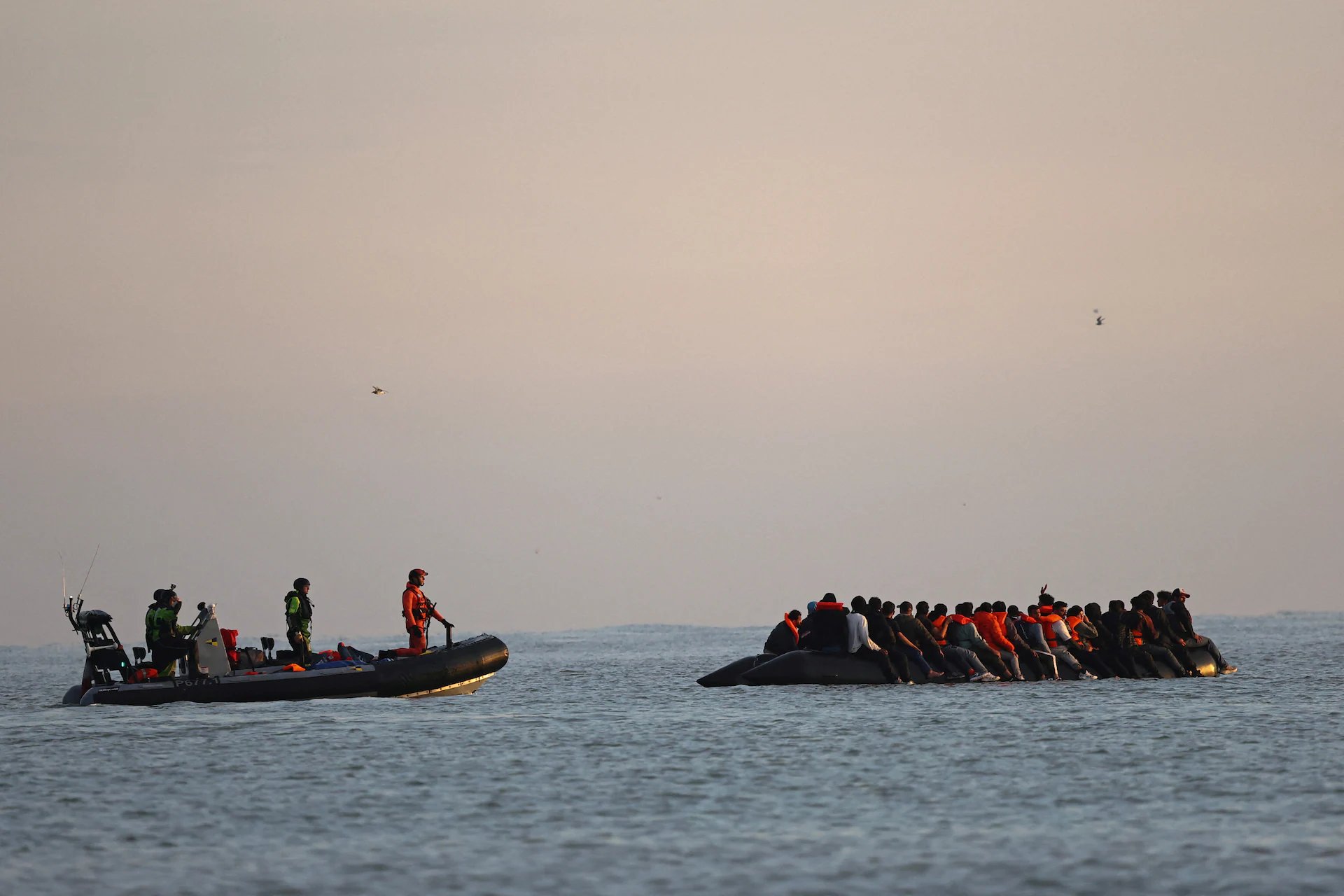
The talks focused on increasing deportations of Afghan migrants who have had their asylum claims rejected or who are considered security threats. A spokesperson for the European Commission stated that the meeting was a response to a call from 20 EU member states advocating for stronger migration policies. The EU has received approximately 1 million asylum applications from Afghans between 2013 and 2024, with roughly half approved. This meeting follows an October letter signed by 20 EU member states, drafted in part by Belgian Migration Minister Anneleen Van Bossuyt, calling for stronger migration policies and a coordinated approach to deportations.
Rights Groups Express Alarm
Rights organizations have condemned the meeting, arguing that it undermines the EU's human rights commitments. Fereshta Abbasi, a researcher at Human Rights Watch, stated that any engagement with the Taliban must prioritize human rights and accountability, warning that cooperation on deportations could endanger lives. Amnesty International's Eve Geddie highlighted the dangerous conditions in Afghanistan, asserting that it is unconscionable for the EU to consider deportations to a country facing dire humanitarian crises.
Taliban's Domestic Policies Under Scrutiny
The Taliban's governance has raised significant concerns regarding human rights, particularly for women and girls. Since taking power, the group has imposed severe restrictions, including banning girls from secondary education and enforcing strict dress codes. The crackdown on women's rights has sparked protests, as seen in Herat, where at least 30 women were detained over alleged dress-code violations. Activists argue that the Taliban's actions serve to instill fear and suppress dissent, raising questions about their legitimacy.
Diverging Views on Diplomatic Engagement
Belgian Foreign Minister Maxime Prévot stated that hosting the meeting "does not amount to recognition, does not amount to legitimacy." However, Dutch MEP Tineke Strik warned that "talking with them means that you normalize them." Migration policy expert Helena Hahn called it a "creeping normalization" driven by domestic political pressures. EU migration chief Magnus Brunner argues that dialogue is necessary to address migration issues and improve conditions for asylum-seekers.
The Future of Afghan Migrants
As the EU grapples with the implications of these talks, the fate of Afghan migrants hangs in the balance. According to Belgian Migration Minister Anneleen Van Bossuyt, only 2% of the 22,870 Afghans told to return had done so, intensifying pressure to expedite deportations. The Taliban's need for international aid and reduced isolation complicates the situation, as they seek to improve their standing while facing mounting criticism for their domestic policies.
Implications for Asylum Seekers
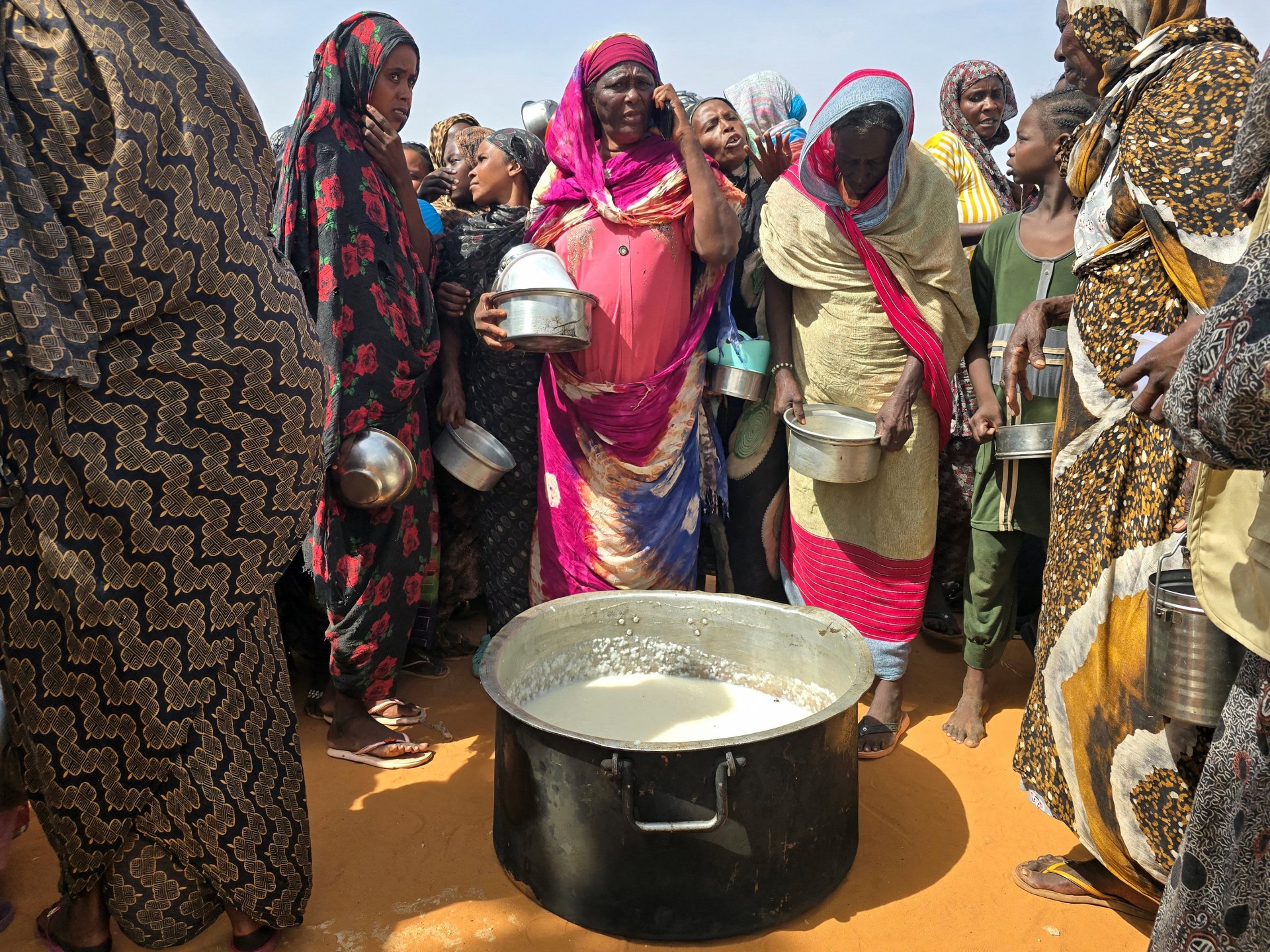
The discussions in Brussels could have immediate consequences for Afghans seeking refuge in Europe. With deportations set to increase, many face the risk of being sent back to a country grappling with humanitarian crises, including food shortages and economic collapse. The EU's approach to managing migration and its engagement with the Taliban will be closely monitored by activists and human rights organizations, who continue to advocate for the rights of Afghan women and the safety of those facing deportation.
The outcomes of these talks could reshape the landscape for Afghan migrants in Europe, highlighting the delicate balance between migration control and human rights obligations.