




Legal Setback for DeSantis Administration
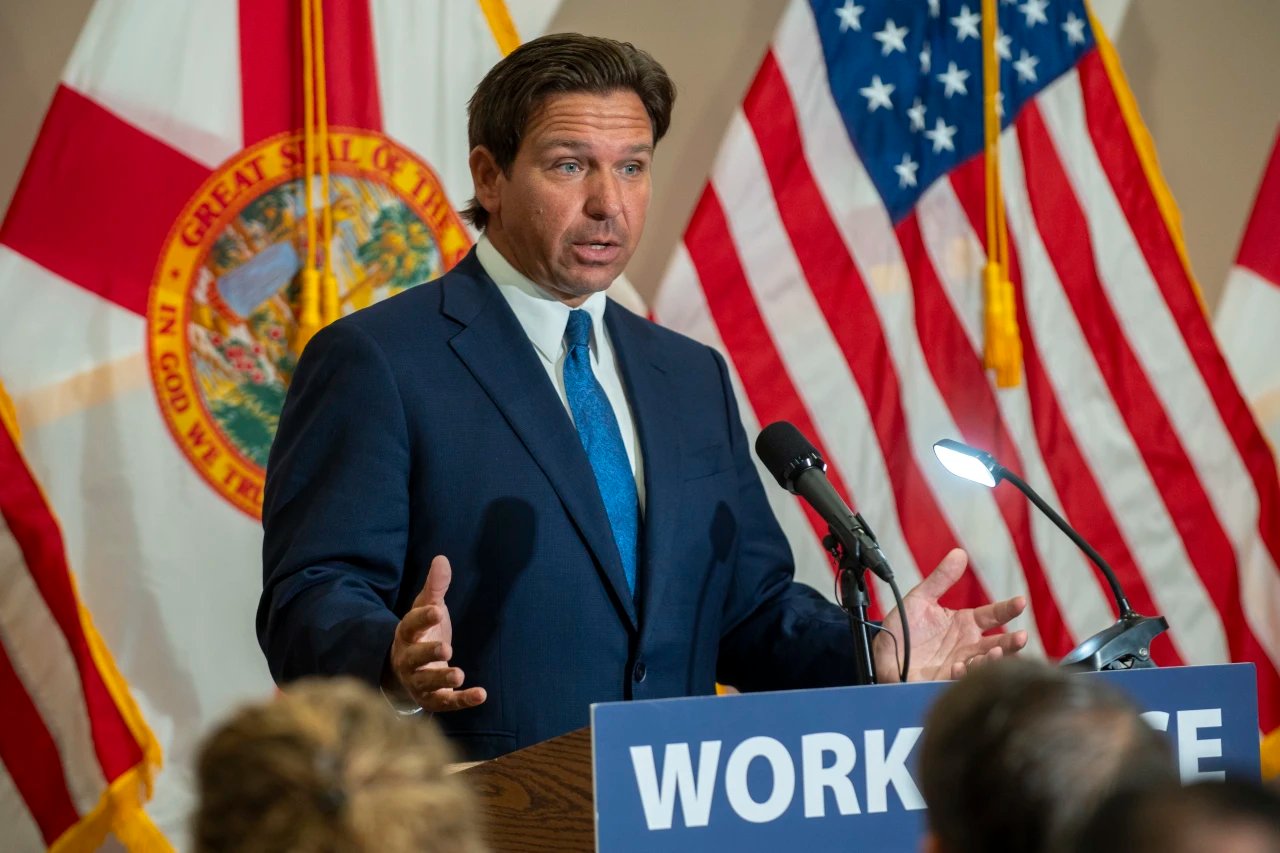
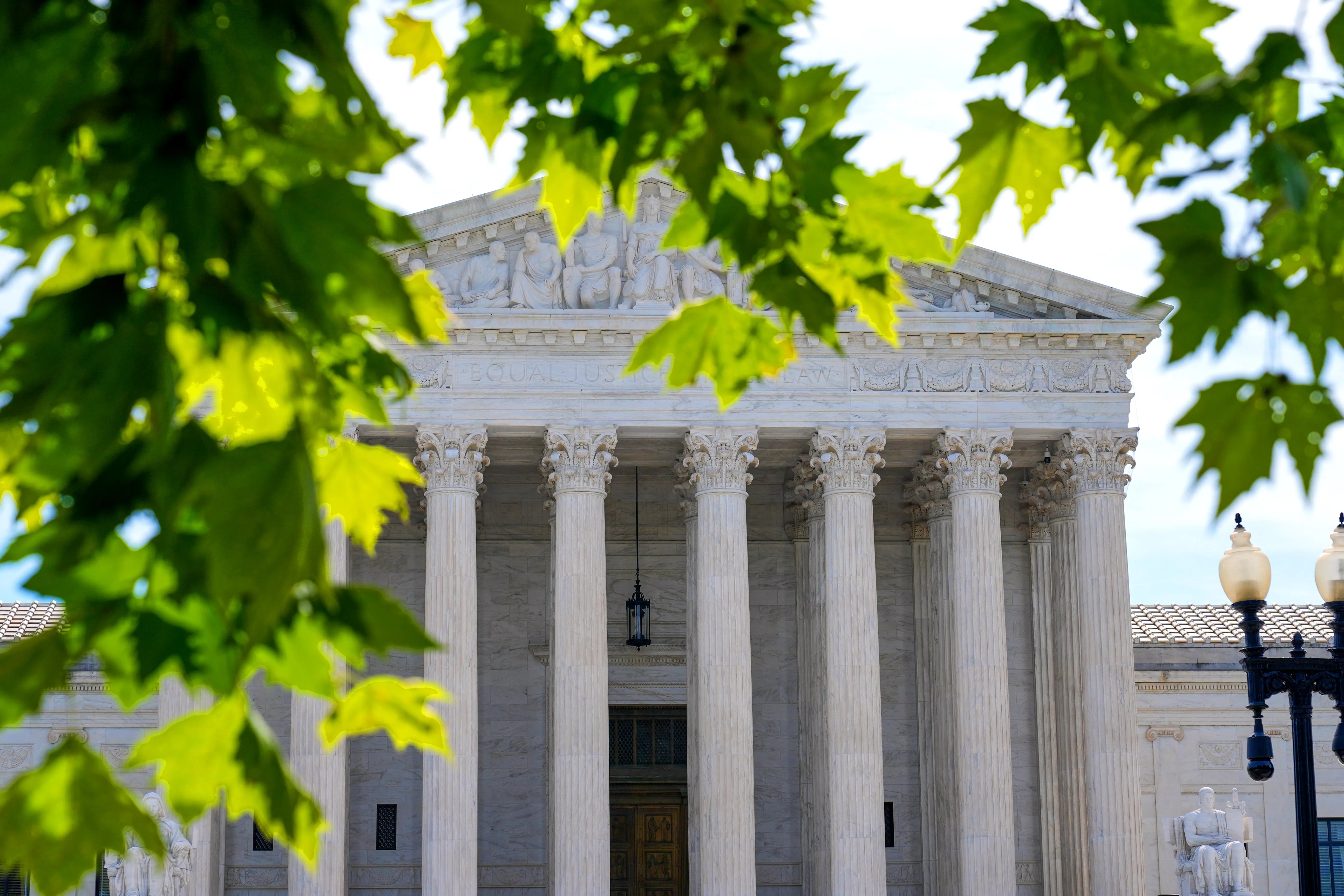
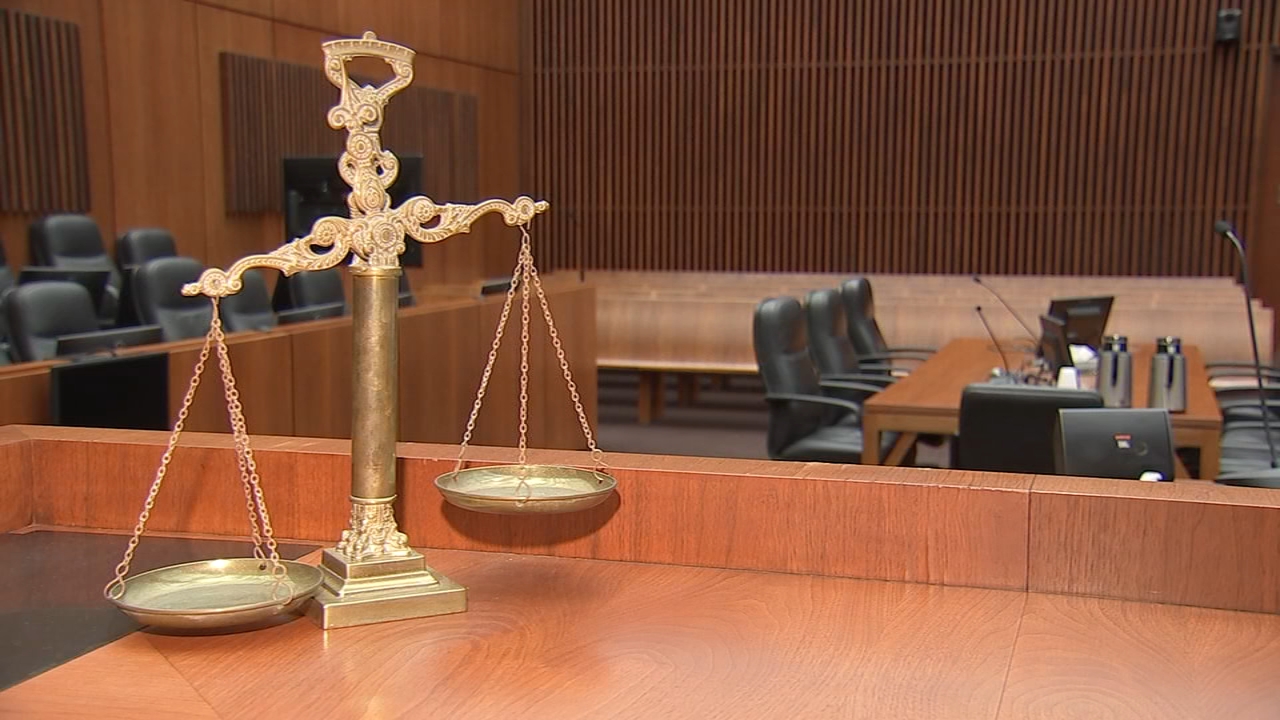
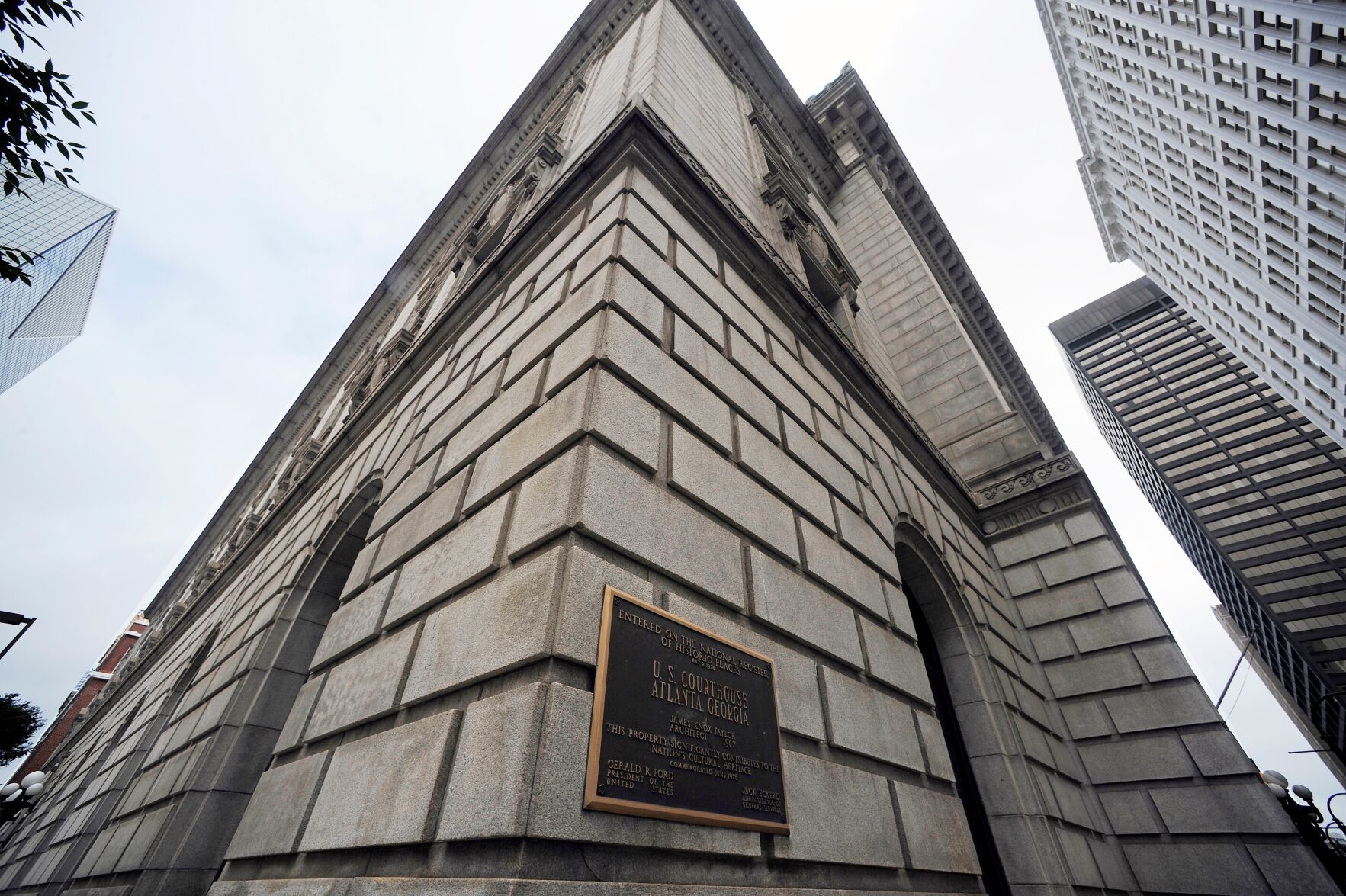
A federal appeals court has invalidated a significant portion of Florida's Stop Woke Act, a law championed by Governor Ron DeSantis aimed at regulating discussions on race and gender in higher education. On Tuesday, the 11th Circuit Court of Appeals ruled by a 2-1 majority that the law infringed upon the First Amendment rights of college and university professors. The court's decision reinforces earlier rulings that deemed the law unconstitutional, asserting that it attempted to suppress free speech in academic settings.
Court's Criticism of State Control
Judge Britt Grant, who authored the majority opinion, criticized the law for its attempt to control the speech of educators, calling it a “breathtaking assertion of power.” The ruling emphasized that the government cannot dictate what professors can or cannot say in classrooms, stating, “Florida’s salary-for-speech rule is a breathtaking assertion of power to ban unpopular ideas from public discourse.” The court underscored that higher education institutions are meant to be environments where students can explore diverse perspectives and engage in critical thinking.
Impact on Free Speech Advocacy
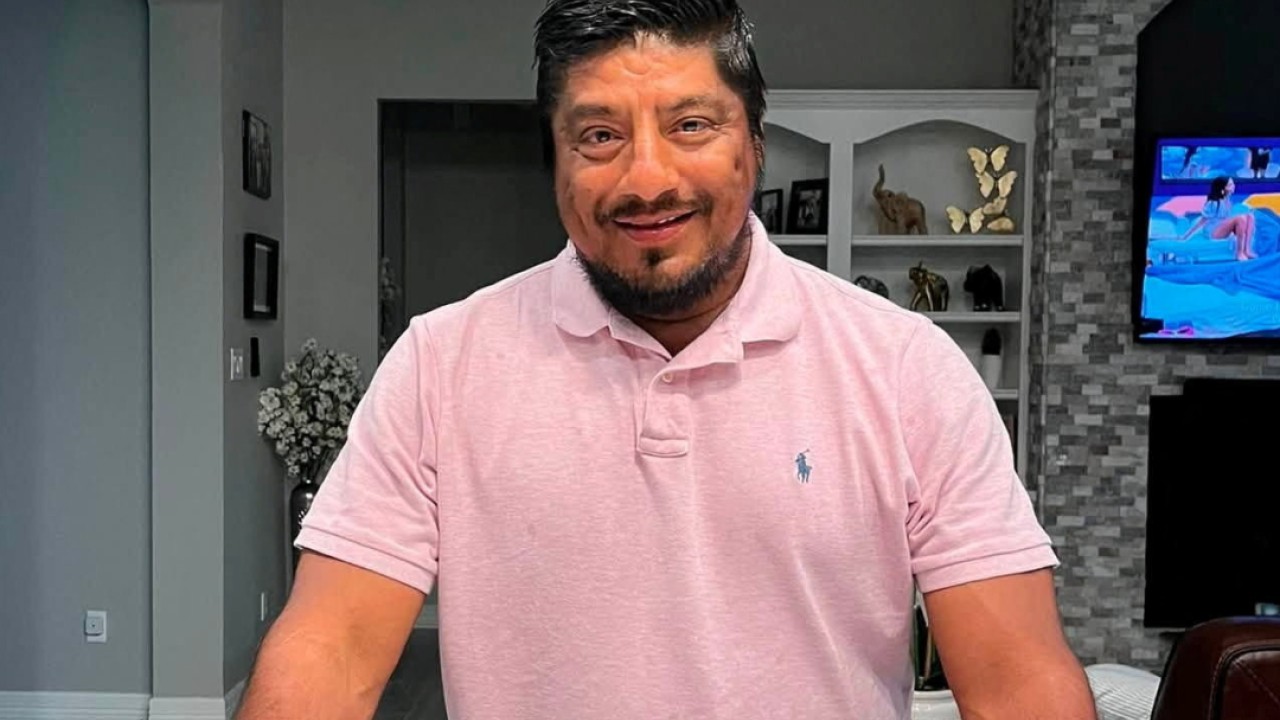
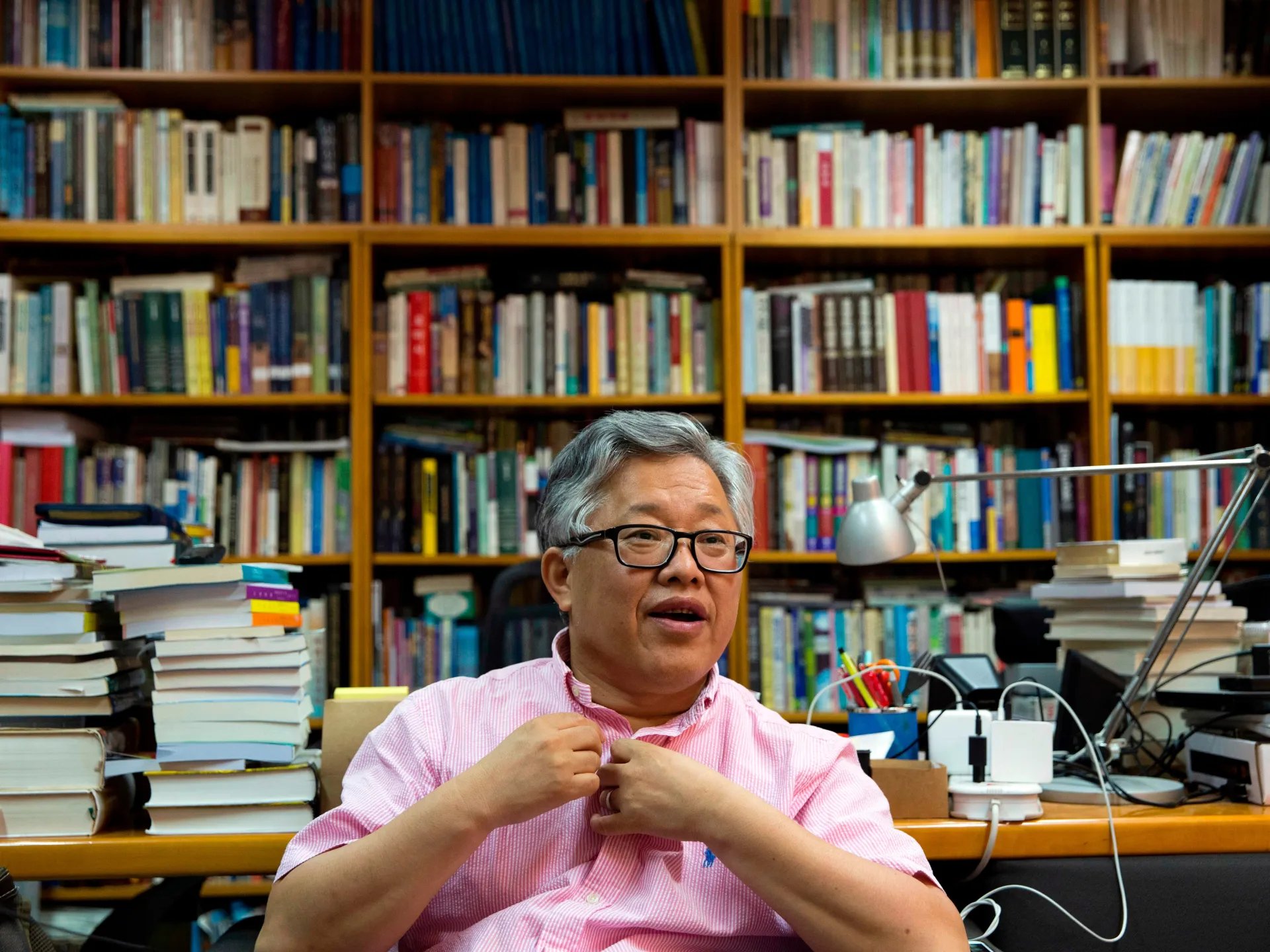
The ruling serves as a crucial victory for civil rights and free speech advocates who challenged the law. LeRoy Pernell, a professor at Florida A&M University and the lead plaintiff in the lawsuit, expressed satisfaction with the decision. “We are thrilled the court has stopped the erasure of topics that have real implications for our students,” Pernell stated. Jin Hee Lee, from the Legal Defense Fund, described the law as an "egregious" attempt to impose a singular viewpoint on the state's higher education system, particularly affecting marginalized communities.
Broader Implications for Educational Policy
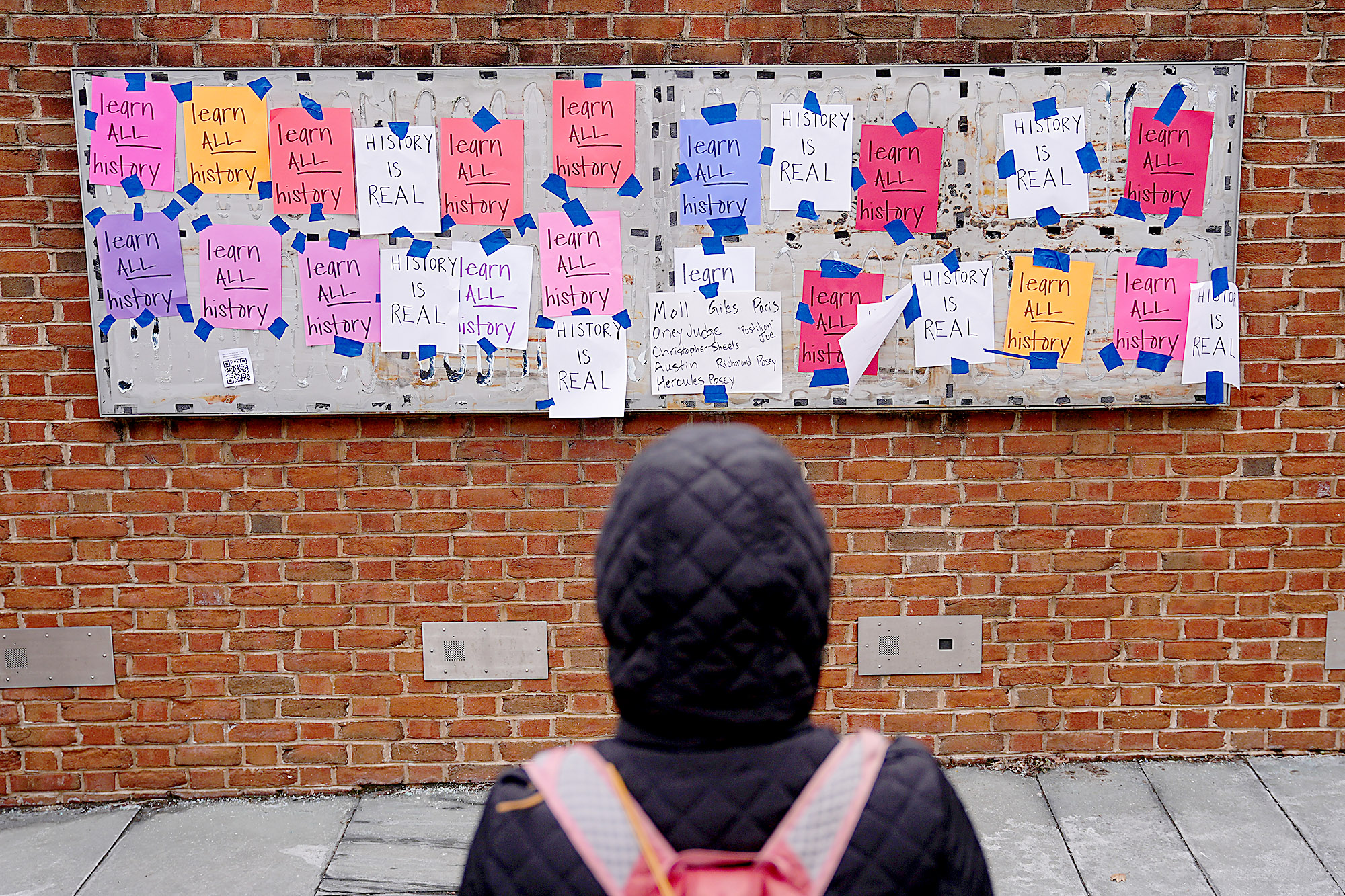
The Stop Woke Act, formally known as the Individual Freedom Act, was enacted in 2022 and aimed to regulate how race and gender are taught across Florida’s public universities and schools. Tuesday’s ruling not only invalidates a flagship component of DeSantis’s agenda but also reflects a growing resistance against governmental overreach in educational content. Carrie McNamara, an attorney with the American Civil Liberties Union of Florida, remarked that the decision upholds the principle of free speech in higher education.
Dissenting Opinion Highlights Division
The ruling was not unanimous, with Judge Barbara Lagoa dissenting. She argued that the state has legitimate interests in regulating classroom instruction, emphasizing that the First Amendment does not compel the state to endorse all viewpoints. Lagoa contended that the law's restrictions on certain topics were aimed at preventing coercive effects on students, echoing concerns raised in previous case law. Her dissent highlights the ongoing debate about the balance between academic freedom and state authority in educational settings.
Next Steps for Florida's Education System
The ruling has immediate implications for how Florida's public universities approach discussions on race and gender. With this legal barrier removed, educators may now engage in a broader range of topics without fear of censorship. The DeSantis administration has yet to respond officially to the ruling, leaving educators and students to navigate this new landscape of academic freedom. As universities prepare for the upcoming academic year, the emphasis will likely shift back to fostering open dialogue and critical engagement within classrooms.