




Rising Tensions and Concerns Over Security
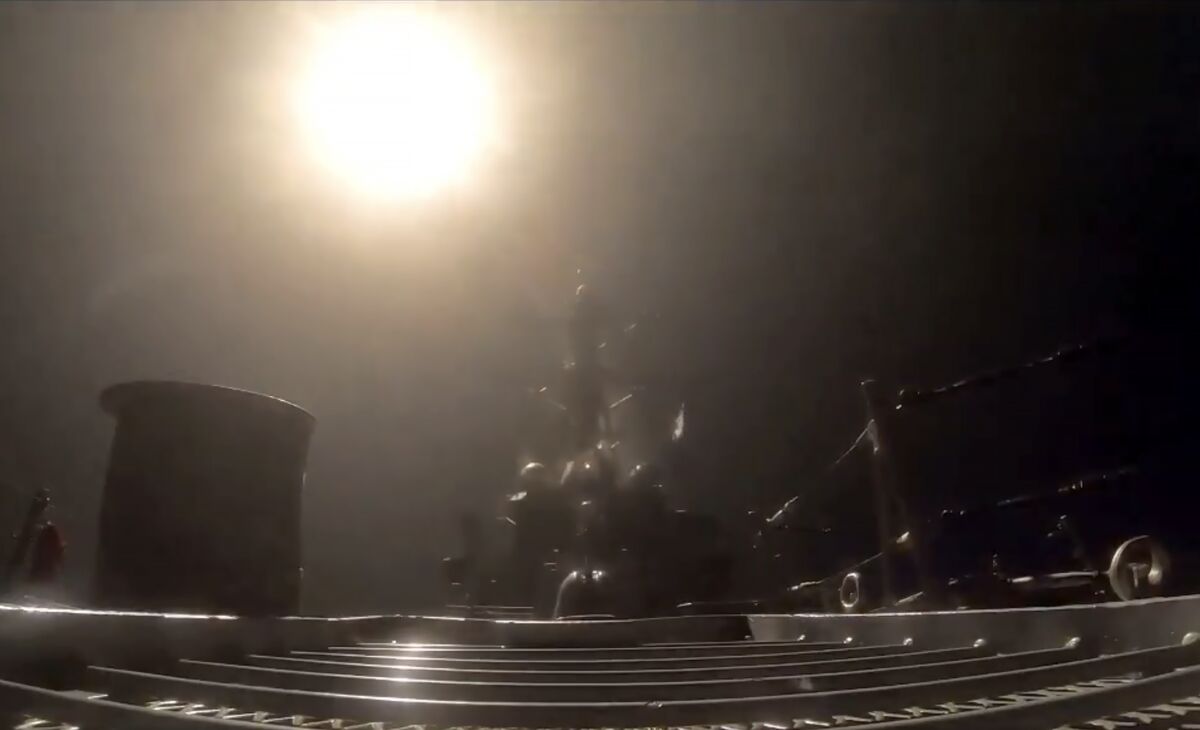
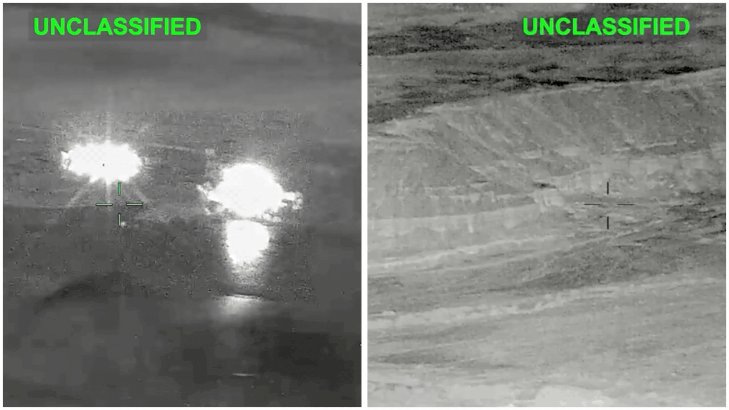
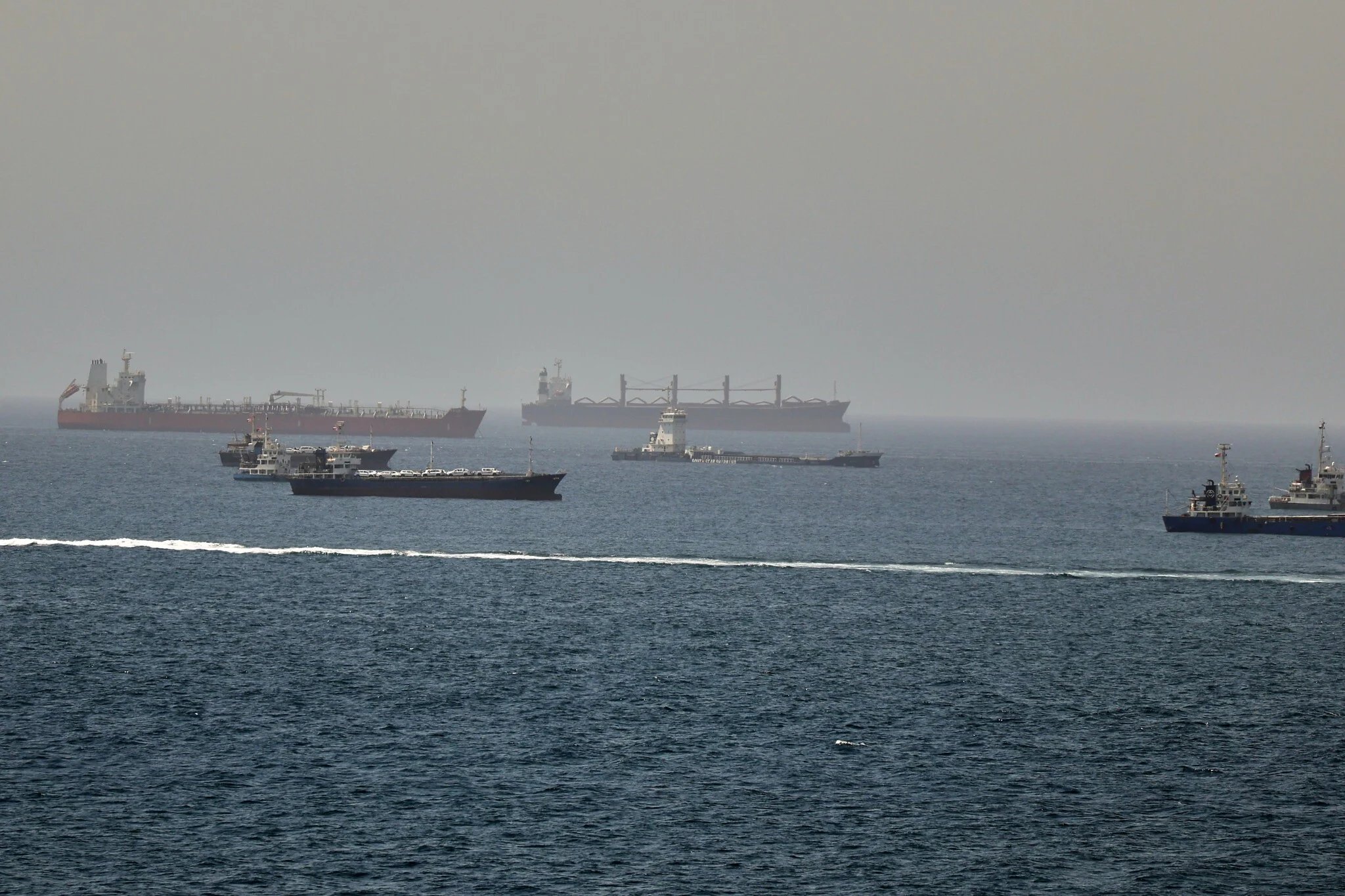
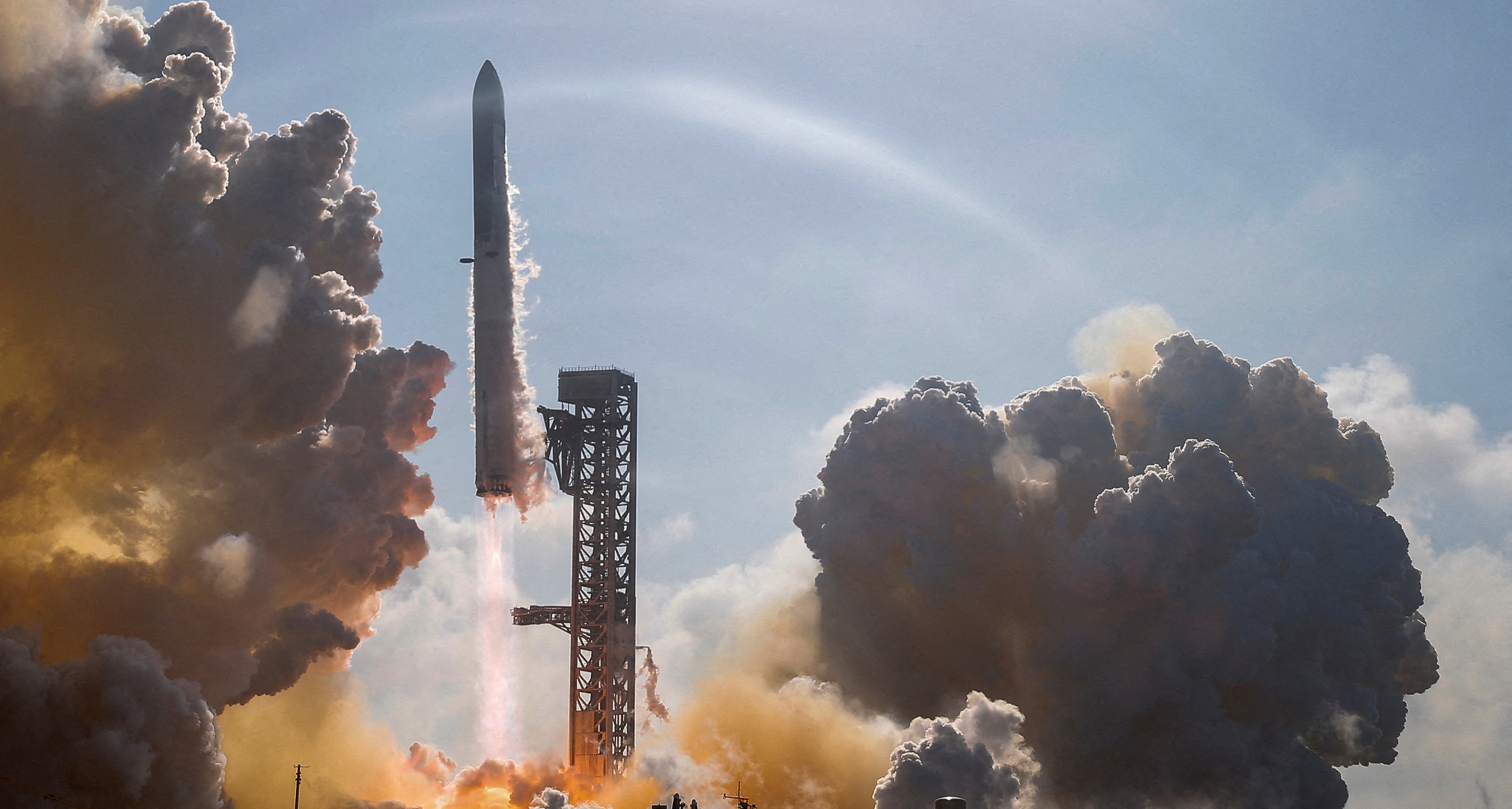
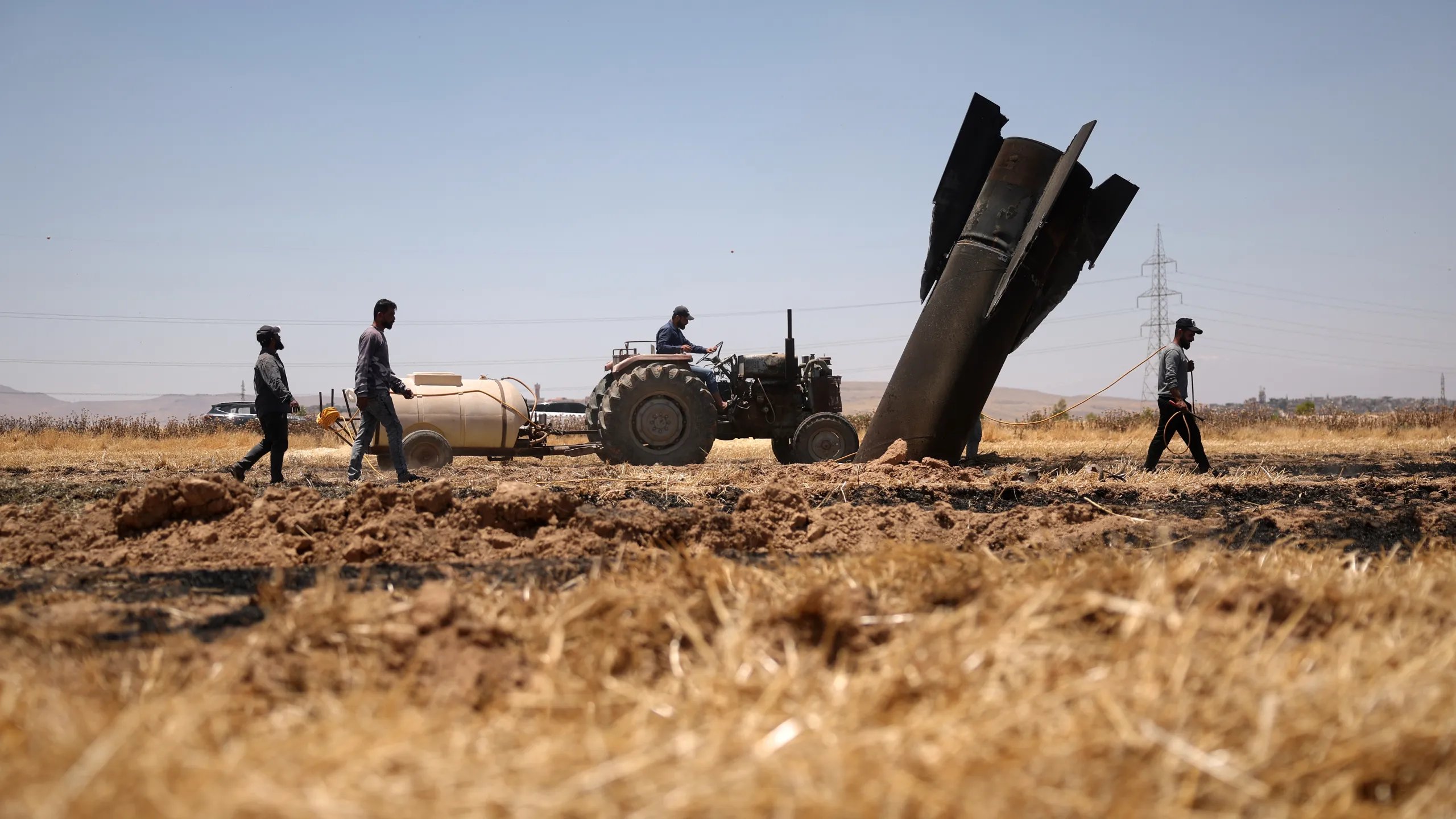
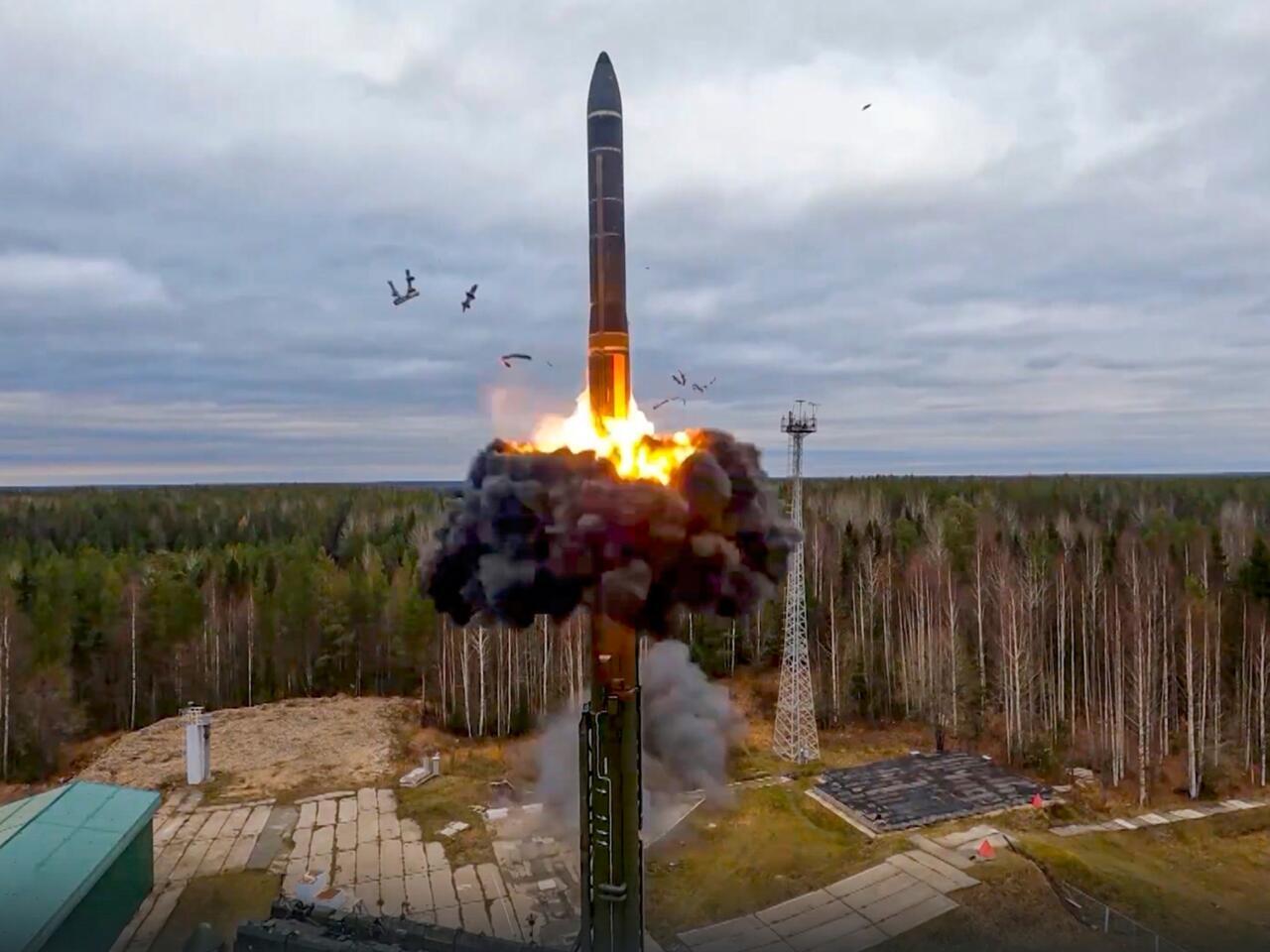
China's recent test-launch of a long-range ballistic missile from a nuclear-powered submarine in the South Pacific has heightened regional security concerns, with countries such as Australia, New Zealand, Japan, and Taiwan expressing their disapproval and unease. The missile, which carried a dummy warhead, was launched into the South Pacific Nuclear Free Zone, a region established by the 1986 Treaty of Rarotonga that prohibits nuclear weapons. China had ratified the protocols in 1987, pledging not to test nuclear weapons within the zone or threaten to use them against signatories with territory in the region.
International Criticism and Response
The launch was met with swift condemnation from several nations. Australia's Foreign Minister Penny Wong stated, "Australia has been clear with China that we regard this as destabilizing to the region." New Zealand's Foreign Minister Winston Peters expressed concern, noting, "It appears that despite our long-standing concerns about this type of activity, China carried out the test within hours of informing us." Japan's Defense Ministry urged Beijing to "rethink" its missile testing to avoid security risks, while Taiwan's presidential office accused China of attempting to intimidate the international community.
U.S. Stance and Call for Arms Control
The United States also voiced its concern, with State Department spokesperson Thomas Pigott highlighting, "Beijing's rapid and opaque nuclear weapons buildup is of great concern to the region and the world." The U.S. called for China to engage in meaningful arms control discussions and commit to a regularized notification arrangement for intercontinental ballistic missile and space launches. This stance underscores the urgency for transparency and dialogue in managing nuclear capabilities and preventing proliferation.
China's Nuclear Ambitions and Regional Impact
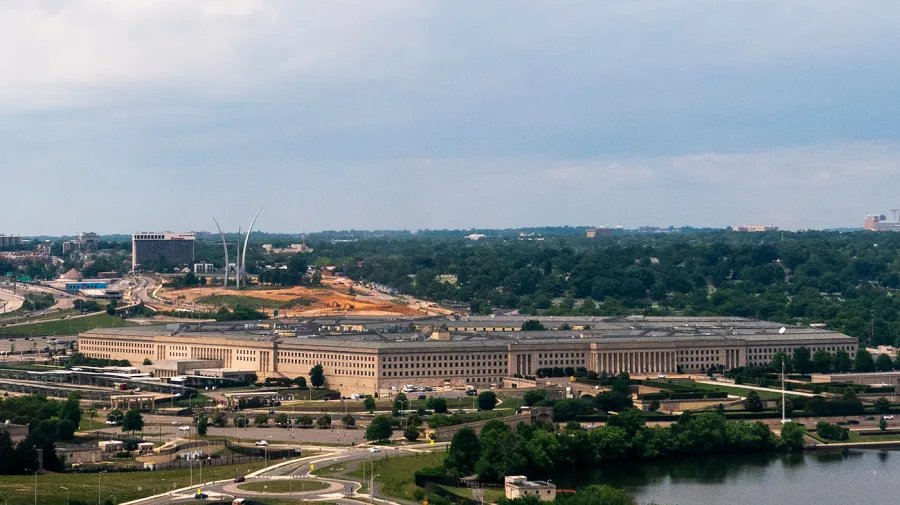
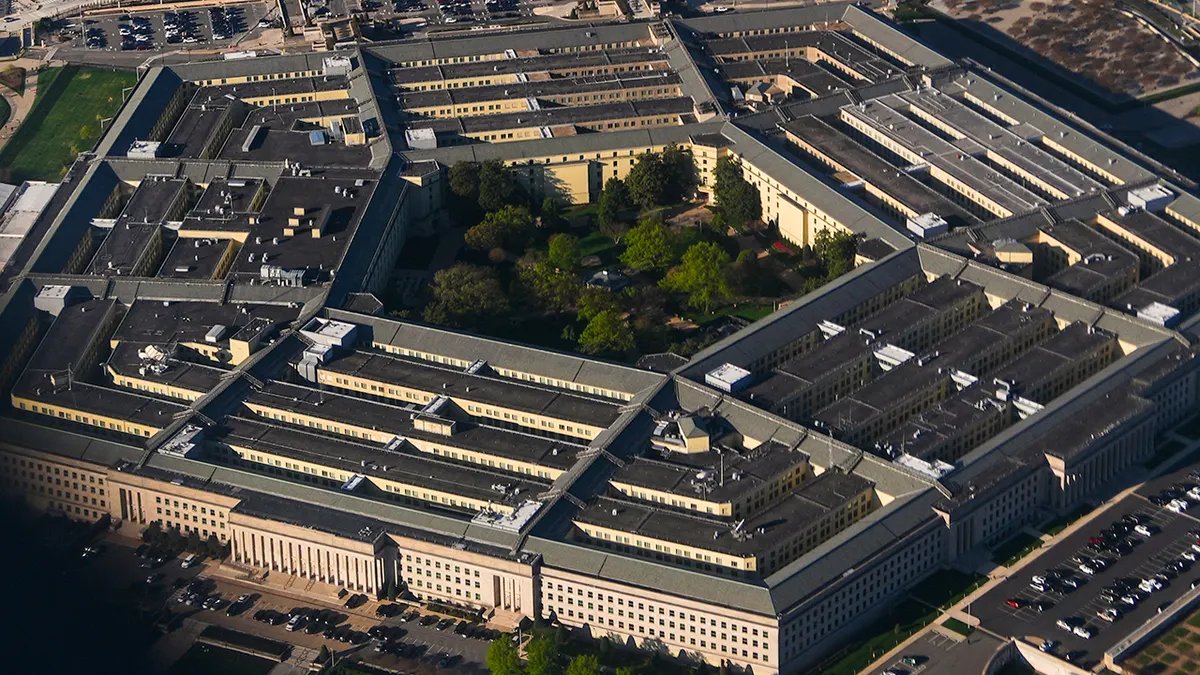
The Pentagon's late 2025 report to Congress on China's military capabilities indicated that China had an estimated stockpile of around 600 nuclear warheads in 2024 and is on track to field more than 1,000 nuclear warheads by 2030. This development, along with the missile test, signals China's growing sea-based nuclear deterrent capability and its pursuit of nuclear technology as part of its long-term strategy to modernize the People's Liberation Army.
Next Steps and Regional Dynamics
The test-launch of the ballistic missile coincided with Australia and Fiji signing a mutual defense treaty aimed at countering Chinese influence in the Pacific. This move indicates a shift in regional dynamics, with countries seeking to balance and counter China's increasing military presence and power. As the regional nations and the U.S. call for arms control and transparency, the next steps will involve navigating the complex geopolitical landscape and addressing the security implications of China's nuclear ambitions.