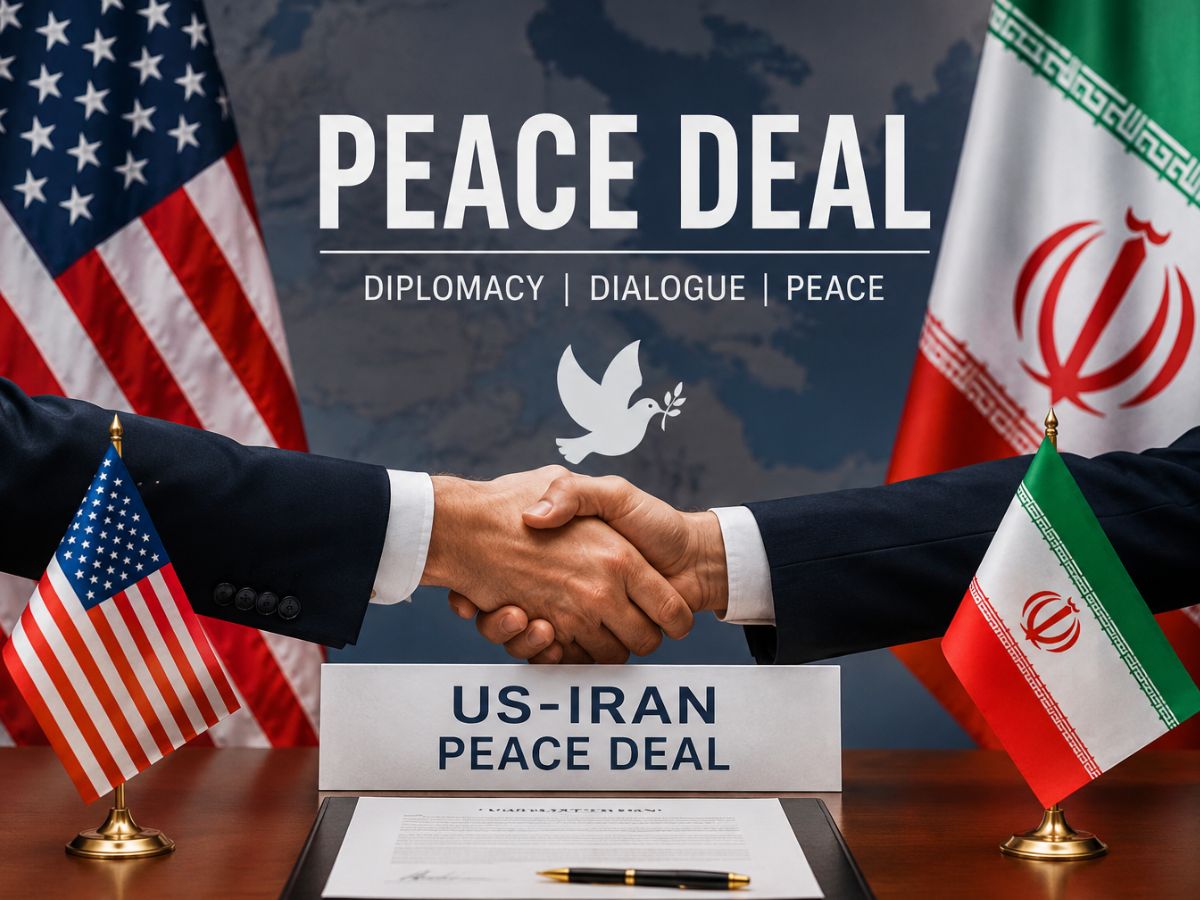
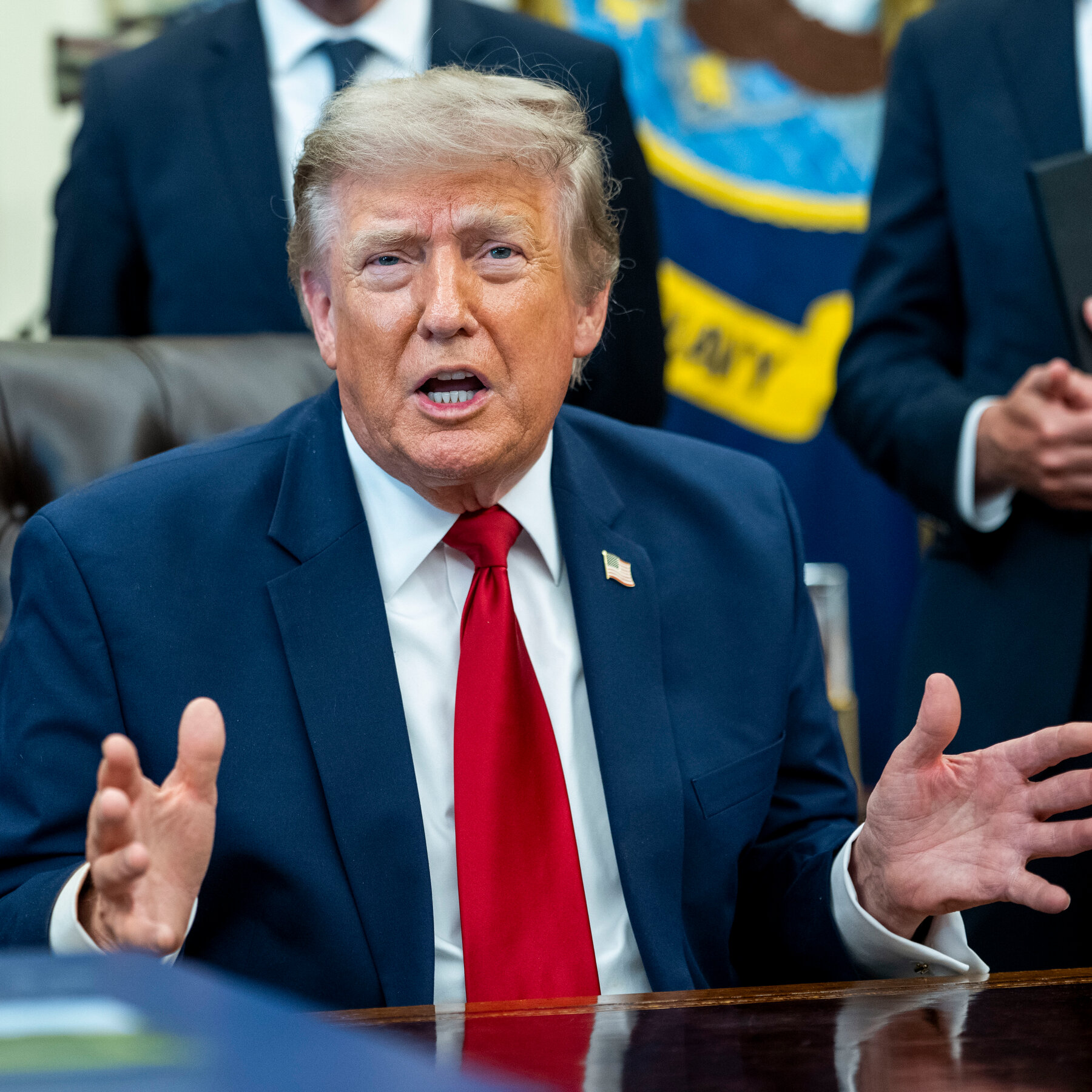
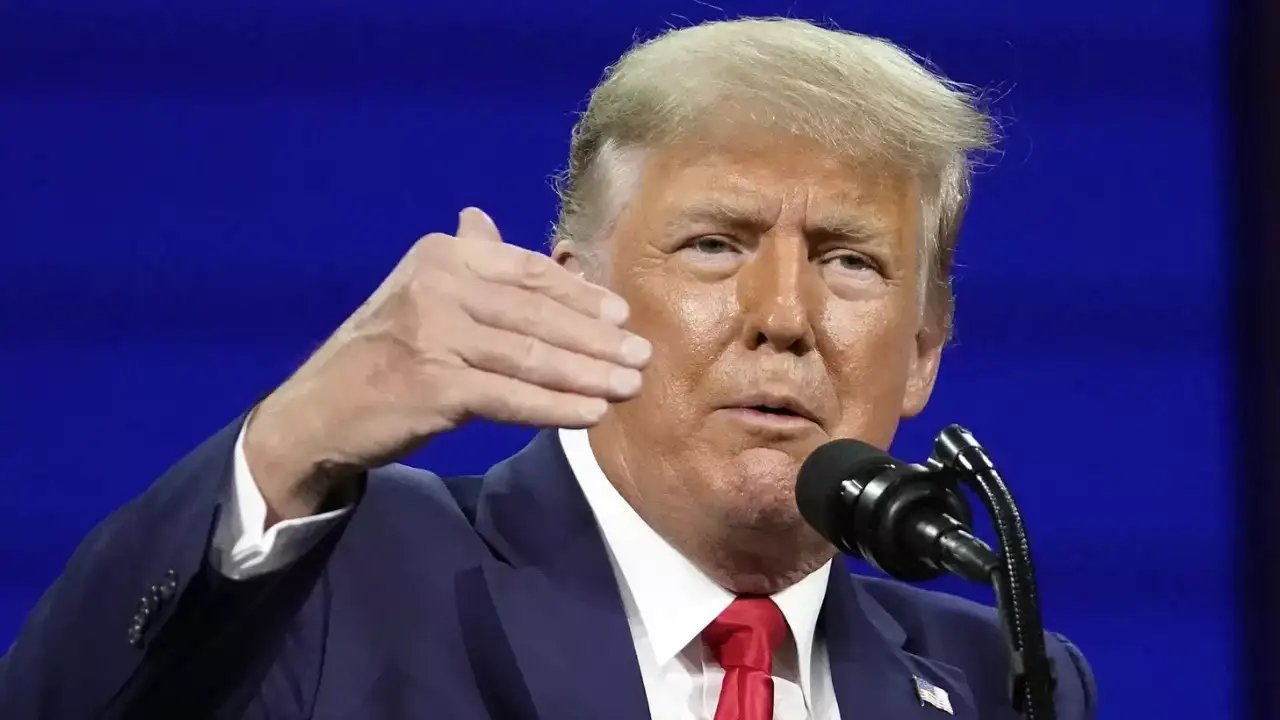
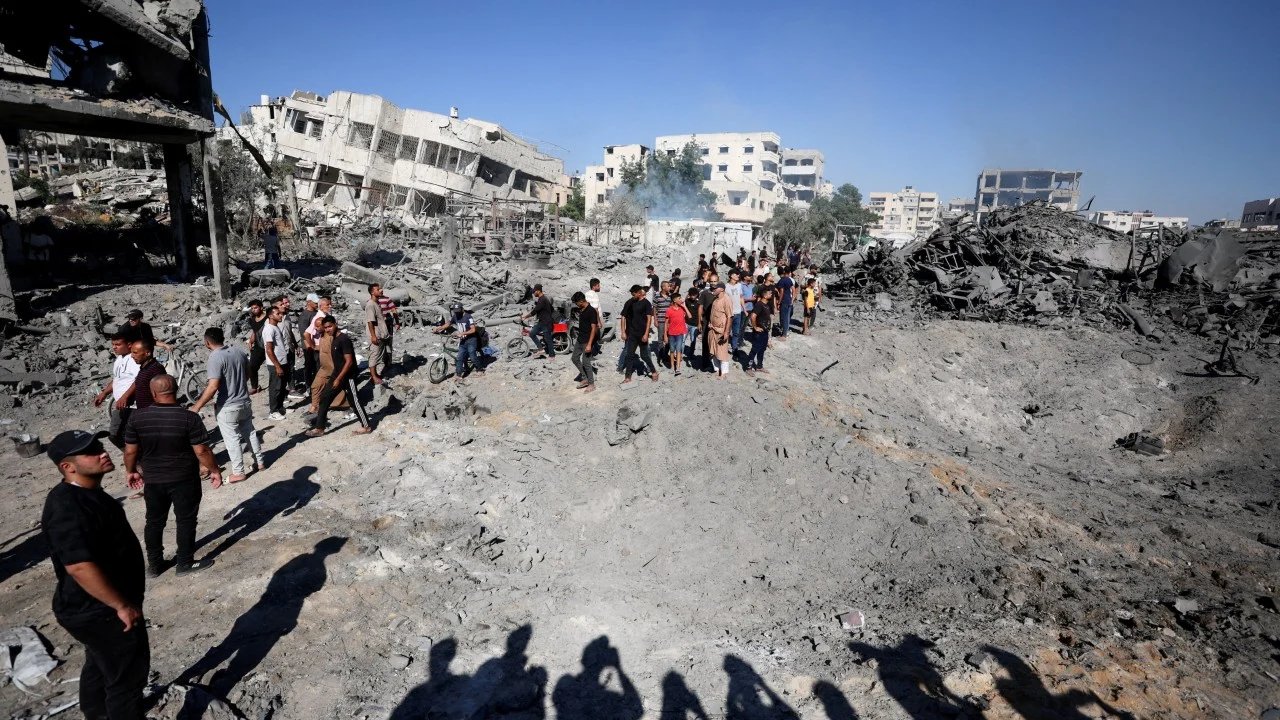
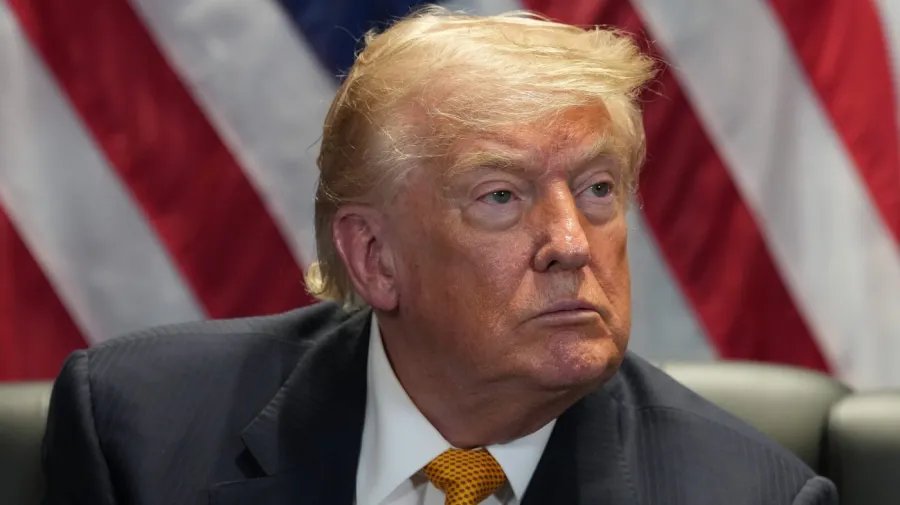
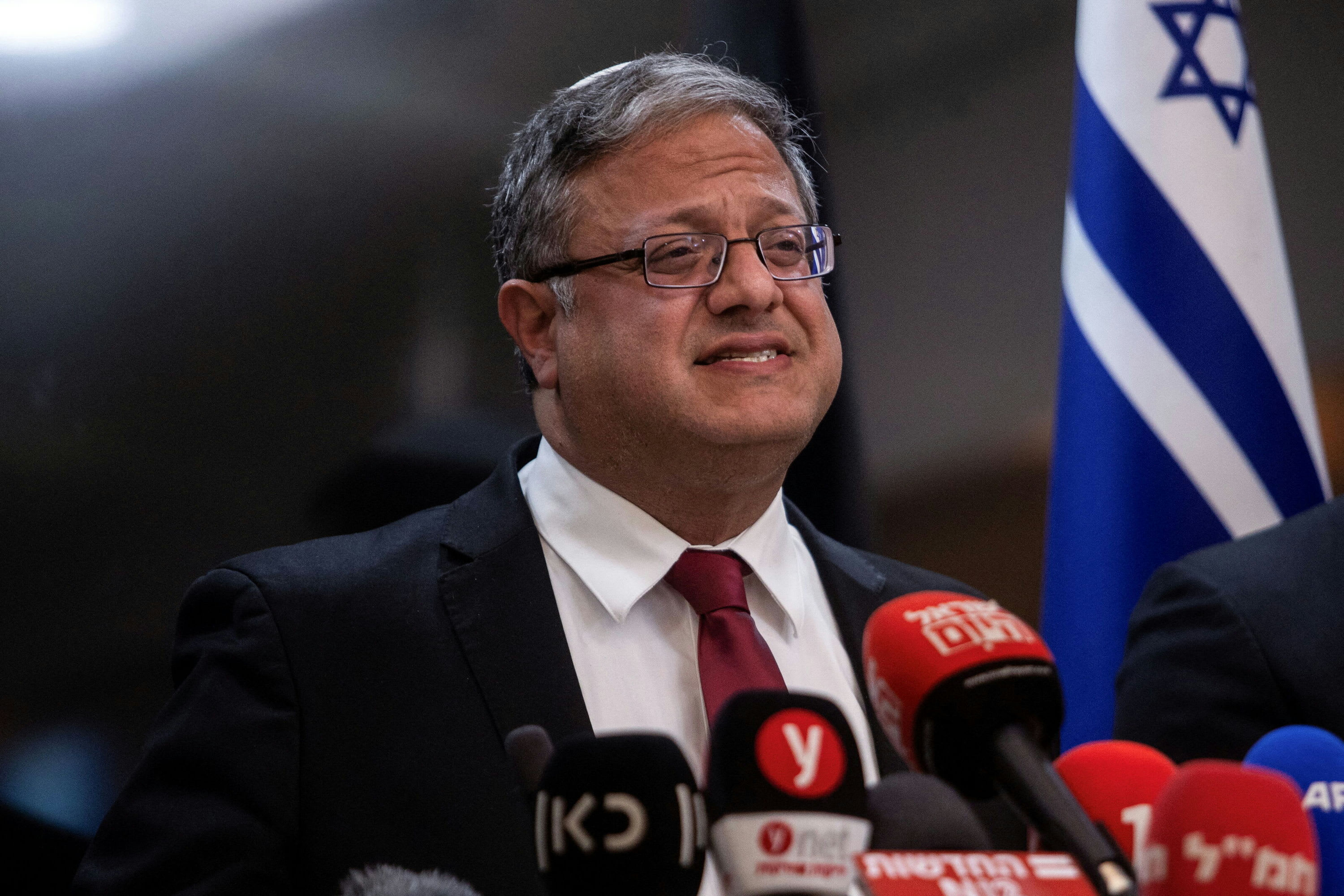
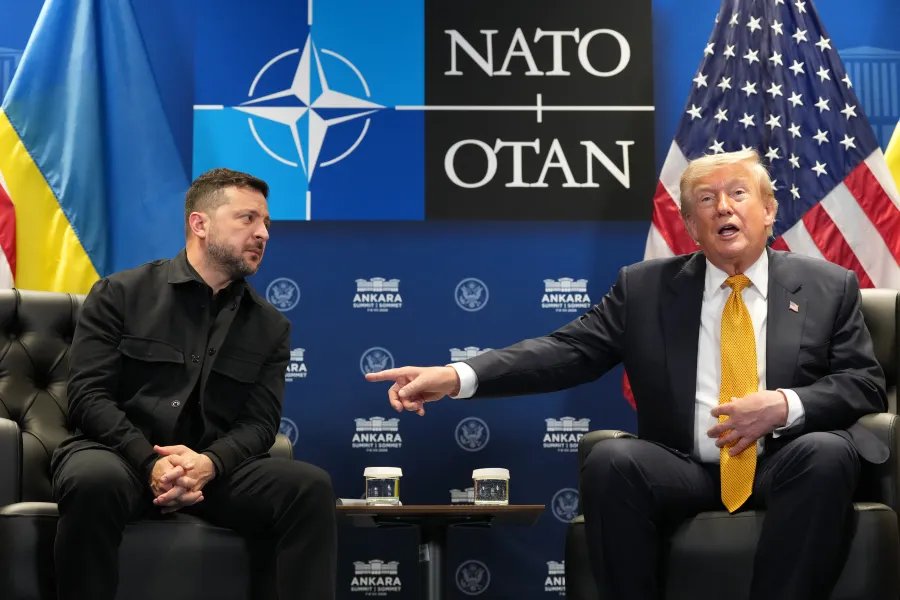
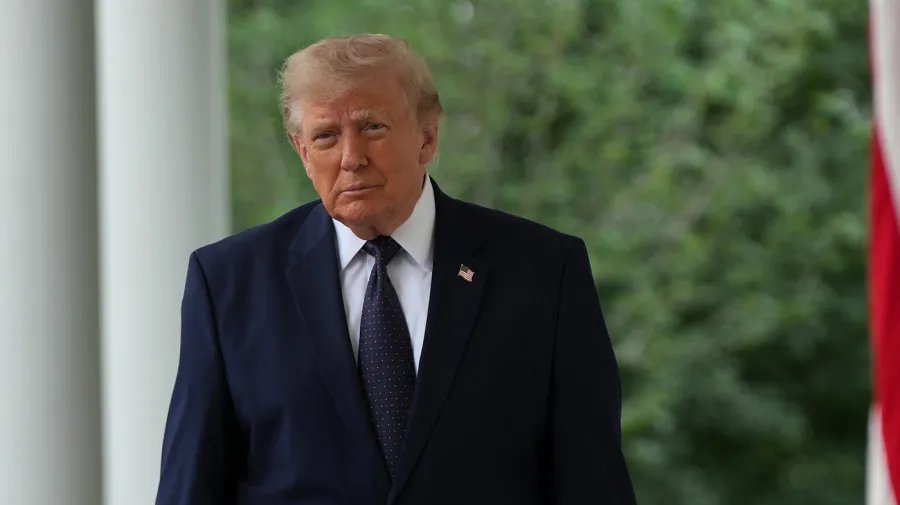
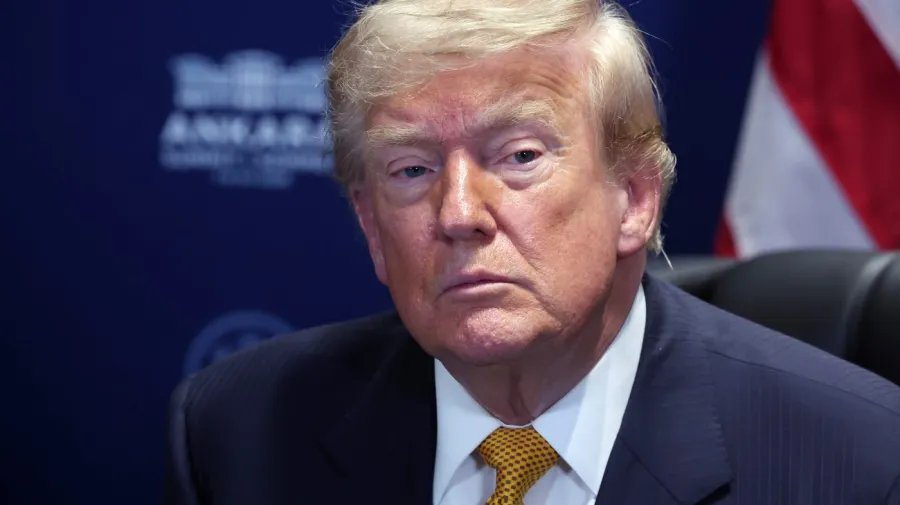
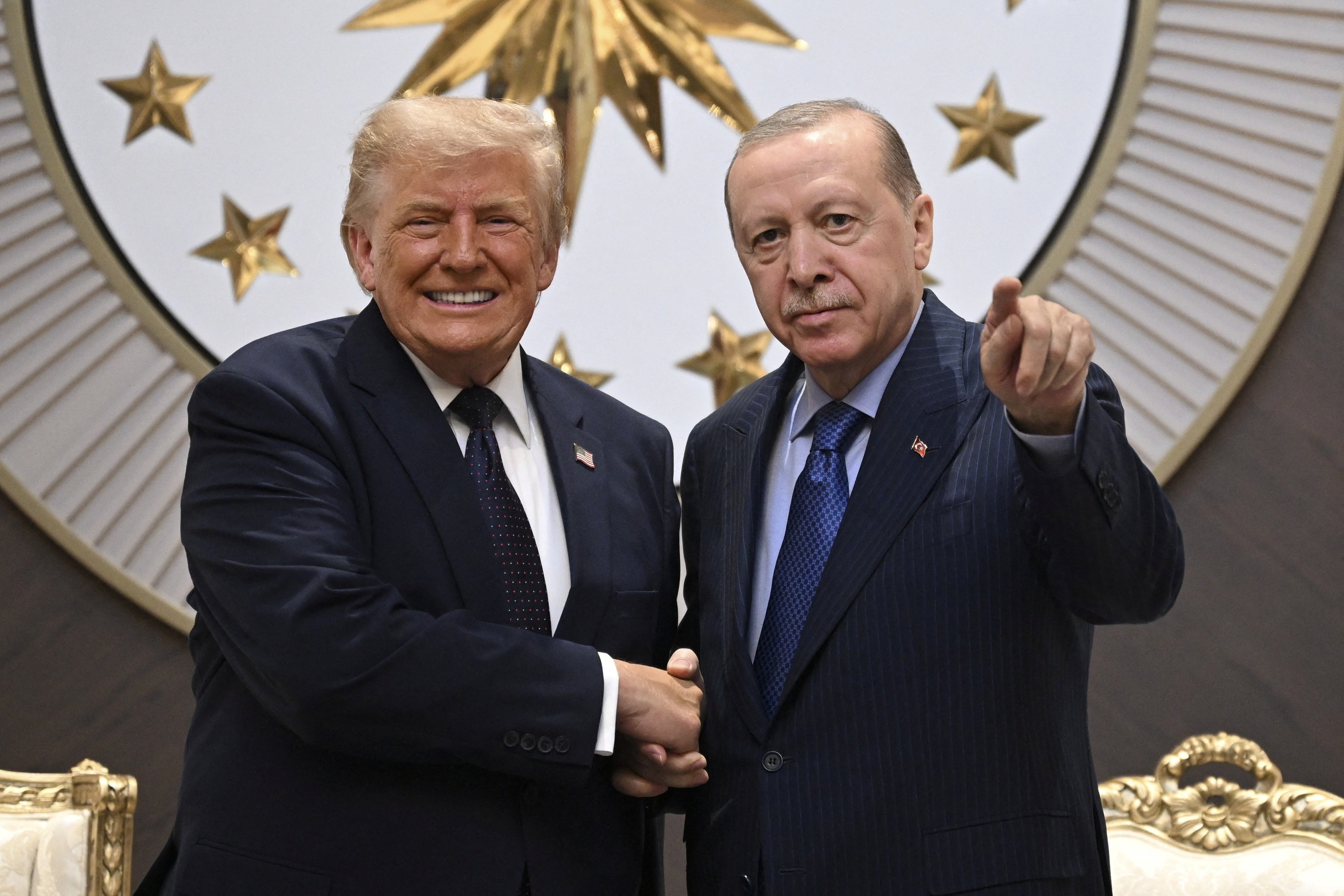
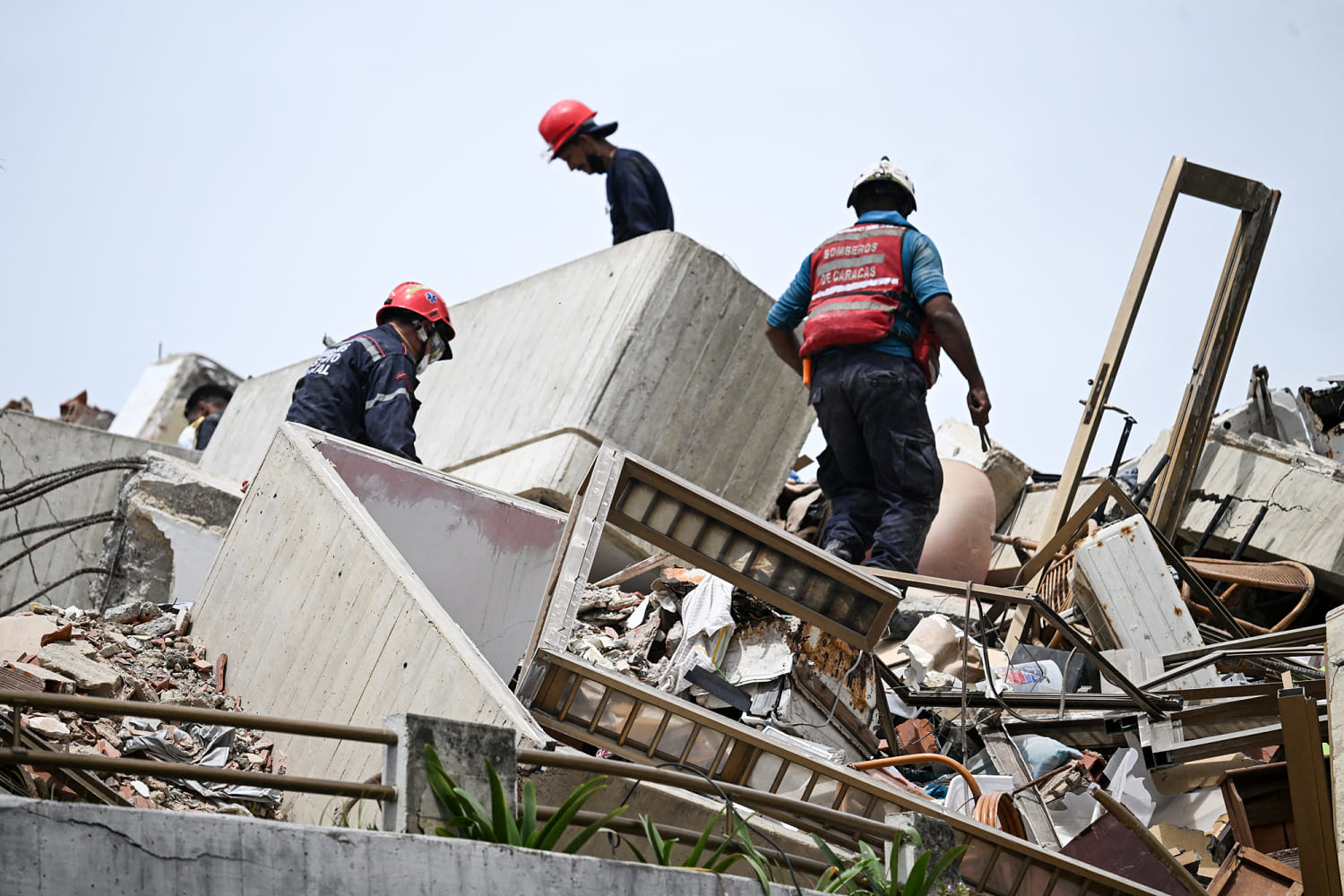
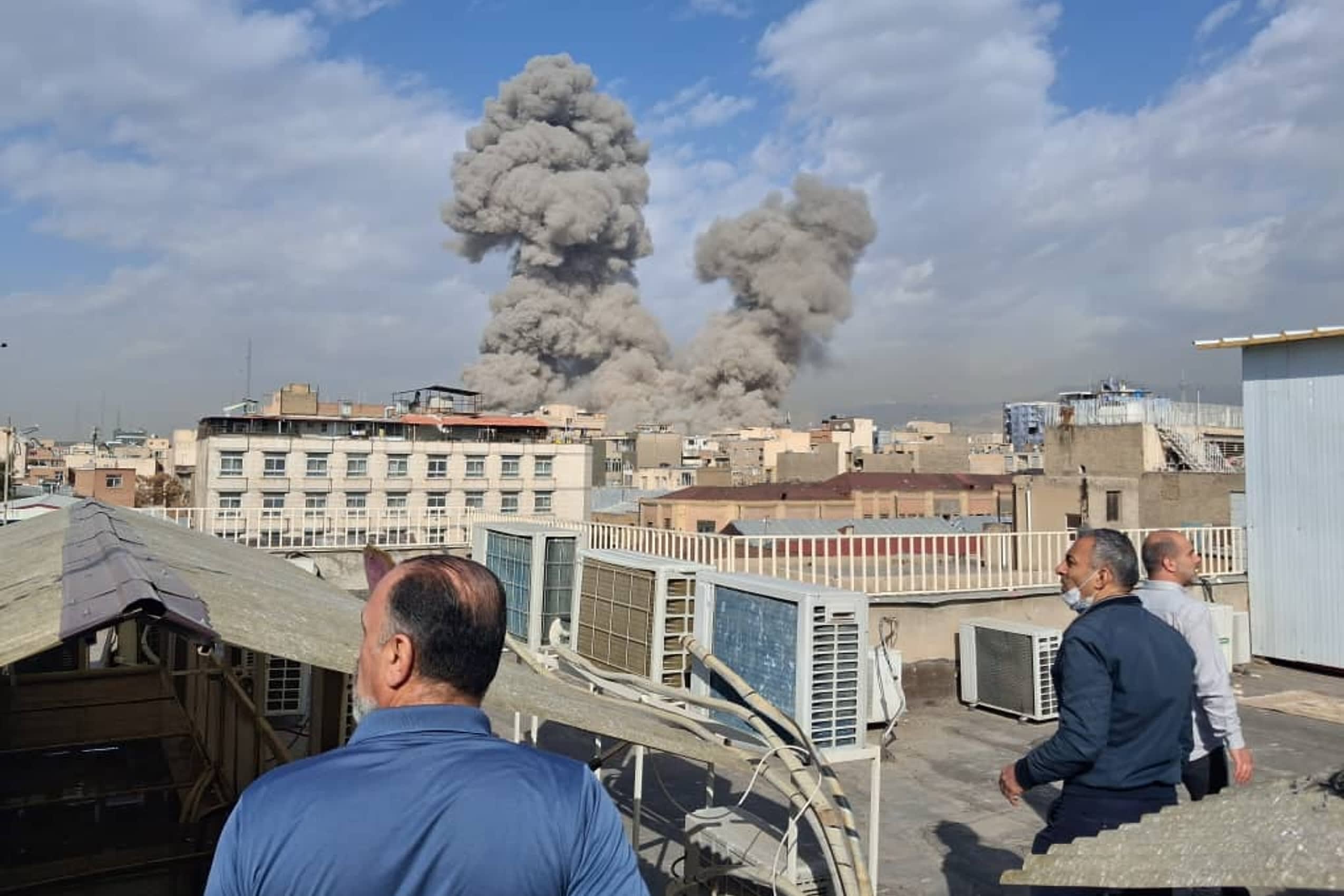
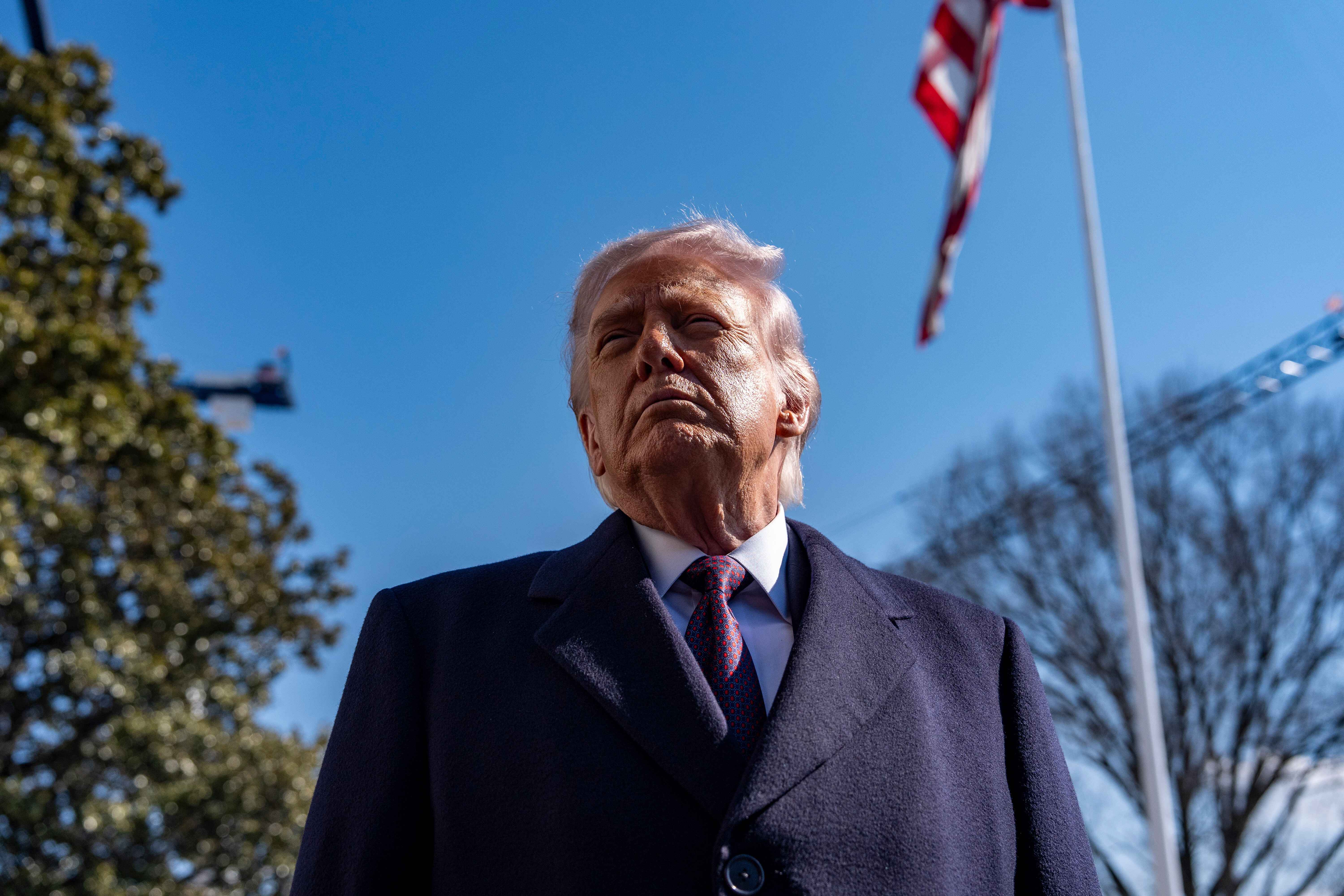
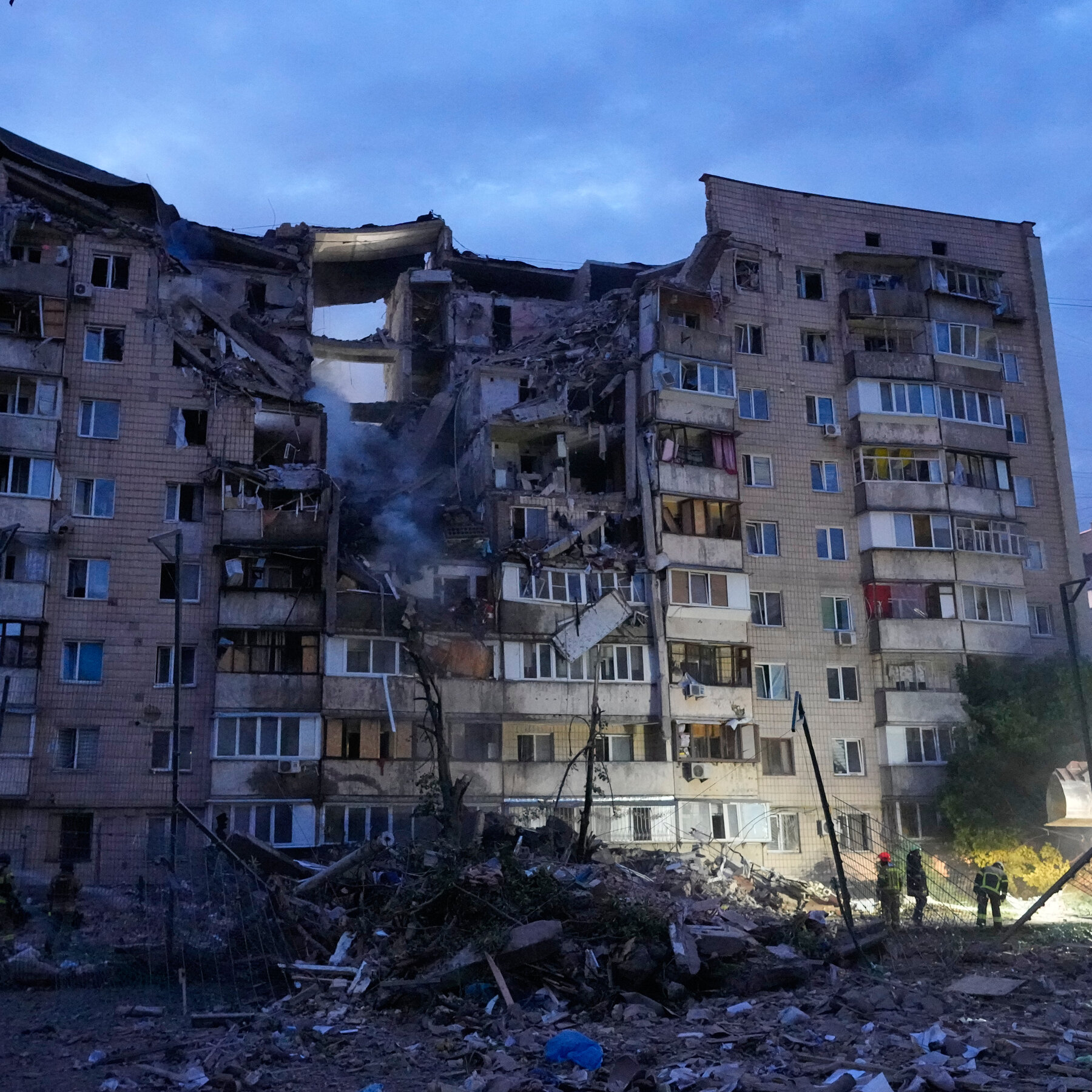
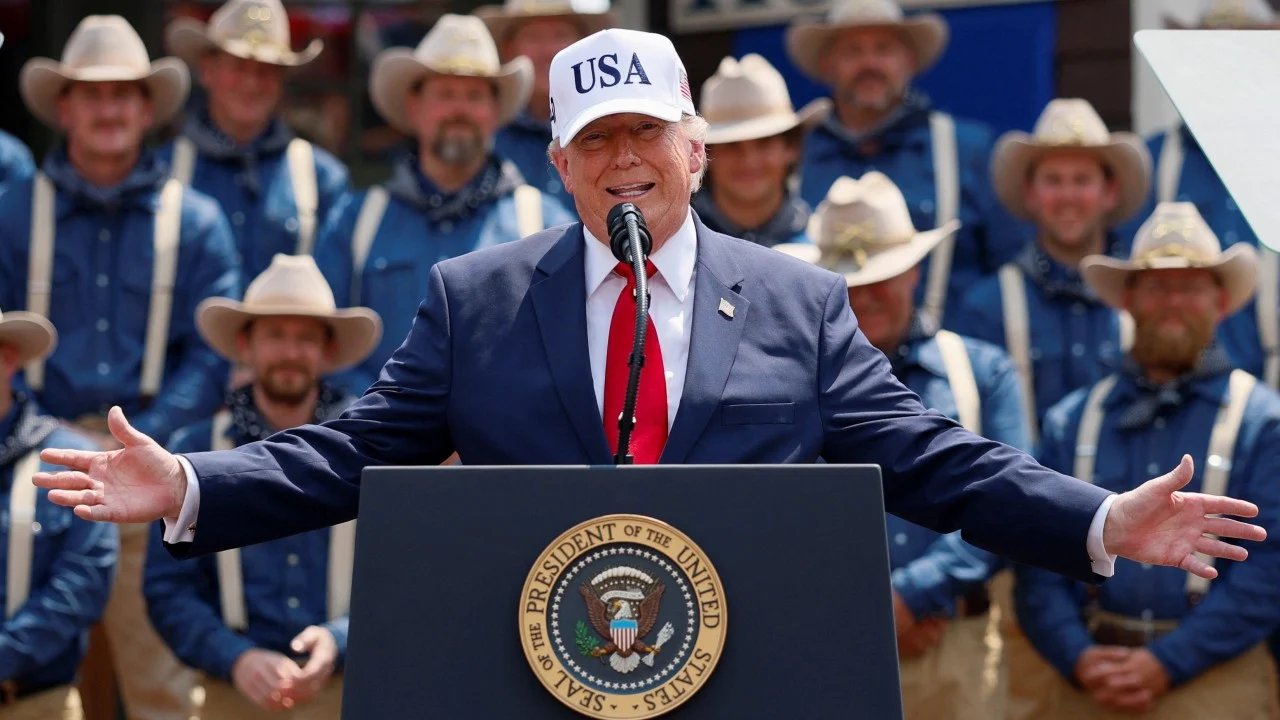
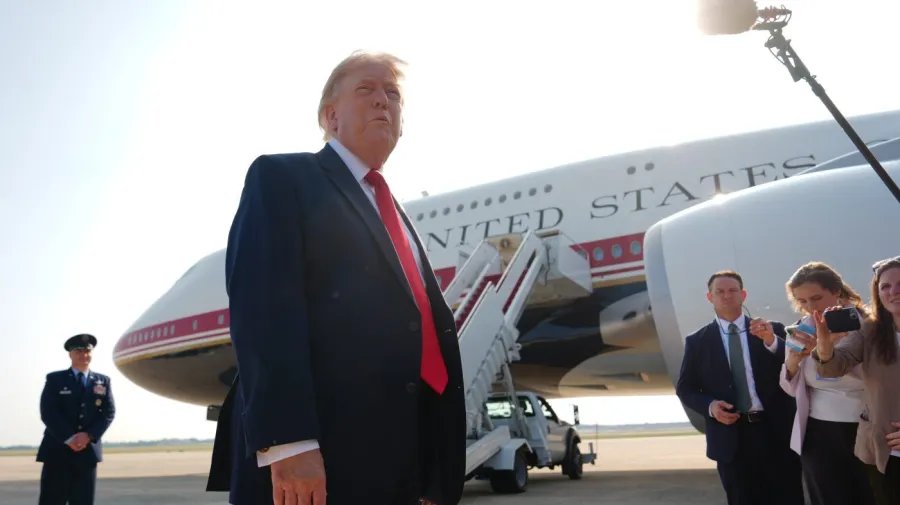
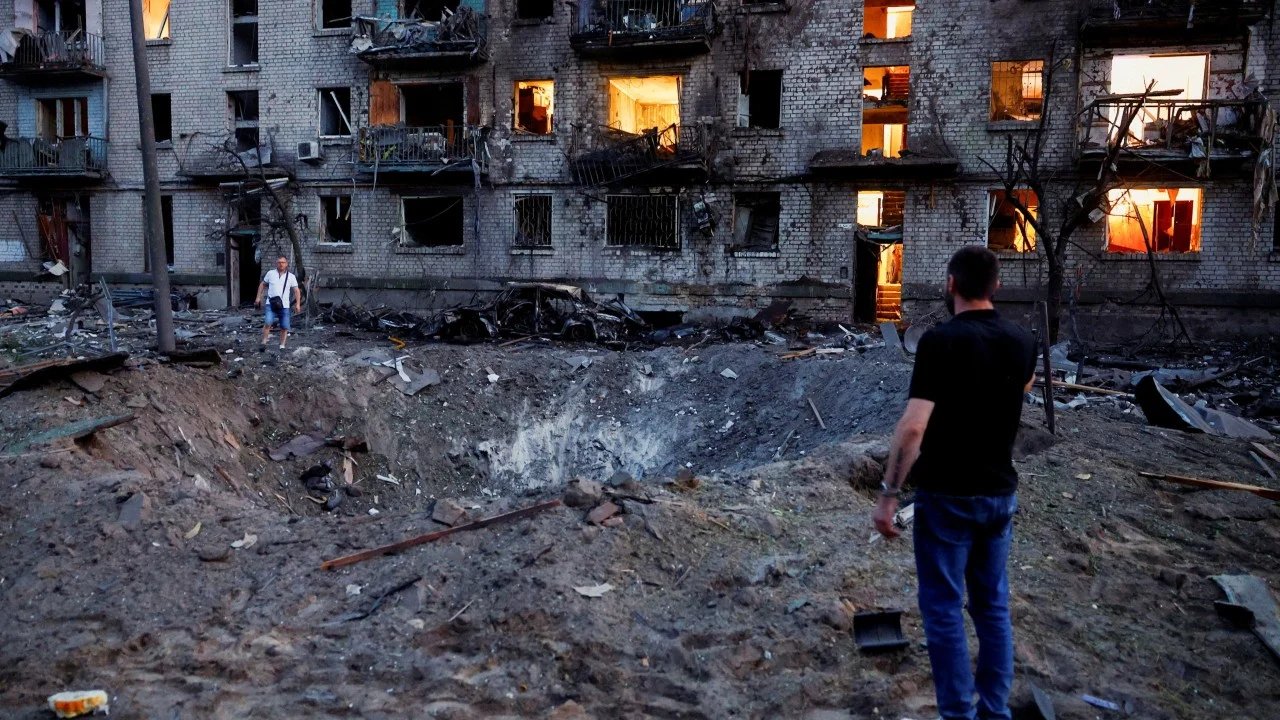
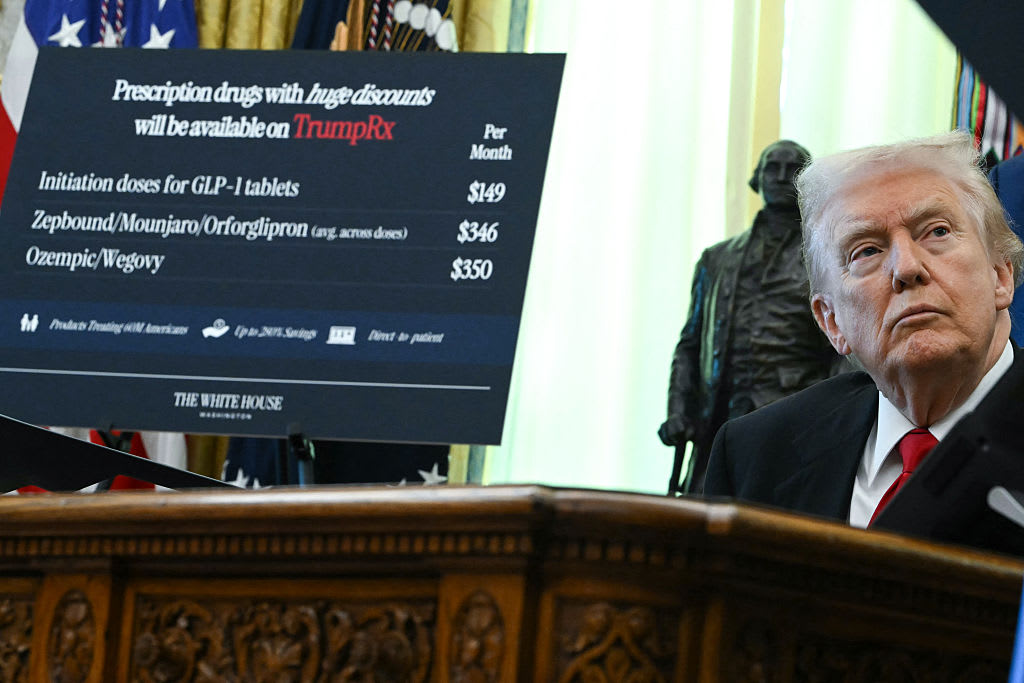
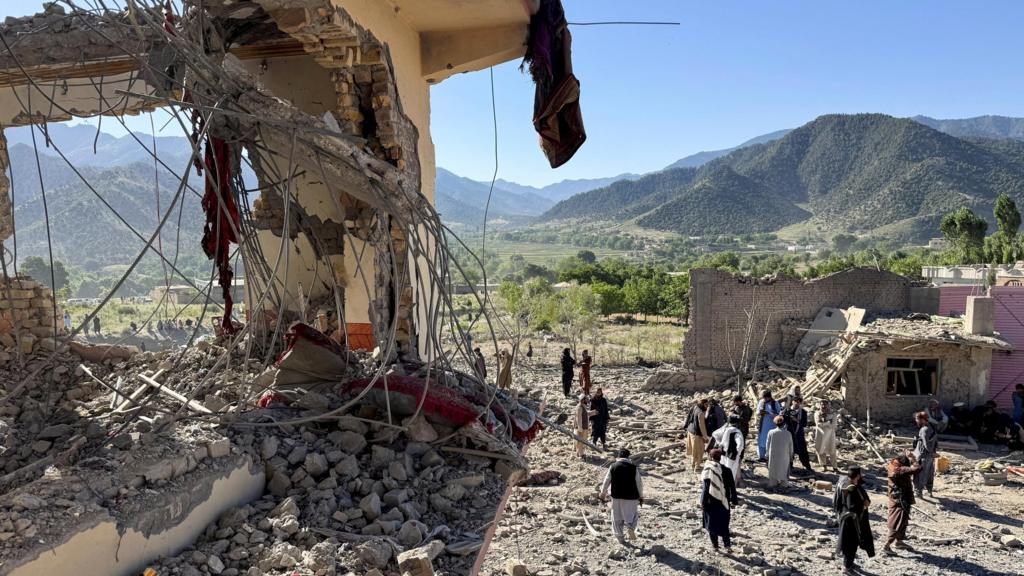
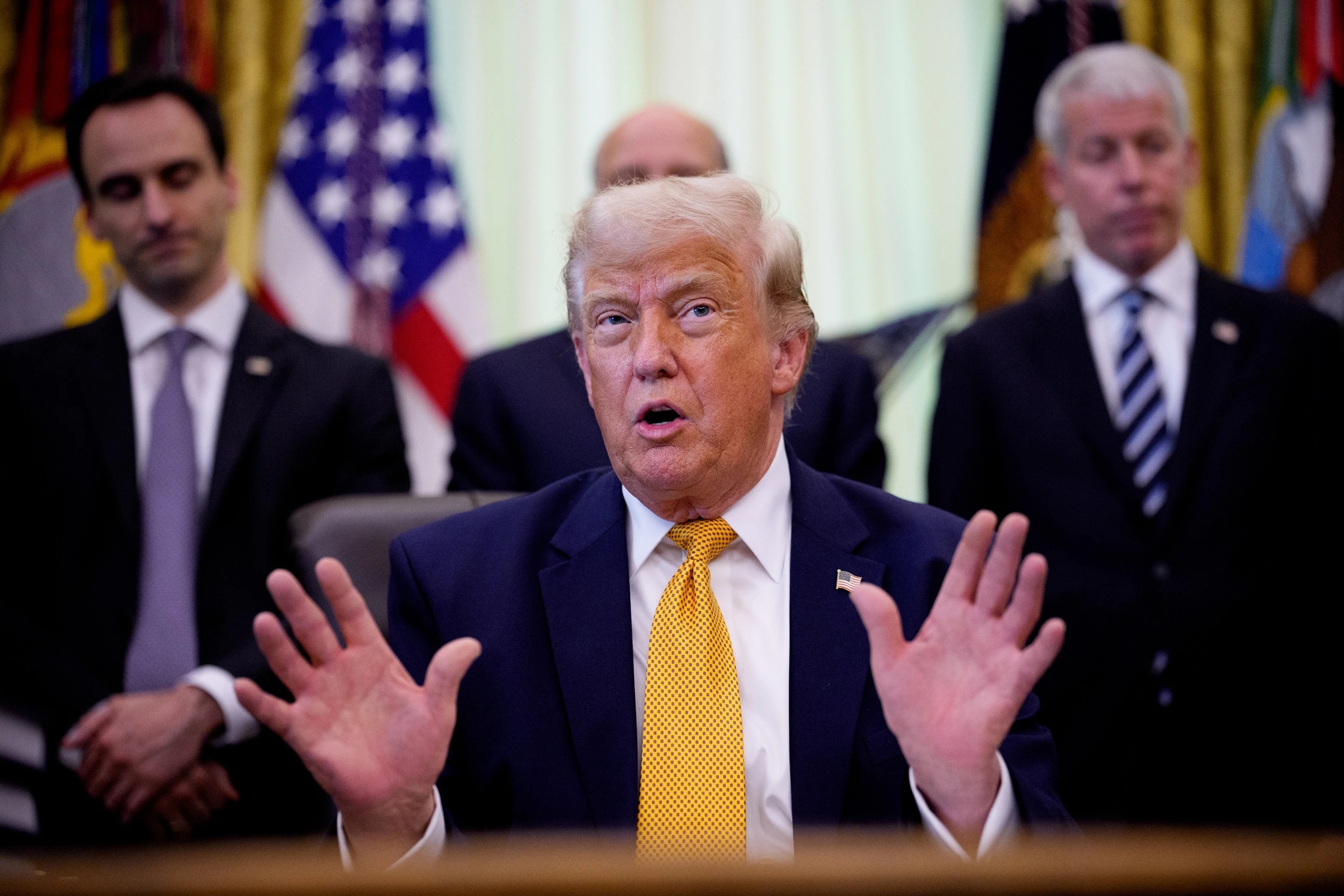
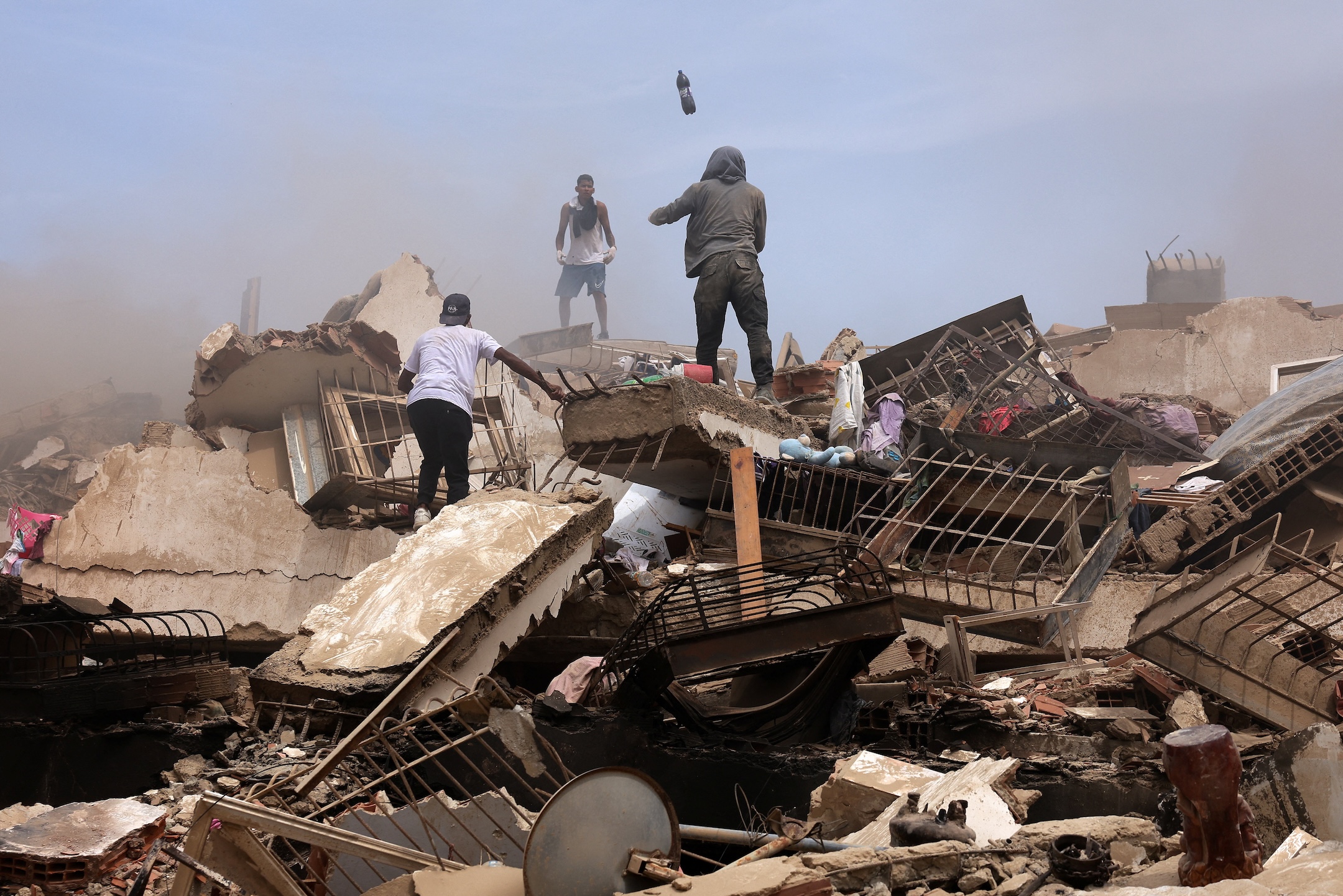
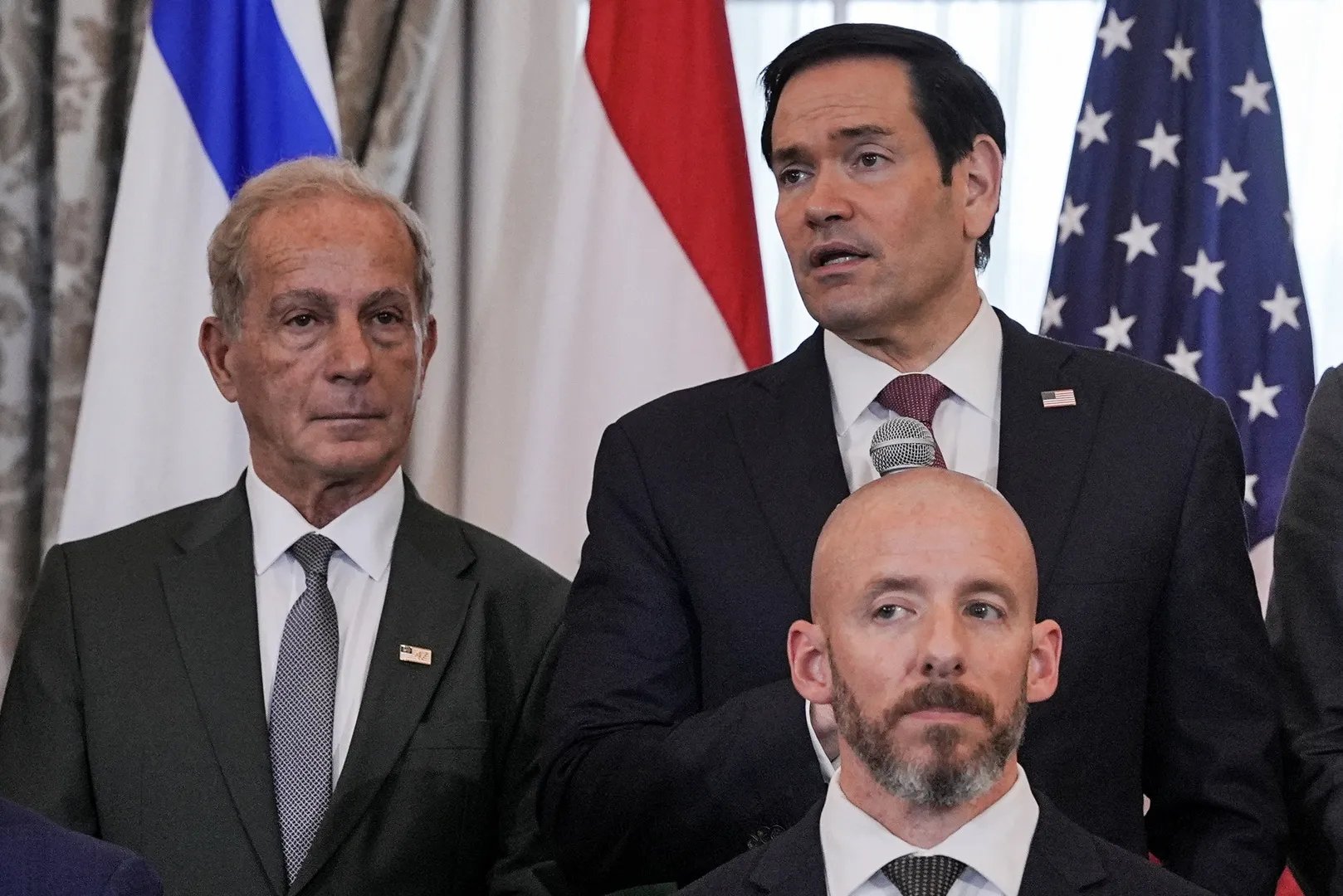
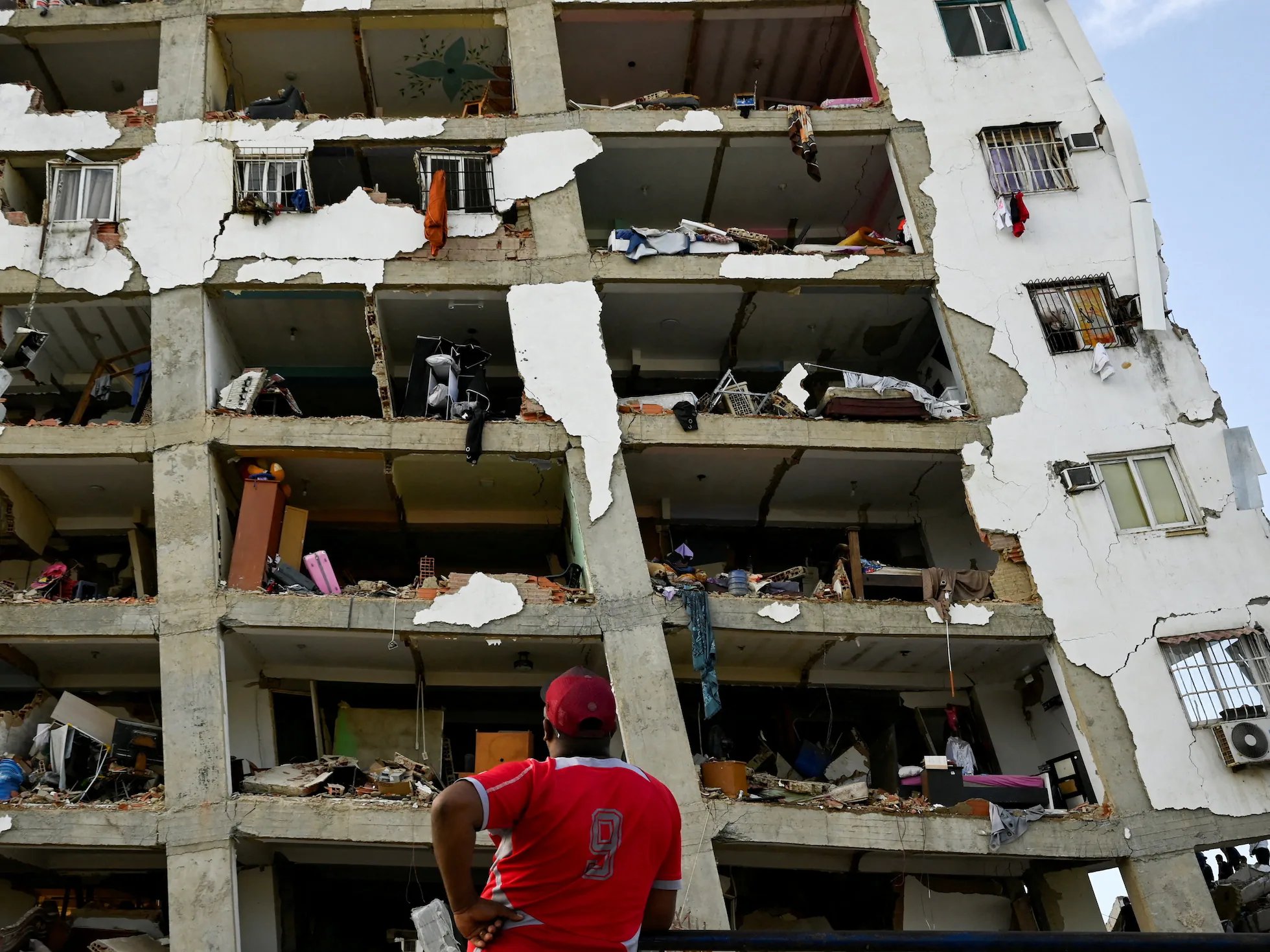
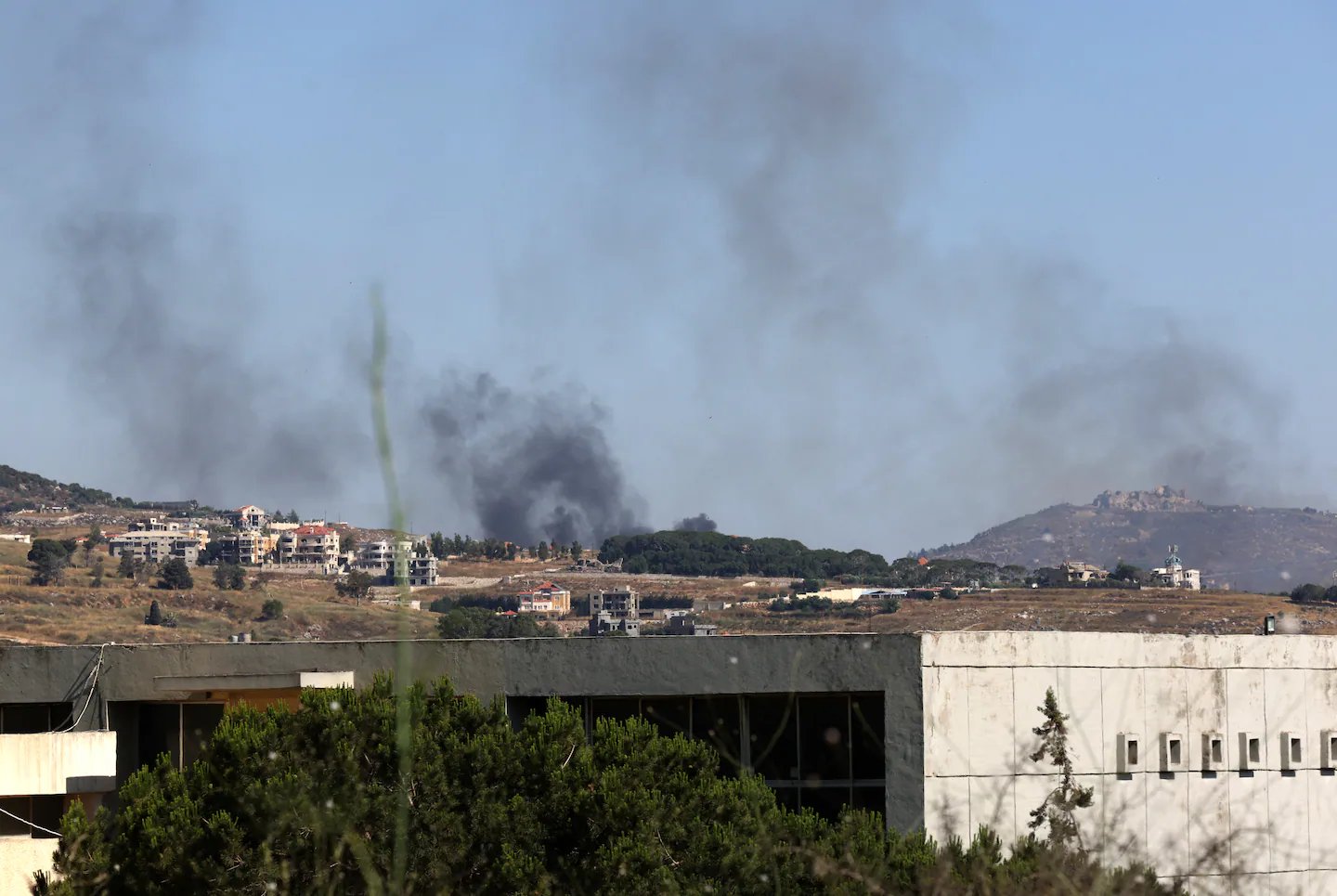
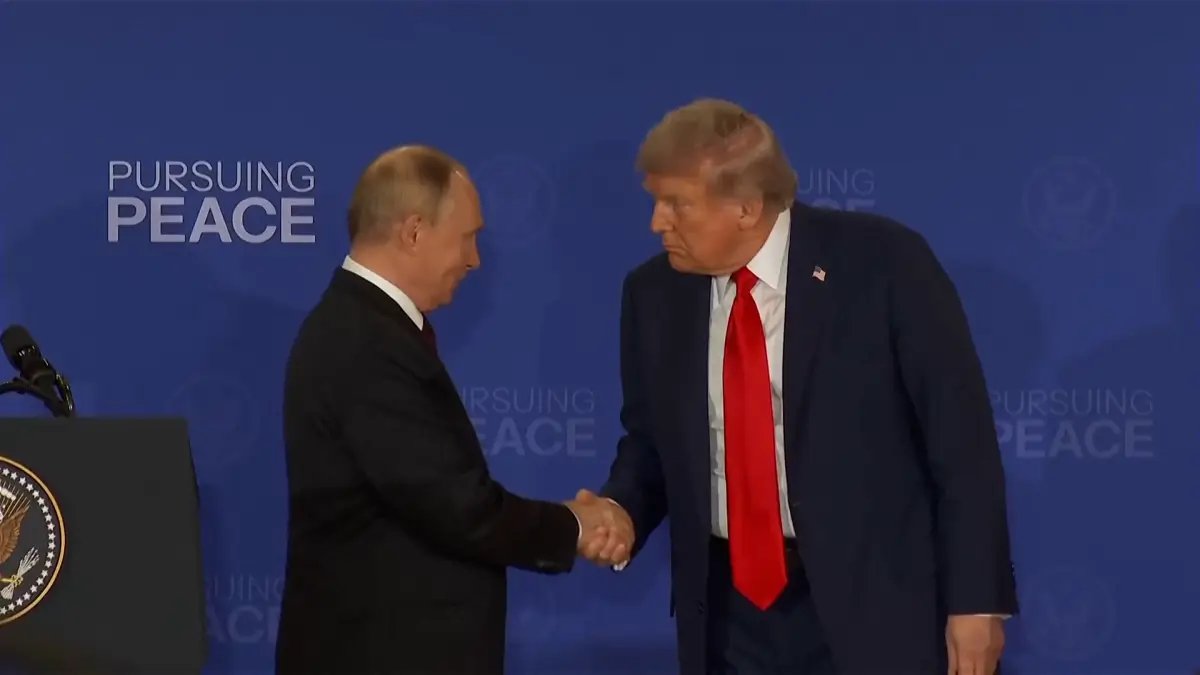
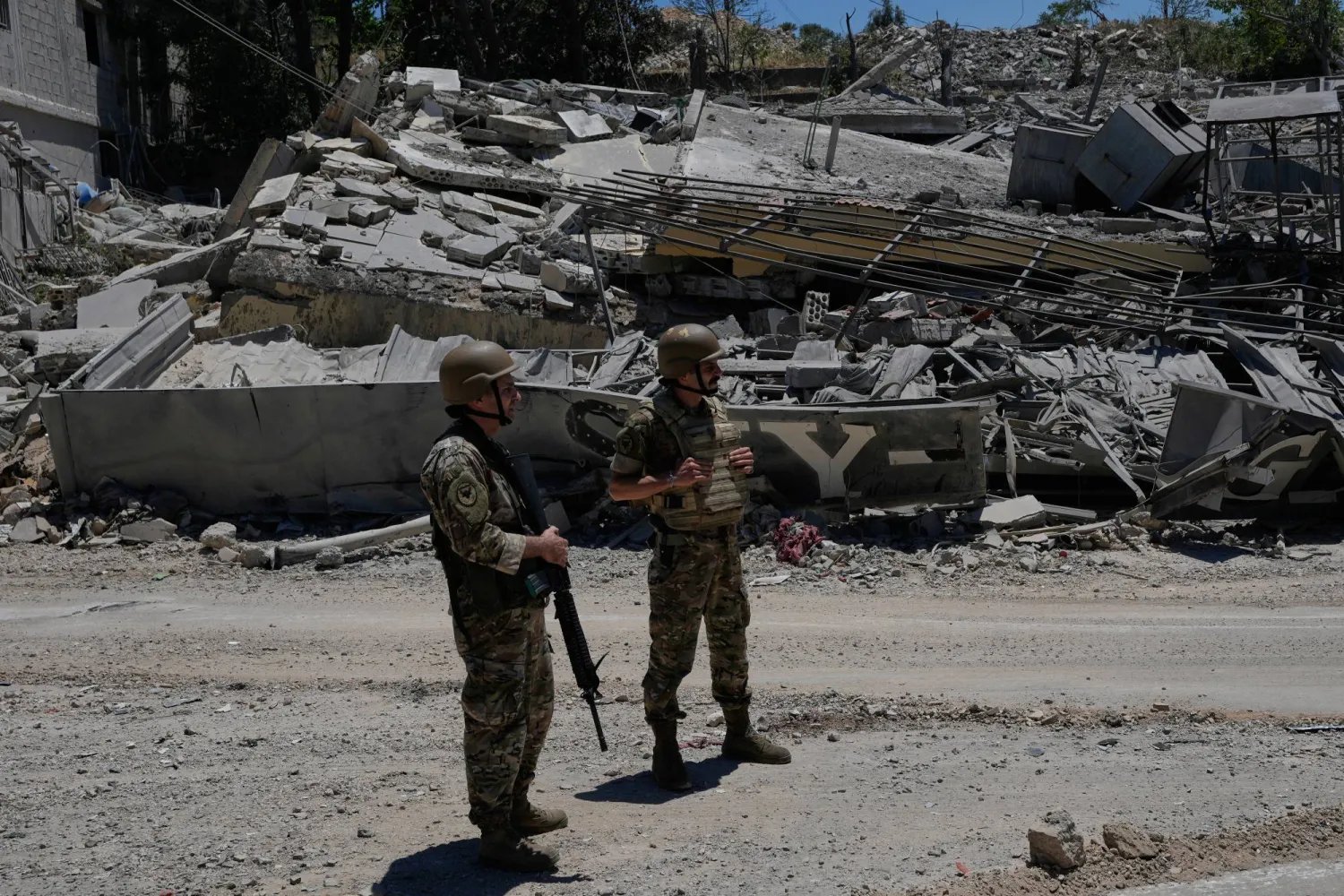
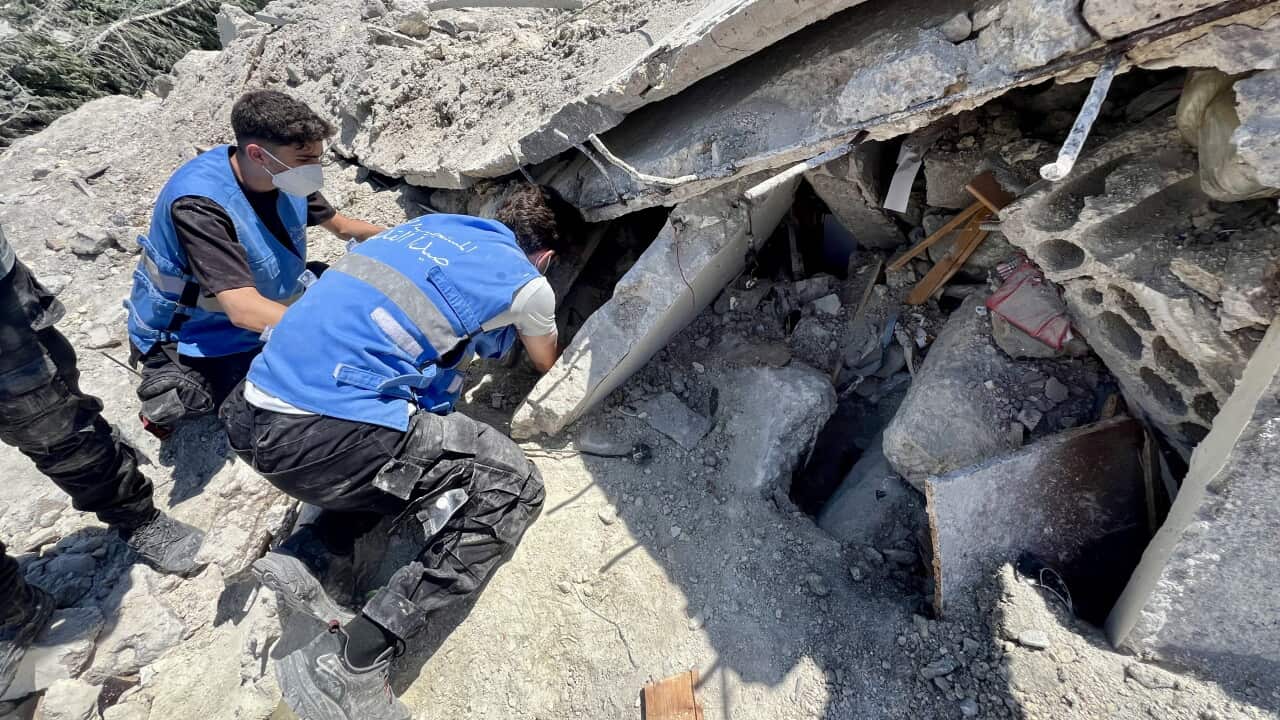
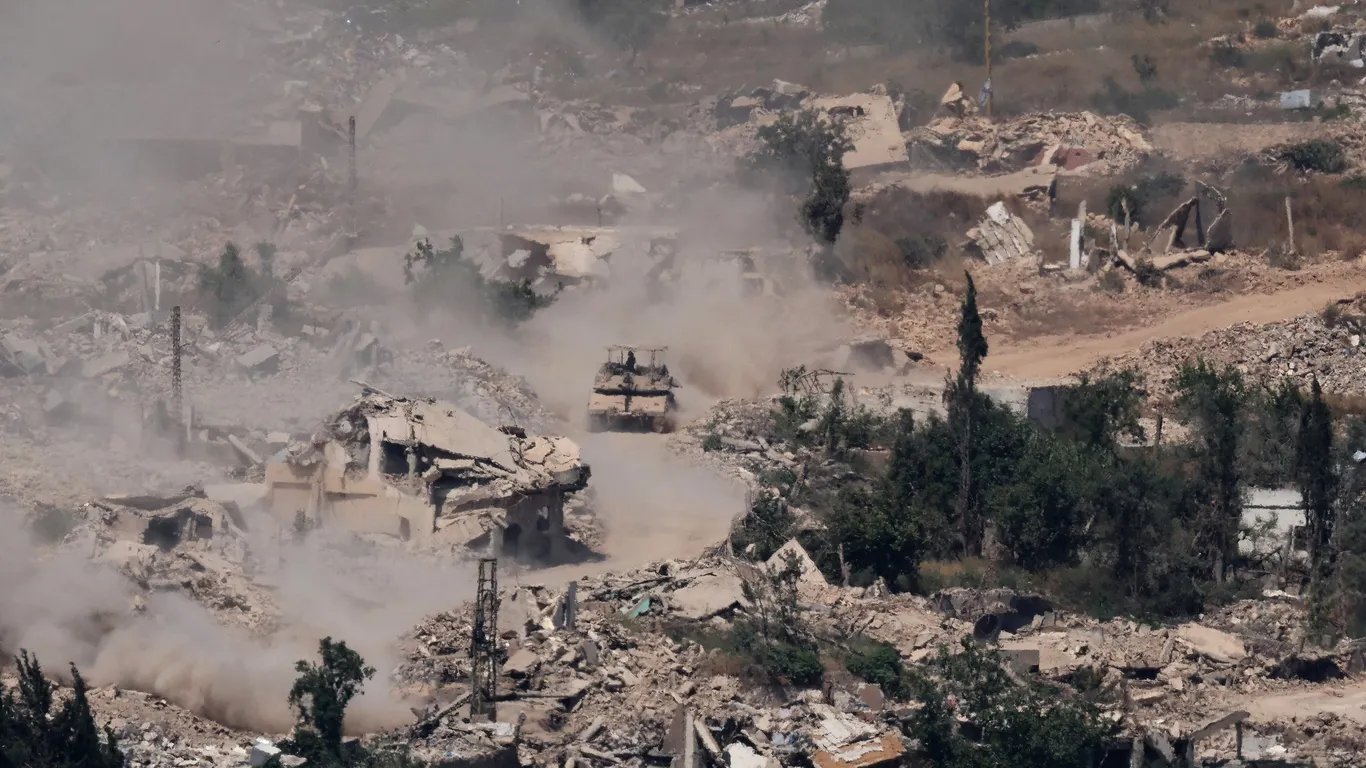
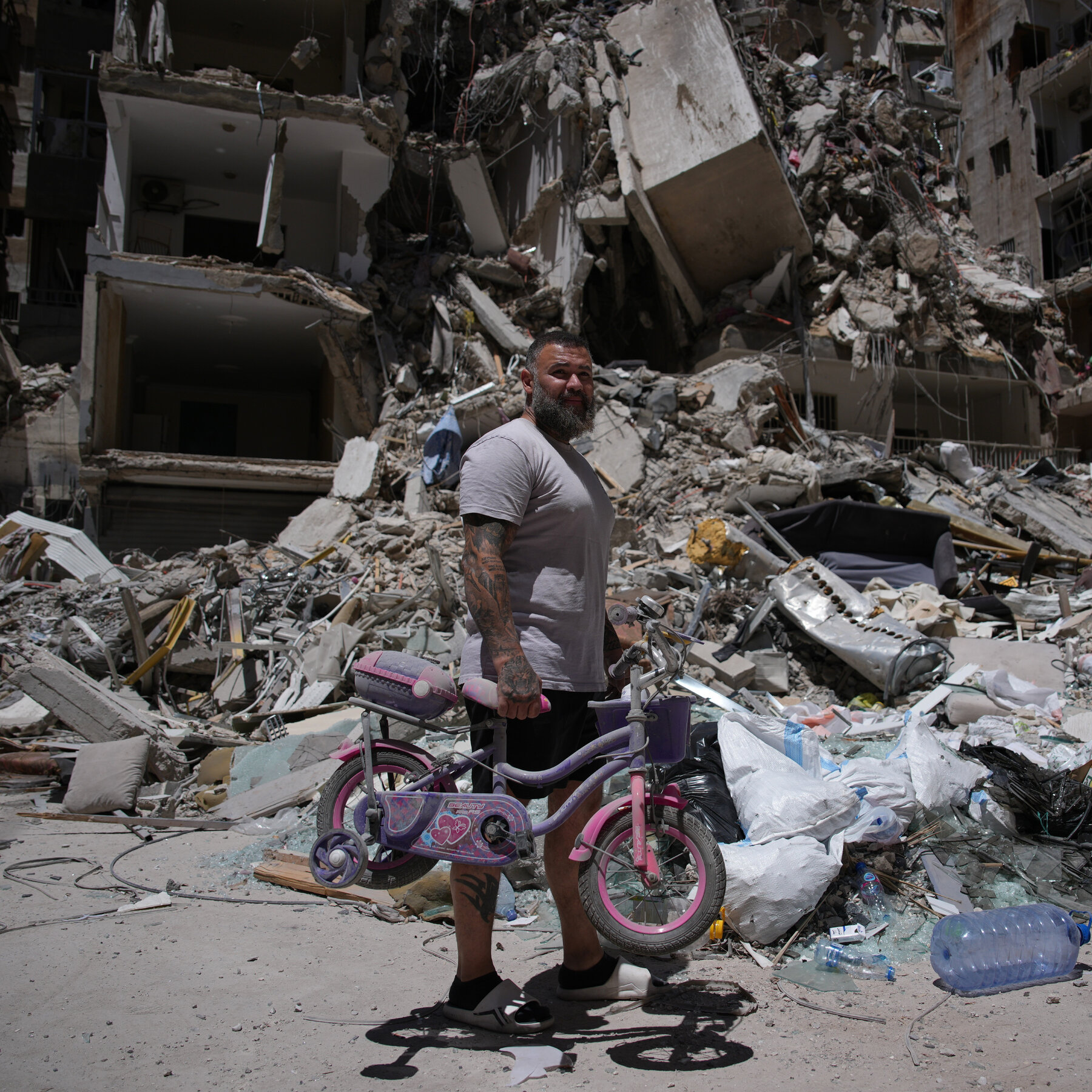
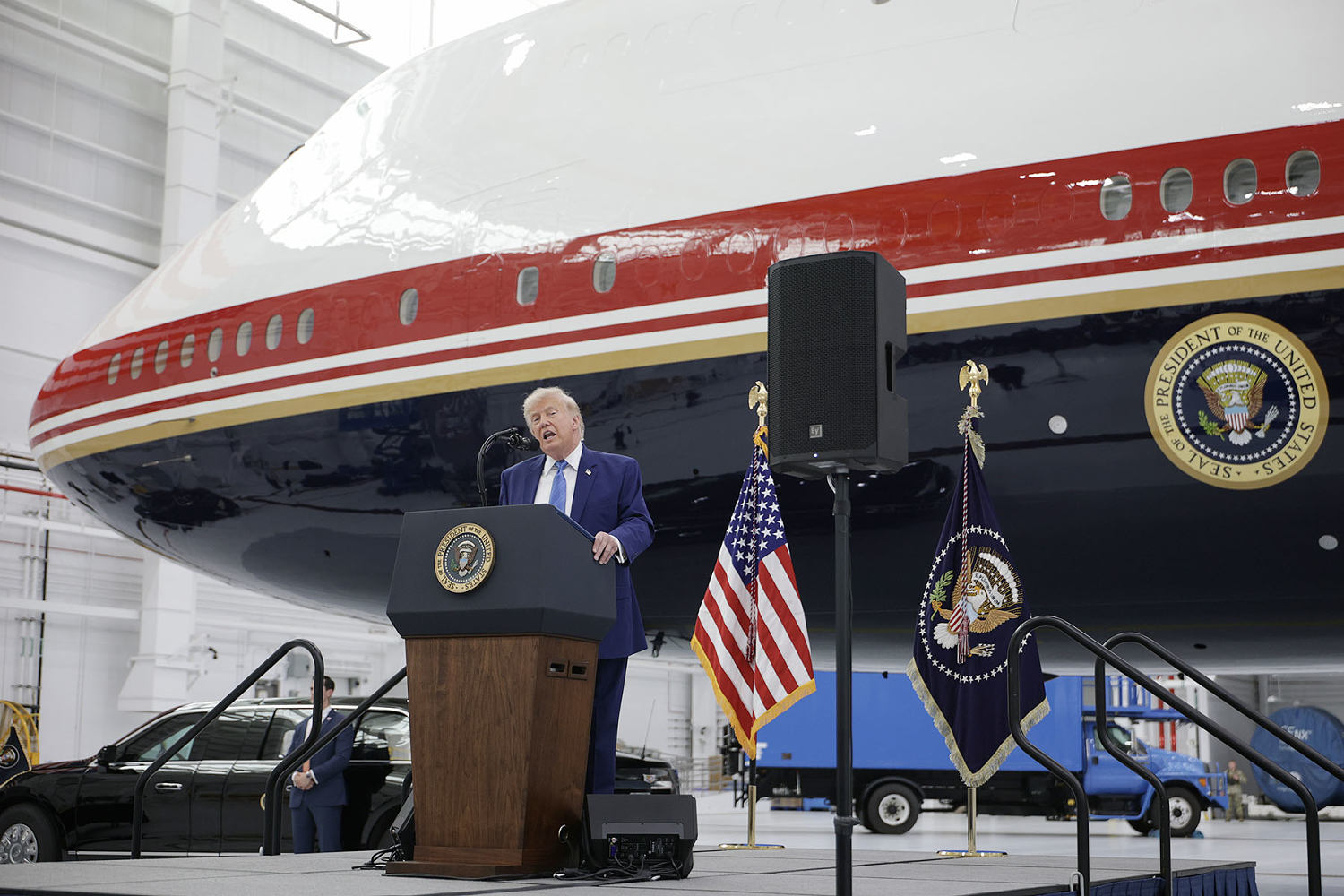
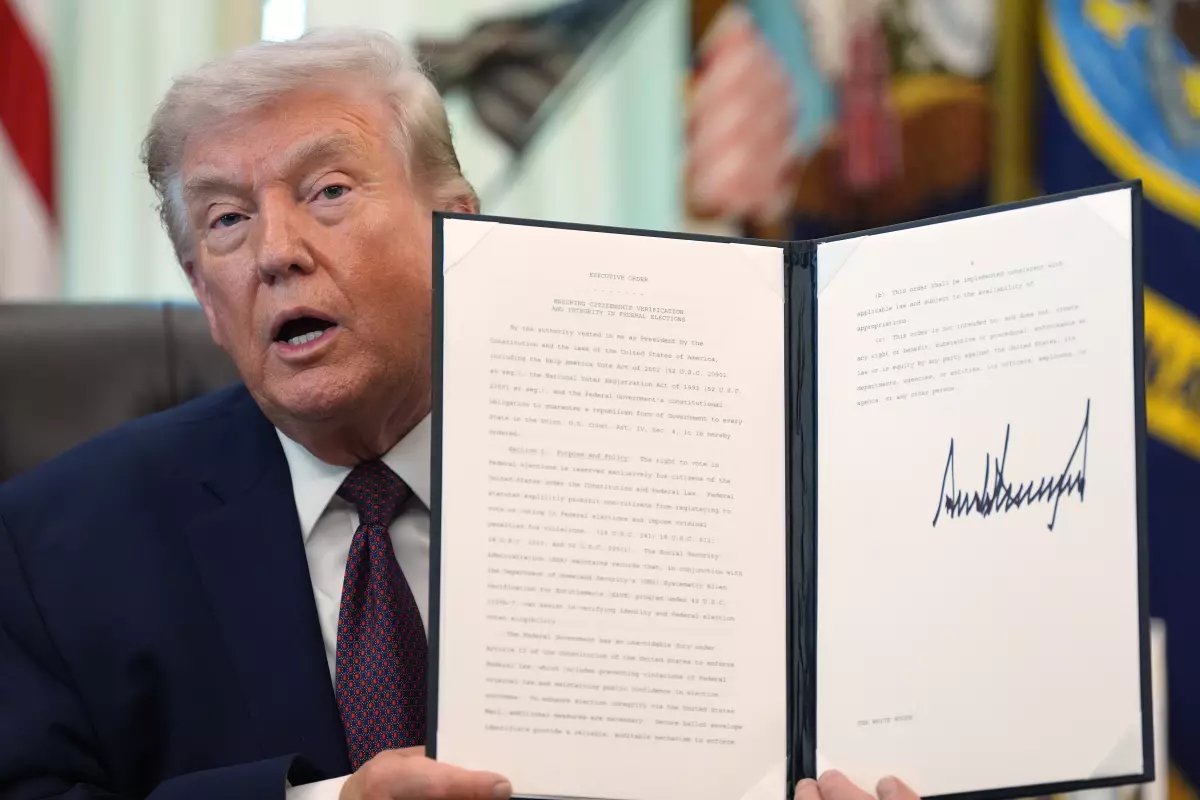
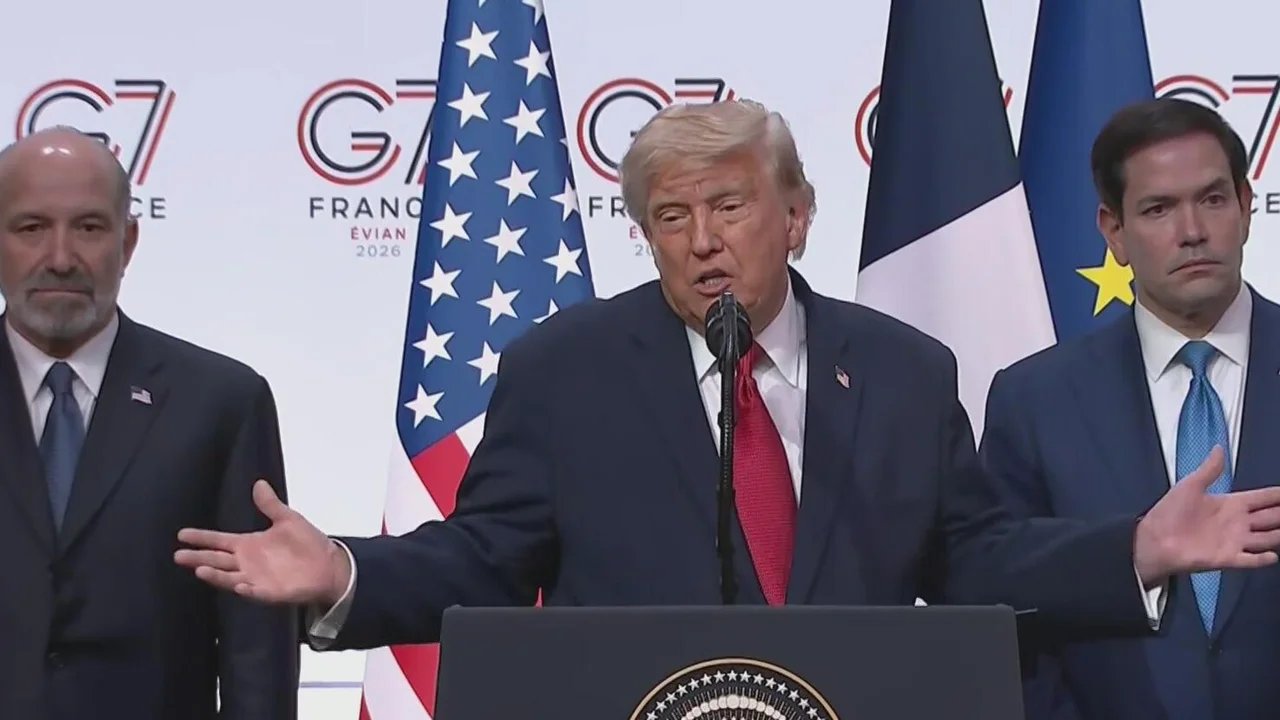
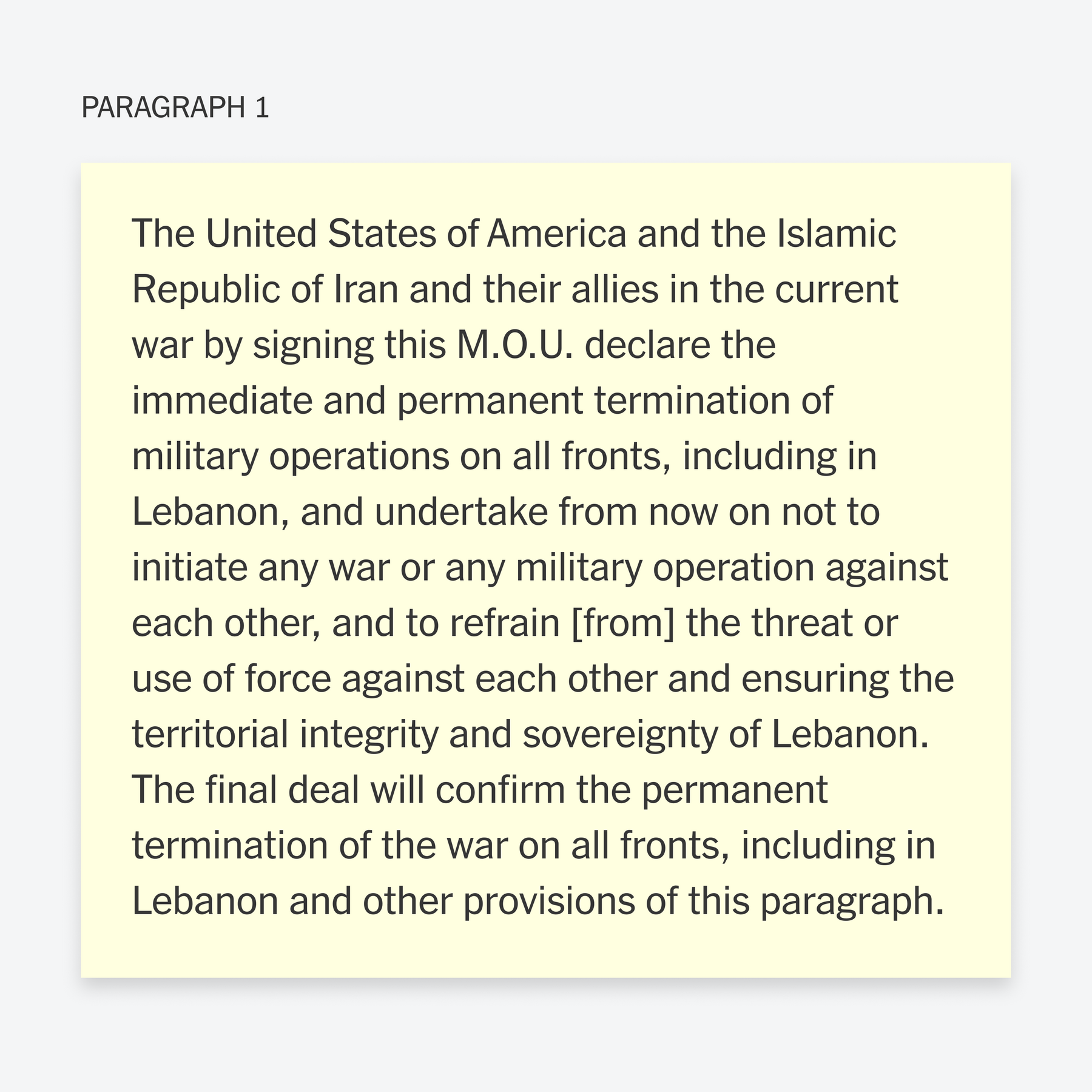
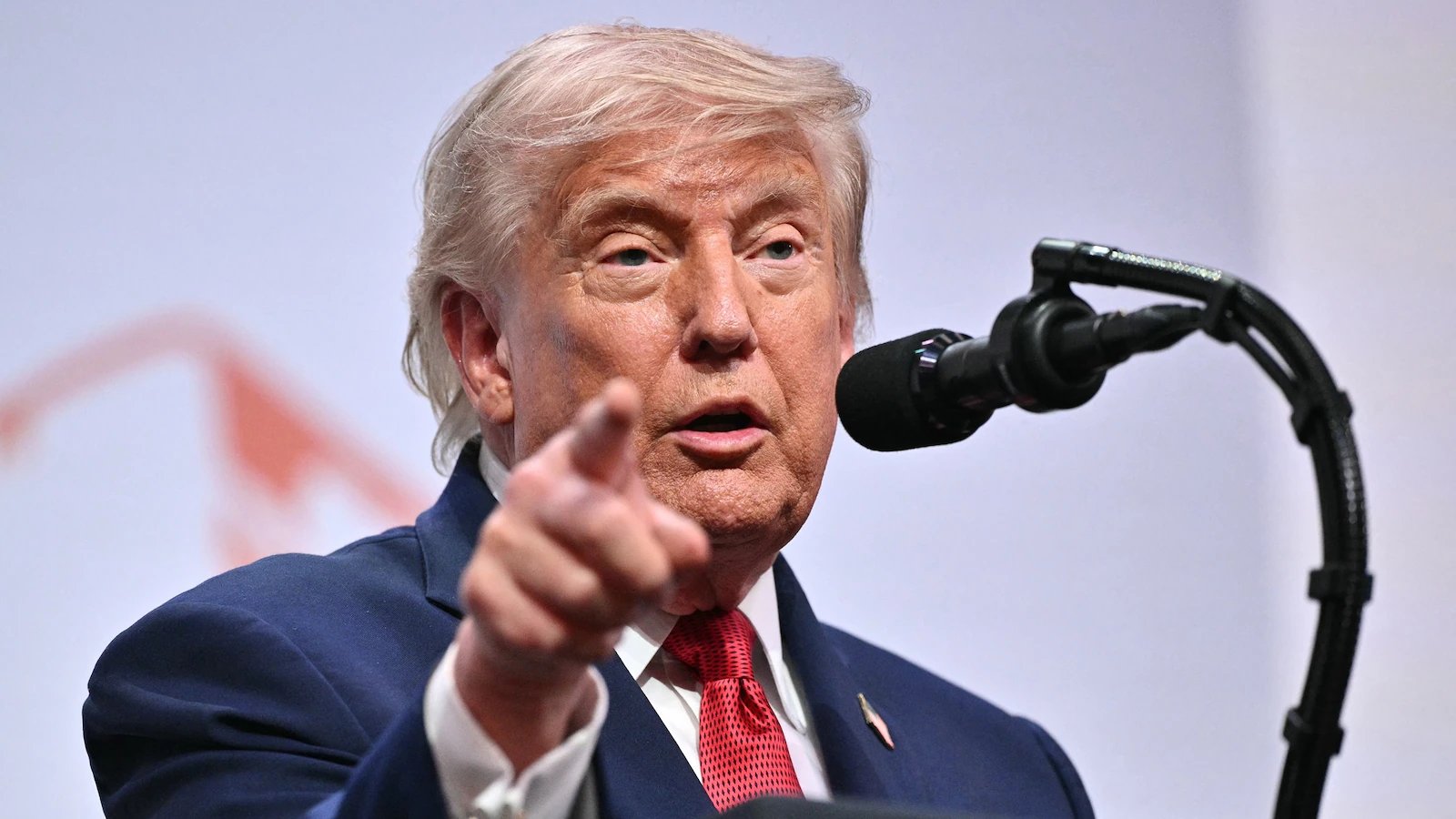
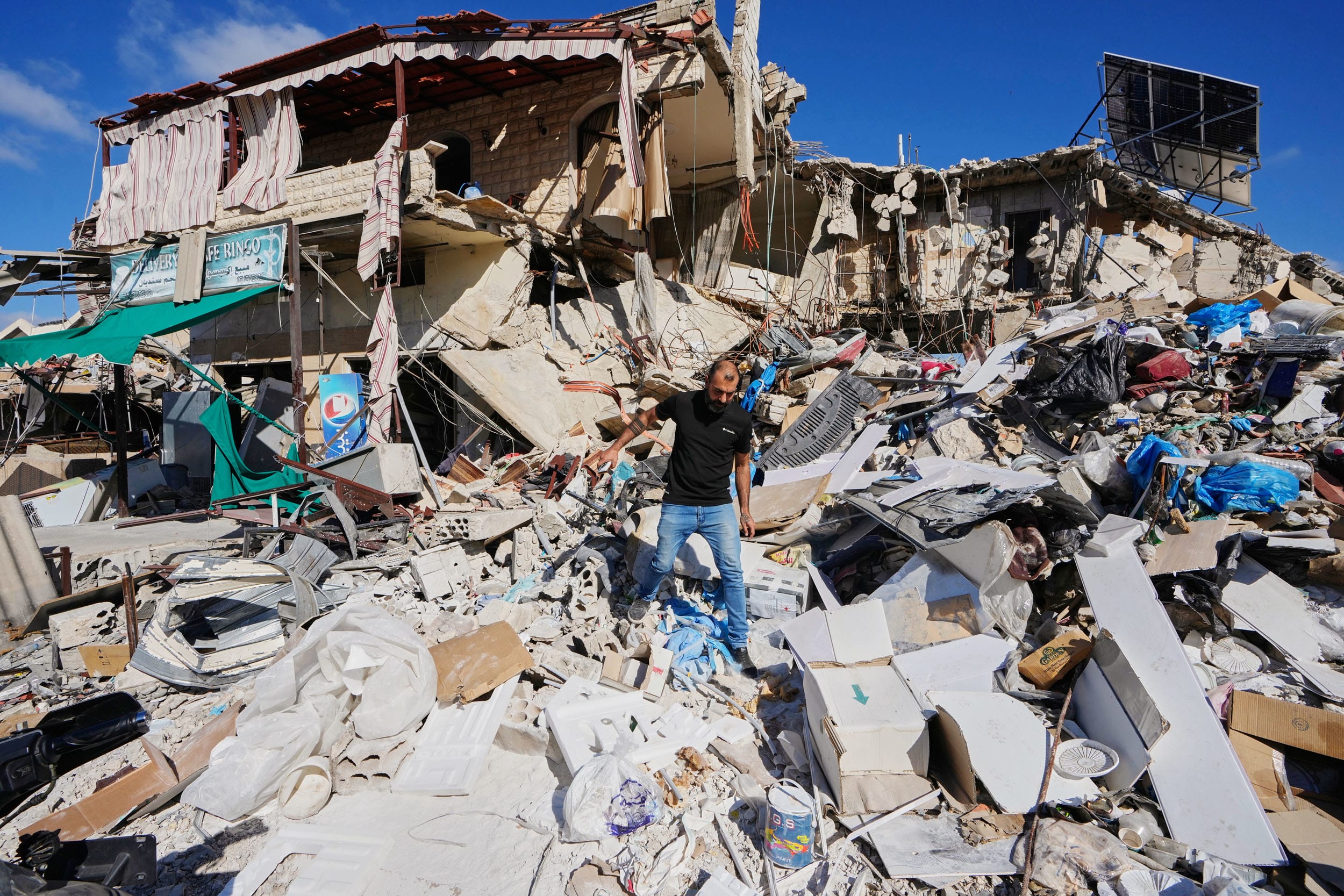
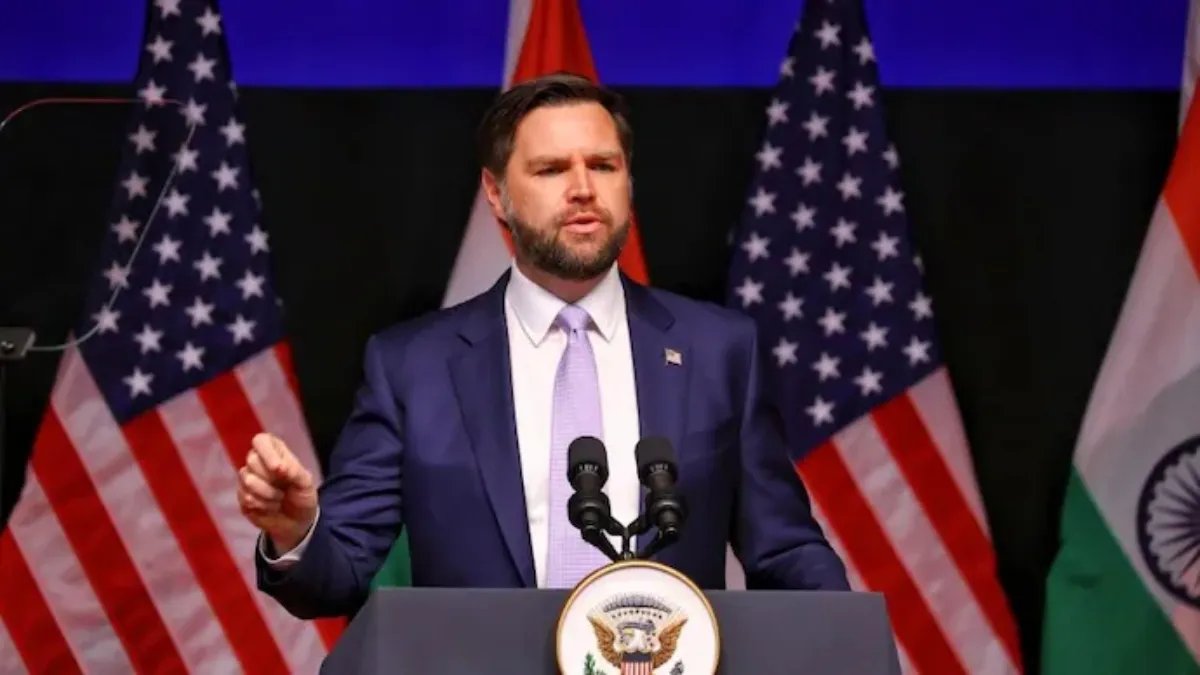
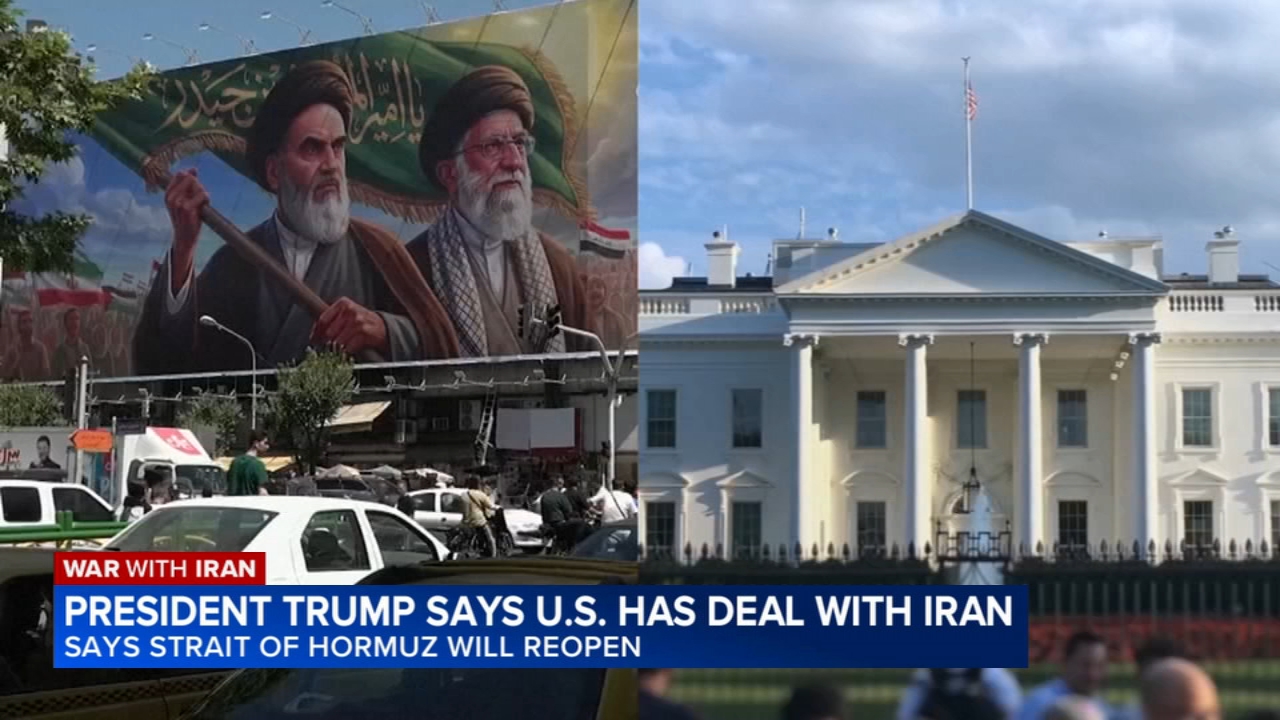
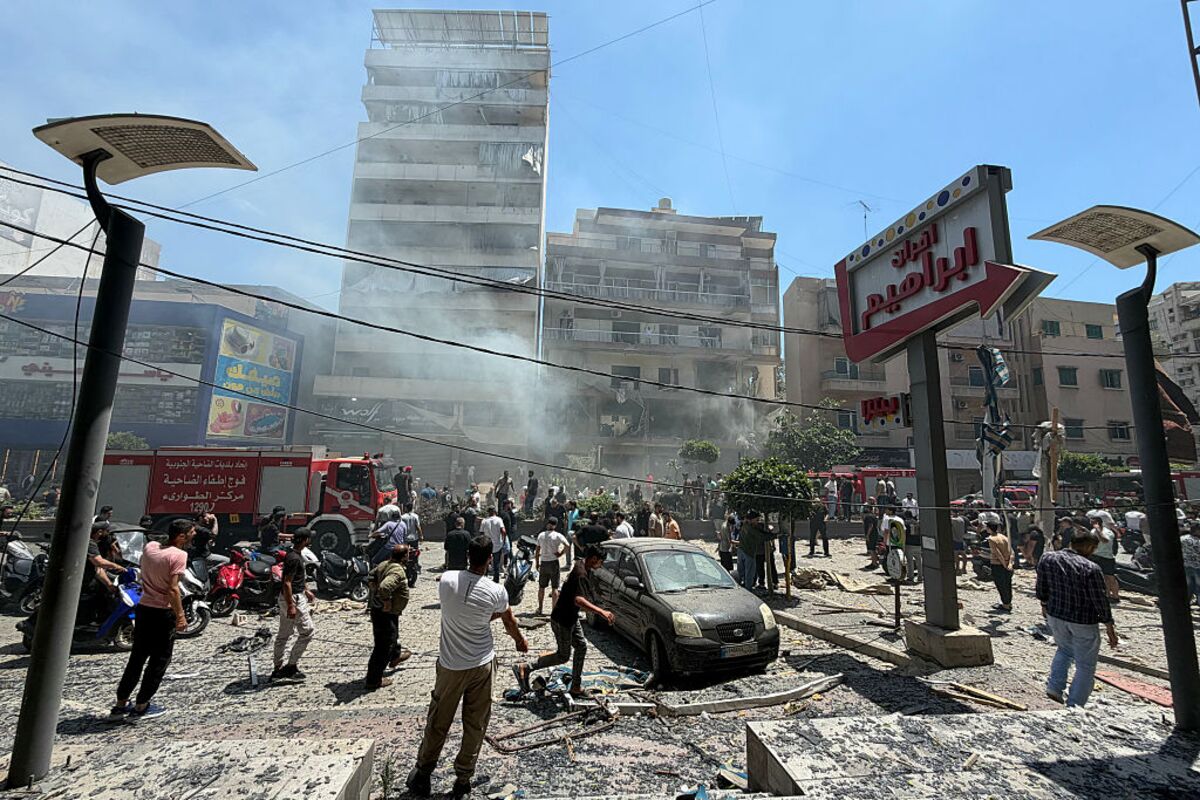
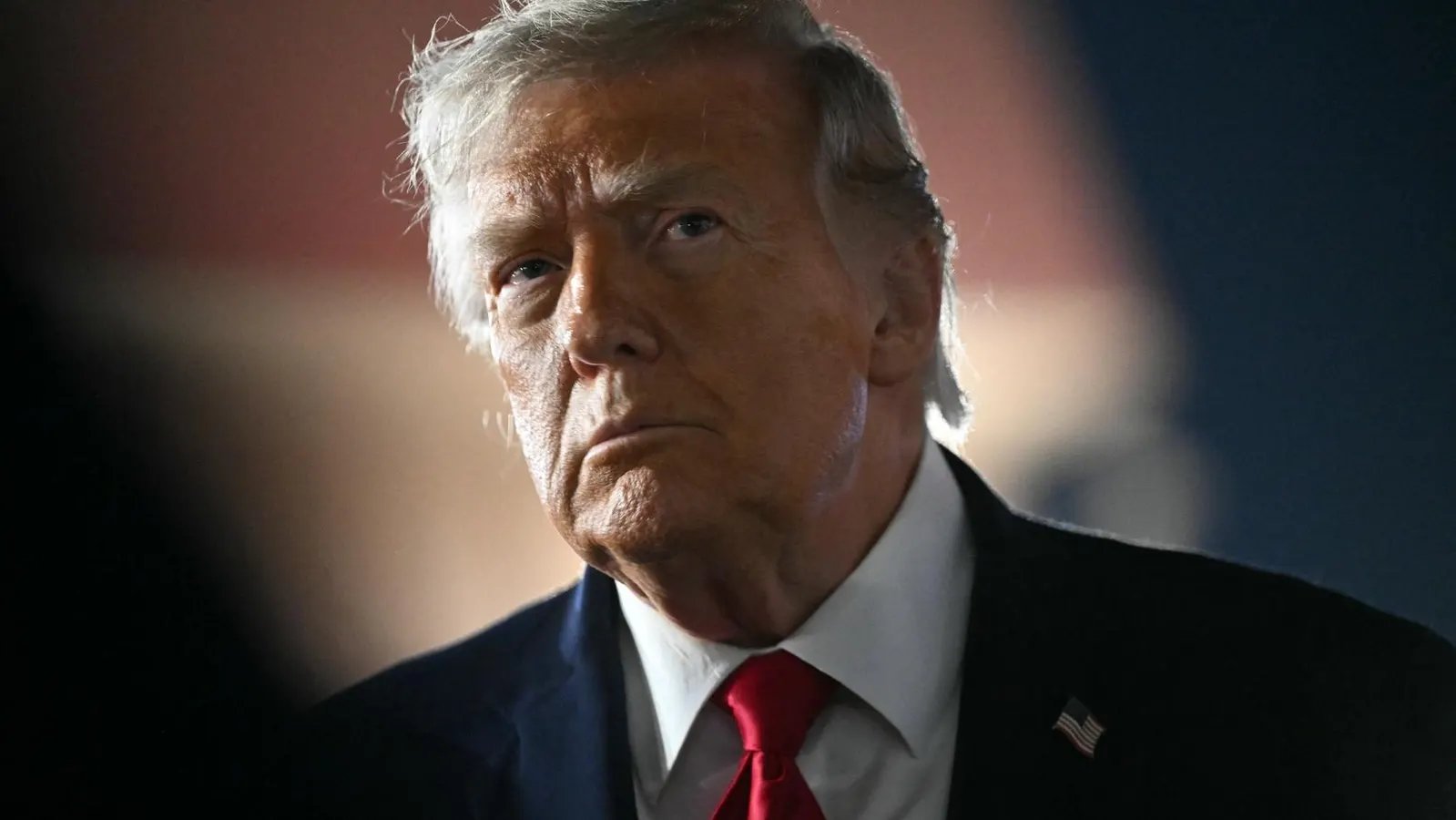
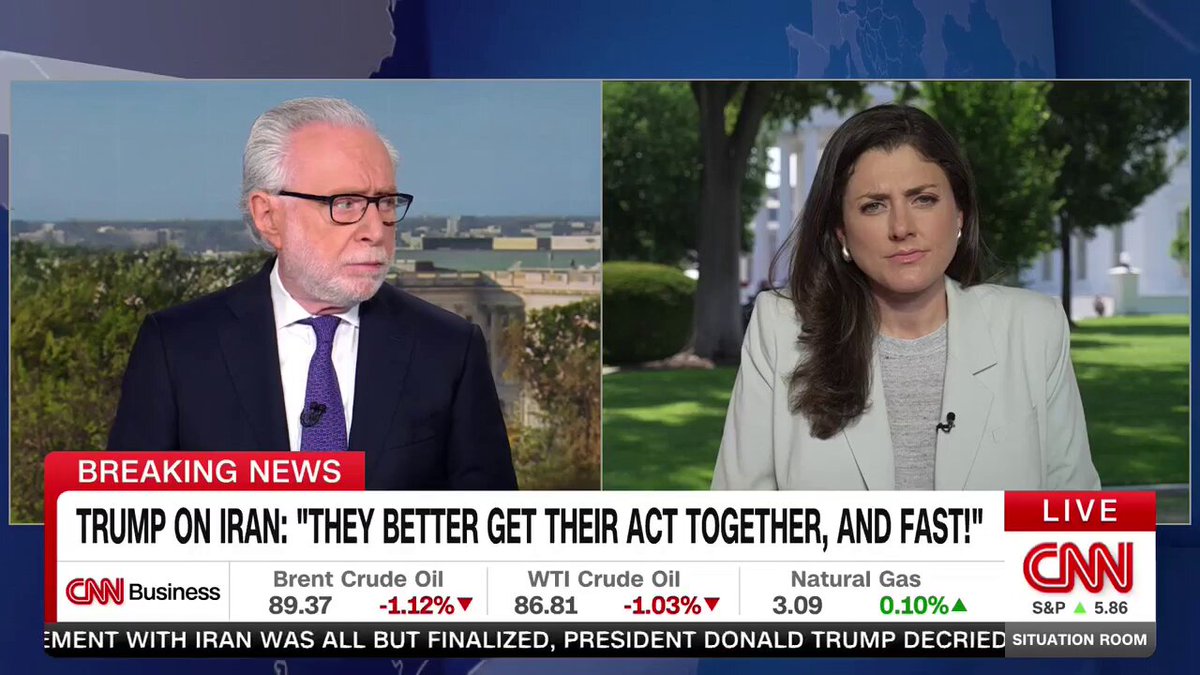
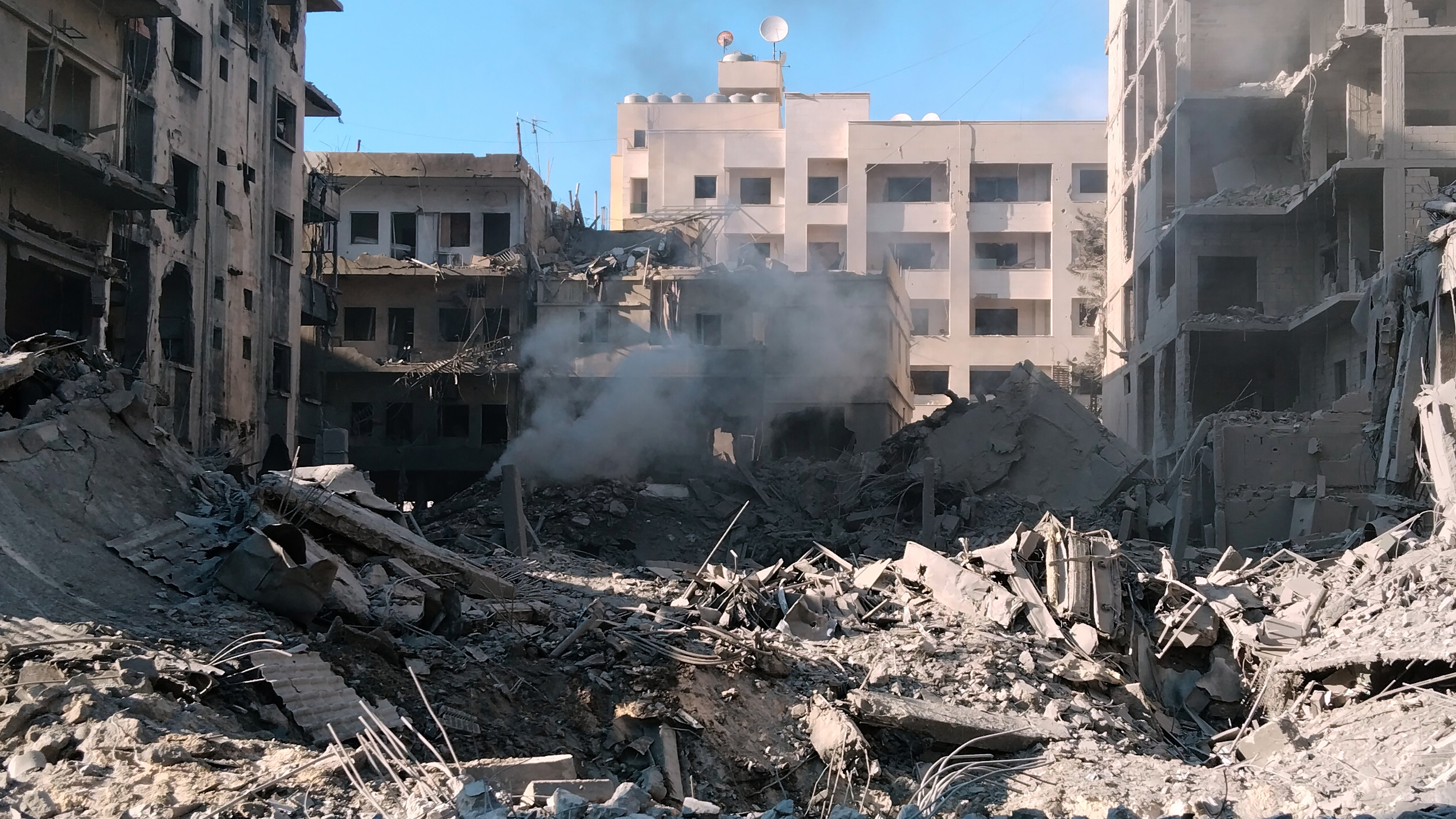
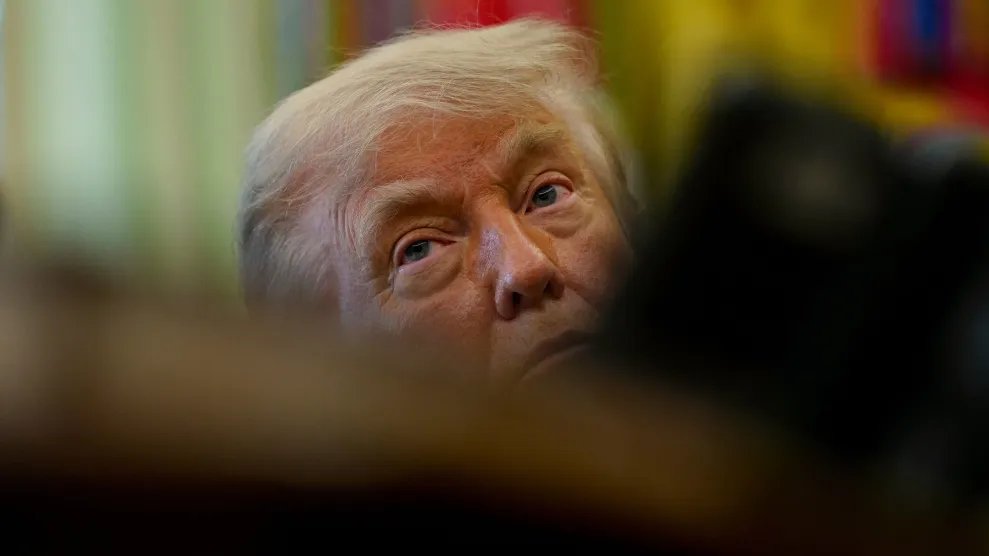
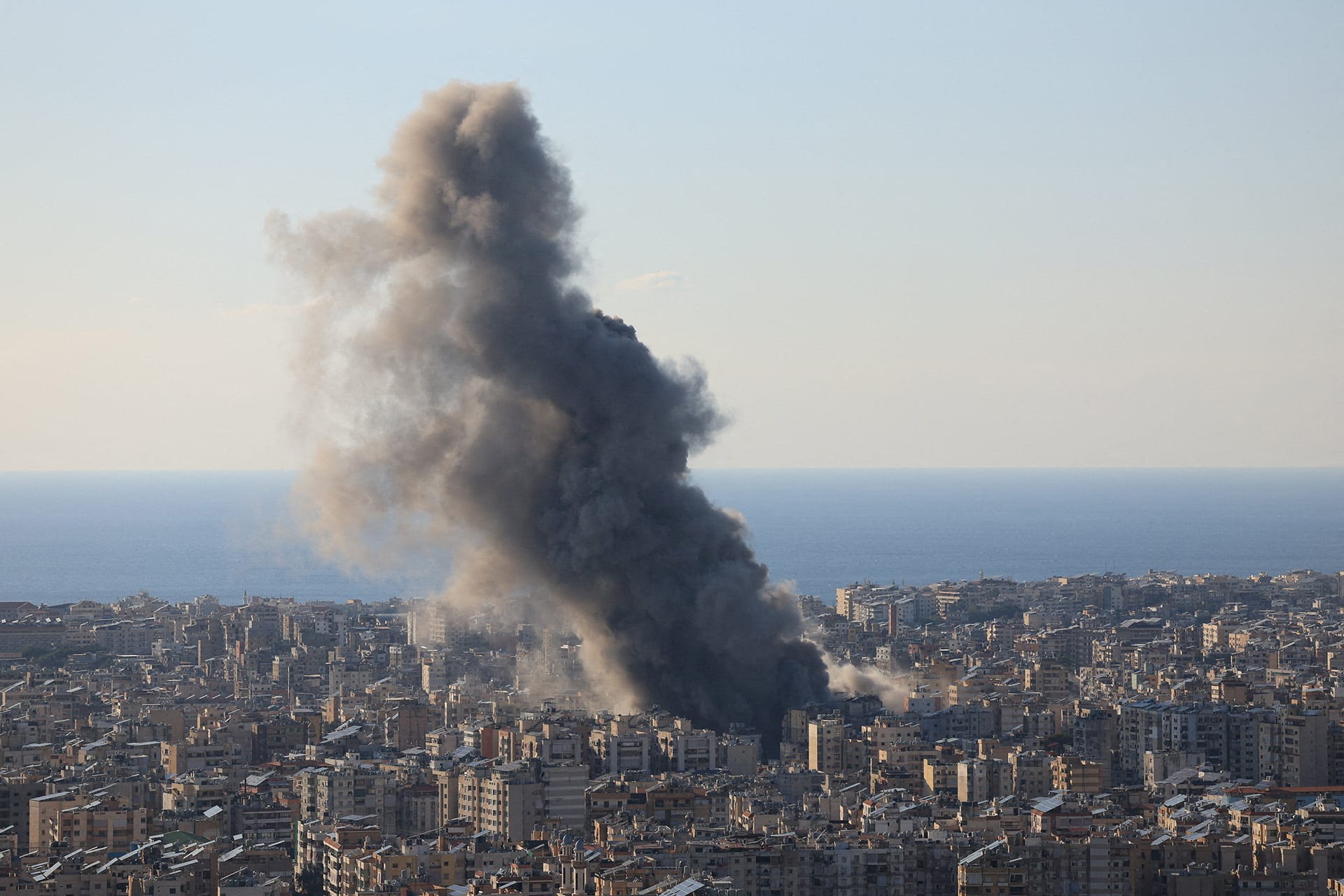
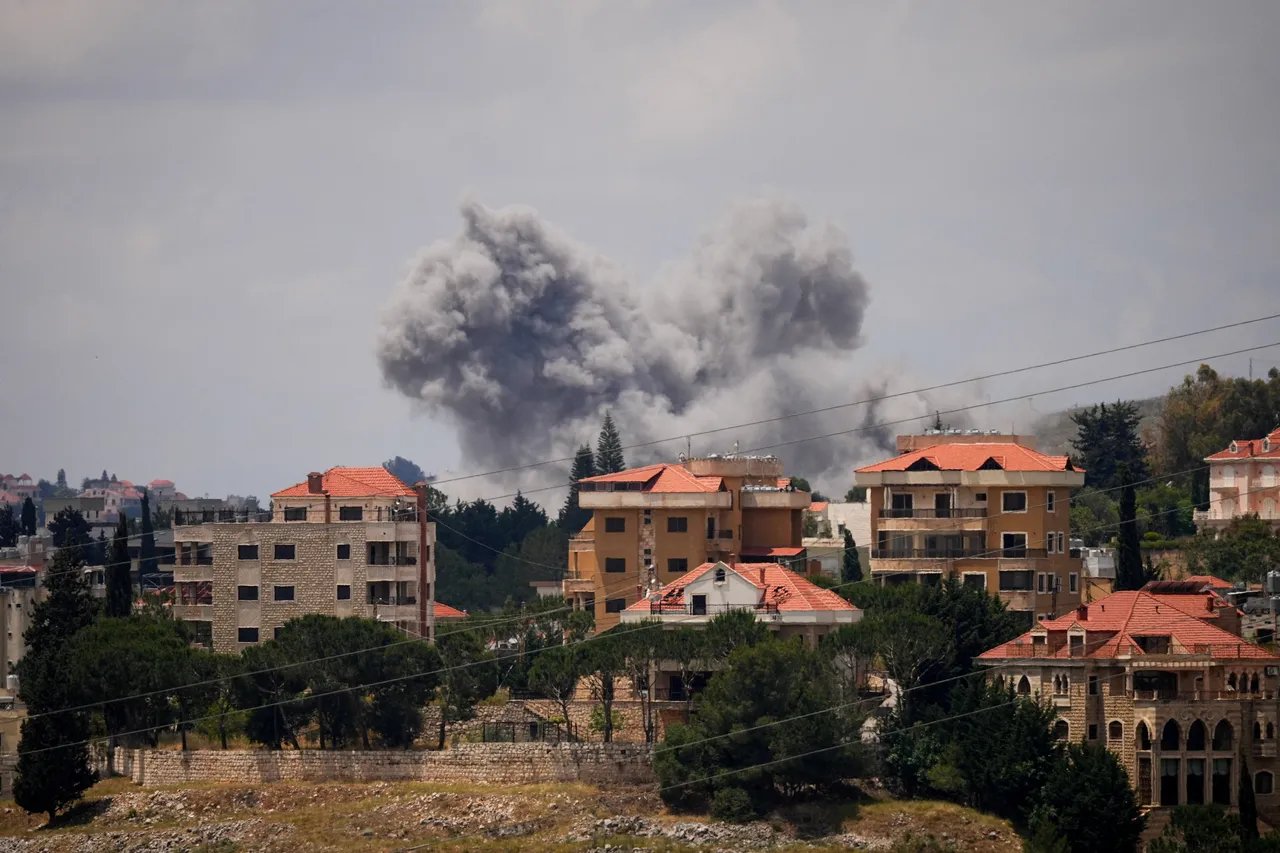
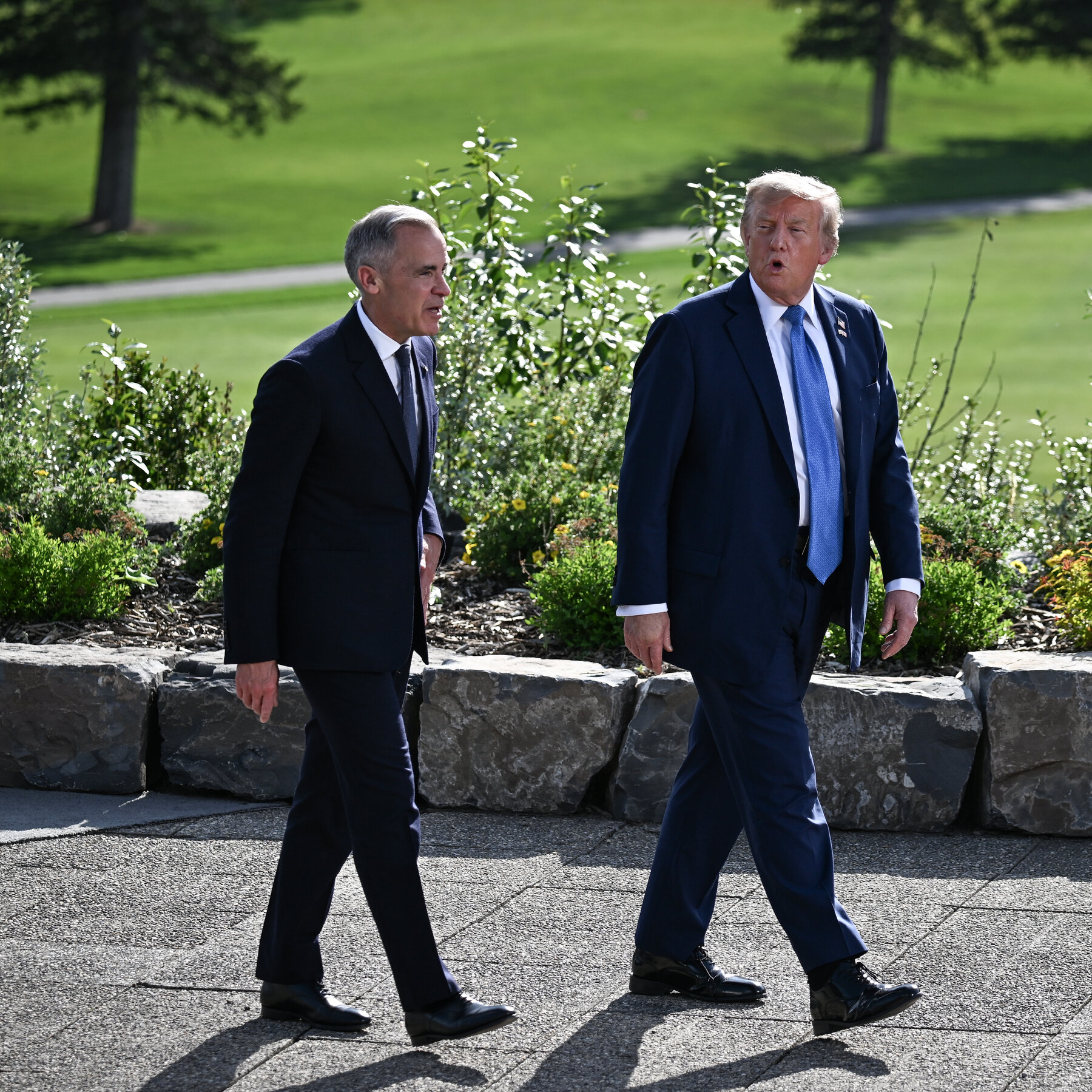
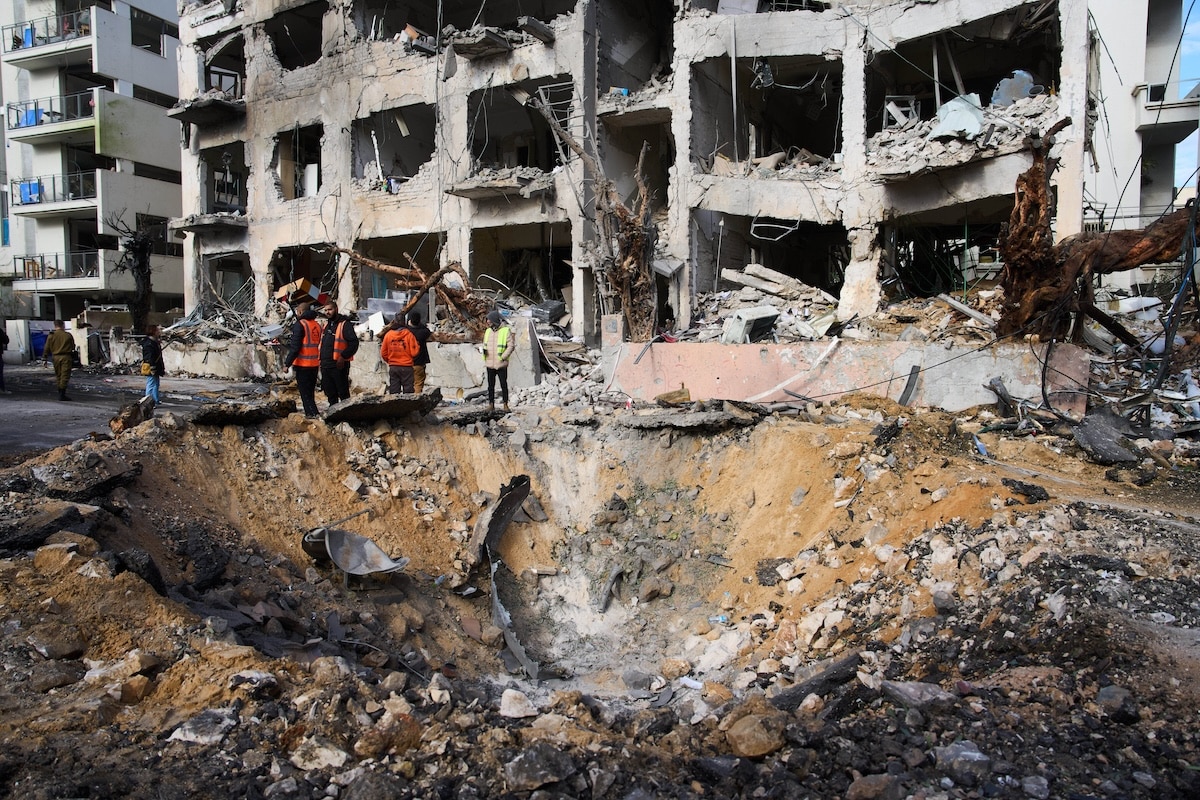
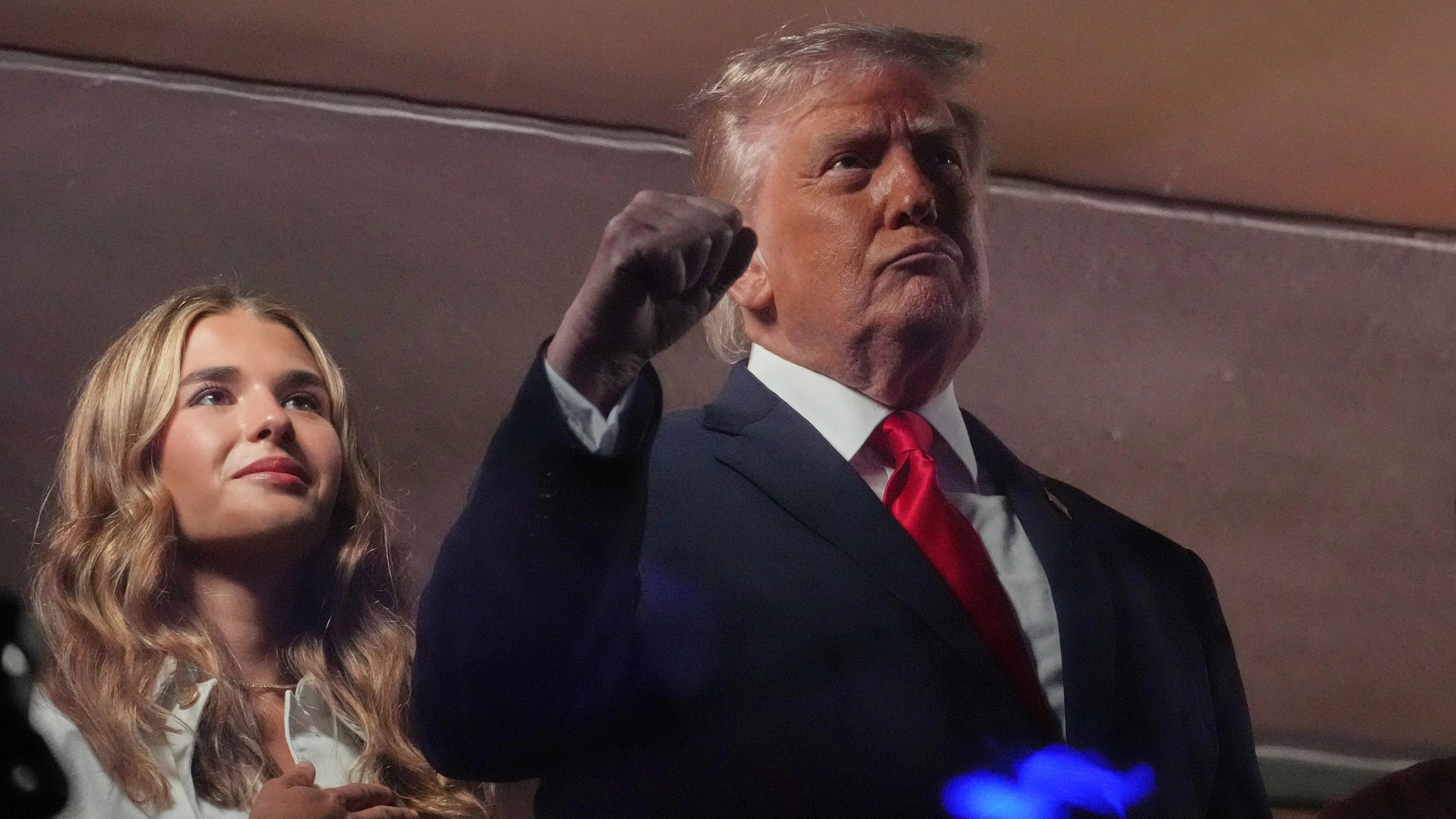
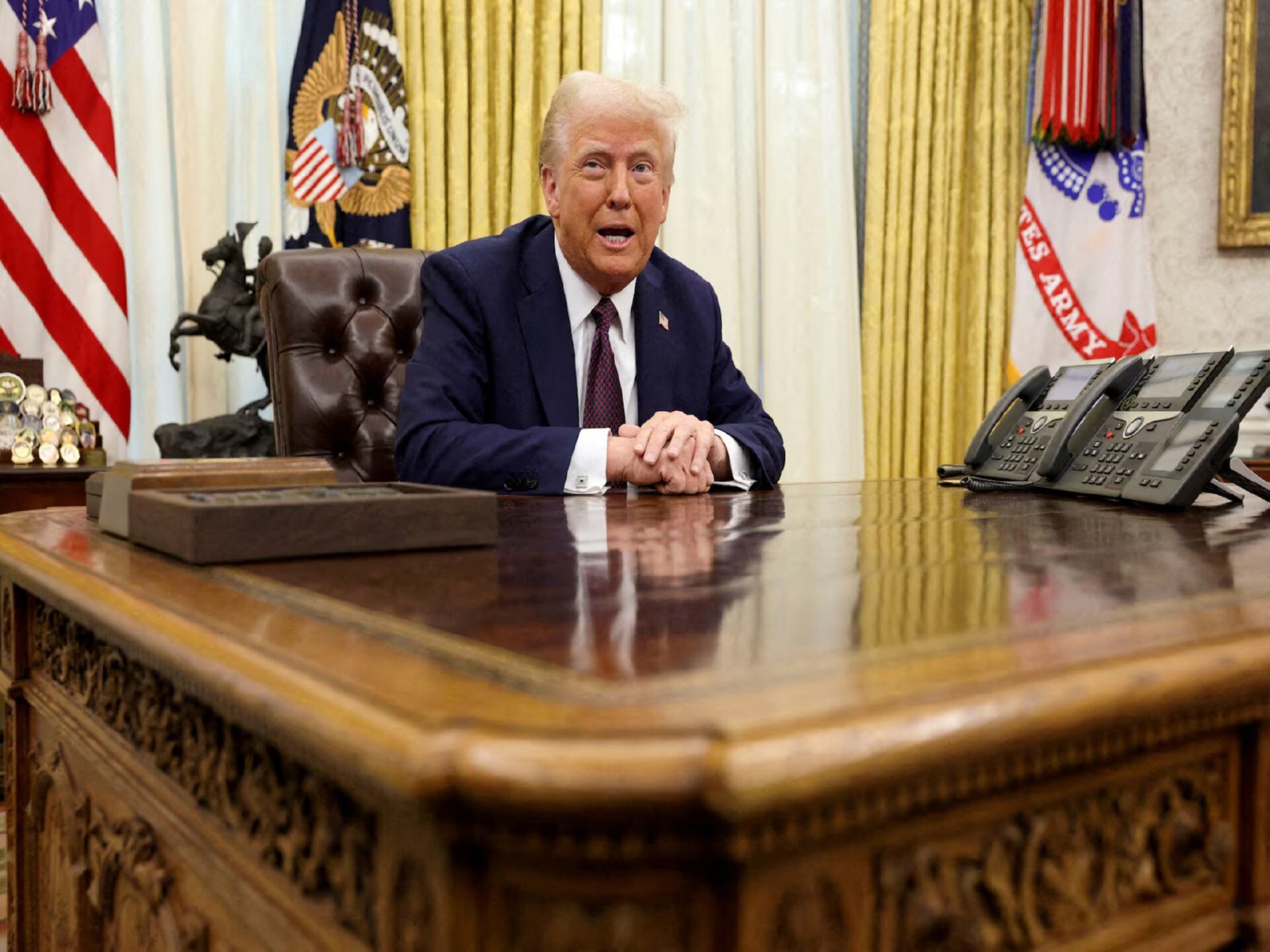
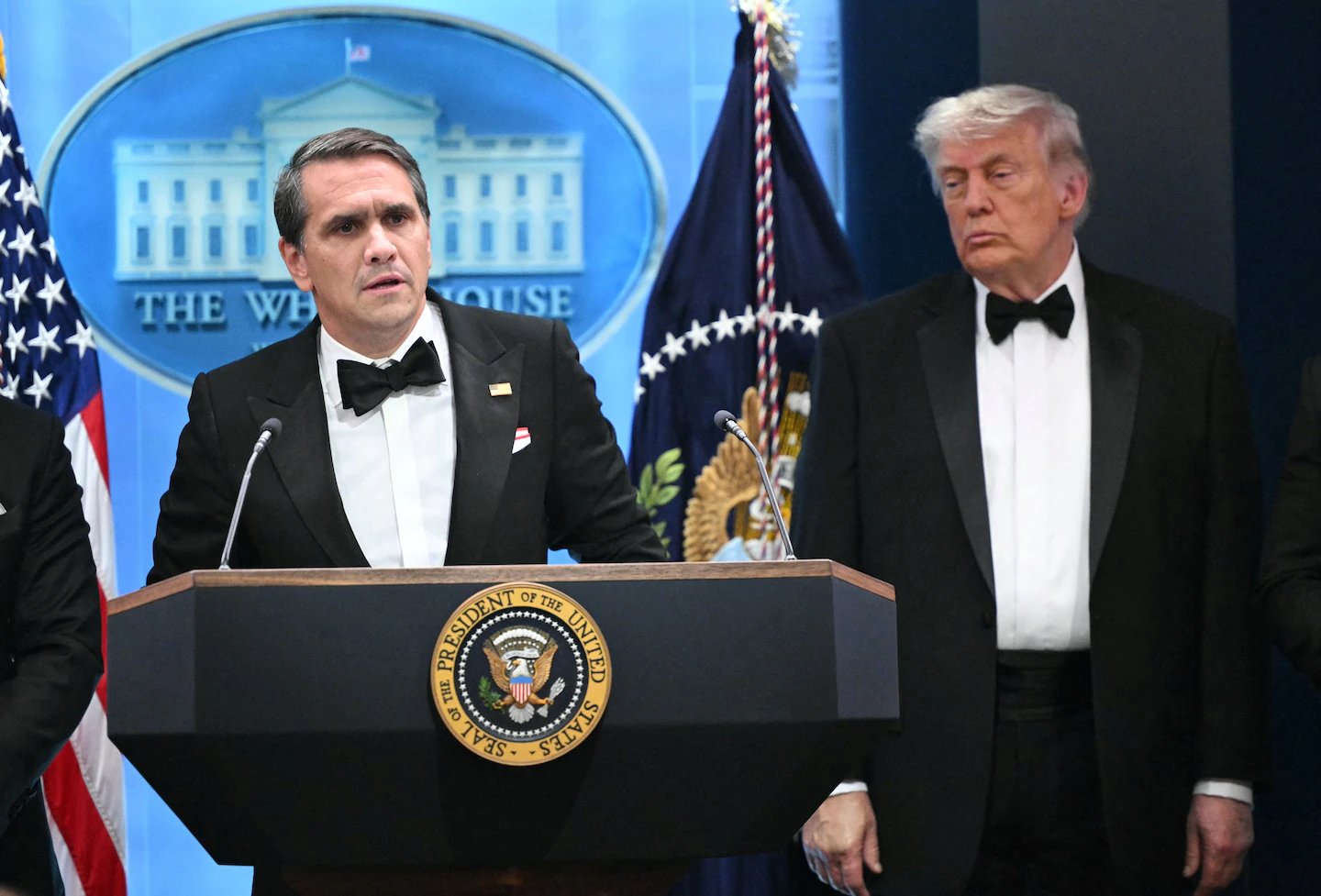
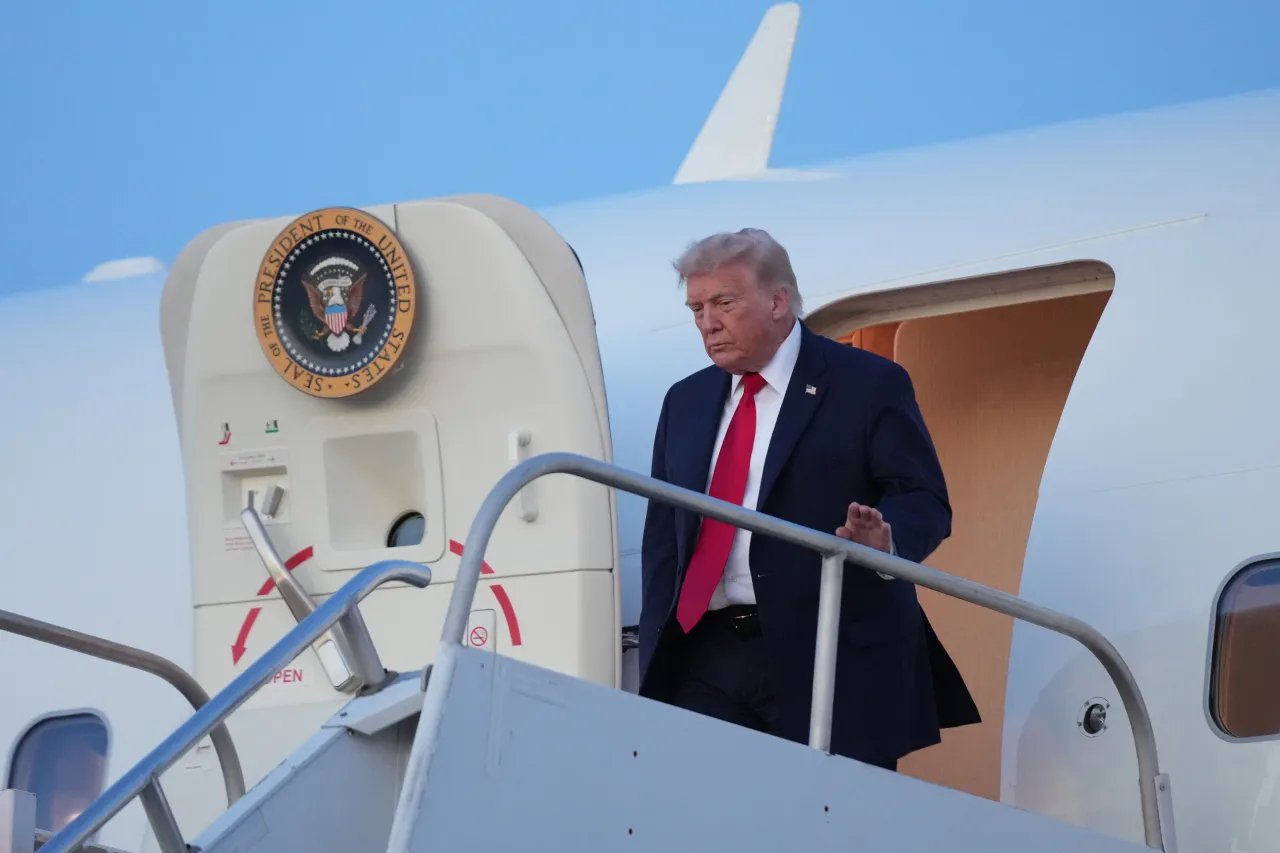
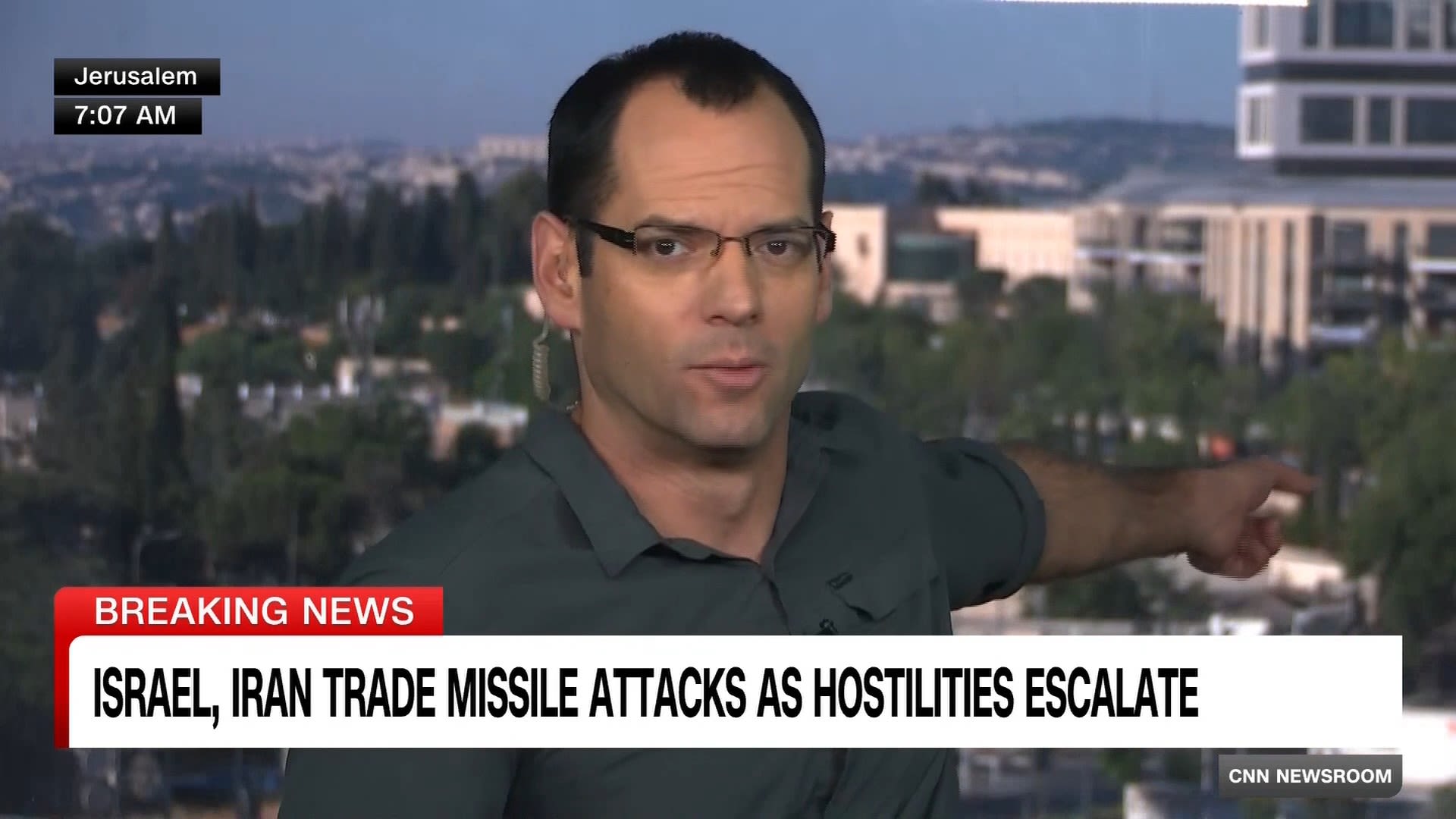
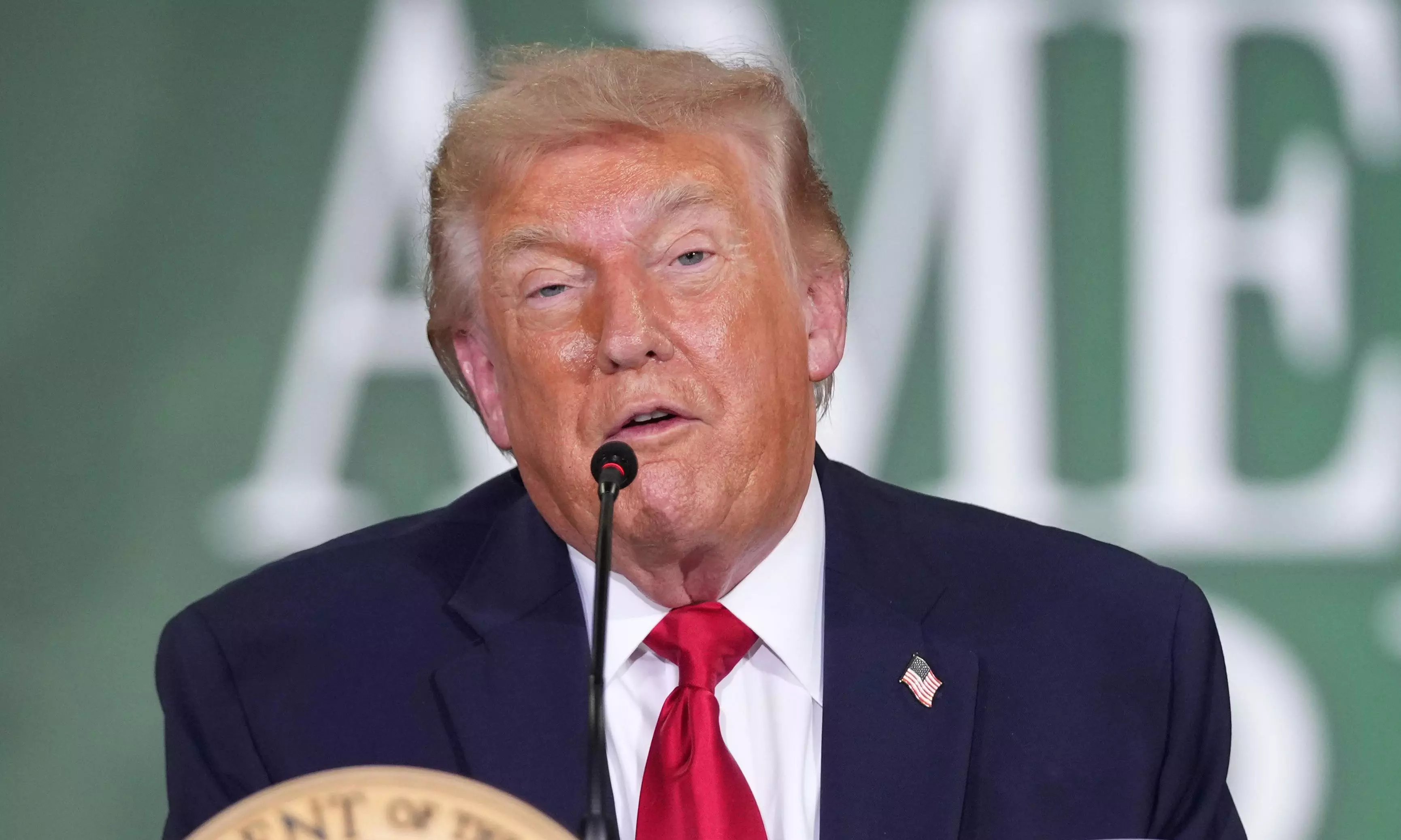
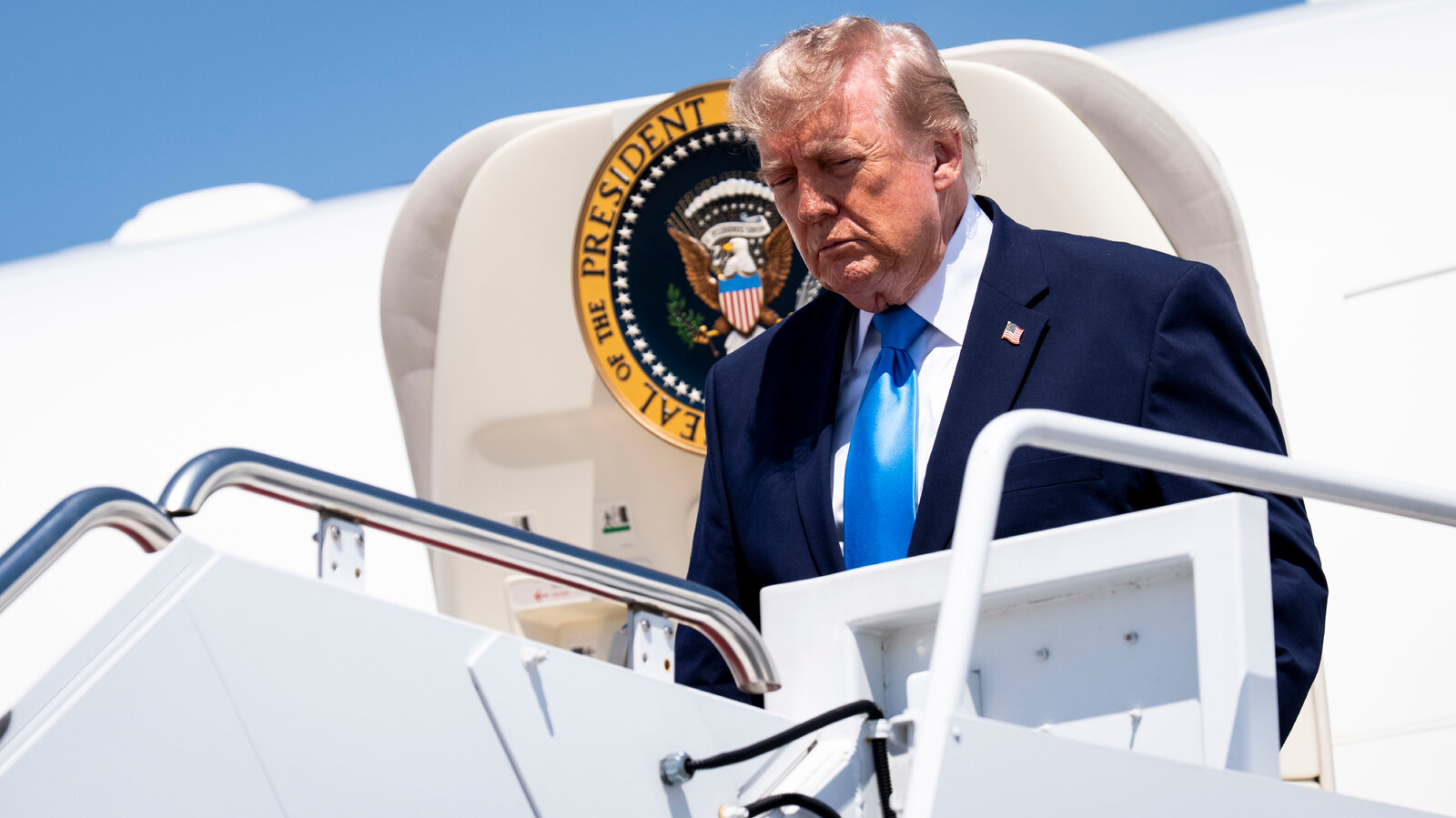
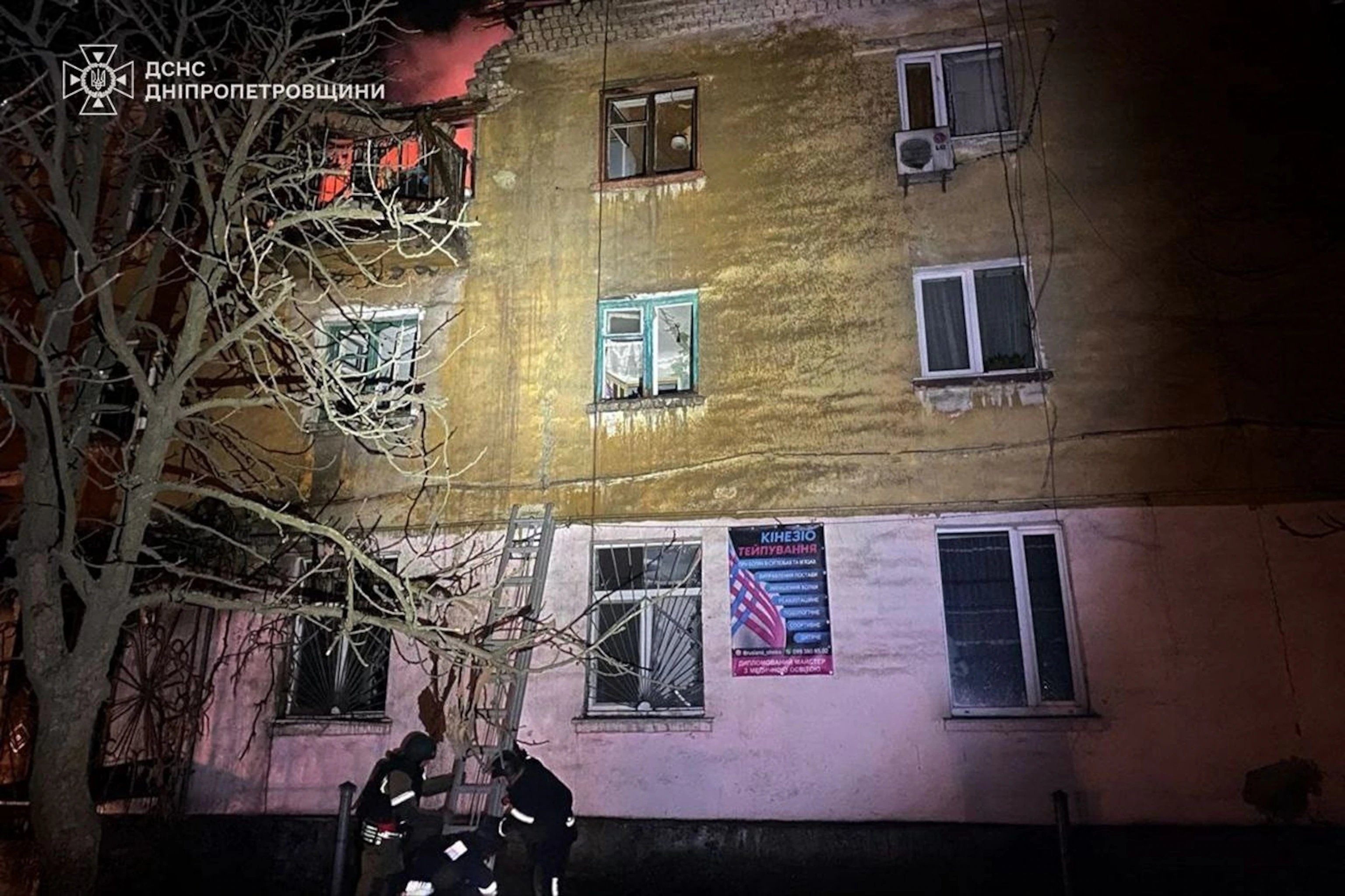
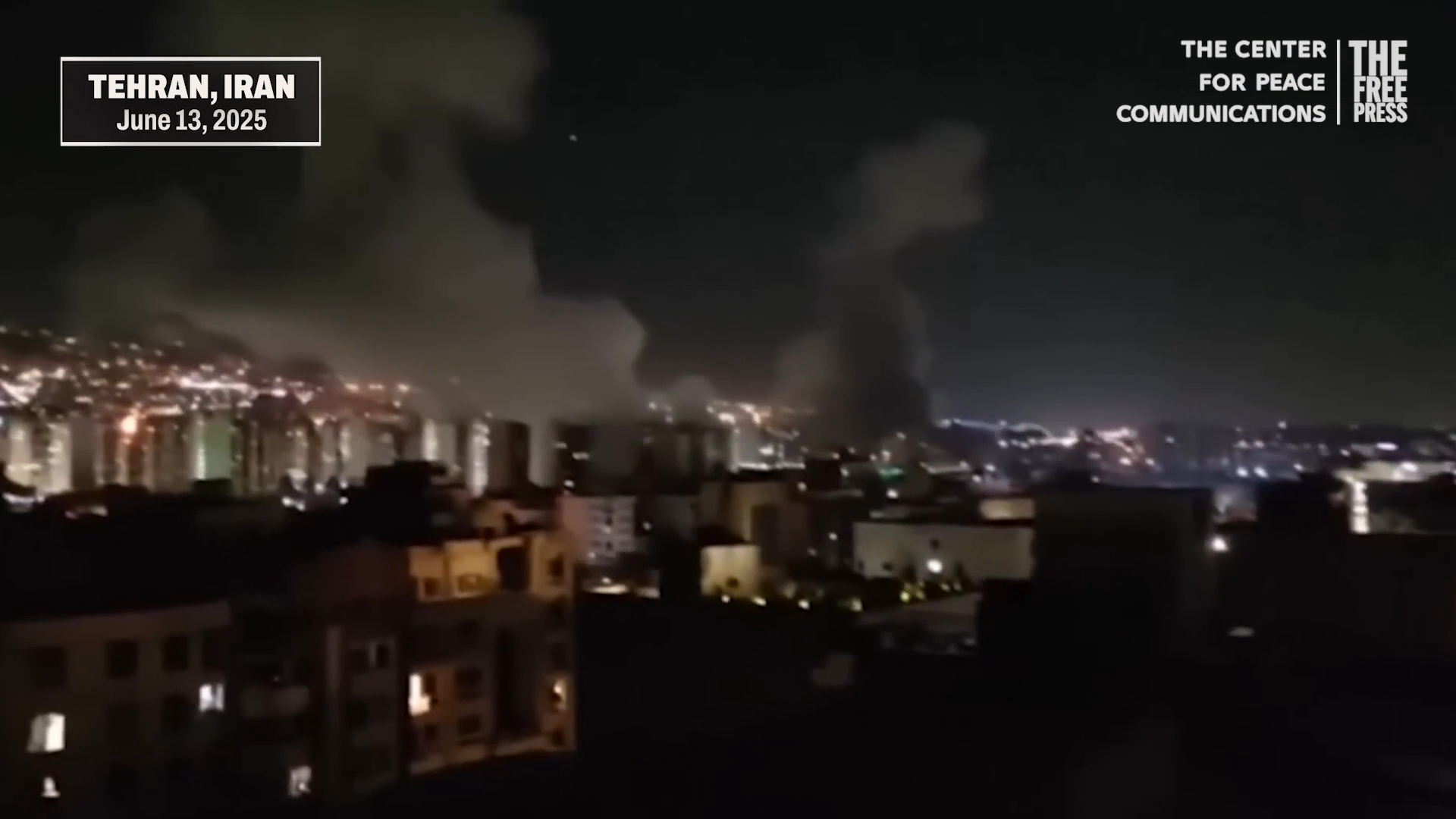
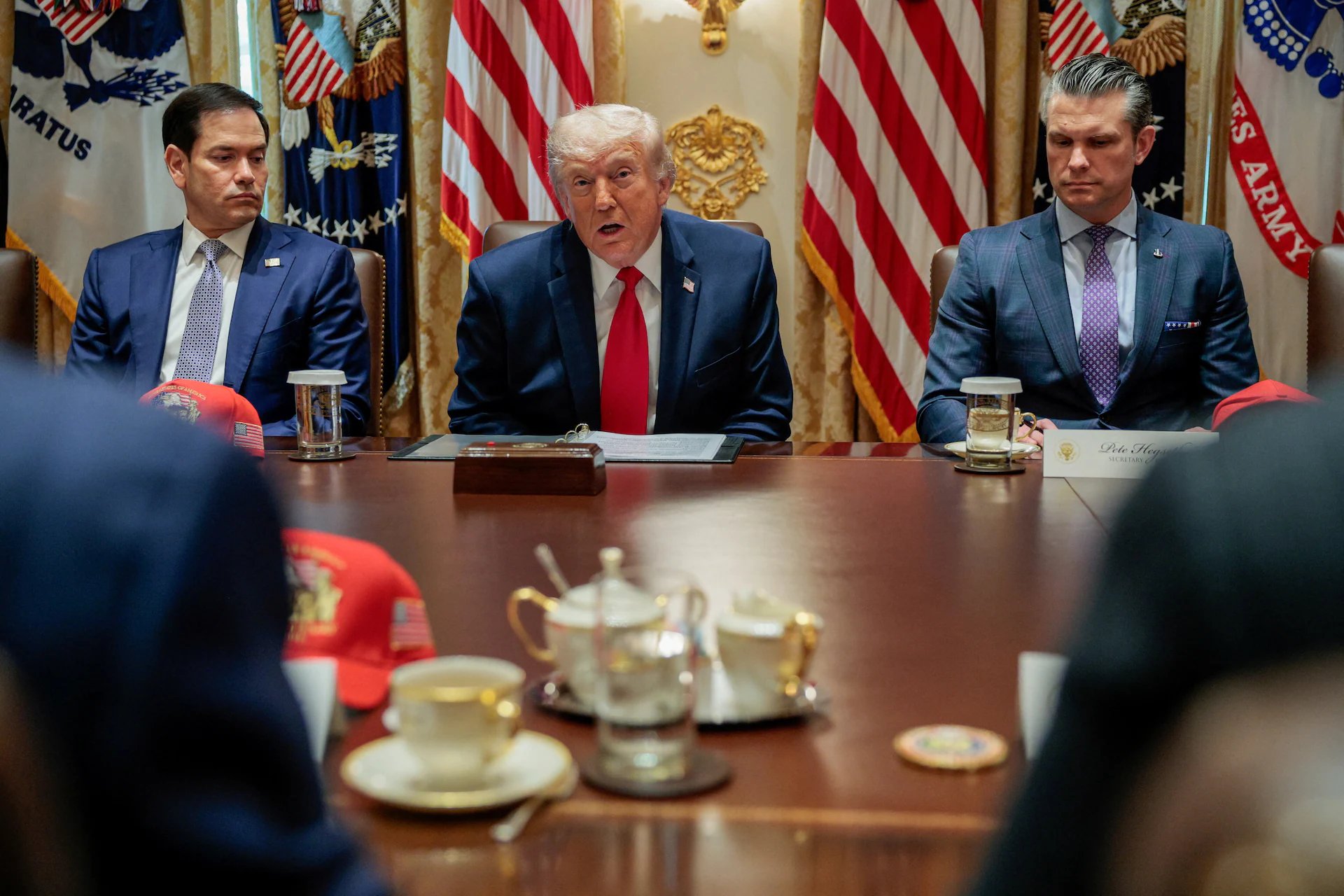
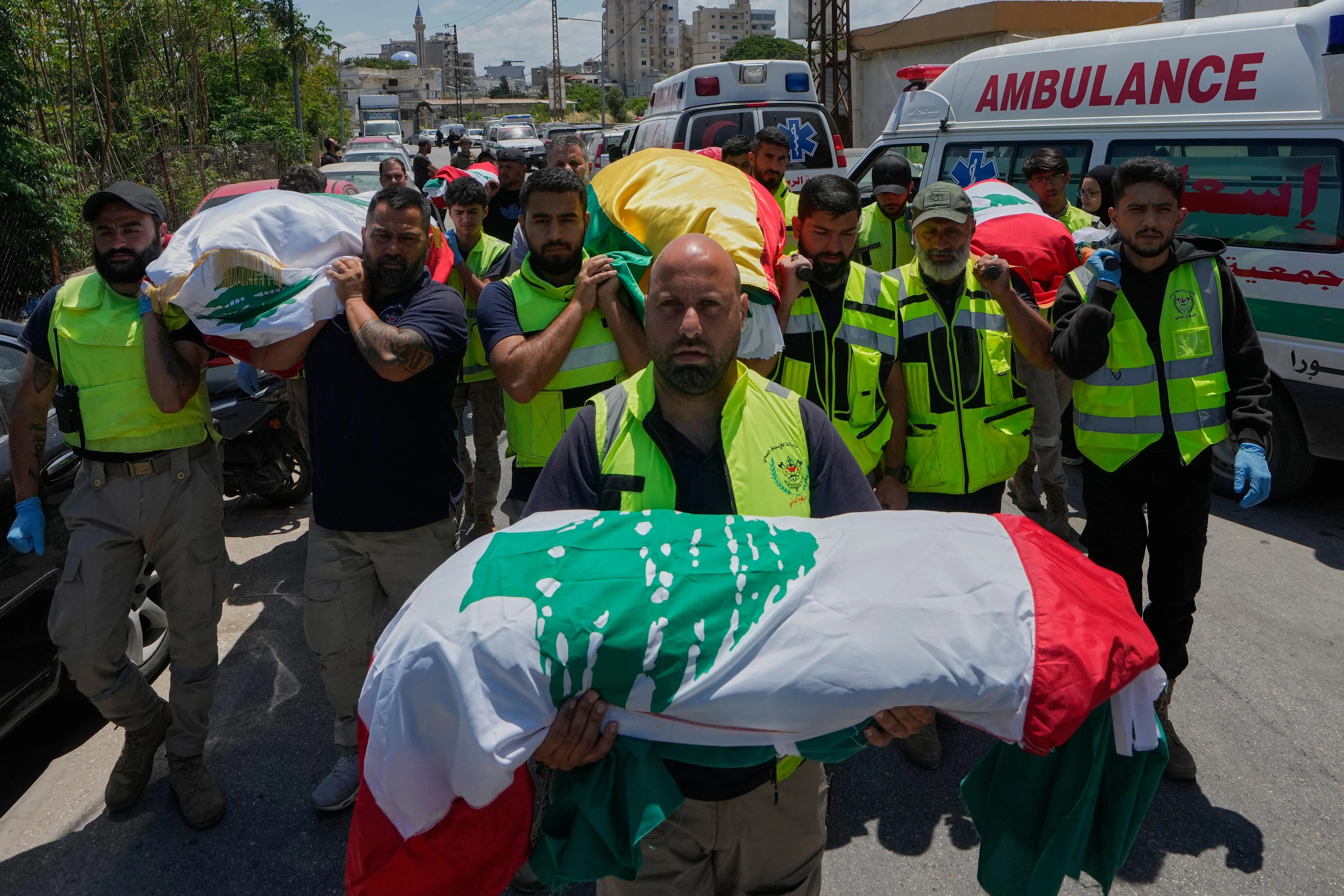
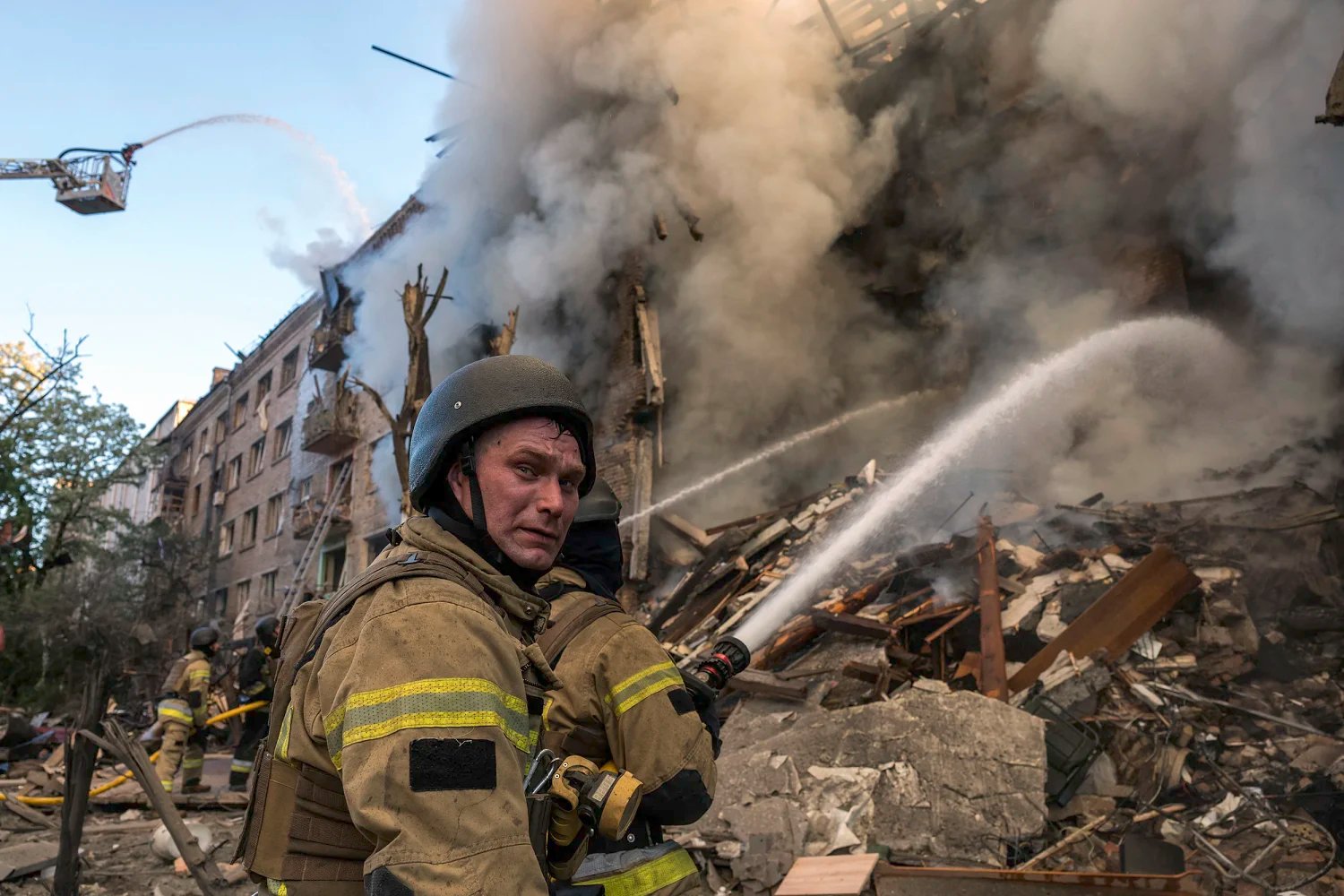
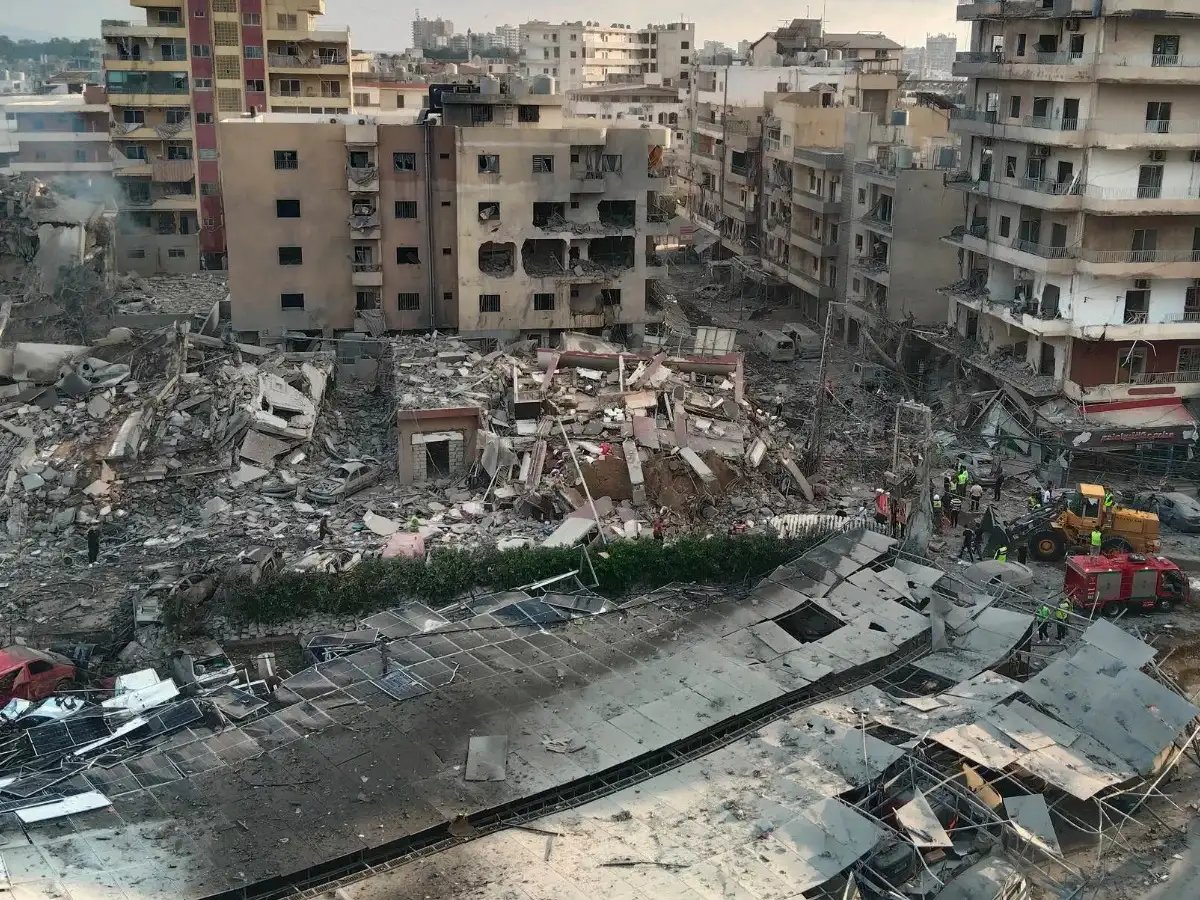
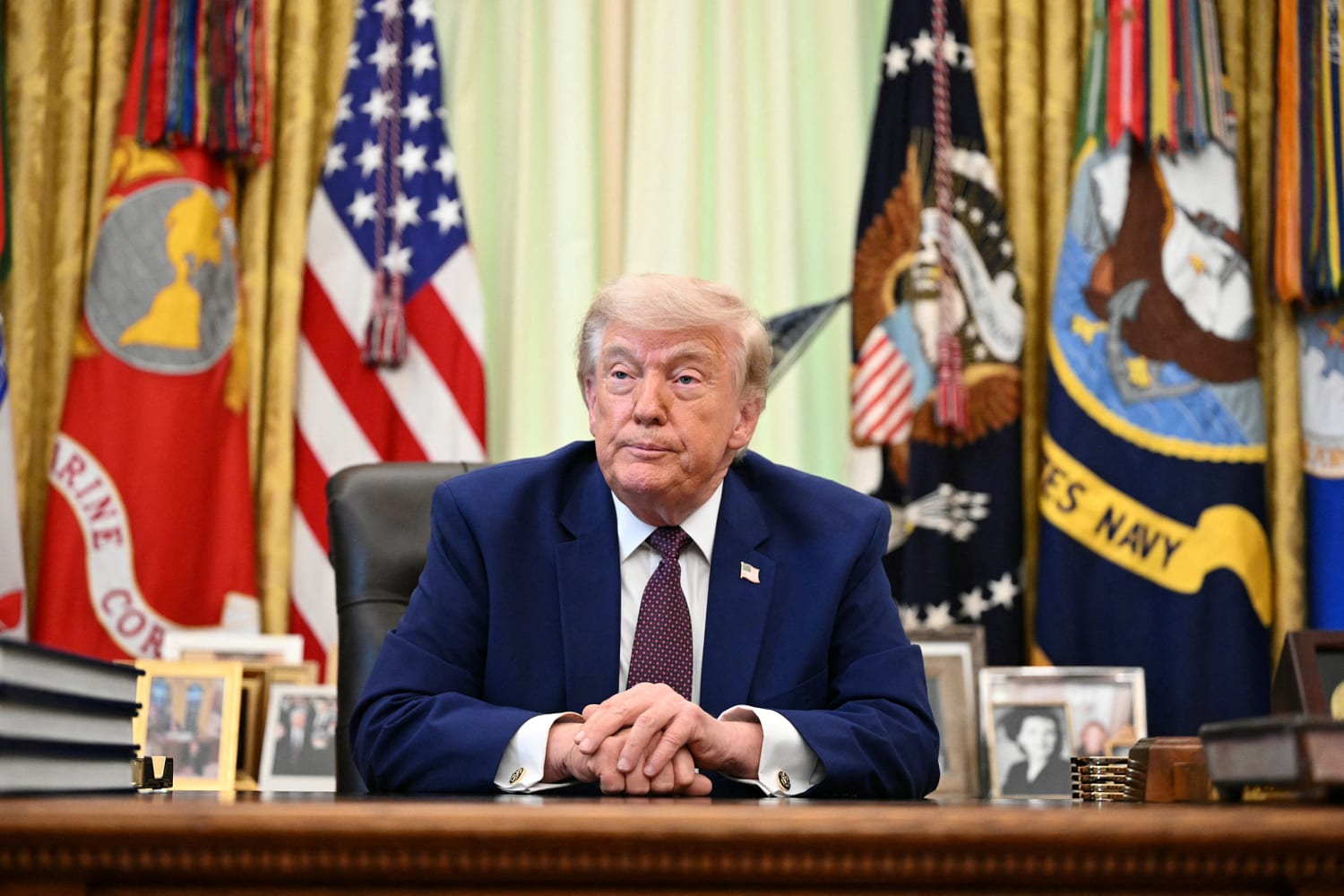
The ongoing negotiations between the U.S. and Iran to finalize a peace agreement have been complicated by Israel's insistence on maintaining military operations in Lebanon. Israeli Defense Minister Israel Katz stated that Israeli forces would remain in a security zone extending 25 miles into Lebanon, despite Iran's demand for a complete withdrawal as part of the peace deal. President Trump expressed dissatisfaction with Israel's handling of the situation, emphasizing that prolonged military actions could undermine the potential success of the agreement. "You don't have to knock down an apartment house every time you're looking for somebody," Trump remarked, highlighting the need for a more strategic approach.
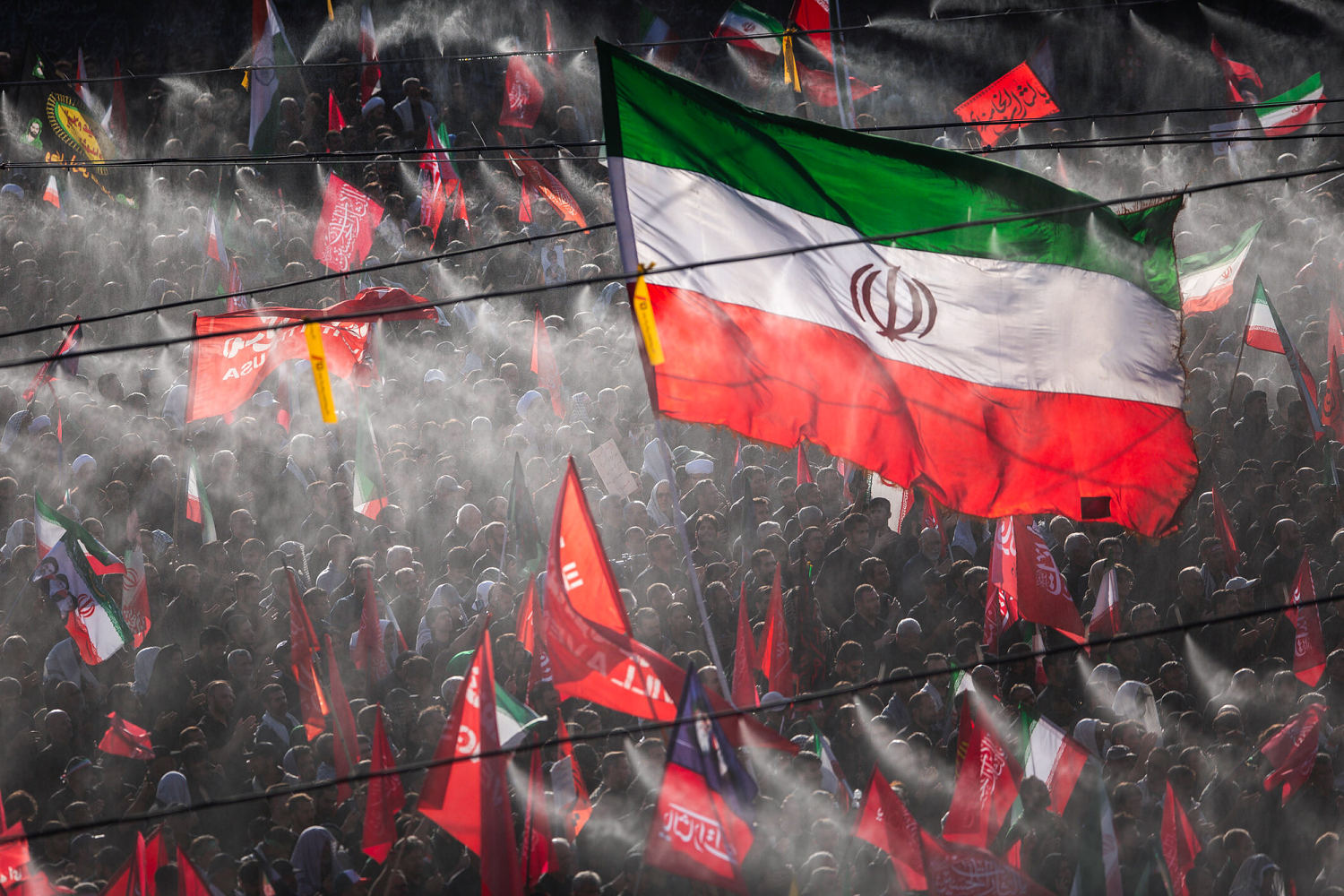
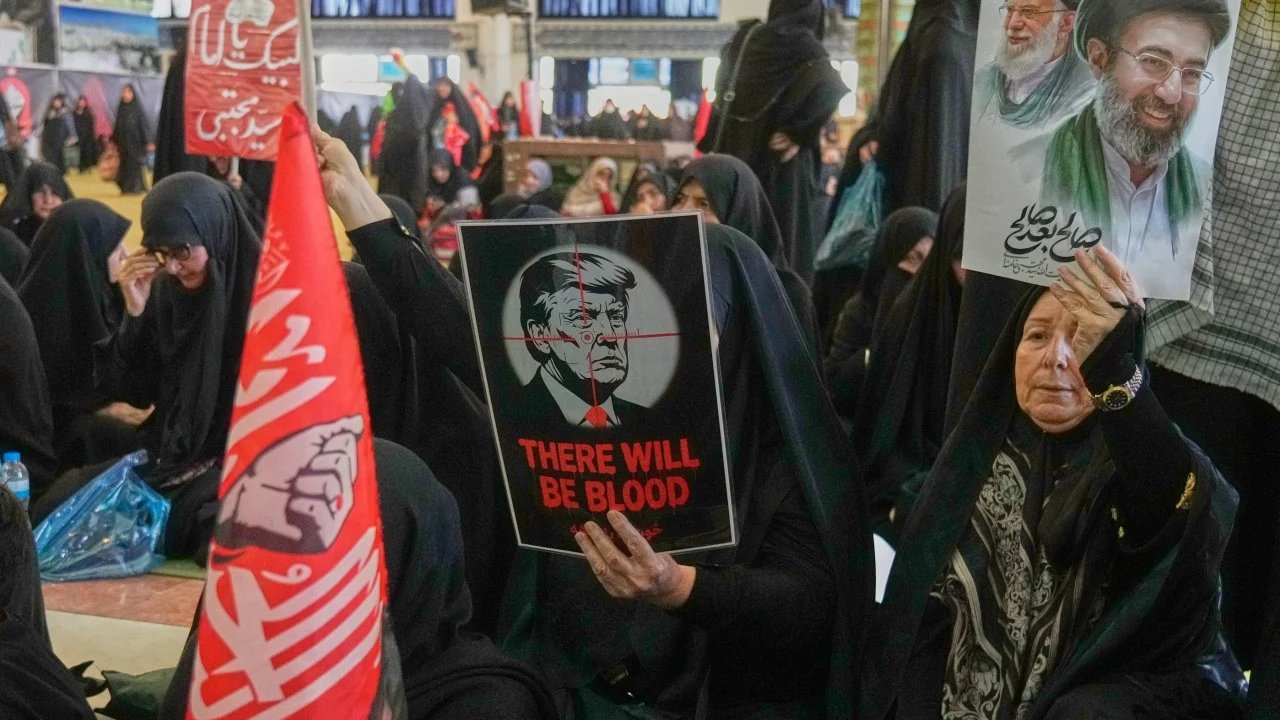
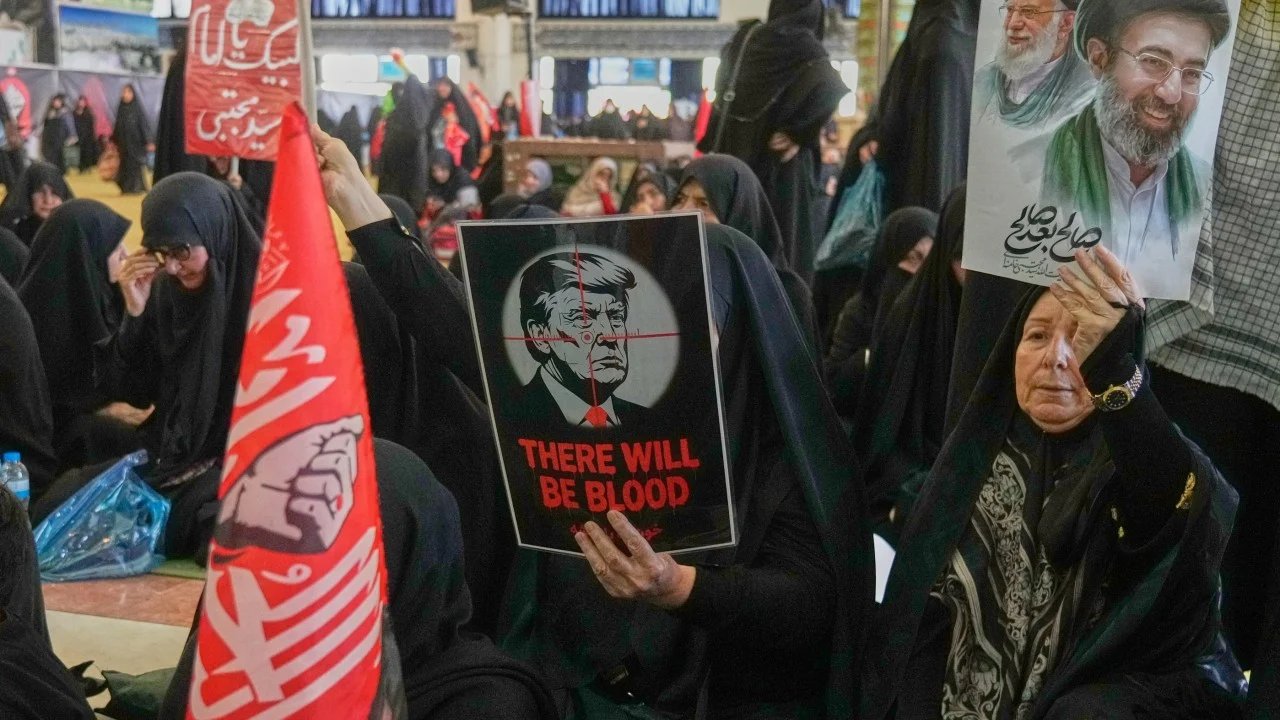
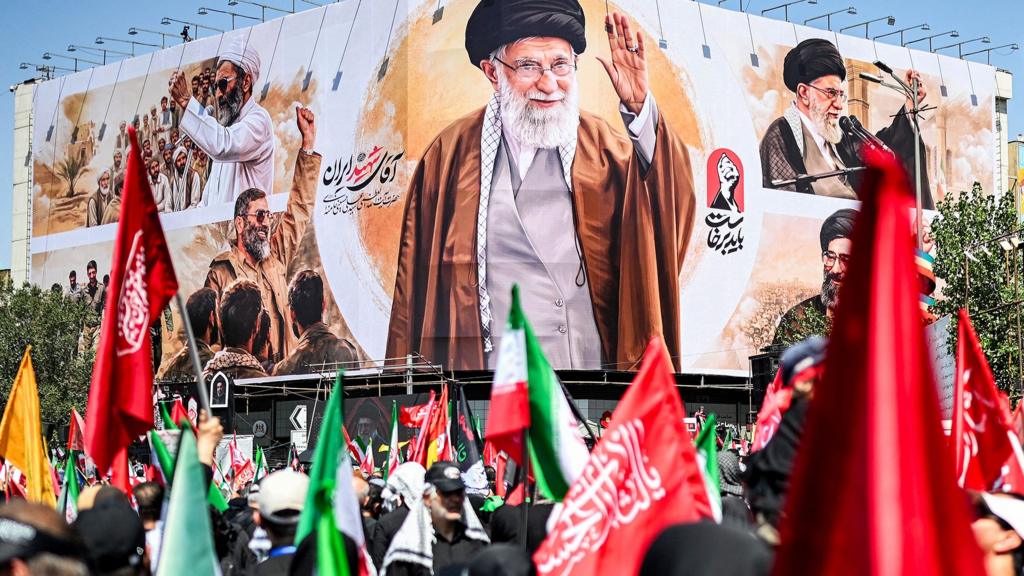
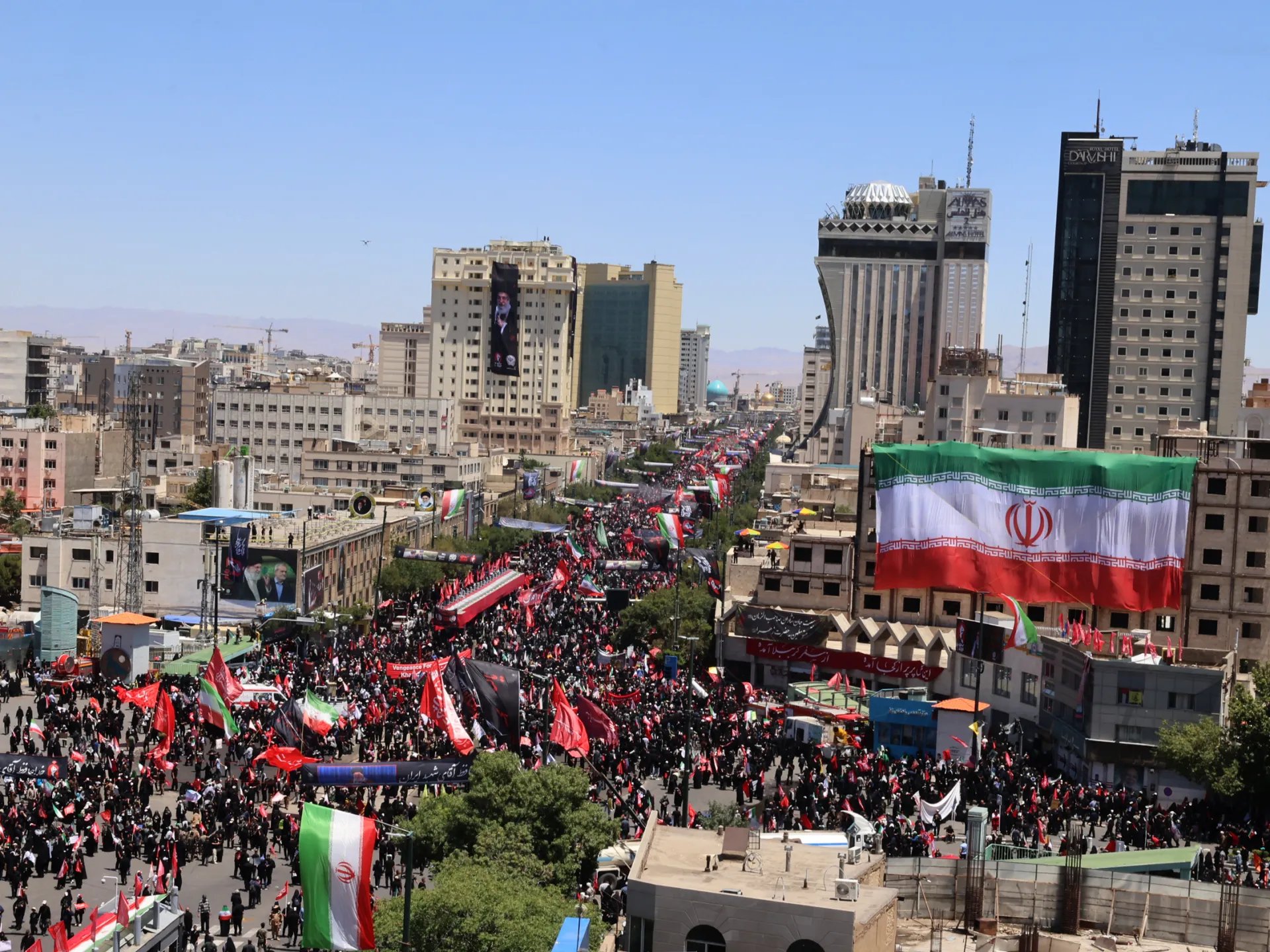
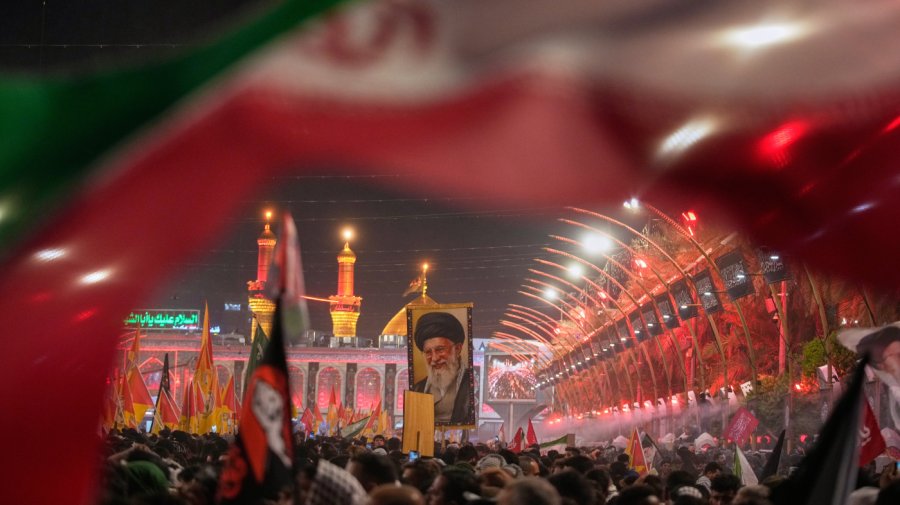
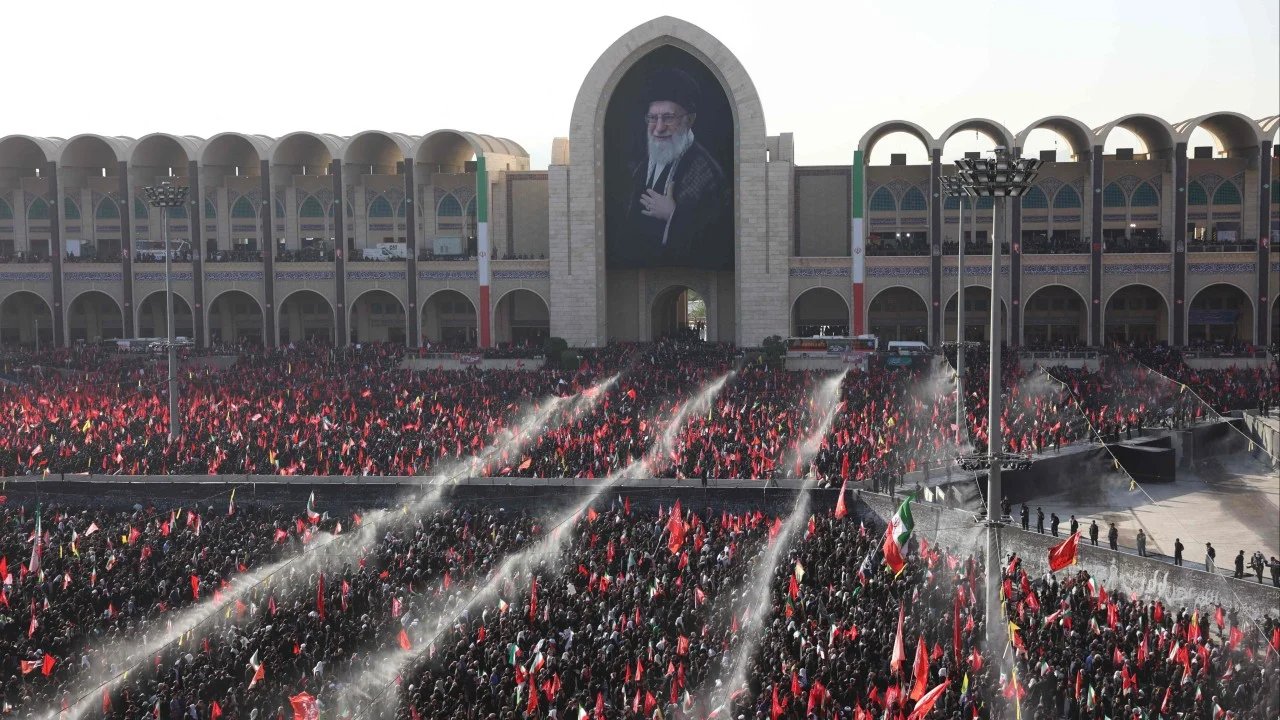
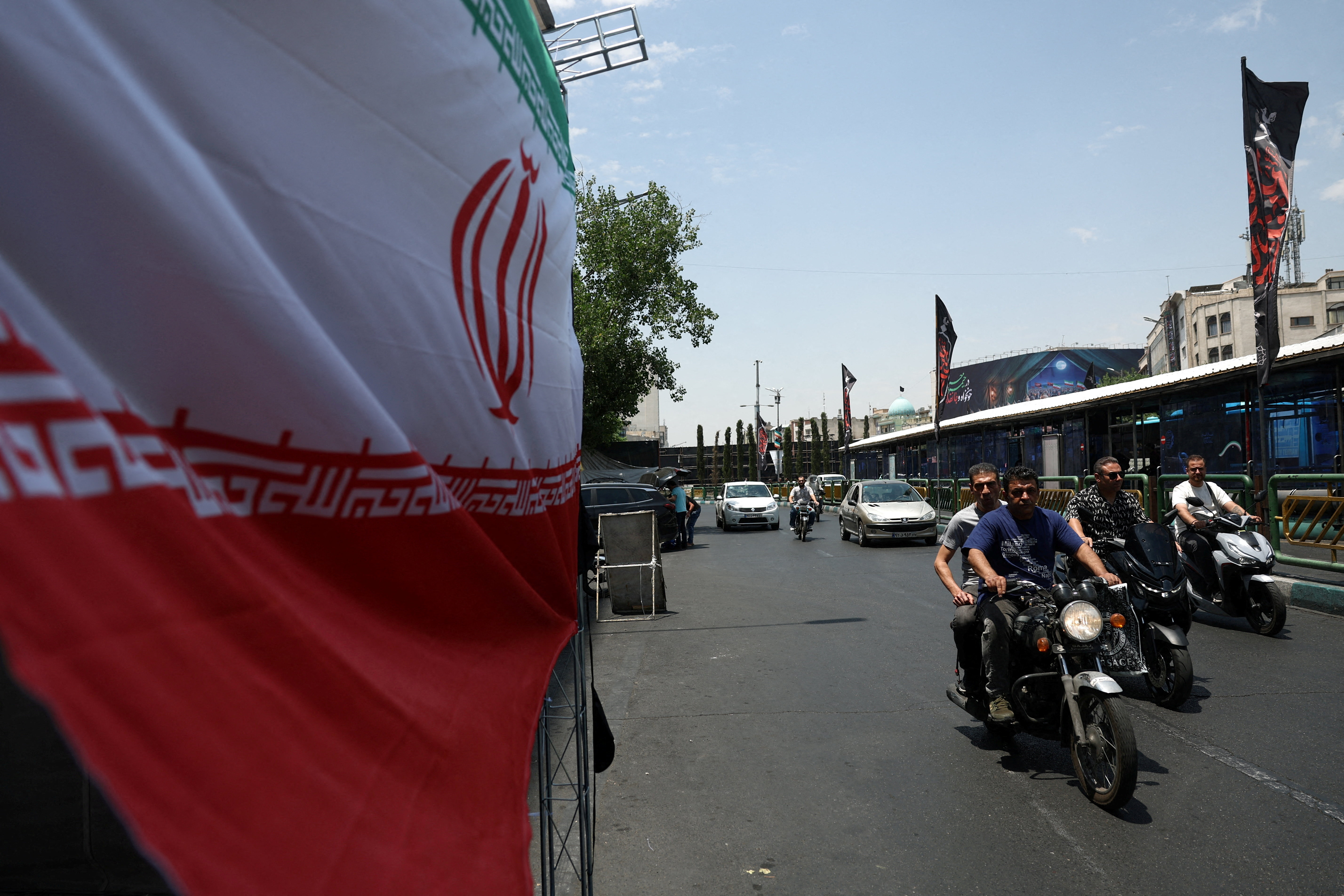
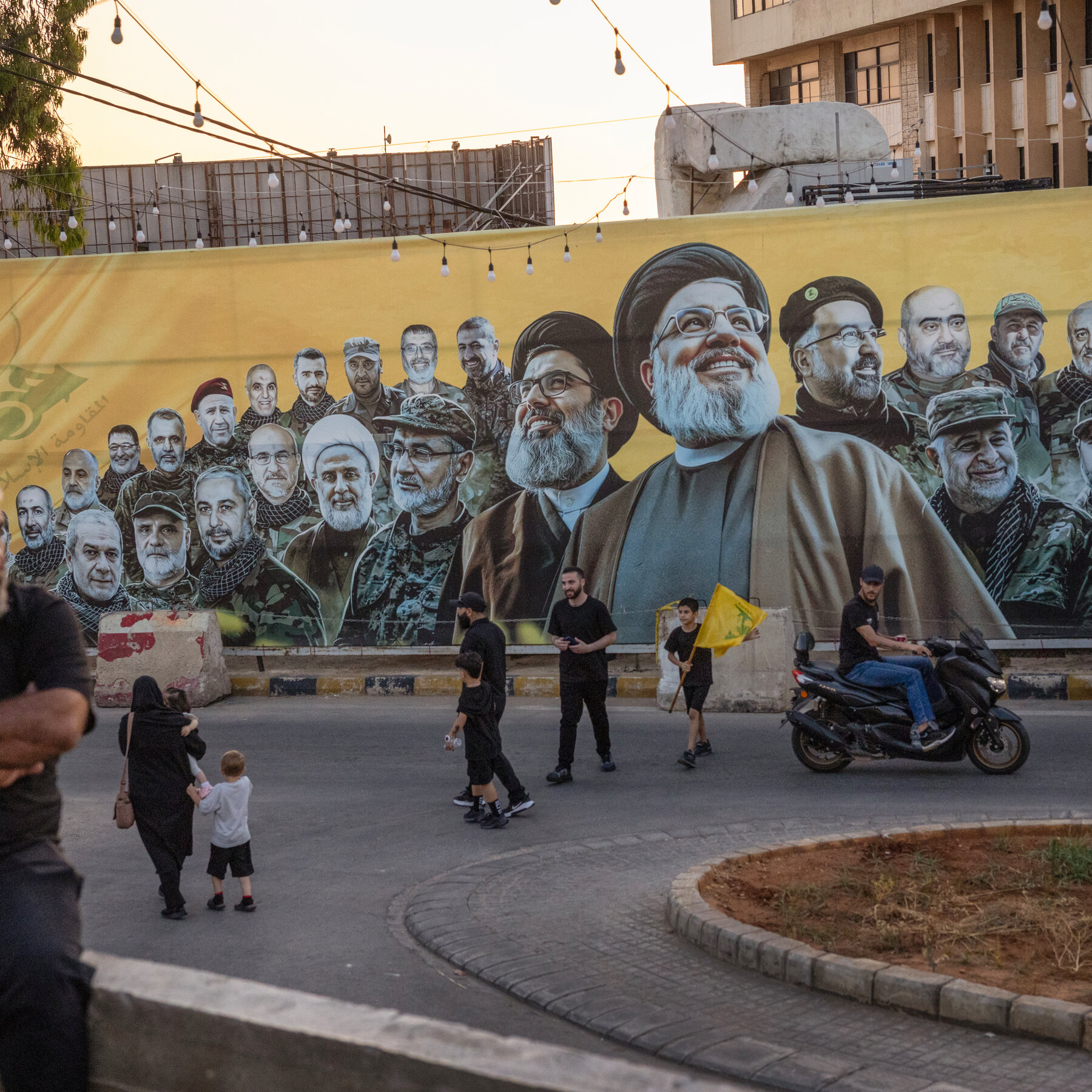
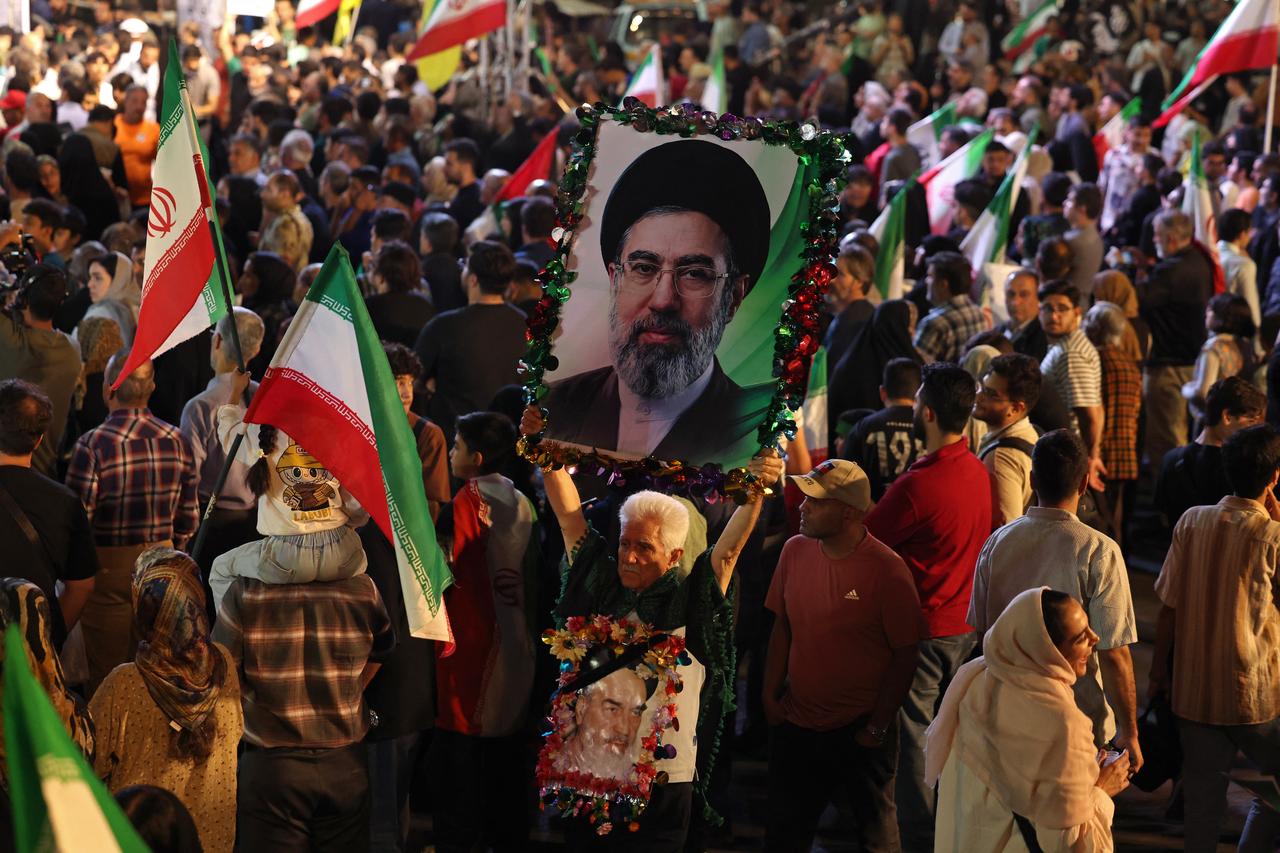
Iranian officials have underscored that any agreement with the U.S. must include an end to Israeli military presence in Lebanon. Foreign Minister Abbas Araghchi articulated that the Iranian perspective views the negotiations as involving both the U.S. and Israel on one side and Iran and Hezbollah on the other. He warned that any continued Israeli occupation would be considered a violation of the prospective deal. This sentiment was echoed by Deputy Foreign Minister Majid Takht-Ravanchi, who emphasized that Israel's actions could trigger a response under the terms of the memorandum of understanding.
As the World Cup unfolds, the Iranian national team has faced significant pressure due to the ongoing geopolitical tensions. Following a 2-2 draw against New Zealand, the team's coach, Amir Ghalenoei, expressed frustration over being ordered to leave the U.S. immediately after the match, citing inadequate recovery time for his players. "They didn't even give us time to recover," he stated. This situation reflects the broader disarray surrounding Iran's participation in the tournament, compounded by visa issues and a last-minute relocation of their training camp to Tijuana, Mexico.
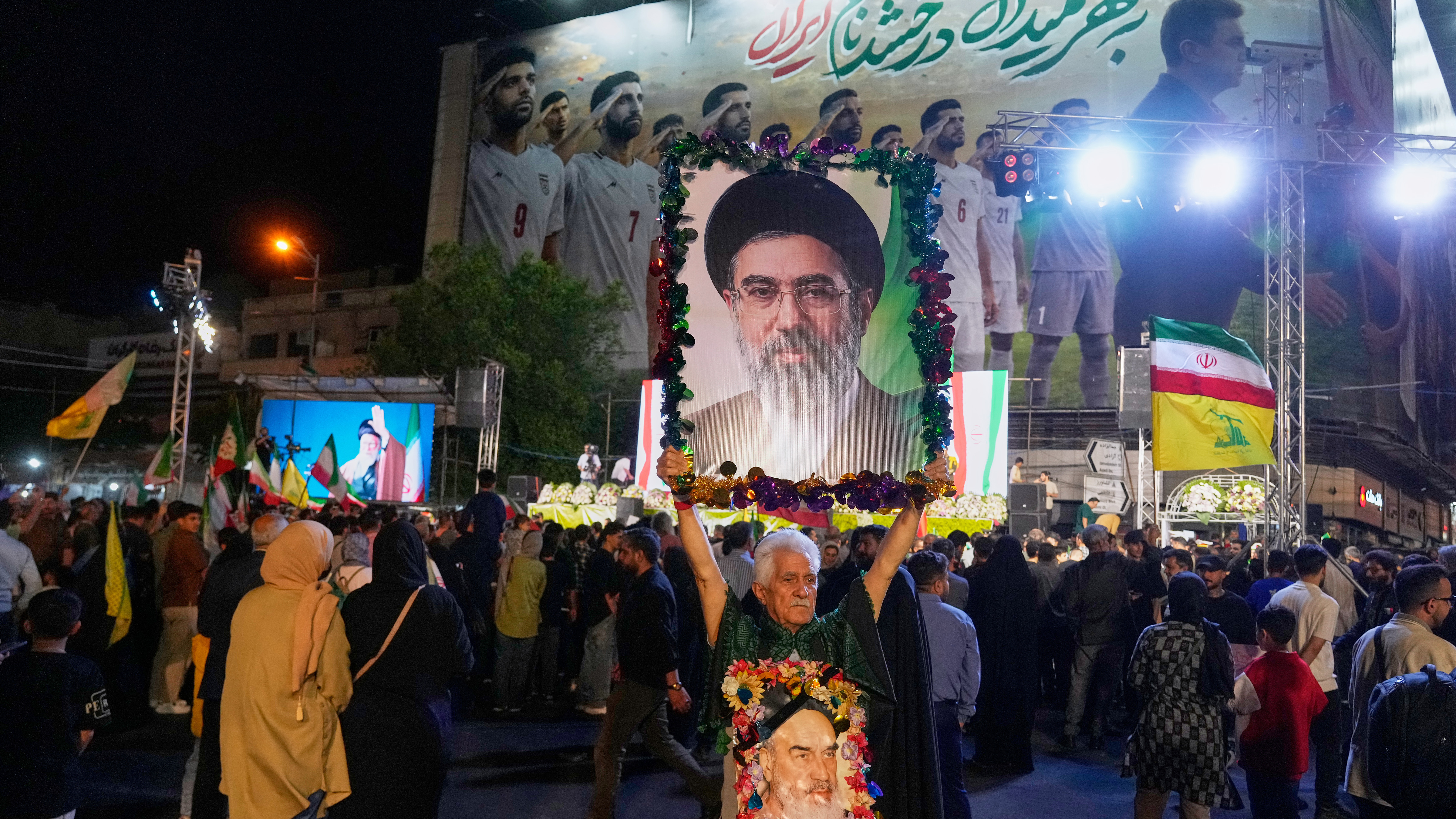
The Iranian diaspora in the U.S. has shown mixed feelings about supporting the national team, with many fans protesting against the Iranian regime while still celebrating their team's achievements. During the match, Iranian Americans displayed the pre-revolutionary lion-and-sun flag, which FIFA had banned. This act of defiance symbolized the deep-rooted conflict between pride in national identity and opposition to the current political regime. Iranian fans shared a common goal of wanting to support their players while also voicing dissent against the government.
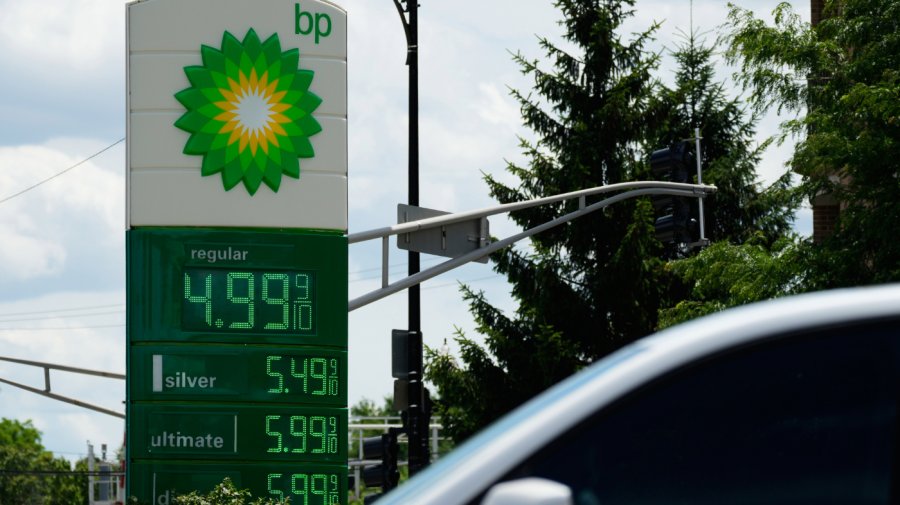
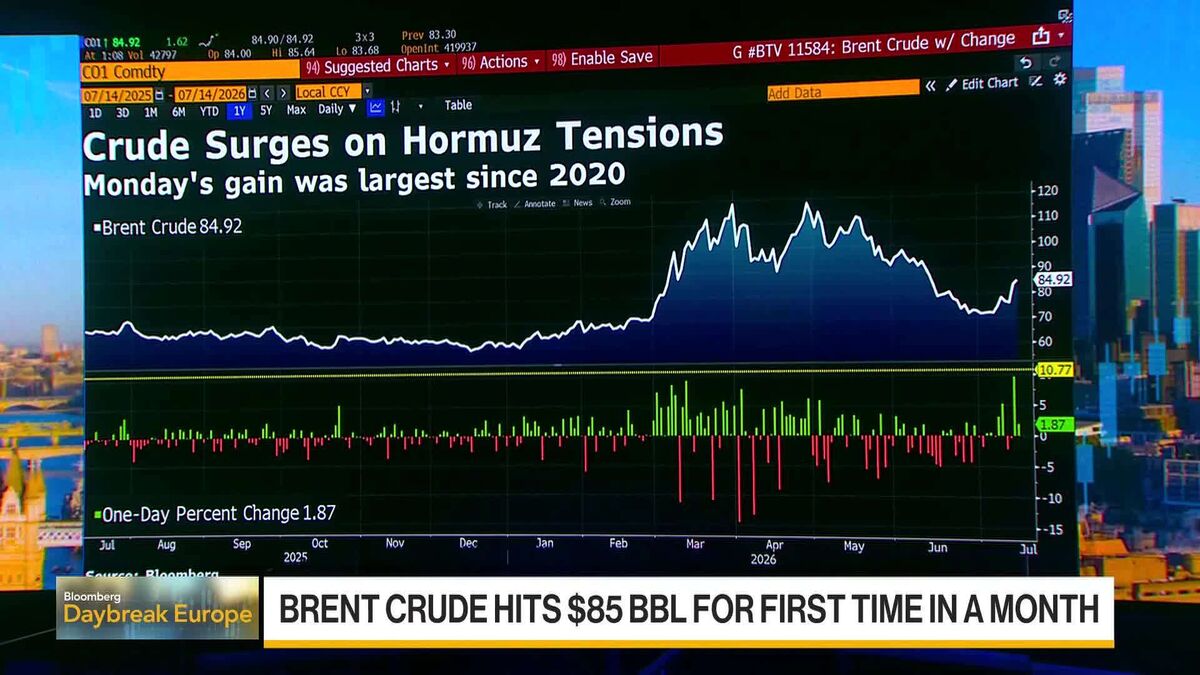
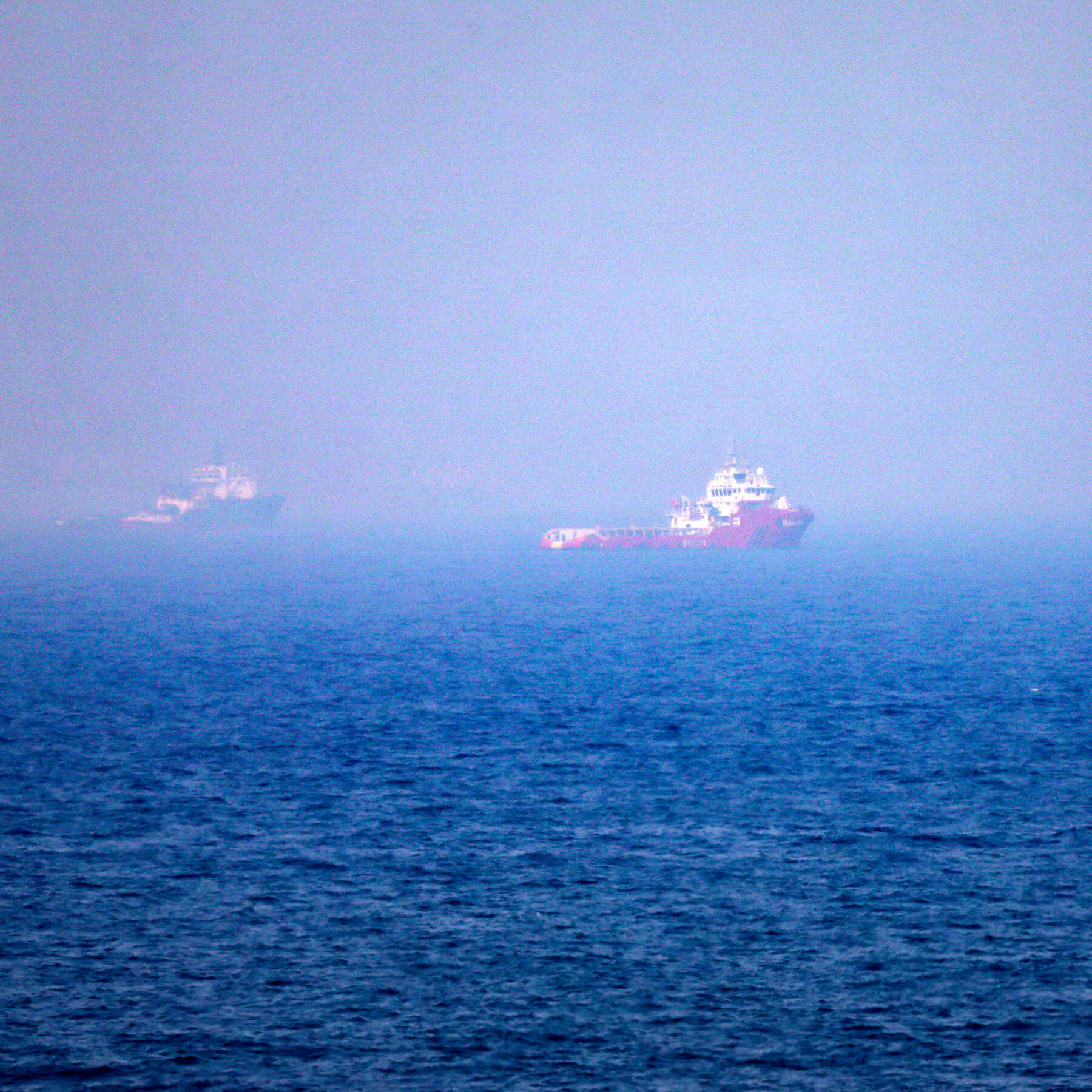
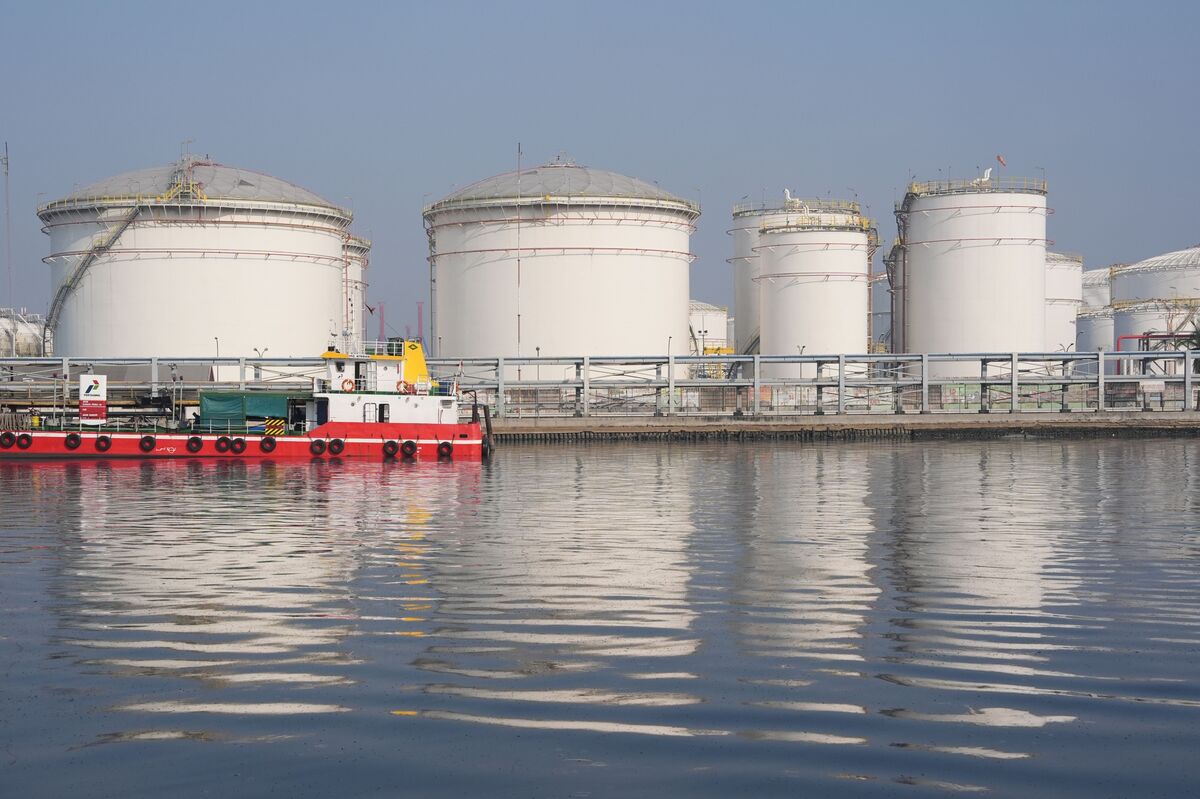
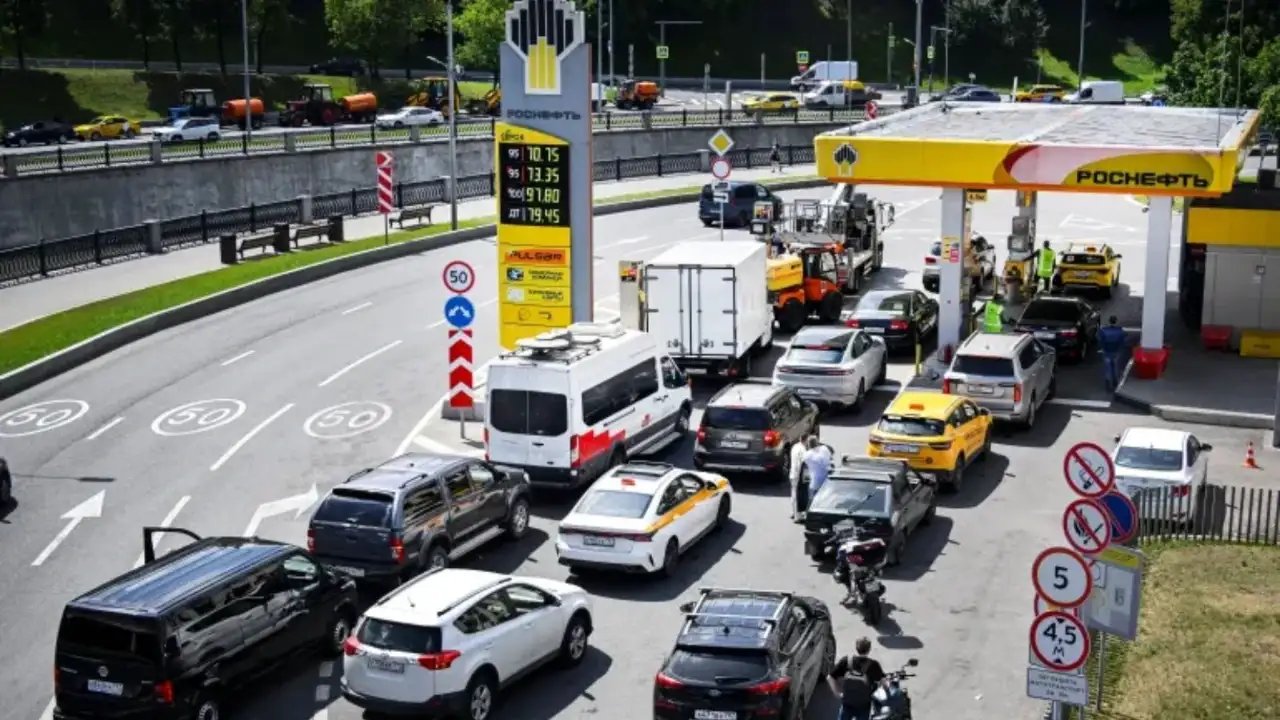
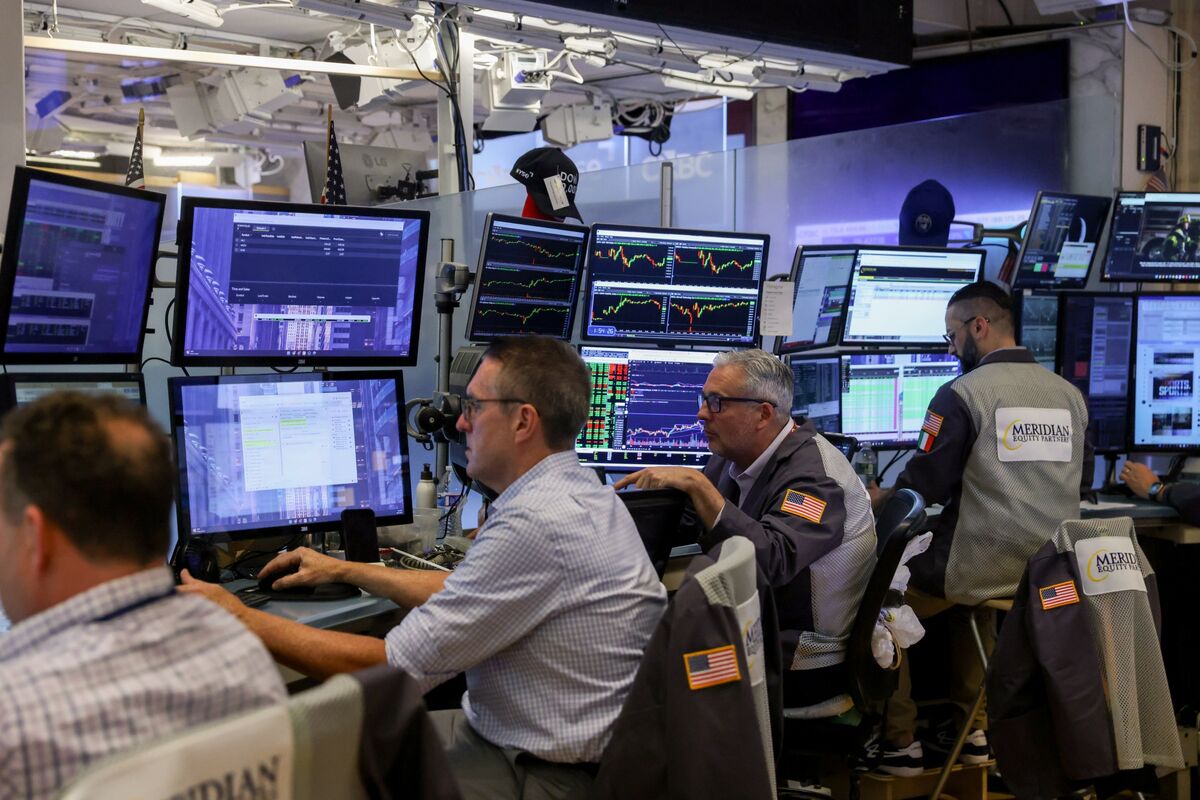
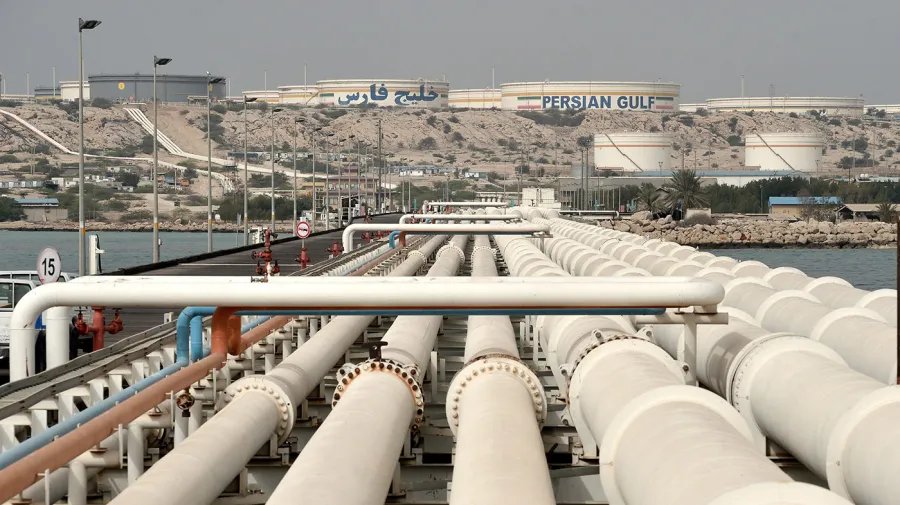
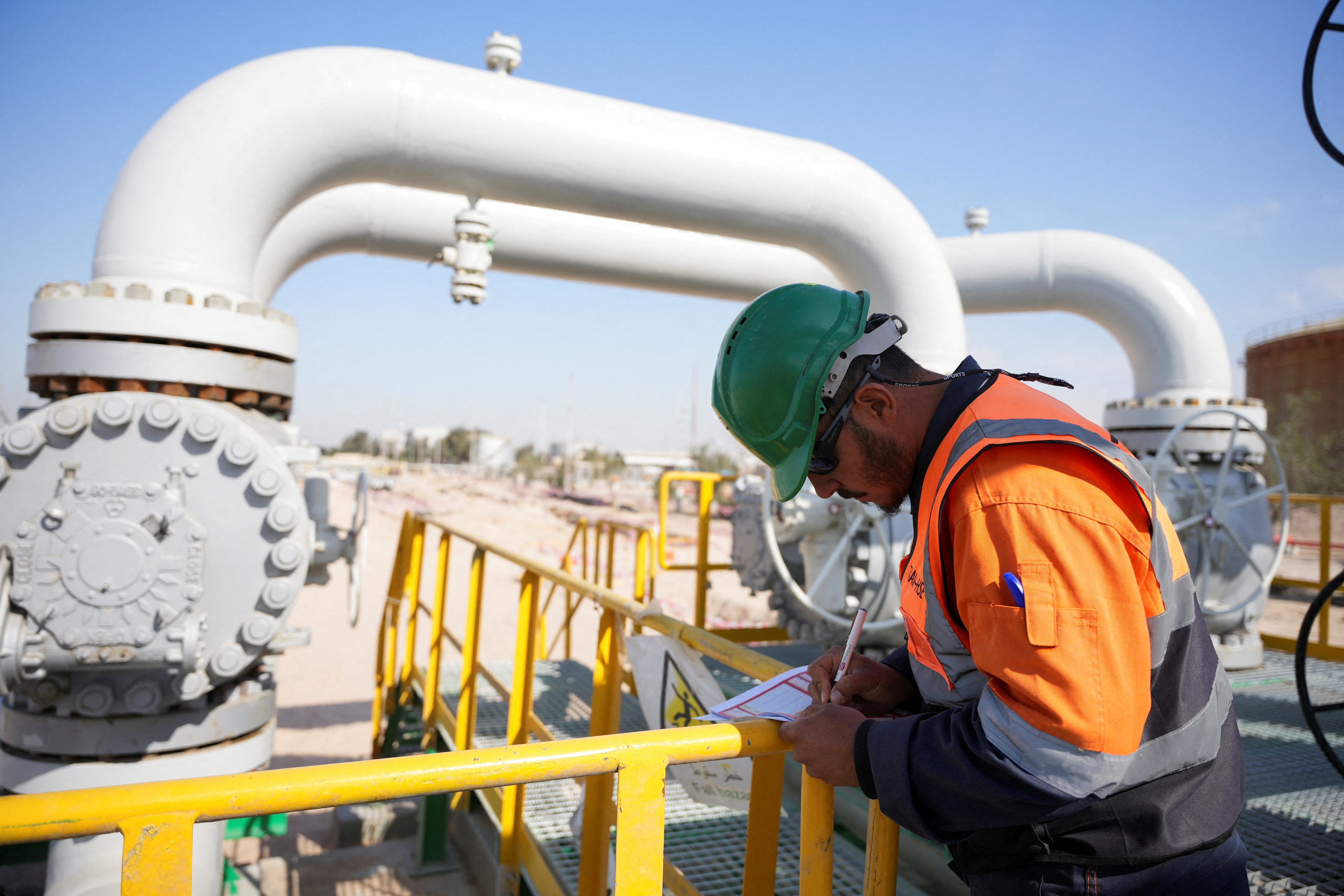
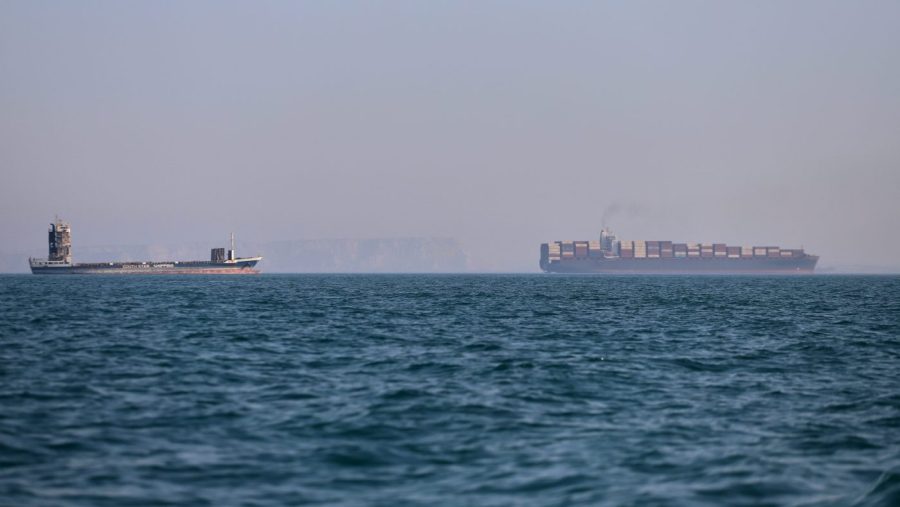
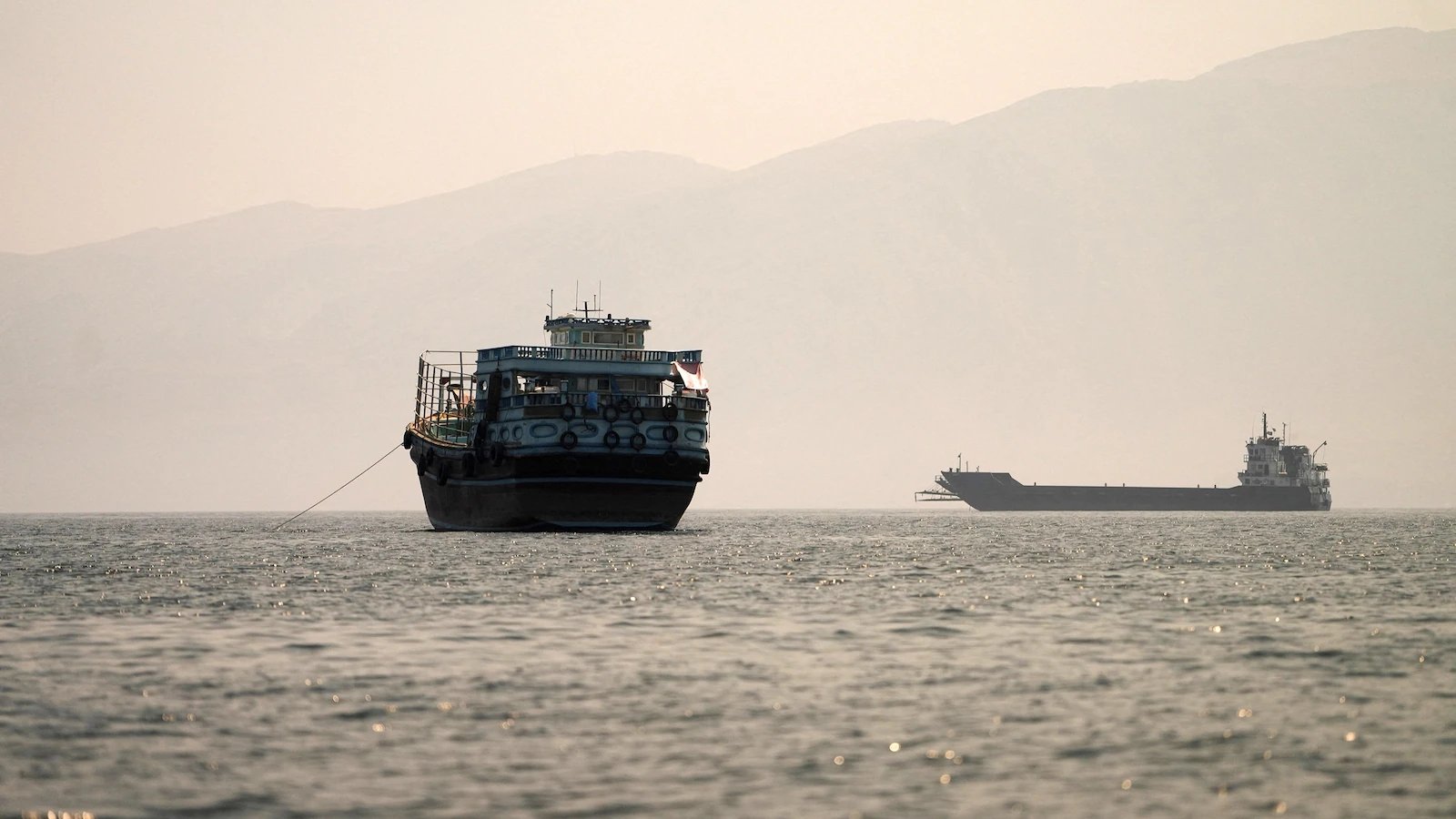
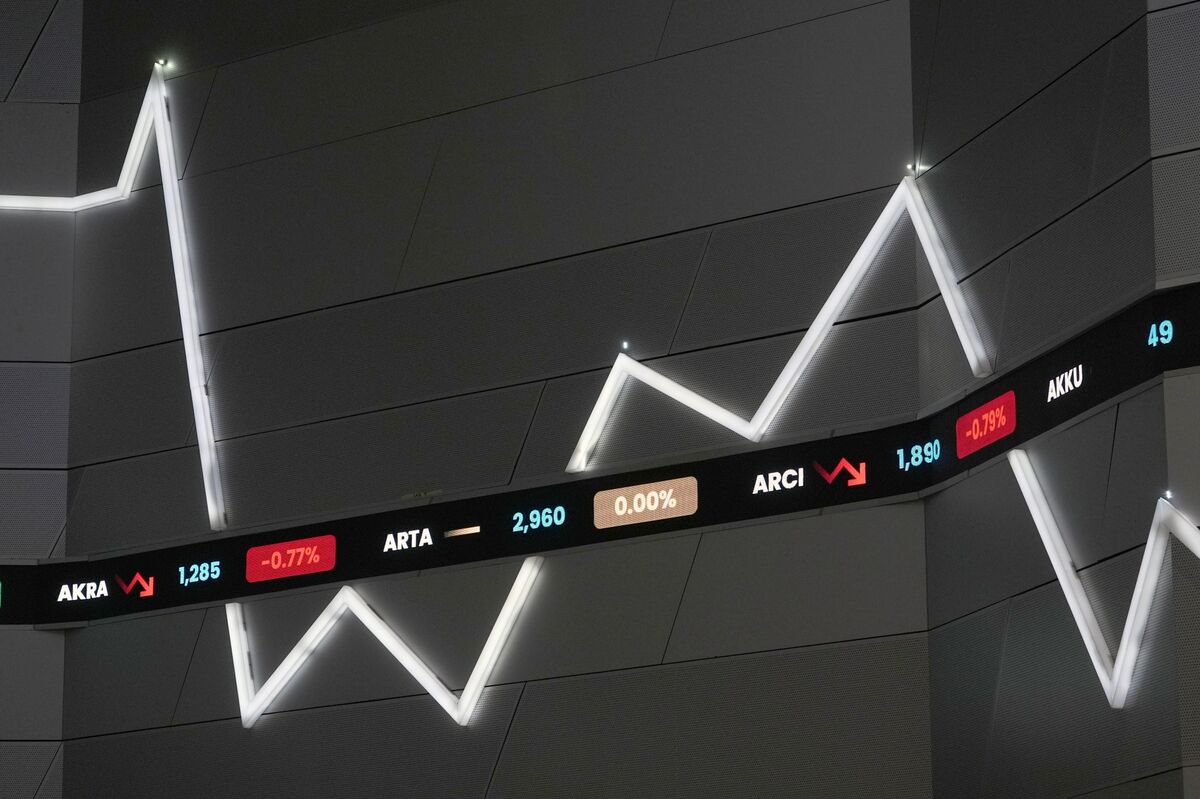
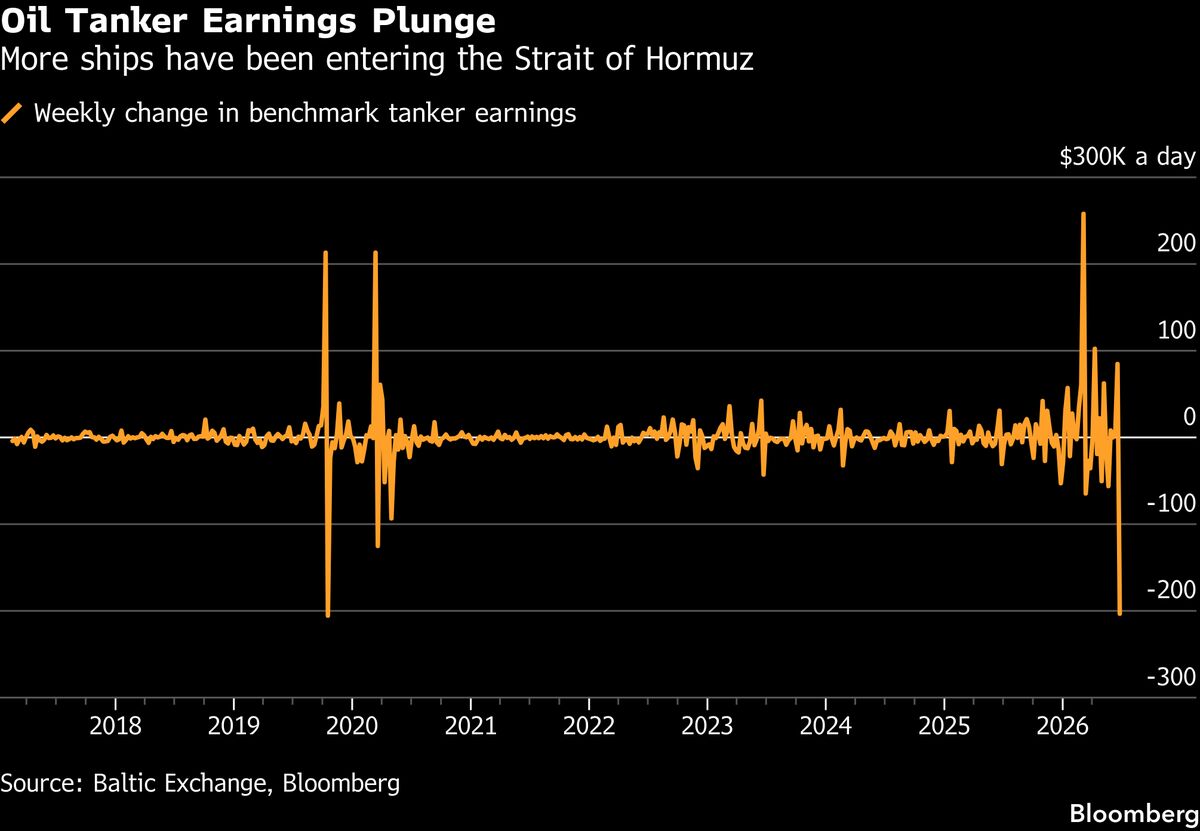
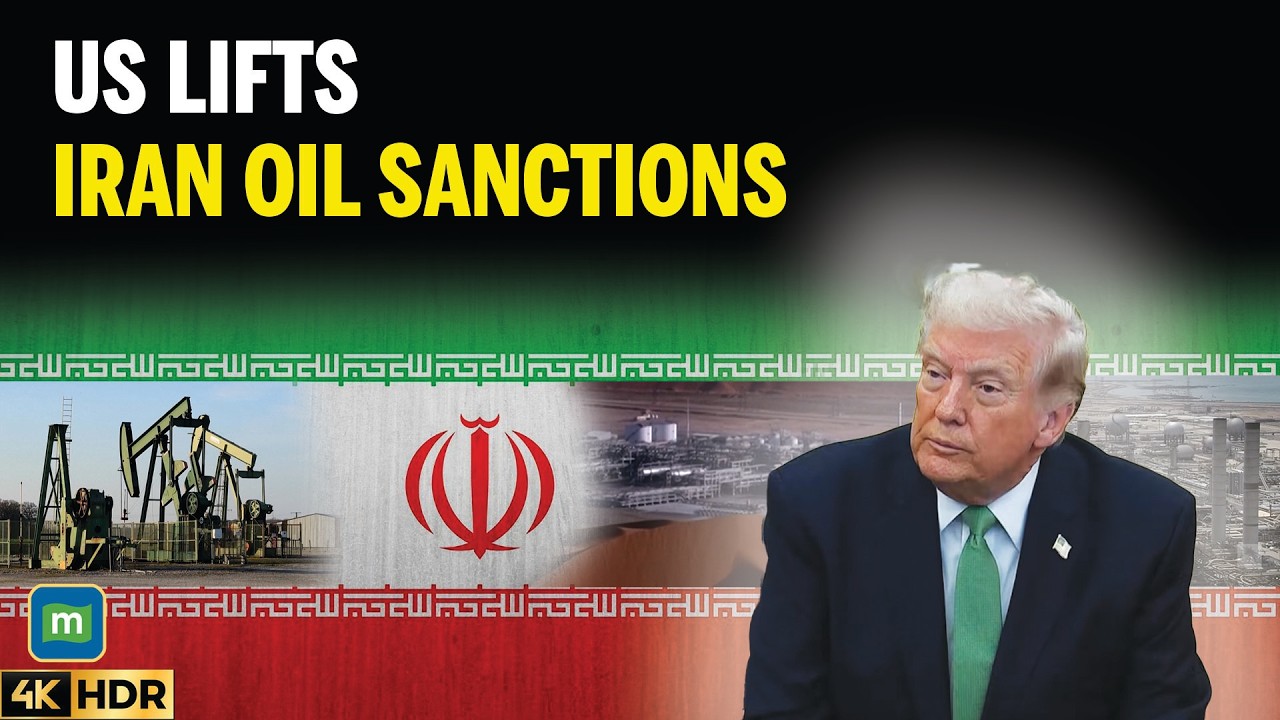
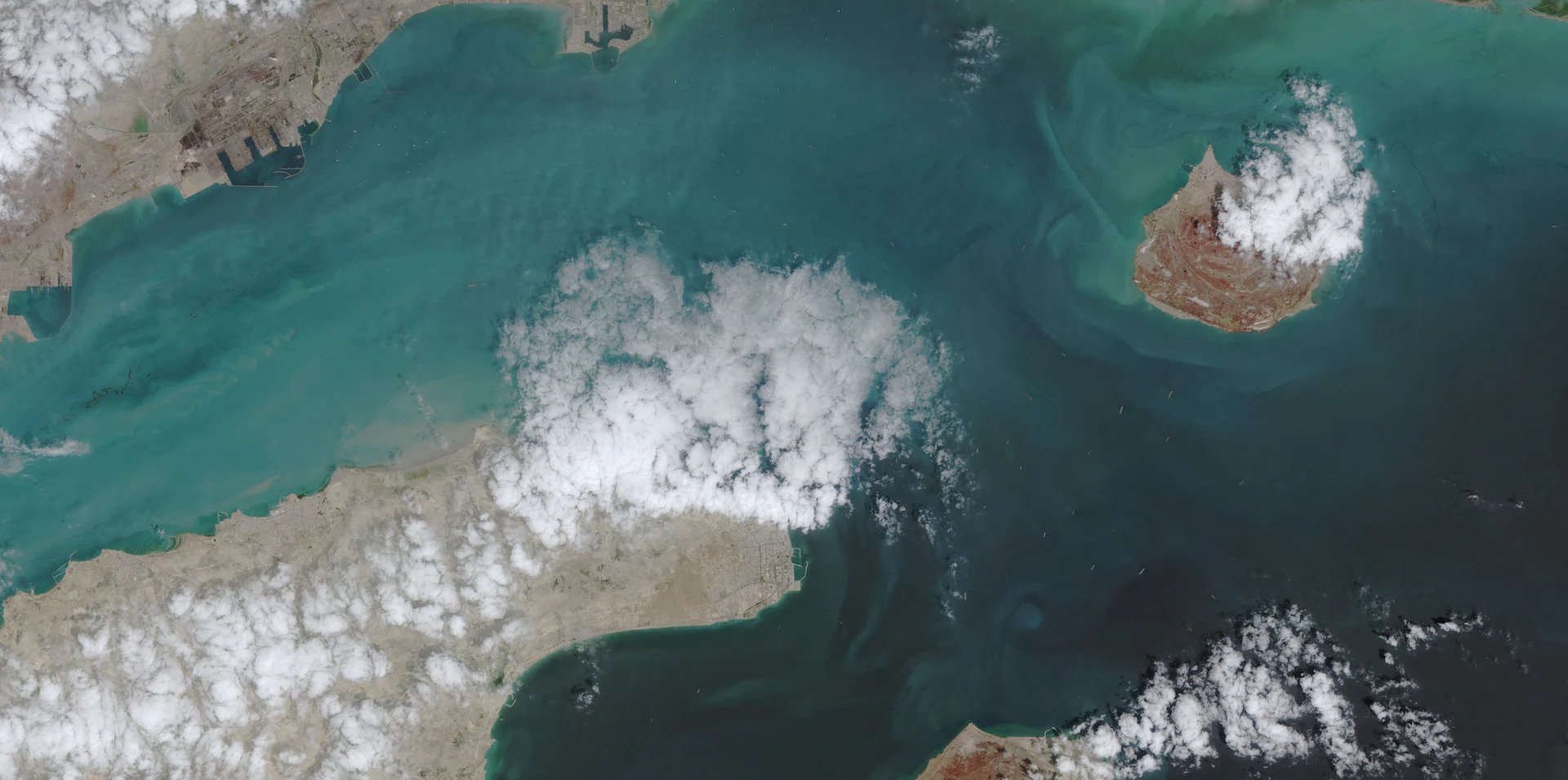
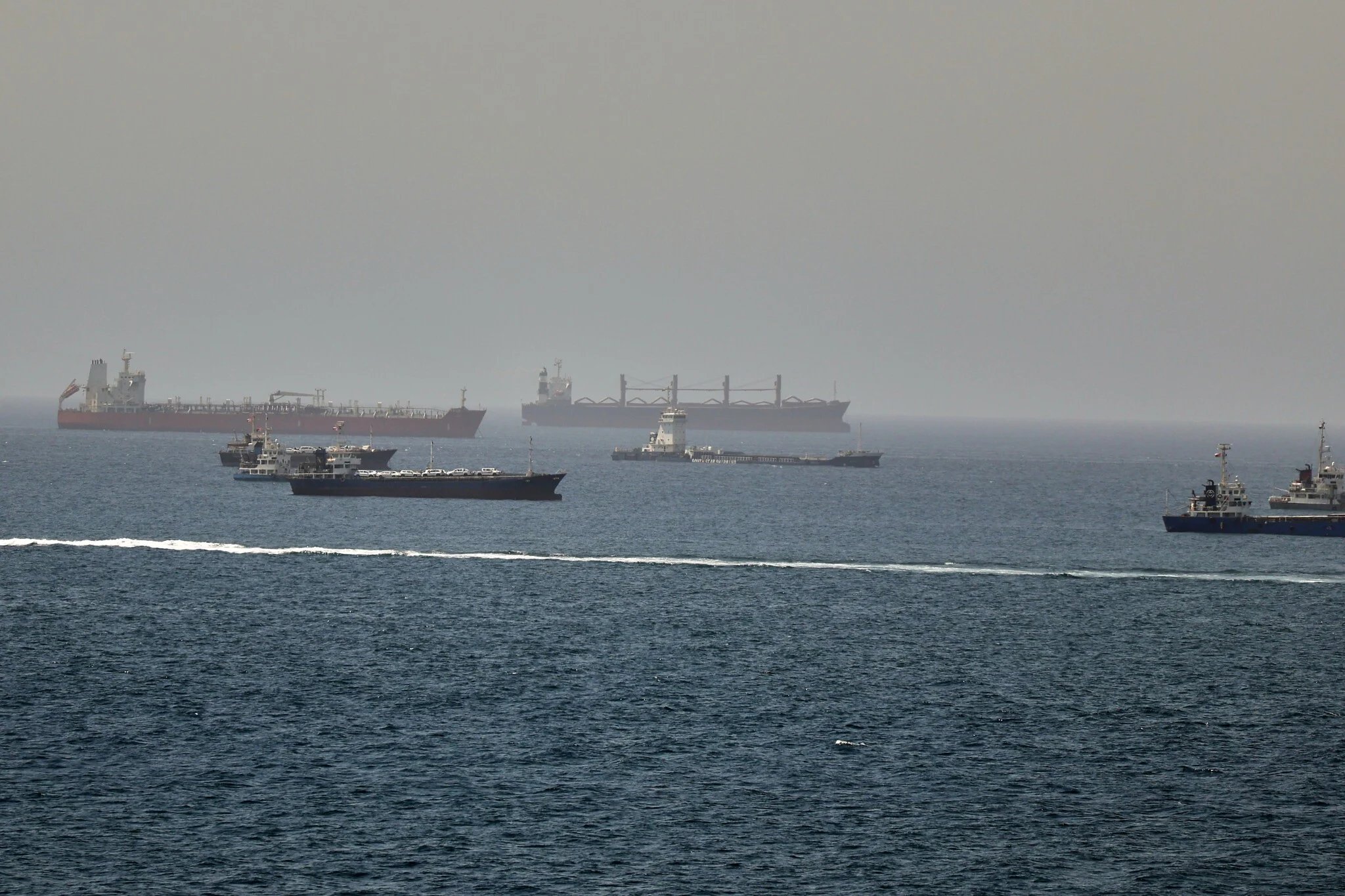
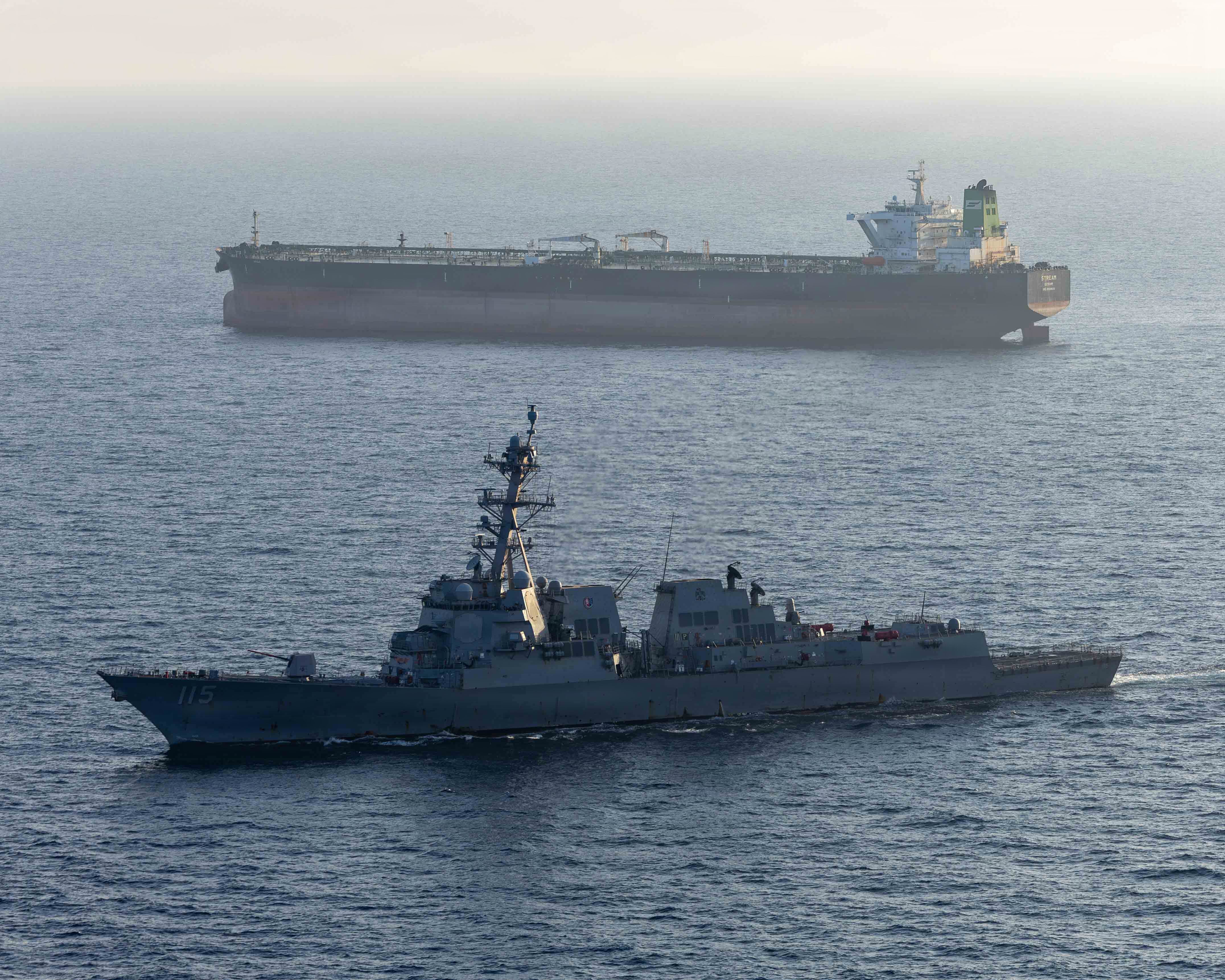
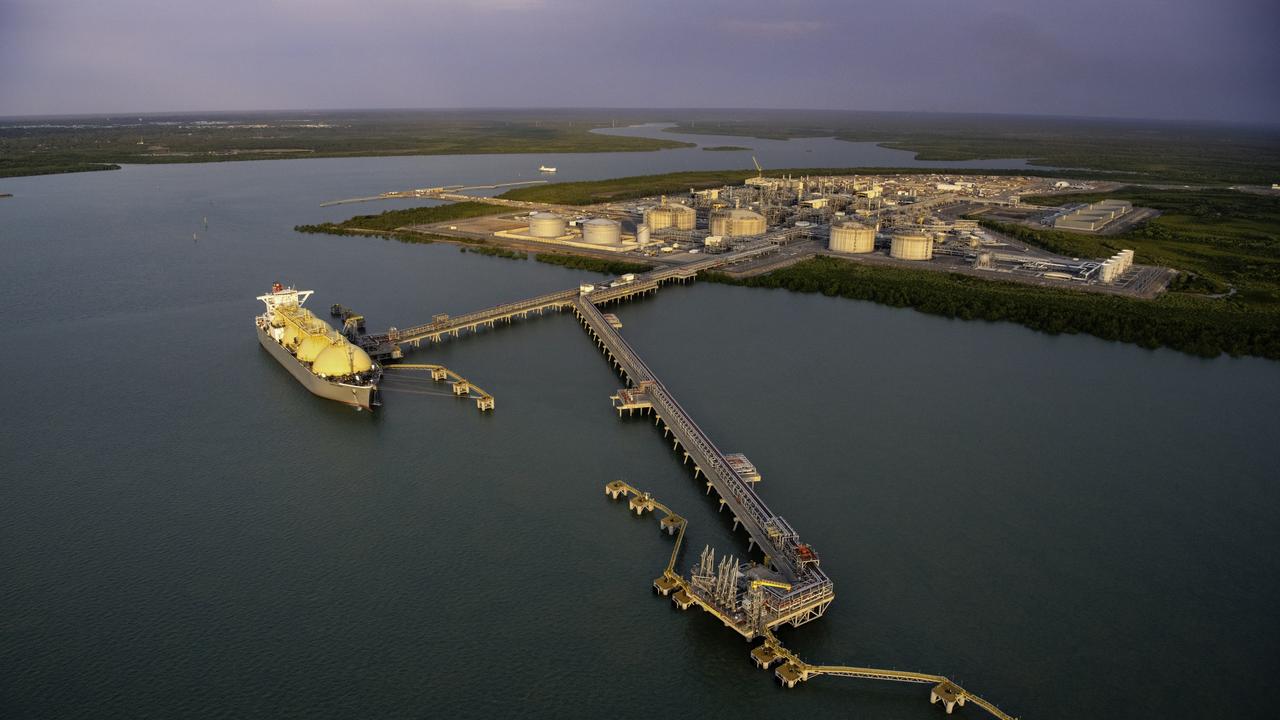
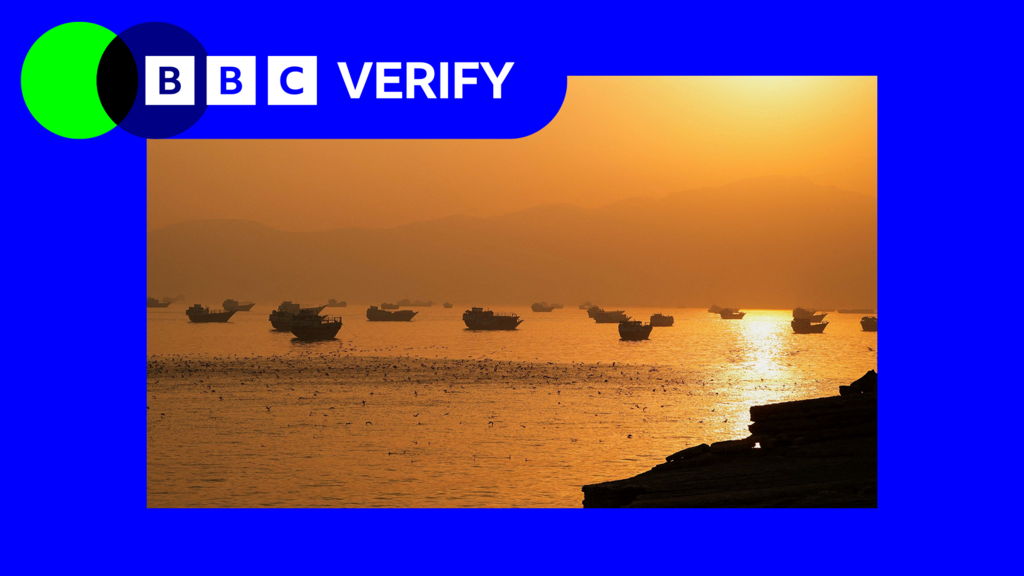
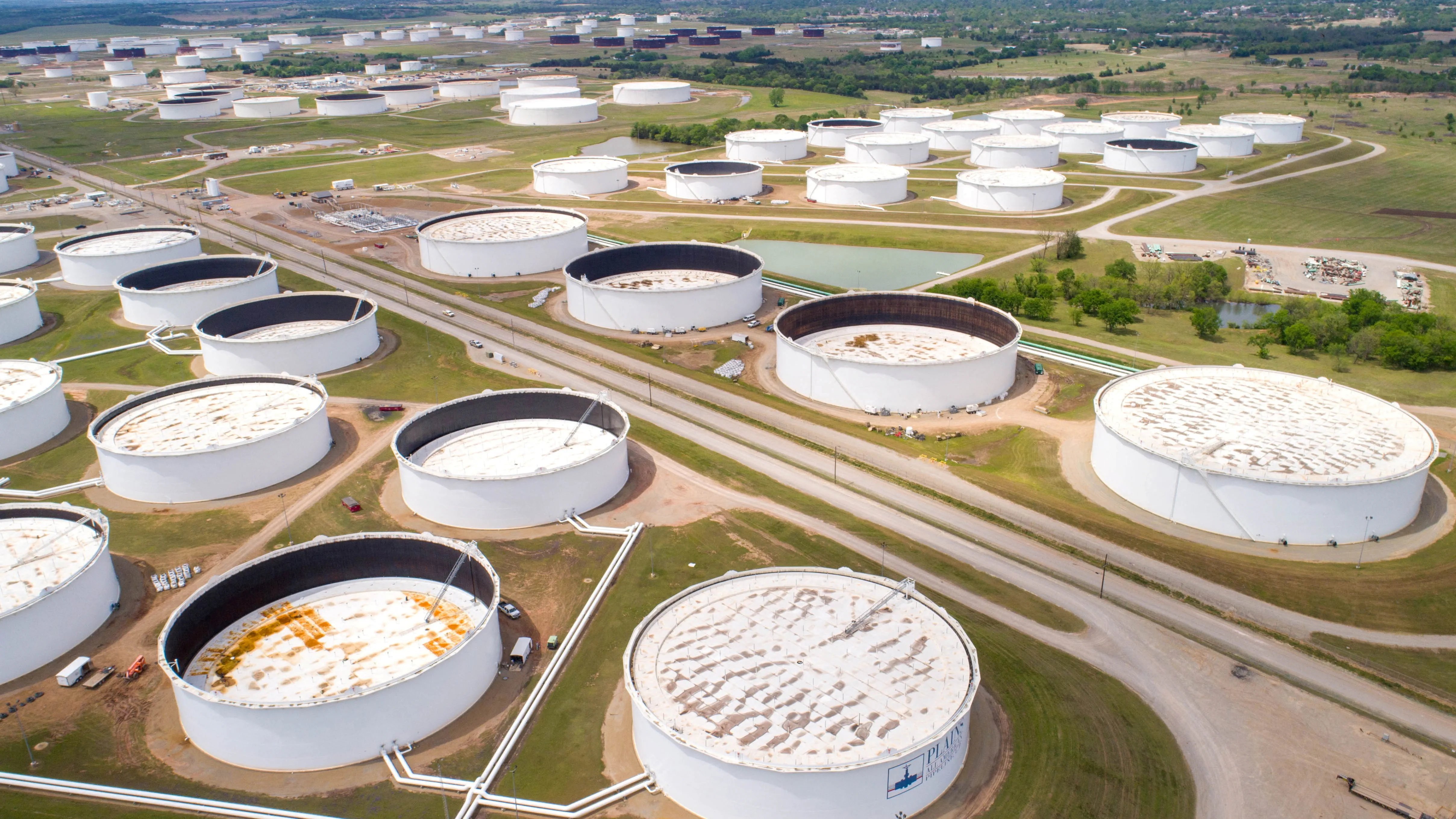
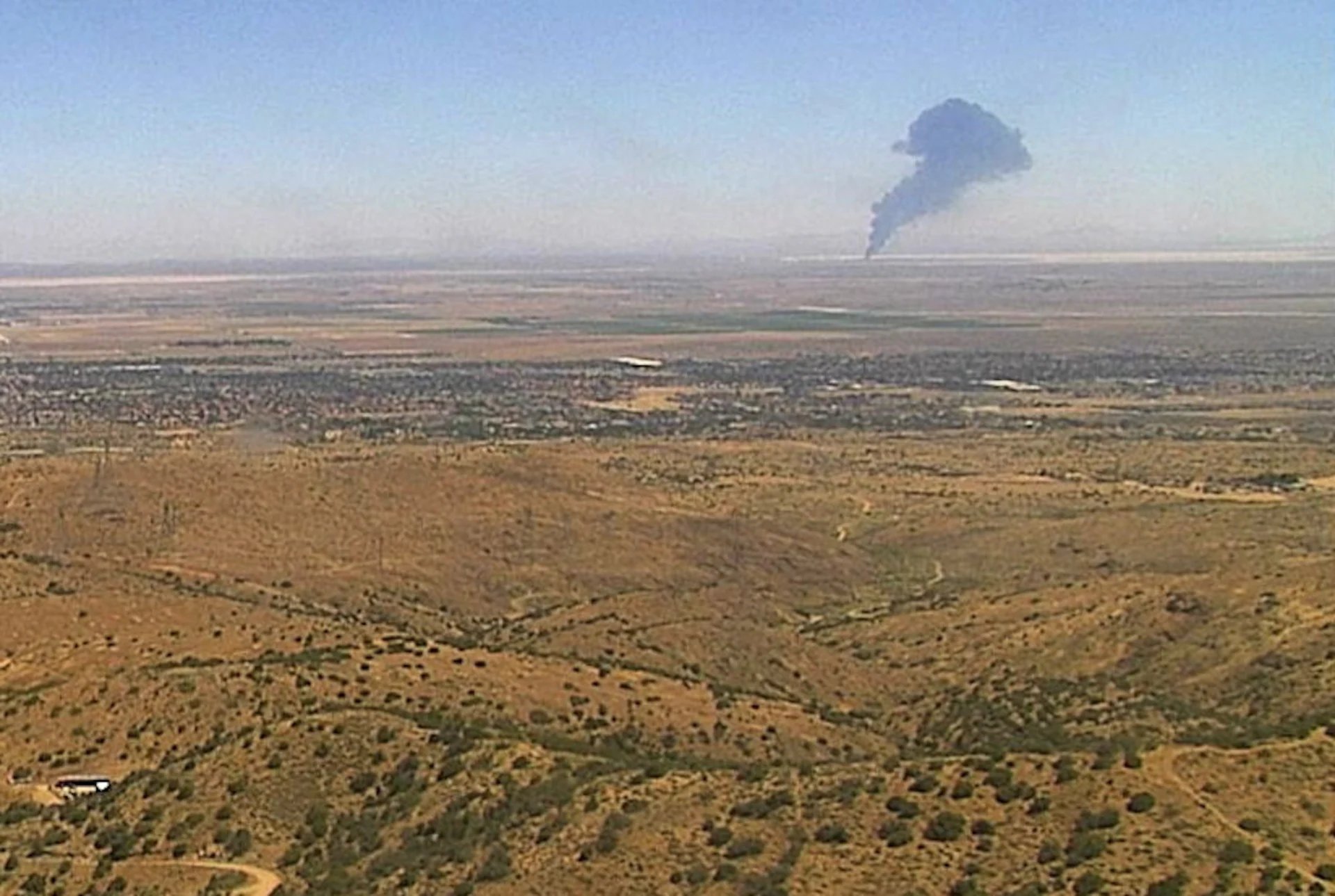
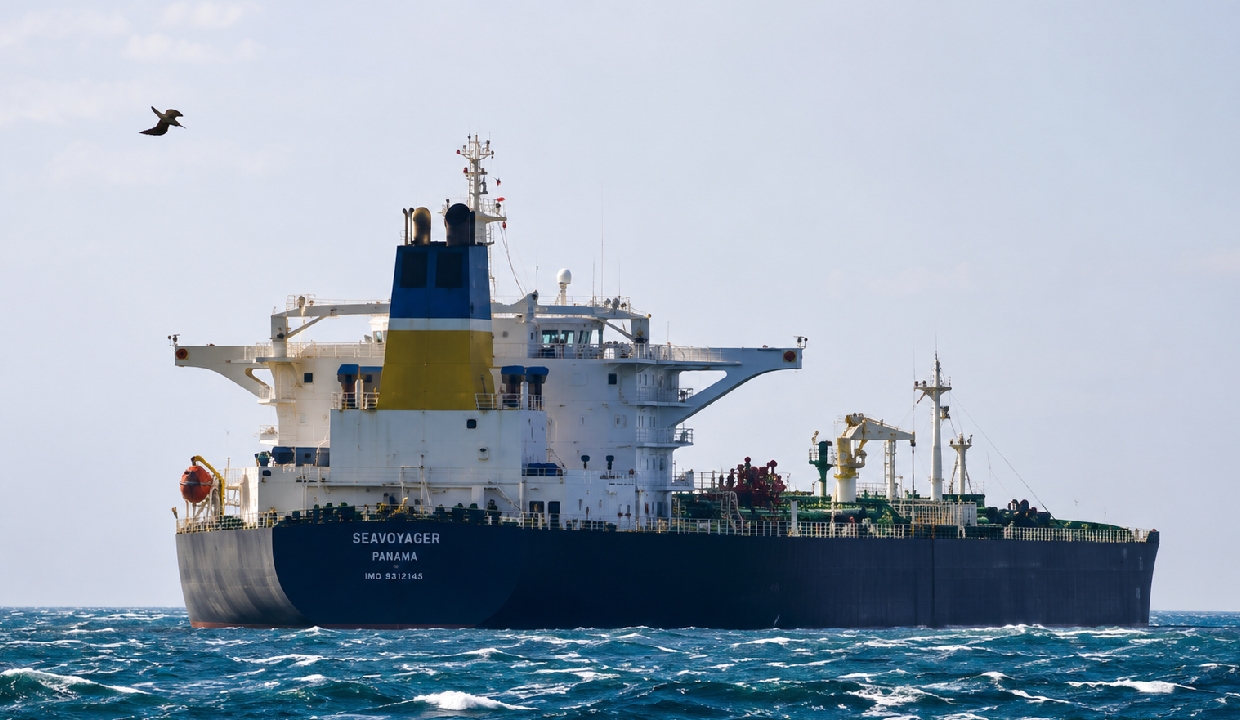
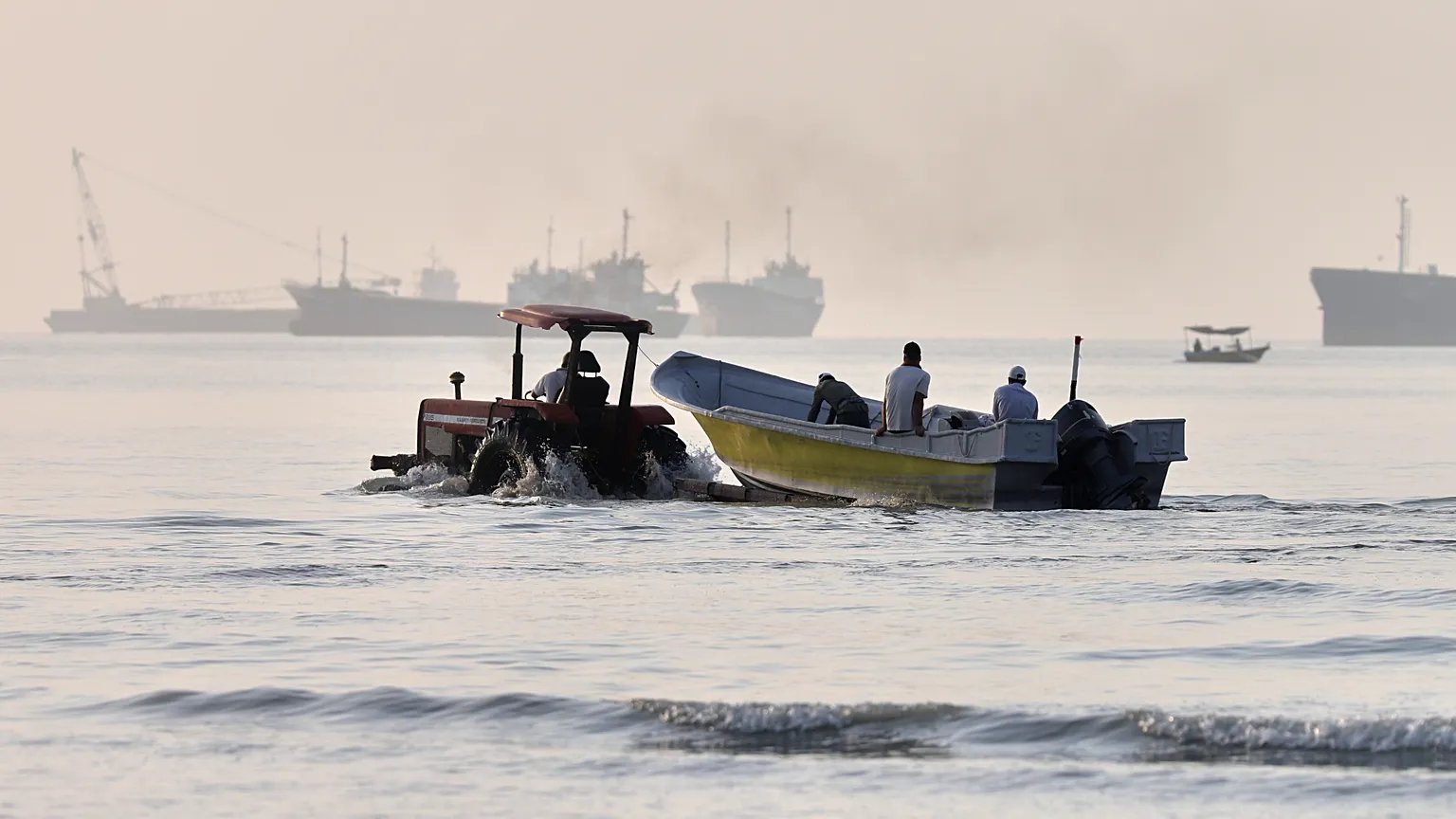
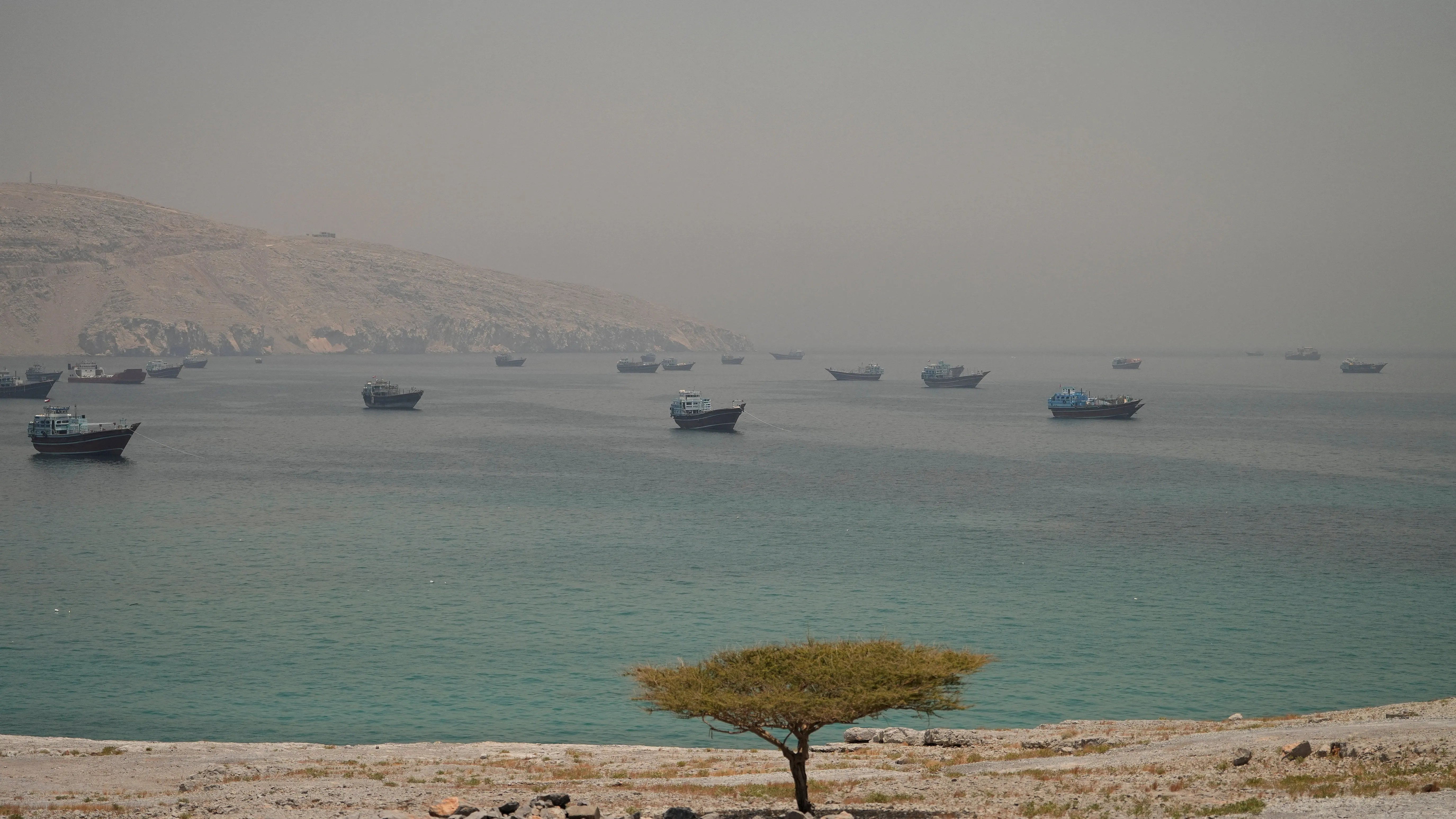
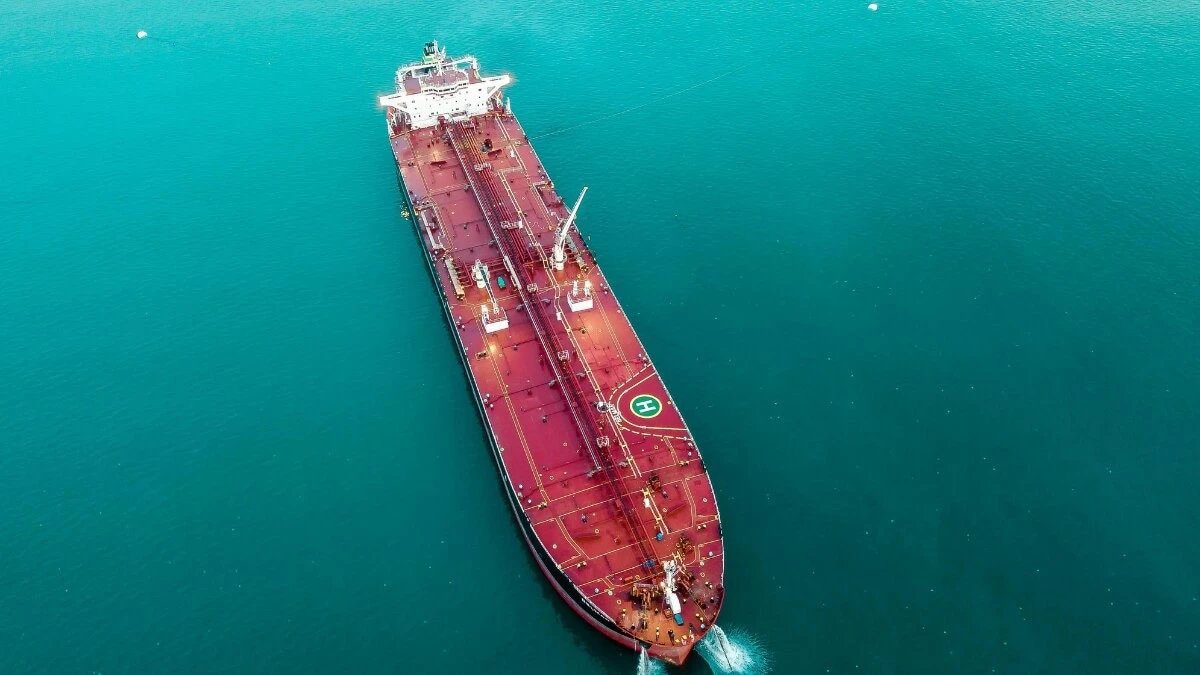
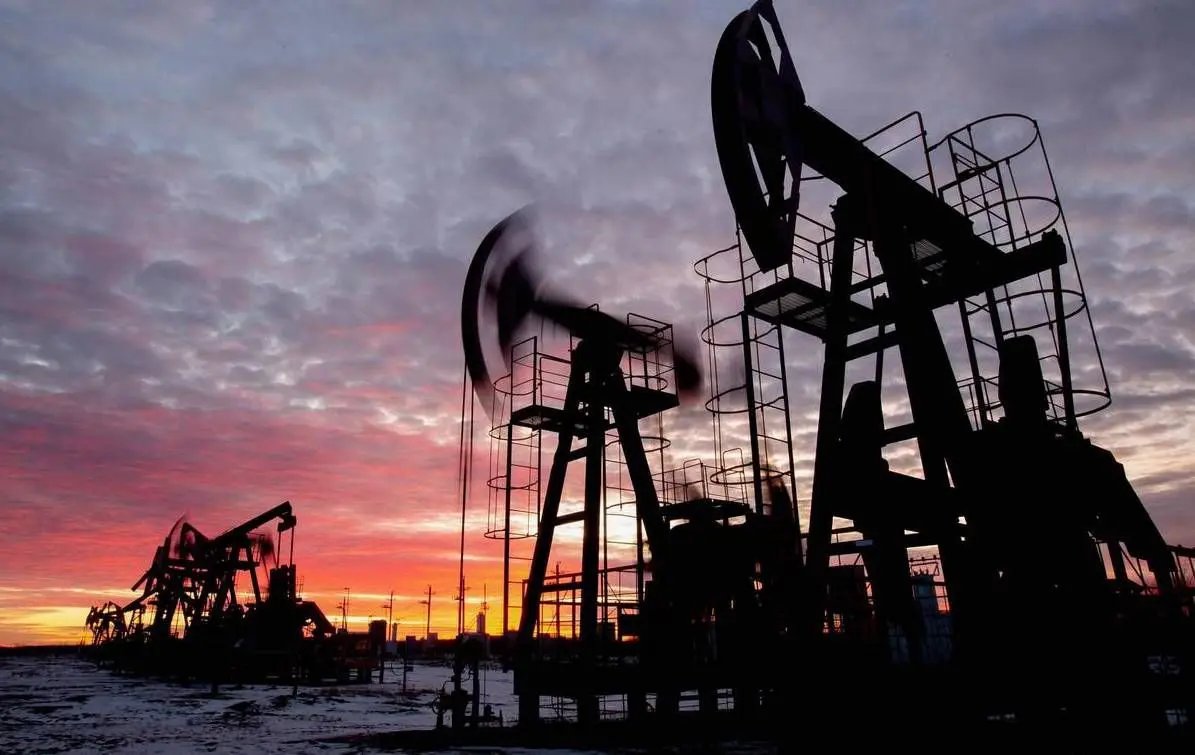
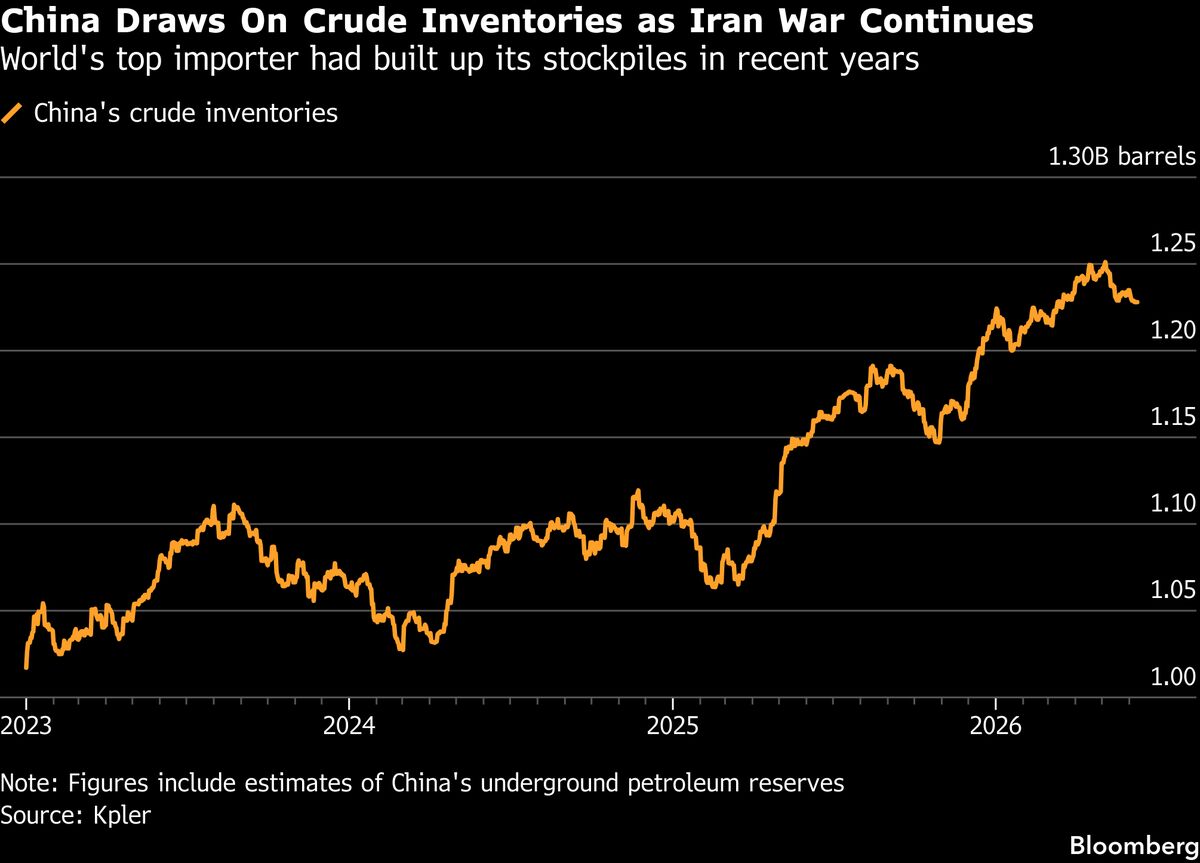
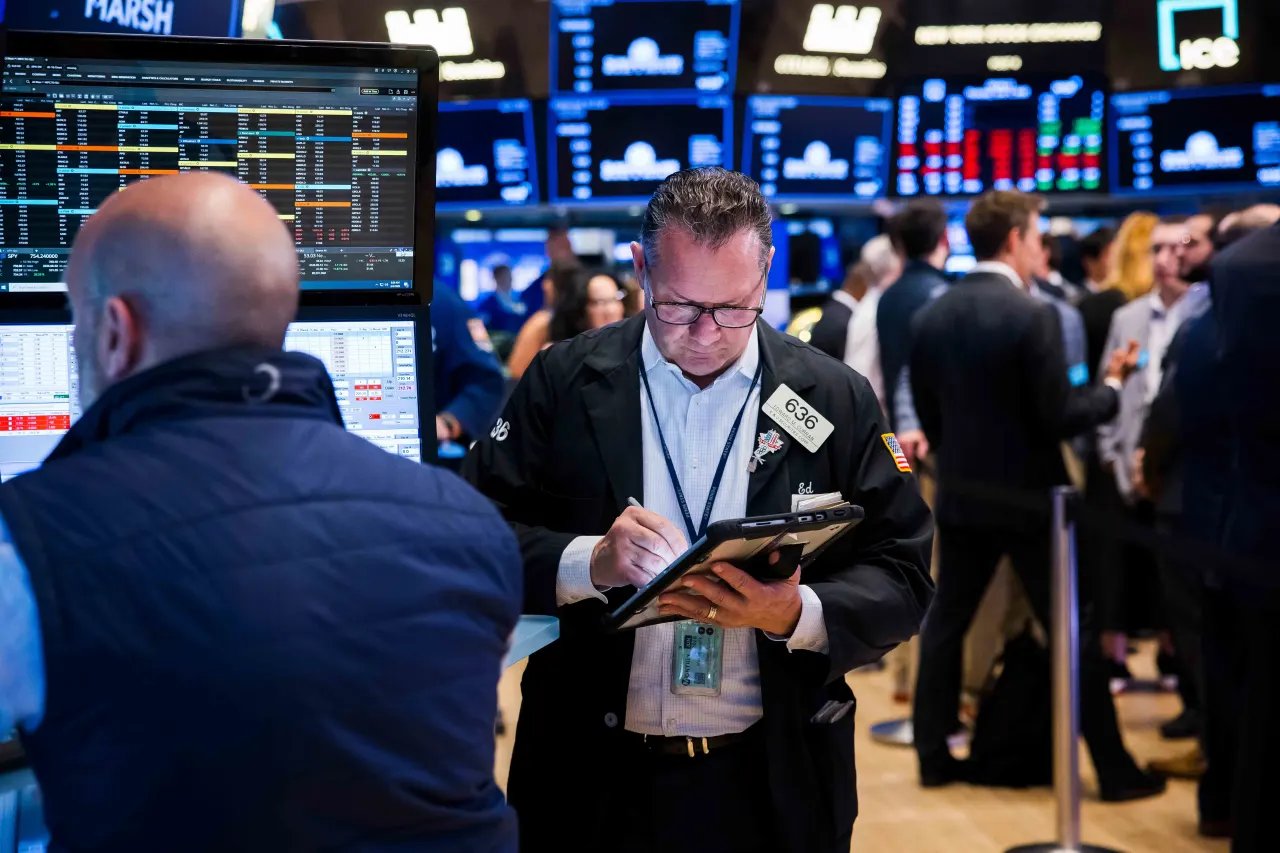
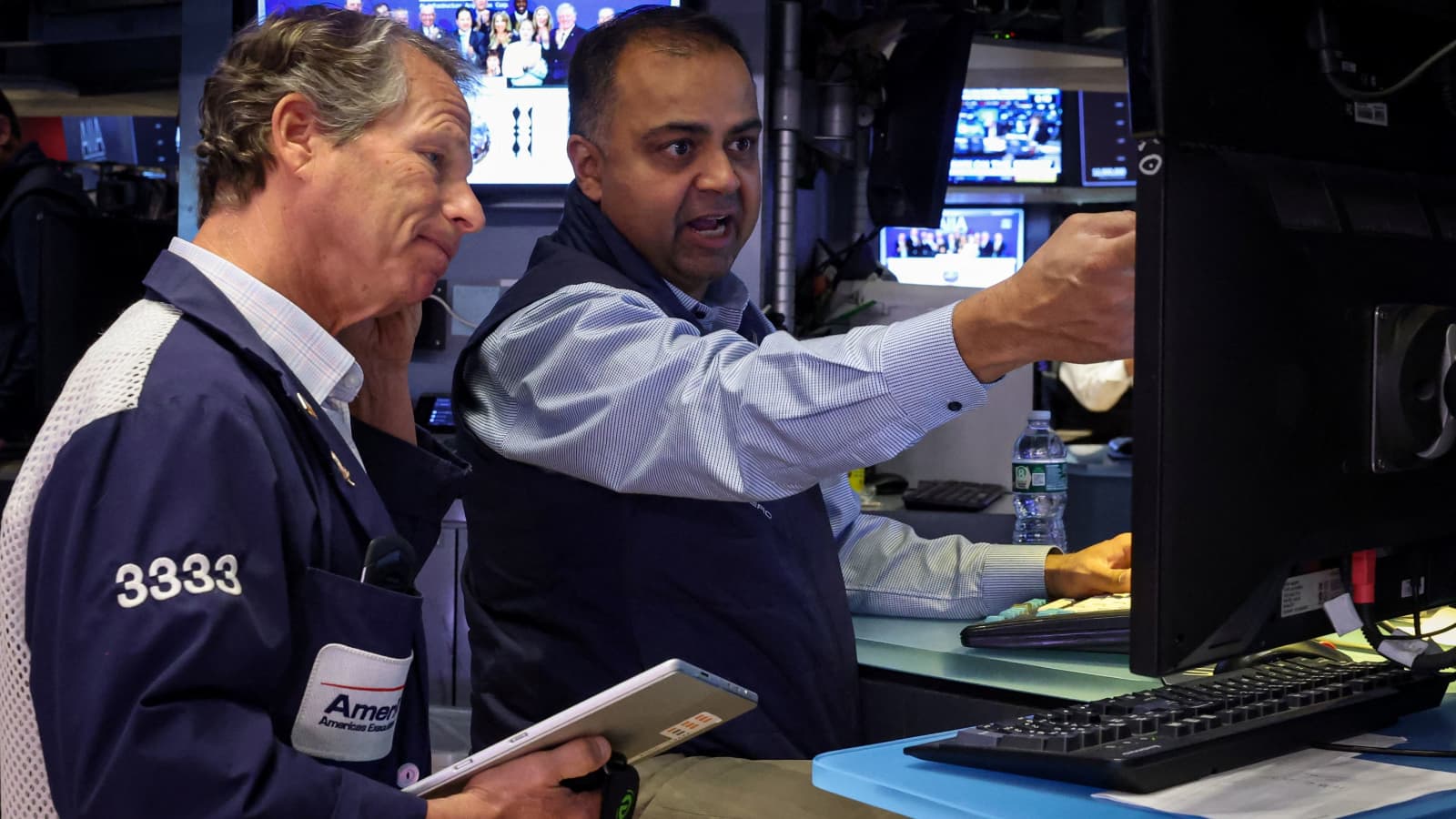
The potential U.S.-Iran peace agreement is expected to have significant economic consequences. Experts suggest that securing a ceasefire and reopening the Strait of Hormuz could stabilize oil prices, which have fluctuated dramatically during the ongoing conflict. President Trump projected confidence that the deal would lead to a "peace dividend," as European stock markets showed positive reactions, with oil prices decreasing by more than 2% following the announcement of the agreement. The reopening of the strait is crucial, as it accounts for approximately 20% of global oil shipments.
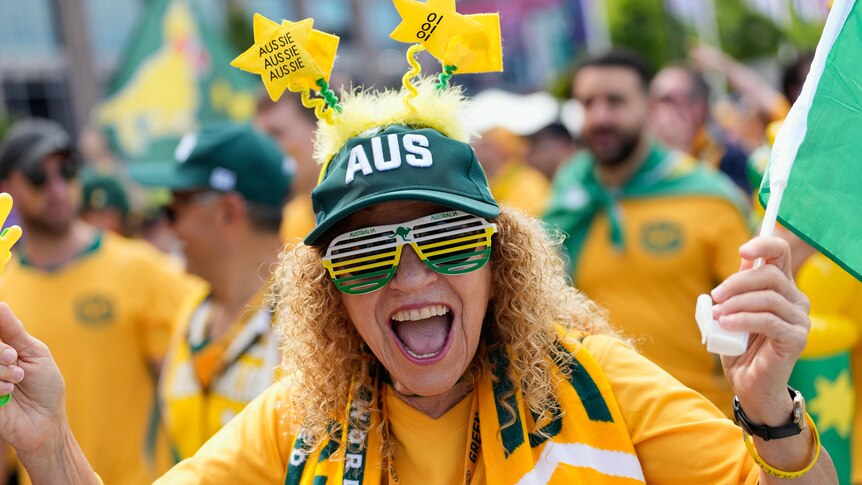
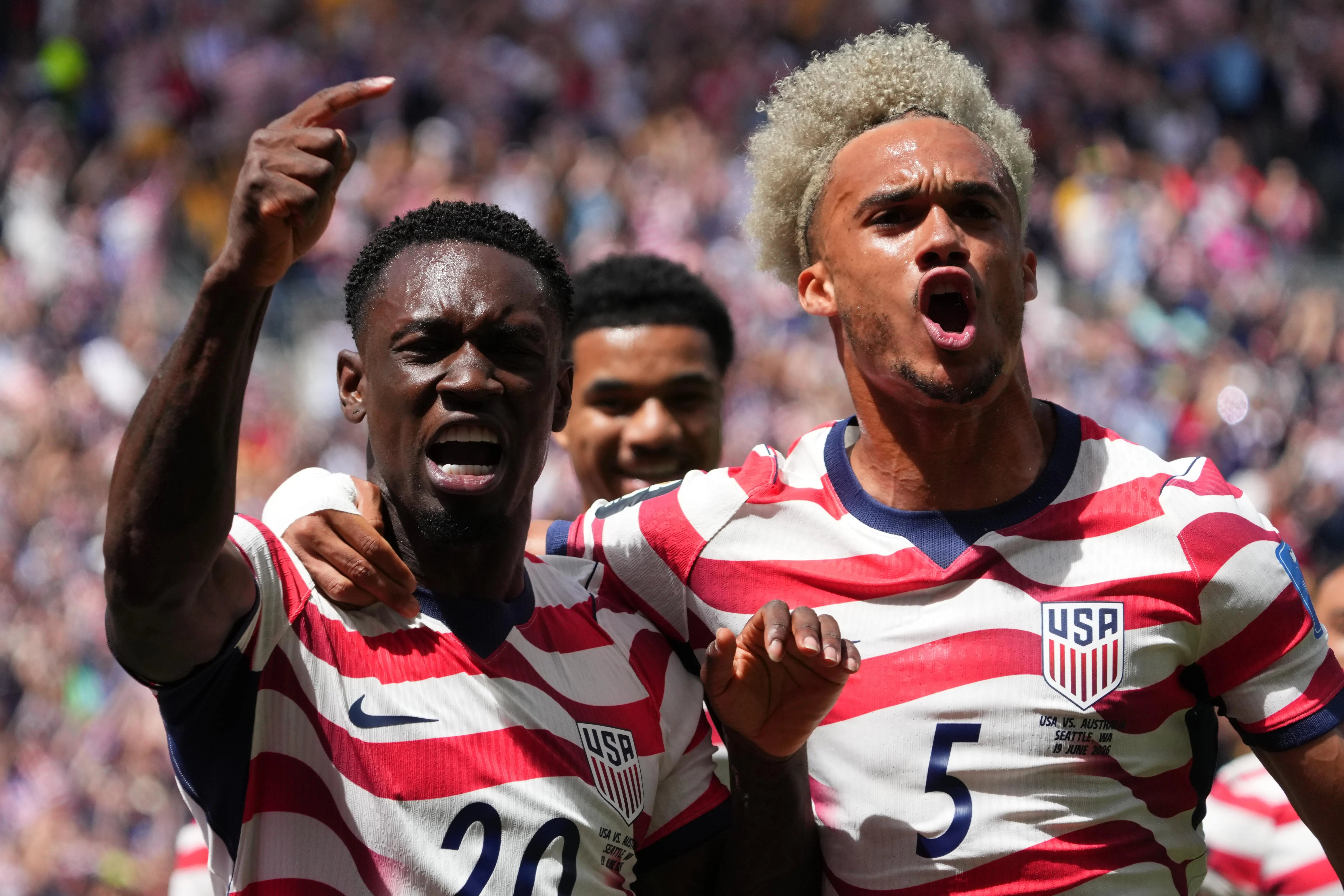
As the World Cup continues, thrilling moments unfold on the field. Cape Verde's goalkeeper Vozinha made headlines by holding Spain to a 0-0 draw, showcasing his remarkable skills at the age of 40. His performance resonated with fans, as Cape Verde celebrated its first-ever World Cup match. The tournament is set to feature a total of 104 games, with an estimated 5 billion viewers expected to tune in. U.S. team captain Tim Ream likened the event to "a Super Bowl every single day for five weeks," highlighting the global excitement surrounding the matches.
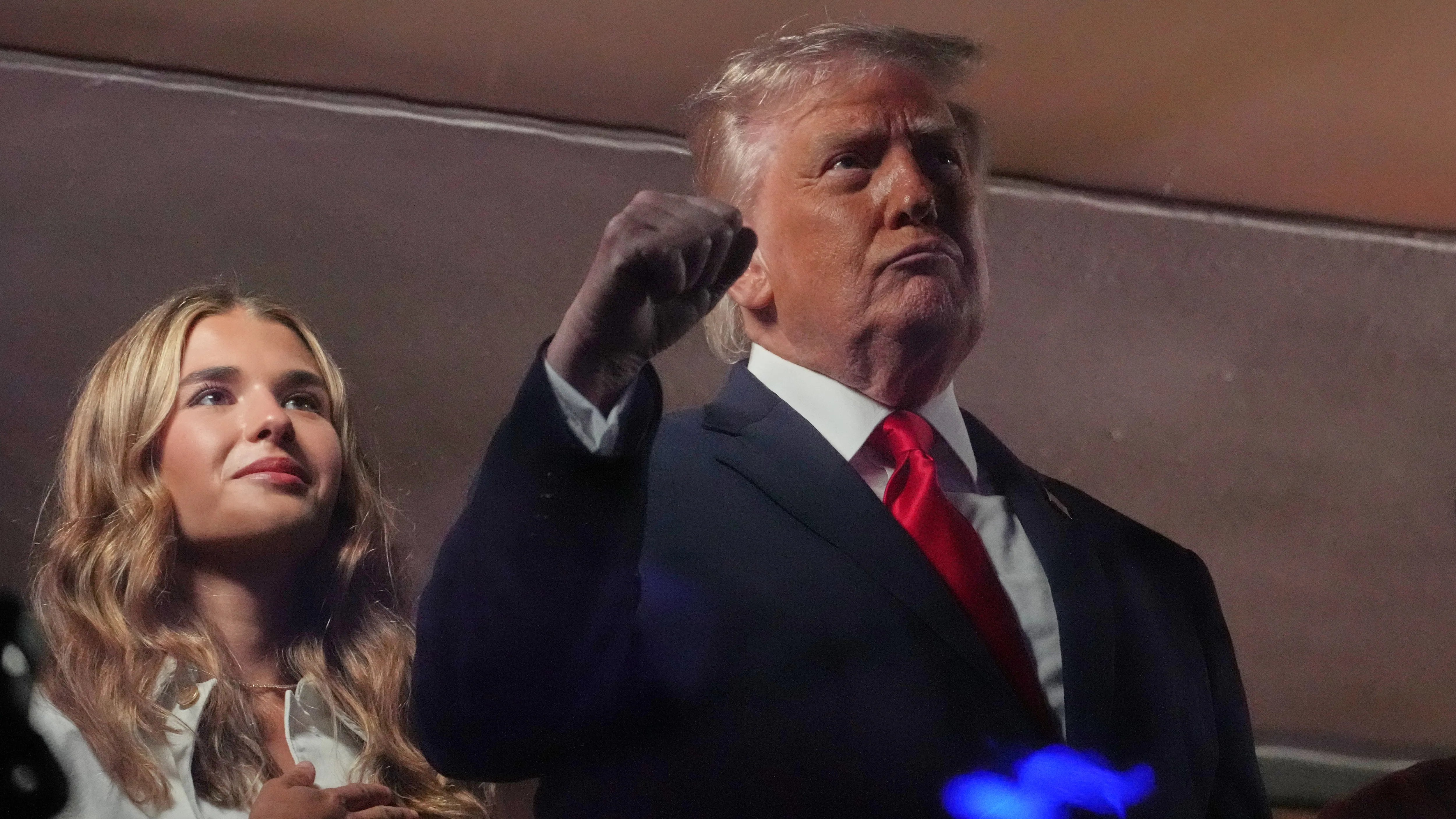
The ongoing negotiations between the U.S. and Iran to finalize a peace agreement have been complicated by Israel's insistence on maintaining military operations in Lebanon. Israeli Defense Minister Israel Katz stated that Israeli forces would remain in a security zone extending 25 miles into Lebanon, despite Iran's demand for a complete withdrawal as part of the peace deal. President Trump expressed dissatisfaction with Israel's handling of the situation, emphasizing that prolonged military actions could undermine the potential success of the agreement. "You don't have to knock down an apartment house every time you're looking for somebody," Trump remarked, highlighting the need for a more strategic approach.
Iranian officials have underscored that any agreement with the U.S. must include an end to Israeli military presence in Lebanon. Foreign Minister Abbas Araghchi articulated that the Iranian perspective views the negotiations as involving both the U.S. and Israel on one side and Iran and Hezbollah on the other. He warned that any continued Israeli occupation would be considered a violation of the prospective deal. This sentiment was echoed by Deputy Foreign Minister Majid Takht-Ravanchi, who emphasized that Israel's actions could trigger a response under the terms of the memorandum of understanding.
As the World Cup unfolds, the Iranian national team has faced significant pressure due to the ongoing geopolitical tensions. Following a 2-2 draw against New Zealand, the team's coach, Amir Ghalenoei, expressed frustration over being ordered to leave the U.S. immediately after the match, citing inadequate recovery time for his players. "They didn't even give us time to recover," he stated. This situation reflects the broader disarray surrounding Iran's participation in the tournament, compounded by visa issues and a last-minute relocation of their training camp to Tijuana, Mexico.
The Iranian diaspora in the U.S. has shown mixed feelings about supporting the national team, with many fans protesting against the Iranian regime while still celebrating their team's achievements. During the match, Iranian Americans displayed the pre-revolutionary lion-and-sun flag, which FIFA had banned. This act of defiance symbolized the deep-rooted conflict between pride in national identity and opposition to the current political regime. Iranian fans shared a common goal of wanting to support their players while also voicing dissent against the government.
The potential U.S.-Iran peace agreement is expected to have significant economic consequences. Experts suggest that securing a ceasefire and reopening the Strait of Hormuz could stabilize oil prices, which have fluctuated dramatically during the ongoing conflict. President Trump projected confidence that the deal would lead to a "peace dividend," as European stock markets showed positive reactions, with oil prices decreasing by more than 2% following the announcement of the agreement. The reopening of the strait is crucial, as it accounts for approximately 20% of global oil shipments.
As the World Cup continues, thrilling moments unfold on the field. Cape Verde's goalkeeper Vozinha made headlines by holding Spain to a 0-0 draw, showcasing his remarkable skills at the age of 40. His performance resonated with fans, as Cape Verde celebrated its first-ever World Cup match. The tournament is set to feature a total of 104 games, with an estimated 5 billion viewers expected to tune in. U.S. team captain Tim Ream likened the event to "a Super Bowl every single day for five weeks," highlighting the global excitement surrounding the matches.
The intersection of sports and politics remains a contentious theme throughout the World Cup, particularly for the Iranian team. As negotiations between the U.S. and Iran progress, the complexities of international relations are mirrored in the experiences of fans and players alike. The upcoming days will reveal whether the peace negotiations can lead to a lasting resolution while maintaining the spirit of the World Cup, where fans unite to celebrate their love for the game amidst the backdrop of geopolitical turmoil.
Highlighted text was flagged by the council. Tap to see feedback.