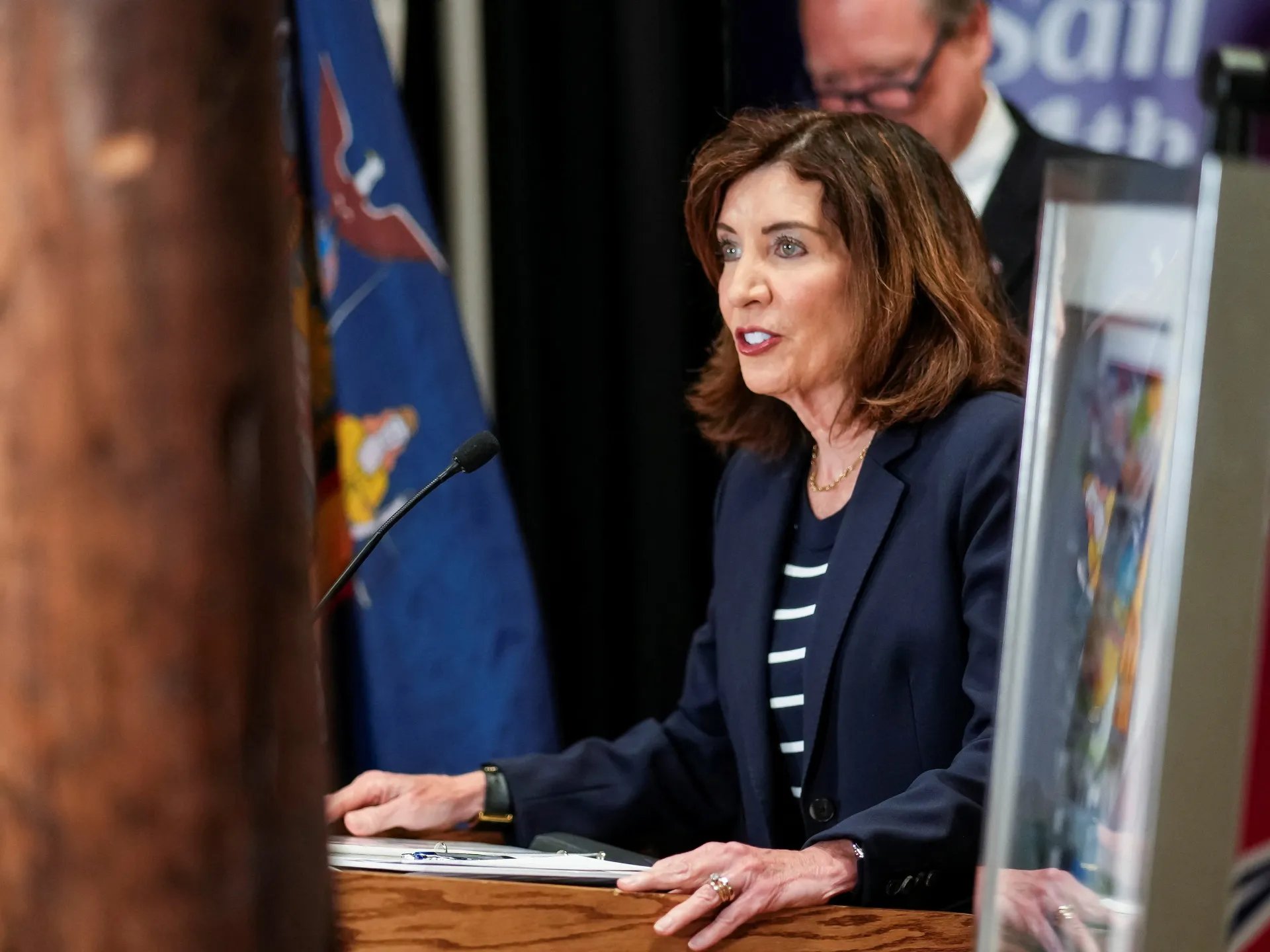
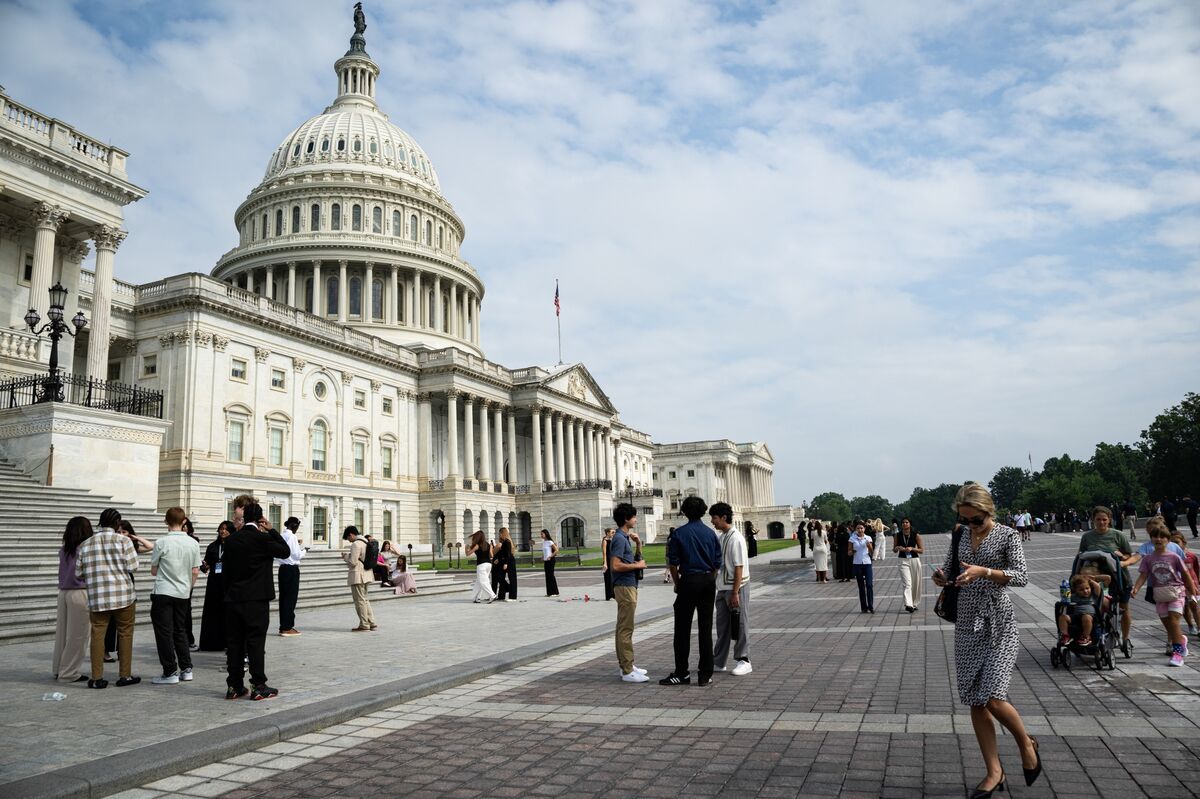
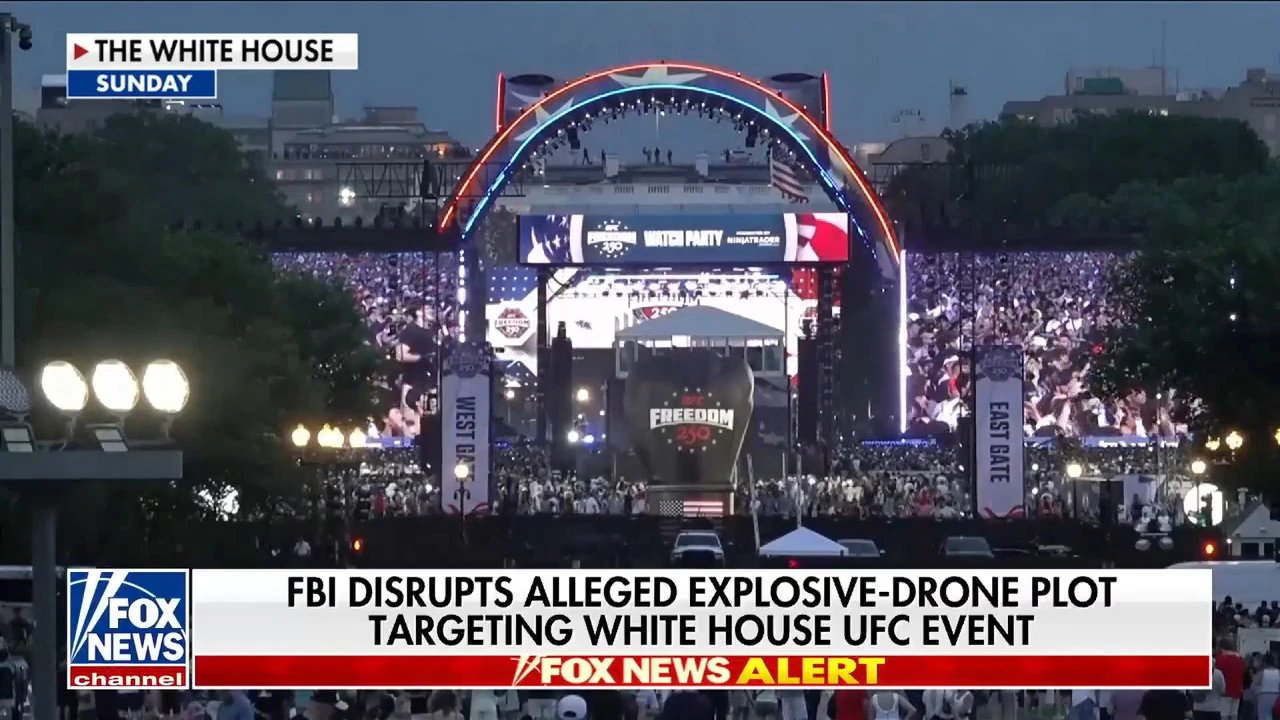
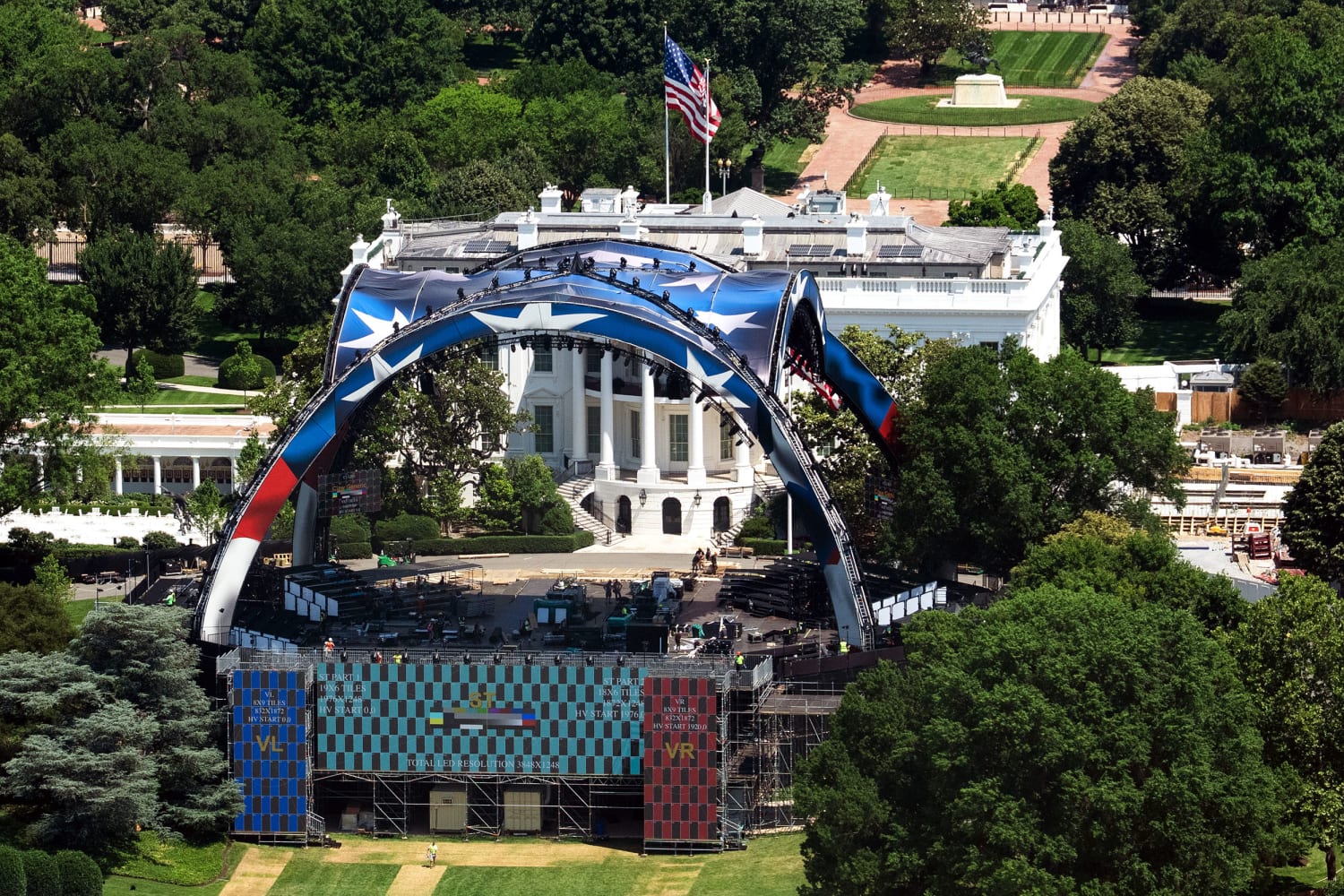
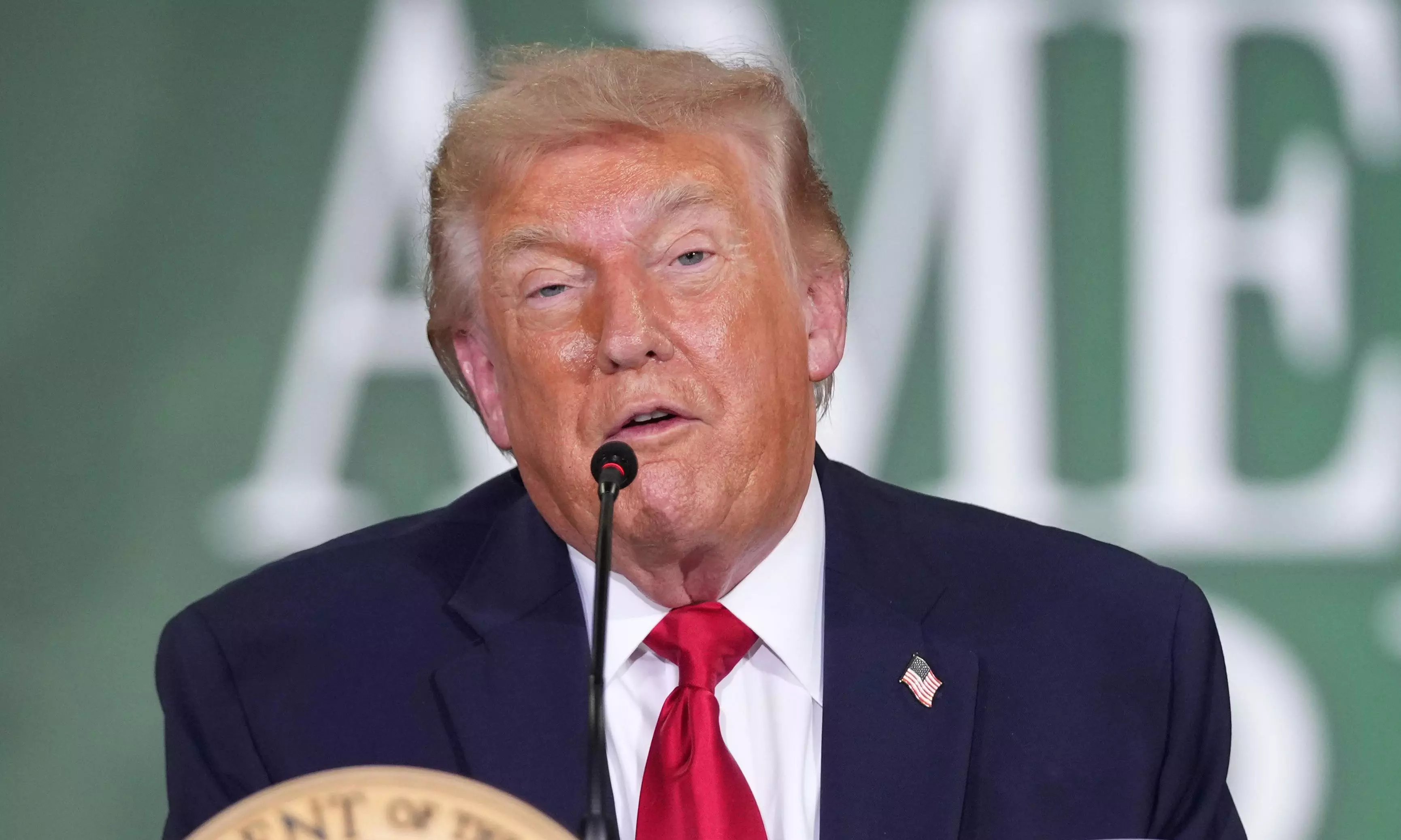
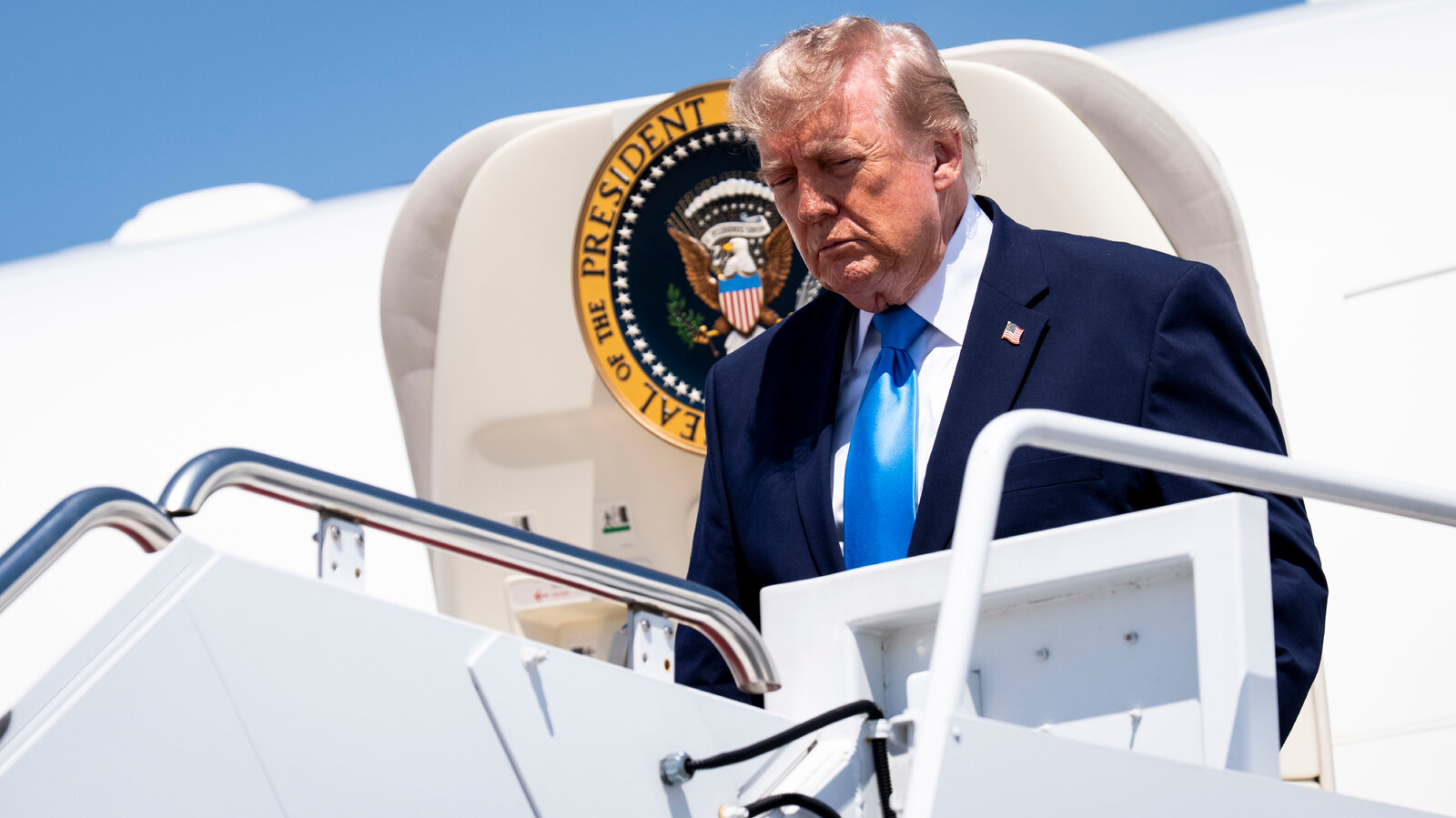
Michigan Governor Gretchen Whitmer has issued a stern warning regarding the deployment of the state's National Guard troops in Washington, D.C. In a letter to the head of Michigan's National Guard, Whitmer emphasized that her troops are to support only the America 250 celebrations, not President Trump's controversial task force aimed at crime reduction. "Please take all necessary measures to ensure the Michigan National Guard is only supporting the narrow and limited America 250 Mission," she stated, threatening to withdraw her troops if they are used for other purposes.
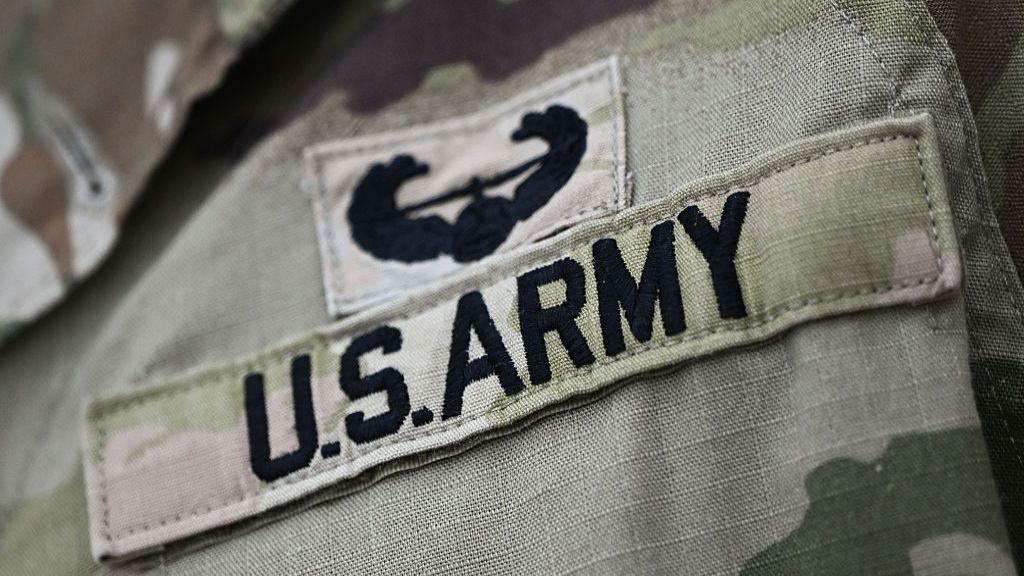
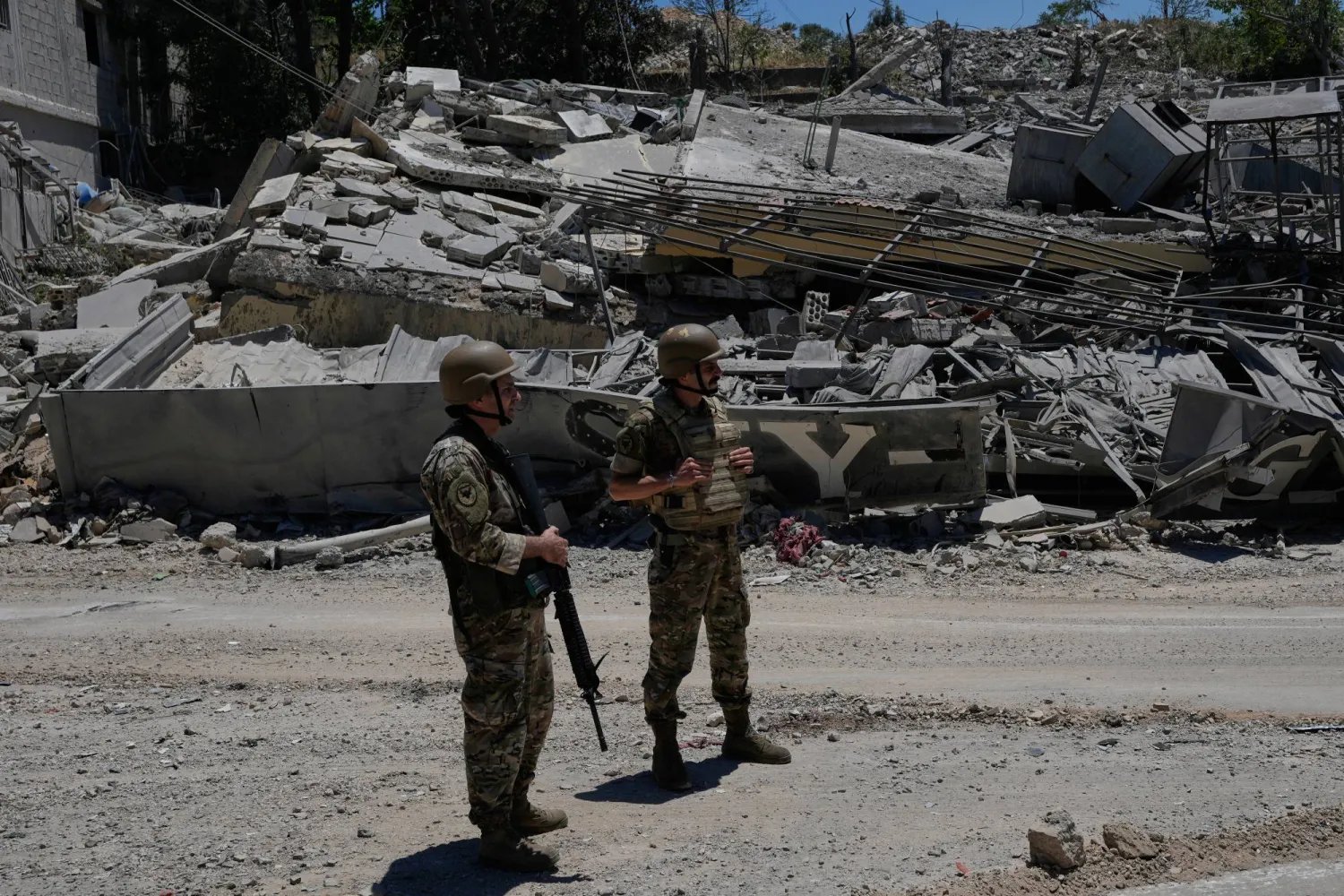
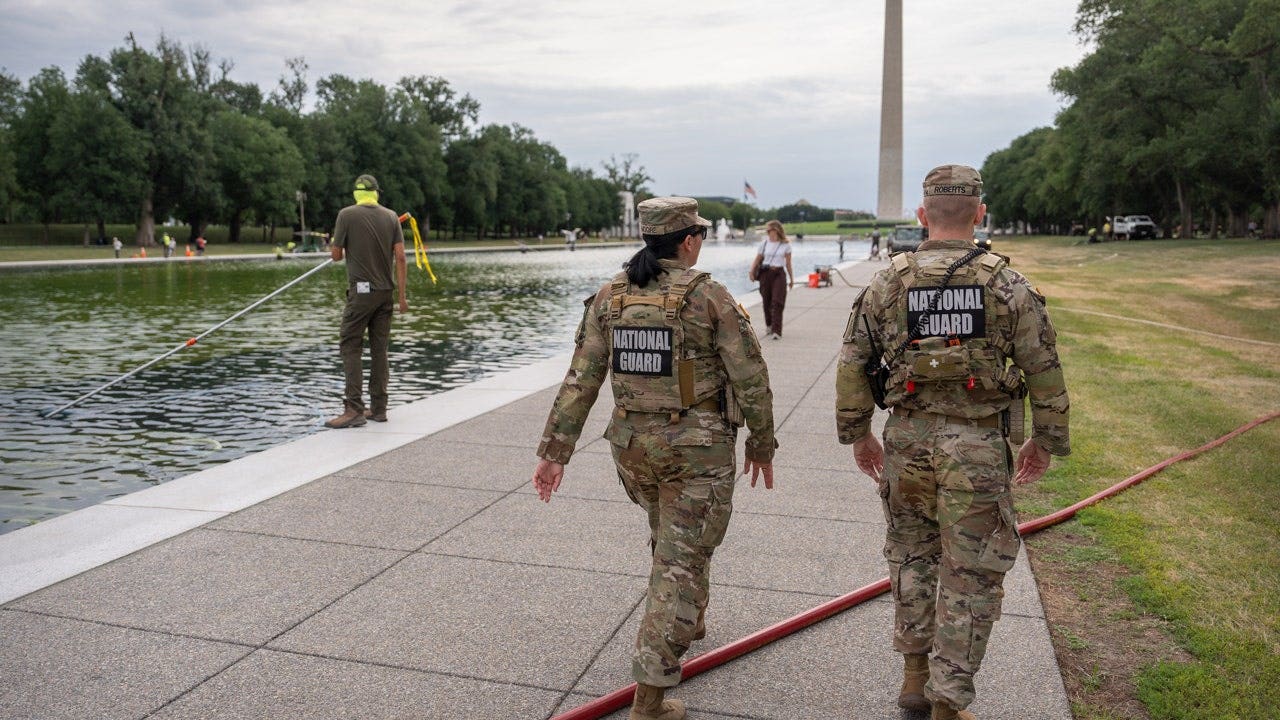
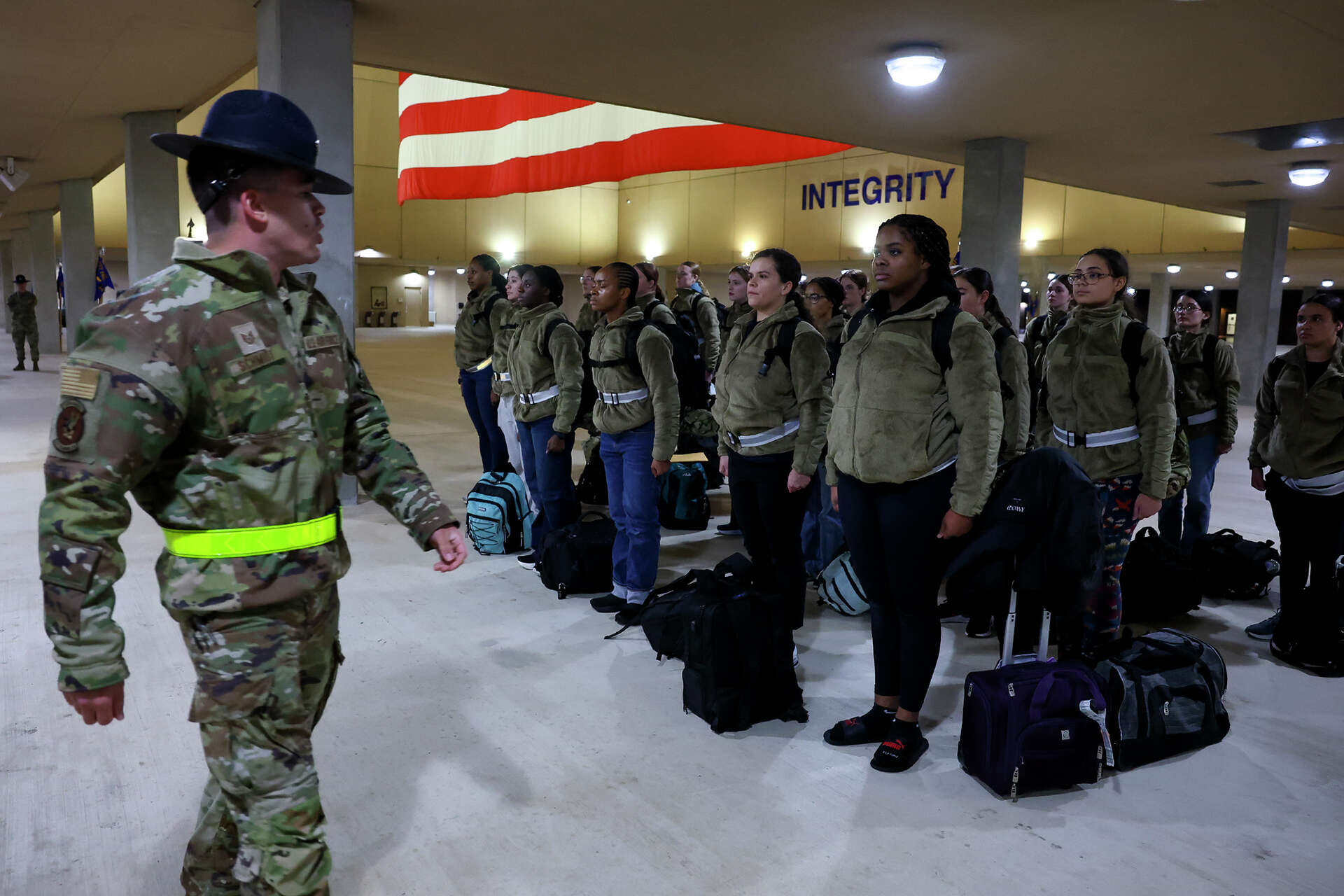
The Michigan National Guard currently has 161 members stationed in D.C., part of a larger contingent of over 4,800 troops from various states. This deployment has drawn scrutiny, particularly as the number of troops has increased under the Trump administration, which has been accused of politicizing military resources. Alongside Michigan, only three other Democratic-led states—North Carolina, Kentucky, and Minnesota—have sent troops, with Kentucky recalling its single member after concerns about the task force's scope.
Whitmer's position reflects a broader concern among Democratic governors about the federal government's use of National Guard troops for purposes beyond their original mission. Legal experts have expressed skepticism about the feasibility of separating the America 250 celebrations from the overarching crime initiative. The Michigan governor's letter highlights the ongoing tension between state and federal control over National Guard deployments, as all troops are currently operating under Title 32 status, which allows state control while federal funding covers the costs.
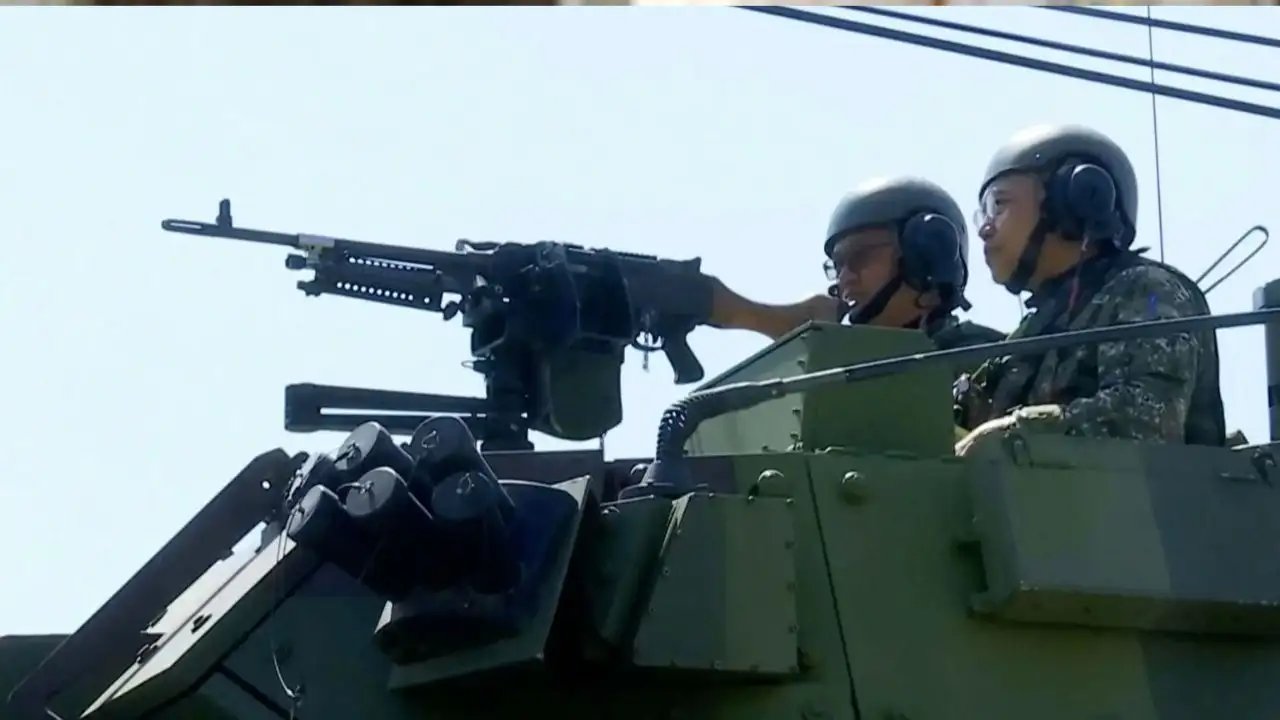
Concerns have escalated following the emergence of a video showing Michigan National Guard troops patrolling the Georgetown waterfront, which is not associated with the America 250 events. Whitmer's office did not immediately confirm whether the troops in the video were indeed from Michigan. The presence of troops in areas unrelated to the celebrations has raised alarms about the potential misuse of state resources under federal directives.
Governor Whitmer's threat to withdraw her troops is indicative of a larger pattern of state resistance against federal overreach, particularly in military matters.
Whitmer's warning underscores the intricate balance of power between states and the federal government, particularly regarding National Guard usage in politically charged contexts.
As the America 250 celebrations approach, how Governor Whitmer navigates her authority over the National Guard will be closely monitored. She has called for clarity on the mission of her troops and has made it clear that Michigan's participation hinges on their proper use. The outcome of this conflict could have lasting effects on the relationship between state and federal authorities, as well as on military deployment policies across the nation.
Michigan Governor Gretchen Whitmer has issued a stern warning regarding the deployment of the state's National Guard troops in Washington, D.C. In a letter to the head of Michigan's National Guard, Whitmer emphasized that her troops are to support only the America 250 celebrations, not President Trump's controversial task force aimed at crime reduction. "Please take all necessary measures to ensure the Michigan National Guard is only supporting the narrow and limited America 250 Mission," she stated, threatening to withdraw her troops if they are used for other purposes.
The Michigan National Guard currently has 161 members stationed in D.C., part of a larger contingent of over 4,800 troops from various states. This deployment has drawn scrutiny, particularly as the number of troops has increased under the Trump administration, which has been accused of politicizing military resources. Alongside Michigan, only three other Democratic-led states—North Carolina, Kentucky, and Minnesota—have sent troops, with Kentucky recalling its single member after concerns about the task force's scope.
Whitmer’s position reflects a broader concern among Democratic governors about the federal government's use of National Guard troops for purposes beyond their original mission. Legal experts have expressed skepticism about the feasibility of separating the America 250 celebrations from the overarching crime initiative. The Michigan governor's letter highlights the ongoing tension between state and federal control over National Guard deployments, as all troops are currently operating under Title 32 status, which allows state control while federal funding covers the costs.
Concerns have escalated following the emergence of a video showing Michigan National Guard troops patrolling the Georgetown waterfront, which is not associated with the America 250 events. Whitmer’s office did not immediately confirm whether the troops in the video were indeed from Michigan. The presence of troops in areas unrelated to the celebrations has raised alarms about the potential misuse of state resources under federal directives.
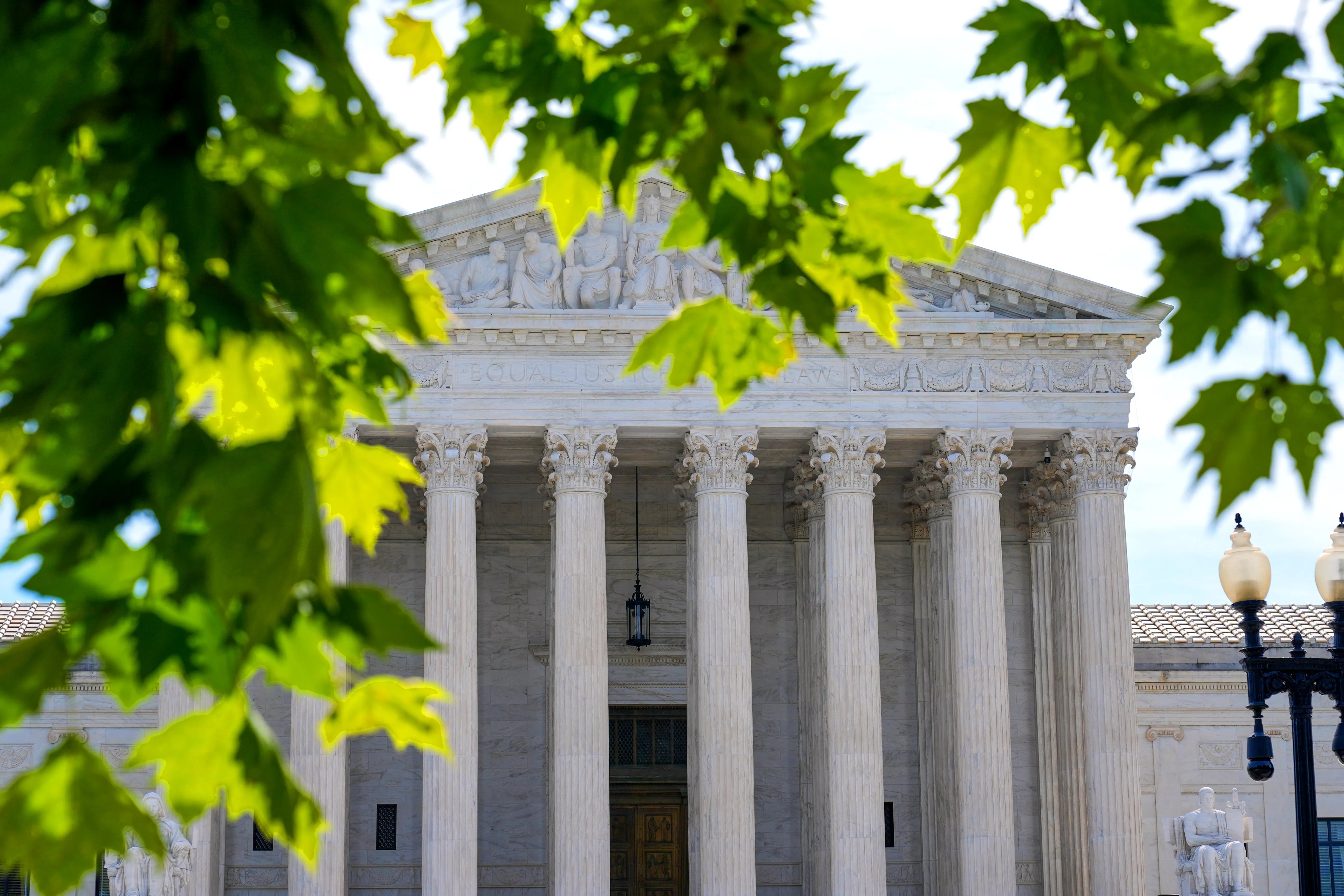
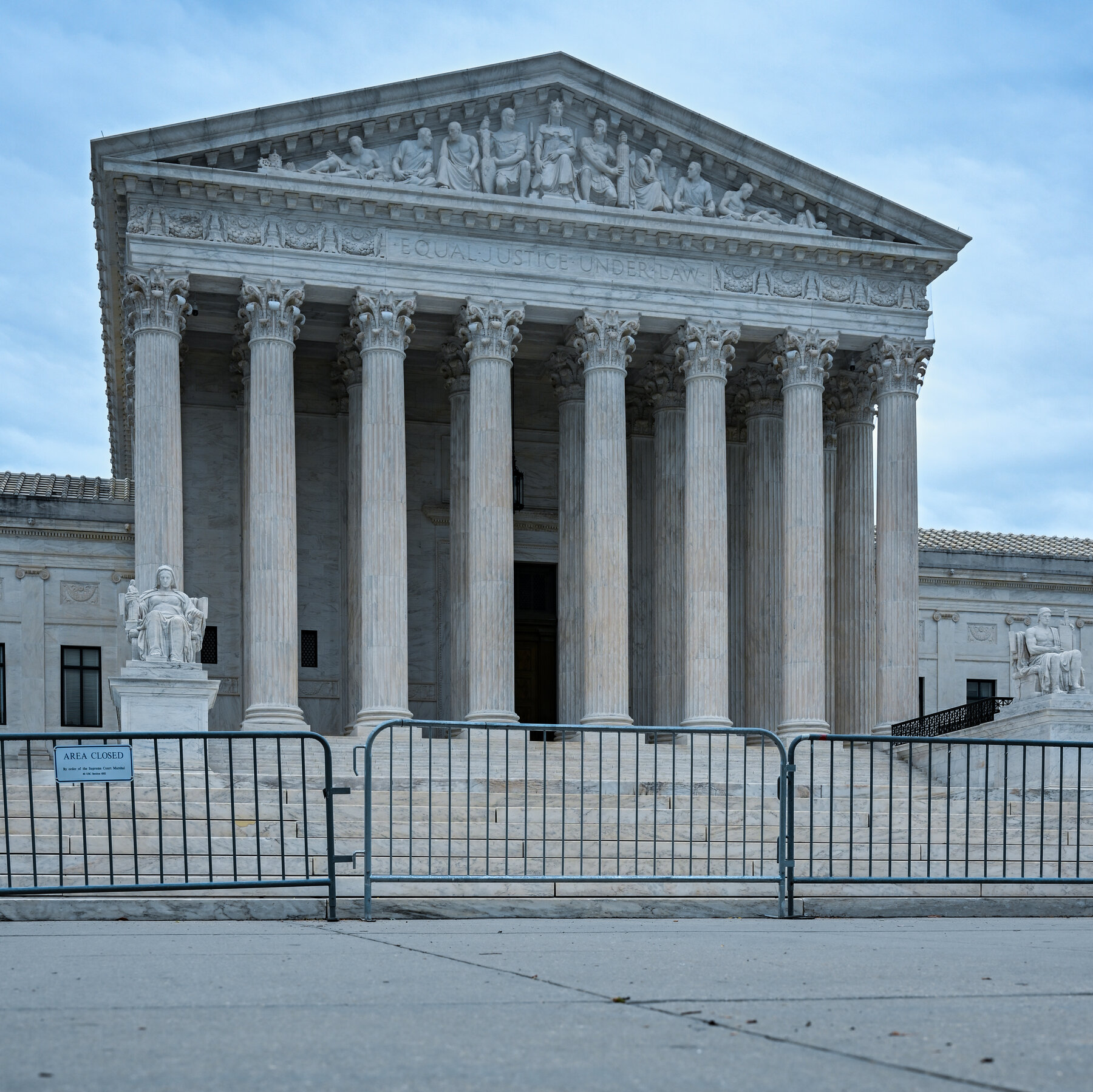
Governor Whitmer's threat to withdraw her troops is indicative of a larger pattern of state resistance against federal overreach, particularly in military matters. This situation mirrors other conflicts involving the Trump administration, including recent Supreme Court rulings that have bolstered executive power. Notably, the court ruled that the president could not immediately fire Federal Reserve Governor Lisa Cook, emphasizing the importance of due process even amid political disputes.
Whitmer's warning could set a precedent for how states respond to federal military deployments in the future. If she follows through on her threat, it may embolden other governors to assert their authority over the National Guard, potentially challenging federal directives. This situation underscores the intricate balance of power between states and the federal government, particularly regarding National Guard usage in politically charged contexts.
As the America 250 celebrations approach, how Governor Whitmer navigates her authority over the National Guard will be closely monitored. She has called for clarity on the mission of her troops and has made it clear that Michigan's participation hinges on their proper use. The outcome of this conflict could have lasting effects on the relationship between state and federal authorities, as well as on military deployment policies across the nation.
Highlighted text was flagged by the council. Tap to see feedback.