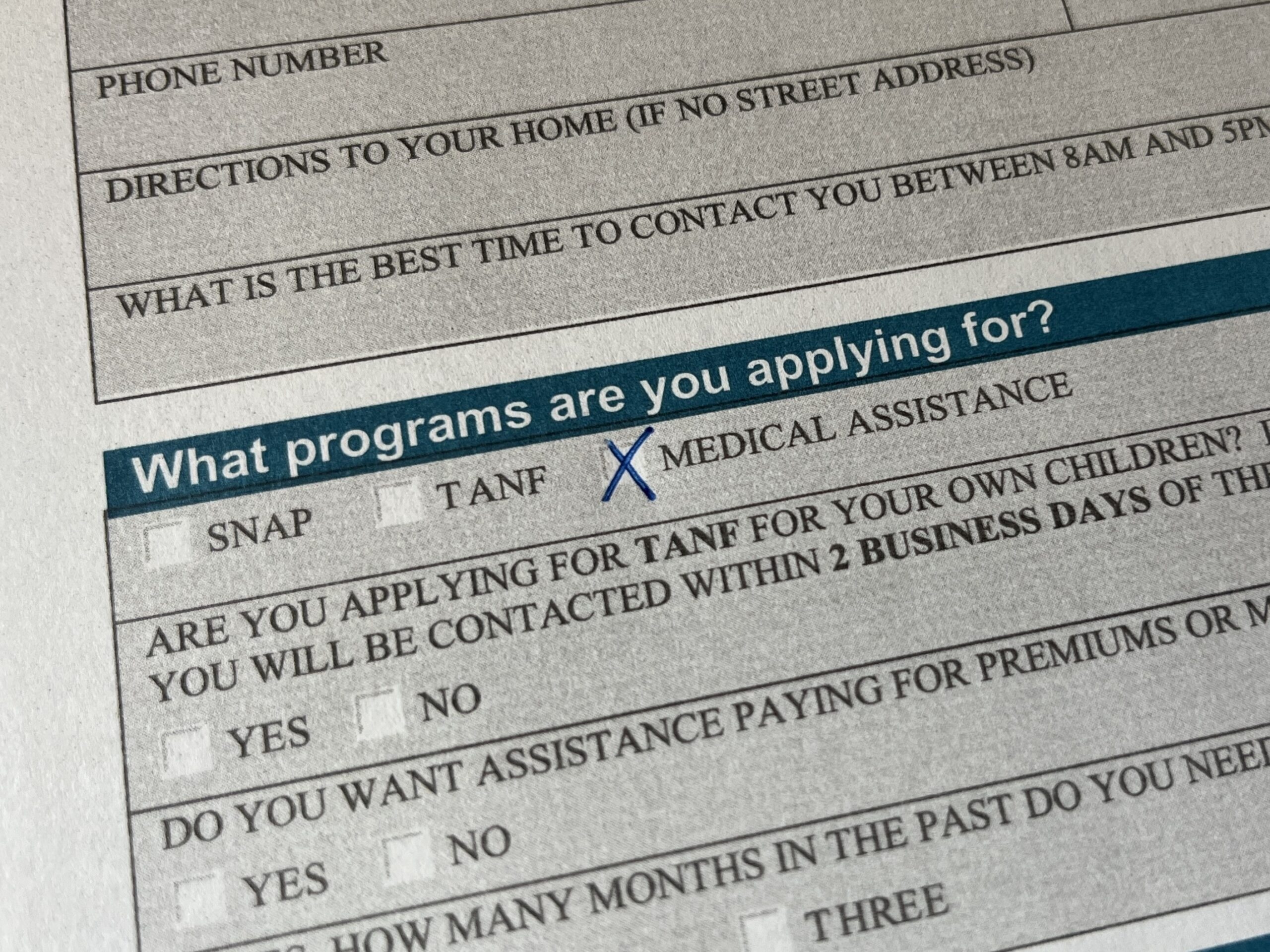
Adults on Medicaid will face new work requirements that mandate 80 hours of work per month. Under these rules, individuals must demonstrate that they are too ill to work in order to qualify for exemptions.
Advocates argue that the new requirements could disproportionately affect individuals with chronic illnesses, such as cancer and HIV. These patients often face significant barriers to employment due to their health conditions. The rule is expected to complicate the process of maintaining Medicaid coverage, ultimately threatening access to essential healthcare services.
The new rules, which apply to 42 states and the District of Columbia, are part of the One Big Beautiful Bill Act. This legislation outlines how states should implement work requirements for Medicaid. Experts have raised concerns about the ability of states to effectively manage these requirements, particularly in terms of determining who qualifies for exemptions based on health status.
The potential for losing Medicaid coverage due to work requirements raises alarms about the broader implications for public health. Many individuals rely on Medicaid for necessary treatments and medications. The change may result in increased healthcare costs for the state and a surge in uninsured patients seeking emergency care, ultimately placing additional strain on an already burdened healthcare system.
The introduction of these work requirements marks a significant shift in Medicaid policy, with direct implications for the health and financial stability of individuals battling chronic illnesses.
Starting this month, adults on Medicaid will face new work requirements that mandate 80 hours of work per month. Under these rules, individuals must demonstrate that they are too ill to work in order to qualify for exemptions. The Trump administration has stated that this change aims to promote workforce participation among low-income individuals, but advocates warn that it could jeopardize health coverage for many vulnerable patients.
Advocates from the National Health Law Program and other organizations argue that the new requirements could disproportionately affect individuals with chronic illnesses, such as cancer and HIV. These patients often face significant barriers to employment due to their health conditions. The rule is expected to complicate the process of maintaining Medicaid coverage, ultimately threatening access to essential healthcare services.
The new rules, which apply to 42 states and the District of Columbia, are part of the One Big Beautiful Bill Act. This legislation outlines how states should implement work requirements for Medicaid. Experts have raised concerns about the ability of states to effectively manage these requirements, particularly in terms of determining who qualifies for exemptions based on health status.
"People with serious medical conditions should not have to prove their illness in order to keep their health coverage," said a representative from the National Health Law Program. Advocates emphasize that many individuals may struggle to navigate the bureaucratic processes involved in proving their eligibility, leading to unnecessary loss of coverage and healthcare access.
The potential for losing Medicaid coverage due to work requirements raises alarms about the broader implications for public health. Many individuals rely on Medicaid for necessary treatments and medications. The change may result in increased healthcare costs for the state and a surge in uninsured patients seeking emergency care, ultimately placing additional strain on an already burdened healthcare system.
As the new rules take effect, individuals currently on Medicaid are urged to review their eligibility and understand the requirements. Advocacy groups recommend that those with chronic illnesses seek assistance in navigating the new rules to avoid losing their coverage. Legal aid and health advocacy organizations are preparing to support those who may be affected by these changes.
The introduction of these work requirements marks a significant shift in Medicaid policy, with direct implications for the health and financial stability of individuals battling chronic illnesses.
Highlighted text was flagged by the council. Tap to see feedback.