




Rapid Increase in Cases and Deaths
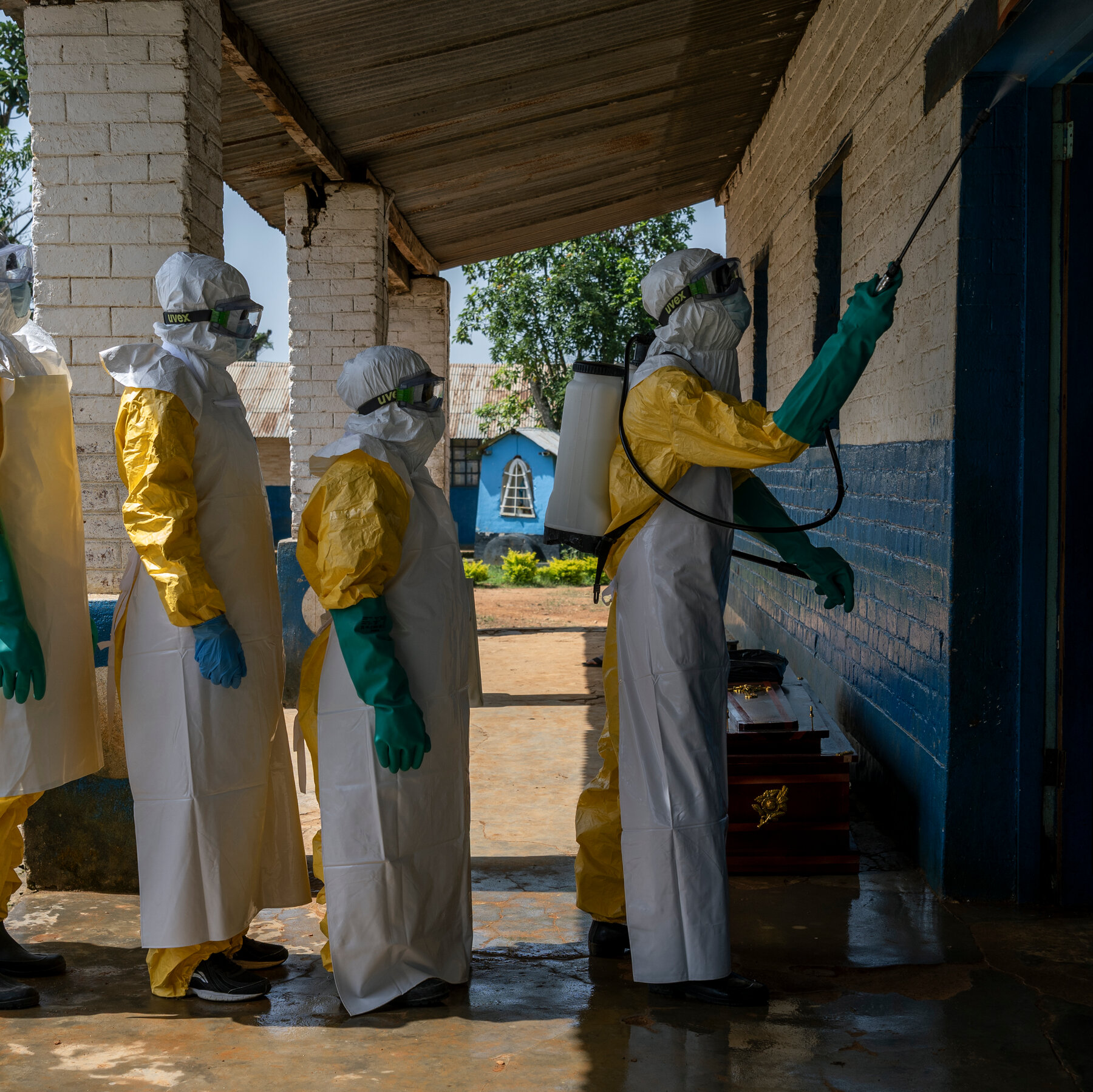
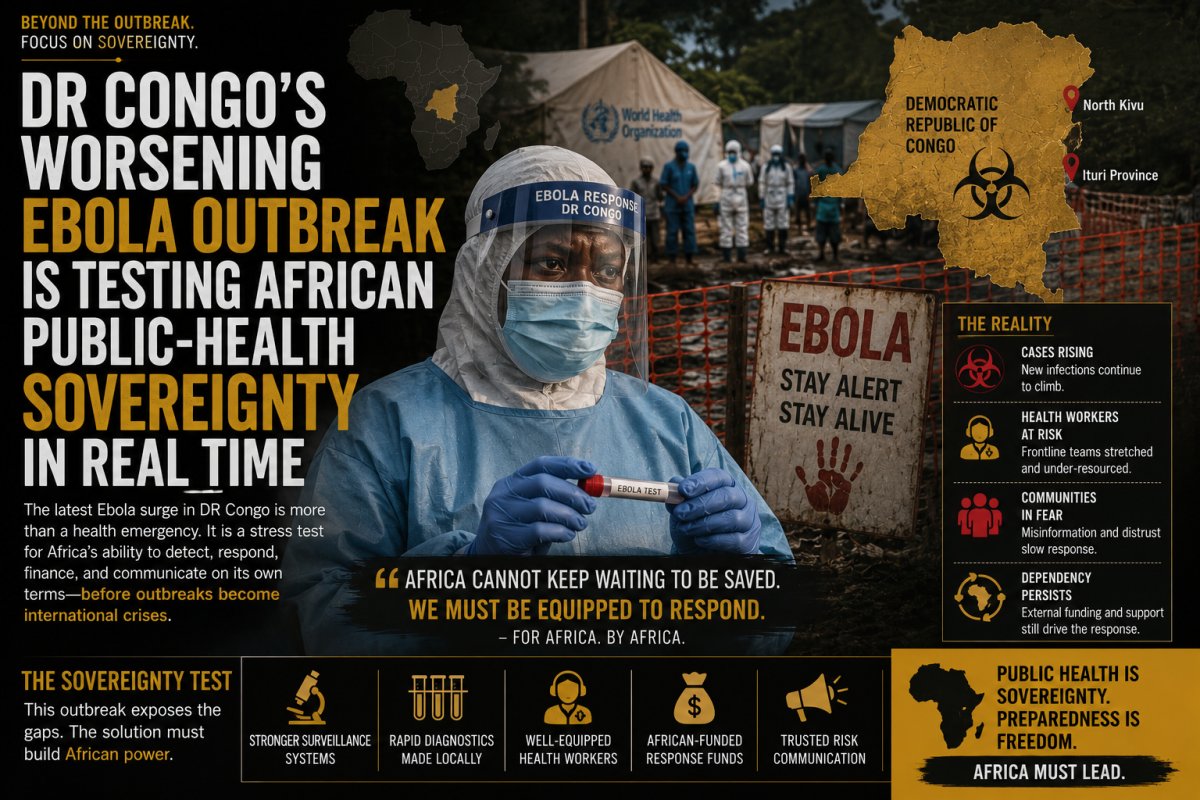
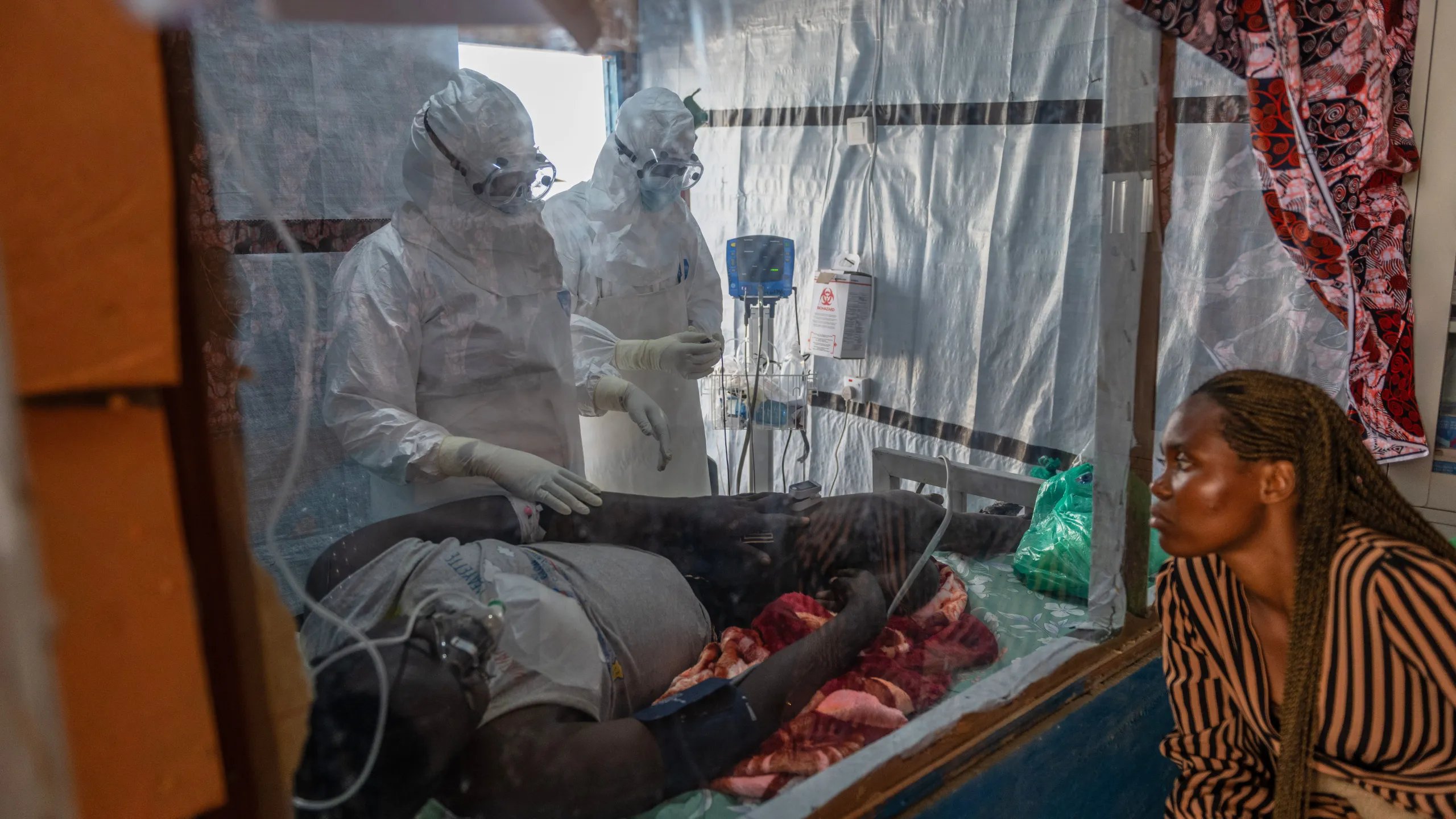
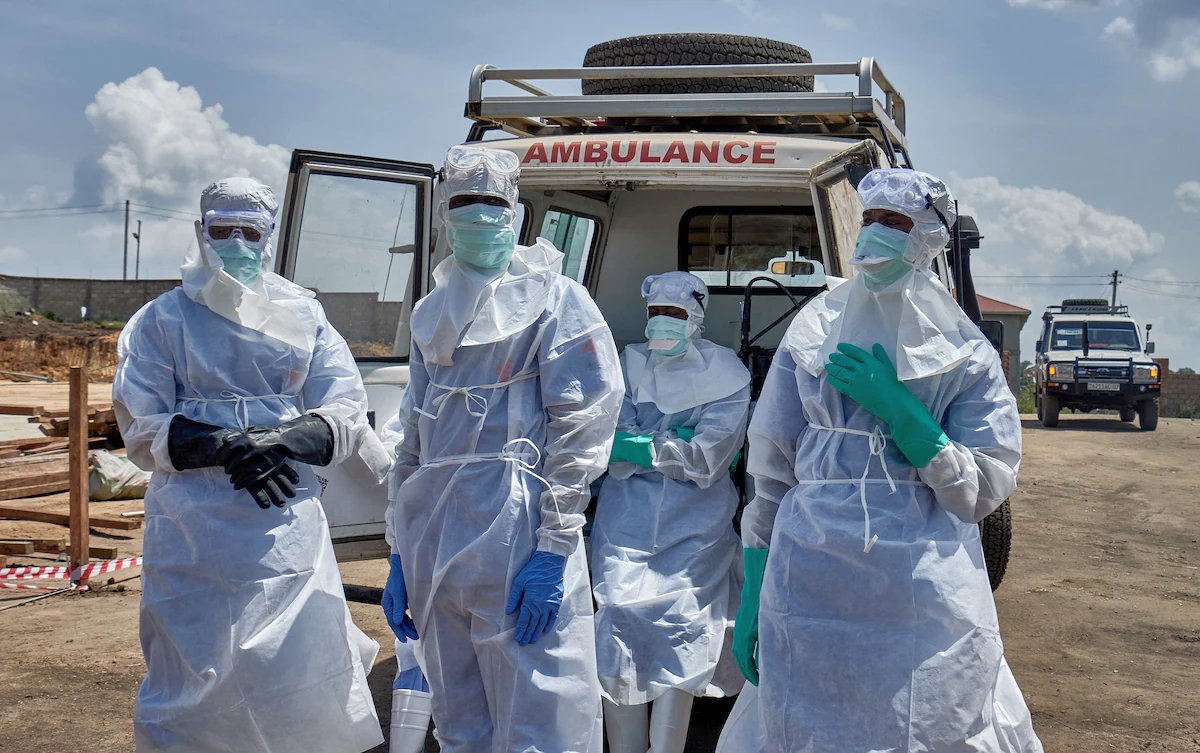
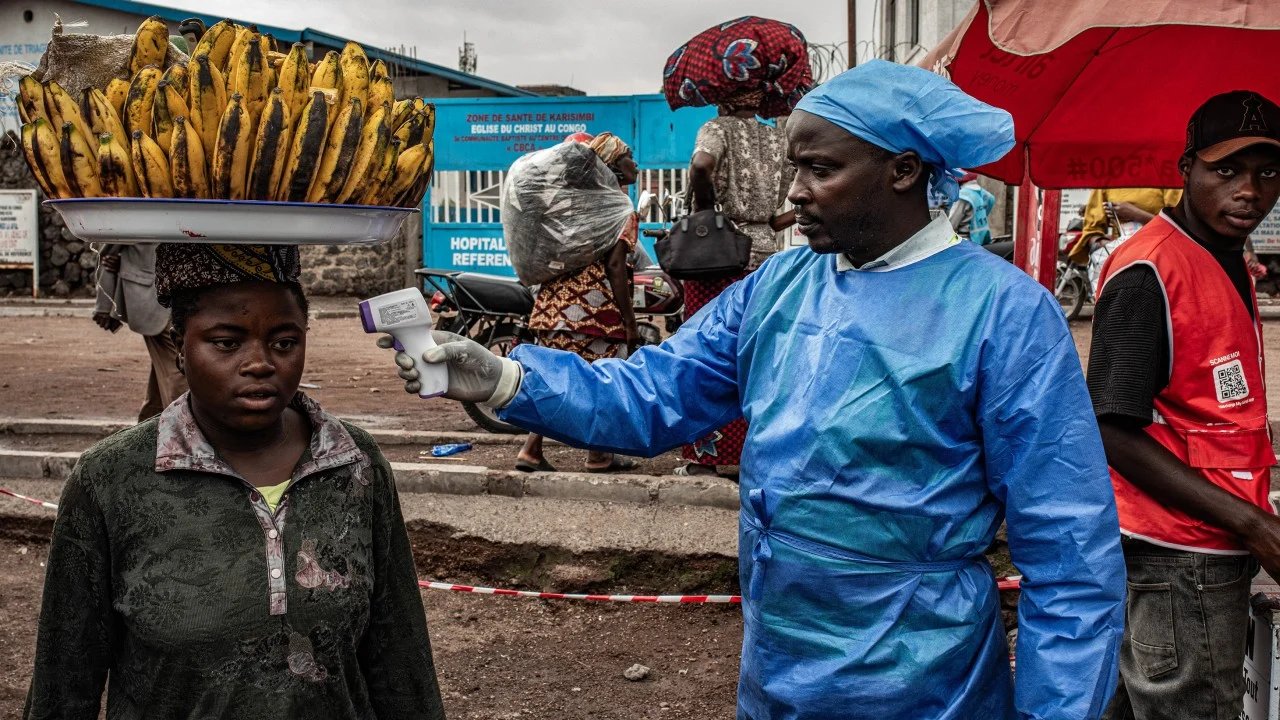
The Ebola outbreak in the Democratic Republic of Congo has been labeled as the “fastest growing” in history, with the World Health Organization reporting 600 confirmed deaths among 1,759 cases since mid-May. Wessam Mankoula, head of emergency preparedness and response for the Africa Centres for Disease Control and Prevention (Africa CDC), emphasized the alarming pace of the outbreak, noting that the number of cases is doubling every 28 days. This significant growth outpaces previous outbreaks, including the deadliest one from 2013 to 2016, which recorded 994 cases in its first six weeks.
Spread Beyond Initial Epicenter
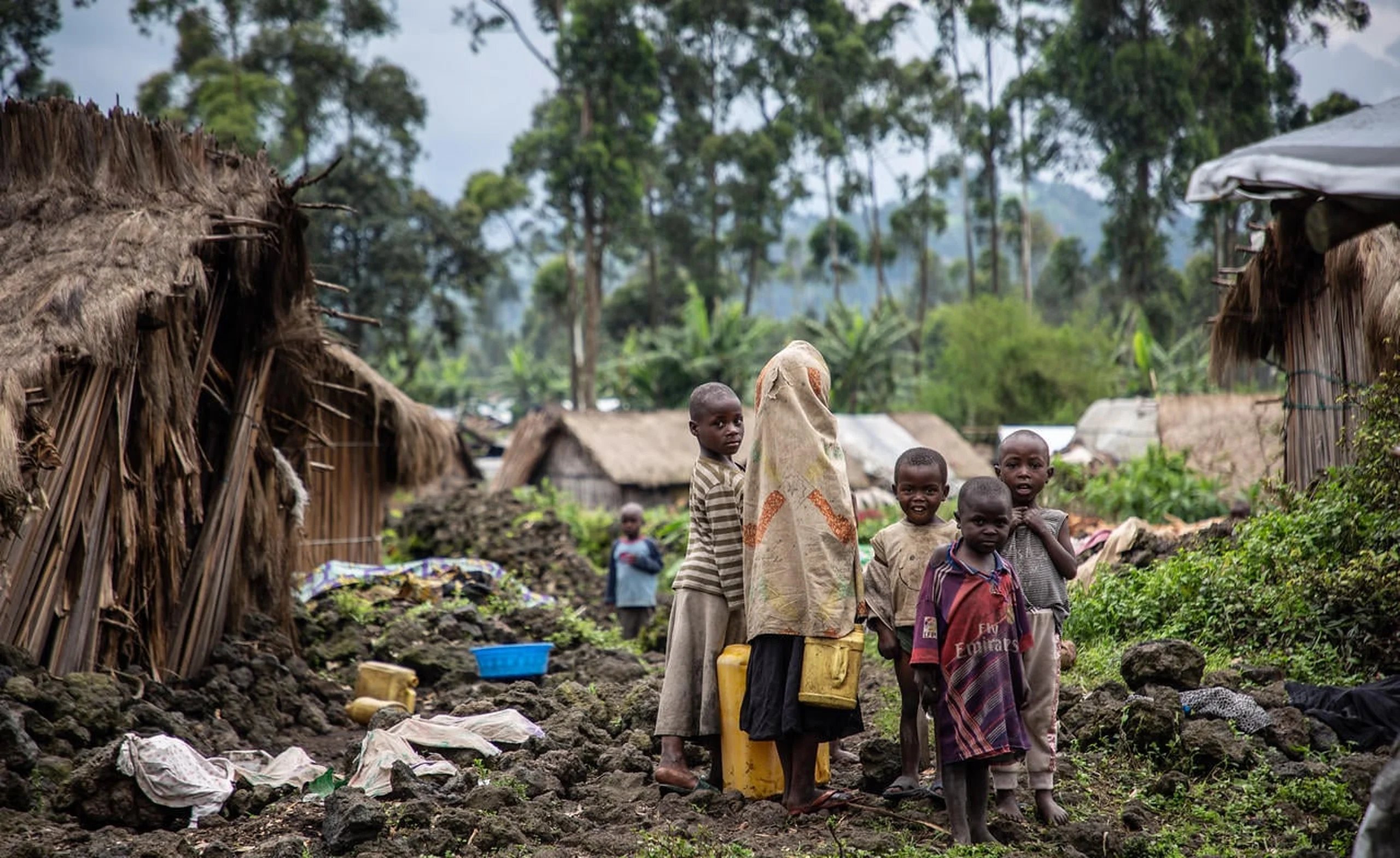
Health authorities have confirmed that suspected cases have emerged in previously unaffected provinces, including Tshopo and Haut-Uele. This development raises concerns about the virus spreading beyond its initial epicenter in Ituri, complicating containment efforts. The rapid geographical expansion of the outbreak highlights the urgent need for resources and support to curb the disease's transmission.
Challenges in Response Efforts
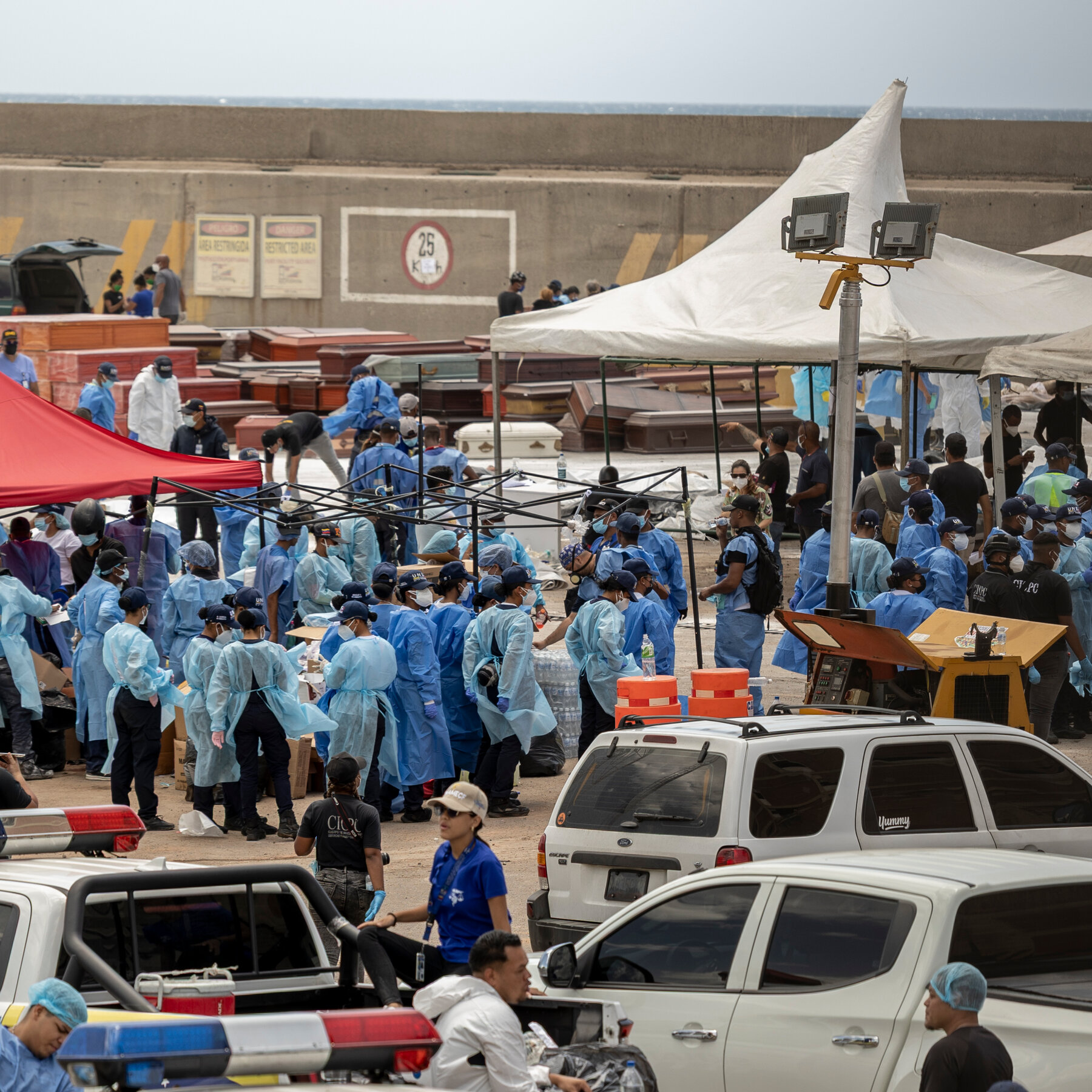
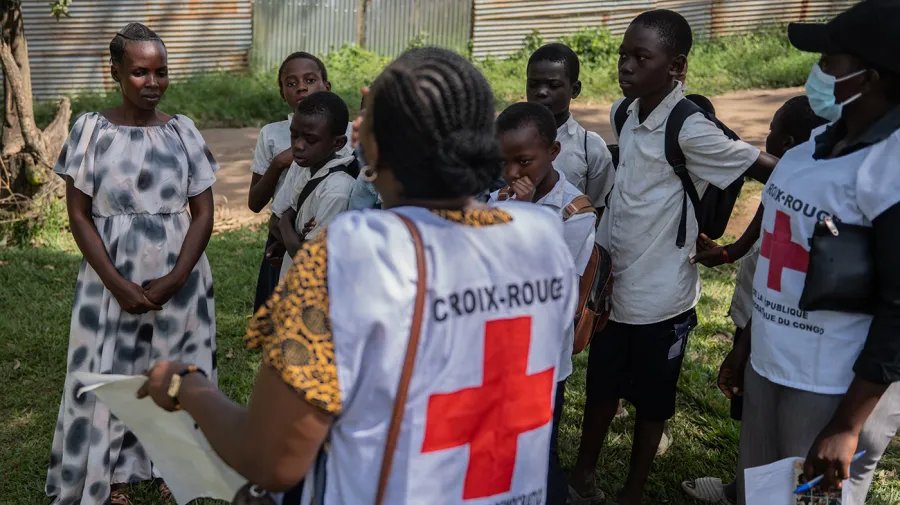
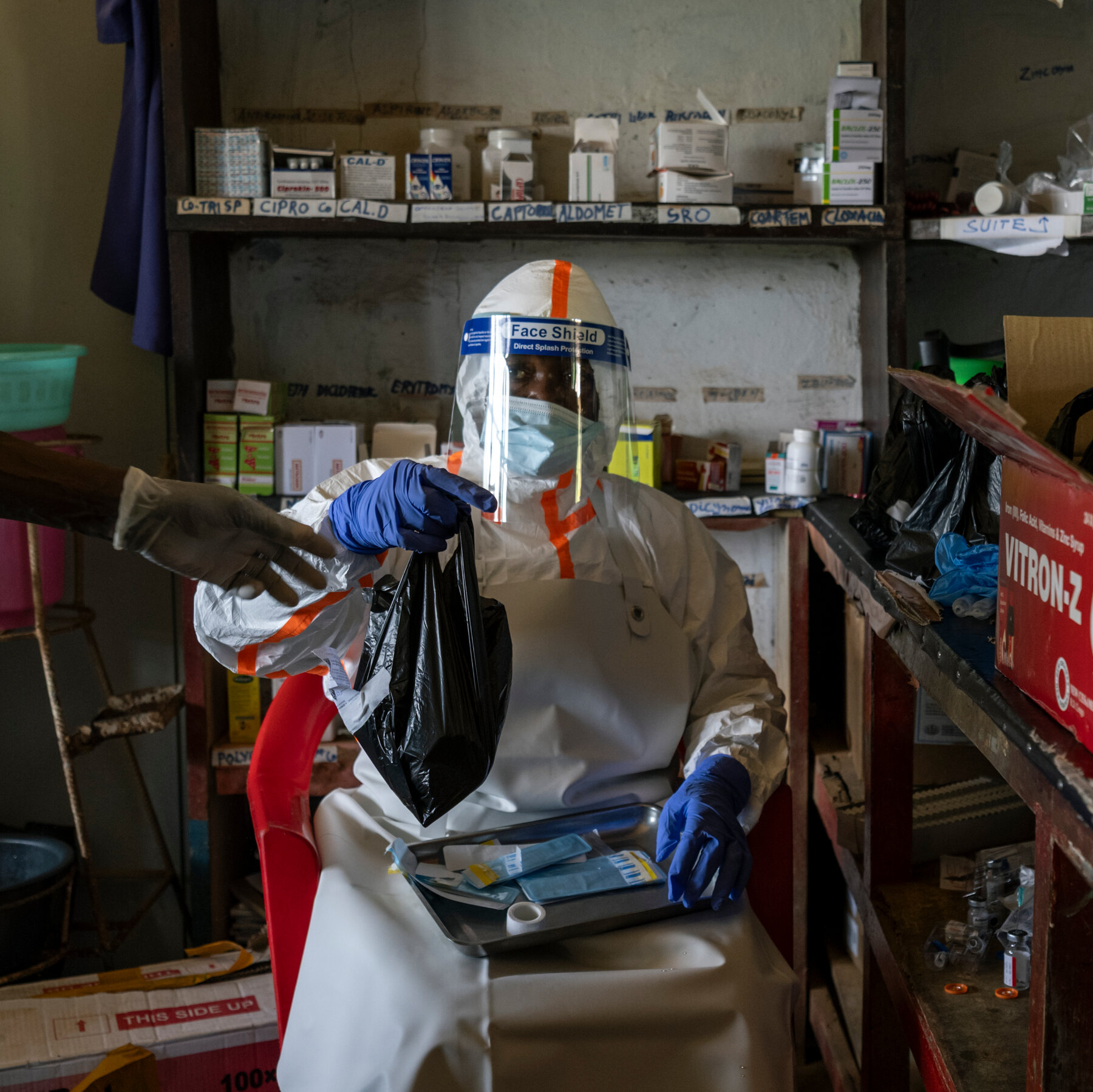
The outbreak's management is facing substantial hurdles as health workers have gone on strike due to delayed payments. The Africa CDC is actively working with the Congolese government to expedite overdue payments to Ebola responders. The strike threatens to hinder the response to what officials describe as the world’s fastest-growing Ebola outbreak. Mankoula stated, “Unfortunately the virus is still ahead of our response. It’s moving faster than deploying the resources to control the situation.”
Financial Requirements for Containment
To effectively address the outbreak and provide necessary humanitarian support, the Africa CDC estimates a total funding requirement of $1.4 billion. This amount will be crucial for controlling the outbreak and ensuring that healthcare workers are compensated for their efforts in combating the virus. The need for significant financial resources underscores the scale of the crisis and the urgency of a coordinated international response.
Implications for Public Health
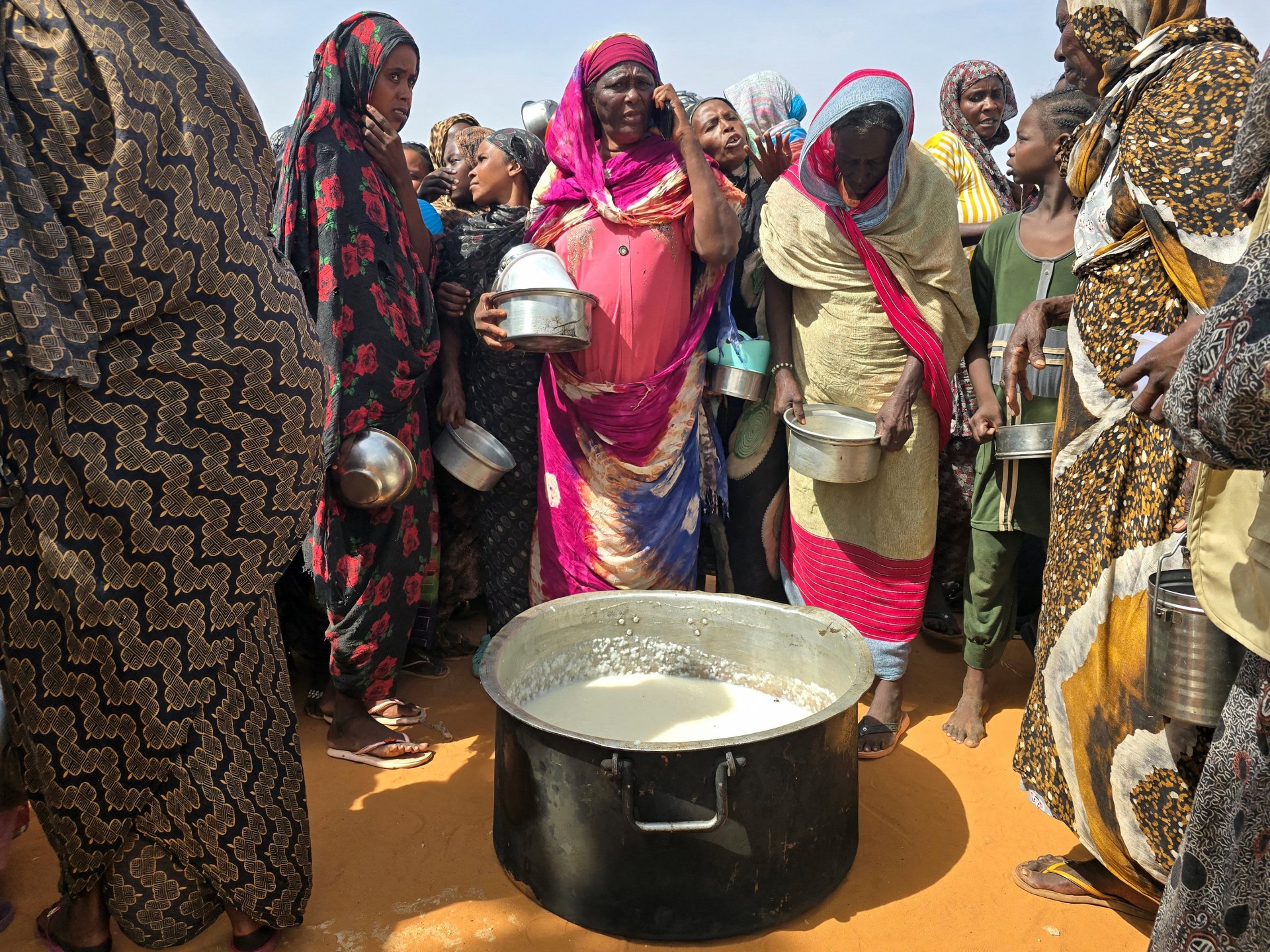
The rapid escalation of the Ebola outbreak in the Democratic Republic of Congo has significant implications for public health in the region and beyond. As cases continue to rise and spread, the international community faces mounting pressure to mobilize resources and support containment efforts. The situation serves as a stark reminder of the challenges posed by infectious diseases and the critical importance of timely intervention and funding in public health crises.