




Pump prices drop to lowest level in three months
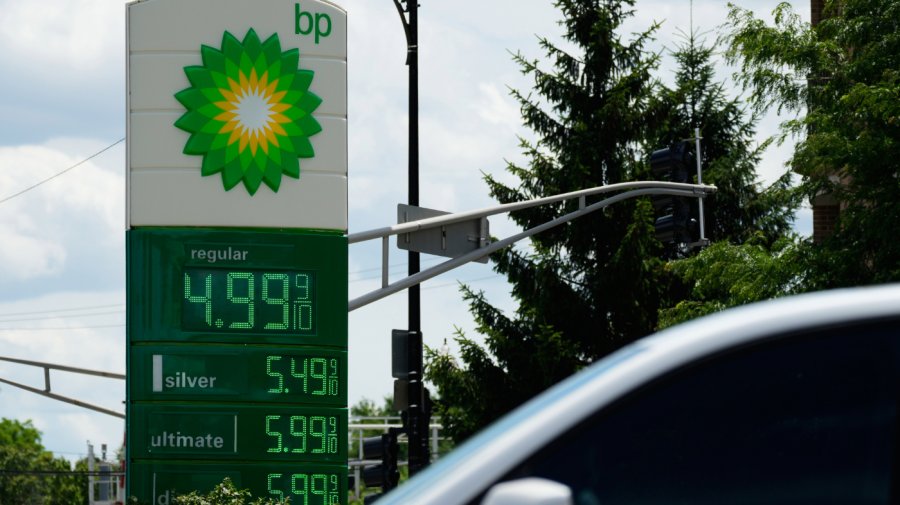
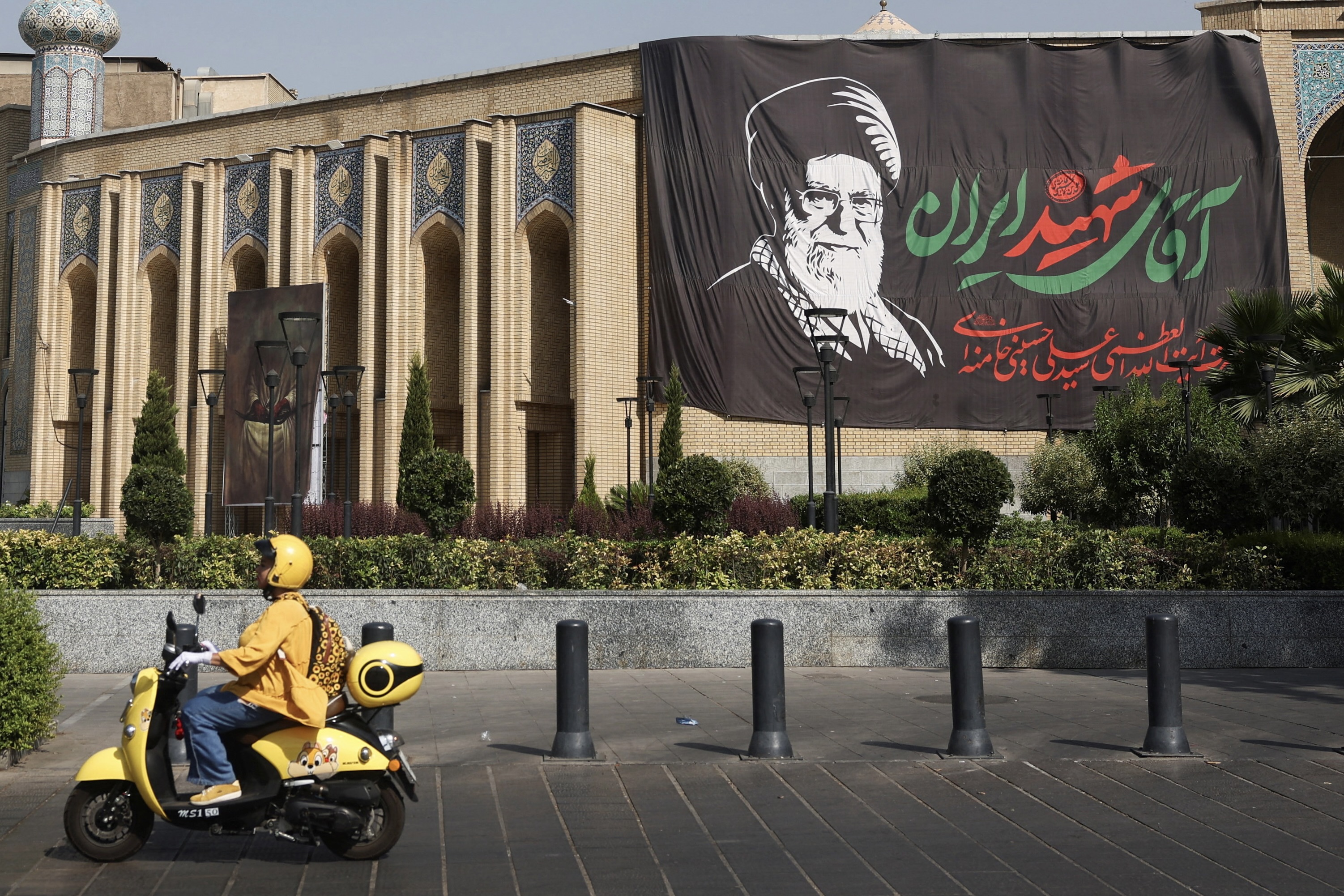
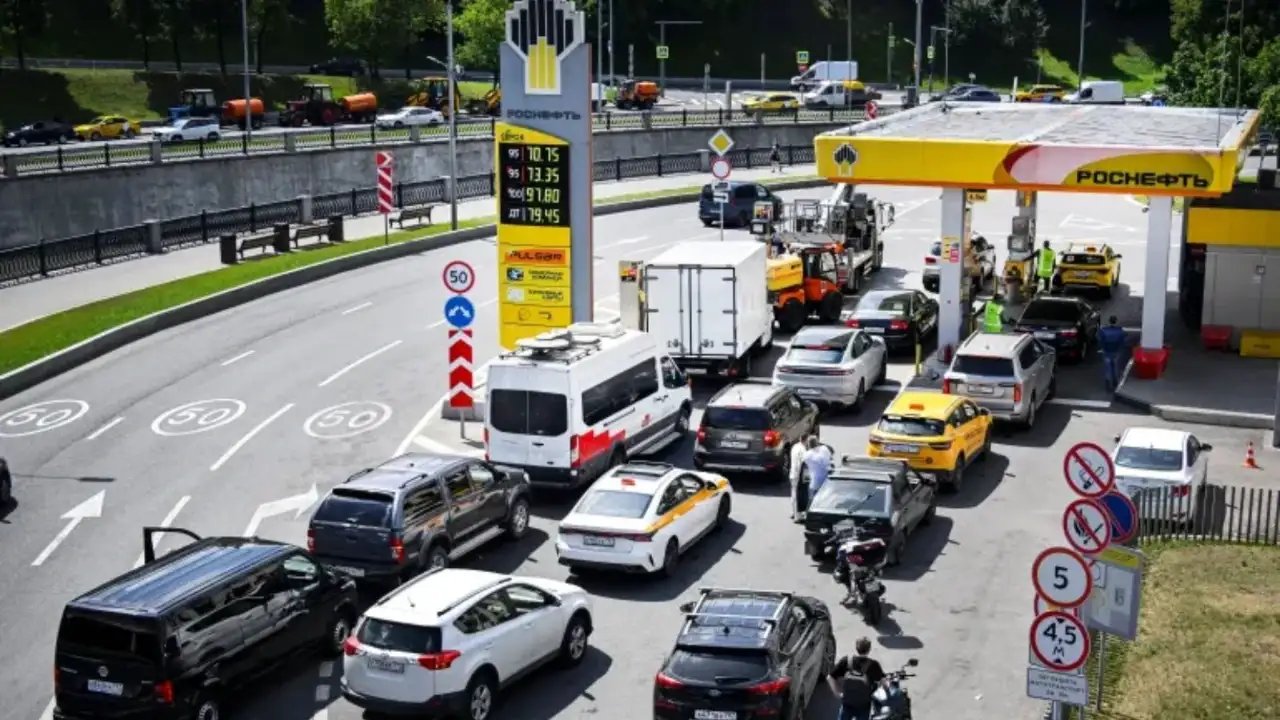
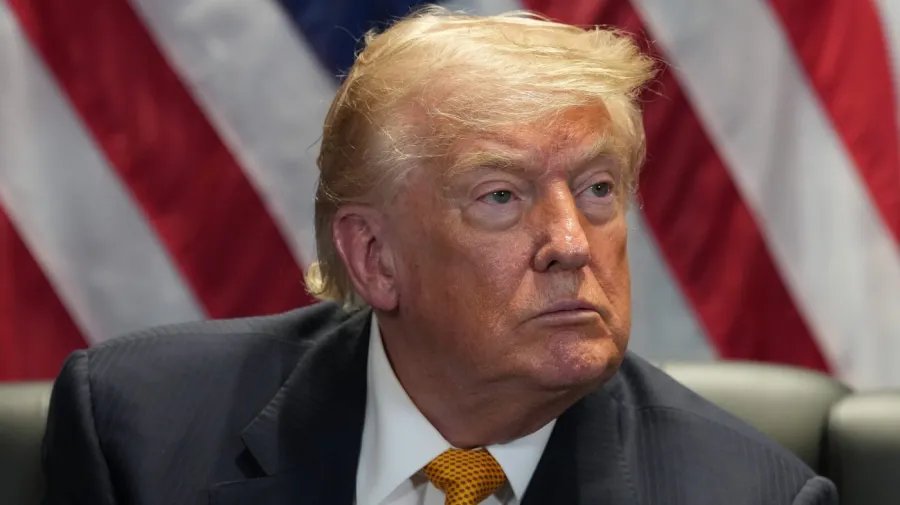
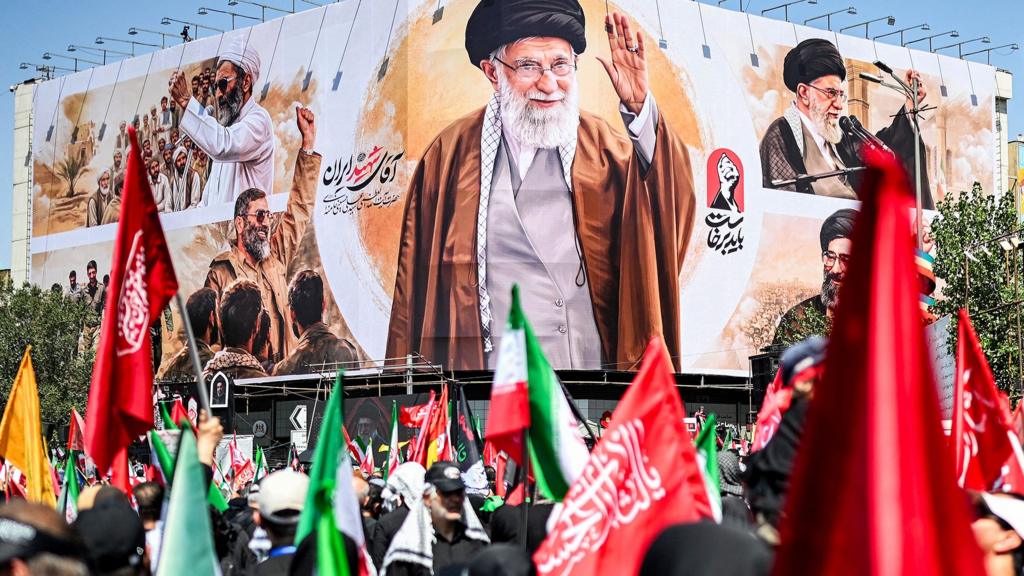
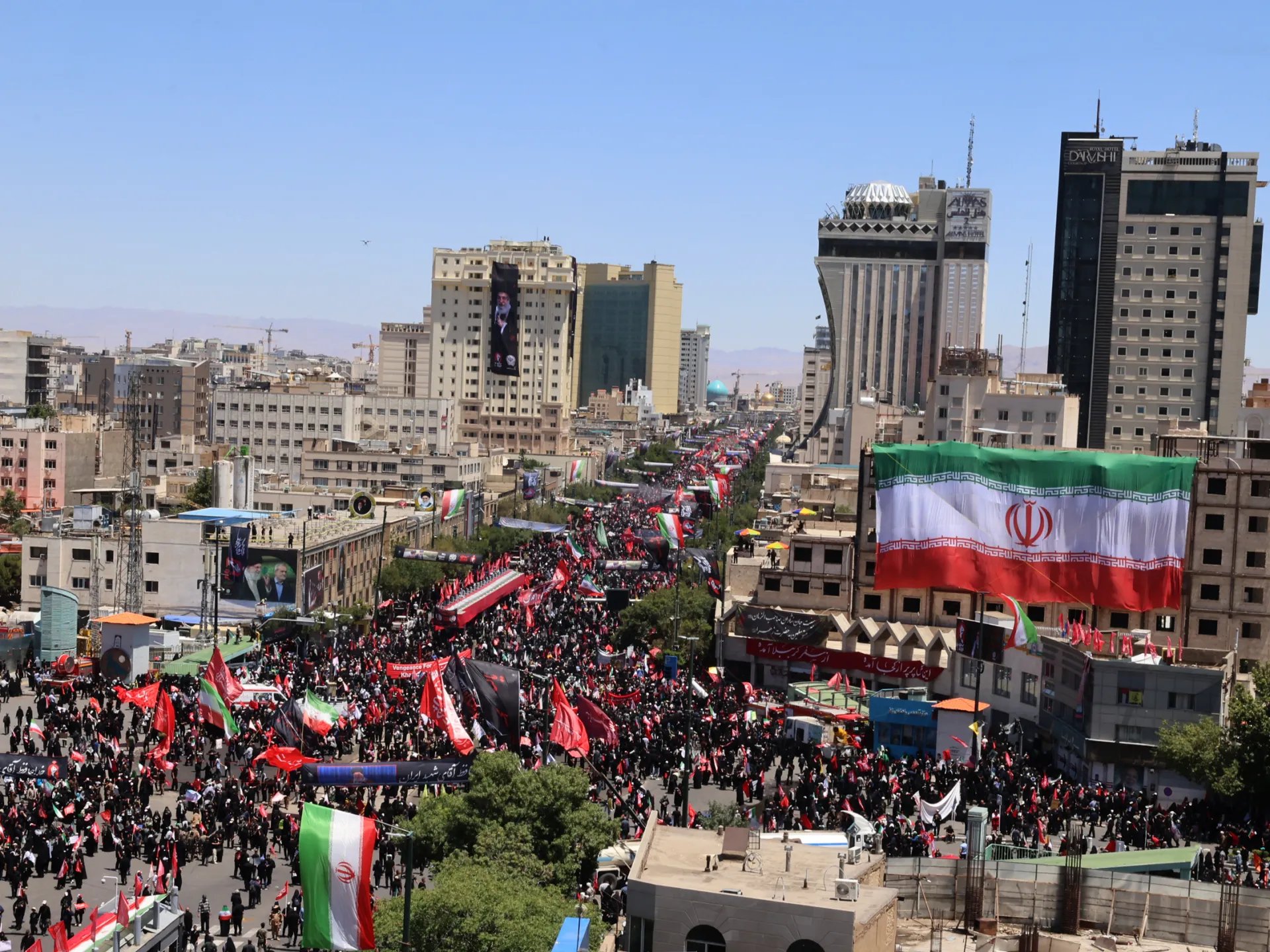
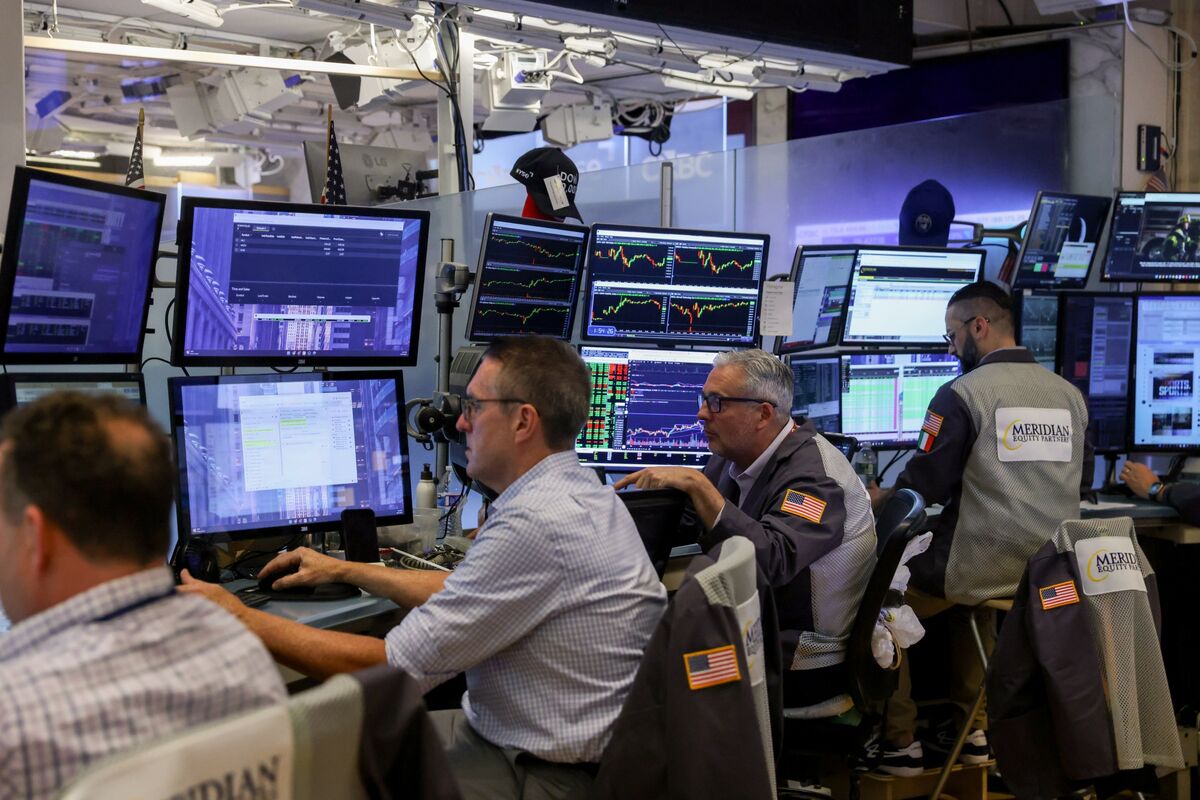
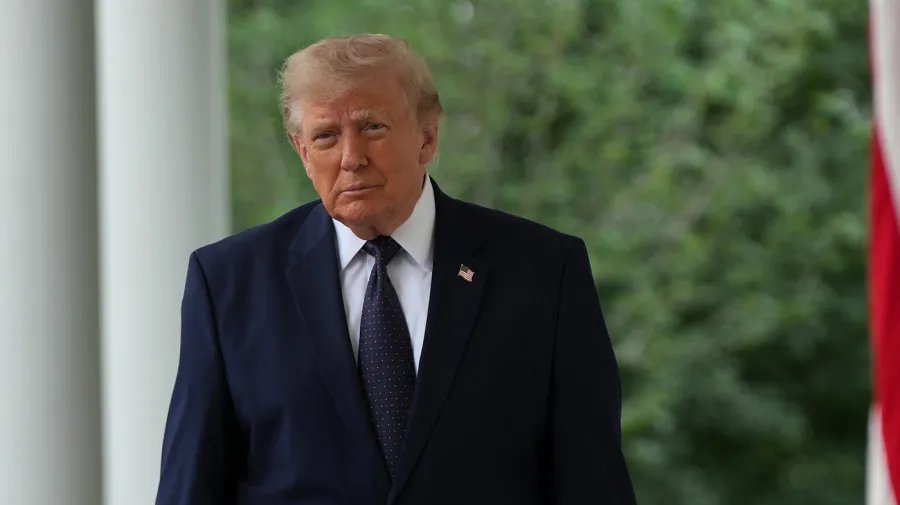
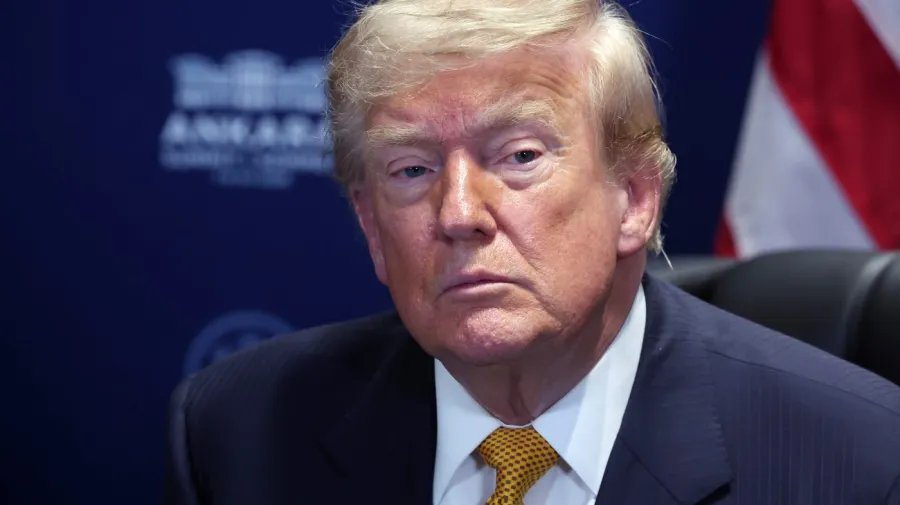
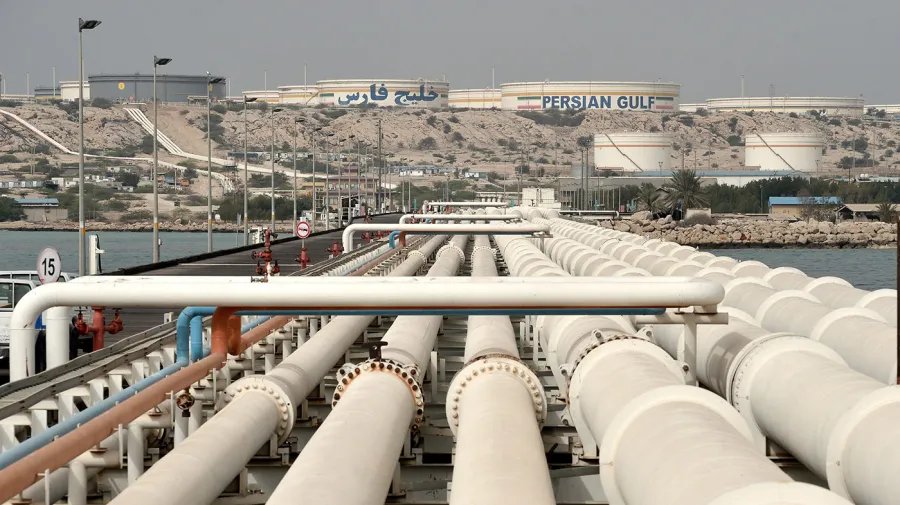
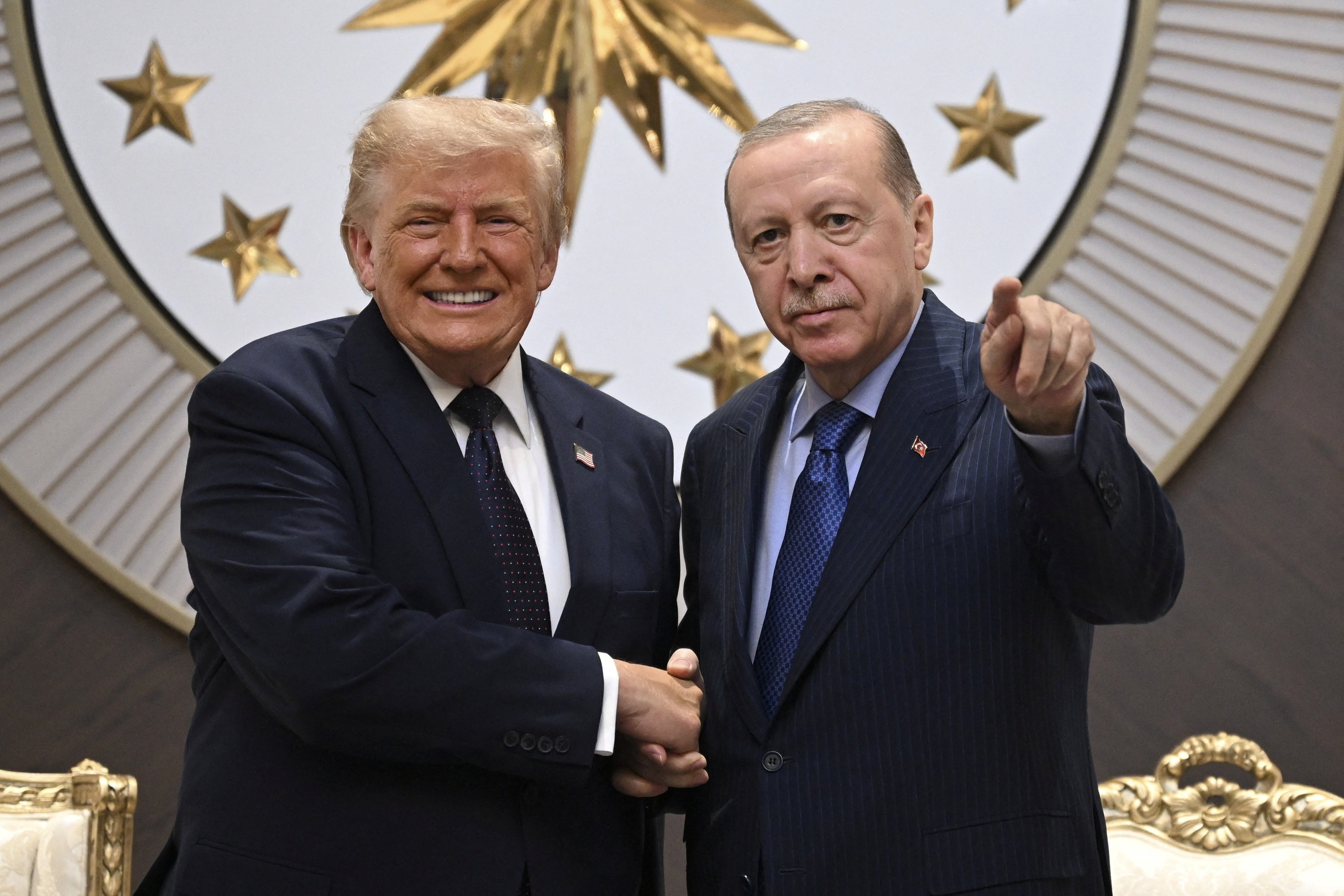
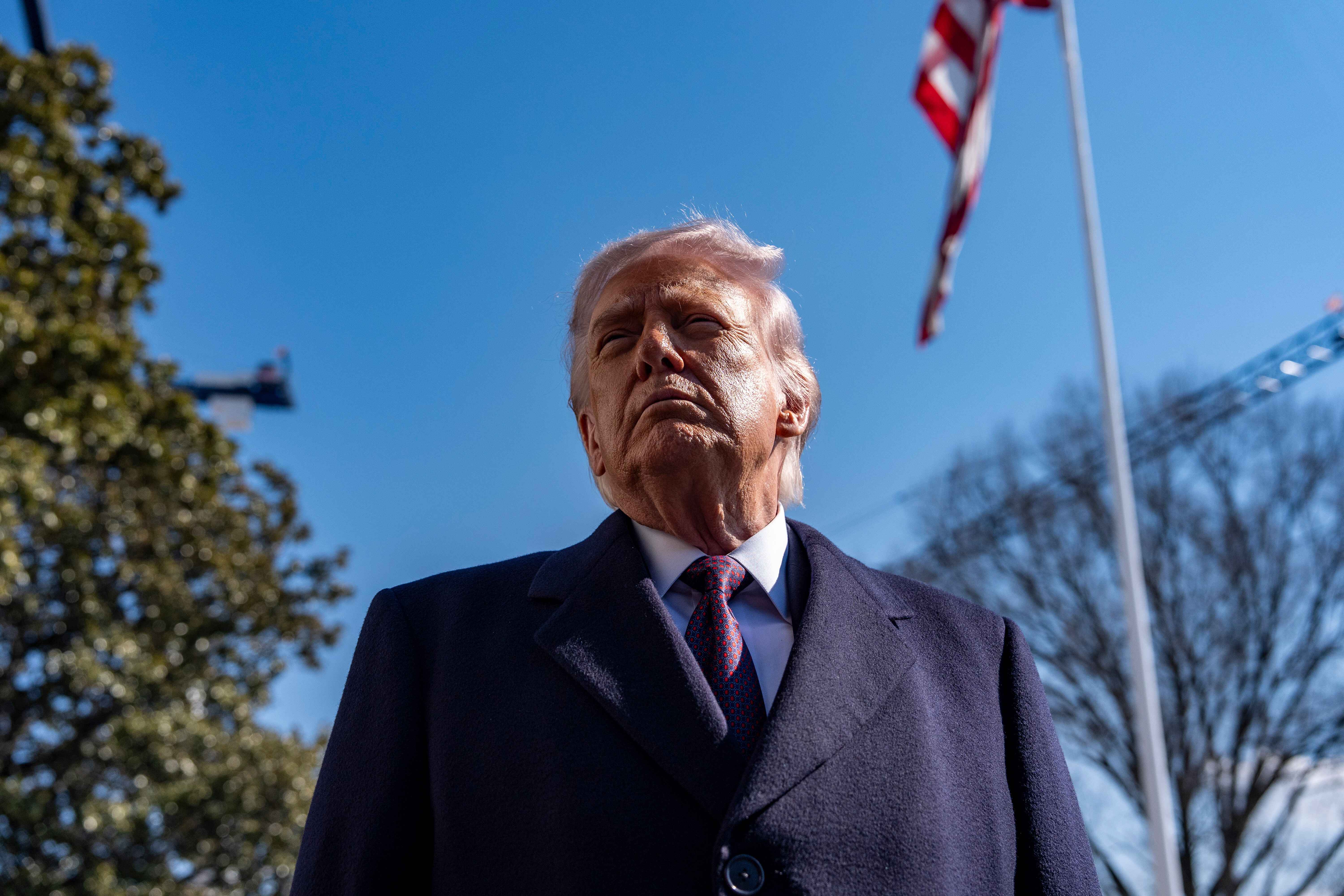
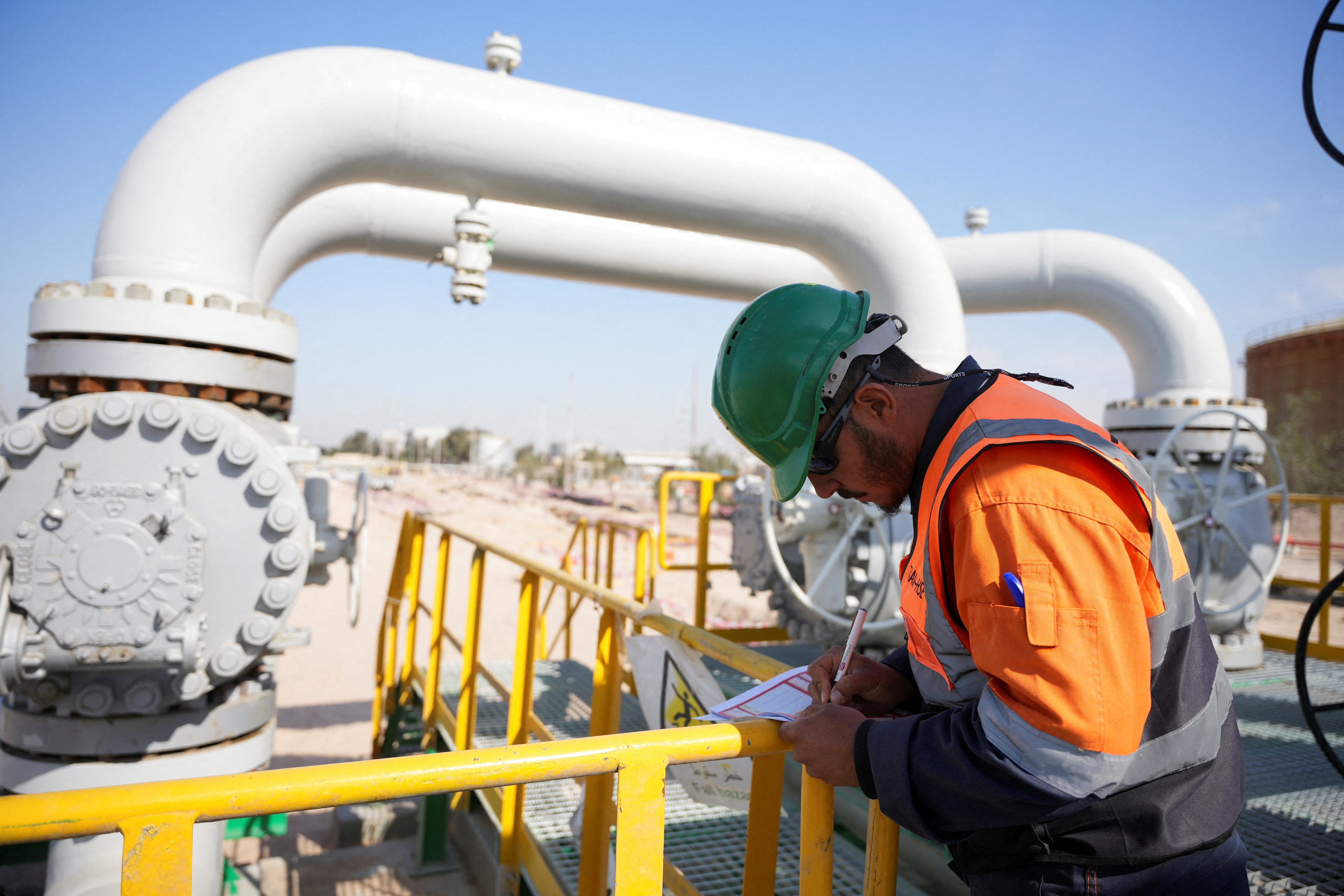
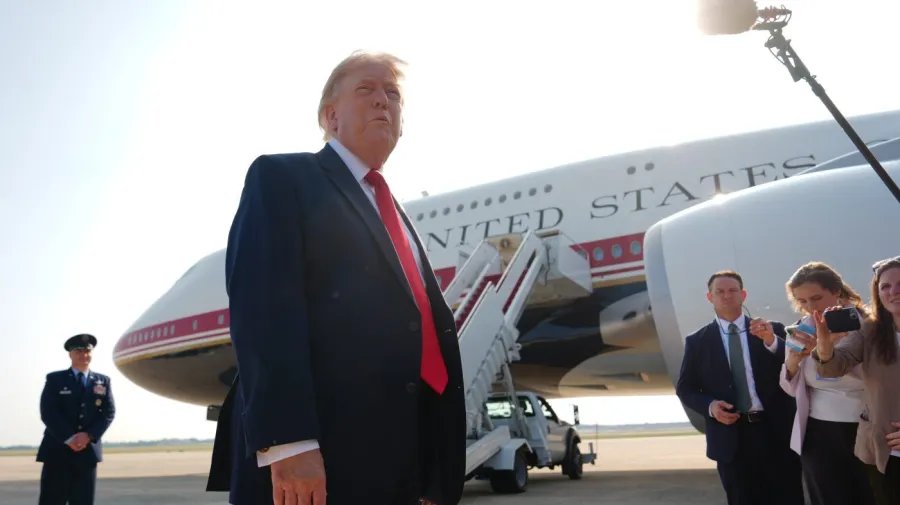
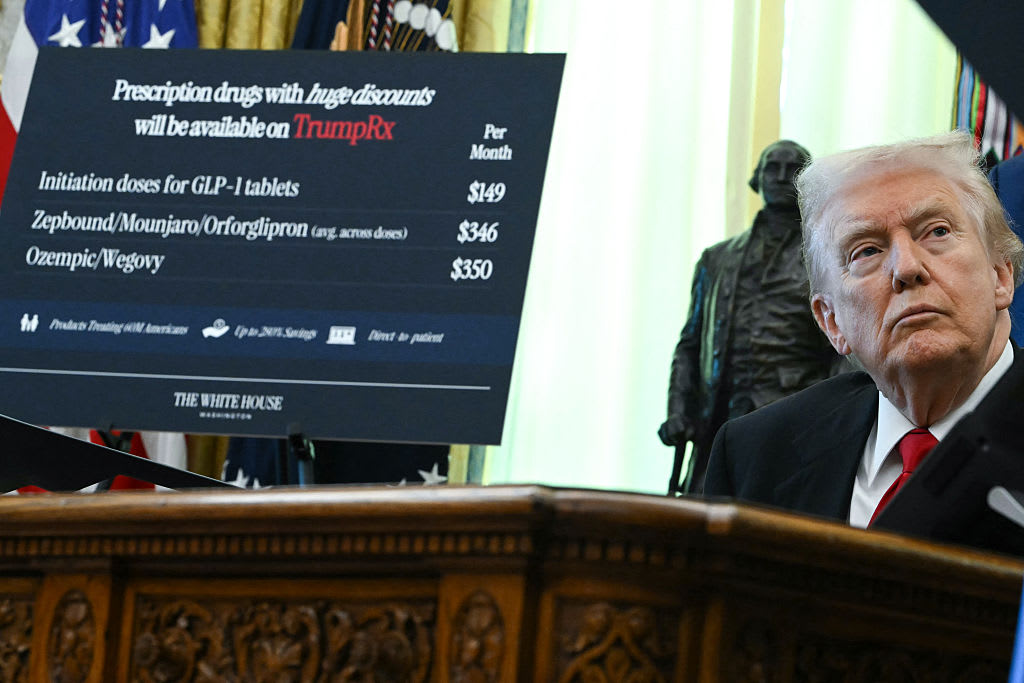
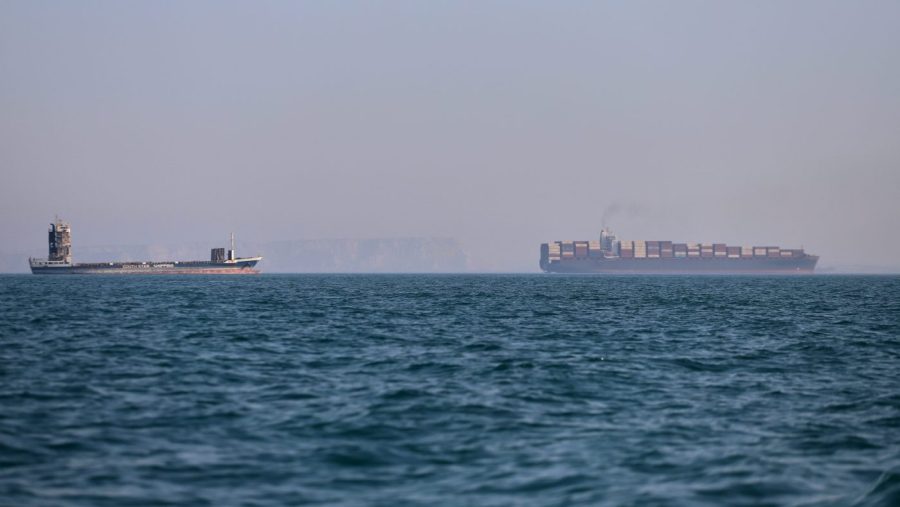
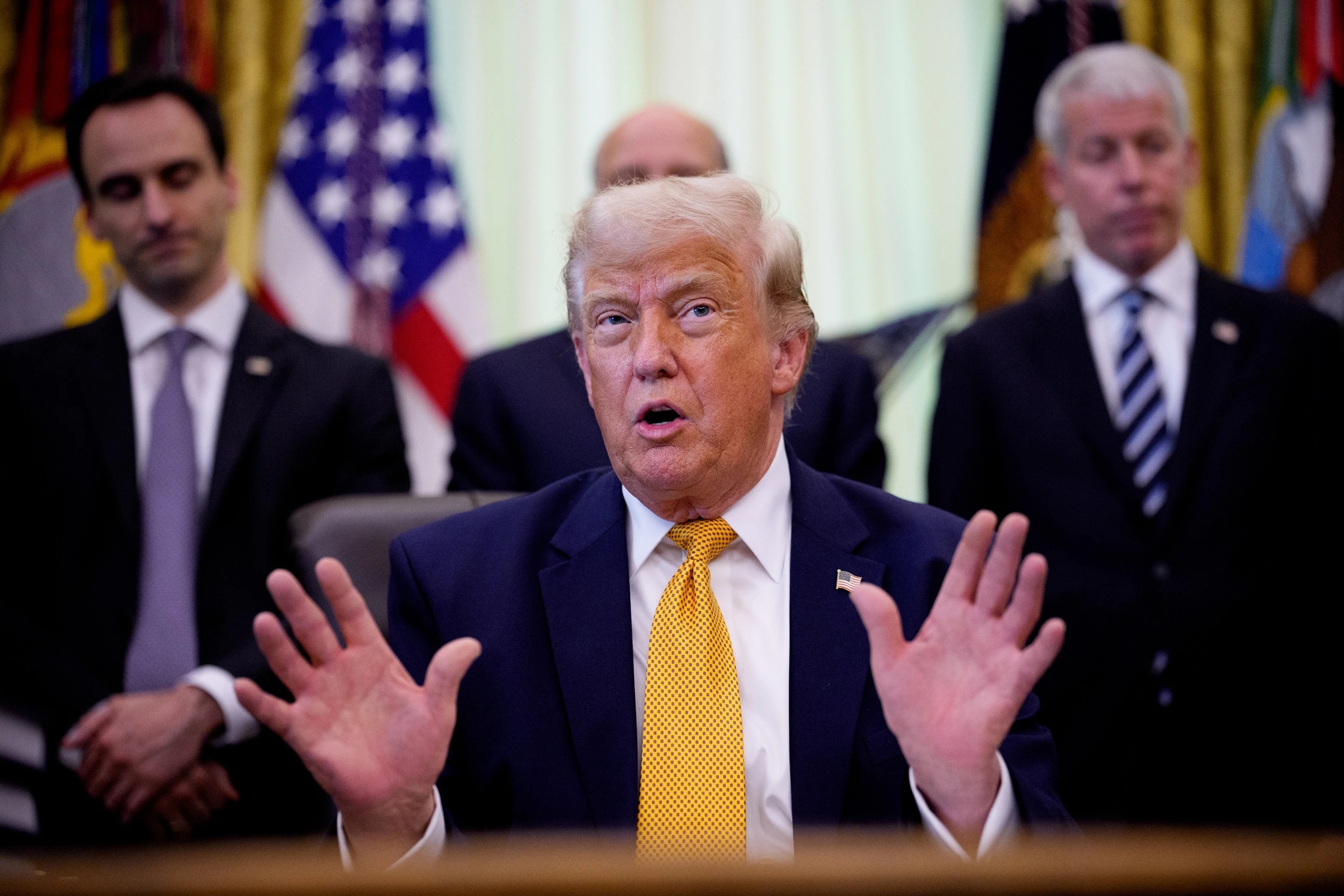
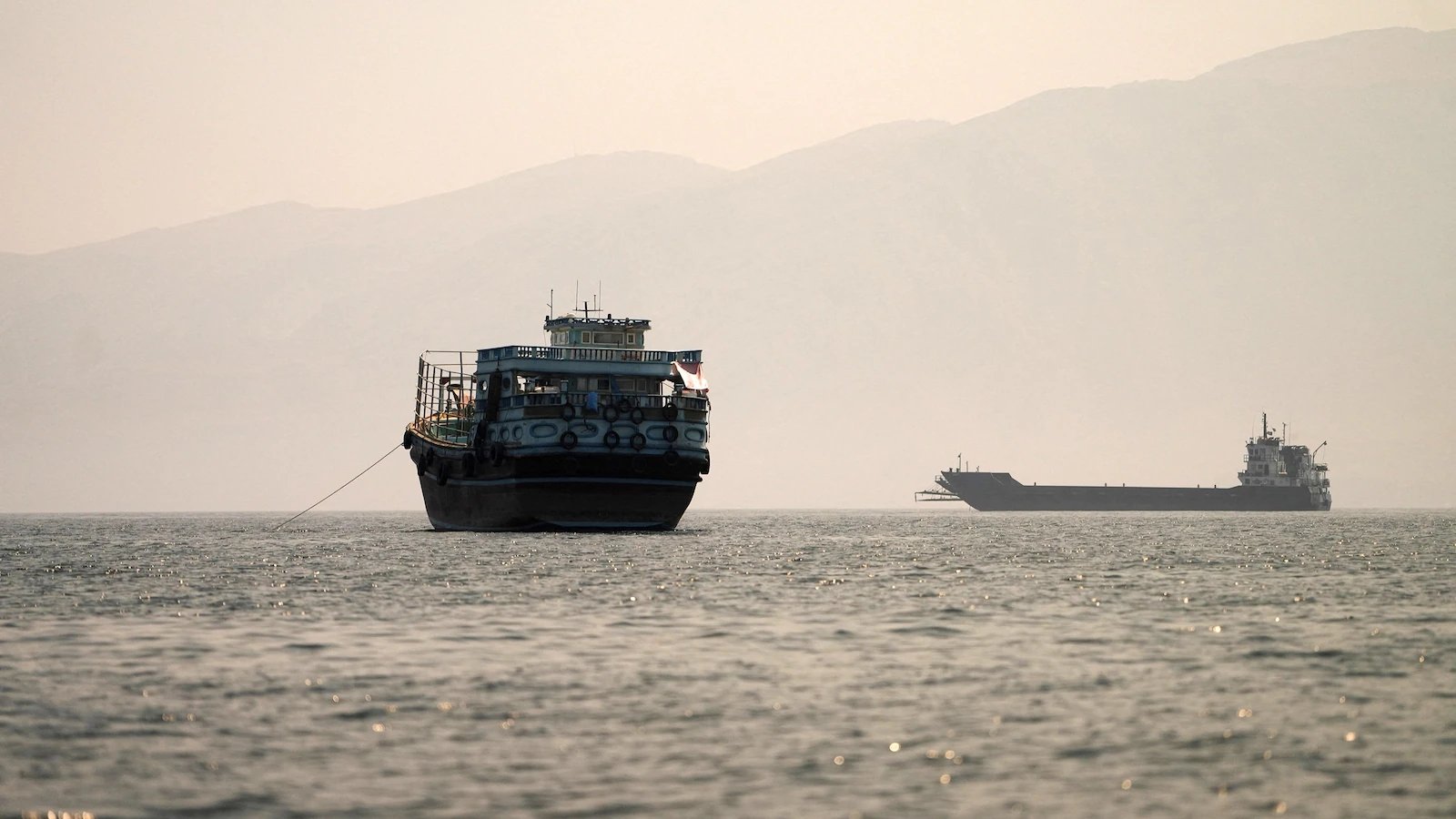
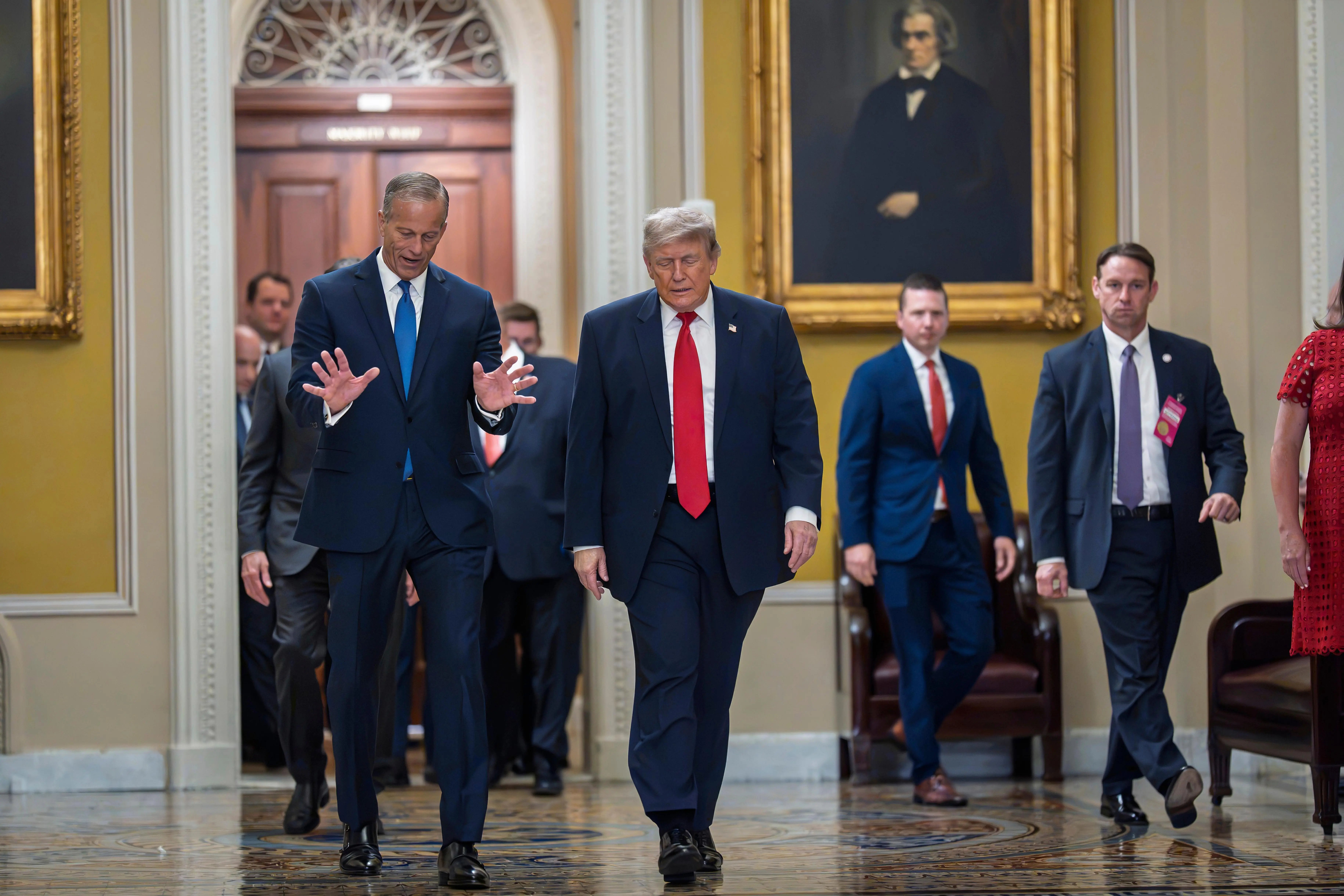
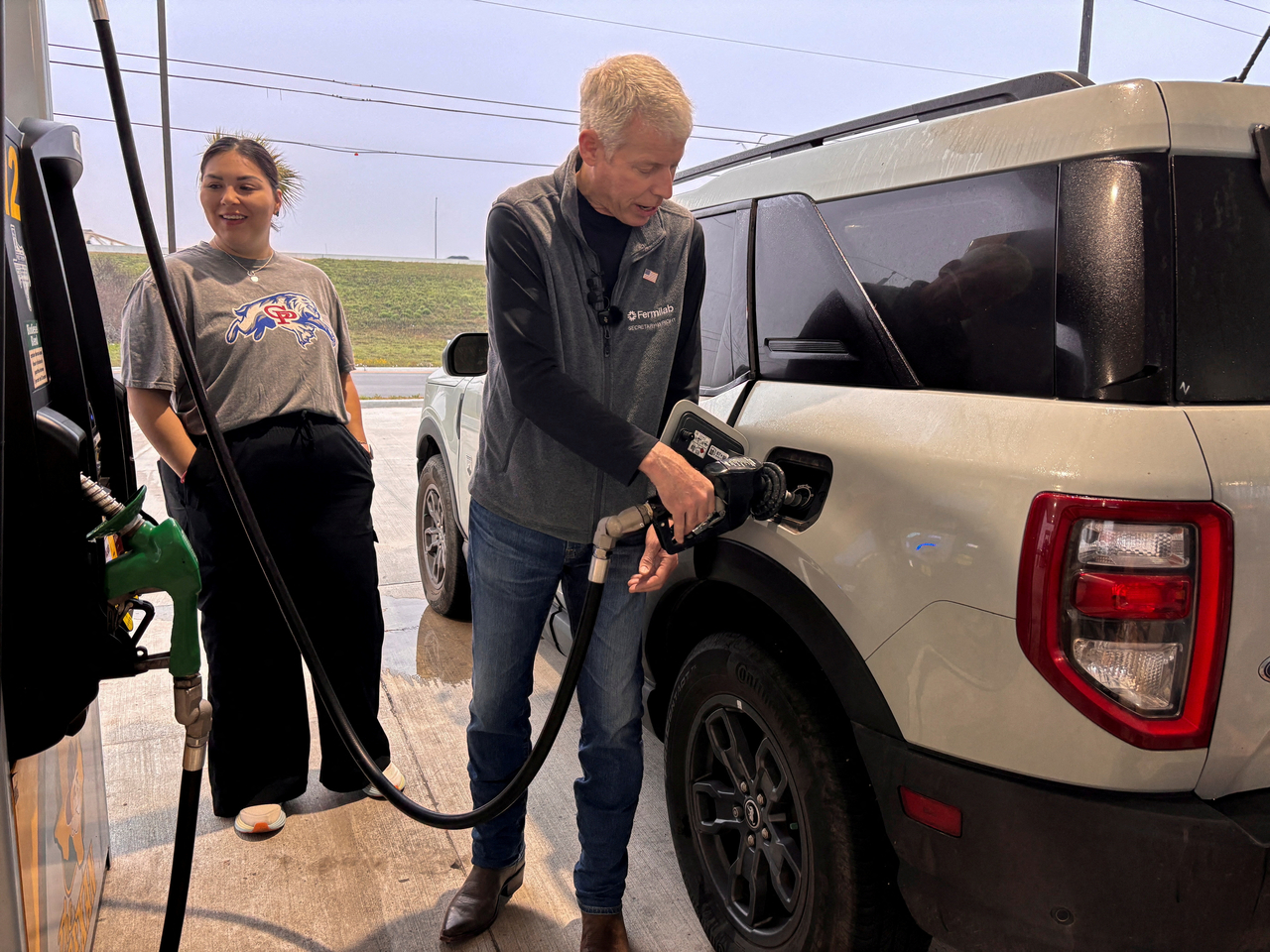
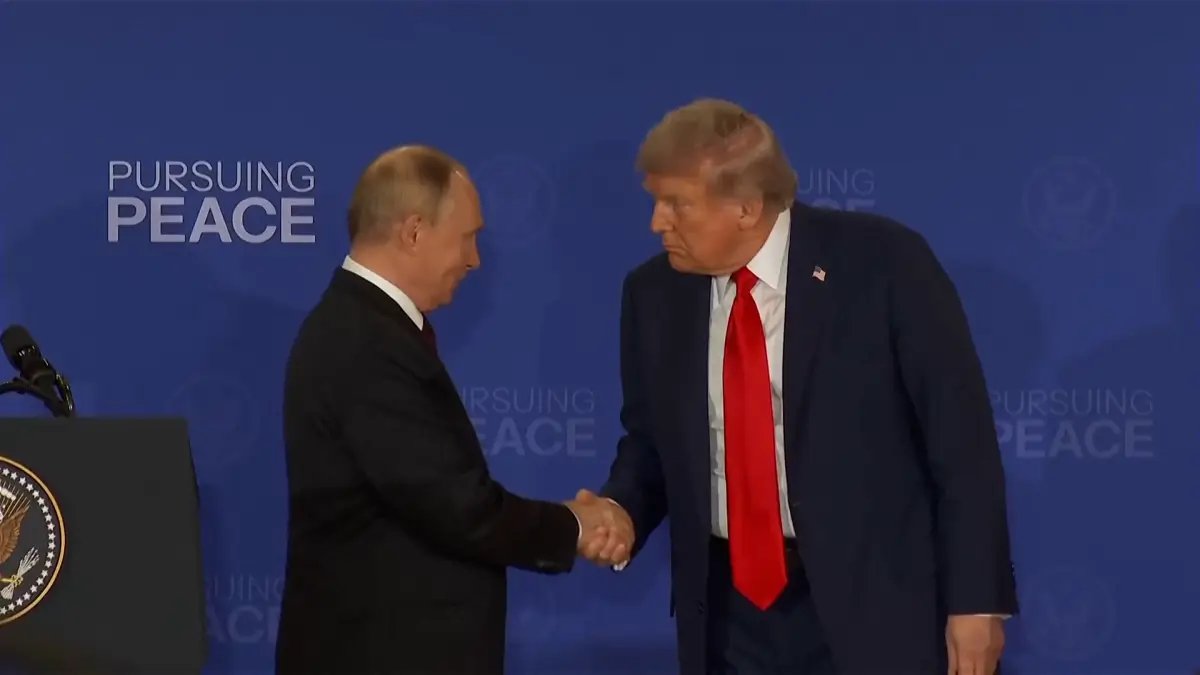
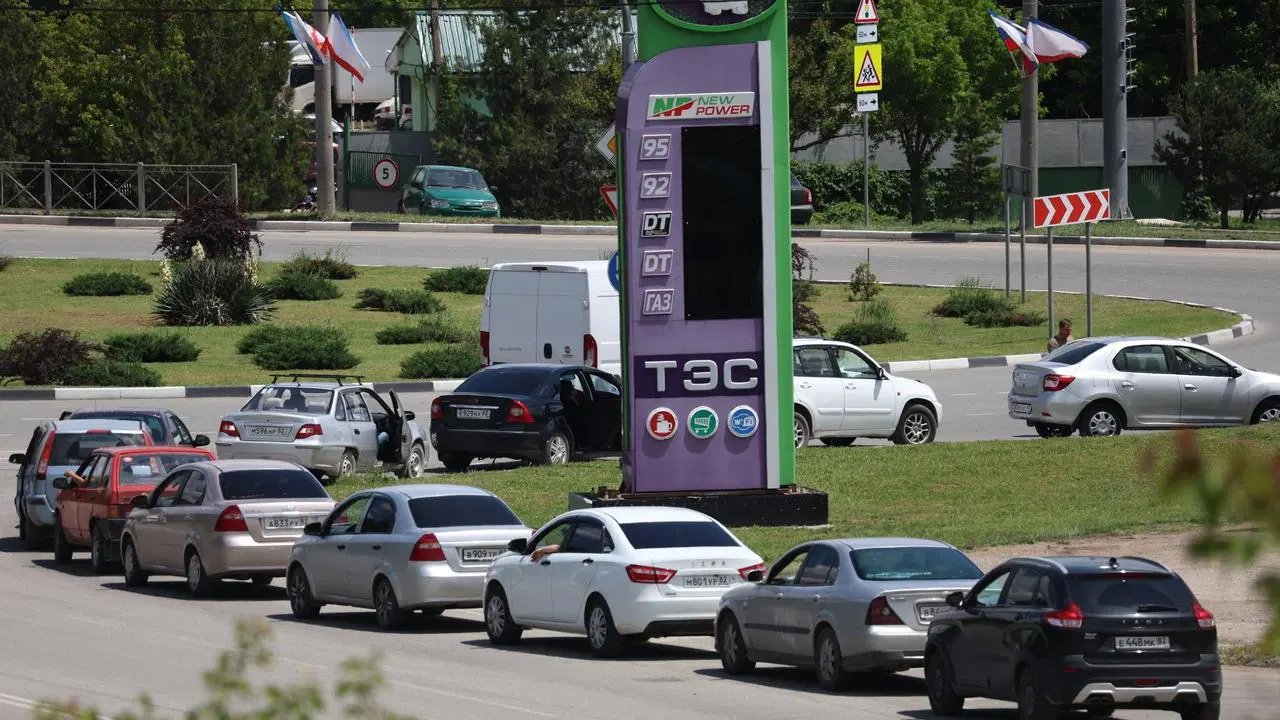
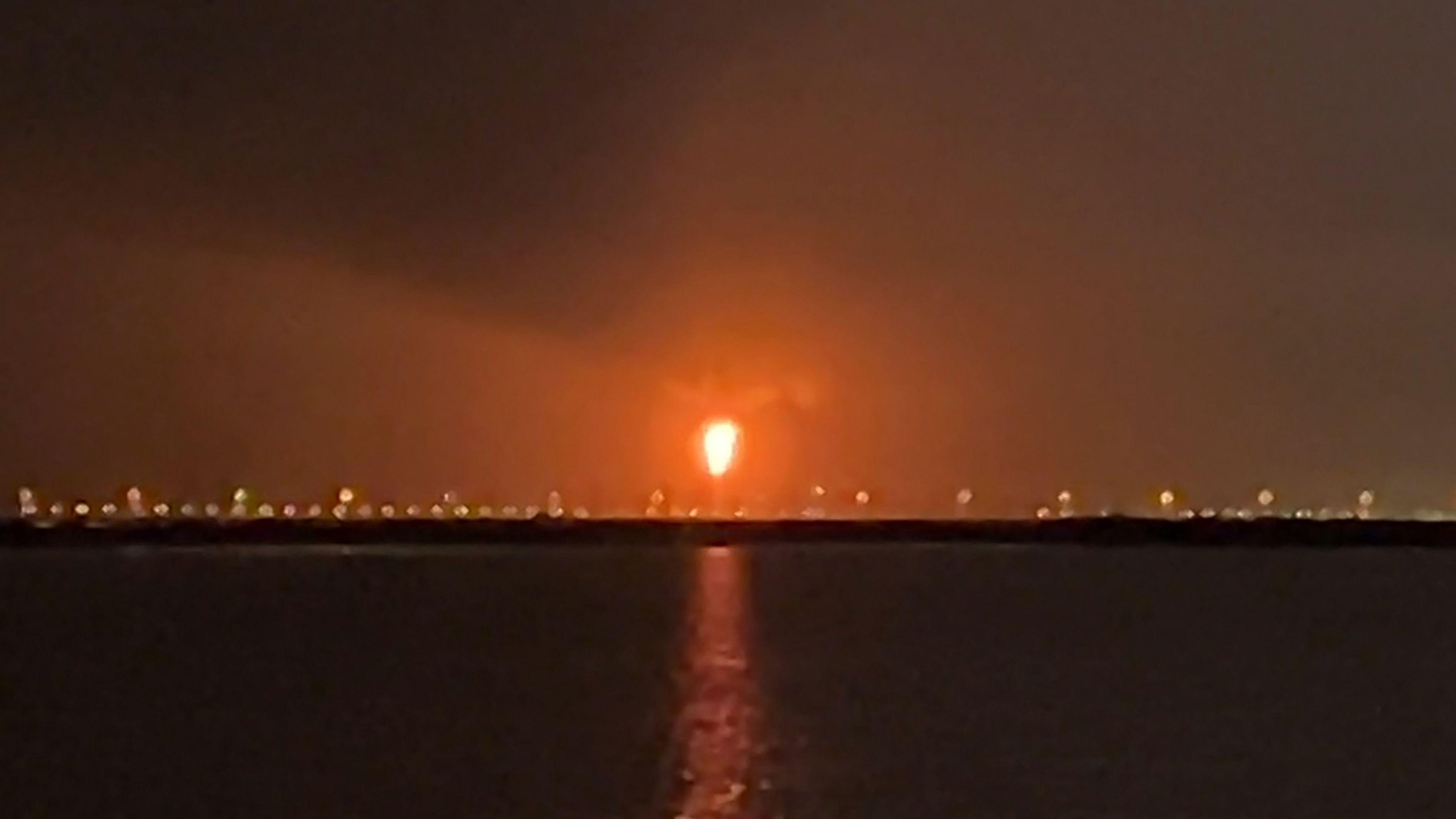
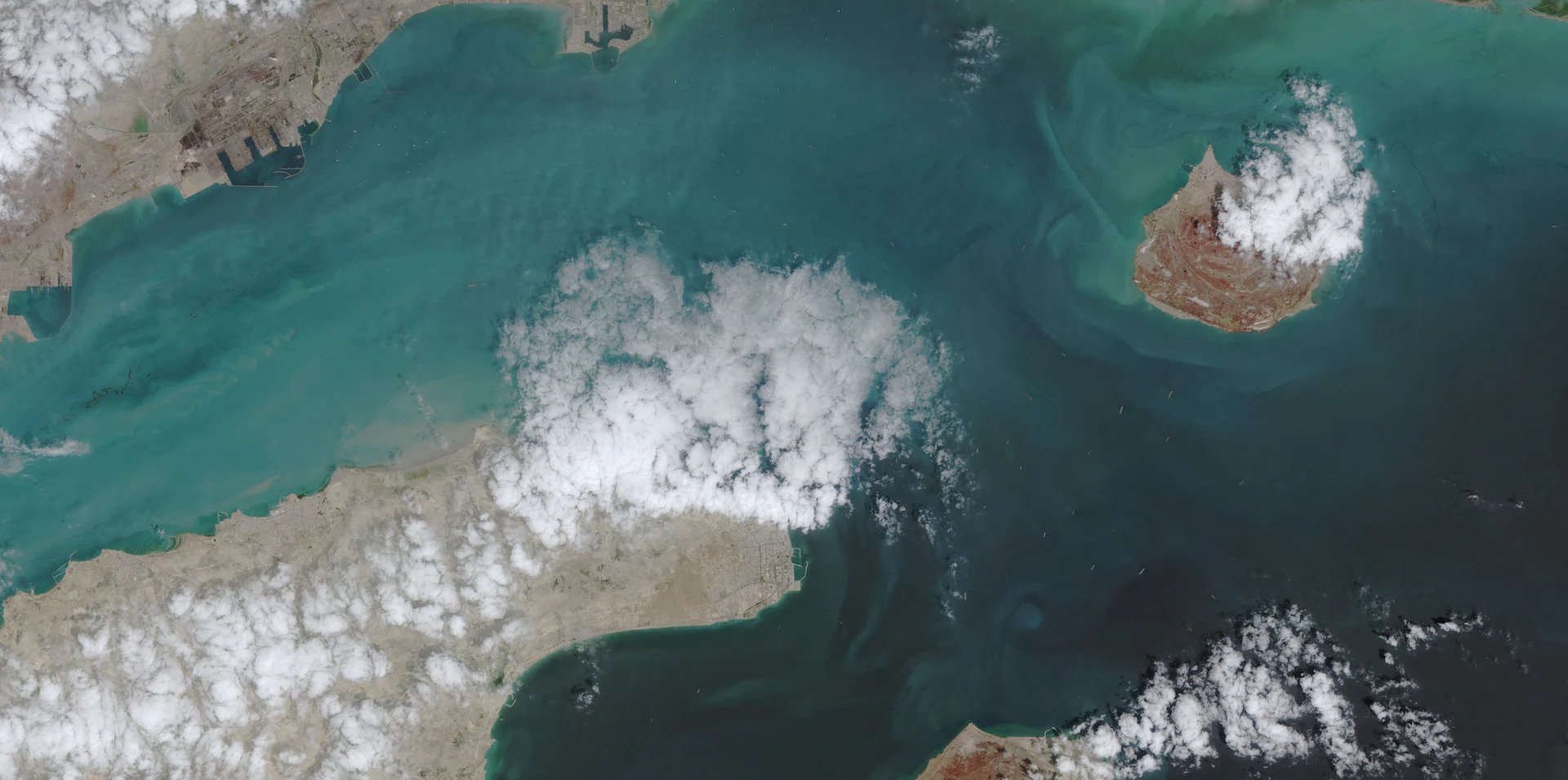
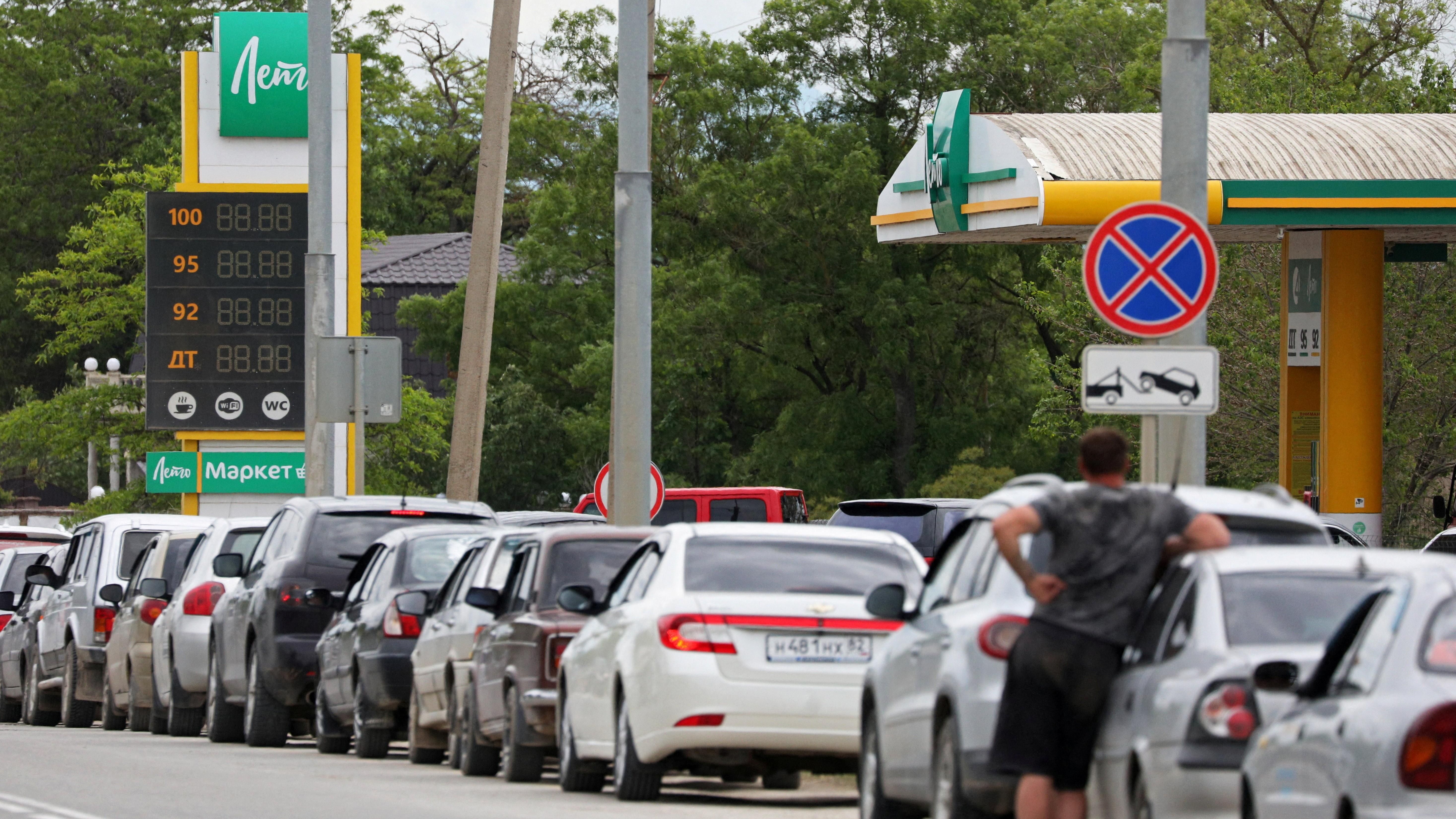
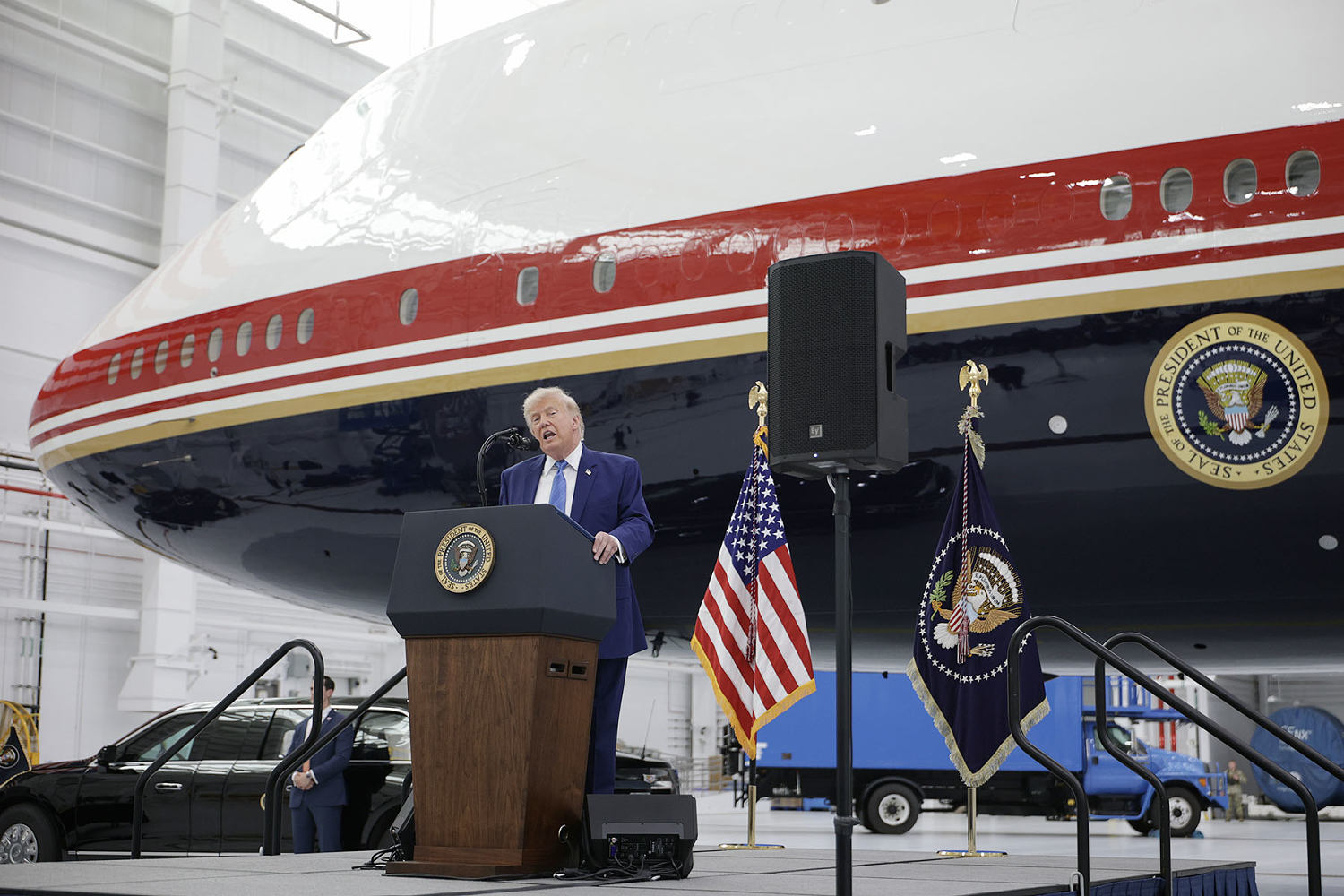
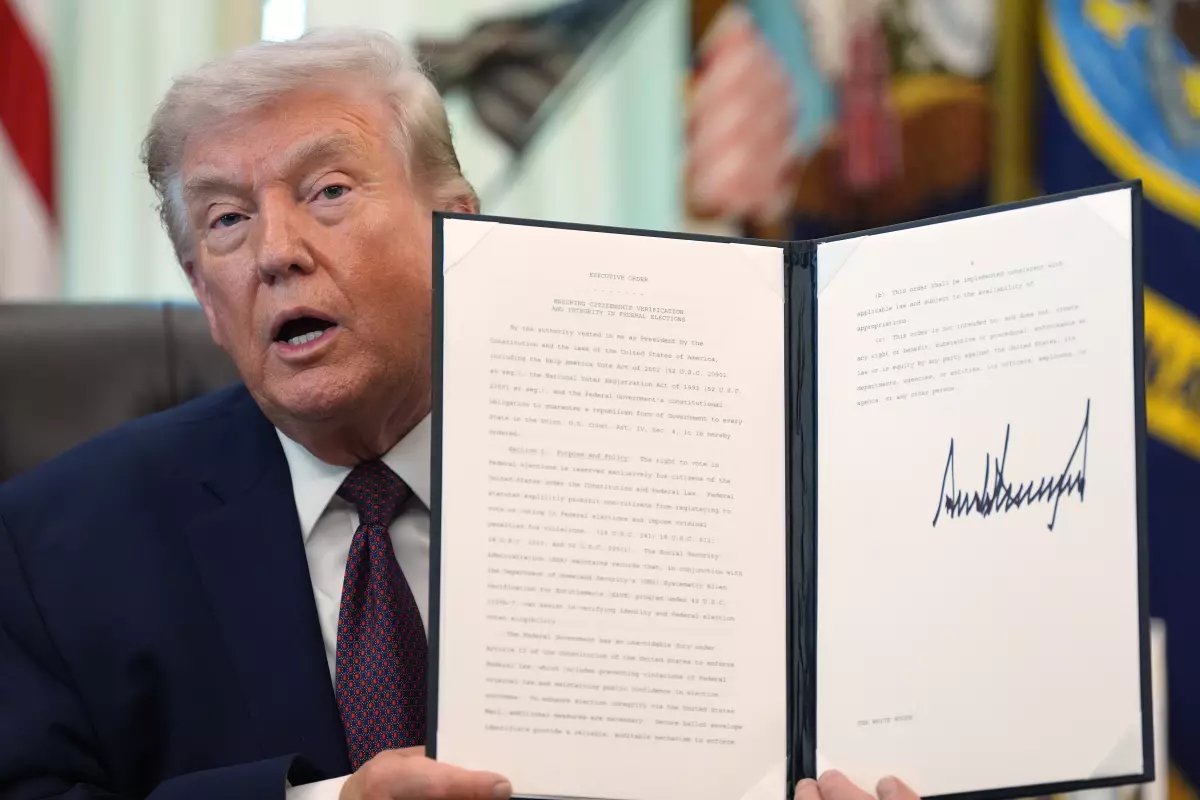
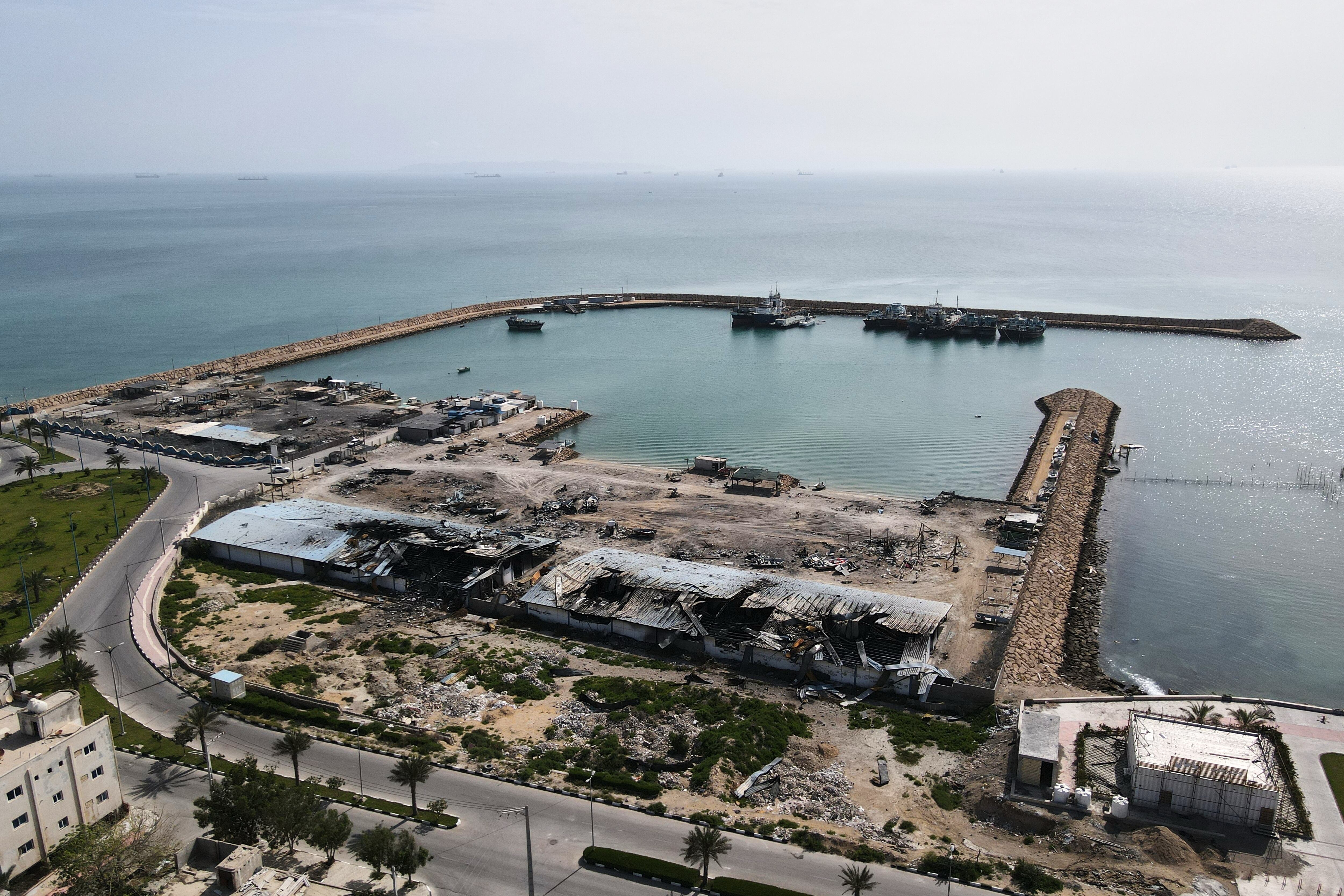
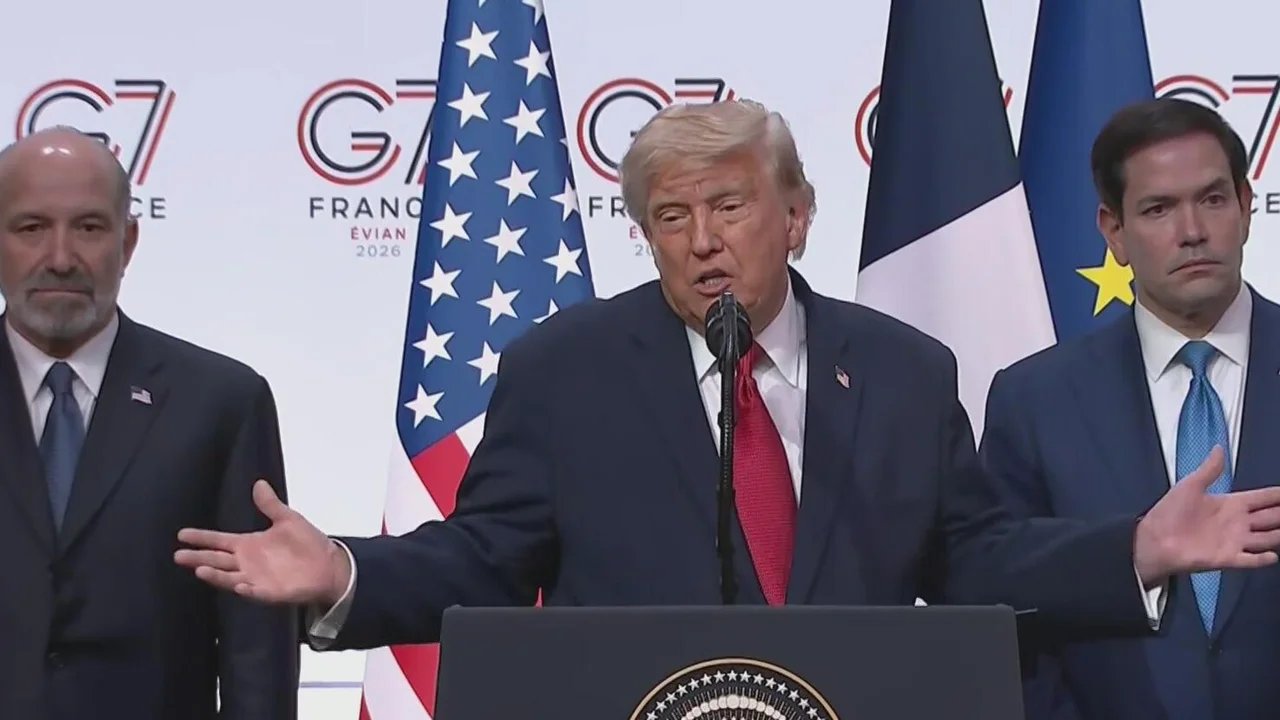
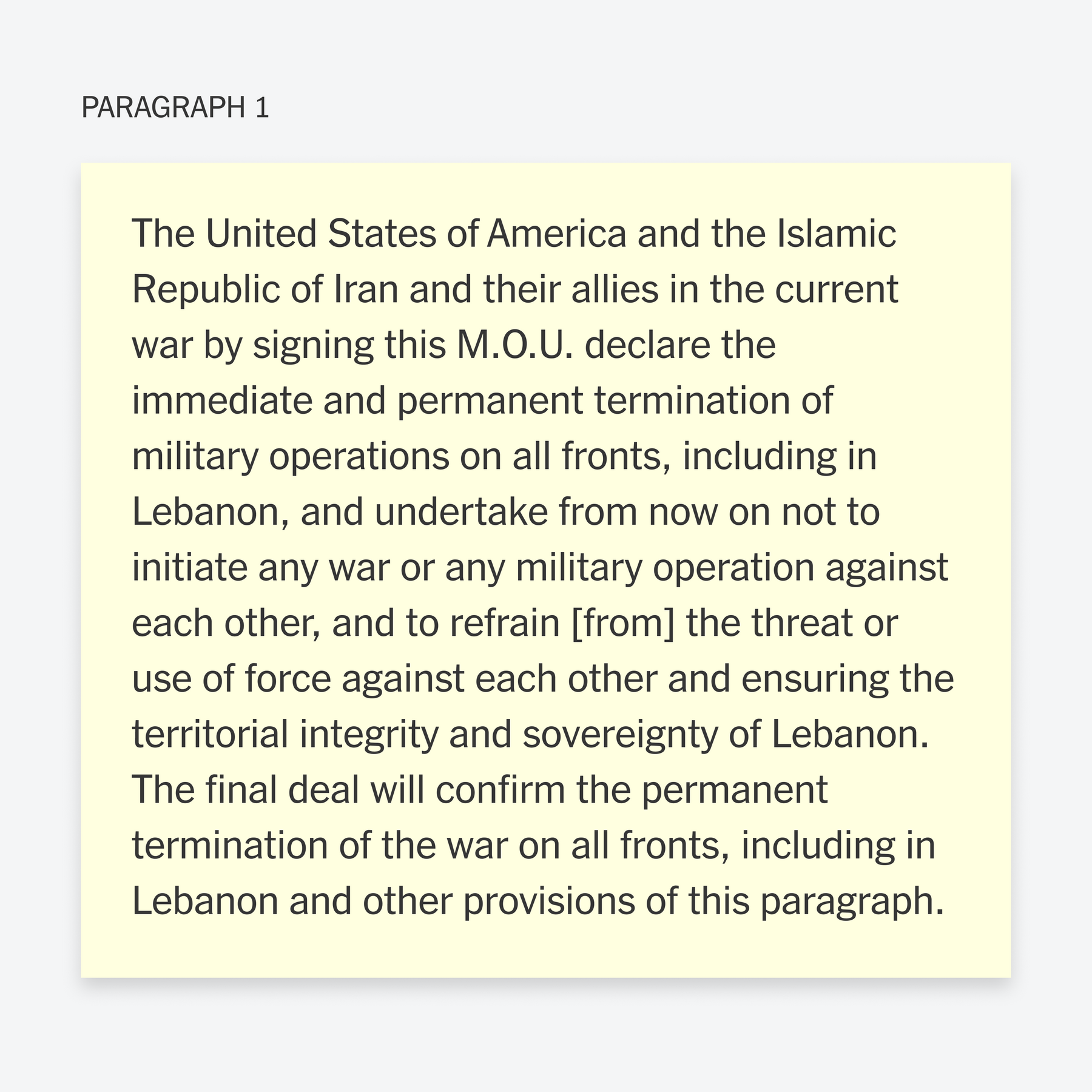
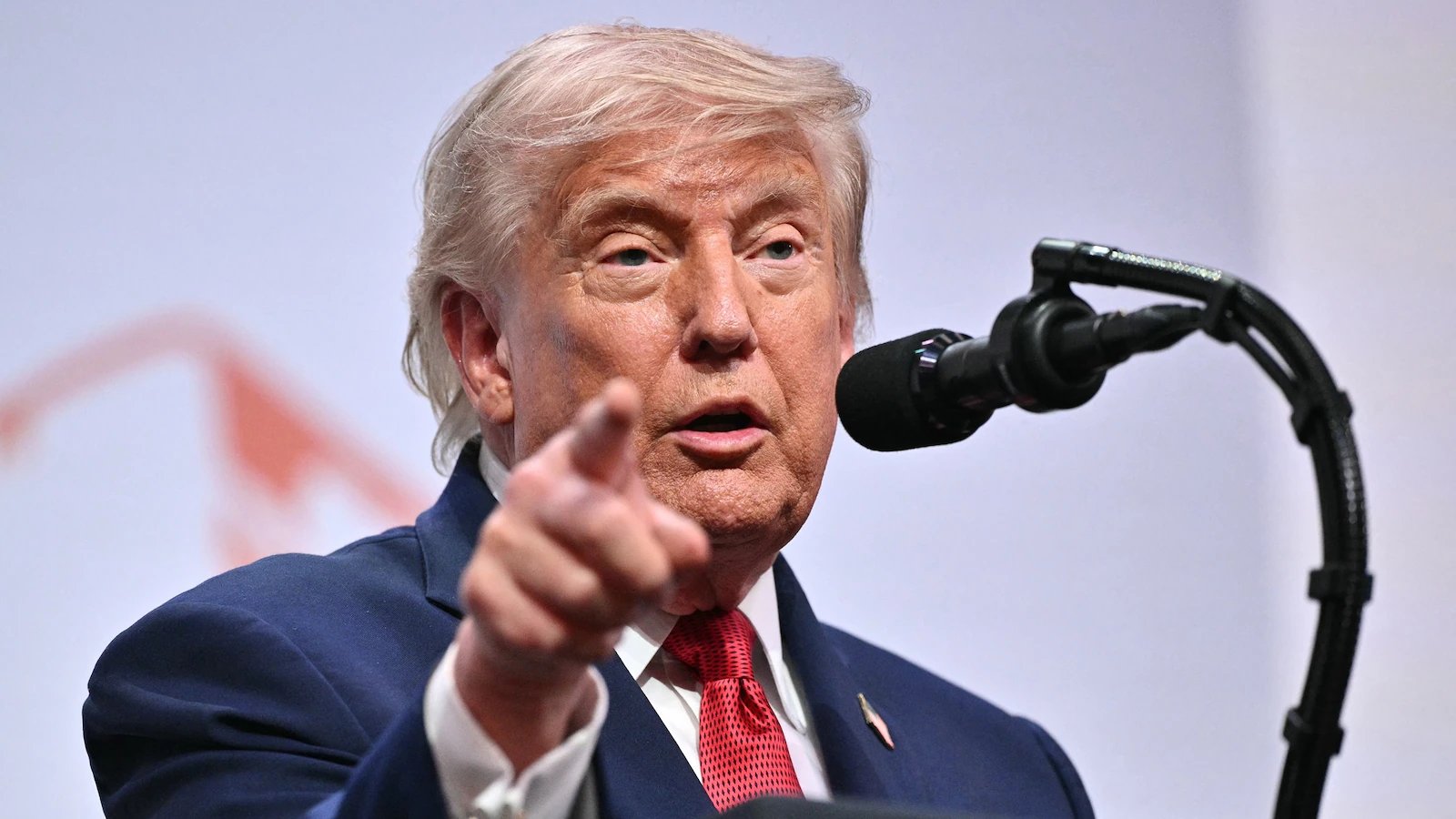
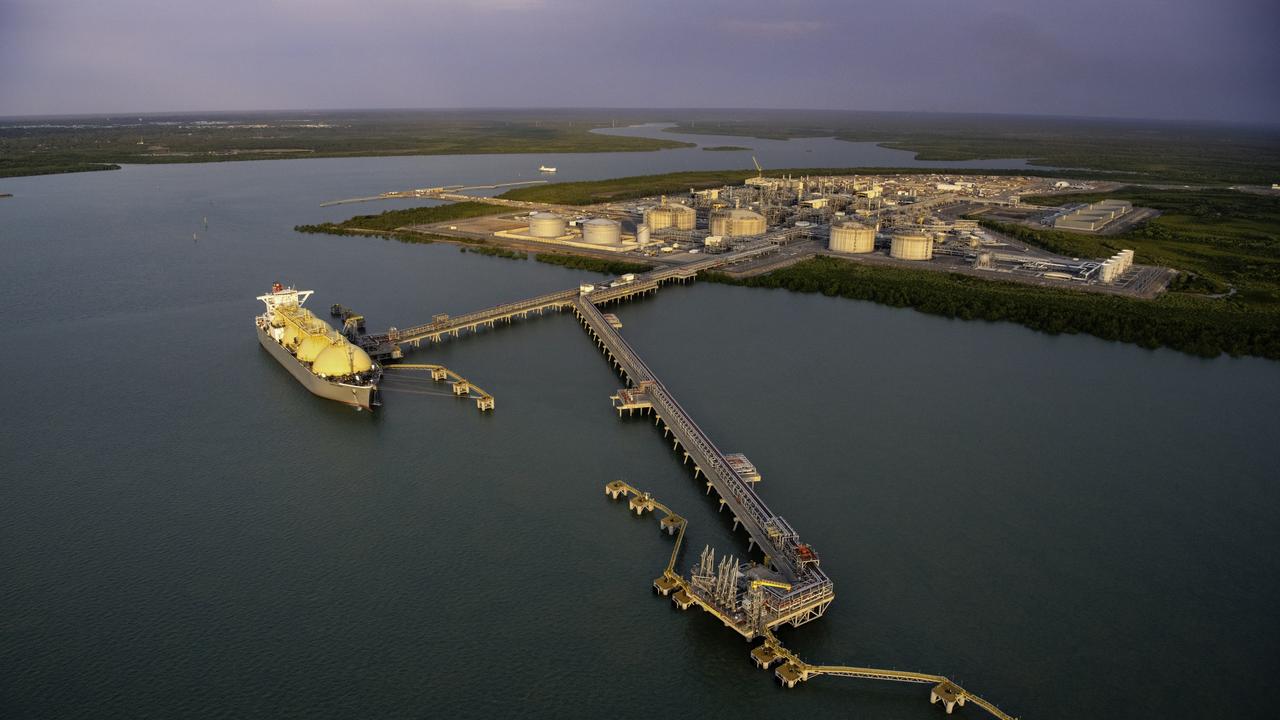
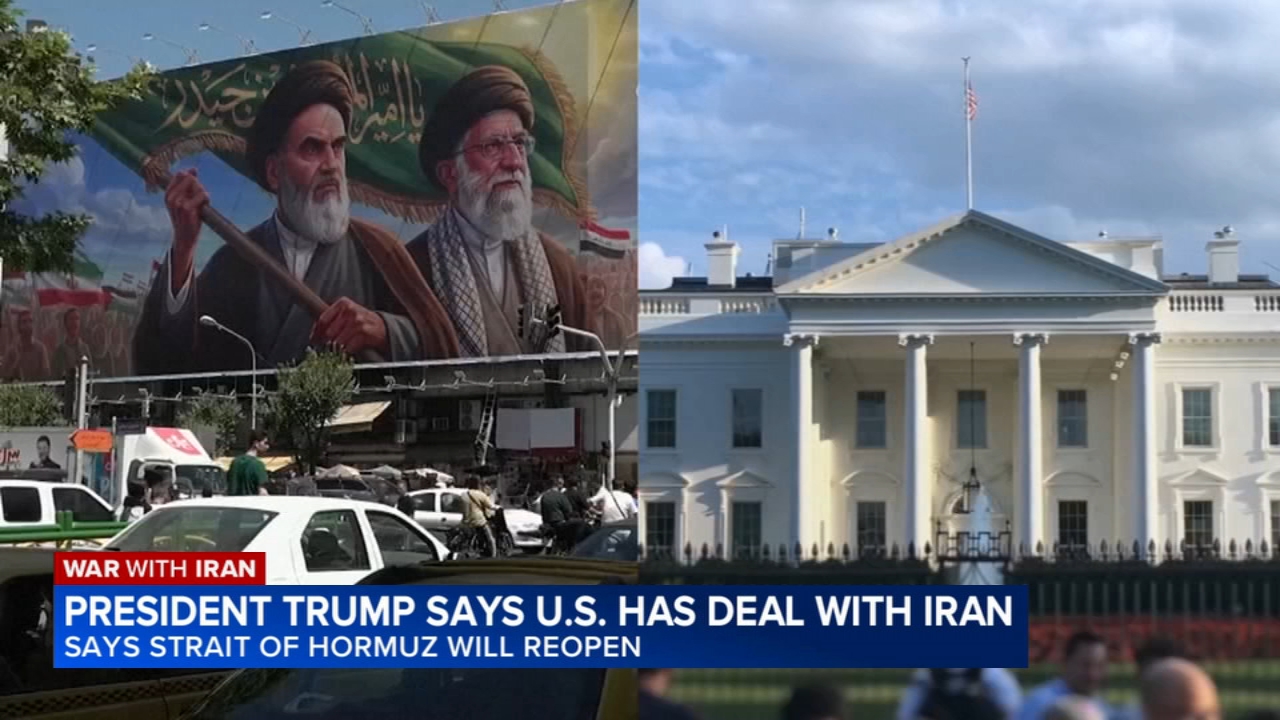
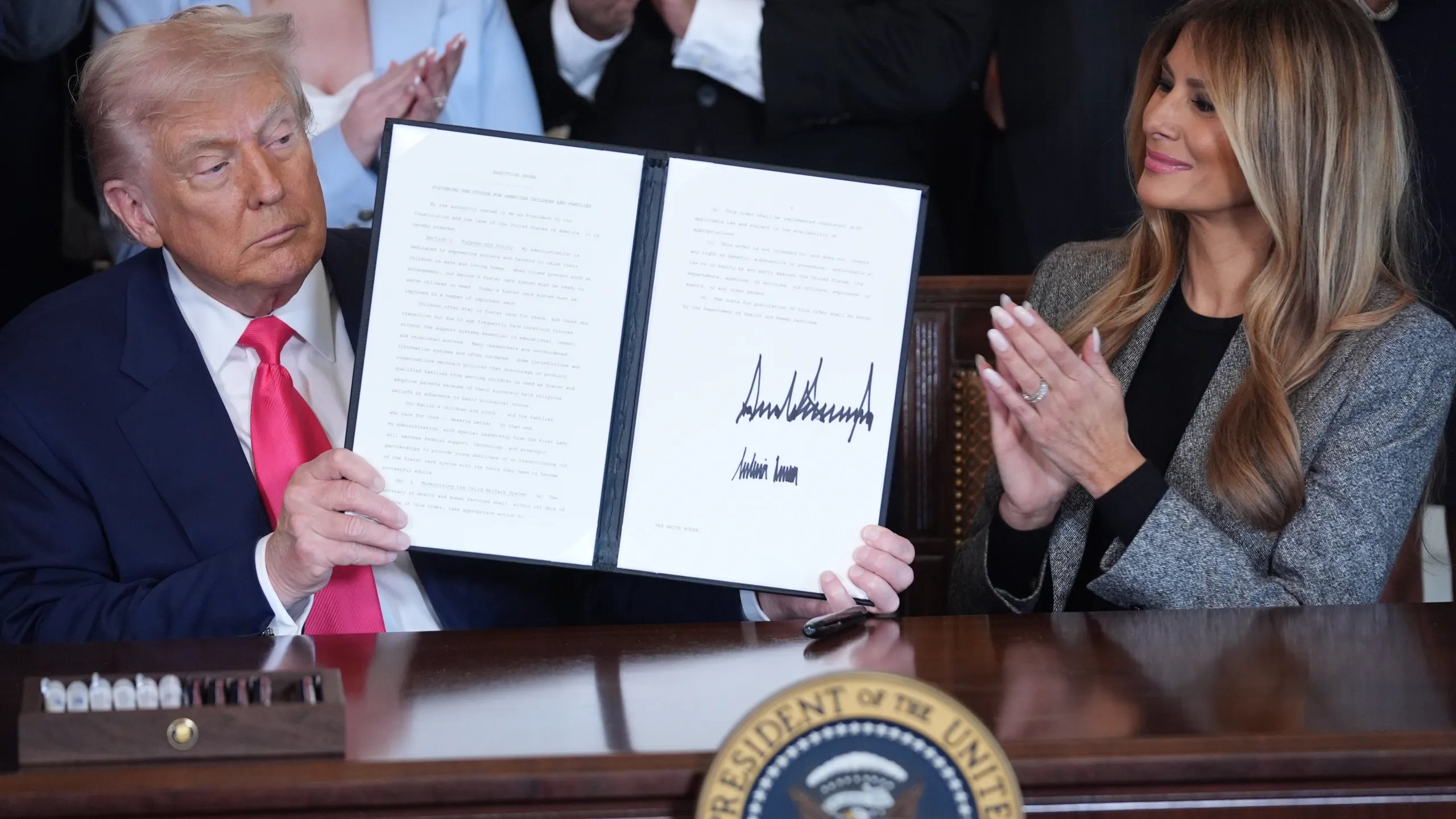
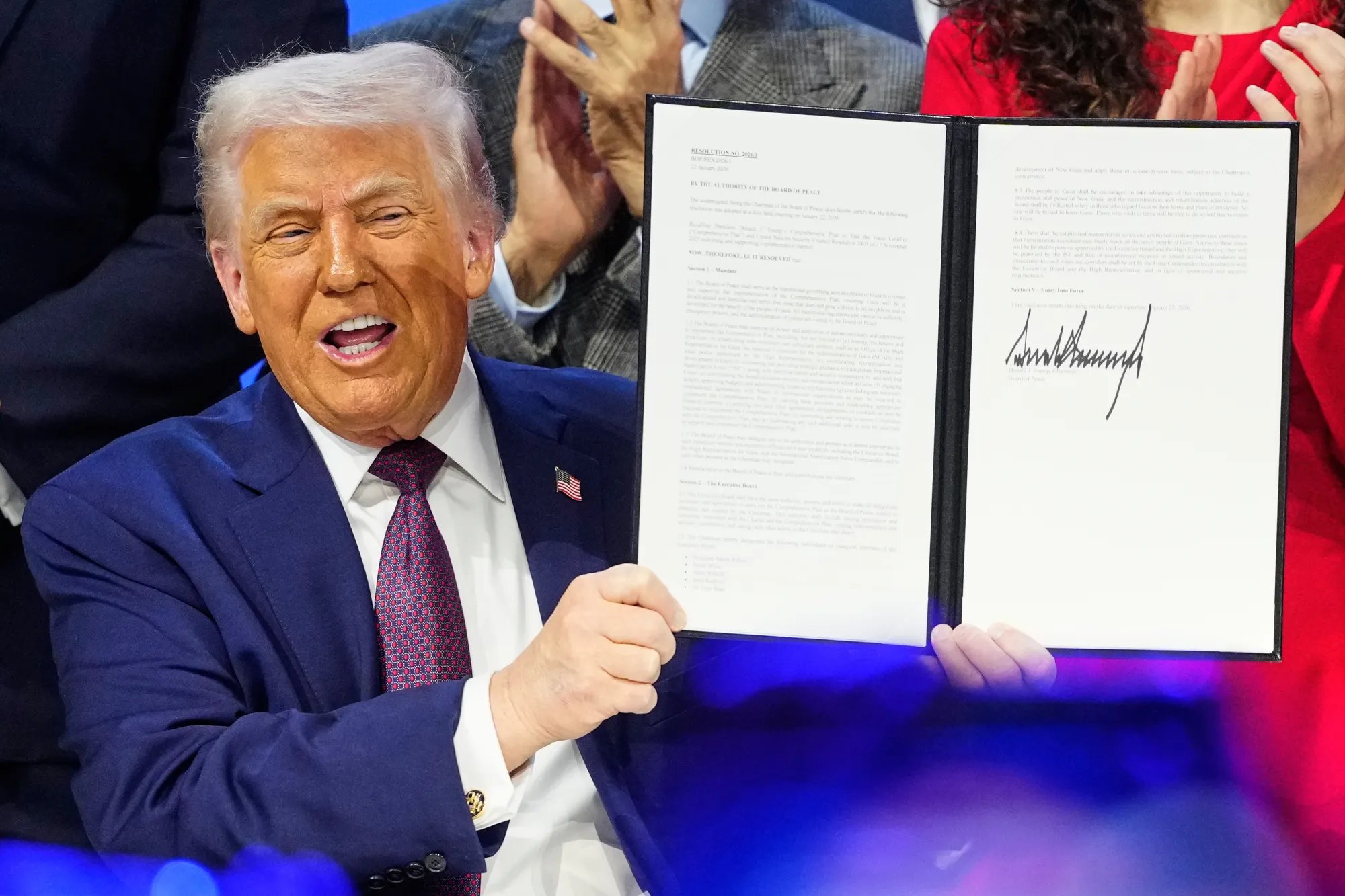
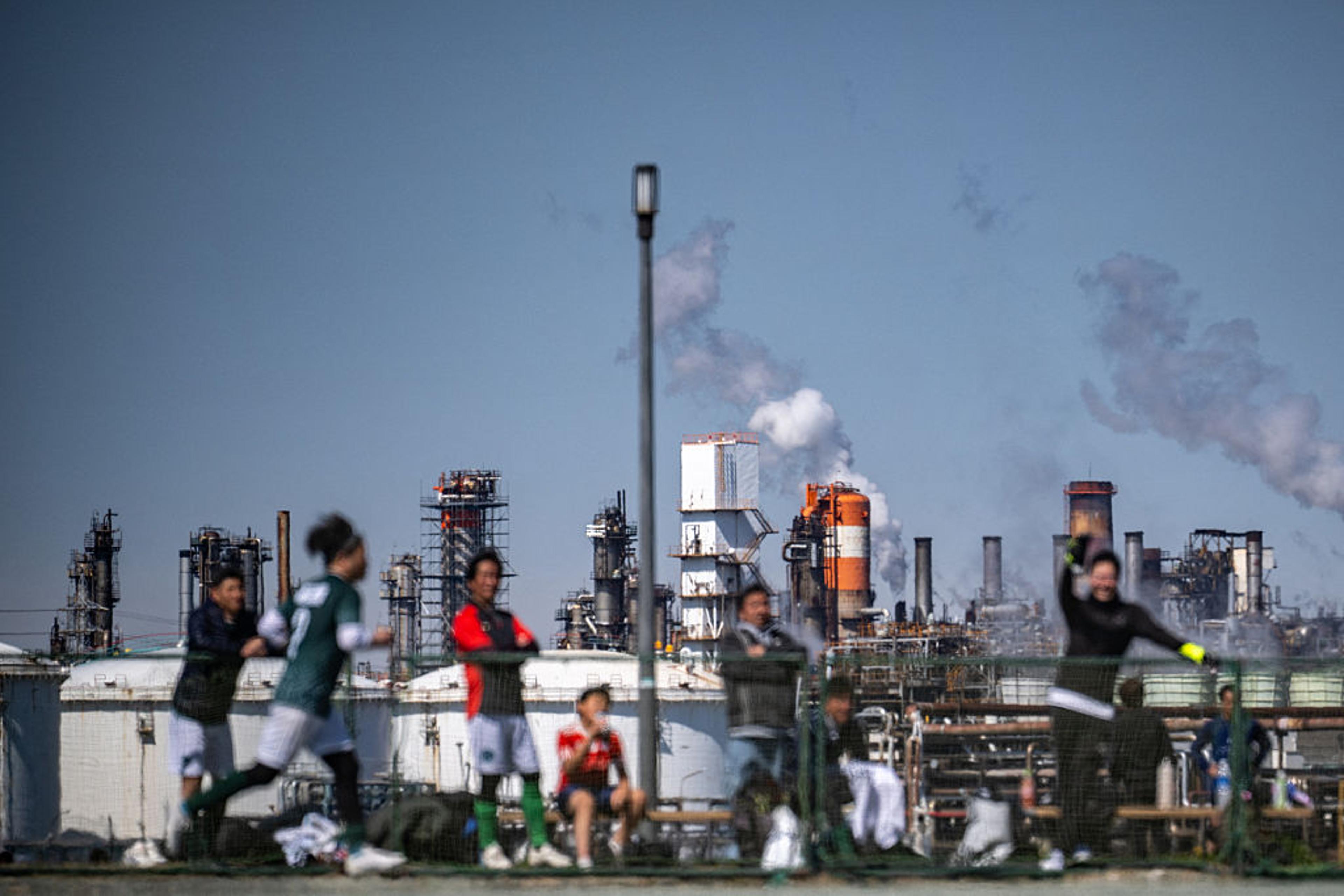
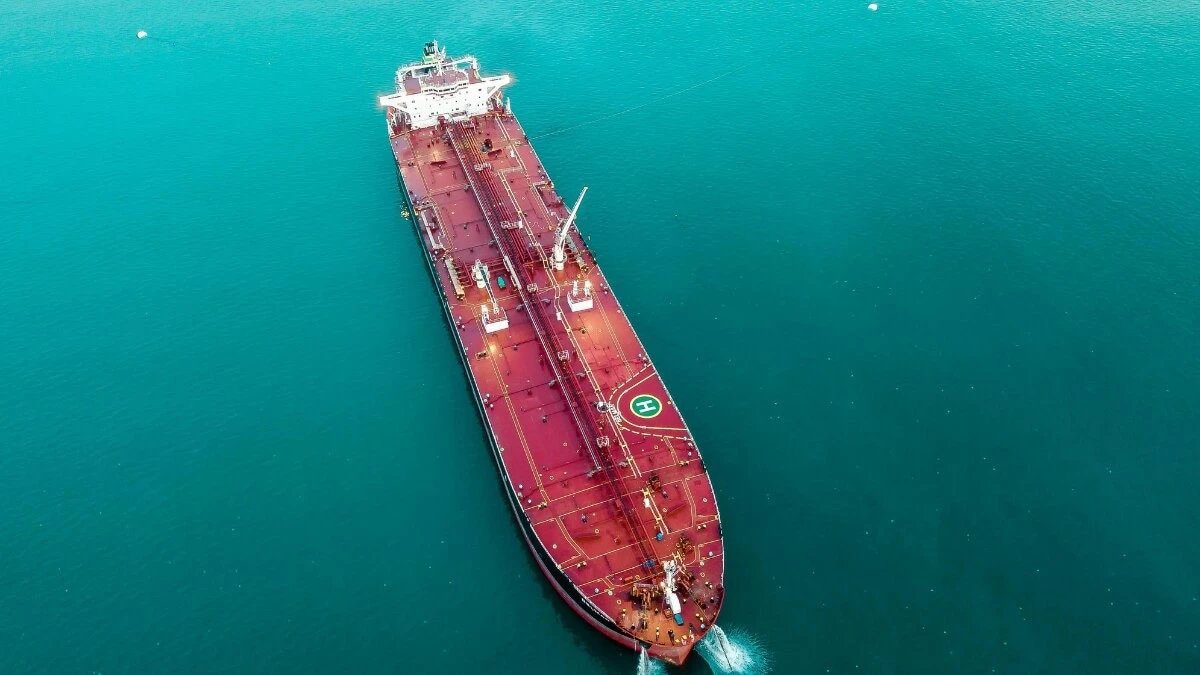
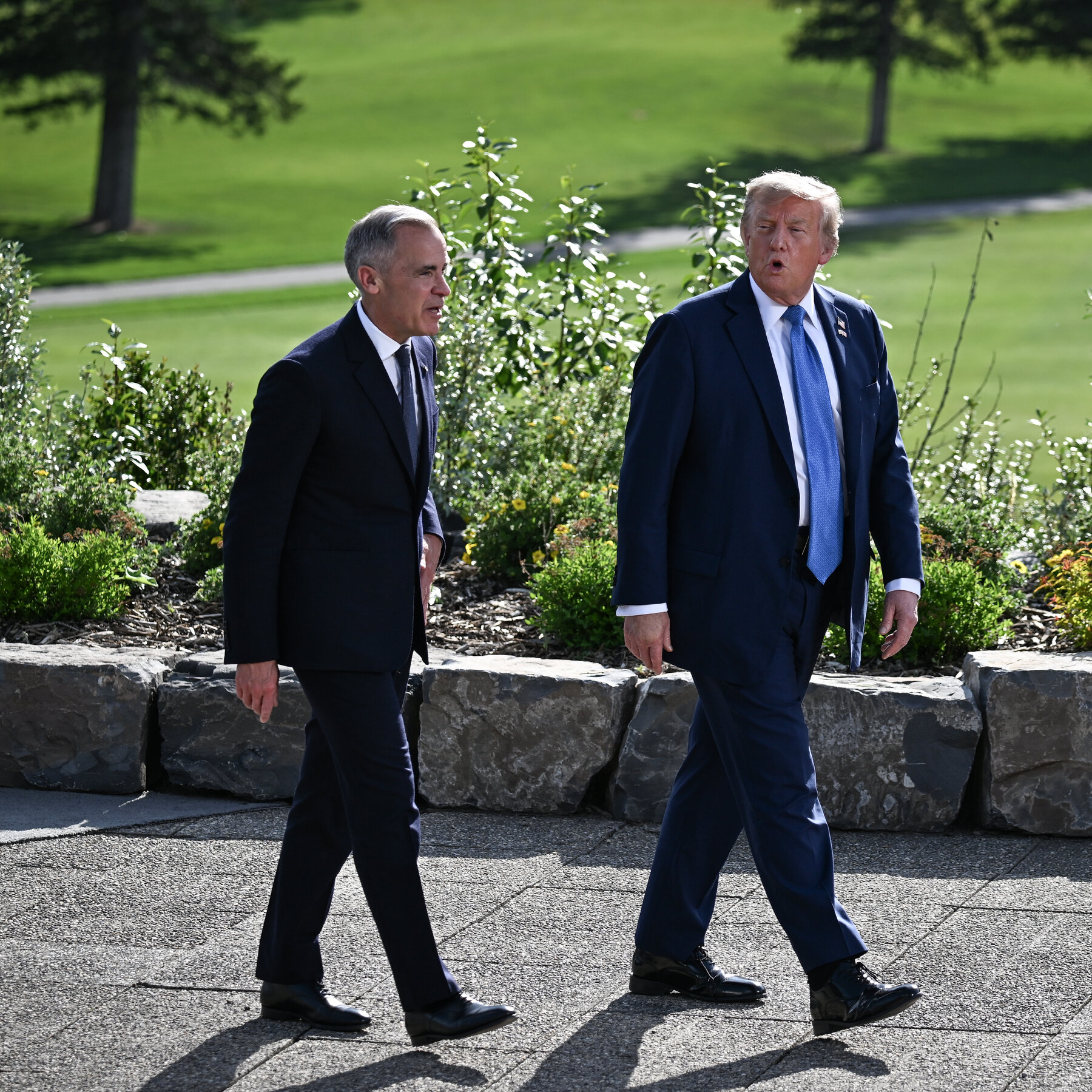
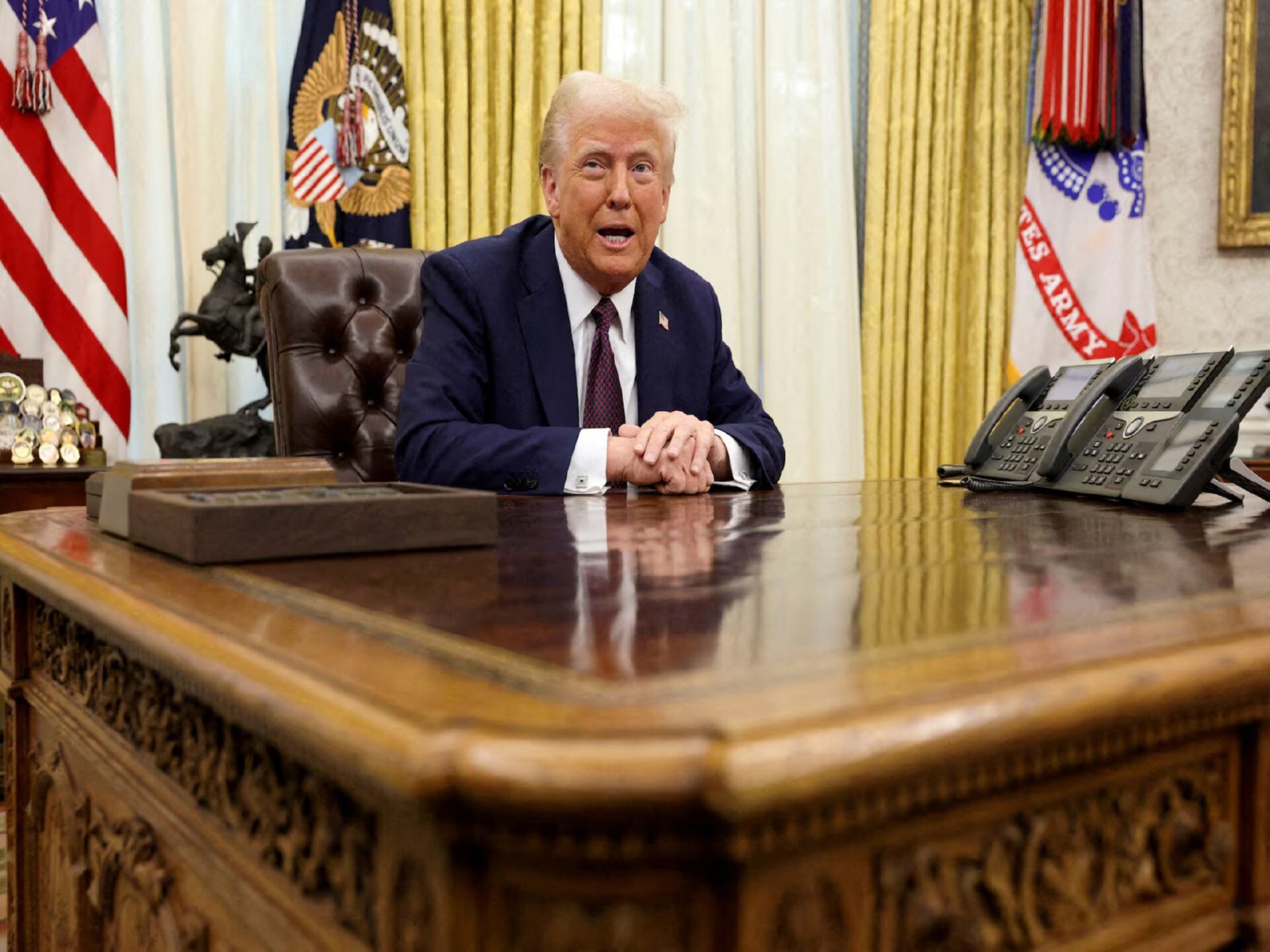
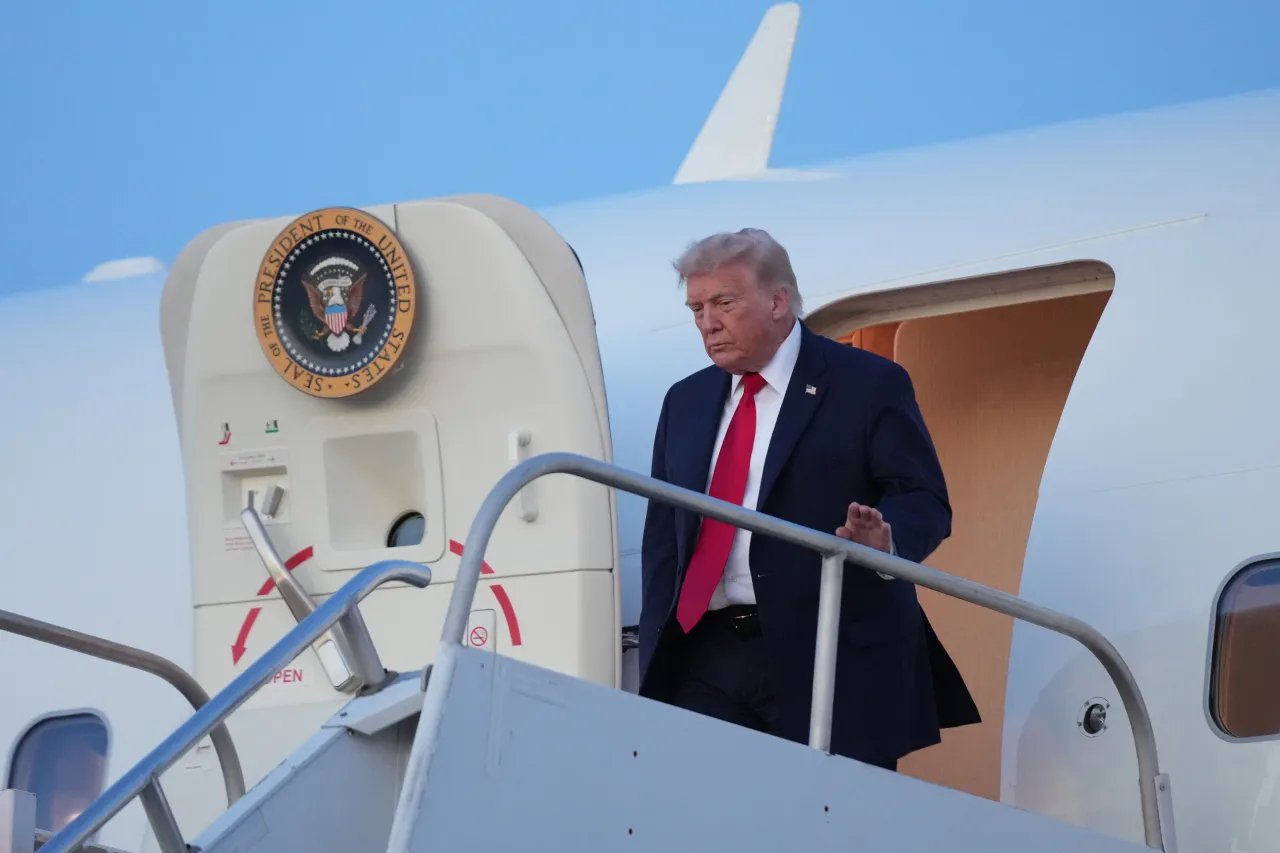
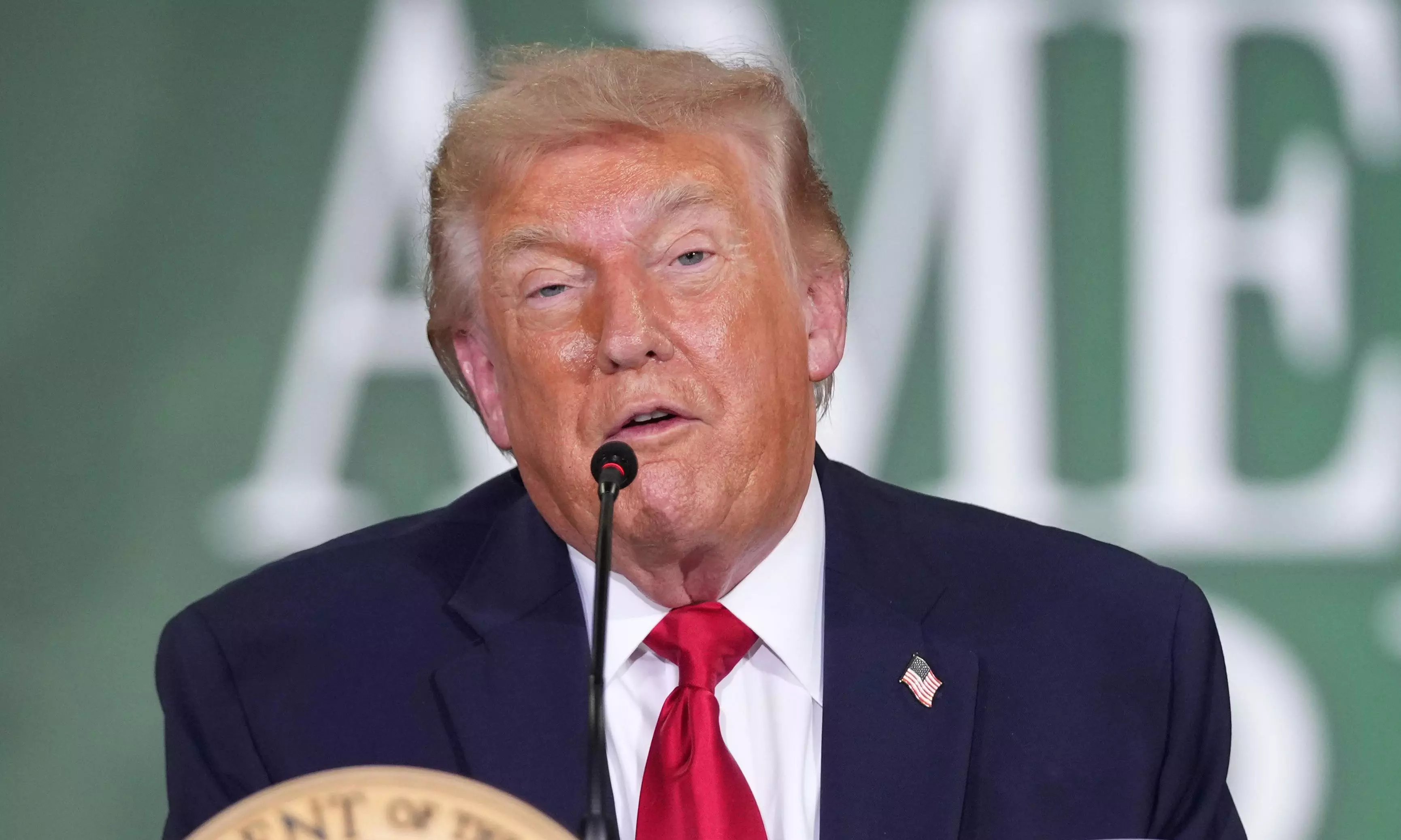
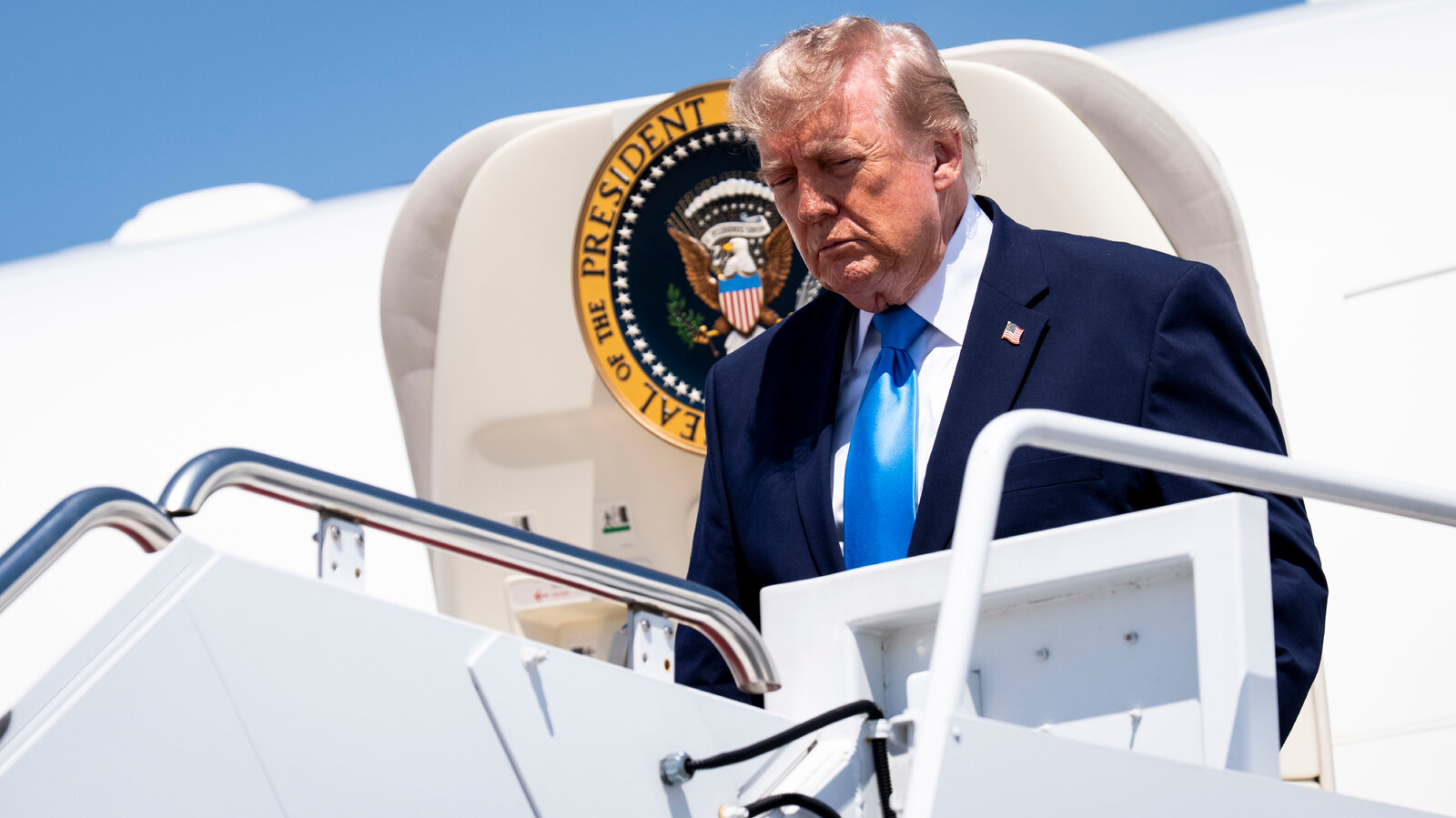
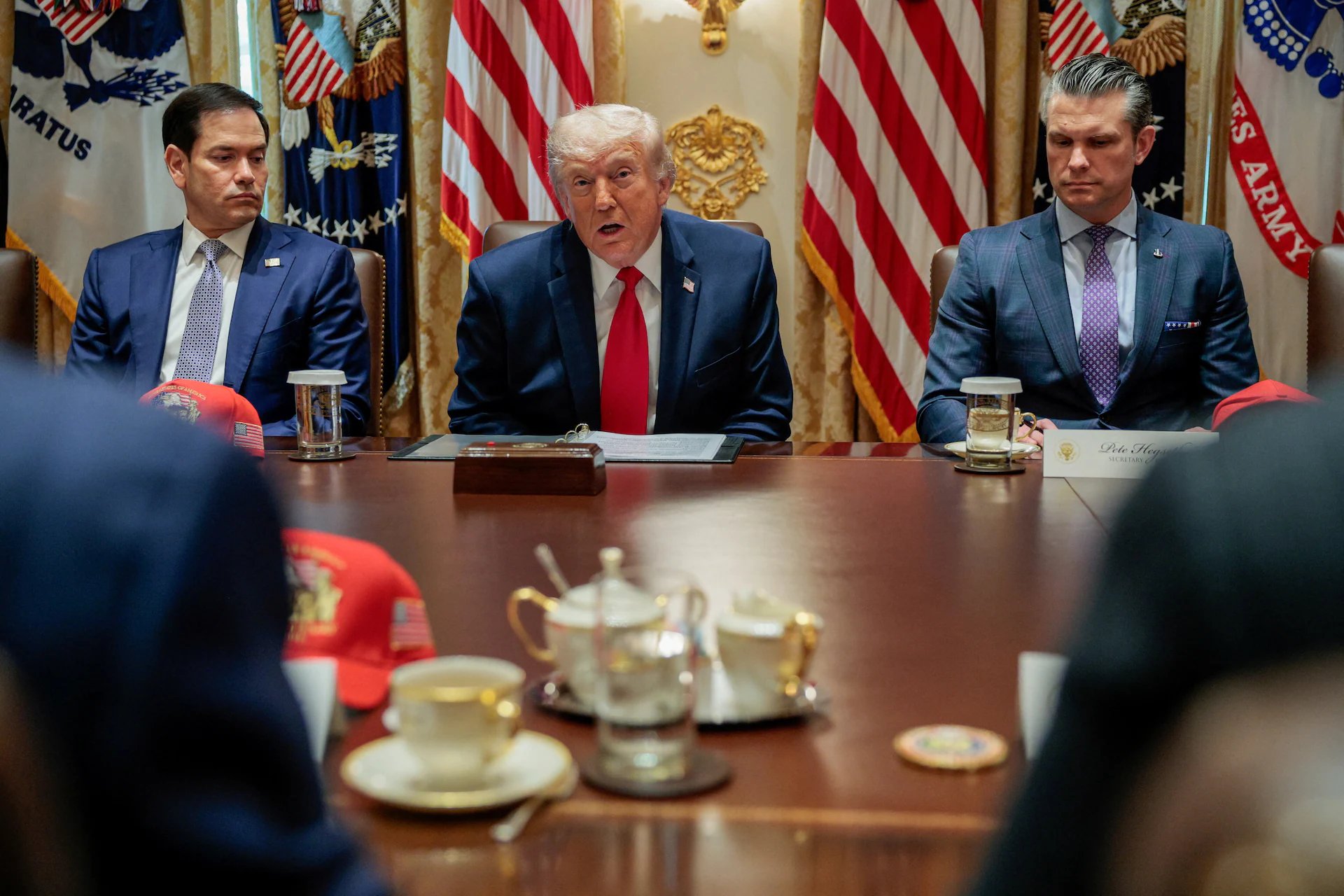
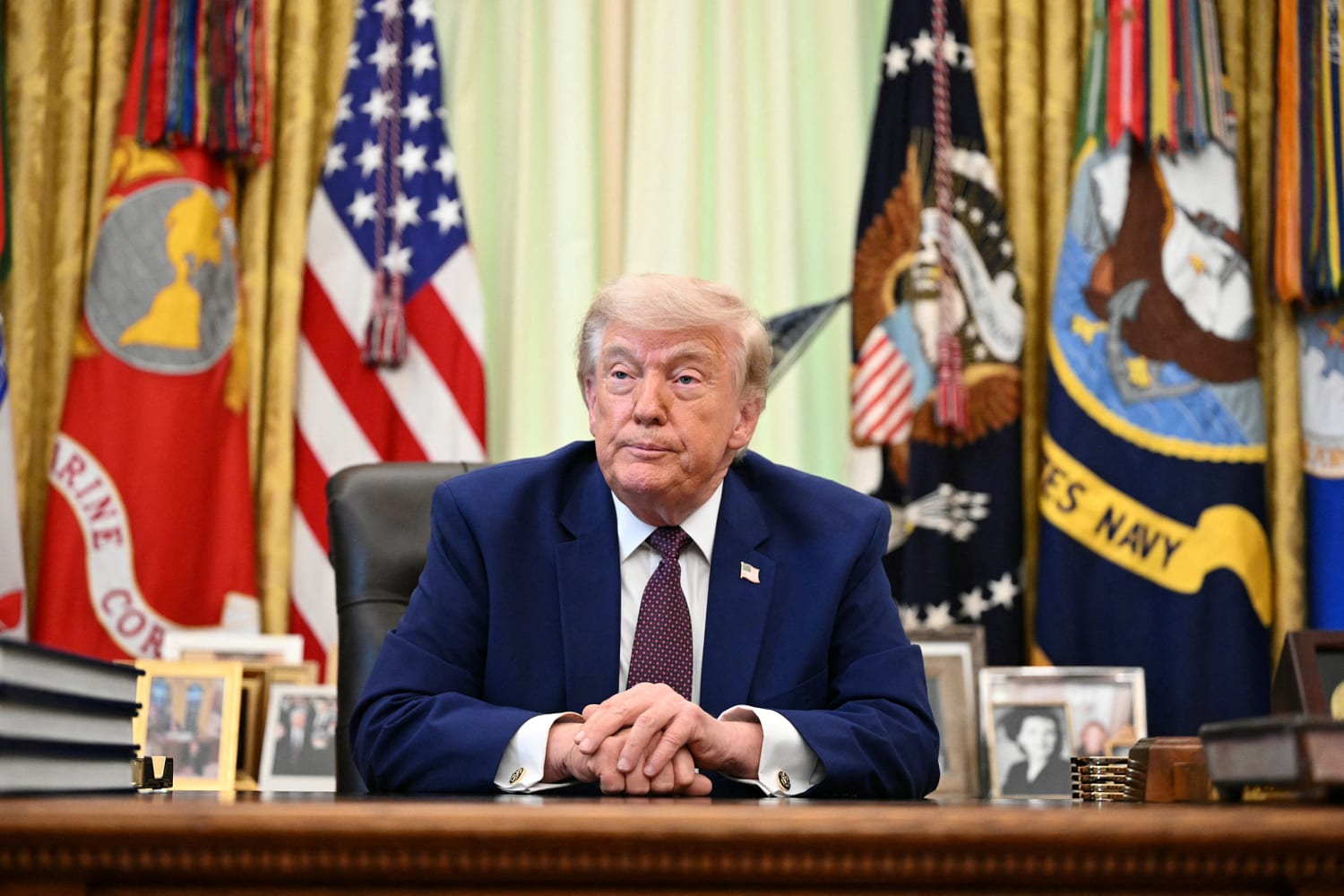
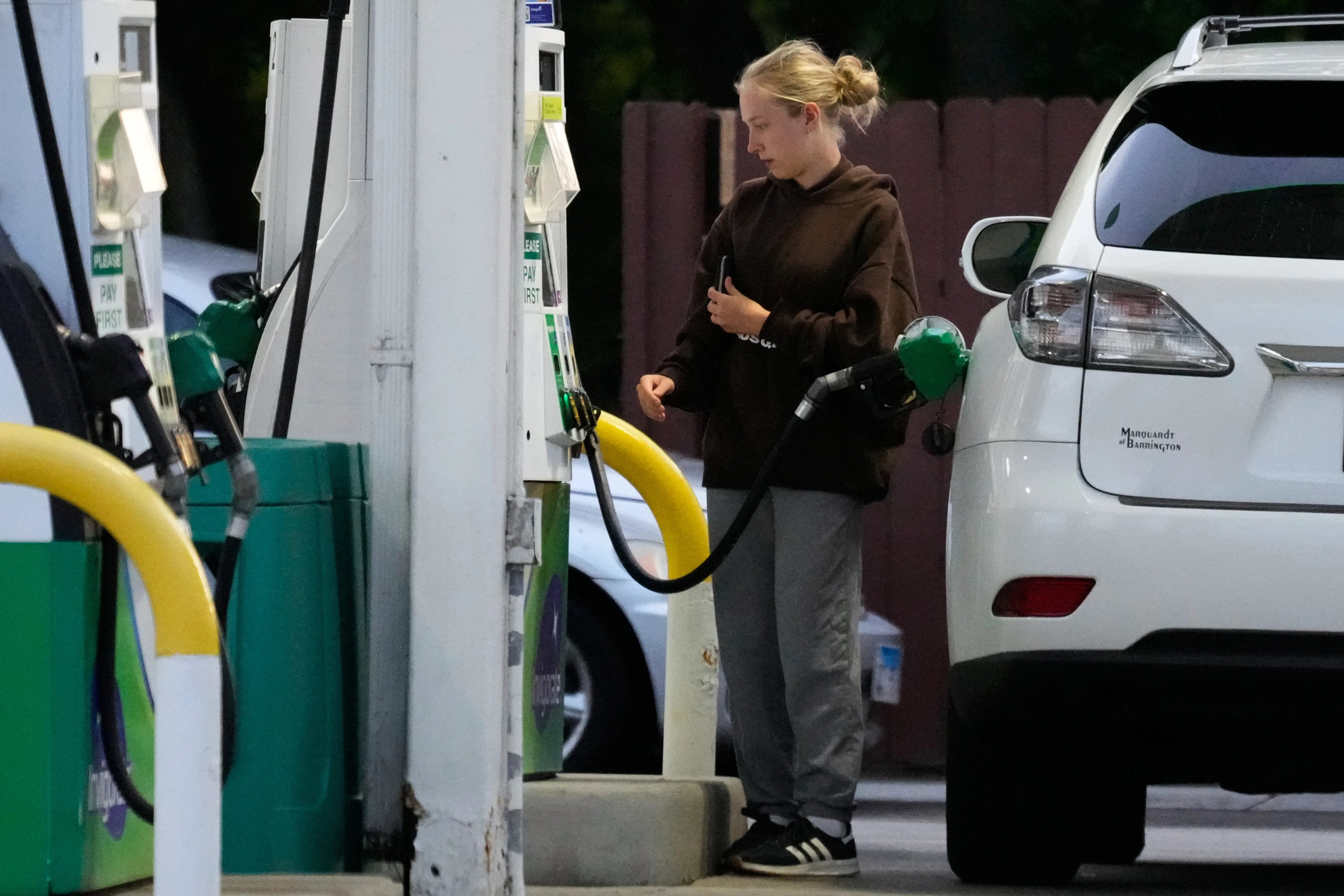
The national average price for a gallon of regular gasoline fell to $3.99 on Thursday, marking the first time in nearly three months that American drivers have seen prices dip below $4 at the pump. The decline comes after President Trump signed a memorandum of understanding with Iran on Wednesday that calls for reopening the Strait of Hormuz, a waterway through which one-fifth of the world's oil supply normally flows.
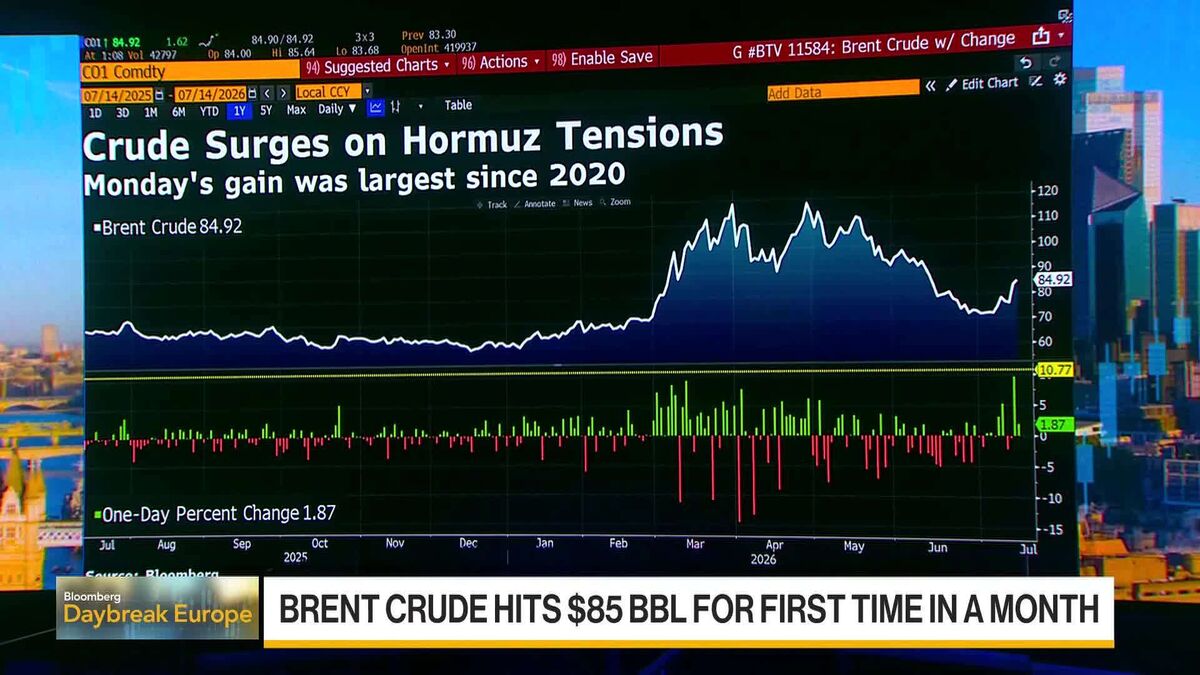
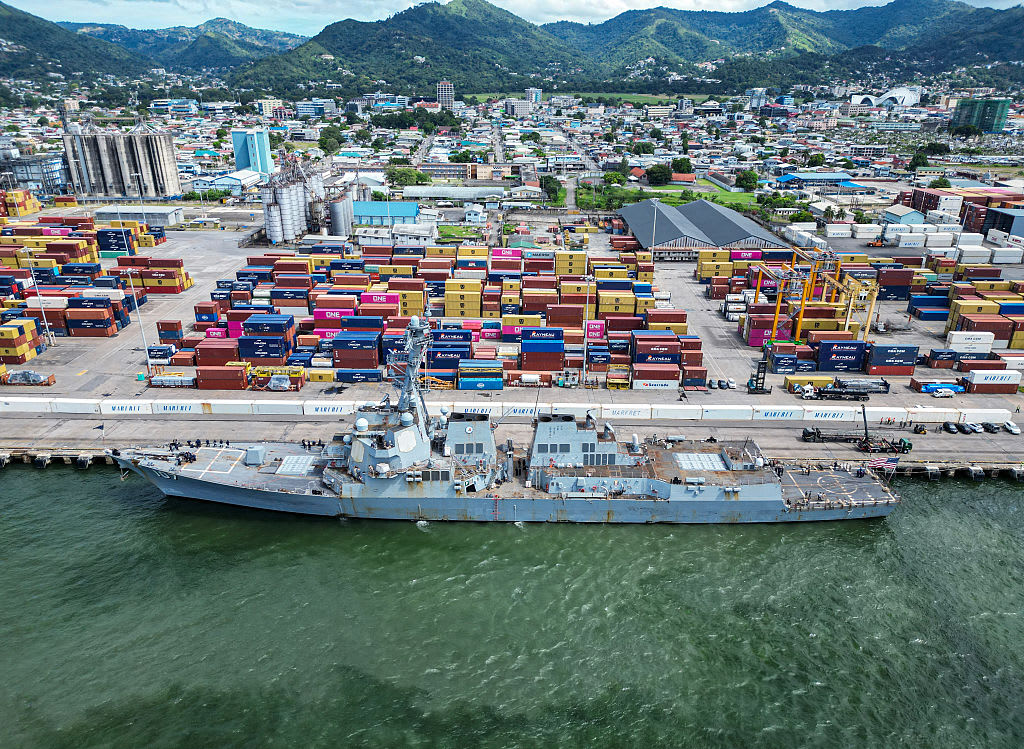
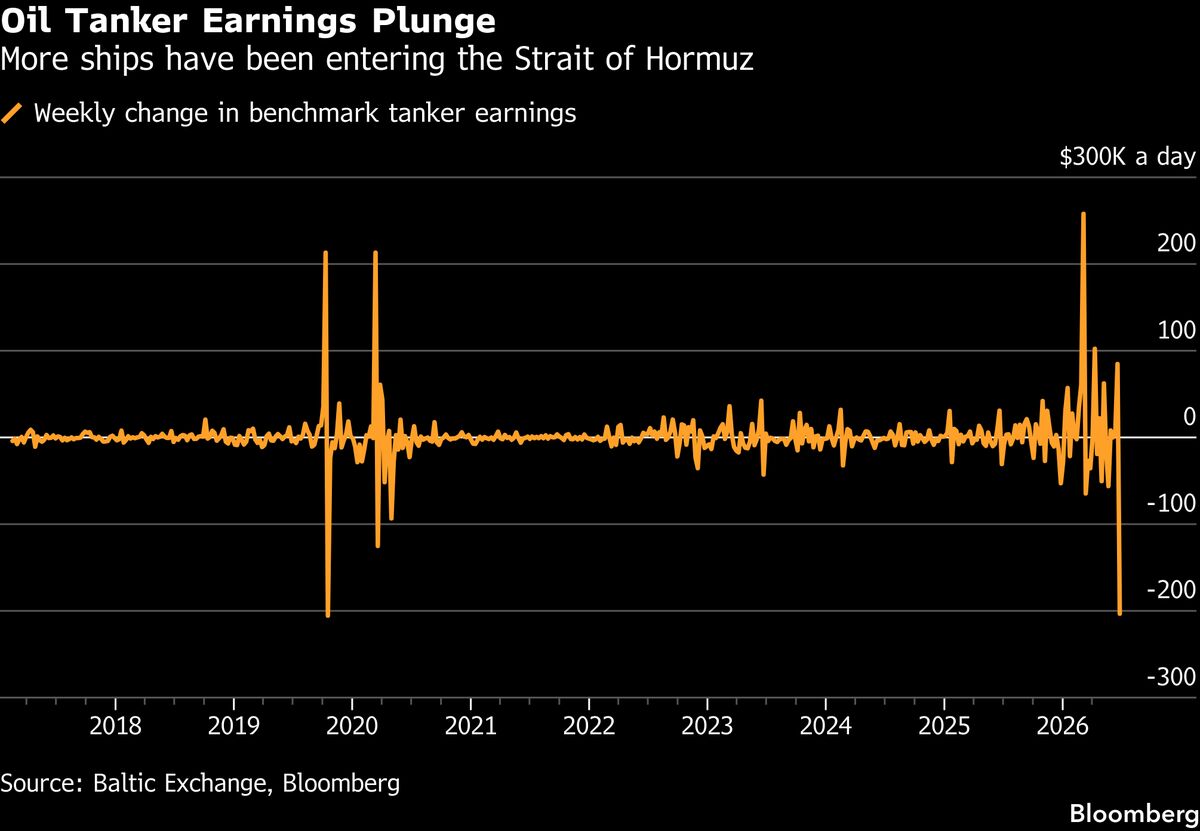
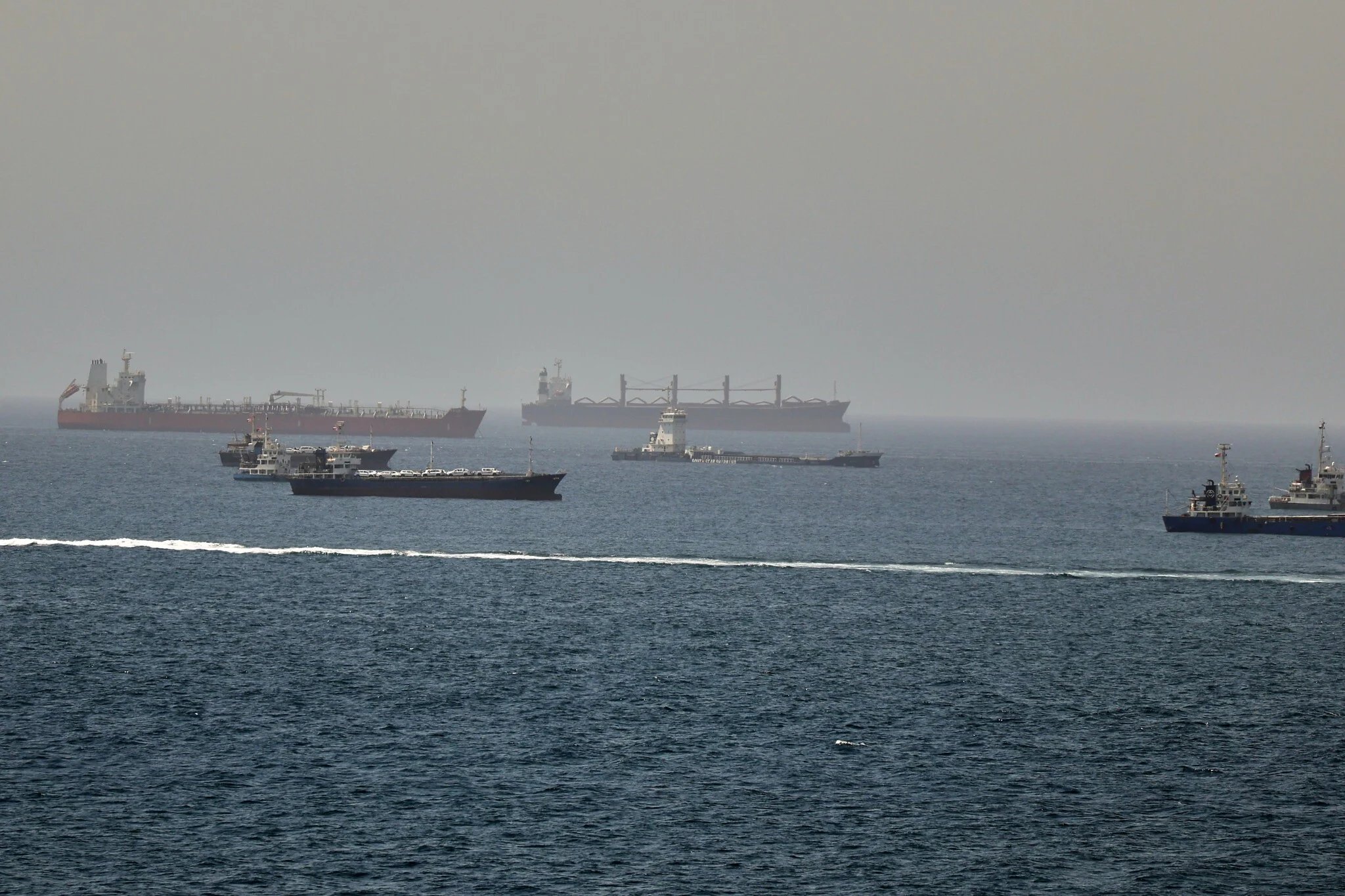
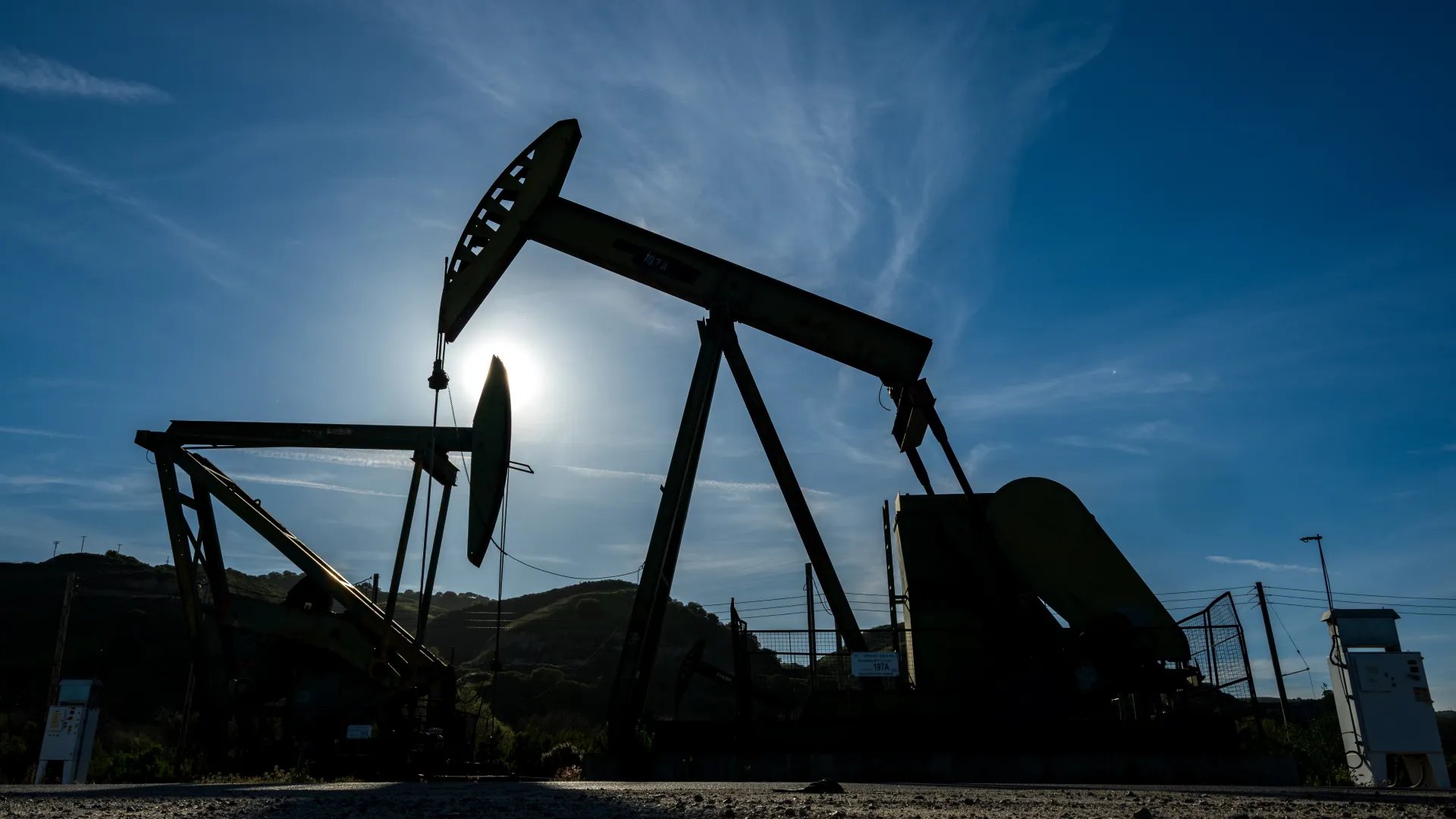
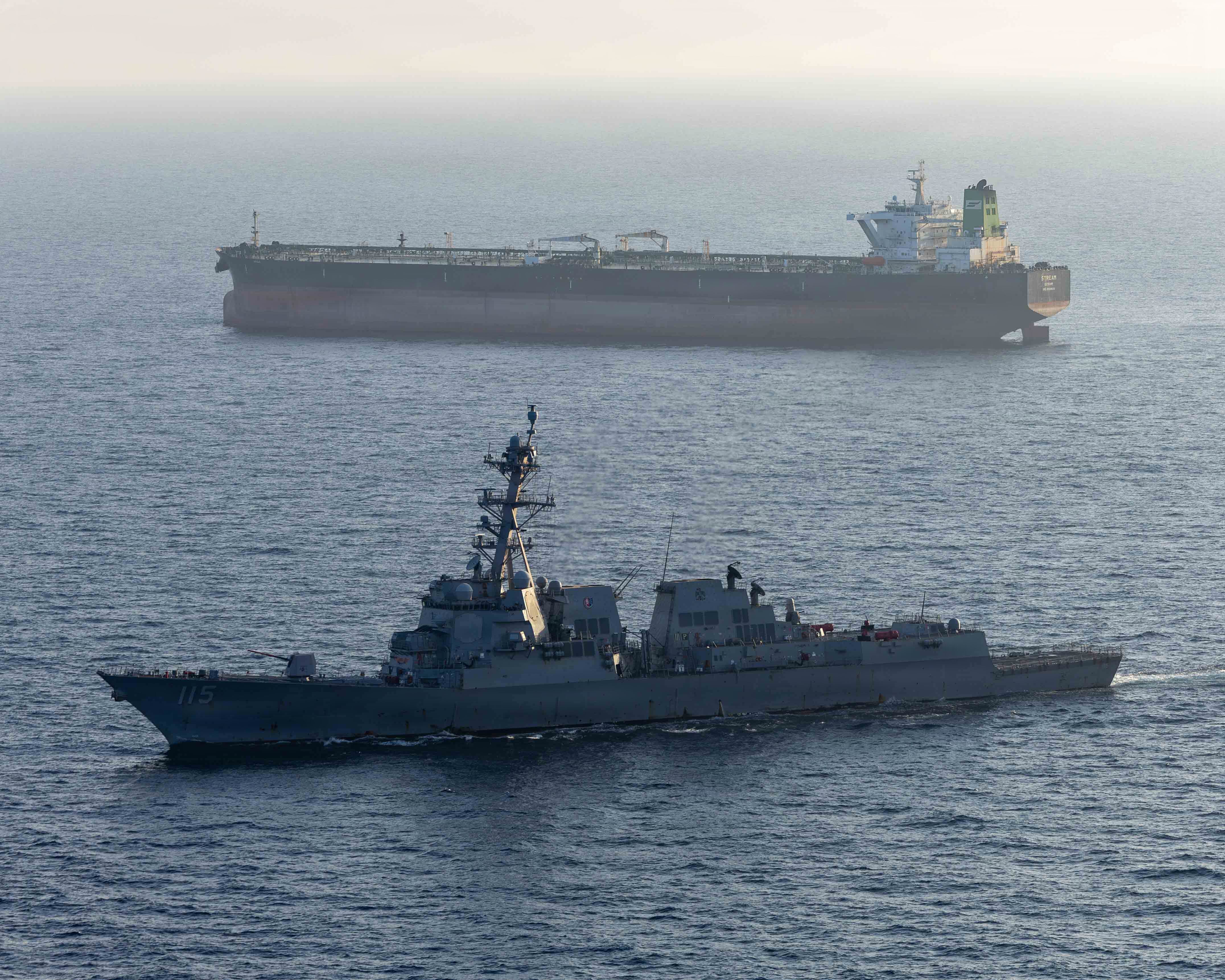
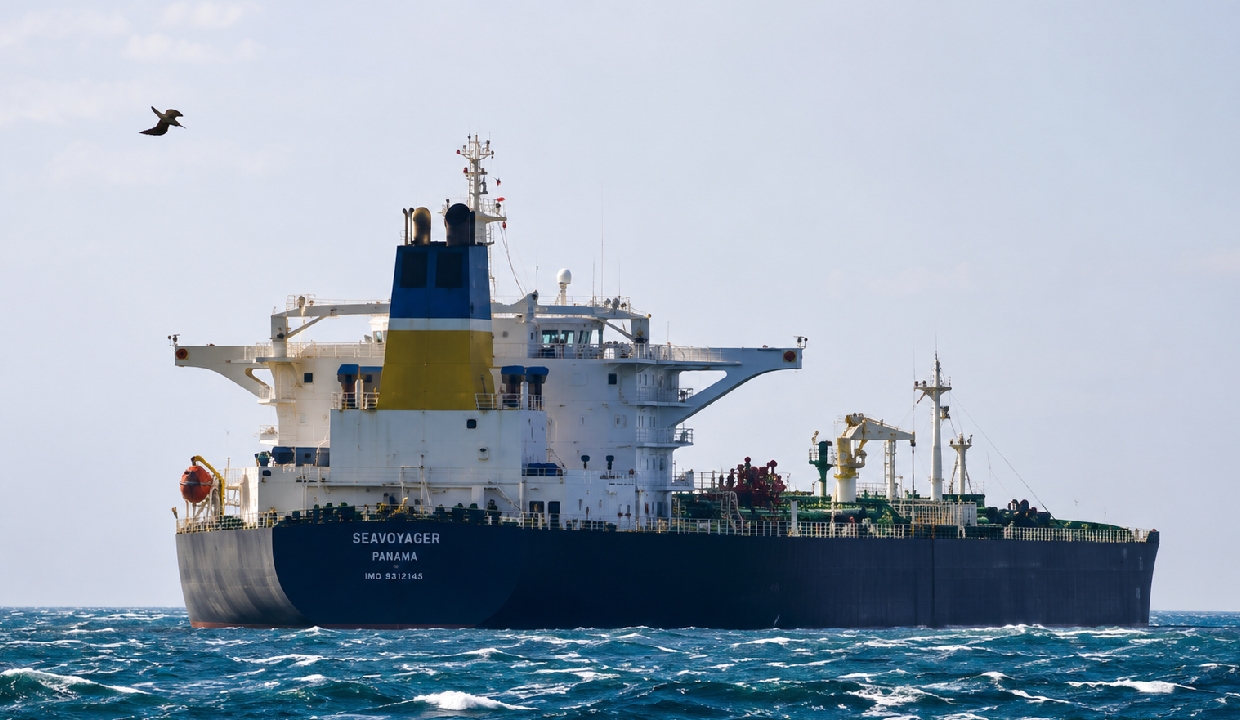
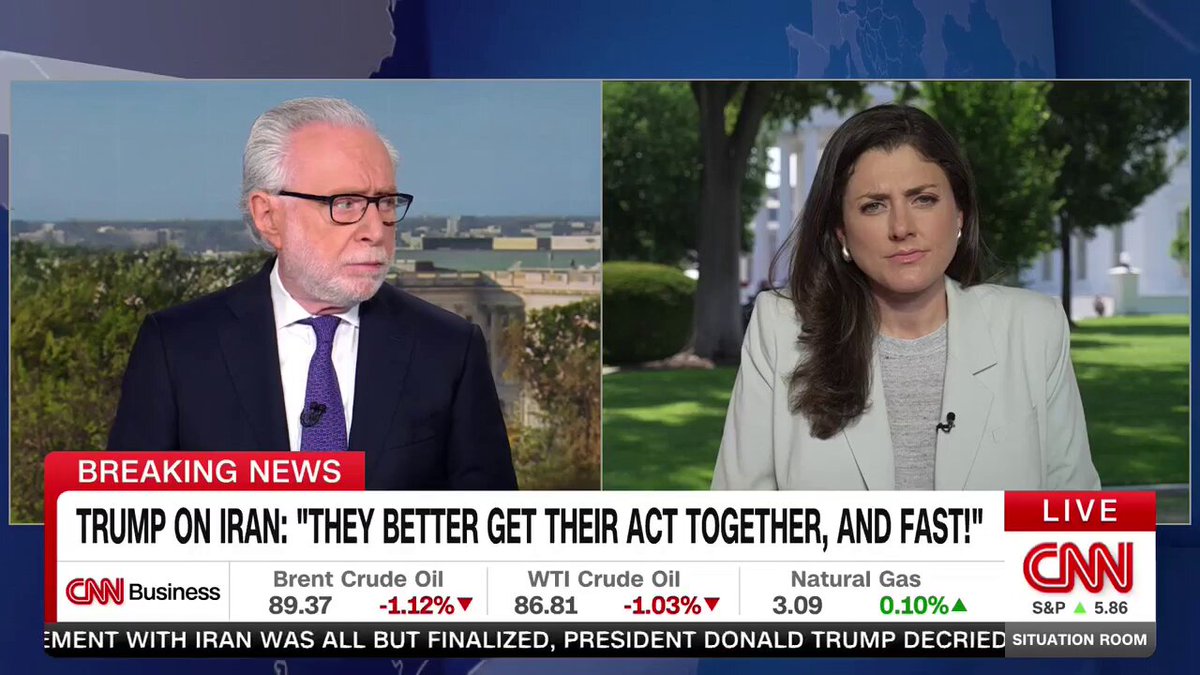
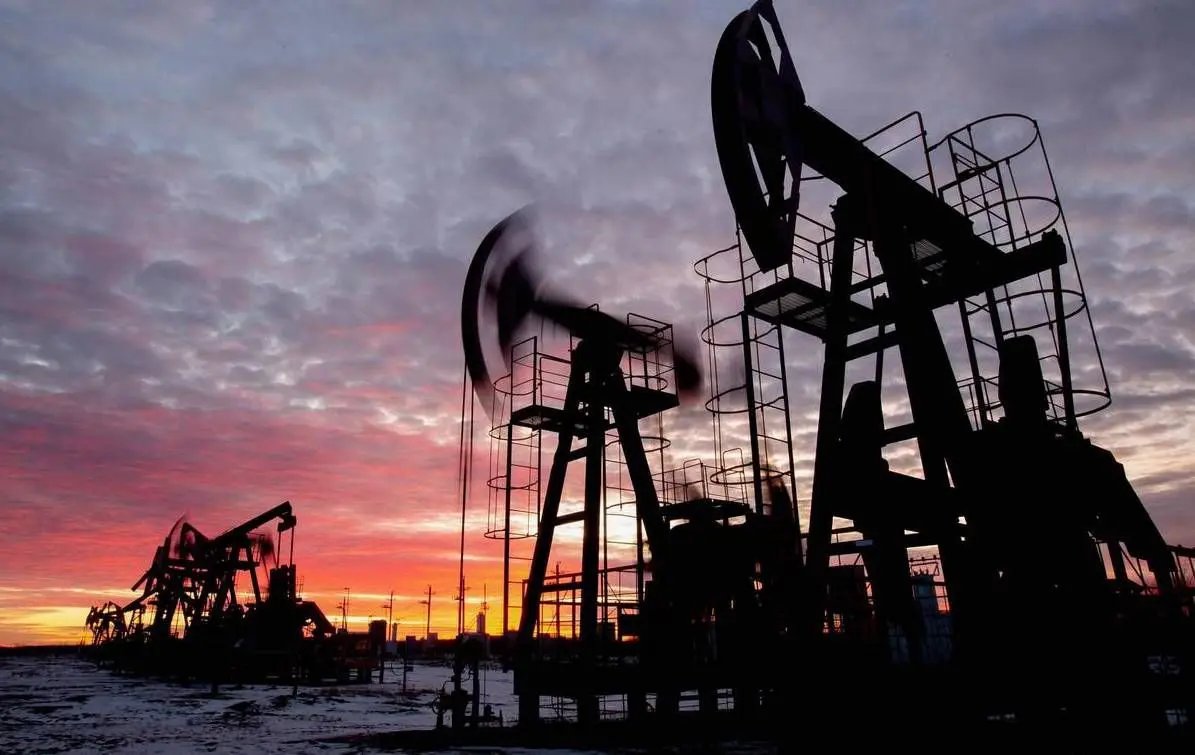
The strait had been virtually closed since the war in Iran began on February 28, creating a global supply crunch that sent crude prices soaring. Within hours of the agreement, at least 10 commercial vessels began moving through the waterway again. Brent crude, the international standard, sank 1.4% on Thursday to $78.46 a barrel, while West Texas Intermediate, the U.S. benchmark, dropped 2.2% to $75.10 a barrel.
Consumer relief comes with caveats
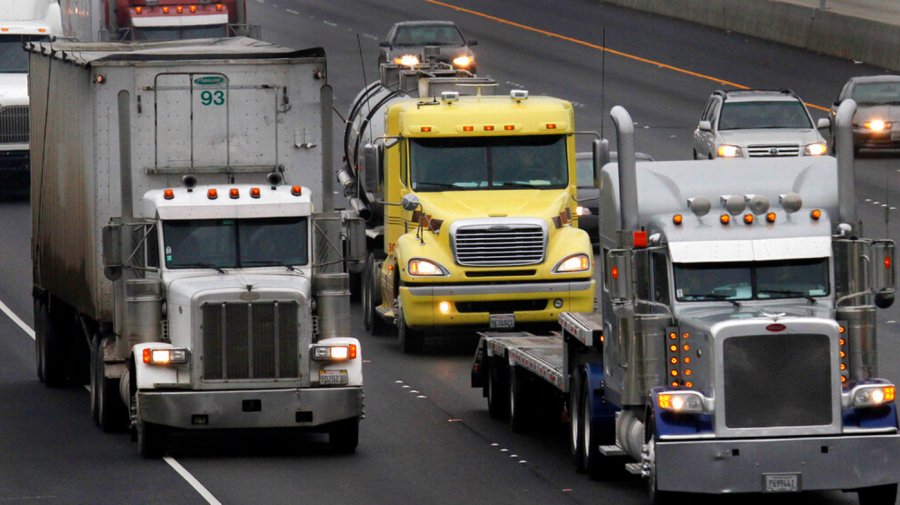
Despite the recent decline, gas prices remain elevated compared to a year ago, when the national average was $3.1880, according to Axios. The national average was $3.1880 a gallon one year prior, meaning current prices are still roughly 25% higher than last year's levels. Diesel prices have also fallen from recent highs but remain above $5 per gallon. Gas prices overall are still up by more than a dollar since the conflict began.
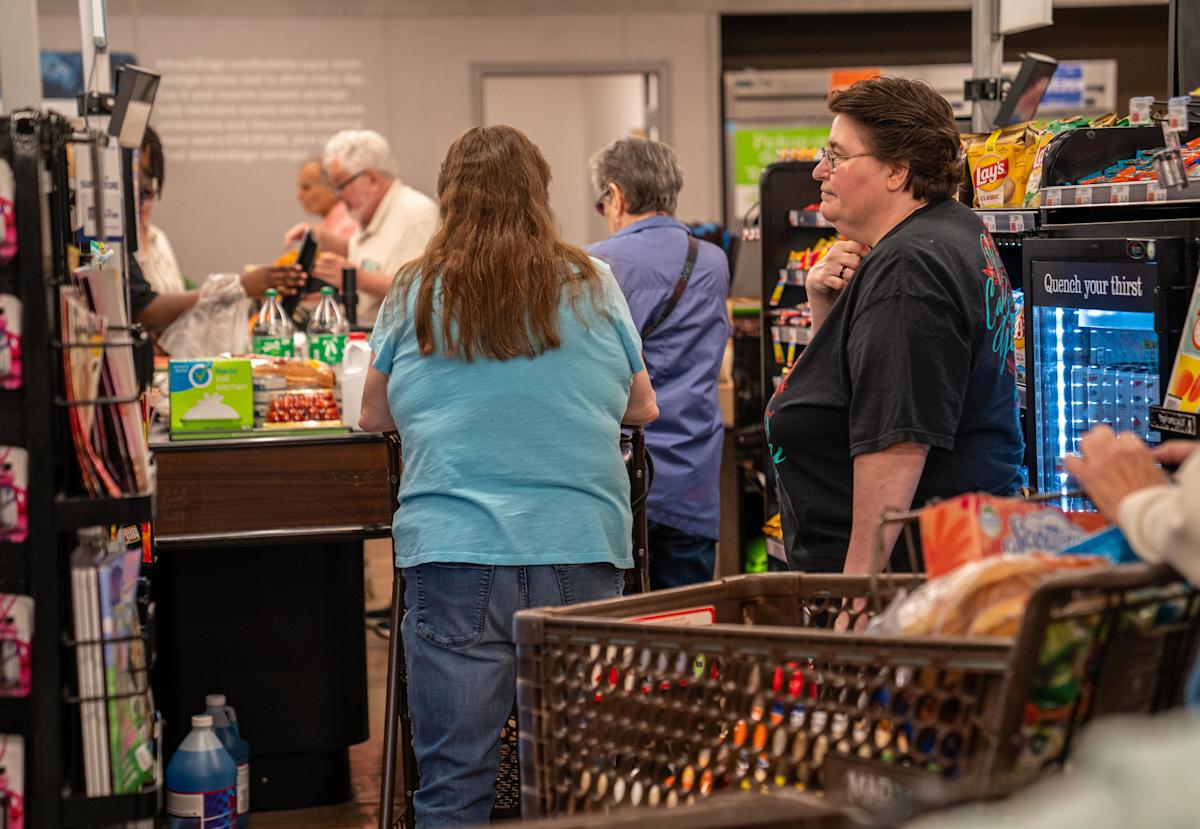
The University of Michigan's consumer sentiment index showed that the economic mood across American households improved for the first time in five months as gas prices eased.
Path forward depends on market stability
Patrick De Haan, a petroleum expert at GasBuddy, told CBS News that the national average for gas could continue to decline "provided there isn't a drastic reversal and the U.S. and Iran continue moving in a positive direction." He estimates that the cost of regular gas could fall below $3 a gallon by the end of this year or in early 2027, depending on how the situation in the Middle East unfolds.
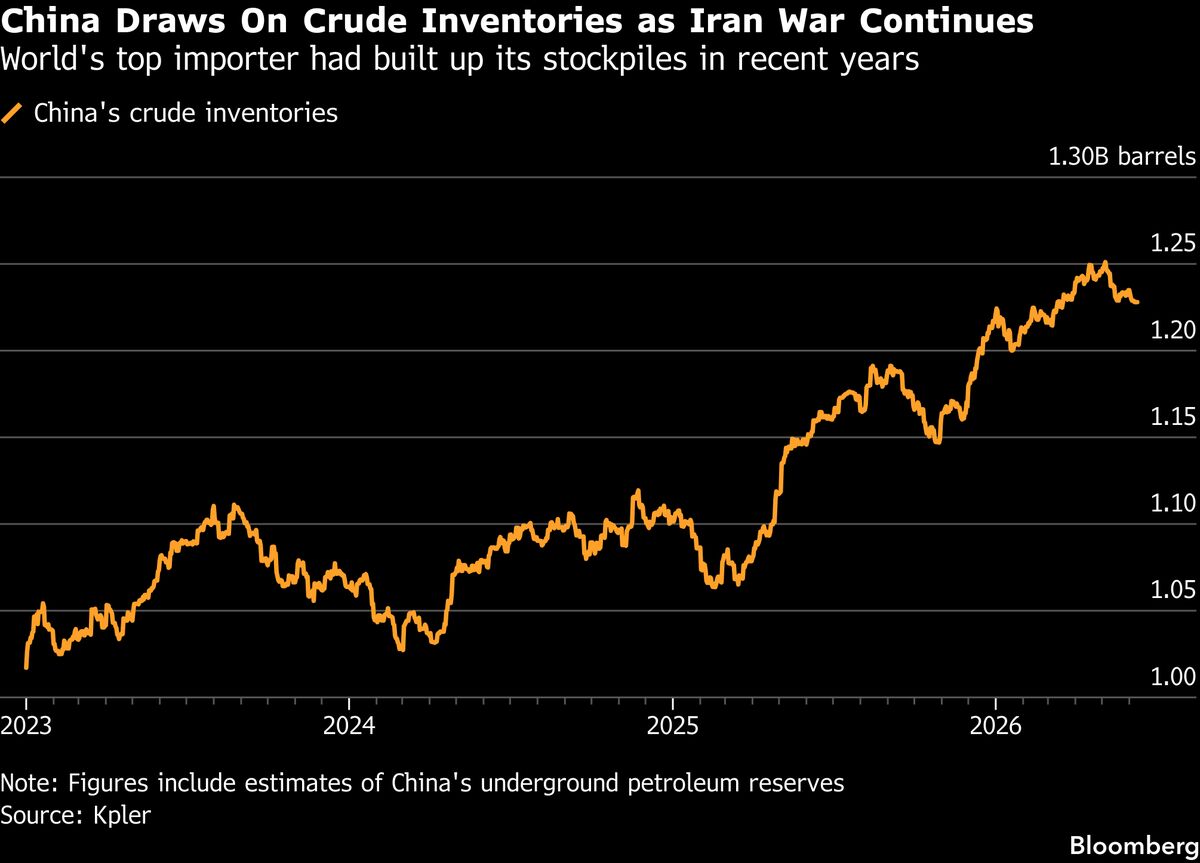
De Haan noted that Iran's permission to sell oil on markets again could speed up recovery for global oil inventories. However, the disrupted market will take time to reorient itself, and Gulf oil producers that cut production during the crisis cannot immediately revive output. Even with a full reopening of the strait, U.S. pump prices will likely remain higher than pre-war levels for some time.