





Bondi's Testimony and Key Admissions
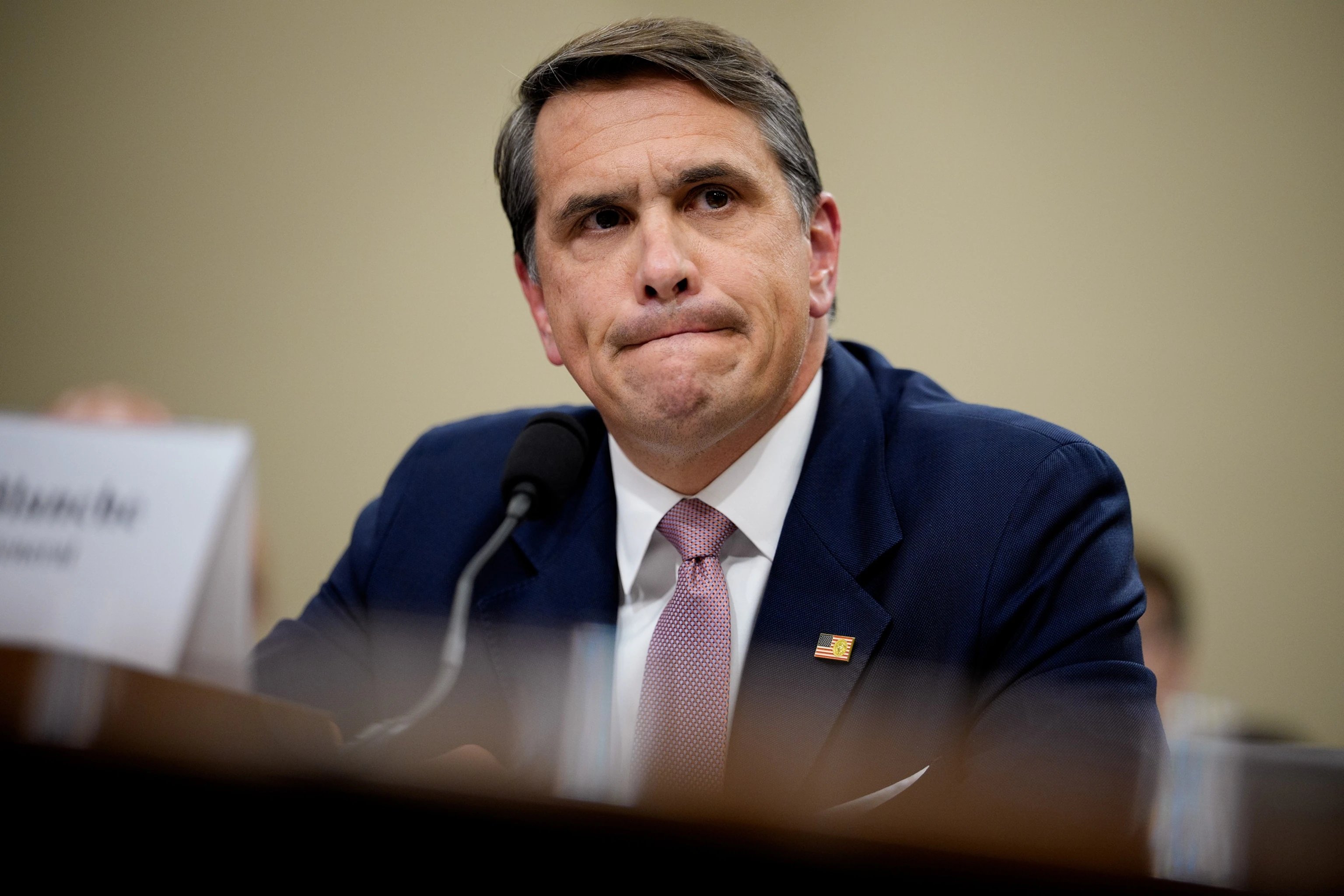
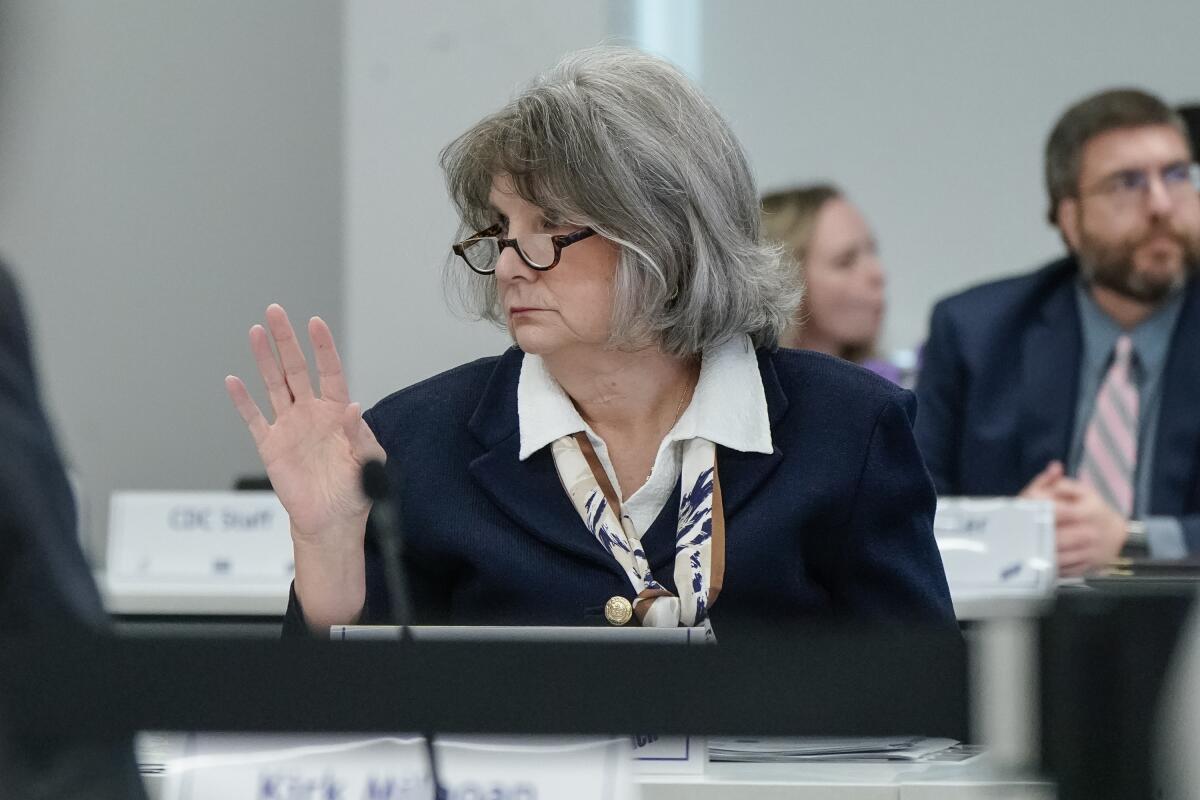
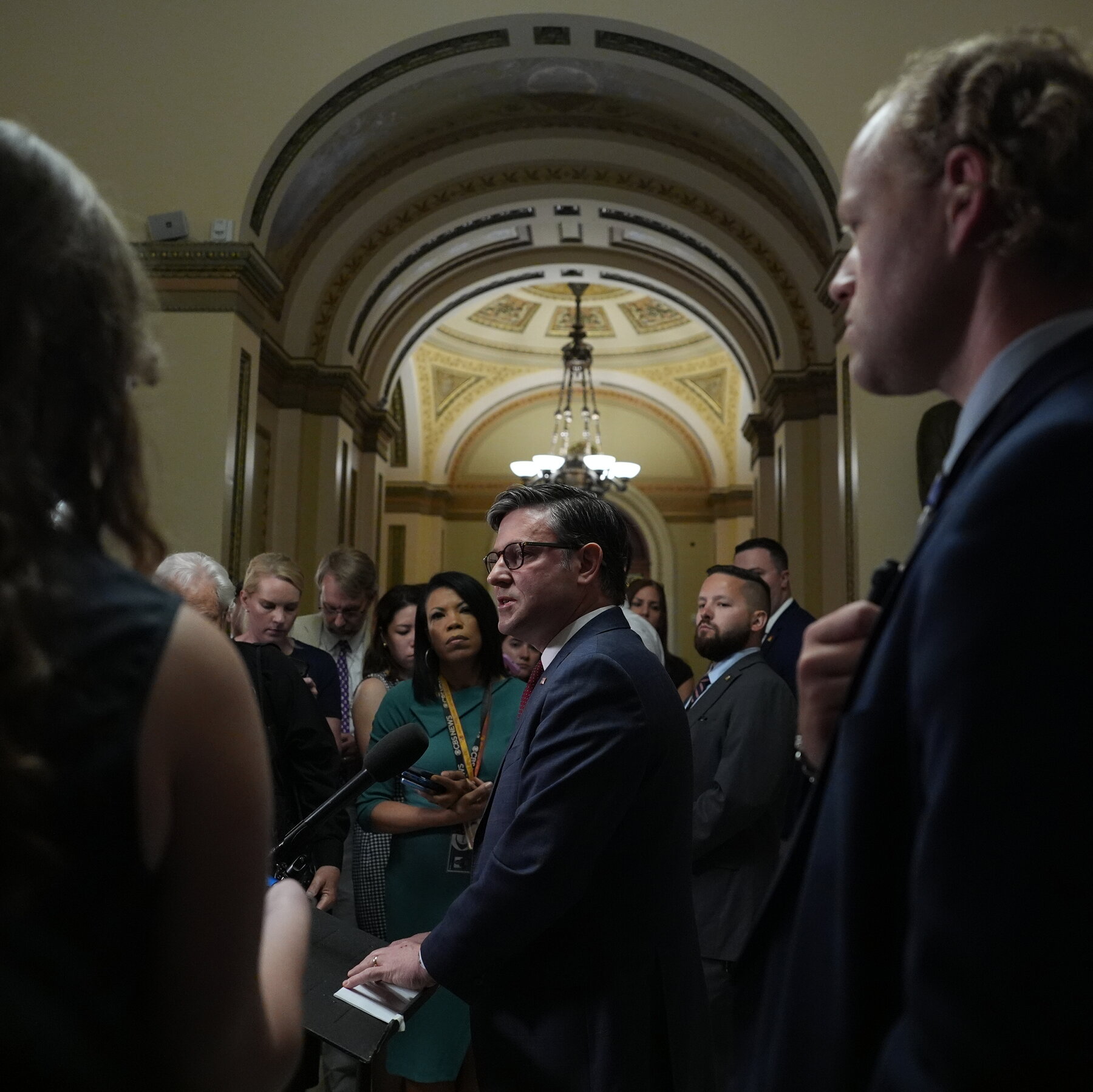
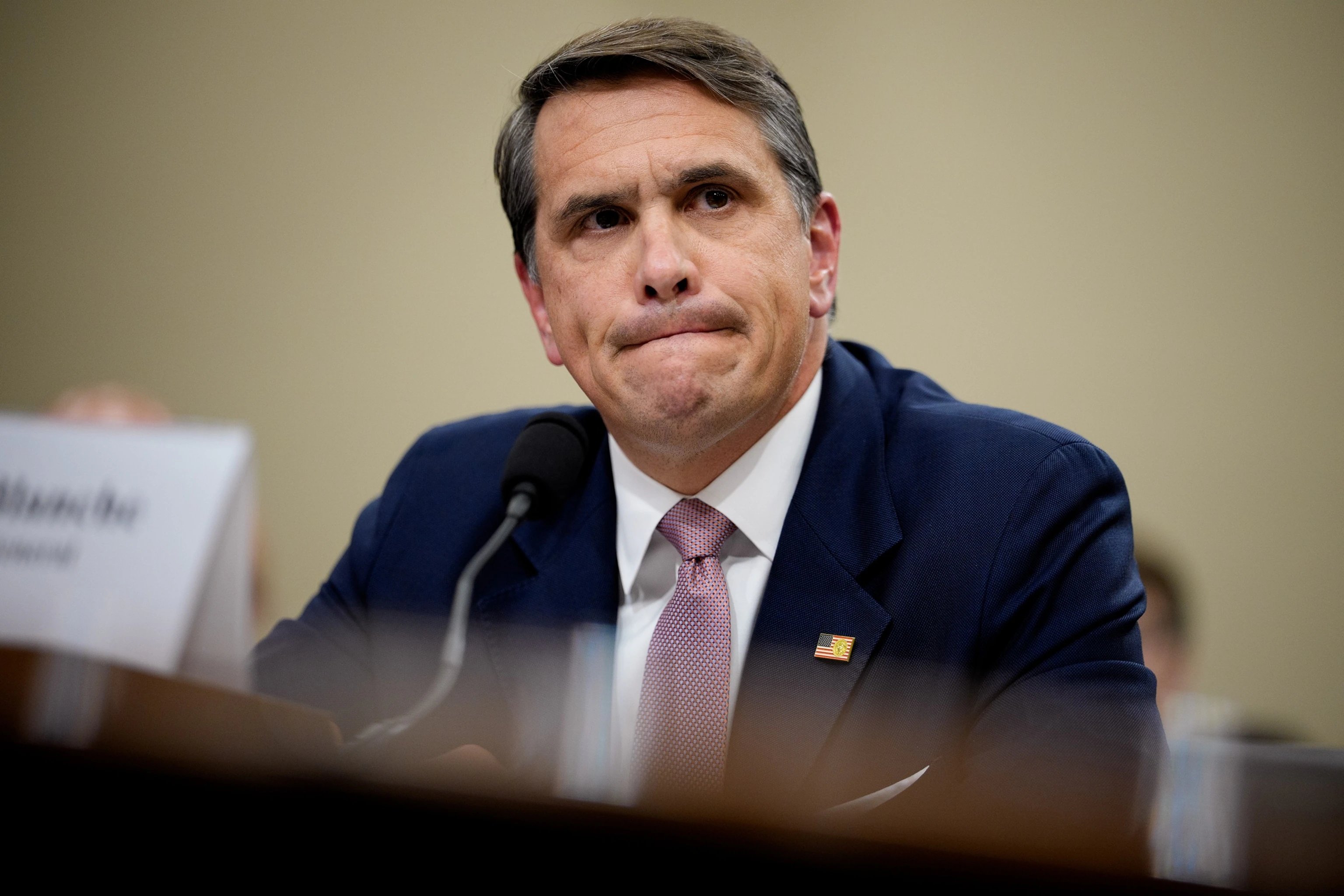
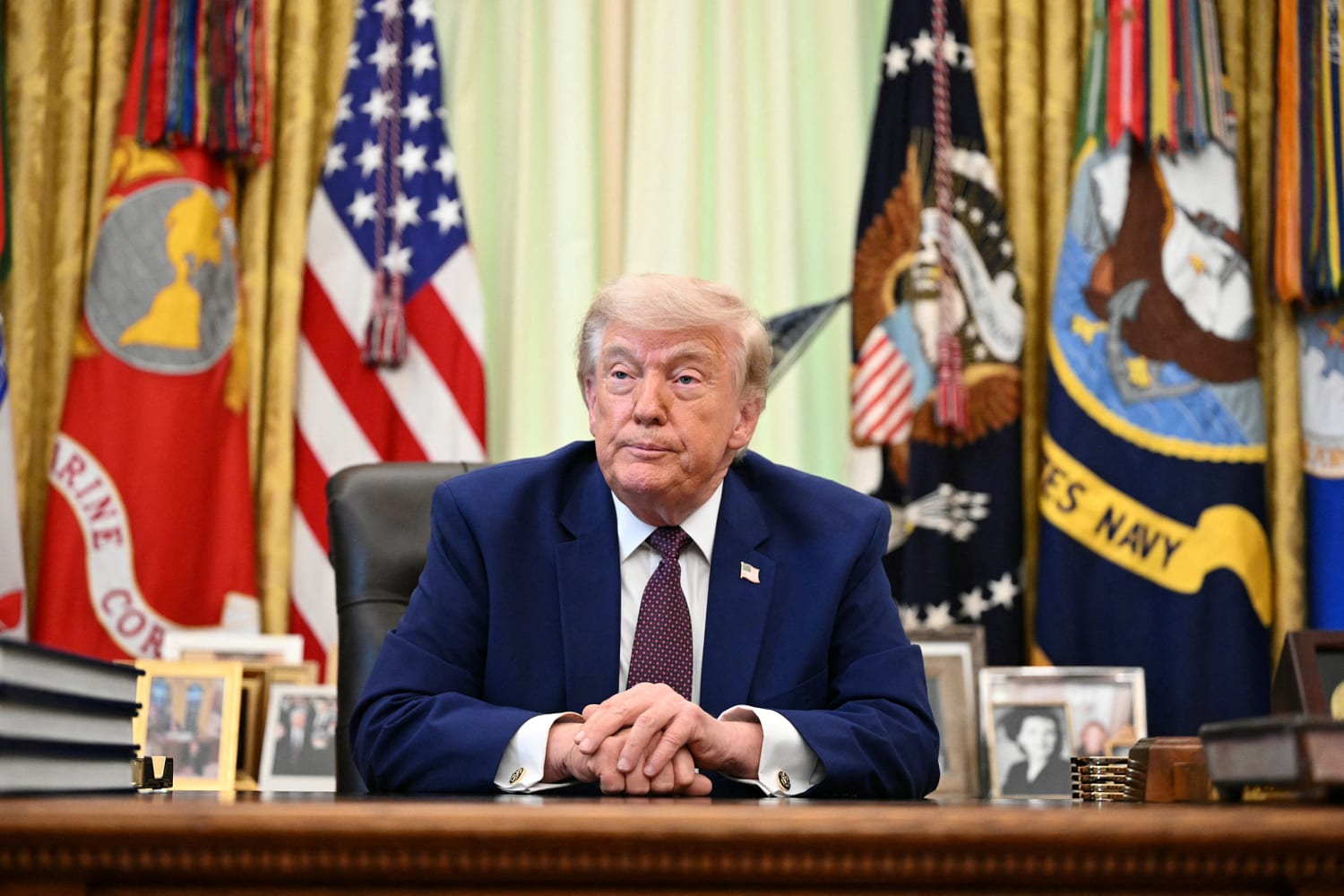
Former Attorney General Pam Bondi testified before the House Oversight Committee regarding her handling of the Department of Justice's release of files related to Jeffrey Epstein. In a four-hour closed-door session on May 29, Bondi emphasized that then-Deputy Attorney General Todd Blanche was responsible for the management of the Epstein files, stating, "Todd Blanche was leading the Epstein matter and the release of everything from the beginning." Bondi faced scrutiny for her role, often deflecting questions about President Donald Trump's involvement in the decision-making process surrounding the files.
Questions on Trump's Involvement
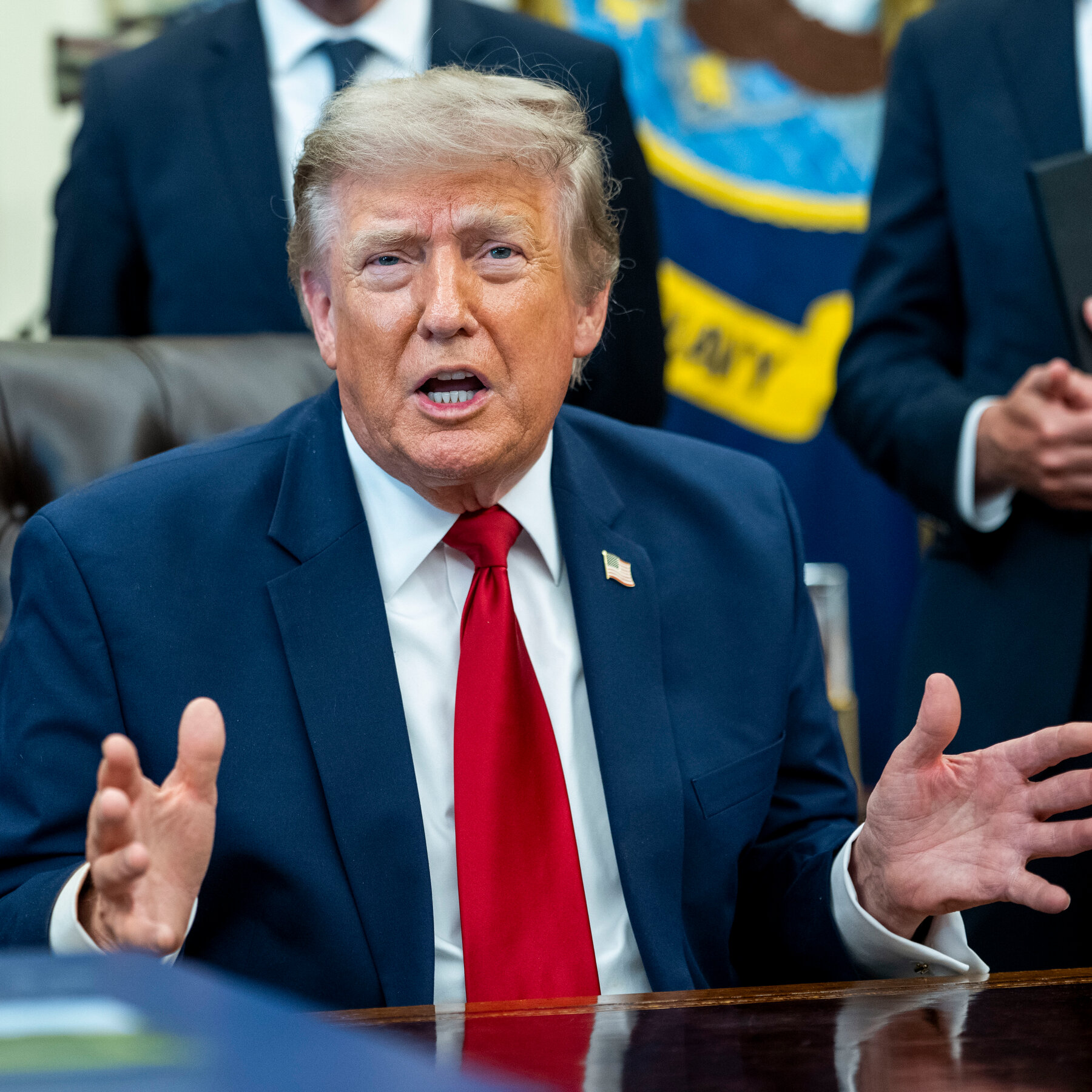
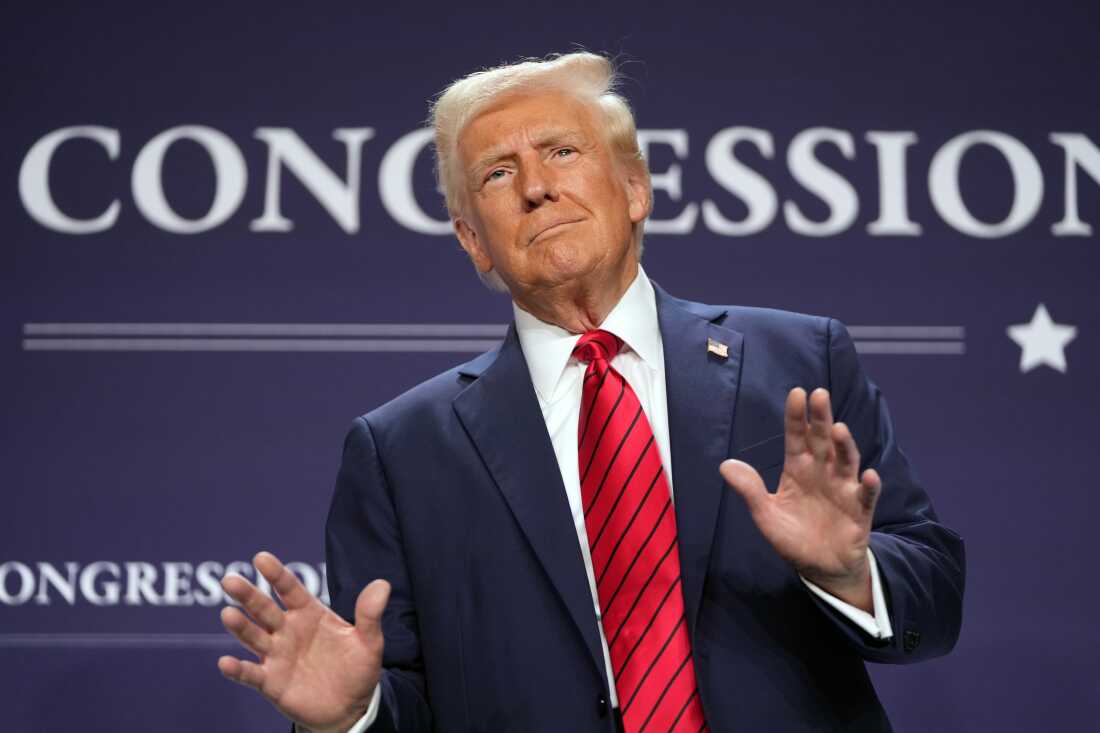
During her testimony, Bondi declined to discuss whether Trump had directed her or other DOJ officials regarding the Epstein files. She invoked privilege, stating, "I won't discuss any conversations that I had or did not have with the president of the United States."
Redaction Errors and Accountability
Bondi acknowledged that there were "redaction errors" in the released documents, which included sensitive information about victims. She stated, "I had grave concerns about victims' names being released," and noted that her office took steps to address these issues promptly. Despite the missteps, she defended her department's commitment to transparency, asserting, "Since day one of this process, this department has been committed to accountability and transparency."
A Shift in Leadership
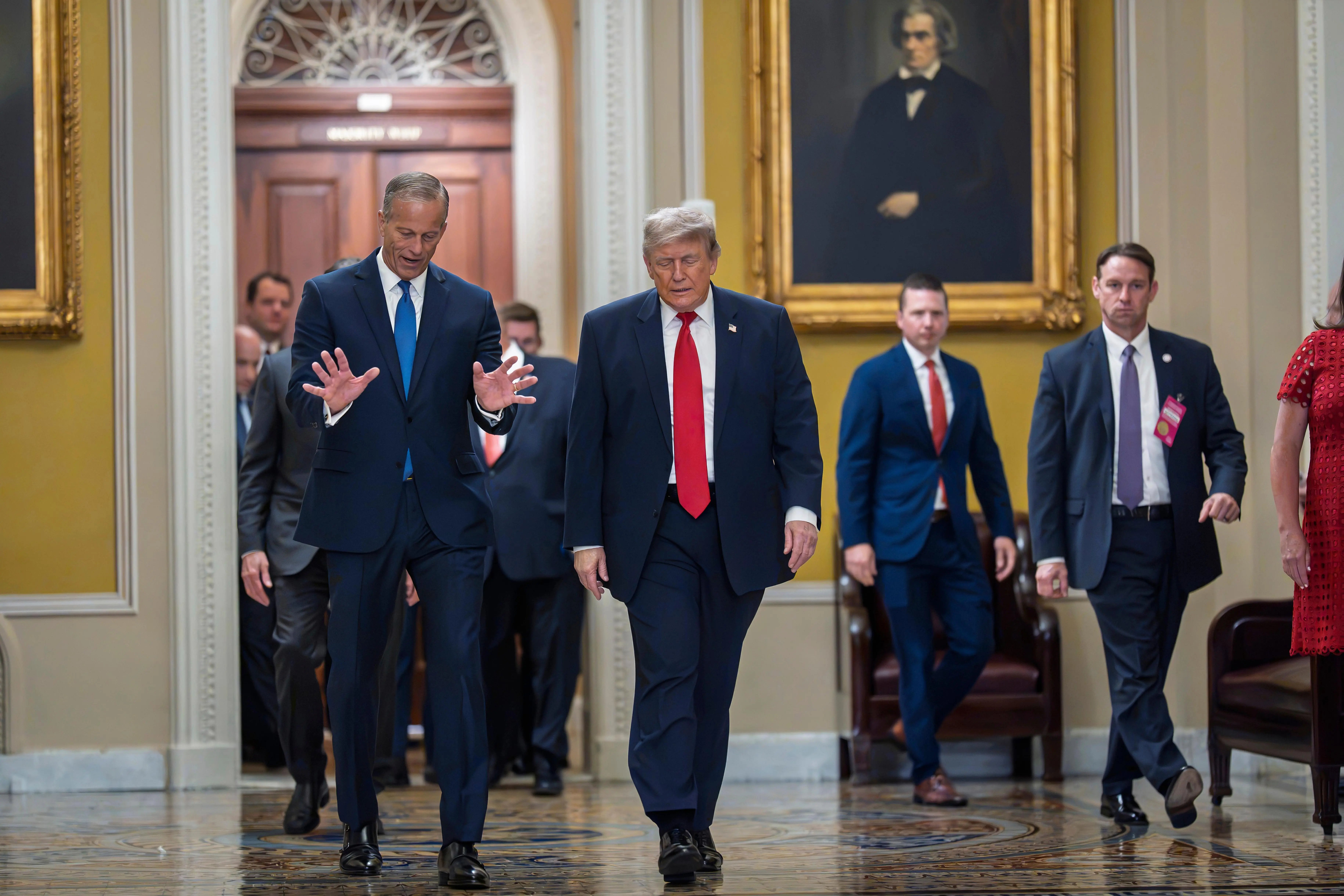
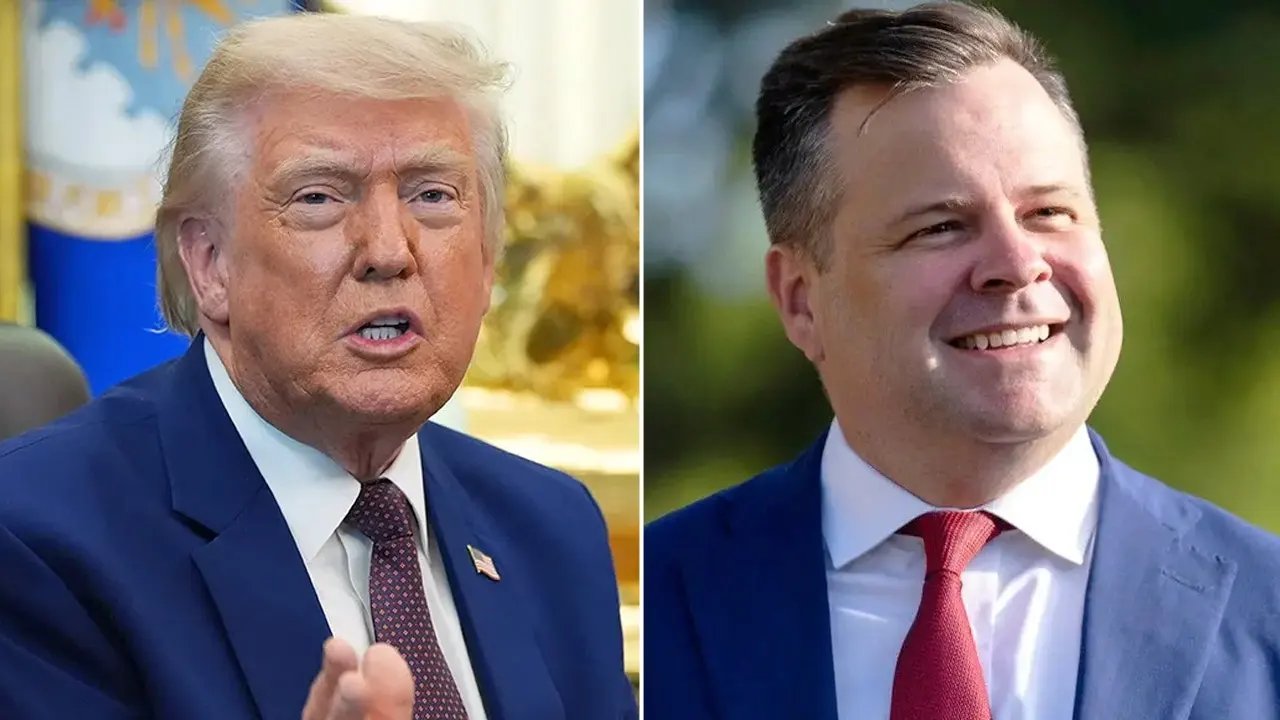
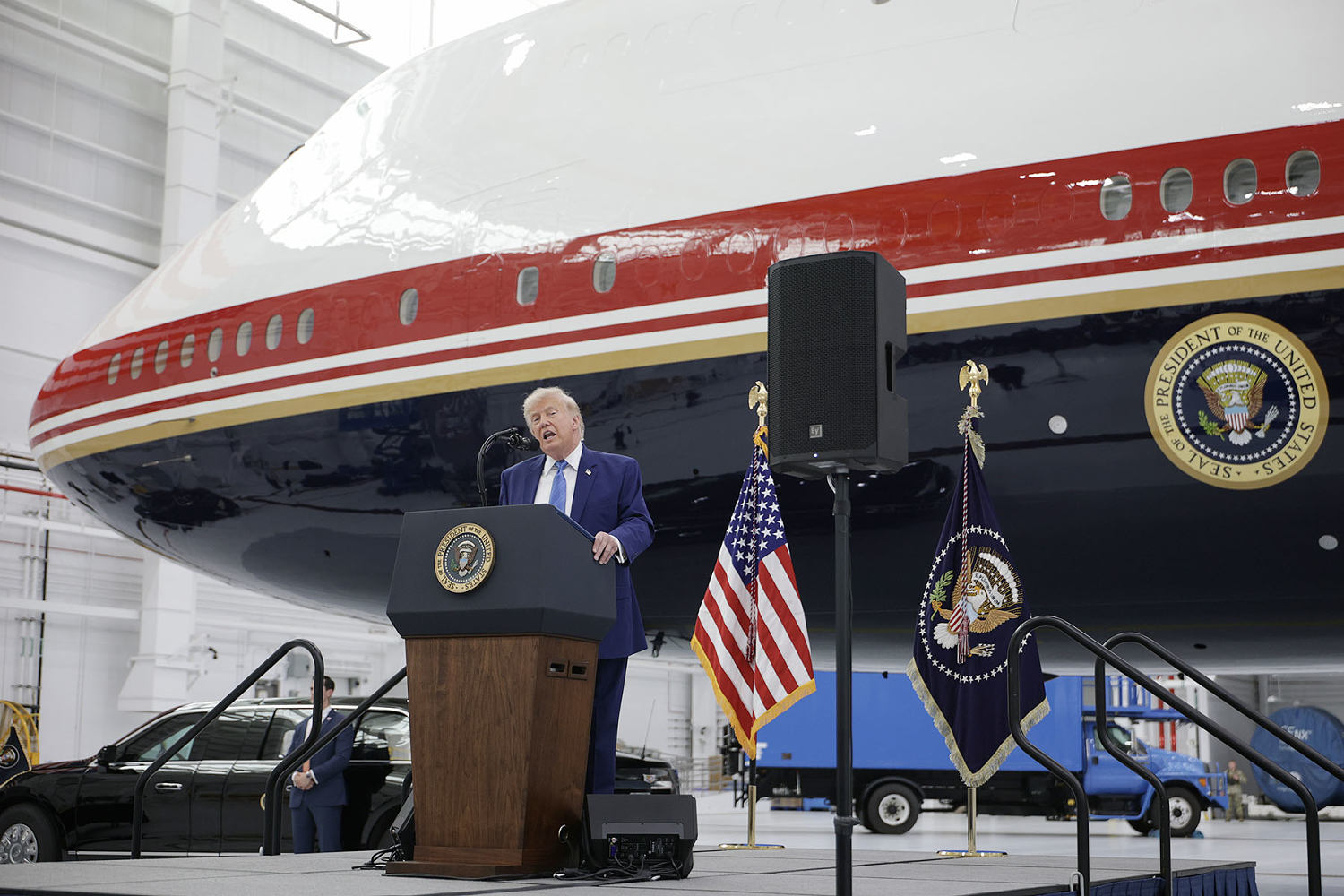
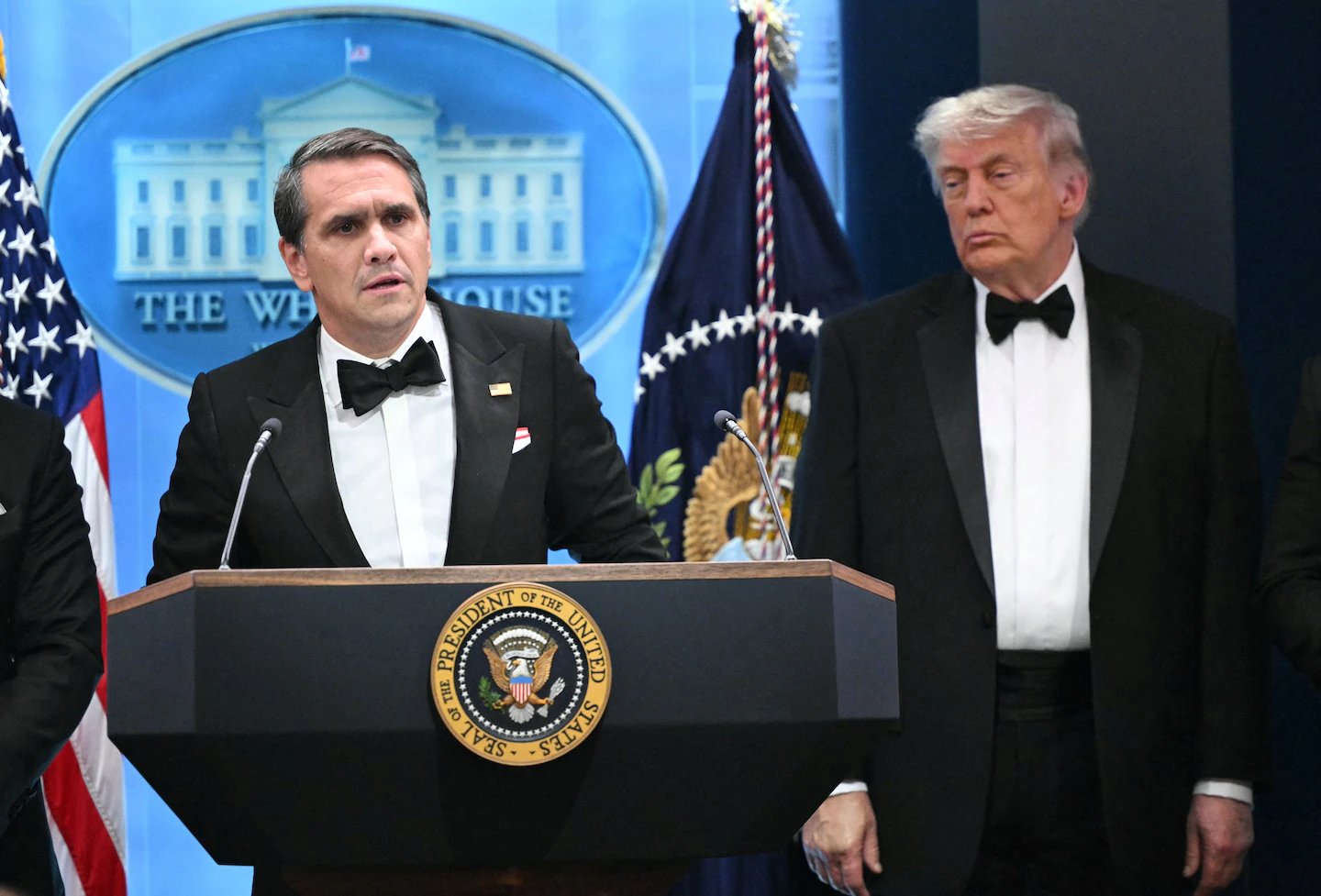
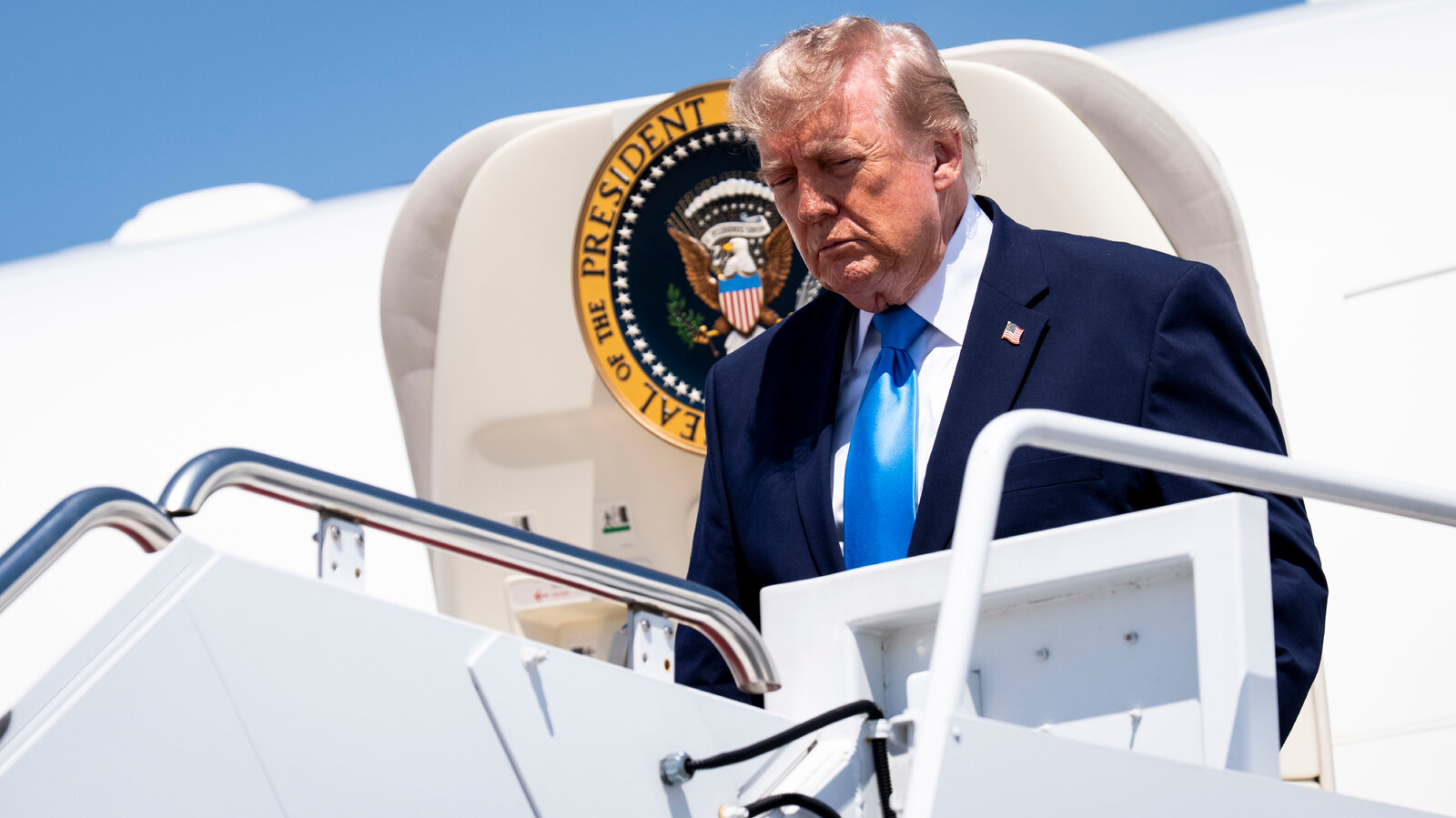
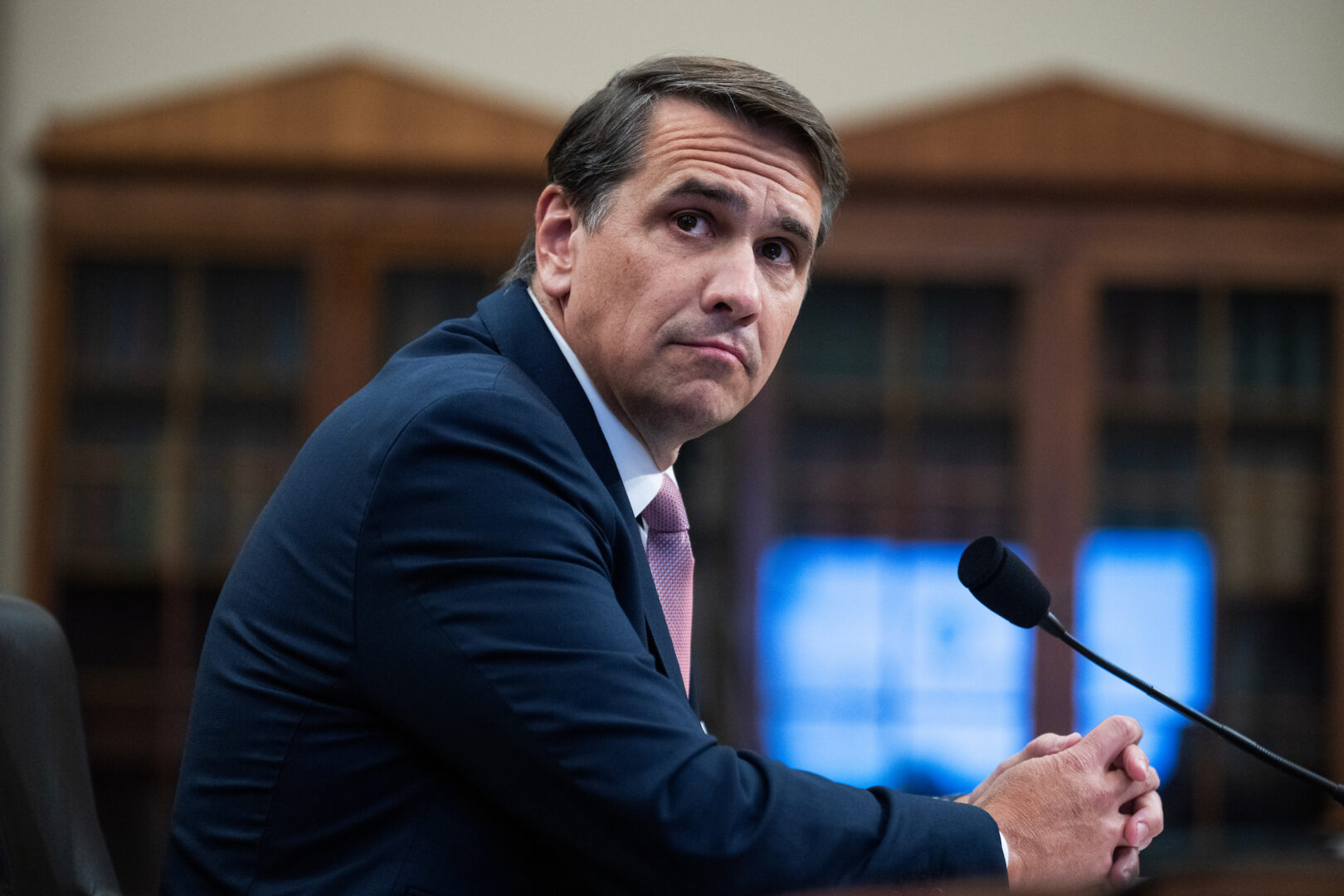
Following Bondi's departure from the DOJ in April, Trump appointed Blanche as acting Attorney General and announced plans to nominate him permanently. Blanche's handling of the Epstein files has drawn criticism, and some lawmakers have expressed concerns about his capability to lead the department effectively. Senator John Fetterman (D-Pa.) publicly stated he would vote against Blanche's confirmation, citing his actions during his tenure.
Allegations from Epstein's Former Assistant
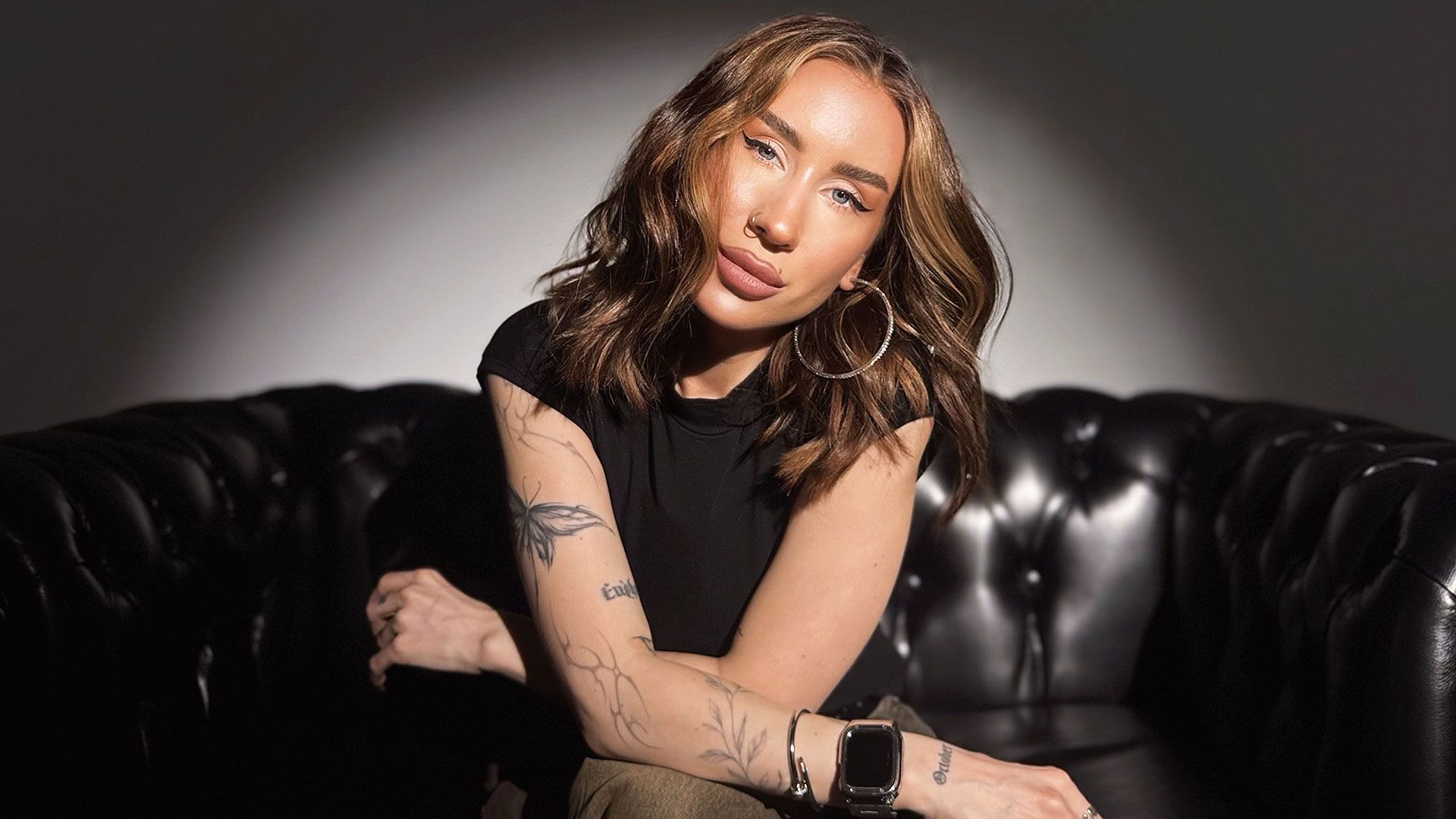
The House committee's investigation continues to uncover troubling allegations, including testimony from Sarah Kellen, Epstein's former assistant. Kellen accused two associates of Epstein of misconduct, leading the committee to request a DOJ investigation into these claims. Kellen described a pattern of grooming and abuse by Epstein, emphasizing the power he wielded over her and others.
The Future of Investigations
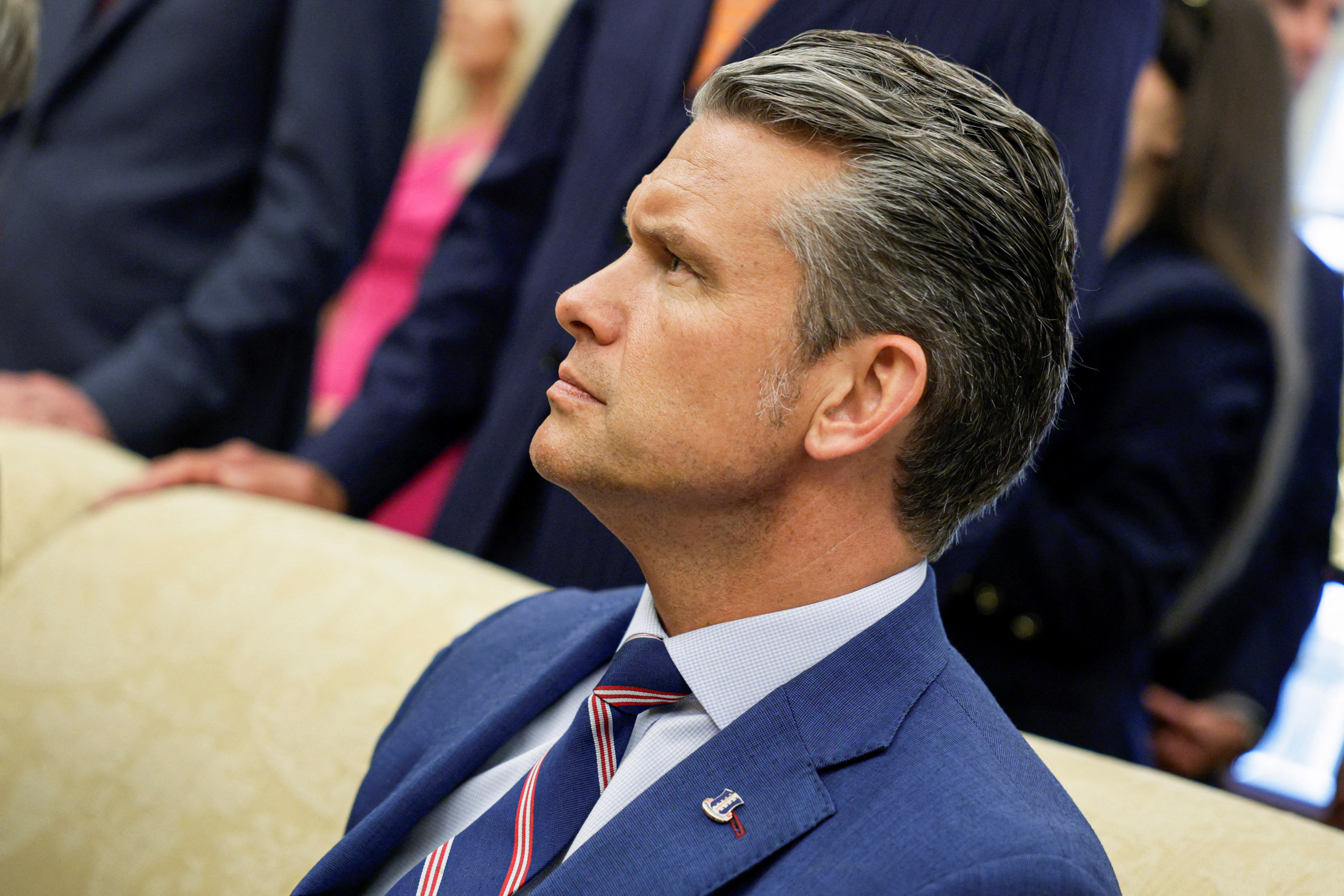
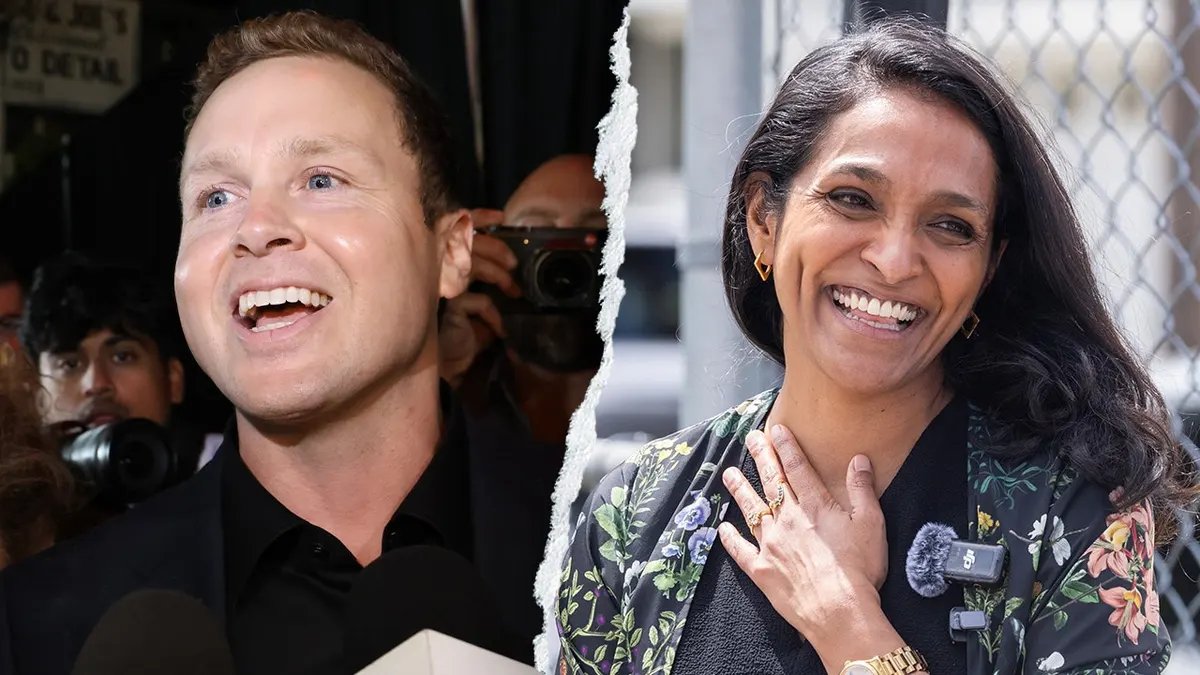
When asked about Andrew Mountbatten-Windsor, Bondi said: "I am not sure if he's subject of a pending investigation." Earlier, Blanche had stated the DOJ was not investigating Epstein or his associates. However, following Kellen's testimony, the House committee requested DOJ investigate Philip Levine and Frédéric Fekkai for alleged sexual misconduct.
Implications for Justice Department Oversight
The fallout from Bondi's testimony and the handling of the Epstein files has sparked discussions about the role of the DOJ in addressing past abuses and ensuring future accountability. As the committee continues its investigation, the public remains concerned about the transparency and effectiveness of the department under Blanche's potential permanent leadership.
Next Steps for the Oversight Committee
The House Oversight Committee plans to pursue further investigations into the allegations presented by Kellen and others. With calls for accountability growing louder, the committee aims to ensure that the DOJ takes appropriate action against those implicated in Epstein's crimes. As this high-profile case unfolds, the implications for victims and the integrity of the justice system remain at the forefront of public discourse.

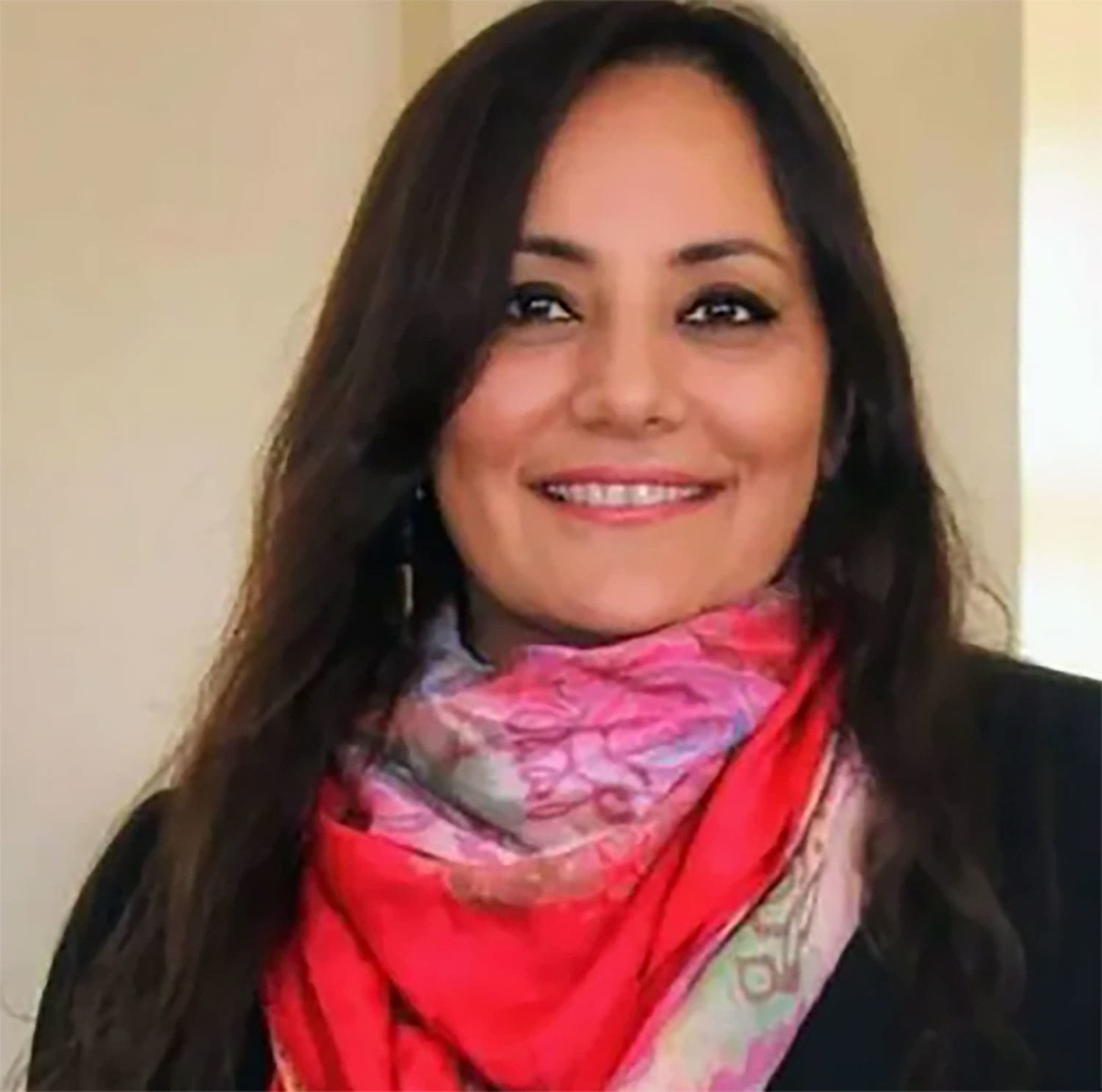





























































































































































































































































The sources also report that Sarah Kellen accused a third man, late fashion photographer Patrick Demarchelier, of pulling down his pants in front of her.