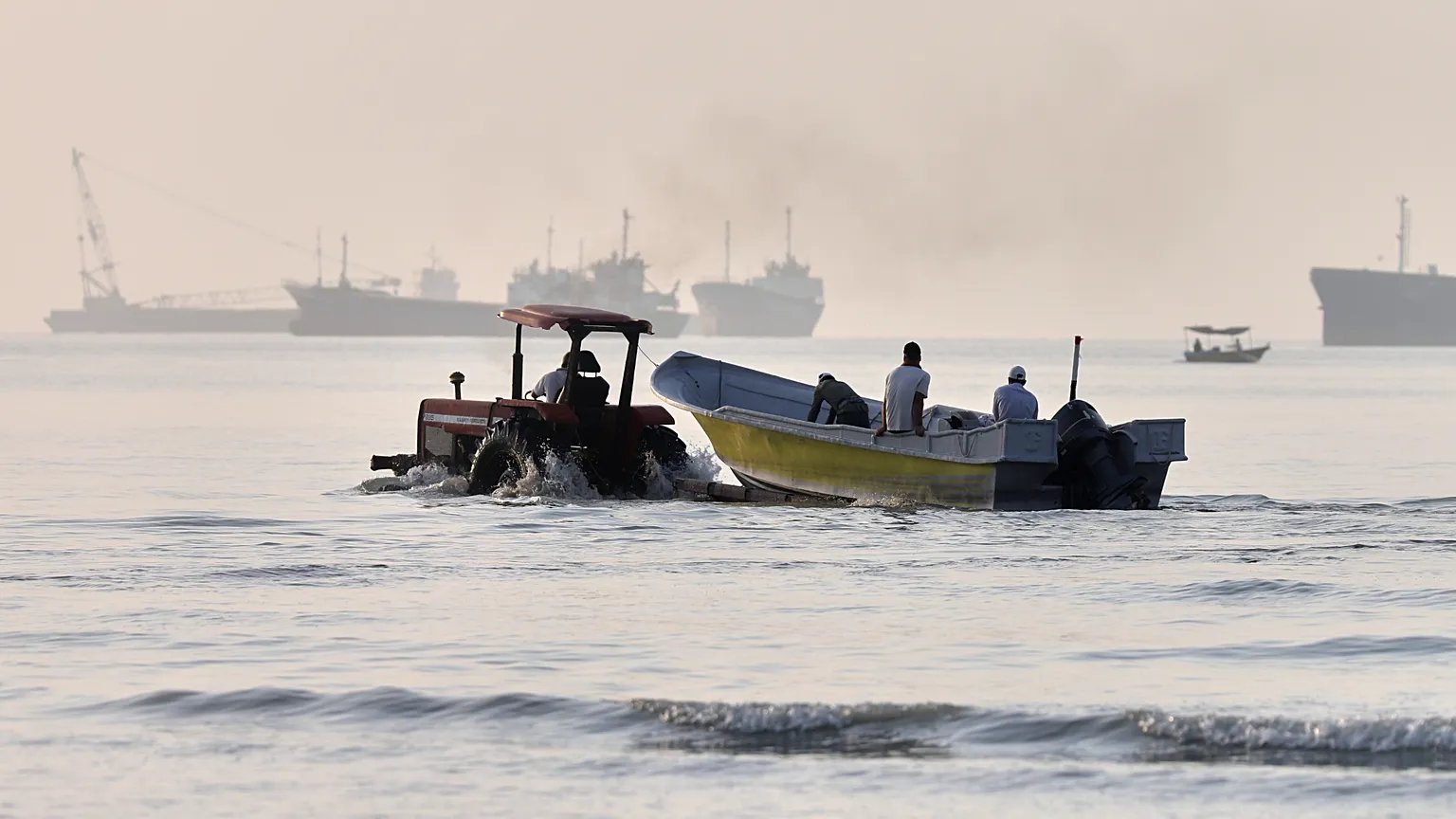
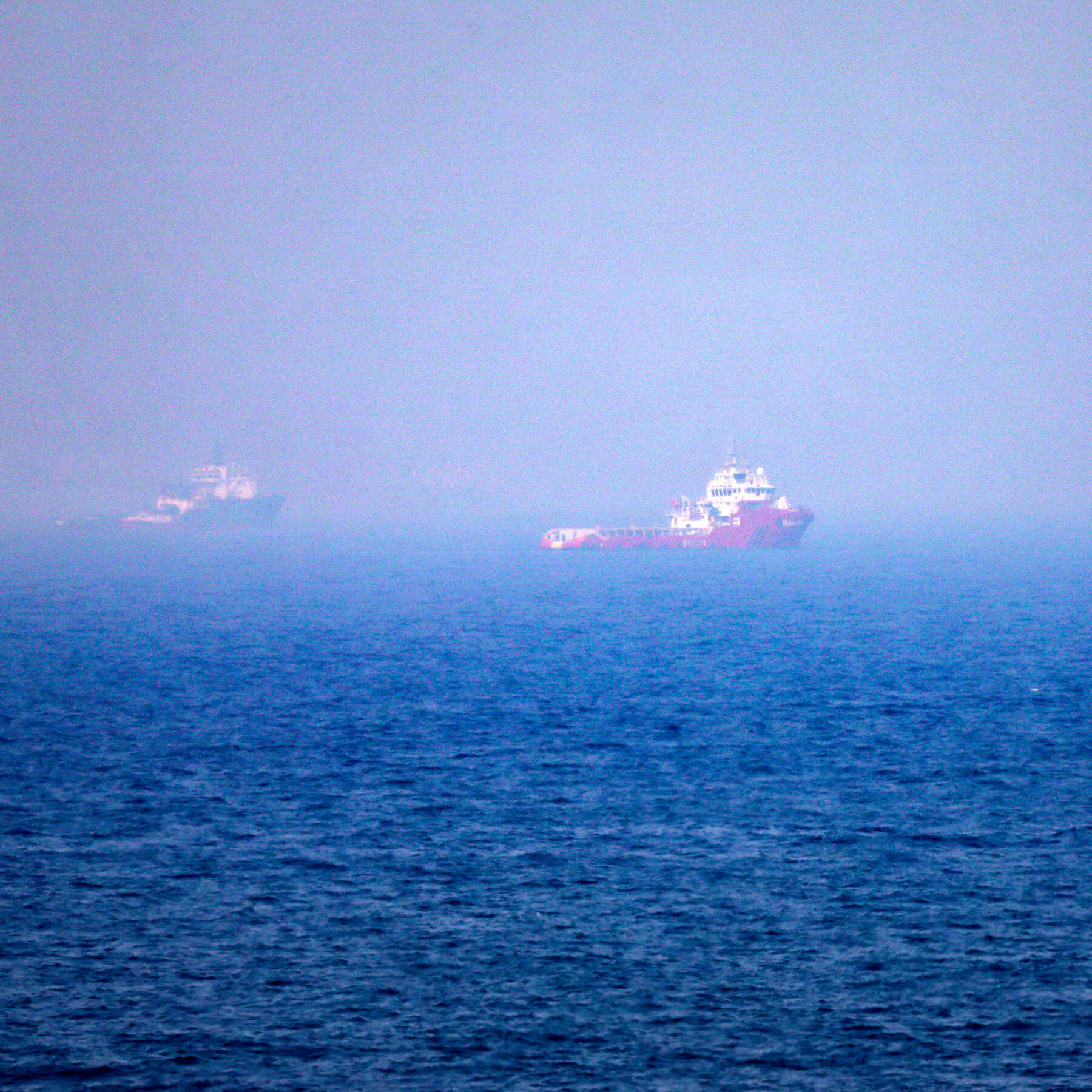
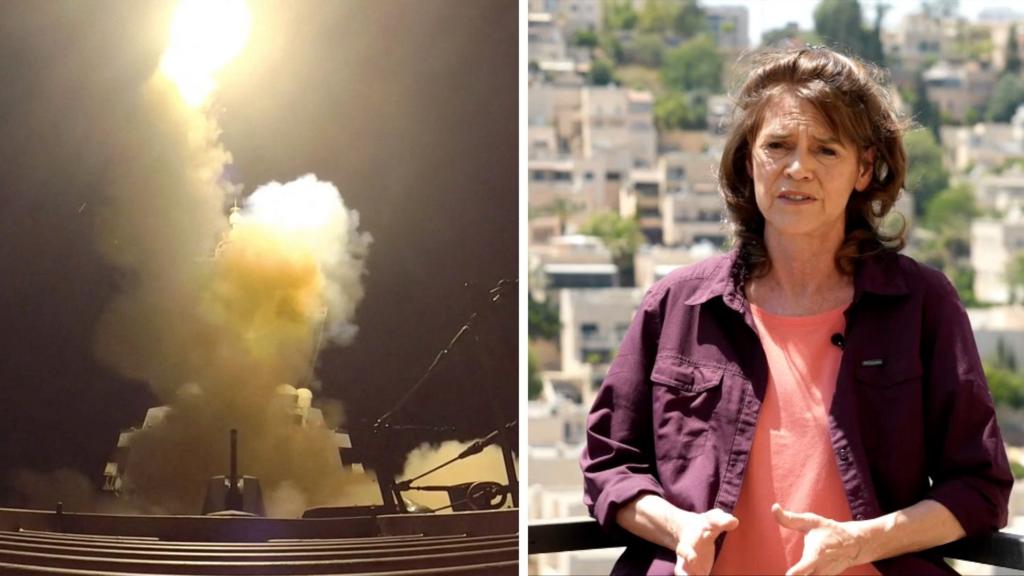
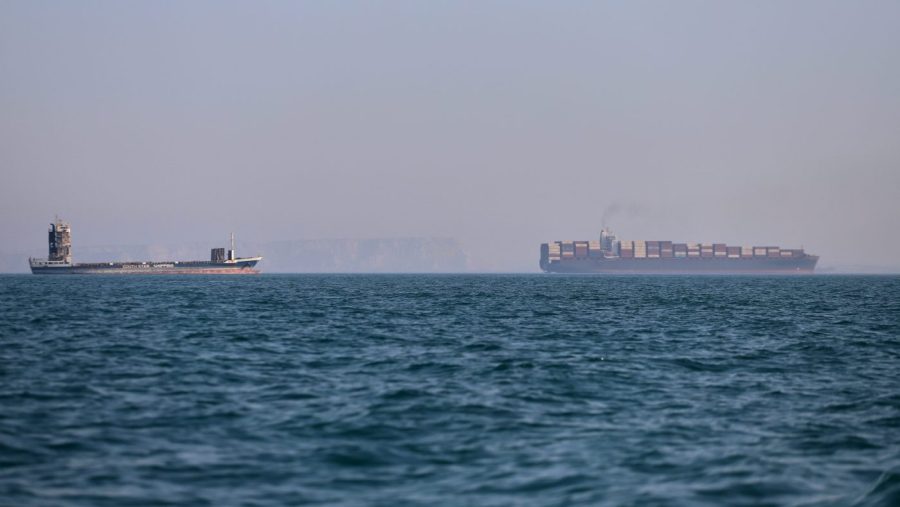
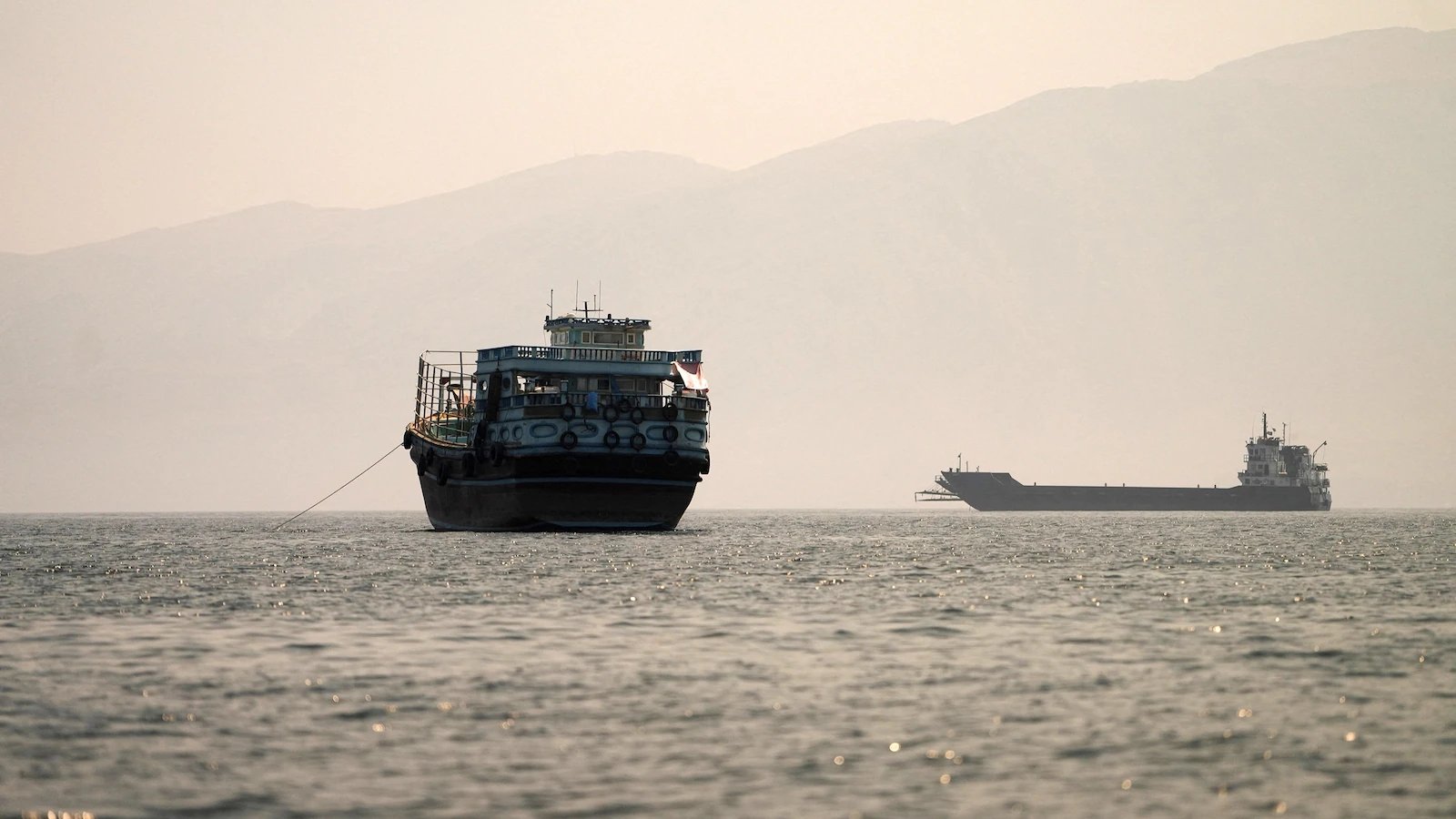
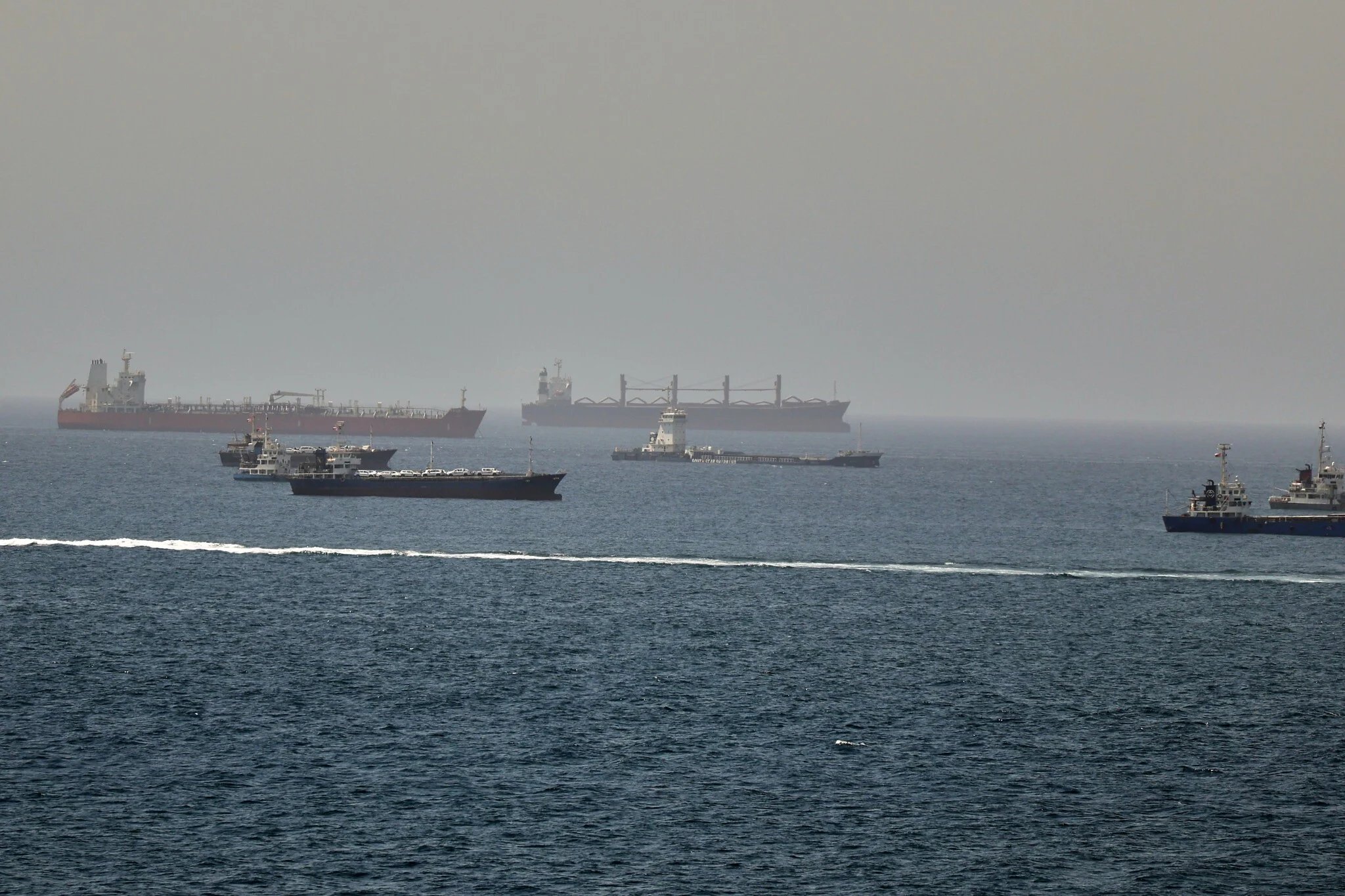
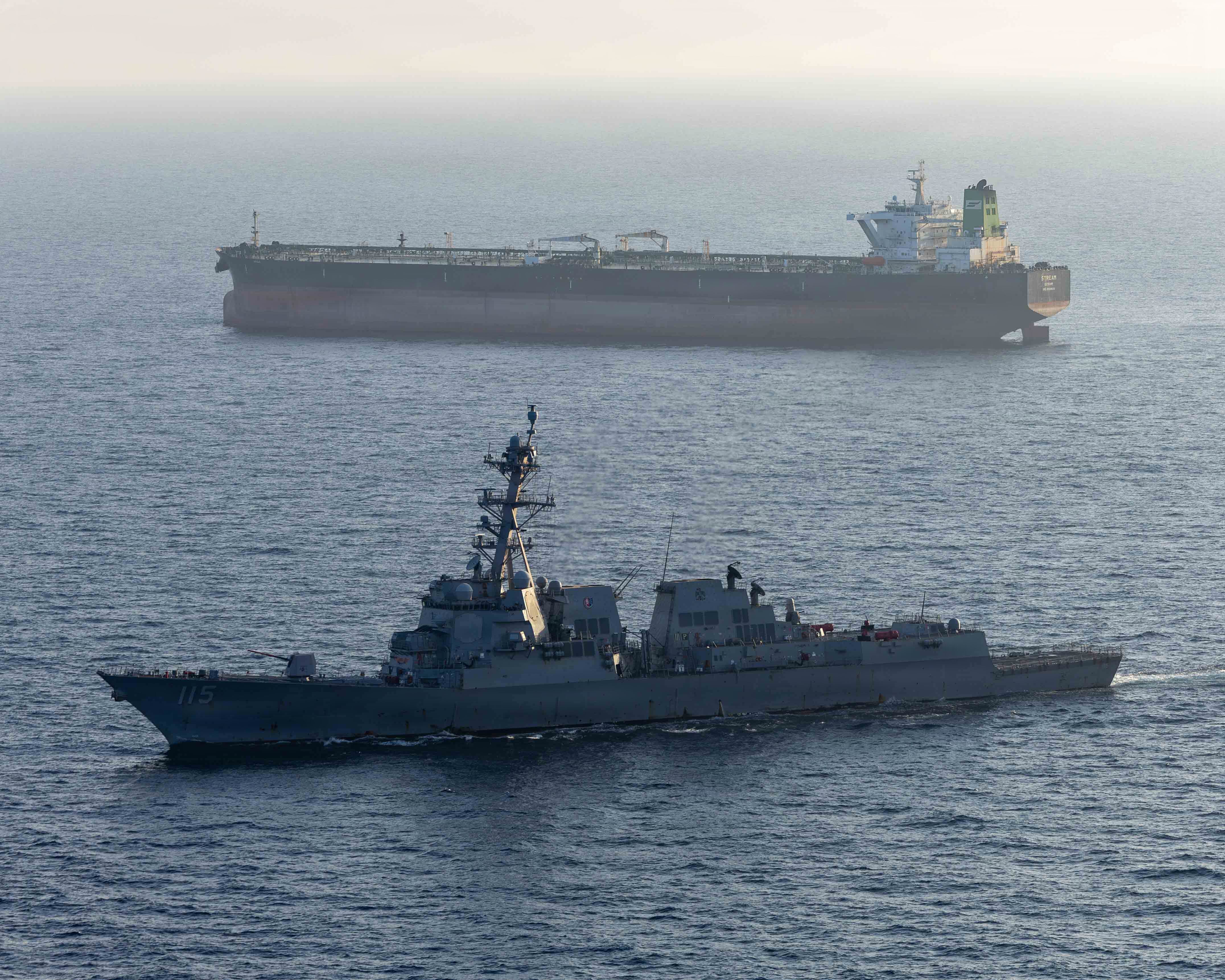
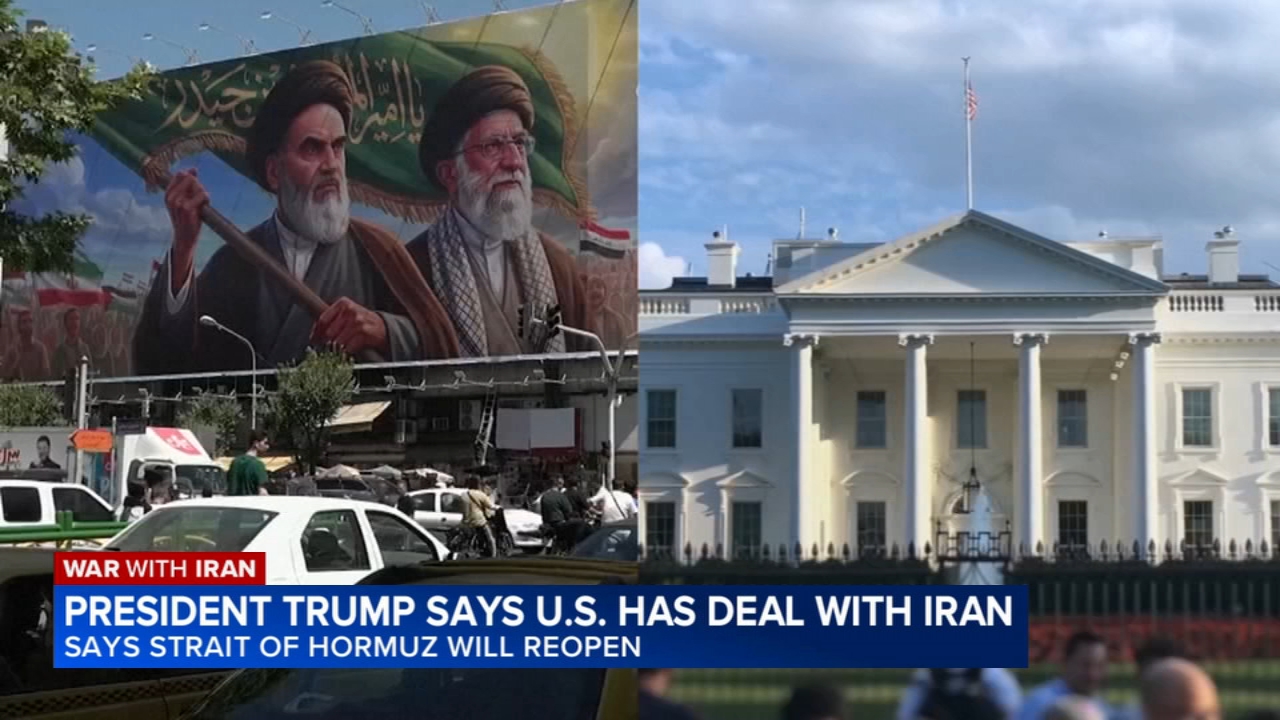
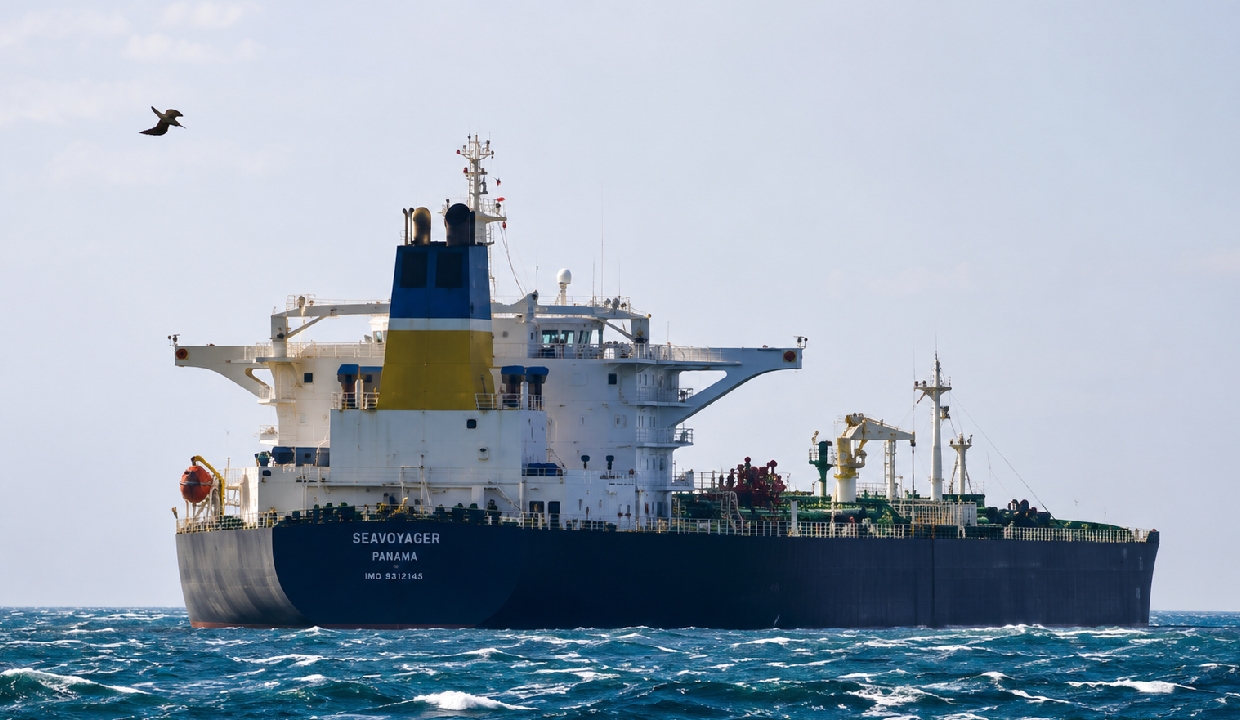
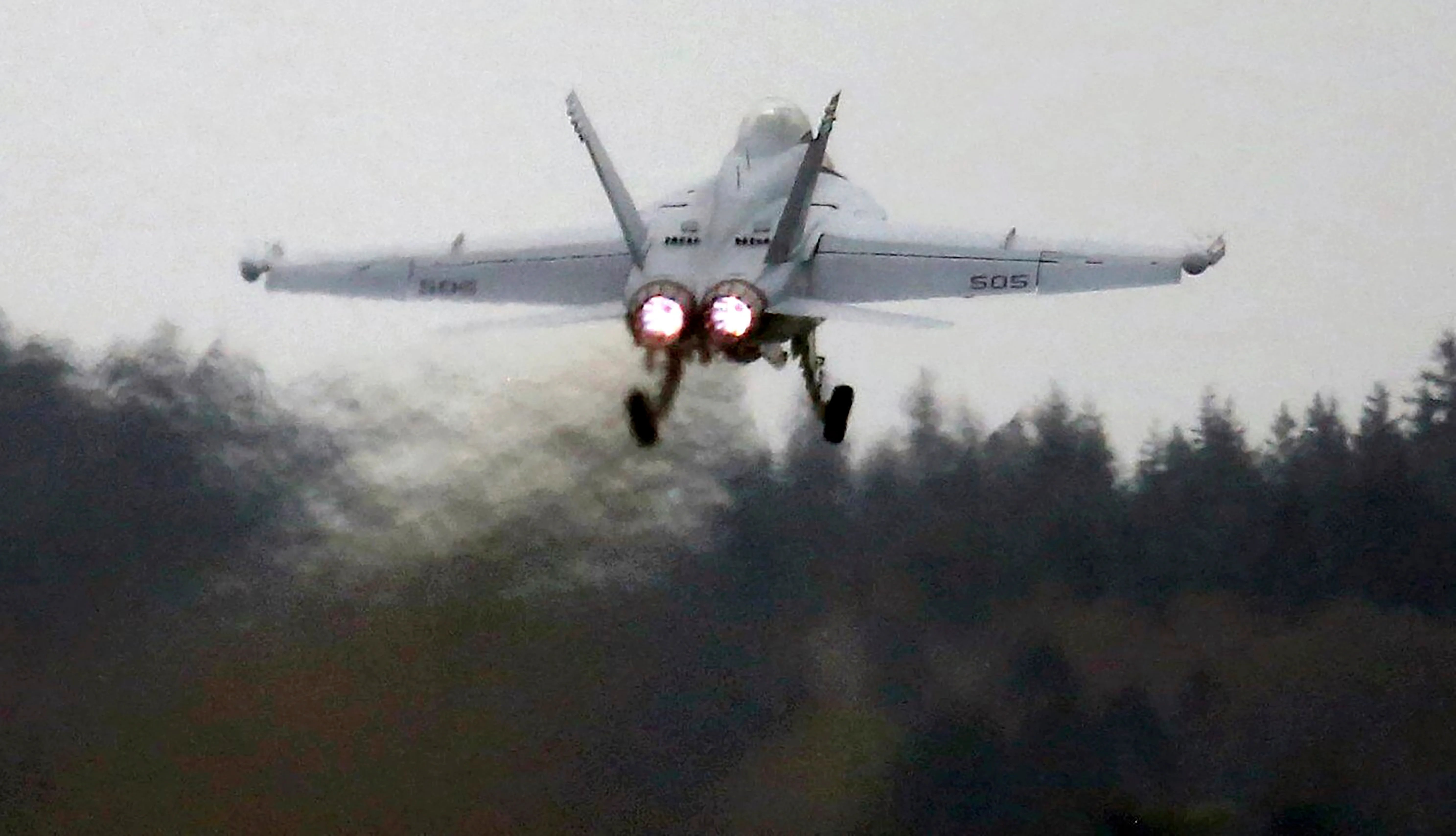
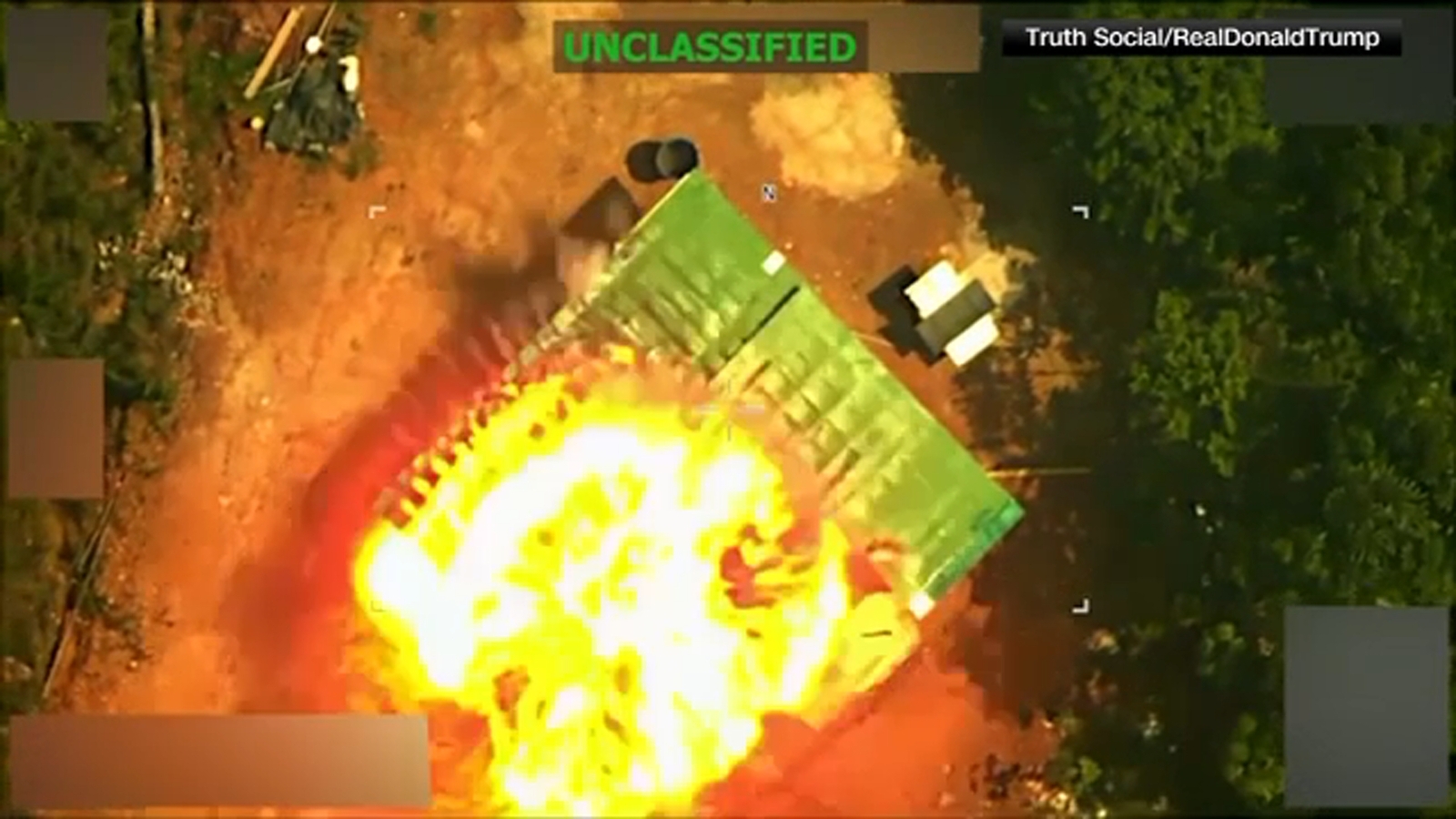
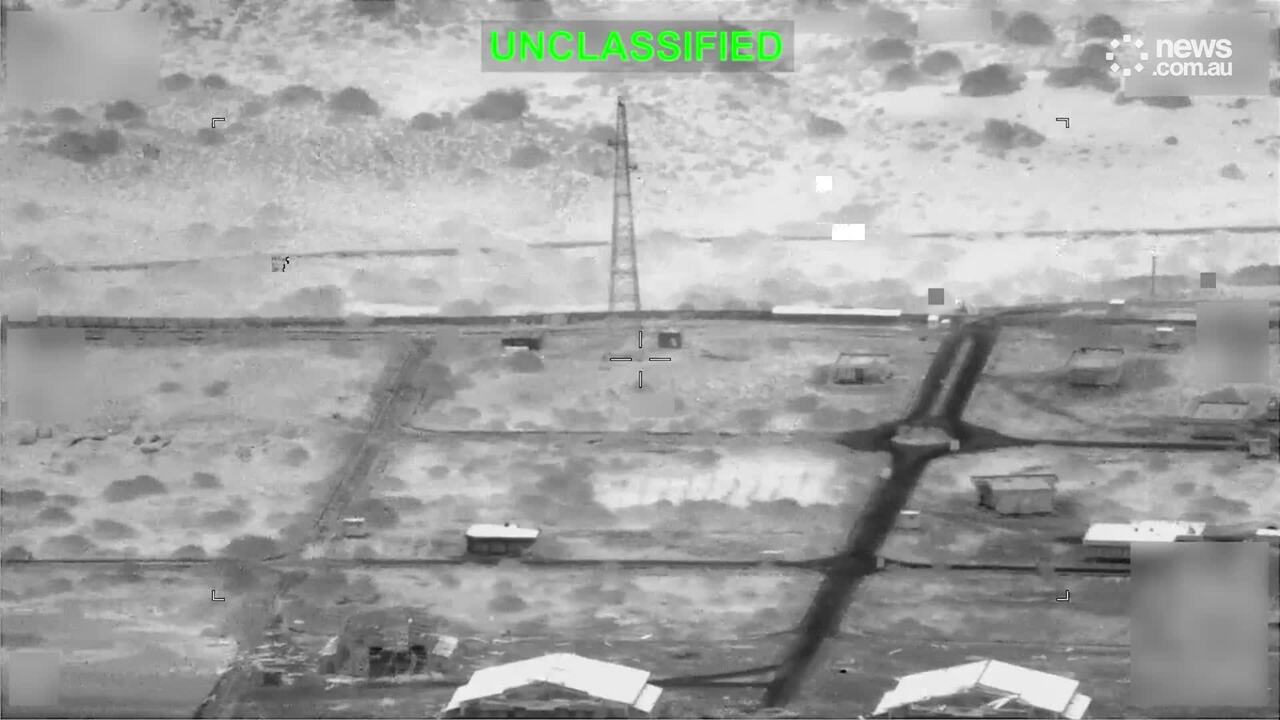
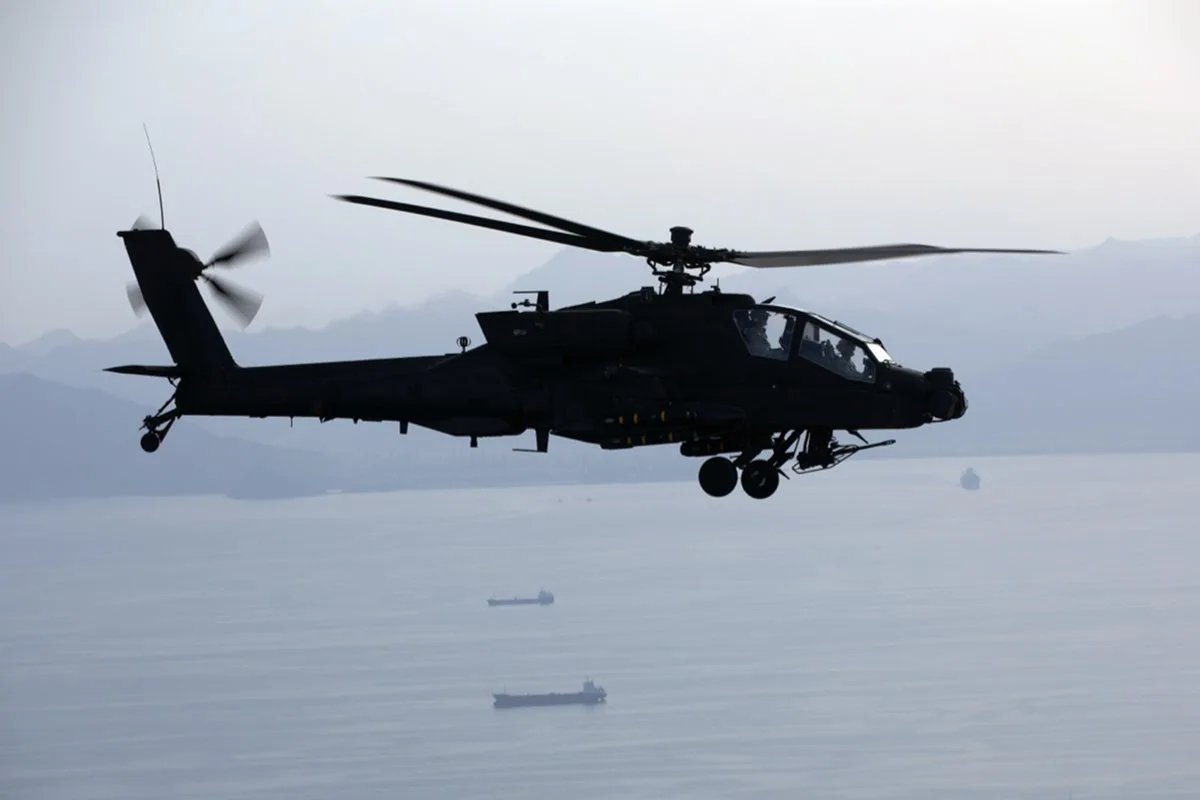
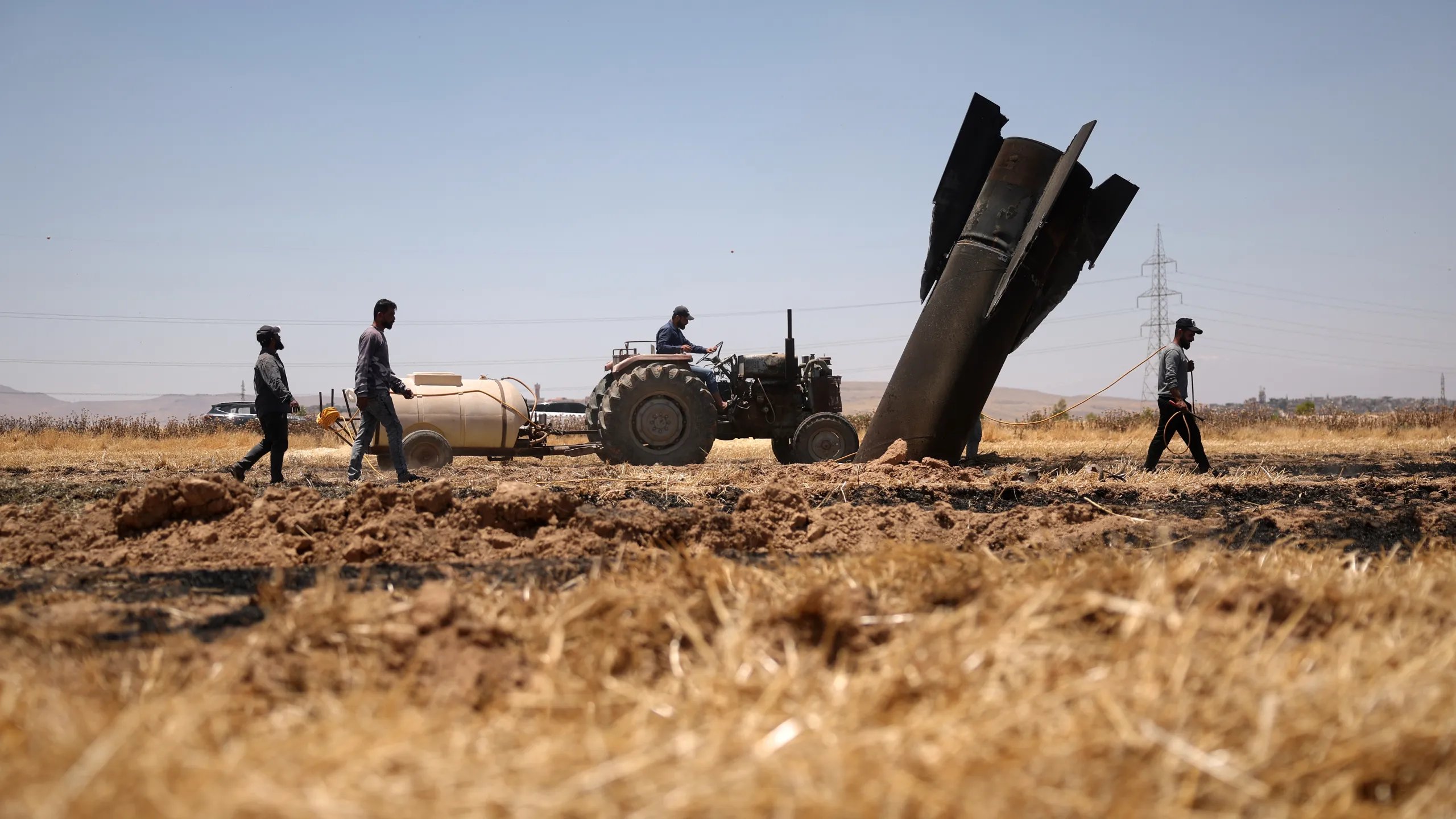
U.S. Central Command (CENTCOM) reported that U.S. forces shot down several Iranian drones aimed at commercial vessels in the Strait of Hormuz. CENTCOM confirmed the downing of these drones on the social platform X, highlighting the ongoing security concerns in the region.
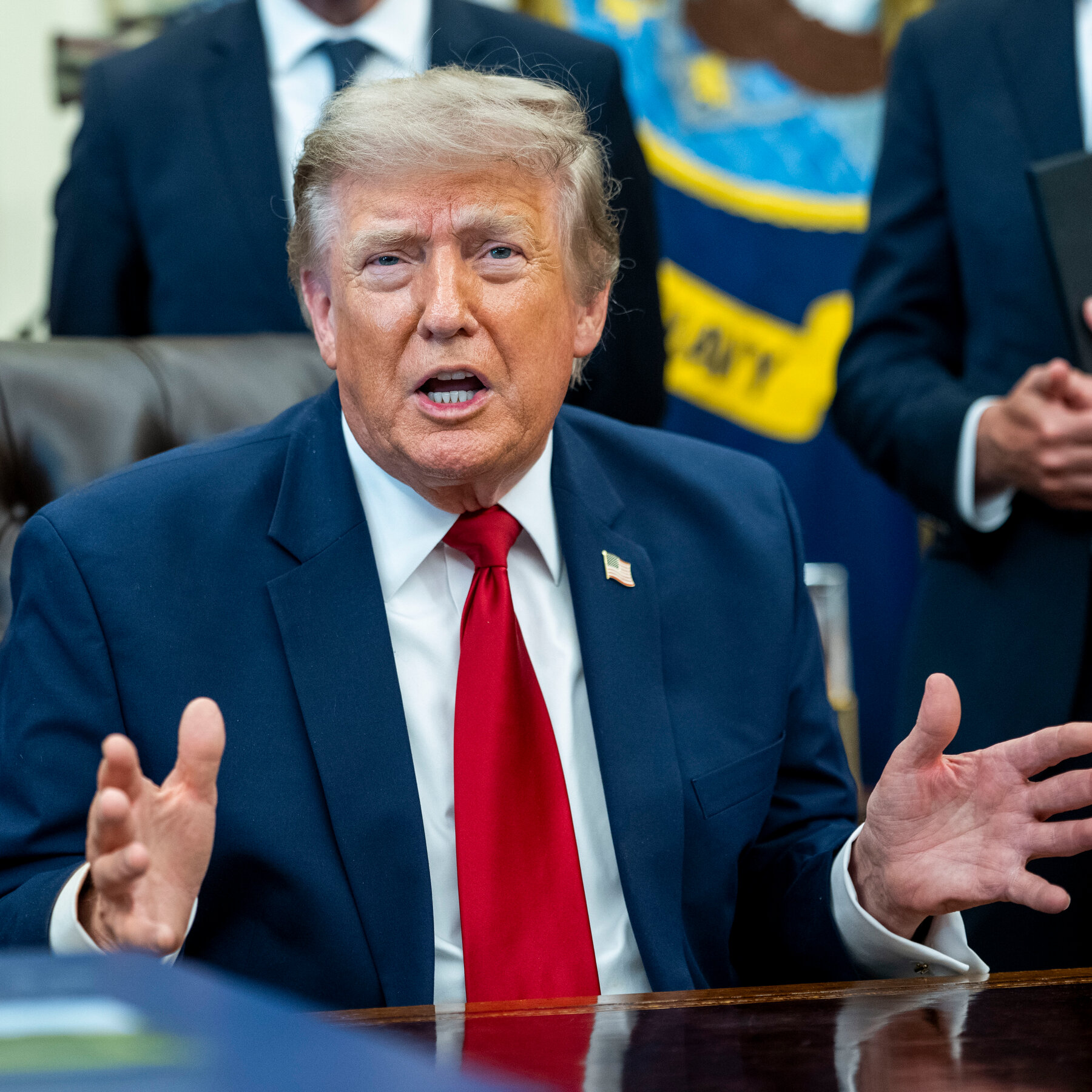
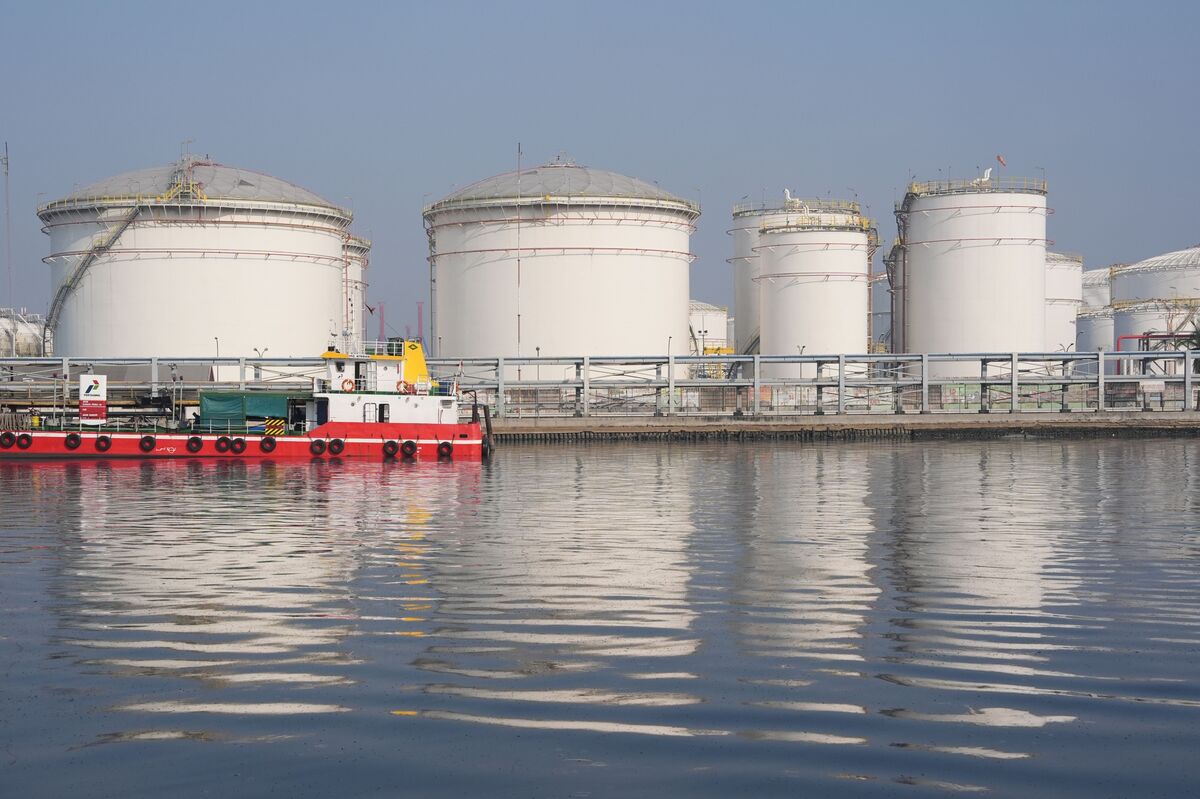
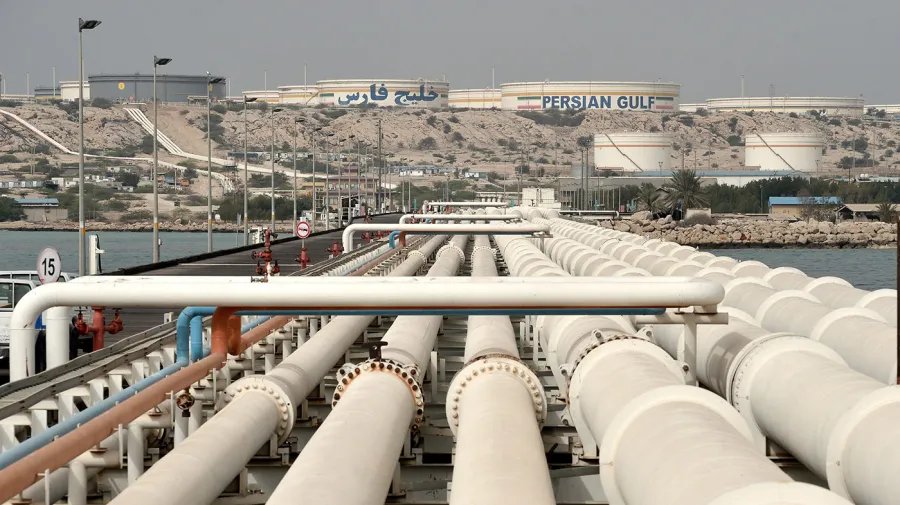
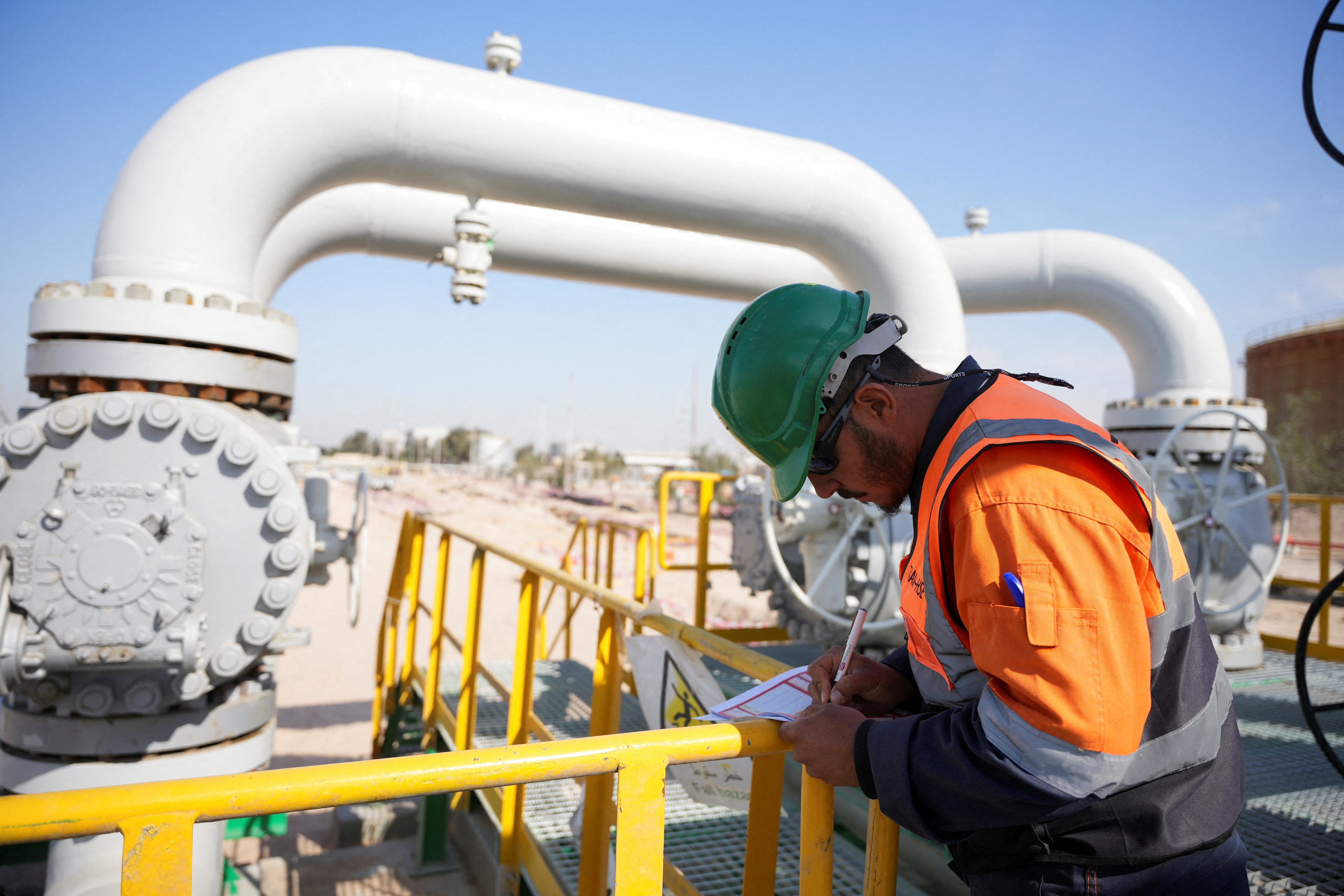
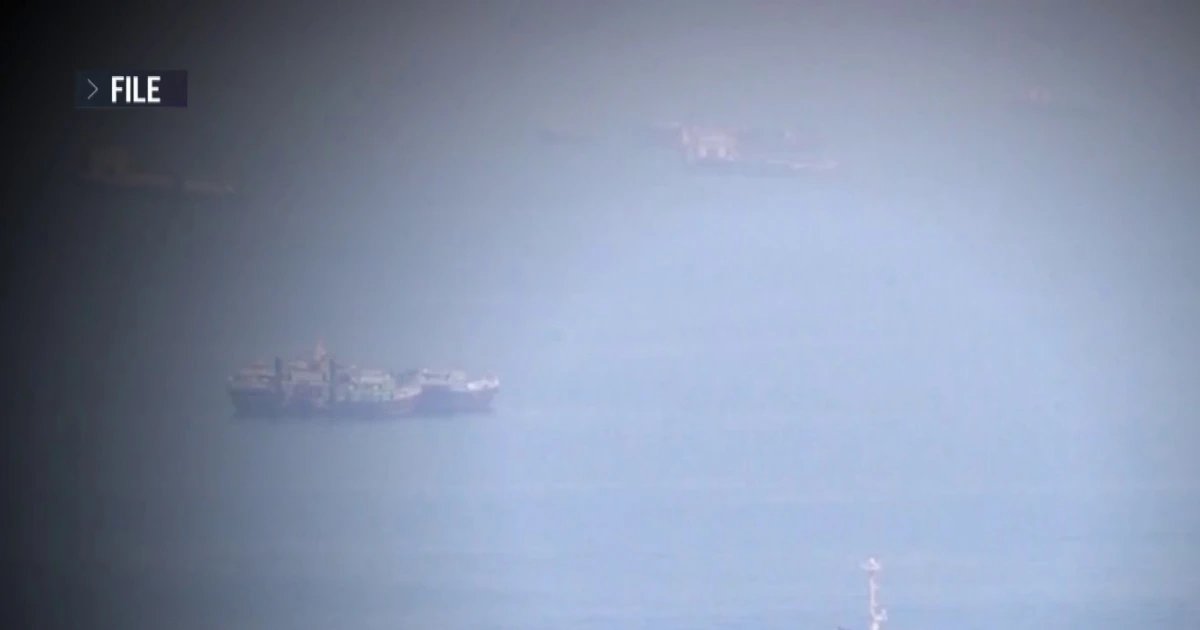
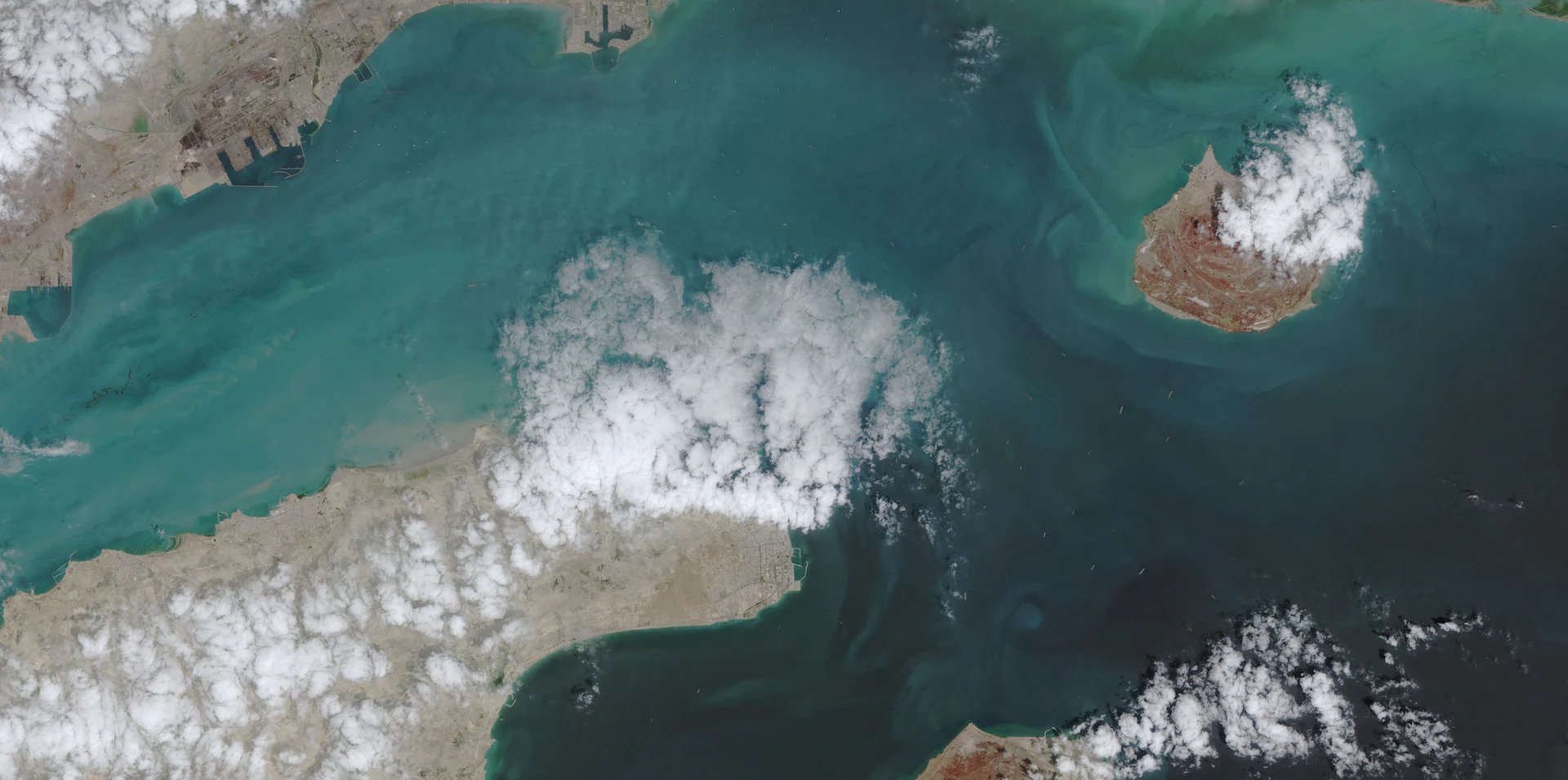
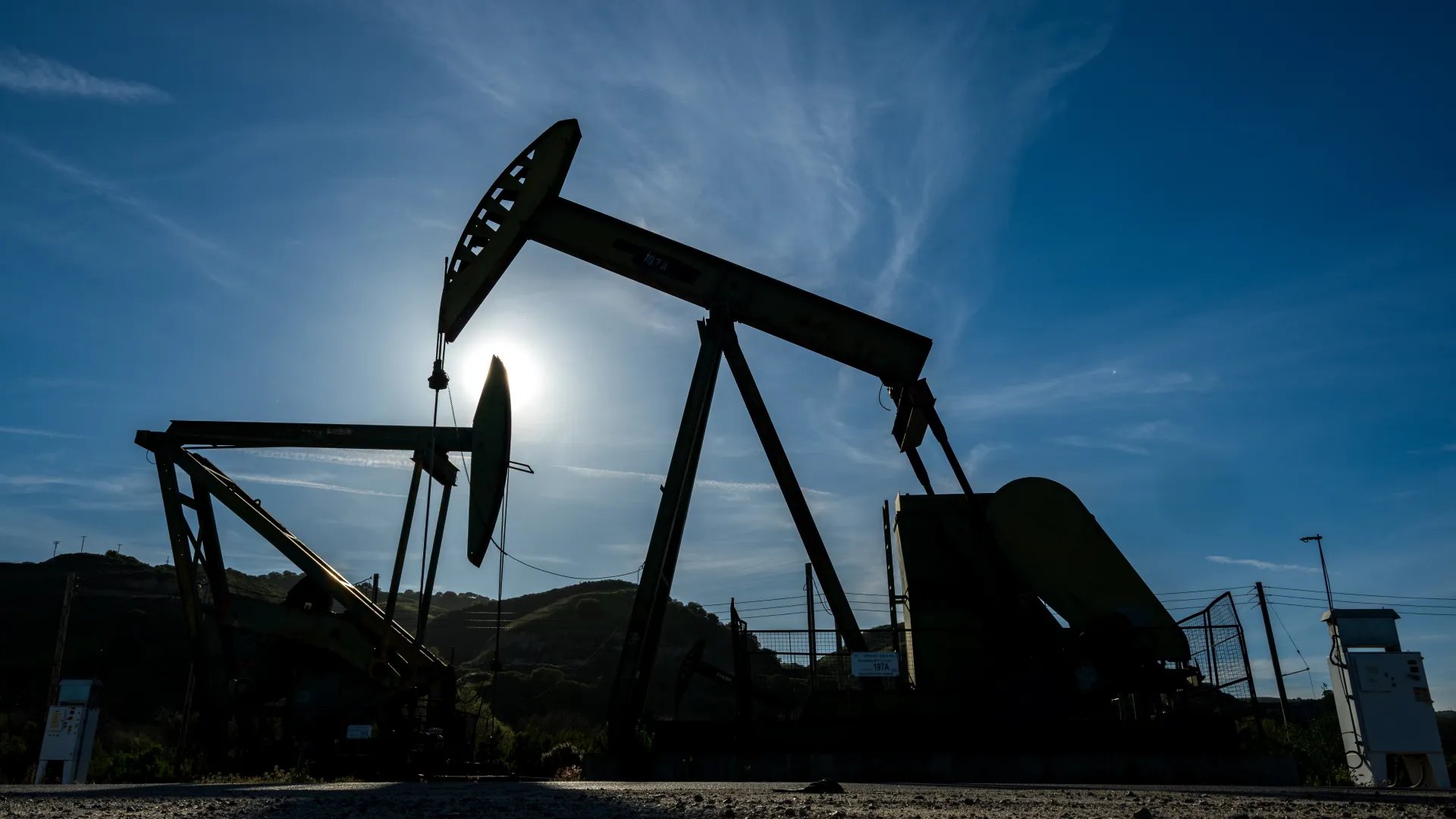
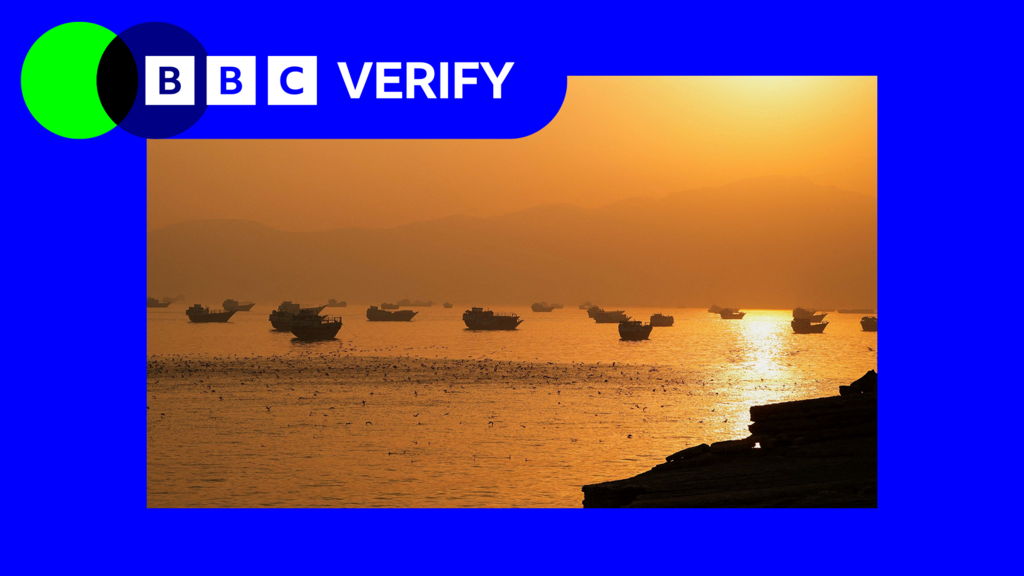
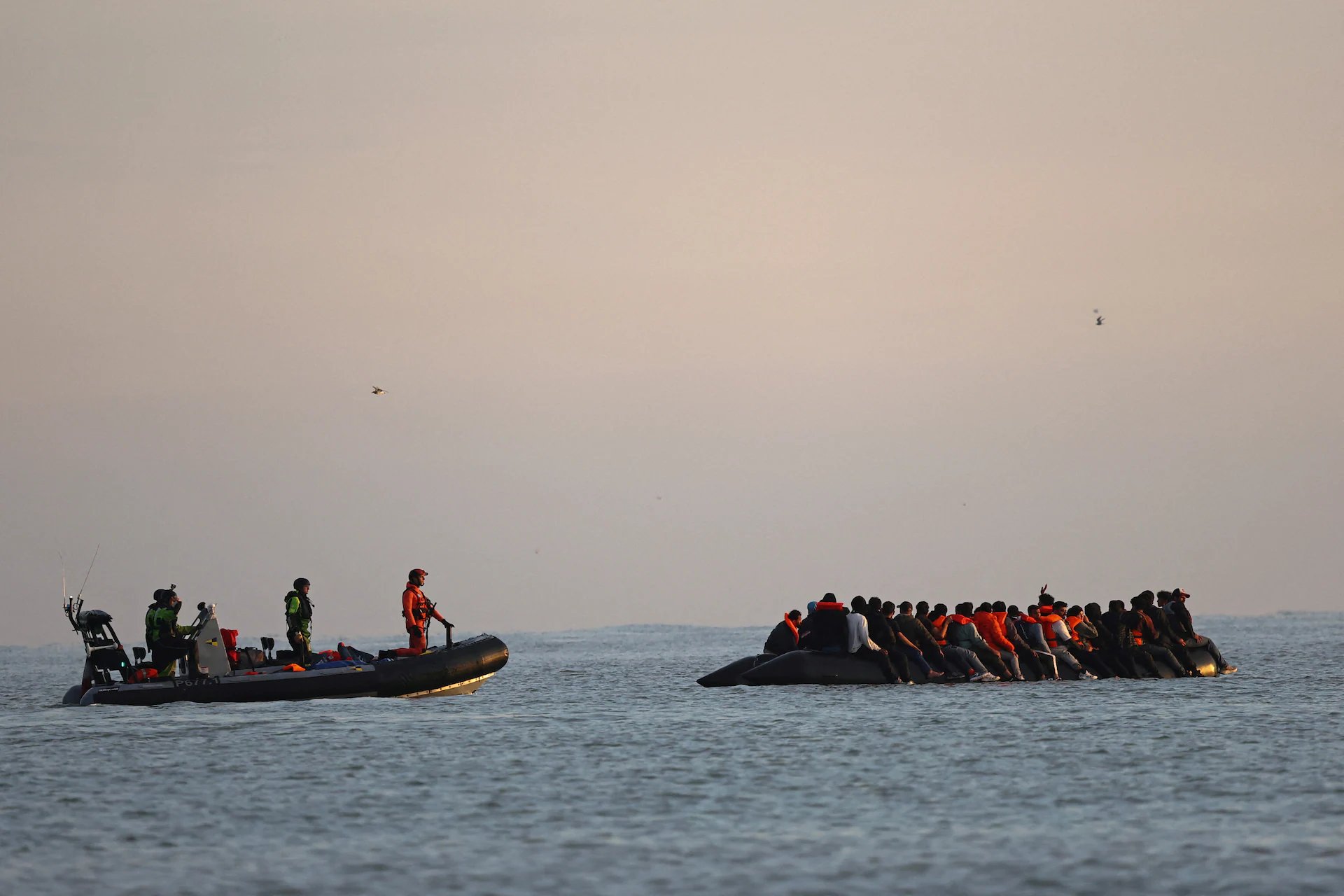
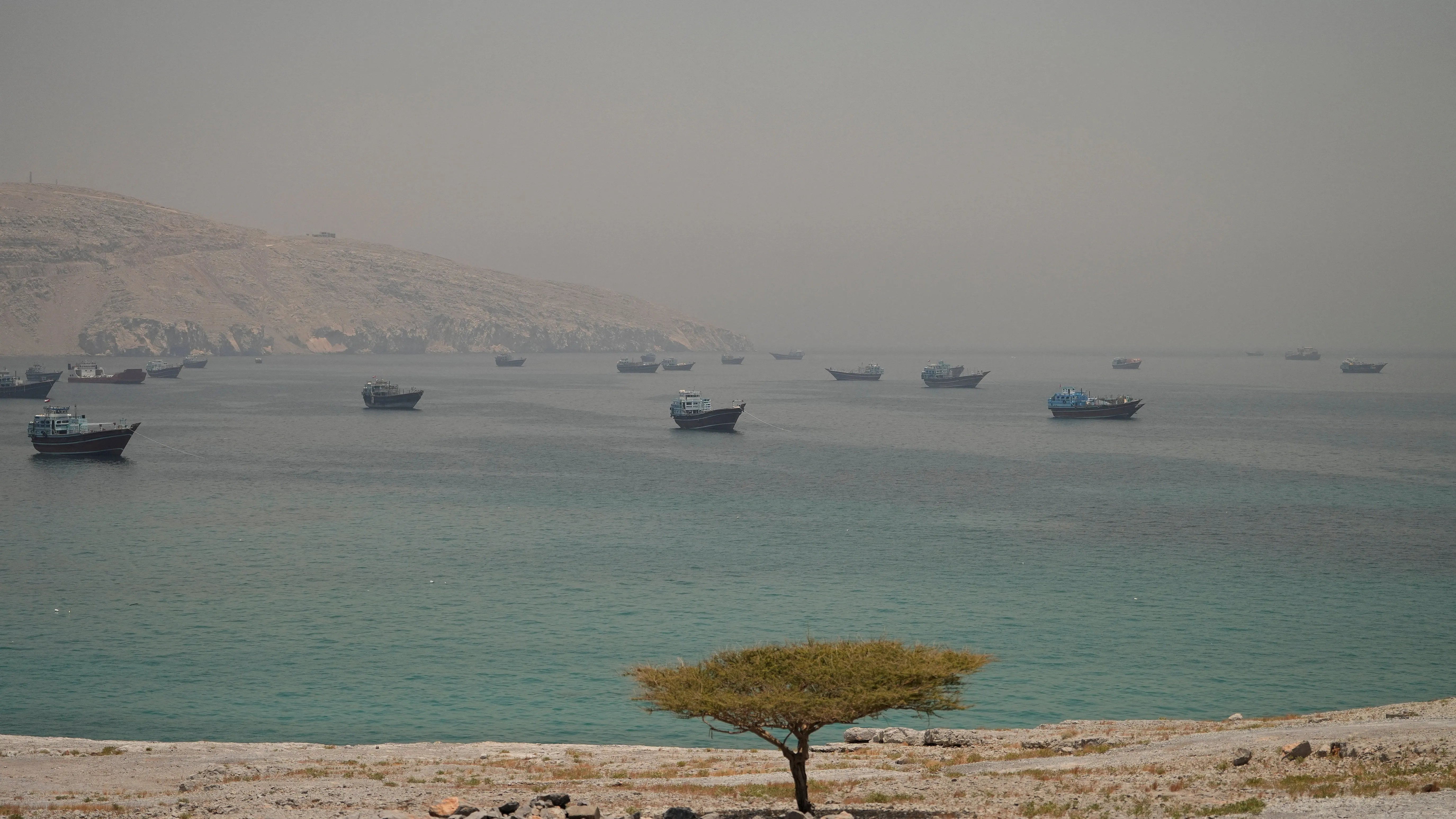
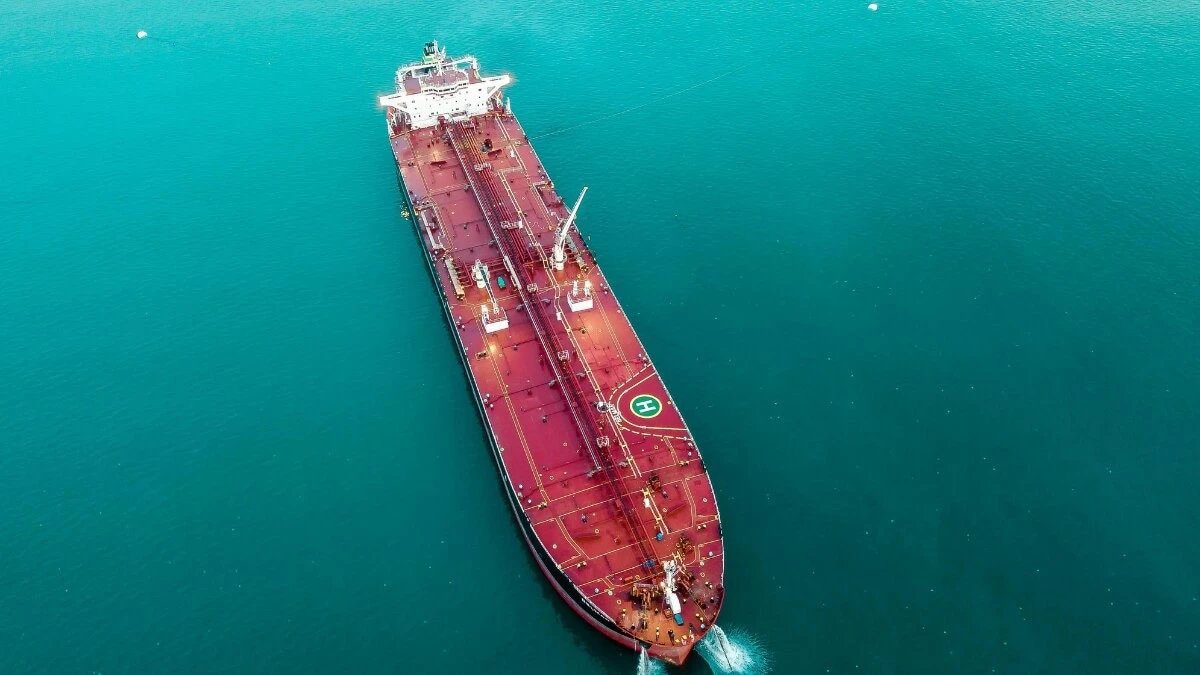
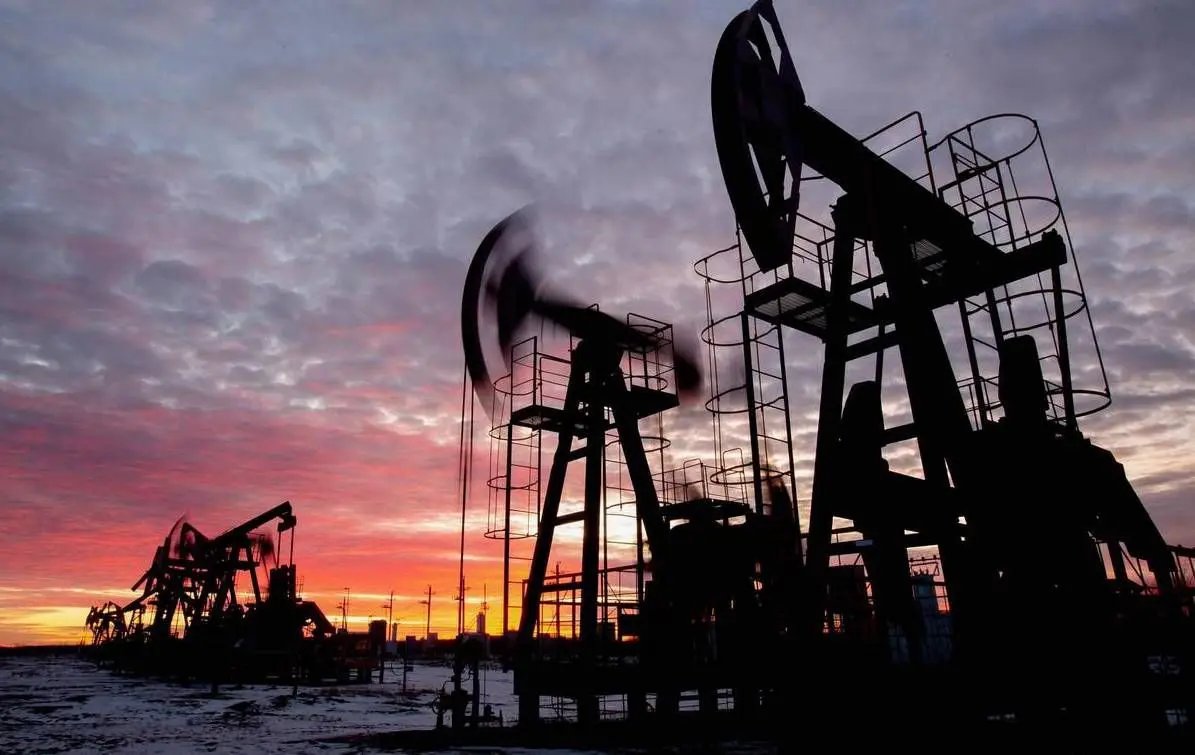
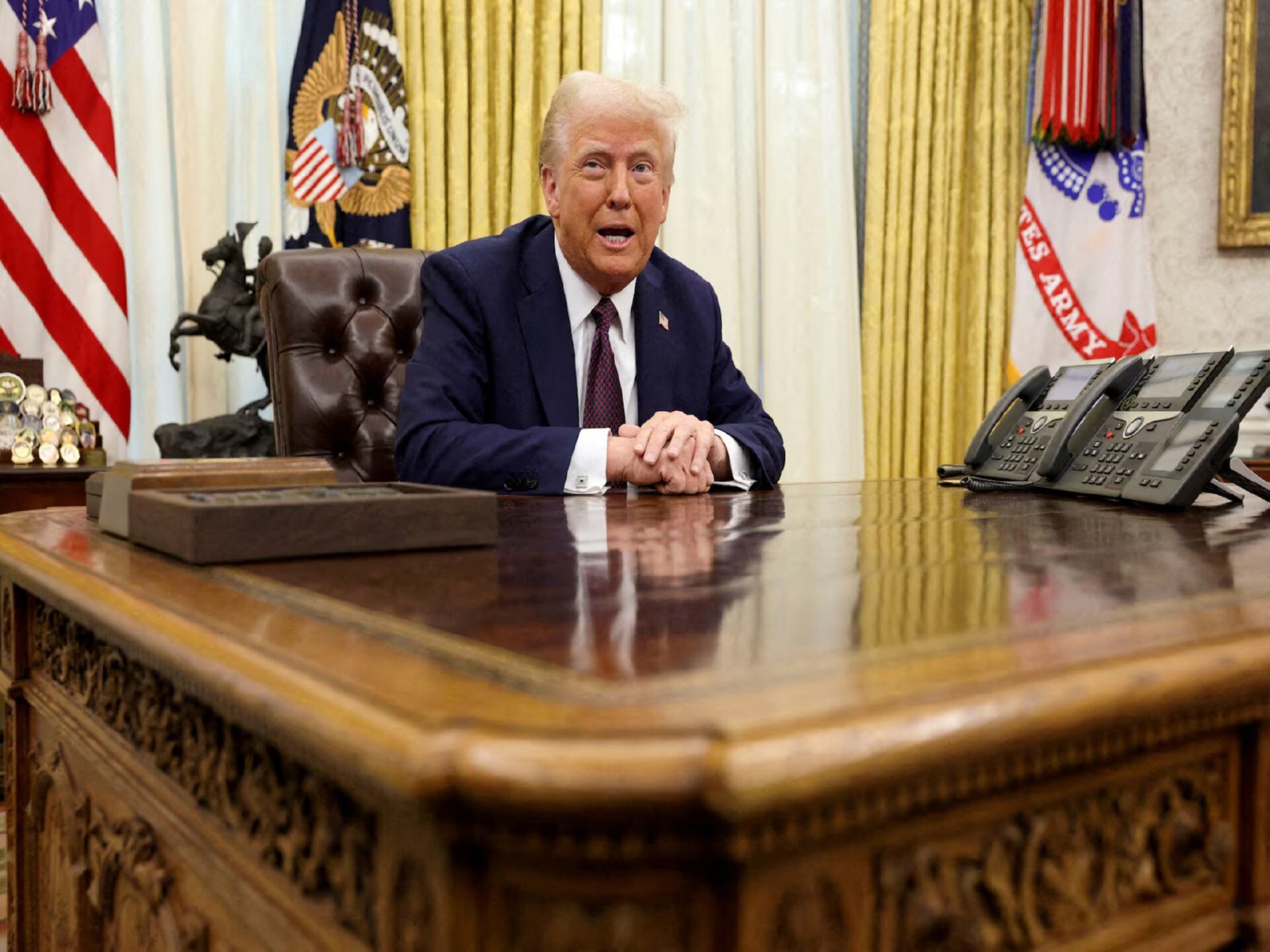
The Strait of Hormuz is a vital maritime corridor, through which approximately 20% of the world's oil passes. As U.S. forces engage in protective measures, the safety of commercial shipping remains a critical issue. U.S. Interior Secretary Doug Burgum noted that military forces are escorting oil tankers through the strait under the cover of darkness, sometimes guiding over 20 ships per night. This heightened military presence reflects the ongoing risks associated with Iranian drone activity in the area.
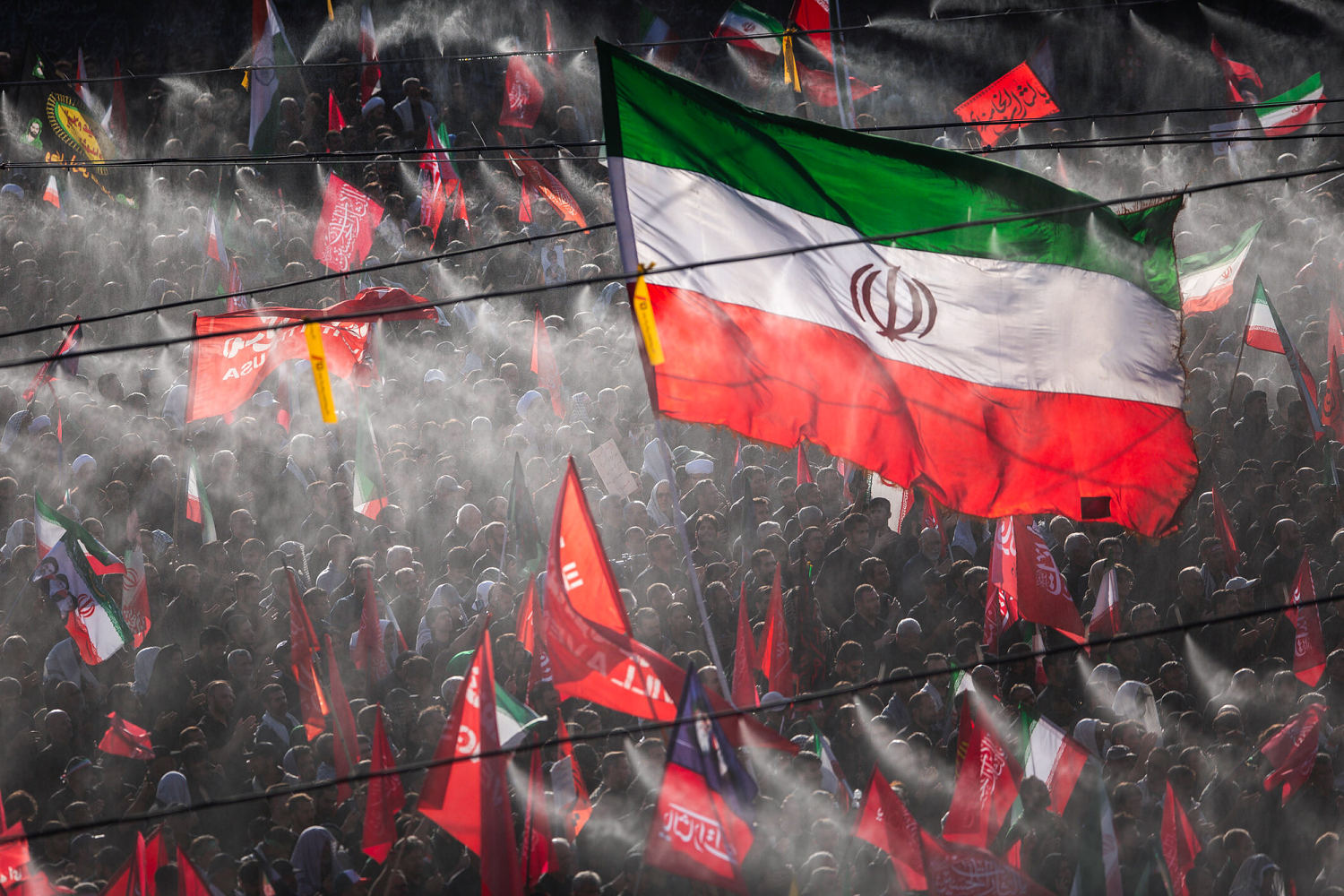
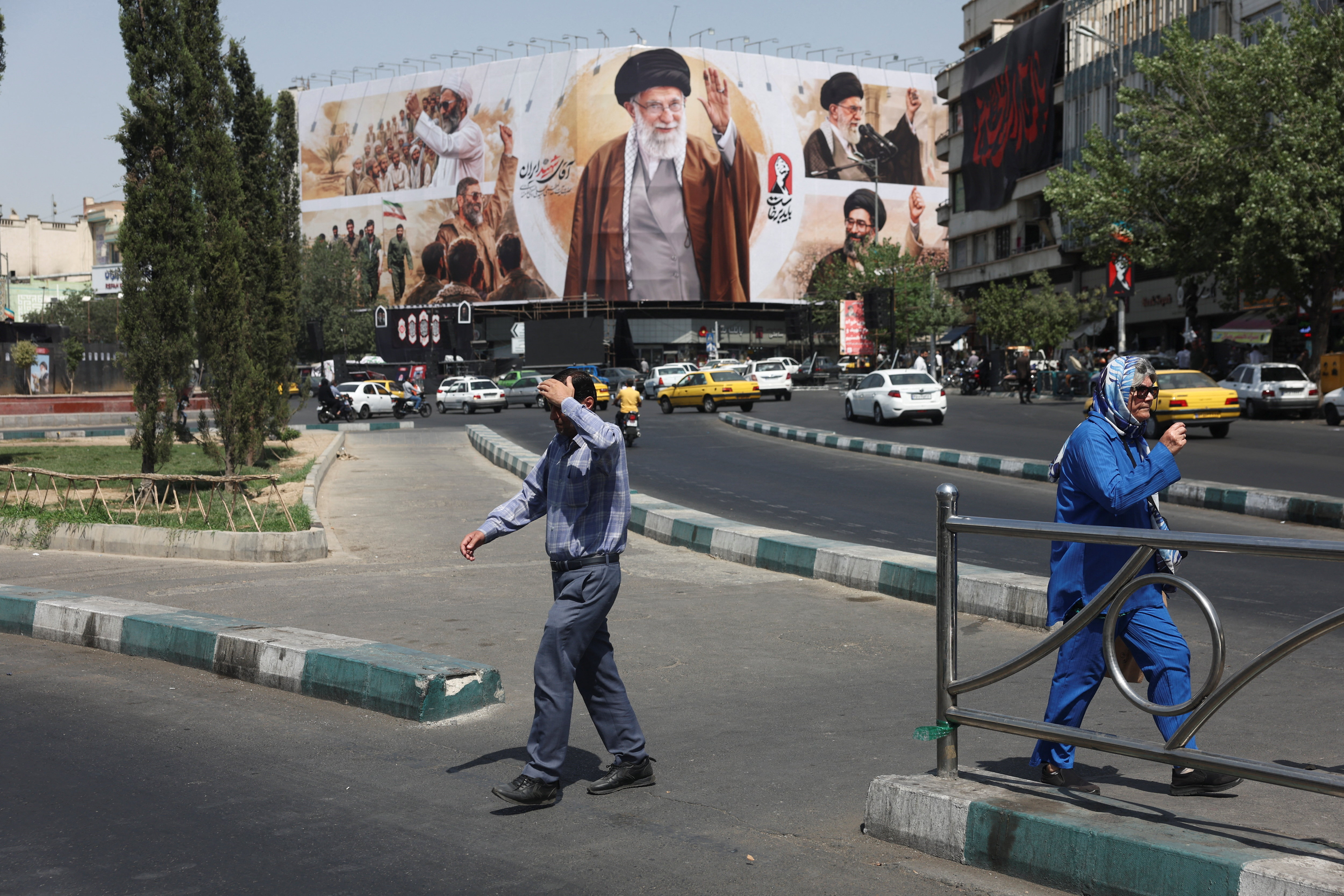
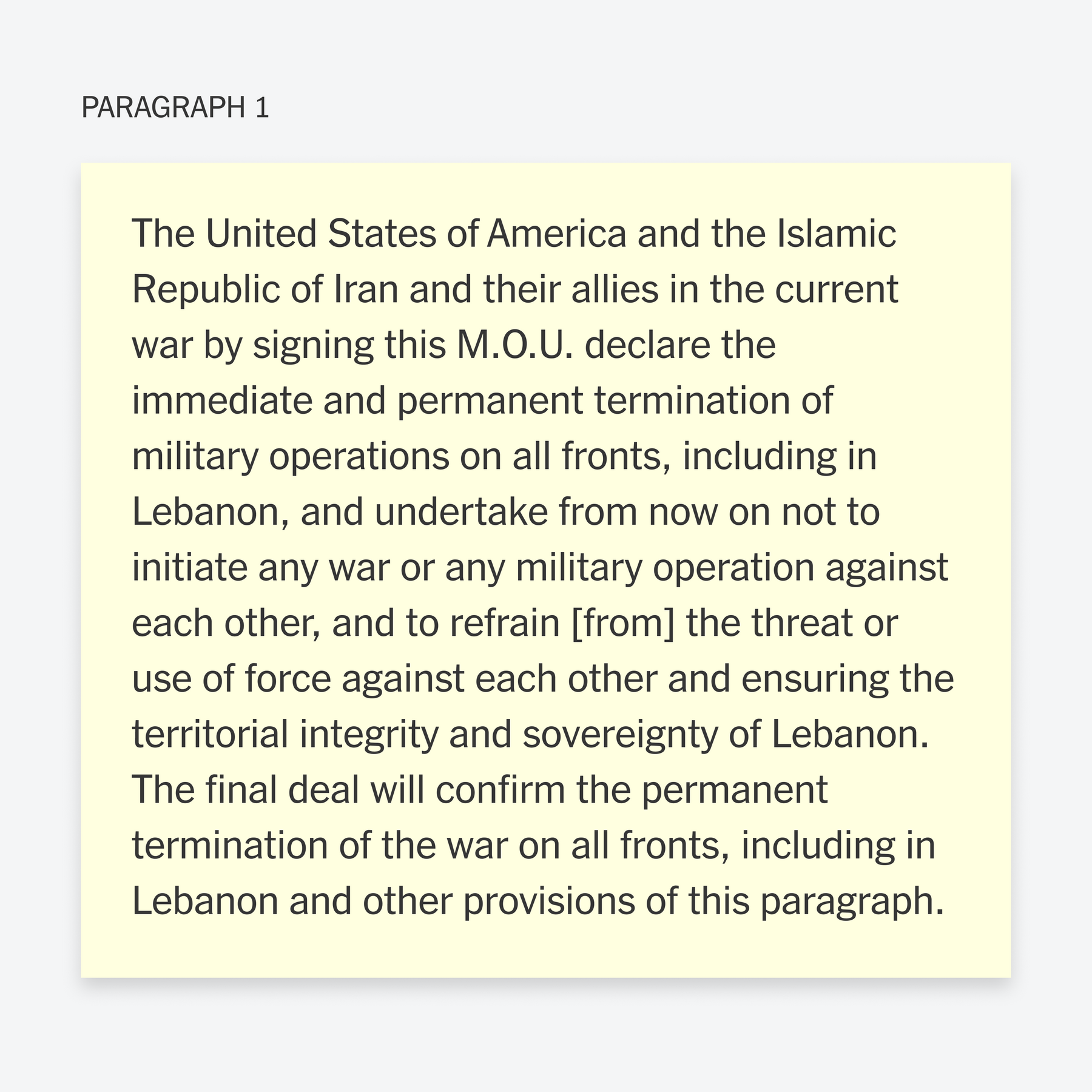
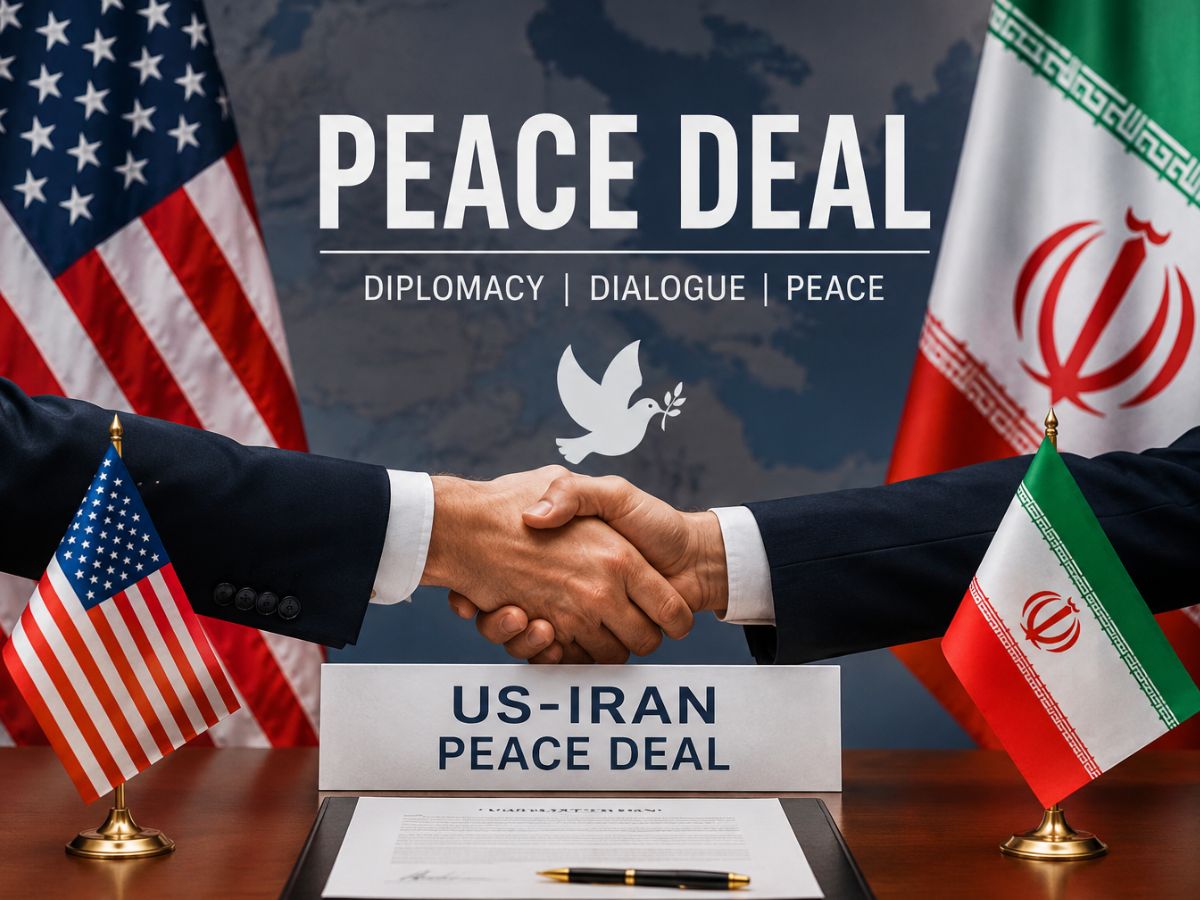
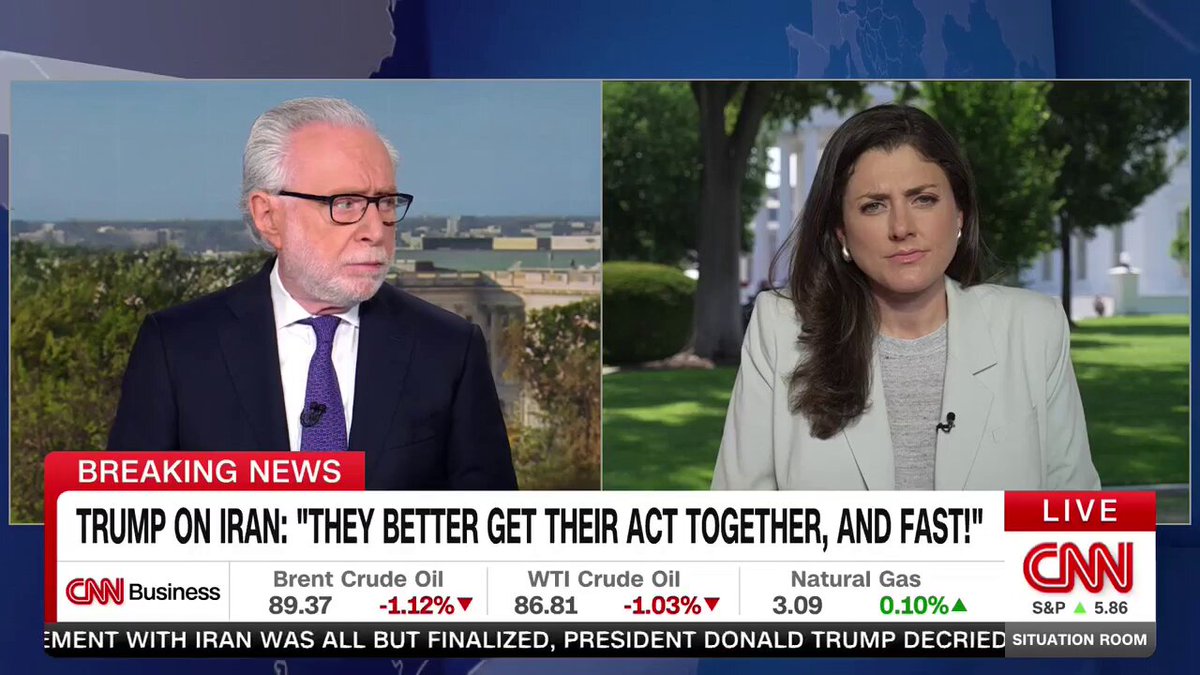
Iran's Foreign Minister Abbas Araghchi indicated that a draft agreement to end hostilities could be signed remotely within days. However, the recent drone attacks complicate diplomatic efforts. The U.S. military's response underscores the precarious balance between military action and potential negotiations, with both sides navigating a complex landscape of threats and opportunities.
India's Ministry of External Affairs denied reports of attacks on ships carrying Indian nationals near the Strait of Hormuz.
As both countries grapple with their respective strategies, the situation remains fluid. The U.S. commitment to securing maritime routes is essential for maintaining international trade and energy supplies, while Iran's actions reflect its ongoing strategic interests in the region.
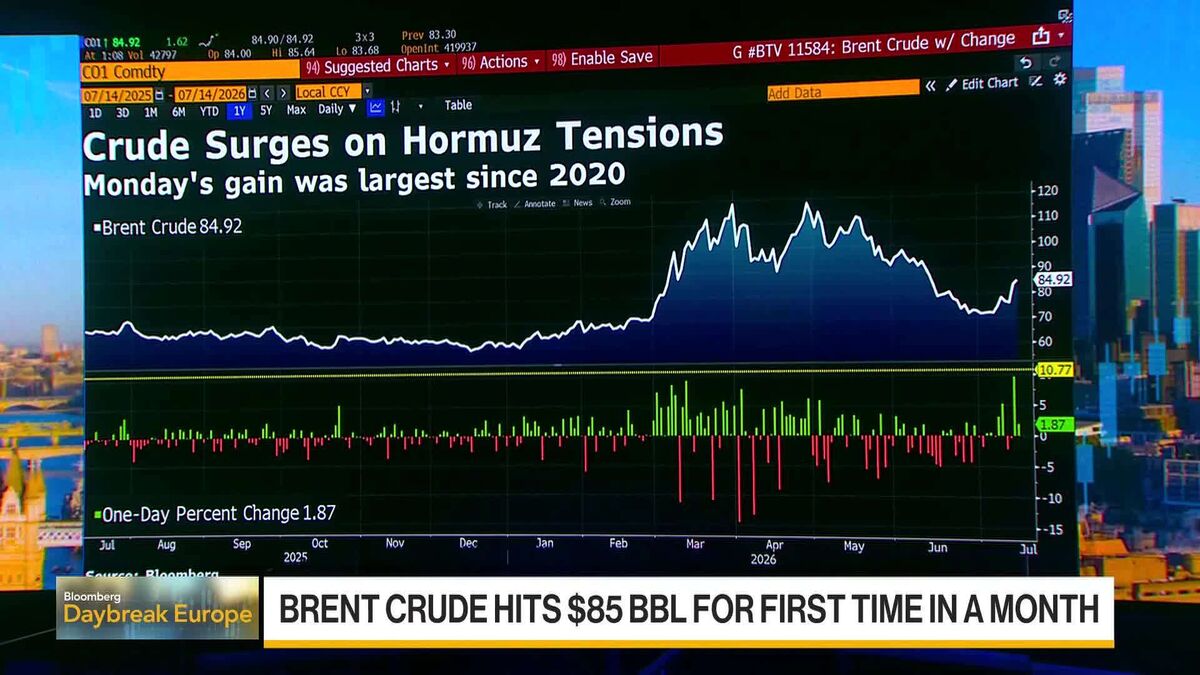
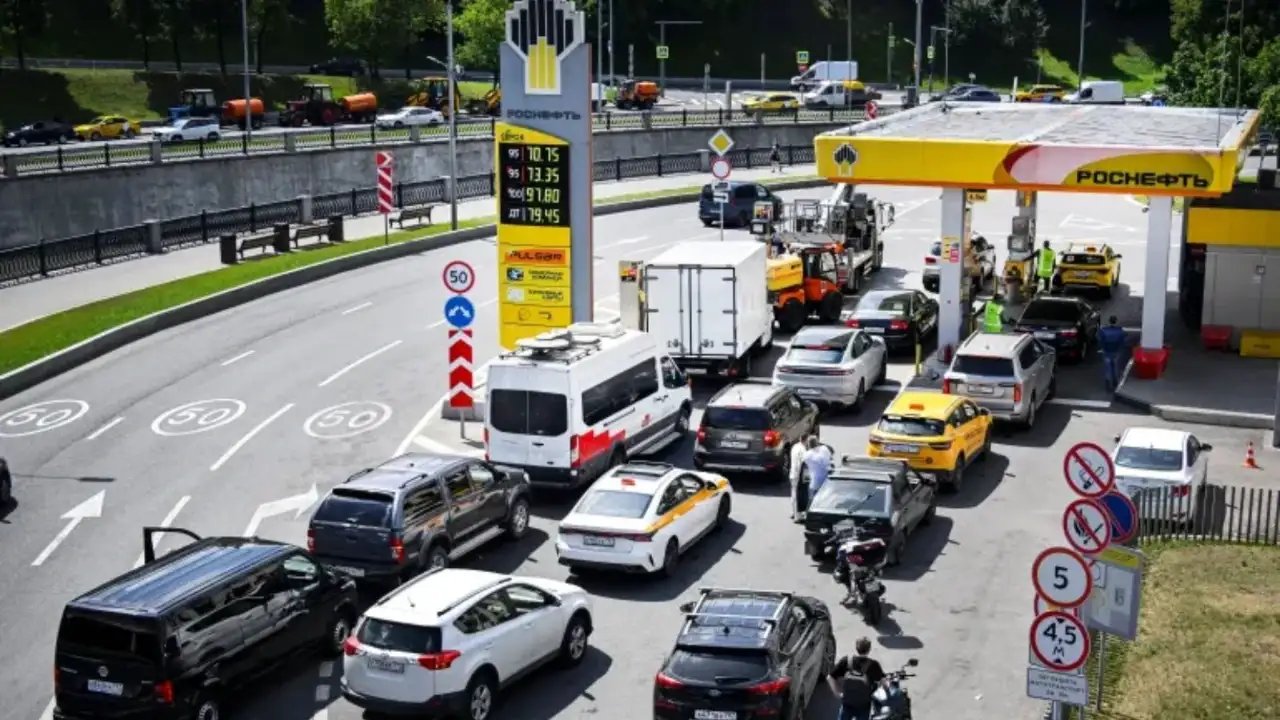
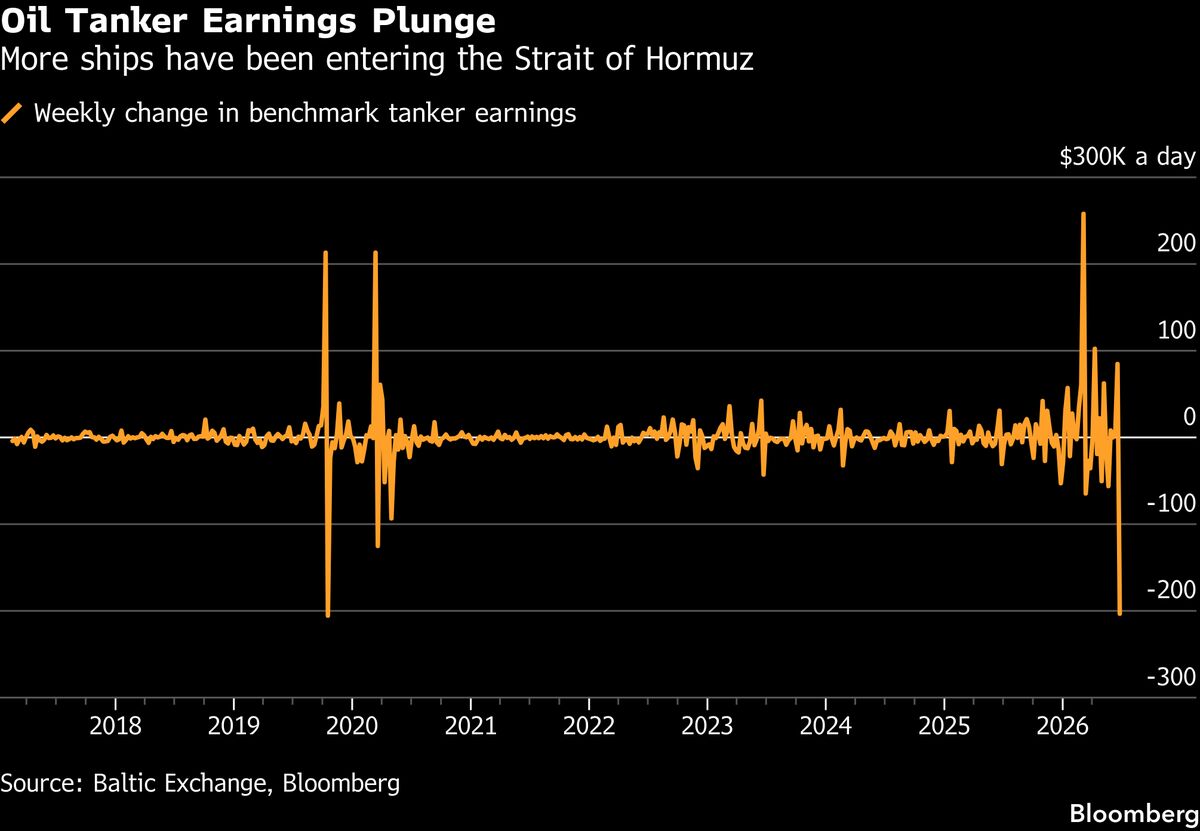
The situation in the Strait of Hormuz not only affects military and diplomatic relations but also has direct consequences for global energy markets and shipping routes.
U.S. Central Command (CENTCOM) reported that U.S. forces shot down several Iranian drones aimed at commercial vessels in the Strait of Hormuz. This action occurred as tensions between the two nations intensified, with Iran launching multiple one-way attack drones targeting shipping traffic. CENTCOM confirmed the downing of these drones on the social platform X, highlighting the ongoing security concerns in the region.
The Strait of Hormuz is a vital maritime corridor, through which approximately 20% of the world's oil passes. As U.S. forces engage in protective measures, the safety of commercial shipping remains a critical issue. U.S. Interior Secretary Doug Burgum noted that military forces are escorting oil tankers through the strait under the cover of darkness, sometimes guiding over 20 ships per night. This heightened military presence reflects the ongoing risks associated with Iranian drone activity in the area.
Iran's Foreign Minister Abbas Araghchi indicated that a draft agreement to end hostilities could be signed remotely within days. However, the recent drone attacks complicate diplomatic efforts. The U.S. military's response underscores the precarious balance between military action and potential negotiations, with both sides navigating a complex landscape of threats and opportunities.
Despite the heightened military engagement, reports indicated that no crew members were harmed in the incidents involving the downed drones. The Indian Ministry of External Affairs denied claims of attacks on ships carrying Indian nationals near the Strait of Hormuz, emphasizing the importance of crew safety amidst escalating tensions.
The recent drone downings mark a critical point in U.S.-Iran relations, with implications that extend beyond military actions. As both countries grapple with their respective strategies, the situation remains fluid. The U.S. commitment to securing maritime routes is essential for maintaining international trade and energy supplies, while Iran's actions reflect its ongoing strategic interests in the region.
The situation in the Strait of Hormuz not only affects military and diplomatic relations but also has direct consequences for global energy markets and shipping routes. As the U.S. continues to monitor and respond to threats, the international community watches closely, aware that the stability of this critical waterway is vital for global economic security.
Highlighted text was flagged by the council. Tap to see feedback.