




Corruption Charges and Sentencing Details
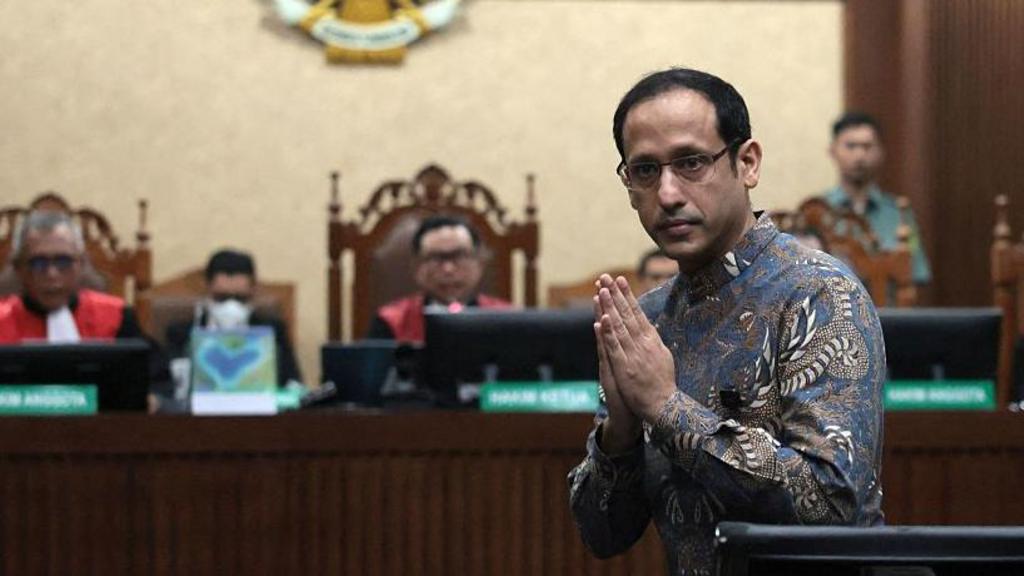
Nadiem Makarim, the co-founder of Gojek and former Indonesian Education Minister, has been sentenced to 10 years in prison for corruption linked to a controversial Chromebook procurement deal. The Jakarta anti-corruption court determined that Makarim abused his authority, resulting in state losses of $125 million. In addition to his prison term, he faces a restitution order of 809 billion rupiah (about $45 million) and a fine of 1 billion rupiah (approximately $55,850). If he fails to pay the restitution, he could face an additional five years in jail.
Background of the Chromebook Deal
The case centers around Makarim's decision to purchase Chromebook laptops for schools during the COVID-19 pandemic, which prosecutors claimed were unsuitable for many remote areas of Indonesia due to their internet dependency. Allegations suggested that Makarim favored Google, an investor in Gojek, by creating tender specifications that benefited the tech giant. The court ruling stated that while Makarim did not unlawfully enrich himself, he had violated anti-corruption pledges, and his actions created a conflict of interest.
Public Reaction and Support
Supporters of Makarim, including Gojek drivers, gathered outside the Jakarta courthouse, expressing solidarity with banners proclaiming "We are with Nadiem." When the judge delivered the verdict and sentence, Makarim appeared visibly emotional and began crying. After exiting the courtroom, Makarim told reporters: "I do not know what words I can use to explain how I feel today." He has vowed to appeal the ruling, asserting that the case is based on an "investigative error" and claiming that there was no state loss or malicious intent involved in the procurement process.
Implications for Indonesia's Tech Landscape
The sentencing of Makarim, once viewed as a symbol of Indonesia's burgeoning startup scene, raises concerns about investor confidence in the country's tech industry. Analysts have noted that the verdict could disillusion young professionals considering public service, fearing similar repercussions for engaging with the government. To young Indonesians, Makarim is seen as someone who "wants to bring change but is trapped in a government system that has systemic problems," said Usman Hamid, executive director of Amnesty International Indonesia. Hamid added: "Maybe [Makarim] was perceived as forcing [the government] to innovate policies, and maybe he wanted to do it too fast."
Broader Political Context
The verdict occurs amid rising unrest among Indonesian youth, who have expressed dissatisfaction with the government amid increasing living costs and economic challenges. Critics argue that the case against Makarim reflects a broader trend of using anti-corruption measures to target political opponents, as observed by lawyer Todung Mulya Lubis. The ruling also draws parallels to other political figures connected to former President Joko Widodo, who faced similar corruption charges yet received pardons under the current administration's reconciliation efforts.
Next Steps for Makarim
As Makarim navigates this legal battle, the outcome of his appeal could play a critical role in shaping the future of governance and corporate accountability in Indonesia. The case has already sparked discussions about the intersection of politics and business in Southeast Asia, highlighting the challenges faced by those who seek to innovate within the existing political framework.