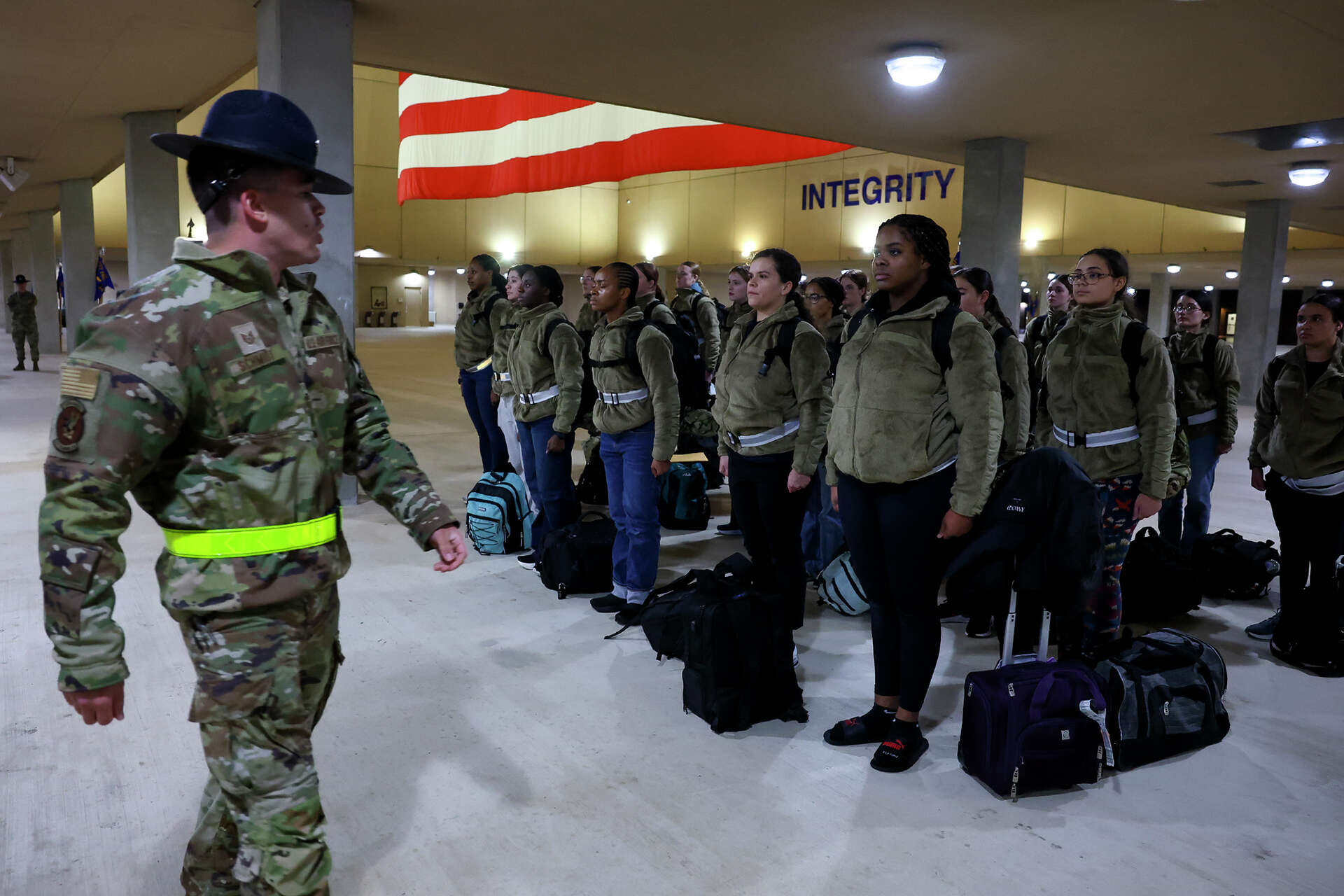
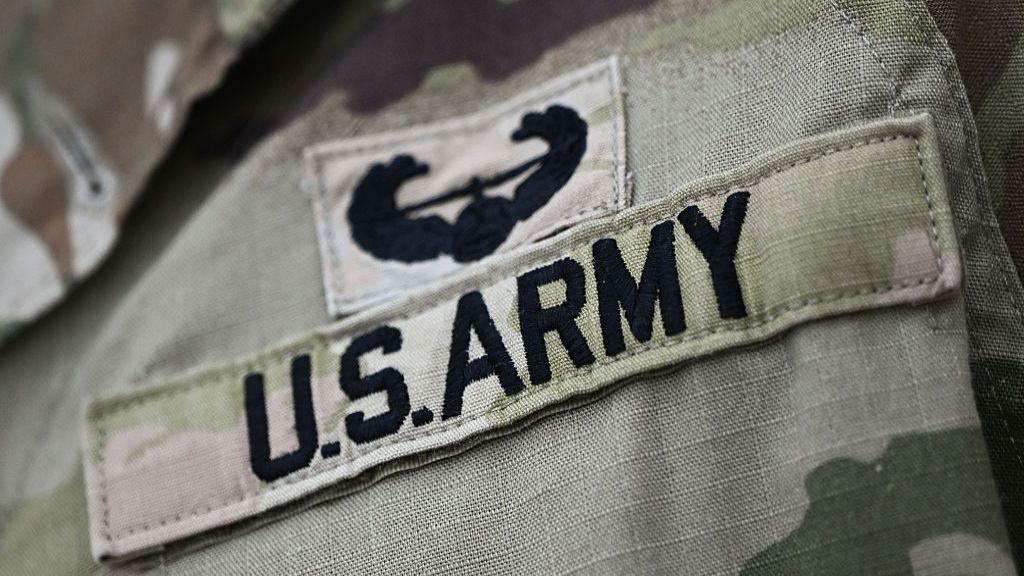
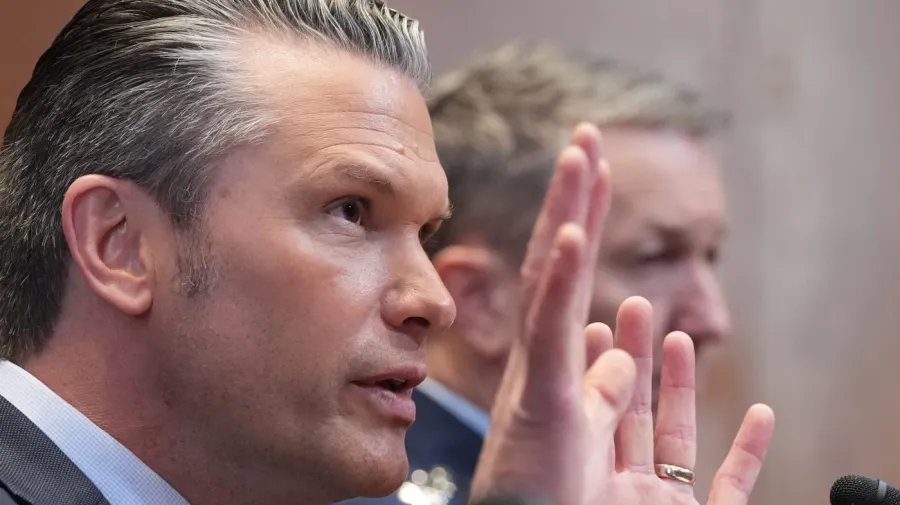
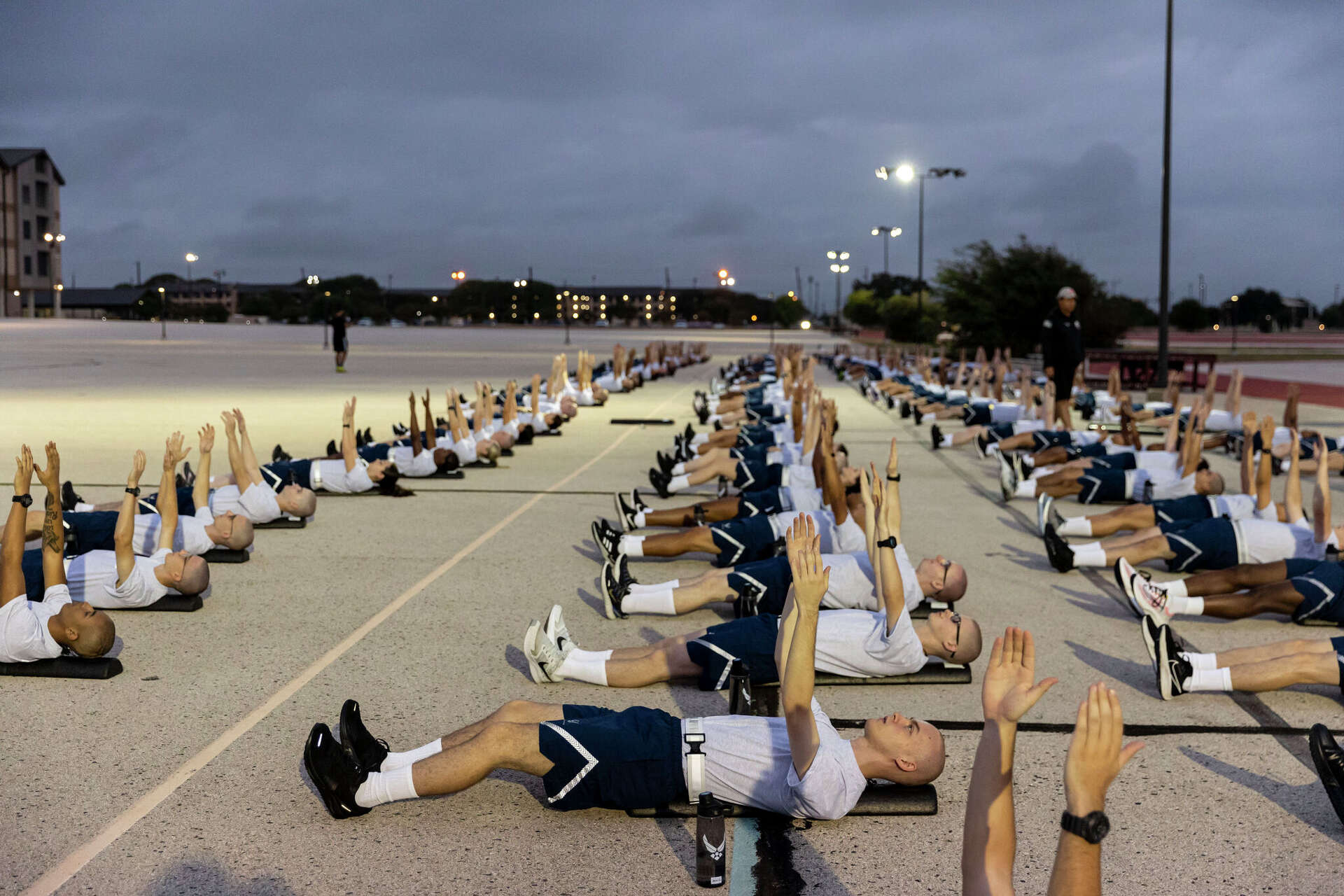
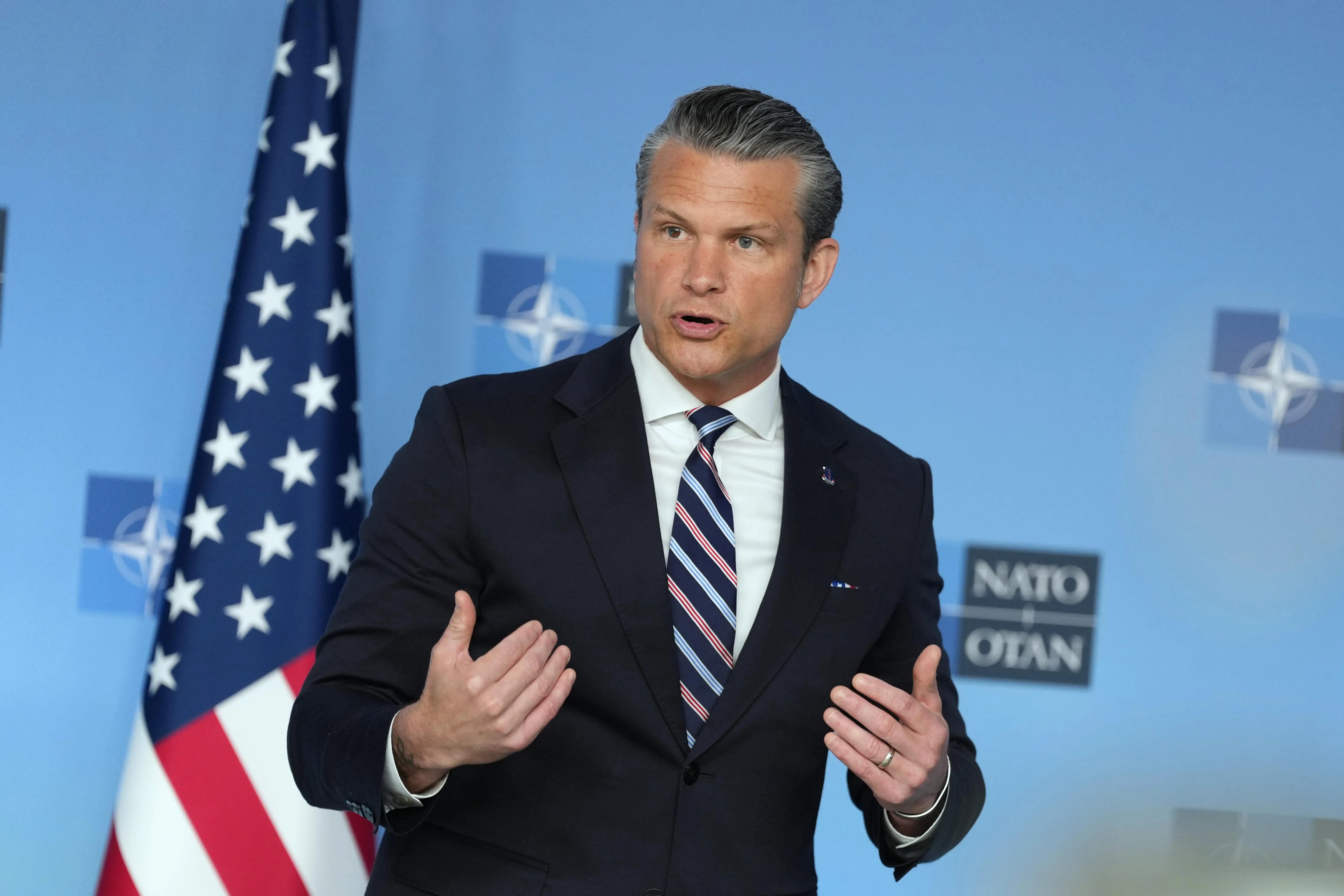
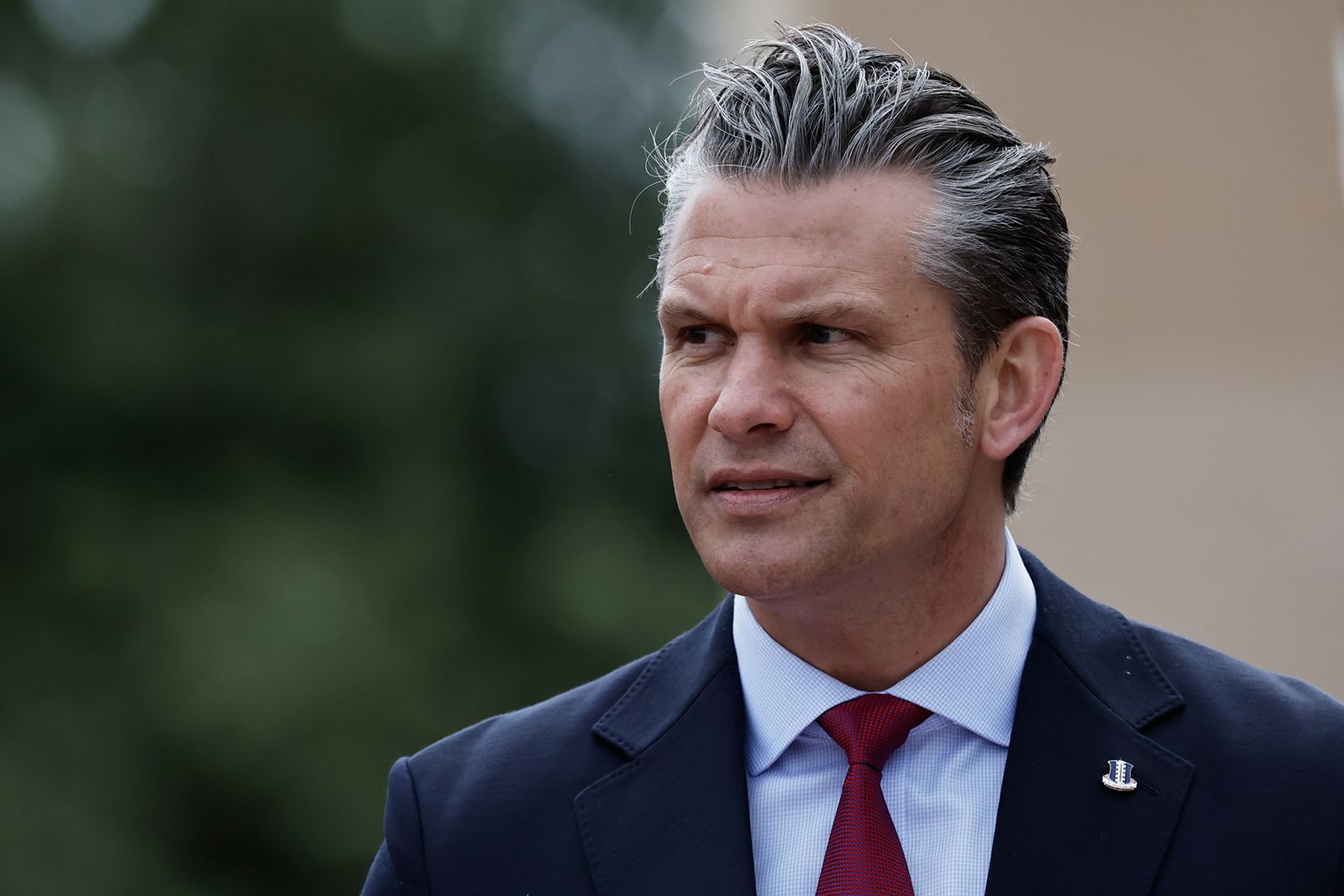
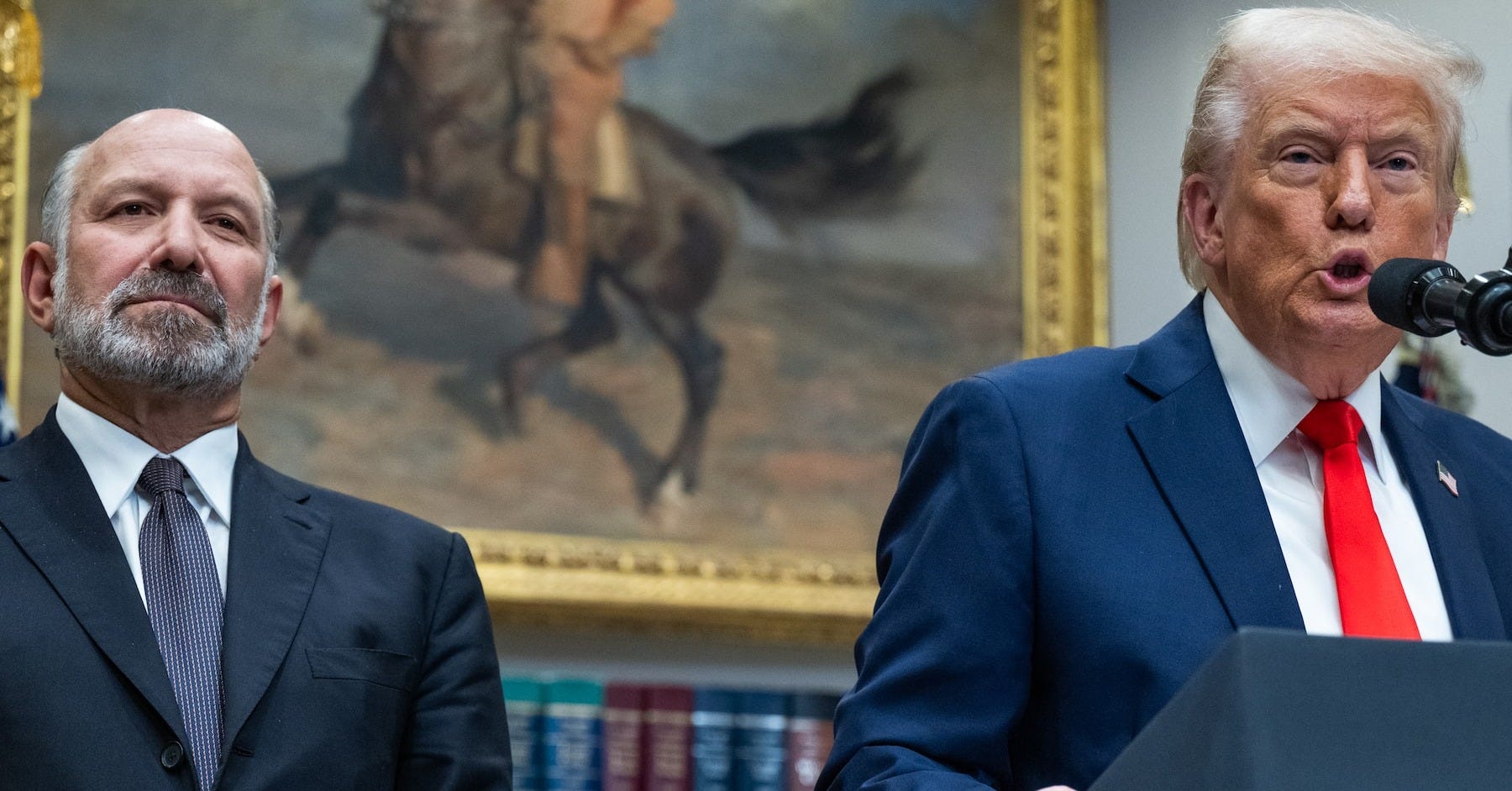
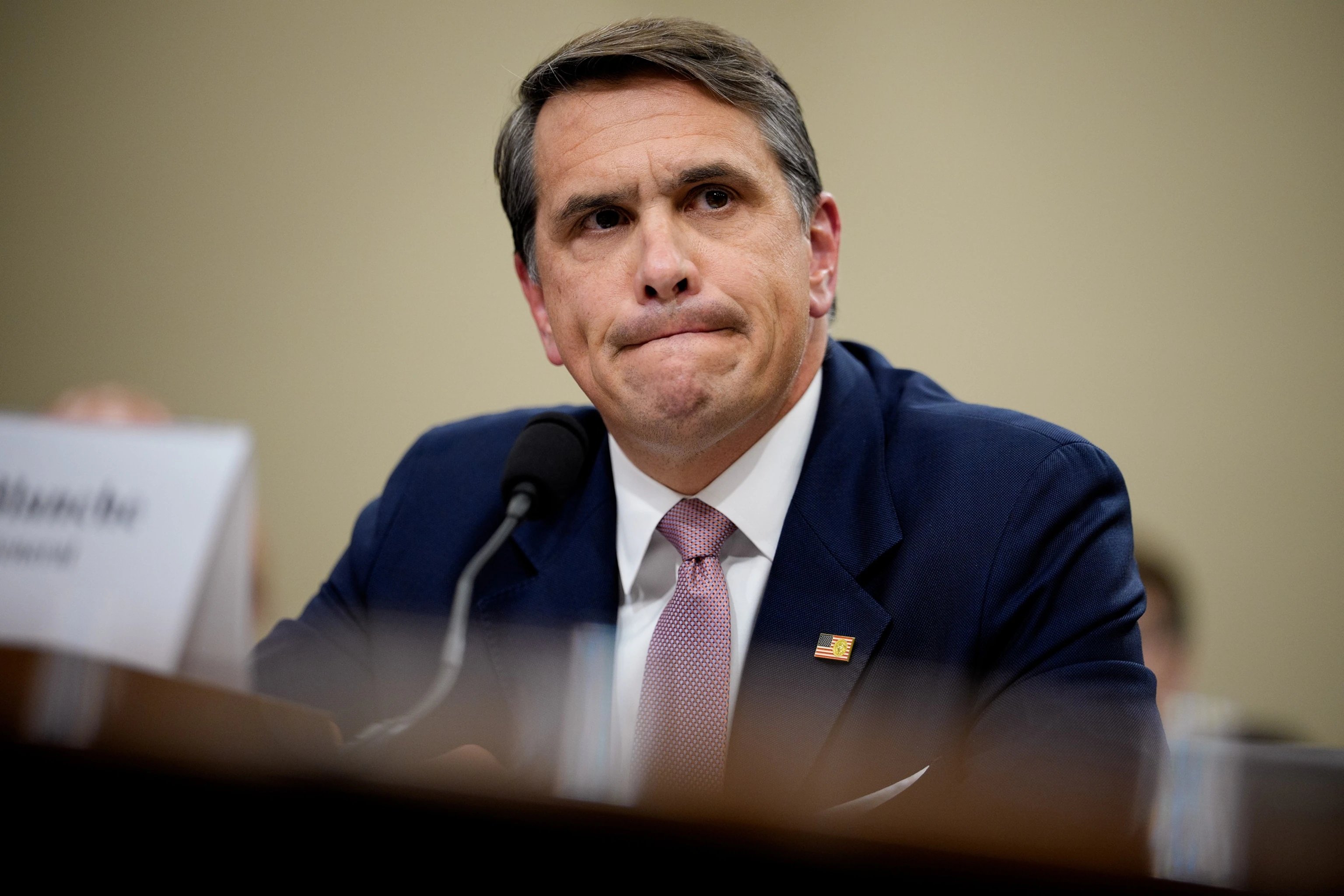
At least 159 recruits and two hospitalizations have been reported in a flu outbreak at Lackland Air Force Base in Texas following Defense Secretary Pete Hegseth's decision to rescind the mandatory vaccination policy for all service members in April. The vaccine had been mandatory since 1945, though the mandate was briefly withdrawn in 1949 and reinstated in the early 1950s. The change in policy has led to a significant drop in vaccination rates, with only 40% of Air Force trainees opting to receive the flu vaccine since the mandate was lifted.
The Air Force has implemented mitigation measures to isolate and treat symptomatic trainees and is monitoring those who may have been exposed to the virus. Symptomatic trainees are receiving antiviral medications such as Tamiflu, and once cleared by medical professionals, they will return to training. Public health specialists have warned that young recruits are much more vulnerable to severe infection from influenza, with evidence showing the highest hospitalization rates among active service members under age 25.
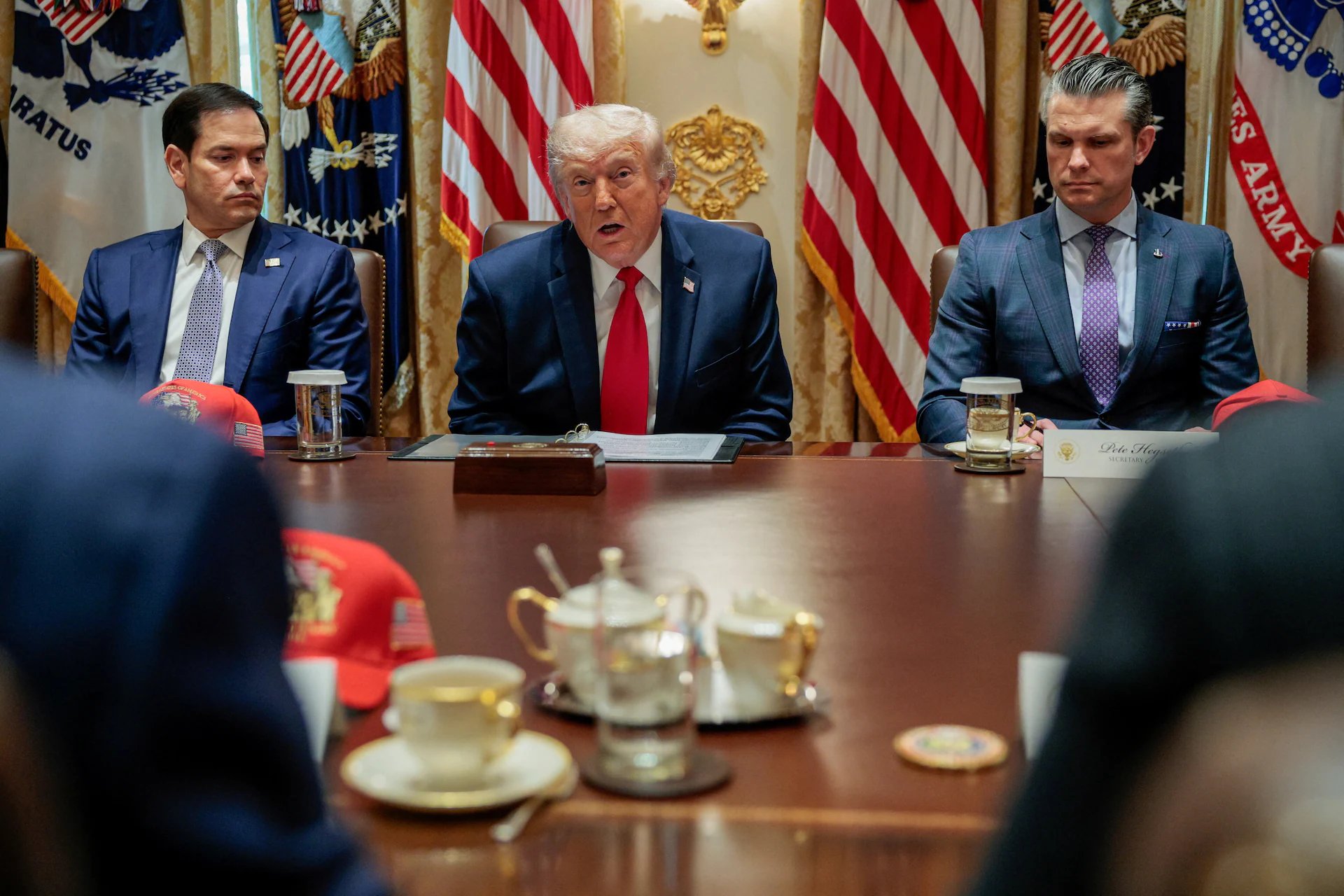
Despite the rescinded mandate, the Pentagon has granted exceptions to the policy for the Army, Navy, Air Force, National Security Agency, and Defense Health Agency through the Under Secretary of Defense for Personnel and Readiness. Chief Pentagon spokesman Sean Parnell stated that these decisions were based on thorough risk assessments and are designed to "maximize operational readiness, lethality, and force generation, while safeguarding at-risk populations." The military services and agencies are responsible for implementing these exceptions to the policy.
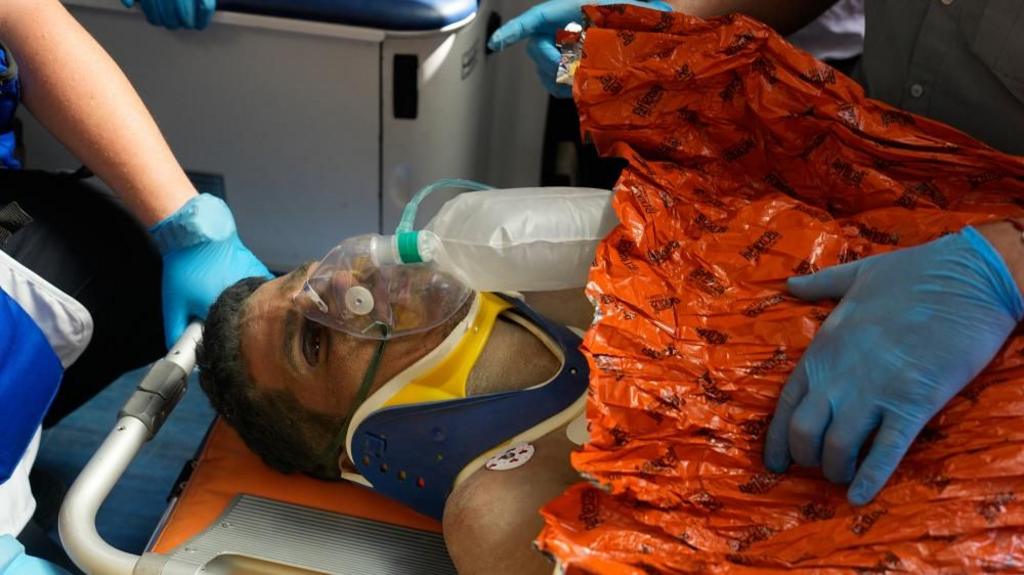
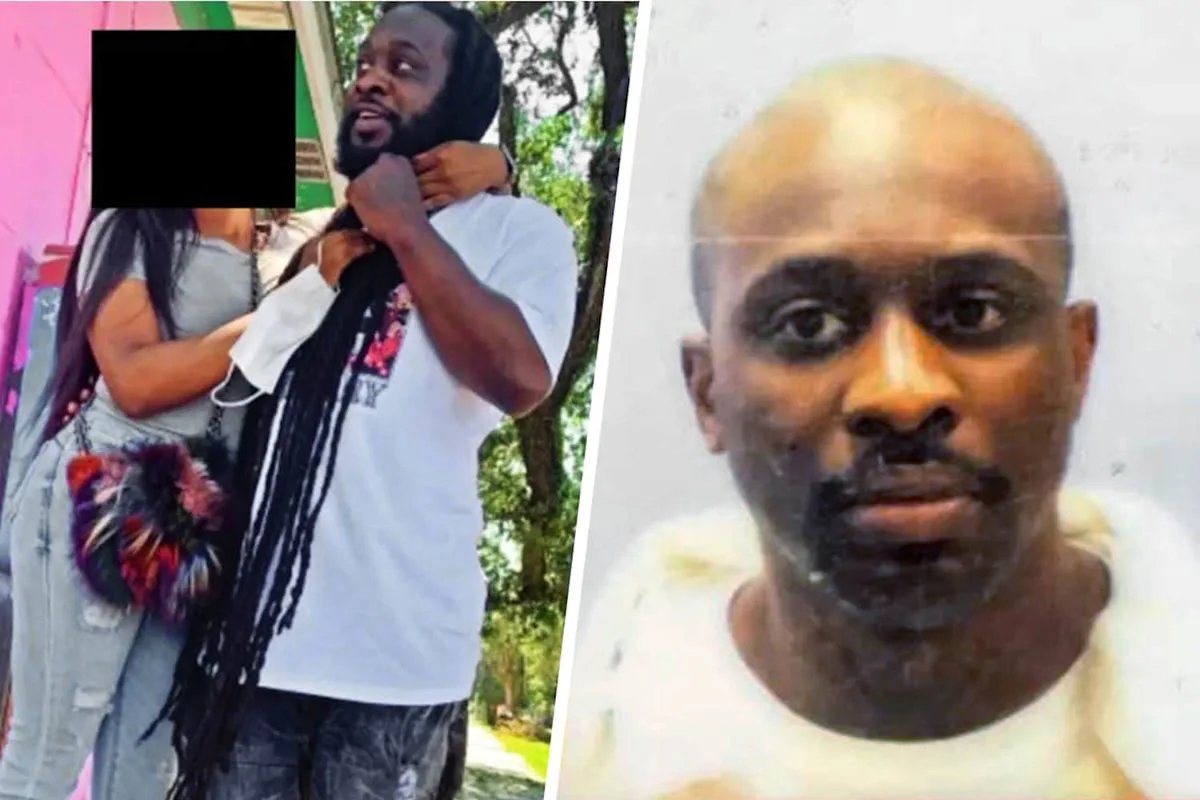
The death of Keon McDaniel, a recruit in his sixth week of Basic Military Training, is under investigation after he experienced a medical emergency and subsequently passed away at Brooke Army Medical Center. It is unclear if his death is linked to the flu outbreak. The cause of the medical emergency is currently under investigation, and a comprehensive medical review is being conducted to determine the facts.
At least 159 recruits and two hospitalizations have been reported in a flu outbreak at Lackland Air Force Base in Texas following Defense Secretary Pete Hegseth's decision to rescind the mandatory vaccination policy for all service members in April. The vaccine had been mandatory since 1945, and the change in policy has led to a significant drop in vaccination rates, with only 40% of Air Force trainees opting to receive the flu vaccine since the mandate was lifted.
The Air Force has implemented mitigation measures to isolate and treat symptomatic trainees and is monitoring those who may have been exposed to the virus. Symptomatic trainees are receiving antiviral medications such as Tamiflu, and once cleared by medical professionals, they will return to training. The outbreak has raised concerns about the health and readiness of military personnel, especially among young recruits who are more vulnerable to severe infection from influenza.
Despite the rescinded mandate, the Pentagon has granted exceptions to the policy for the Army, Navy, Air Force, National Security Agency, and Defense Health Agency through the Under Secretary of Defense for Personnel and Readiness. Chief Pentagon spokesman Sean Parnell stated that these decisions were based on thorough risk assessments and are designed to "maximize operational readiness, lethality, and force generation, while safeguarding at-risk populations." The military services and agencies are responsible for implementing these exceptions to the policy.
The death of Keon McDaniel, a recruit in his sixth week of Basic Military Training, is under investigation after he experienced a medical emergency and subsequently passed away at Brooke Army Medical Center. It is unclear if his death is linked to the flu outbreak. The cause of the medical emergency is currently under investigation, and a comprehensive medical review is being conducted to determine the facts.
The flu outbreak at Joint Base San Antonio serves as a stark reminder of the potential consequences of policy changes on public health, particularly within high-risk groups such as military personnel. As the investigation into the death of Keon McDaniel continues, the military's approach to vaccination and health protocols will likely be scrutinized, with implications for the health and safety of service members nationwide.
Highlighted text was flagged by the council. Tap to see feedback.