Impending Deadline for FISA Surveillance Law
Section 702 of the Foreign Intelligence Surveillance Act (FISA), which enables U.S. intelligence agencies to conduct warrantless surveillance on foreign targets, is set to expire this week unless Congress acts. The urgency surrounding the law's renewal has intensified following President Donald Trump's controversial nomination of Bill Pulte as the acting Director of National Intelligence. Lawmakers, particularly from the Democratic Party, have expressed deep concerns that Pulte's appointment could derail bipartisan efforts to extend this critical surveillance authority.
Bill Pulte's Controversial Appointment
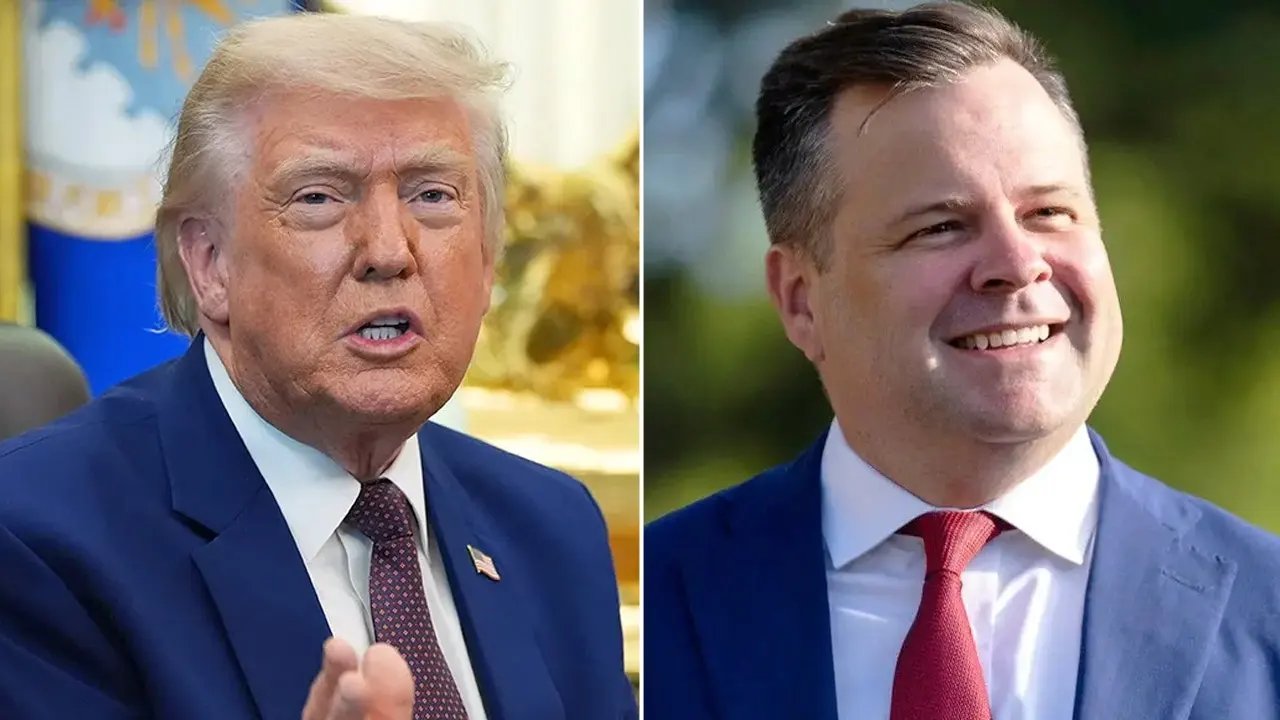
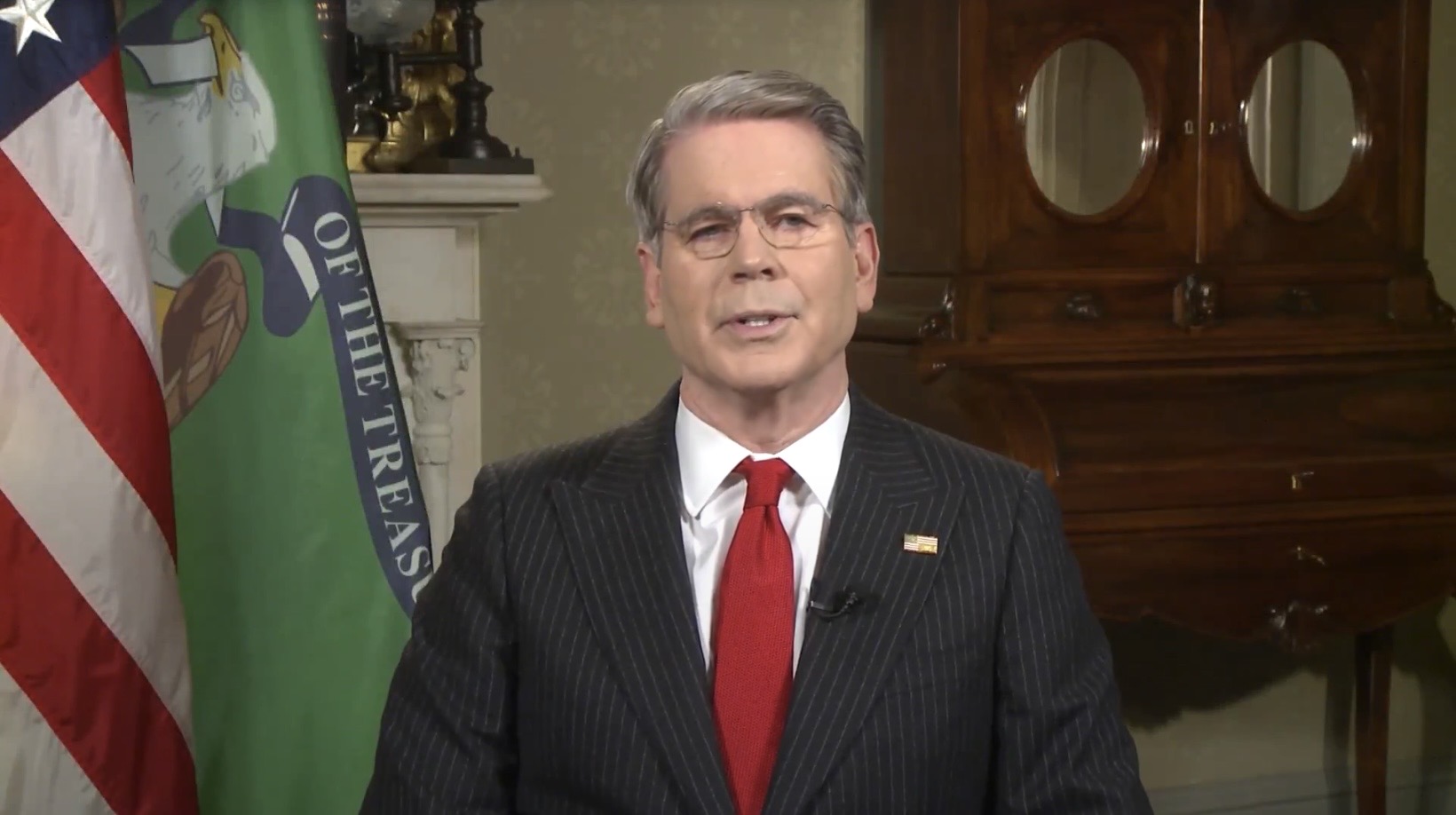
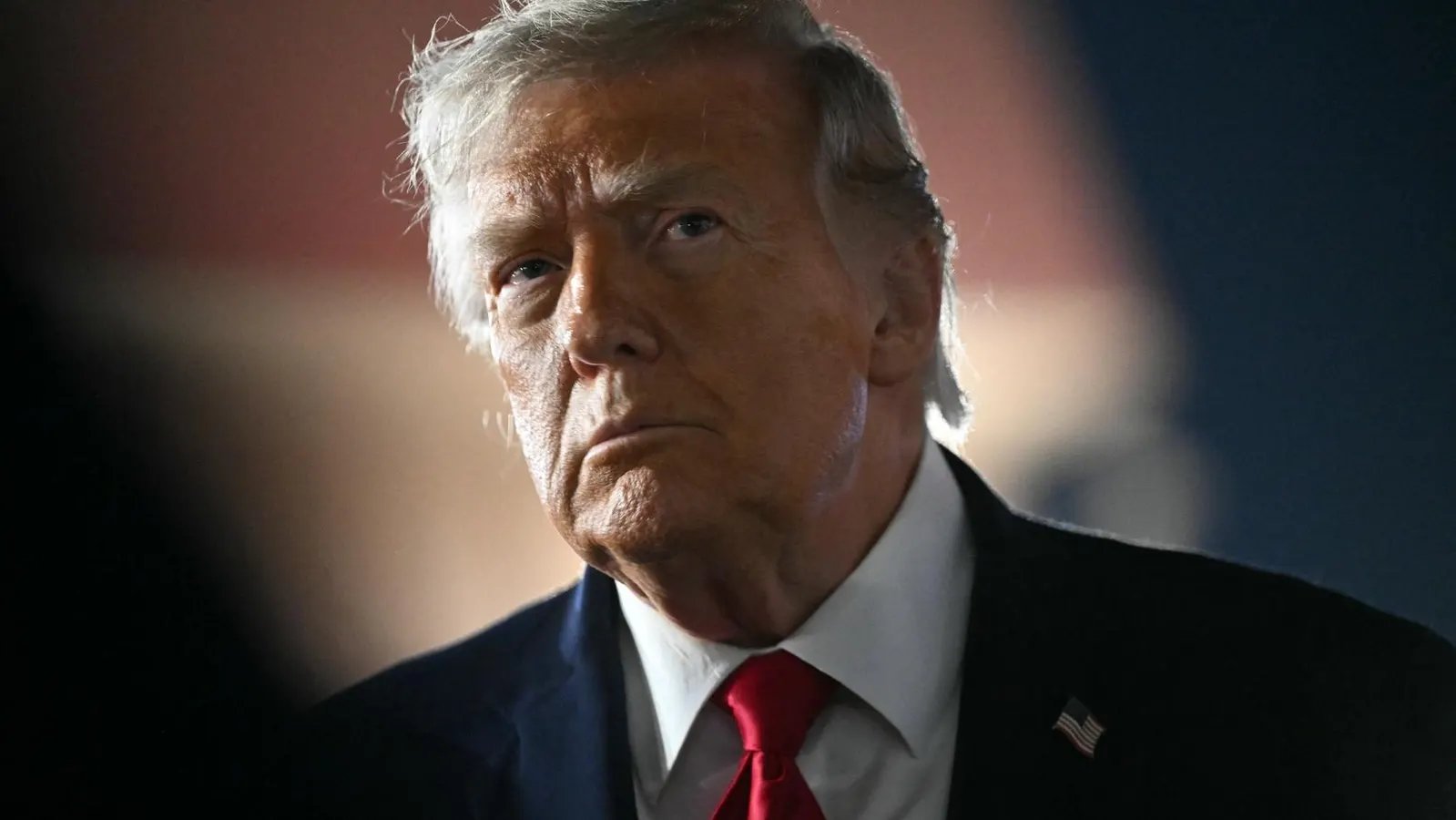
Bill Pulte, currently the director of the Federal Housing Finance Agency, has faced backlash for his lack of intelligence or military experience. Critics, including House Democratic Leader Hakeem Jeffries, argue that Pulte has weaponized his position at the Federal Housing Finance Agency. As head of that agency, Pulte has accused New York Attorney General Letitia James, Senator Adam Schiff, and Federal Reserve Governor Lisa Cook of mortgage fraud. The case against James was dismissed, and the referrals against Schiff and Cook have yielded no criminal charges. Jeffries stated, "Bill Pulte is deeply unqualified to serve as acting director of national intelligence… He's also someone who has clearly demonstrated a willingness to weaponize the federal government against Donald Trump's perceived adversaries."
Trump's Push for Extension
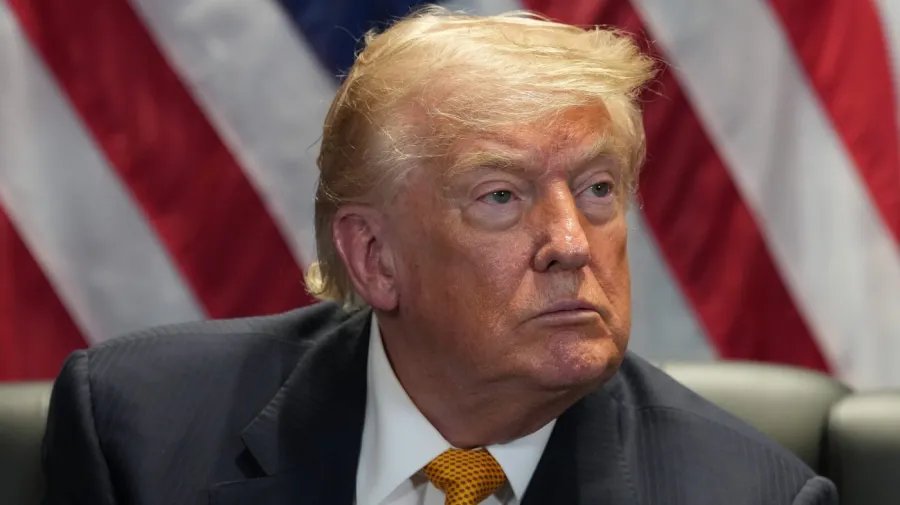
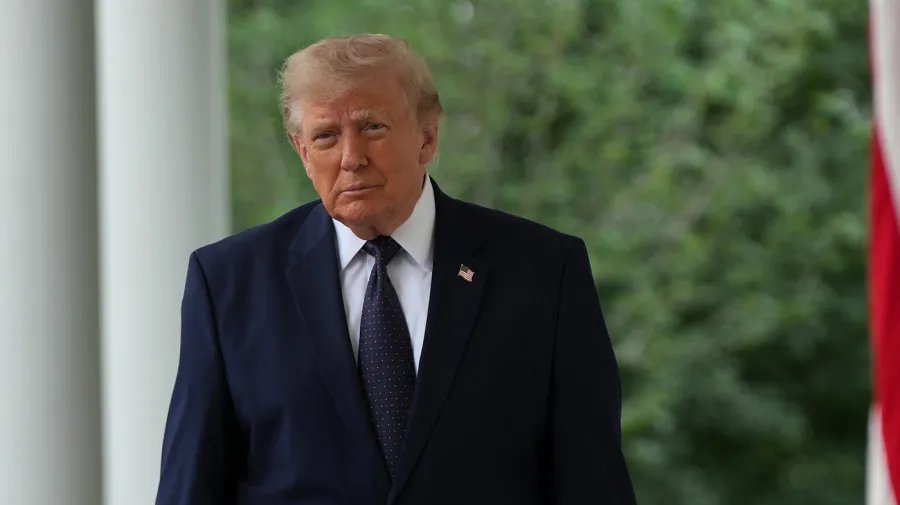
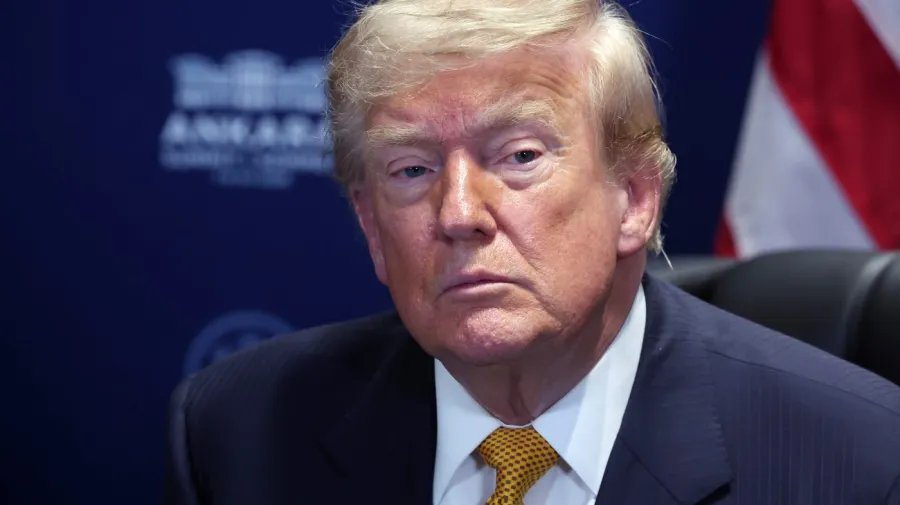
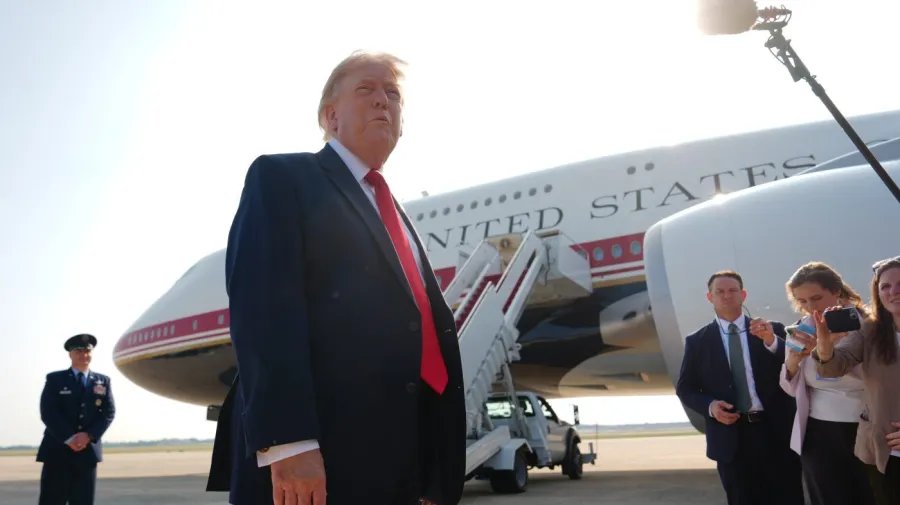
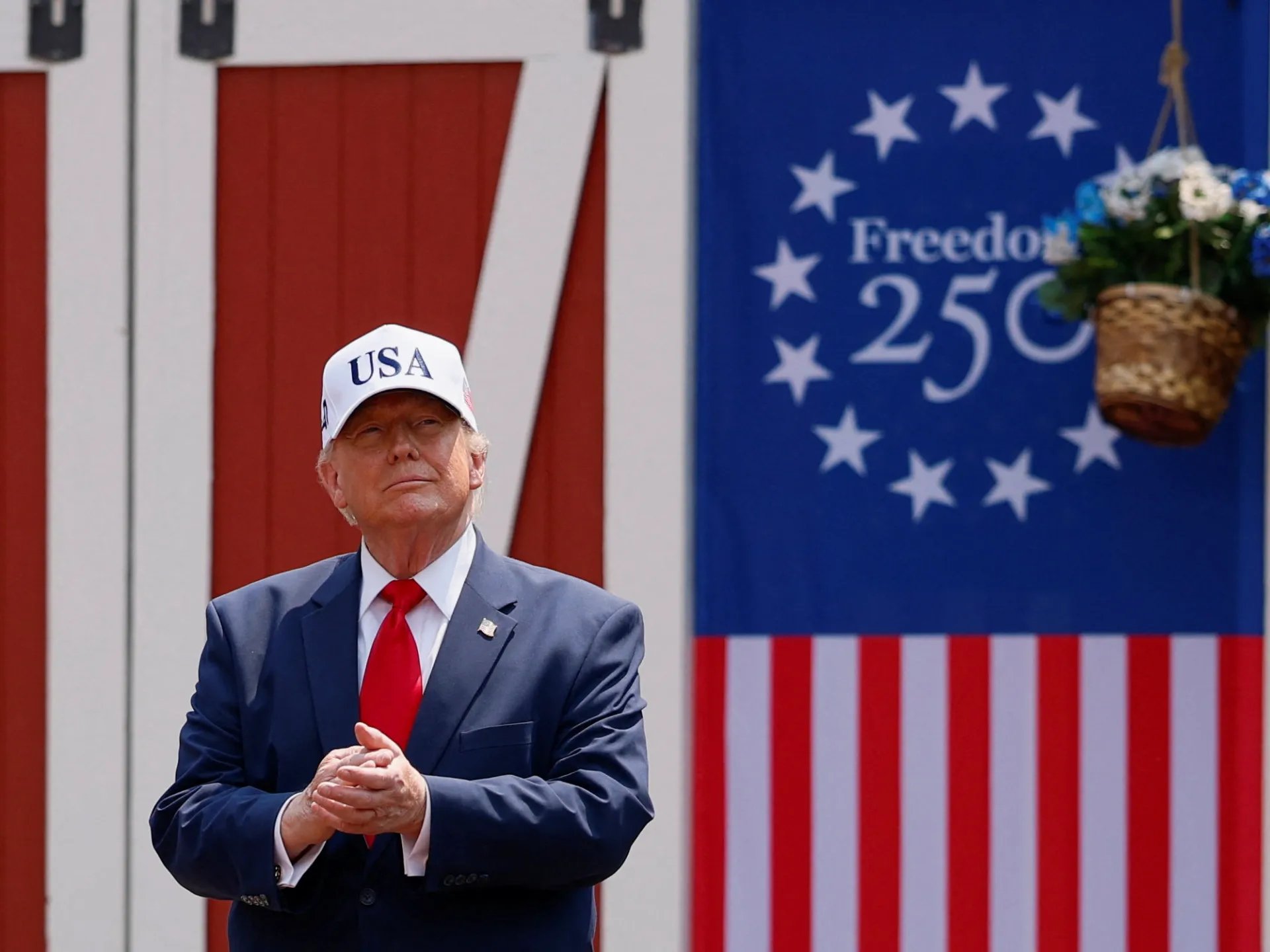
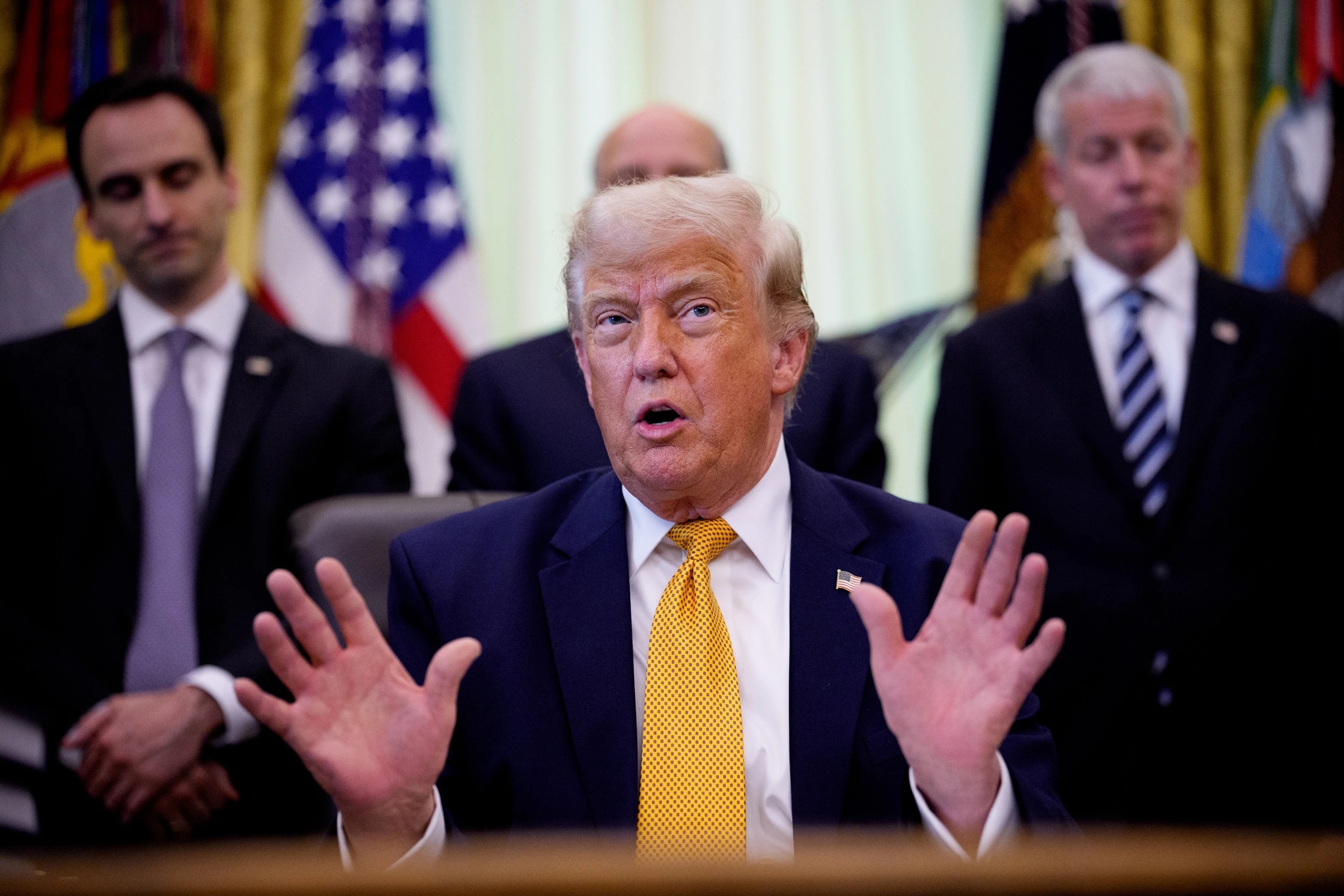
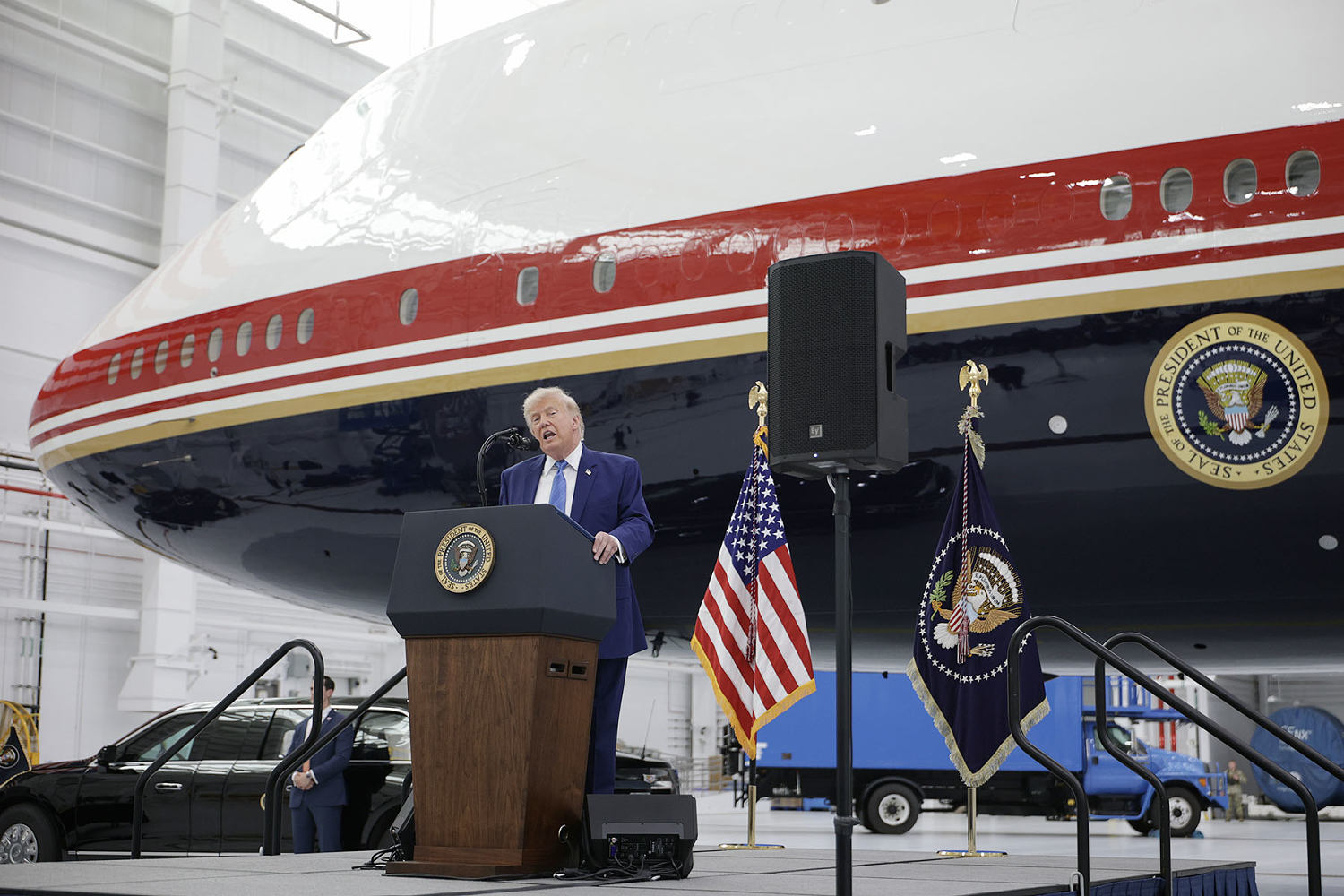
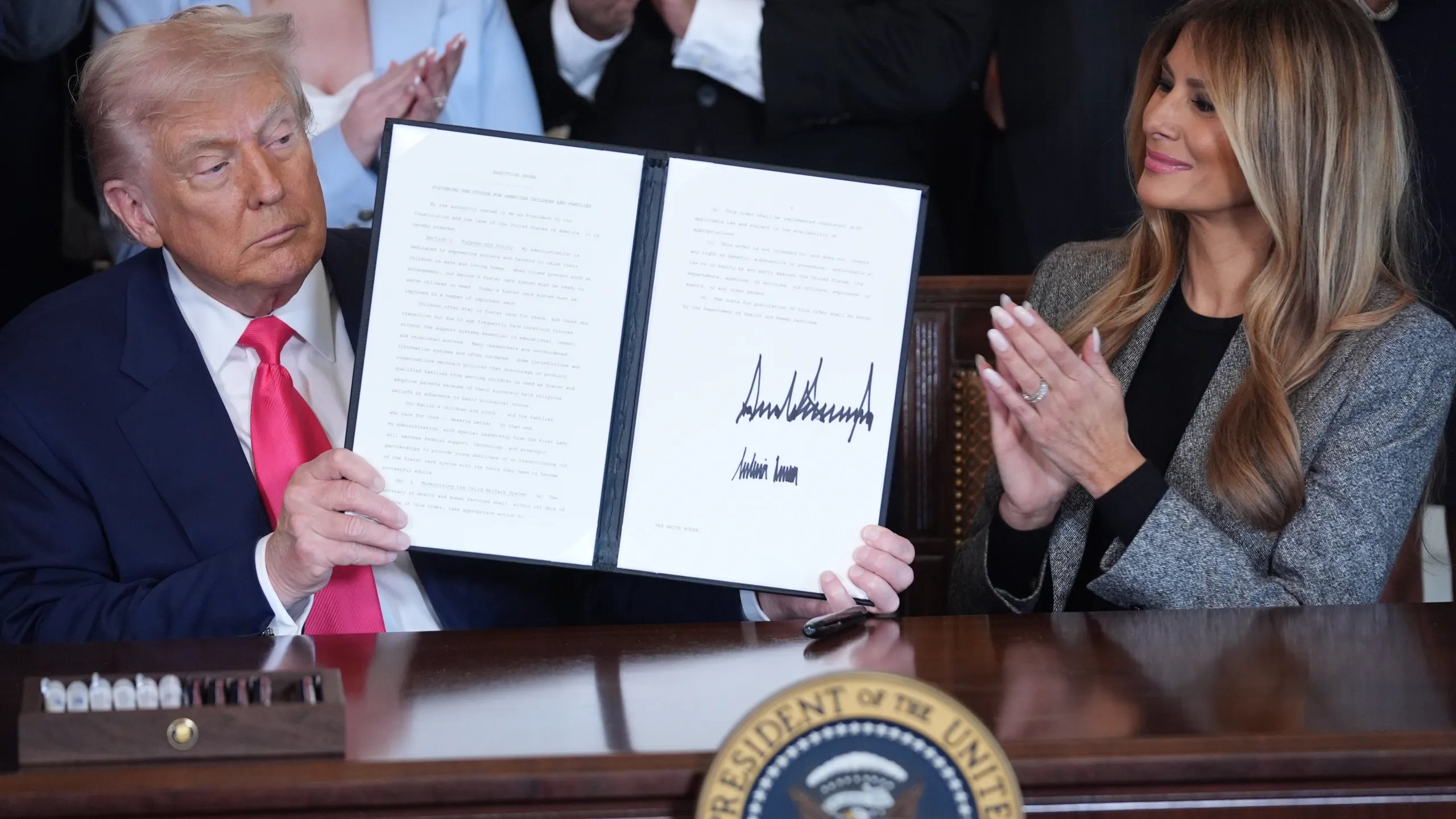
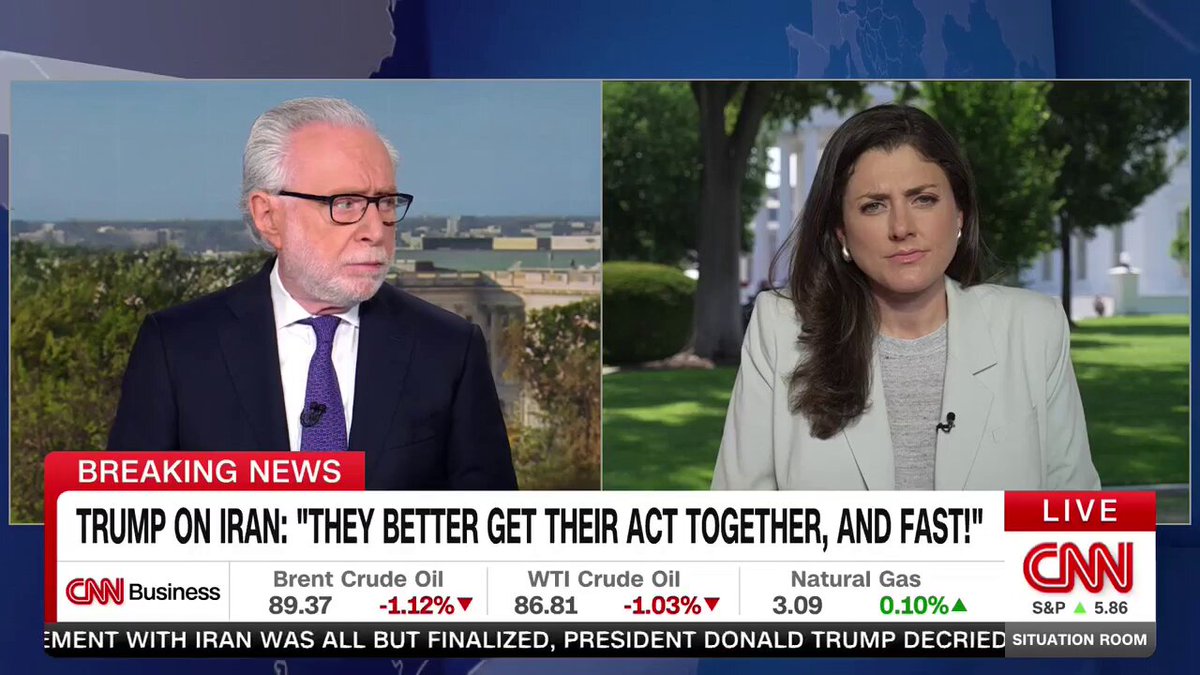
In light of the mounting opposition, Trump has requested a short-term extension of Section 702 to allow time for a permanent director to be confirmed. Trump wrote on Truth Social that Section 702 is important for military operations and public safety, particularly during the World Cup and America250 celebrations. "If nothing is done, this important Law will expire this week," Trump warned, echoing sentiments that Democrats are jeopardizing national safety for political reasons.
Bipartisan Concerns Over Pulte
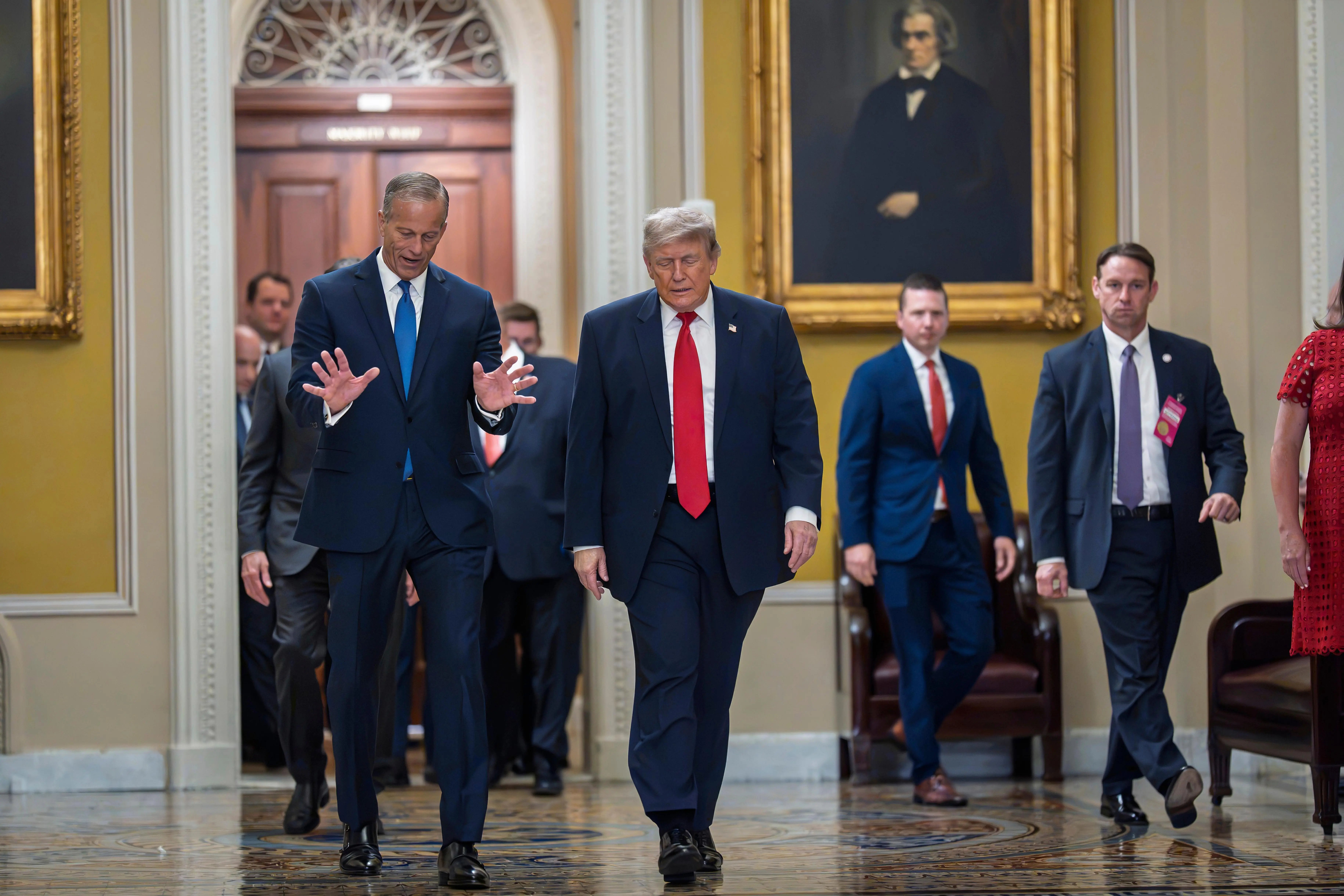
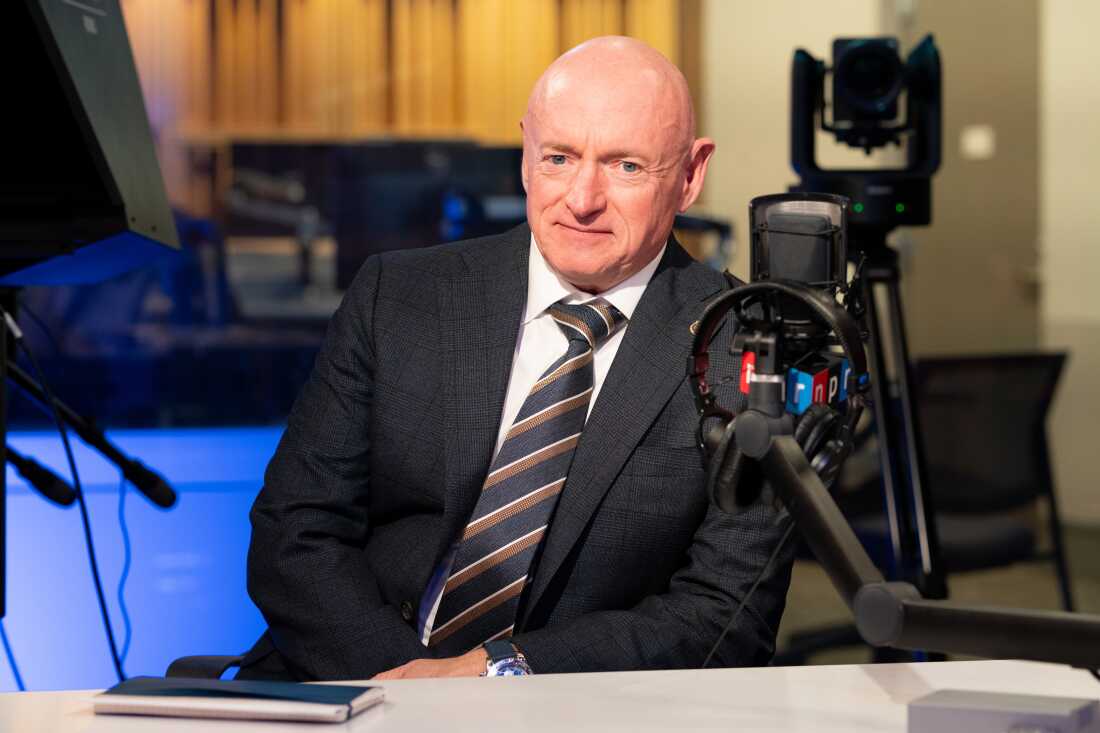
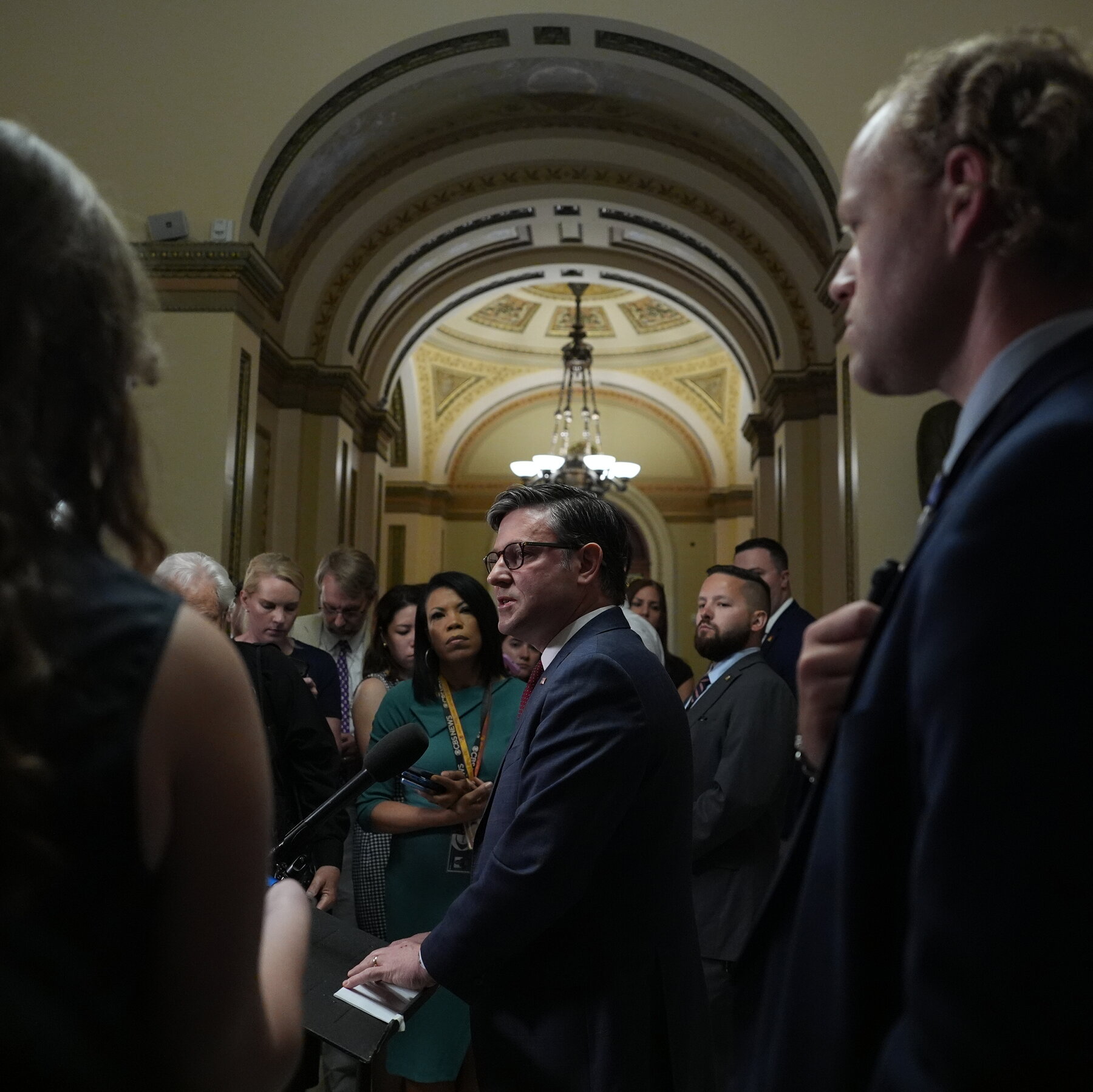
The Senate has already shown signs of division over Pulte's nomination. Last week, a vote on a three-year extension of Section 702 saw all but one Senate Democrat and seven Republicans oppose it, raising alarms about Pulte's potential influence over intelligence operations. Senate Majority Leader John Thune and other Republicans have urged Trump to nominate a permanent intelligence chief with national security experience, rather than relying on Pulte as acting director. Senator Mark Warner described Pulte's appointment as "throwing a live hand grenade" into negotiations, highlighting the bipartisan unease regarding his qualifications and the implications for civil liberties.
Immediate Changes Expected at ODNI
Once Pulte assumes his role on June 19, he will be tasked with implementing immediate staff reductions at the Office of the Director of National Intelligence, as directed by Trump. This directive has raised further concerns about the future direction of the intelligence community and its capacity to safeguard American citizens while conducting surveillance on foreign threats. Pulte's critics fear that his leadership could lead to a more politicized intelligence apparatus.
The Stakes for Civil Liberties
The expiration of Section 702 raises significant questions regarding civil liberties. The provision allows for the collection of communications involving foreign nationals, which can inadvertently sweep up data from U.S. citizens. The FBI's previous use of this authority to investigate Black Lives Matter protesters has heightened scrutiny over its implications. As the deadline looms, lawmakers are calling for reforms to ensure that any renewal includes protections against domestic surveillance.
Next Steps for Congress
With the clock ticking down to the expiration of Section 702, Congress faces a critical decision. Lawmakers must balance national security needs with the necessity of civil liberties protections. The outcome of this situation could redefine the landscape of U.S. intelligence operations and the future of surveillance laws.