




New Option for Consumers
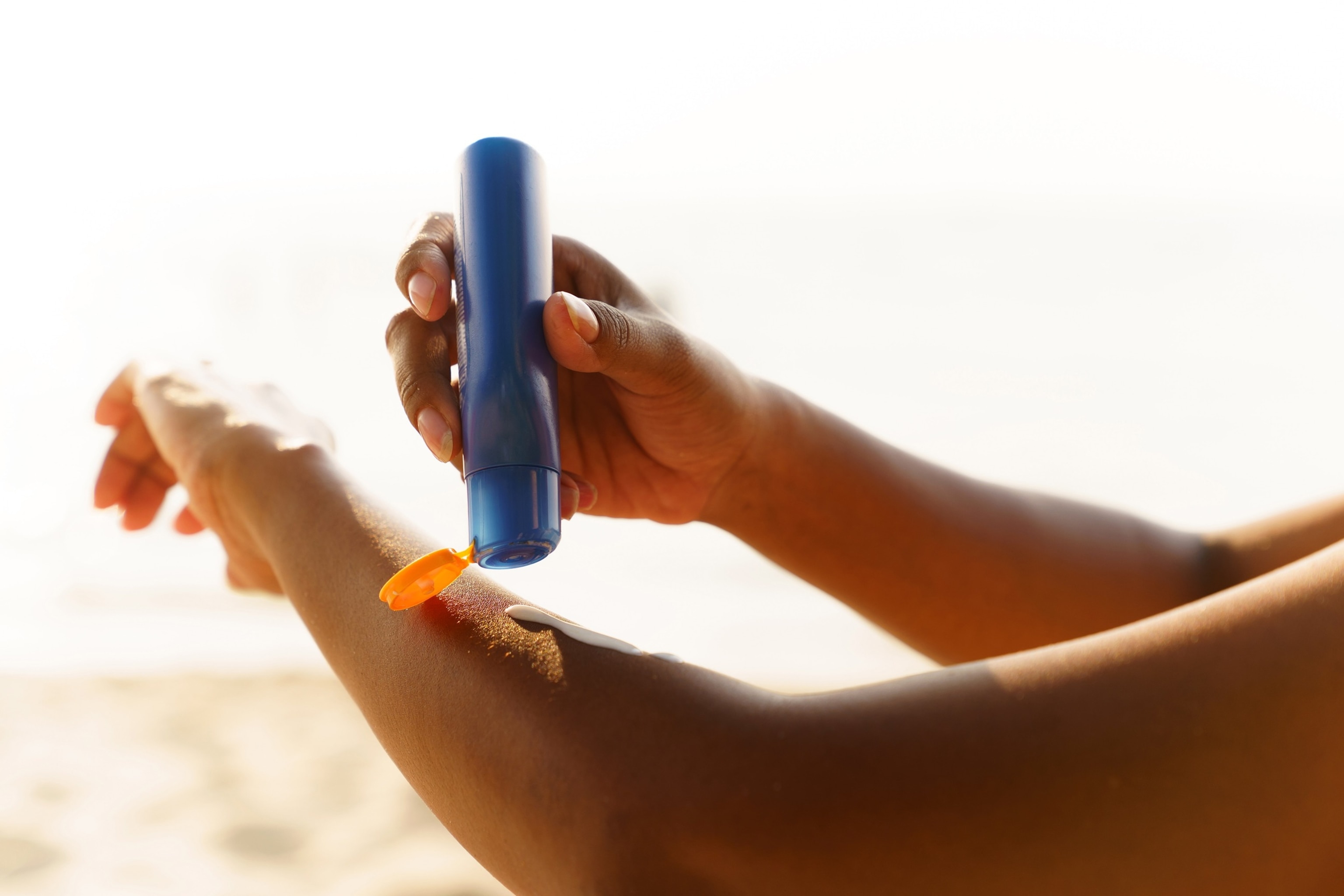
The Food and Drug Administration has approved bemotrizinol, the first new sunscreen ingredient for the U.S. market in over 25 years. This decision allows American consumers access to a chemical that was authorized by European authorities in 1999 and has been used in Europe, Japan, and South Korea. The approval marks a significant step forward in sun protection options, particularly for those seeking effective alternatives to existing products.
Benefits of Bemotrizinol
Bemotrizinol offers broad-spectrum protection against both ultraviolet A (UVA) and B (UVB) rays, fulfilling essential safety criteria set by the FDA. According to the agency, it has low levels of absorption through the skin, making it safe for use by adults and children aged six months and older. Dermatologists have noted that bemotrizinol does not leave the white streaks commonly associated with mineral-based sunscreens, making it a more aesthetically pleasing option for consumers.
Industry Impact and Availability
The initial U.S. sales of bemotrizinol will be under the brand name Parsol Shield, manufactured by DSM Nutritional Products. It is expected to launch later this year, with a subsequent 18-month exclusivity period before other manufacturers can produce sunscreens containing the ingredient. This move is anticipated to enhance competition in the sunscreen market, as highlighted by Health and Human Services Secretary Robert F. Kennedy, who stated that the approval would "advance innovation" and increase consumer confidence.
Historical Context
The path to bemotrizinol's approval has been long and complex, bogged down by bureaucratic challenges within the FDA. The ingredient was first submitted for review in 2005 but faced delays until Congress authorized a streamlined process for sunscreen ingredients in 2020. David Andrews of the Environmental Working Group commented, "For decades, Americans have used outdated sunscreen tech while the rest of the world moved forward." Bemotrizinol is the first new ingredient approved under the streamlined process Congress authorized in 2020.
Expert Opinions
Experts in dermatology and consumer safety have praised the approval. Dr. Jon LaPook, CBS News chief medical correspondent, emphasized that bemotrizinol is more resistant to breakdown by sunlight than many current options, providing longer-lasting protection. Meanwhile, Carl D'Ruiz from DSM noted that consumers have been purchasing products containing bemotrizinol abroad, attracted by its feel and efficacy.
The Future of Sunscreen Regulations
The FDA has been gradually updating its sunscreen regulations over the past decade. In 2011, the agency banned misleading terms like "waterproof" and mandated that all sunscreens filter both UVA and UVB rays. Additional measures proposed in 2021, including limits on SPF numbers and requirements for stronger UVA protection, have yet to be finalized.
The introduction of bemotrizinol not only offers consumers a new option but also reflects a broader shift toward modernizing sunscreen regulations in the United States. As the market prepares for this new ingredient, consumers will soon have more effective choices for sun safety.