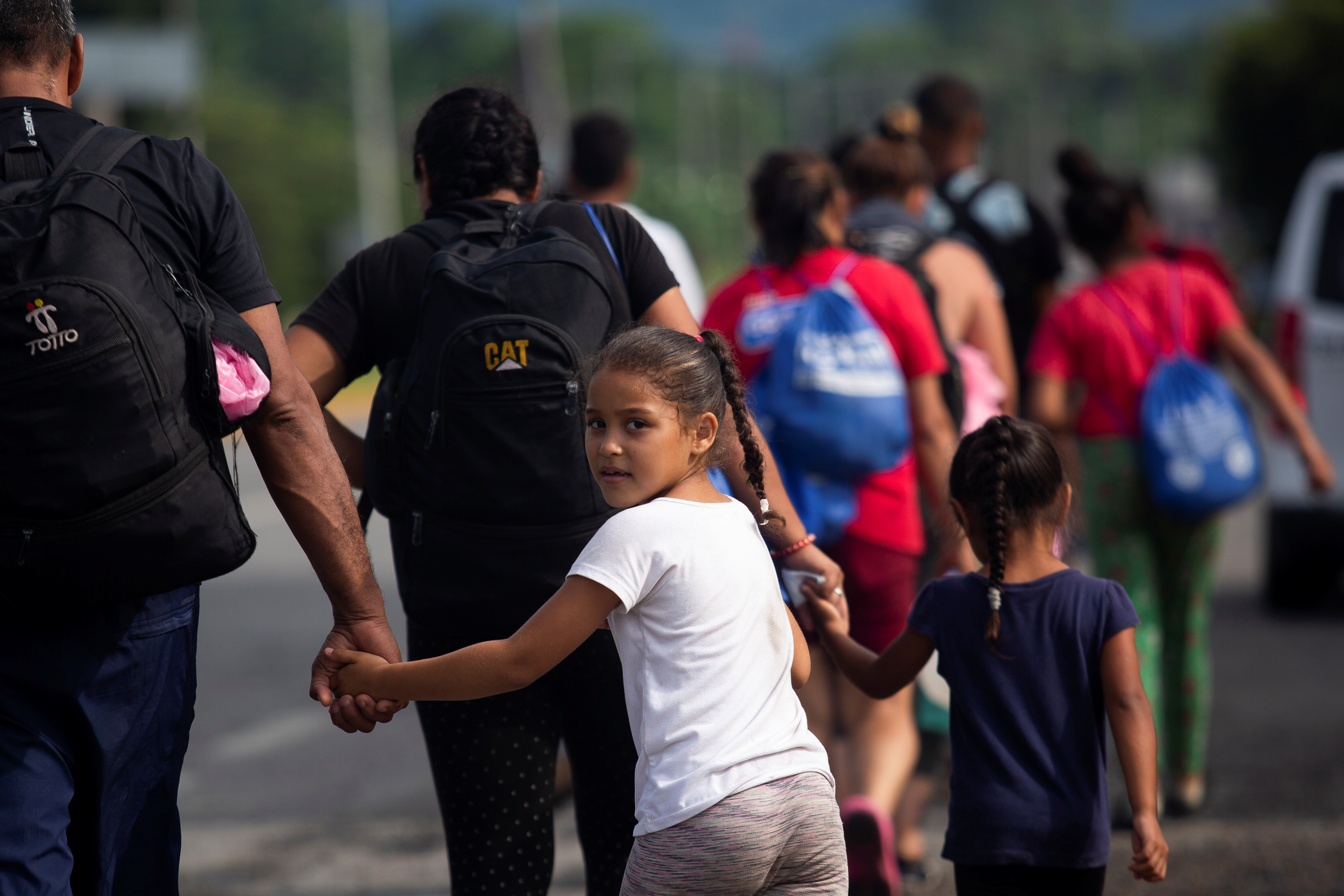
The Trump administration has initiated an unprecedented campaign to denaturalize 17 U.S. citizens, marking the largest effort of its kind in American history. These individuals, who hail from various countries including Cuba, Haiti, and India, have been accused of serious crimes such as healthcare fraud, sex offenses, and immigration fraud. The Justice Department filed civil complaints in federal court, emphasizing that these citizens concealed their criminal activities during their naturalization process.
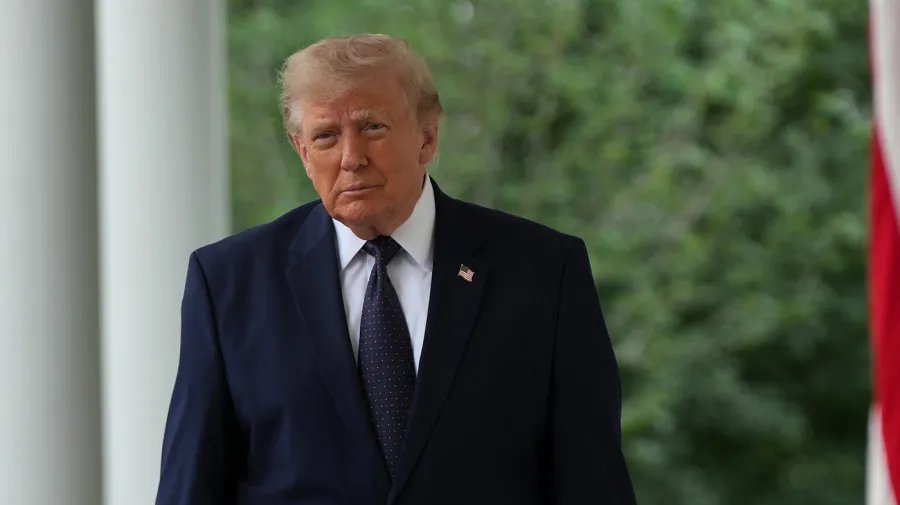
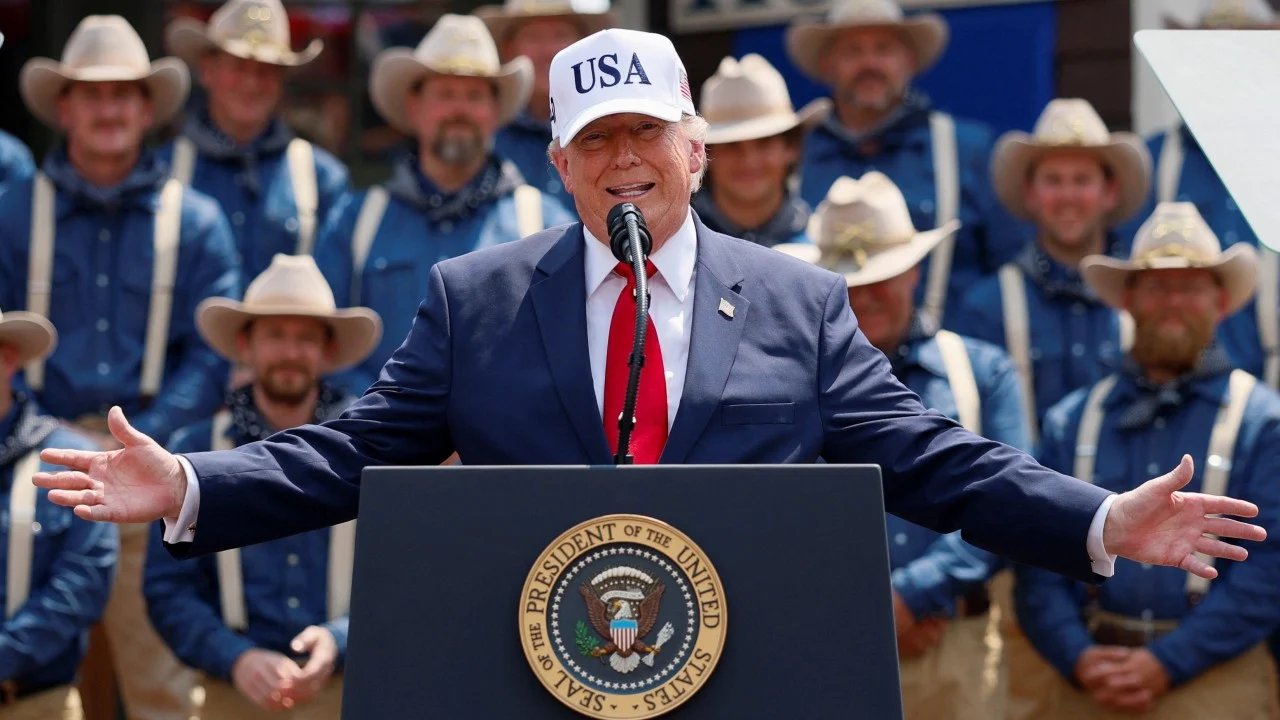
Since the beginning of President Trump's second term in office, the Justice Department has filed 52 civil complaints aimed at denaturalizing naturalized citizens, a stark increase compared to 24 complaints filed during the entire Biden administration. Historically, from 1990 to 2017, the government averaged just 11 denaturalization cases per year. This escalation aligns with Trump's commitment to a stringent immigration policy, which includes a crackdown on both legal and illegal immigration.
Among the 17 targeted individuals are a Haitian immigrant accused of sexually abusing his daughter and a former Catholic priest from Colombia facing allegations of child sex abuse. Other cases include a man from the former Yugoslavia convicted of sexually abusing a child under 15 and a Filipino who pleaded guilty to a child sex crime. Additionally, the group includes individuals accused of committing fraud, such as filing false H-1B visa petitions and money laundering.
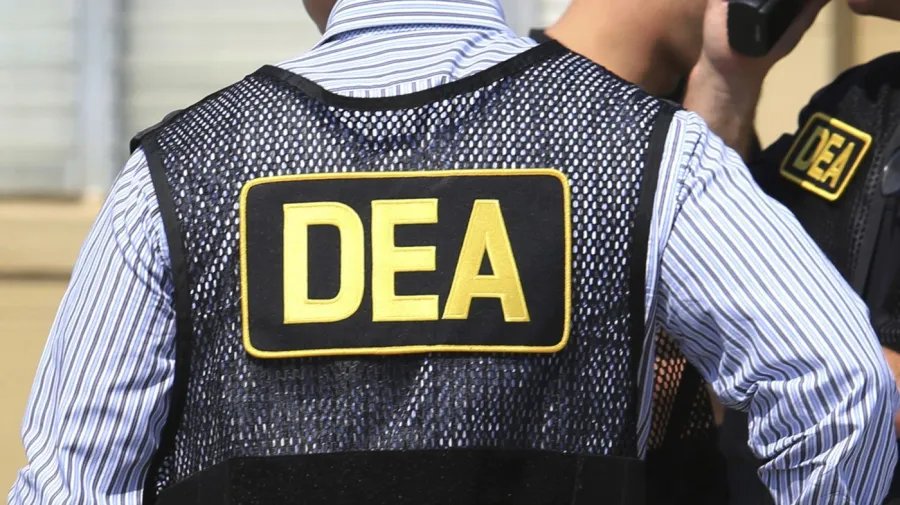
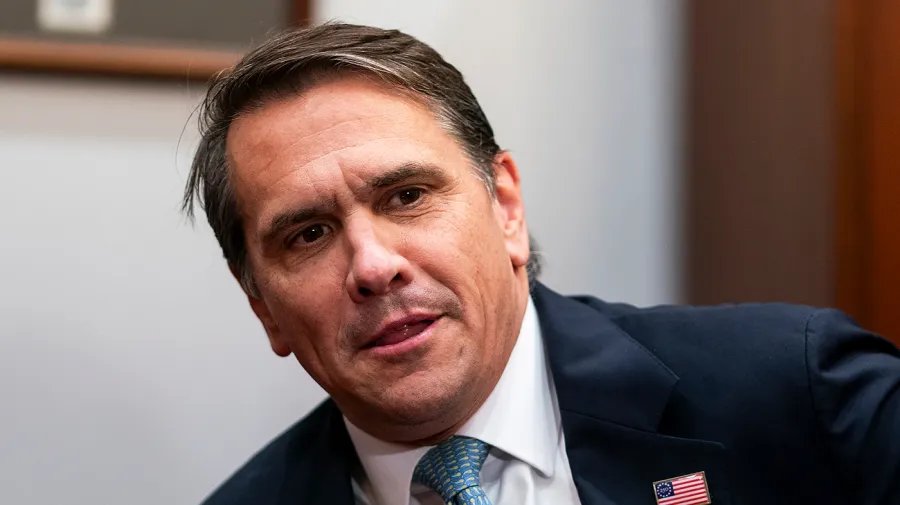
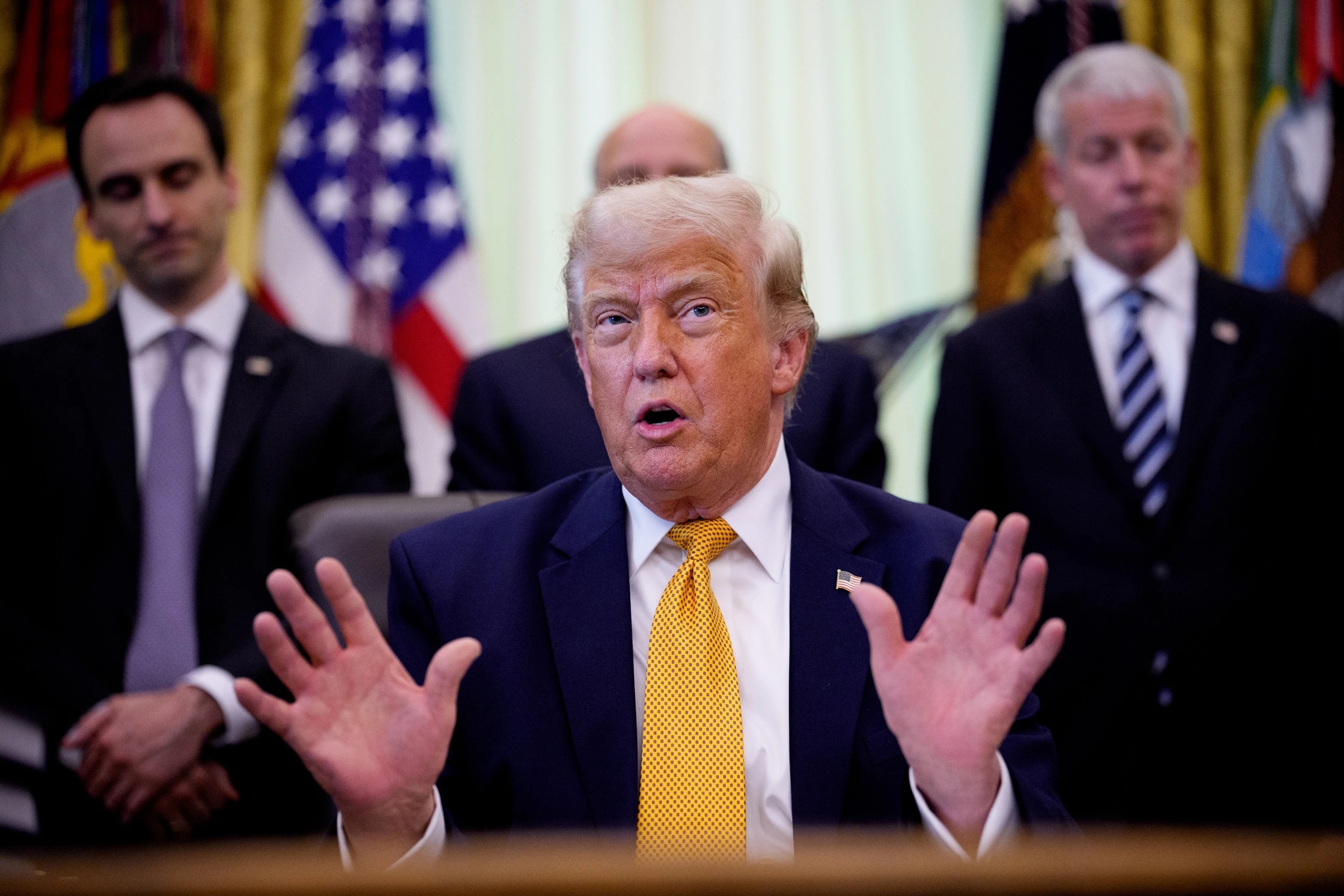
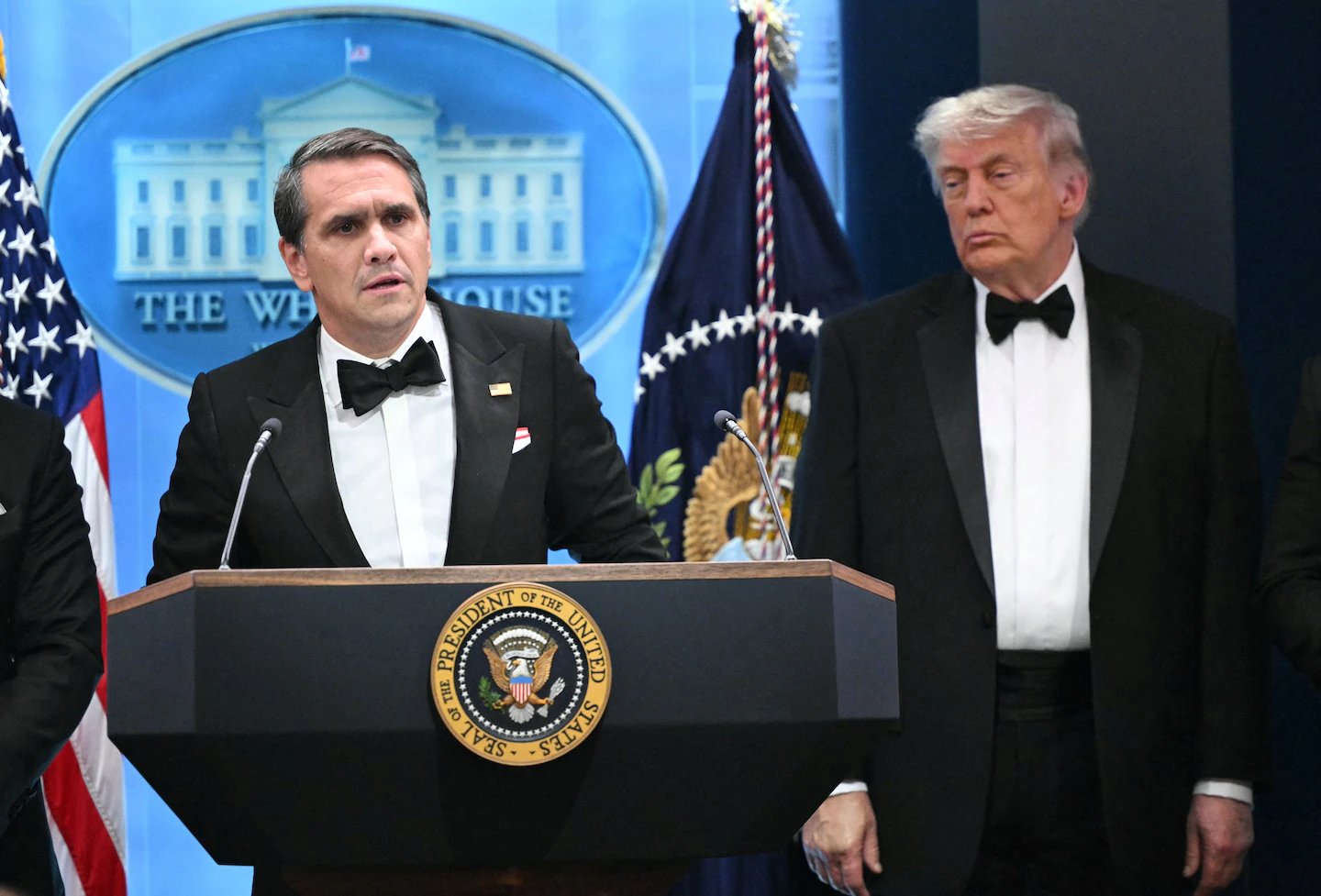
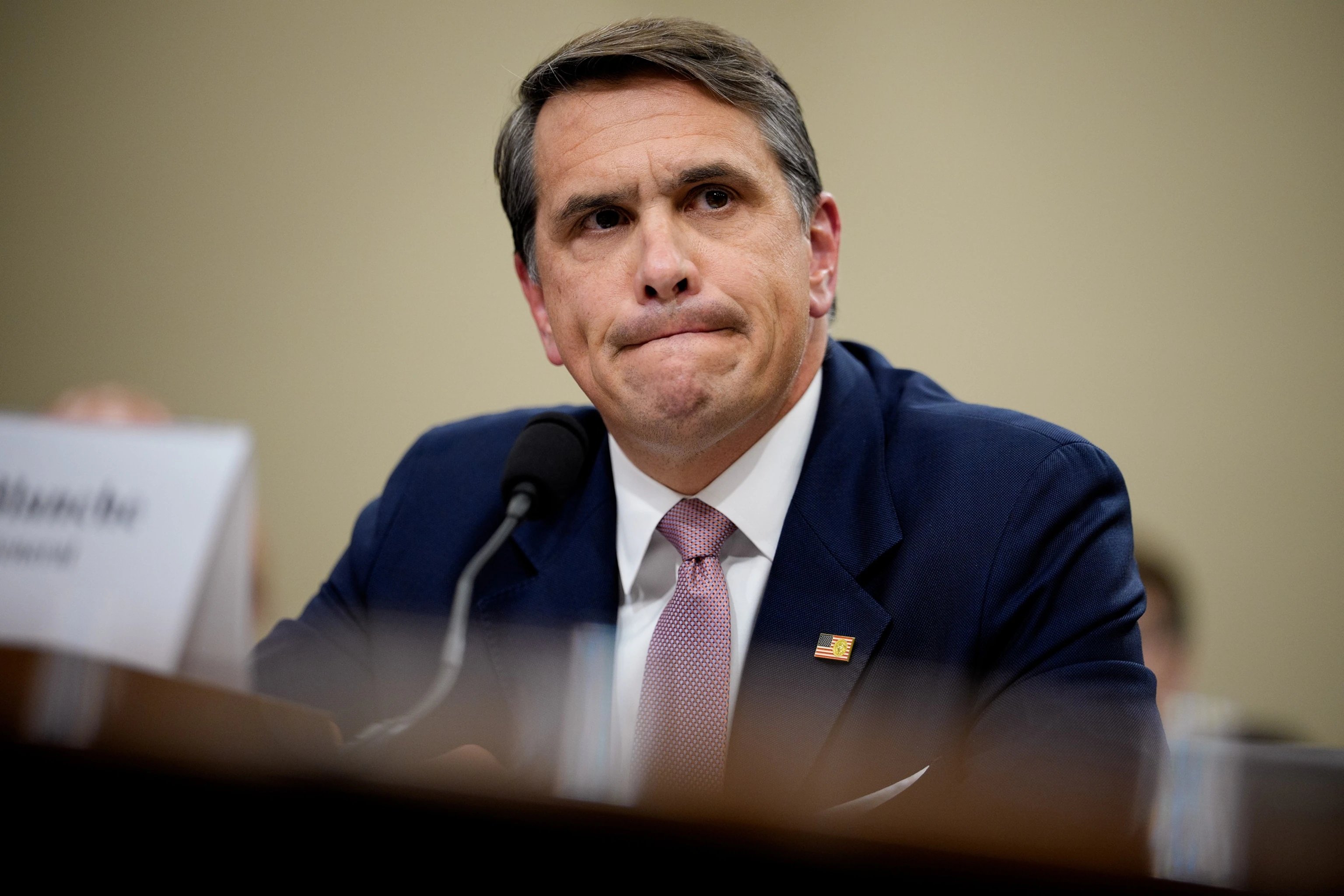
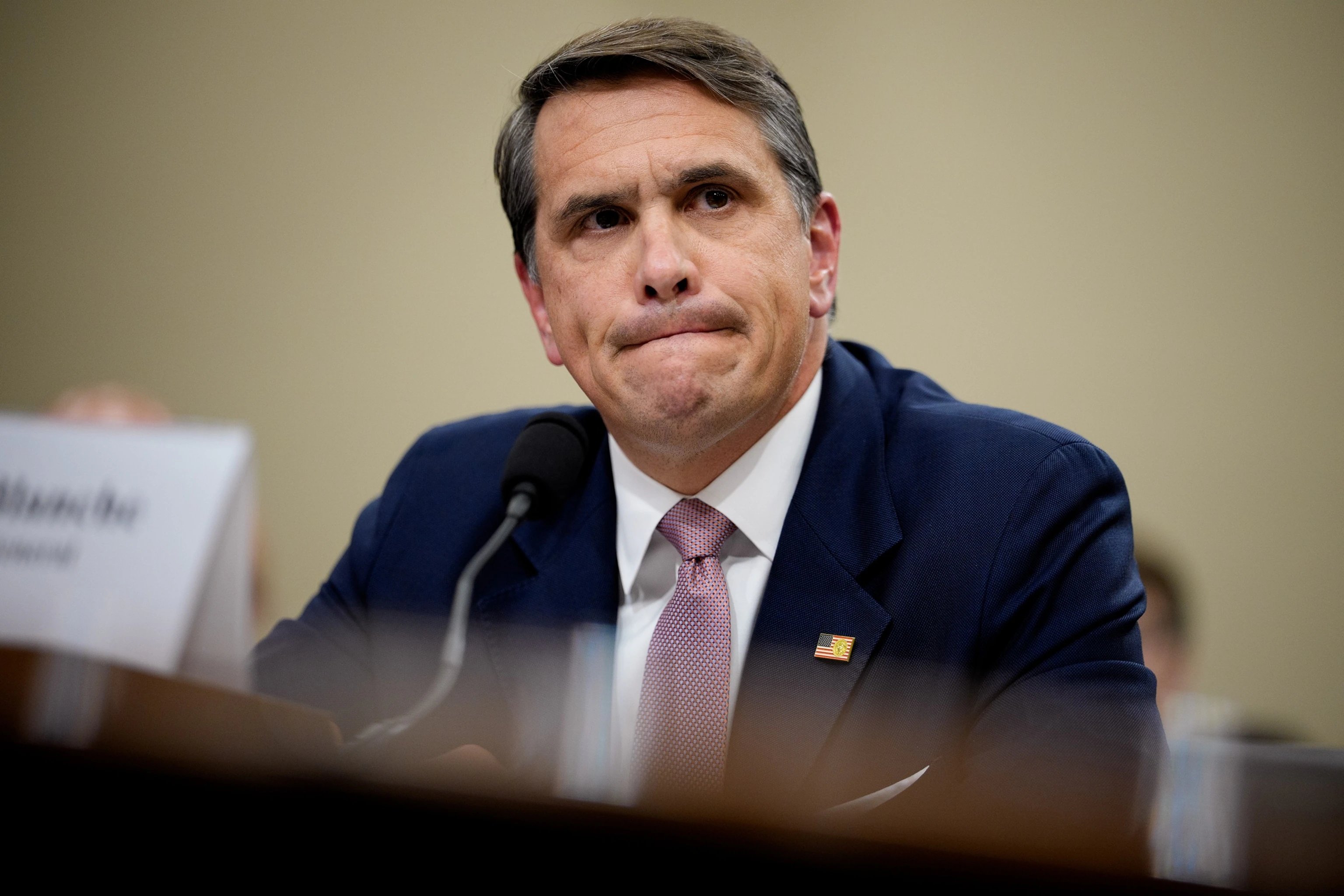
Acting Attorney General Todd Blanche stated that the Justice Department maintains a "zero-tolerance policy" for those who exploit the naturalization process. He emphasized that gaining U.S. citizenship is a privilege that must be earned honestly. Homeland Security Secretary Markwayne Mullin echoed this sentiment, asserting that citizenship must not be granted to individuals who have broken the law or lied during their immigration proceedings.
The denaturalization process will allow the targeted individuals to contest the government's claims in court. If denaturalized, the targeted individuals would return to their prior immigration status, typically as permanent residents, and lose all legal benefits of American citizenship, including protection from deportation. The legal framework for denaturalization is complex and has historically been rarely utilized, making this current initiative particularly noteworthy.
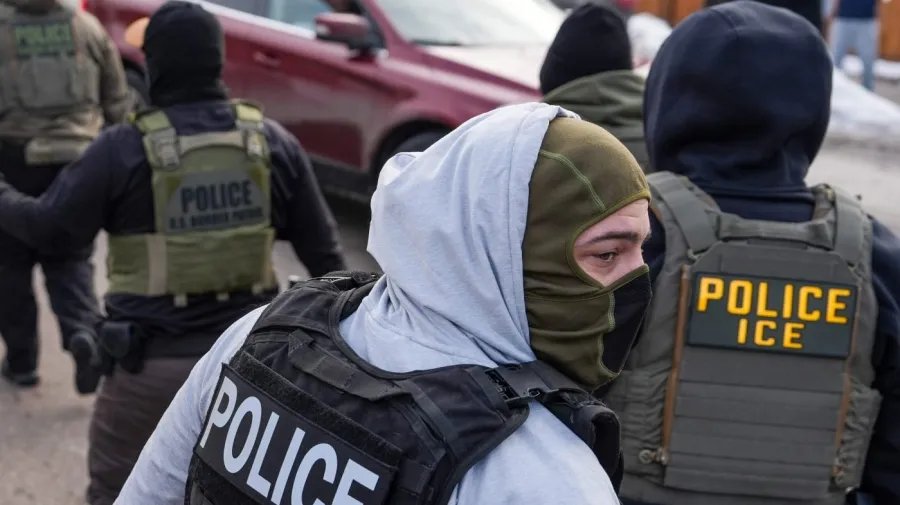
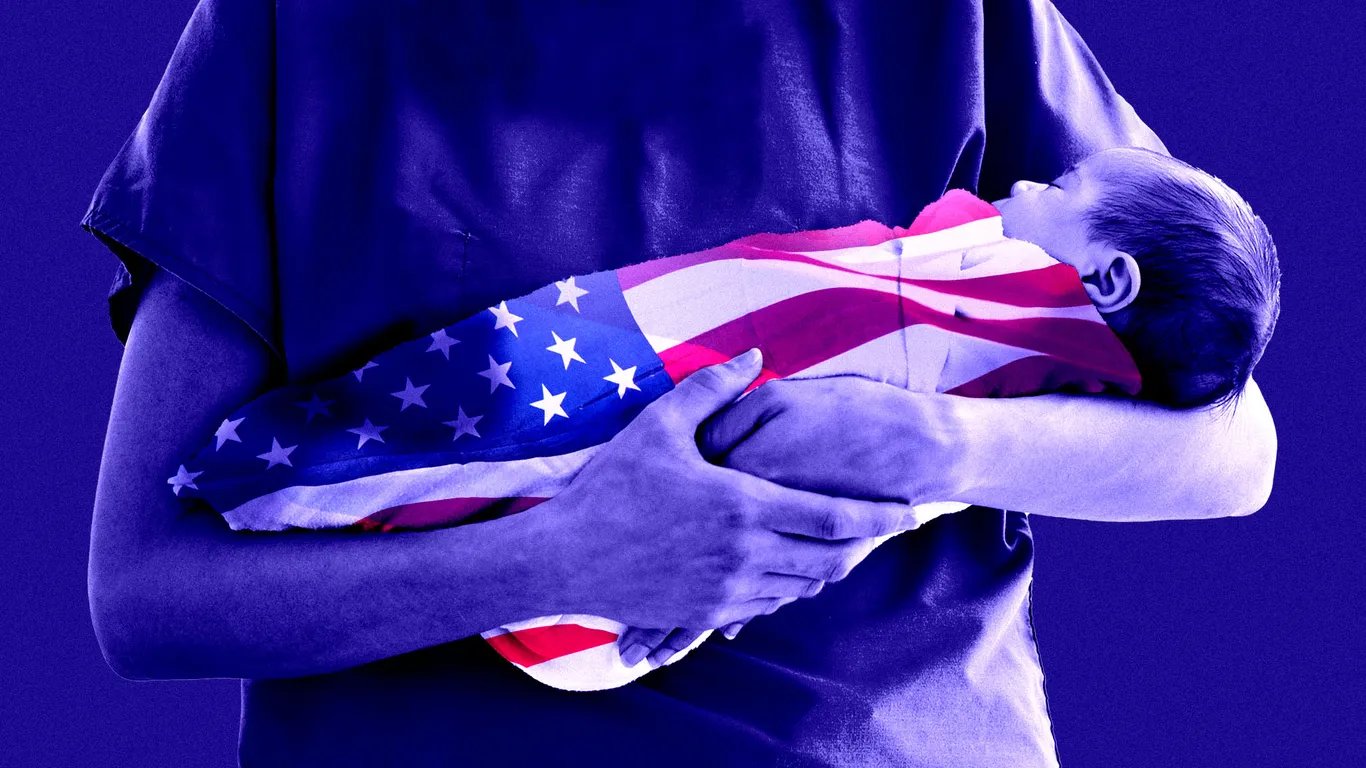
The Trump administration has sought to escalate denaturalization efforts as part of its larger crackdown on immigration. The administration is also pursuing restrictions on other areas of U.S. legal immigration policy, including efforts to restrict birthright citizenship.
The Trump administration has initiated an unprecedented campaign to denaturalize 17 U.S. citizens, marking the largest effort of its kind in American history. These individuals, who hail from various countries including Cuba, Haiti, and India, have been accused of serious crimes such as healthcare fraud, sex offenses, and immigration fraud. The Justice Department filed civil complaints in federal court, emphasizing that these citizens concealed their criminal activities during their naturalization process.
Since President Trump began his second term, the Justice Department has filed 52 civil complaints aimed at denaturalizing naturalized citizens, a stark increase compared to 24 complaints filed during the entire Biden administration. Historically, from 1990 to 2017, the government averaged just 11 denaturalization cases per year. This escalation aligns with Trump's commitment to a stringent immigration policy, which includes a crackdown on both legal and illegal immigration.
Among the 17 targeted individuals are a Haitian immigrant accused of sexually abusing his daughter and a former Catholic priest from Colombia facing allegations of child sex abuse. Other cases include a man from the former Yugoslavia convicted of sexually abusing a child under 15 and a Filipino who pleaded guilty to a child sex crime. Additionally, the group includes individuals accused of committing fraud, such as filing false H-1B visa petitions and money laundering.
Acting Attorney General Todd Blanche stated that the Justice Department maintains a "zero-tolerance policy" for those who exploit the naturalization process. He emphasized that gaining U.S. citizenship is a privilege that must be earned honestly. Homeland Security Secretary Markwayne Mullin echoed this sentiment, asserting that citizenship must not be granted to individuals who have broken the law or lied during their immigration proceedings.
The denaturalization process will allow the targeted individuals to contest the government's claims in court. If successful, they could revert to their previous immigration status, typically as permanent residents, losing all rights associated with U.S. citizenship, including protection from deportation. The legal framework for denaturalization is complex and has historically been rarely utilized, making this current initiative particularly noteworthy.
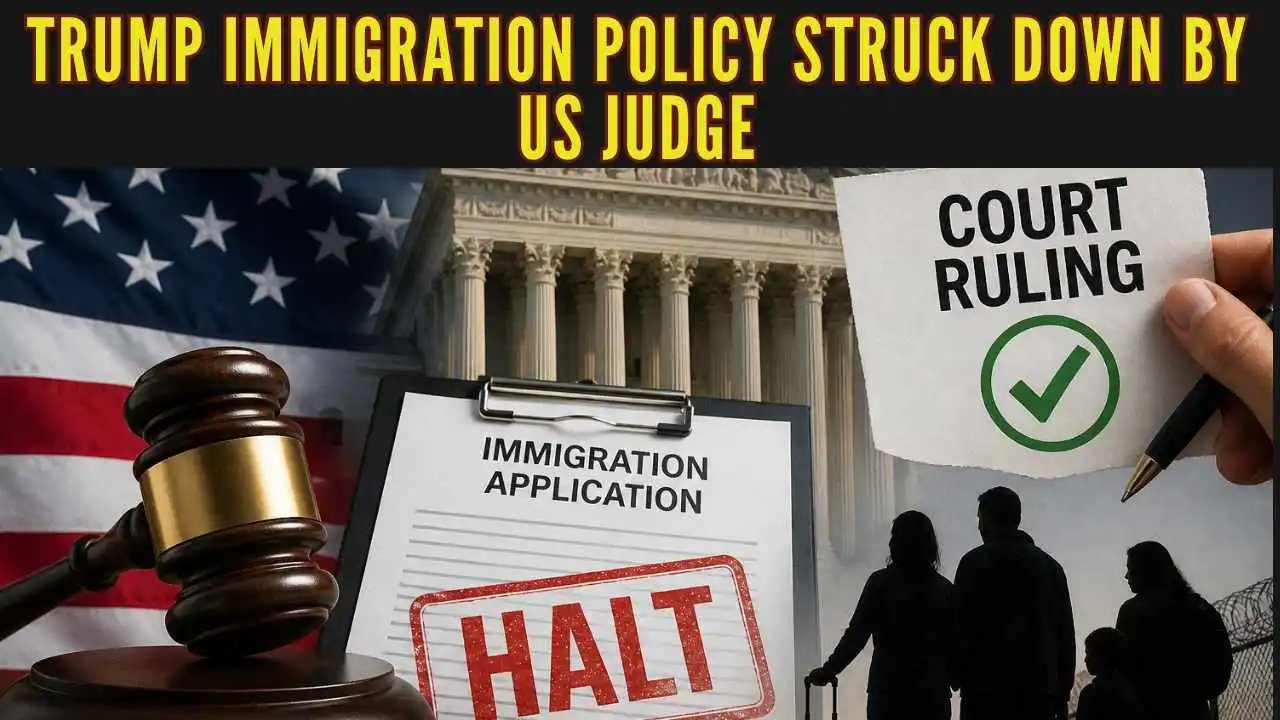
The Trump administration's aggressive stance on denaturalization reflects a broader strategy to reshape immigration policy. This includes efforts to restrict birthright citizenship and curtail legal immigration pathways. Legal challenges against such policies are ongoing, as seen in a recent court ruling that invalidated a significant fee imposed on H-1B visa applications.
The individuals targeted in this latest denaturalization campaign will need to prepare for legal battles to retain their citizenship. As the administration continues its crackdown on immigration, the implications of these actions may resonate beyond the immediate cases, potentially affecting the rights and statuses of naturalized citizens across the country.
Highlighted text was flagged by the council. Tap to see feedback.





















































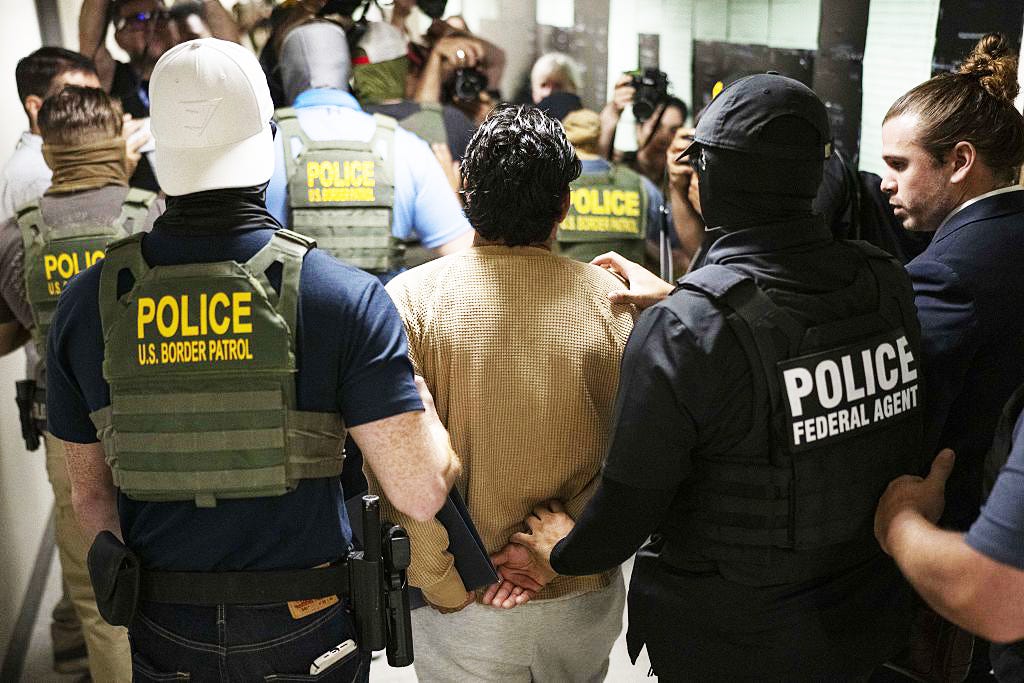


































































































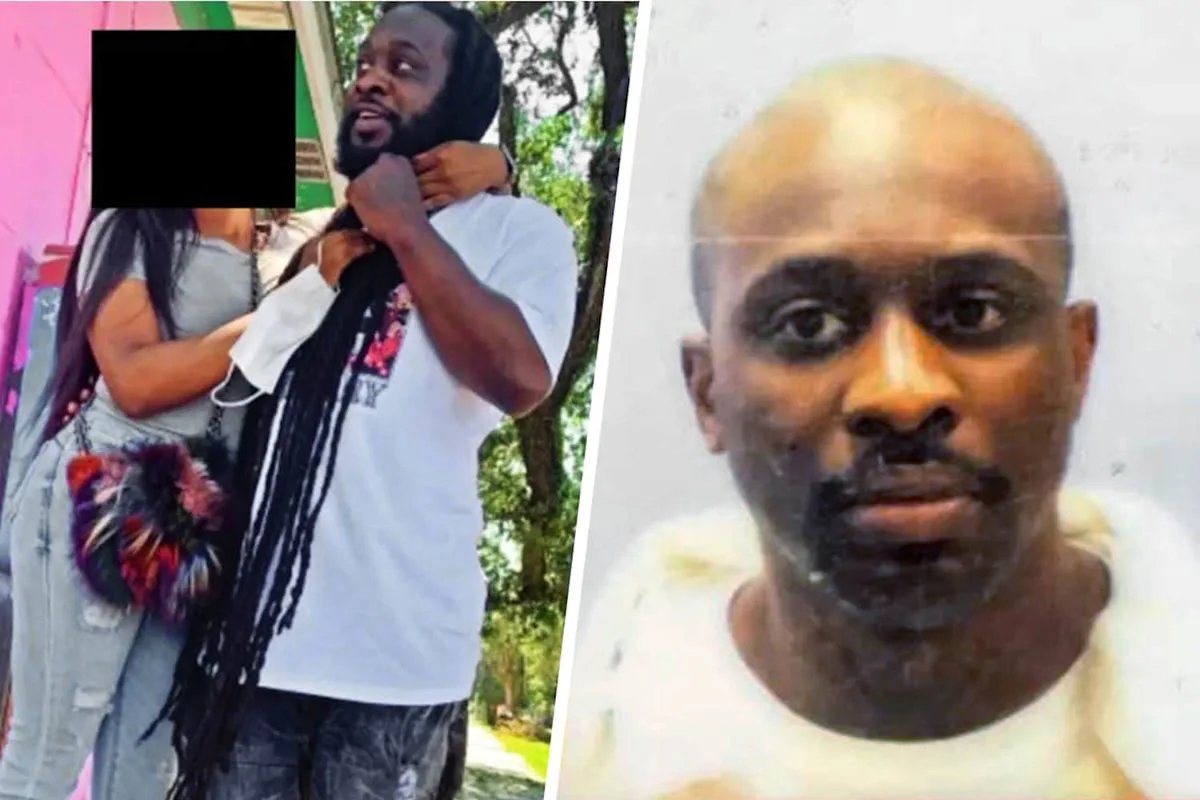







































































































































































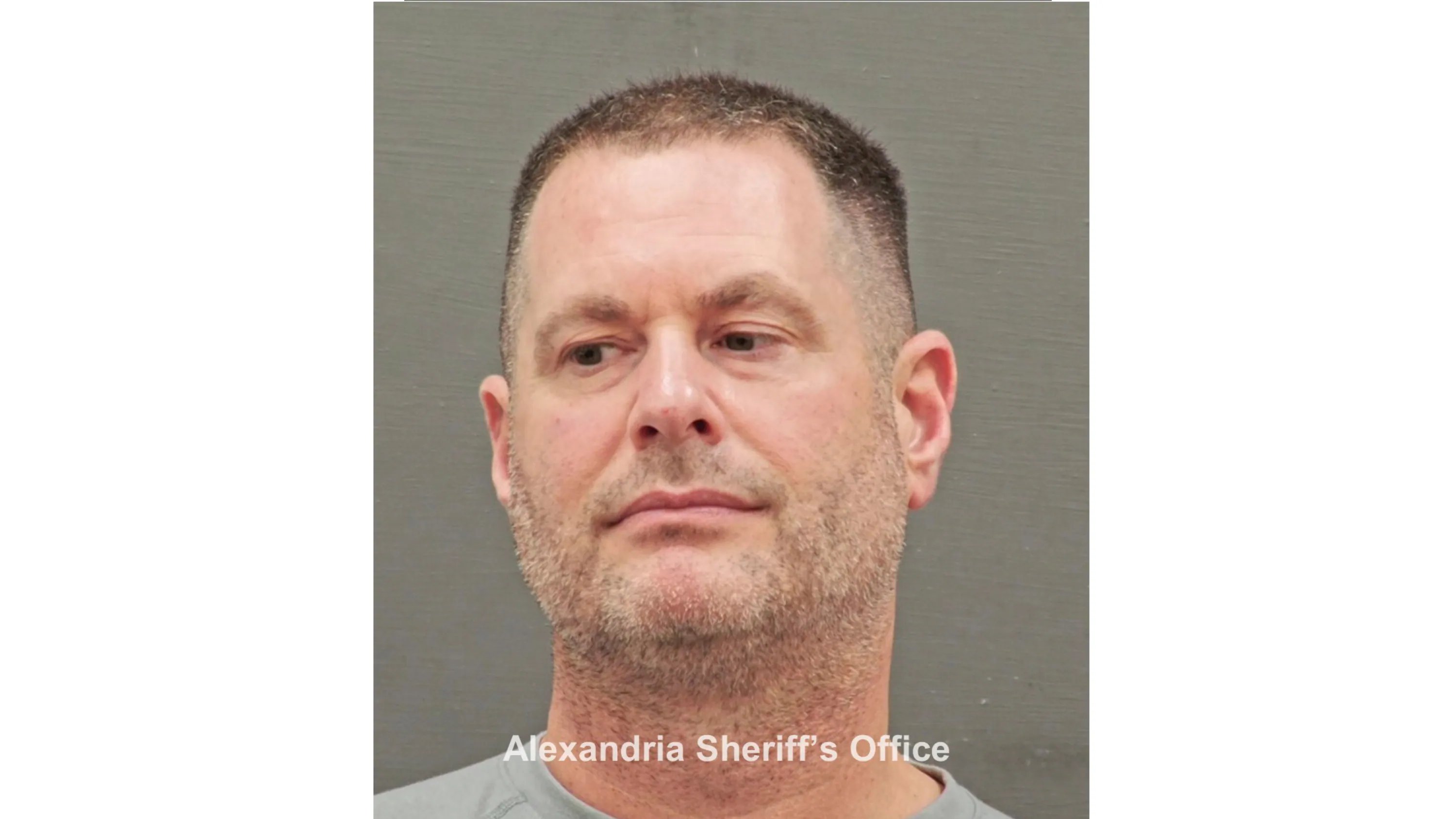








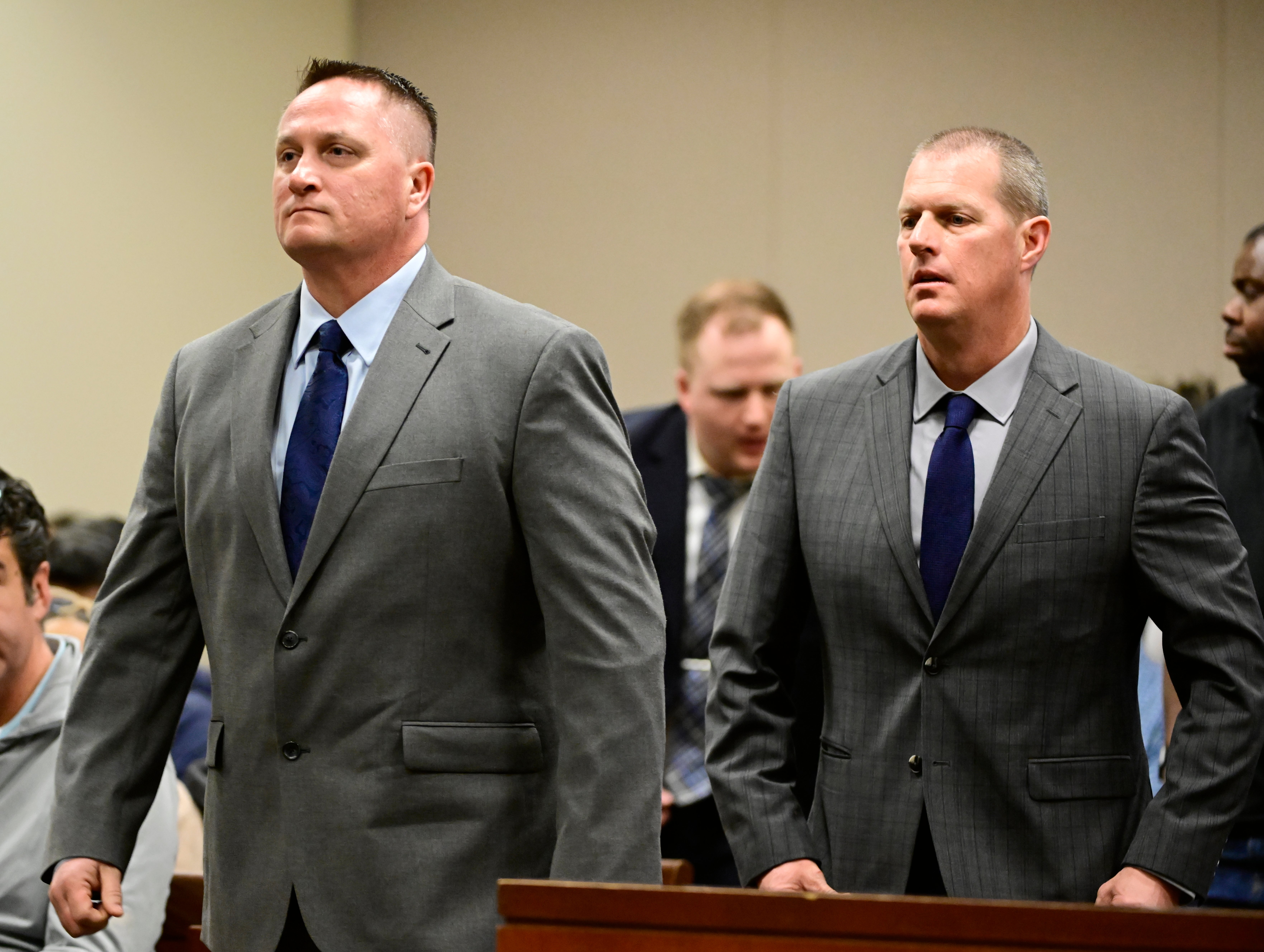








For example, the group of 17 individuals includes a Haitian immigrant accused of sexually abusing his daughter, a man from the former Yugoslavia convicted of sexually abusing a child under 15, and a Filipino-born man who pleaded guilty to a child sex crime.