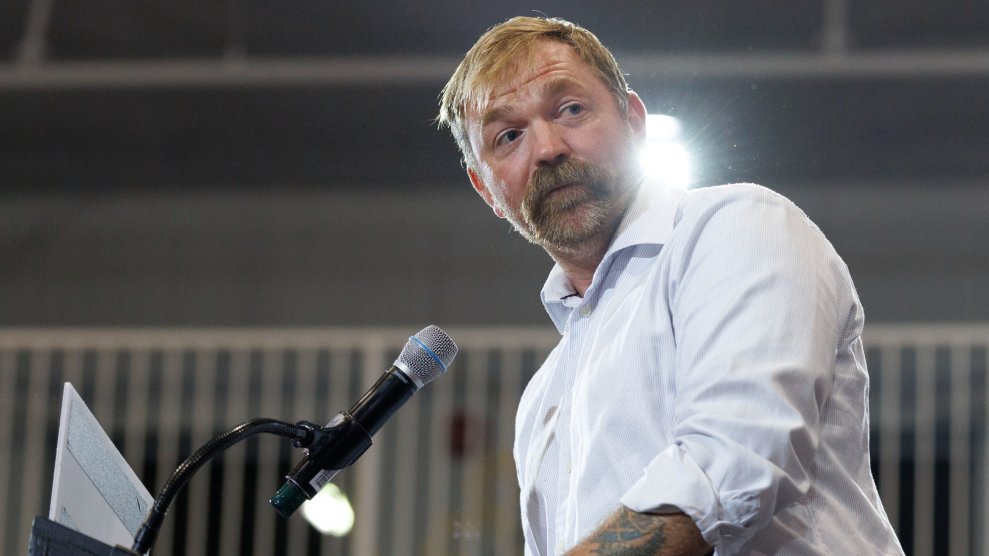
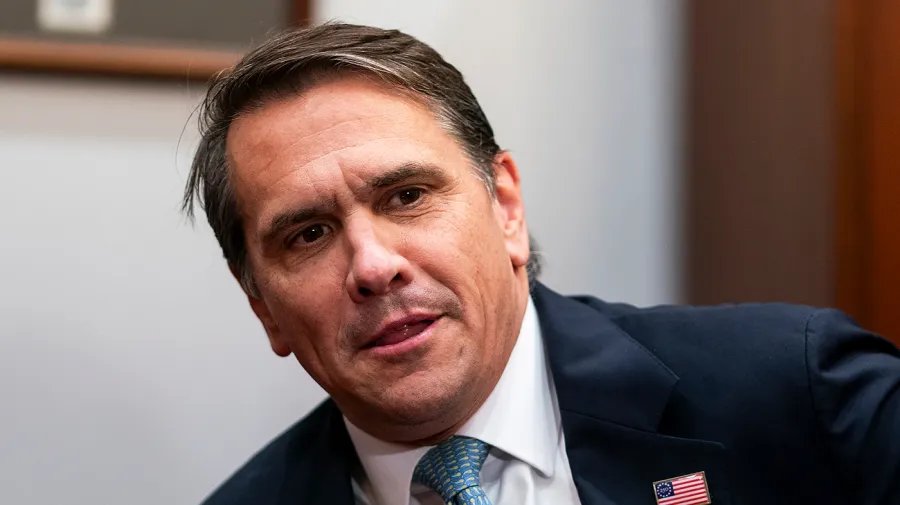
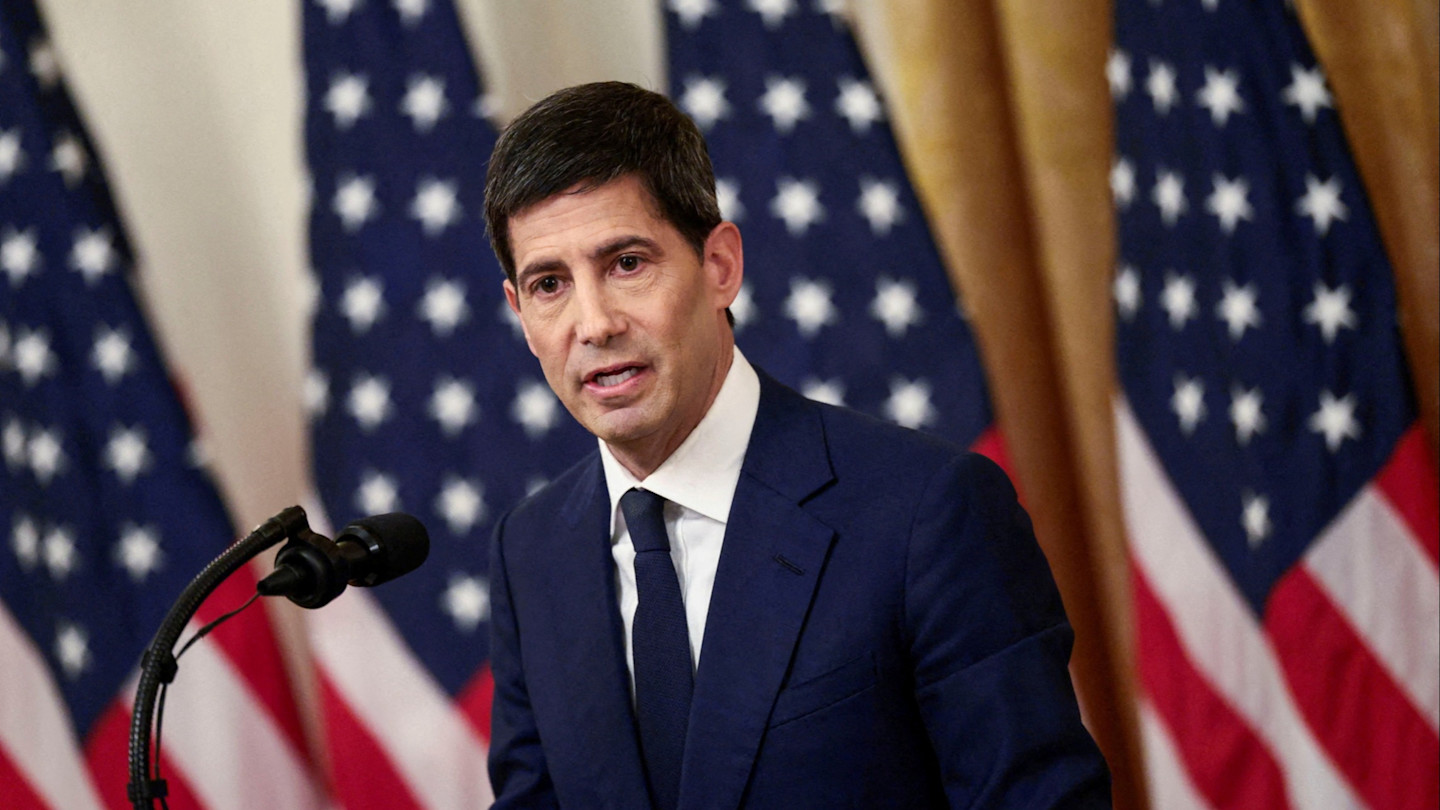
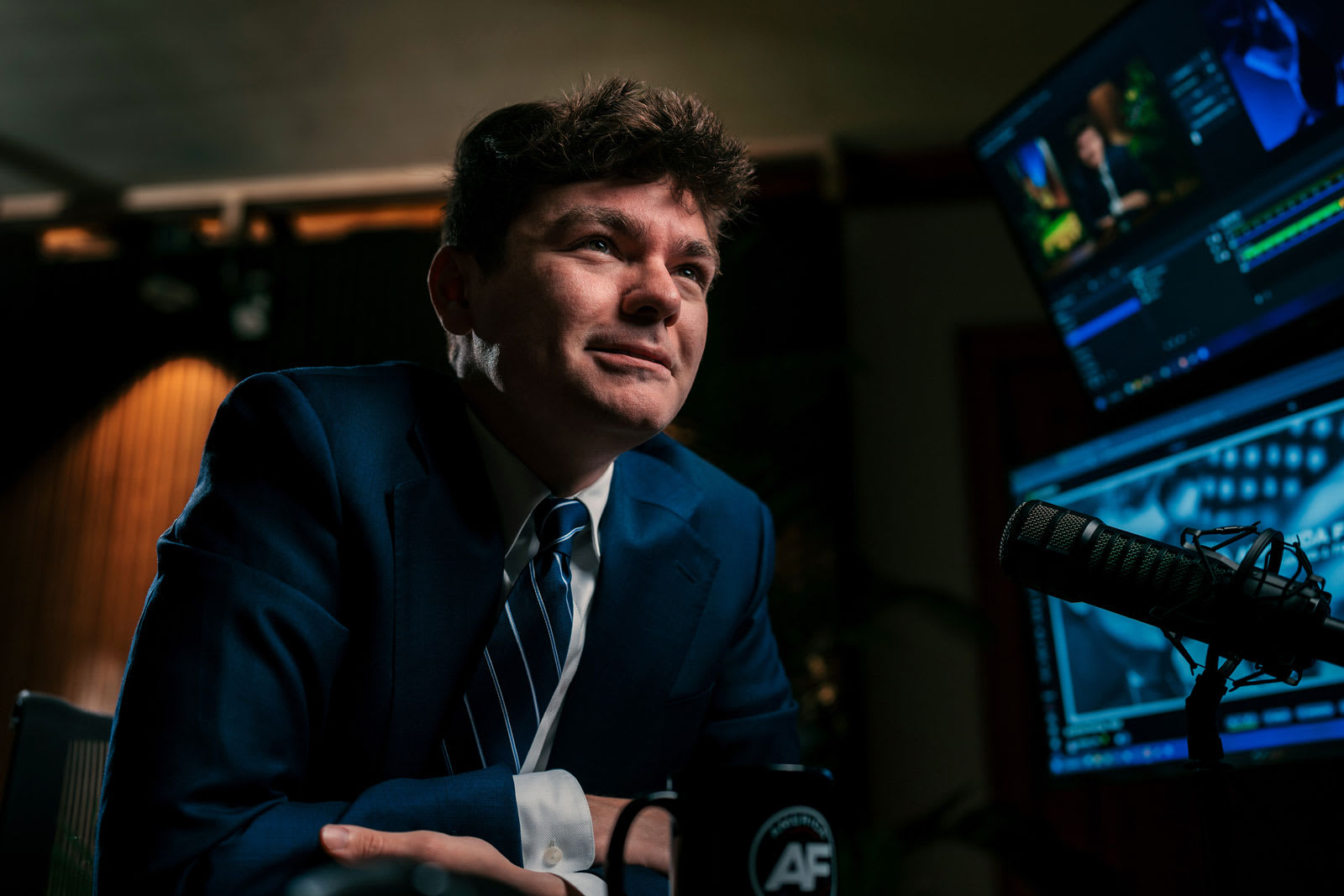
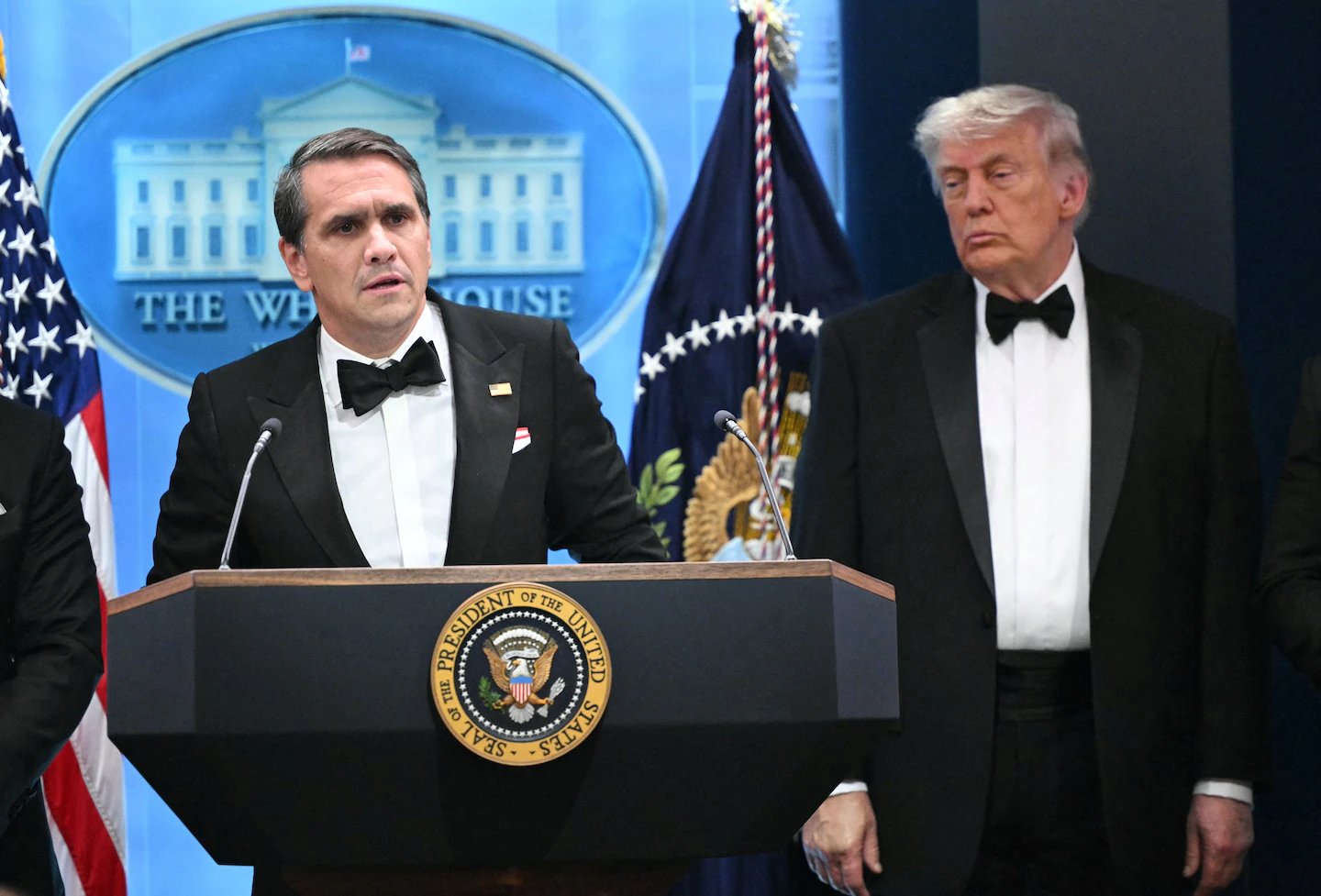
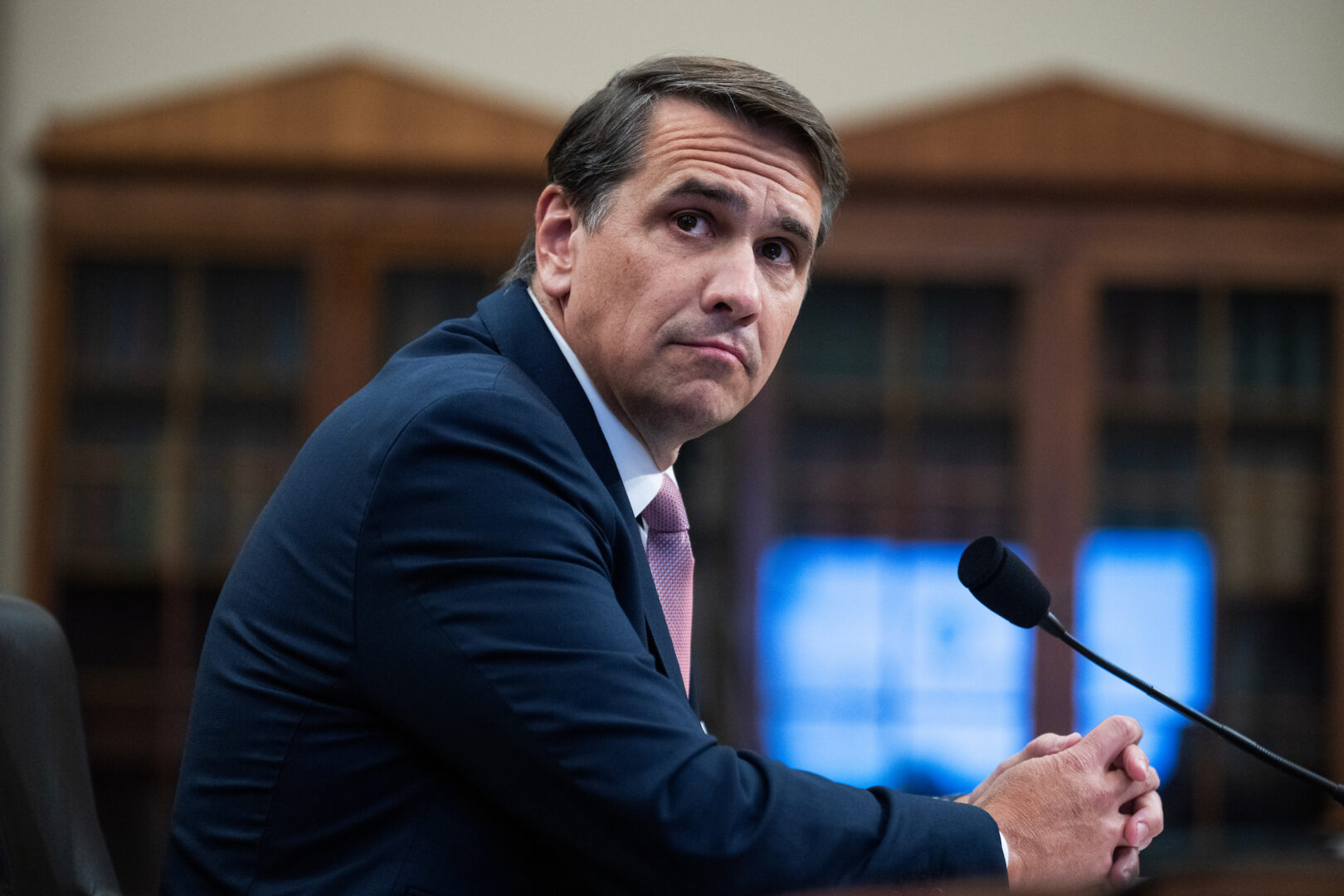
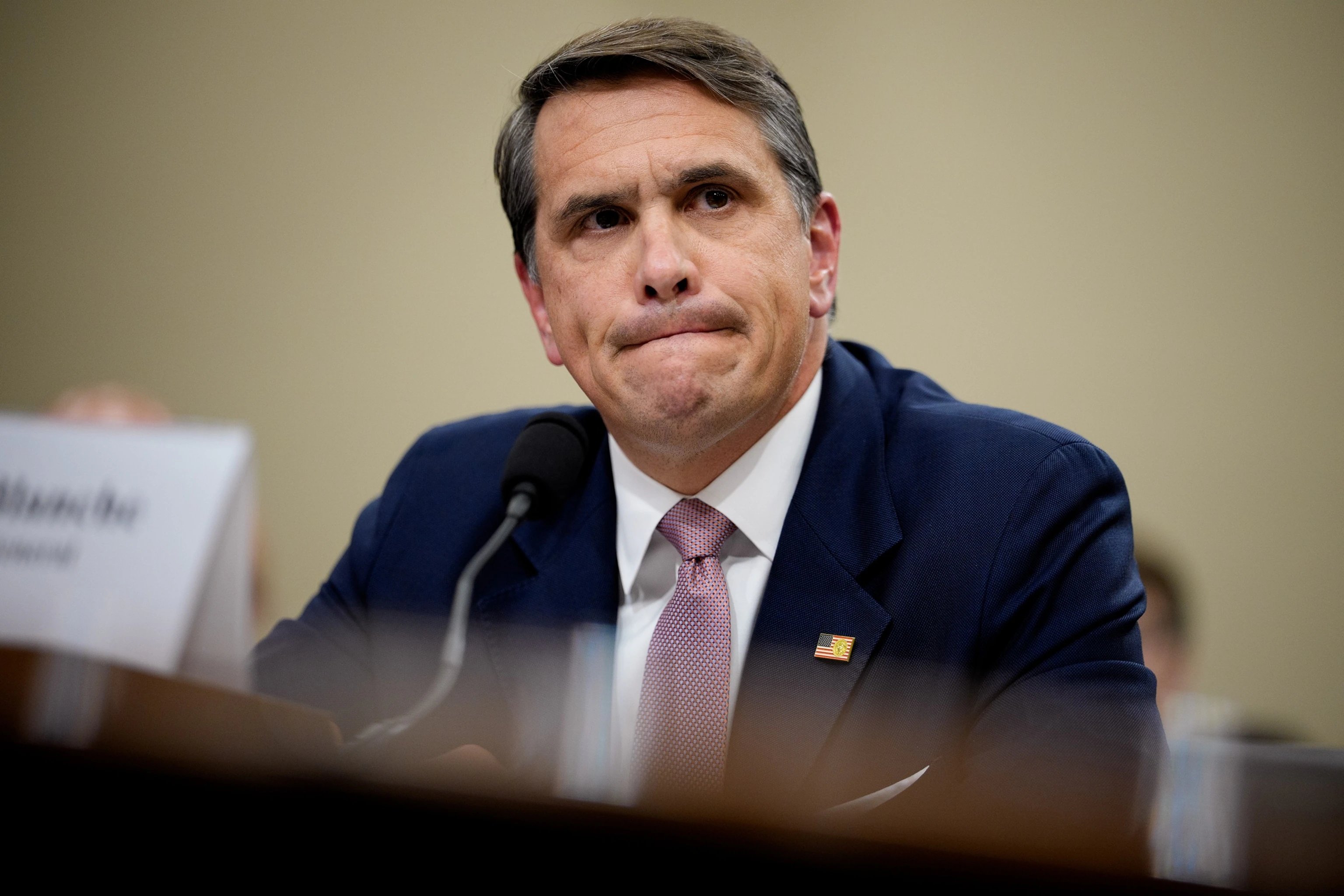
Sriram Krishnan, a key adviser on artificial intelligence in the Trump administration, announced he will leave his position at the end of June. In a social media post, he described his tenure as "the privilege of a lifetime" and expressed a desire to tackle significant challenges related to AI facing the nation. While Krishnan did not specify his reasons for departing, his exit raises questions about the future of AI policy under the current administration.
During his time in office, Krishnan played a pivotal role in shaping a national framework to regulate AI advancements. His contributions were crucial as the administration navigated the complexities of emerging technologies and their implications for society. The administration is considering the possibility of the U.S. government acquiring stakes in AI companies.
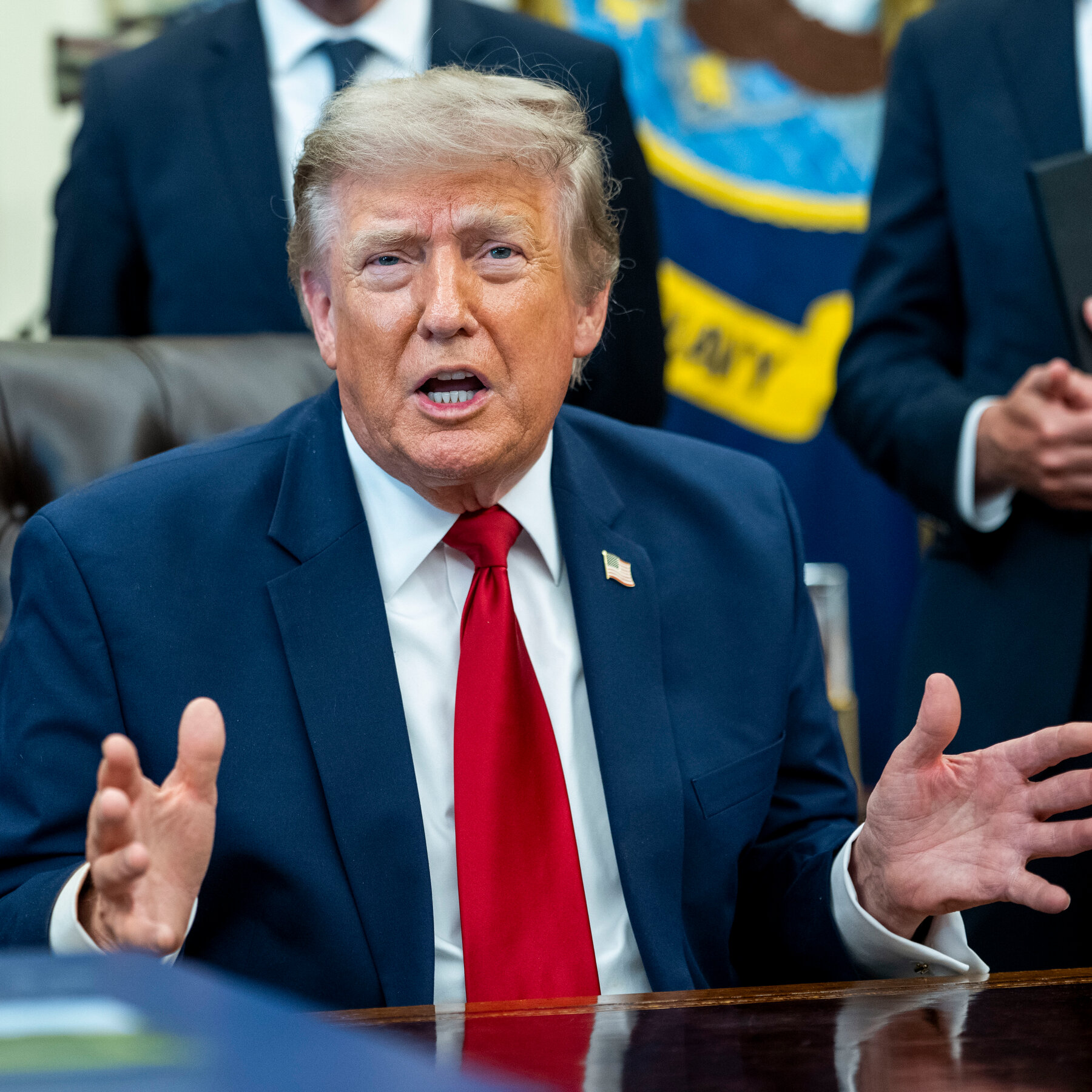
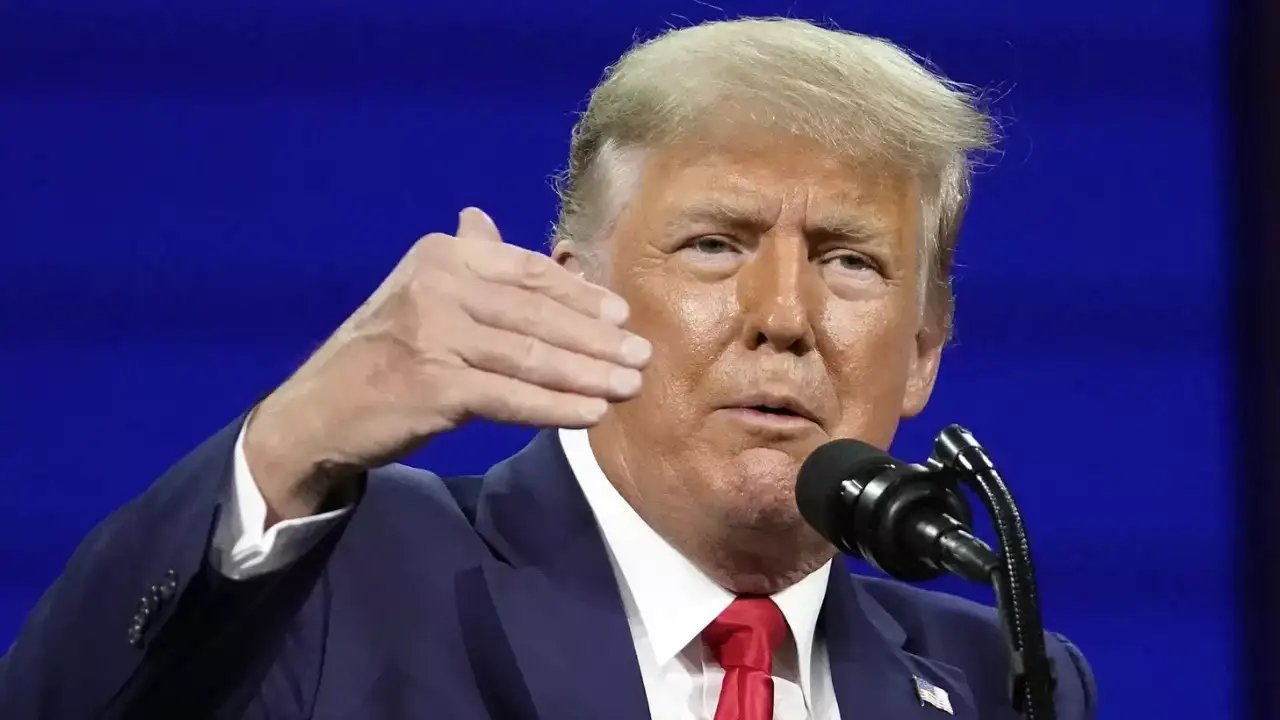
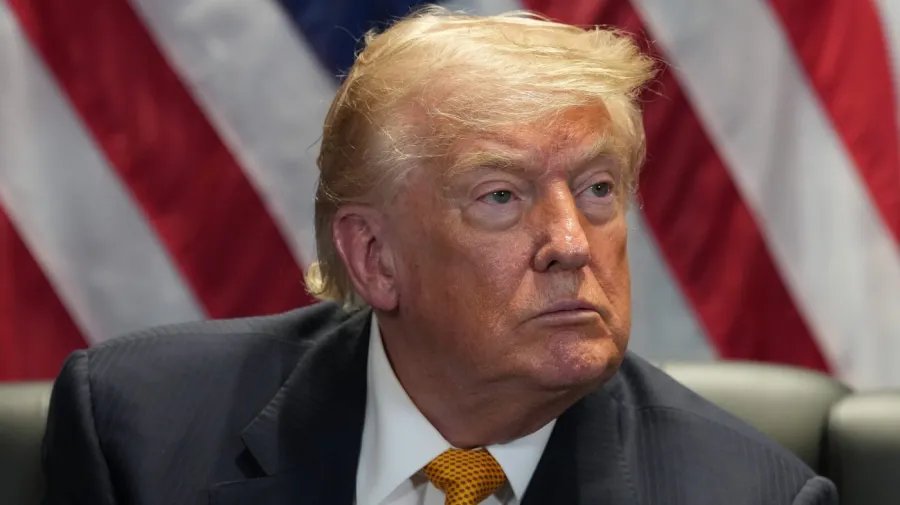
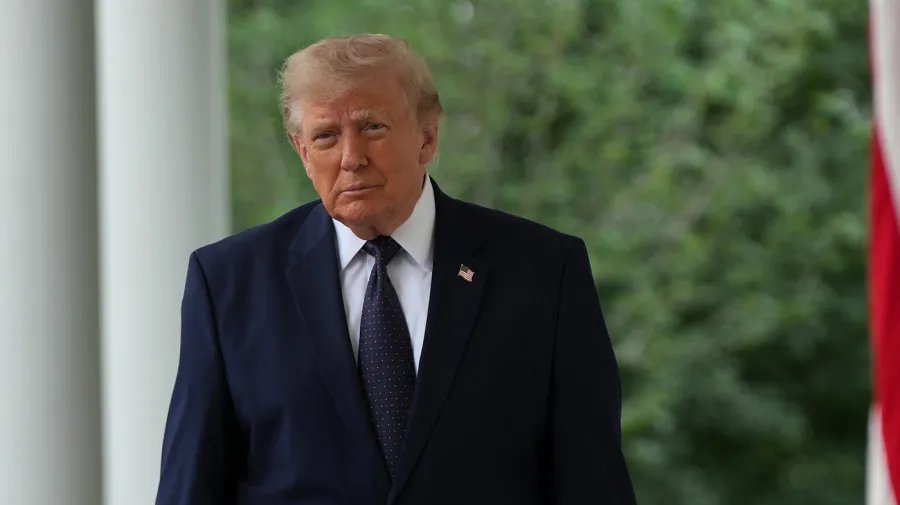
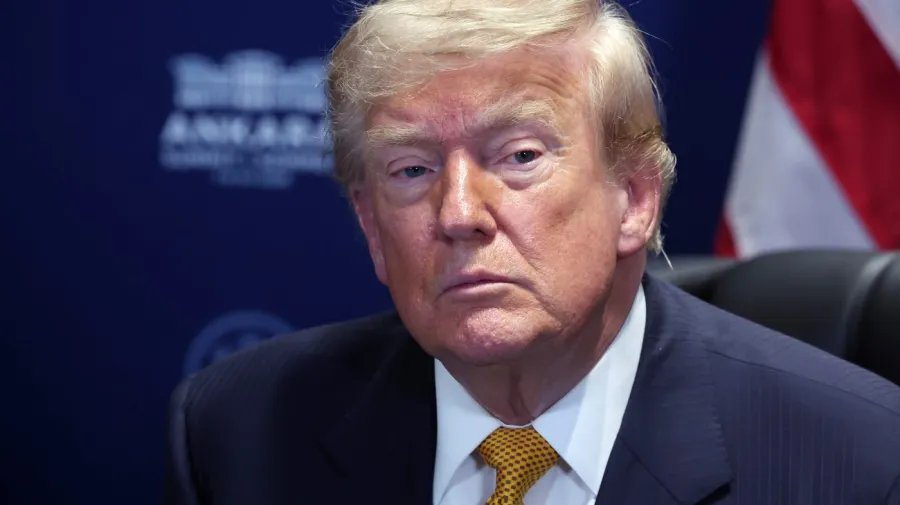
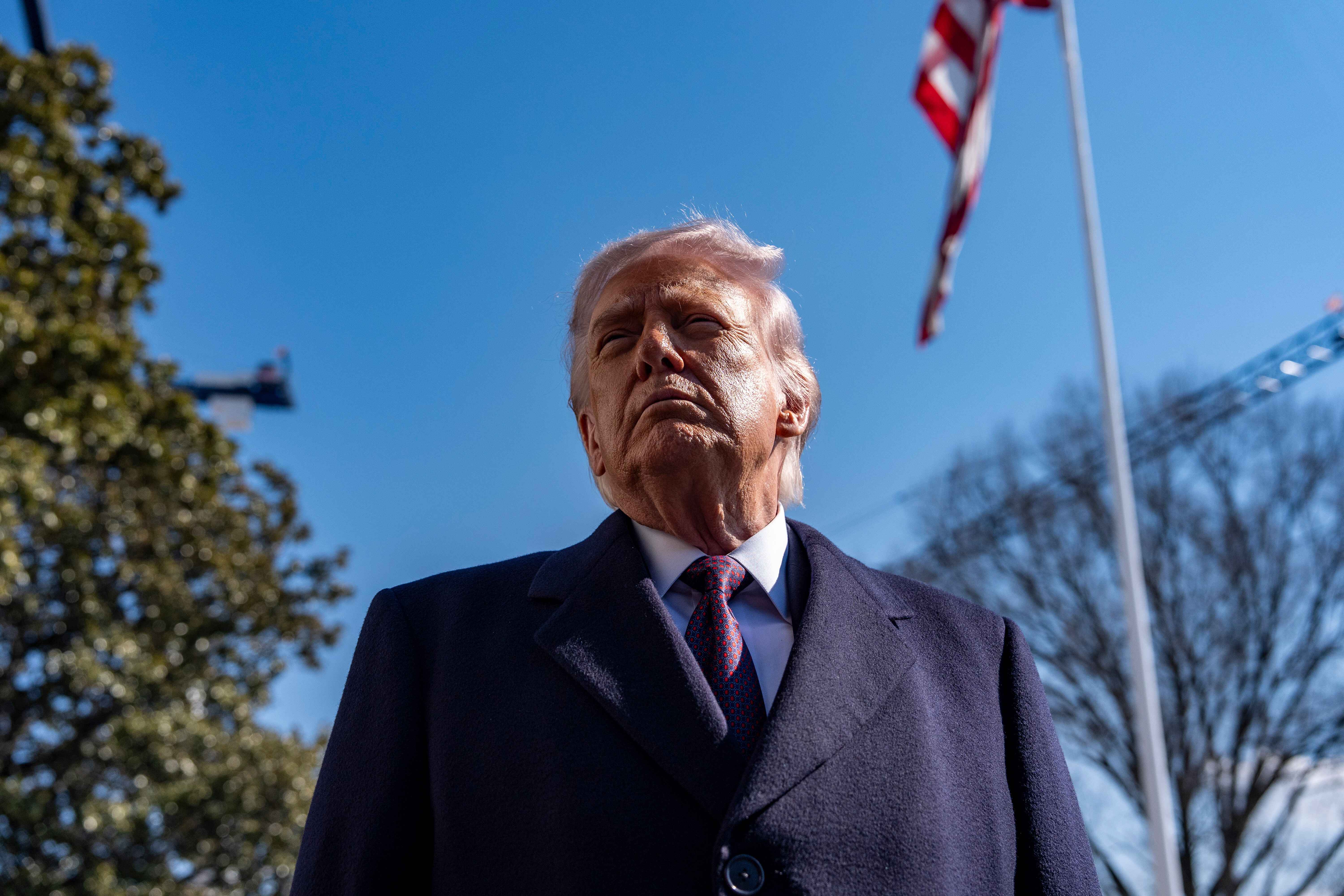
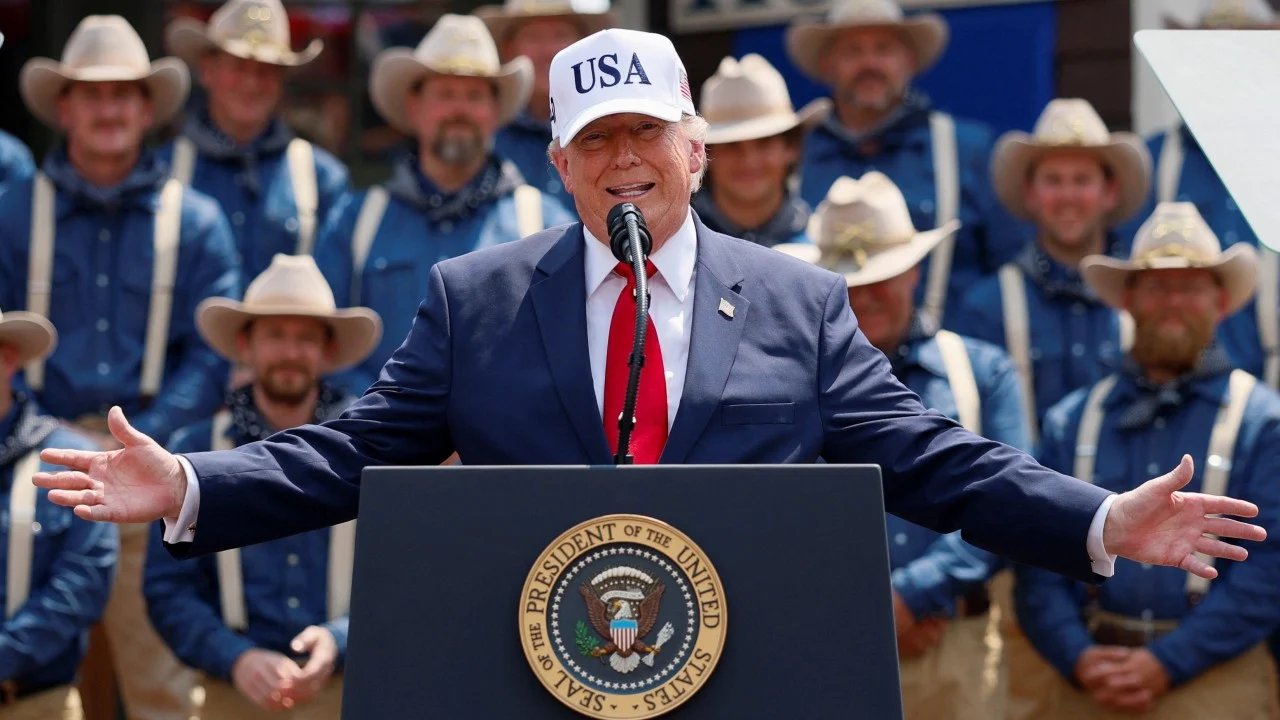
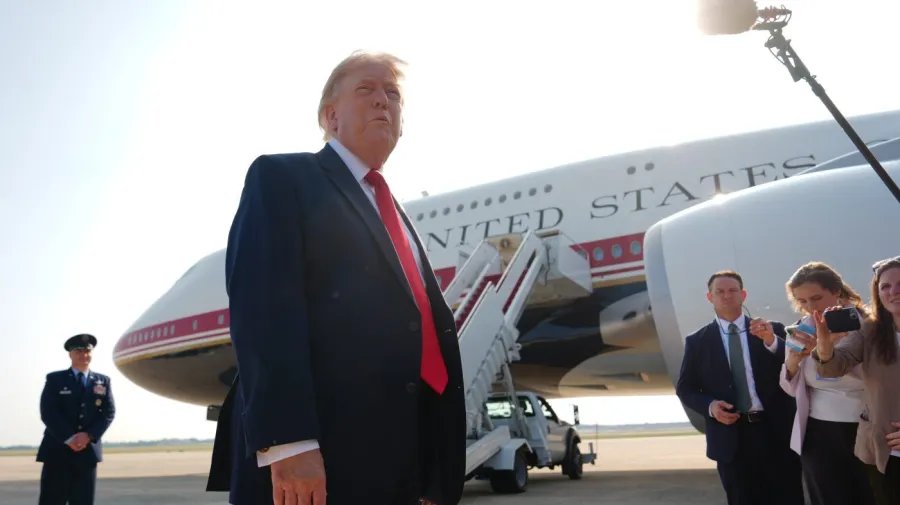
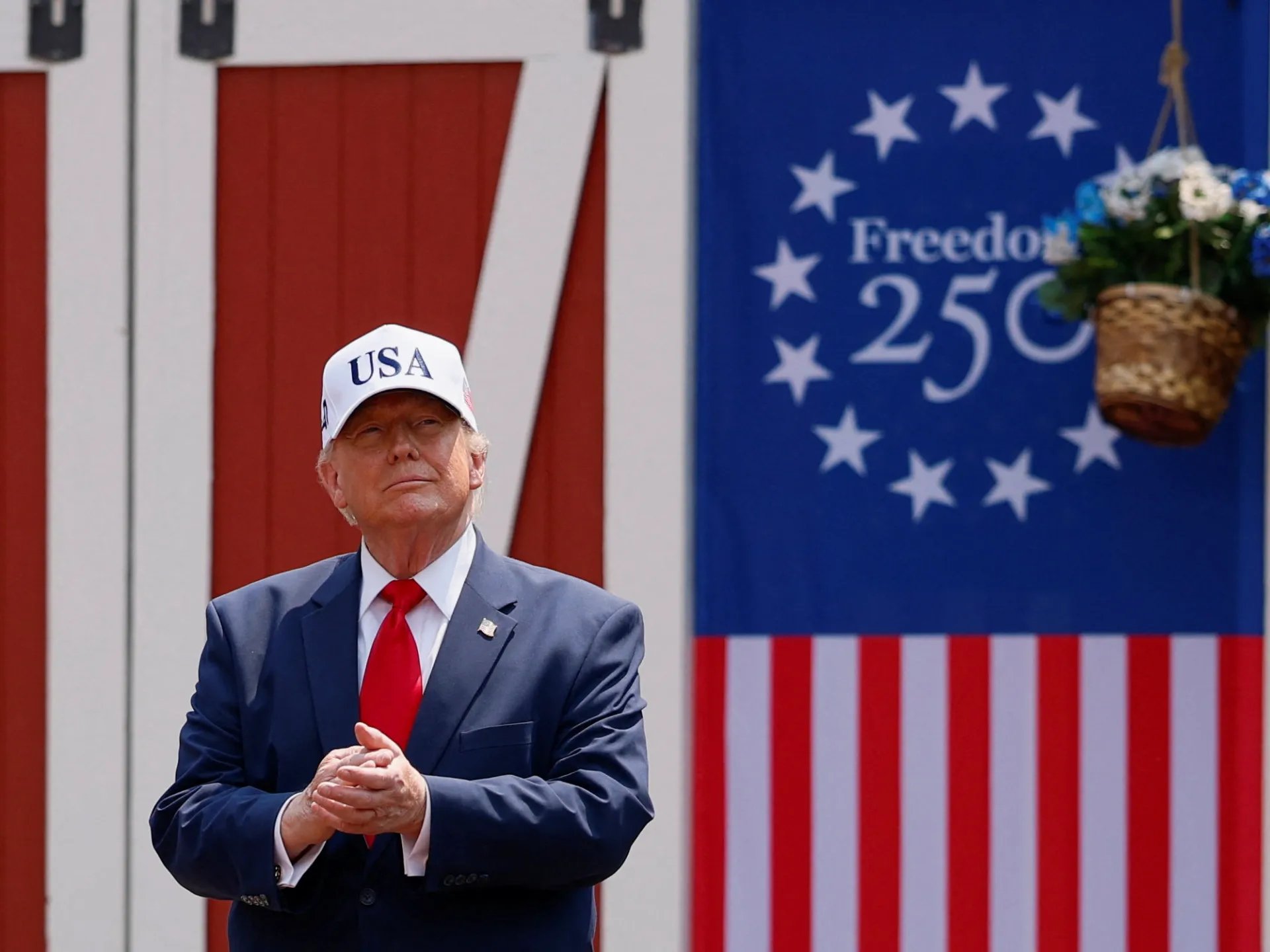
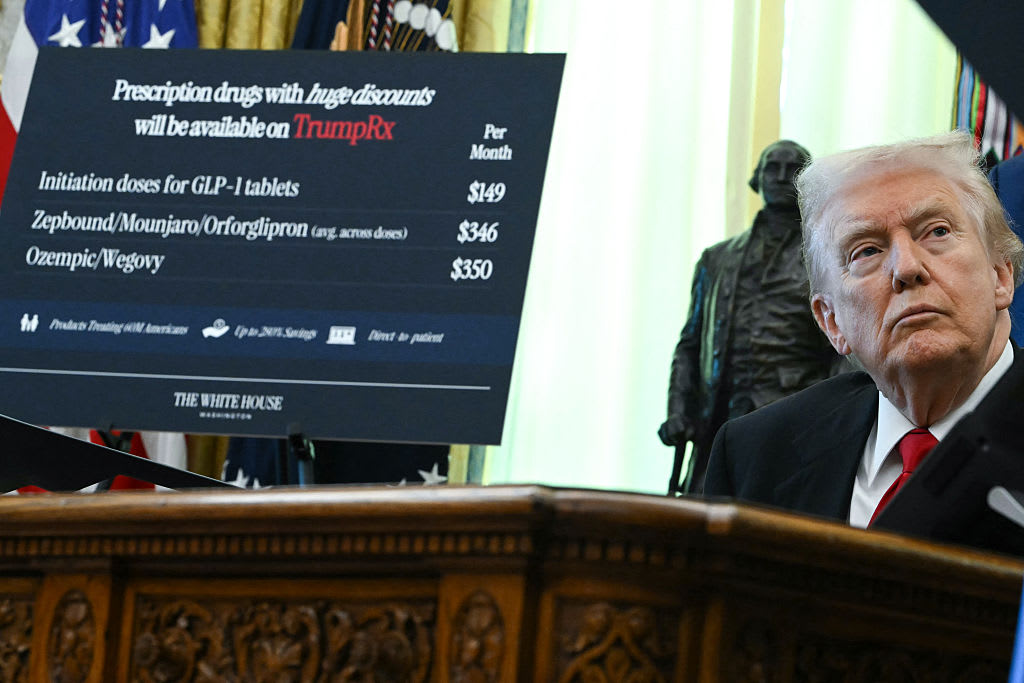
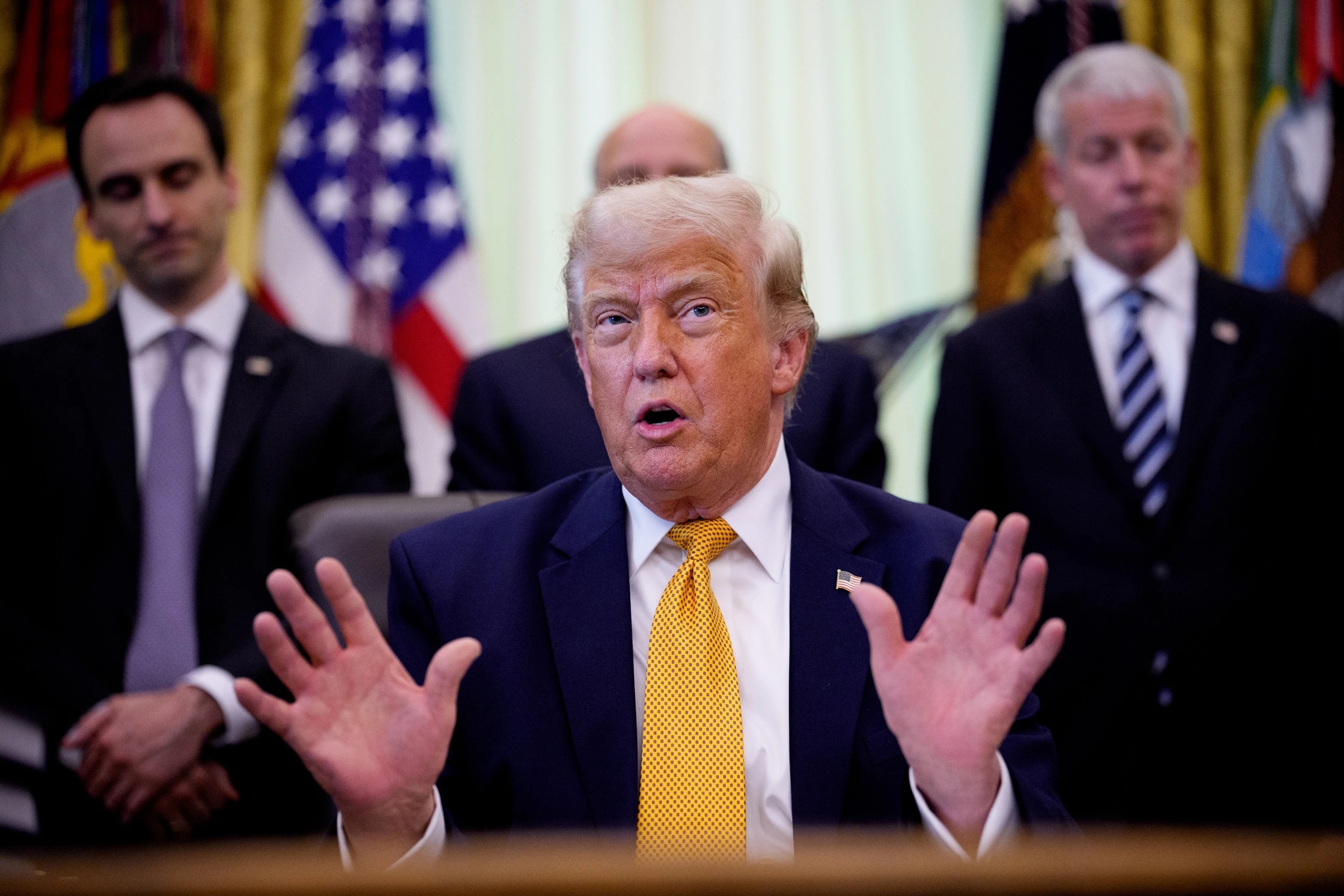
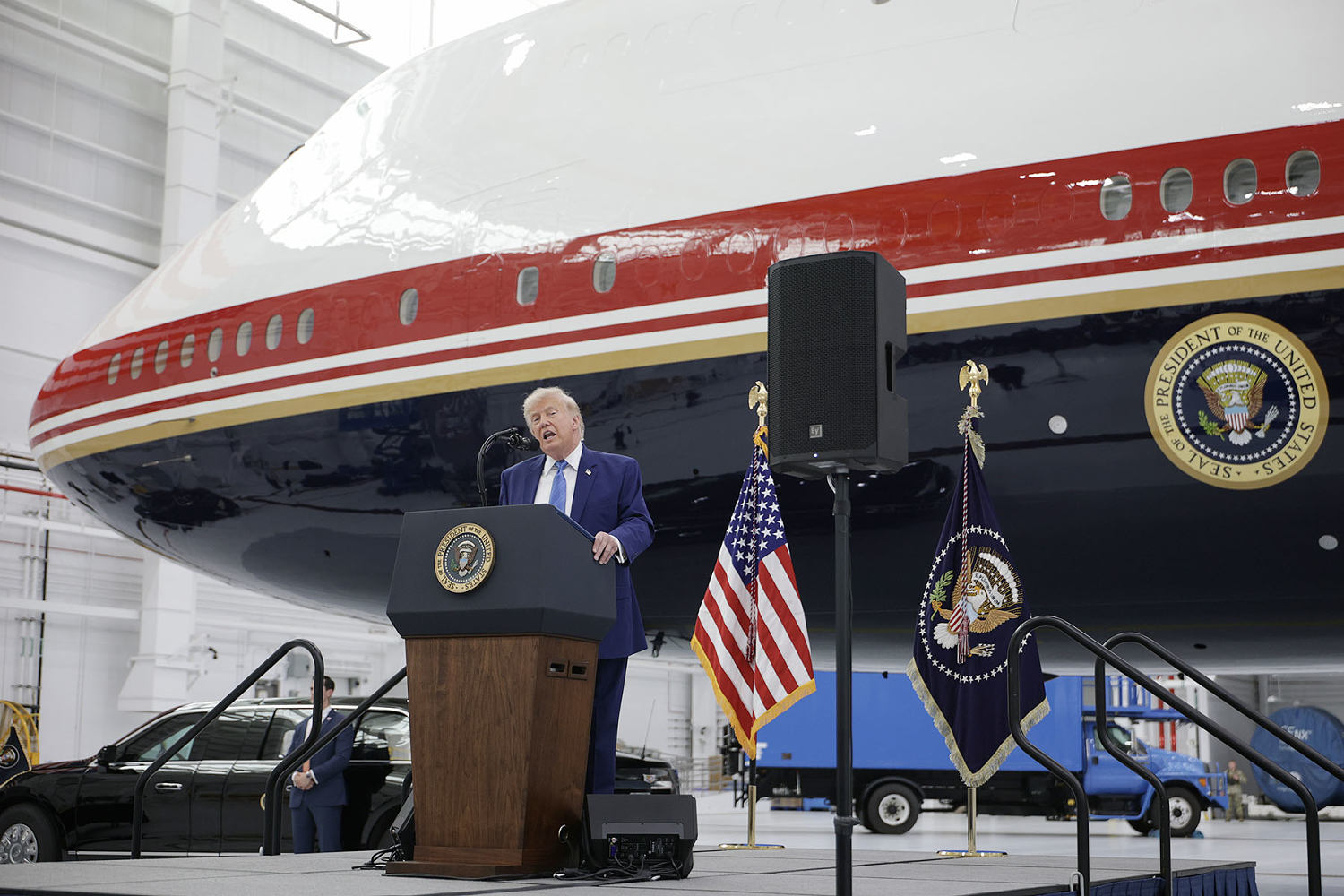
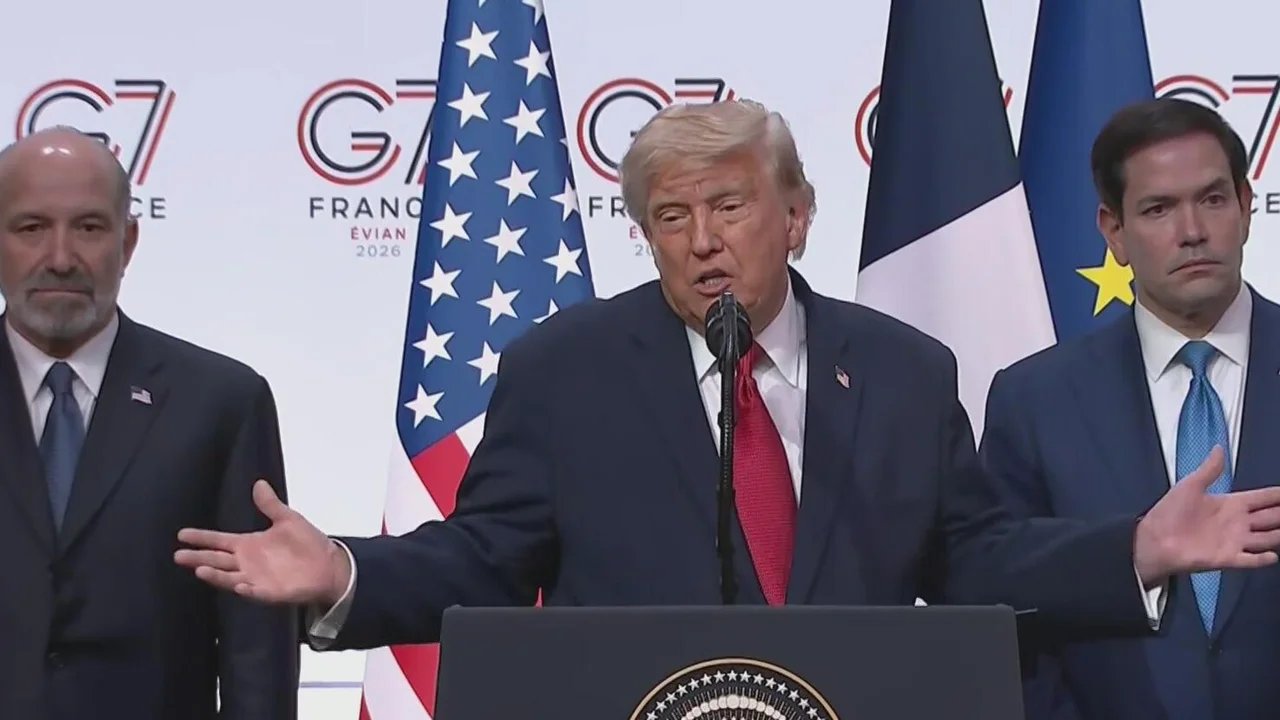
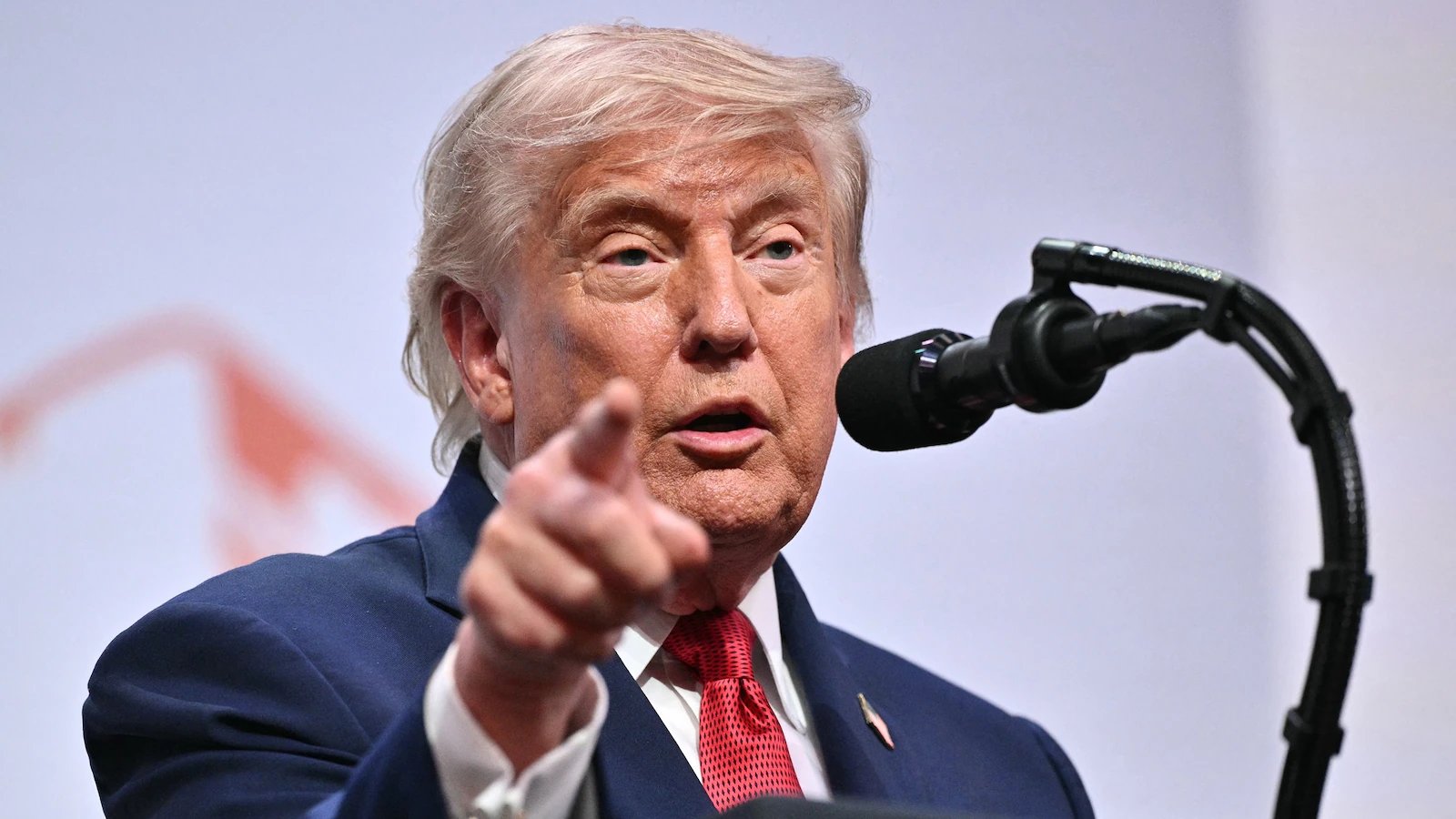
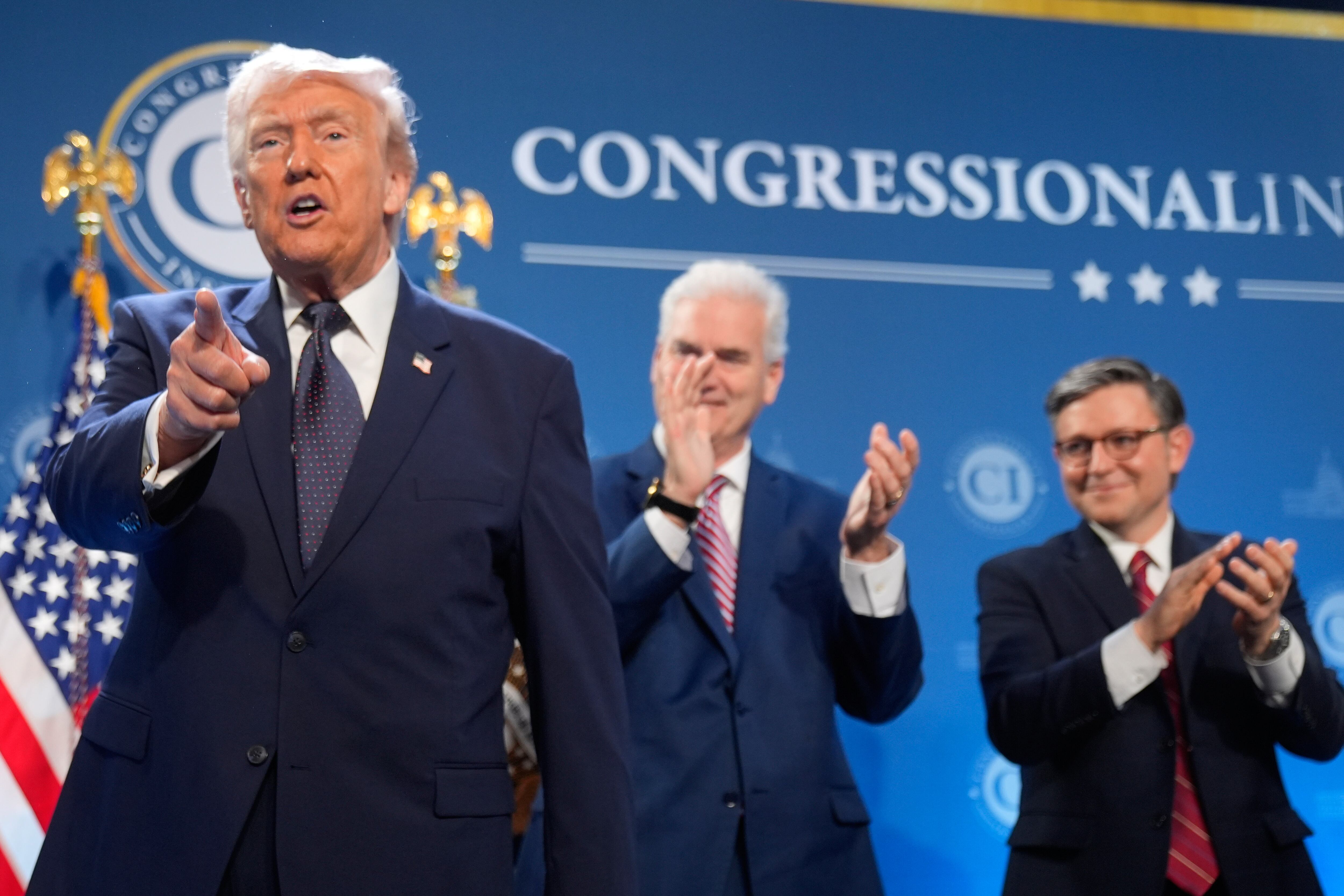
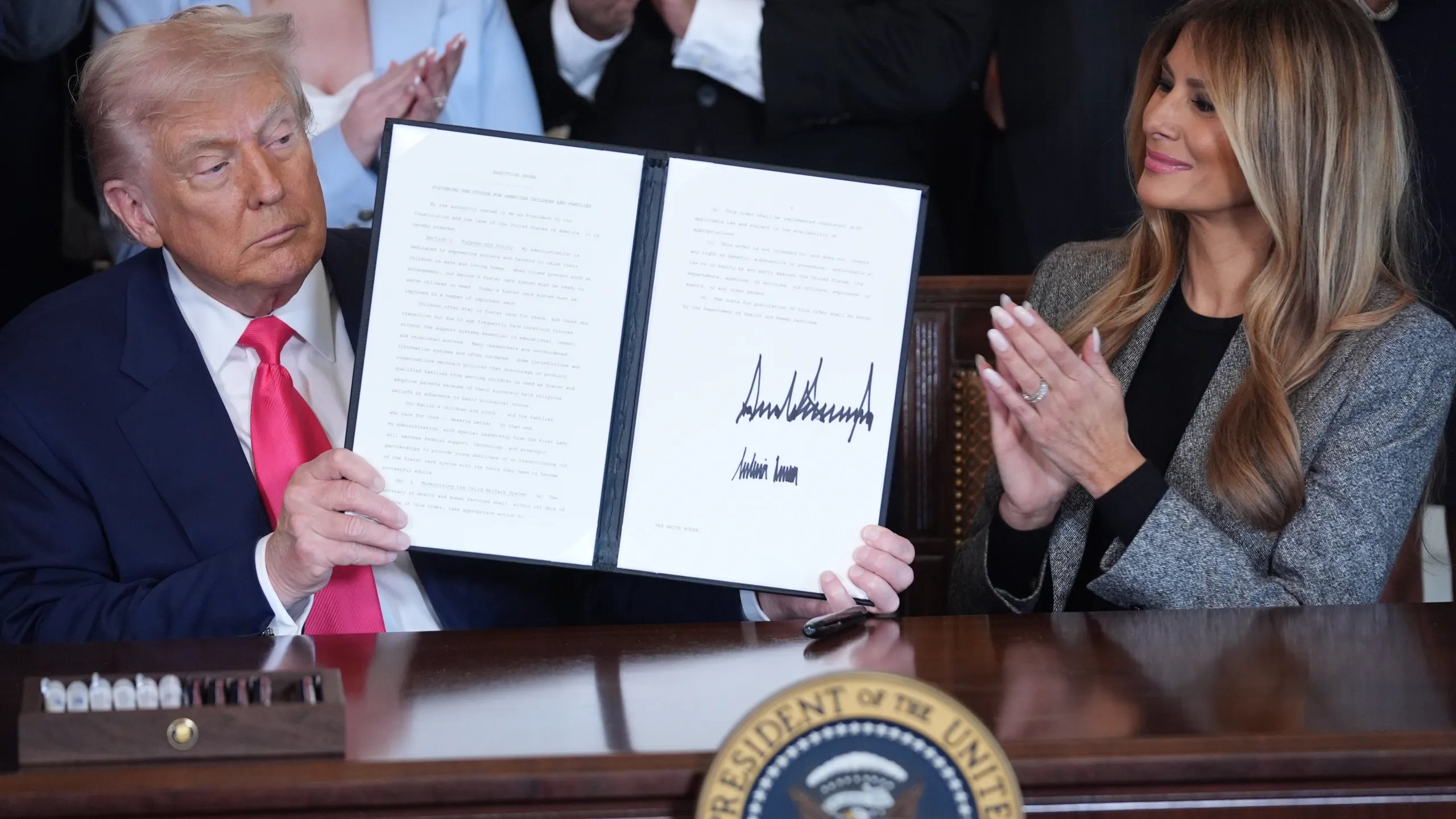
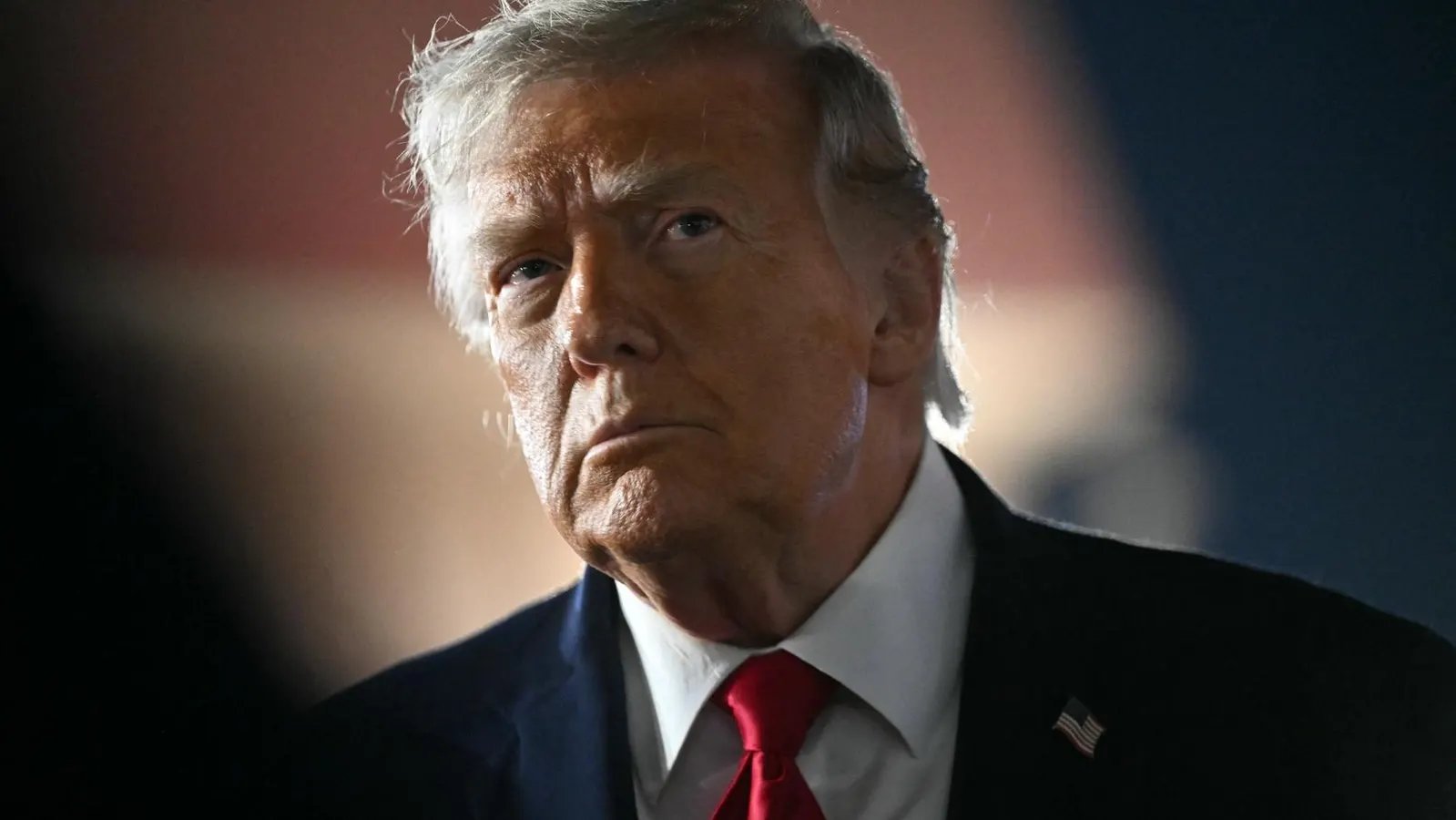
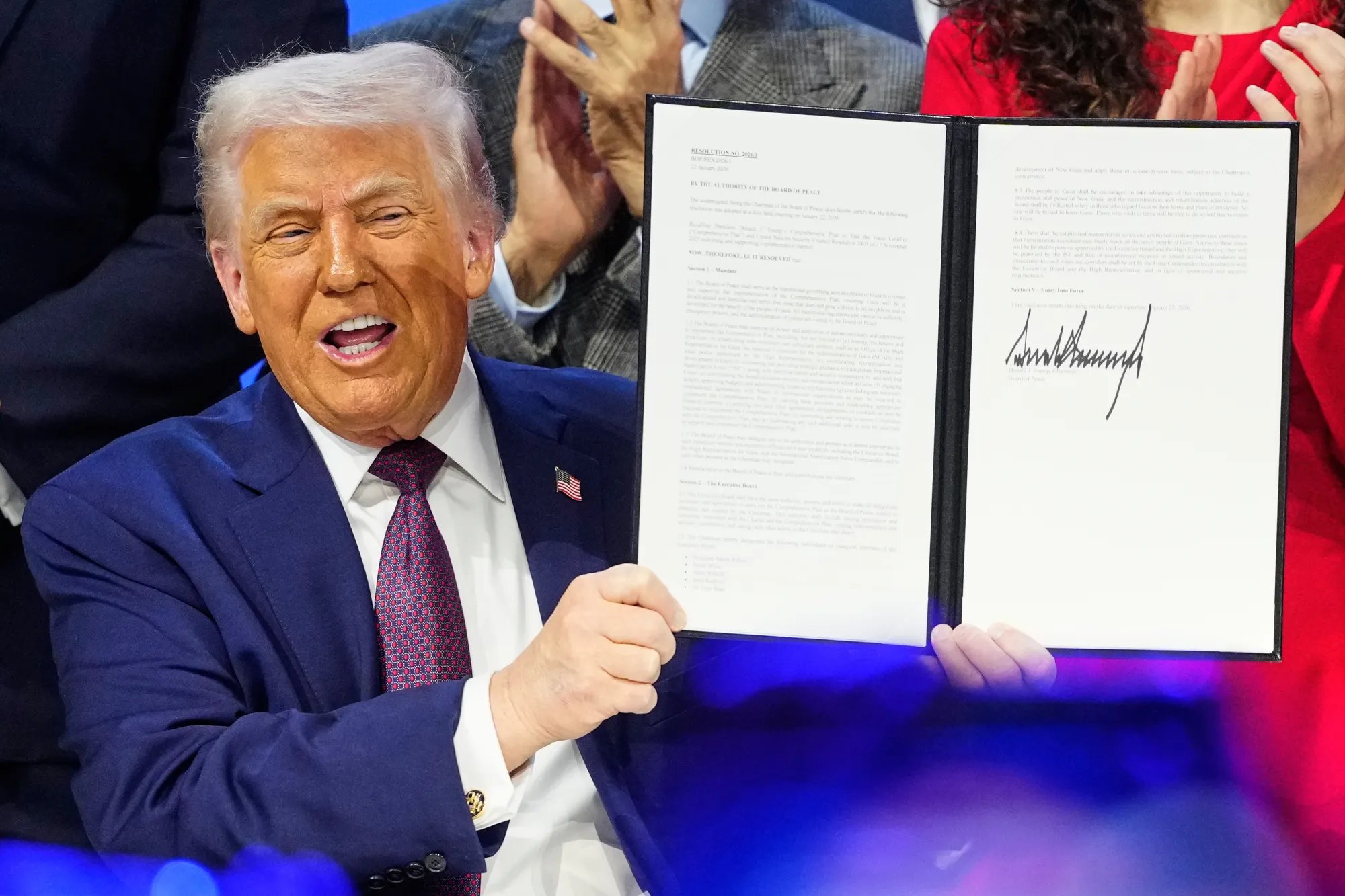
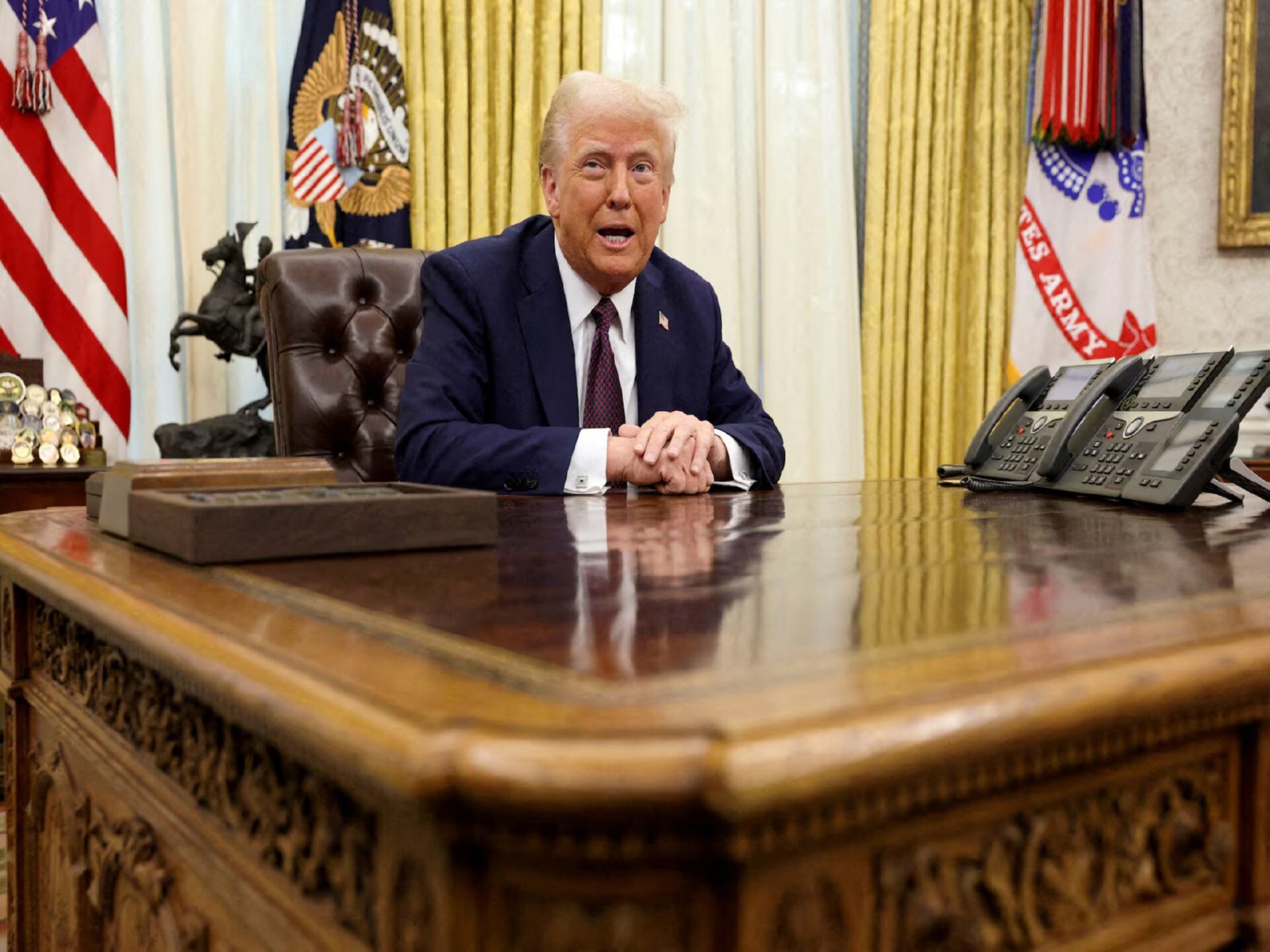
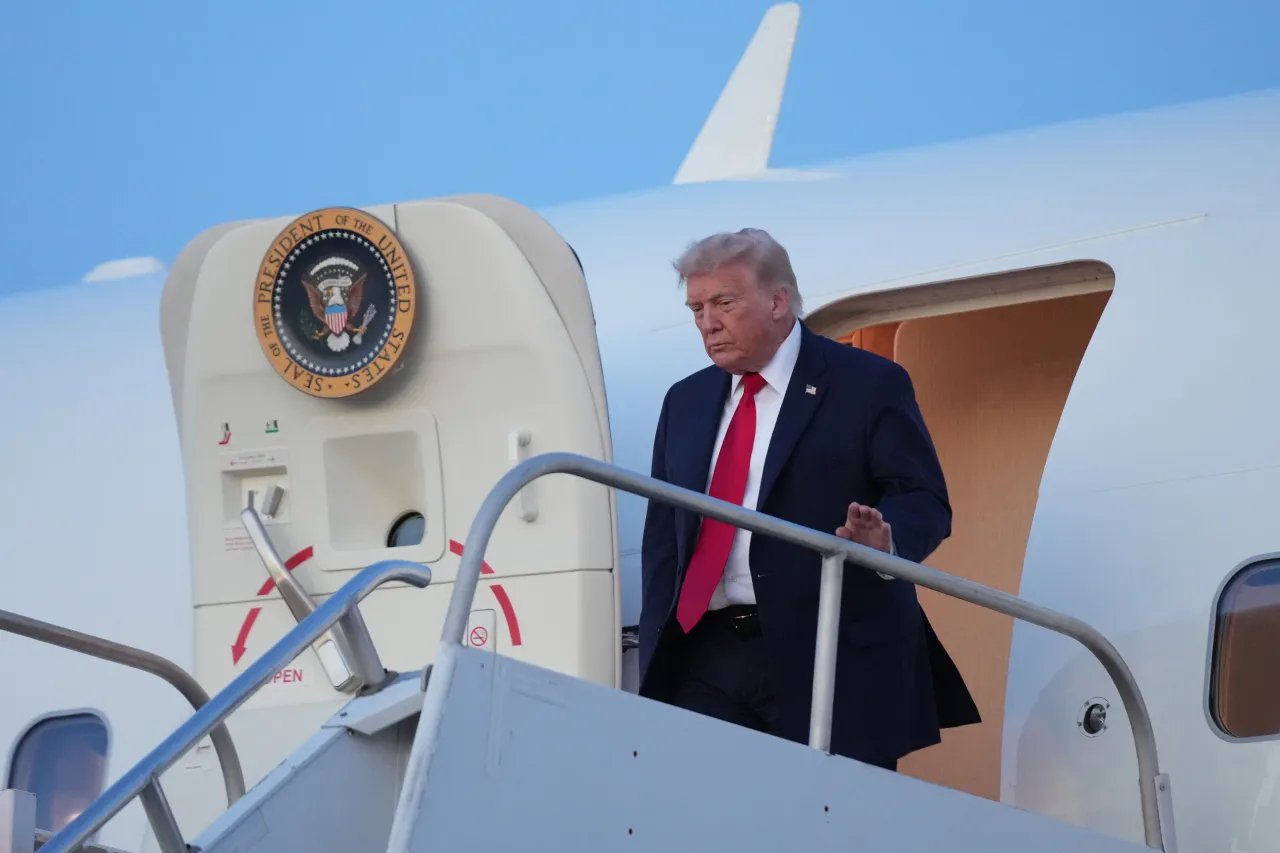
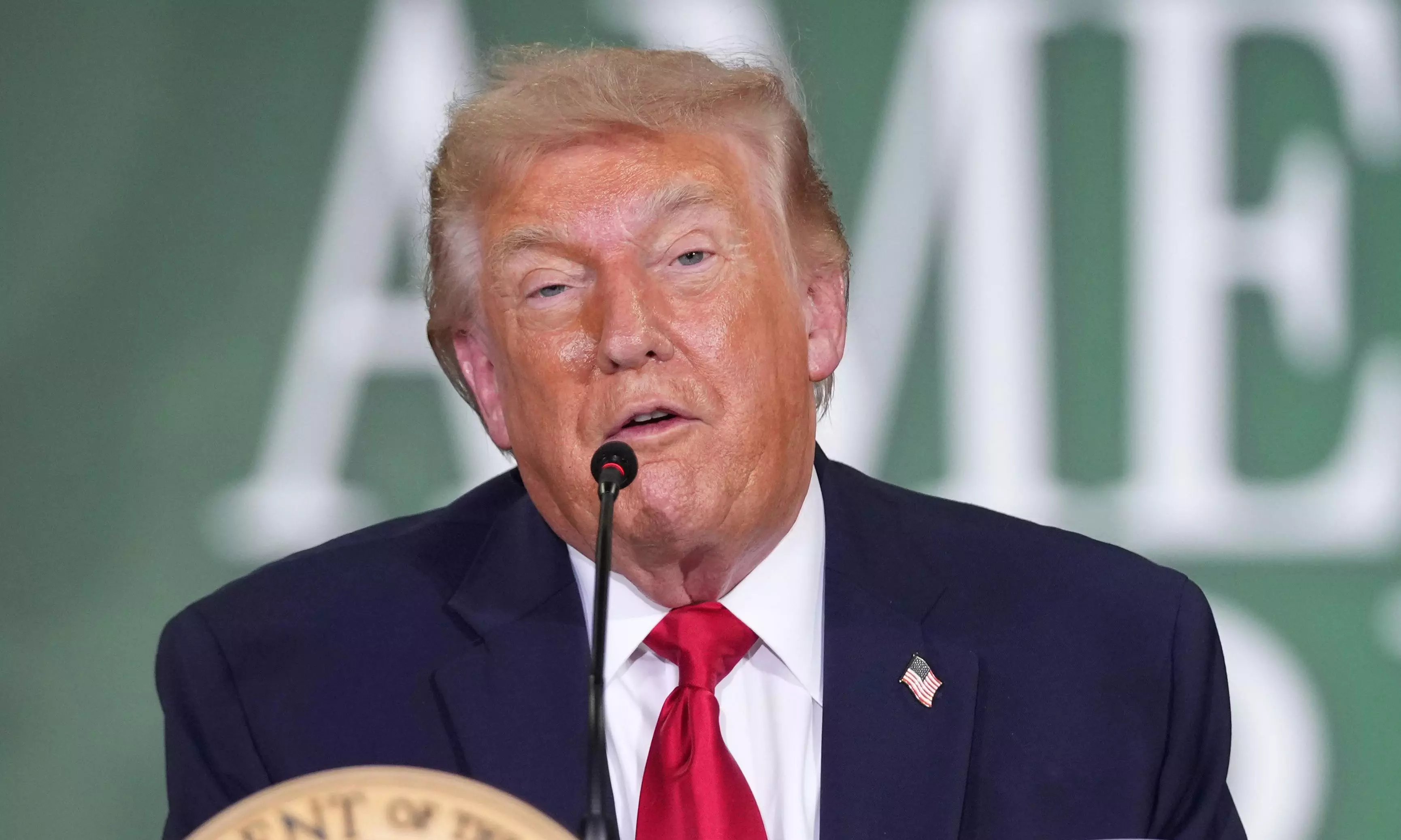
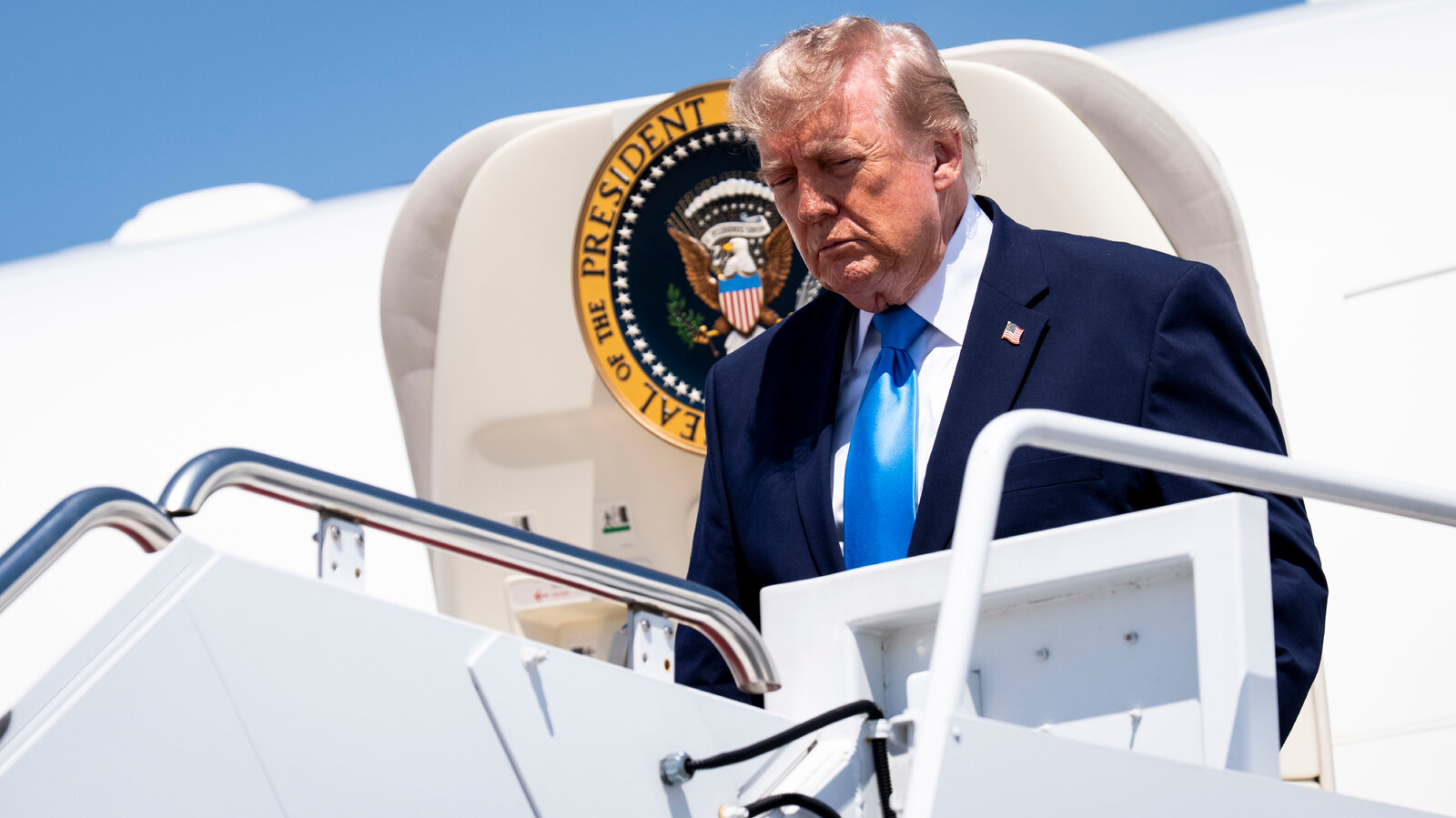
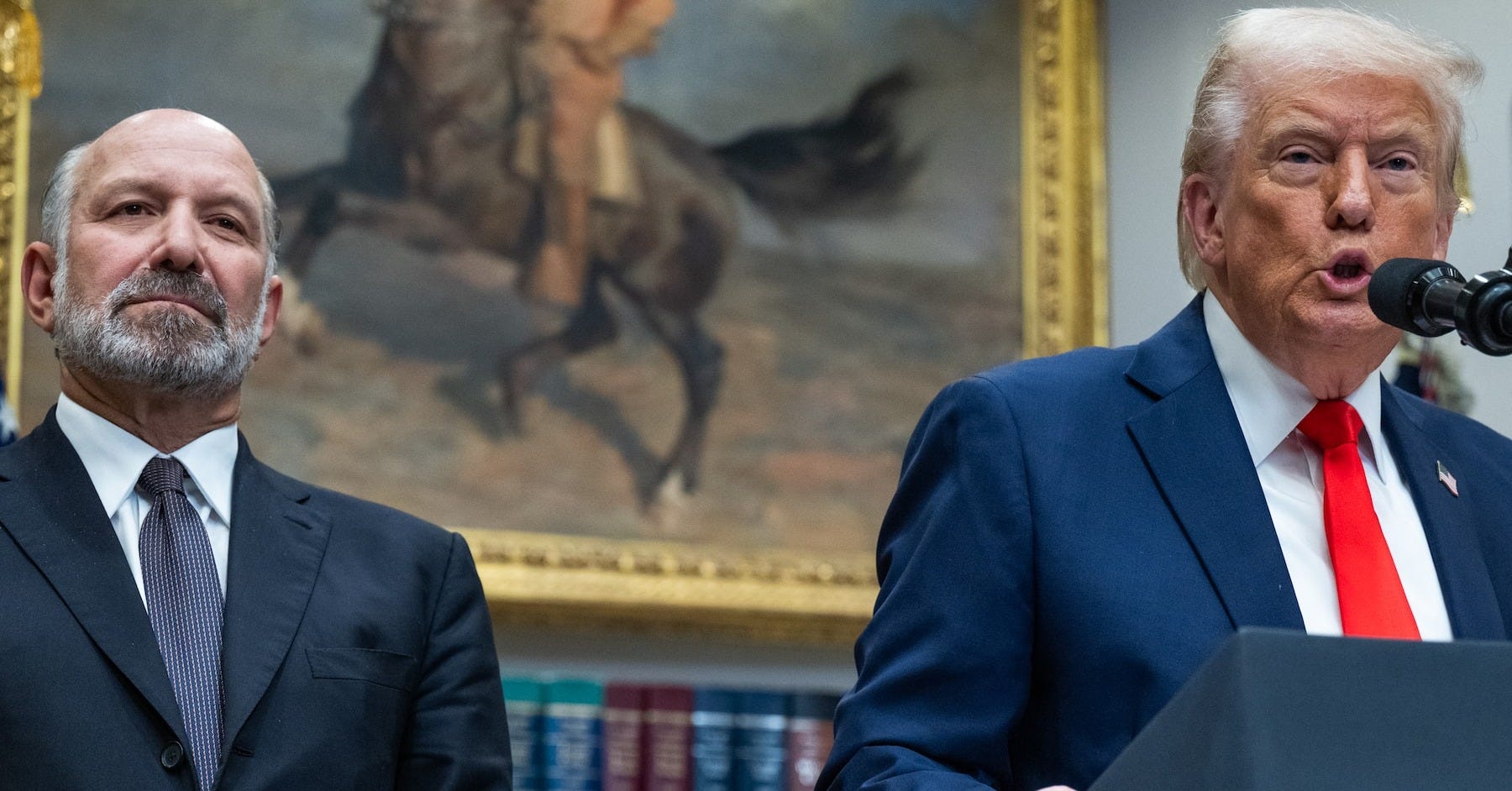
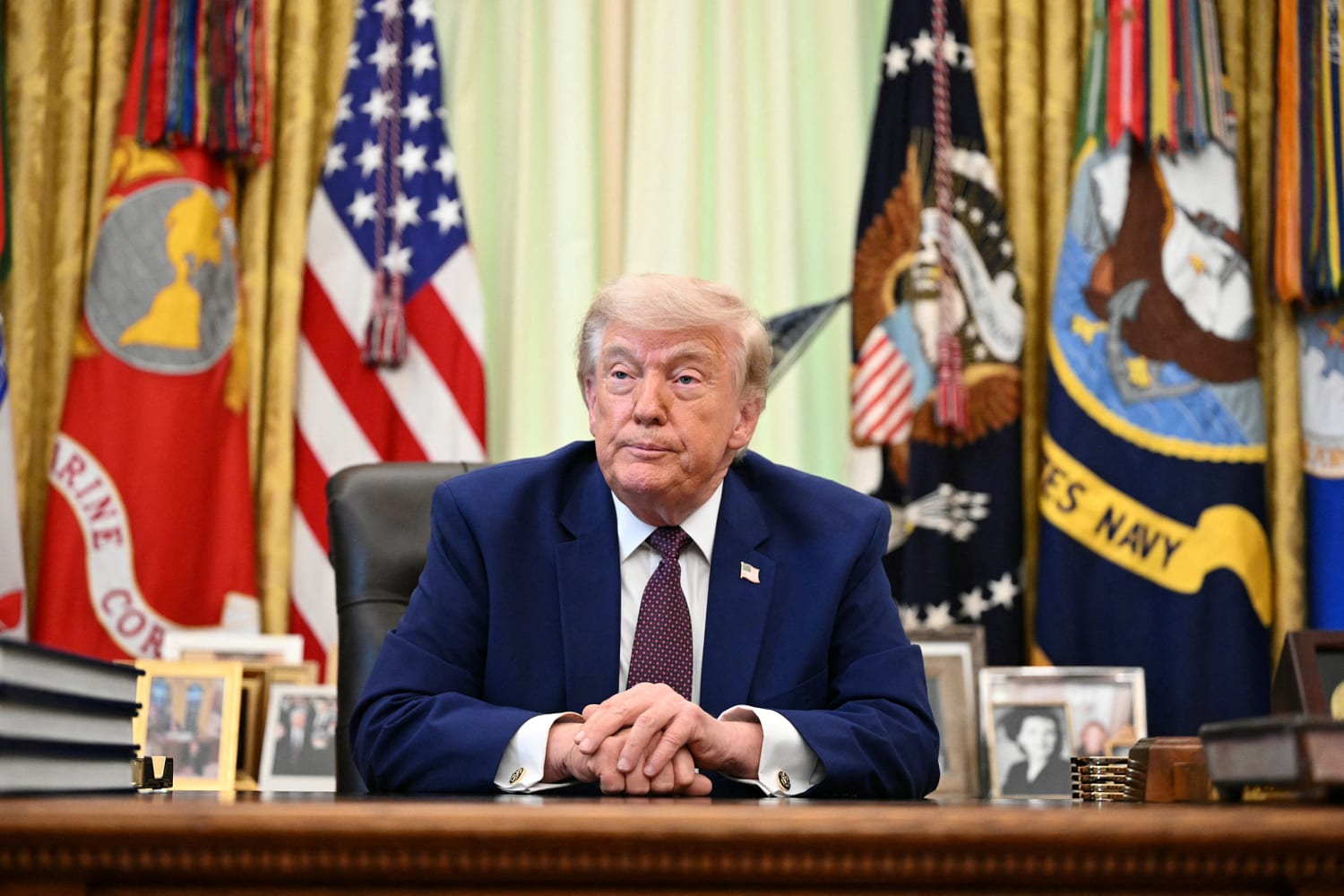
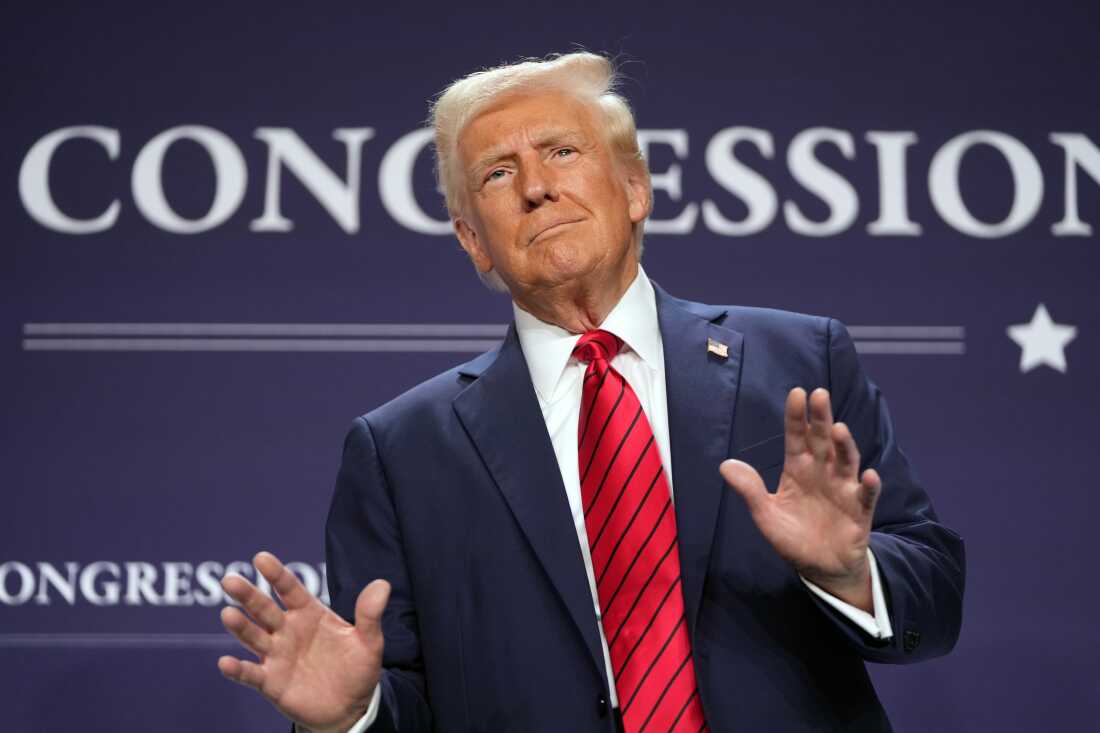
President Trump is actively exploring new strategies regarding the government's involvement in AI. During a recent flight to Wisconsin, he articulated the potential for a partnership with the American public through investments in AI firms. "There's something very interesting about it," Trump stated, highlighting his plans to engage with AI executives in the coming week.
As the Trump administration prepares for a future without Krishnan, the focus remains on the evolving landscape of AI regulation and innovation. With President Trump indicating a proactive stance, the coming weeks could reveal how the administration plans to reshape its approach to artificial intelligence.
Sriram Krishnan, a key adviser on artificial intelligence in the Trump administration, announced he will leave his position at the end of June. In a social media post, he described his tenure as “the privilege of a lifetime” and expressed a desire to tackle significant challenges related to AI facing the nation. While Krishnan did not specify his reasons for departing, his exit raises questions about the future of AI policy under the current administration.
During his time in office, Krishnan played a pivotal role in shaping a national framework to regulate AI advancements. His contributions were crucial as the administration navigated the complexities of emerging technologies and their implications for society. As Krishnan departs, the administration is reportedly considering a more hands-on approach, which could include the U.S. government acquiring stakes in AI companies.
President Trump is actively exploring new strategies regarding the government's involvement in AI. During a recent flight to Wisconsin, he articulated the potential for a partnership with the American public through investments in AI firms. “There’s something very interesting about it,” Trump stated, highlighting his plans to engage with AI executives in the coming week. This approach suggests a shift toward a more integrated role for the government in the tech sector.
Krishnan's resignation comes amid growing scrutiny of AI technologies and their societal impacts. His departure may signal a significant shift in policy direction, especially as stakeholders await the administration's next moves. The implications of these changes could resonate across various sectors, affecting everything from innovation to regulatory measures.
As the Trump administration prepares for a future without Krishnan, the focus remains on the evolving landscape of AI regulation and innovation. With President Trump indicating a proactive stance, the coming weeks could reveal how the administration plans to reshape its approach to artificial intelligence. Stakeholders in the technology sector will be closely monitoring these developments, anticipating how new leadership might influence the trajectory of AI policy in the United States.
Highlighted text was flagged by the council. Tap to see feedback.














































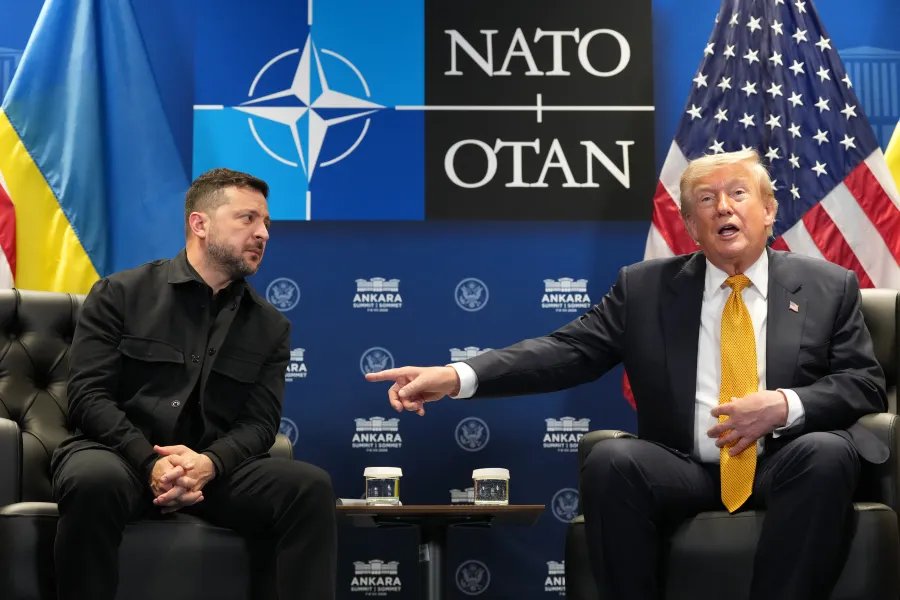














































































































































































































































































The sources also report that Sriram Krishnan's departure comes as President Trump considers the U.S. government acquiring stakes in AI firms.