




The Demand
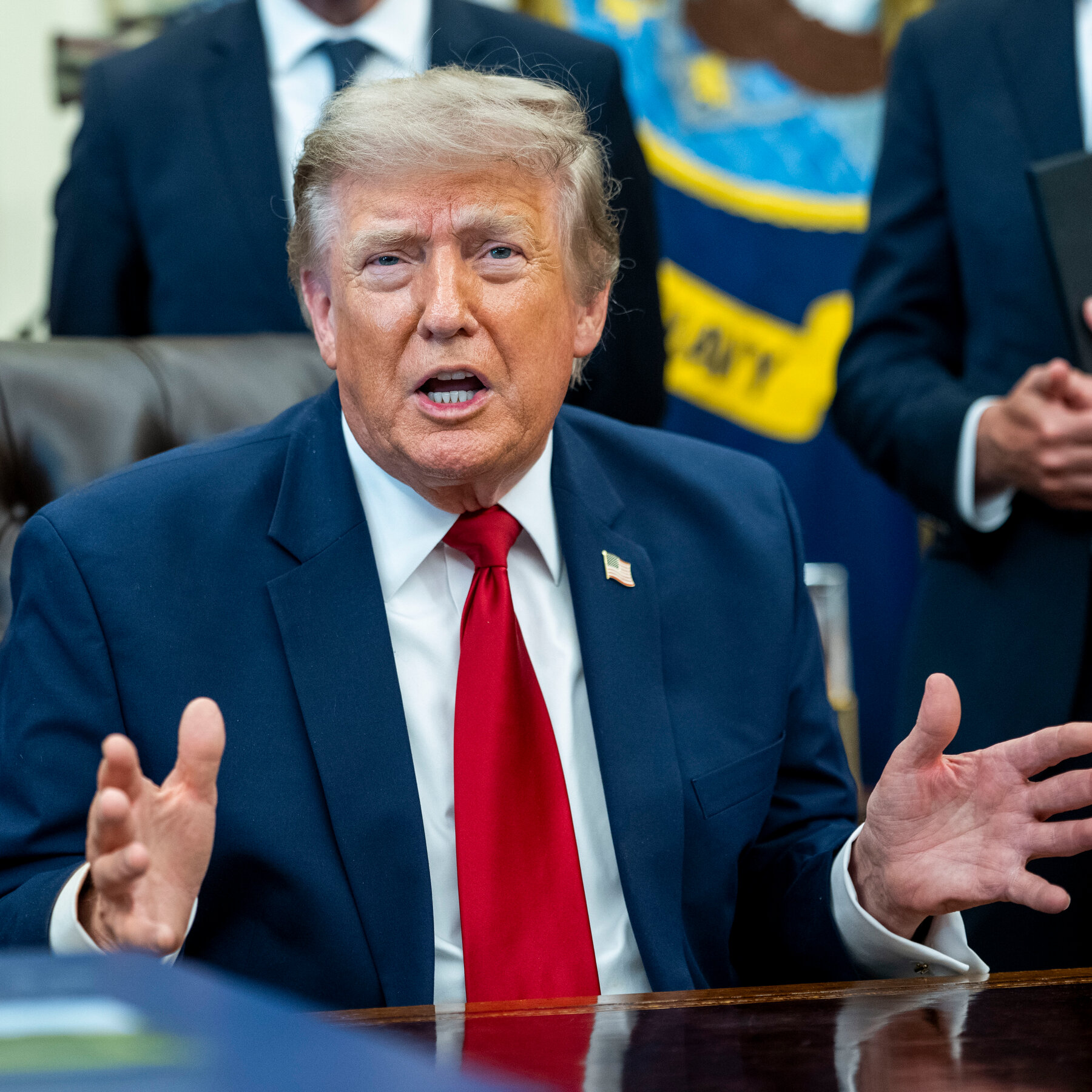
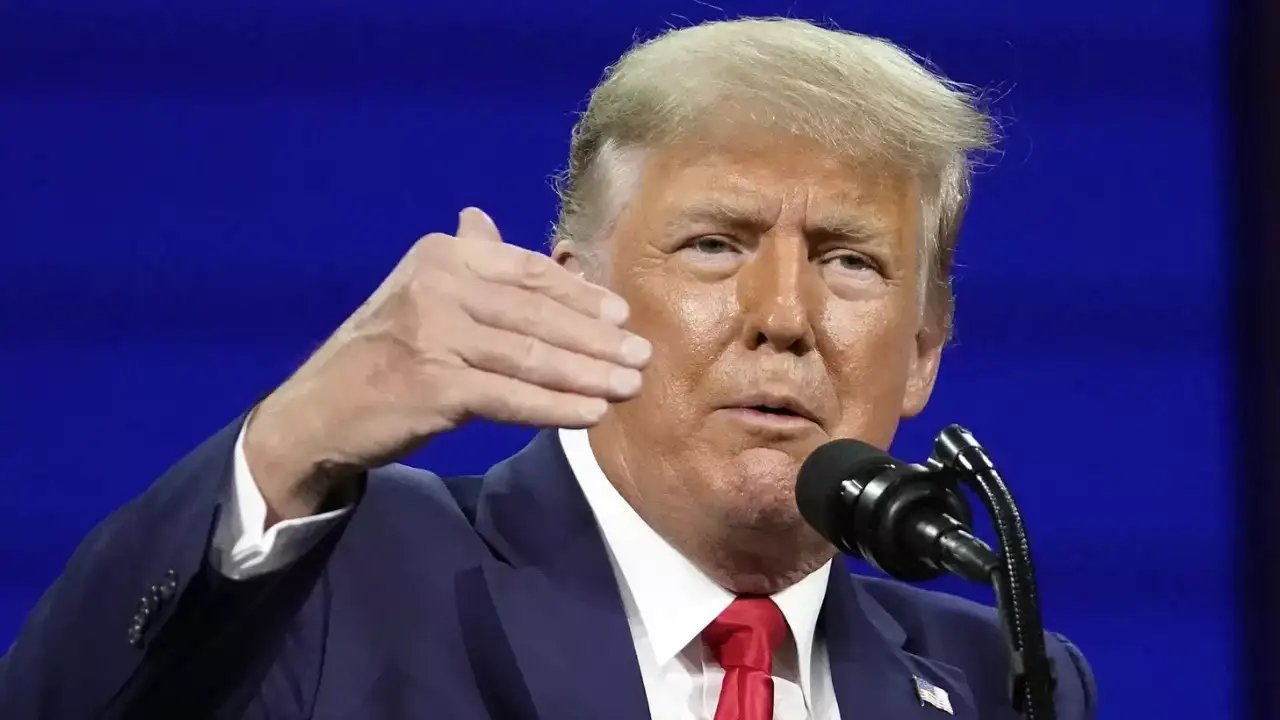
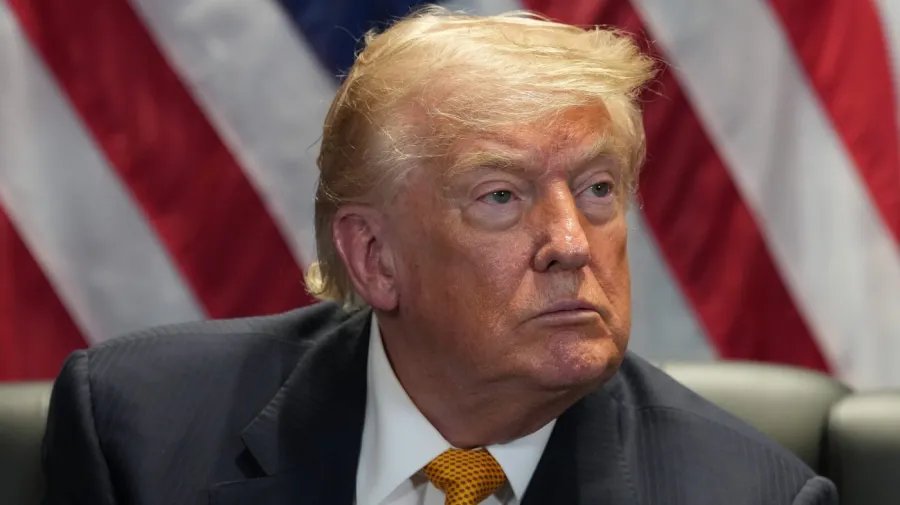
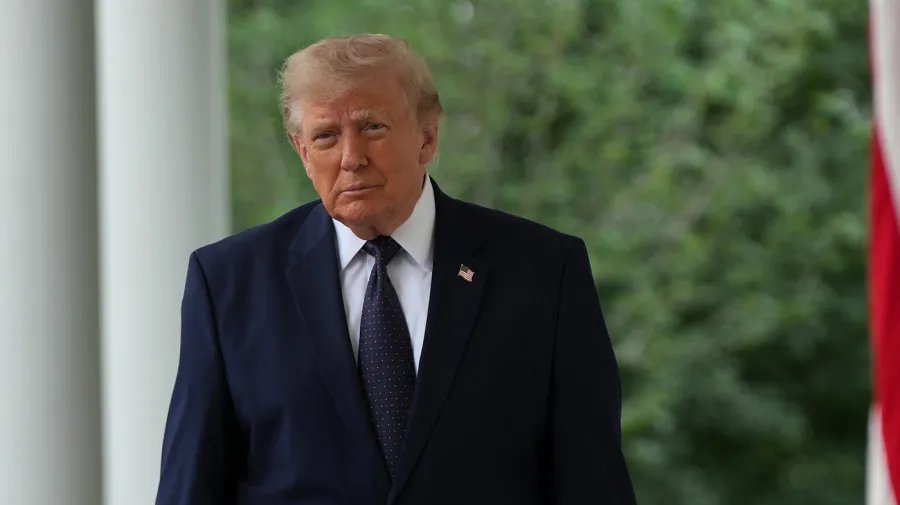
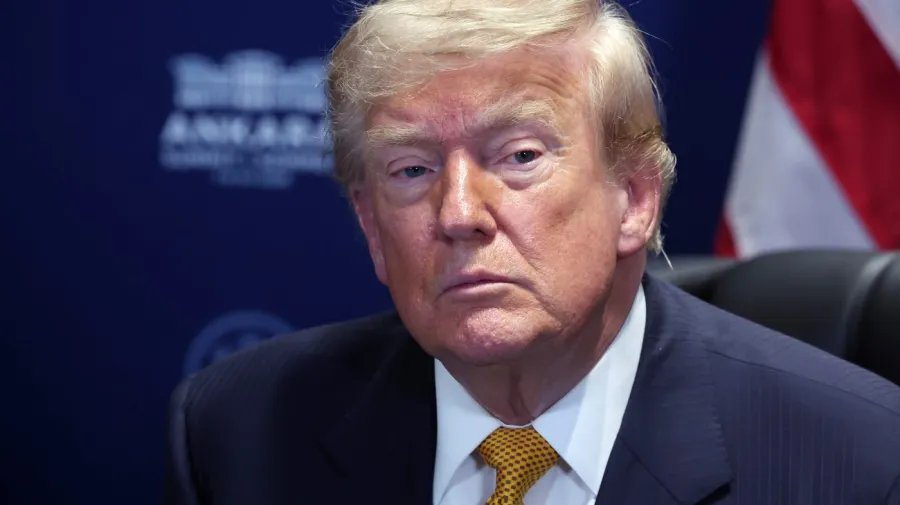
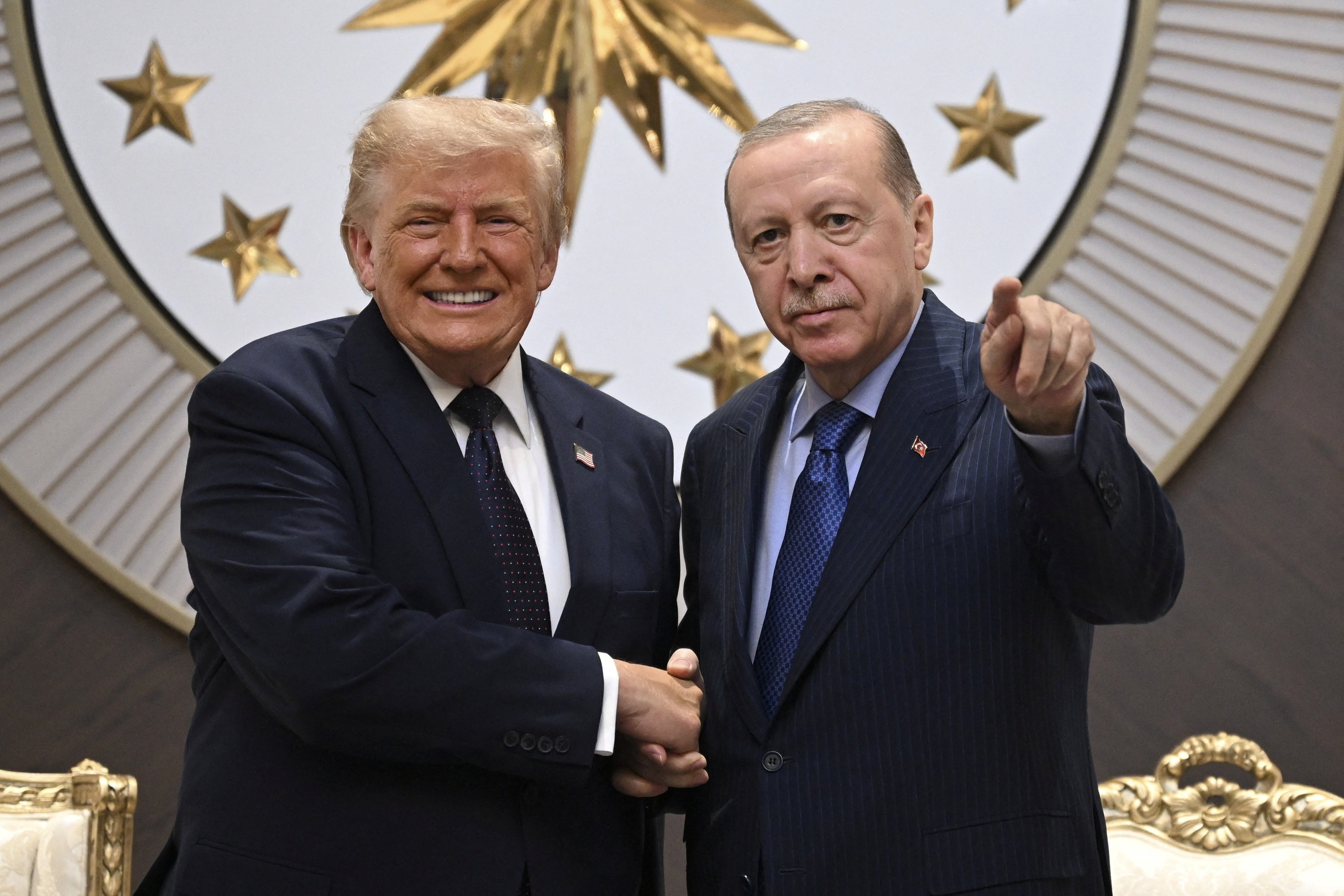
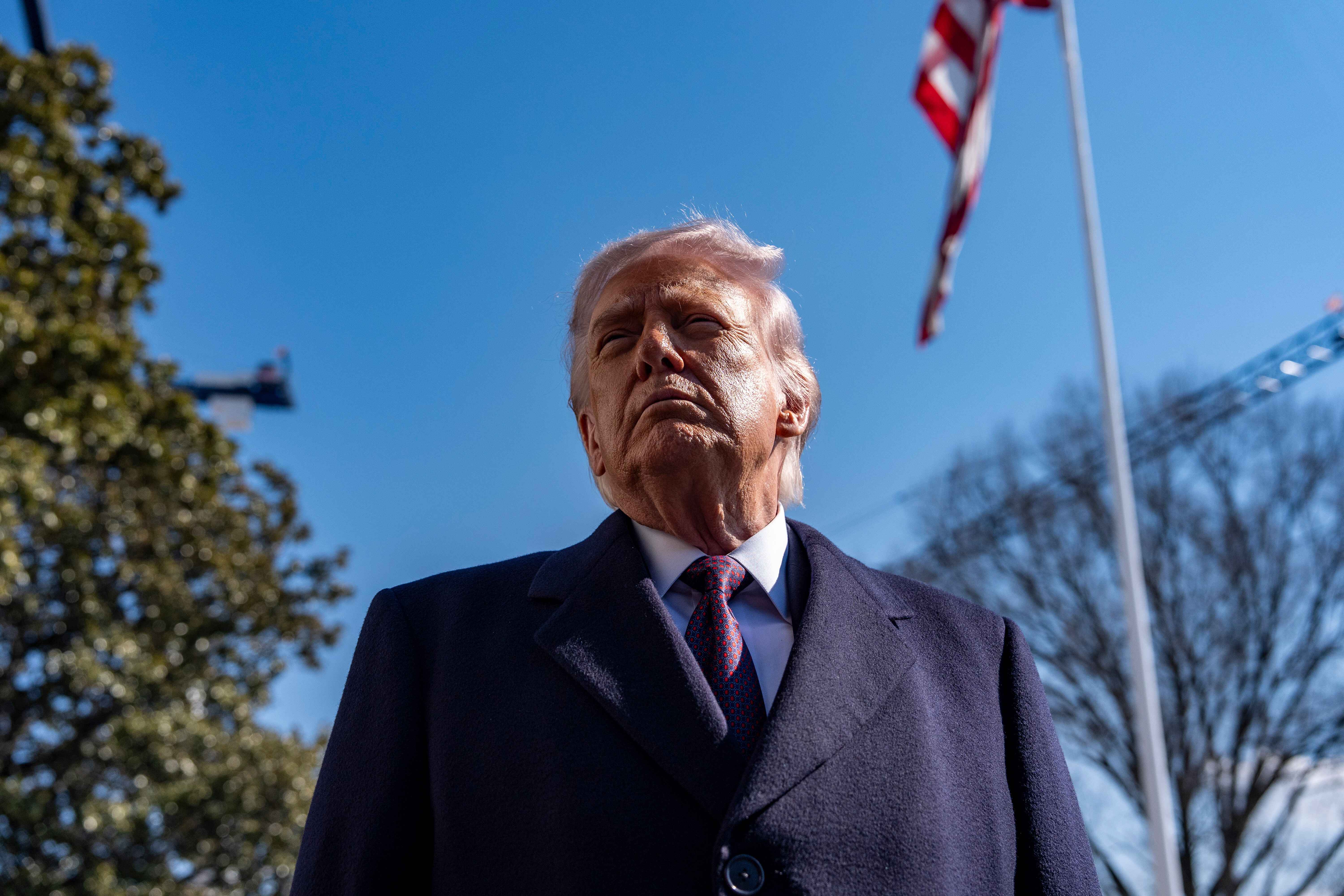
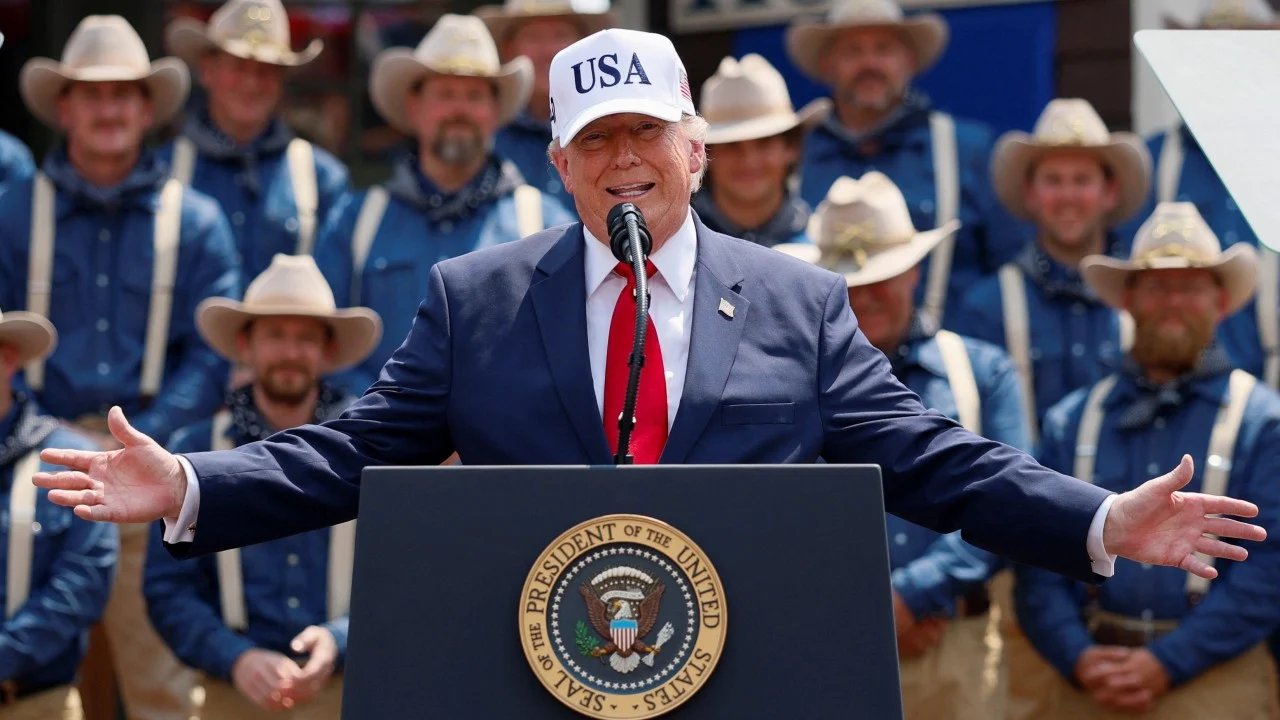
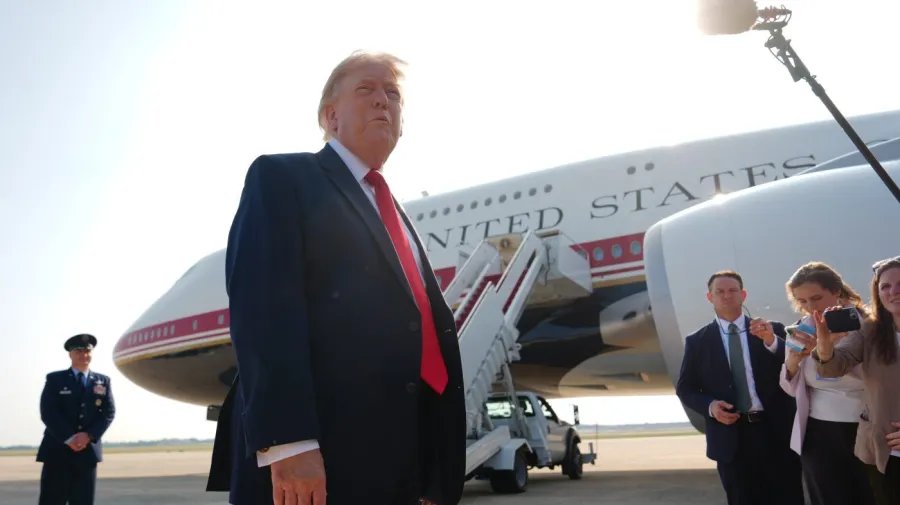
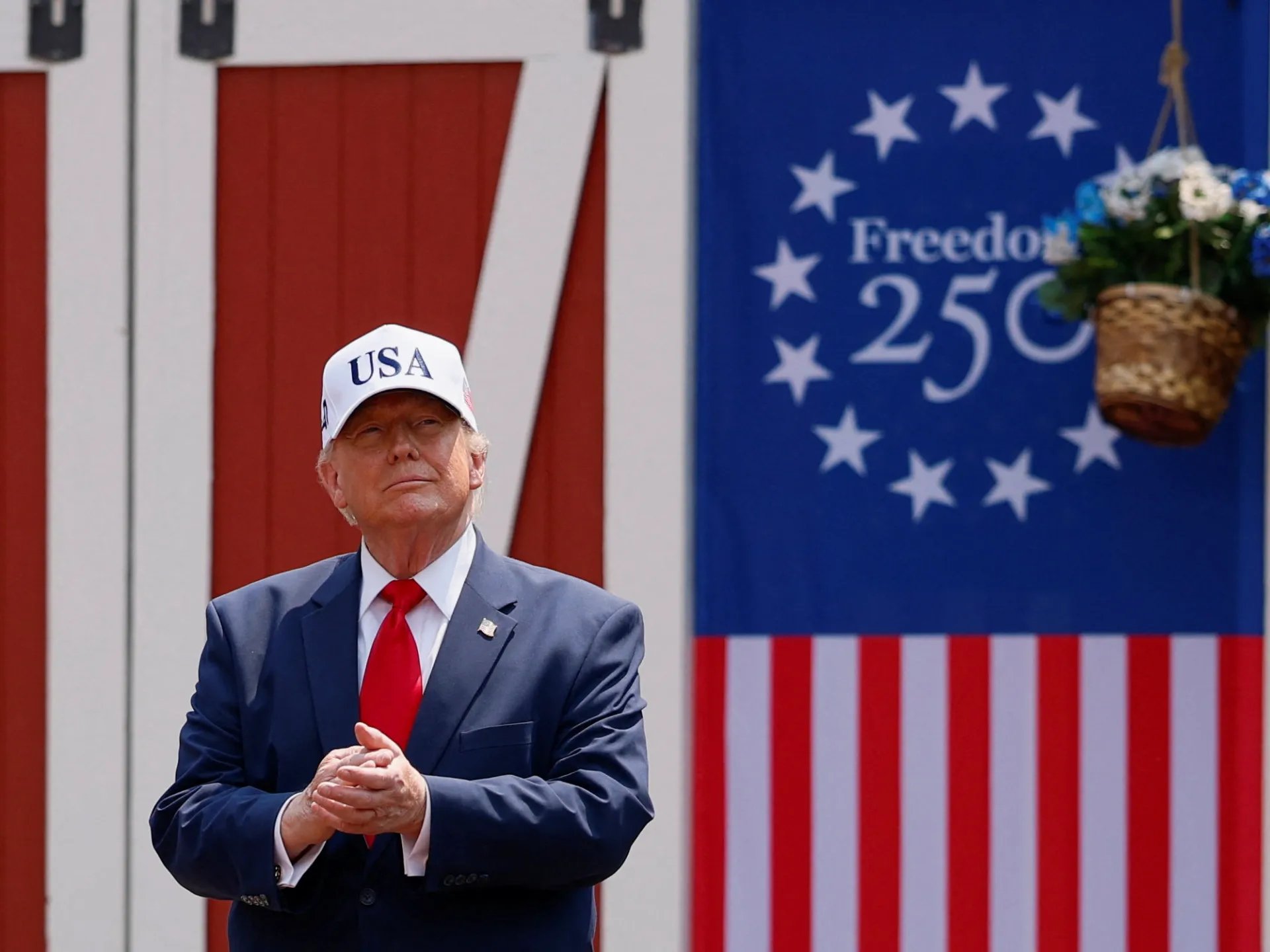
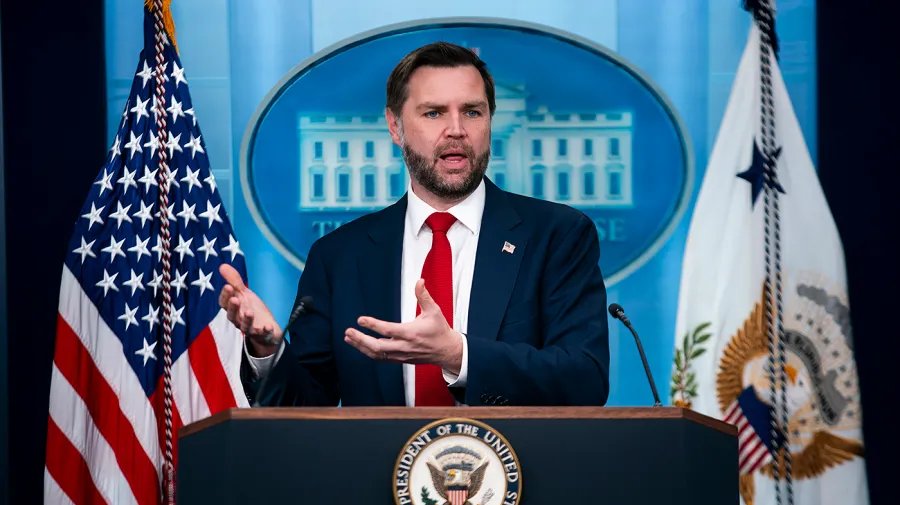
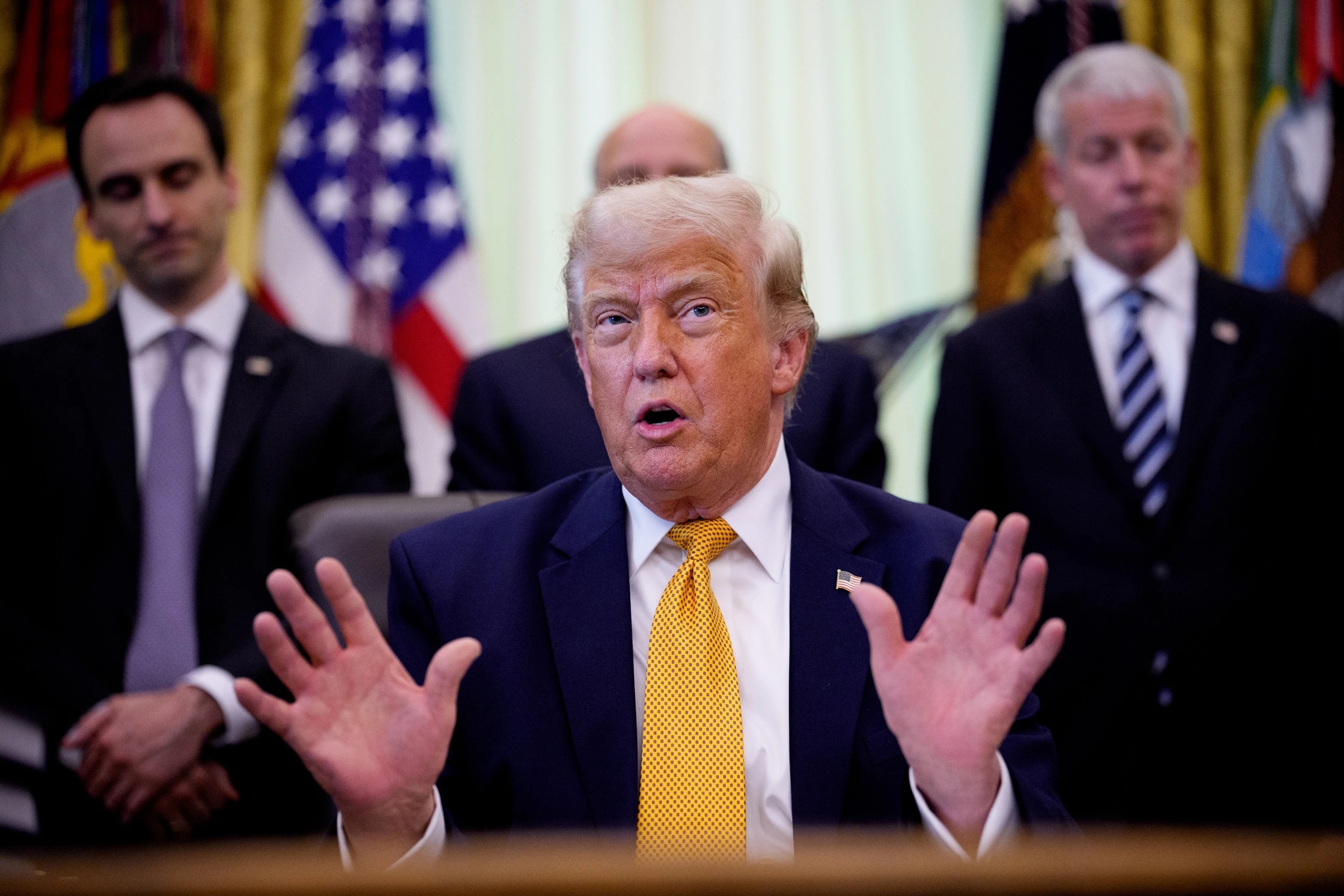
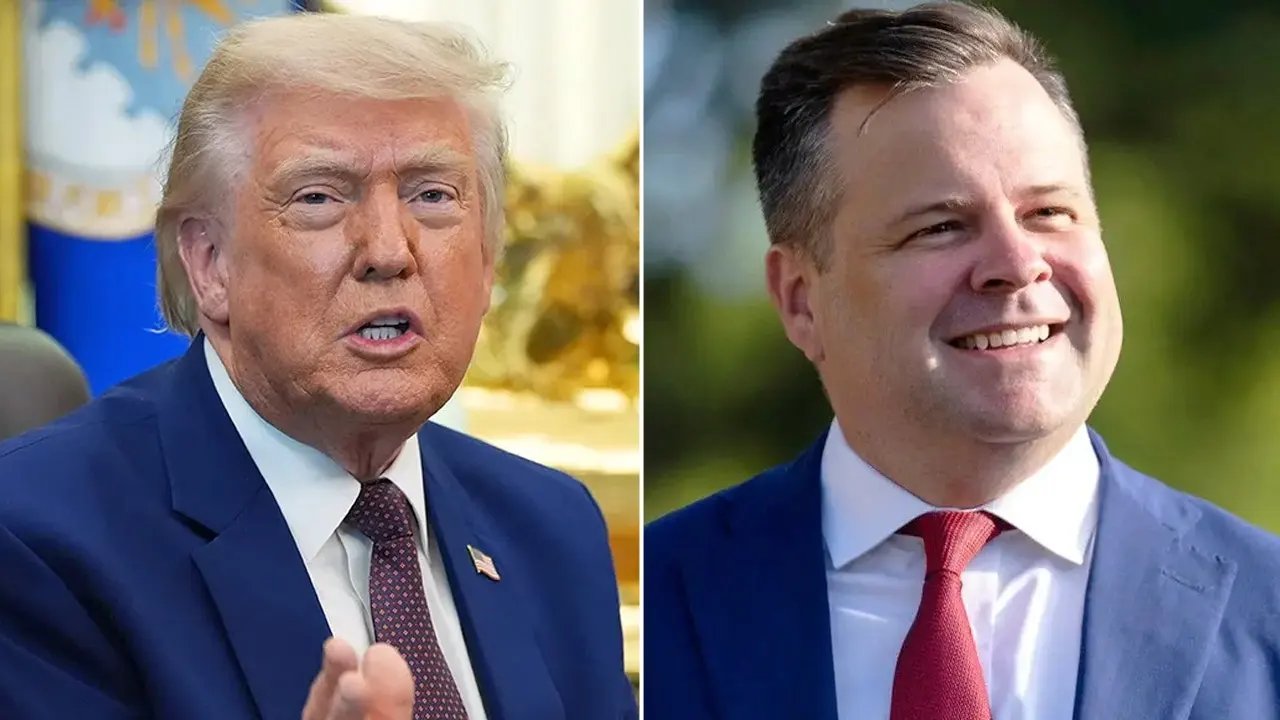
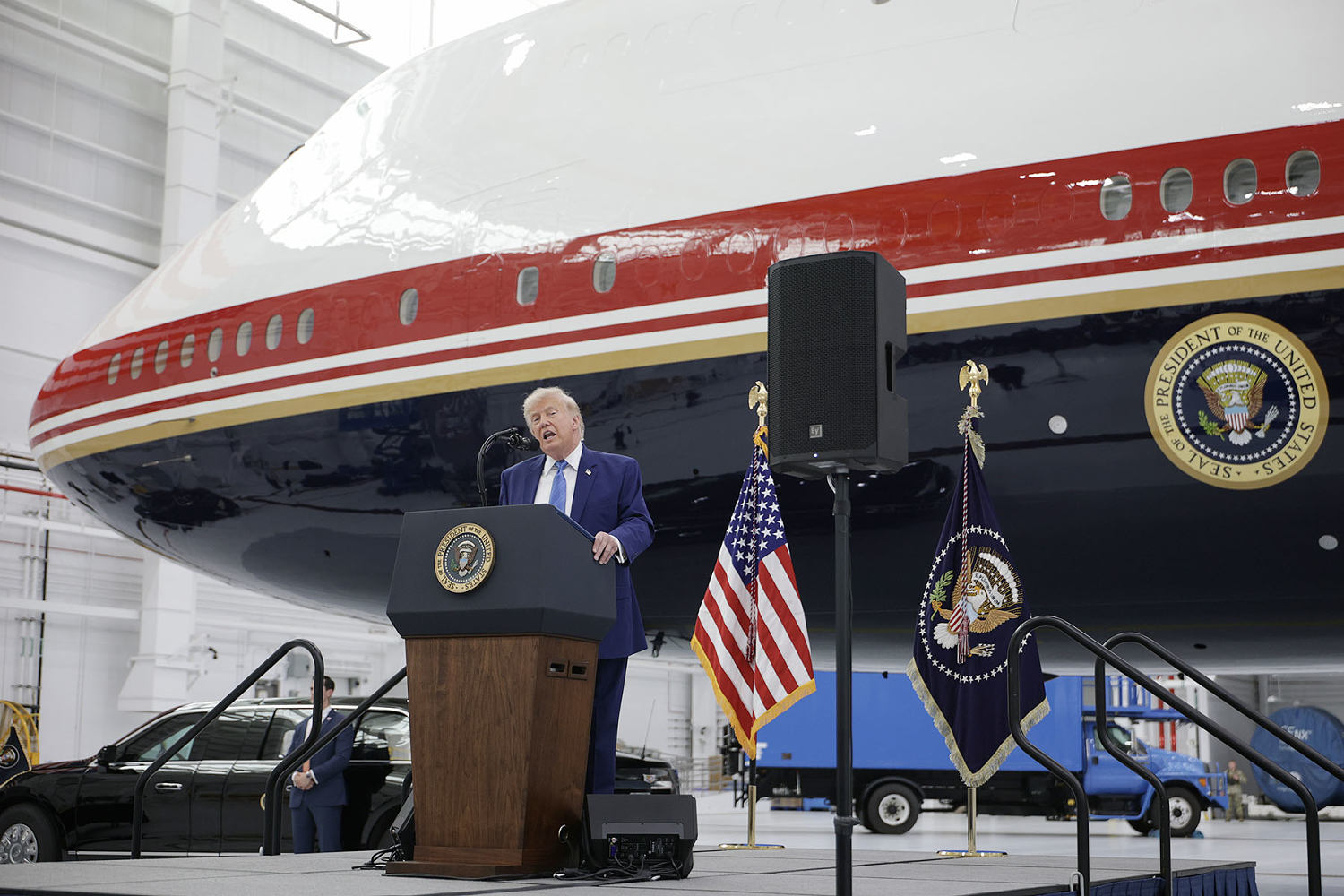
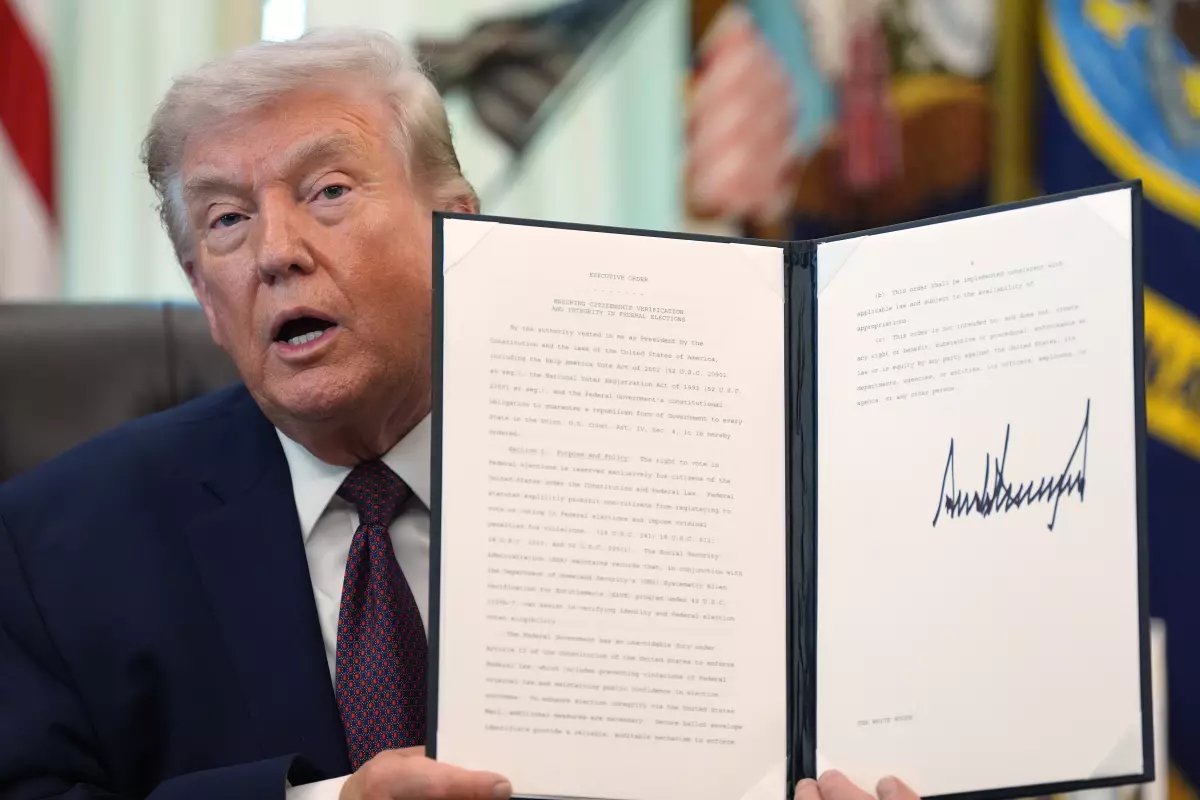
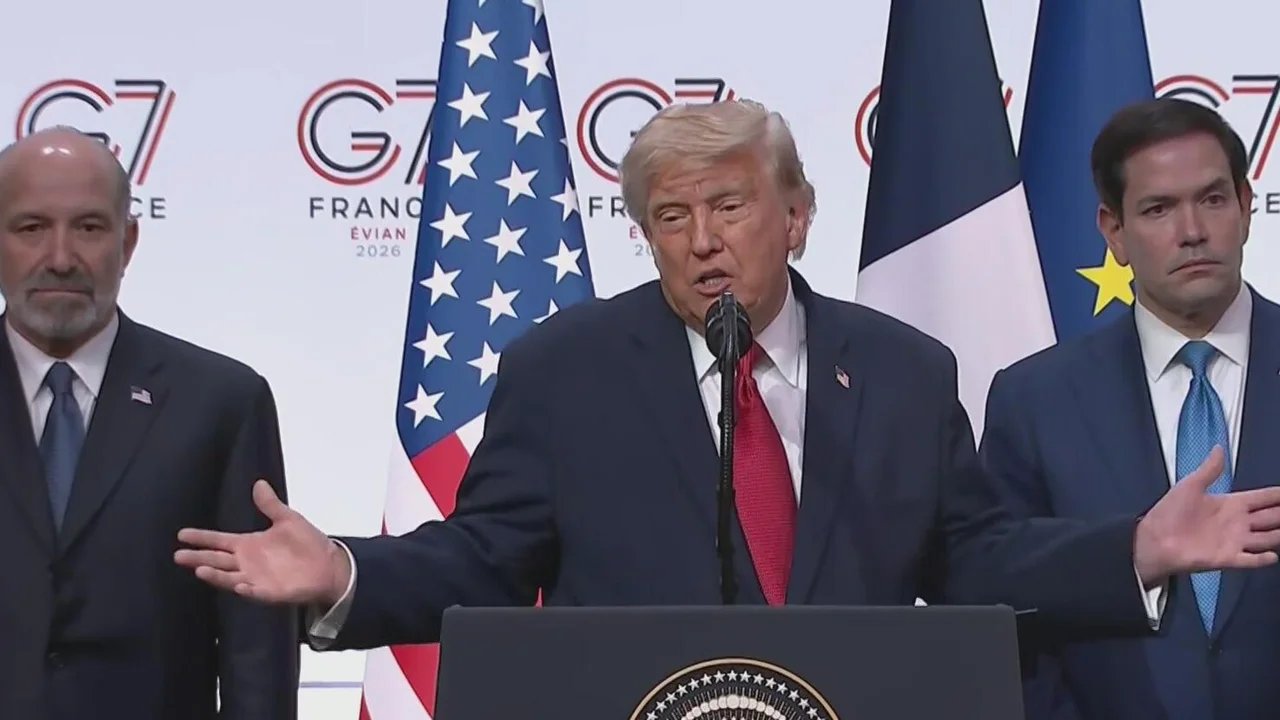
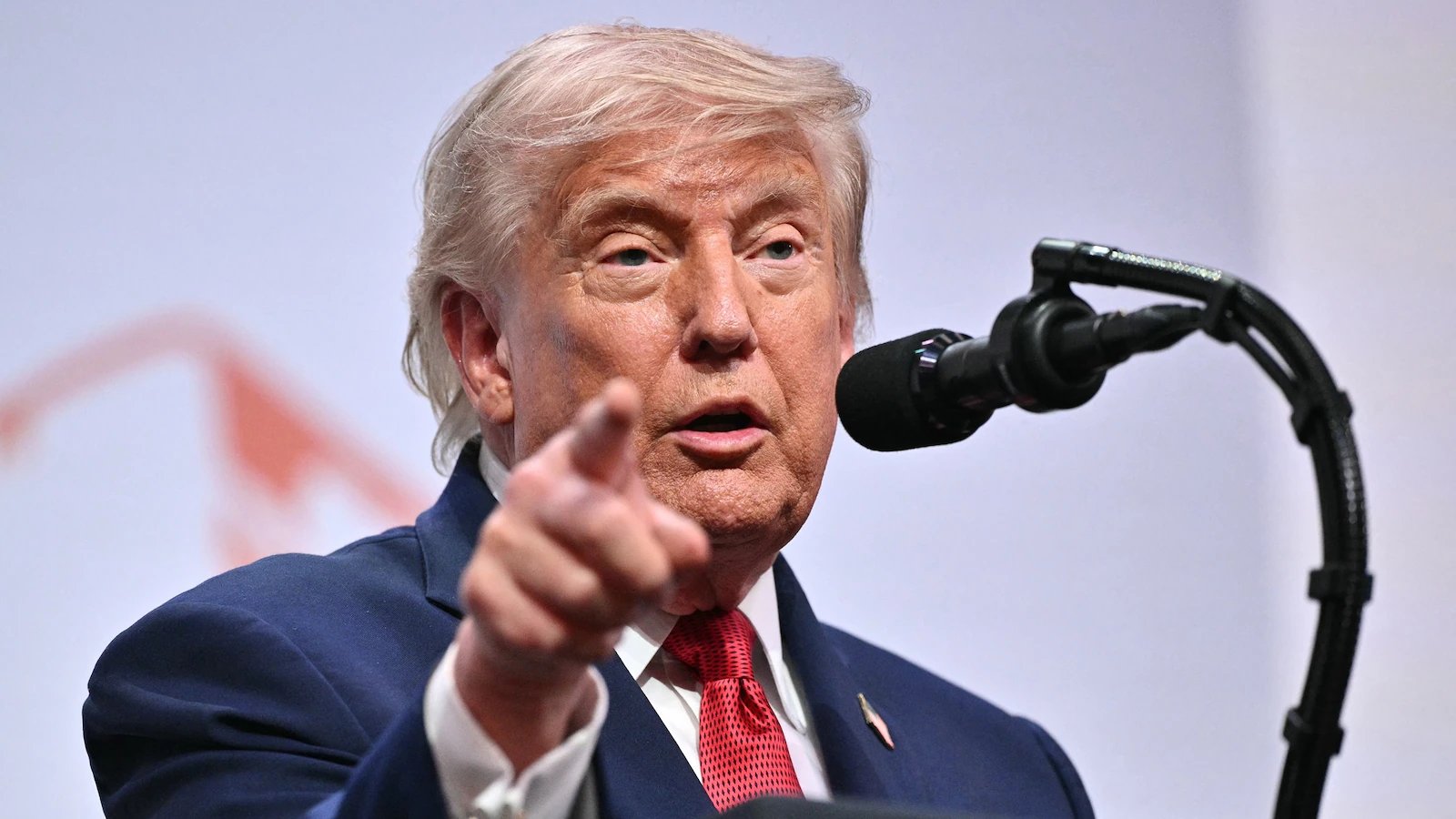
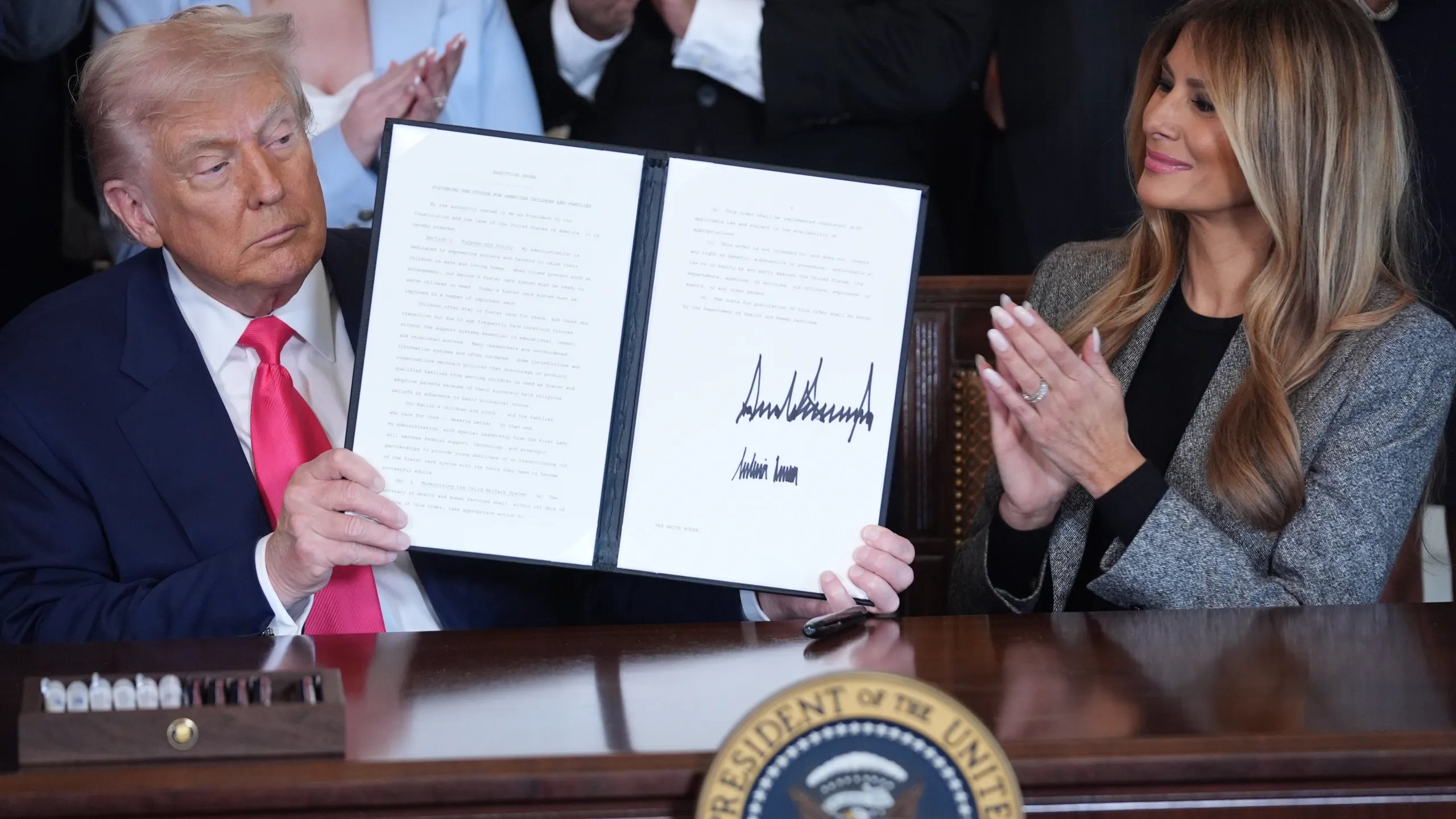
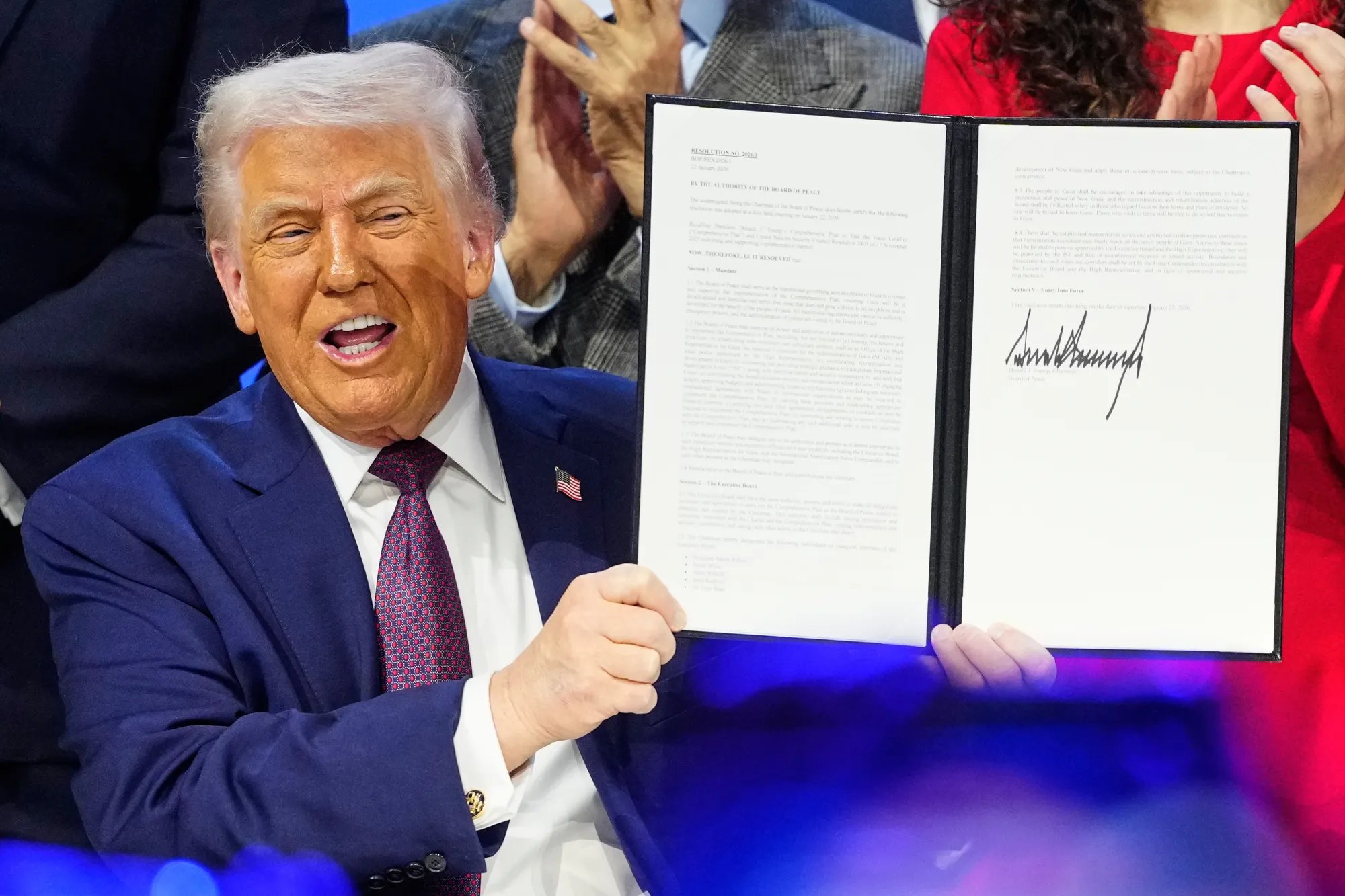
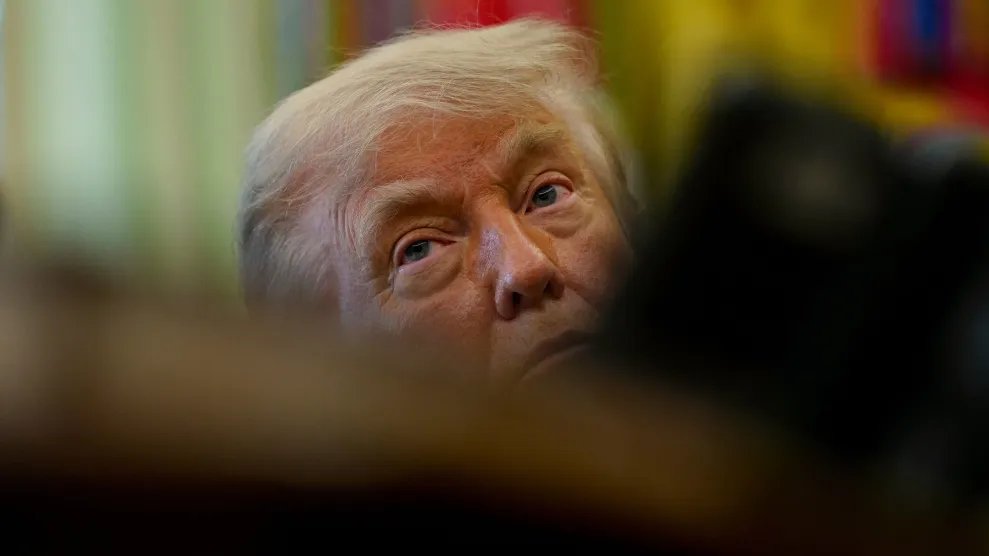
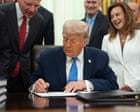
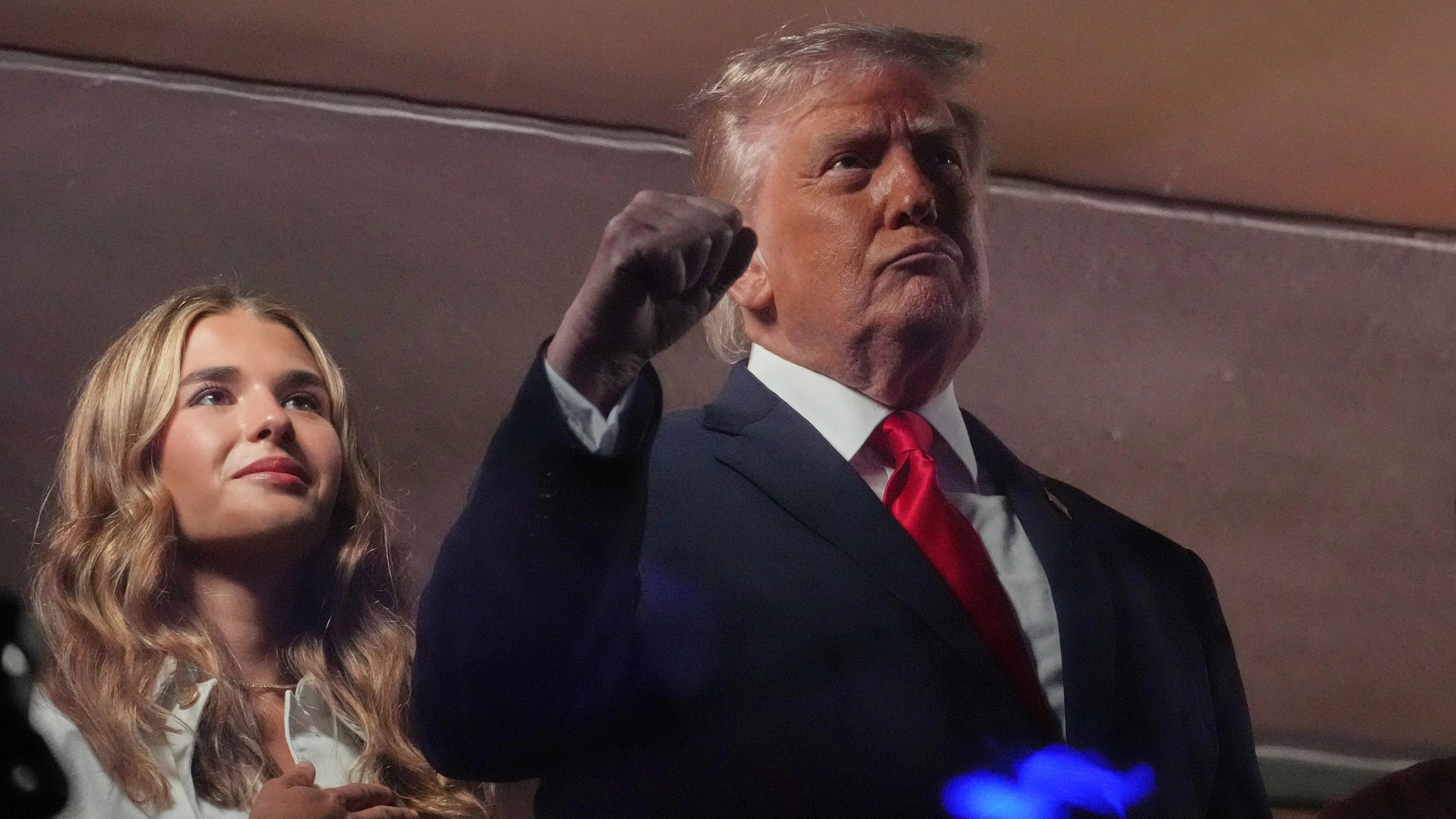
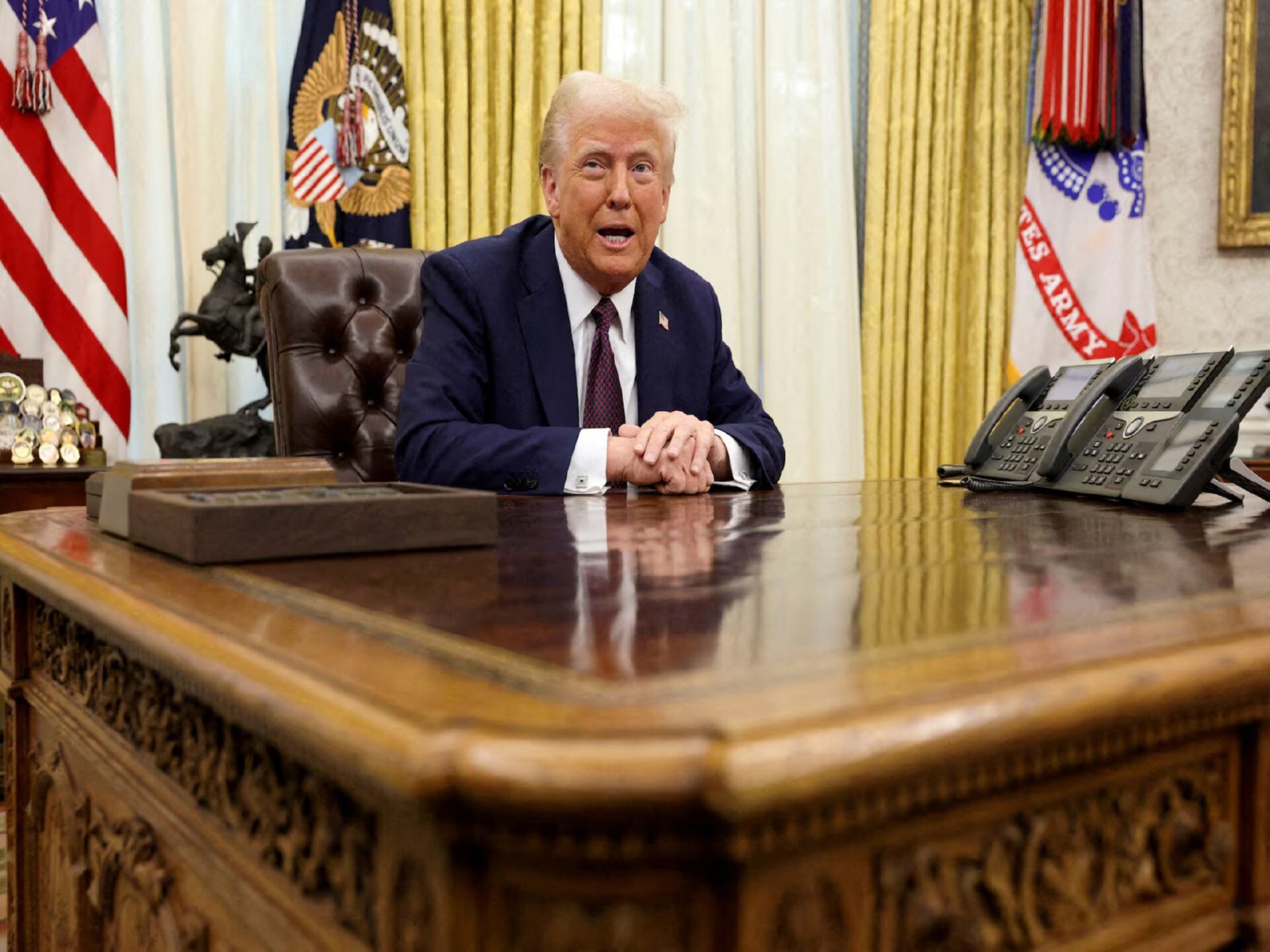
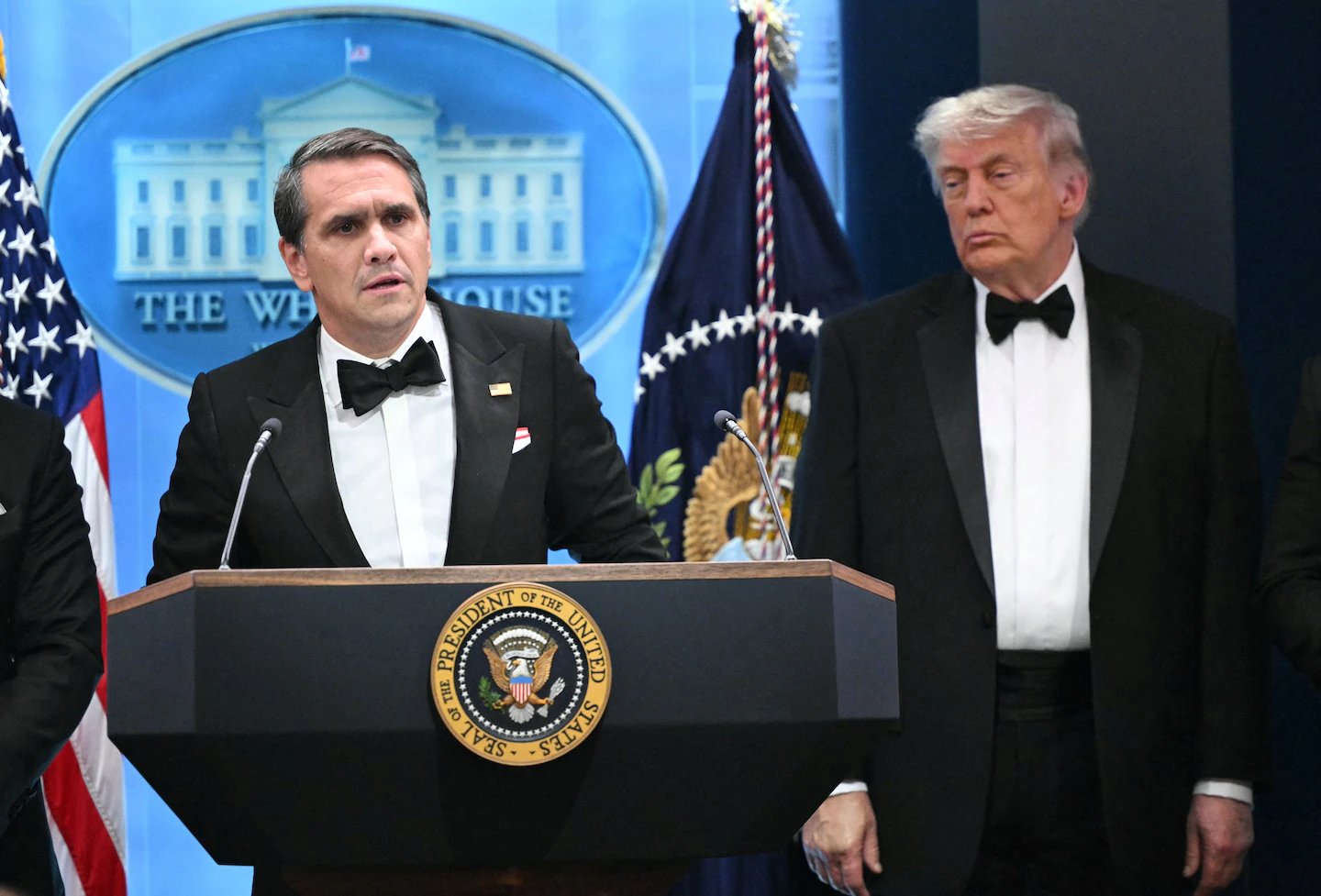
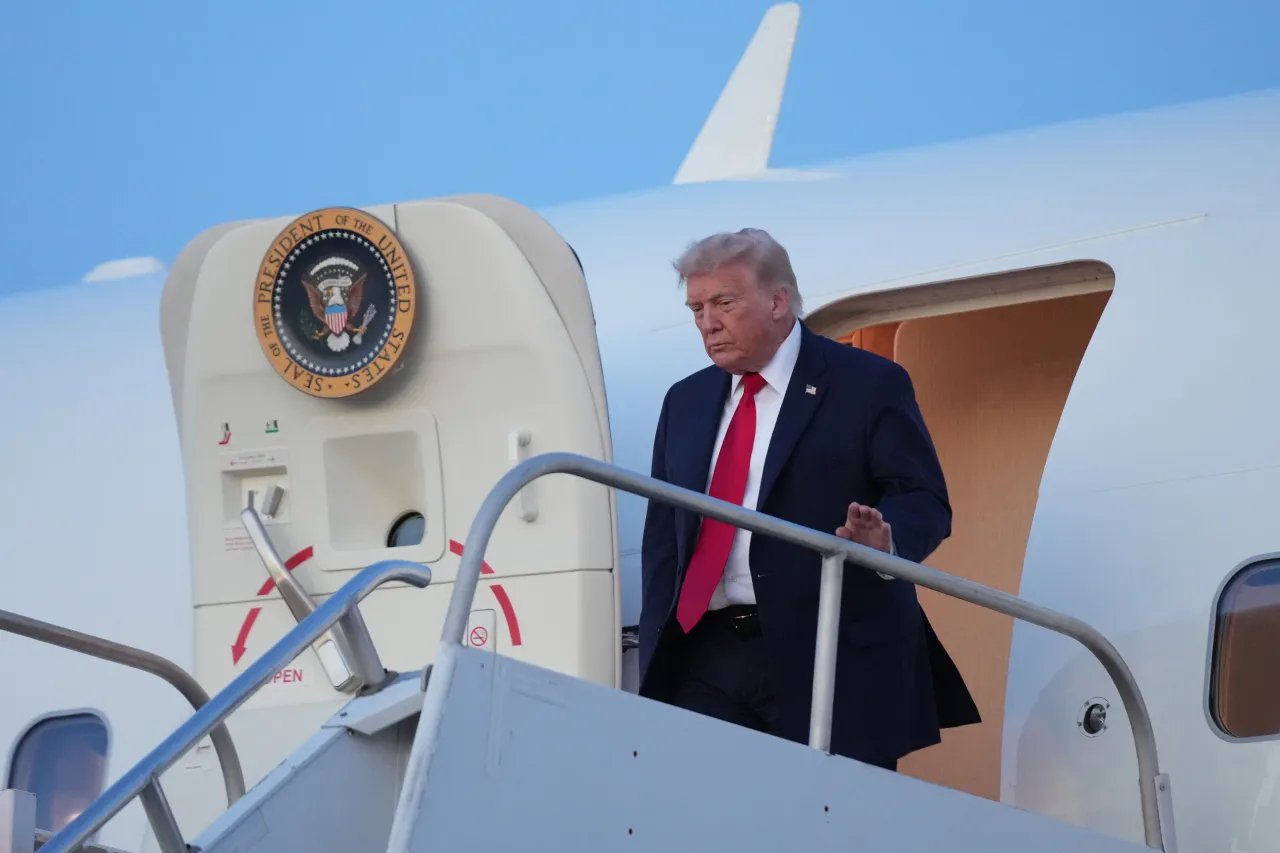
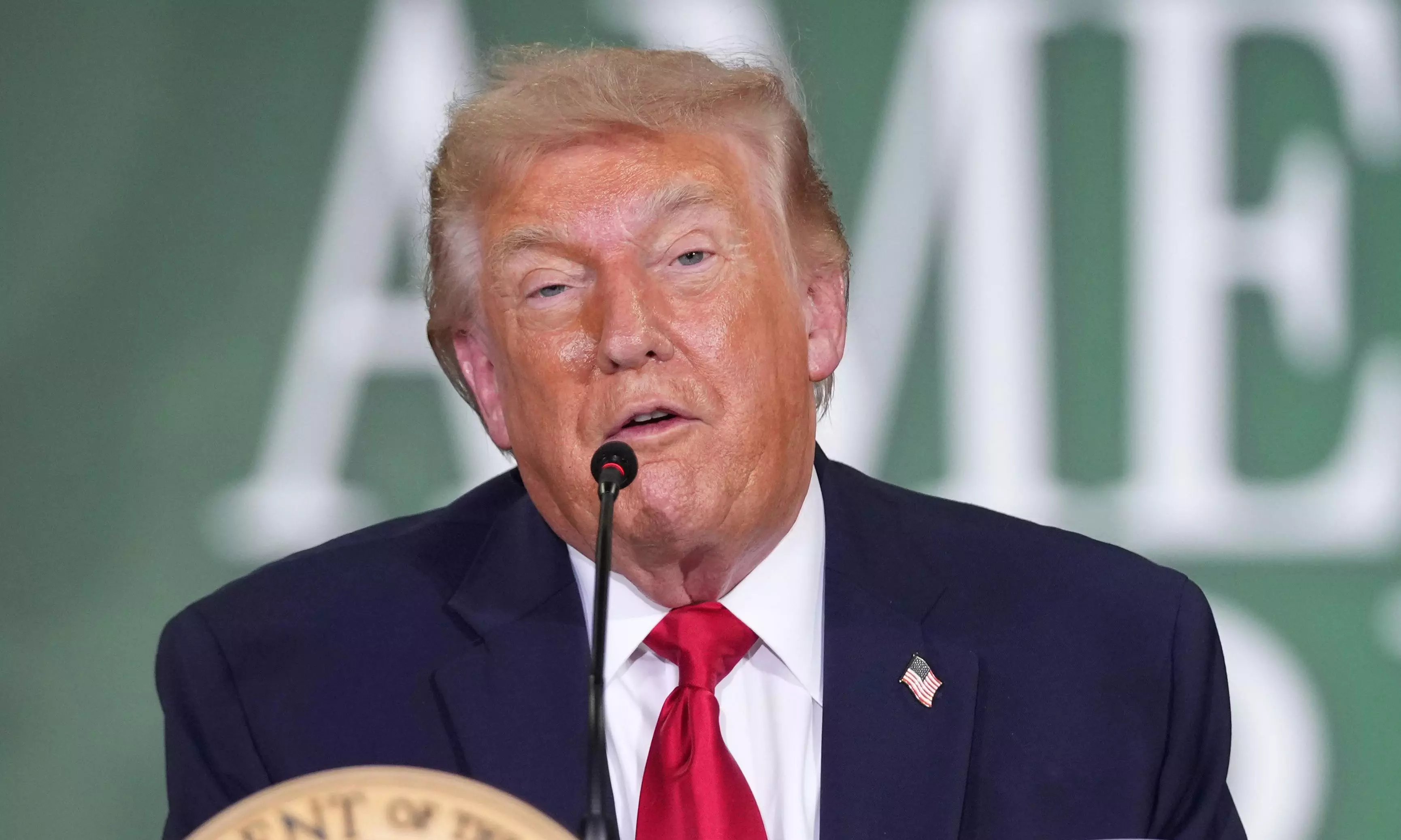
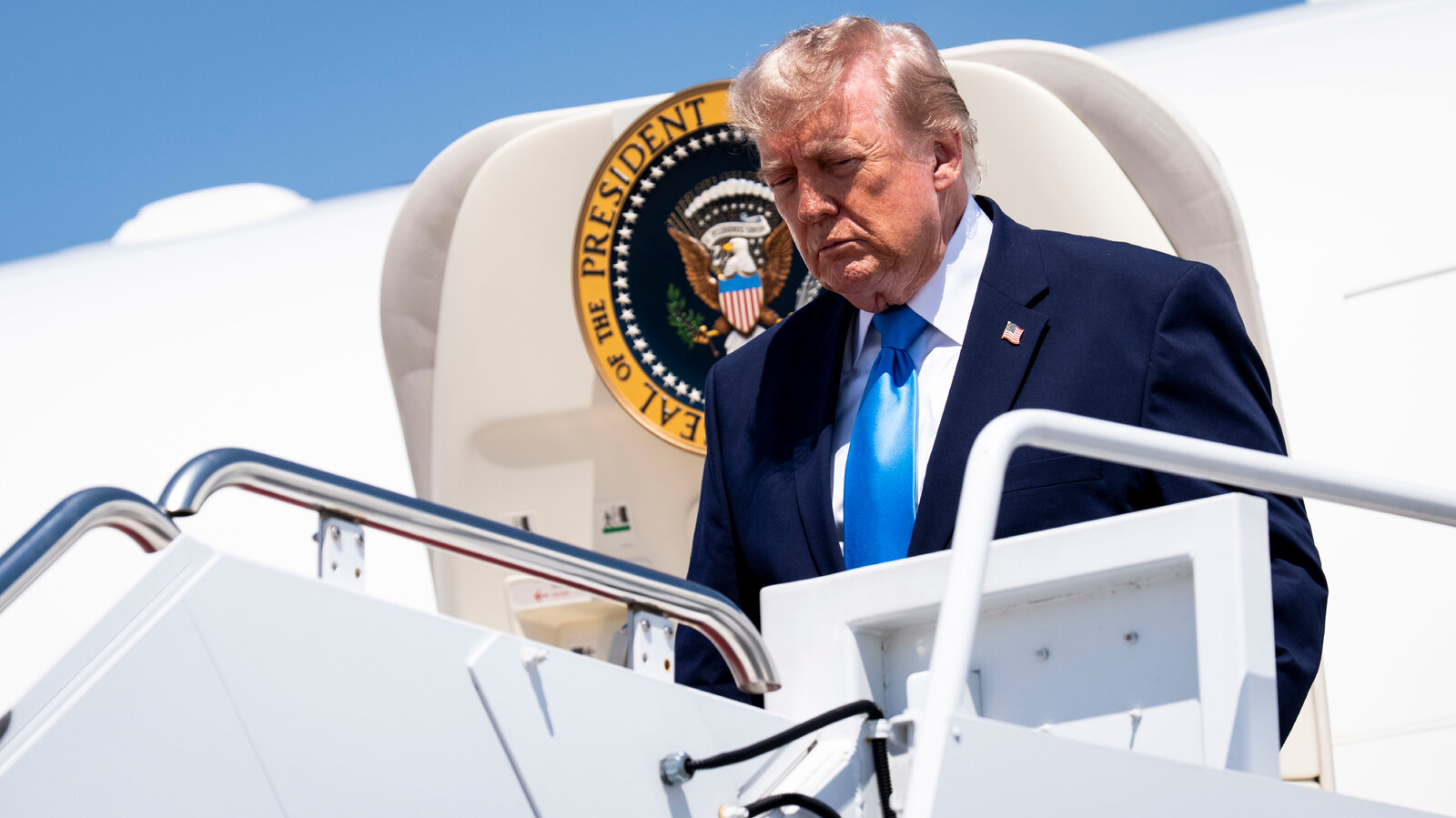
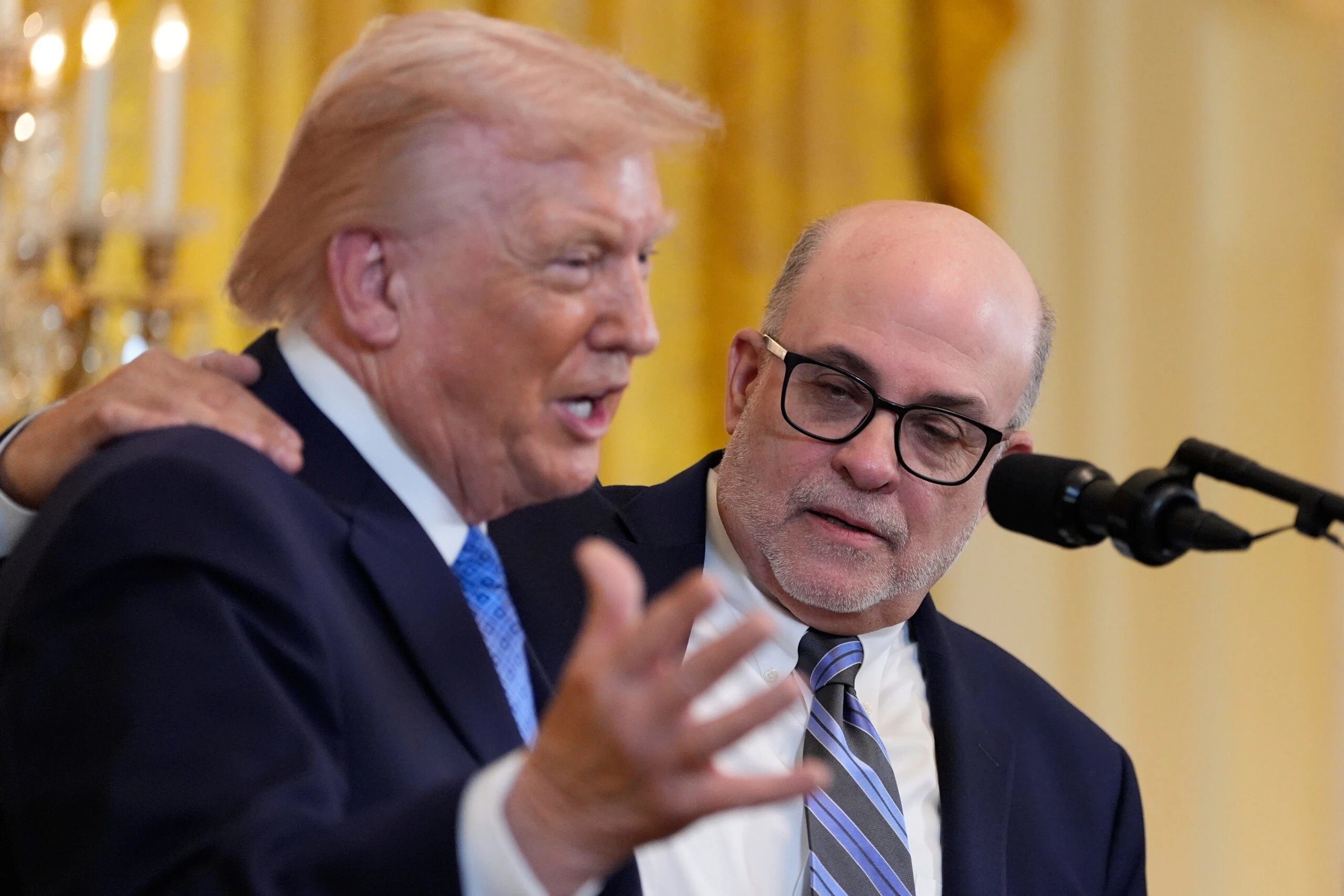
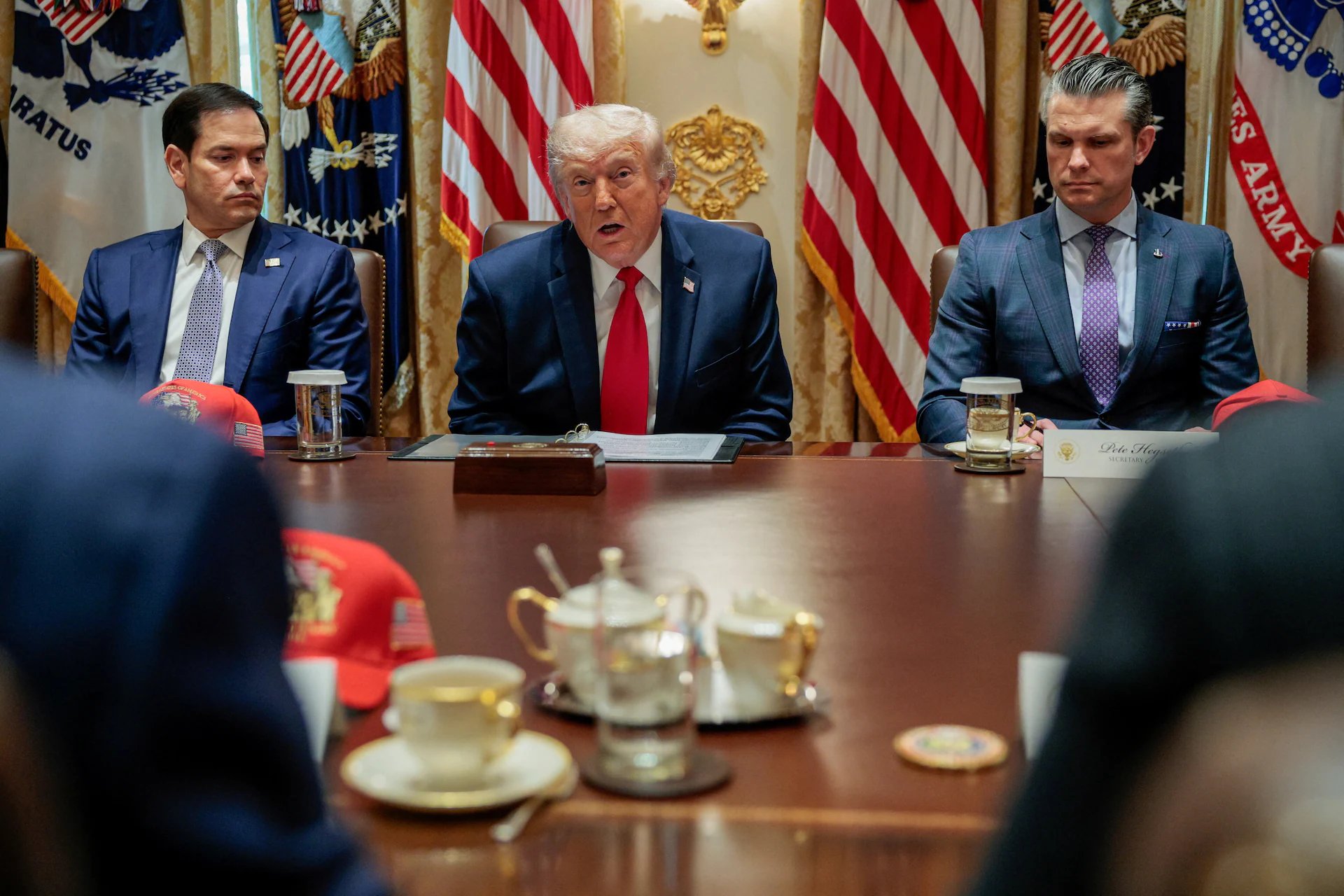
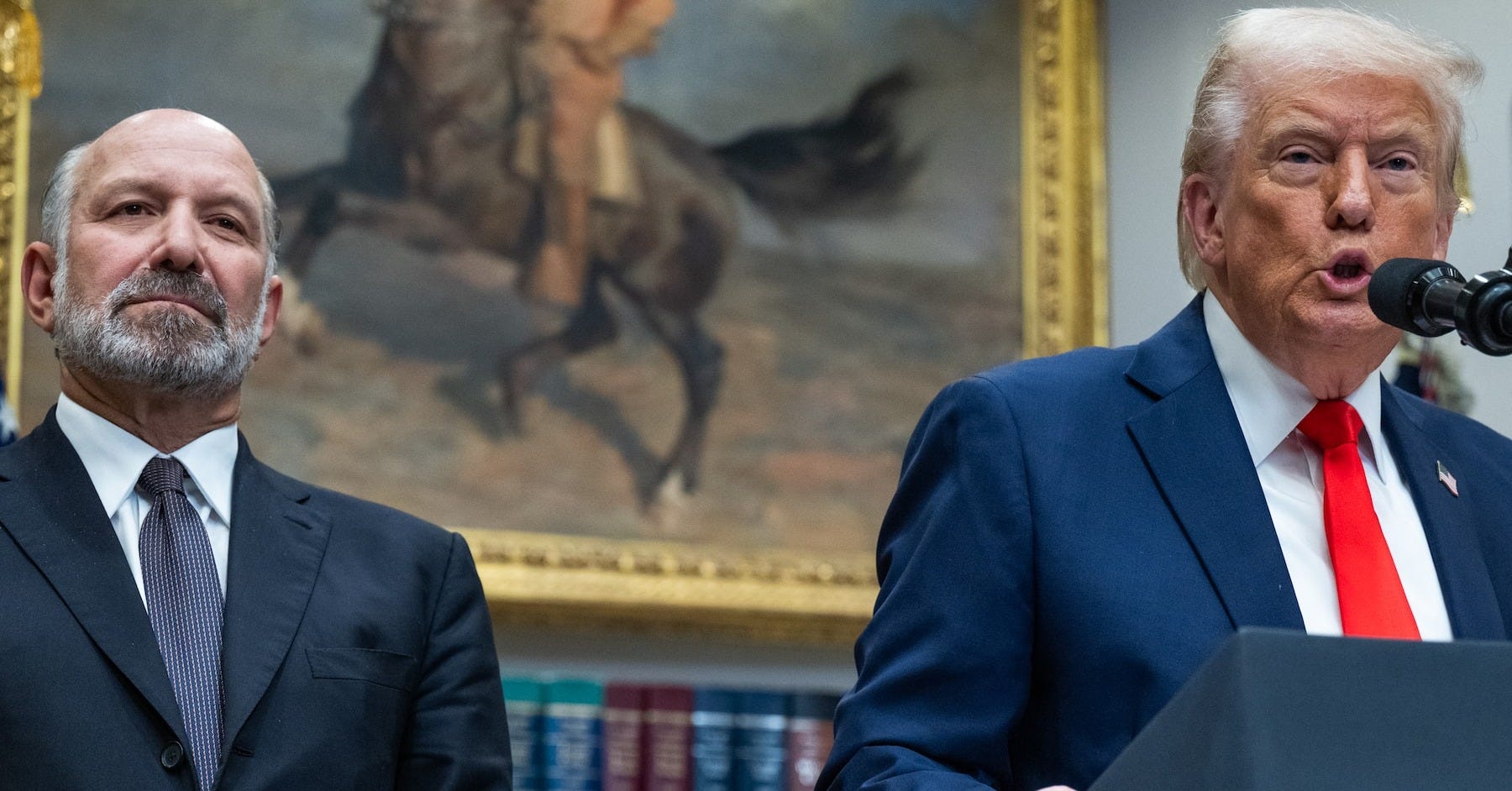
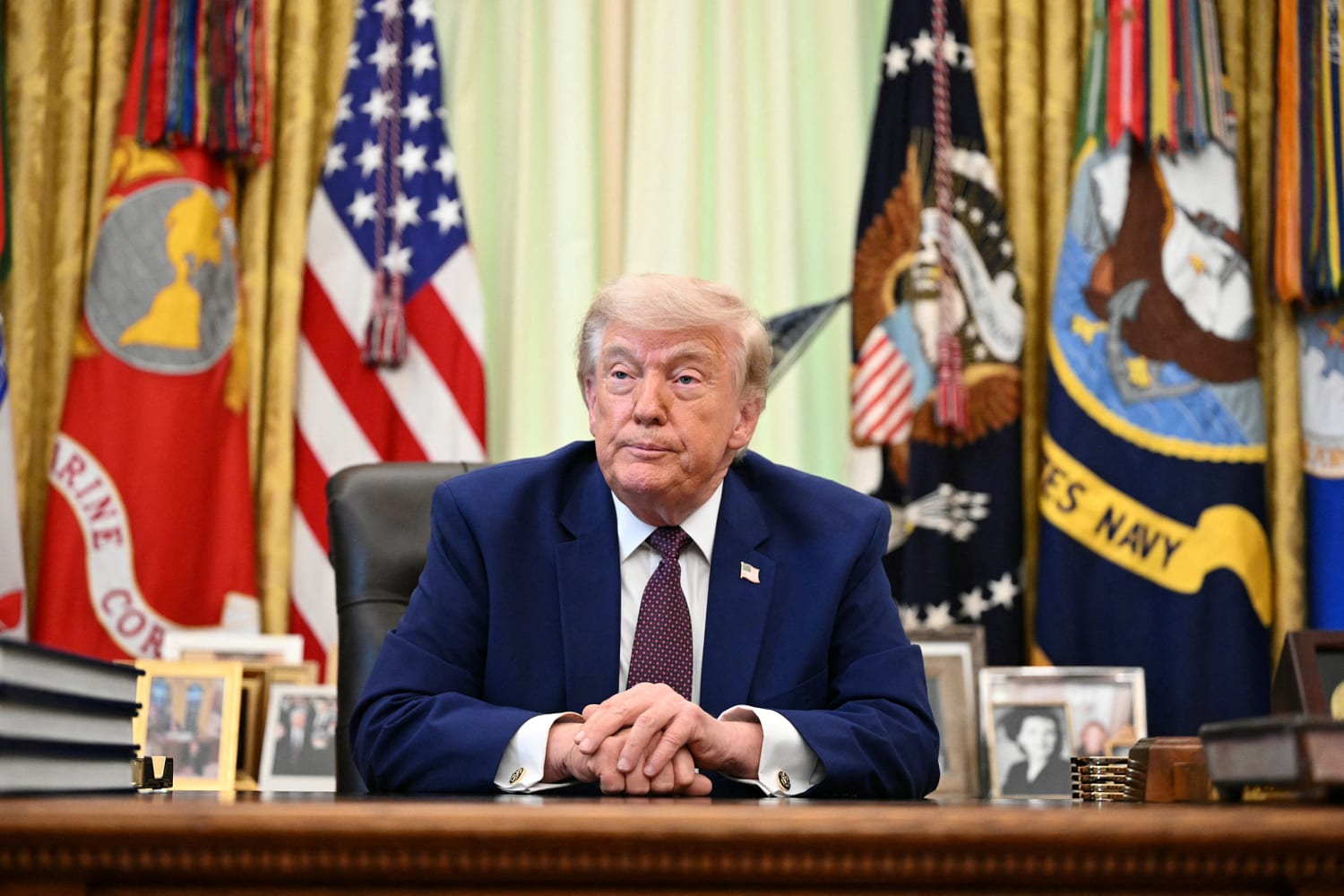
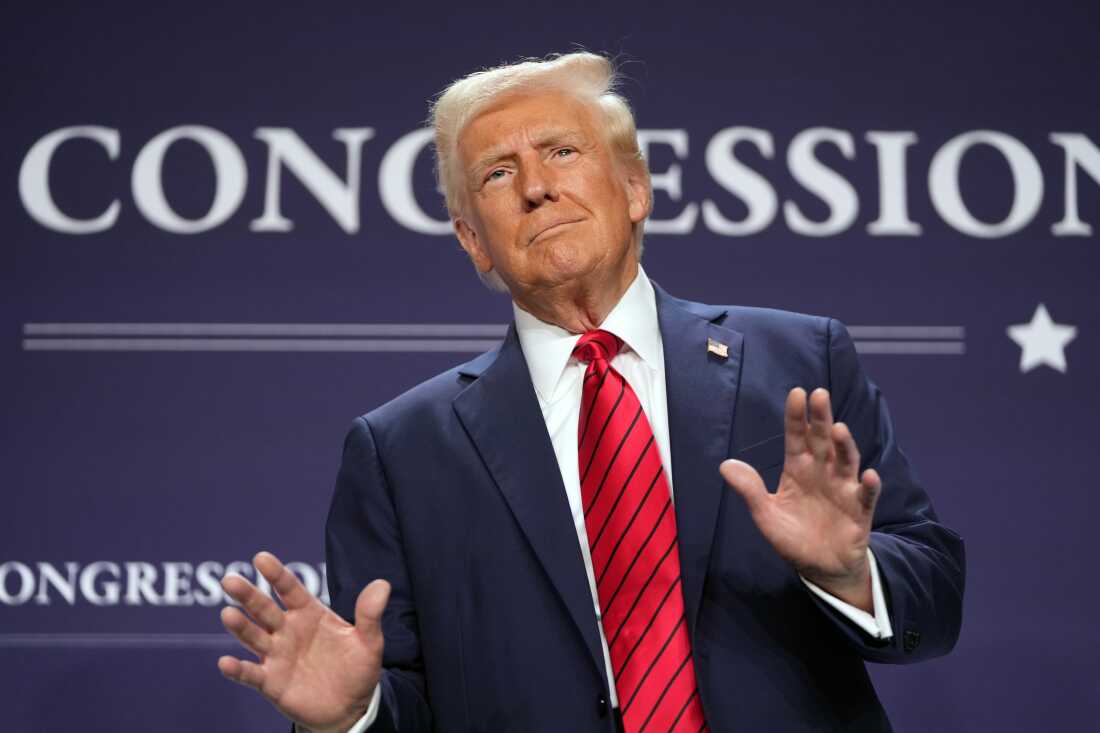
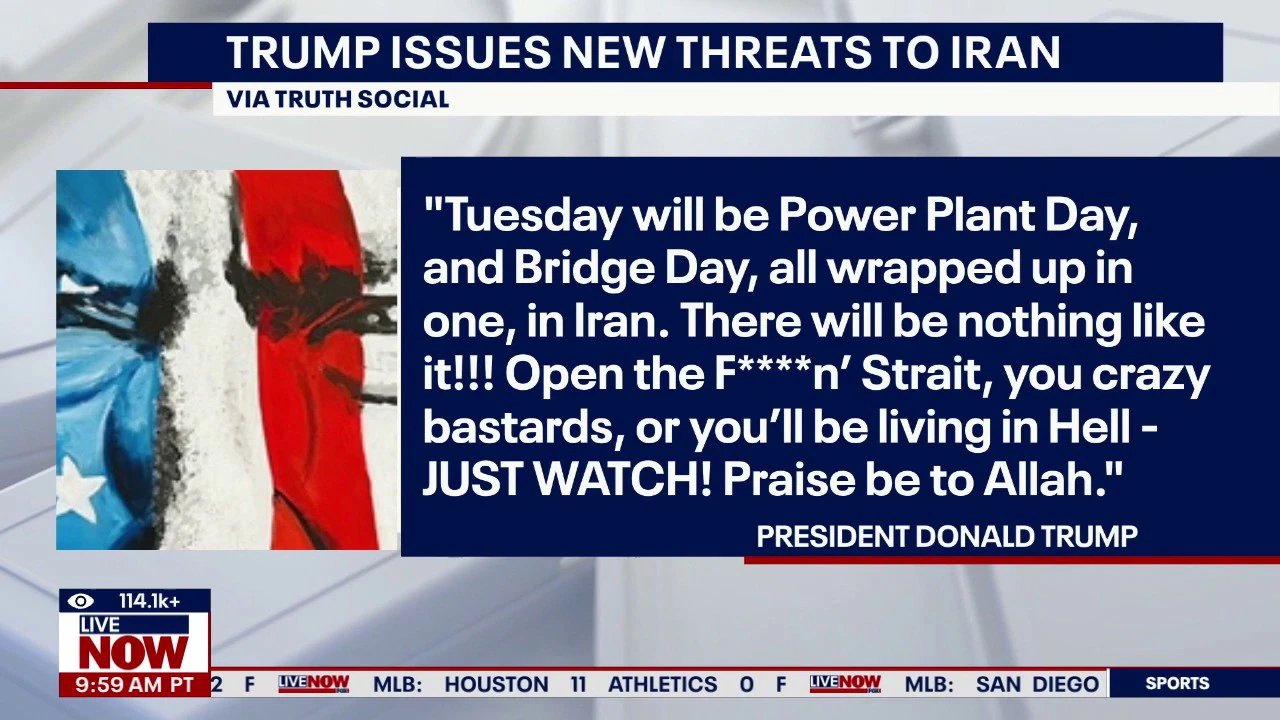
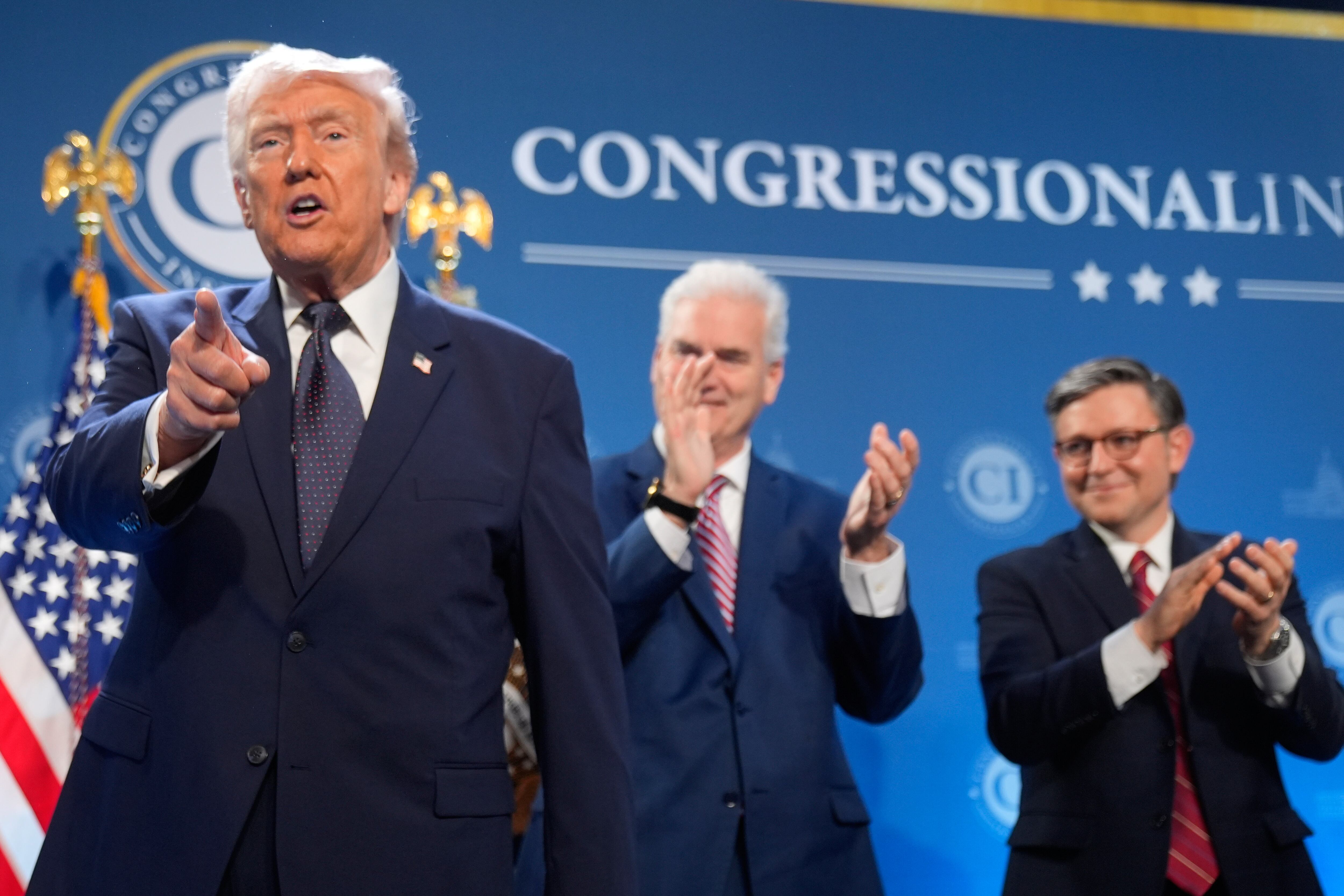
President Trump is conditioning renewal of Section 702 of the Foreign Intelligence Surveillance Act on passage of his SAVE America Act, a sweeping voting overhaul requiring proof of citizenship to register and photo ID to cast a ballot. In a Truth Social post Sunday, Trump wrote: "I'm against FISA if it doesn't come with The Save America Act (Full version!) firmly attached to it." The demand links two unrelated legislative fights and creates an immediate crisis for the surveillance program, which lapsed Friday for the first time since the program began in 2008.
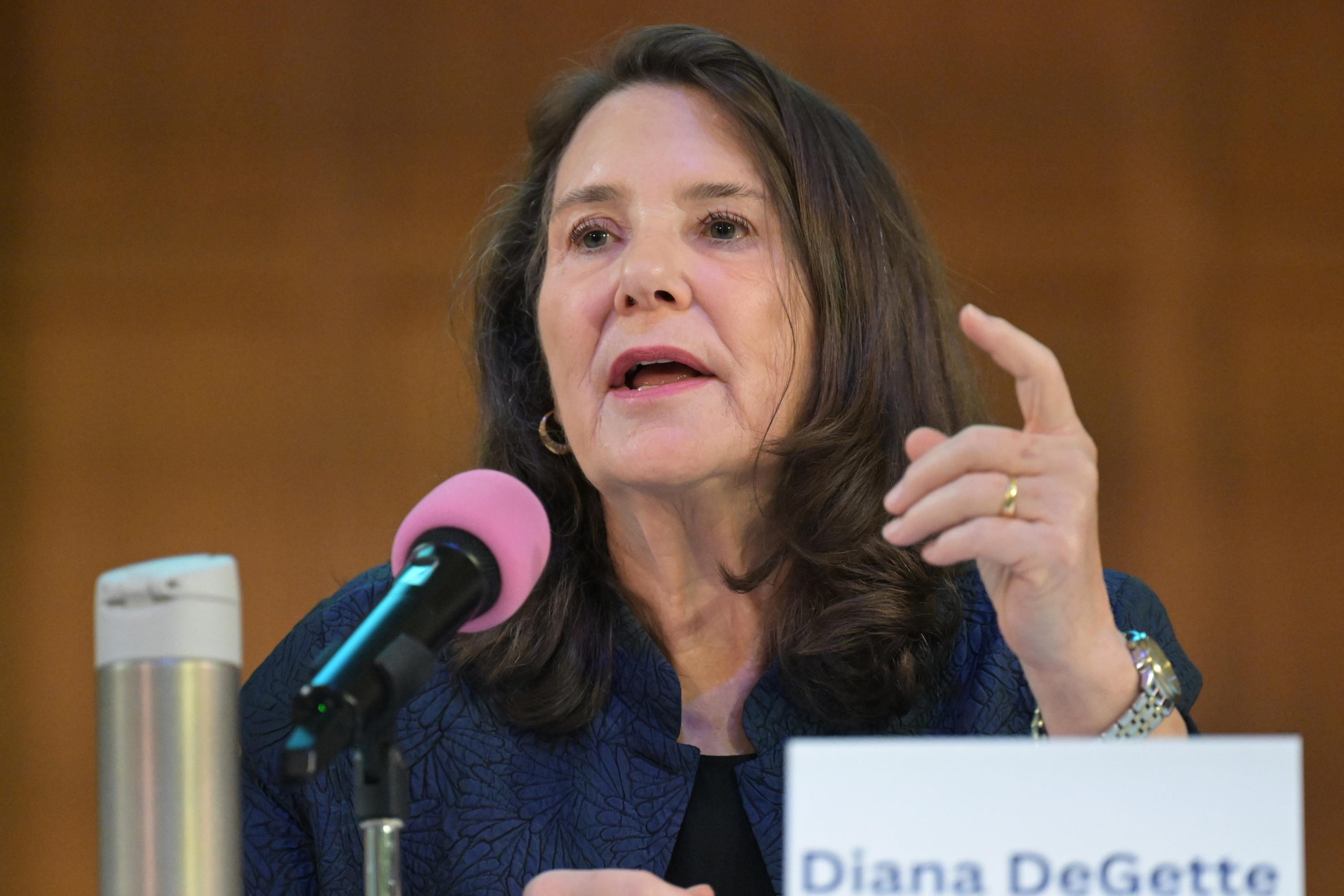
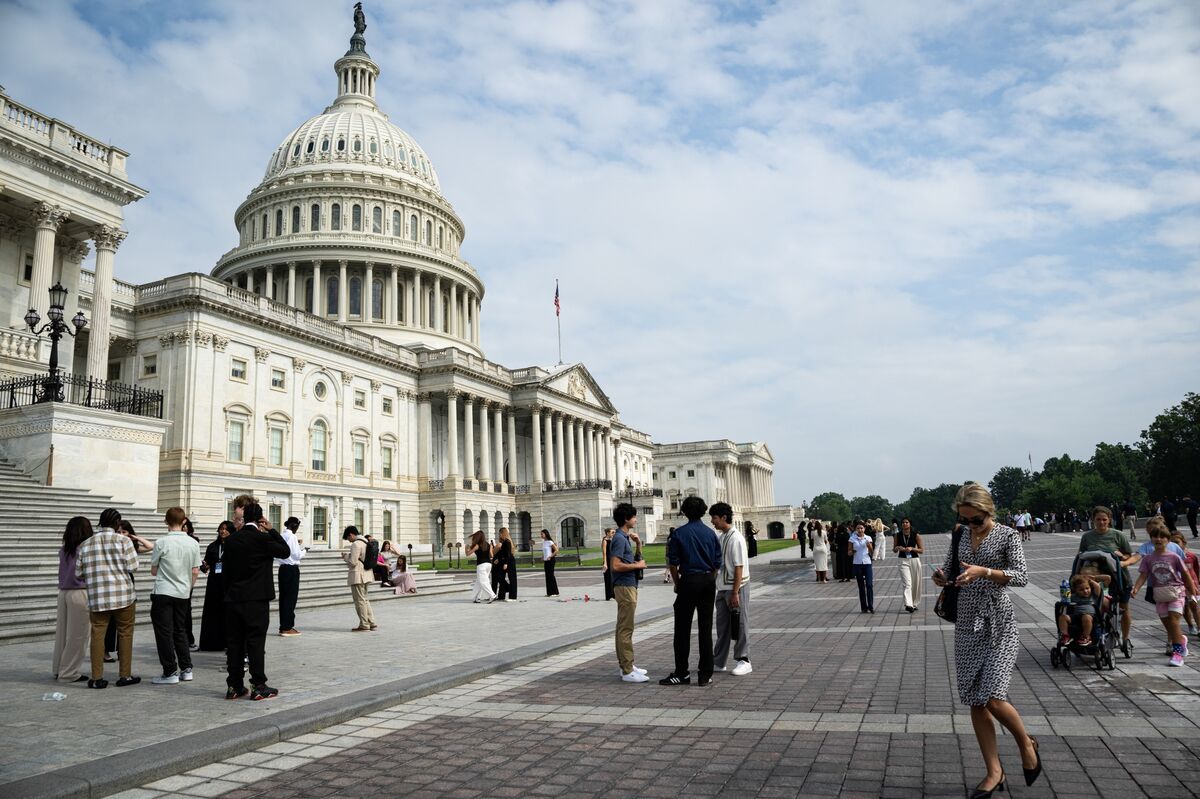
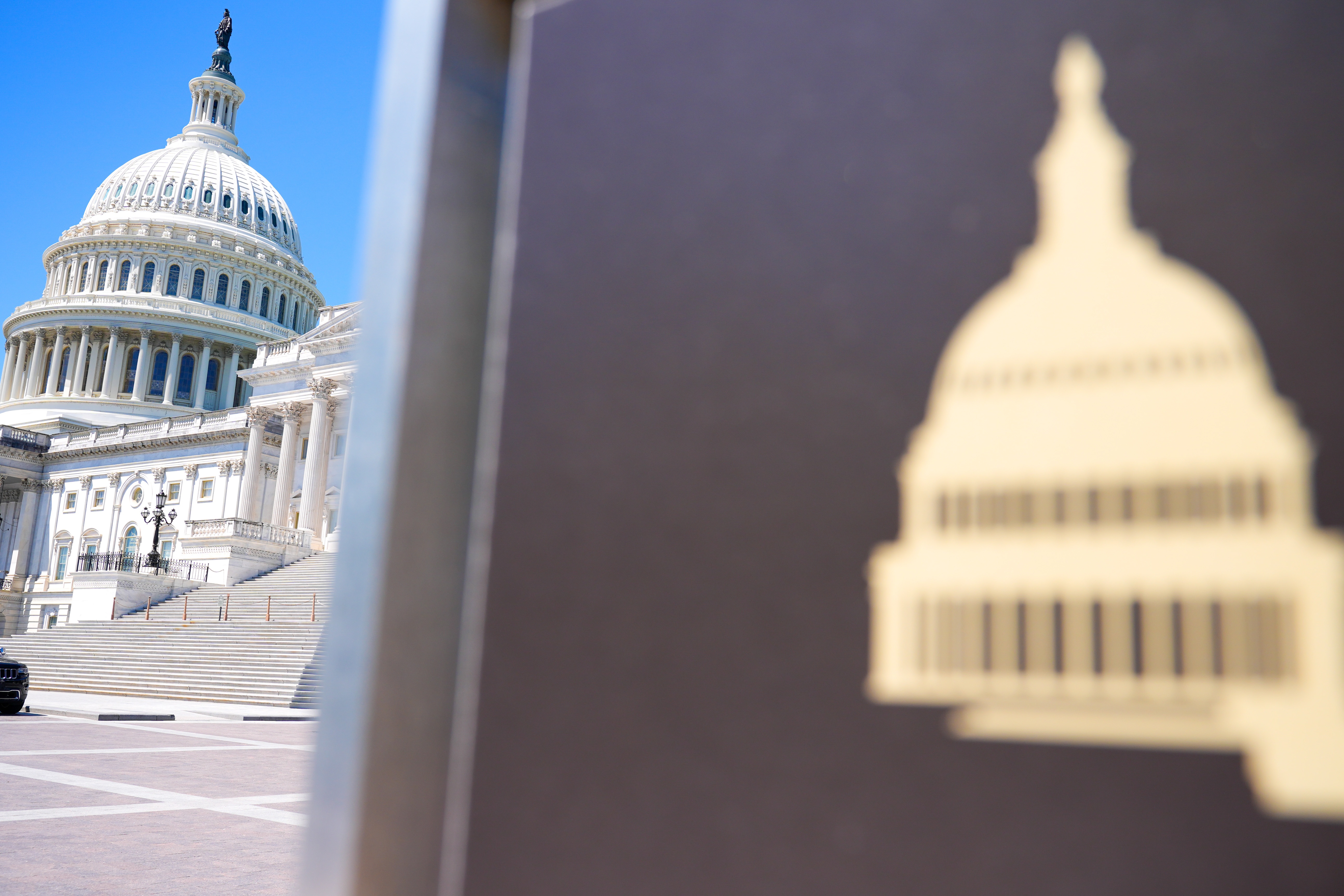
Section 702 allows the government to surveil foreigners abroad and, in the process, sweep up and search Americans' communications when they are in contact with those targets. The House failed to extend it following a 198–218 vote, with 19 Republicans joining Democrats to block the law.
Why the Surveillance Program Matters
The program has long divided Congress along ideological lines. Conservatives, led by Representatives Thomas Massie and Chip Roy and Senator Mike Lee, have pushed unsuccessfully to require warrants for searches involving Americans.
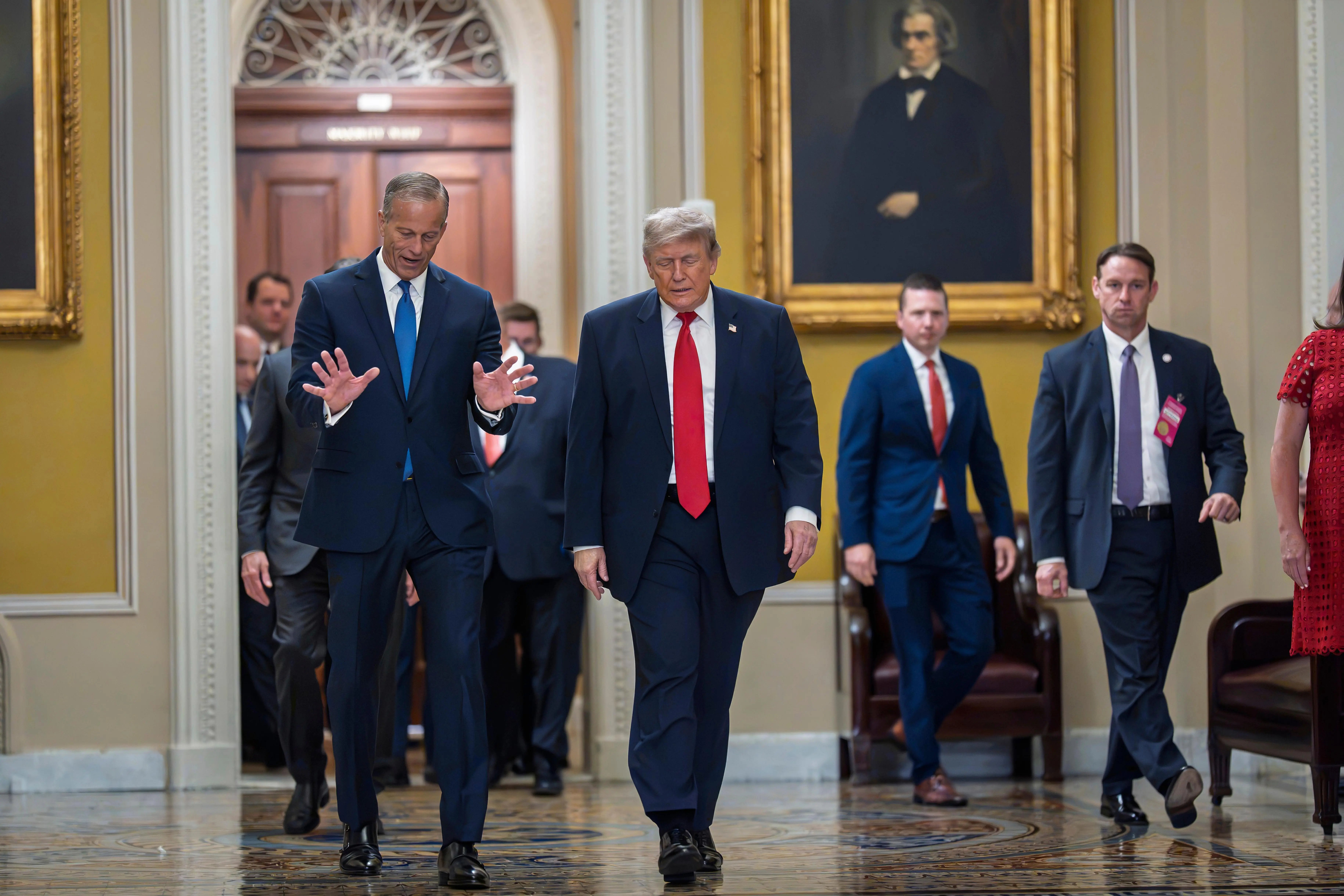
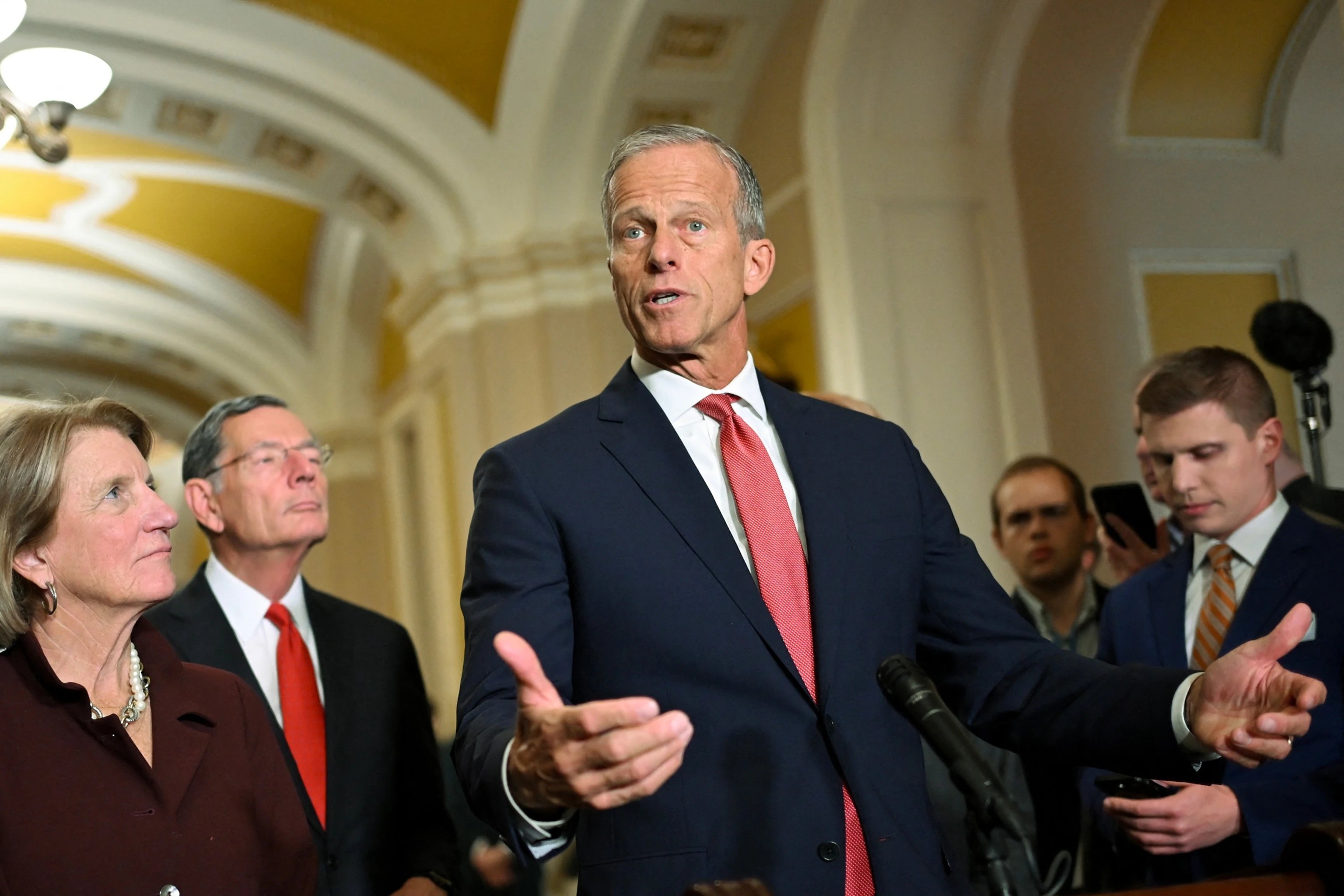
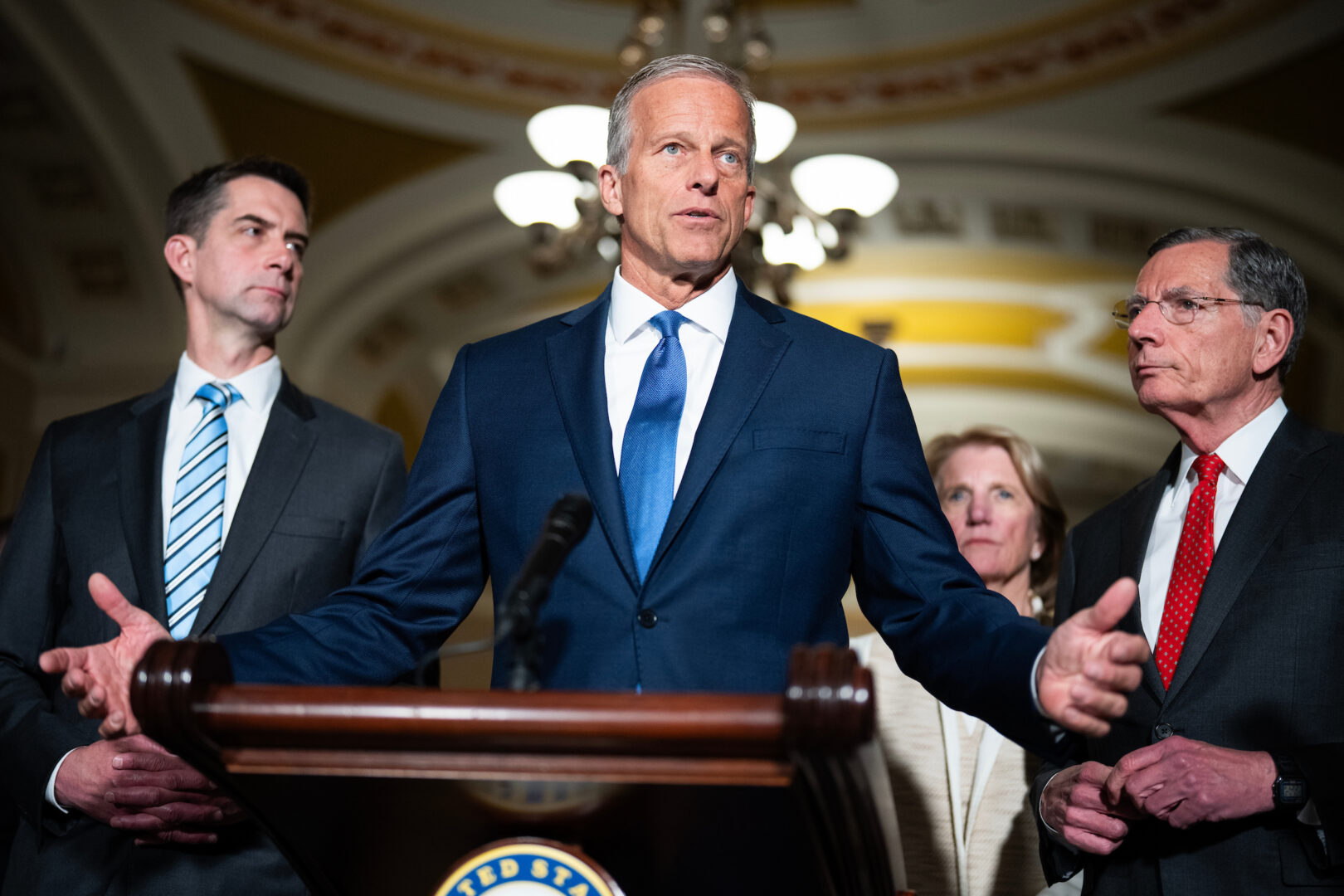
Trump's demand now makes the program's fate dependent on voting legislation that has already struggled in Congress. The SAVE America Act drew 50 votes earlier this month but could not clear the 60-vote threshold needed in the Senate. Senate Majority Leader John Thune has said the votes "aren't there" for the bill, even as Trump has pressured him to scrap the filibuster and pass it on a party-line vote.
The Voting Bill's Disputed Impact
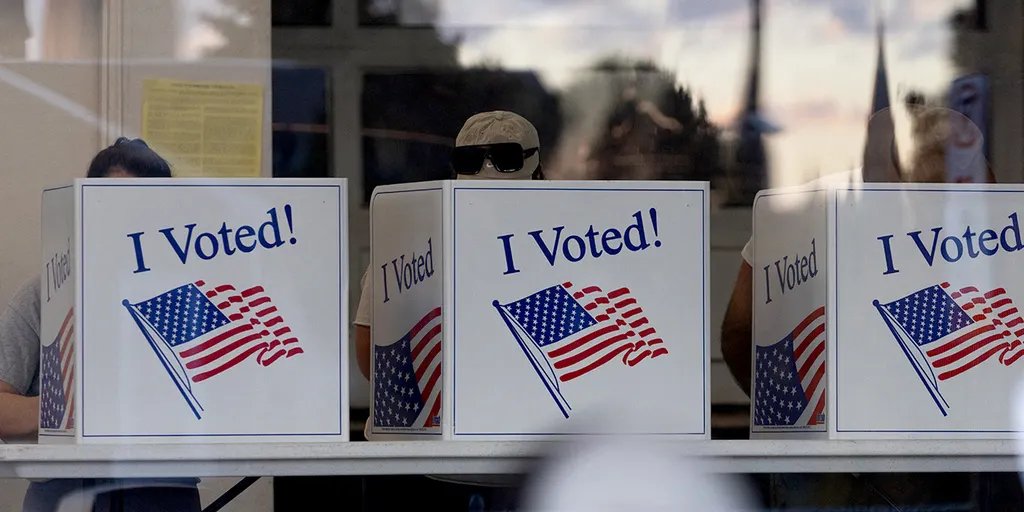
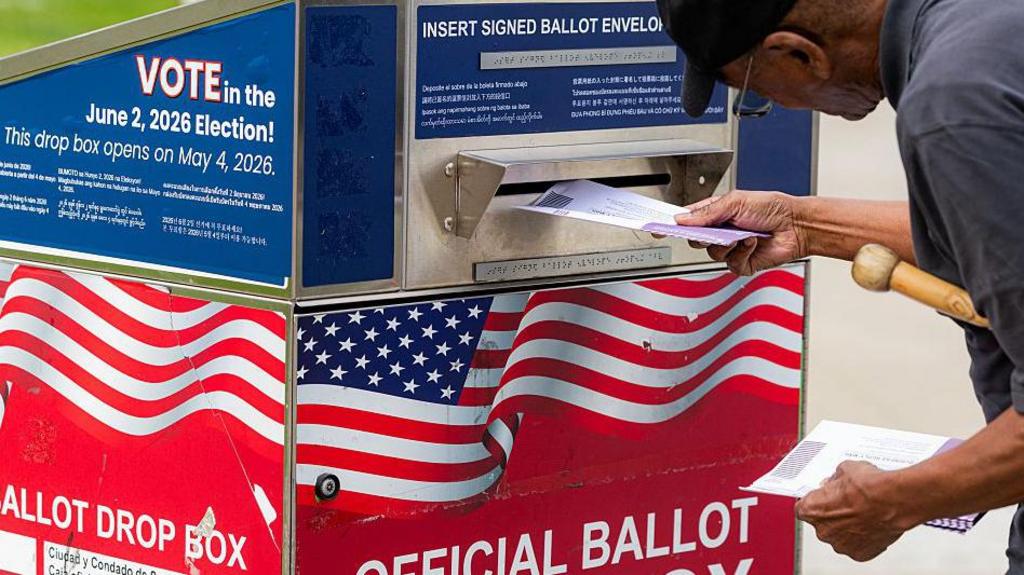
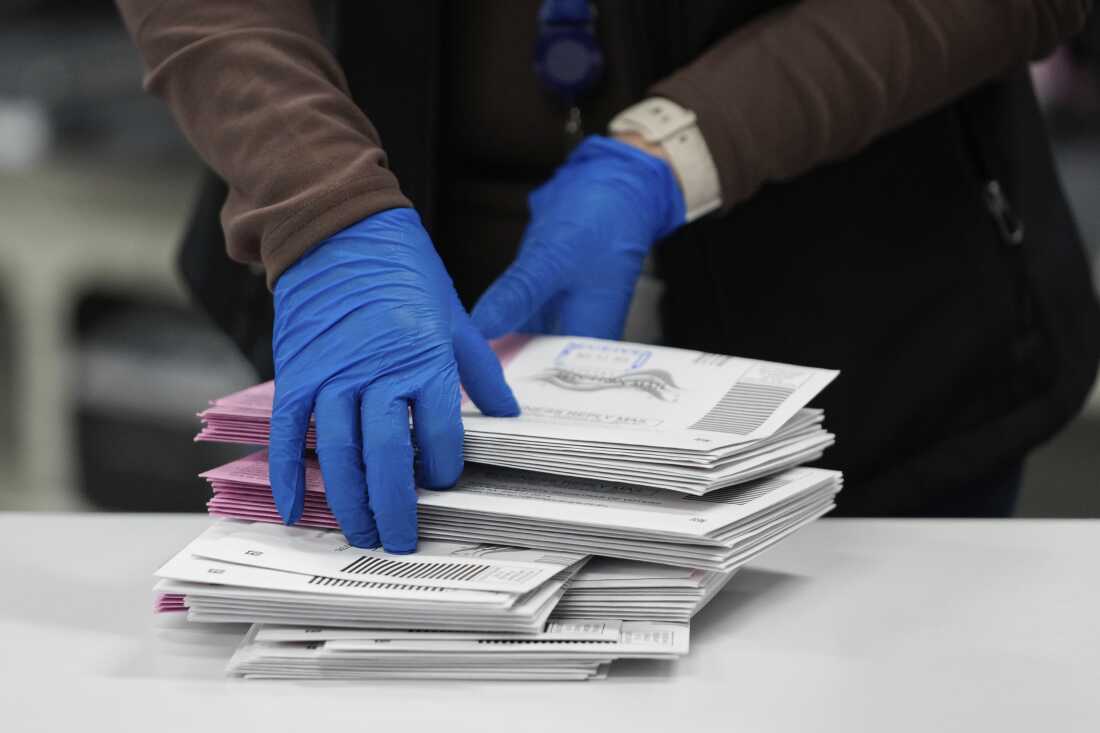
Supporters of the SAVE America Act argue the law ensures only citizens cast ballots and bolsters confidence in elections. Critics warn the new rules would block millions of eligible Americans from voting. According to audits and studies cited by election officials and researchers, noncitizen voting, which is already illegal and carries severe penalties, is rare.
Personnel Tensions Complicate the Fight
Trump's insistence on tying the bills together comes as he defends his controversial pick of Bill Pulte, a MAGA enforcer and housing regulator with no national security experience, as acting director of national intelligence. Pulte has used his housing post to send criminal referrals against Trump's perceived enemies. Lawmakers on both sides of the aisle worried what Pulte could do with FISA's expansive warrantless spy powers.
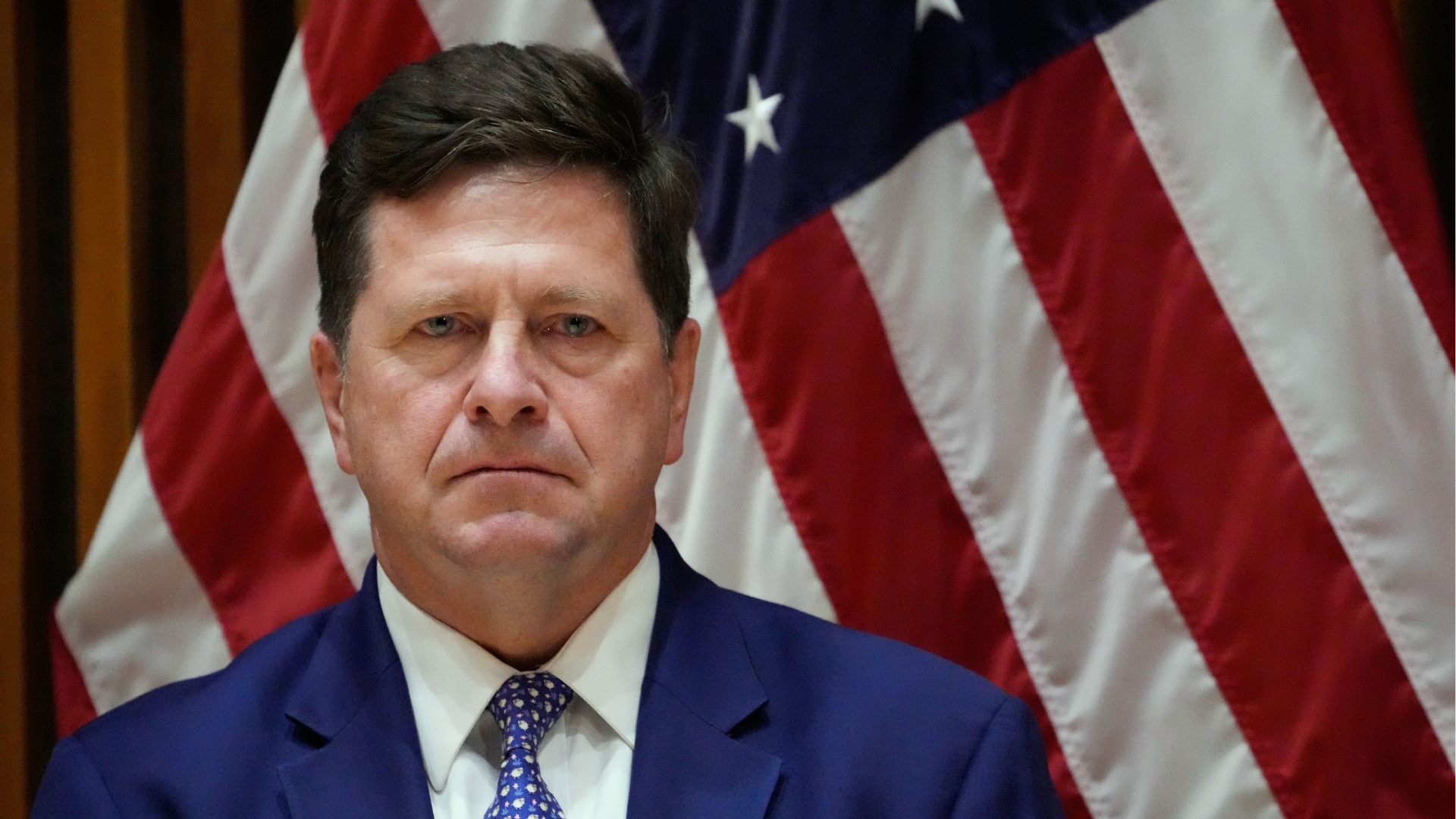
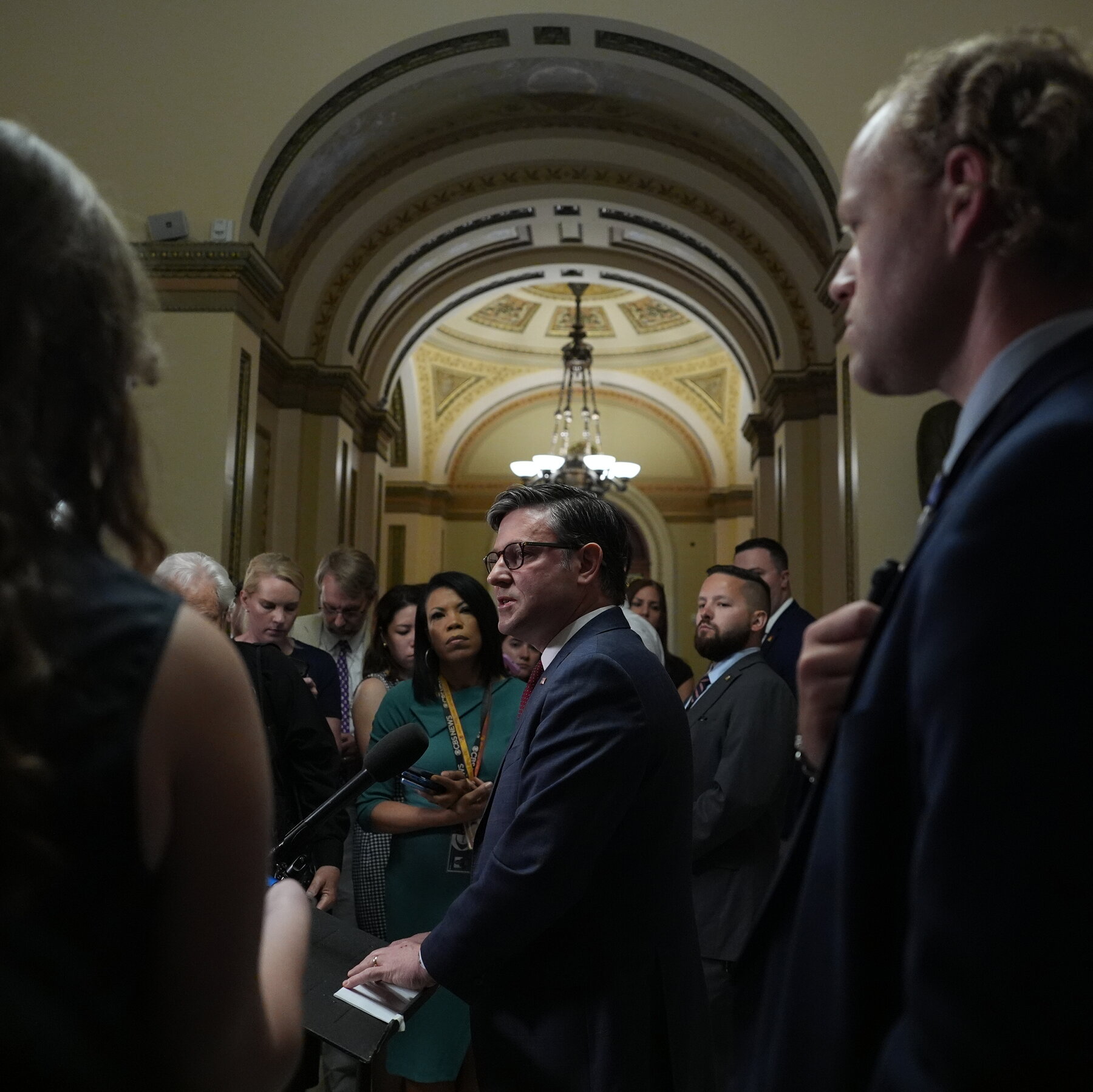
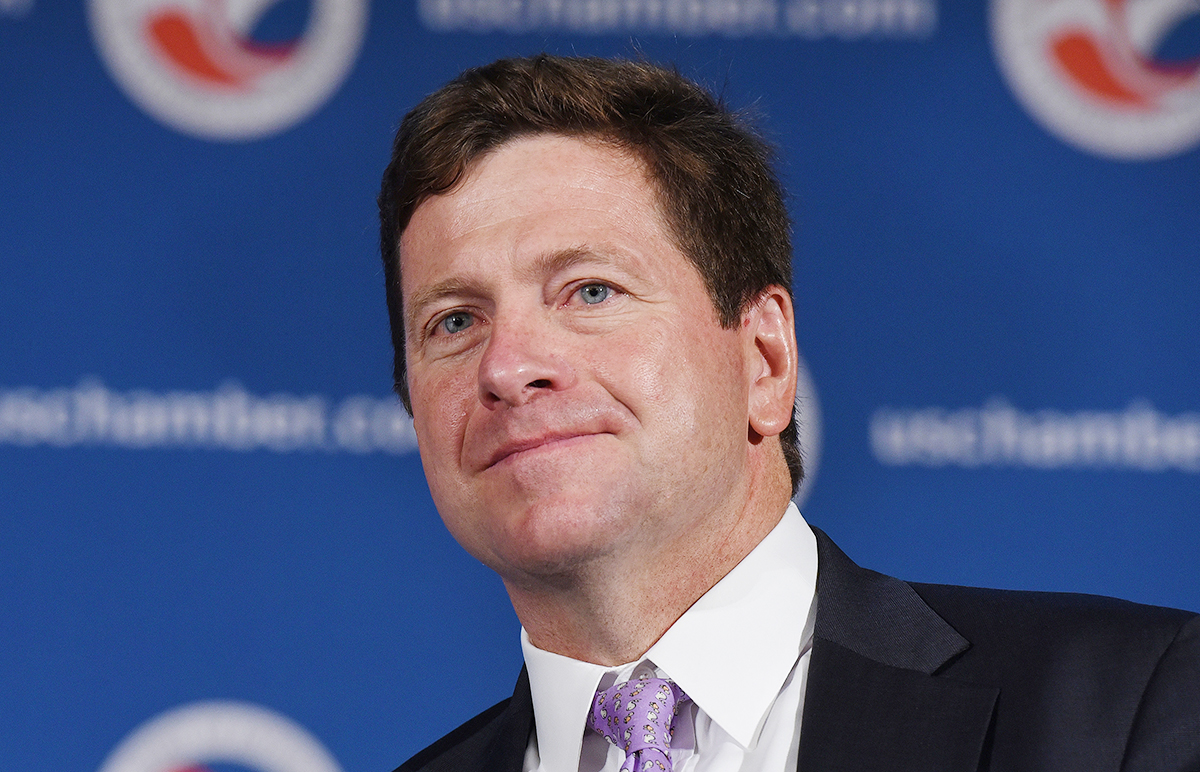
Senate Majority Leader Thune told reporters: "We don't need a weaponized DNI." Trump had appeared to defuse the fight by naming Manhattan U.S. Attorney Jay Clayton as his permanent nominee, with a confirmation hearing set for Wednesday. But on Sunday, Trump slammed Republicans for "moving too fast on nominations!!!" to replace Pulte, signaling the acting director remains central to his political strategy.