




Market Overview
Global technology stocks took a hit due to a selloff in South Korean chipmakers, as reported by Bloomberg. This downturn occurred concurrently with rising oil prices and bond yields, triggered by the recent Middle East strikes. The situation illustrates the dynamic and often unpredictable nature of market forces, potentially impacting a wide range of investors.
Impact on Yields and Interest Rates
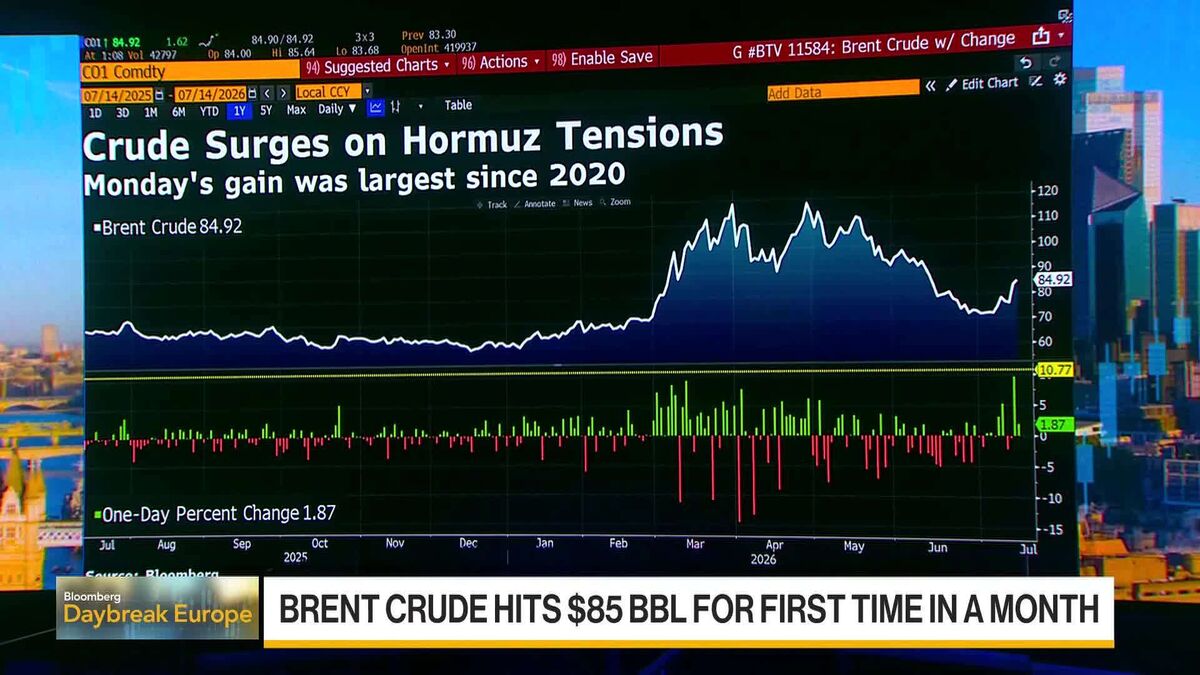
The surge in oil prices, stemming from renewed tensions in Iran, has pushed Treasury two-year yields to their highest since early 2025, as detailed by Bloomberg. This development has fueled speculation that the Federal Reserve may need to increase interest rates to counteract inflation, a critical consideration for economic policymakers and investors alike.
European Market Dynamics
In Europe, stock market movements were relatively stable, with the decline in technology shares being counterbalanced by gains in the energy sector, according to Bloomberg. The latter was significantly boosted by the higher oil prices, showcasing the interplay between geopolitical events and economic indicators.
Geopolitical Tensions and Market Consequences
The geopolitical tensions are not limited to the Middle East. Bloomberg also reported that Ukrainian forces have expanded their maritime attacks in the Sea of Azov, targeting Russian fuel tankers and dry-cargo vessels. These actions contribute to the volatility in oil markets and could have broader implications for global economic stability.
Investor Strategies and Economic Outlook
As the chip sector faces a selloff and oil prices continue to rise, investors are likely to adjust their strategies in response to these market shifts. The potential need for the Federal Reserve to raise interest rates to combat inflation adds another layer of complexity to the economic outlook. Investors must navigate these changes carefully, considering both the immediate market movements and the potential long-term implications for their portfolios.