




Evacuations and Disruptions in Zhejiang Province
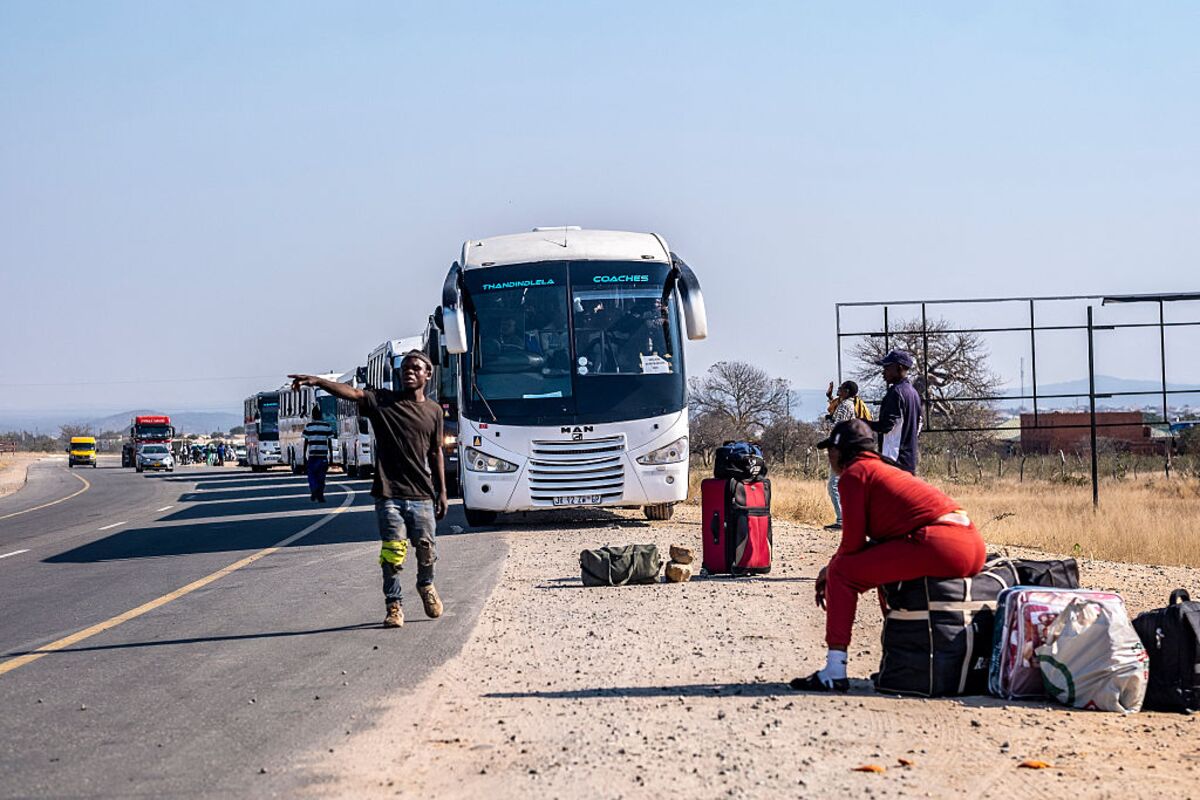
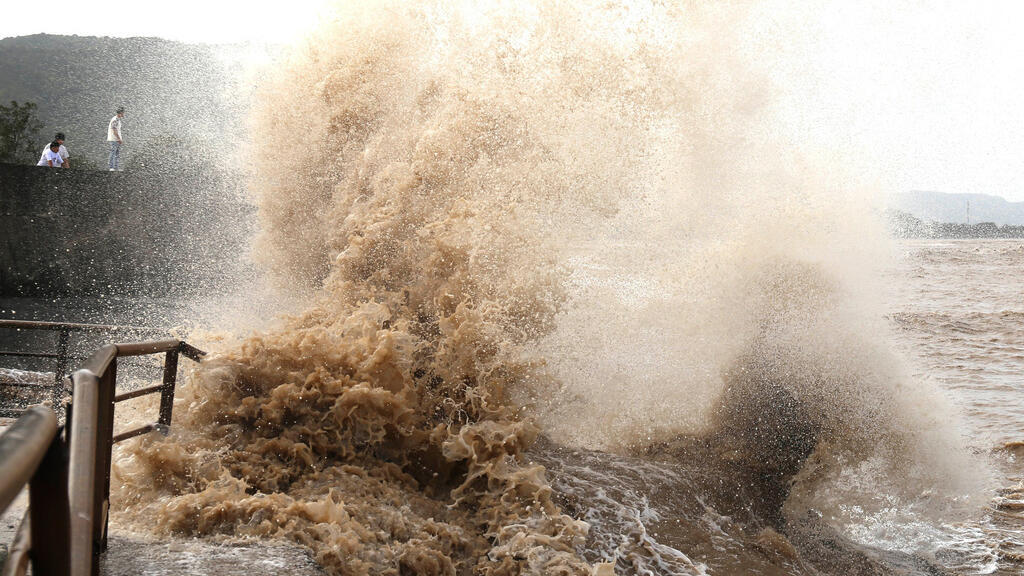
Typhoon Bavi made landfall in China's eastern province of Zhejiang, prompting the evacuation of more than 1.7 million people as the powerful storm brought destructive winds and heavy rainfall. The typhoon first struck the coastal city of Taizhou before making a second landfall in Wenzhou, a city with a population of around 10 million. Authorities suspended schools, work, and outdoor activities in the region while over 400 flights and dozens of train services were canceled due to the storm.
Impact on Infrastructure and Safety
Residents of Wenzhou reported frightening conditions as the storm passed through. "We could hear roof tiles and tree branches falling," said local resident Li Liangxing. Chinese officials ordered the evacuation of an additional 100,000 people to mitigate risk, emphasizing the urgency of safety measures in the face of the storm's ferocity. The National Meteorological Center warned that while Bavi had weakened to a severe tropical storm, it still carried significant moisture, raising the risk of flooding.
Previous Damage in the Region
Bavi was the second typhoon to impact China in just over a week, following Typhoon Maysak, which caused at least 39 fatalities and widespread agricultural damage. The recent storms have compounded challenges for affected residents, many of whom are still reeling from the devastation brought by Maysak. The heavy rains associated with Bavi have raised concerns about potential landslides and flooding in already vulnerable areas.
Effects Beyond China
Before impacting China, Typhoon Bavi inflicted damage on Taiwan and Japan, where it caused power outages and forced evacuations. In Taiwan, over 10,000 people were evacuated due to risks from landslides, and more than 150,000 households lost power. Japan's southern islands faced sustained winds of 144 kilometers per hour, leading to canceled flights and disrupted ferry services. The storm has also been linked to 17 fatalities in the Philippines, where landslides and flooding wreaked havoc.
Forecast and Future Concerns
As Typhoon Bavi continues its path northwest, it is expected to gradually lose intensity but remains a significant threat due to the large volume of rainfall. Forecasters predict the storm will move towards eastern Anhui and then into the northern Yellow Sea. Residents in affected areas are urged to remain vigilant as authorities monitor the situation closely.
Human Costs and Community Resilience
The evacuation of nearly two million people underscores the immediate human costs of natural disasters. Local officials are working to ensure the safety and well-being of displaced residents, as many have lost their homes and access to essential services. The community's resilience will be tested in the days ahead as they navigate the aftermath of Typhoon Bavi and prepare for potential future storms.