




The Deadly Blaze
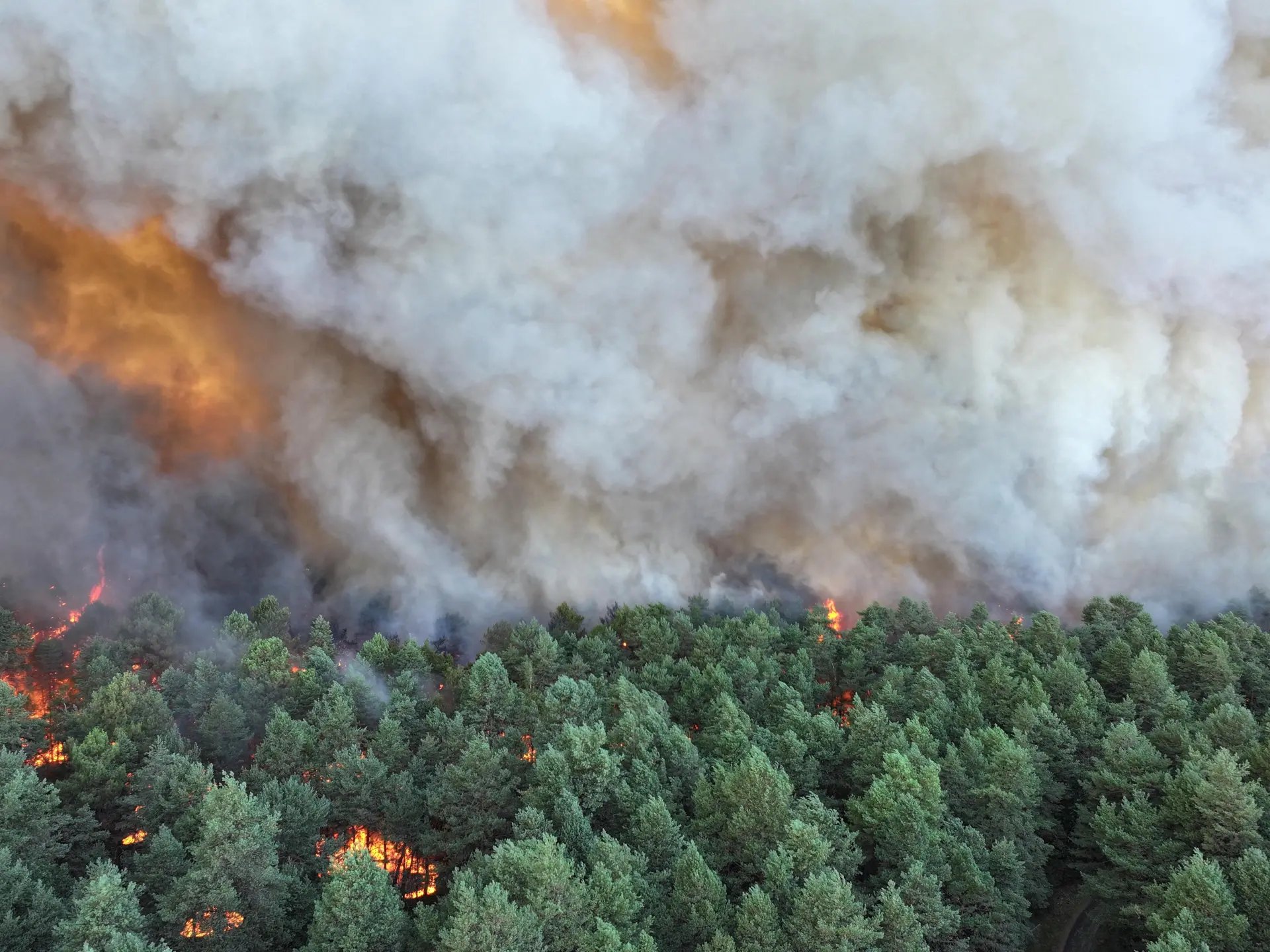
Spain's southeastern region is grappling with one of the nation's worst-ever wildfires, which has claimed at least 12 lives, including four Britons, and left 23 people missing. The fire, which spread across 6,600 hectares (16,300 acres) of land in the Bedar village, has prompted the deployment of hundreds of firefighters to contain the pockets of flames still present in the area. The rapid spread of the fire, exacerbated by soaring temperatures, dry ground, and powerful winds, has raised alarms about the preparedness for such climate-fueled disasters.
Climate Change's Role
Jean-Pascal Van Ypersele, a Professor of Climatology at the Université catholique de Louvain, stated, "We are not prepared enough for the conditions that fuel these fires." The connection between climate change and the increasing intensity of wildfires is undeniable, with Europe experiencing heatwaves and droughts more frequently. Justice Minister Felix Bolanos acknowledged the role of climate change, saying, "It is clearly a consequence of the climate emergency the world is facing." Spain's recent scorching temperatures, exceeding 40 degrees Celsius (104 degrees Fahrenheit), have contributed to the severity of the wildfires.
Containment Efforts and Challenges
Authorities suspect the wildfire started when a power cable broke. Despite the complexity of the situation, 500 firefighters have begun to contain the deadly blaze. Calmer winds and higher air humidity levels are aiding firefighting efforts, with officials expressing hope that the flames could be controlled soon. However, the challenge remains significant, as the fire had spread at a rate of 100 meters (328 feet) a minute at its most intense, a level of intensity and severity previously unseen.
Humanitarian and International Implications
The majority of the victims who died in the fast-moving fire ignored shelter-in-place instructions, and most were foreigners, although their identities have not been released. The Belgian Foreign Minister Maxime Prévot mentioned that many Belgians have second homes in Spain and consular services are attempting to contact those who have not been reached. The disaster has not only affected Spain but also resonates with expat communities and raises questions about the safety and preparedness of foreign residents in the face of such disasters.
Aftermath and Future Prospects
As the firefighting efforts continue, the focus shifts to managing the aftermath and learning from this tragedy. The improvement in weather conditions offers a glimmer of hope, allowing for a more direct attack on the fire. However, the incident serves as a stark reminder of the pressing need for better preparedness and adaptive measures against the backdrop of a changing climate. The human cost of this disaster, the displacement, and the environmental impact will have lasting repercussions, underscoring the urgency for global action on climate change.