




Federal Allegations Against Maryland's Community Trust Act
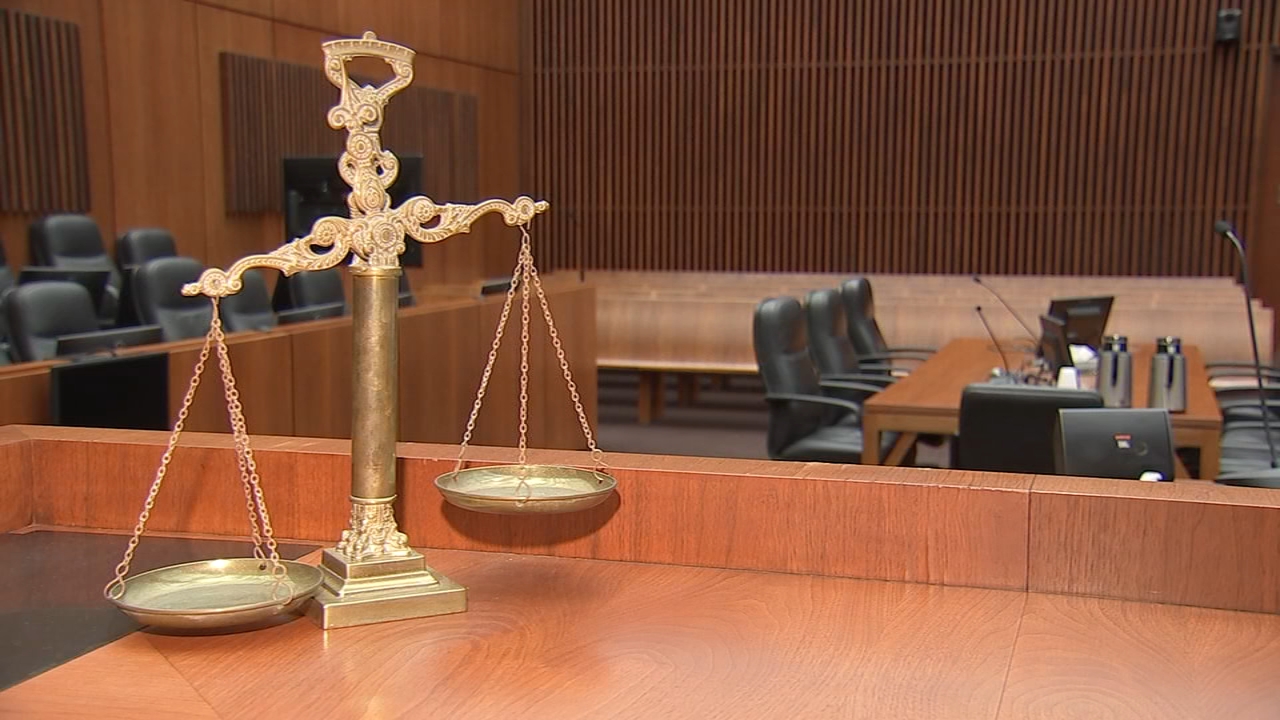
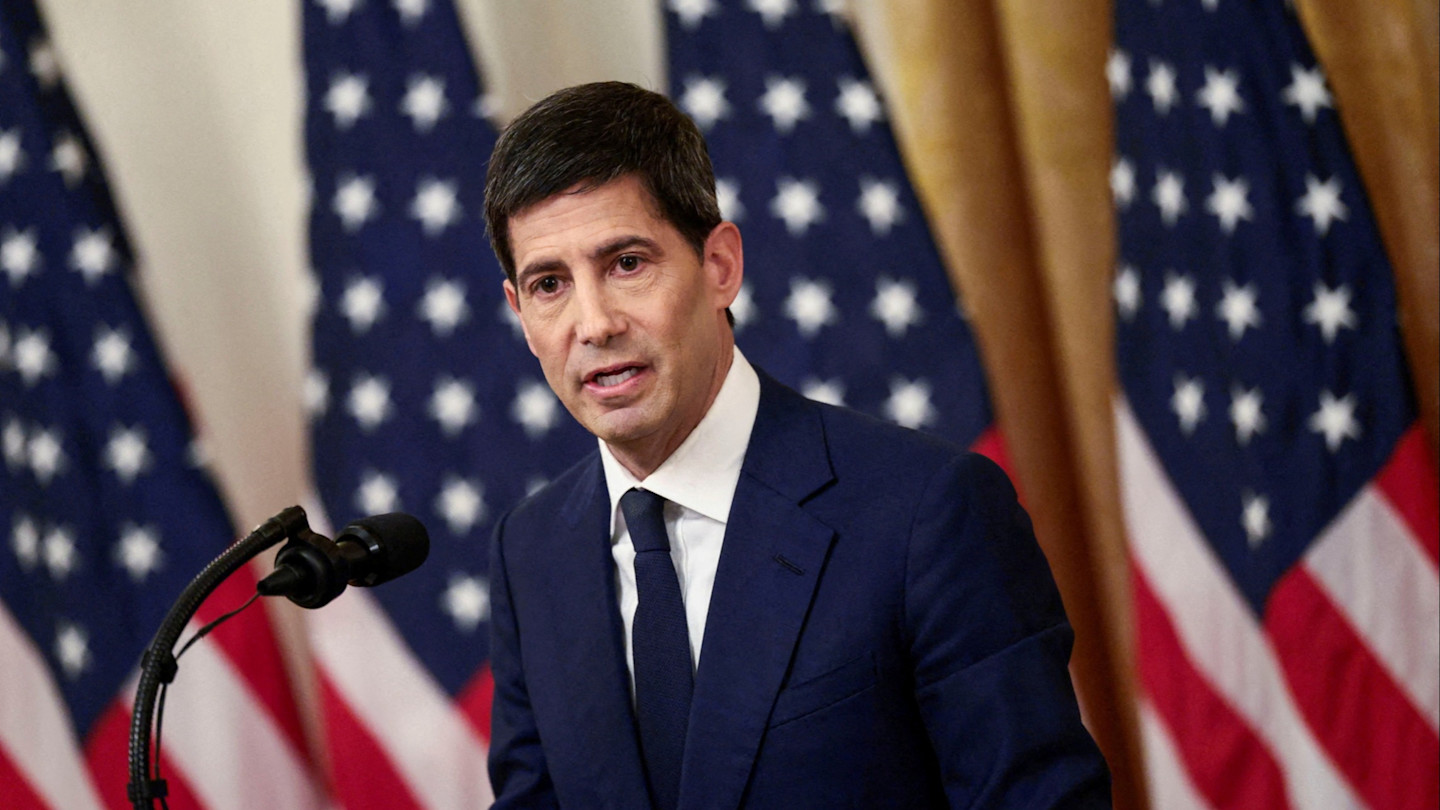
The Department of Justice has filed a lawsuit against Maryland, accusing the state of engaging in an "active and deliberate effort" to obstruct federal immigration enforcement. This legal action, initiated in Maryland federal court, centers on the state's Community Trust Act, which the DOJ claims violates the supremacy clause by hindering the ability of Immigration and Customs Enforcement (ICE) to carry out deportations. Associate U.S. Attorney General Stanley Woodward stated, "Today’s suit proves that this Department will never stand for such lawless action from blue state leaders."
Impact on Public Safety
The DOJ asserts that Maryland's law jeopardizes public safety by intentionally preventing immigration-related arrests. The lawsuit highlights a specific incident from May 29, 2026, when a warden at Worcester County Jail informed ICE that his facility would no longer honor ICE detainers, effectively blocking federal agents from taking custody of individuals awaiting deportation. The Community Trust Act mandates that local correctional facilities require a "valid judicial warrant" for transfers into federal custody, whereas the DOJ argues that immigration law allows for arrests based on administrative warrants.
Local Law Enforcement's Response
The conflict has drawn the ire of local law enforcement, with 17 of Maryland's 24 sheriffs filing their own lawsuit against the state. They claim the Community Trust Act interferes with their ability to collaborate with ICE regarding individuals who may pose threats to public safety. In a phone call with local sheriffs, Governor Wes Moore acknowledged the potential public safety consequences of the legislation, although he did not sign the bill. Under Maryland law, the bill became law after 10 days without his signature.
Maryland's Defense and Political Context
Governor Moore's office defended the Community Trust Act, arguing that it allows local authorities to coordinate with federal immigration officers regarding serious crimes. Despite this, the state's attorney general, Anthony Brown, has declined to comment on the DOJ's lawsuit. Moore's office has criticized the federal government's approach to immigration enforcement, stating, "Maryland will work with the federal government when that coordination makes our people safer."
Broader Legal Trends
The lawsuit against Maryland is part of a broader trend, with the DOJ having filed 20 similar lawsuits against various states, including Colorado and New York, since February 2025. These actions reflect a significant shift in federal-state relations concerning immigration enforcement amid ongoing debates over sanctuary policies across the country.
Human Impact of Immigration Enforcement
In a separate but related case, Ulises Peña López, a disabled immigrant, has sued the U.S. government and private prison contractors over his treatment while in ICE custody. Peña López alleges that he was physically assaulted by ICE officers and received inadequate medical care during his detention, which exacerbated his existing health issues. His lawsuit highlights the personal toll of immigration enforcement policies, emphasizing the need for accountability in how ICE operates.
Next Steps for Maryland and Federal Relations
As the DOJ lawsuit progresses, the implications for Maryland's immigration policies and local law enforcement practices remain uncertain. The case exemplifies the tension between state and federal authorities regarding immigration enforcement, a contentious issue that continues to shape policy discussions nationwide. For residents, the outcome may influence local safety measures and the dynamics of federal cooperation in immigration matters.