




Geopolitical Ramifications
The International Olympic Committee (IOC) has provisionally lifted the suspension on Russia's Olympic teams, permitting them to compete at the 2028 Los Angeles Olympics. This decision comes amidst a backdrop of Russia's invasion of Ukraine and has sparked strong objections from Ukraine, highlighting the intersection of sports and international politics. IOC President Kirsty Coventry emphasized the committee's continued support for Ukraine, stating, "We don't condone any wars, including this one. We will continue to support Ukraine like we have since this started. But I don't believe athletes should pay the price."
Path to Participation
The IOC's decision follows a three-year program that vetted Russians for neutral status, a process that will now be halted for qualifying events leading up to the 2028 Games. This move is seen as a significant step towards Russia's reintegration into the Olympic fold, despite the ongoing conflict. The IOC's Legal Affairs Commission conducted a thorough analysis, finding that the Russian Olympic Committee (ROC) no longer includes any regional sports organizations in territories under the jurisdiction of the National Olympic Committee of Ukraine as its members.
Criticisms and Objections
The decision has been met with sharp criticism, particularly from Ukraine. Ukrainian skeleton racer Vladyslav Heraskevych, who was disqualified from the 2026 Winter Olympics over a helmet carrying a message about Ukraine, described the decision as "absolutely shameful." Athlete-led advocacy group Global Athlete and FairSport issued a joint statement saying, "This decision represents a fundamental departure from the principles of Olympism," and argued that the IOC has chosen to lower its standards for stakeholder accountability.
Ongoing Restrictions
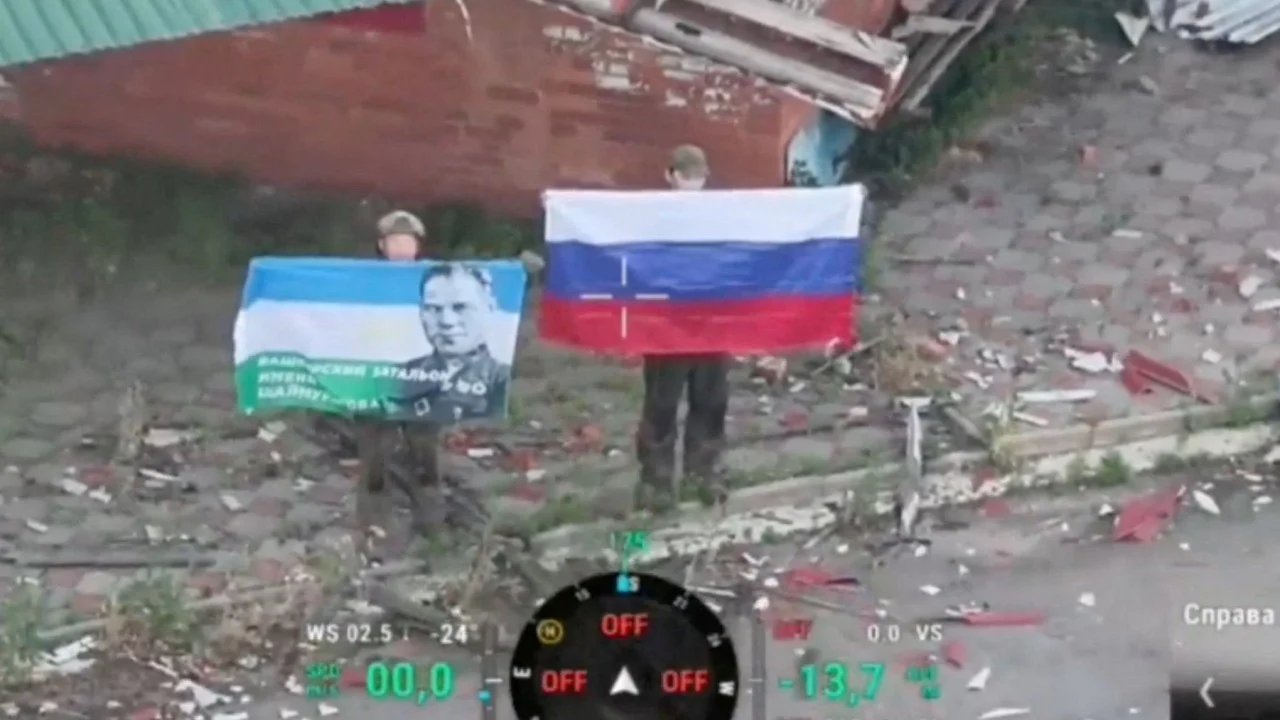
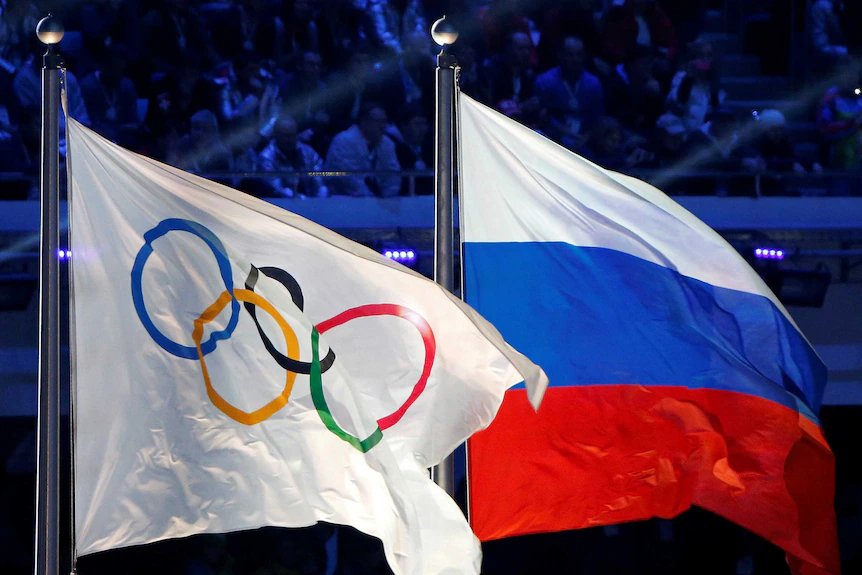
While the suspension has been provisionally lifted, the IOC has not yet approved Russian athletes to compete with their flag and anthem. The ban on the display of Russian national symbols, including the flag and the playing of the national anthem, remains in place for now. Russian athletes will also be subject to strict anti-doping procedures to address lingering concerns within the global sporting community.
Future Implications
The IOC's decision could have far-reaching implications for international relations and sports diplomacy. It remains to be seen how this will affect the participation of Russian athletes in other international competitions, as many federations maintain separate bans. The World Athletics Council, for instance, reaffirmed its decision to exclude Russian and Belarusian athletes from international competition. The IOC's move is a complex one, balancing the desire to include all athletes with the need to address geopolitical sensitivities and maintain the integrity of international sporting events.