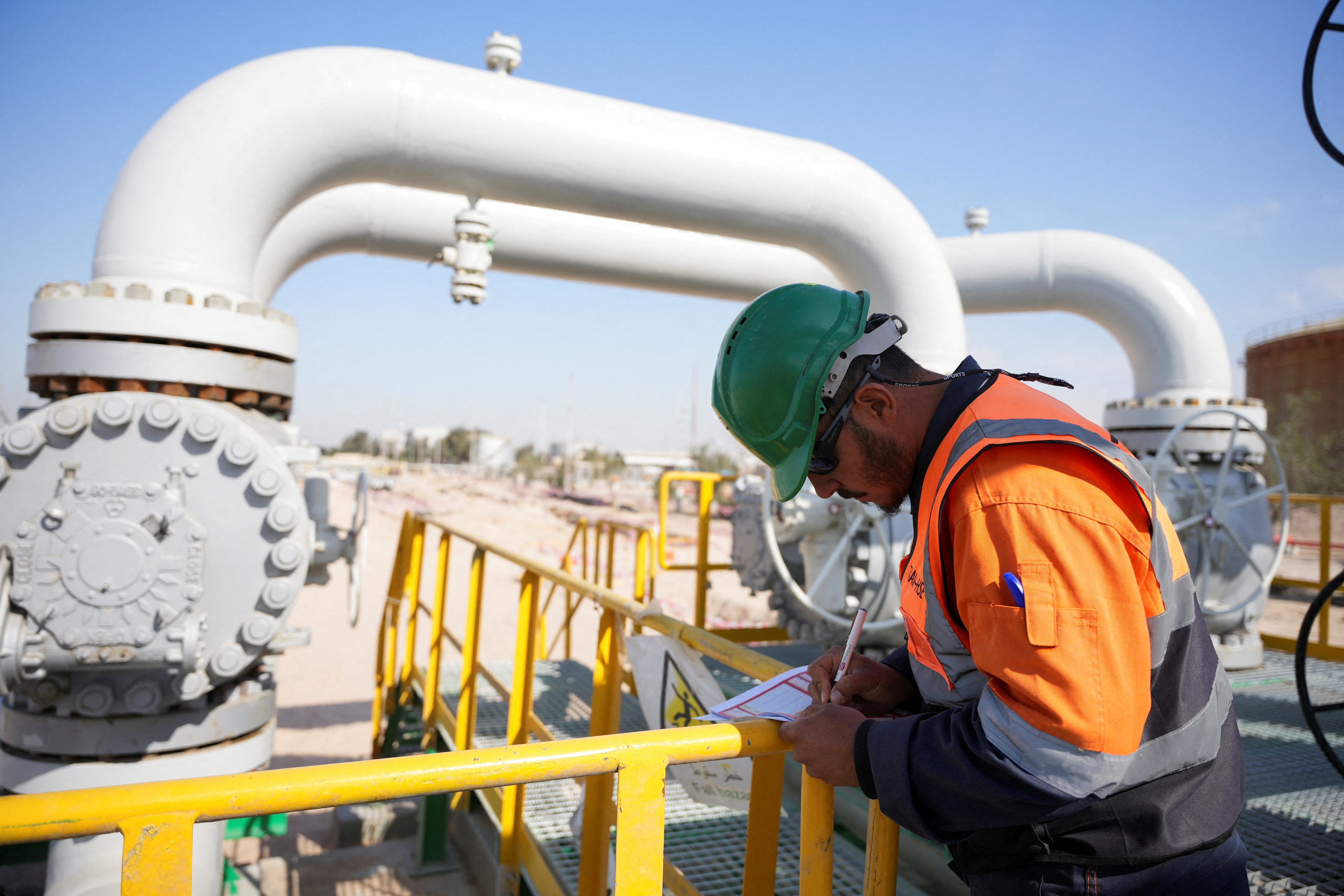





Production Increase Details
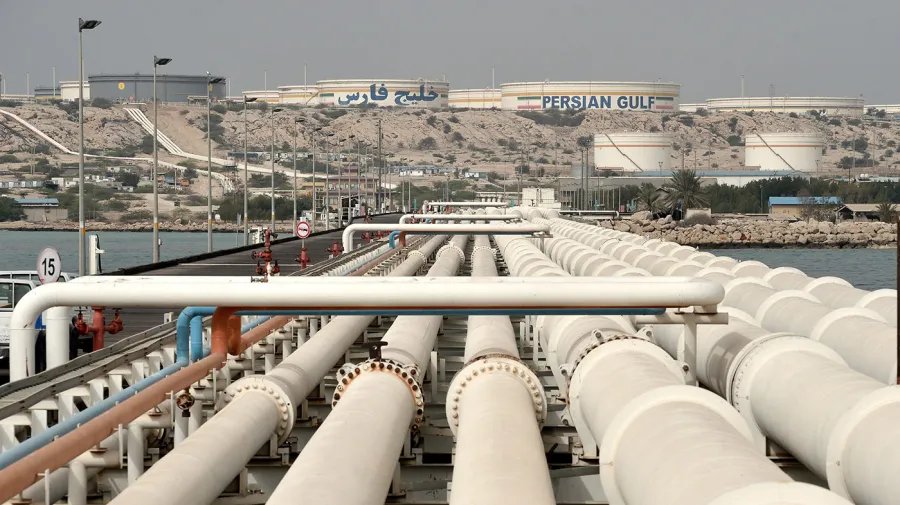
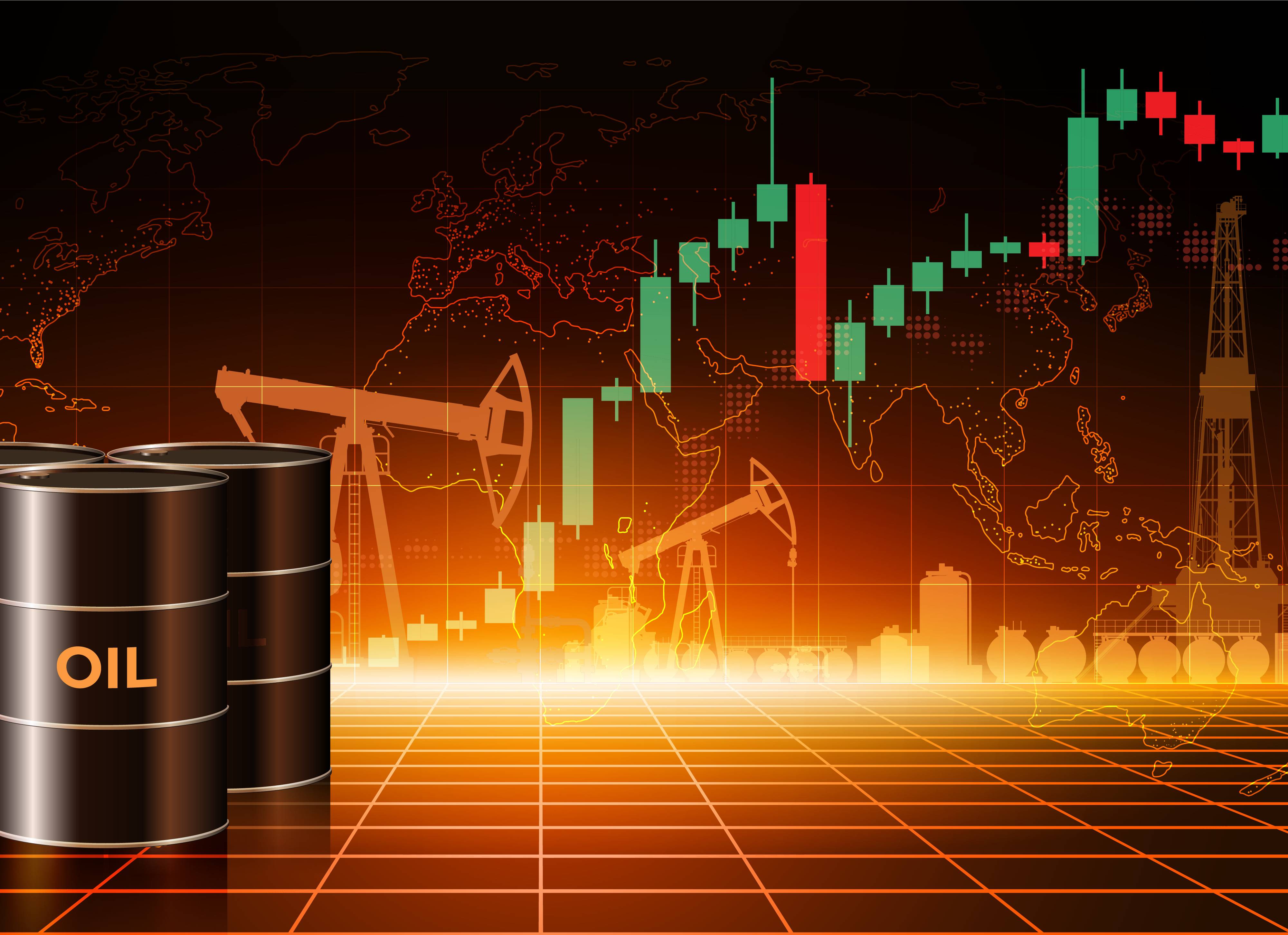
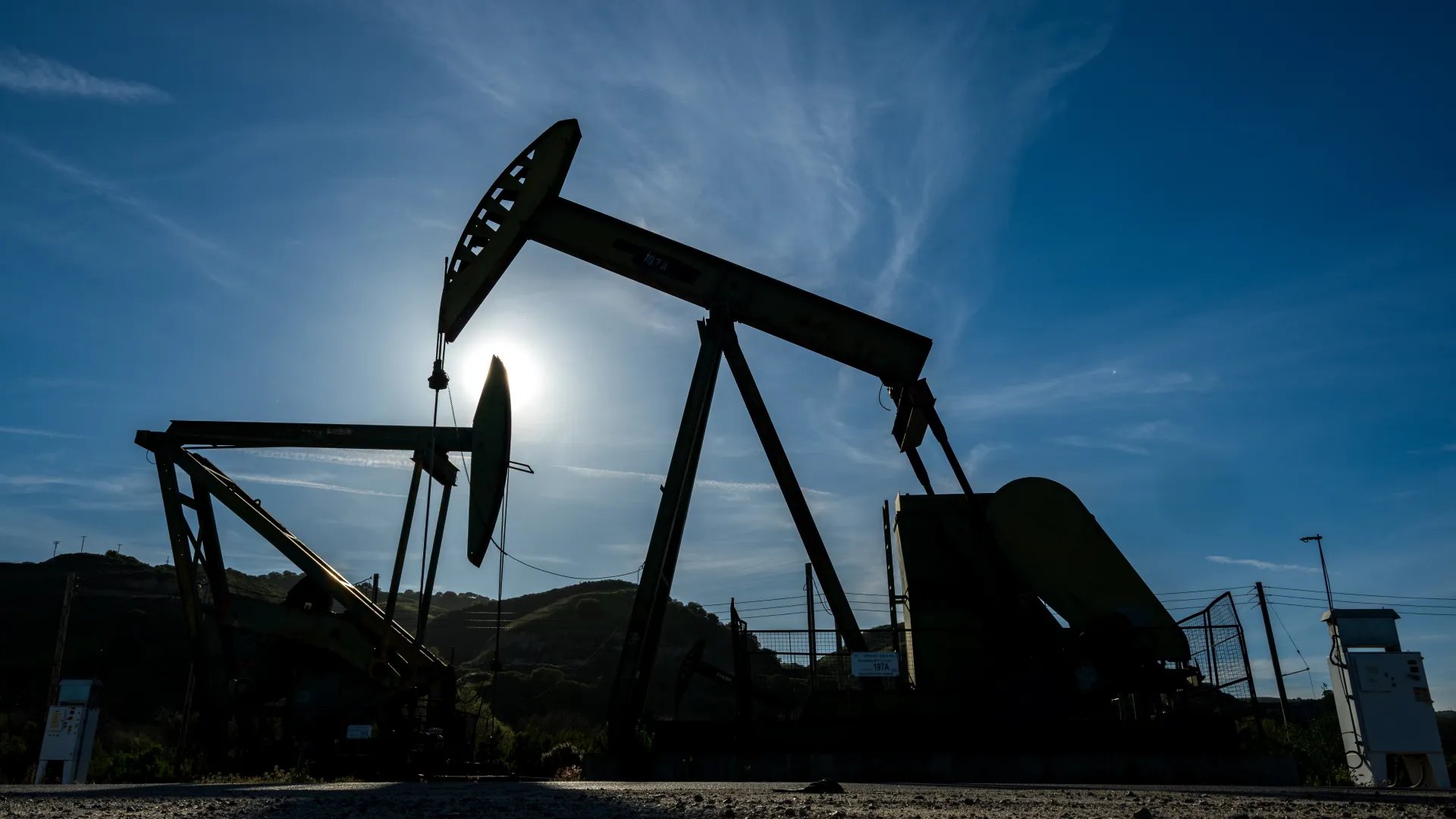
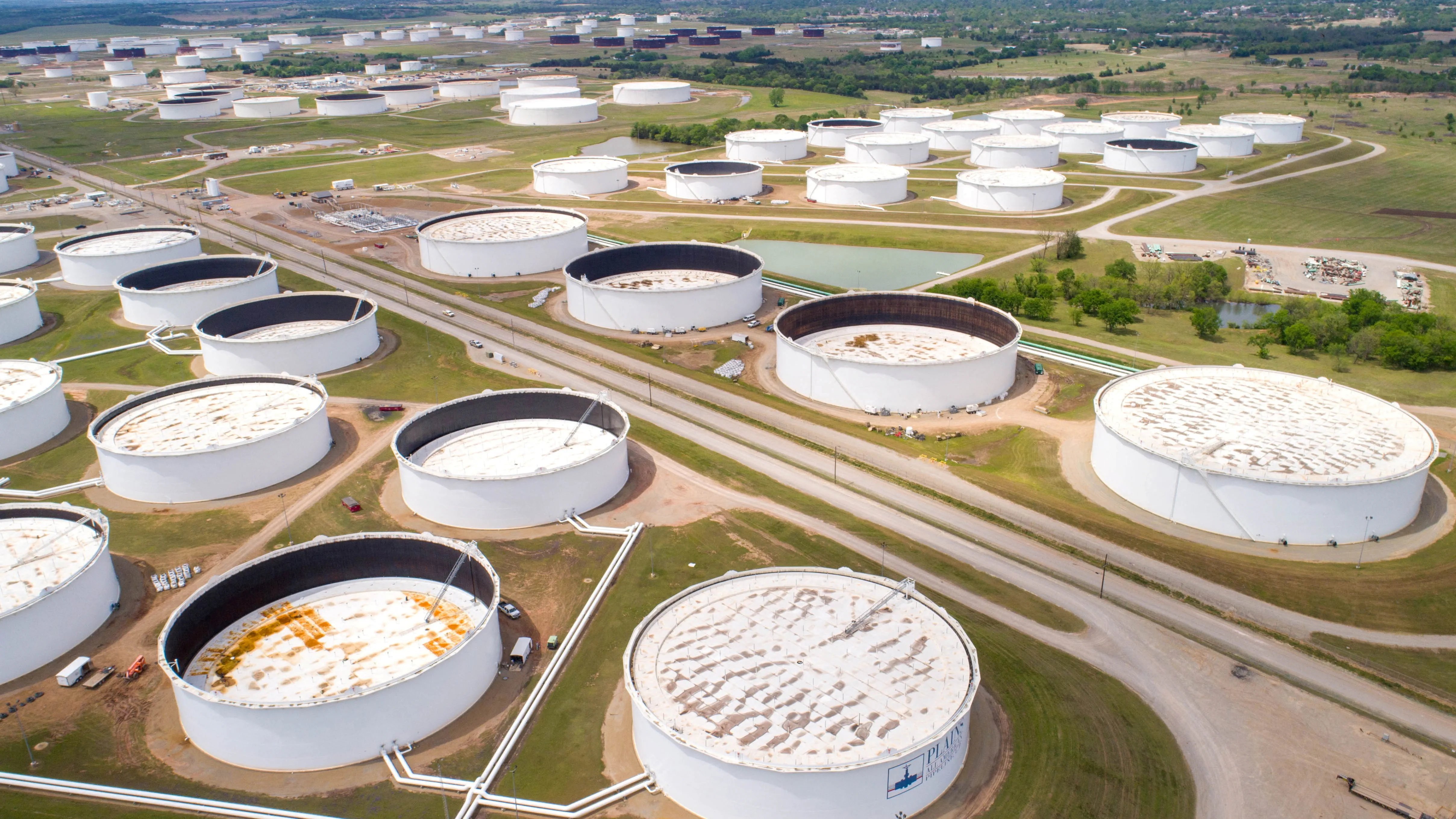
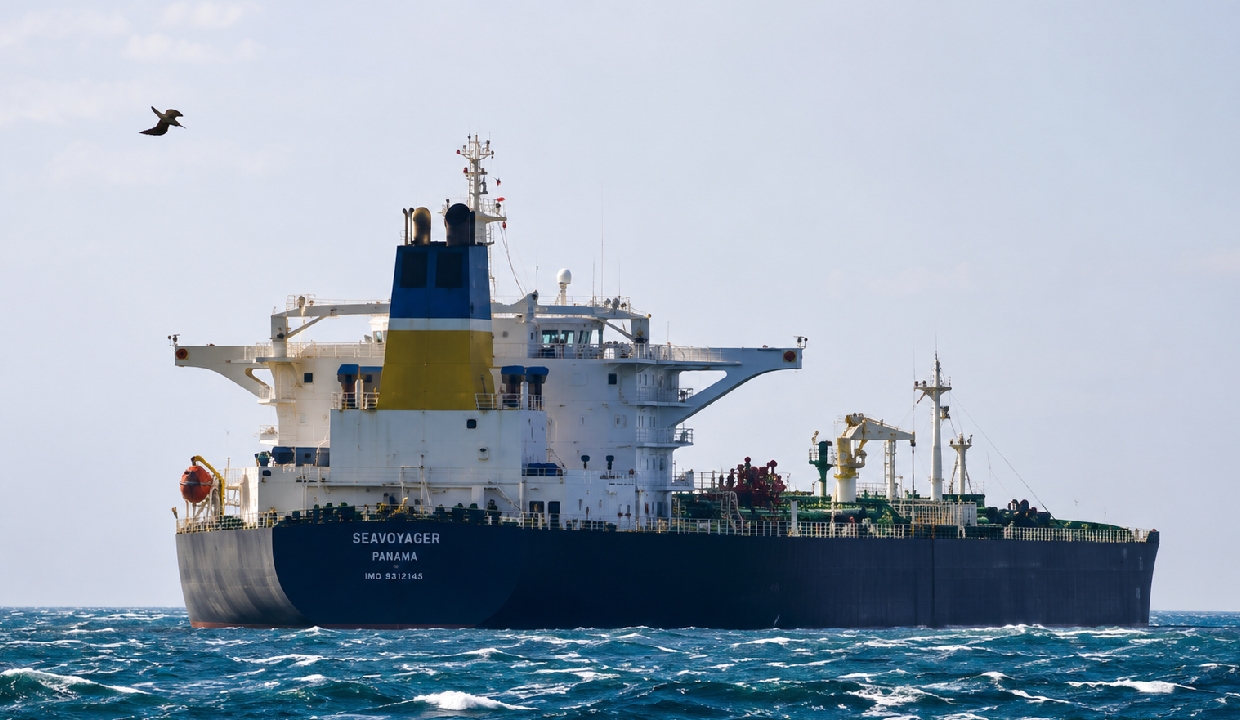
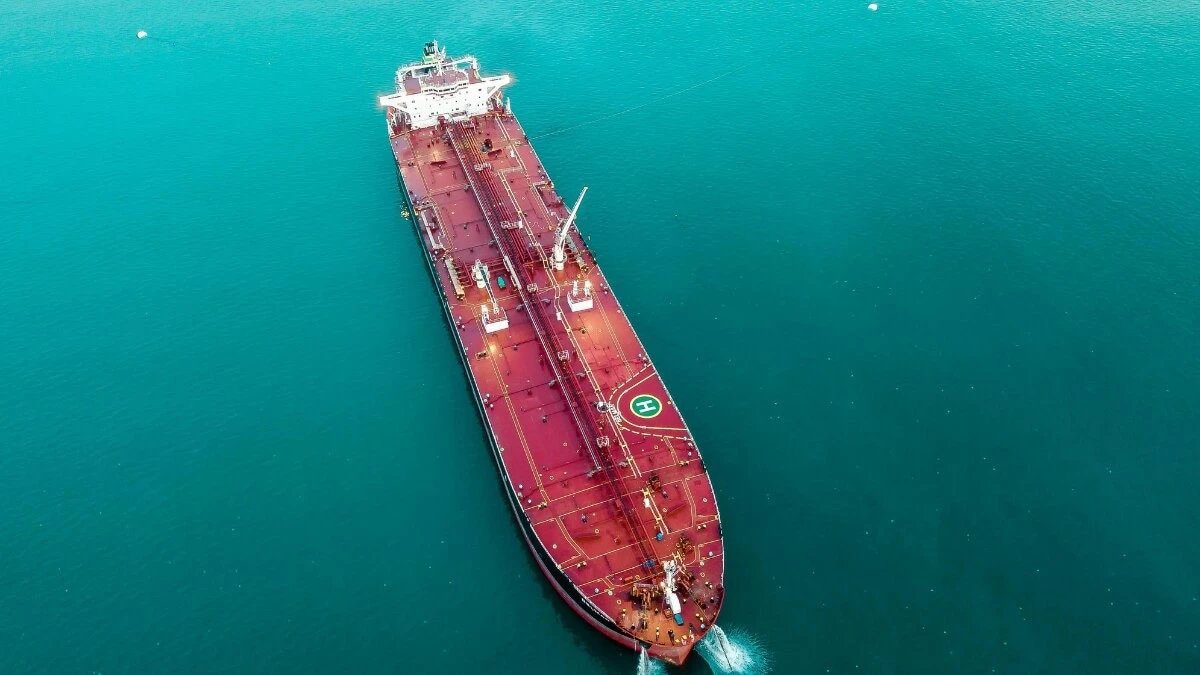
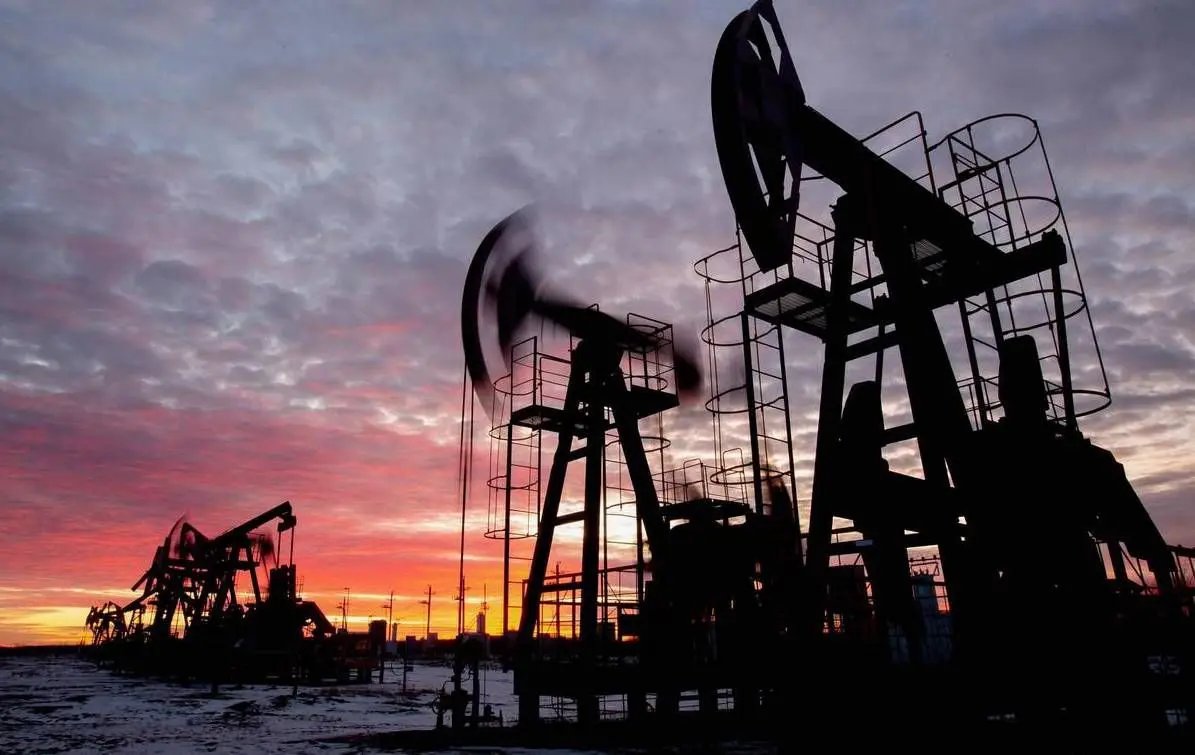
The Organization of the Petroleum Exporting Countries and its allies, known as OPEC+, announced on Sunday that seven member countries will increase oil production by a combined total of 188,000 barrels per day starting in August. This decision comes as oil prices have been sliding, prompting some nations to adjust their output levels in response to changing market conditions. The increase represents a modest adjustment aimed at stabilizing the market amid concerns of a potential surplus.
Countries Involved
The countries participating in this production increase include Saudi Arabia, the United Arab Emirates, Kuwait, Iraq, Nigeria, Angola, and Kazakhstan. Each nation is set to contribute to the overall rise in output, although the specific distribution of the additional barrels has not been detailed. This collaborative effort reflects OPEC+'s ongoing strategy to balance supply and demand in the global oil market.
Market Response
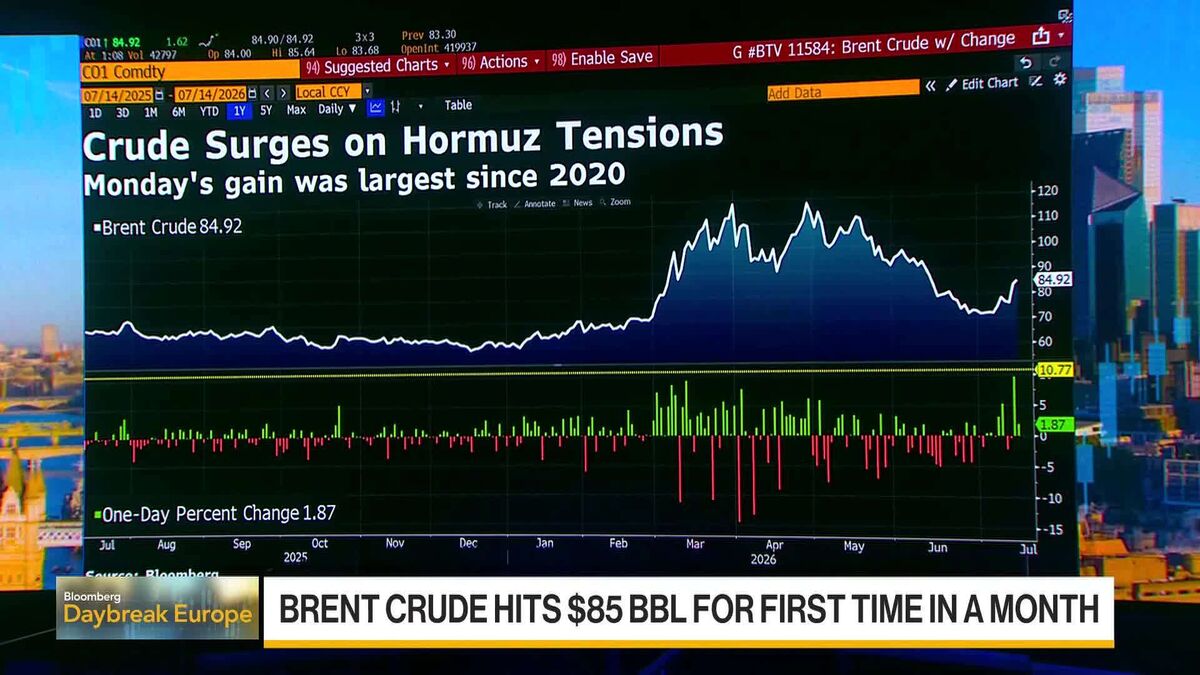
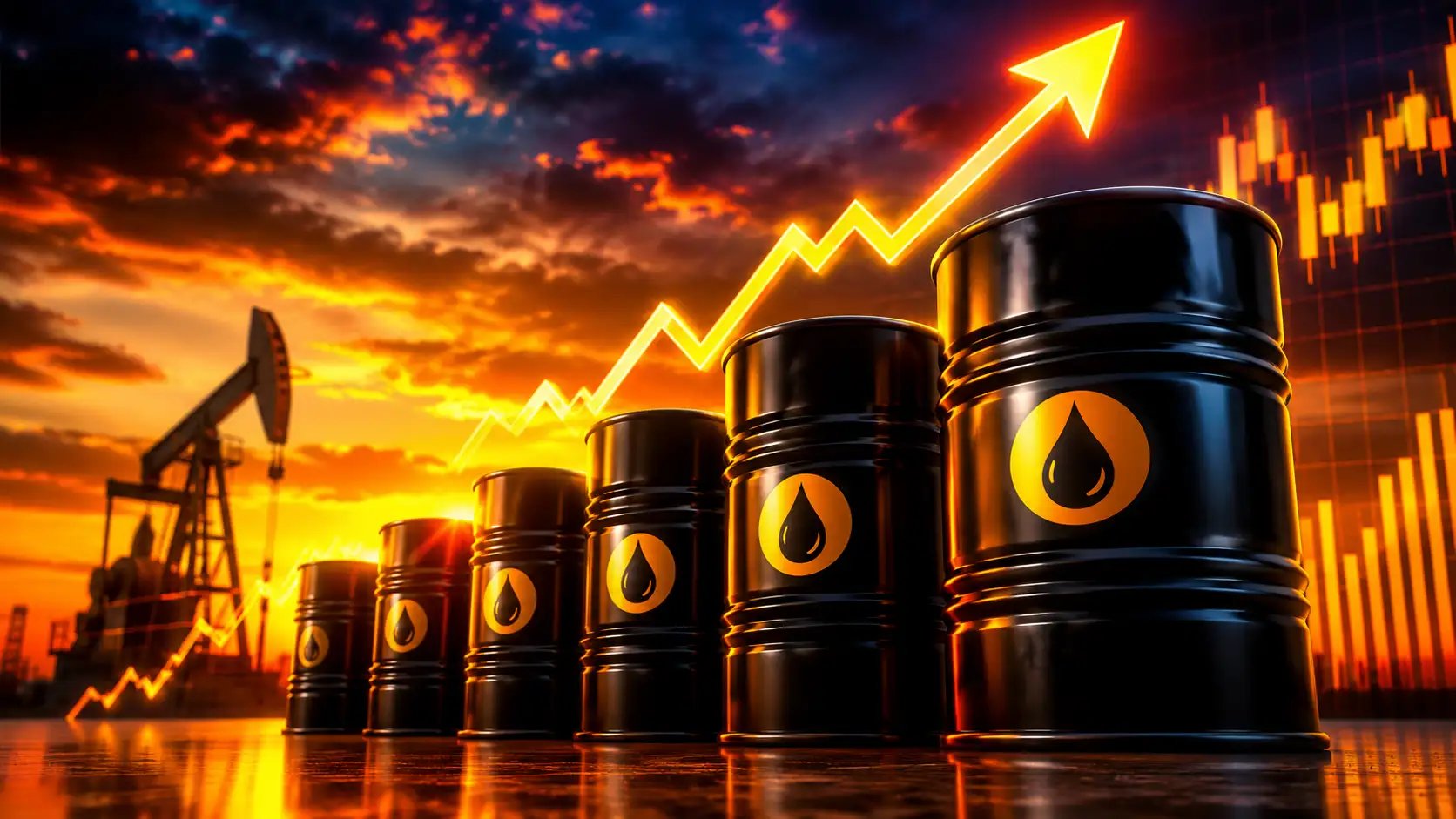
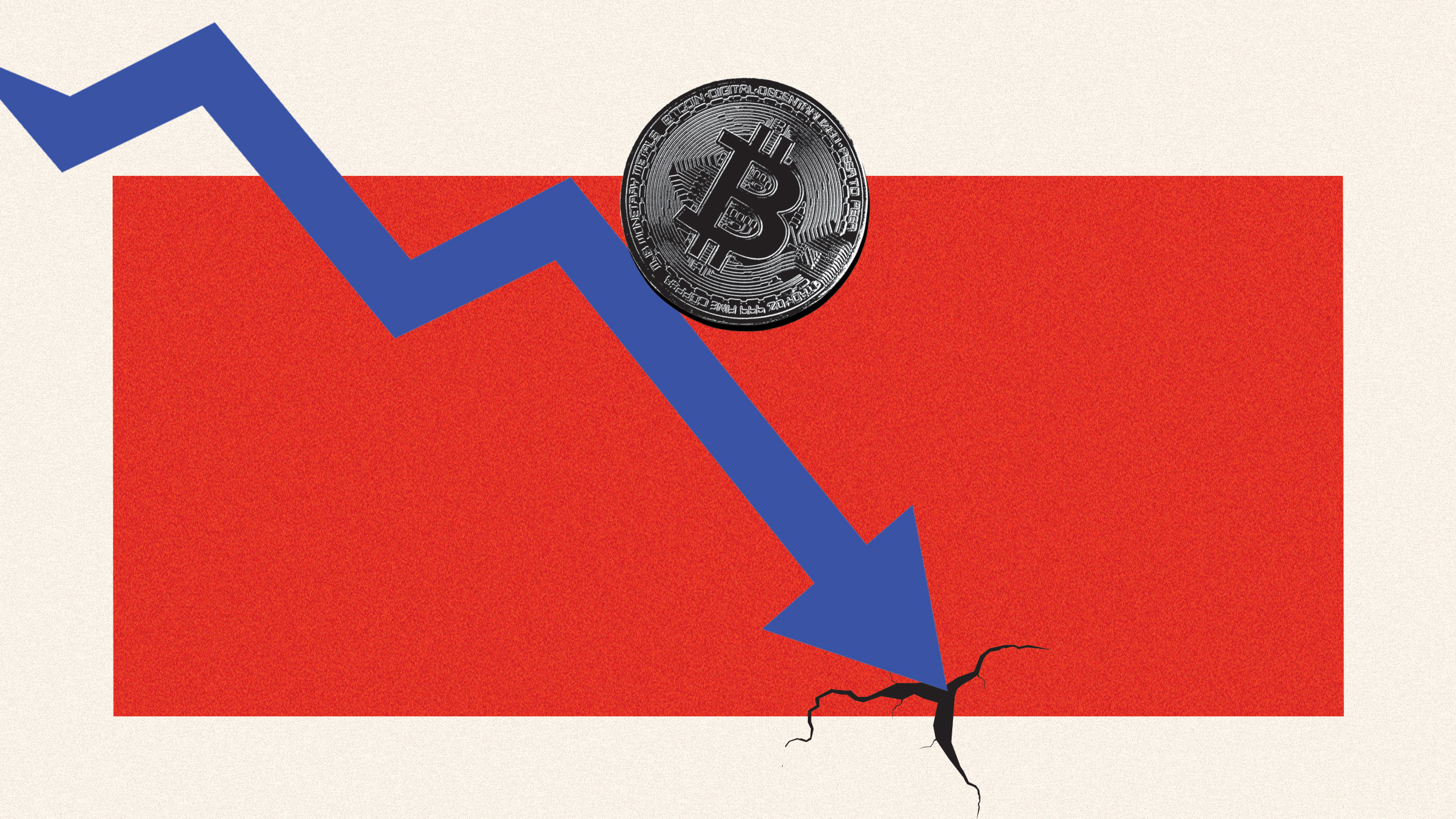
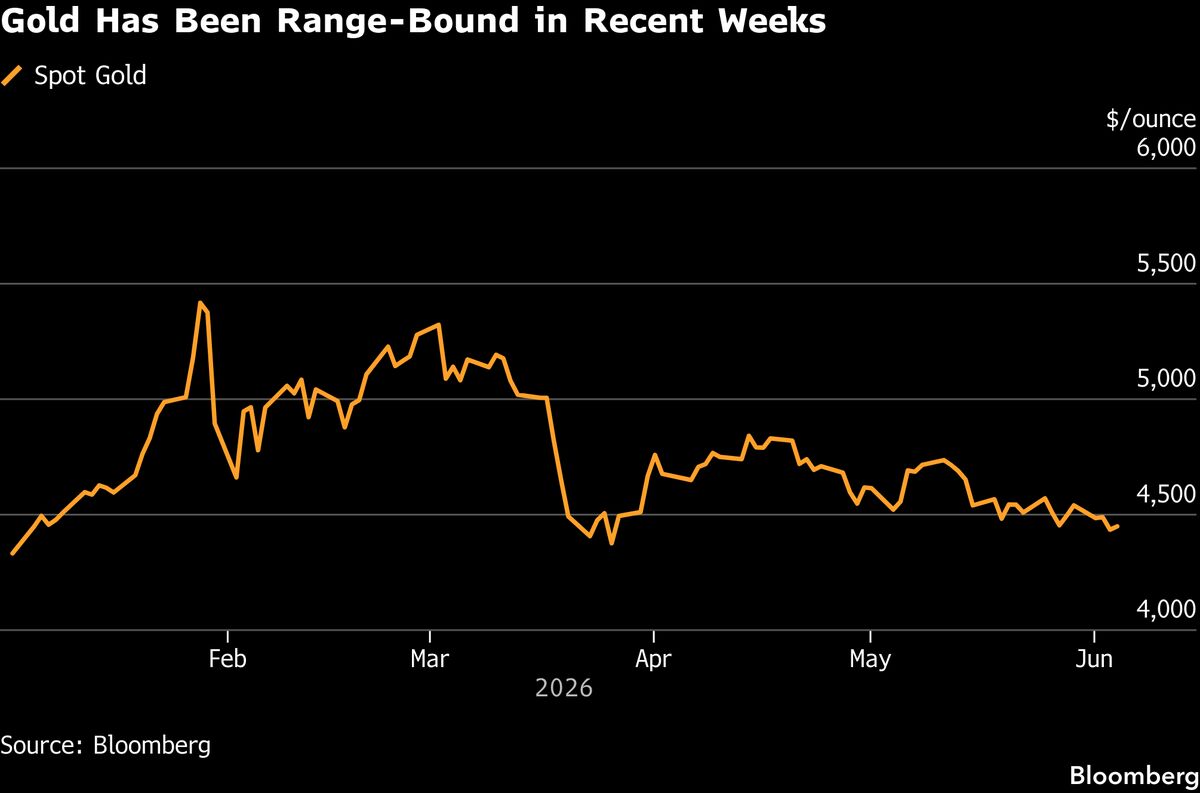
Market analysts suggest that the decision to increase production may not align with current demand, as there are indications that the market could already be facing a surplus. The move comes at a time when concerns about global economic growth have contributed to declining oil prices, which have dropped significantly since their peak earlier in the year. The agreement to add more barrels may further complicate the landscape for oil prices, which are closely monitored by consumers and businesses alike.
Impact on Consumers
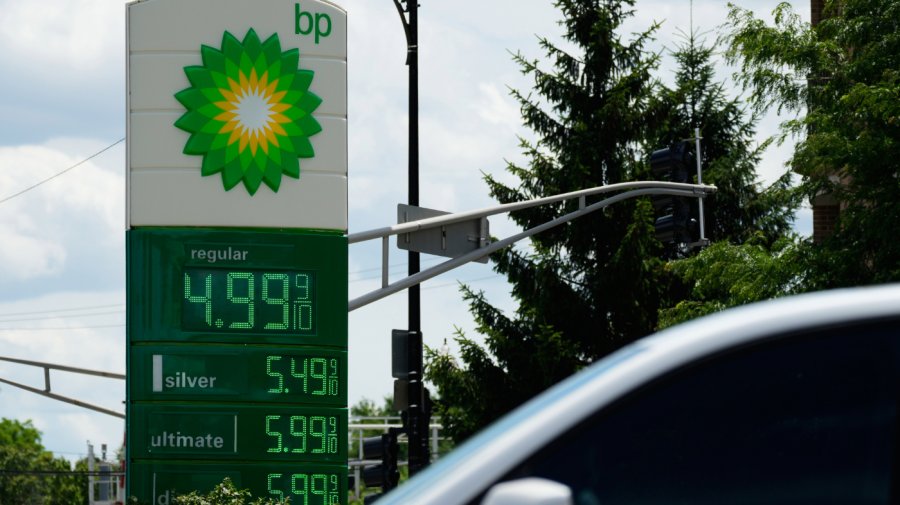
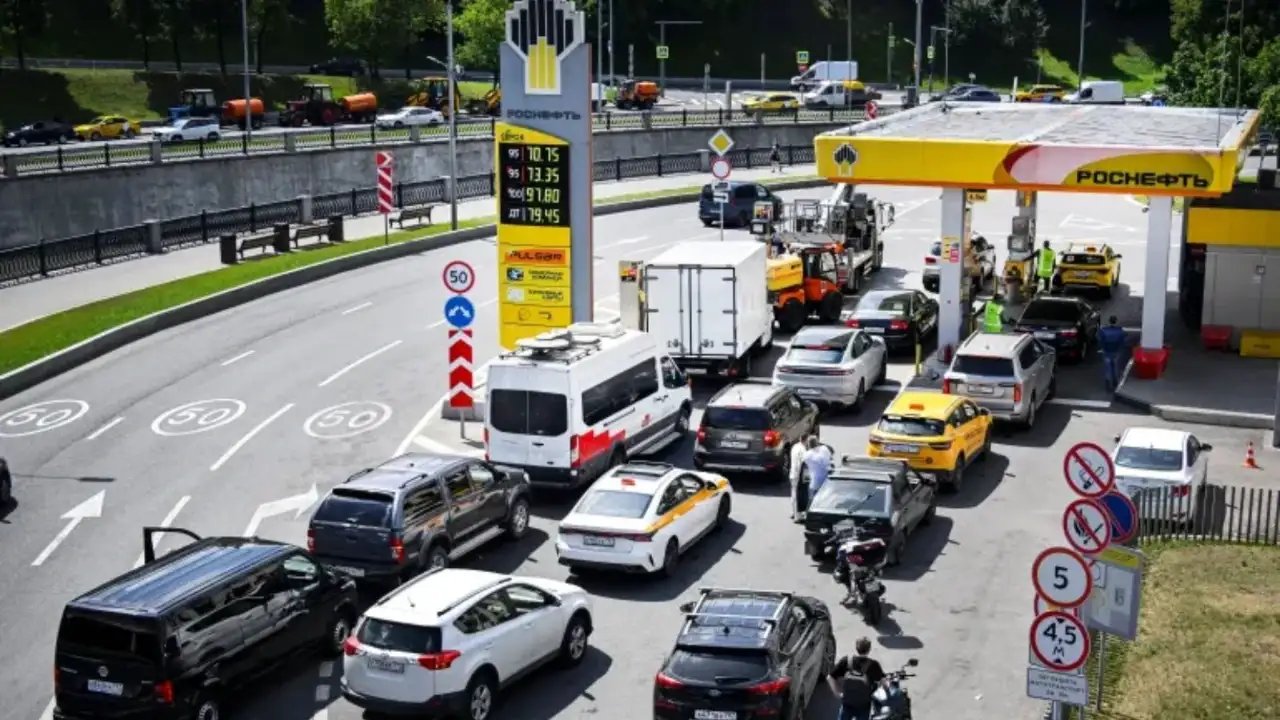
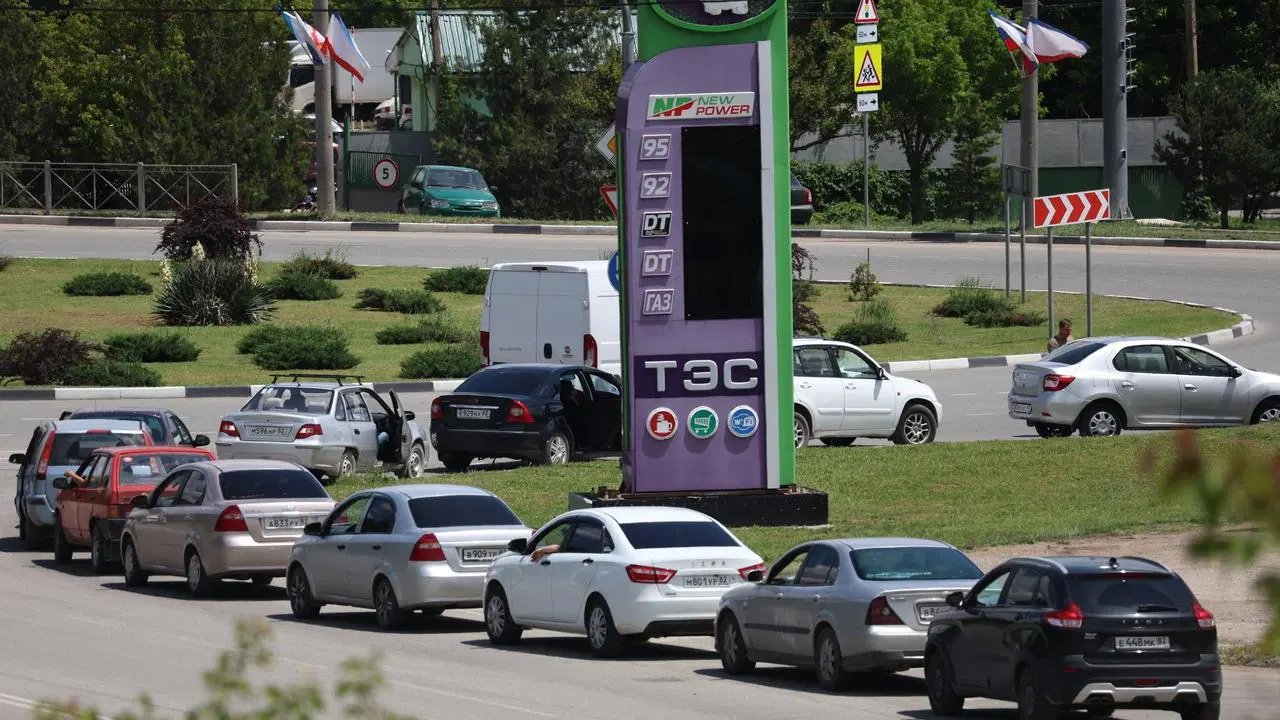
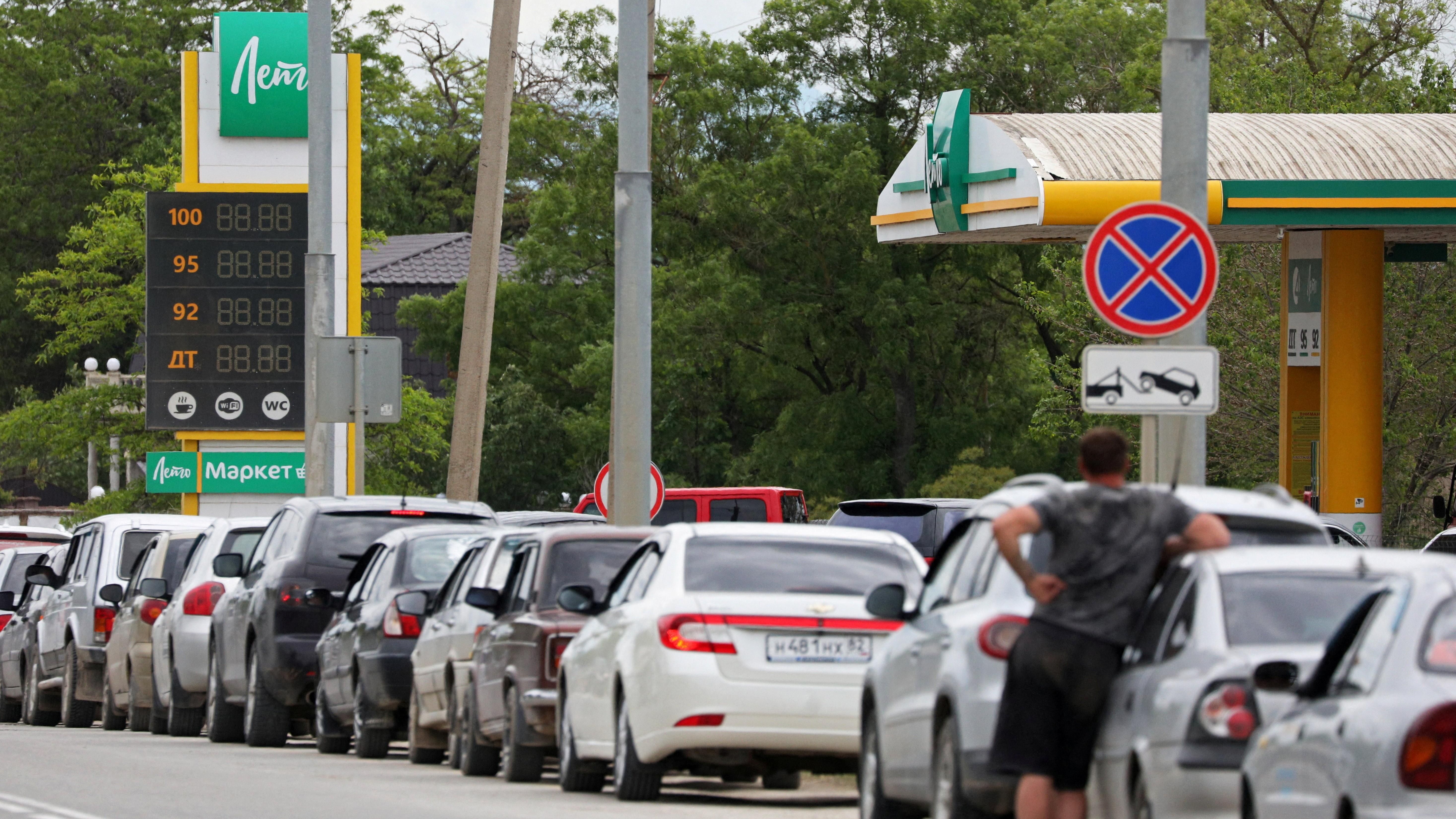
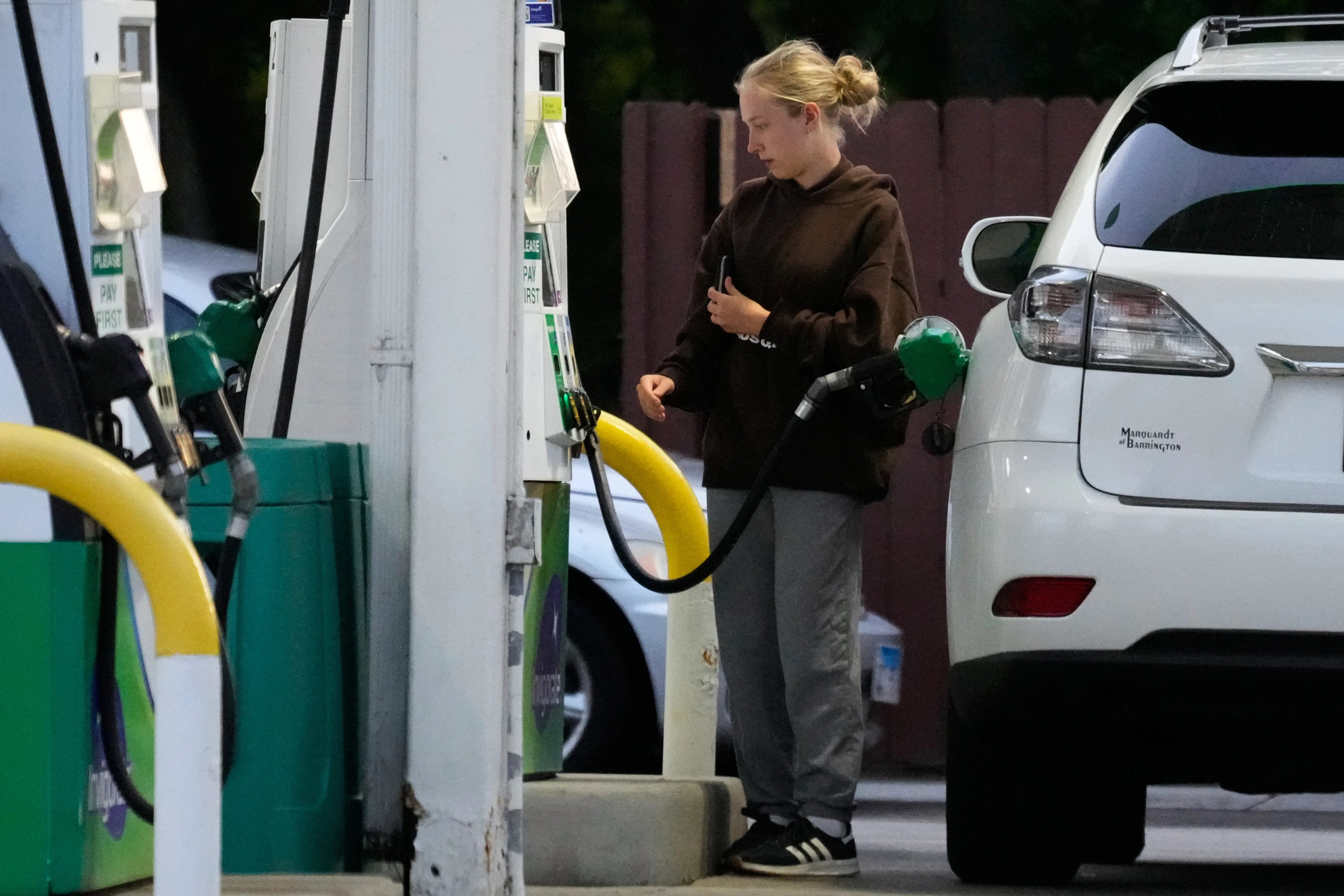
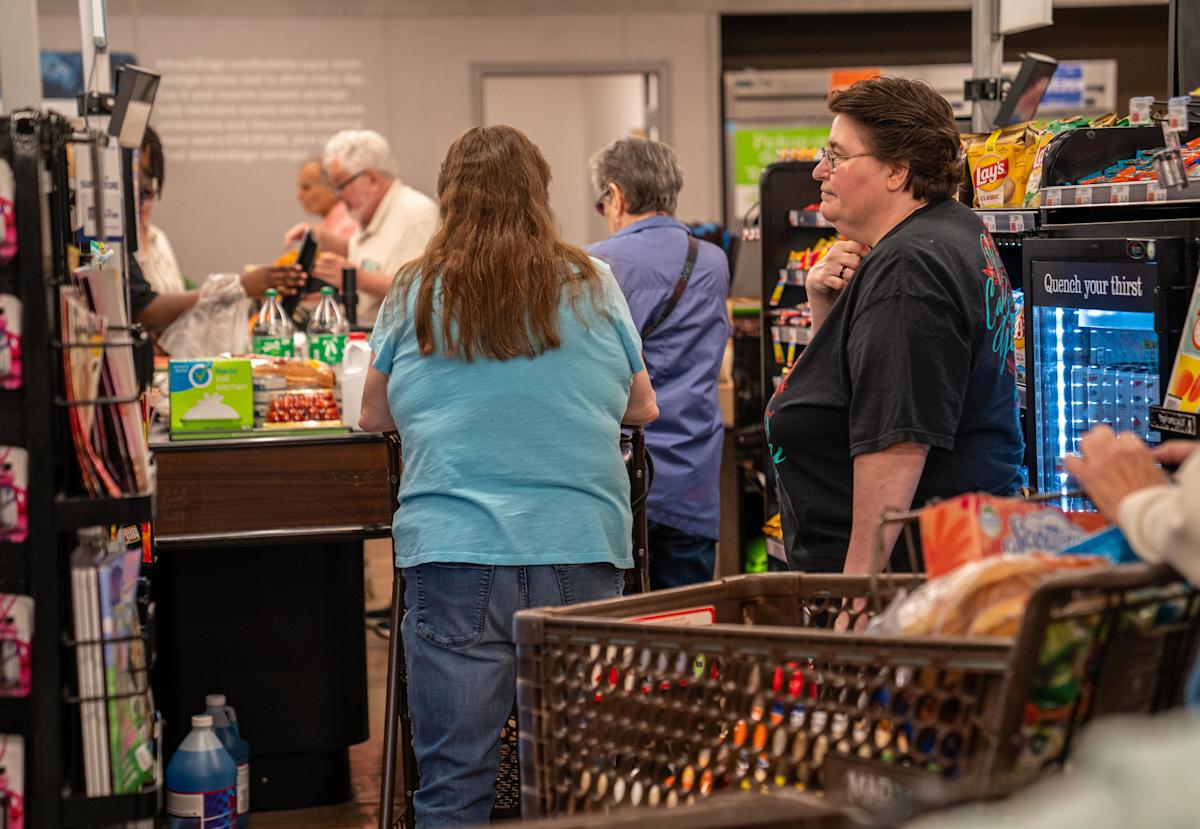
For consumers, this increase in oil production could have mixed implications. While a potential surplus might lead to lower oil prices at the pump, the overall economic landscape remains uncertain. The effects of this production hike will likely be felt in the coming months as the market adjusts to the new levels of supply. Consumers should stay vigilant about fluctuations in oil prices, which directly impact transportation and heating costs.
Future Outlook
Despite the production increase, experts are divided on the necessity of this move. Some analysts argue that the added barrels may not be needed given the current market dynamics. Others warn that if demand does not pick up, the increased supply could exacerbate the existing downward pressure on prices. As OPEC+ navigates these challenges, the global oil market remains in a state of flux, prompting stakeholders to closely monitor developments in both supply and demand.
Conclusion
The decision by OPEC+ to modestly expand oil production highlights the ongoing challenges faced by the global oil market. As seven countries prepare to increase output in response to sliding prices, consumers may see varying impacts on their costs. Observers will watch closely to see how this production adjustment influences market stability and pricing trends in the months ahead.