




Escalation of Threats Over Assassination Plot
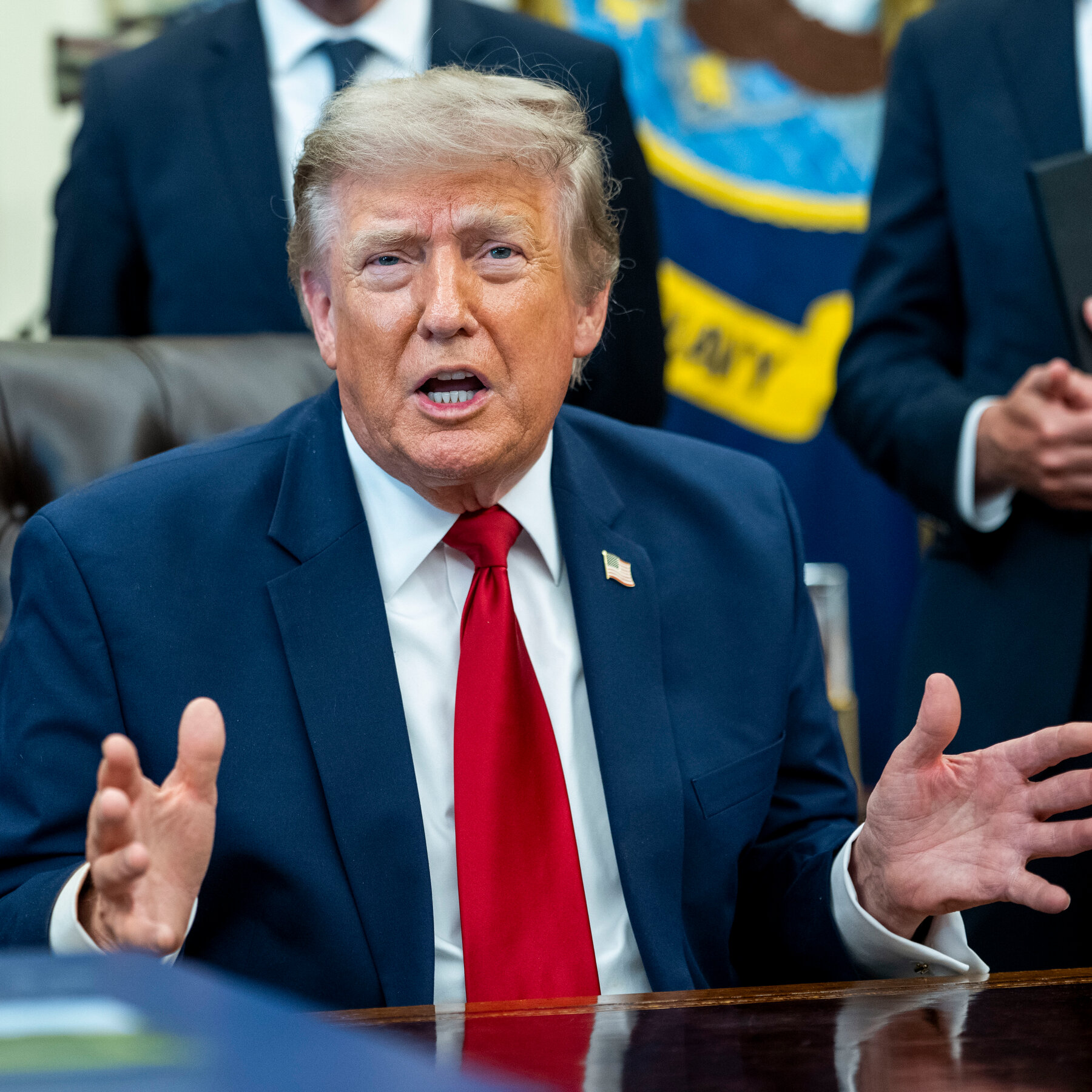
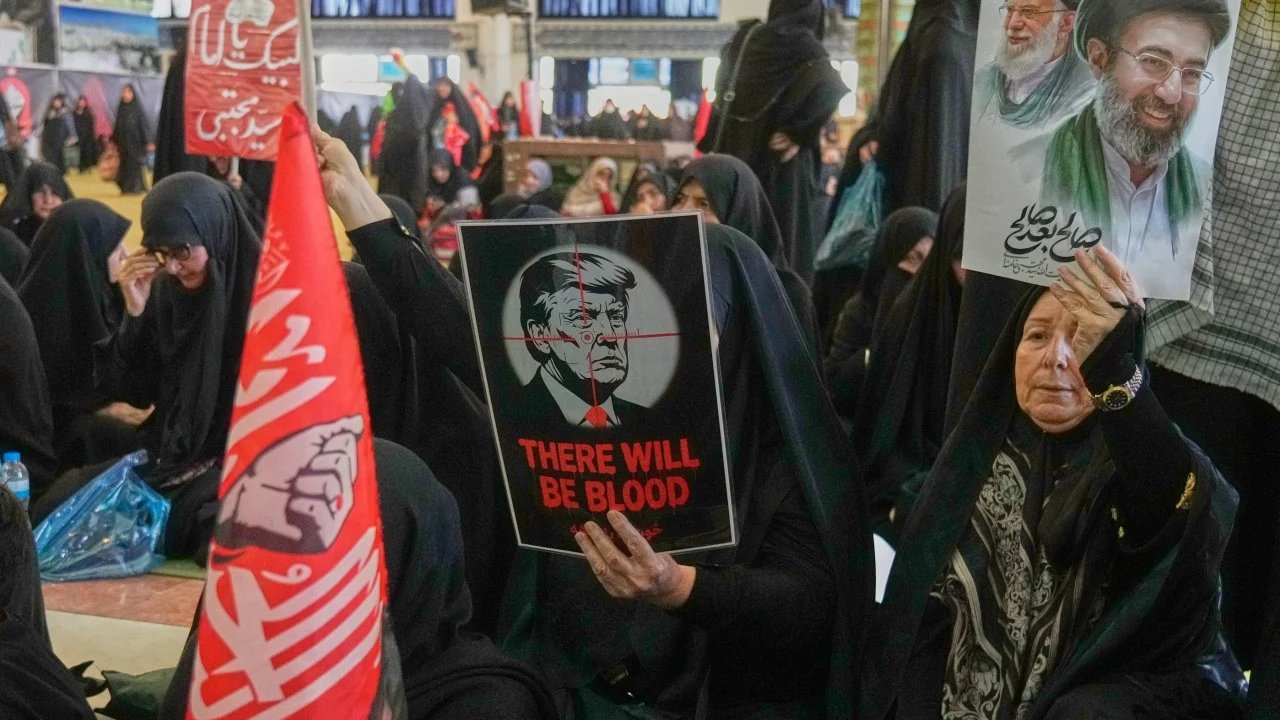
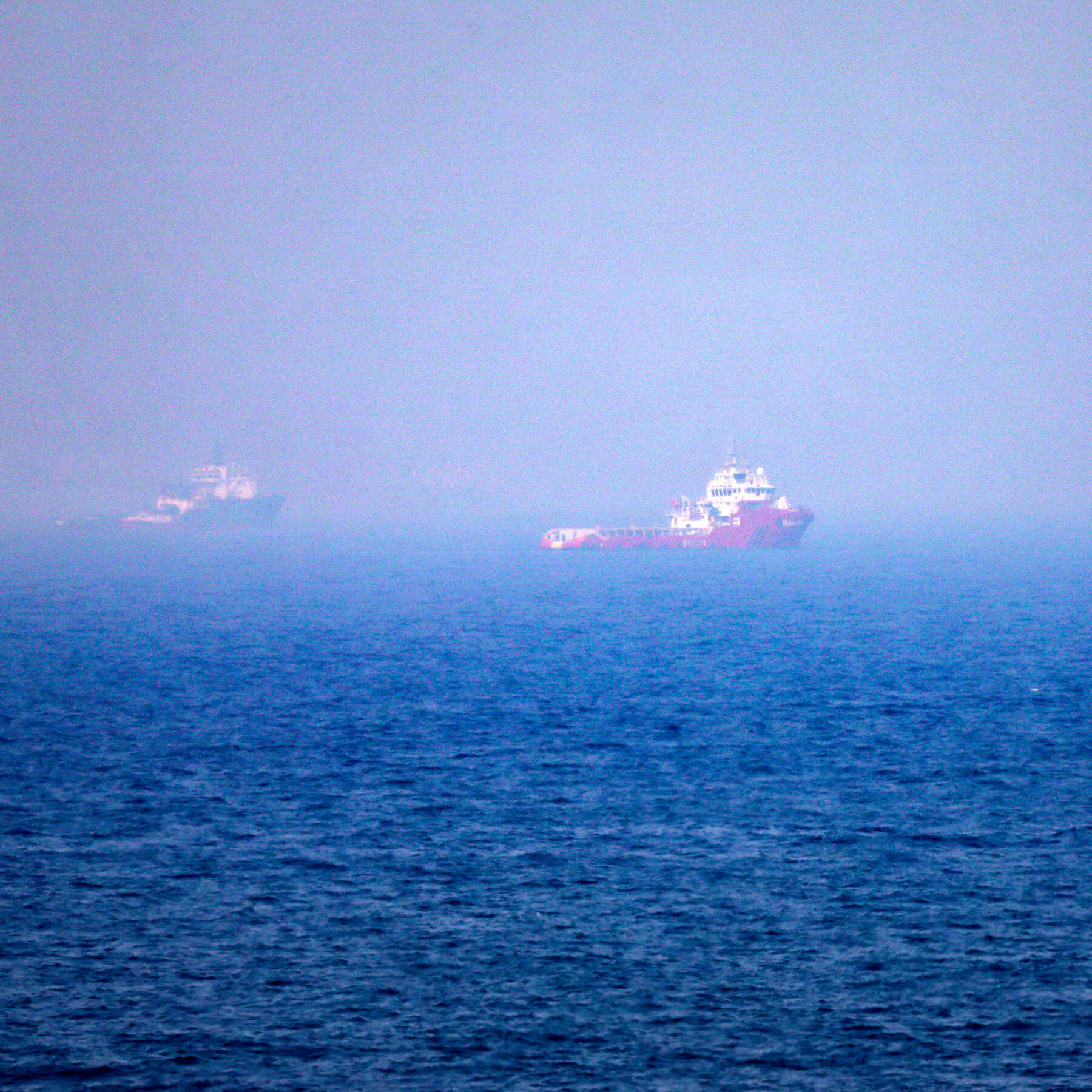
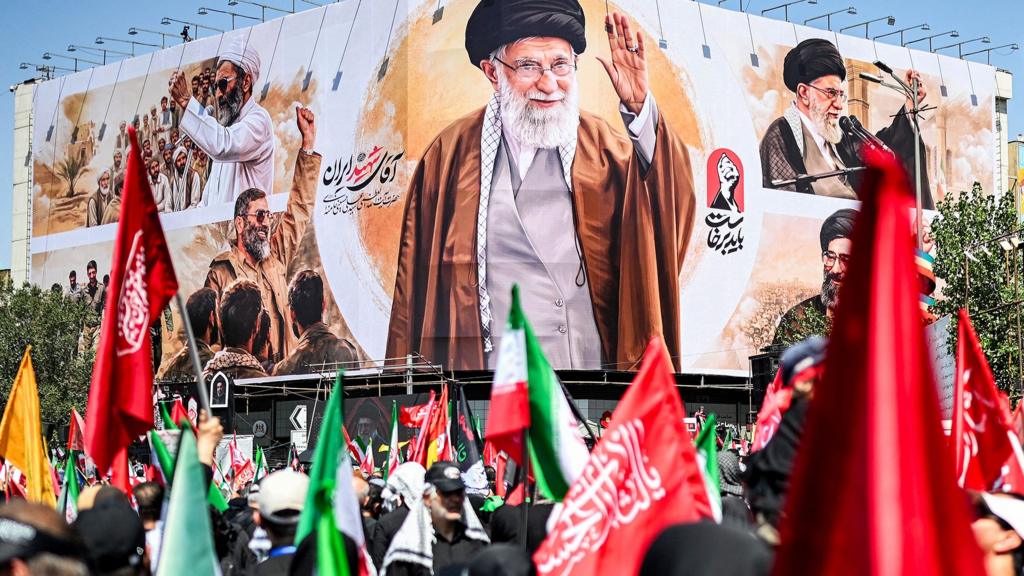
President Donald Trump and Iran's new Supreme Leader Mojtaba Khamenei exchanged stark threats on Saturday, heightening tensions between the two nations. Khamenei vowed that revenge for the assassination of his father, former Supreme Leader Ali Khamenei, “will most certainly be carried out.” His statement followed a week of public mourning, where the Iranian populace called for Trump's death. The Revolutionary Guard announced that the Strait of Hormuz is closed until further notice, citing the need to protect Iranian interests amid rising hostilities.
Trump's Military Readiness
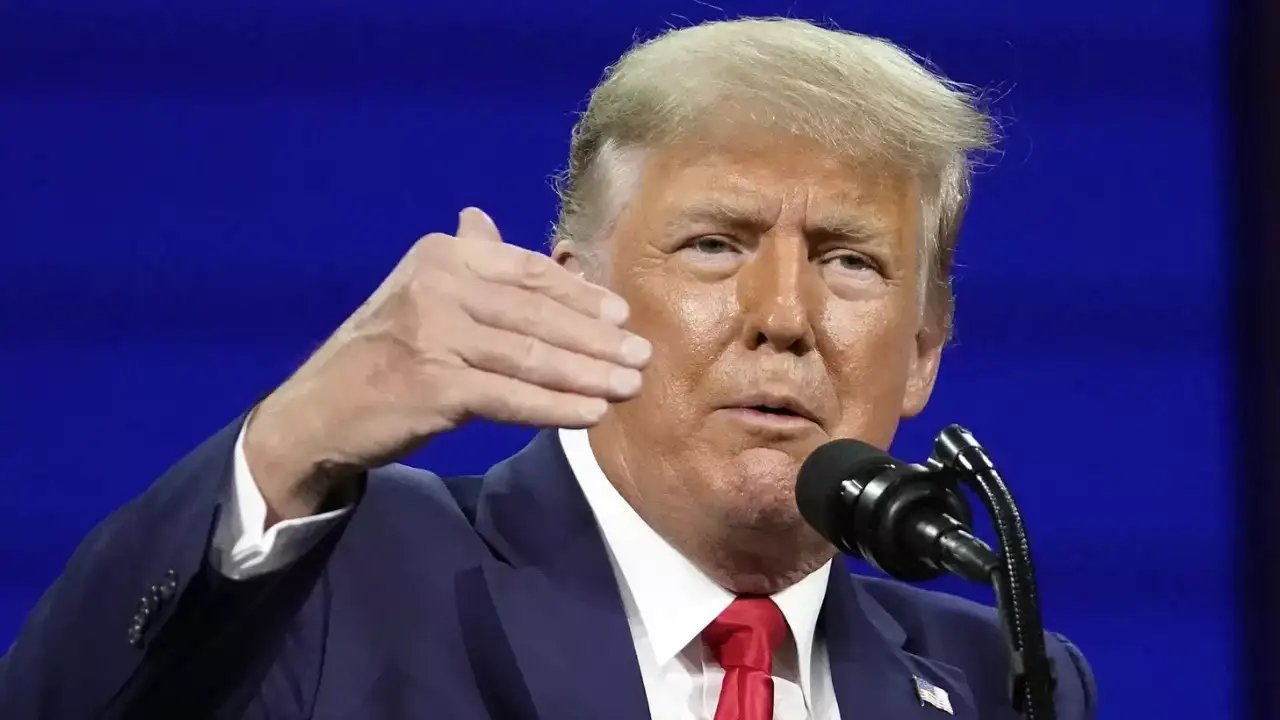
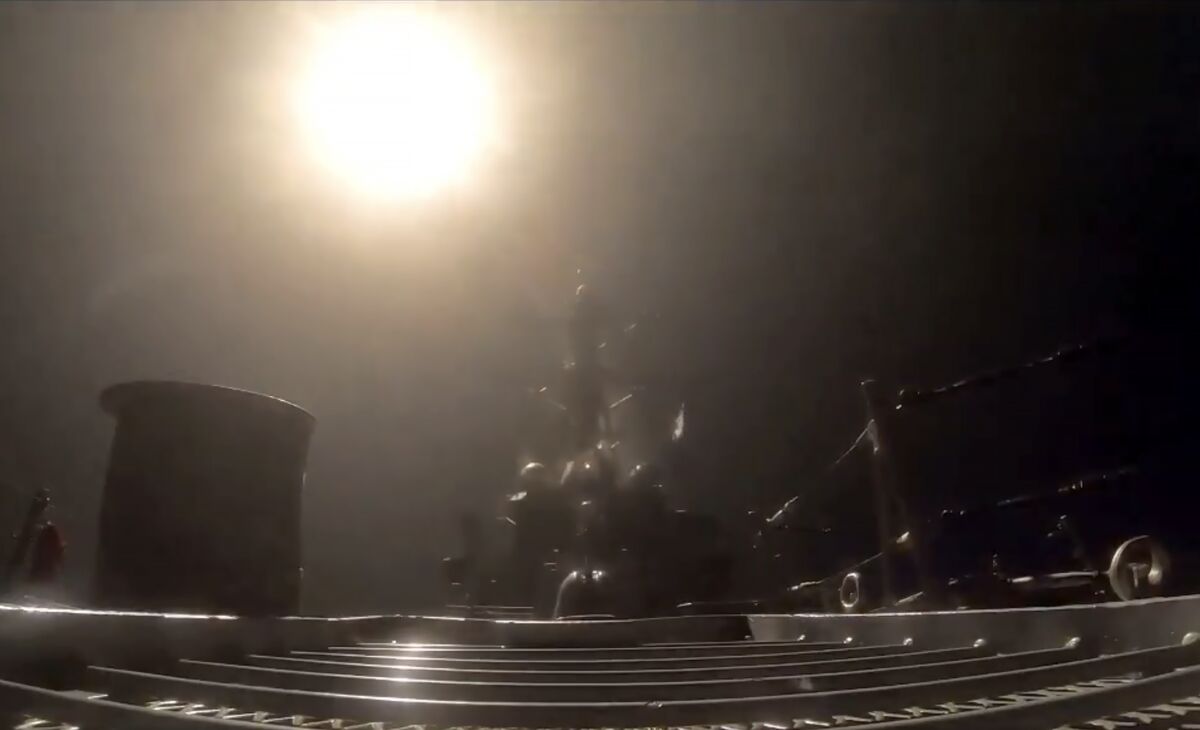
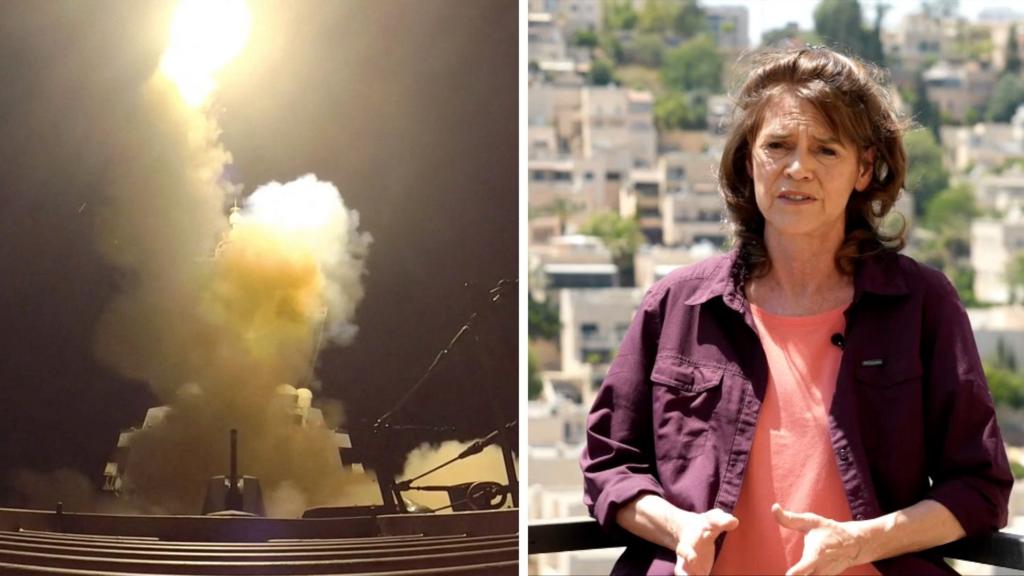
In a post on Truth Social, Trump declared that “1000 Missiles are Locked and Loaded” and aimed at Iran, warning that further military action would follow if the Iranian government acted on threats against him. He stated he has given the military orders to “completely decimate and destroy all areas of Iran,” reflecting a significant escalation in U.S. military readiness. Trump's comments came after reports indicated that Iranian officials had discussed plans to assassinate him, escalating fears of direct conflict.
Khamenei's Call for Justice
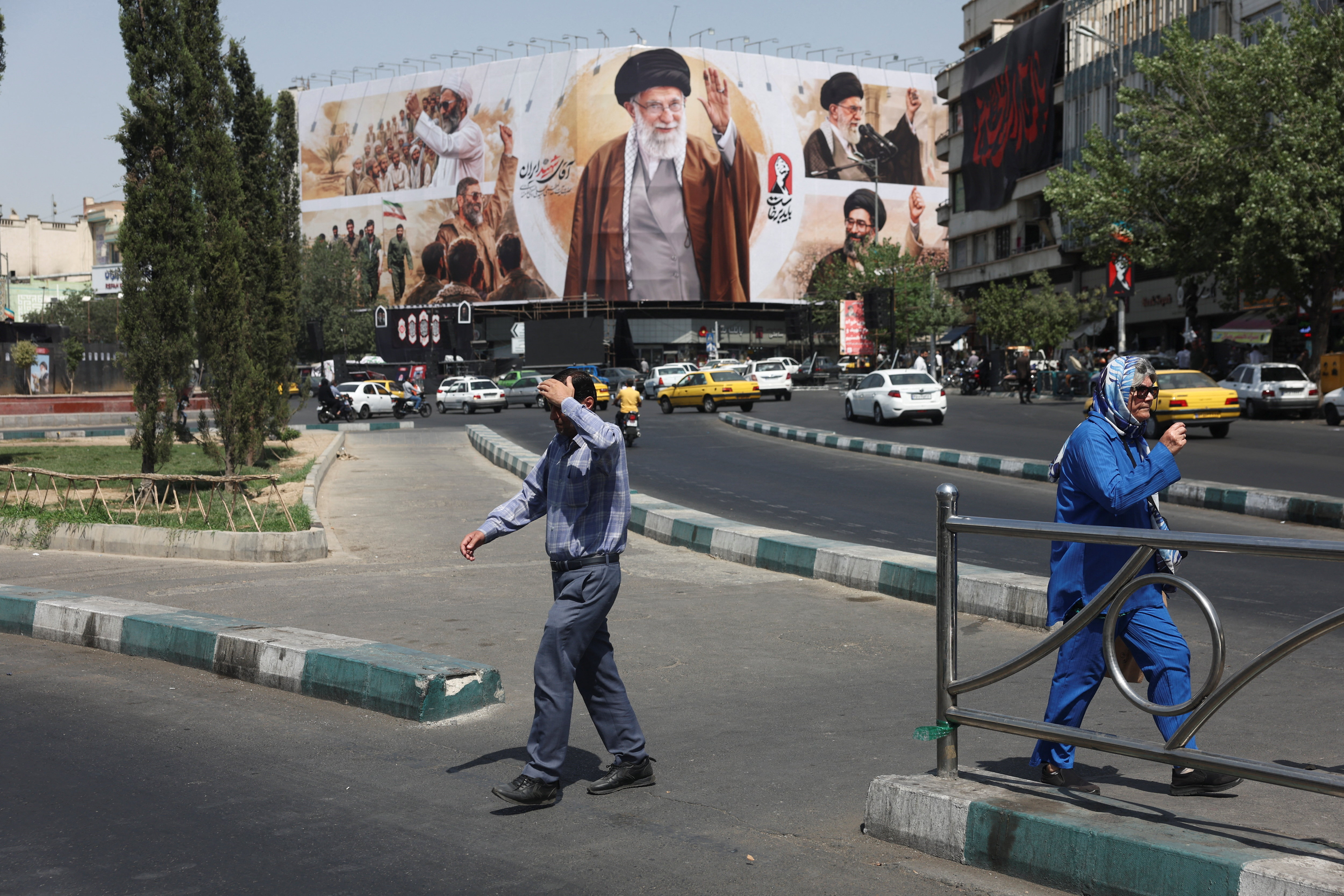
Mojtaba Khamenei, who has not appeared publicly since being injured during the attack that killed his father, pledged to avenge the deaths of those “martyred” in the conflict, emphasizing that this revenge is a national demand. He stated that “these criminals” would not escape justice, regardless of his personal involvement, and called upon “freedom-loving people throughout the world” to partake in this mission. His statements reflect a broader sentiment in Iran that seeks retribution against the U.S. and its allies for perceived injustices.
U.S. Military and Political Implications
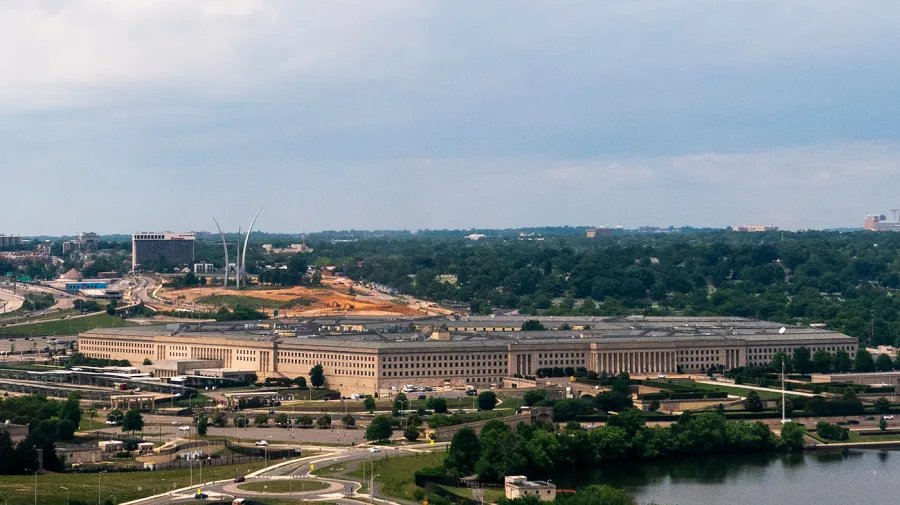
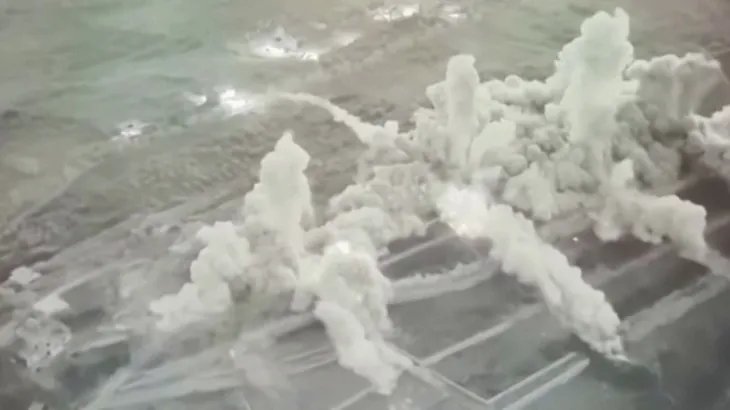
The ongoing military operations against Iran are expected to cost the U.S. government tens of billions of dollars. With Trump hinting at a potential shift back to all-out war, the implications for U.S. foreign policy and military strategy are profound. U.S. Ambassador to Israel Mike Huckabee warned Iran not to “test” American military resolve, suggesting that further military actions could be imminent if tensions do not de-escalate.
Global Response and Consequences
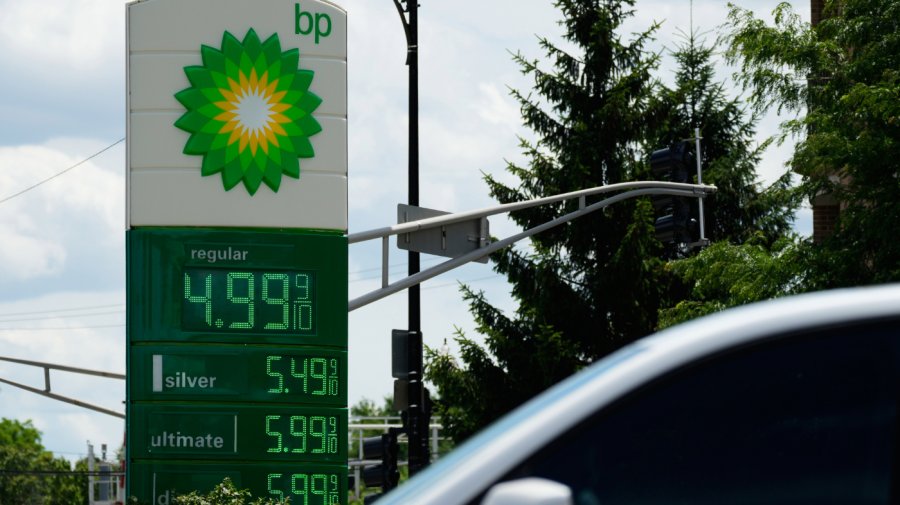
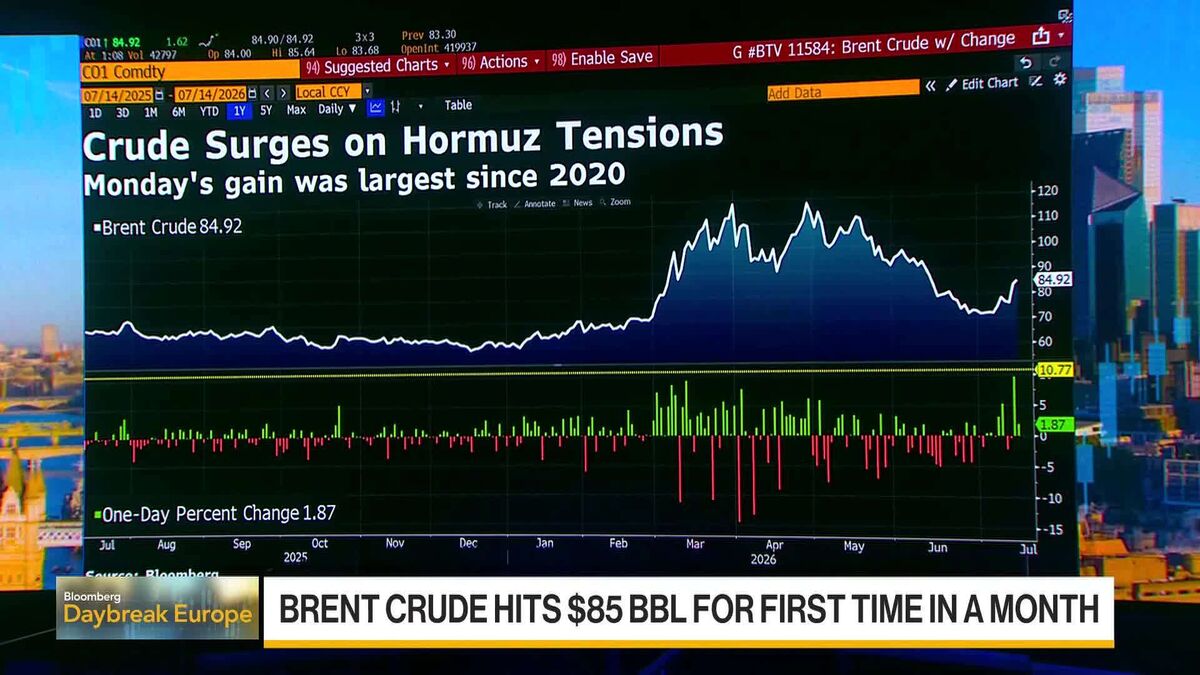
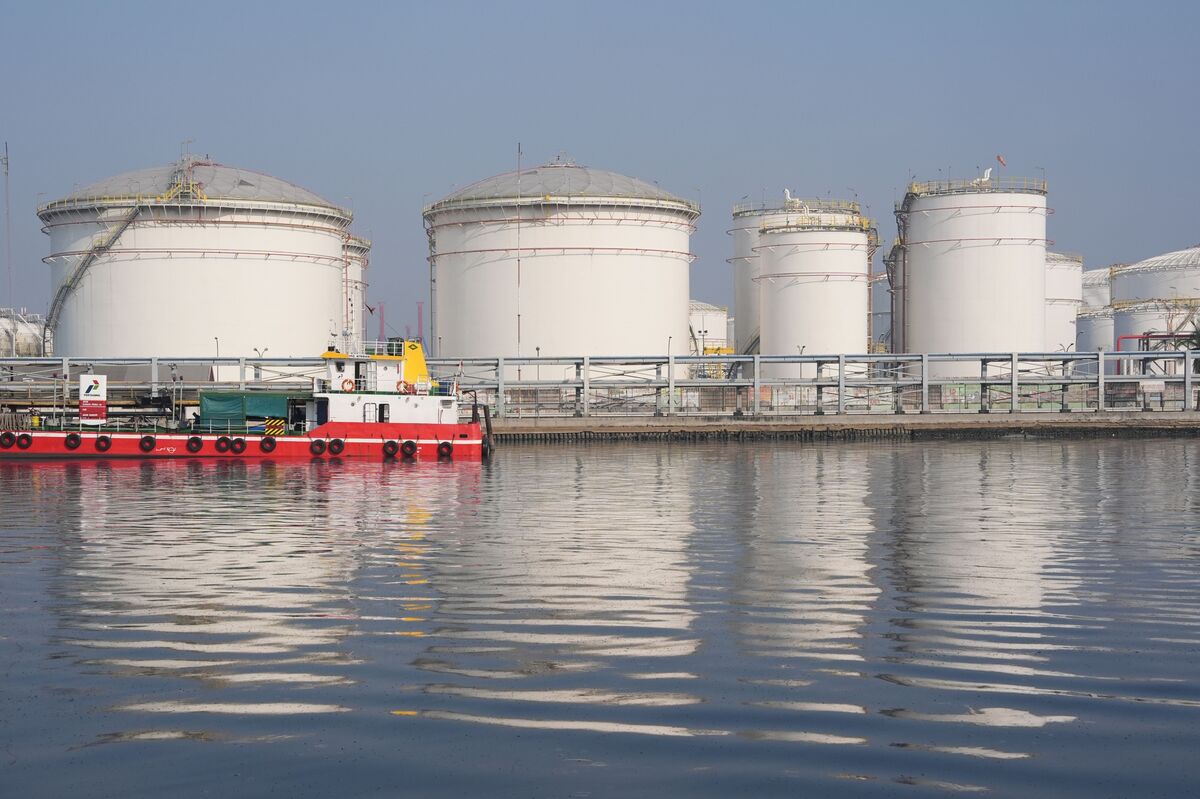
This exchange of threats has raised alarms internationally, with concerns about the potential for a broader conflict in the Middle East. The situation in the Strait of Hormuz, a critical maritime passage for global oil supplies, has become increasingly precarious. Analysts warn that any military confrontation could disrupt oil markets and have far-reaching economic consequences, affecting prices worldwide.
The Human Factor
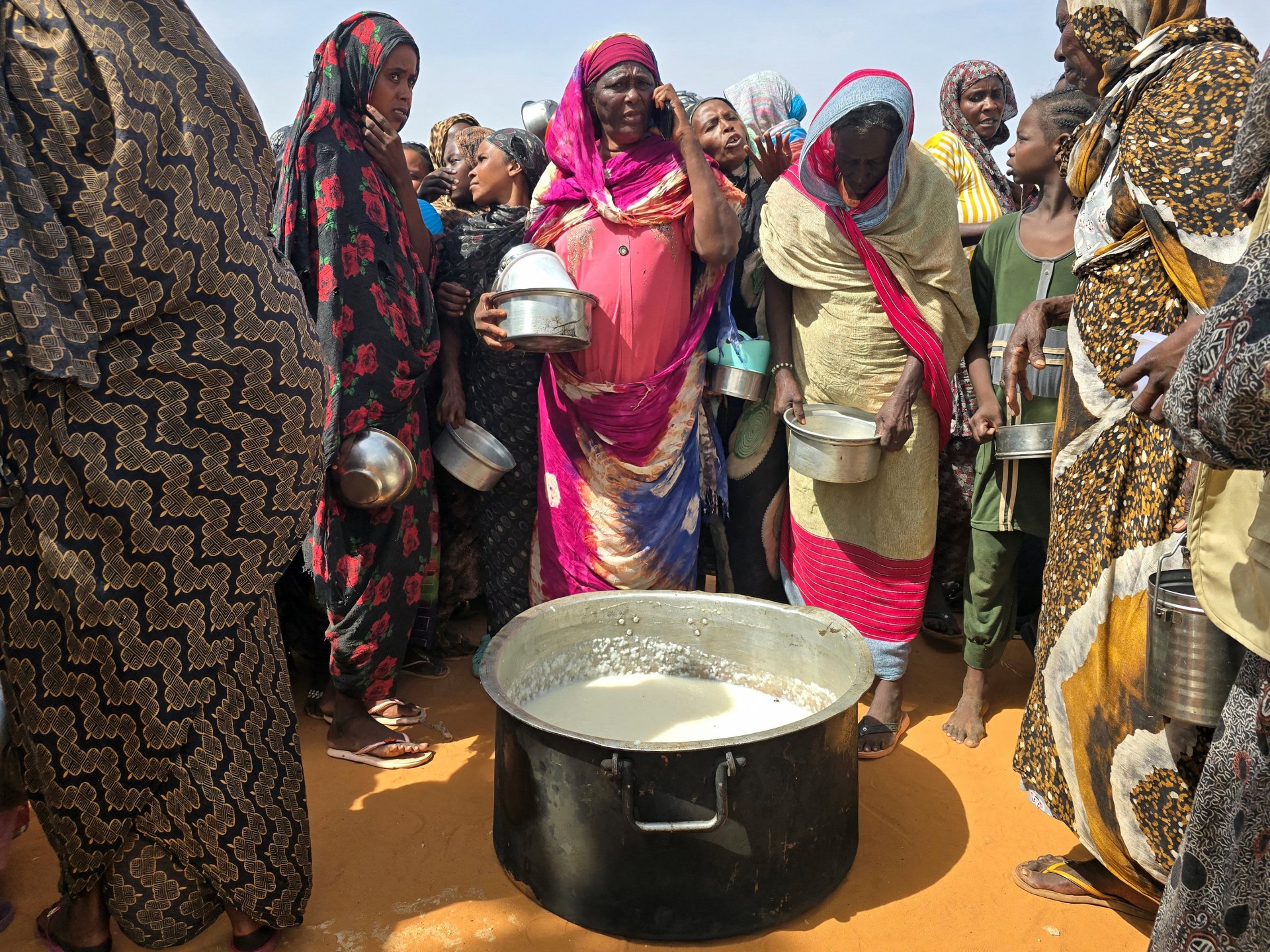
As the rhetoric escalates, the human cost of conflict looms large. The families of military personnel and civilians in the region face the uncertainty of rising tensions and potential military action. As both leaders continue to trade threats, the stakes remain high for ordinary citizens, who could bear the brunt of any military escalation.
Next Steps and Ongoing Developments
The coming days will be crucial as both sides navigate this fraught situation. The U.S. military's readiness and Iran's commitment to revenge could lead to significant developments on the ground. As the world watches, the potential for conflict remains a pressing concern, underscoring the need for diplomatic efforts to de-escalate tensions and find a path toward resolution.