




Potential Impact on Fuel Prices for Consumers
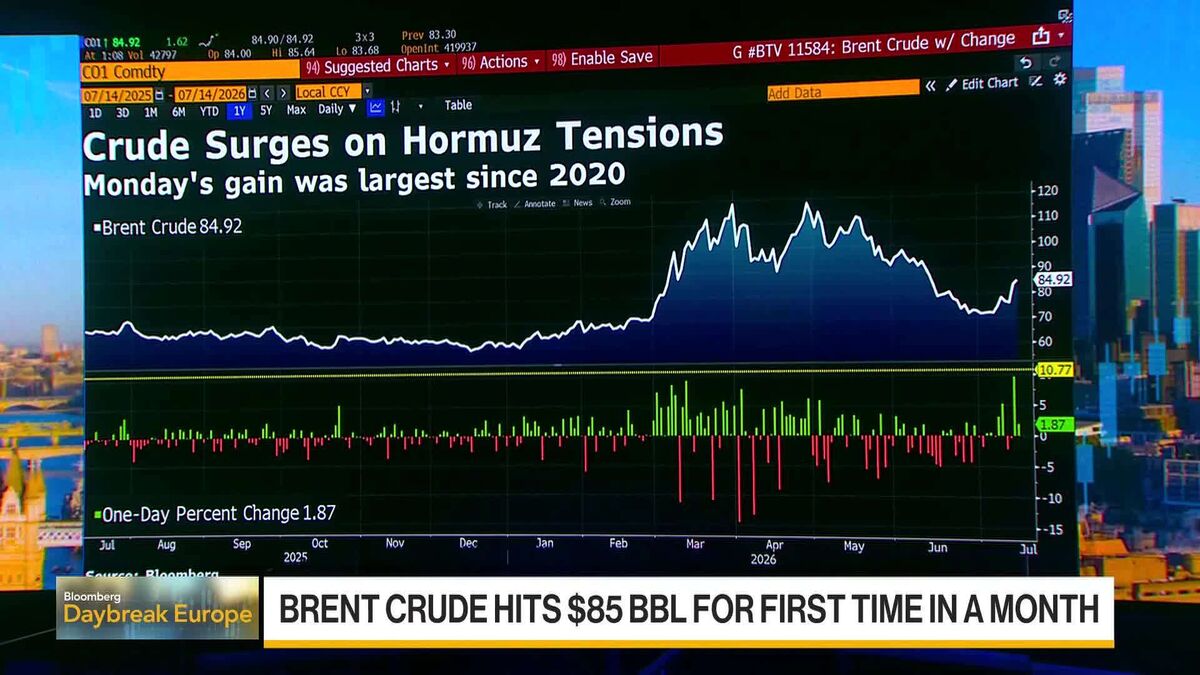
The U.S. government is considering an extension of the Jones Act waiver, which could significantly influence fuel prices for consumers amid escalating tensions with Iran. This waiver has previously facilitated the movement of oil, fuel, and fertilizer within the United States, easing supply chain constraints. With the renewed conflict in Iran, officials are concerned about potential disruptions to fuel supplies, which could lead to increased prices at the pump.
Shipping Waivers and Domestic Supply
The Trump administration's officials are advancing plans to renew the shipping waiver, recognizing that the ongoing geopolitical situation may hinder domestic fuel availability. The waiver allows for more flexible shipping arrangements, which can be critical in times of crisis. This move comes as the U.S. grapples with the implications of foreign conflicts on its energy security and domestic market stability.
Global Fuel Market Pressures
Simultaneously, the global fuel market is experiencing significant strain, particularly in Russia, where drone attacks have forced oil refineries to reduce or halt production. This disruption has caused gasoline and diesel prices to soar, further complicating the landscape for U.S. fuel prices. The combination of international supply chain challenges and local geopolitical tensions could create a perfect storm for consumers, who may soon feel the financial impact of these developments.
The Broader Economic Context
As the situation unfolds, the stakes are high for American consumers who are already facing economic pressures. The potential for rising fuel prices could exacerbate inflationary trends, affecting household budgets across the country. Officials are aware that any increase in fuel costs can ripple through the economy, impacting everything from transportation to food prices.
Next Steps for Policymakers
Policymakers are now tasked with balancing the need for energy security against the potential economic fallout from rising fuel prices. The decision to extend the Jones Act waiver could provide a temporary relief valve for the domestic market, but it also raises questions about long-term energy strategy in light of ongoing global tensions. As discussions continue, consumers should prepare for potential fluctuations in fuel prices that may arise from these critical decisions.