




Economic Impact of the Iran Ceasefire
Inflation eased to an annual rate of 3.5% in June, marking a significant decrease fueled by a temporary ceasefire between the U.S. and Iran that briefly lowered energy prices. According to the Bureau of Labor Statistics, the consumer price index (CPI) fell by 0.4% in June, the largest single-month drop since April 2020. This decline comes after the CPI reached a three-year high of 4.2% in May, up from 2.4% in February, largely driven by escalating energy costs.
Energy Price Fluctuations
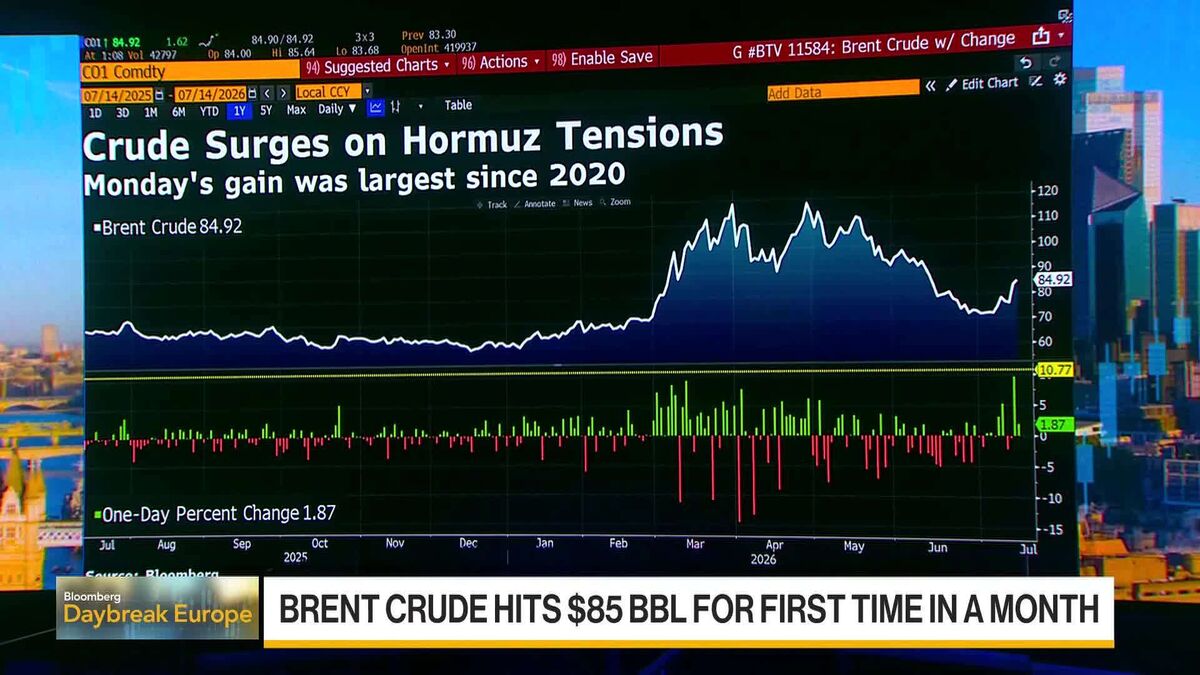
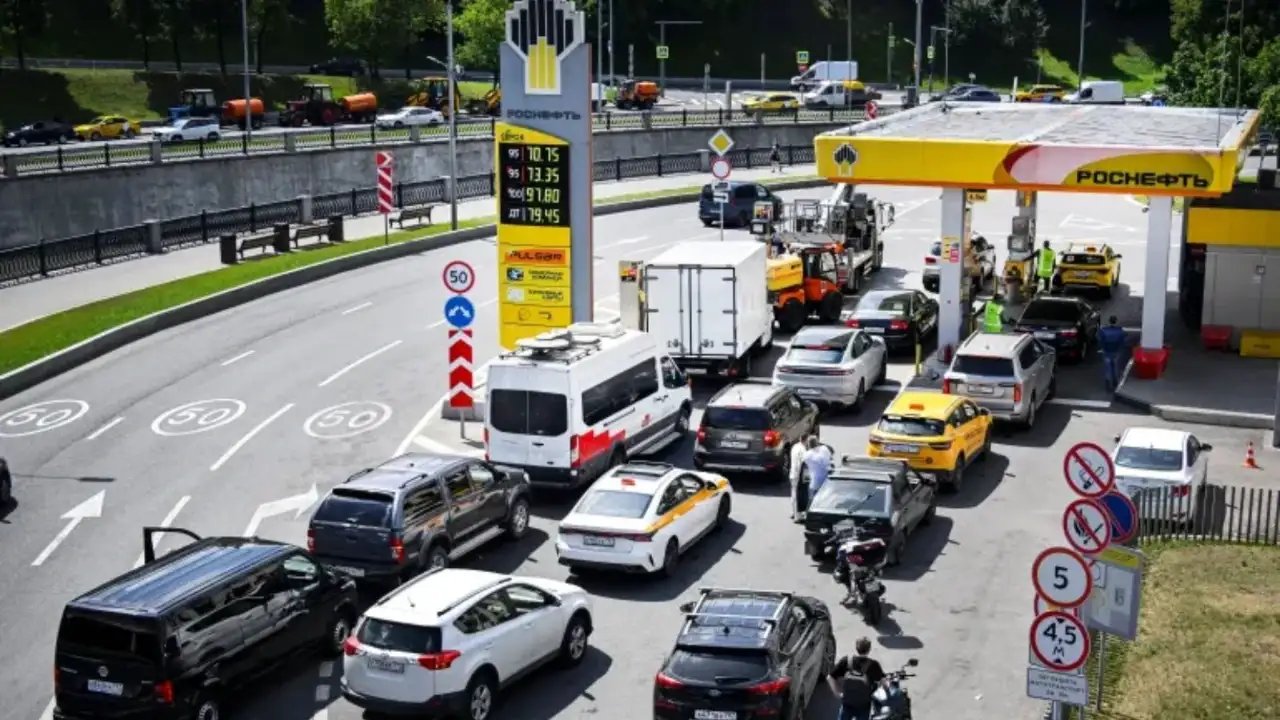
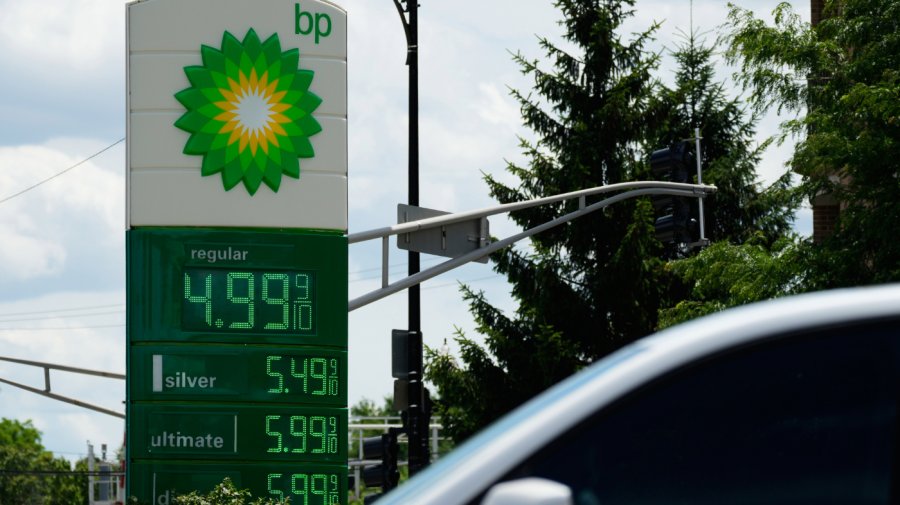
The energy index's decline was the primary contributor to the overall CPI drop, counteracting increases in other sectors, including food and housing. Gasoline prices fell by 9.7% from May to June, while fuel oil, which encompasses diesel and kerosene, dropped by 9.2%. However, the situation is shifting again, as recent strikes have pushed oil prices higher, with Brent crude reaching $80 after hitting a low of $67 earlier in July. The national average price for a gallon of regular gas now stands at $3.87, reflecting a $0.70 increase compared to last year.
Consumer Sentiment and Economic Outlook
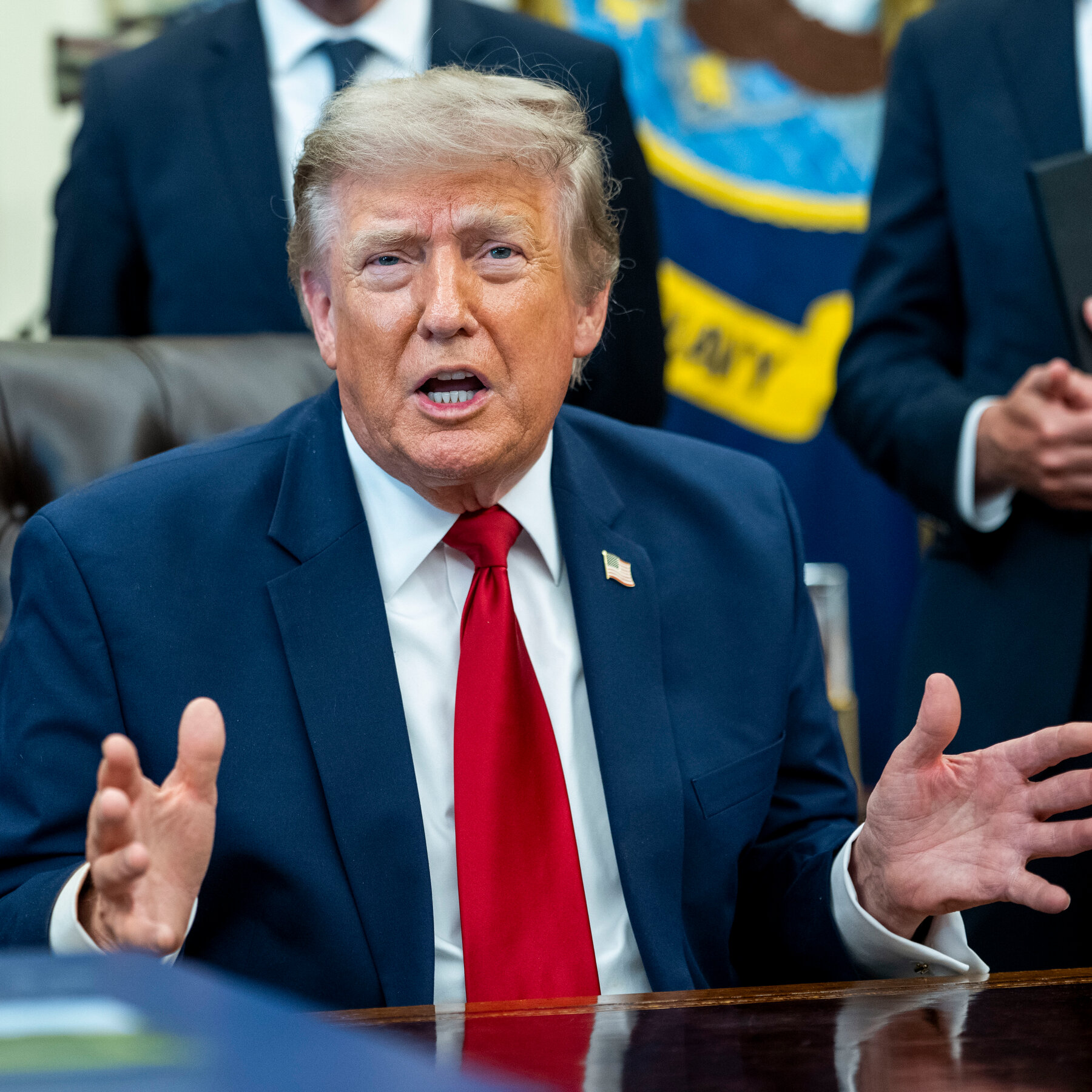
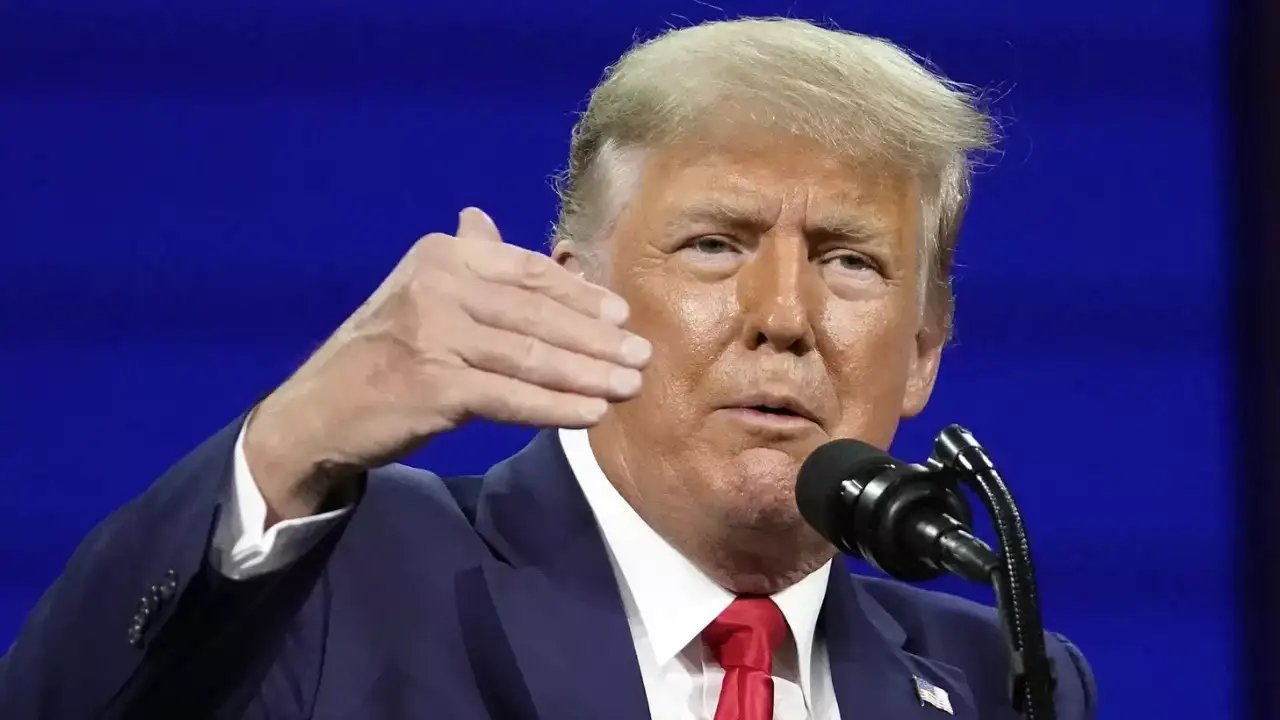
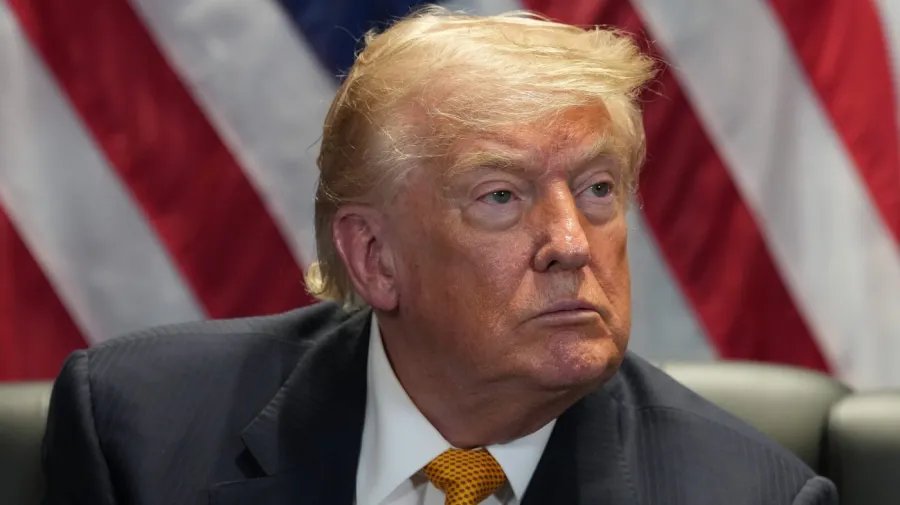
Despite the recent inflation relief, many Americans continue to feel the financial strain from high prices. A Harris-Guardian poll indicates that 95% of respondents believe the country faces an affordability crisis, and a majority feel the economy has worsened since February. President Trump faces mounting pressure regarding the economy, as public disapproval of his handling of inflation remains high.
Job Market Stability Amid Inflation
While inflation has surged, the job market has shown resilience. An average of 111,000 jobs were added from April through June, suggesting a relatively strong labor market. This stability may influence the upcoming decisions of the U.S. Federal Reserve, which plans to meet on July 28 and 29 to discuss monetary policy. The Federal Reserve's recent commitment to maintaining interest rates underscores its focus on achieving price stability, although inflation remains above its 2% target.
Federal Reserve's Future Plans
Kevin Warsh, the new chair of the Federal Reserve, addressed Congress, asserting the need to eradicate the inflation surge experienced over the past five years. He emphasized the importance of reassessing current practices to ensure that the Fed meets its objectives of price stability. Warsh acknowledged the transformative potential of artificial intelligence in the economy, suggesting it could lead to improved productivity and wages in the long term.
Conclusion: Navigating Economic Challenges
As inflation pressures persist and energy prices fluctuate, consumers are left grappling with the implications for their wallets. The recent decline in inflation offers a glimmer of hope, but the ongoing geopolitical tensions and rising oil prices cast uncertainty on future economic conditions. Individuals and families should remain vigilant as they navigate the complexities of the current economic landscape.