




Restrictions on Gold Trade
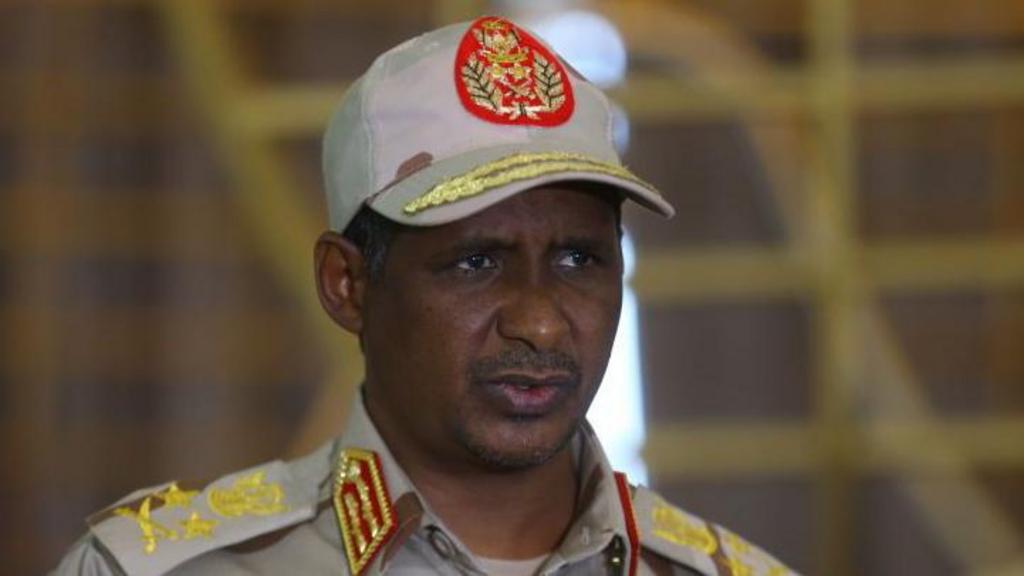
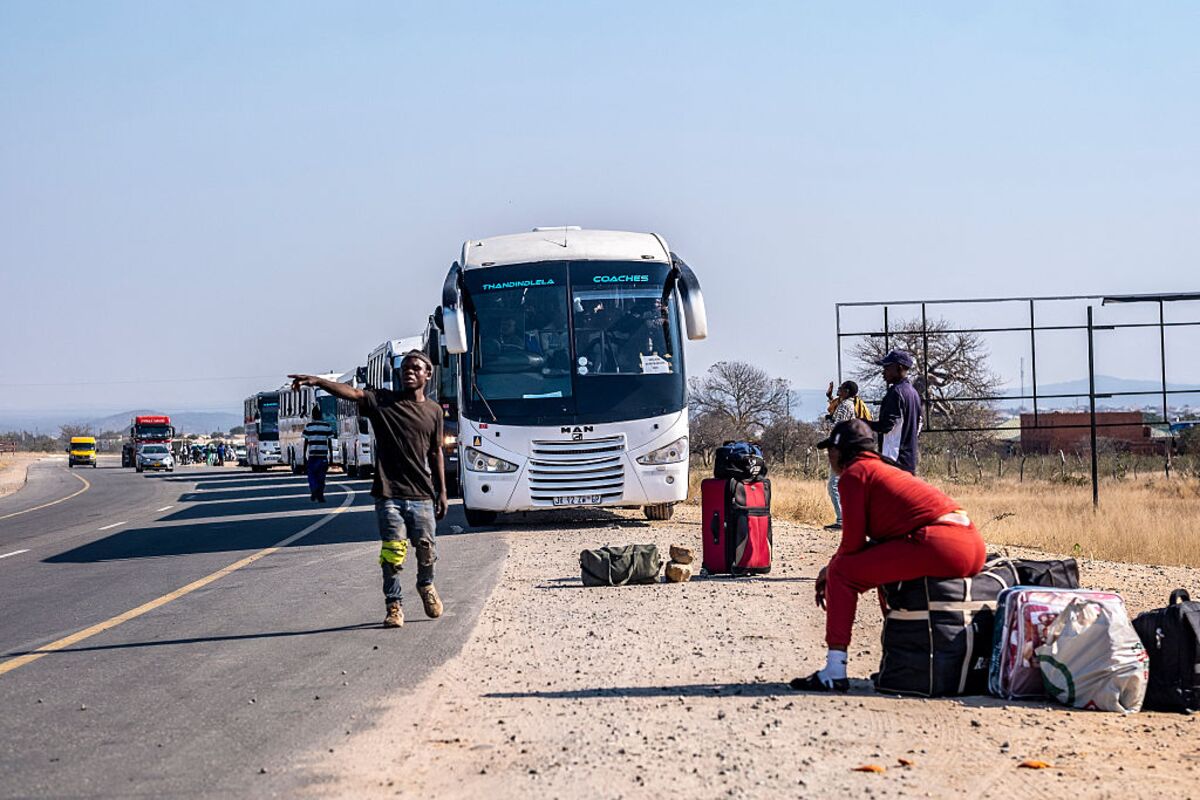
The European Union has enacted a ban on the purchase, import, and transfer of gold from Sudan, aiming to cut off a vital funding source for the ongoing civil war that erupted in April 2023. This conflict, primarily between the Sudanese Armed Forces (SAF) and the paramilitary Rapid Support Forces (RSF), has led to a catastrophic humanitarian crisis, displacing more than 14 million people. The EU's measures also include a prohibition on exports of mercury and cyanide to Sudan, which are commonly used in gold mining operations.
Economic Implications
Sudan ranks among Africa's largest gold producers, with rights groups estimating that over half, and potentially up to 70%, of the country’s gold is smuggled out annually. The RSF controls the majority of goldfields in Darfur and Kordofan, while the Sudanese army manages production in other regions. The EU's ban is part of a broader sanctions regime targeting individuals and entities implicated in perpetuating the conflict. The EU Council stated that these actions are intended to reduce financial resources available to those fueling the violence.
Humanitarian Crisis Deepens
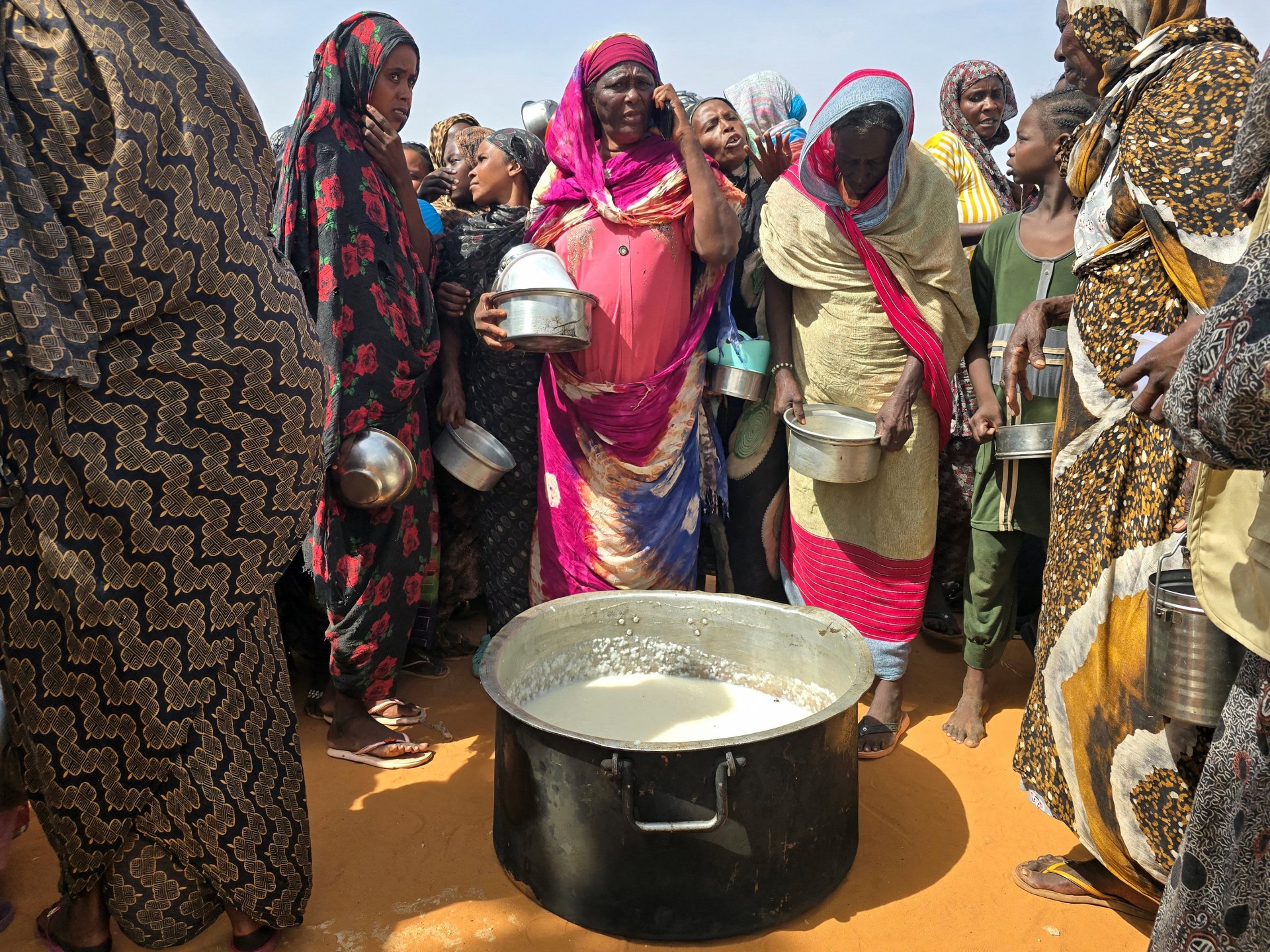
As the conflict continues, Sudan faces one of the world's most severe humanitarian crises, with the World Food Programme (WFP) reporting that around five million people are experiencing emergency or catastrophic hunger levels. Carl Skau, the WFP’s acting executive director, emphasized the gravity of the situation, noting that over 100,000 individuals are in famine-like conditions classified as IPC 5, the highest level of food insecurity. The ongoing violence has hindered aid delivery, exacerbating the already dire circumstances for millions.
Rising Costs and Aid Challenges
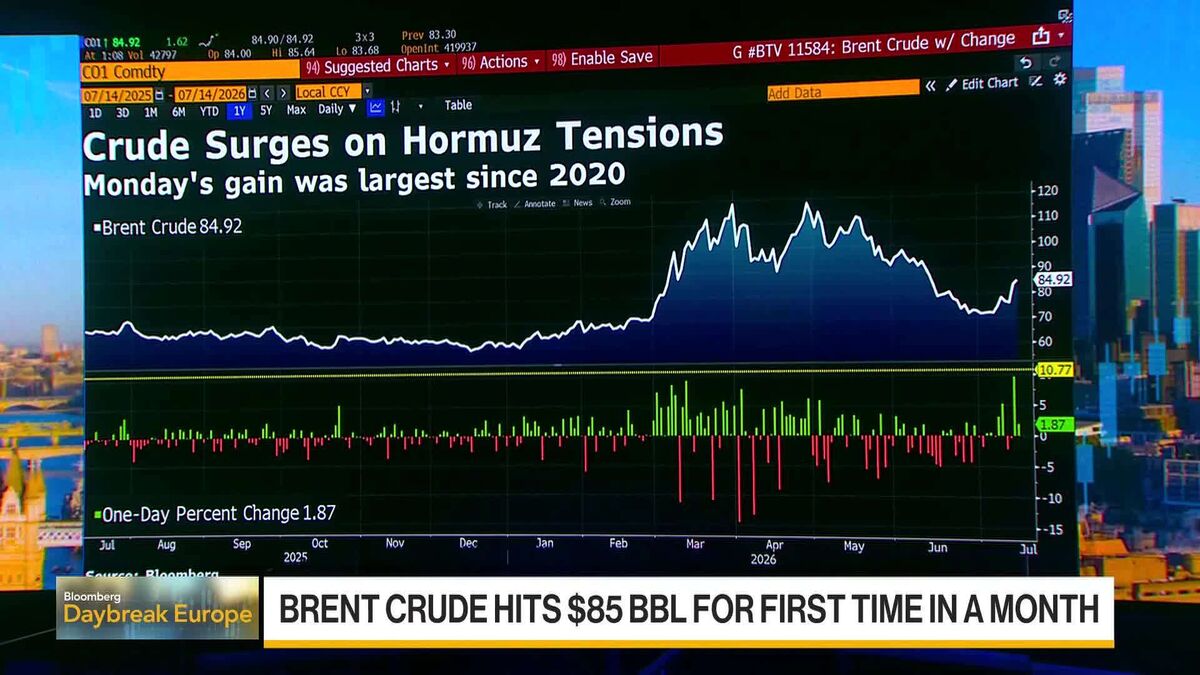
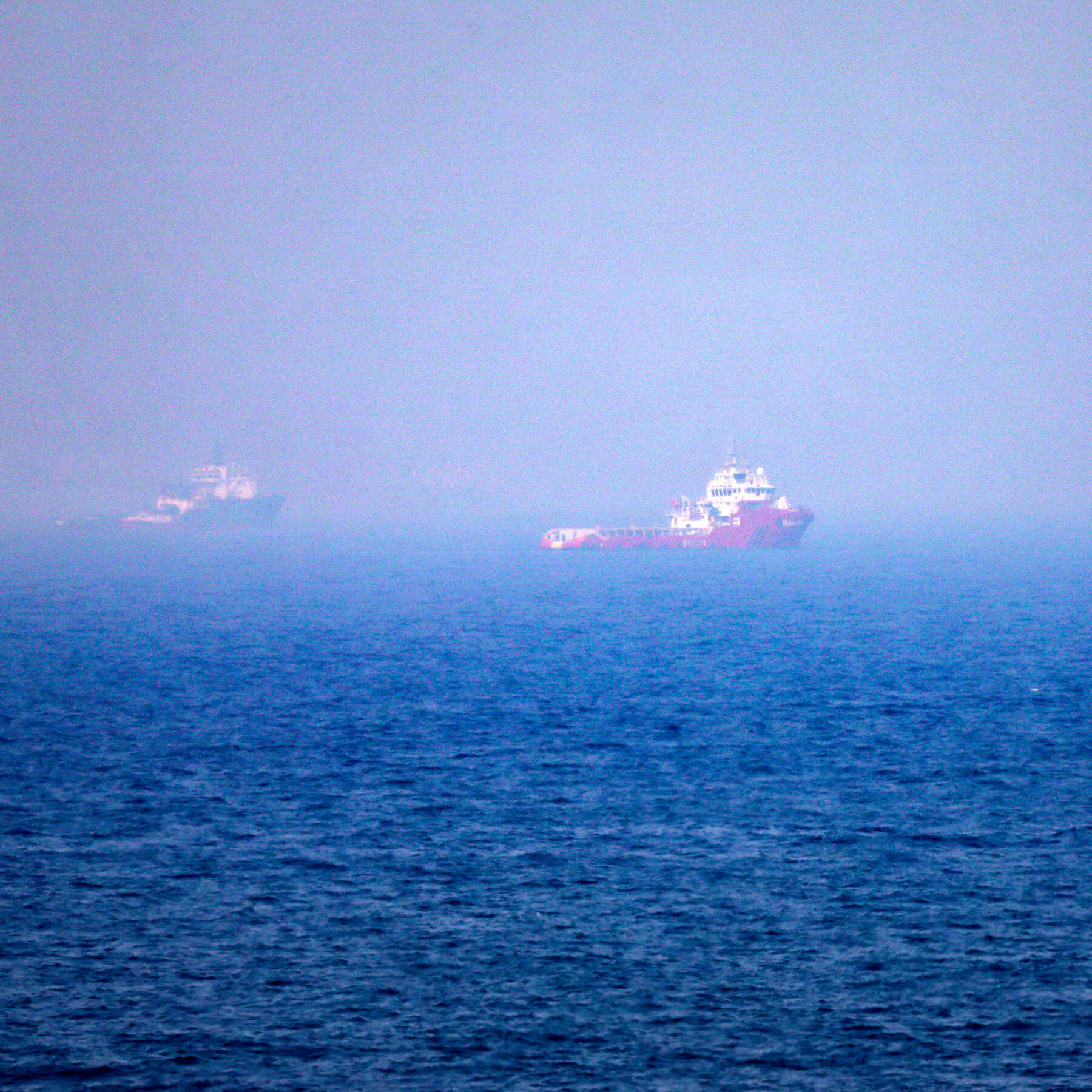
The humanitarian situation is worsened by rising agricultural costs, driven by global disruptions, including the conflict in the Gulf region. Sudan heavily depends on fertilizer imports, and recent issues in the Strait of Hormuz have slowed shipments, further threatening food security during the critical planting season. Skau indicated that the WFP has reduced the number of people it assists from five million to about 3.5 million due to a $646 million funding gap resulting from cuts by major donors, including the United States and European nations.
Future Outlook
Despite some easing of violence around el-Obeid in North Kordofan, concerns remain high regarding ongoing clashes in Darfur, which have led to the closure of the Tine border crossing, a crucial route for aid from Chad. The WFP aims to increase aid deliveries to 250,000 people in the area, but the overall trajectory for Sudan's humanitarian situation appears bleak. The combination of conflict, economic challenges, and funding shortfalls continues to threaten the lives of millions in Sudan, urging international attention and action.